


Conceptual Art

Conceptual Art made a single, radical claim: that the idea is the work. Not the object, not the surface, not the craft — the proposition itself. When Sol LeWitt wrote in 1967 that "the idea becomes a machine that makes the art," he articulated a shift that permanently changed what contemporary art could be. Language, instruction, system, and documentation became primary mediums — and editions became the natural format for work conceived to exist across multiple realizations.

Browse signed conceptual art prints and editions now.

Filters

Sort by:

113 products

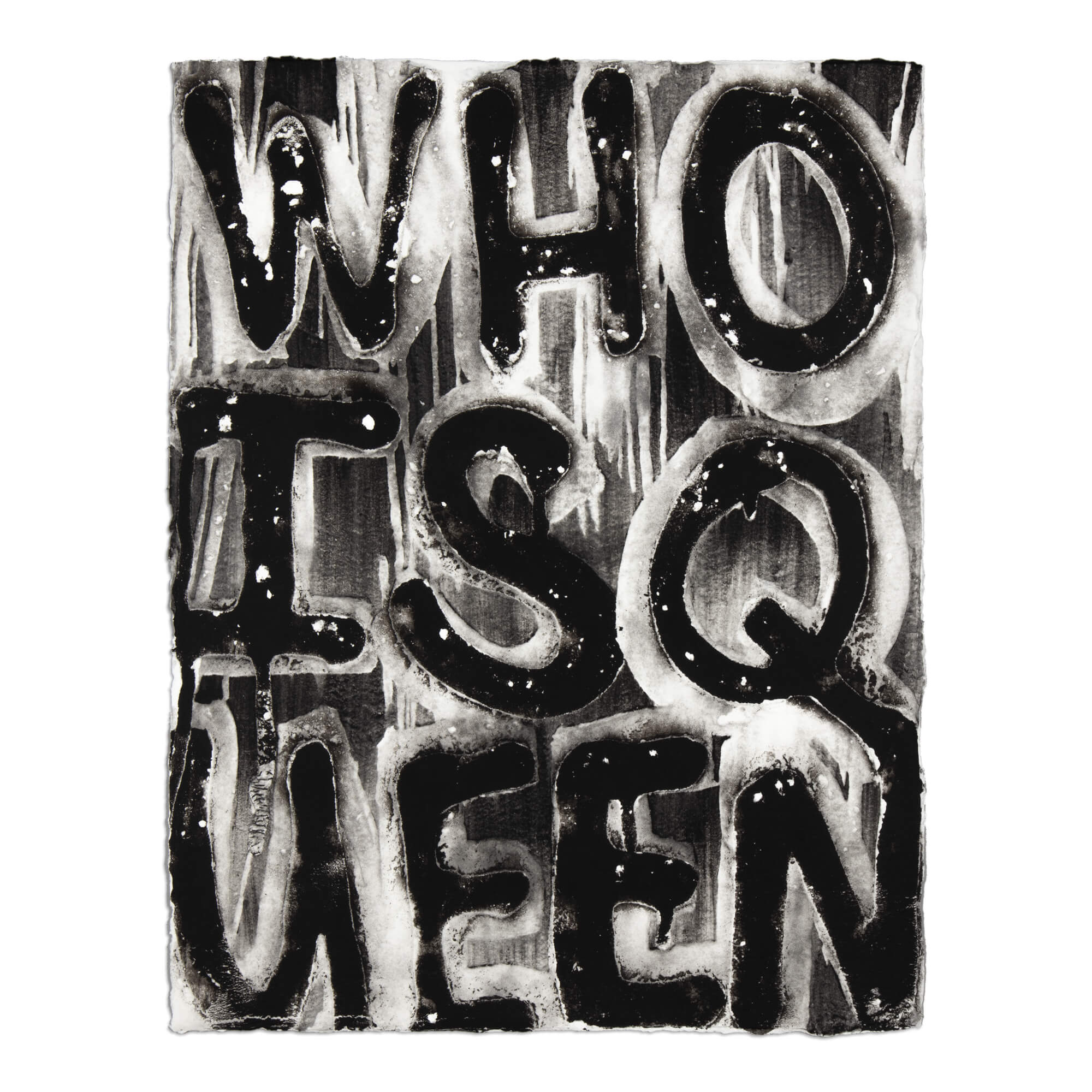
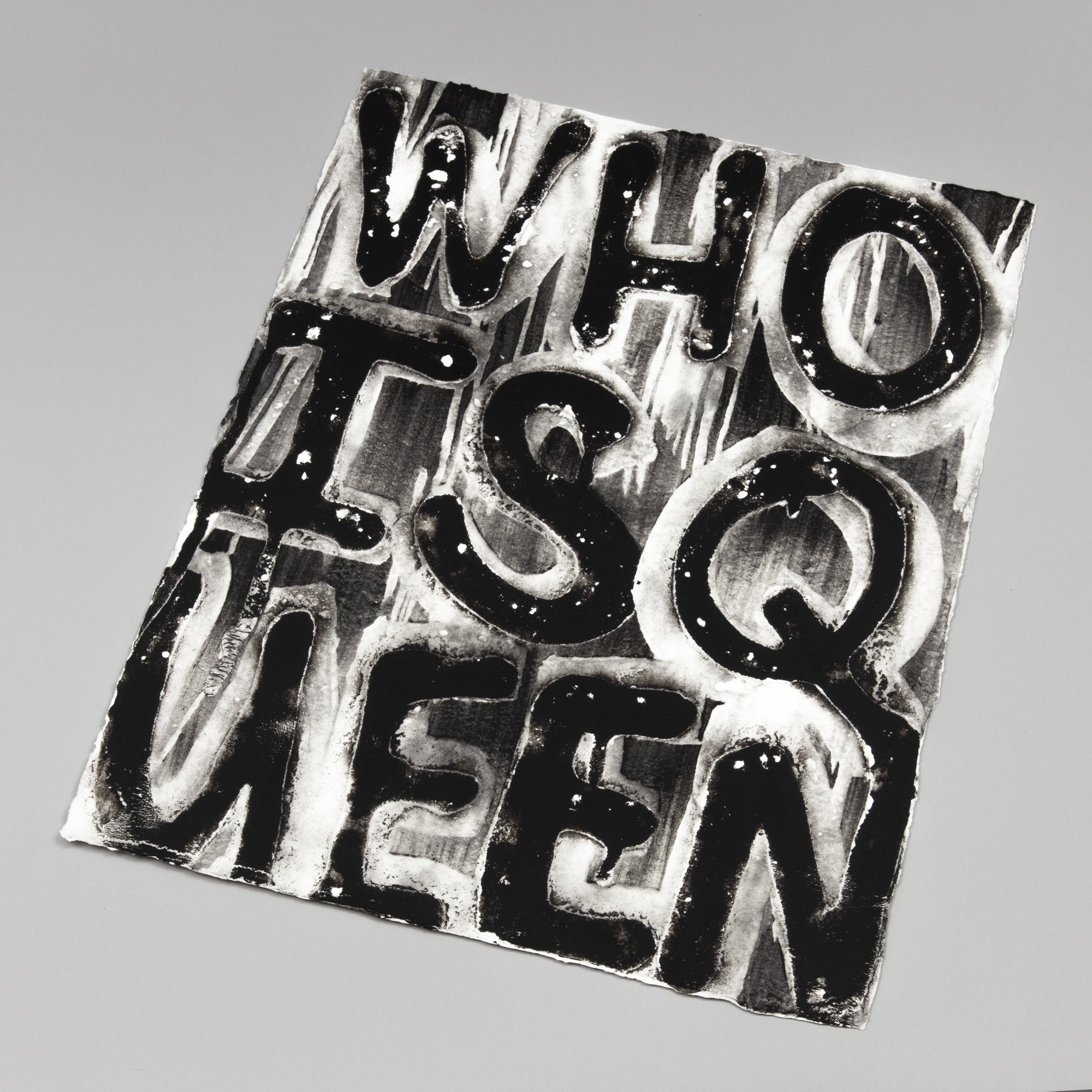
Adam Pendleton - Who Is Queen?Adam Pendleton - Who Is Queen?
Peter Halley – Organizational ChartsPeter Halley - Organizational Charts
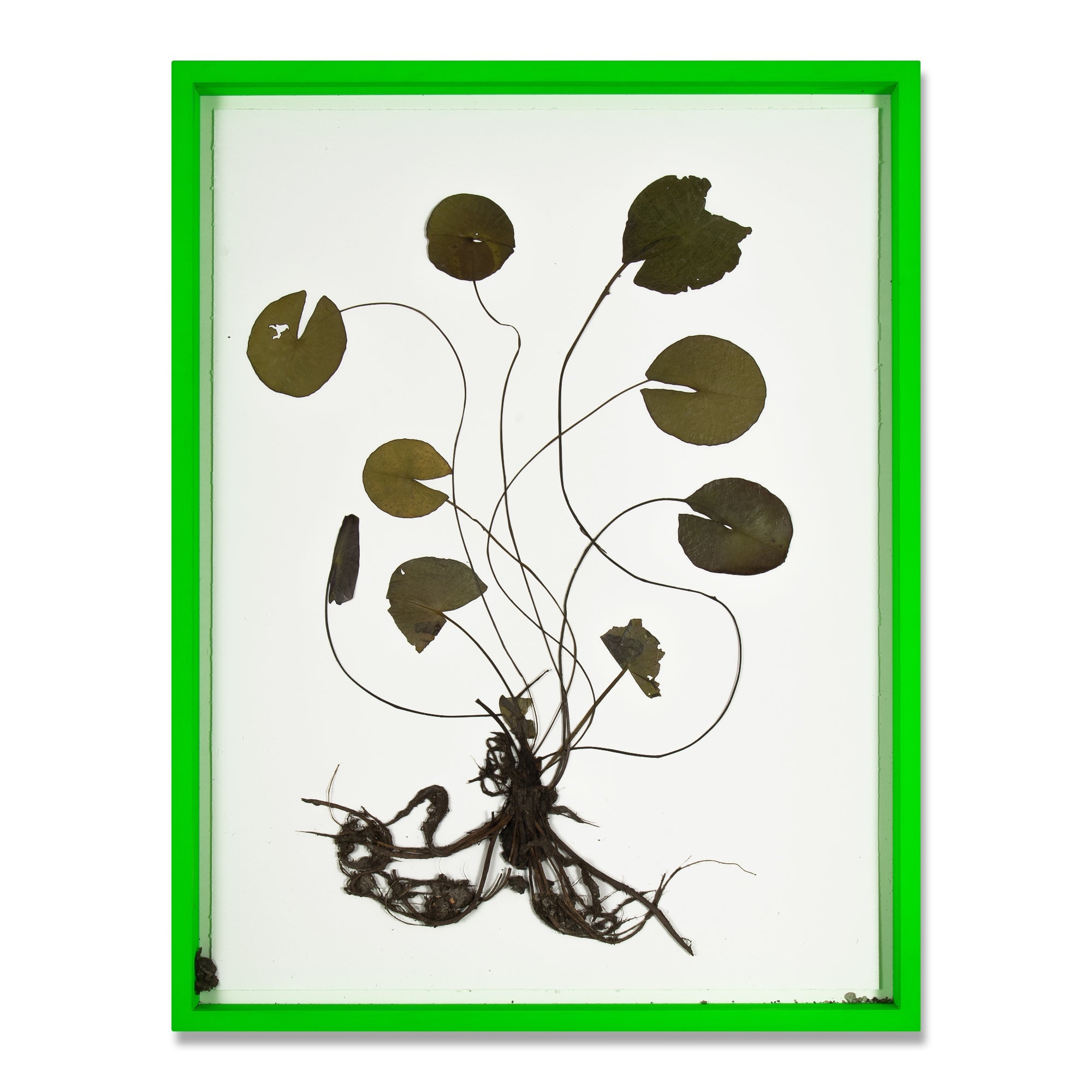
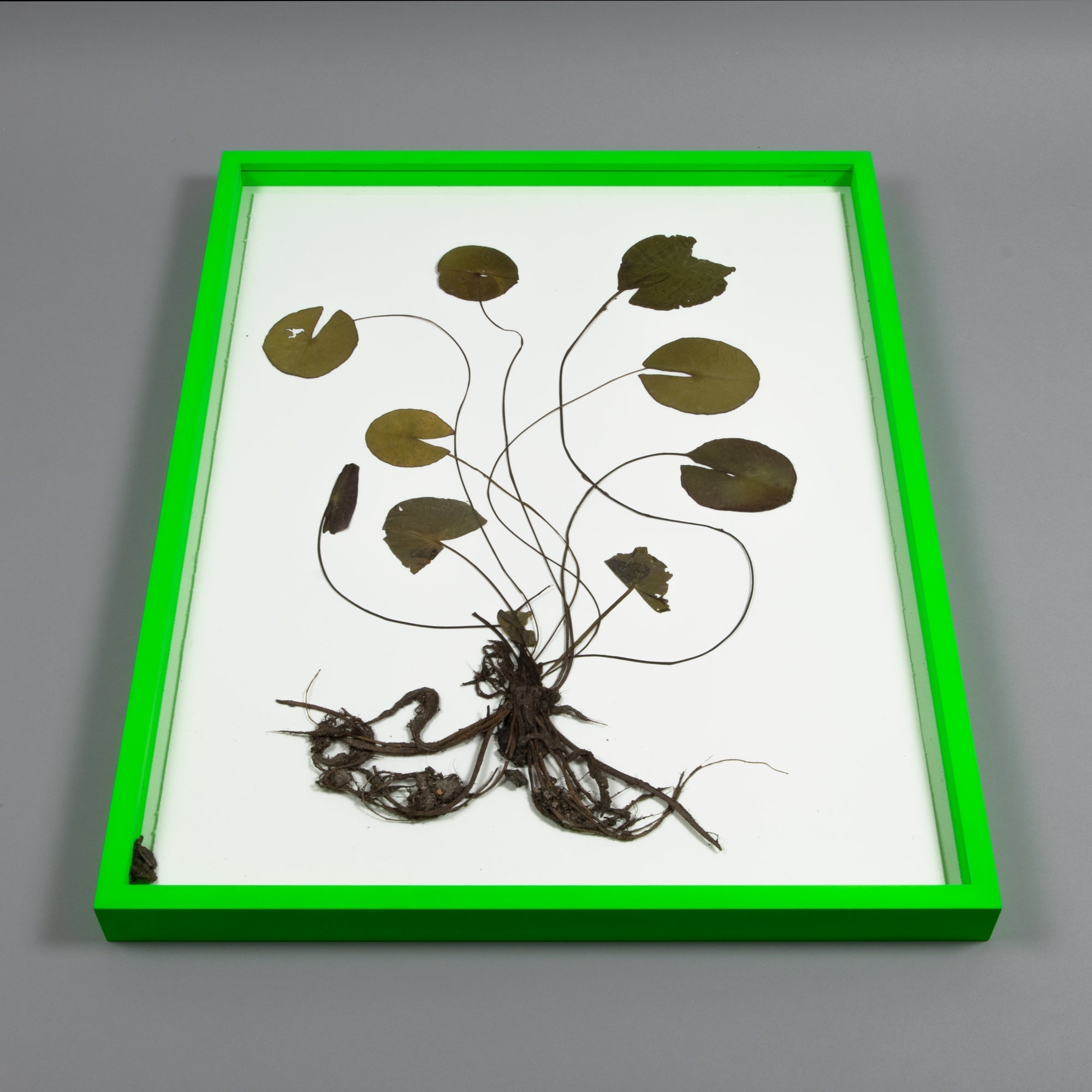
Olafur Eliasson – HerbariumOlafur Eliasson - Herbarium
Olafur Eliasson – Herbarium Sale price€5.400,00
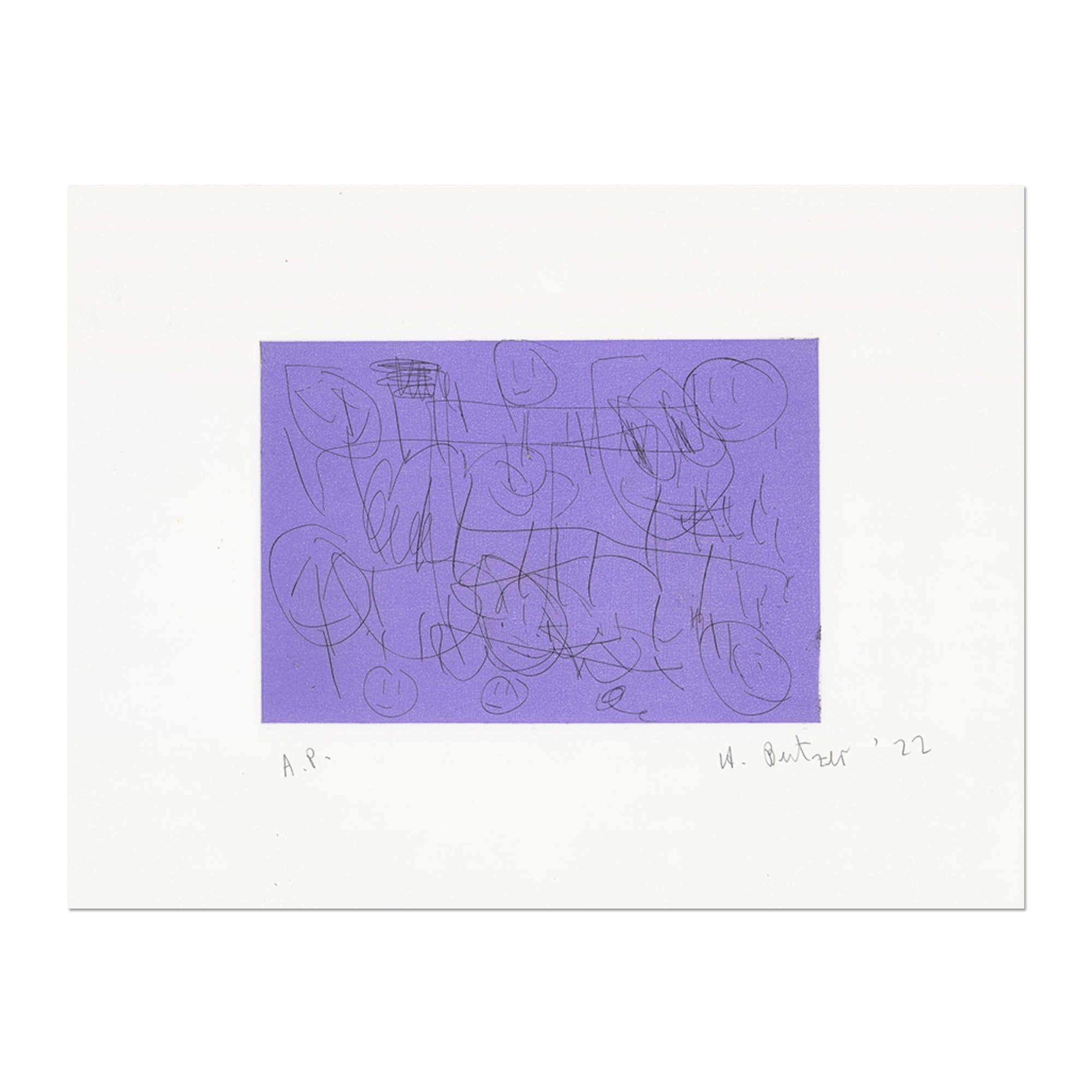
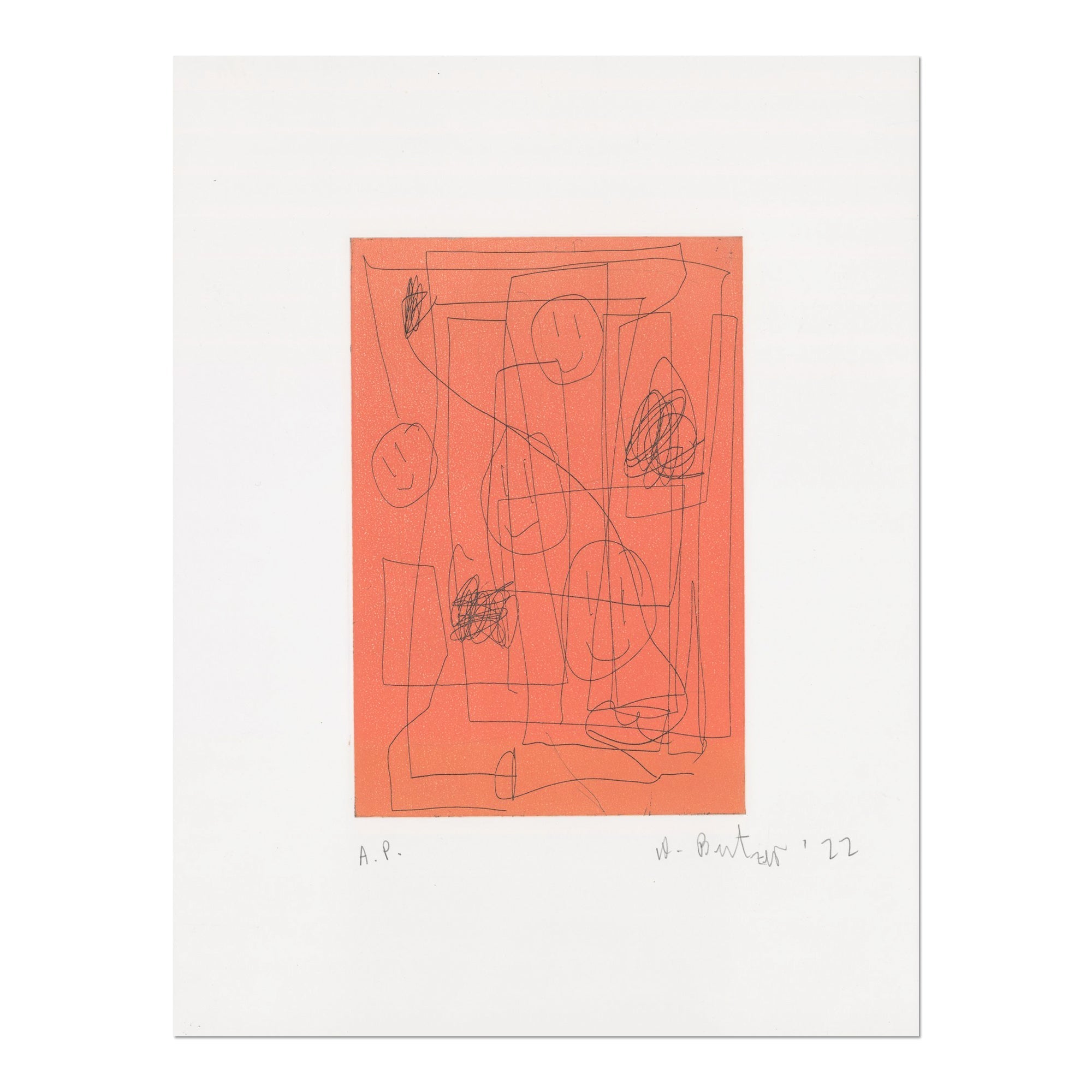
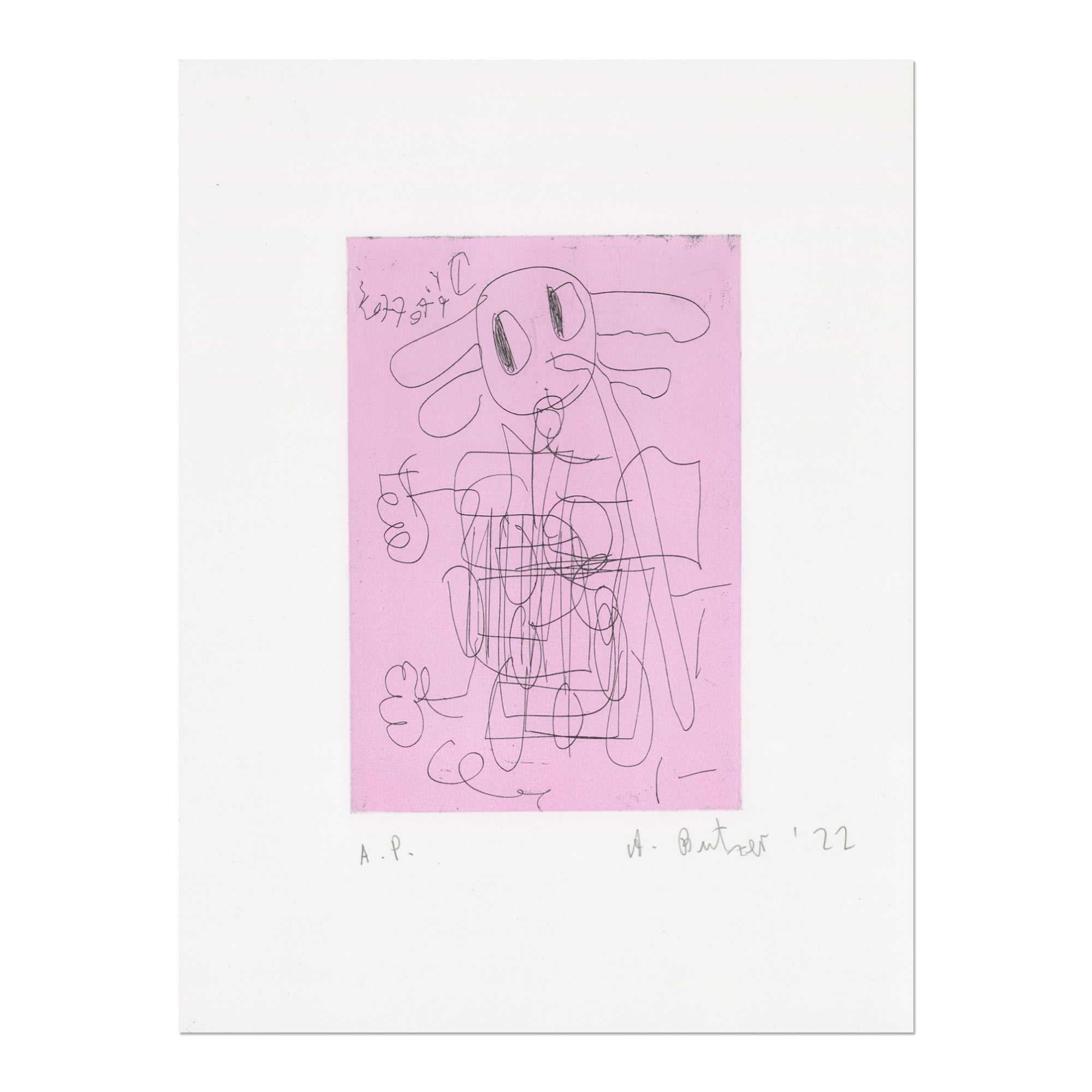
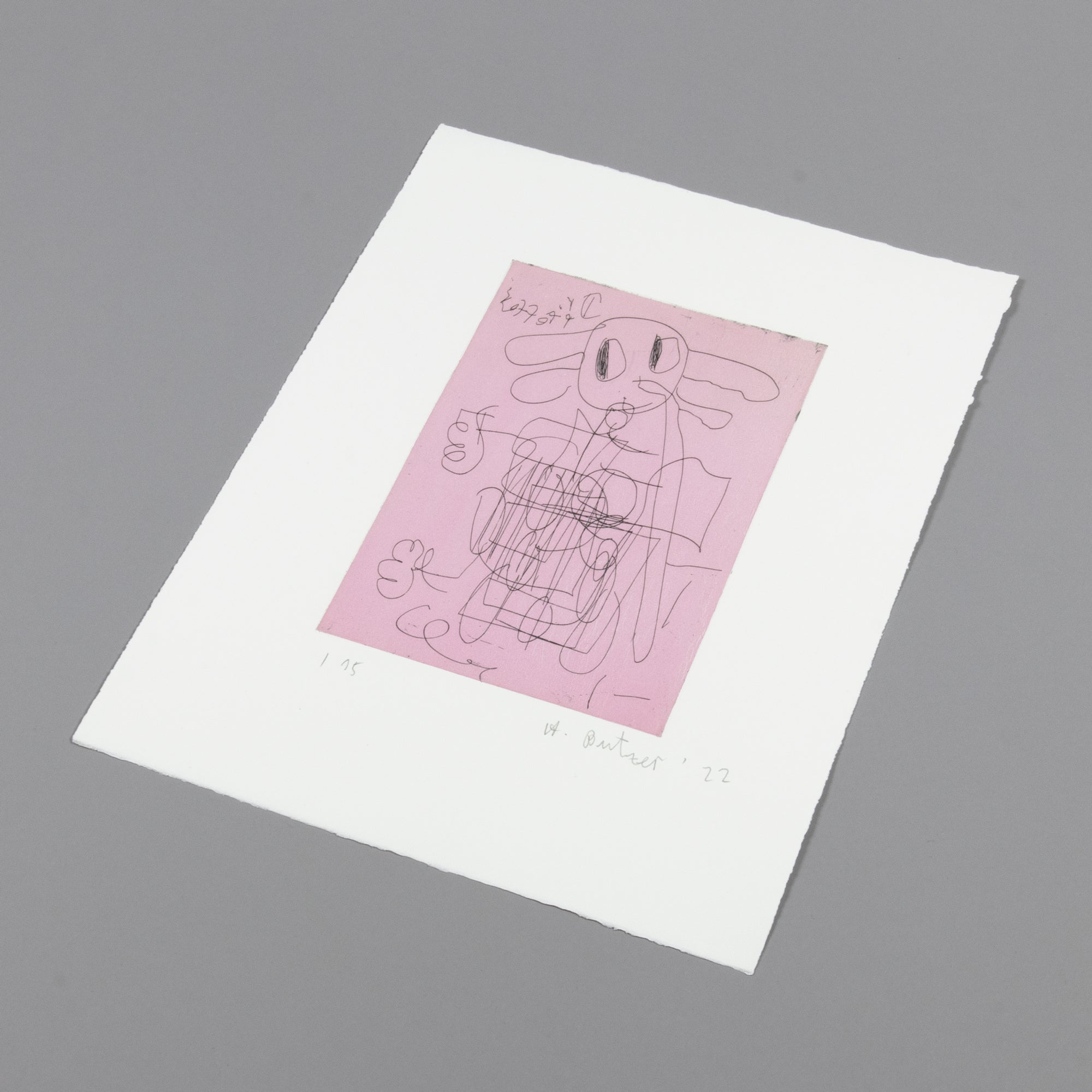
André Butzer - Untitled (Purple)
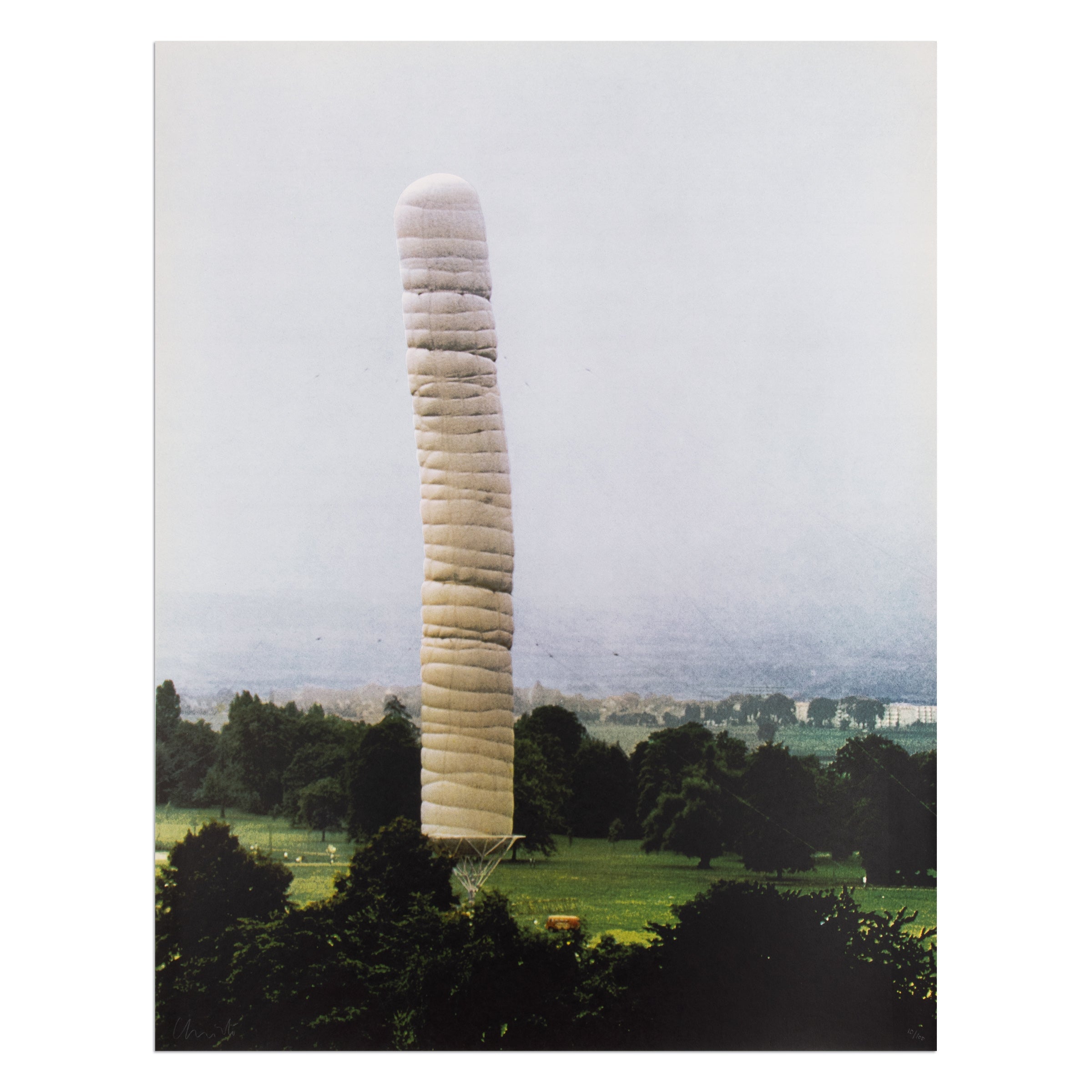
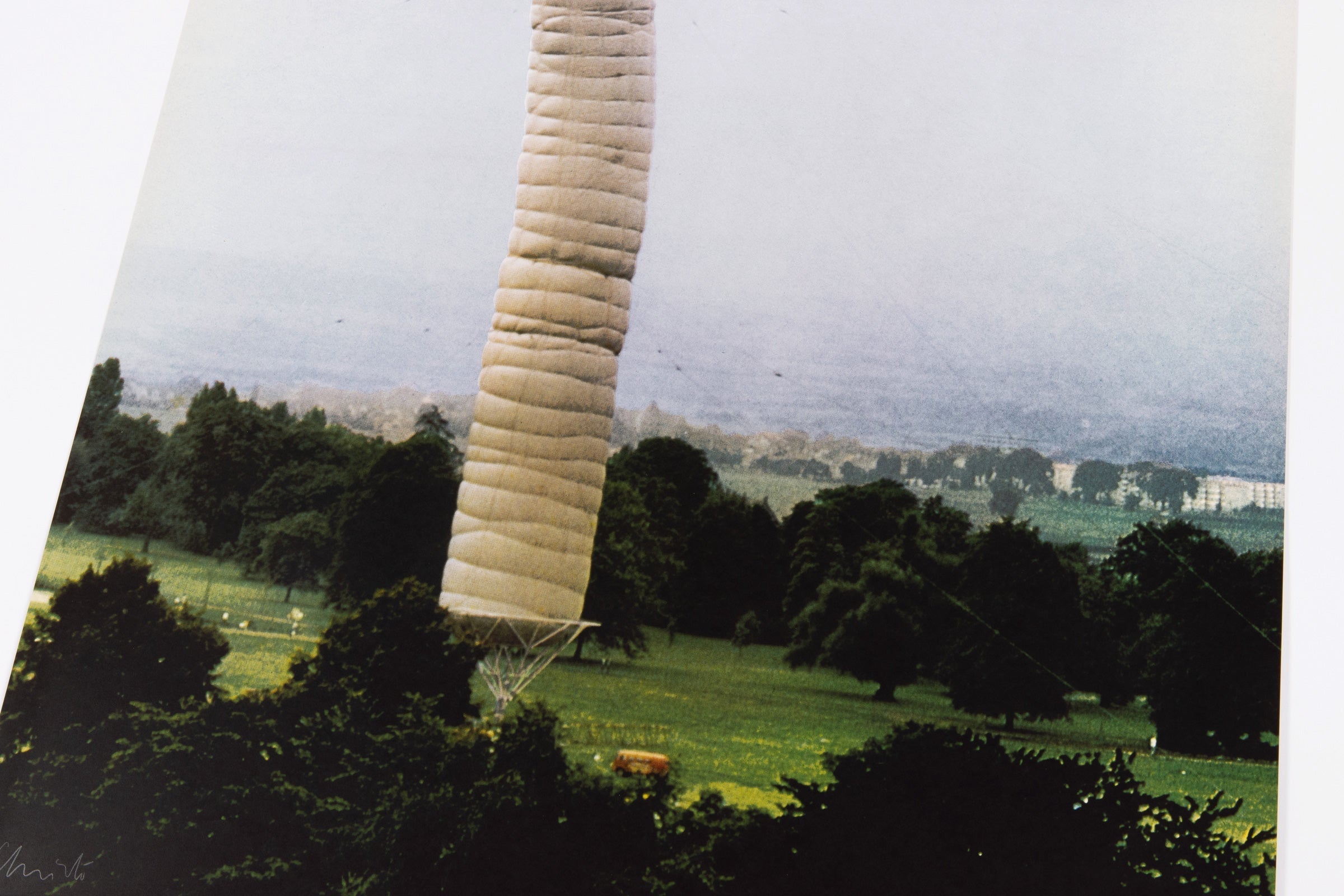
Christo - 5600 Cubicmeter Package (Monuments)Christo - 5600 Cubicmeter Package (Monuments)
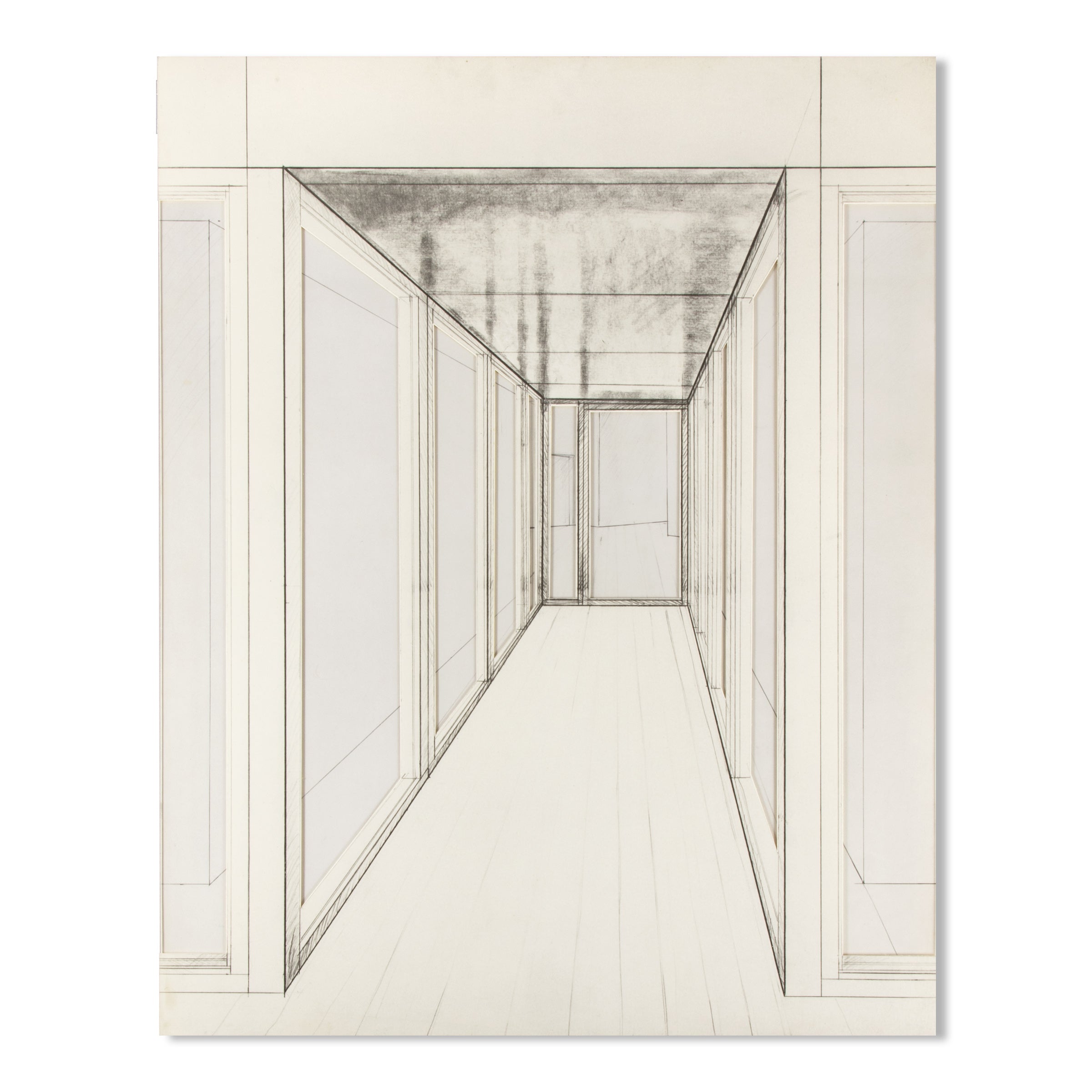
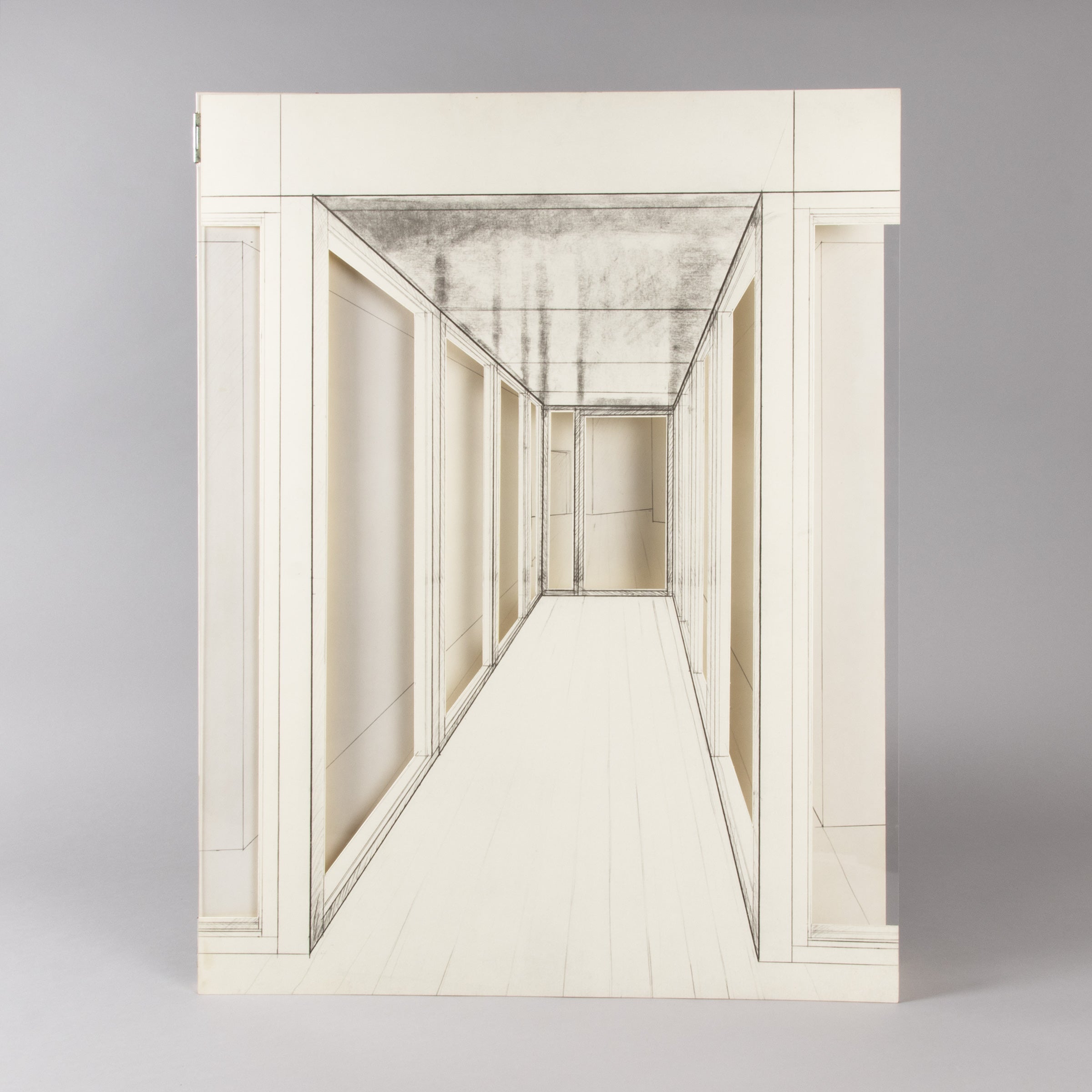
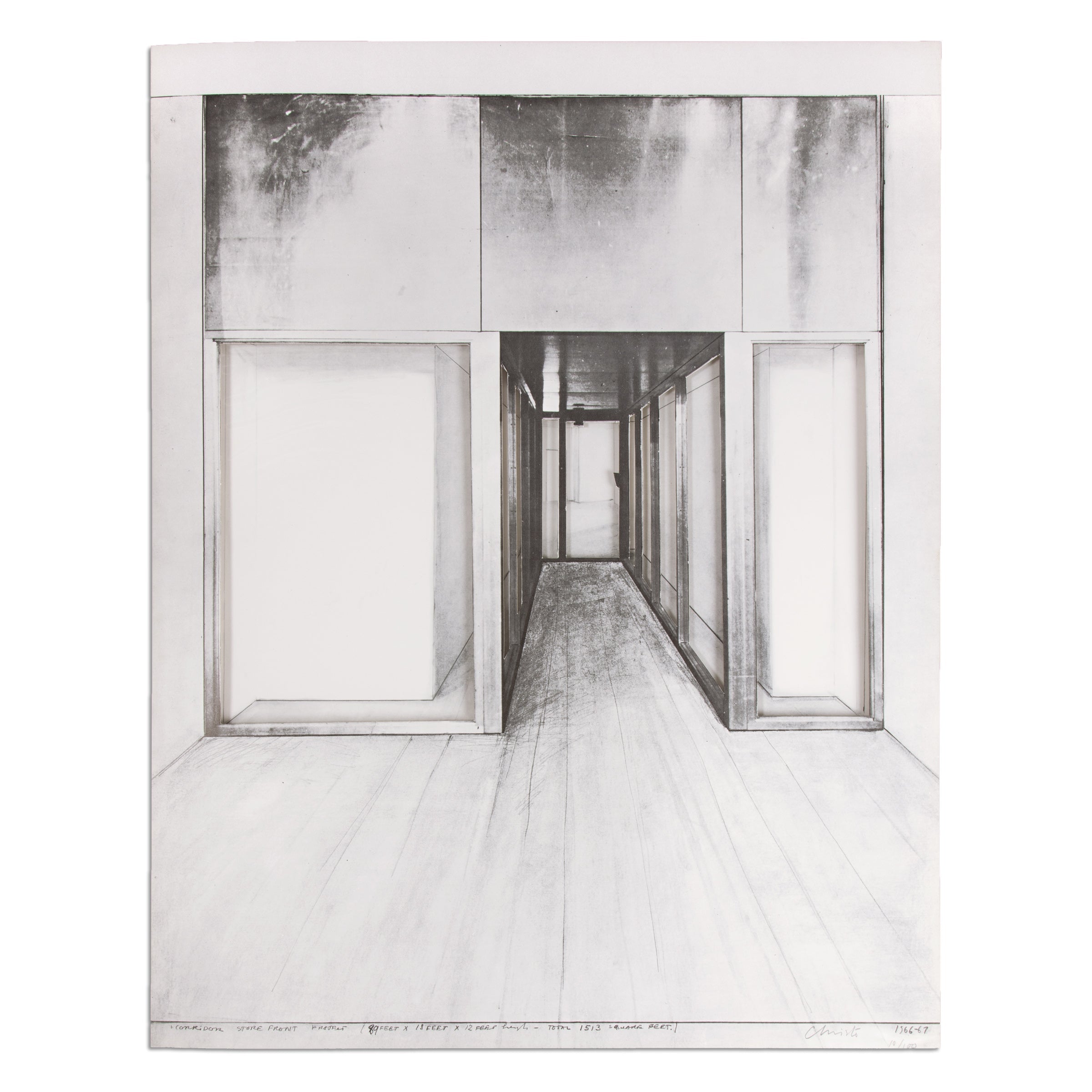
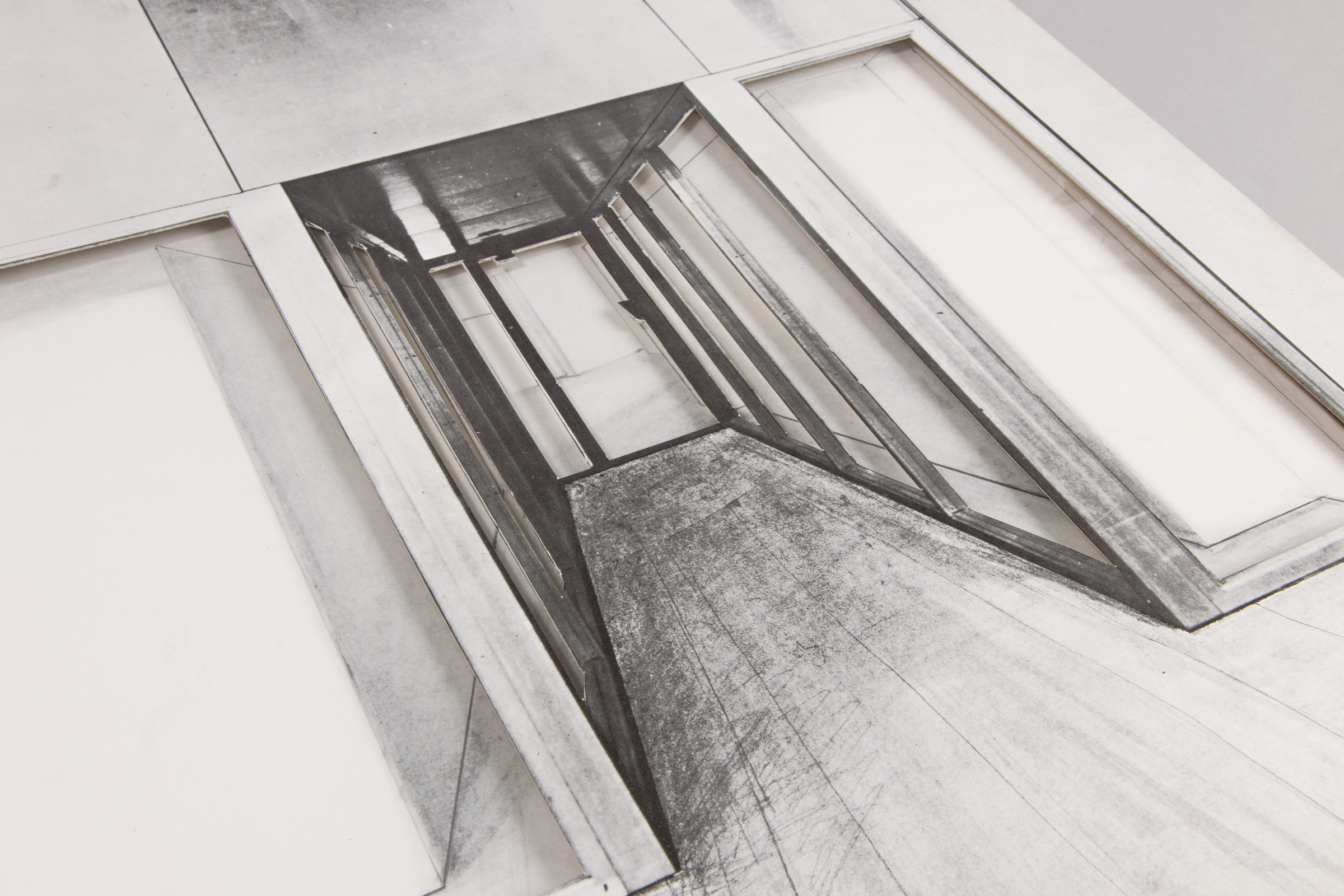
Christo - Corridor Store Front (documenta Foundation)Christo - Corridor Store Front (documenta Foundation)
Barbara Kruger - Culture Nature VaseBarbara Kruger - Culture Nature Vase
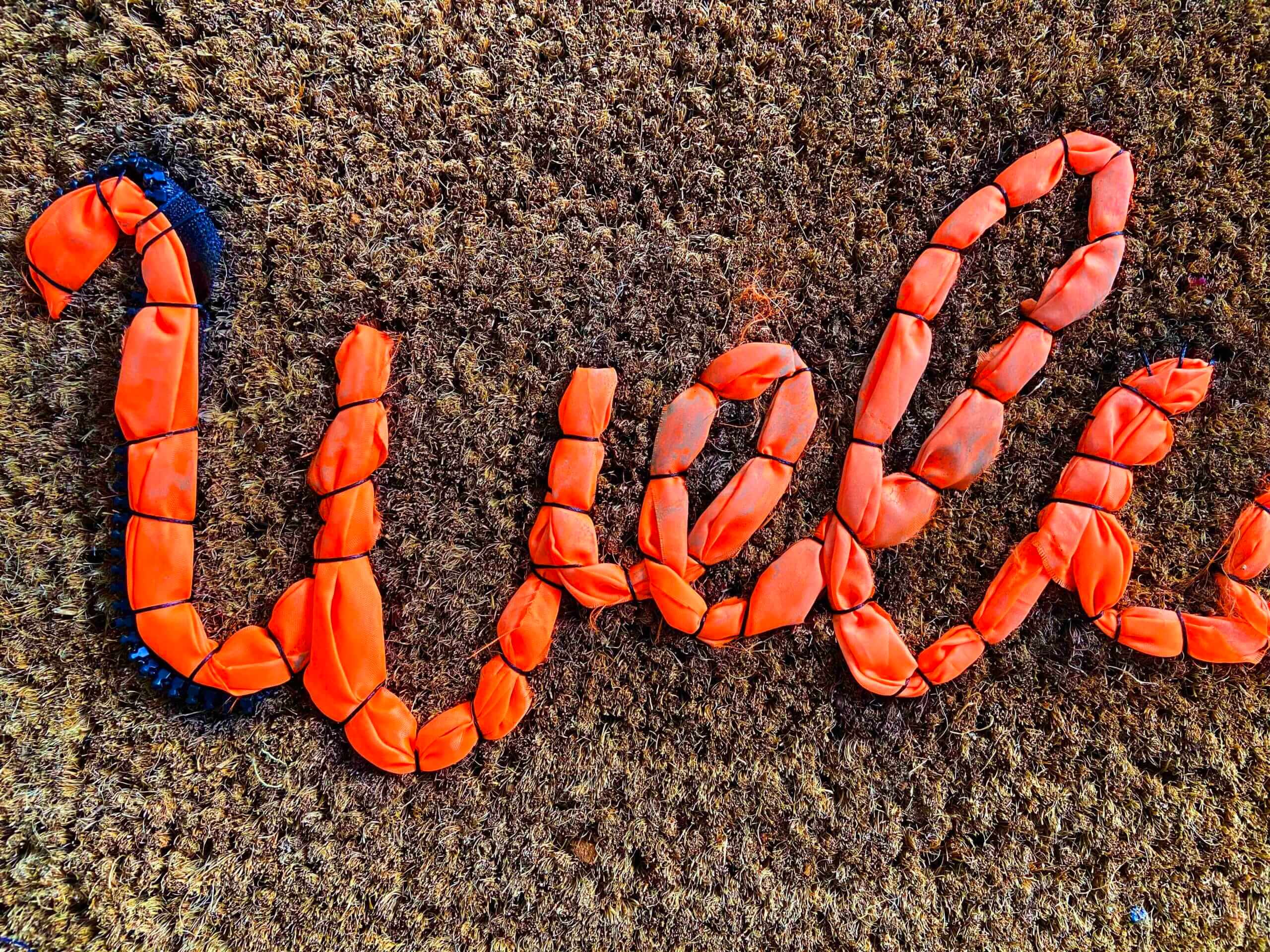
Banksy - Welcome MatBanksy - Welcome Mat
Banksy - Welcome Mat Sale price€3.400,00
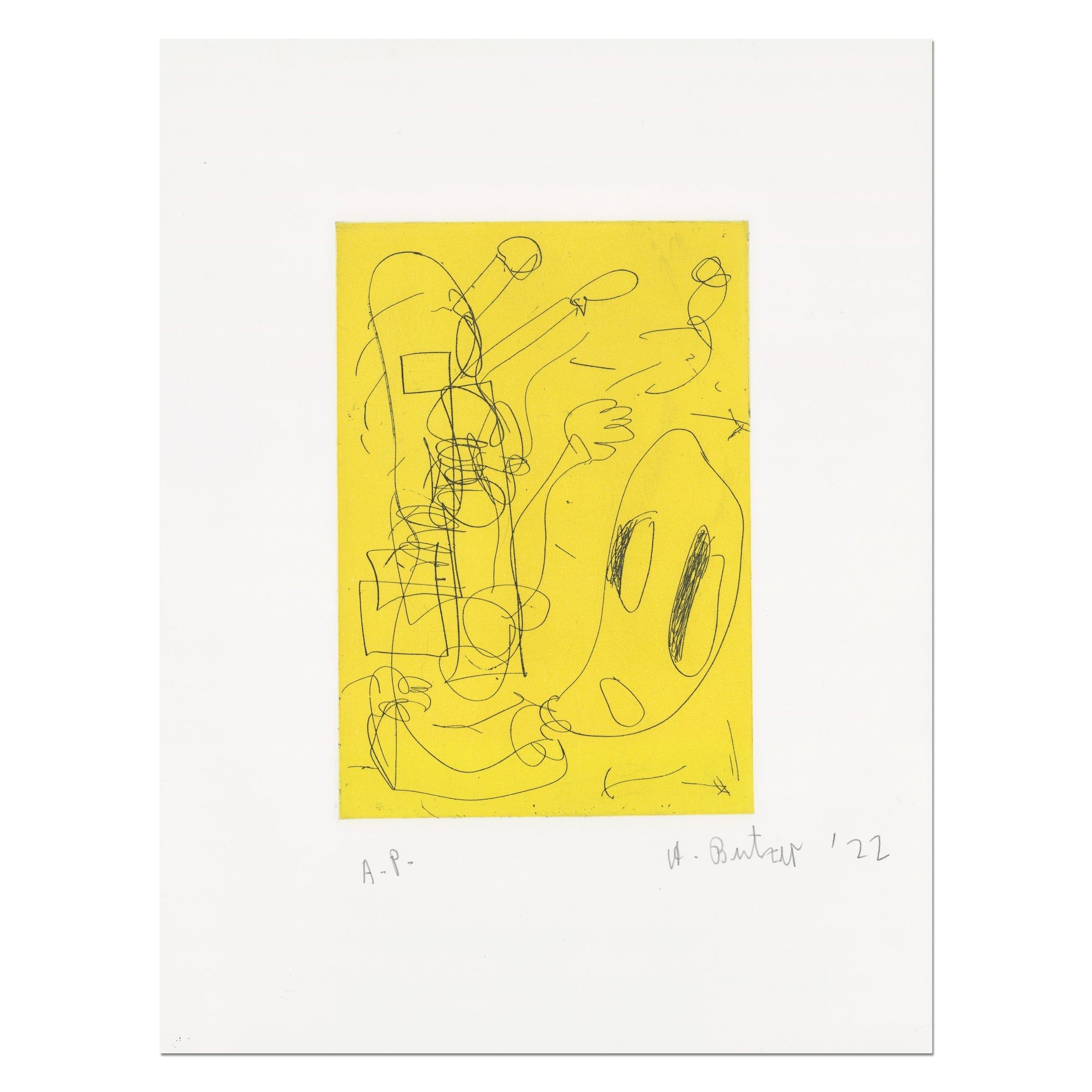
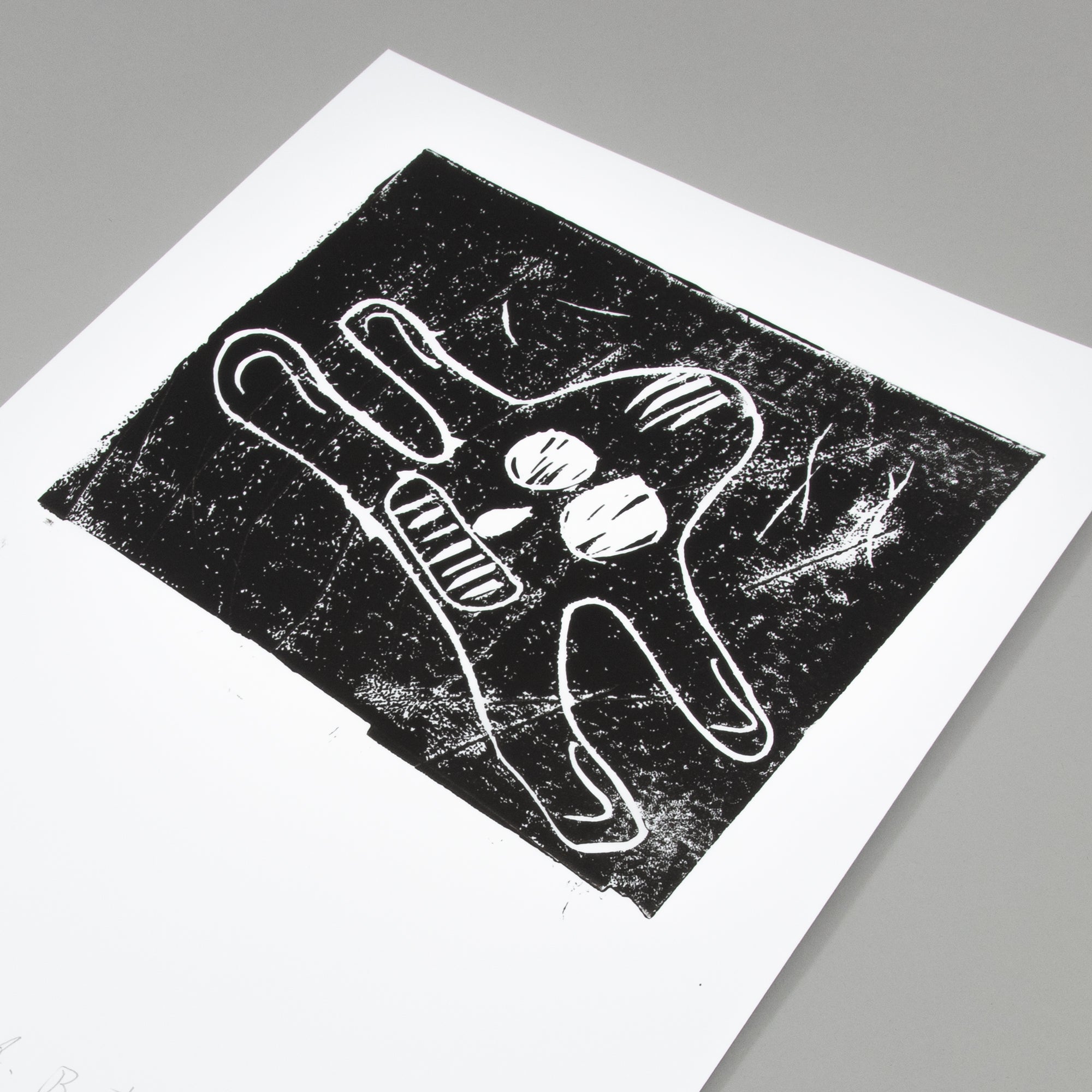
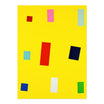
André Butzer - Untitled (Yellow)
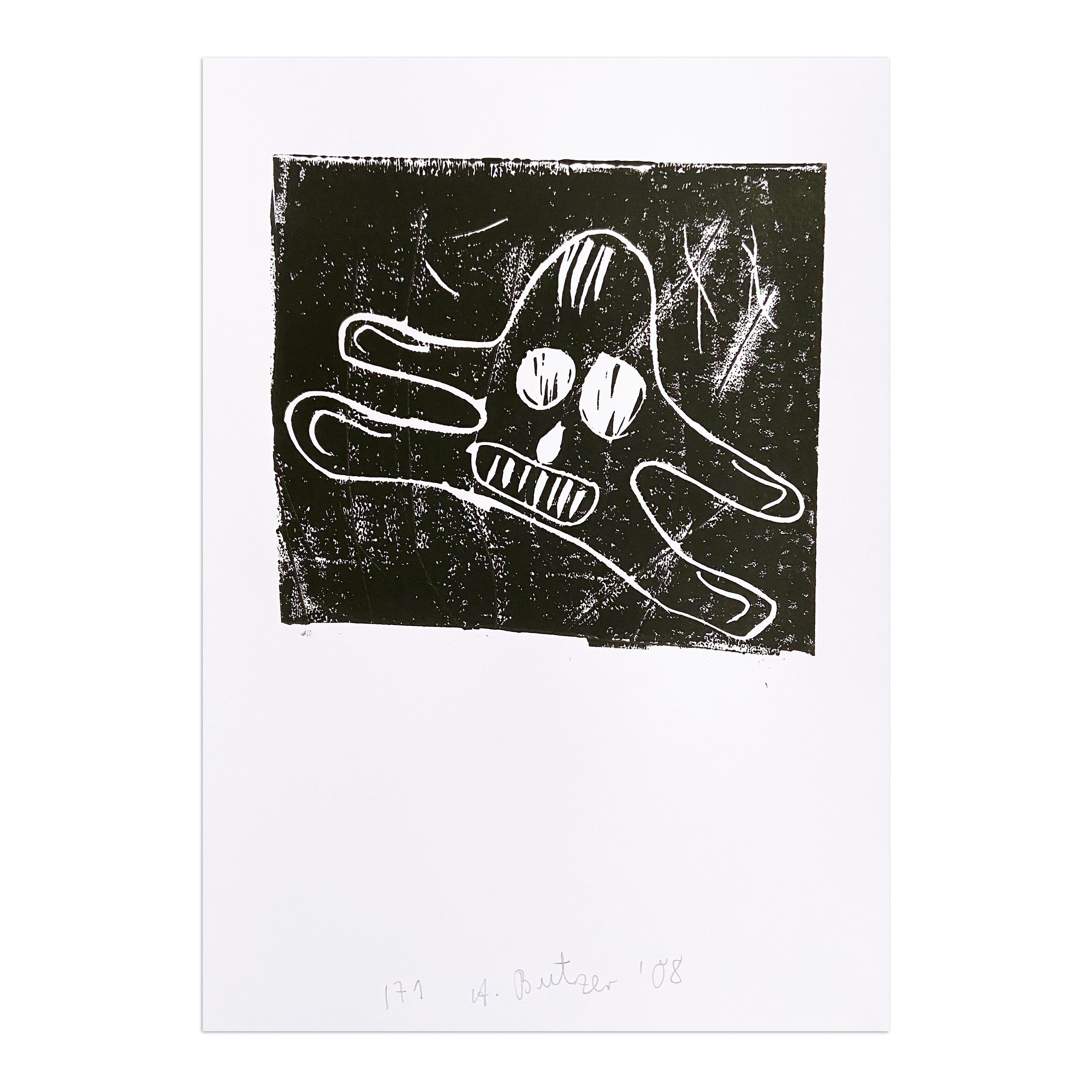
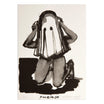
André Butzer - Untitled (Wanderer)André Butzer - Untitled (Wanderer)
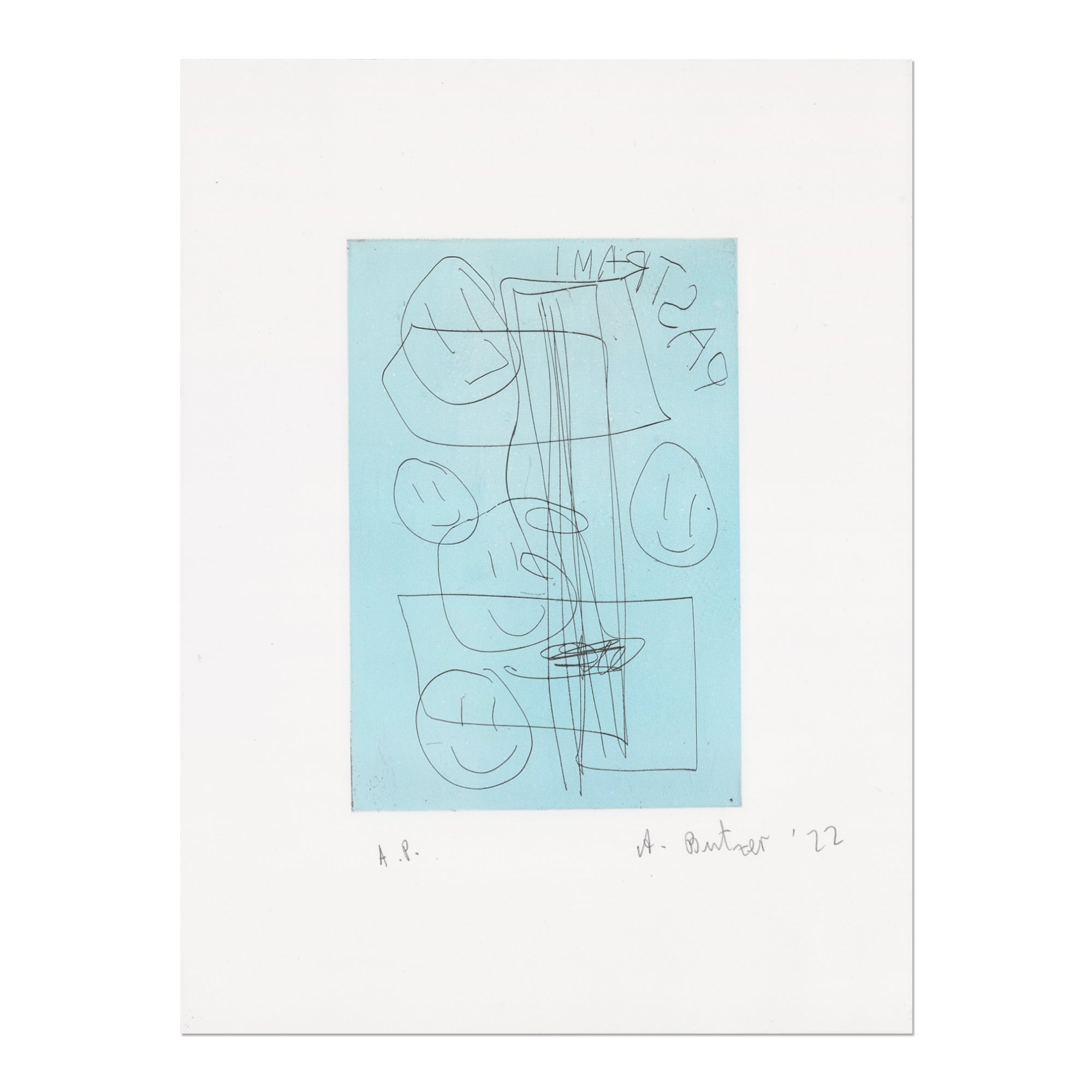
André Butzer - Untitled (Smileys)
Christo - Corridor Store Front (Monuments)Christo - Corridor Store Front (Monuments)
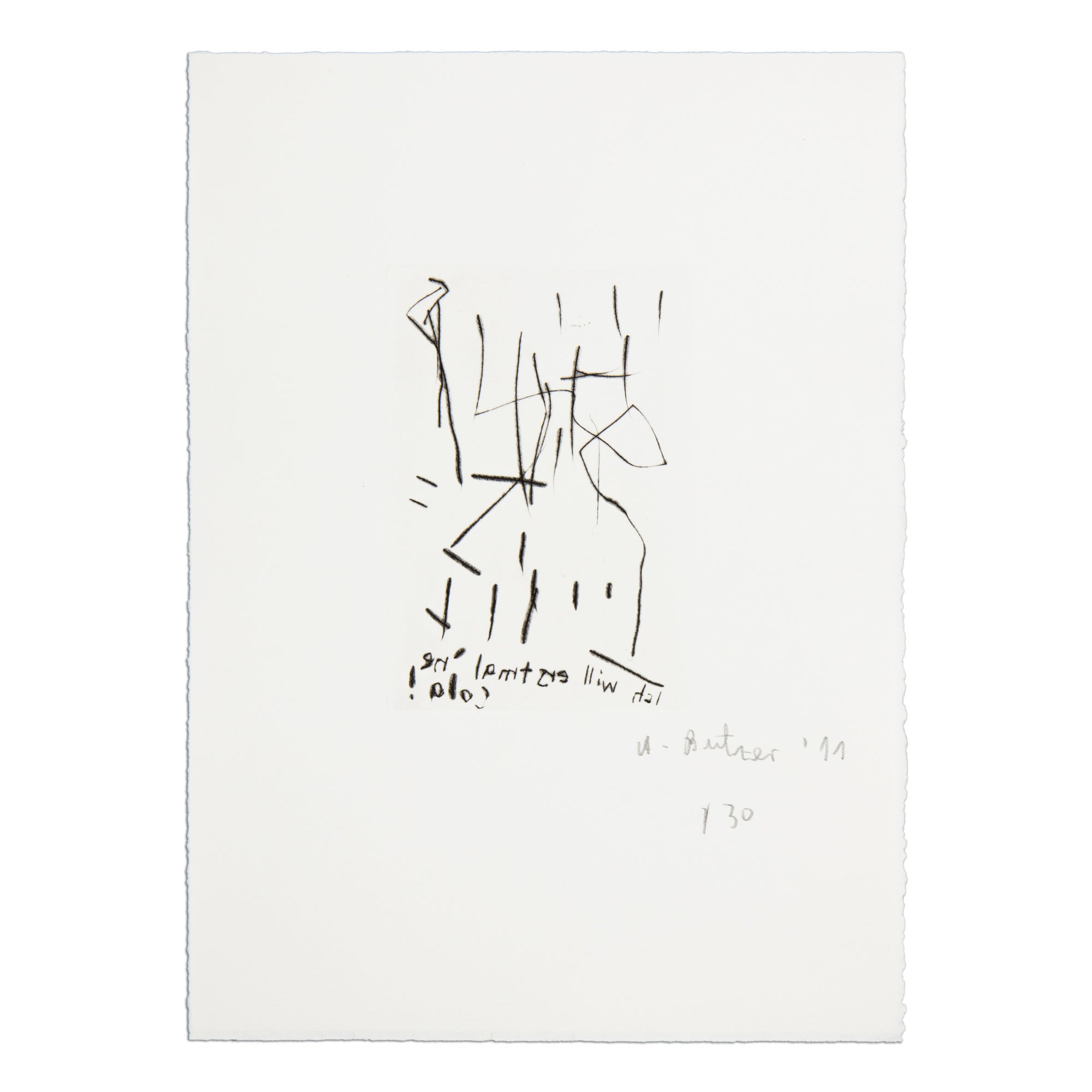
André Butzer - Untitled (Ich will erstmal 'ne Cola!)André Butzer - Untitled (Ich will erstmal 'ne Cola!)
André Butzer - Pastrami
André Butzer – Pastrami Sale price€2.700,00
André Butzer - Dr. PfefferAndré Butzer - Dr. Pfeffer
André Butzer – Dr. Pfeffer Sale price€2.700,00
Ai Weiwei - History of BombsAi Weiwei - History of Bombs
Ai Weiwei – History of Bombs Sale price€700,00
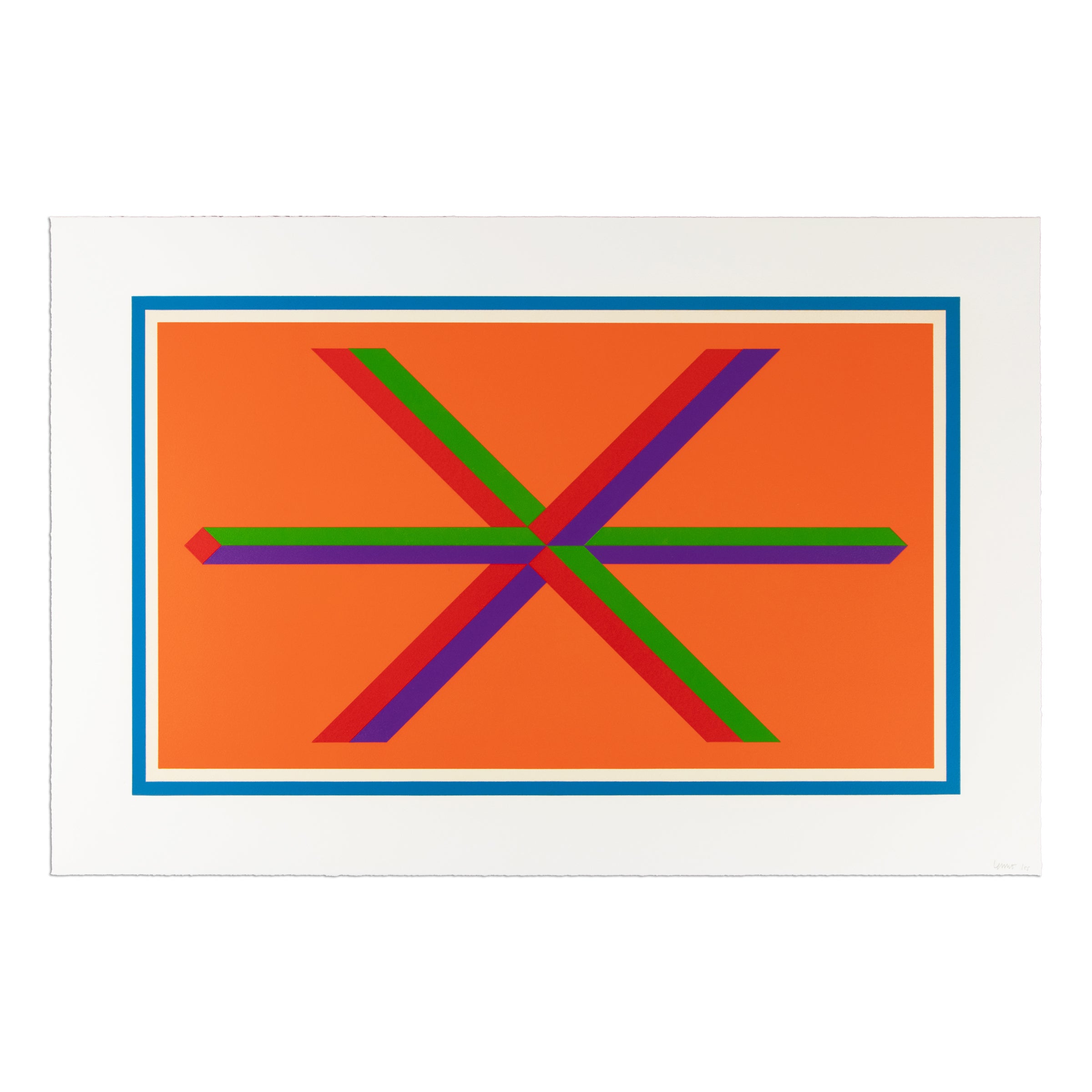
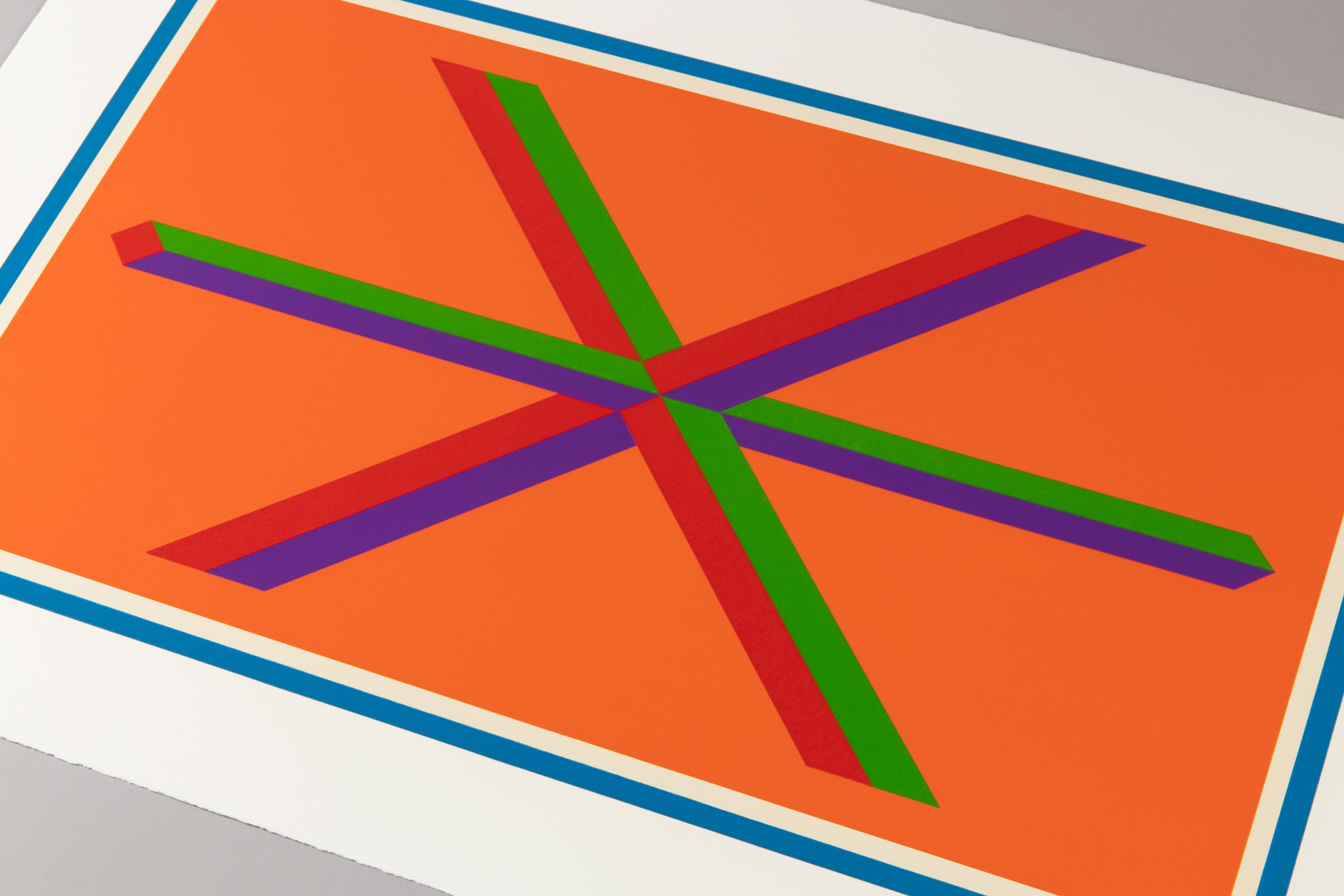
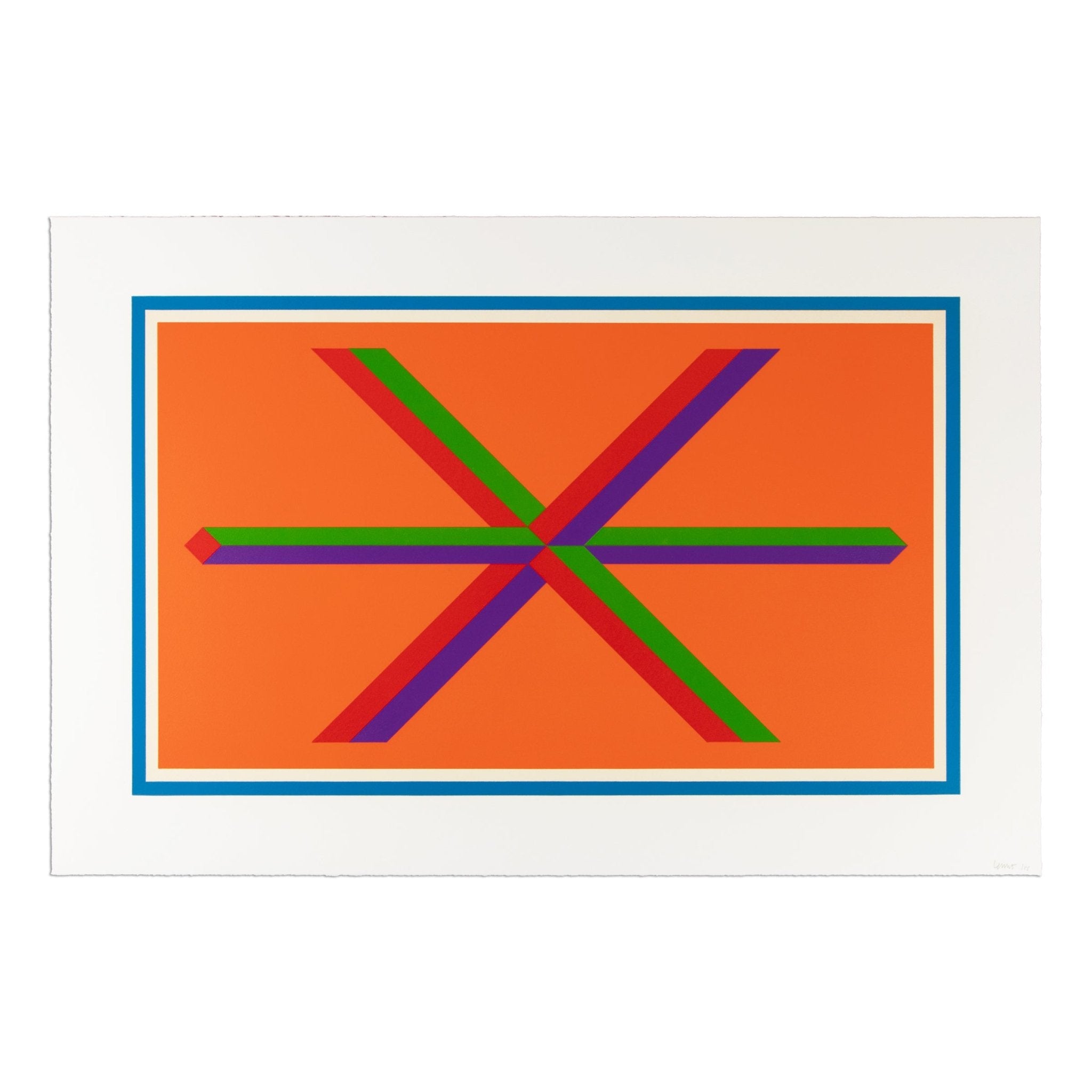
Sol LeWitt - Isometric Figures IVSol LeWitt - Isometric Figures IV
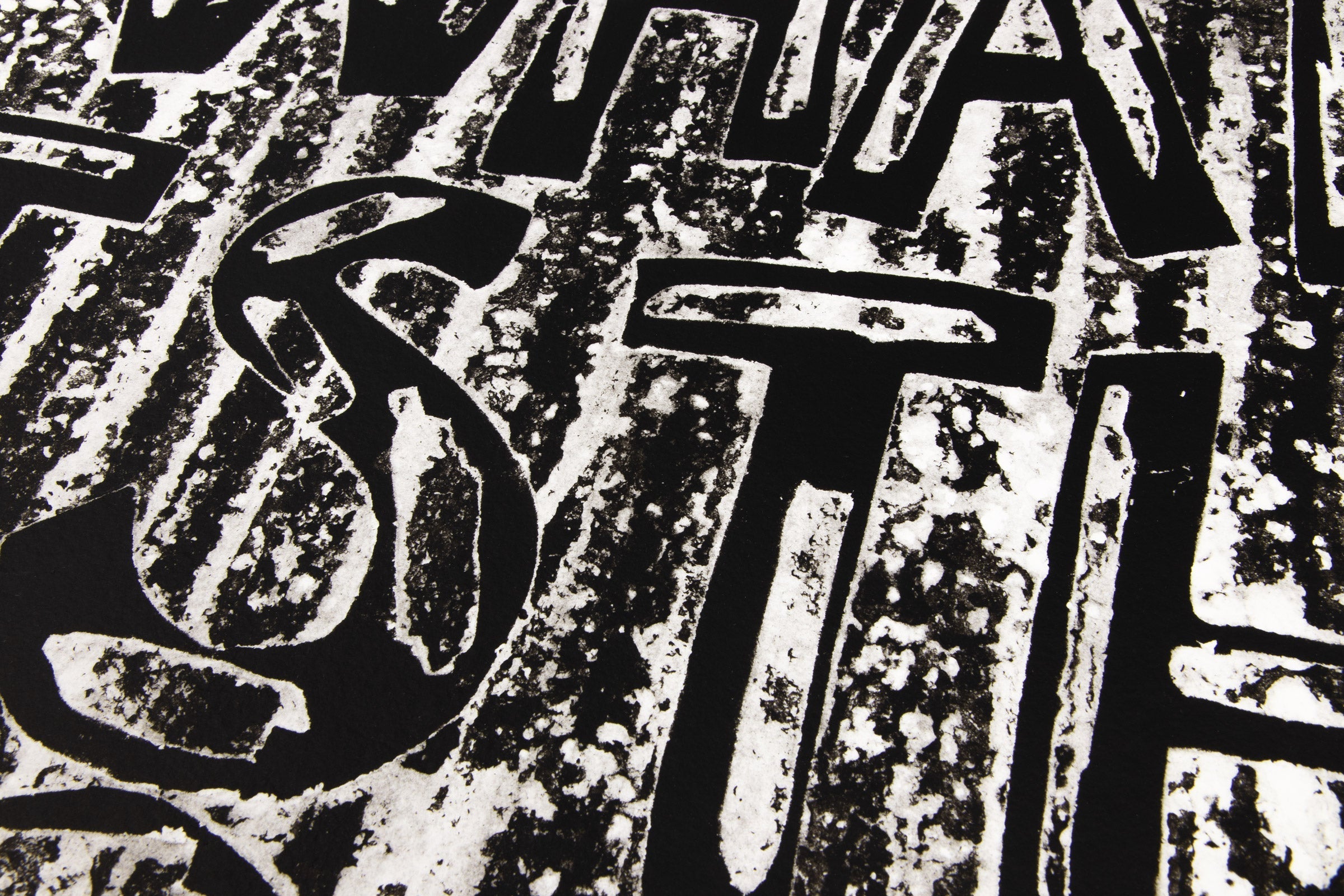
Adam Pendleton - What is the Black DadaAdam Pendleton - What is the Black Dada
Dan Flavin - The Diagonal of May 25, 1963 in Fluorescent LightDan Flavin - The Diagonal of May 25, 1963 in Fluorescent Light
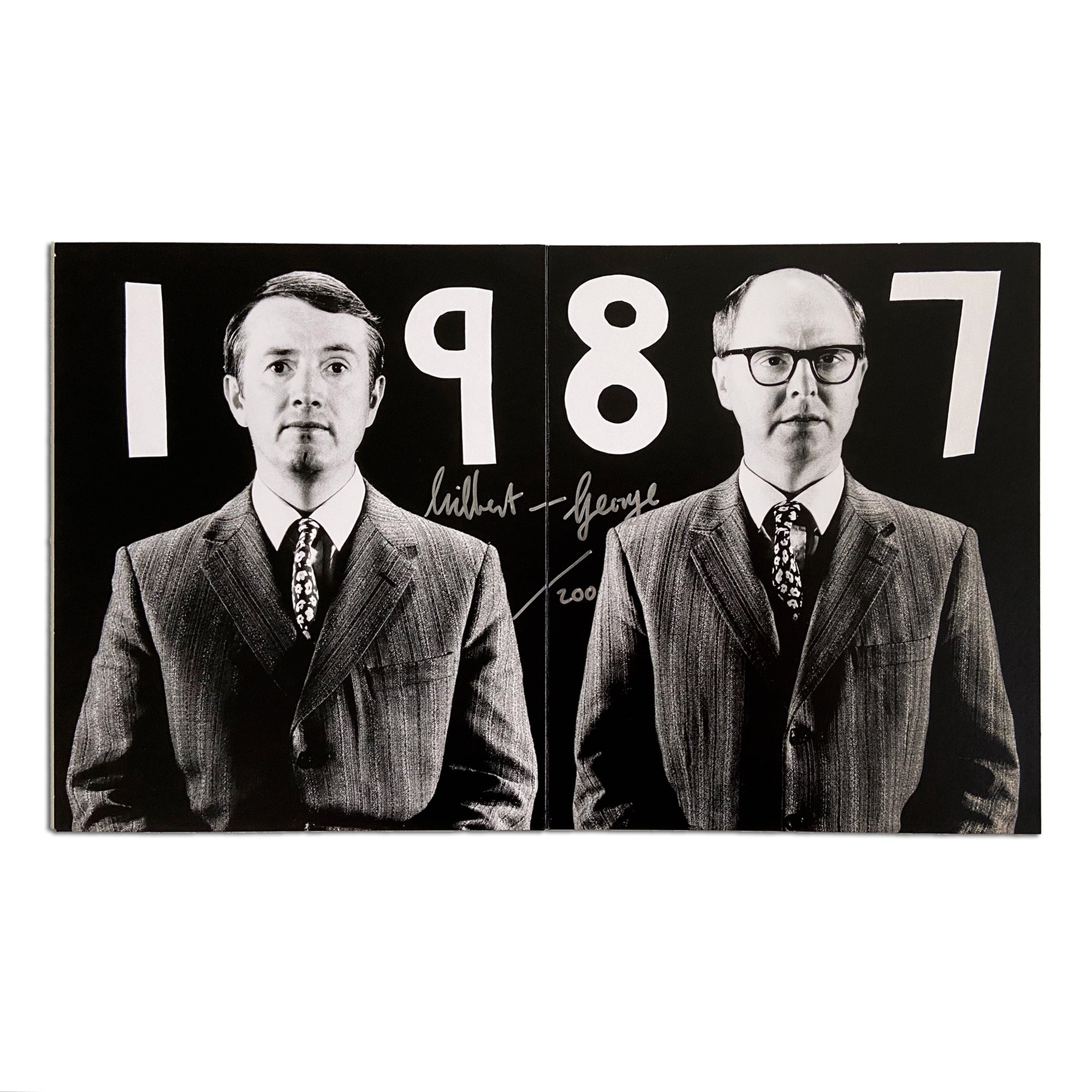
Gilbert & George - 1987 (Parkett Edition No. 14)
Sold out
Cindy Sherman - Untitled 103Cindy Sherman - Untitled 103
Cindy Sherman – Untitled 103 Sale price€2.400,00
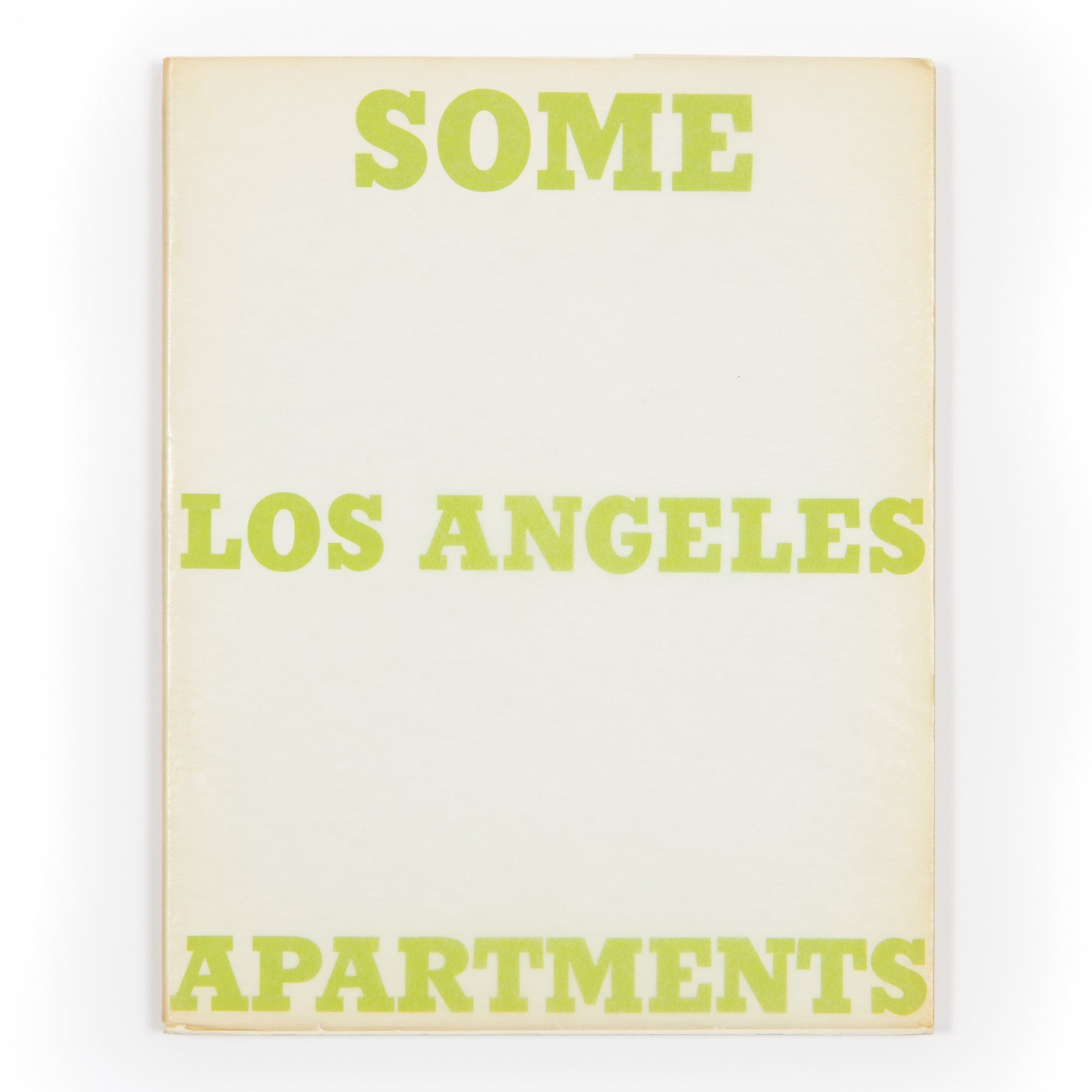
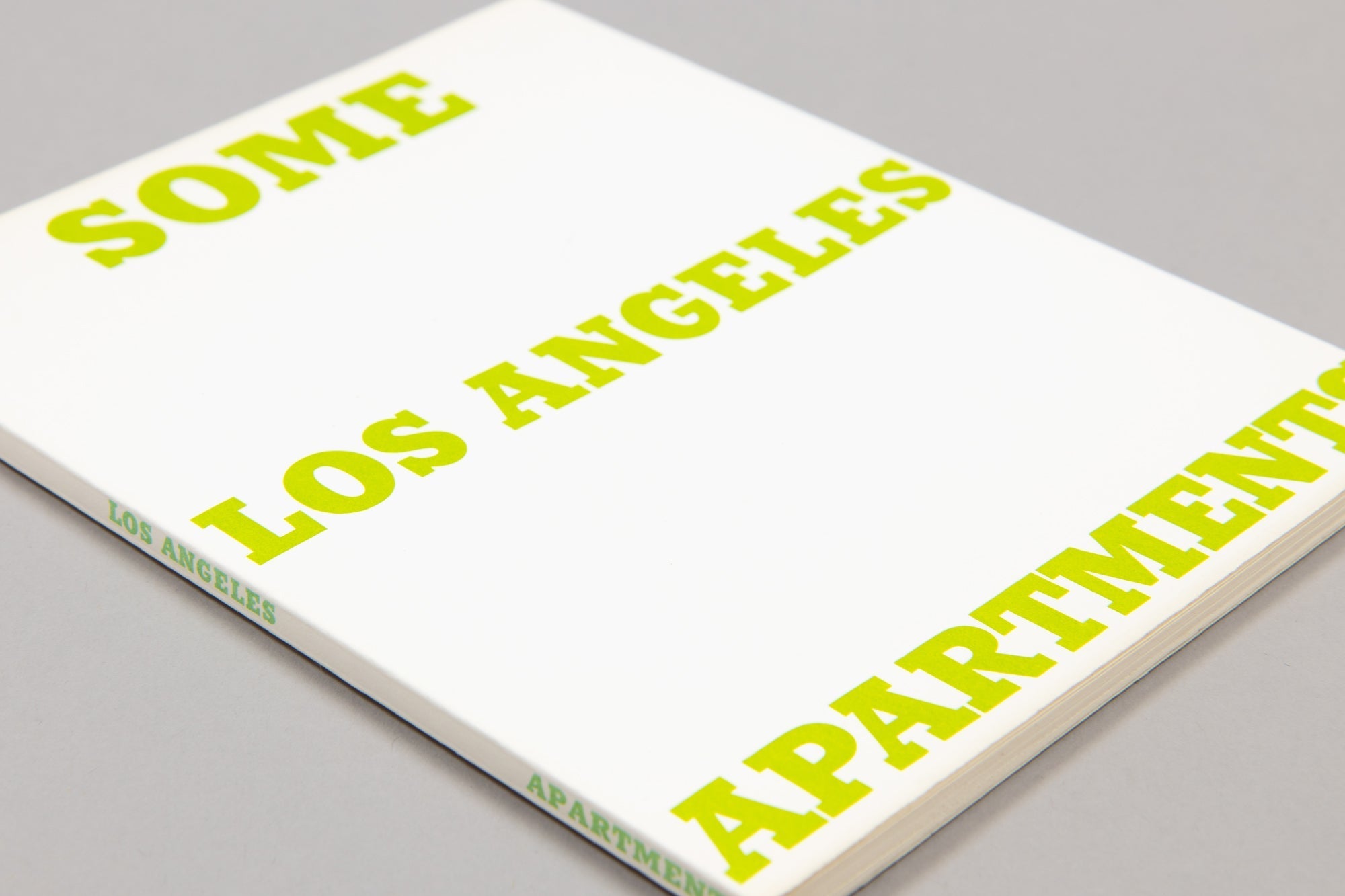
Ed Ruscha – Some Los Angeles ApartmentsEd Ruscha - Some Los Angeles Apartments
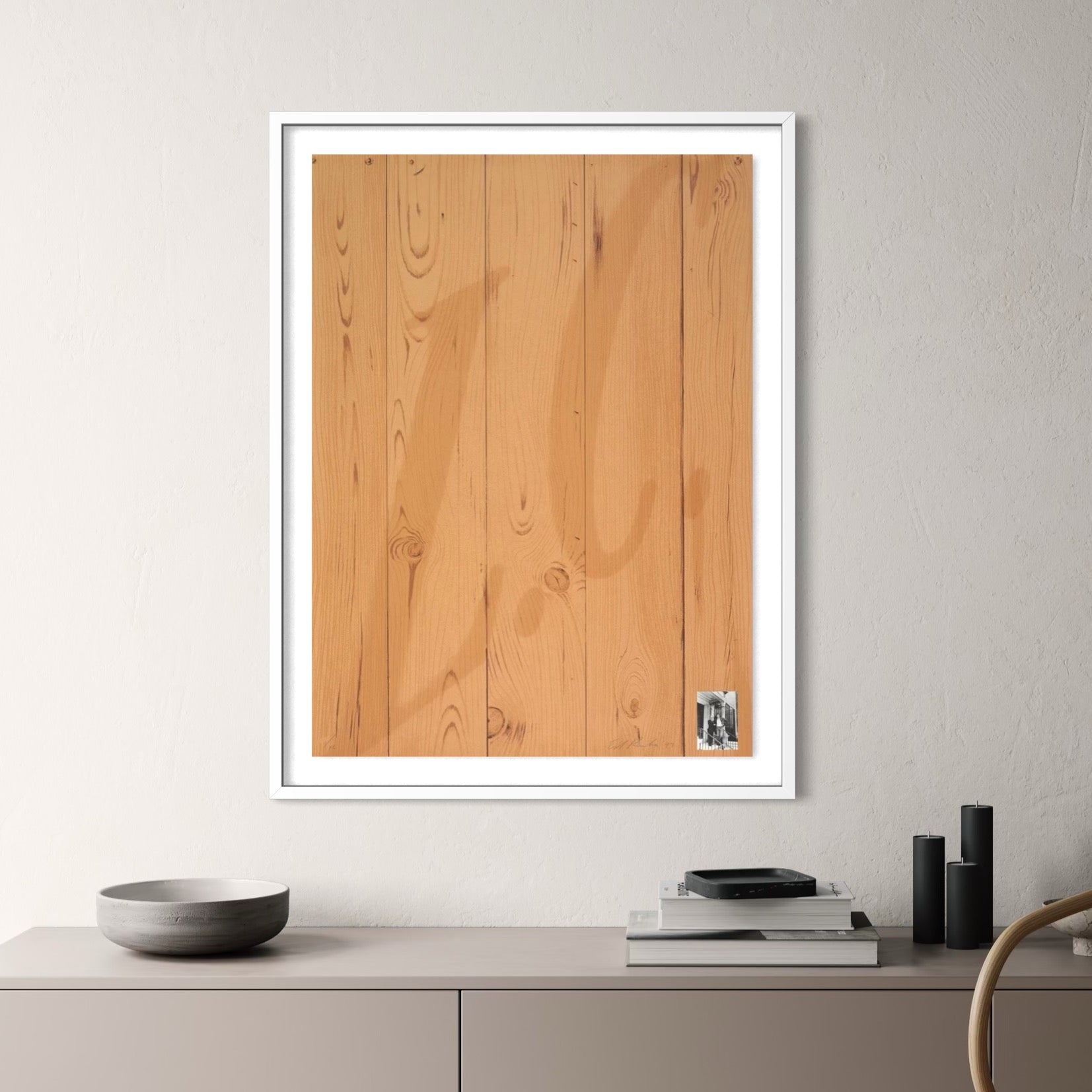
Ed Ruscha - L.C.Ed Ruscha - L.C.
Ed Ruscha - L.C. Sale price€5.400,00
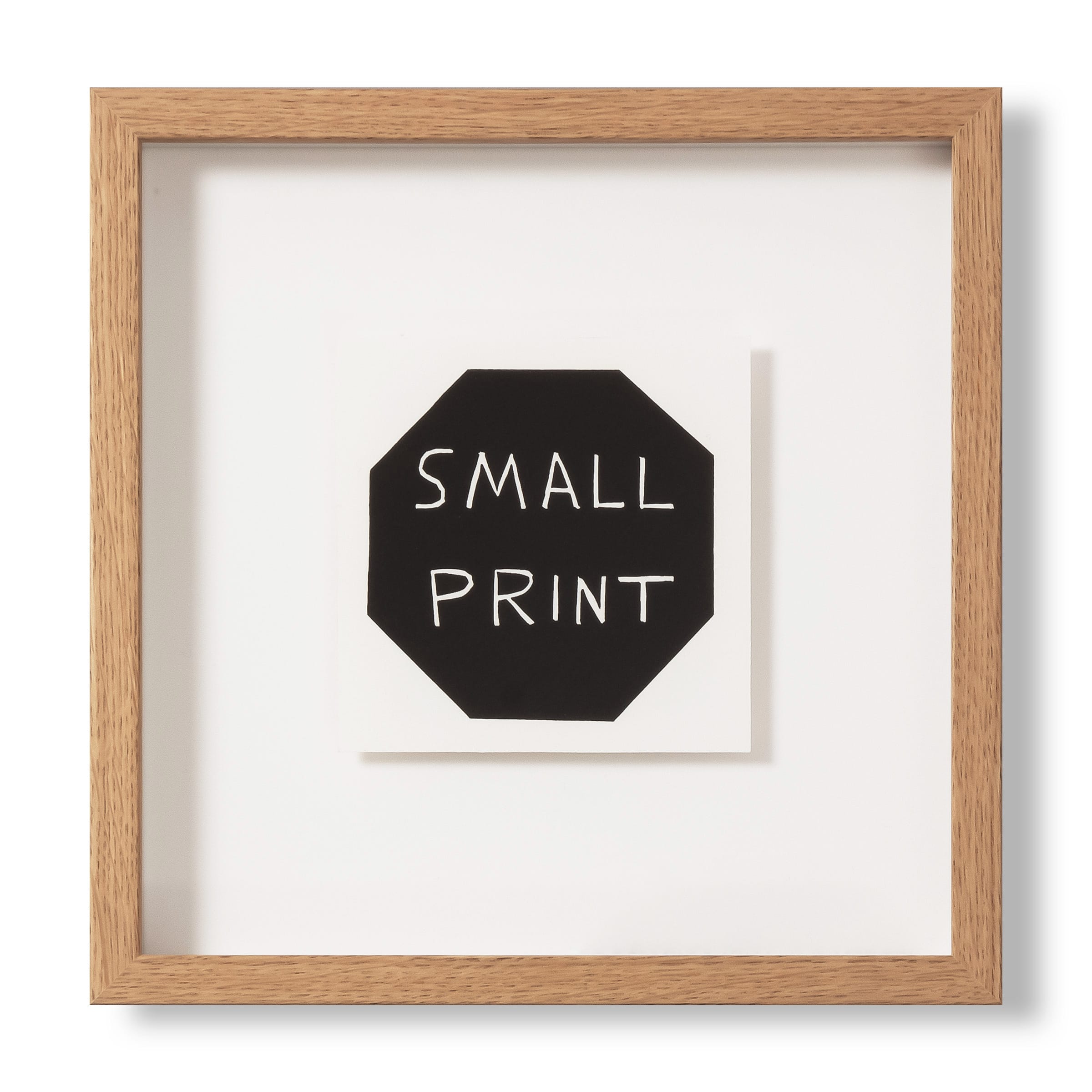
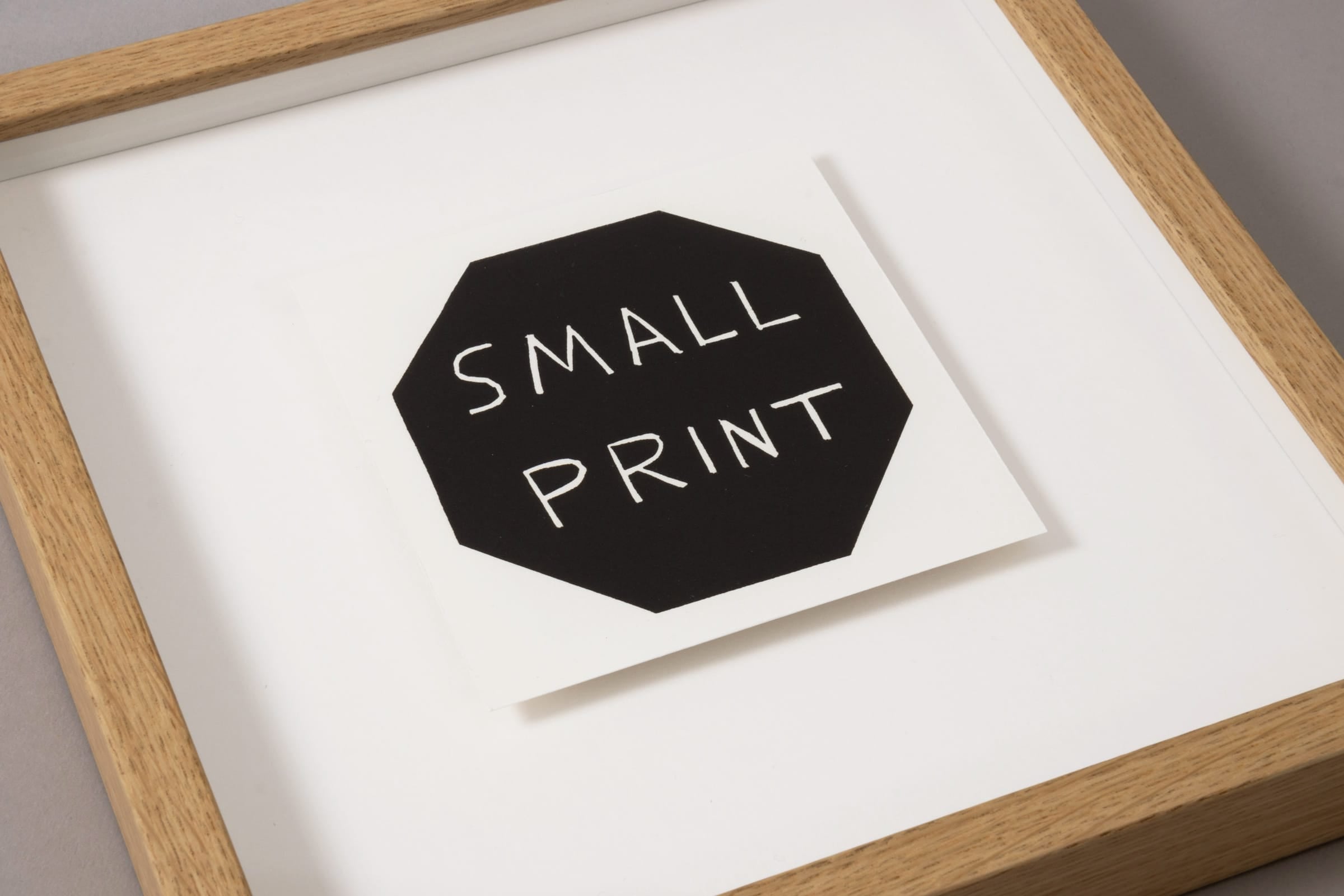
David Shrigley - Small PrintDavid Shrigley - Small Print
David Shrigley – Small Print Sale price€900,00
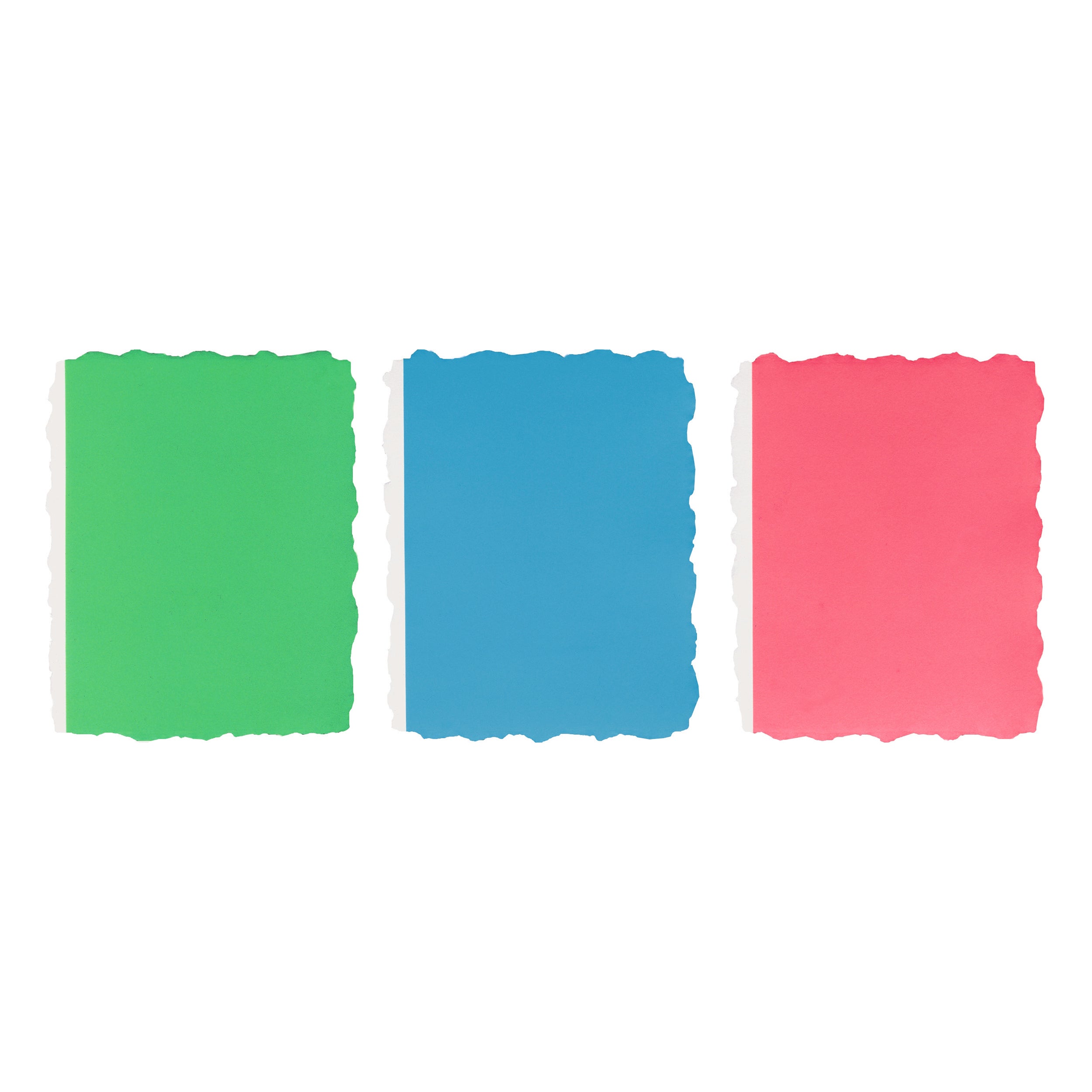
Dan Flavin - Untitled (Triptych)Dan Flavin - Untitled (Triptych)
Dan Flavin – Untitled (Triptych) Sale price€3.000,00
Adam Pendleton - MaskAdam Pendleton - Mask
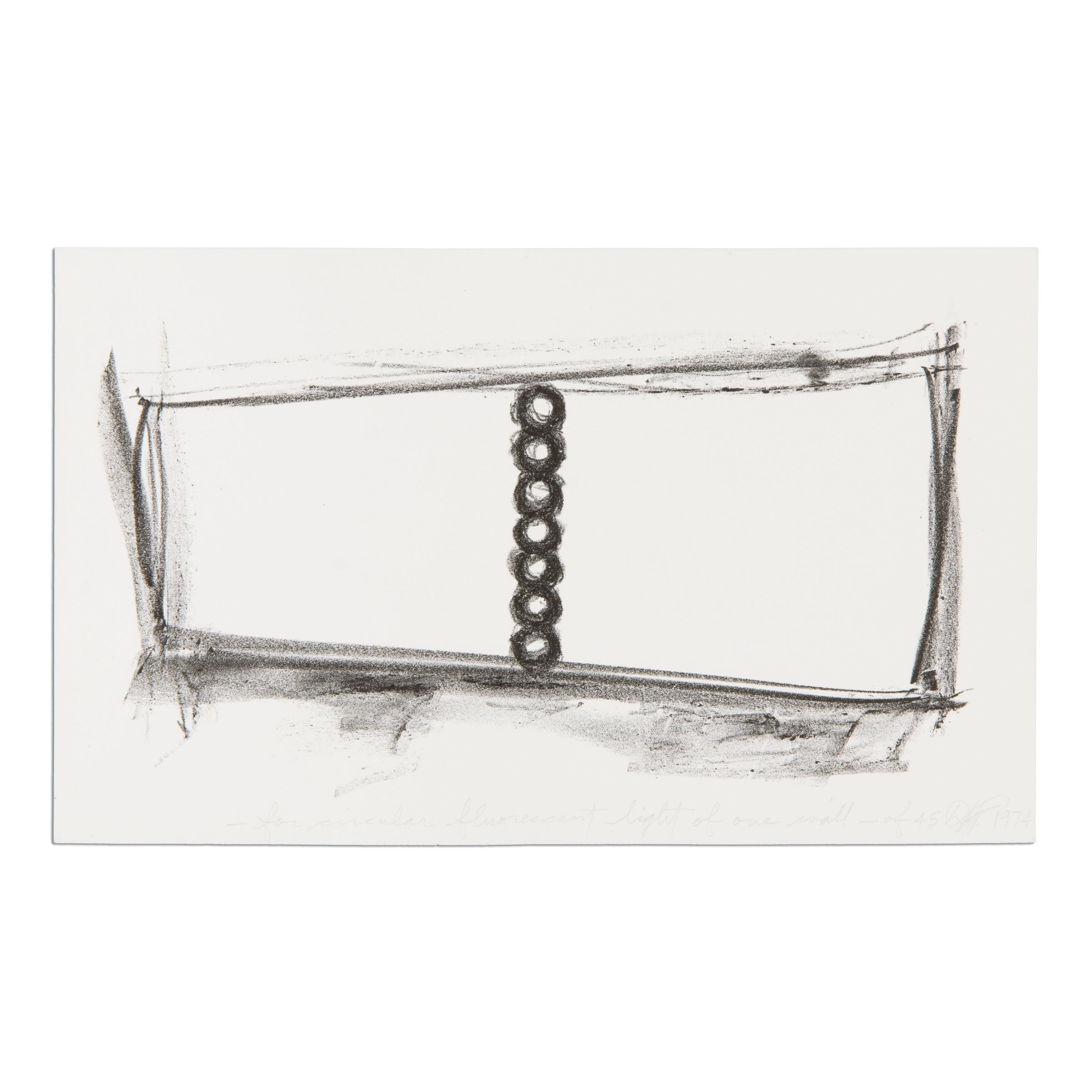
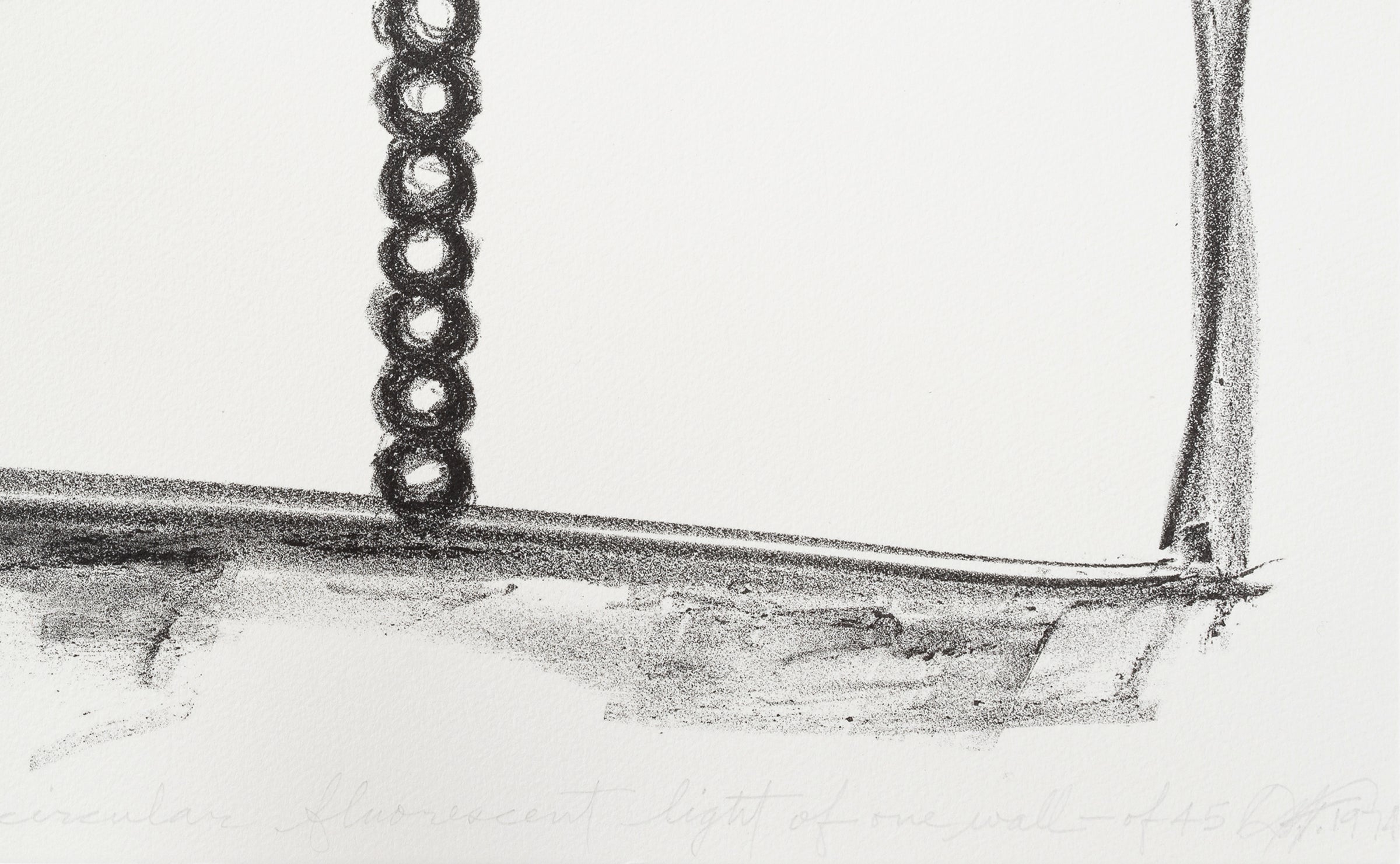
Dan Flavin - For Circular Fluorescent Light Of One WallDan Flavin - For Circular Fluorescent Light Of One Wall
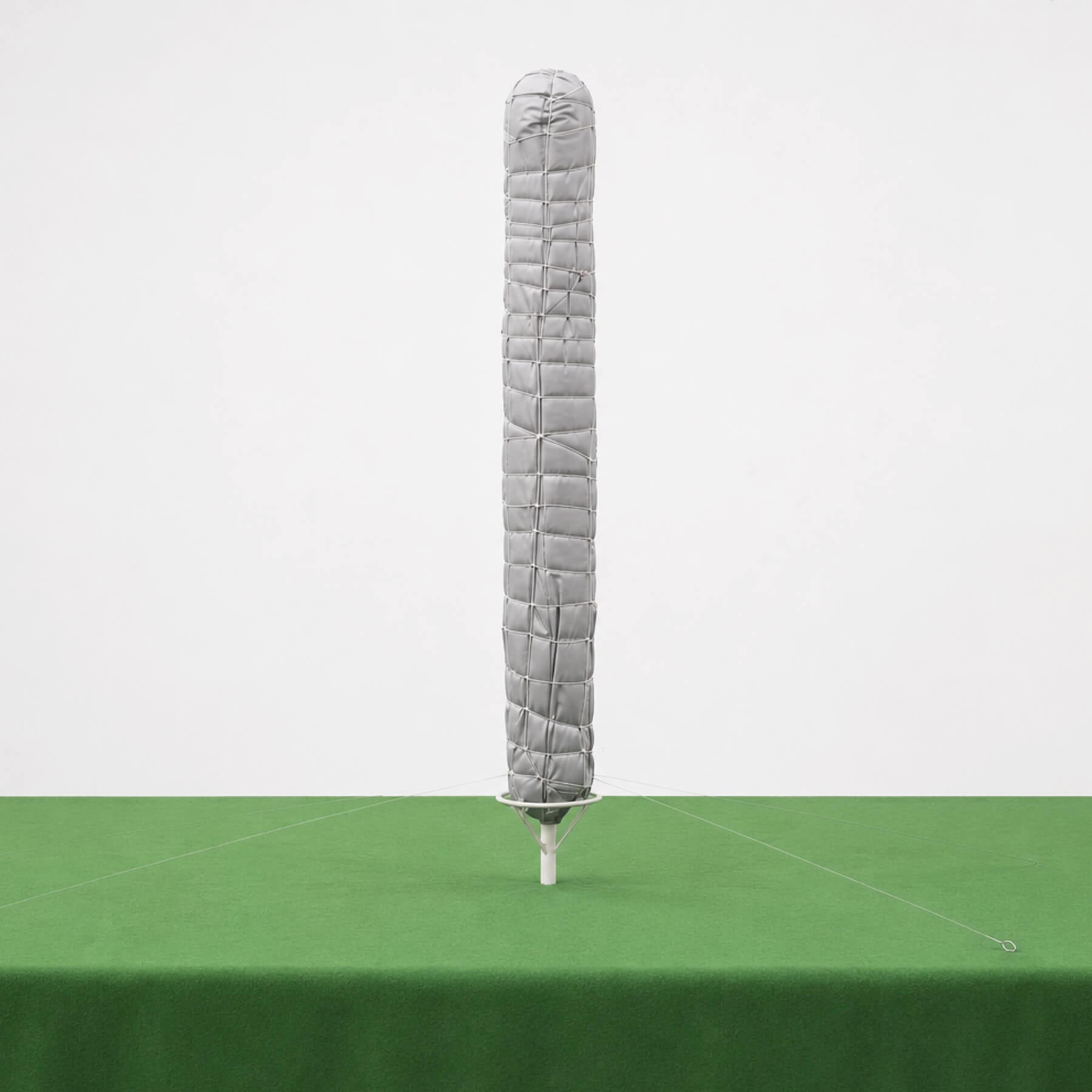
Christo - Wrapped Chair
Christo – Wrapped Chair Sale price€5.000,00
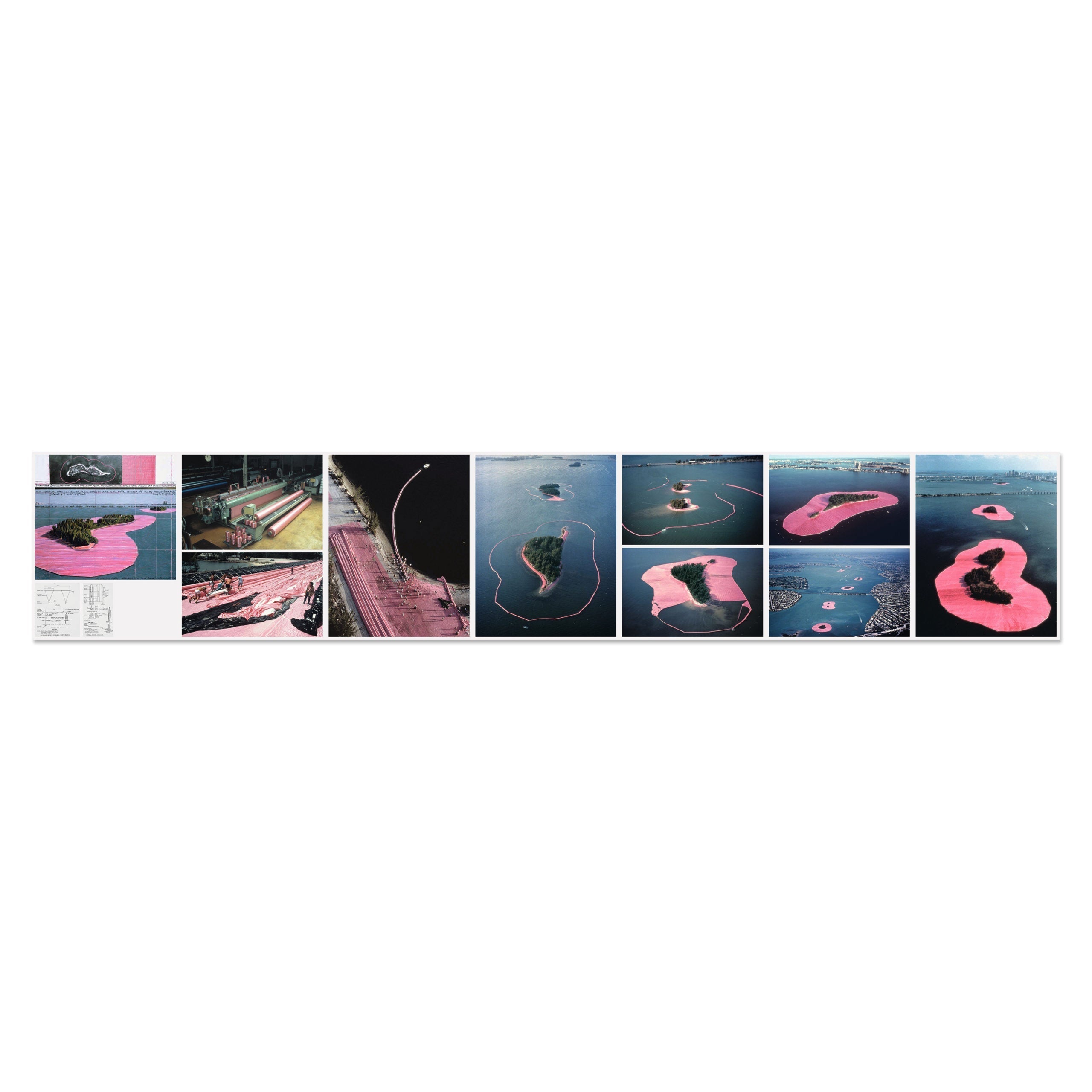
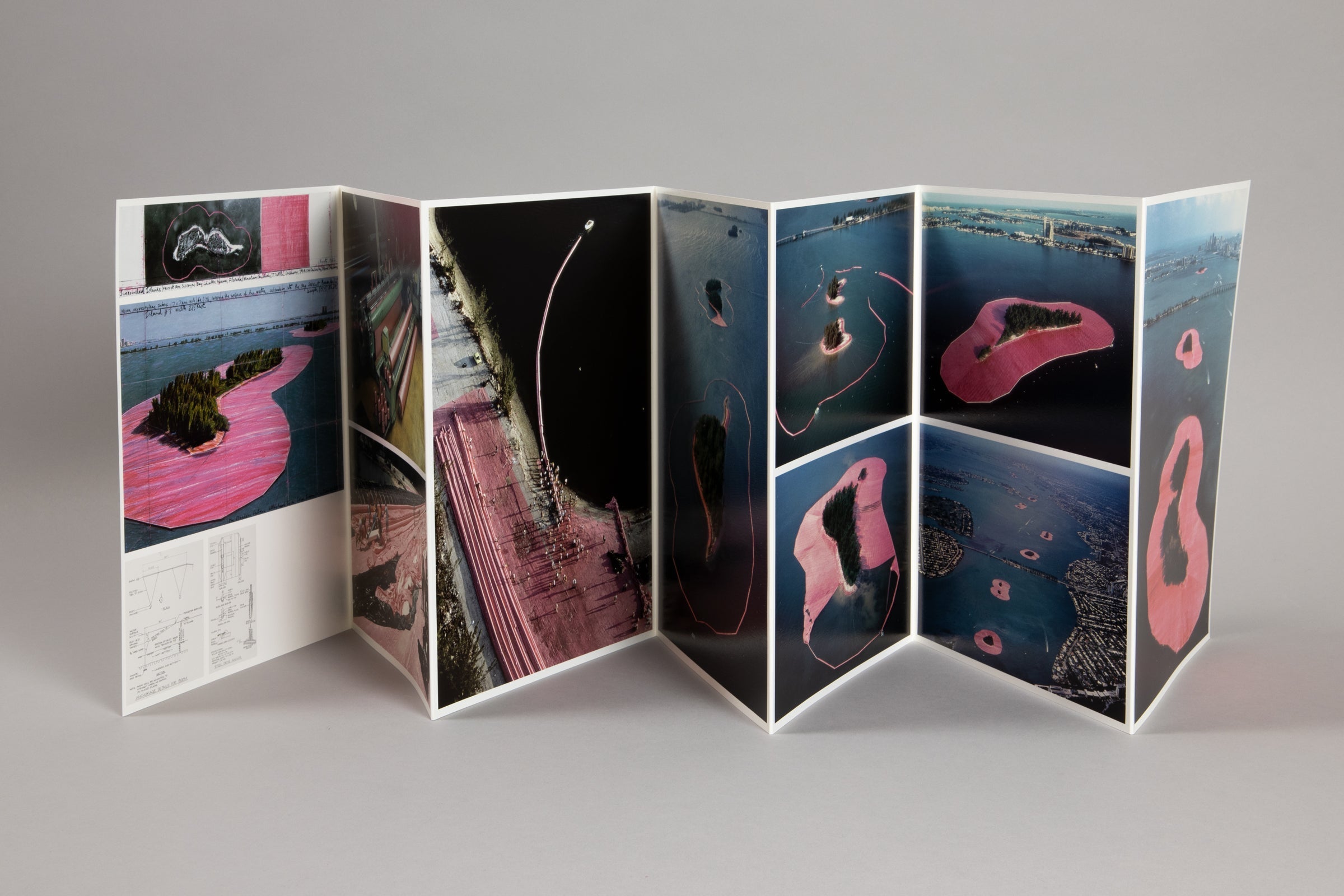
Christo - Surrounded IslandsChristo - Surrounded Islands
Christo – Surrounded Islands Sale price€2.500,00
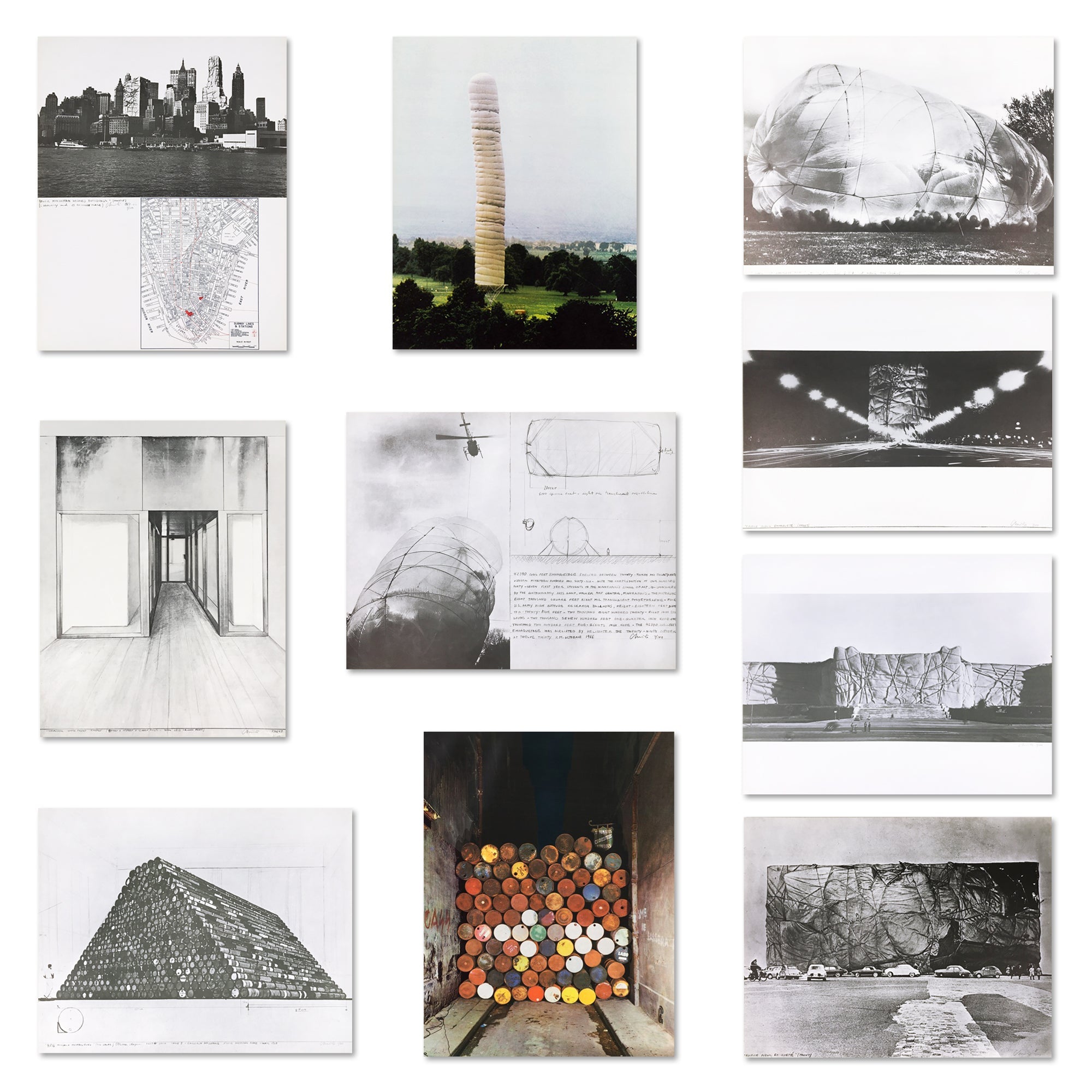
Christo – Monuments PortfolioChristo - Monuments Portfolio
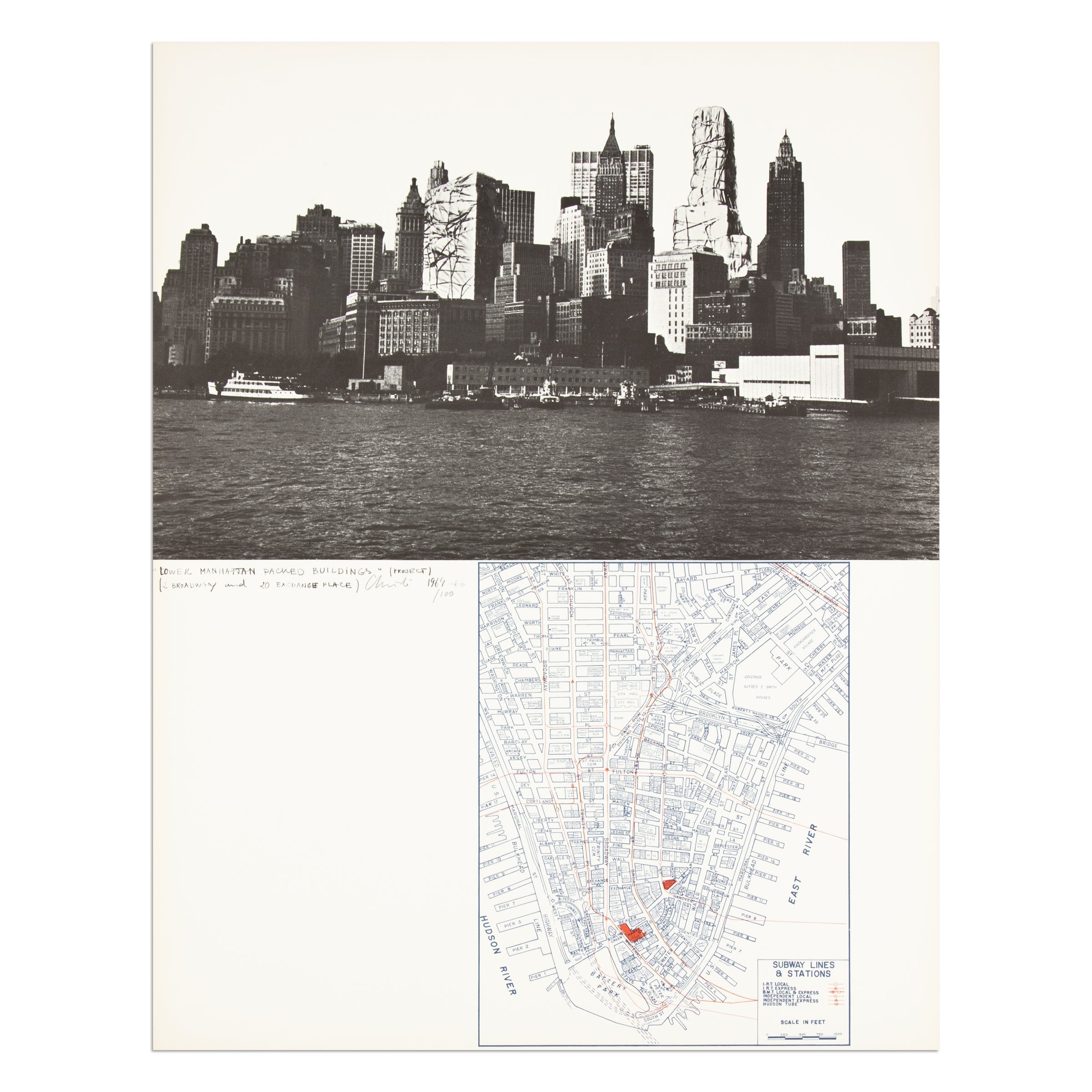
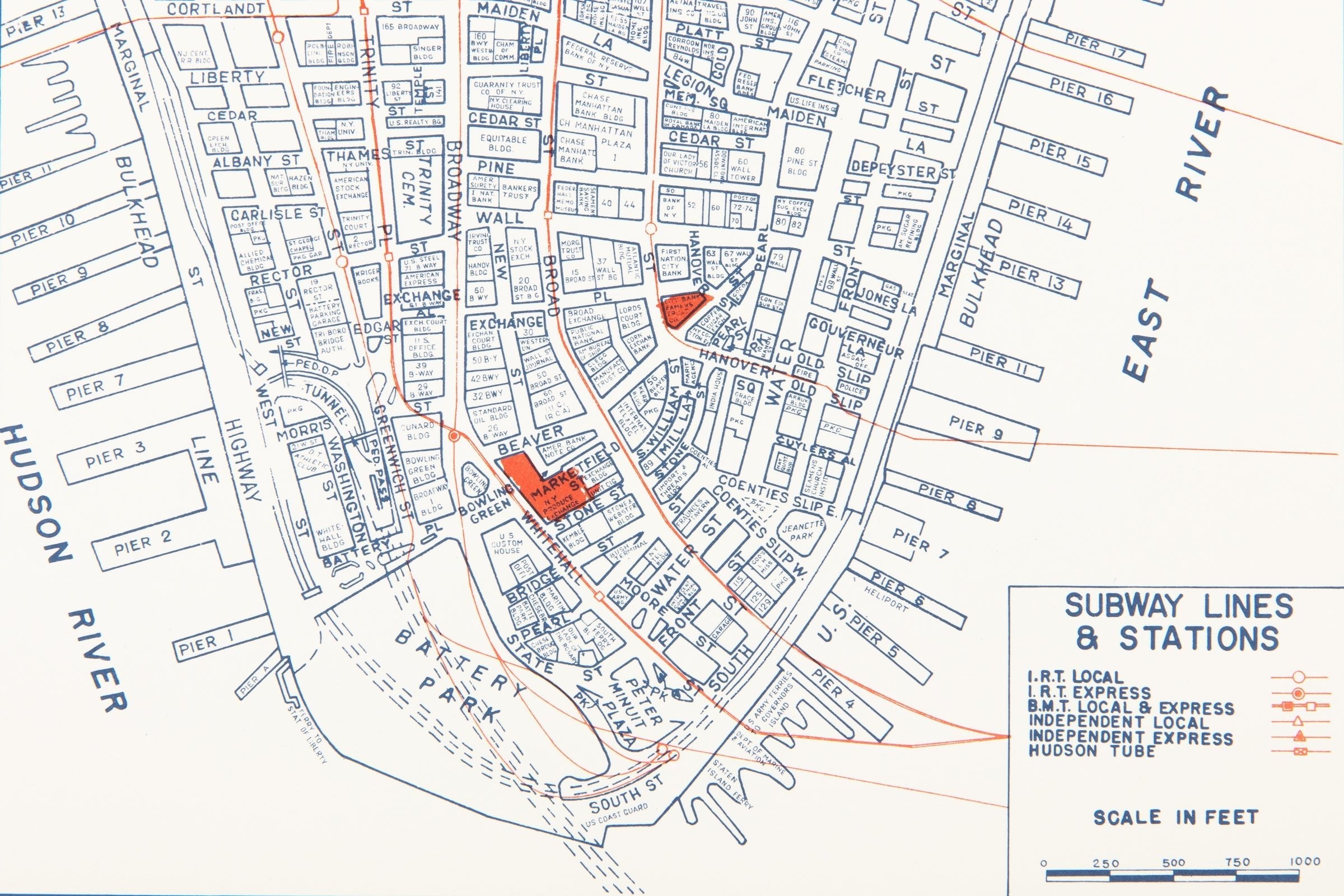
Christo - Lower Manhattan Packed Buildings (Monuments)Christo - Lower Manhattan Packed Buildings (Monuments)
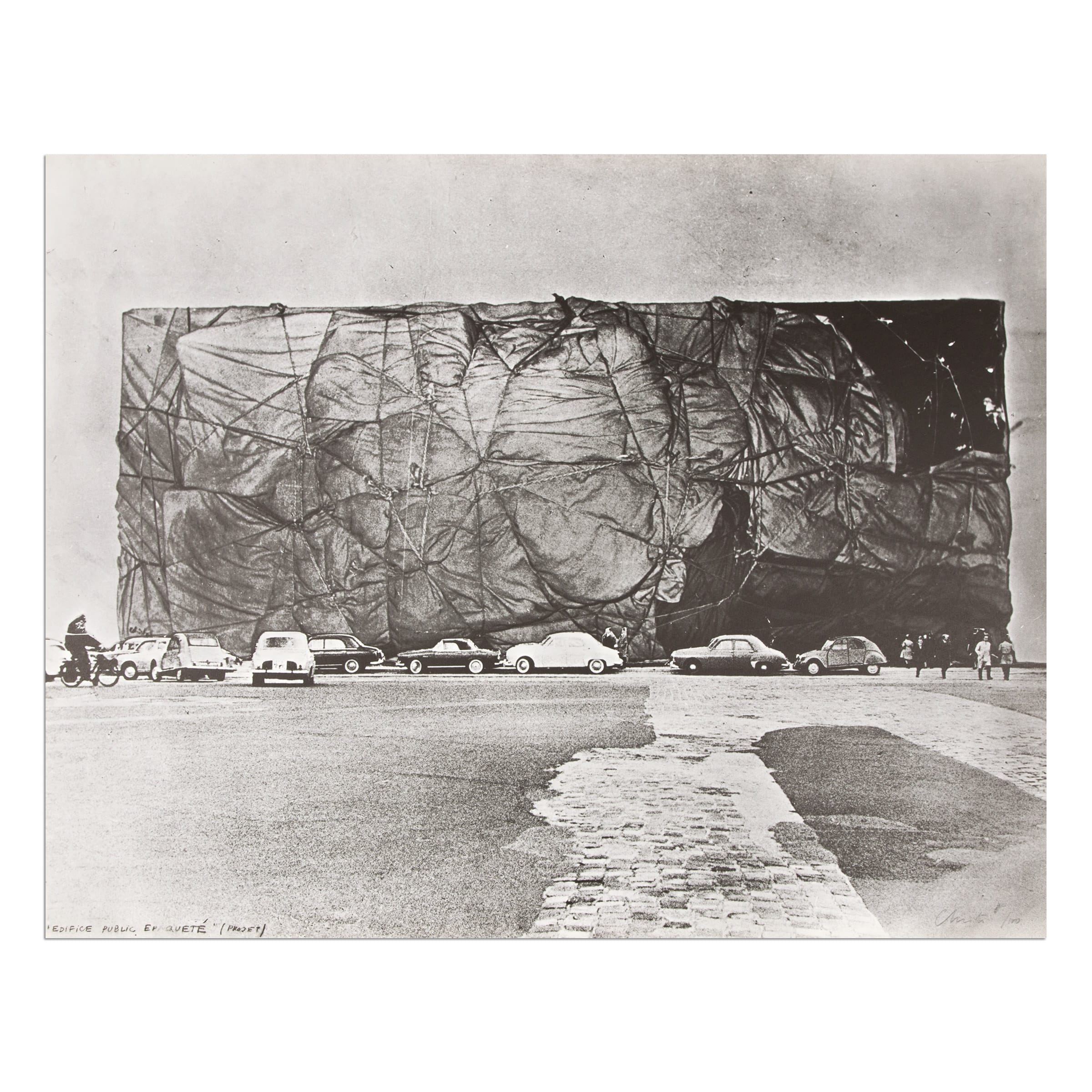
Christo - Edifice Public Epaqueté, Project (Monuments)Christo - Edifice Public Epaqueté, Project (Monuments)
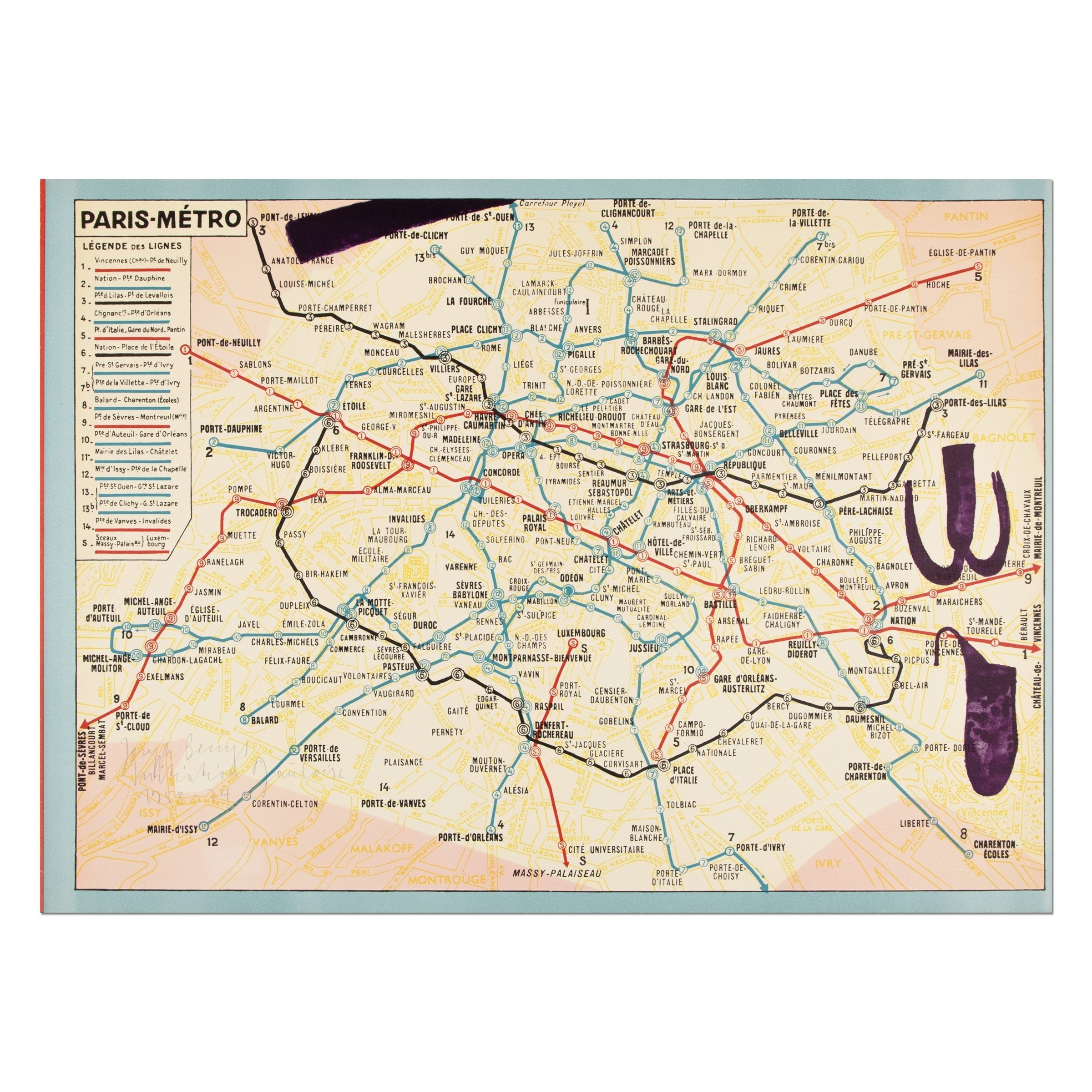
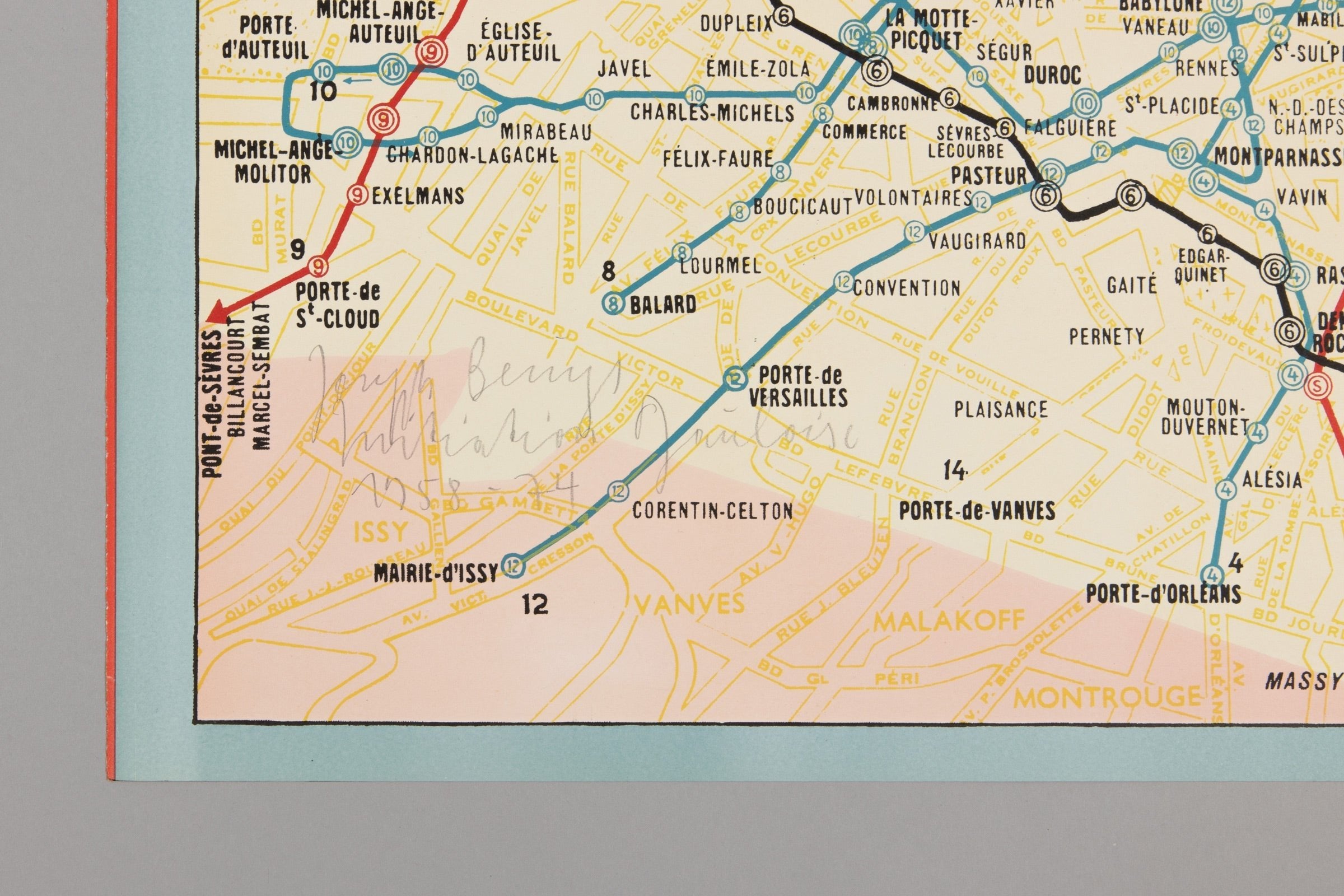
Joseph Beuys – Initiation GauloiseJoseph Beuys - Initiation Gauloise
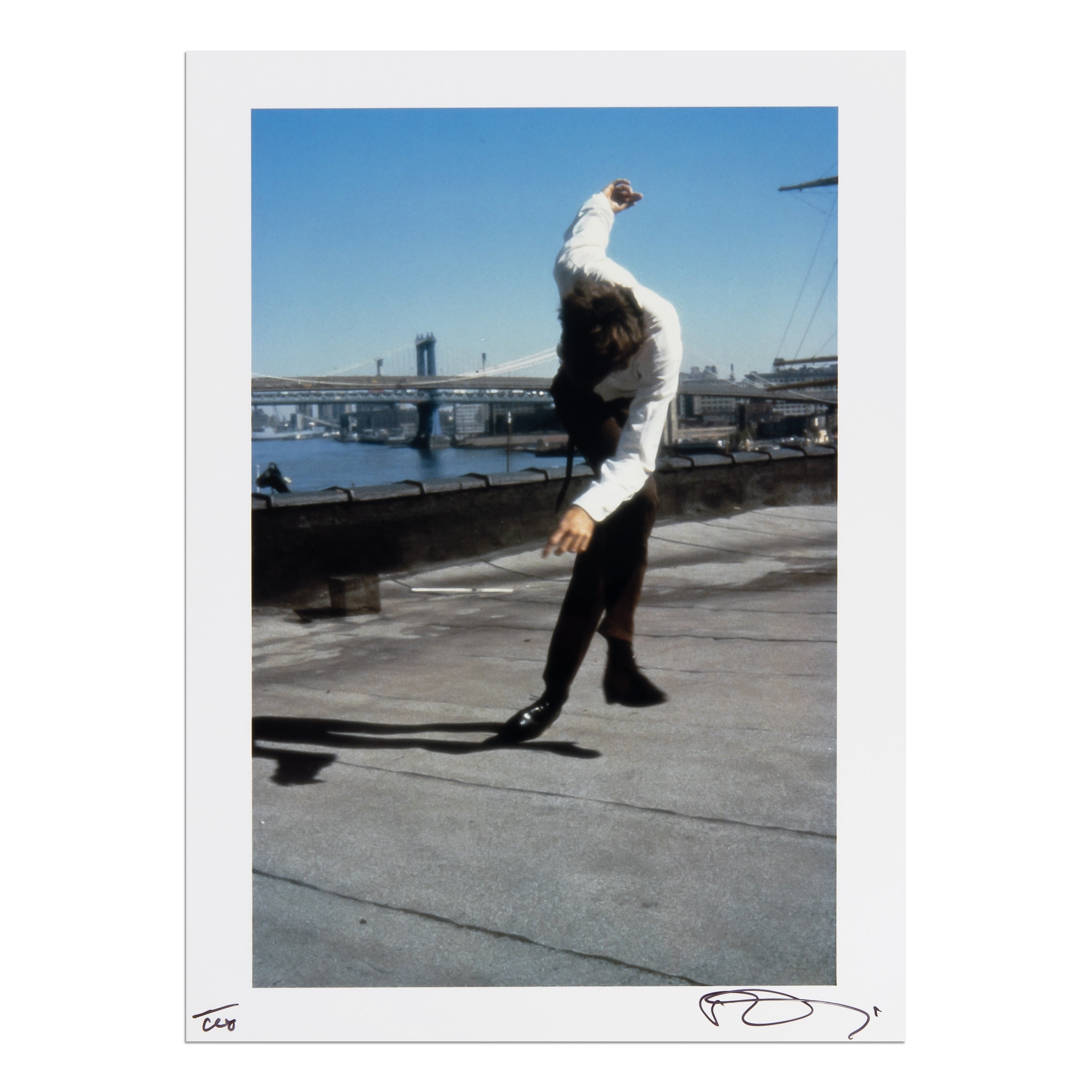
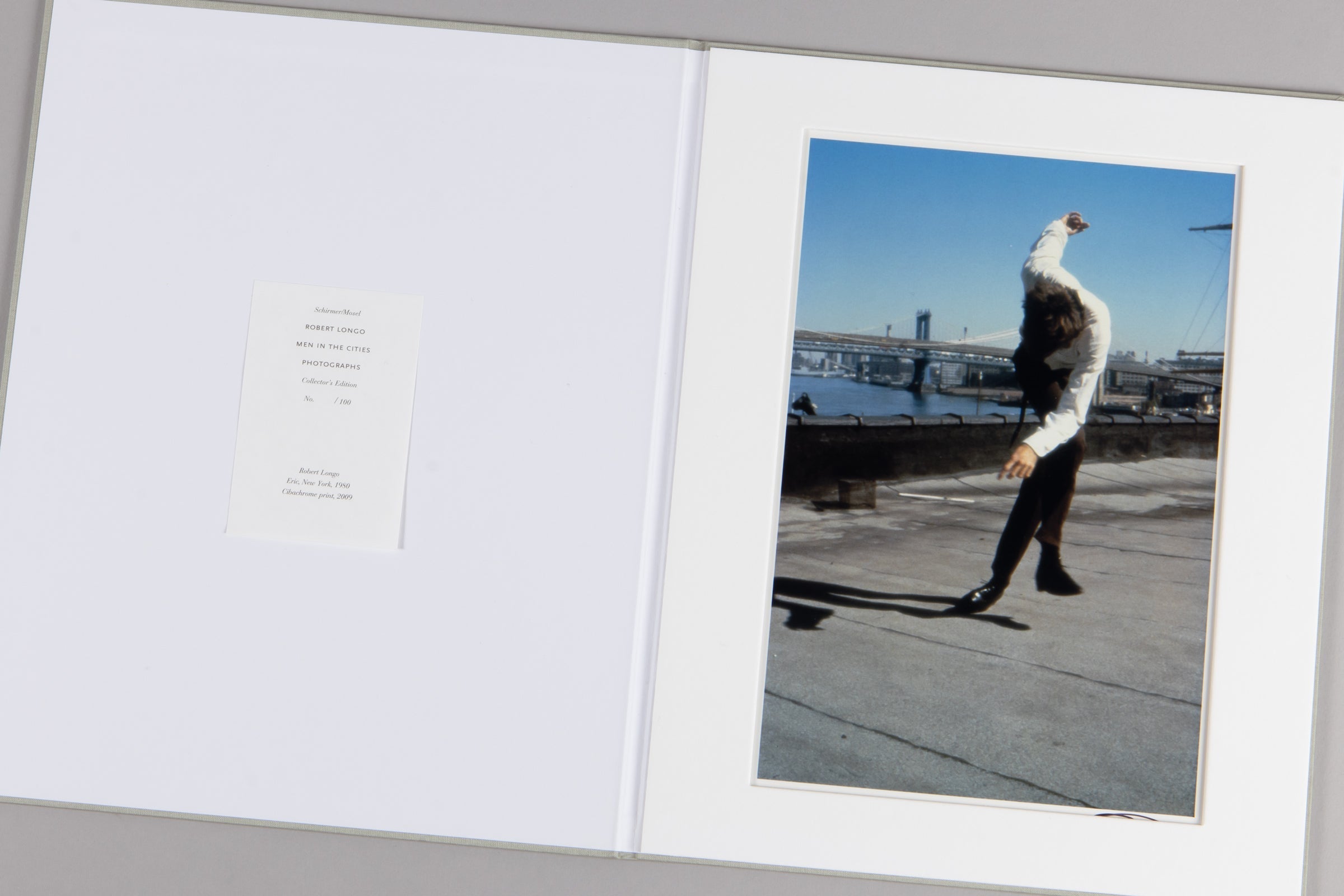
Robert Longo – EricRobert Longo – Eric
Robert Longo – Eric Sale price€3.600,00
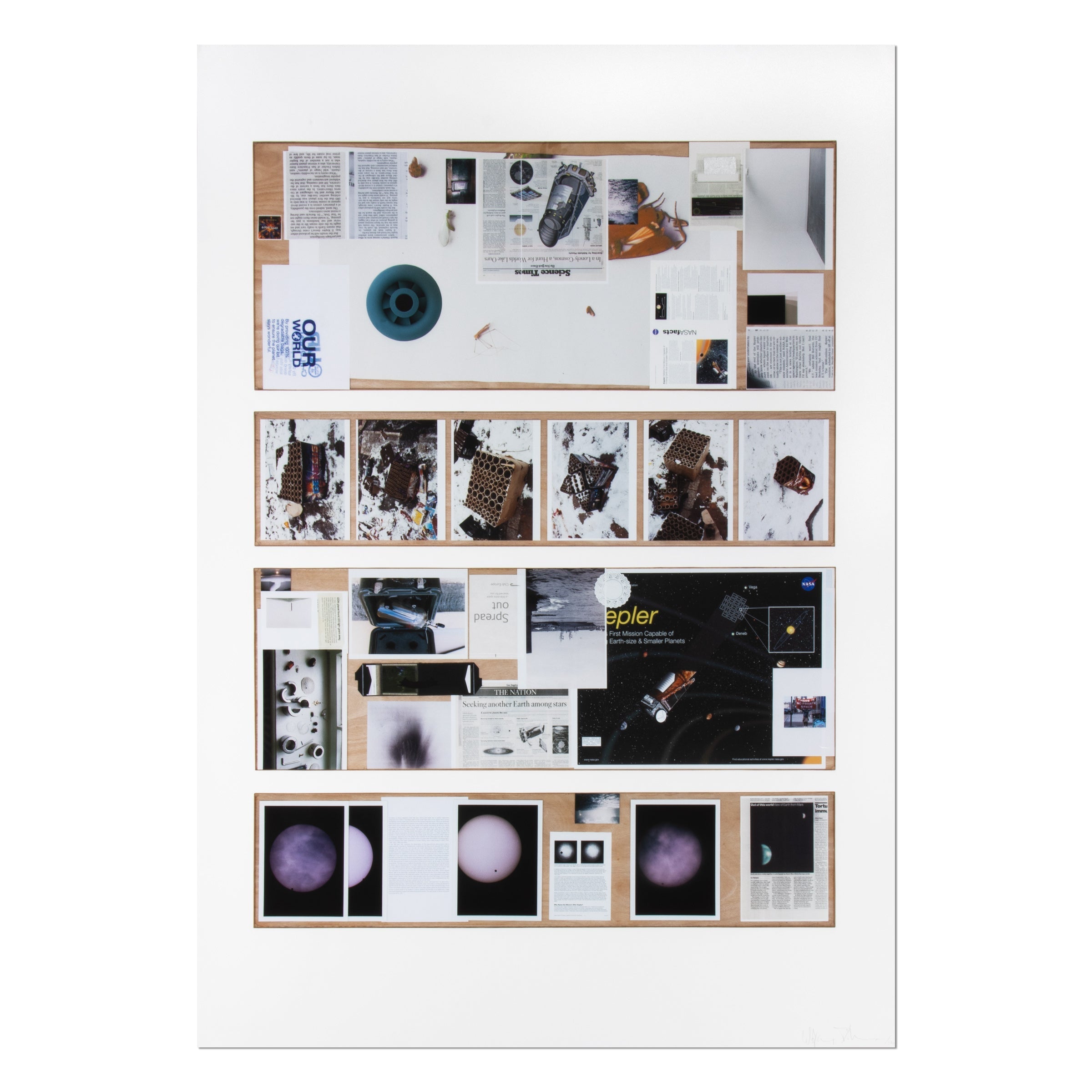
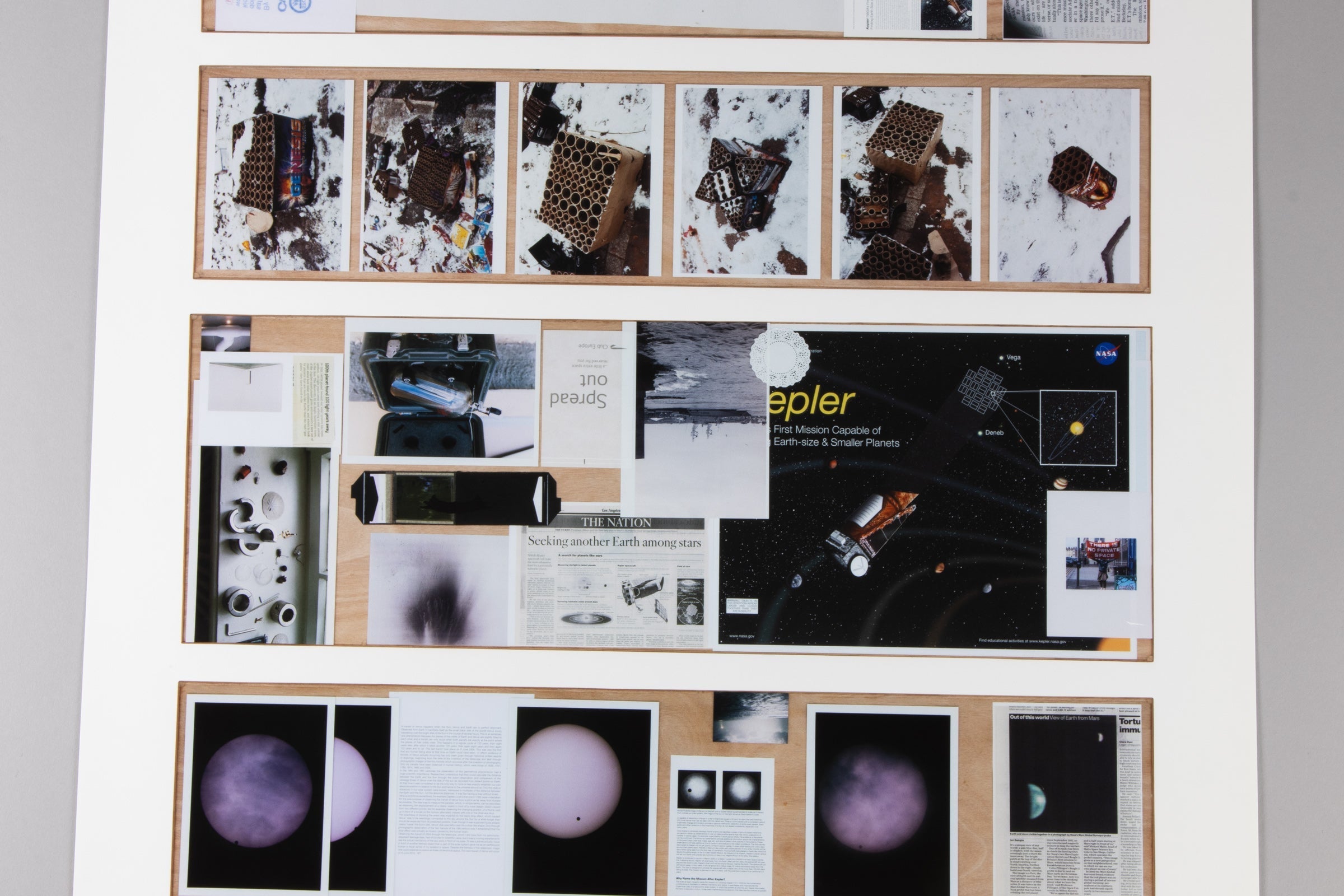
Wolfgang Tillmans – Kepler Venice TablesWolfgang Tillmans – Kepler Venice Tables
Sold out
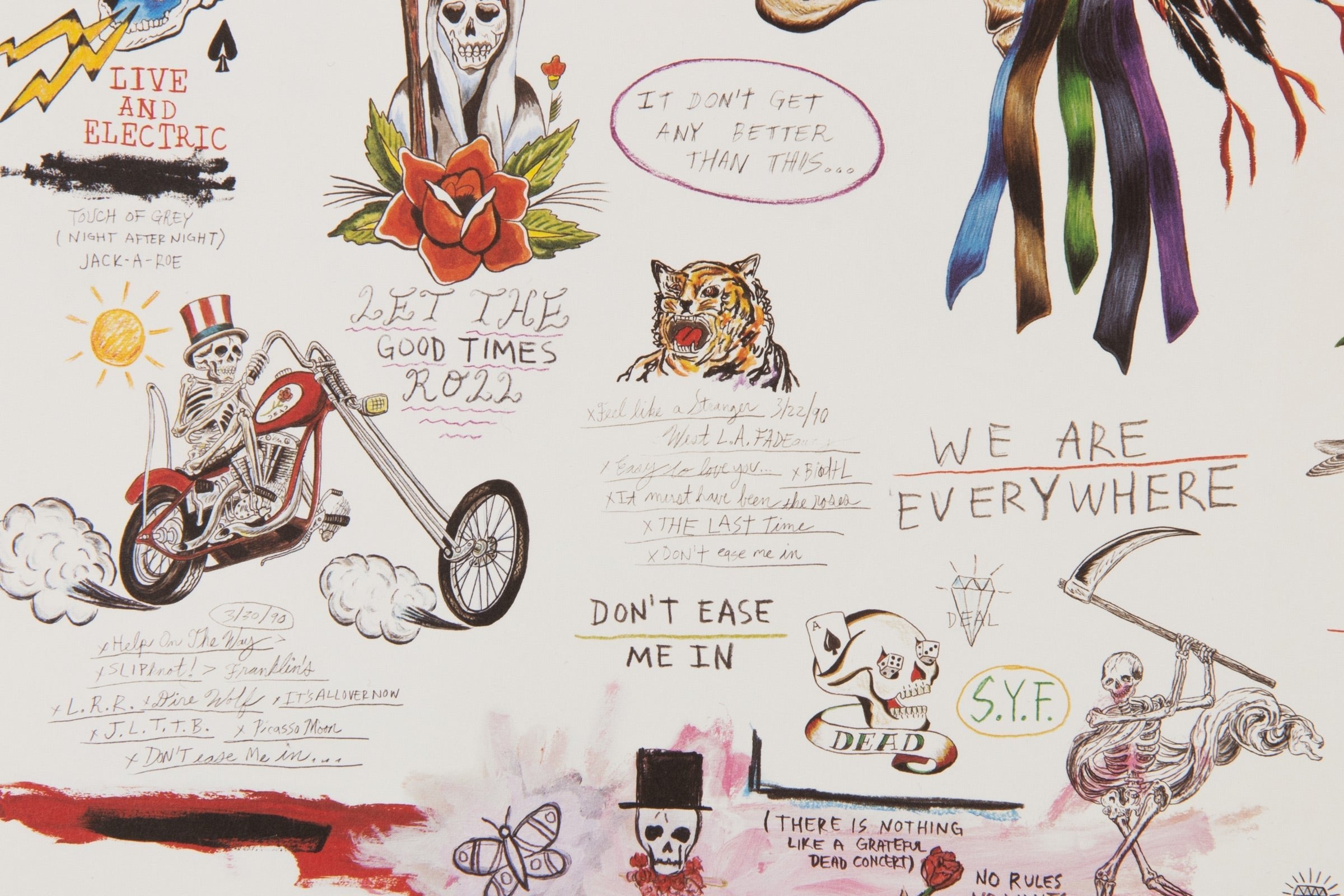
Wes Lang – Grateful DeadWes Lang – Grateful Dead
Wes Lang – Grateful Dead Sale price€1.900,00
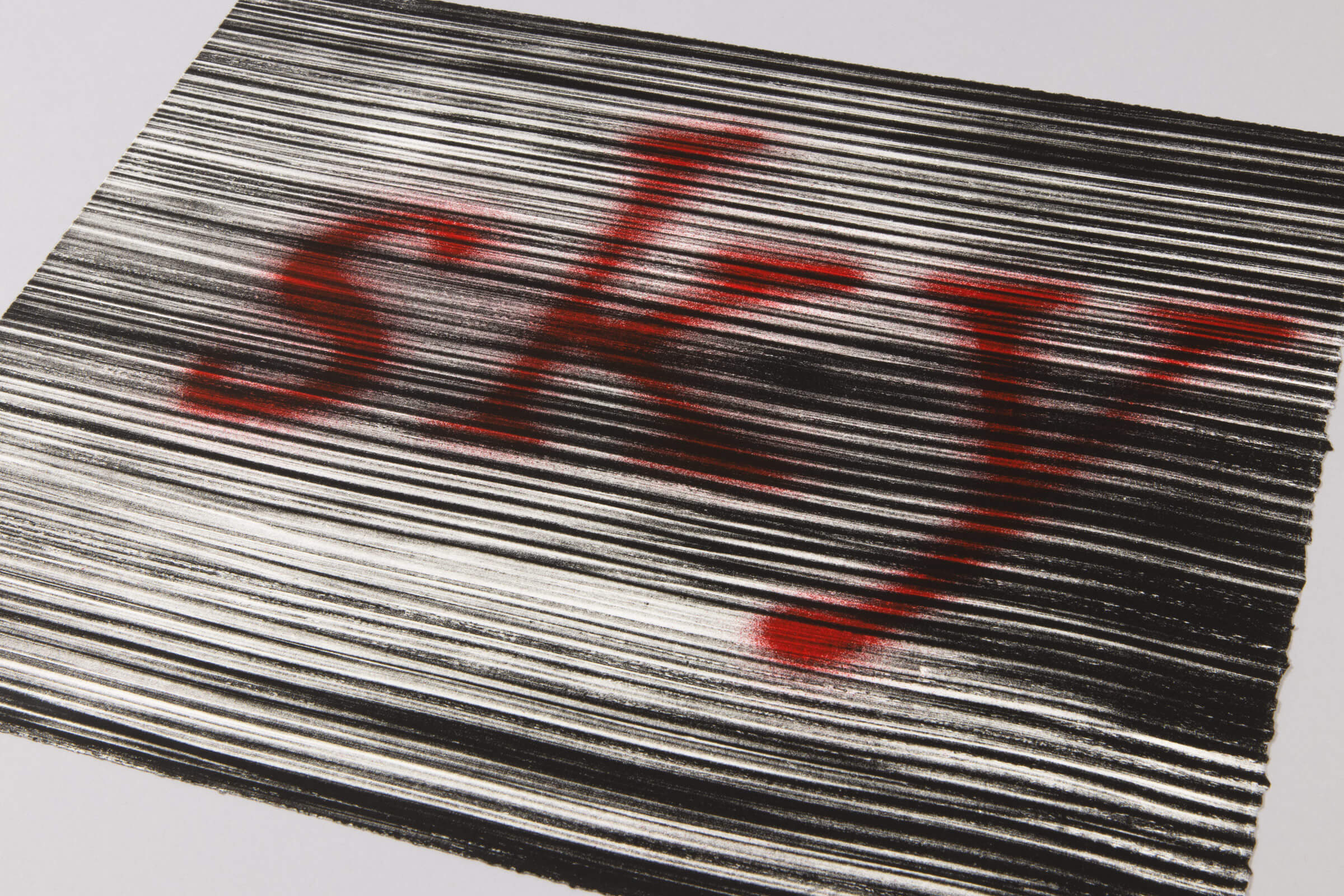
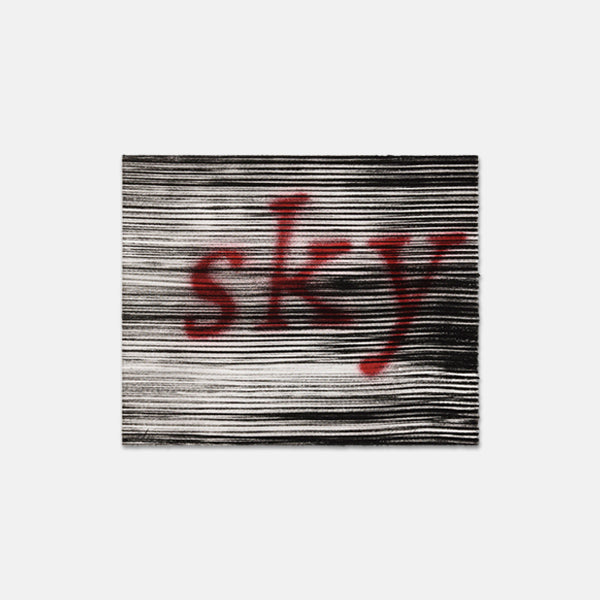
Ed Ruscha – This SkyEd Ruscha – This Sky
Ed Ruscha – This Sky Sale price€13.500,00
Sold out
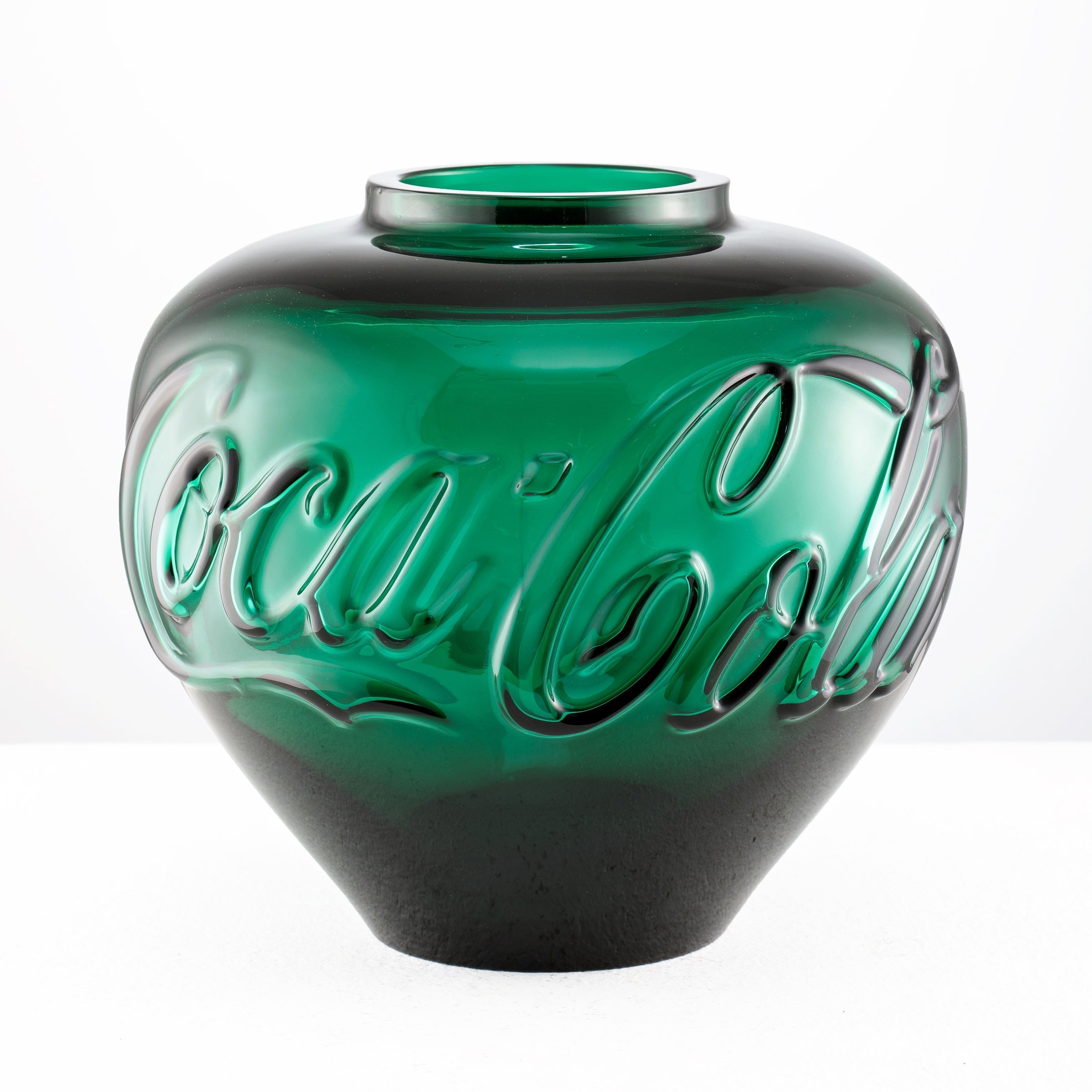
Ai Weiwei – Coca-Cola Vase (Green)
Louise Bourgeois – Be Calm (from Recueil des Secrets)Louise Bourgeois – Be Calm (from Recueil des Secrets)
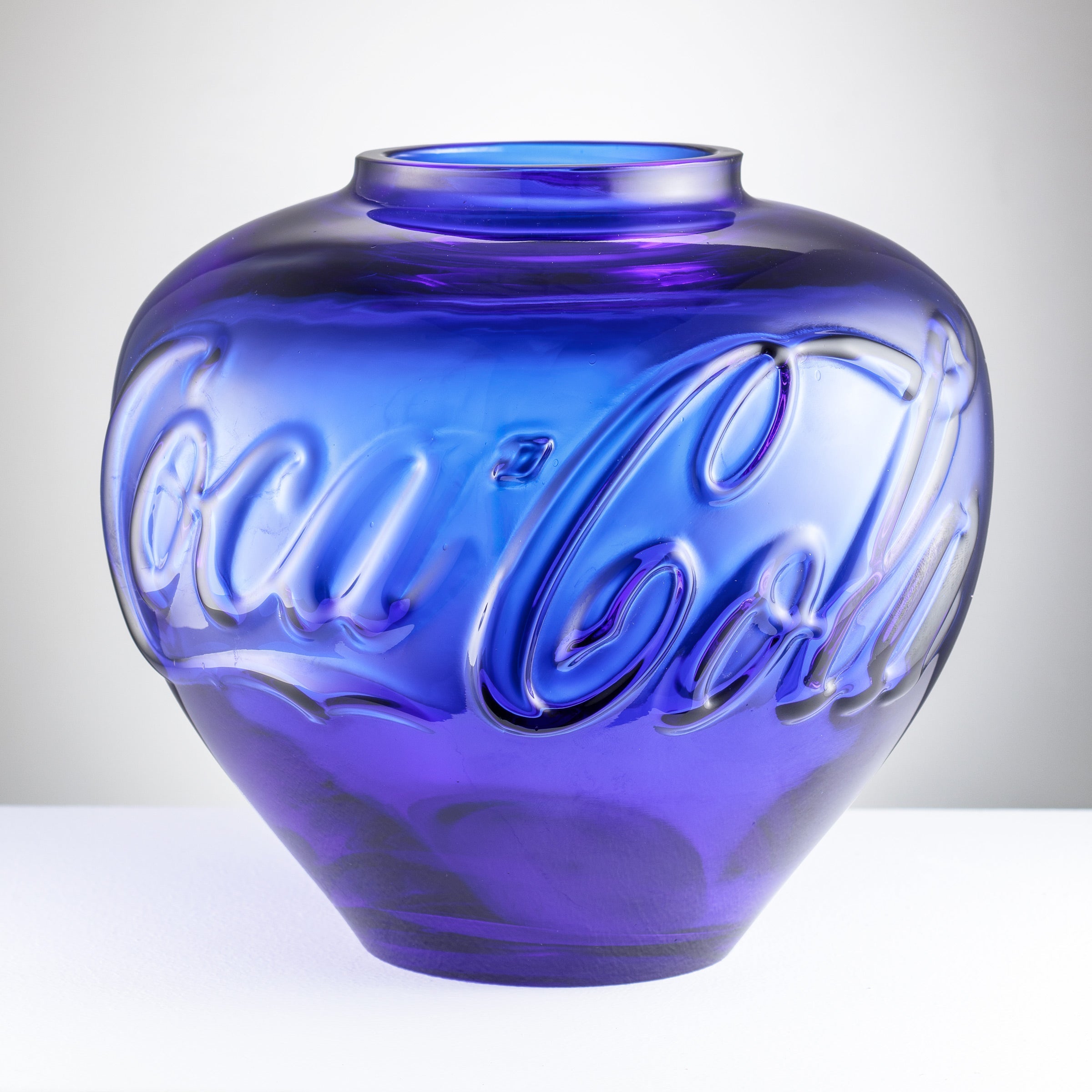
Ai Weiwei – Coca-Cola Vase (Blue) political art glass vase embossed with the Coca Cola logo
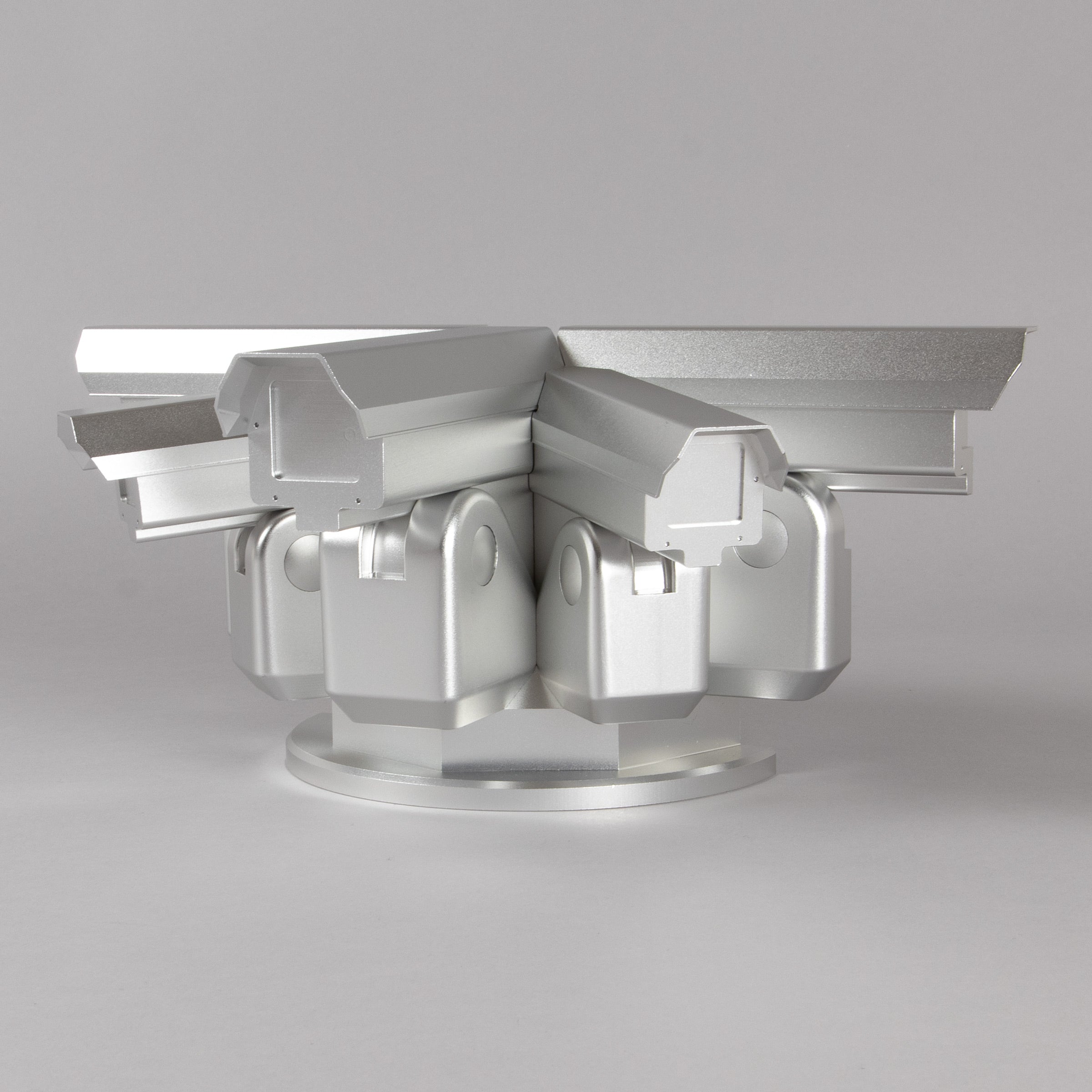
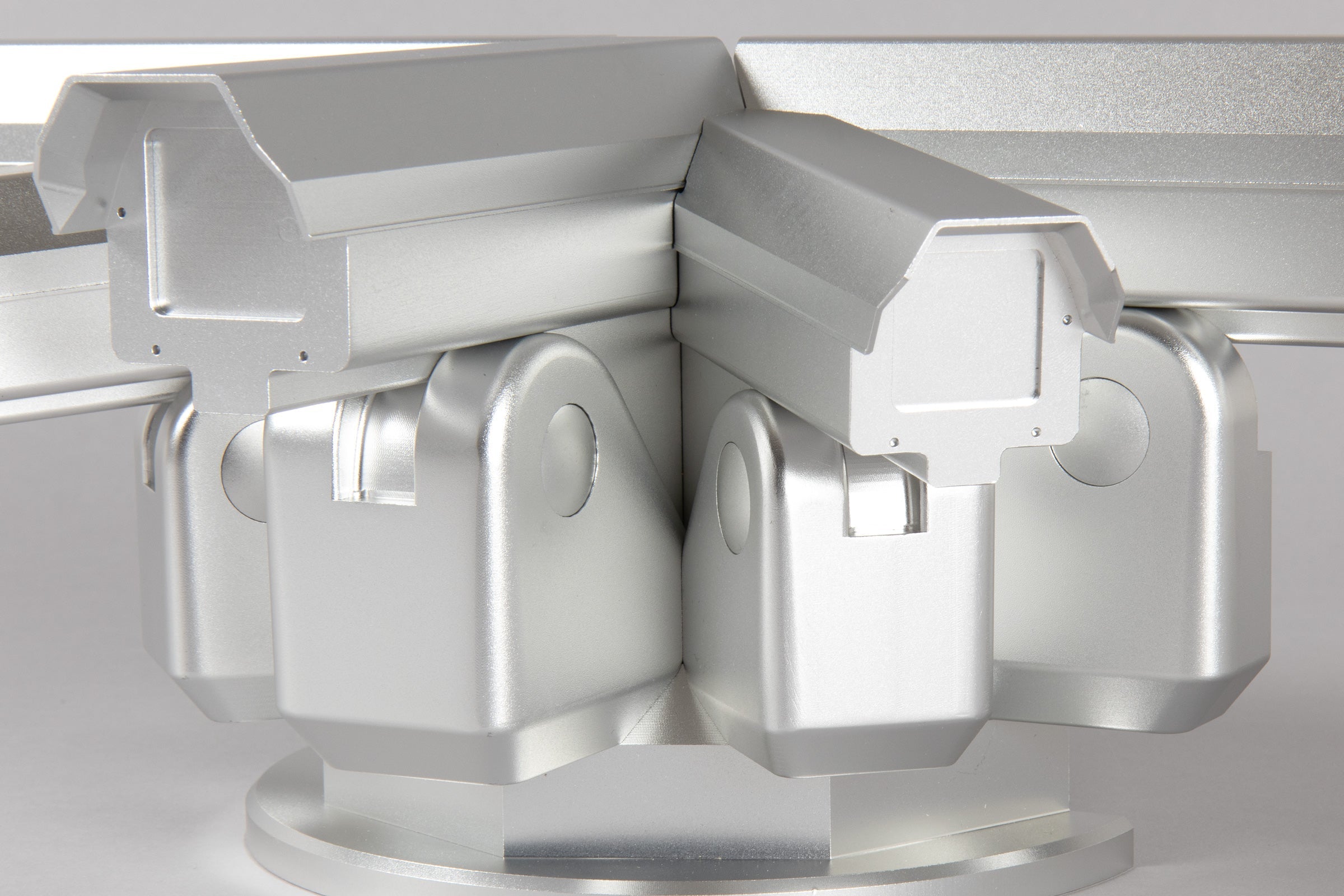
Ai Weiwei – To Be Looked At…Ai Weiwei – To Be Looked At…
Ai Weiwei – To Be Looked At… Sale price€6.400,00
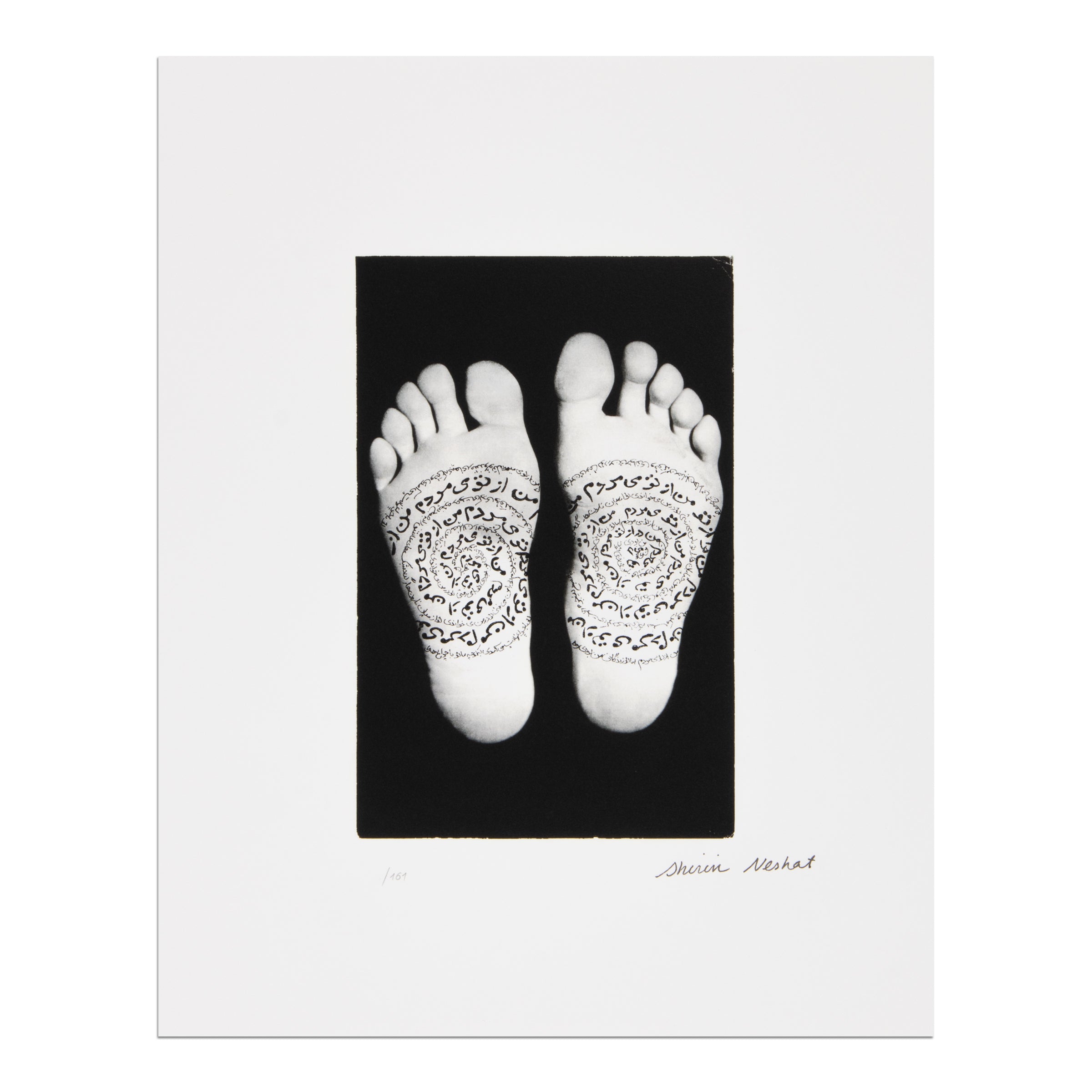
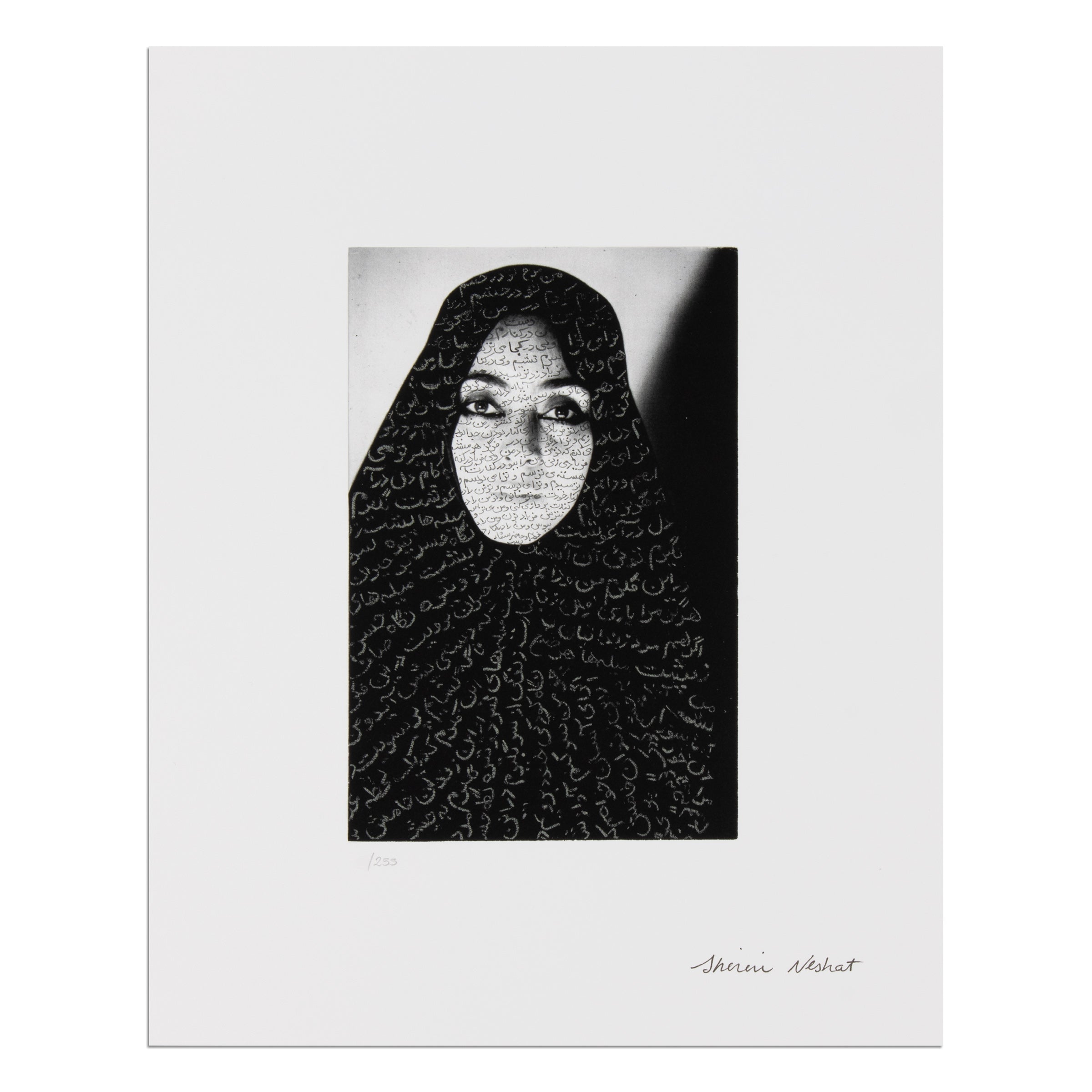
Shirin Neshat – Unveiling Series #2, 1993Shirin Neshat – Unveiling Series #2, 1993
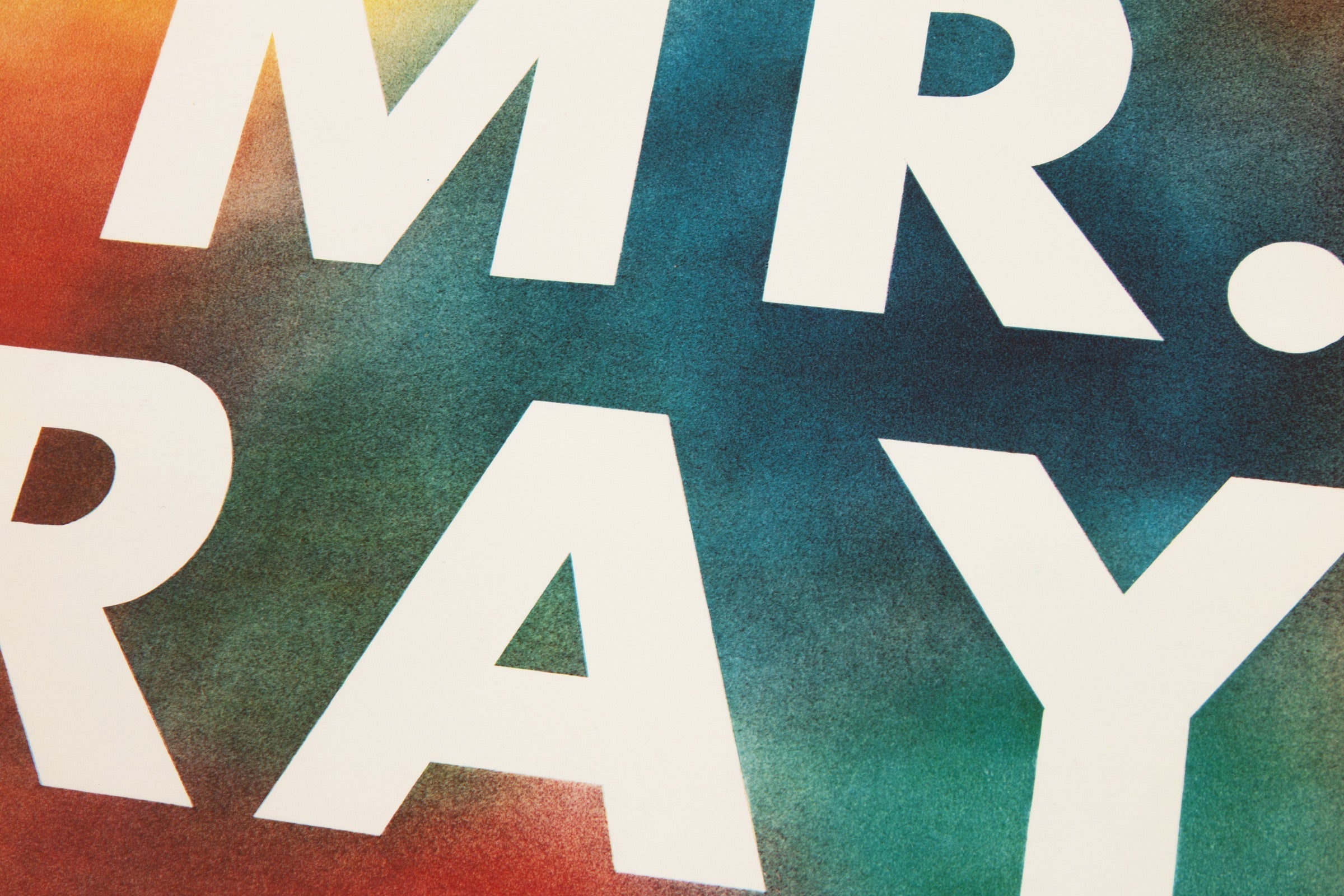
Ed Ruscha – Mr. RayEd Ruscha – Mr. Ray
Sold out
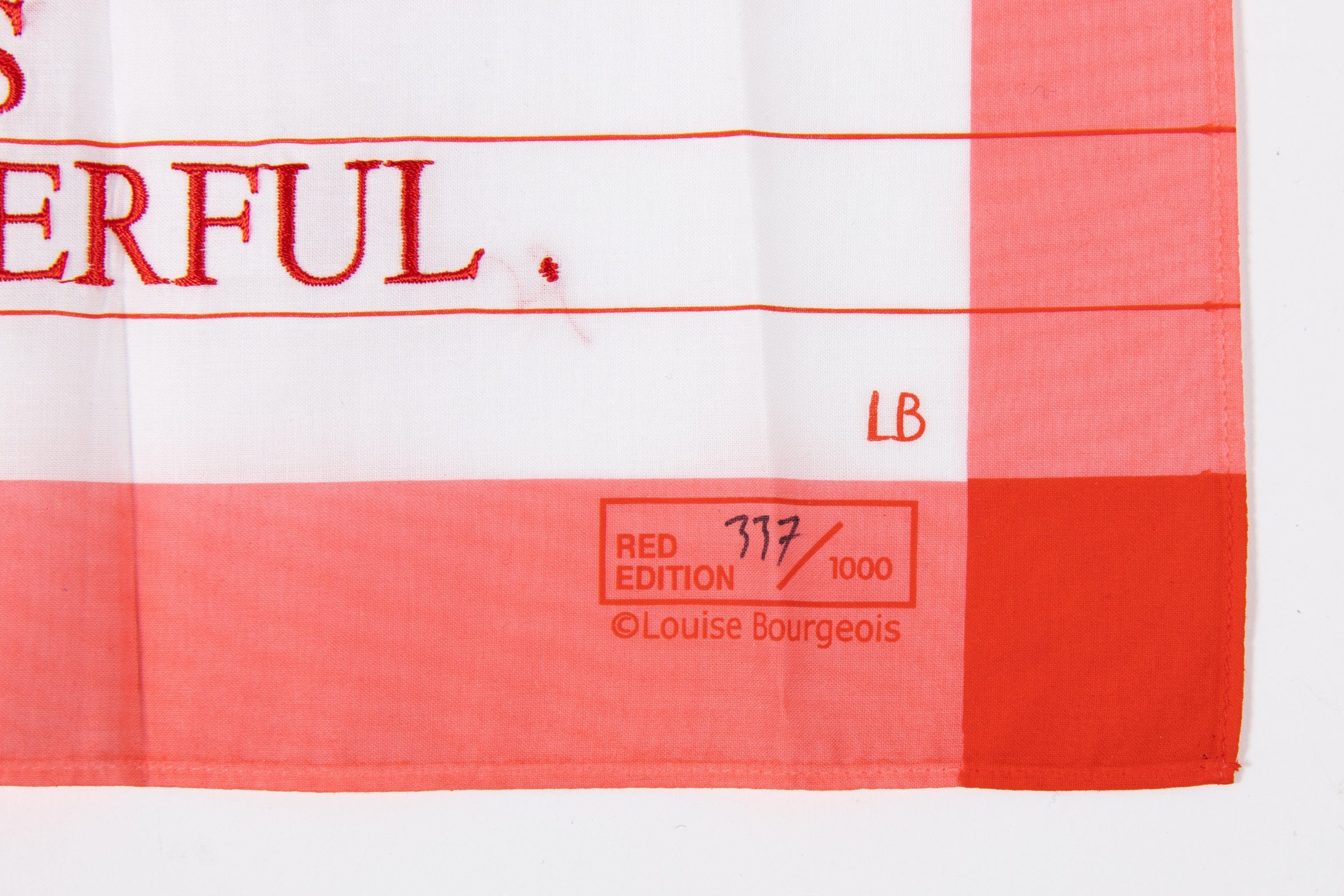
Louise Bourgeois - I Have Been to Hell and Back (Red)Louise Bourgeois - I Have Been to Hell and Back (Red)
Shirin Neshat – Unveiling Series 1, 1993Shirin Neshat – Unveiling Series 1, 1993
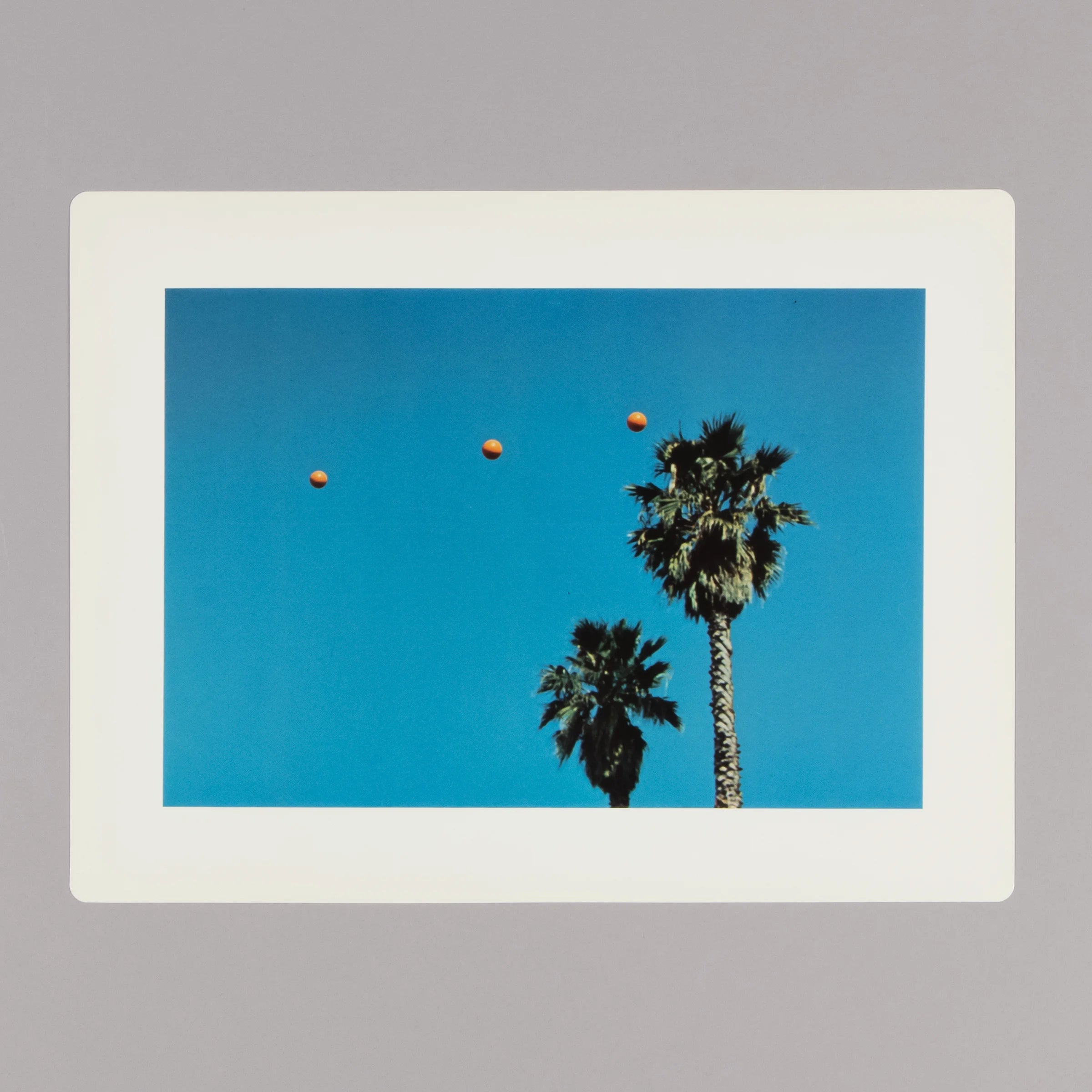
John Baldessari - Throwing Three Balls in the AirJohn Baldessari - Throwing Three Balls in the Air
Richard Long - Wind StonesRichard Long - Wind Stones
Richard Long - Wind Stones Sale price€1.400,00
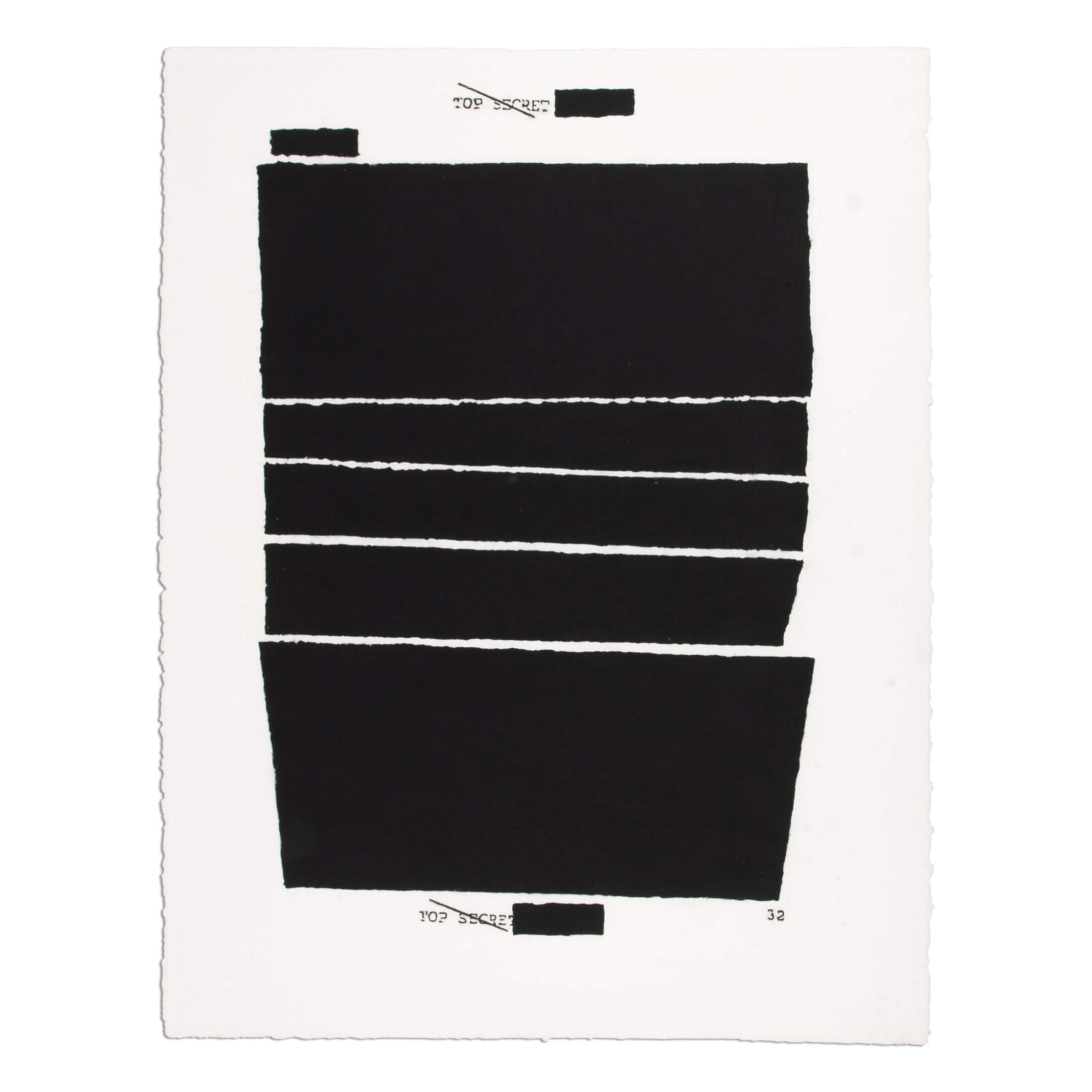
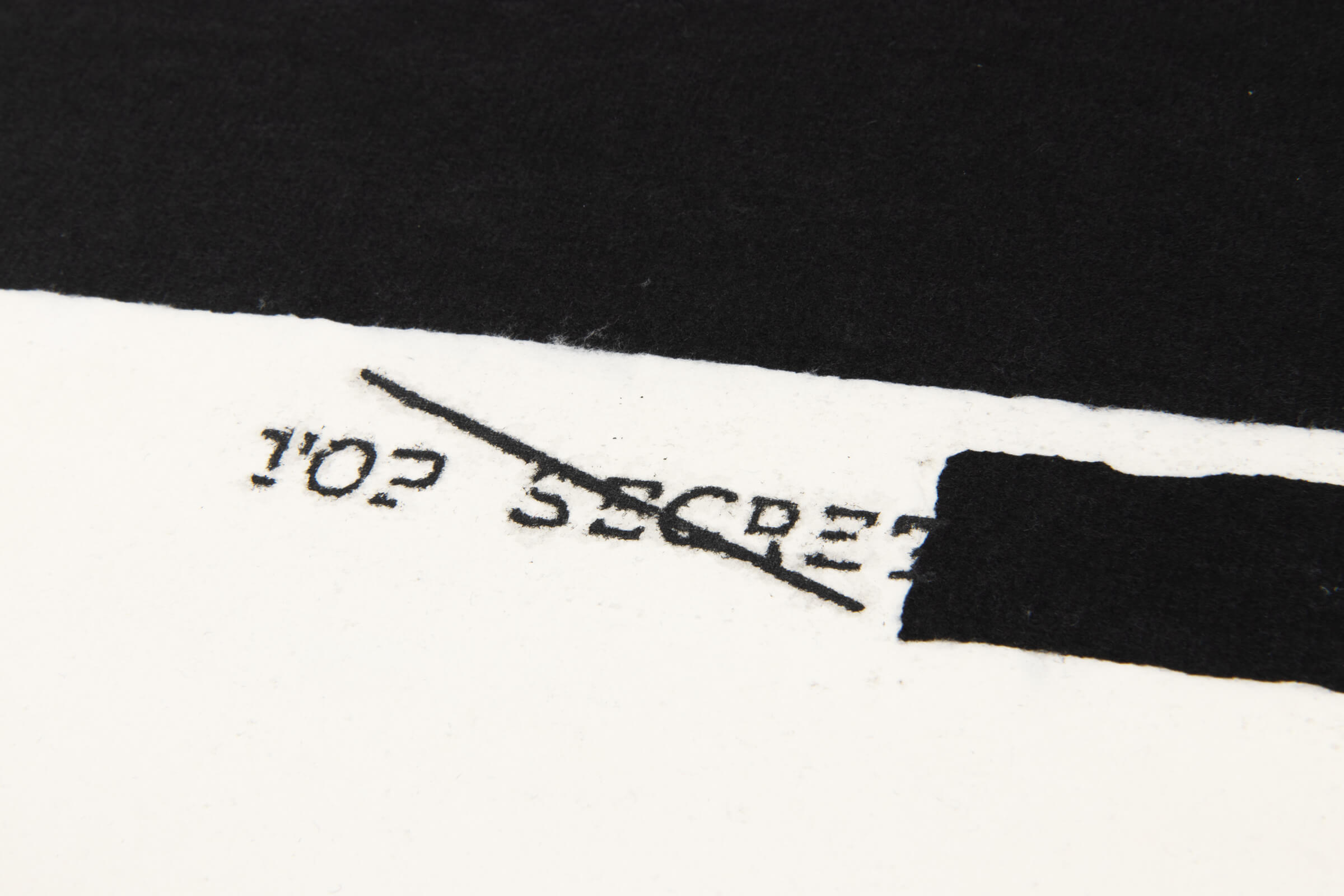
Jenny Holzer - Top Secret 32Jenny Holzer - Top Secret 32
Jenny Holzer – Top Secret 32 Sale price€1.900,00

Leading Artists in Conceptual Art

Browse signed conceptual art prints and editions by leading artists including John Baldessari, Jenny Holzer, Ed Ruscha, and Sol LeWitt.

All artists
01

Conceptual Art: When Ideas Became Art

Conceptual art is defined by the primacy of the idea over the object. Emerging in the 1960s, it marked a decisive shift in contemporary art, where meaning, intention, and context took precedence over traditional craftsmanship or visual form. Rather than producing purely aesthetic objects, artists began to treat art as a proposition, a system, or a set of conditions through which meaning is constructed.

This transformation builds on earlier twentieth-century experiments, particularly those of Marcel Duchamp, whose readymades challenged assumptions about authorship, originality, and the nature of the artwork itself. By reframing ordinary objects as art, Duchamp established a model in which selection and context could define artistic value.

Three strands extended this position into a full movement. Language became a primary medium: Joseph Kosuth and Jenny Holzer demonstrated that text could constitute the work entirely rather than describe it. Systems and predefined structures extended the logic further — Sol LeWitt's wall drawings are generated from written instructions, meaning execution can be delegated while the concept remains fixed; authorship shifts from making to conceiving. Appropriation and media critique added a third dimension: Ed Ruscha and John Baldessari showed that meaning is produced through context and juxtaposition rather than depiction alone.
What connects these strands is a single conviction: that an idea, rigorously pursued, is sufficient to constitute a work of art. That conviction is why conceptual art remains the most intellectually demanding — and most consequential — strand of contemporary collecting.

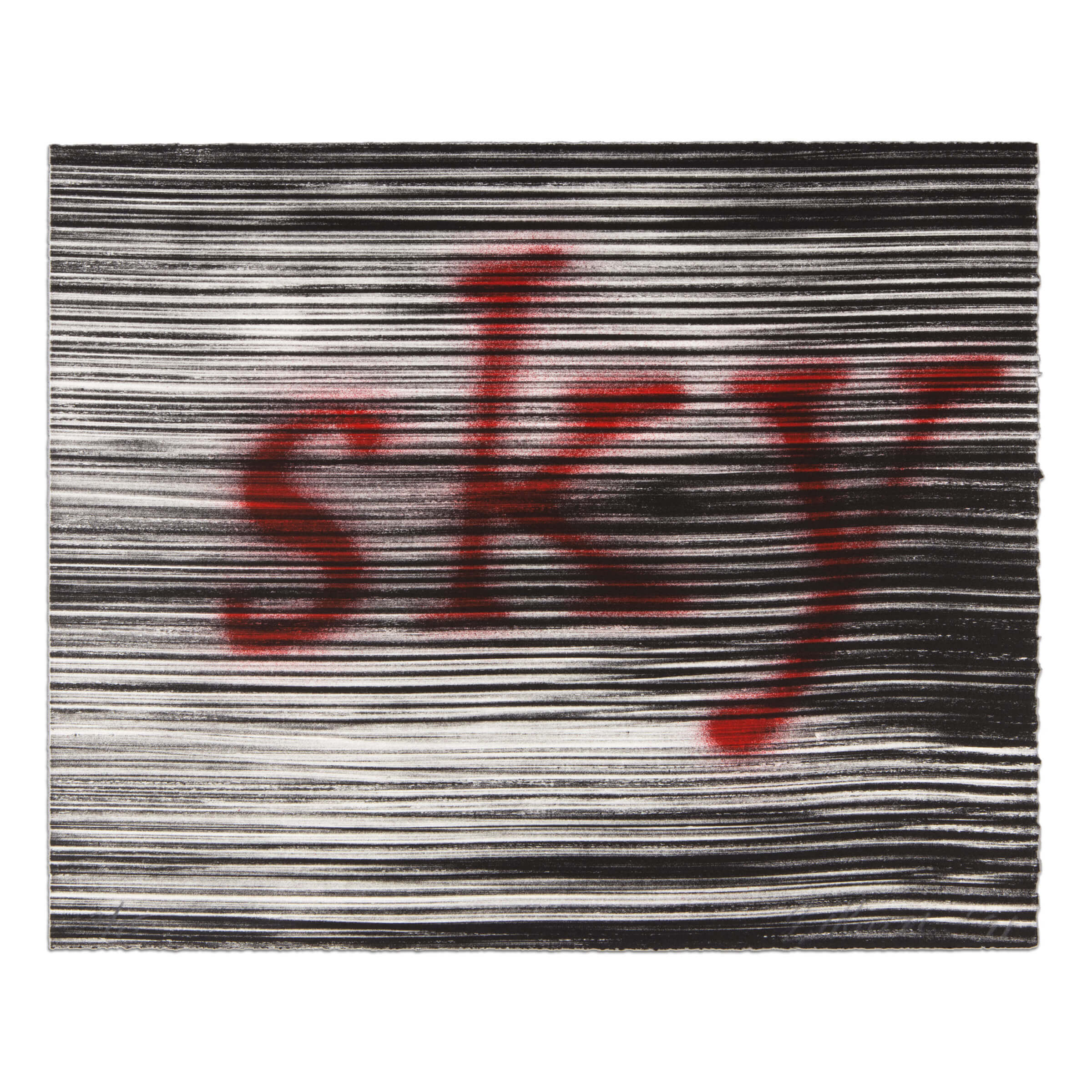
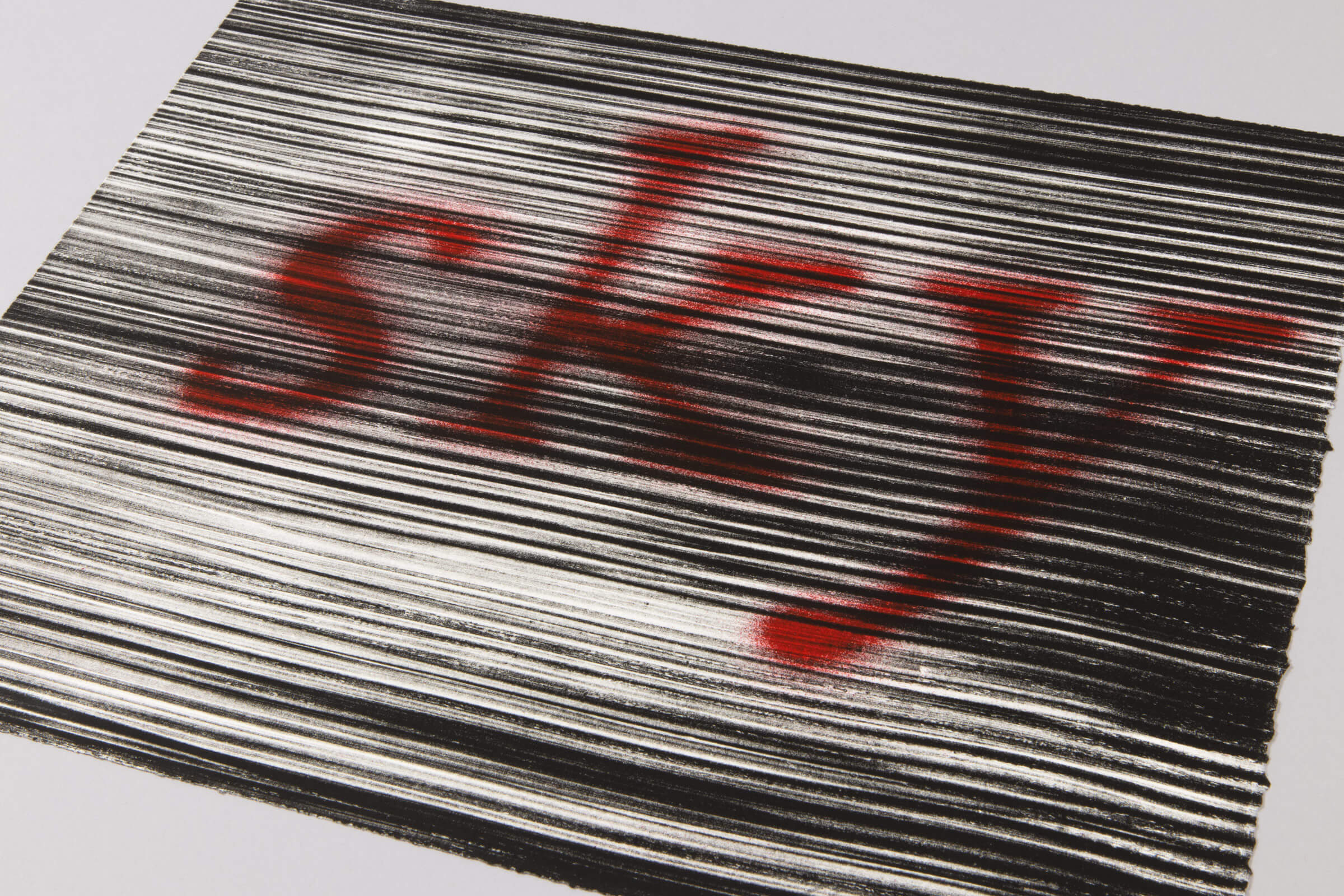
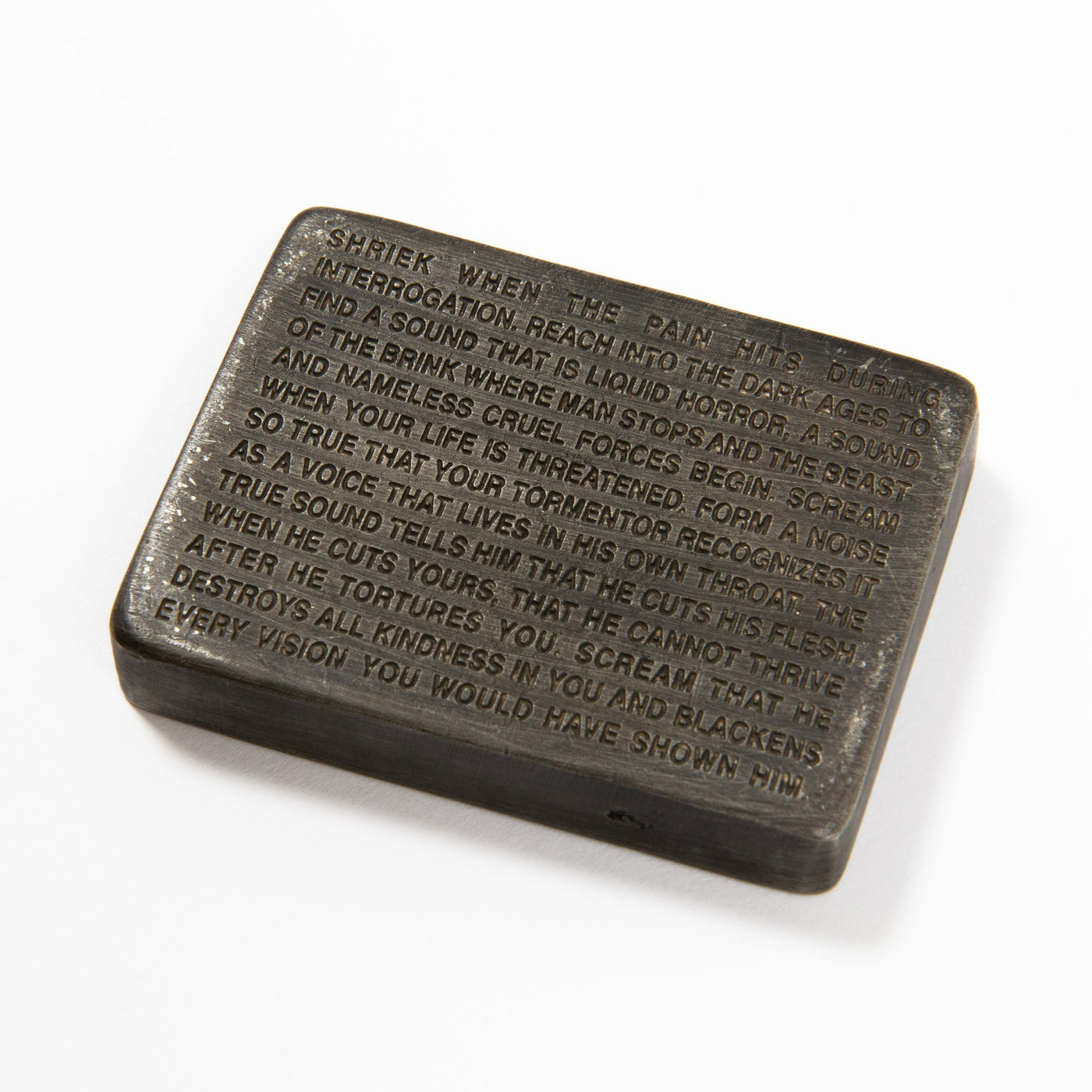
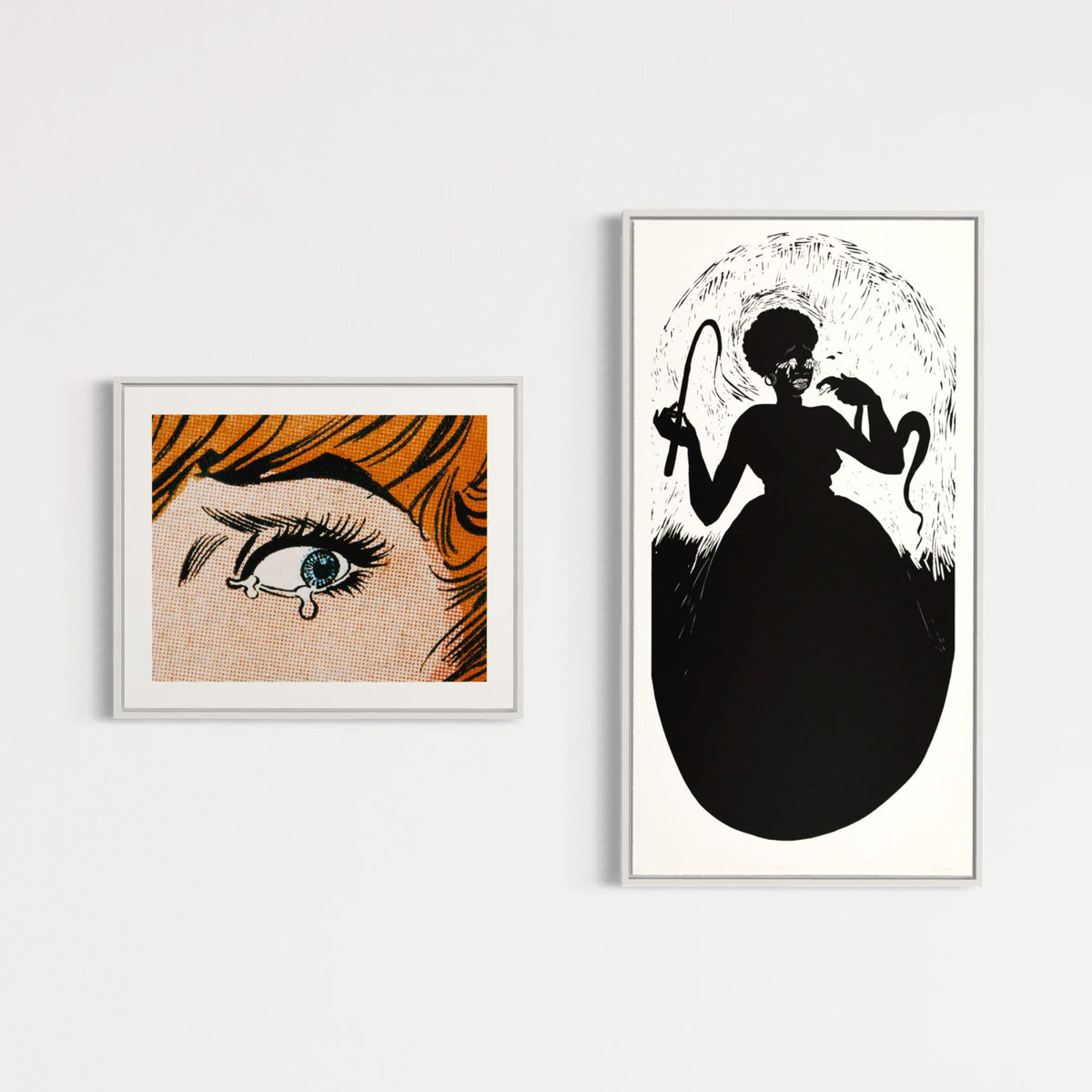
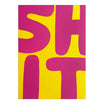
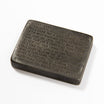
Jenny Holzer - Inflammatory Essays: Shriek When the Pain Hits During Interrogation
02

Famous Conceptual Art Pieces

Certain artworks have become defining examples of conceptual art because of how completely they replaced craftsmanship with idea as the basis of the work.

Marcel Duchamp – Fountain (1917)
An ordinary urinal, signed with a pseudonym and submitted to an exhibition, became the movement's founding gesture — the moment selection and designation replaced making as the basis of art.

Joseph Kosuth – One and Three Chairs (1965)
A physical chair, a photograph of that chair, and a dictionary definition of the word "chair," presented side by side. The work asks where an object's meaning actually resides — in the thing, its image, or the language that defines it.

Sol LeWitt – Wall Drawings (1968–)
Generated entirely from written instructions and executed by assistants rather than the artist's own hand, LeWitt's wall drawings embody his own dictum: "the idea becomes a machine that makes the art."

On Kawara – Date Paintings (1966–)
Each canvas records nothing more than the date it was made, in a fixed, impersonal format repeated almost daily for decades — turning the simple fact of a day's passing into the work's entire subject.

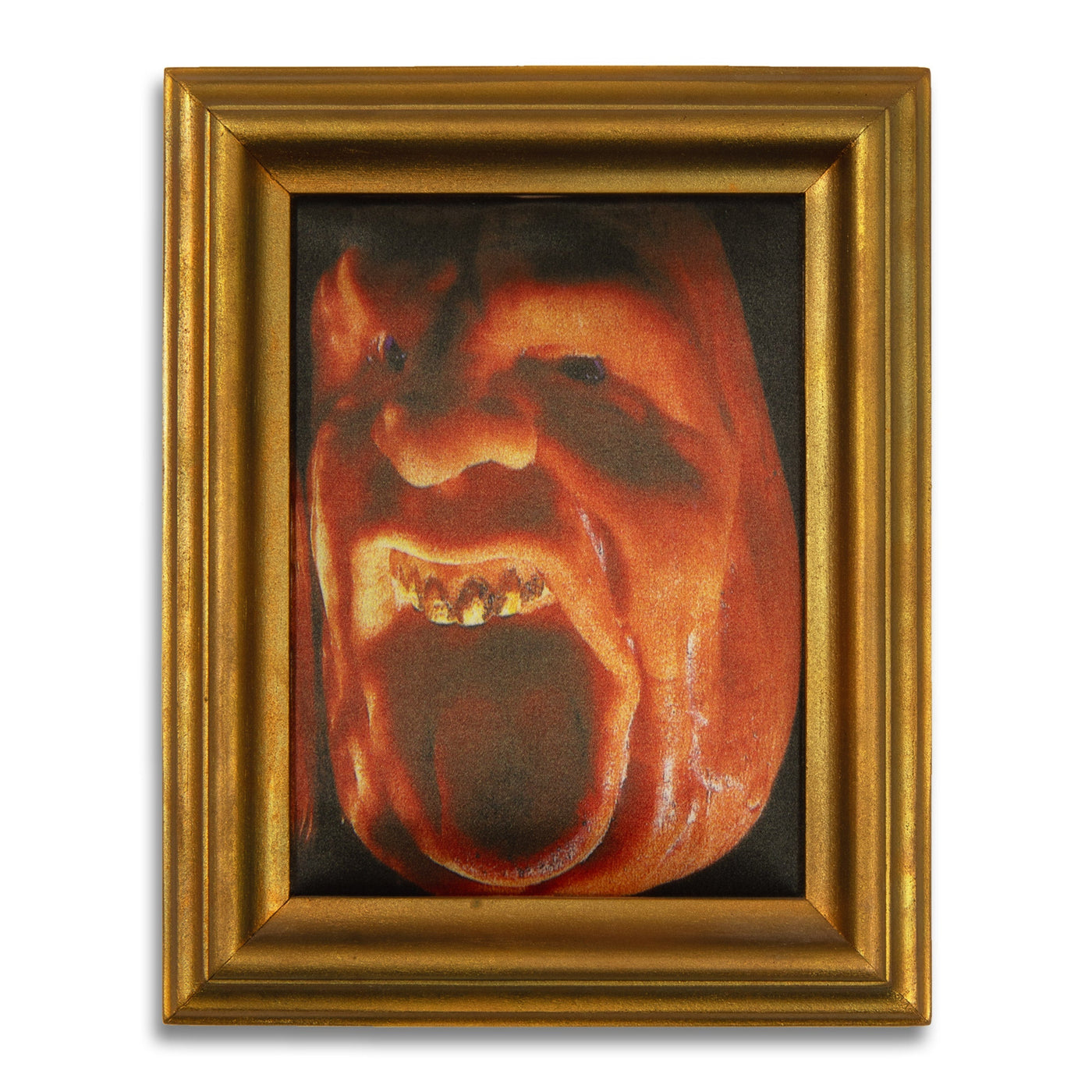
Cindy Sherman - Untitled (Parkett 29)
03

Why Collect Conceptual Art Prints and Editions

Conceptual art is closely aligned with limited edition prints, editions, and multiples, as these formats reflect its emphasis on ideas over singular objects. Many conceptual works are conceived to be reproduced, distributed, or reinterpreted, allowing them to circulate across contexts while maintaining their conceptual integrity.

Artists such as Joseph Kosuth, Sol LeWitt, and Ed Ruscha have produced prints, books, and editioned works that translate conceptual strategies into accessible formats. In some cases, the artwork may take the form of a certificate, a set of instructions, or a defined system that governs its realization. The physical object becomes one manifestation of a broader conceptual framework.

Collecting conceptual art therefore involves engaging with both material and idea. Unlike traditional collecting, where emphasis is placed on visual presence or uniqueness, conceptual art foregrounds authorship, context, and intellectual rigor. Editions and multiples offer collectors the opportunity to acquire works that are both historically significant and closely aligned with the core principles of contemporary art.

Explore available conceptual art prints, photographs, and multiples in this collection, or read the full Conceptual Art Editorial →.

01

Conceptual Art: When Ideas Became Art

Conceptual art is defined by the primacy of the idea over the object. Emerging in the 1960s, it marked a decisive shift in contemporary art, where meaning, intention, and context took precedence over traditional craftsmanship or visual form. Rather than producing purely aesthetic objects, artists began to treat art as a proposition, a system, or a set of conditions through which meaning is constructed.

This transformation builds on earlier twentieth-century experiments, particularly those of Marcel Duchamp, whose readymades challenged assumptions about authorship, originality, and the nature of the artwork itself. By reframing ordinary objects as art, Duchamp established a model in which selection and context could define artistic value.

Three strands extended this position into a full movement. Language became a primary medium: Joseph Kosuth and Jenny Holzer demonstrated that text could constitute the work entirely rather than describe it. Systems and predefined structures extended the logic further — Sol LeWitt's wall drawings are generated from written instructions, meaning execution can be delegated while the concept remains fixed; authorship shifts from making to conceiving. Appropriation and media critique added a third dimension: Ed Ruscha and John Baldessari showed that meaning is produced through context and juxtaposition rather than depiction alone.

What connects these strands is a single conviction: that an idea, rigorously pursued, is sufficient to constitute a work of art. That conviction is why conceptual art remains the most intellectually demanding — and most consequential — strand of contemporary collecting.

02

Famous Conceptual Art Pieces

Certain artworks have become defining examples of conceptual art because of how completely they replaced craftsmanship with idea as the basis of the work.

Marcel Duchamp – Fountain (1917)
An ordinary urinal, signed with a pseudonym and submitted to an exhibition, became the movement's founding gesture — the moment selection and designation replaced making as the basis of art.

Joseph Kosuth – One and Three Chairs (1965)
A physical chair, a photograph of that chair, and a dictionary definition of the word "chair," presented side by side. The work asks where an object's meaning actually resides — in the thing, its image, or the language that defines it.

Sol LeWitt – Wall Drawings (1968–)
Generated entirely from written instructions and executed by assistants rather than the artist's own hand, LeWitt's wall drawings embody his own dictum: "the idea becomes a machine that makes the art."

On Kawara – Date Paintings (1966–)
Each canvas records nothing more than the date it was made, in a fixed, impersonal format repeated almost daily for decades — turning the simple fact of a day's passing into the work's entire subject.

03

Why Collect Conceptual Art Prints and Editions

Conceptual art is closely aligned with limited edition prints, editions, and multiples, as these formats reflect its emphasis on ideas over singular objects. Many conceptual works are conceived to be reproduced, distributed, or reinterpreted, allowing them to circulate across contexts while maintaining their conceptual integrity.

Artists such as Joseph Kosuth, Sol LeWitt, and Ed Ruscha have produced prints, books, and editioned works that translate conceptual strategies into accessible formats. In some cases, the artwork may take the form of a certificate, a set of instructions, or a defined system that governs its realization. The physical object becomes one manifestation of a broader conceptual framework.

Collecting conceptual art therefore involves engaging with both material and idea. Unlike traditional collecting, where emphasis is placed on visual presence or uniqueness, conceptual art foregrounds authorship, context, and intellectual rigor. Editions and multiples offer collectors the opportunity to acquire works that are both historically significant and closely aligned with the core principles of contemporary art.

Explore available conceptual art prints, photographs, and multiples in this collection, or read the full Conceptual Art Editorial →.

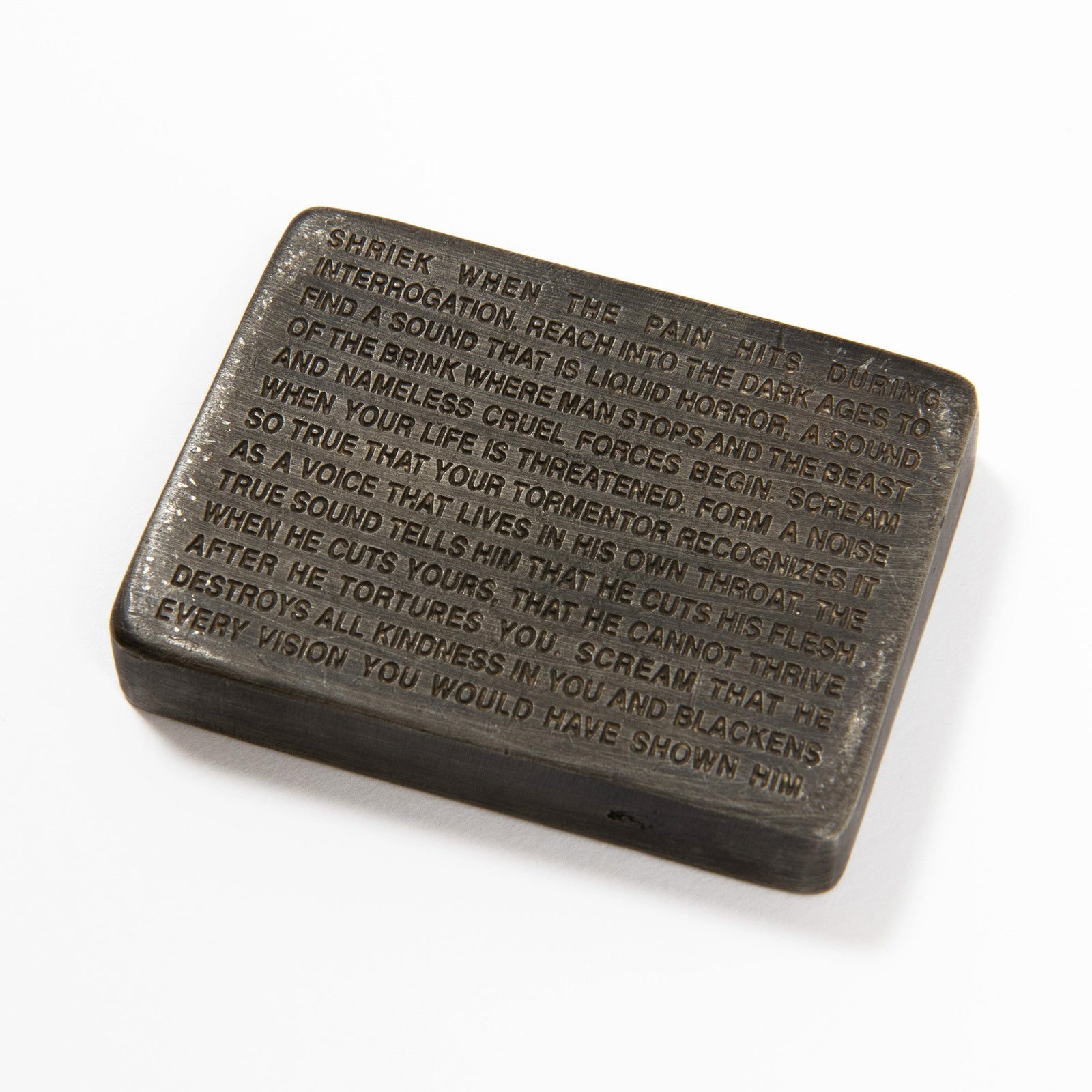
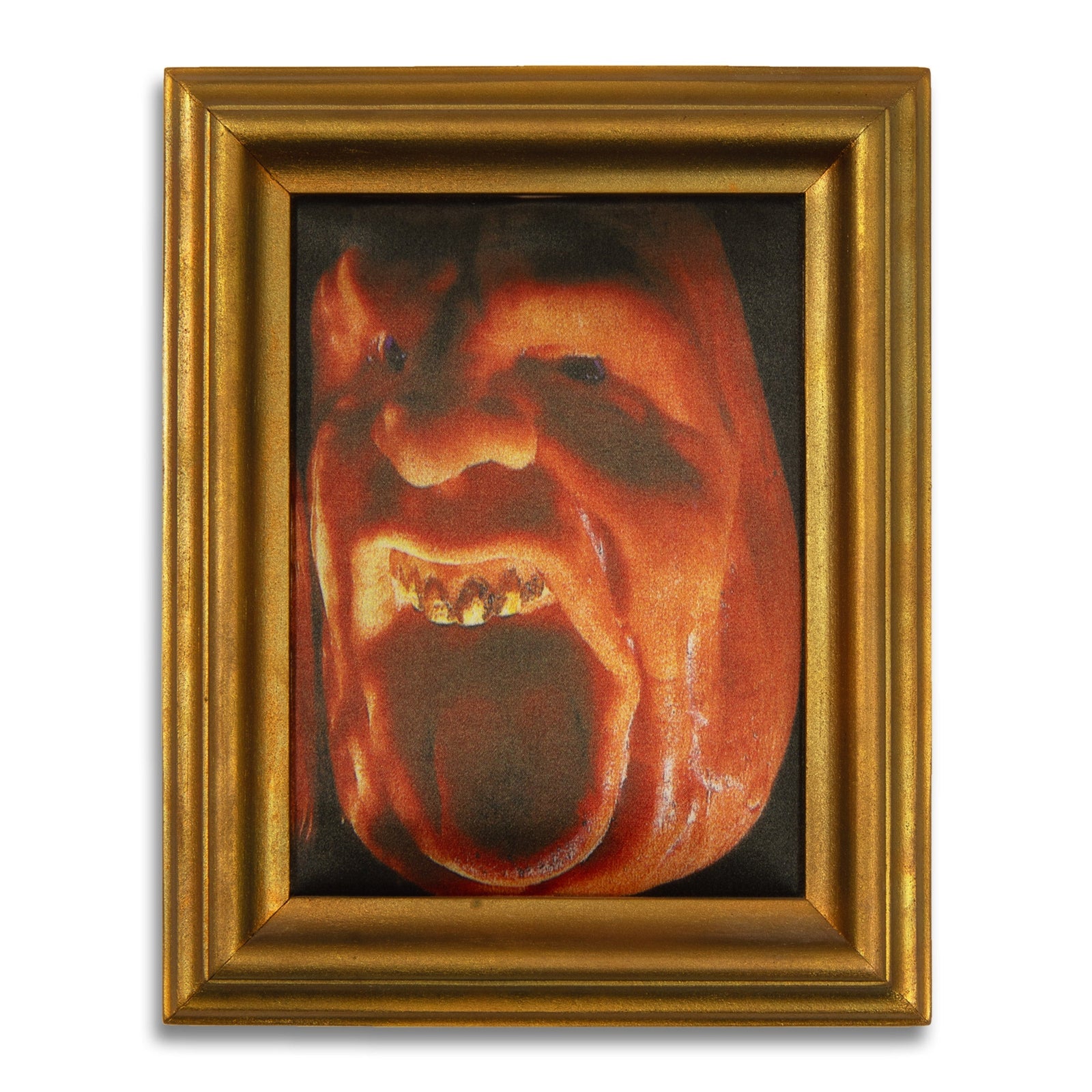
Jenny Holzer - Inflammatory Essays: Shriek When the Pain Hits During InterrogationCindy Sherman - Untitled (Parkett 29)

Explore Art Collections

Explore curated art collections across movements, themes, and artist groups, offering multiple ways to navigate and discover contemporary art.

View all
Prints, Photographs & Multiples

View our full collection of

Prints, Photographs & Multiples

Shop now