Damien Hirst emerged from Goldsmiths College in the late 1980s as, first and foremost, a conceptual artist — working in the lineage of Duchamp's readymades, where systems and ideas outweigh the artist's own hand. While still a student, he organised the seminal exhibition Freeze in 1988, in a disused Docklands building, bringing together fellow Goldsmiths students including Sarah Lucas, Gary Hume, Michael Landy, and Fiona Rae — the nucleus of what would become the Young British Artists, and a show that attracted the collector Charles Saatchi almost immediately.
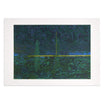
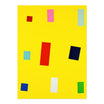
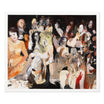
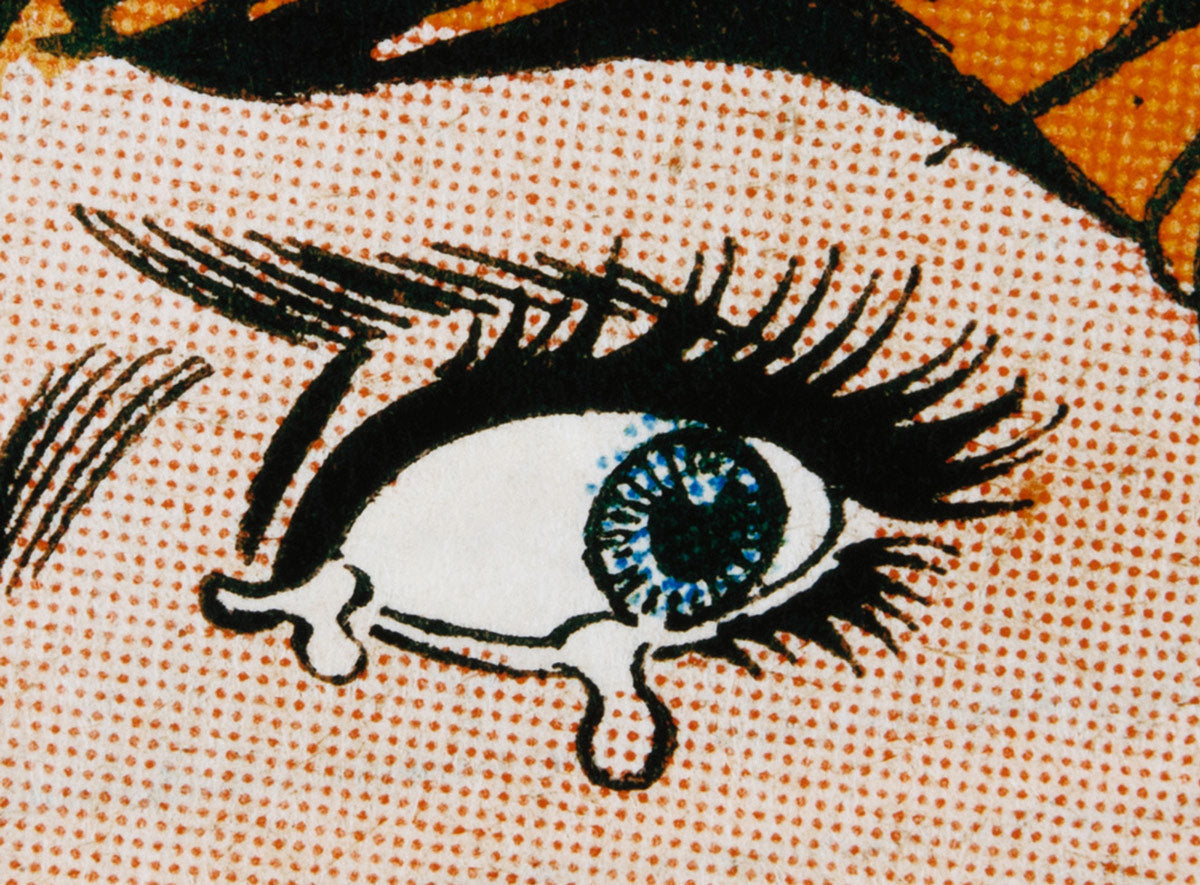
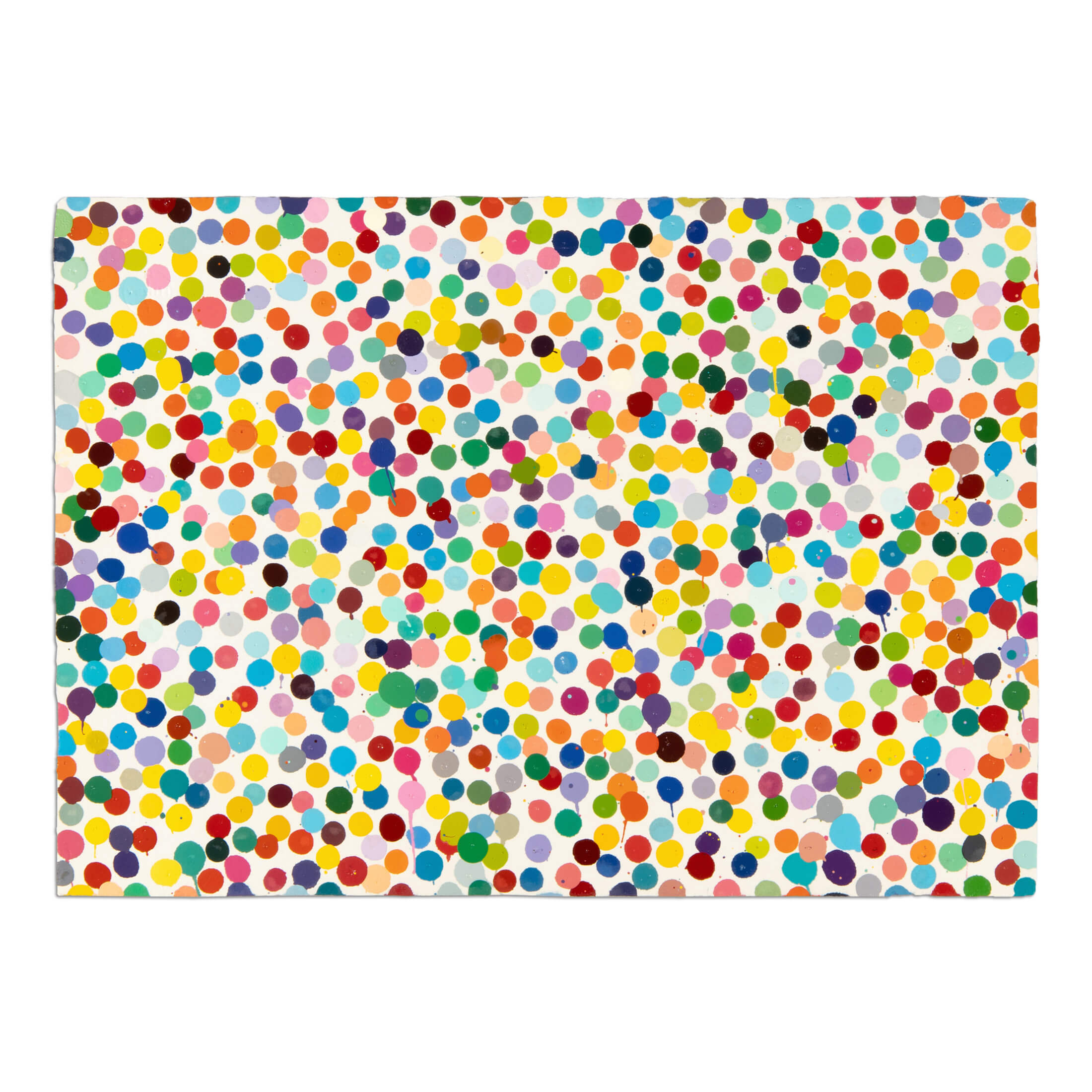
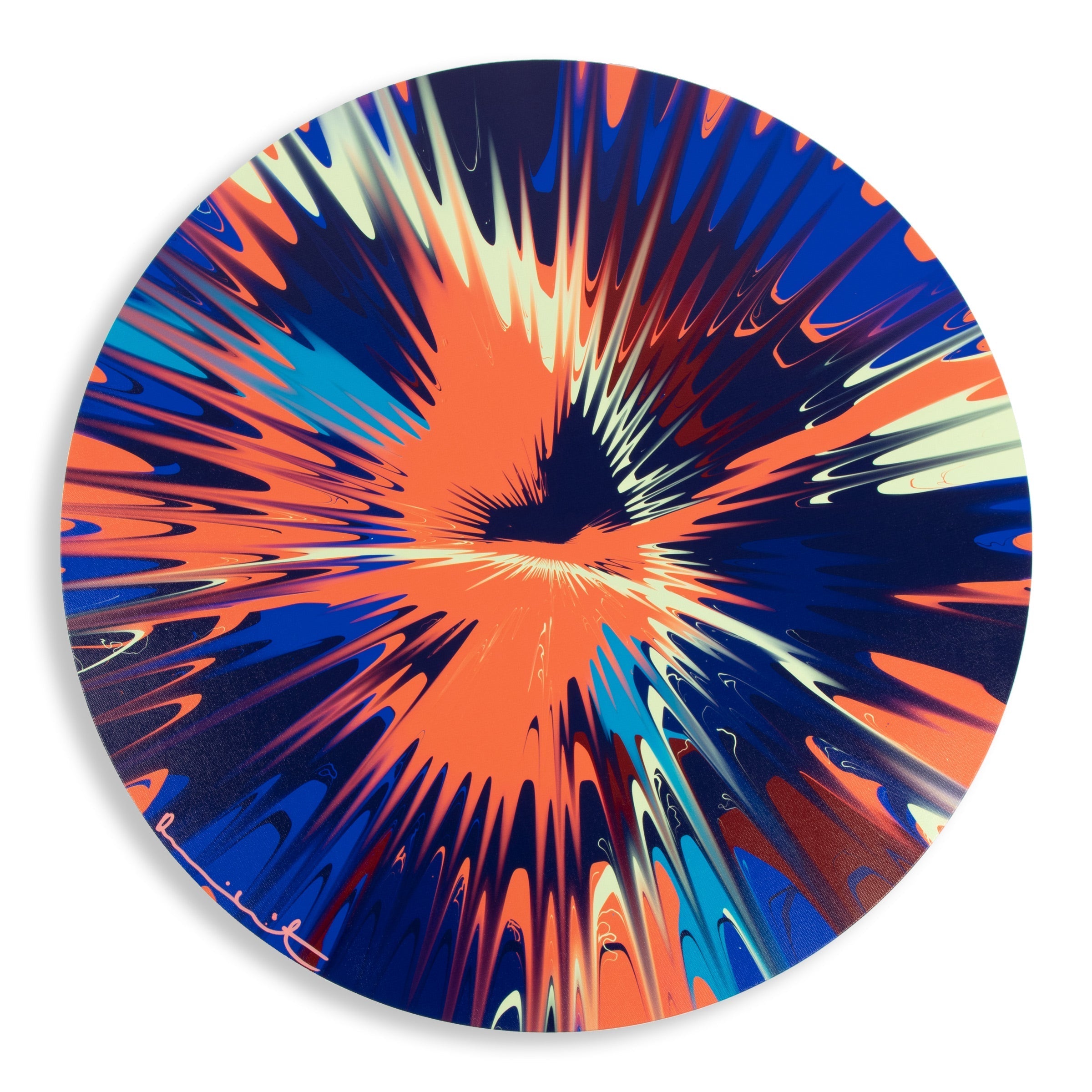
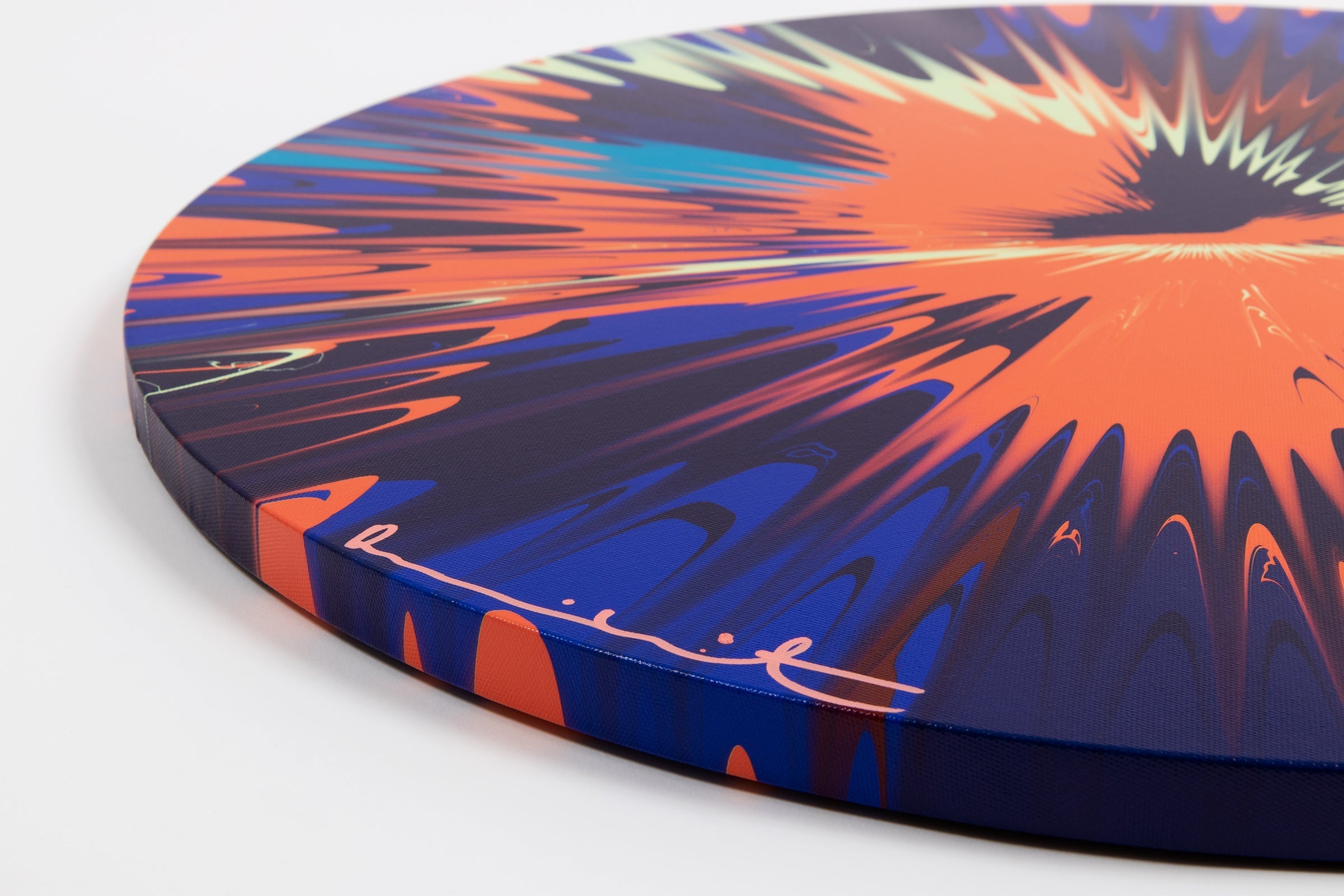
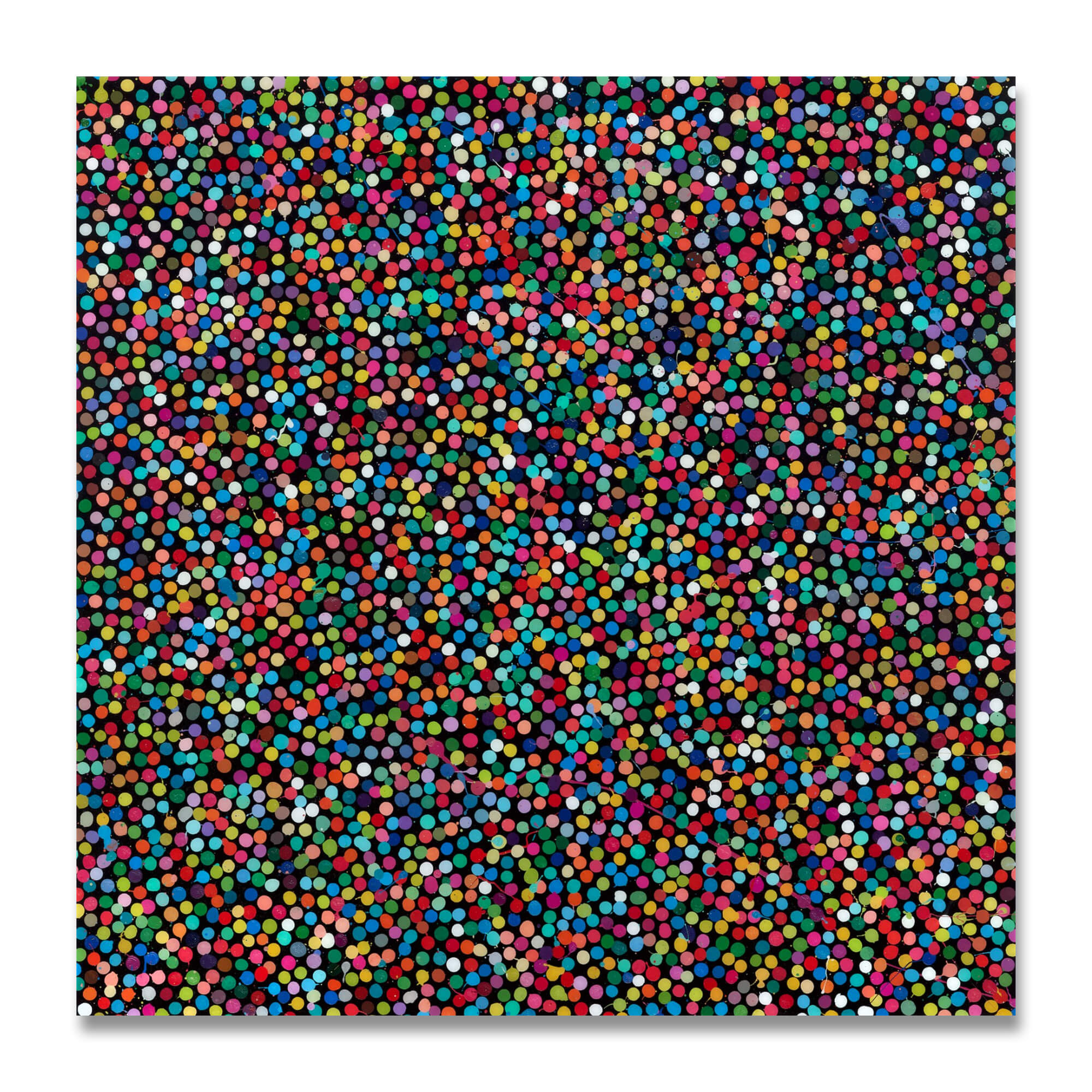
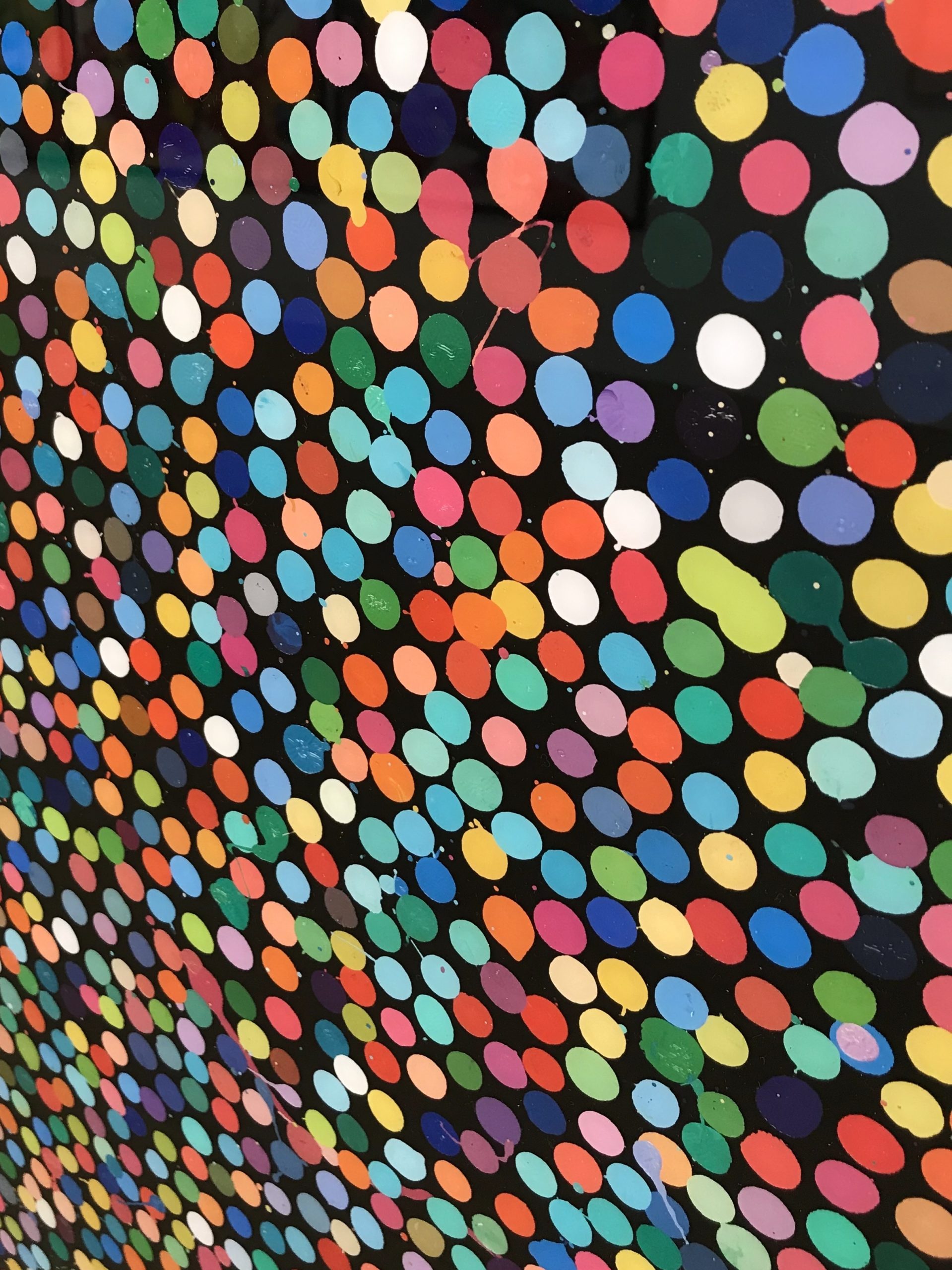
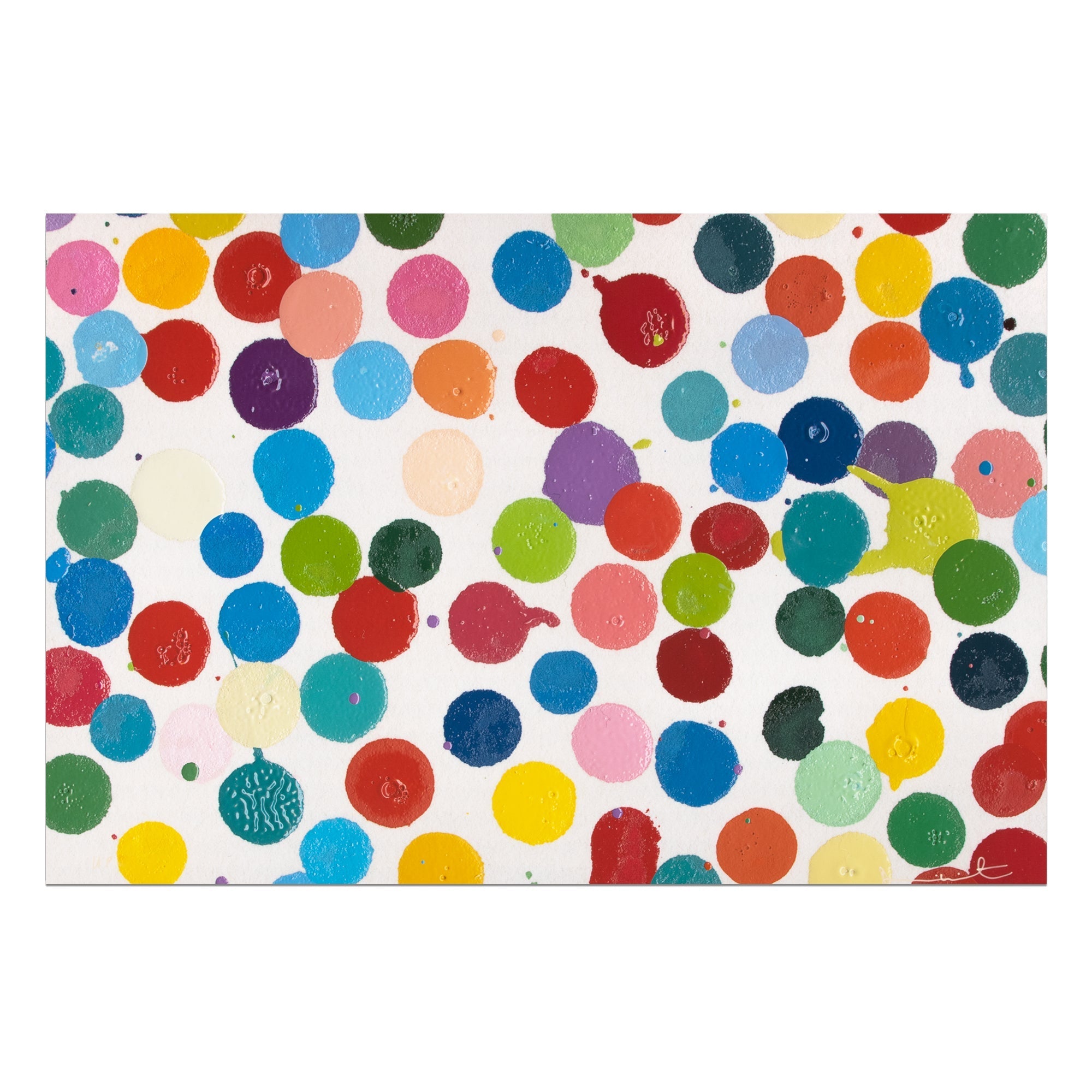
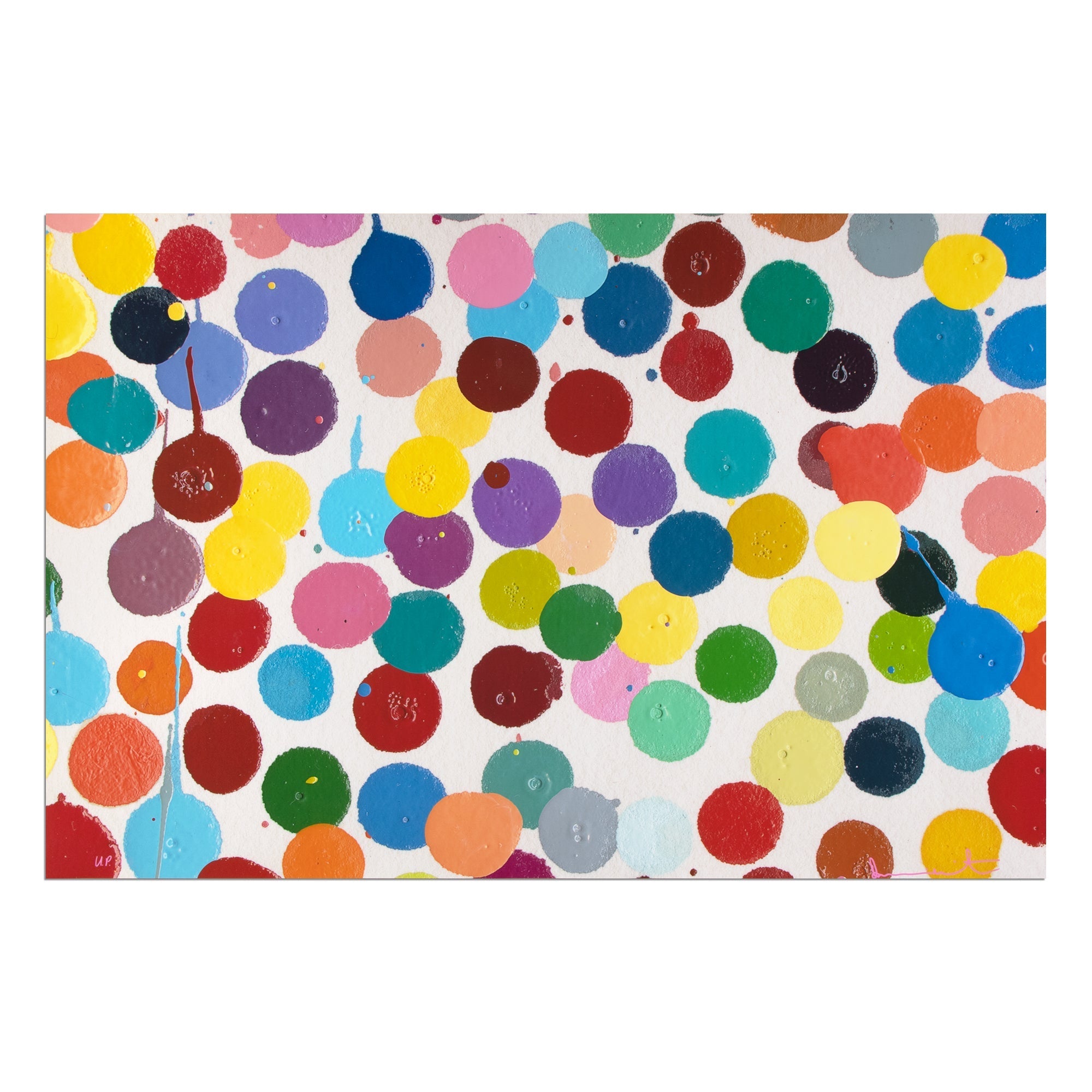
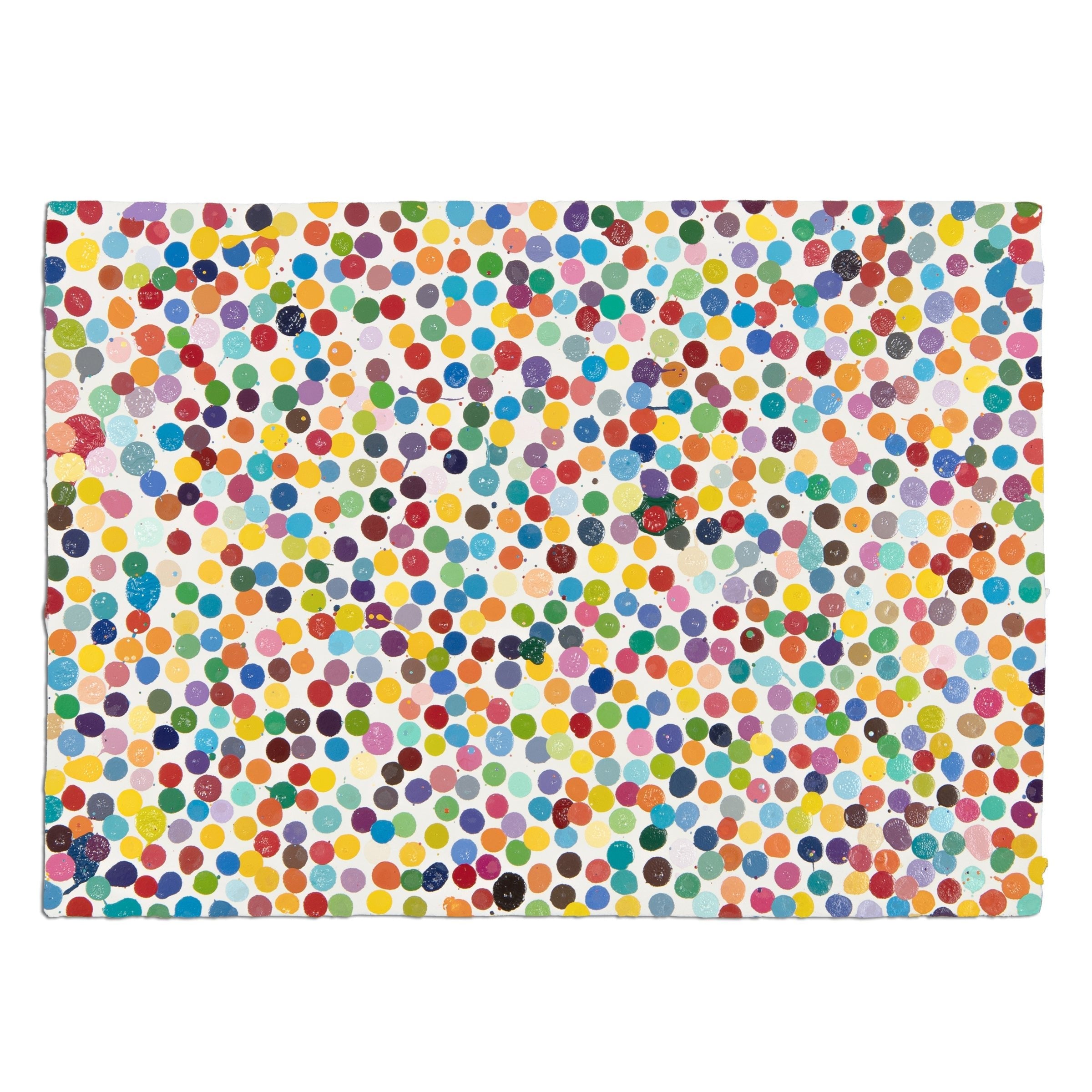
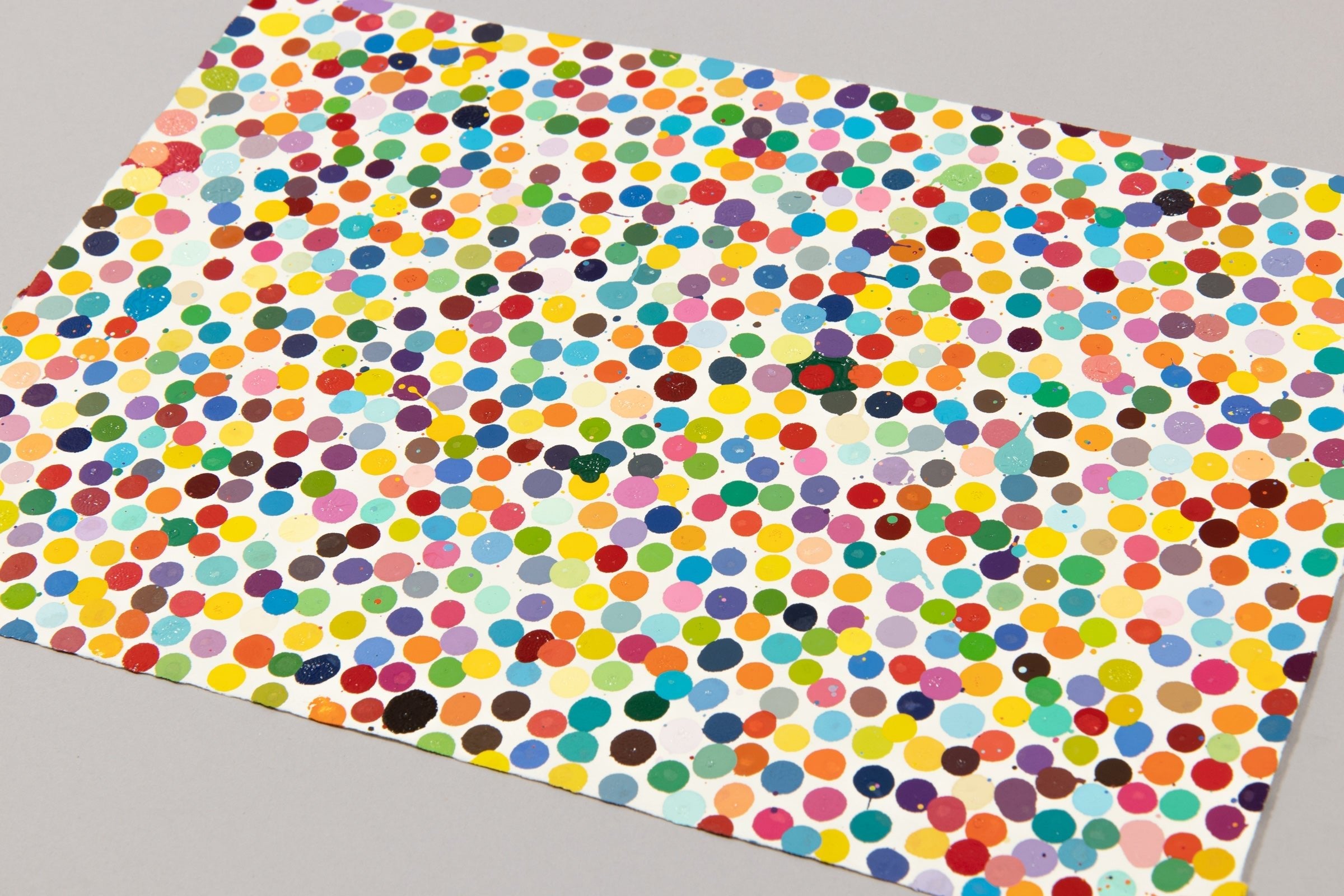
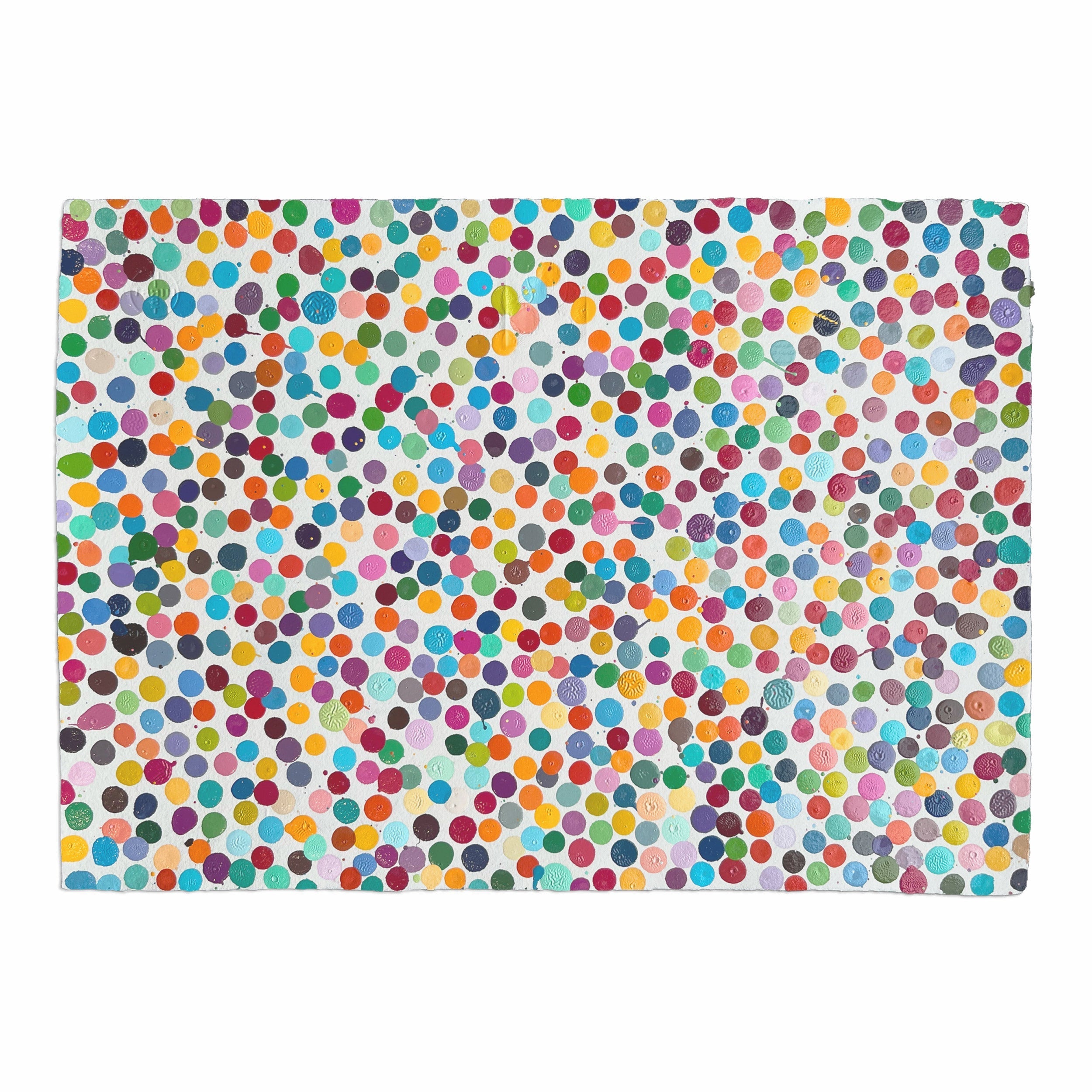
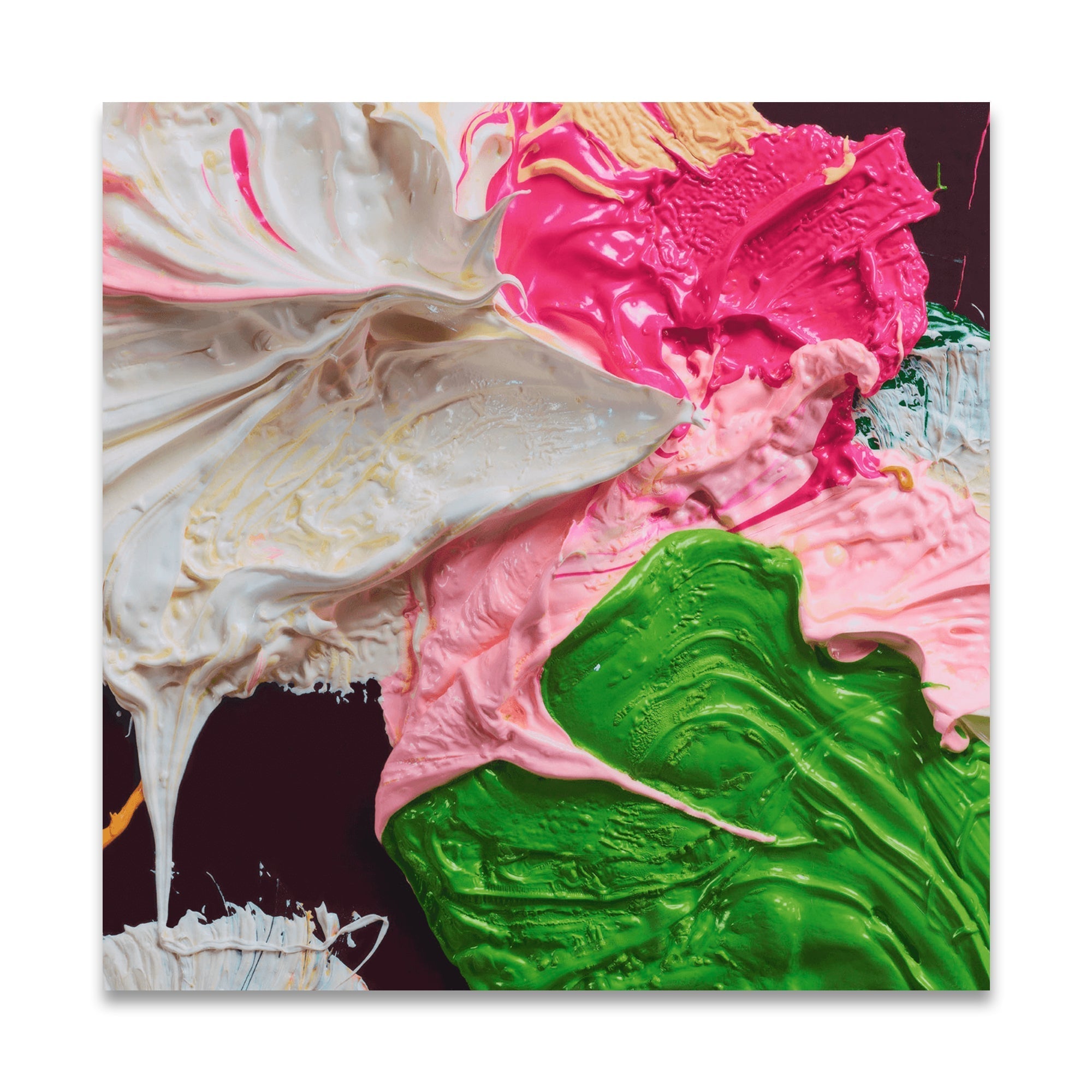
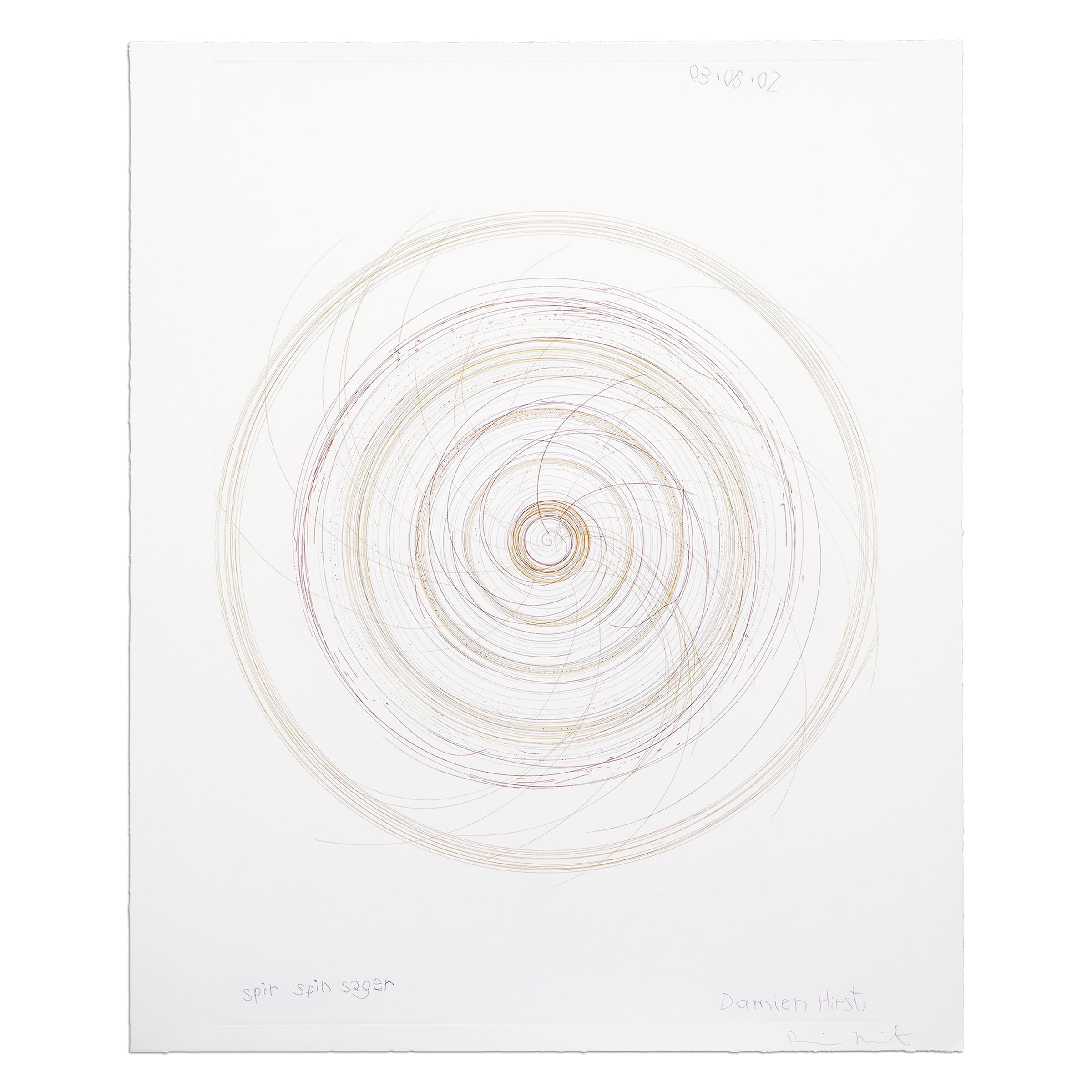
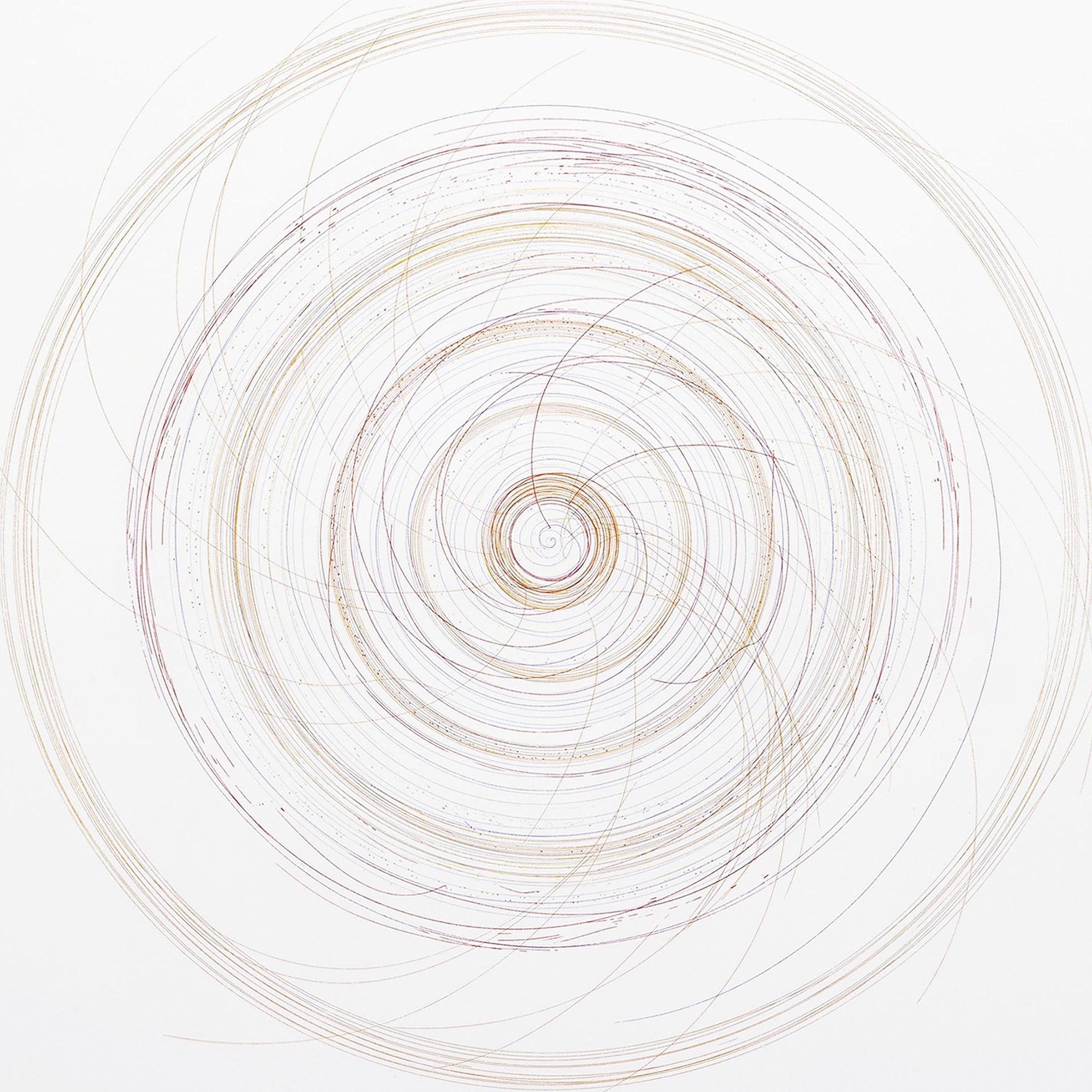
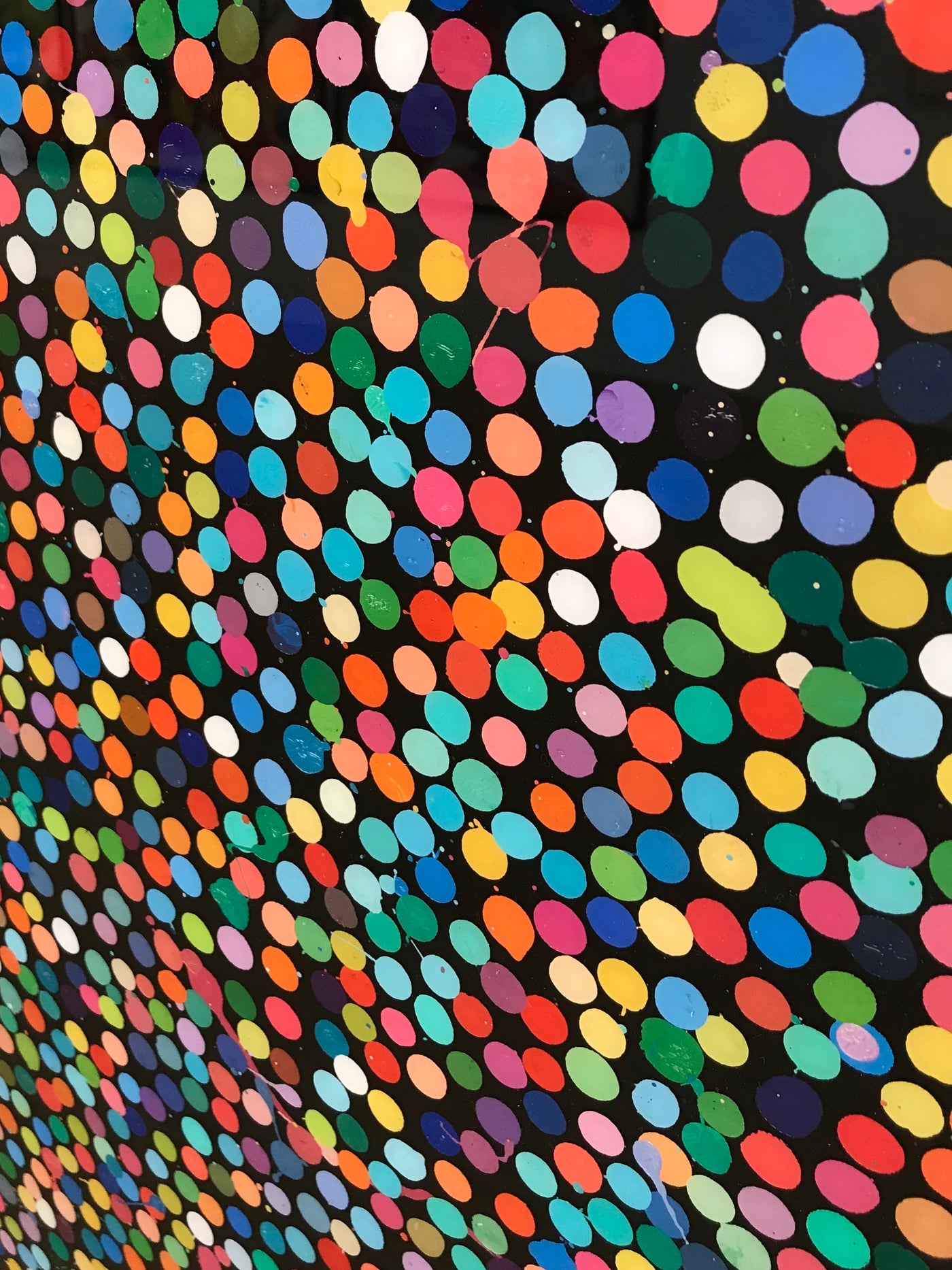
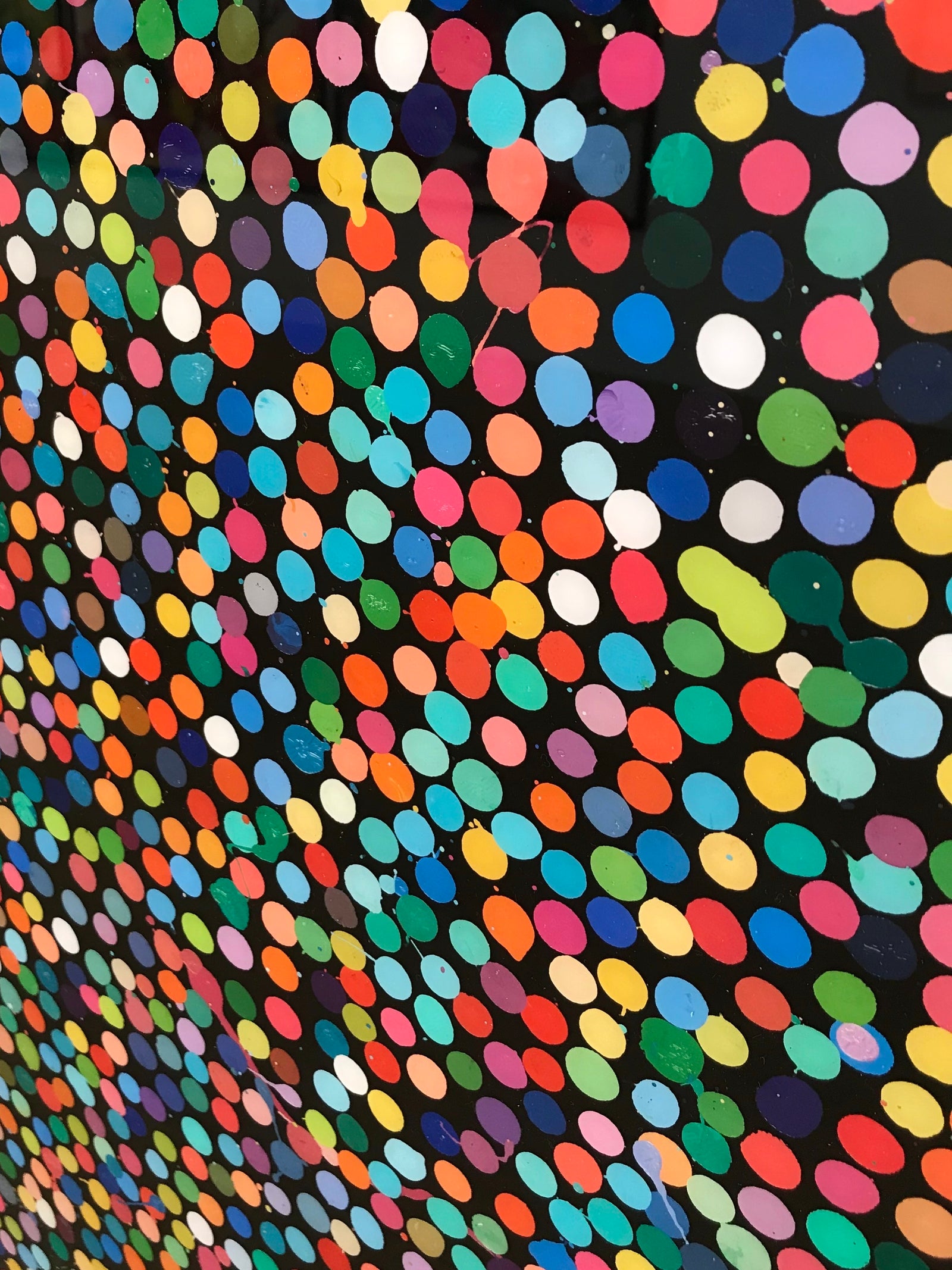
That conceptual core runs in two directions across his practice. Toward Pop Art, it produced the Spot Paintings — precisely arranged coloured circles repeated without hierarchy — alongside his Medicine Cabinets and pharmaceutical artworks, including the print series The Last Supper (1999–2000), which reproduces drug packaging with British foods replacing medication names, binding medicine to faith, consumption, and salvation. Toward abstraction, it produced the Spin Paintings, a technique Damien Hirst first saw demonstrated as a child on the BBC's Blue Peter and began making himself in 1992: household paint poured onto a rotating canvas, the composition determined by centrifugal force and chance rather than gesture.
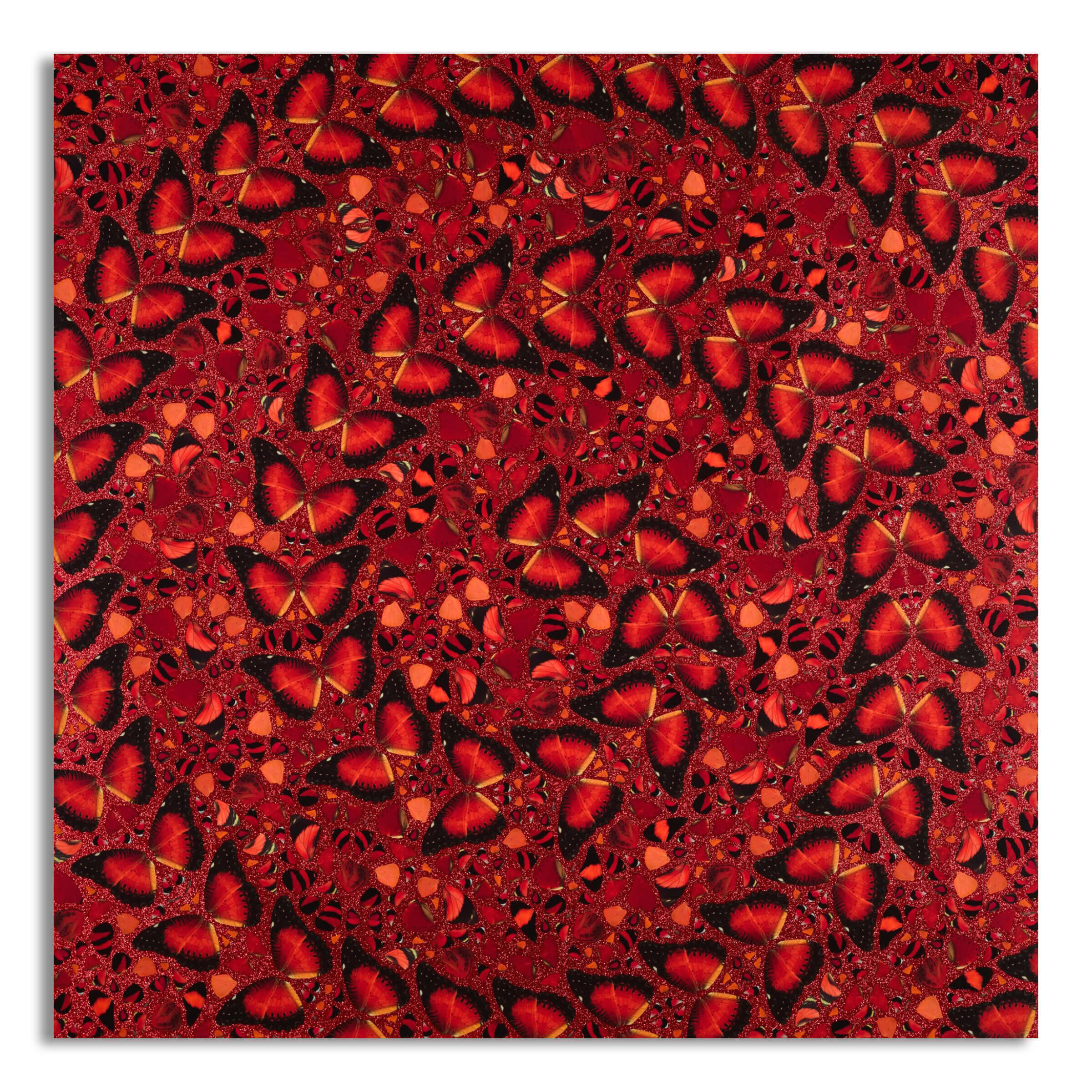
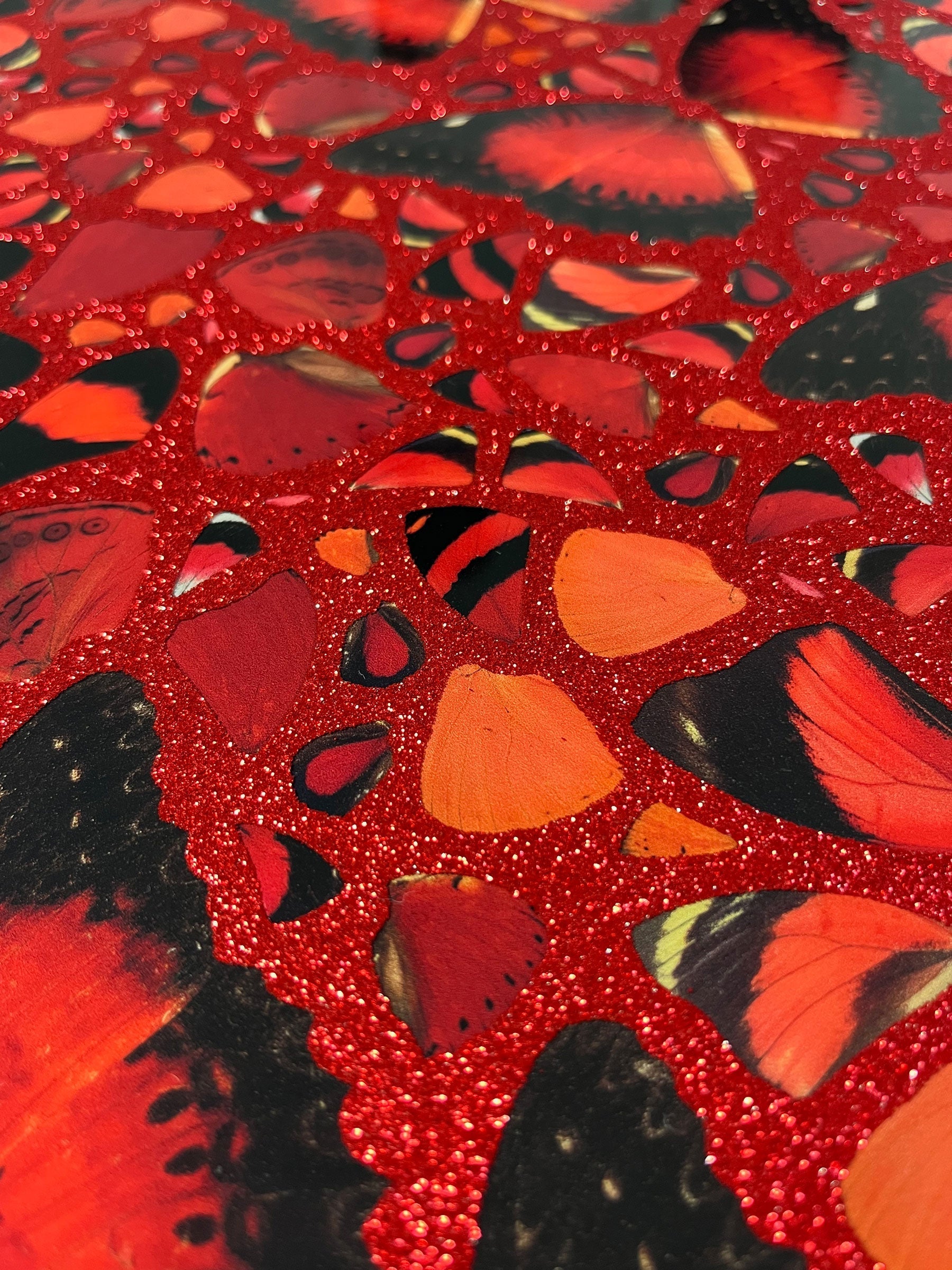
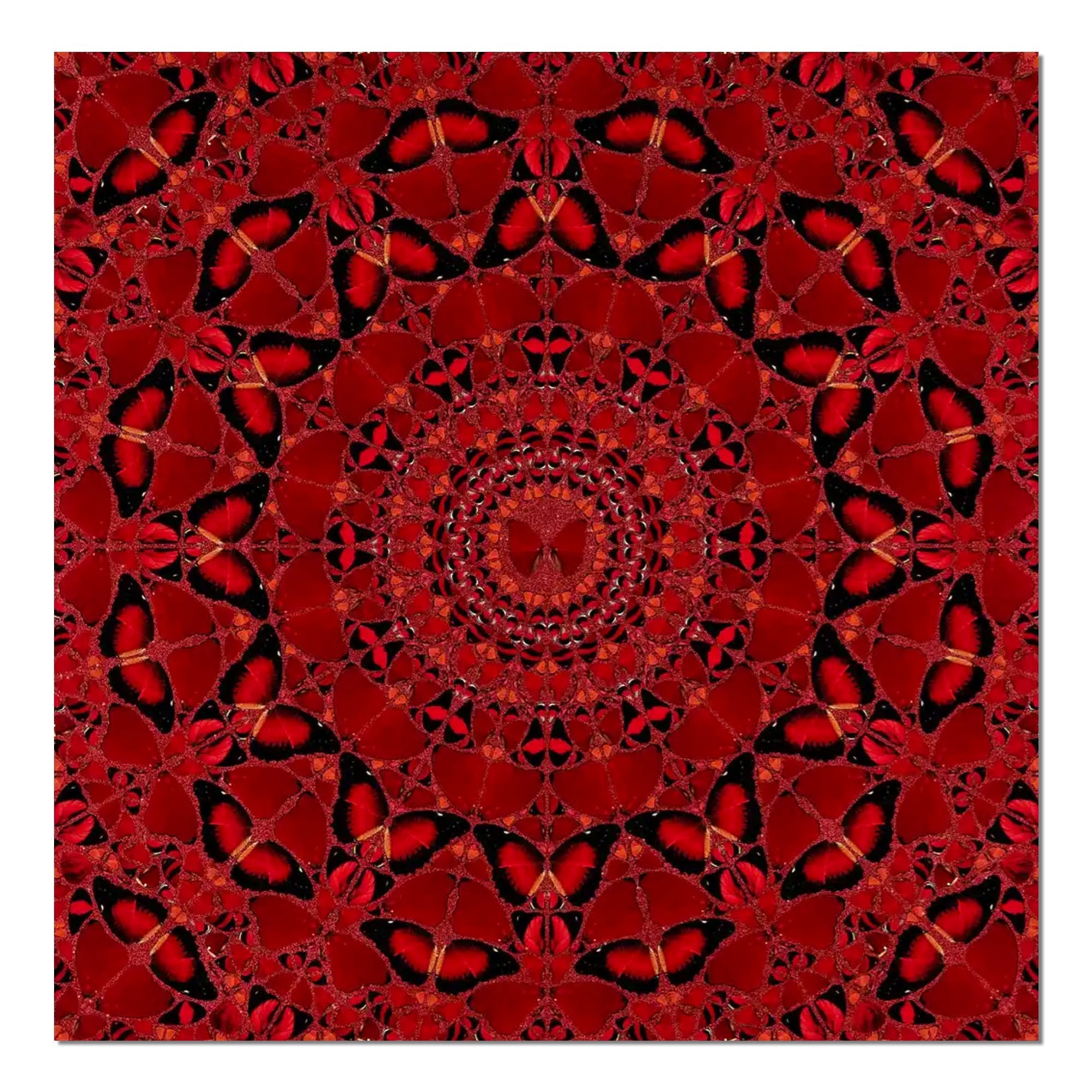
Mortality runs through nearly everything else. His Natural History series uses preserved animals in formaldehyde-filled vitrines, most famously Damien Hirst's The Physical Impossibility of Death in the Mind of Someone Living (1991), a tiger shark suspended mid-tank. Mother and Child (Divided) (1993), a cow and calf split into four separate glass tanks, won him the Turner Prize in 1995. For the Love of God (2007), a platinum skull set with 8,601 diamonds, was exhibited with an asking price of £50 million and reportedly sold for that figure to a consortium that included Hirst himself — the exact circumstances have since been debated, making it more accurate to call £50 million a reported price than a straightforward transaction.
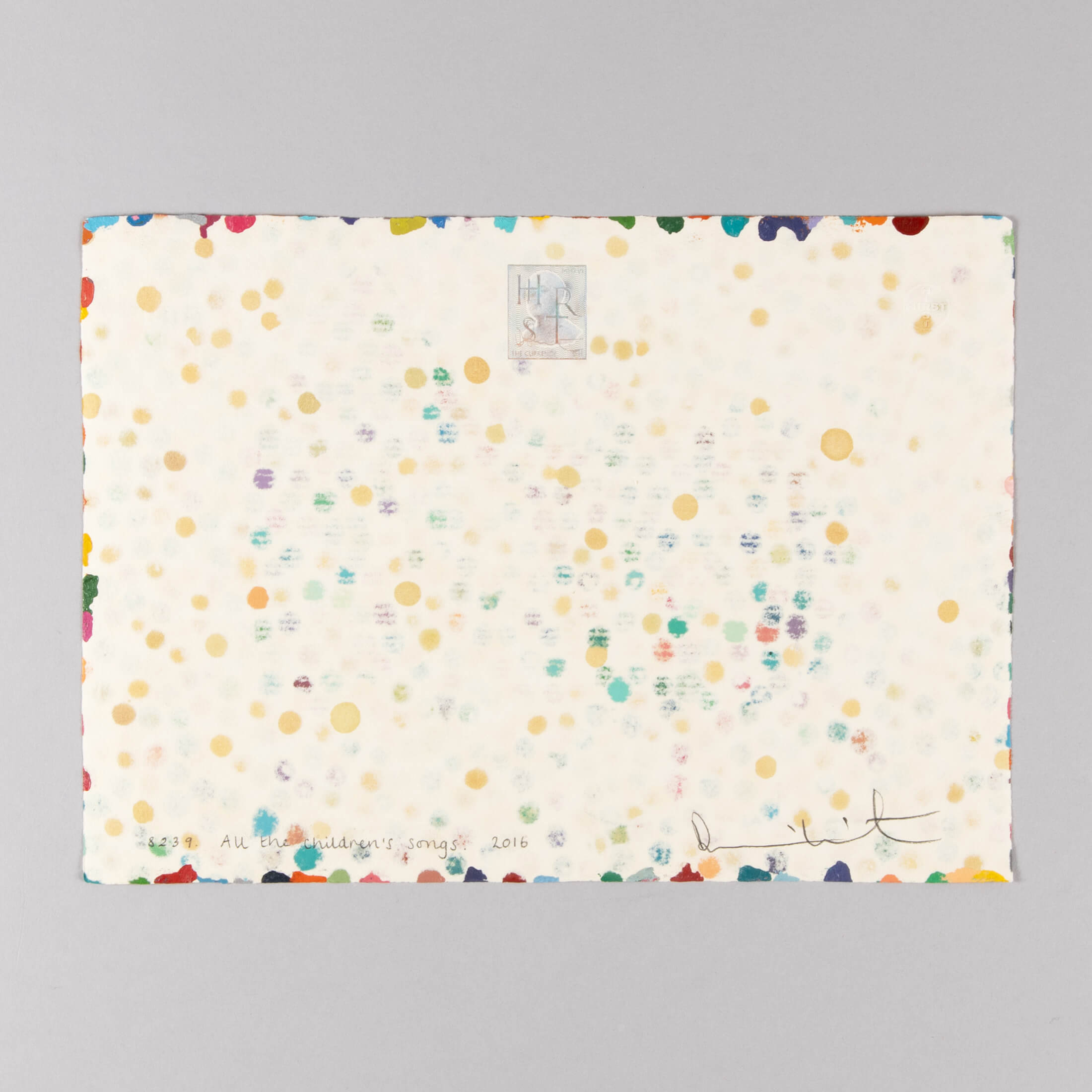
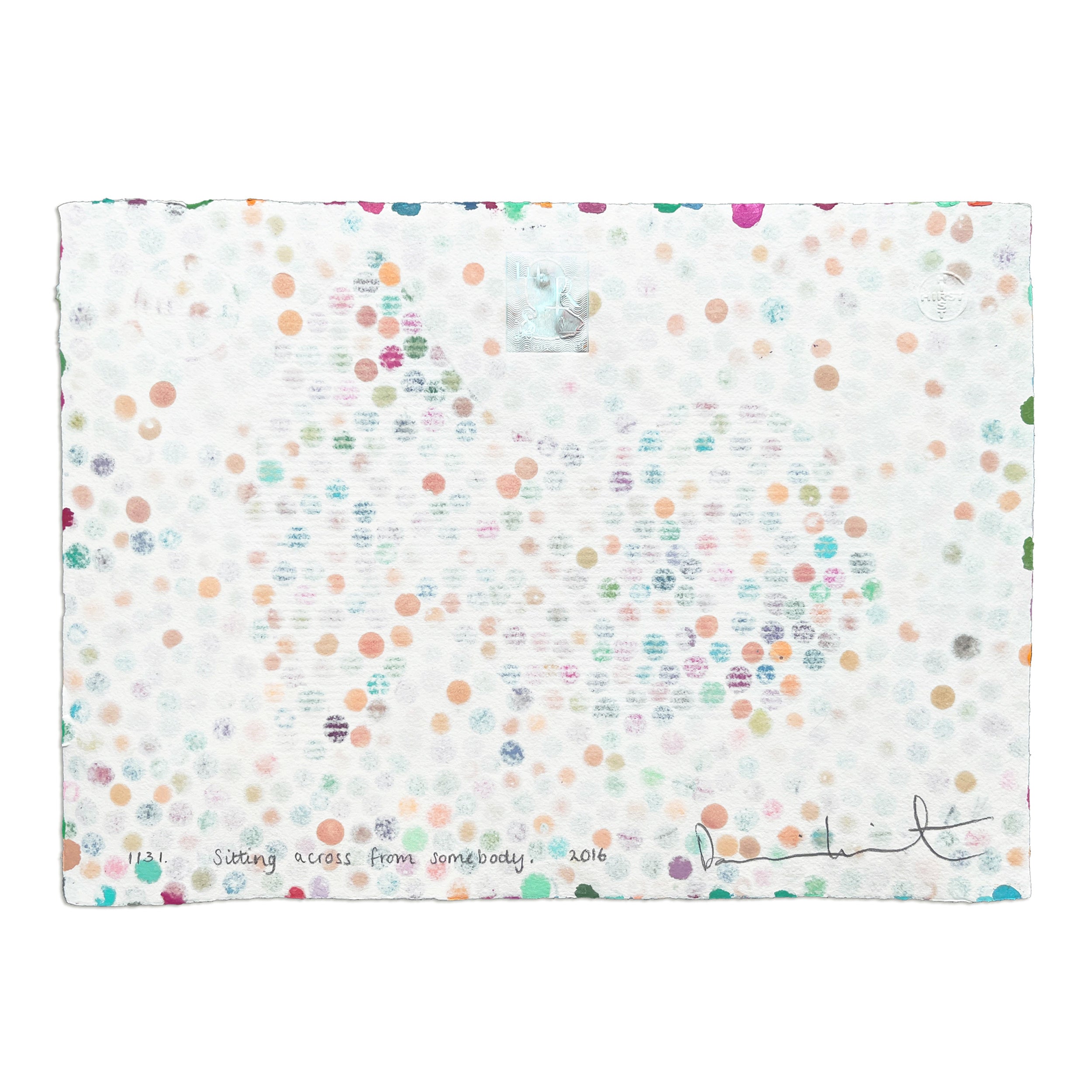
Damien Hirst has repeatedly challenged the relationship between artist, gallery, and market directly. Beautiful Inside My Head Forever (2008), a two-day Sotheby's auction of 223 new artworks sold straight from the studio, generated £111.6 million — a landmark that made the market's own mechanics part of the artwork itself. Major institutional recognition has followed at Tate Modern (2012) and, in 2017, Treasures from the Wreck of the Unbelievable, staged simultaneously across 5,000 square metres at Palazzo Grassi and Punta della Dogana in Venice. The Currency (2021) extended the same interrogation into blockchain: ten thousand unique artworks, each tied to an NFT, with collectors forced to choose between the digital token and the physical piece — the alternative destroyed once the choice was made.
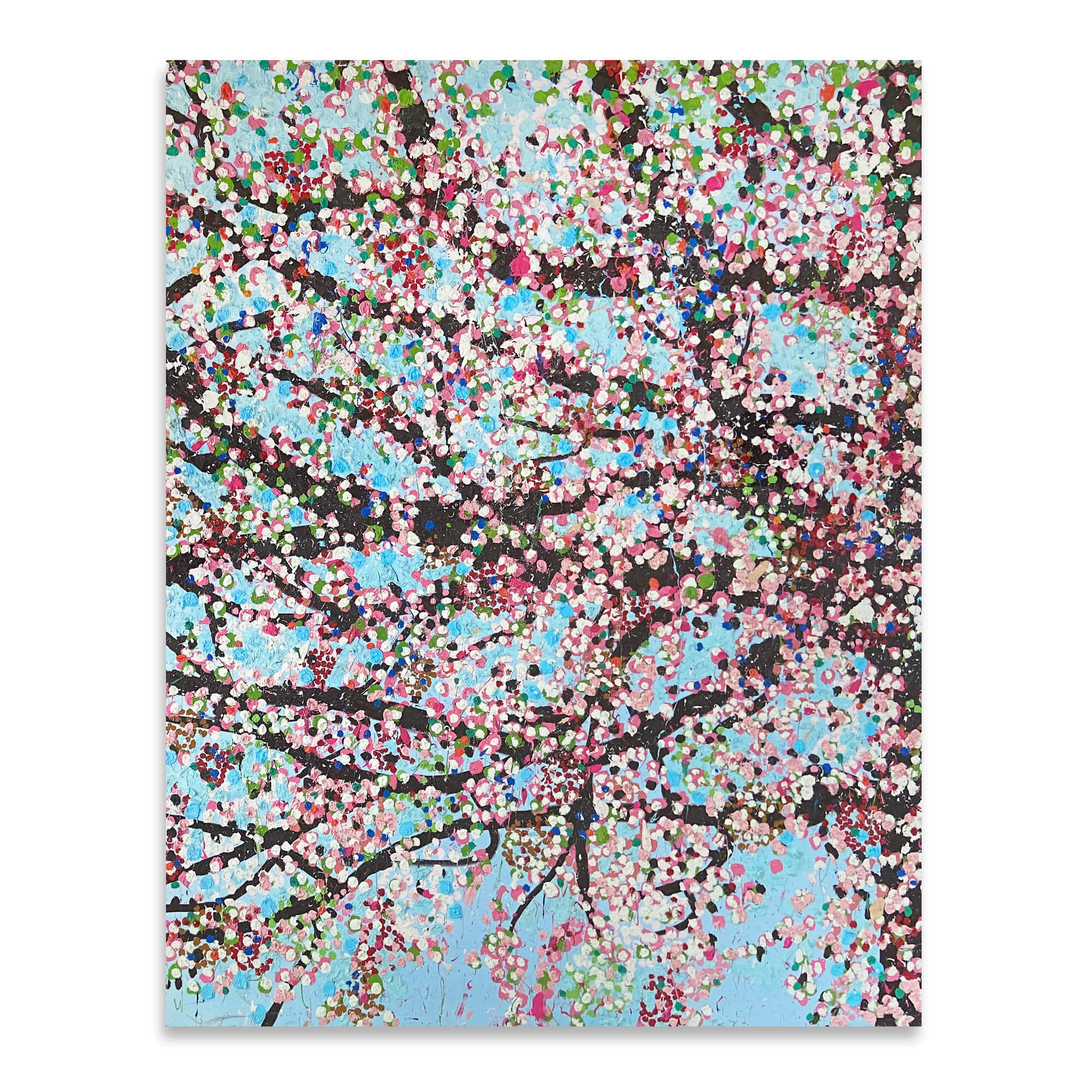
Today, Damien Hirst's art spans painting, sculpture, installation, drawing, and printmaking, still returning to the same questions of life, death, belief, and value that have defined it since Goldsmiths. For a deeper exploration of those themes, read our Damien Hirst editorial →