

Text-Based Art

Long before Barbara Kruger stamped a phrase onto a photograph, artists were arguing that words could carry as much weight as any image. Text-based art treats language not as caption but as material — something to be structured, isolated, and read as closely as it's seen. From Magritte's pipe that insisted it wasn't a pipe to Jenny Holzer's declarations glowing on public buildings, the works in this collection make one shared claim: that language, handled with enough precision, is a serious visual medium in its own right.

Browse signed text-based art prints and editions now.

Filters

Sort by:

67 products
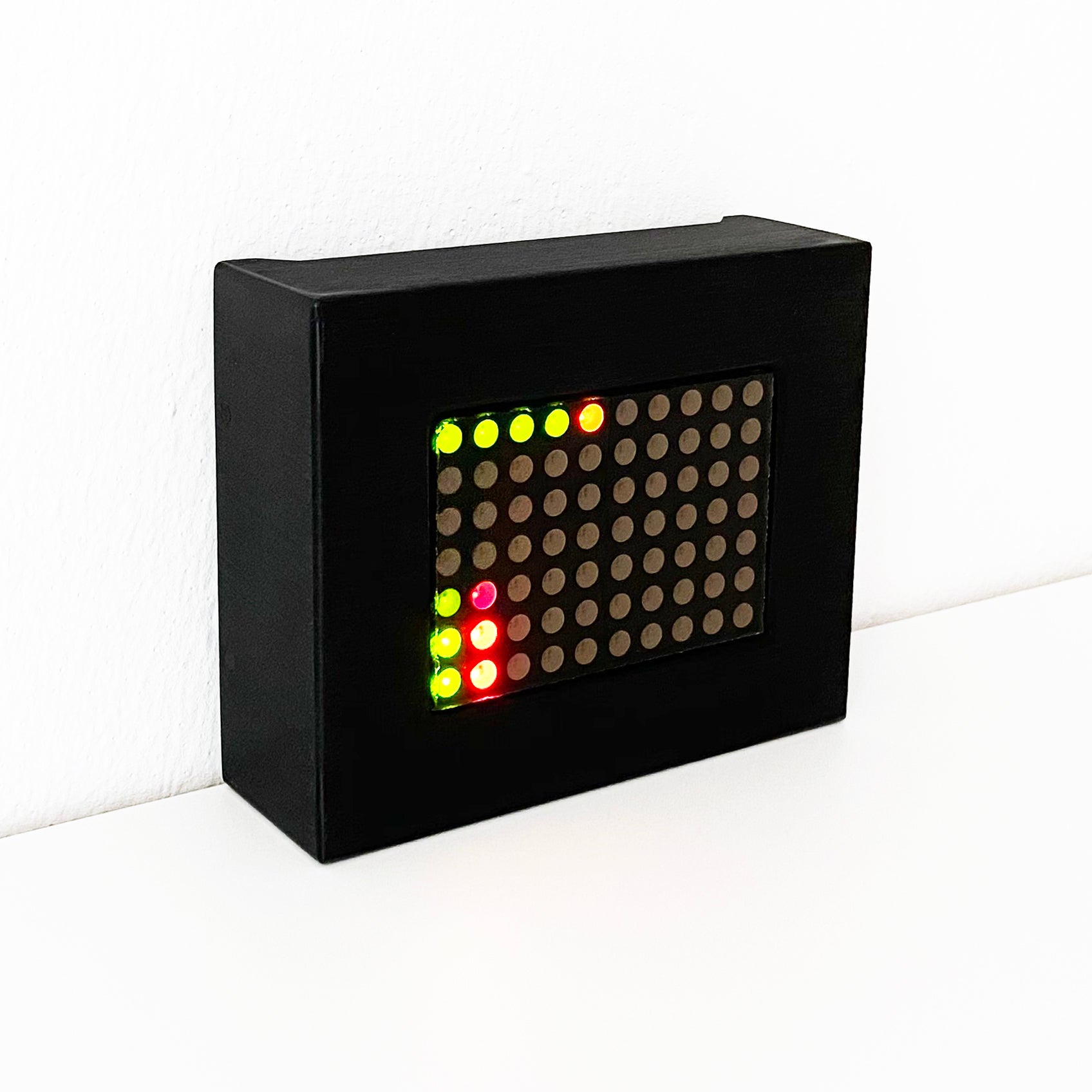
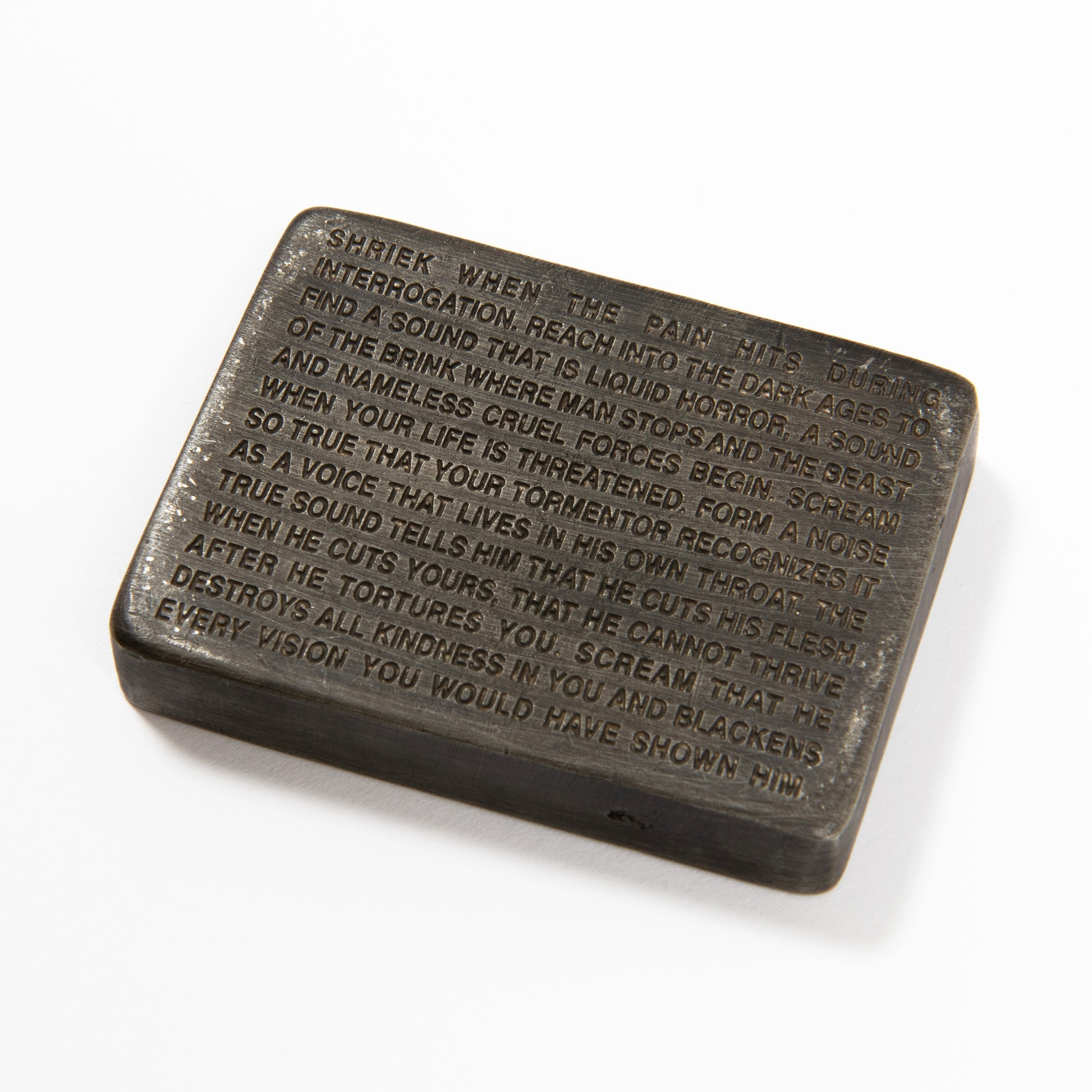
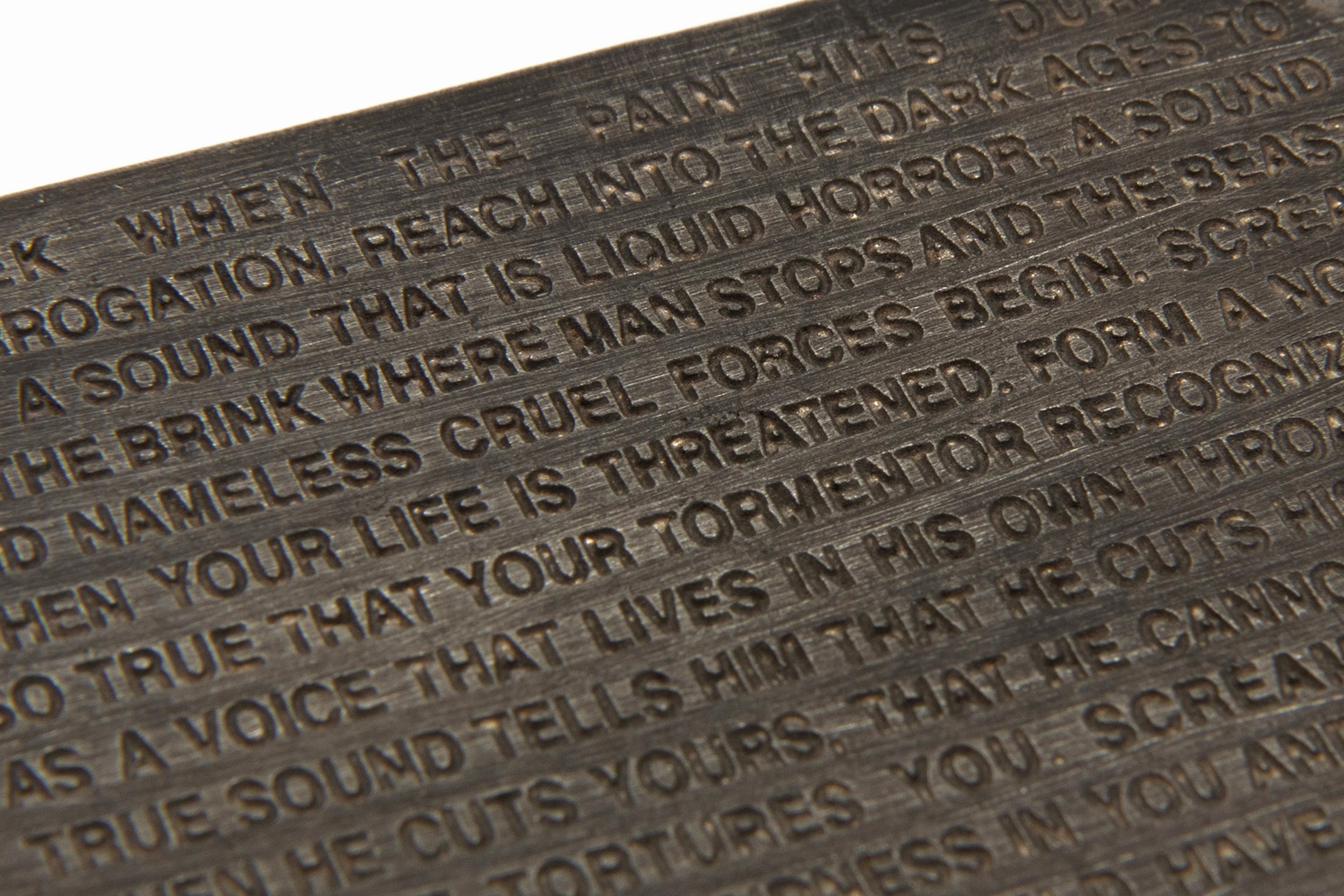
Jenny Holzer - Inflammatory Essays: Shriek When the Pain Hits During InterrogationJenny Holzer - Inflammatory Essays: Shriek When the Pain Hits During Interrogation
Harland Miller - Hate's Outta DateHarland Miller - Hate's Outta Date
Harland Miller – Hate's Outta Date Sale price€12.000,00
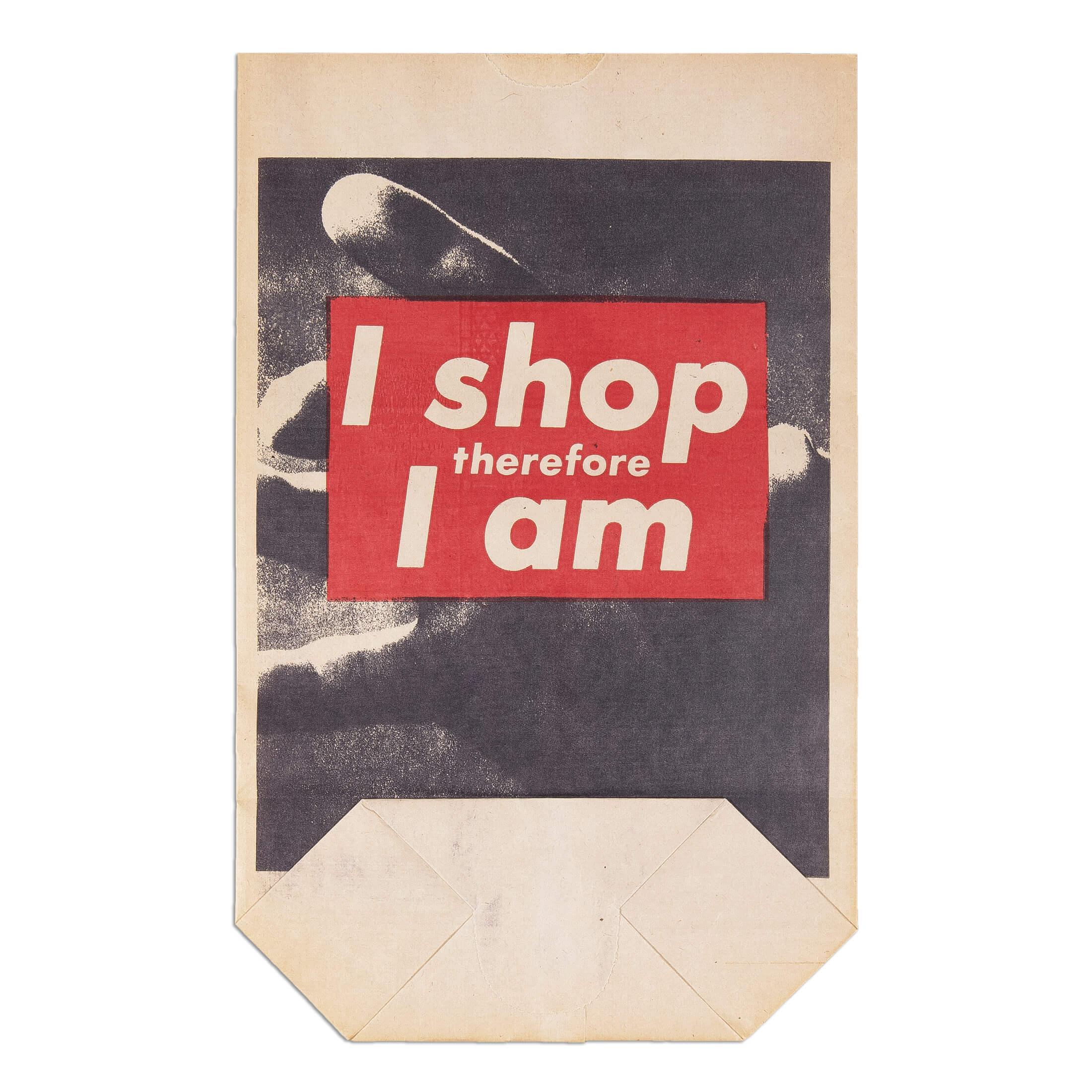
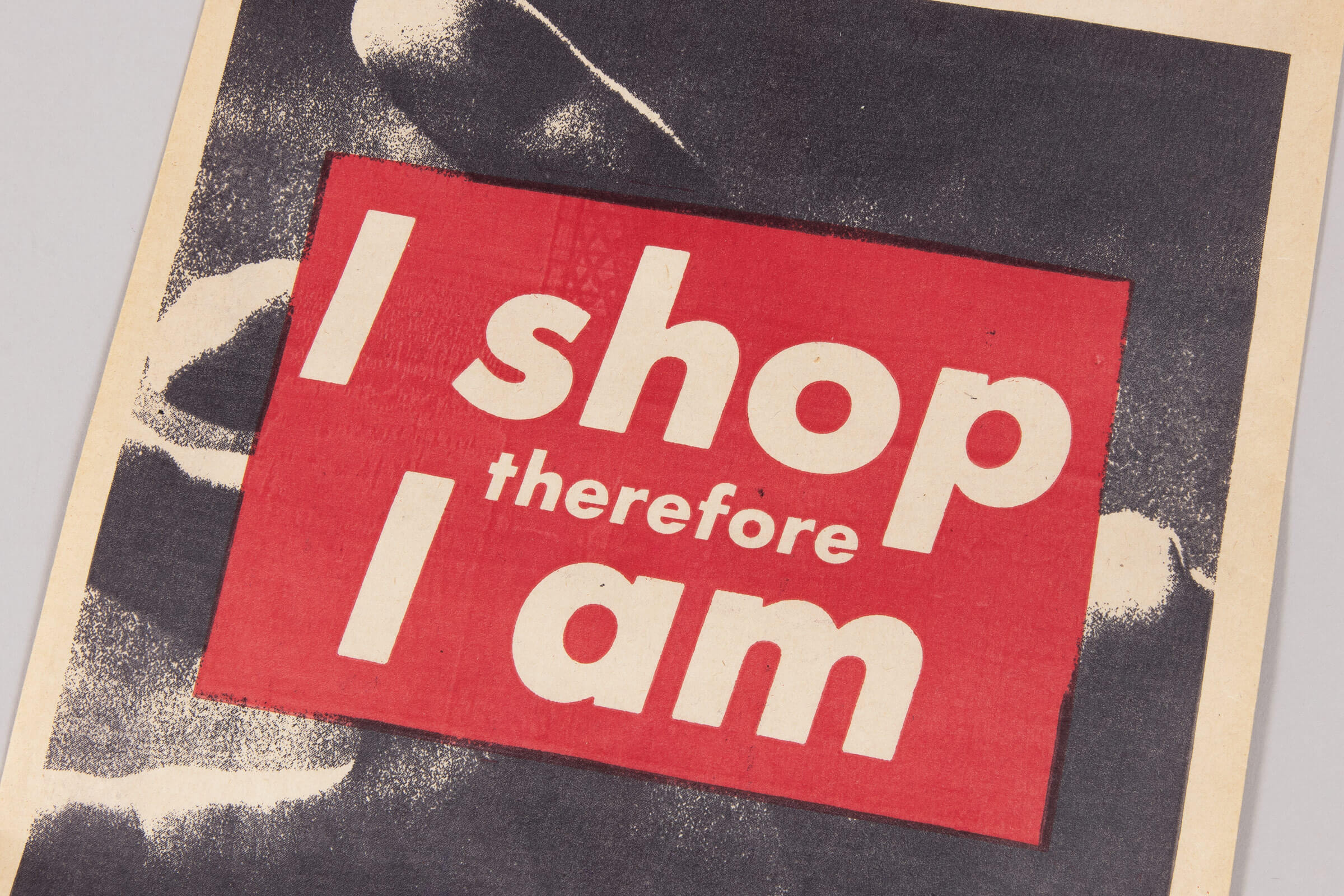
Barbara Kruger – I Shop Therefore I AmBarbara Kruger – I Shop Therefore I Am
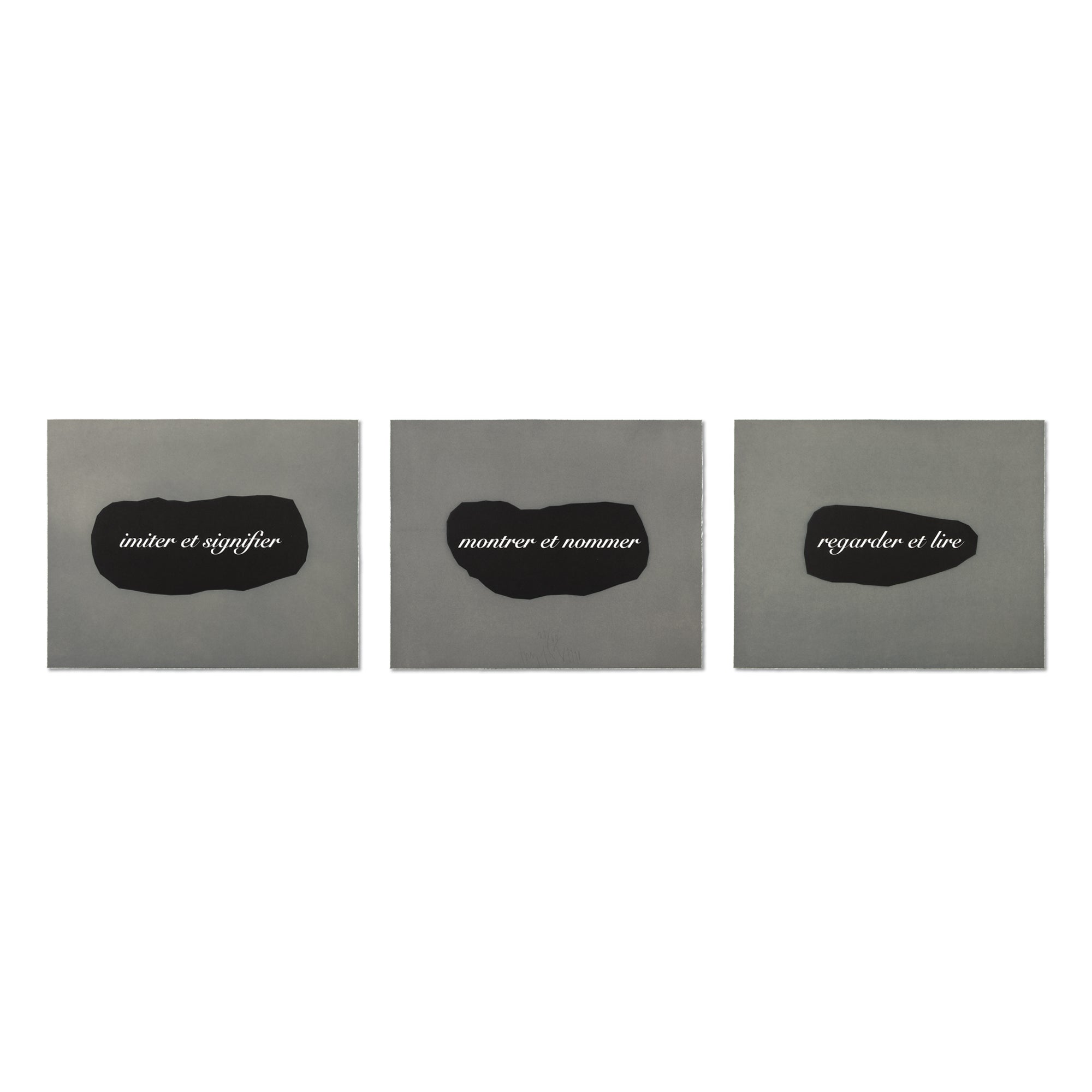
Joseph Kosuth – L'Essence de la rhétorique...Joseph Kosuth - L'Essence de la rhétorique...
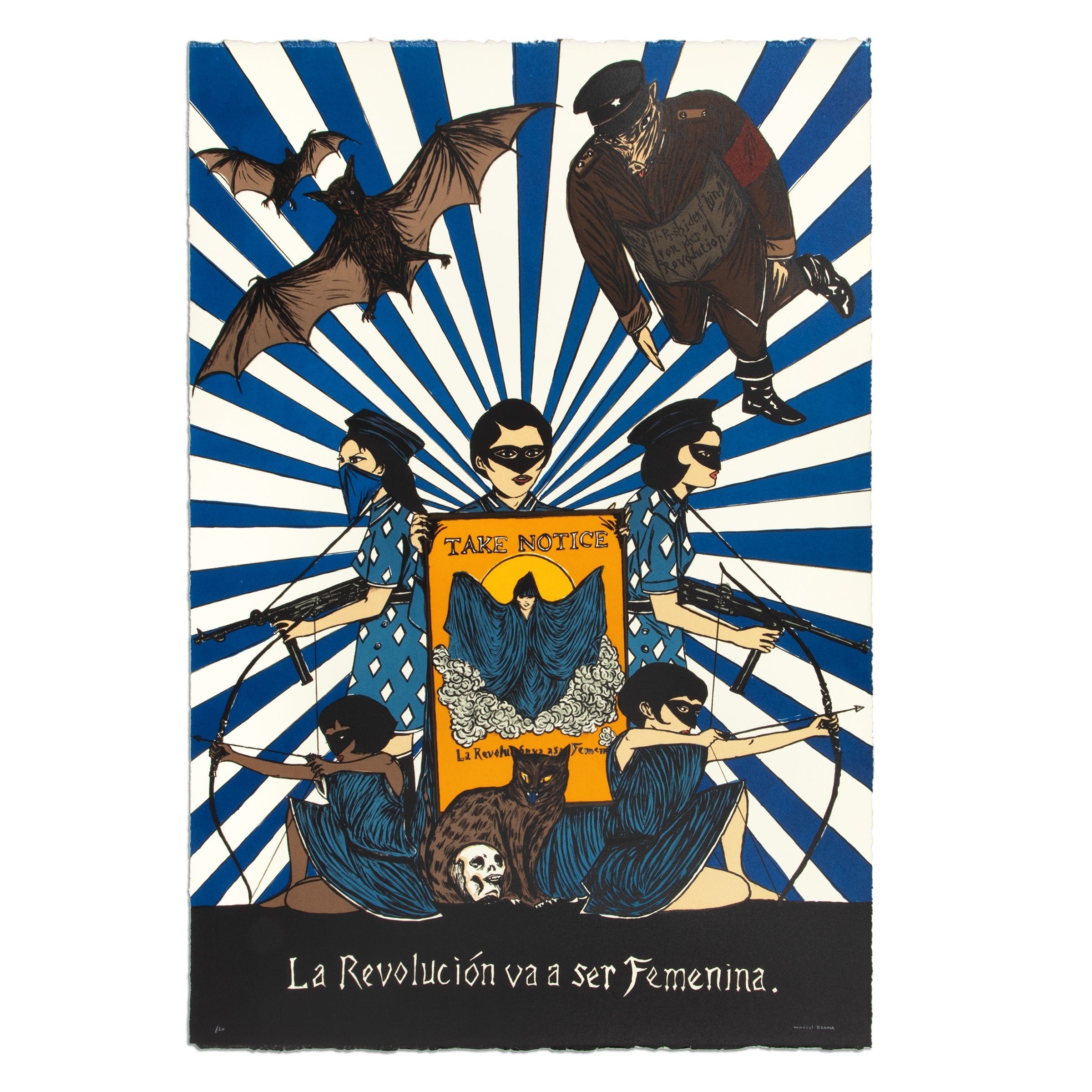
Marcel Dzama – La Revolución va a Ser Femenina
Joel Mesler - Thank YouJoel Mesler - Thank You
Joel Mesler – Thank You Sale price€7.000,00
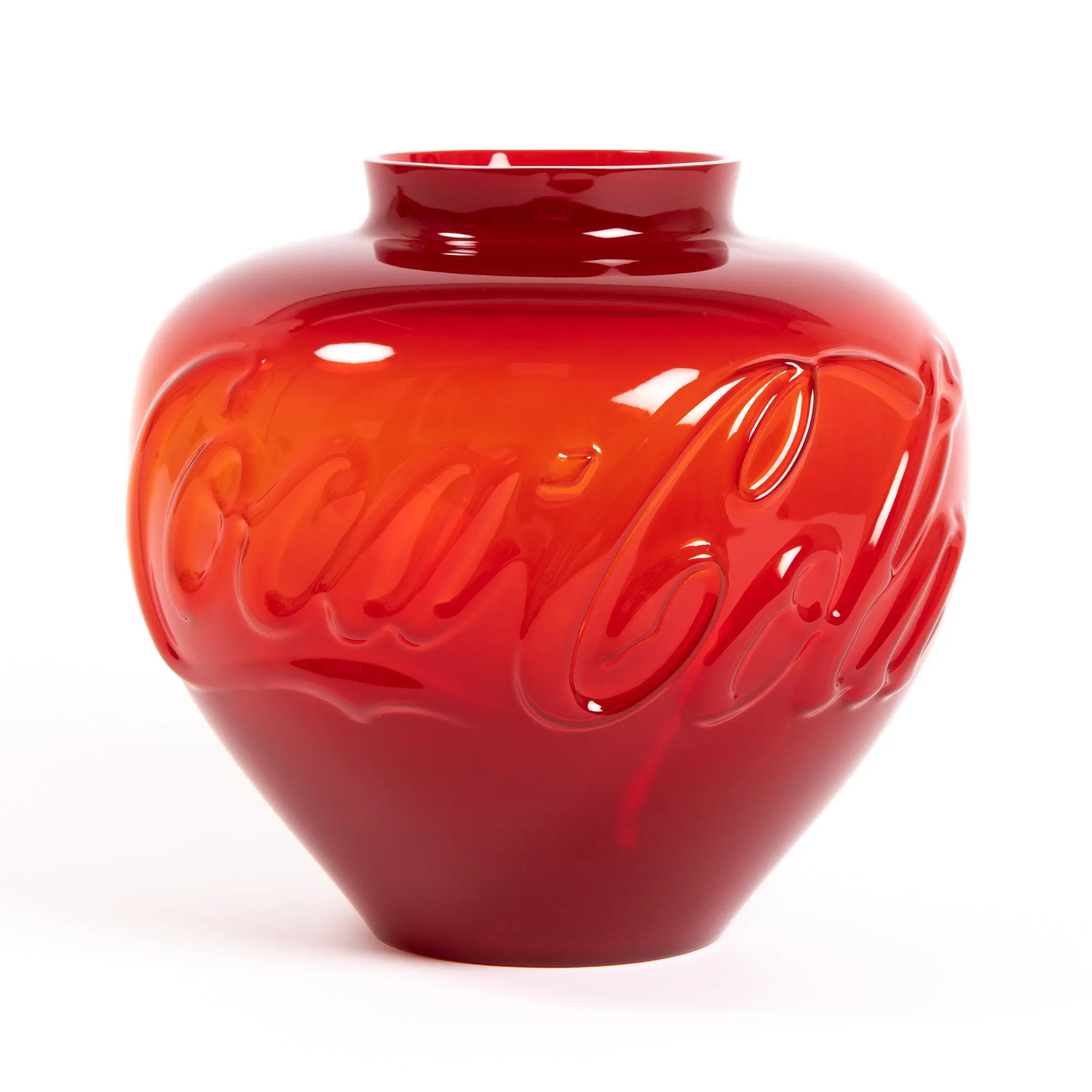
Ai Weiwei – Coca-Cola Glass VaseAi Weiwei - Coca-Cola Glass Vase
Ai Weiwei – Coca-Cola Glass Vase Sale price€6.000,00
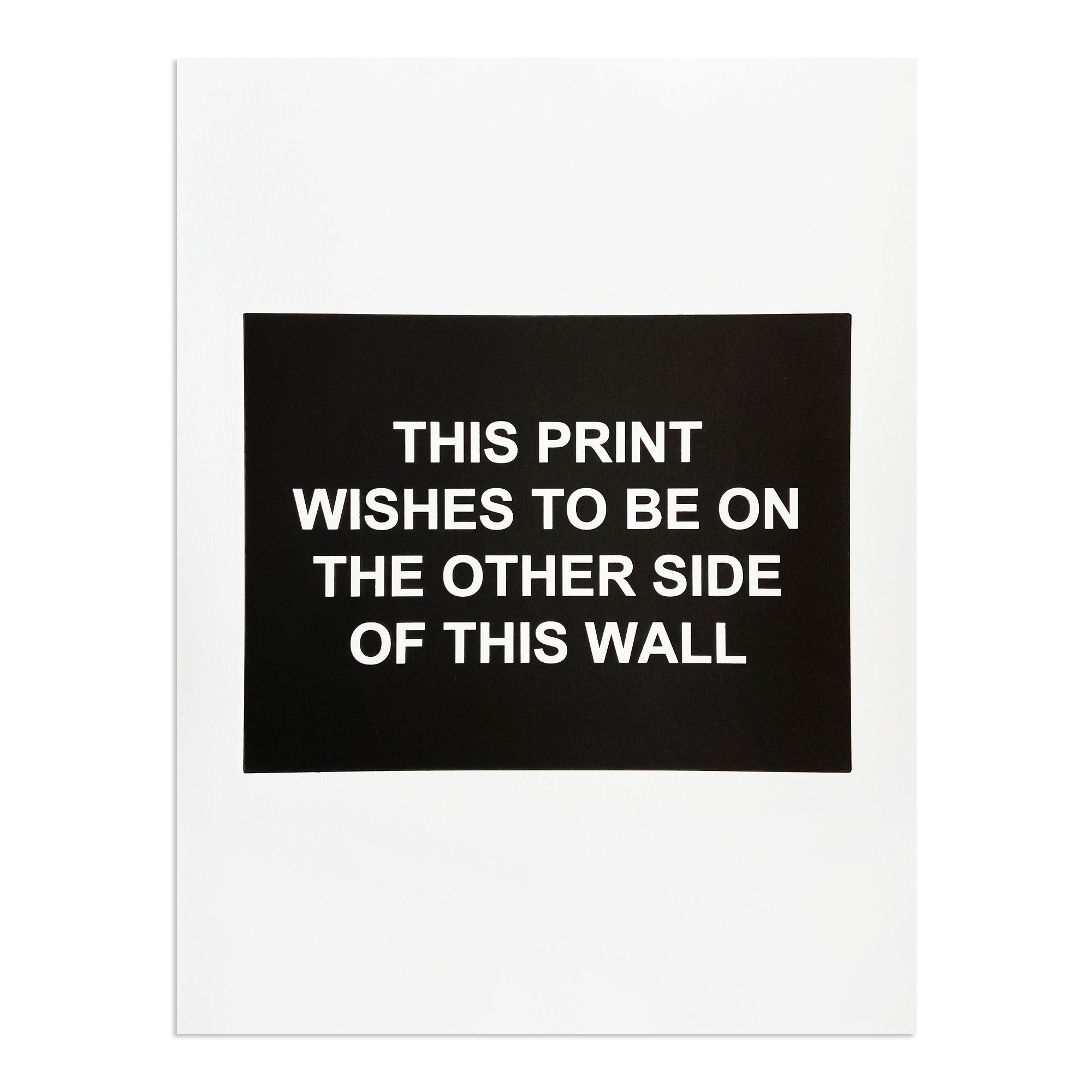
Laure Prouvost – This Print Wishes to Be On the Other Side of This WallLaure Prouvost - This Print Wishes to Be On the Other Side of This Wall
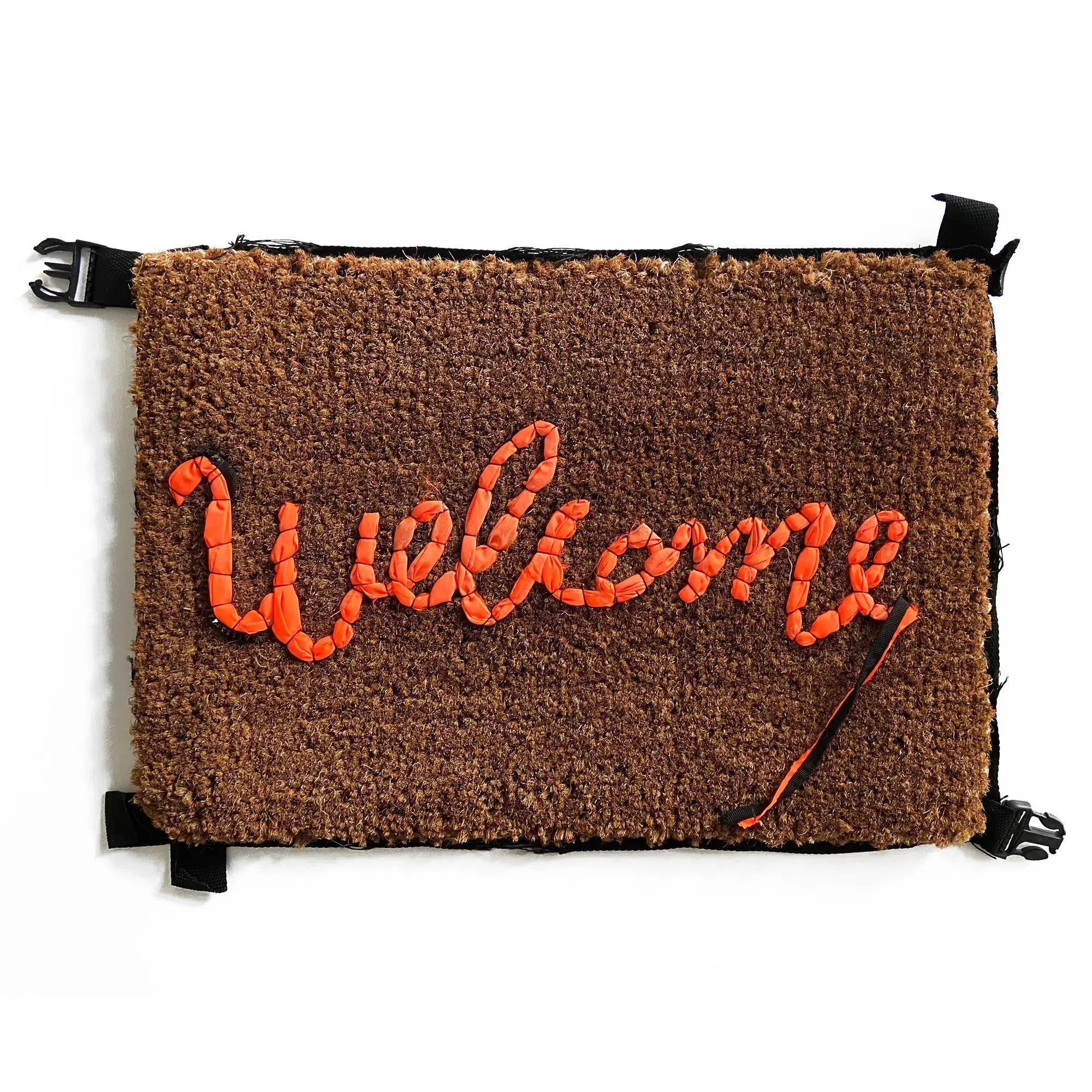
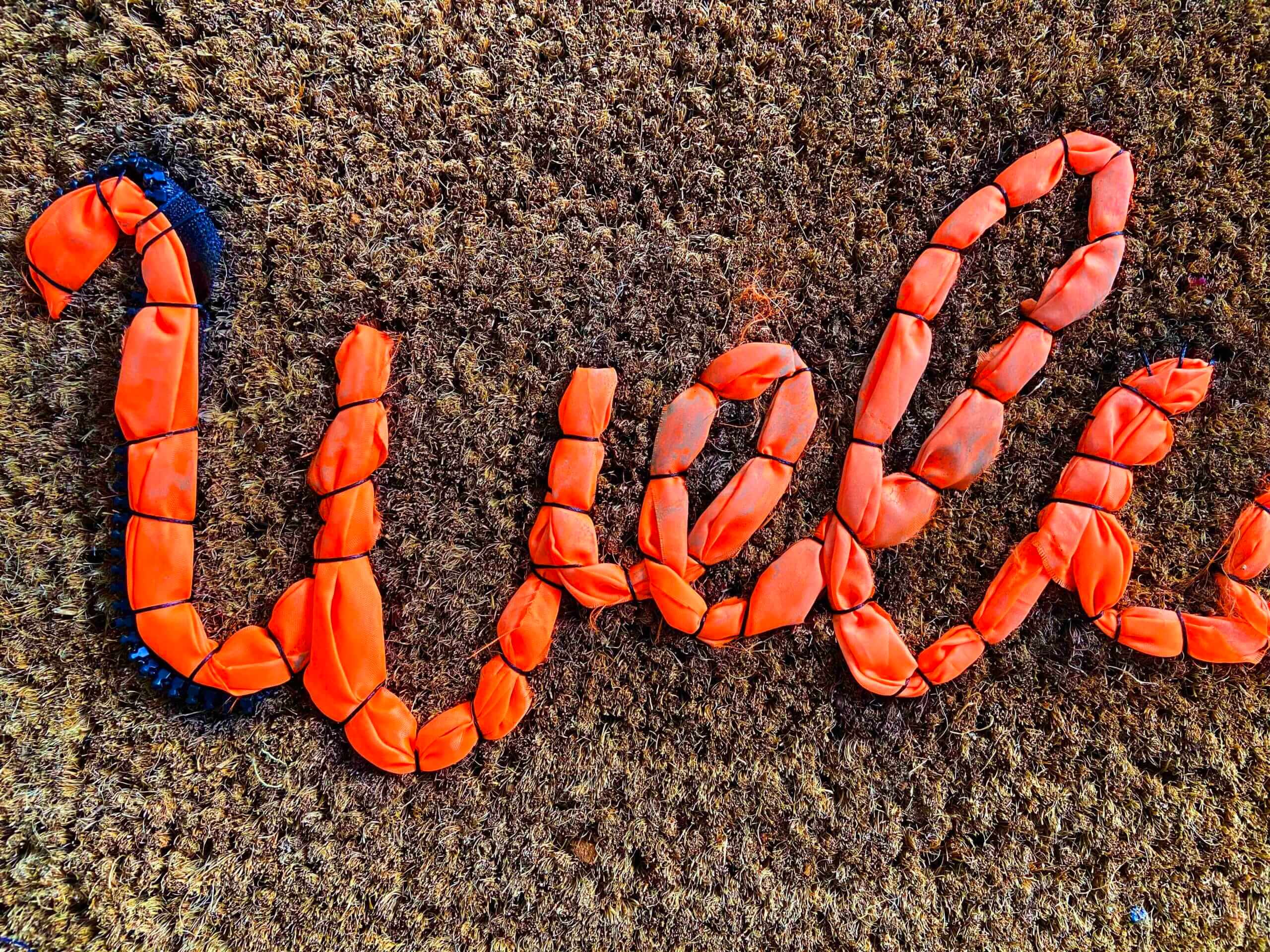
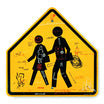
Banksy - Welcome MatBanksy - Welcome Mat
Banksy - Welcome Mat Sale price€3.400,00
David Shrigley - The WorldDavid Shrigley - The World
David Shrigley – The World Sale price€4.900,00
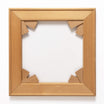
Santiago Sierra – Door Plate
Santiago Sierra – Door Plate Sale price€13.000,00
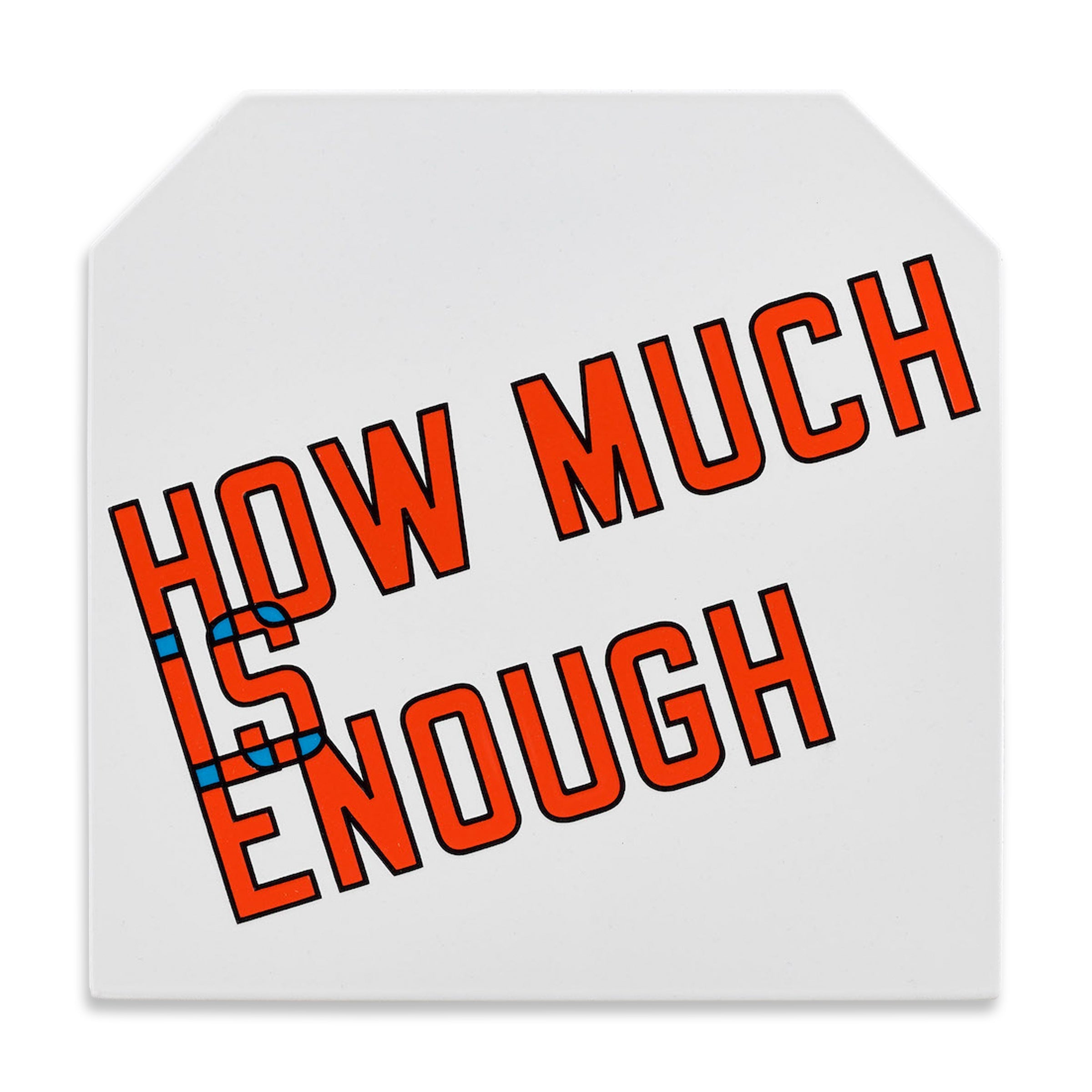
Lawrence Weiner – How Much is Enough
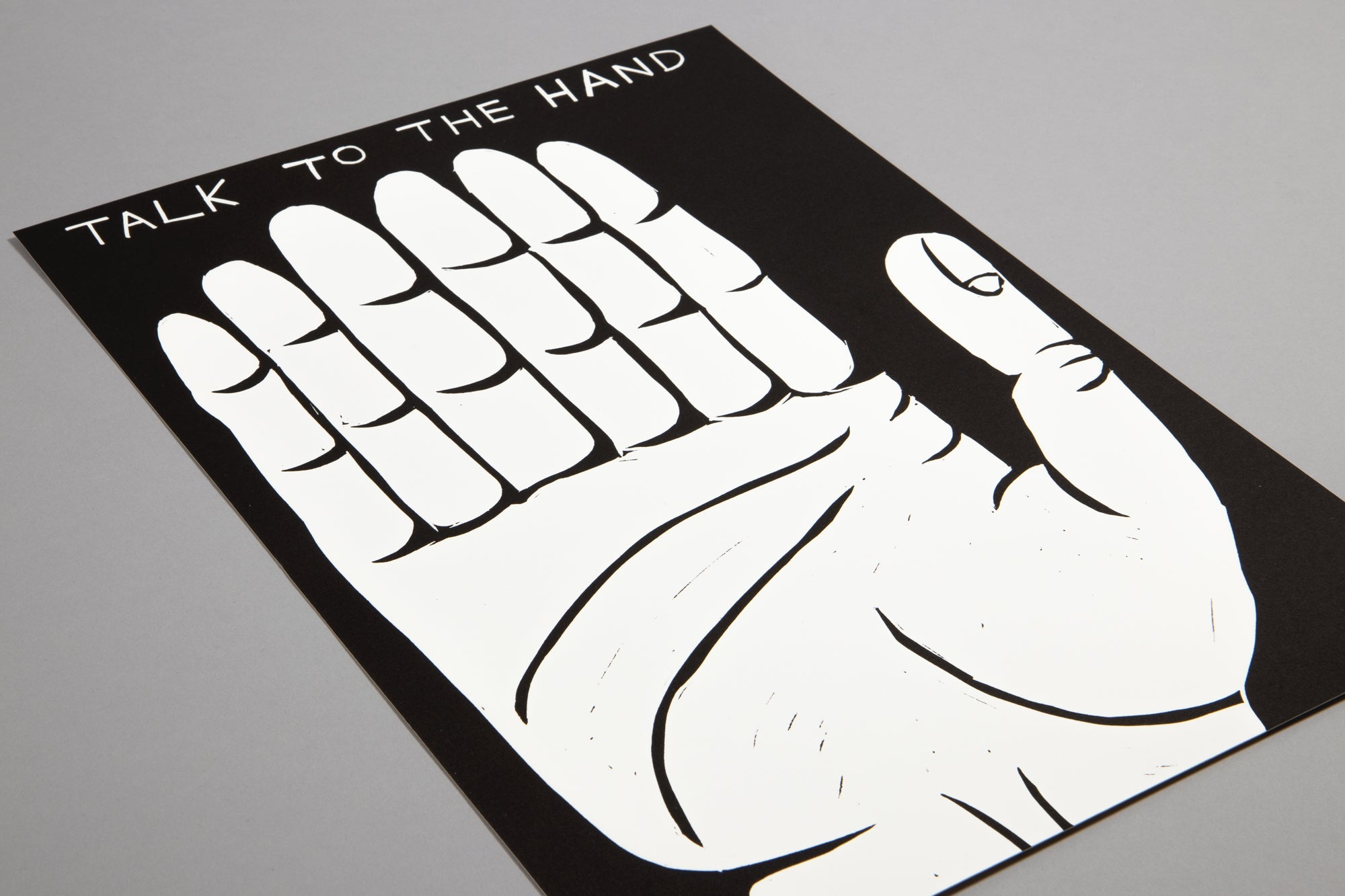
David Shrigley - Talk to the HandDavid Shrigley - Talk to the Hand
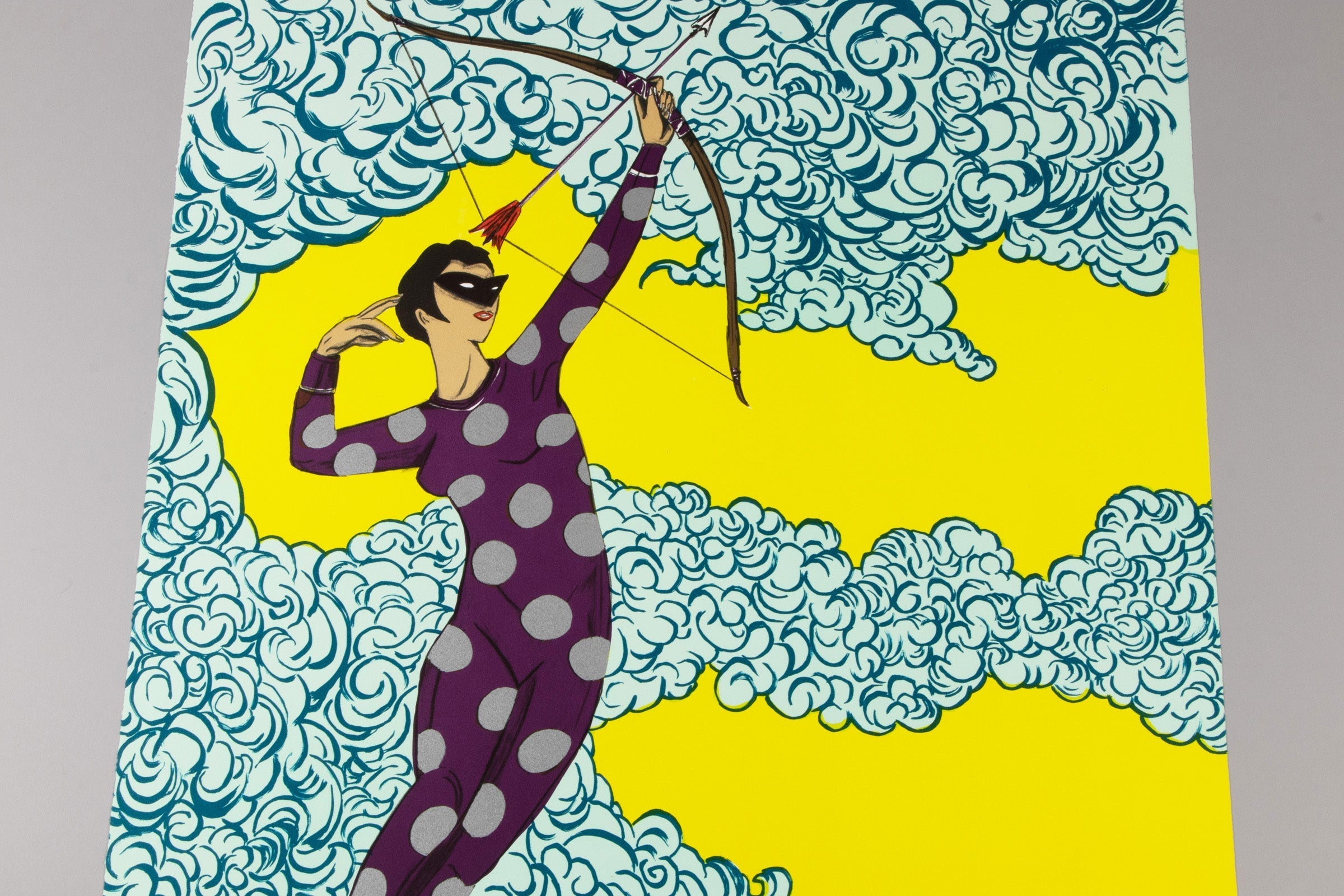
Marcel Dzama – The Arrow of TruthMarcel Dzama - The Arrow of Truth
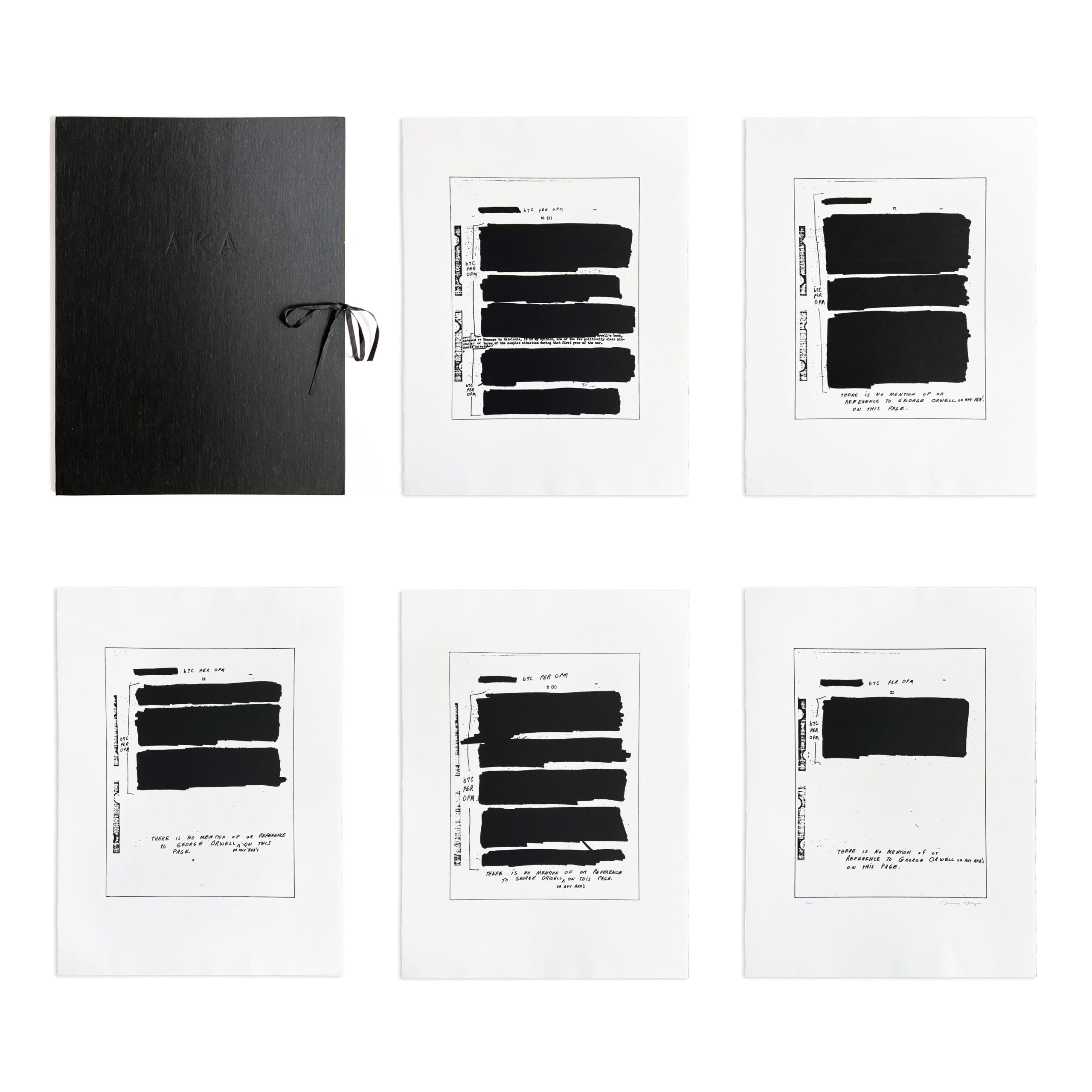
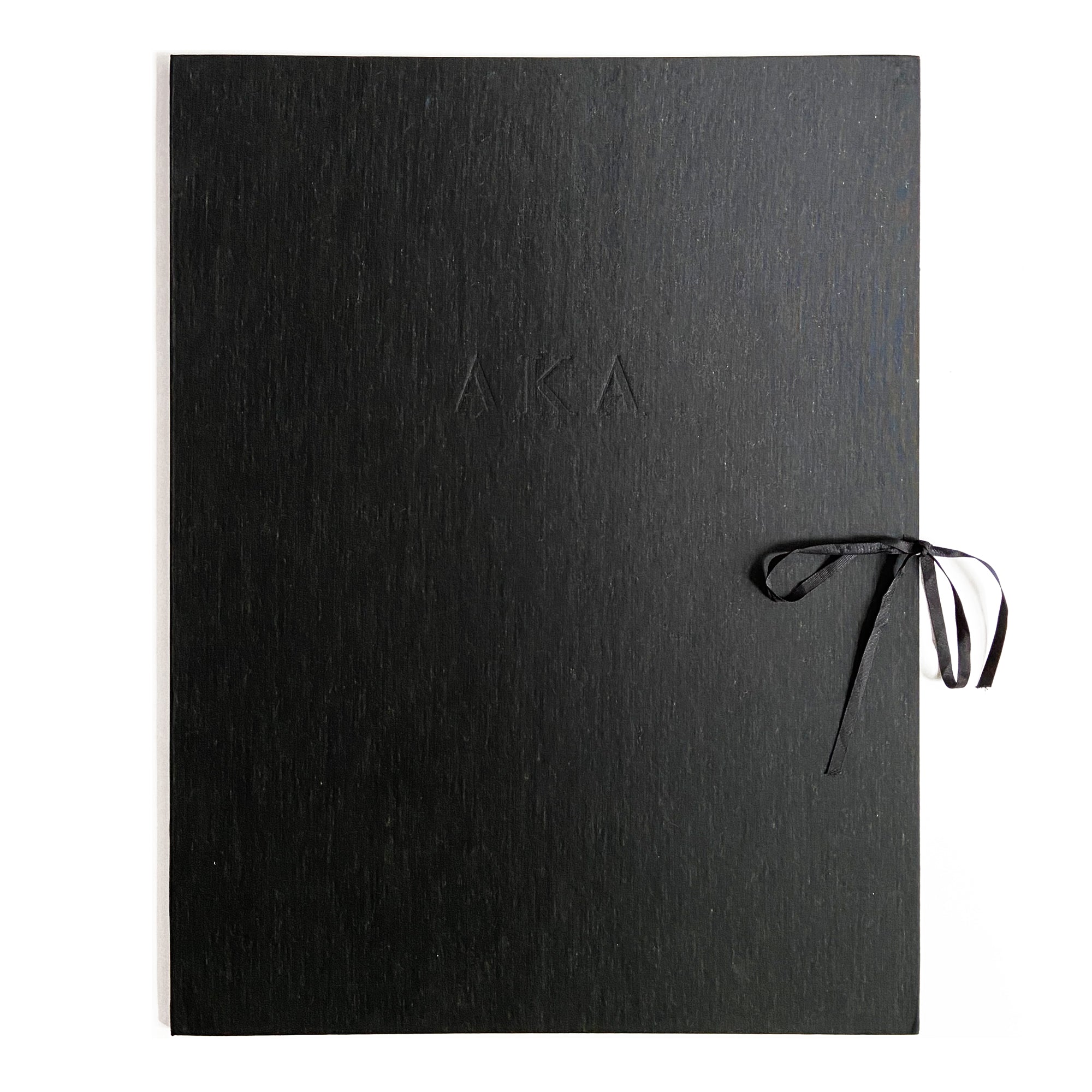
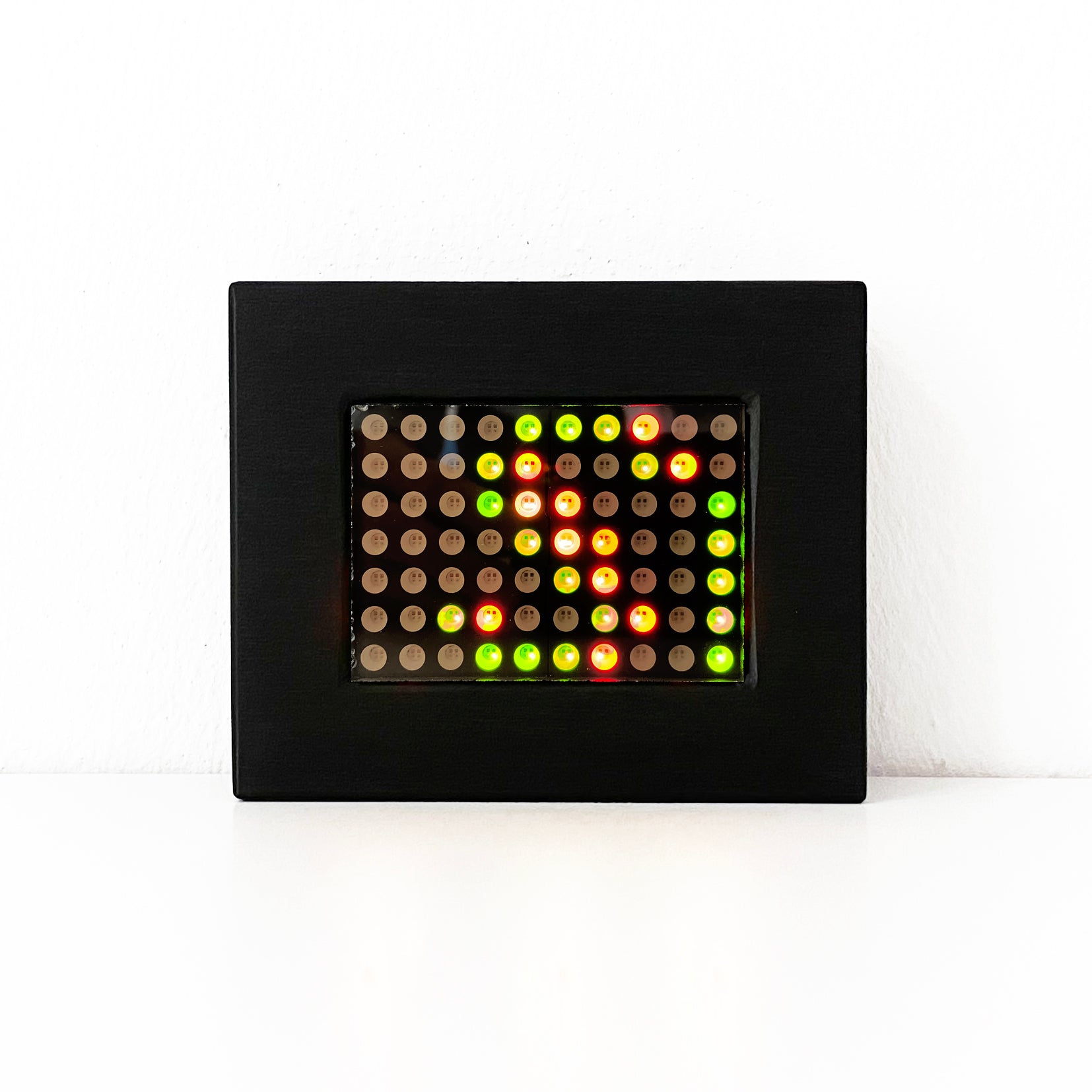
Jenny Holzer - AKAJenny Holzer - AKA
Jenny Holzer – AKA Sale price€3.500,00
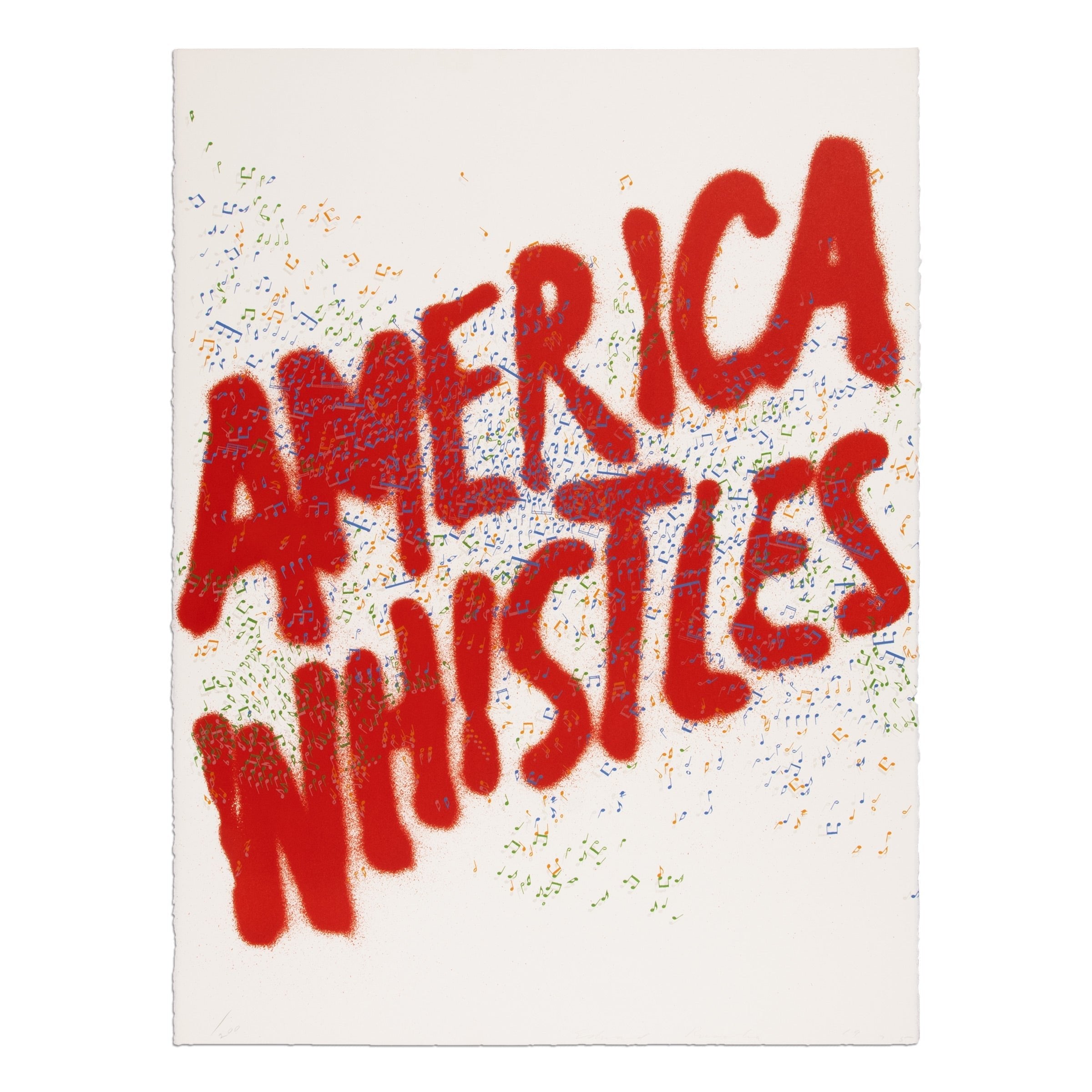
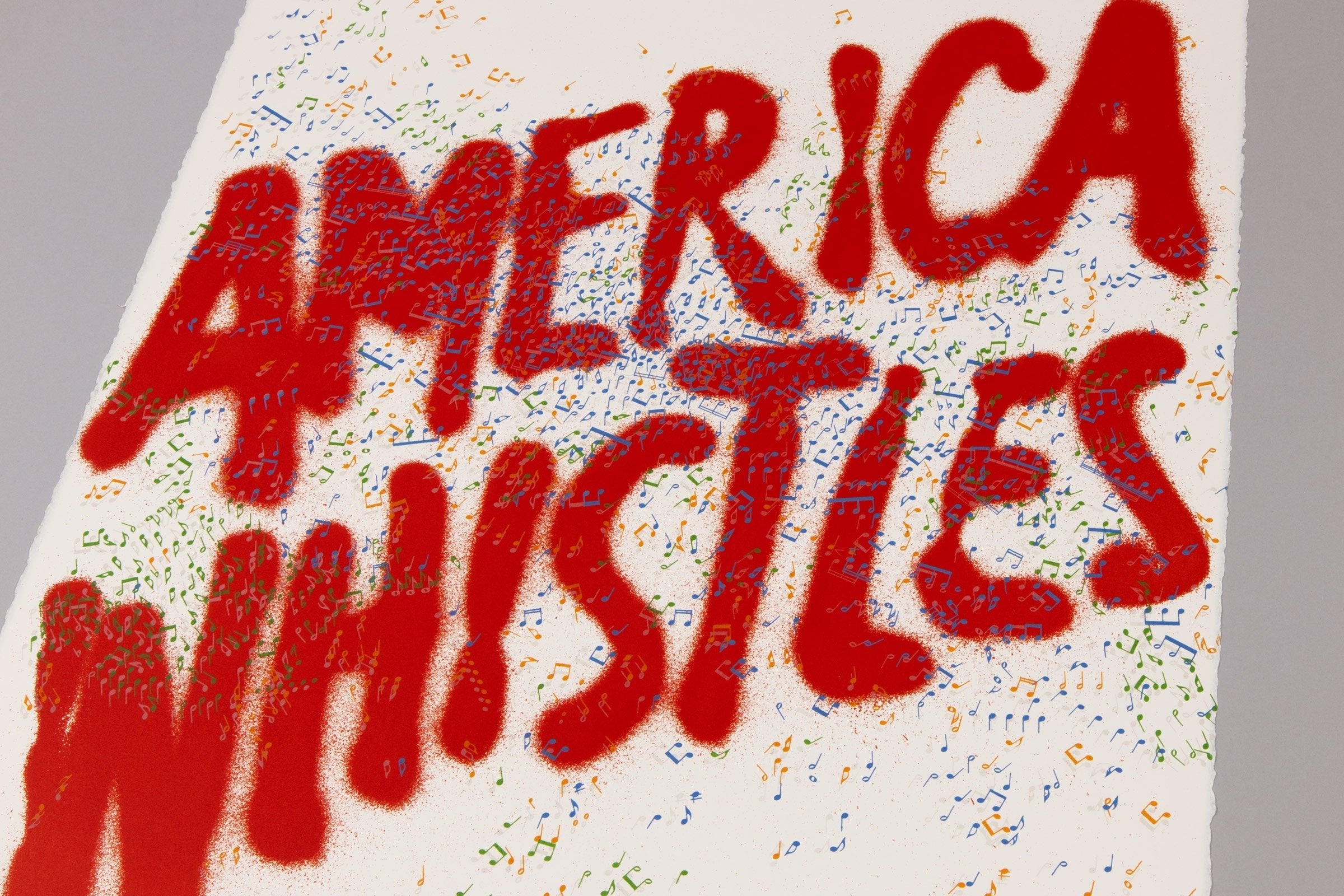
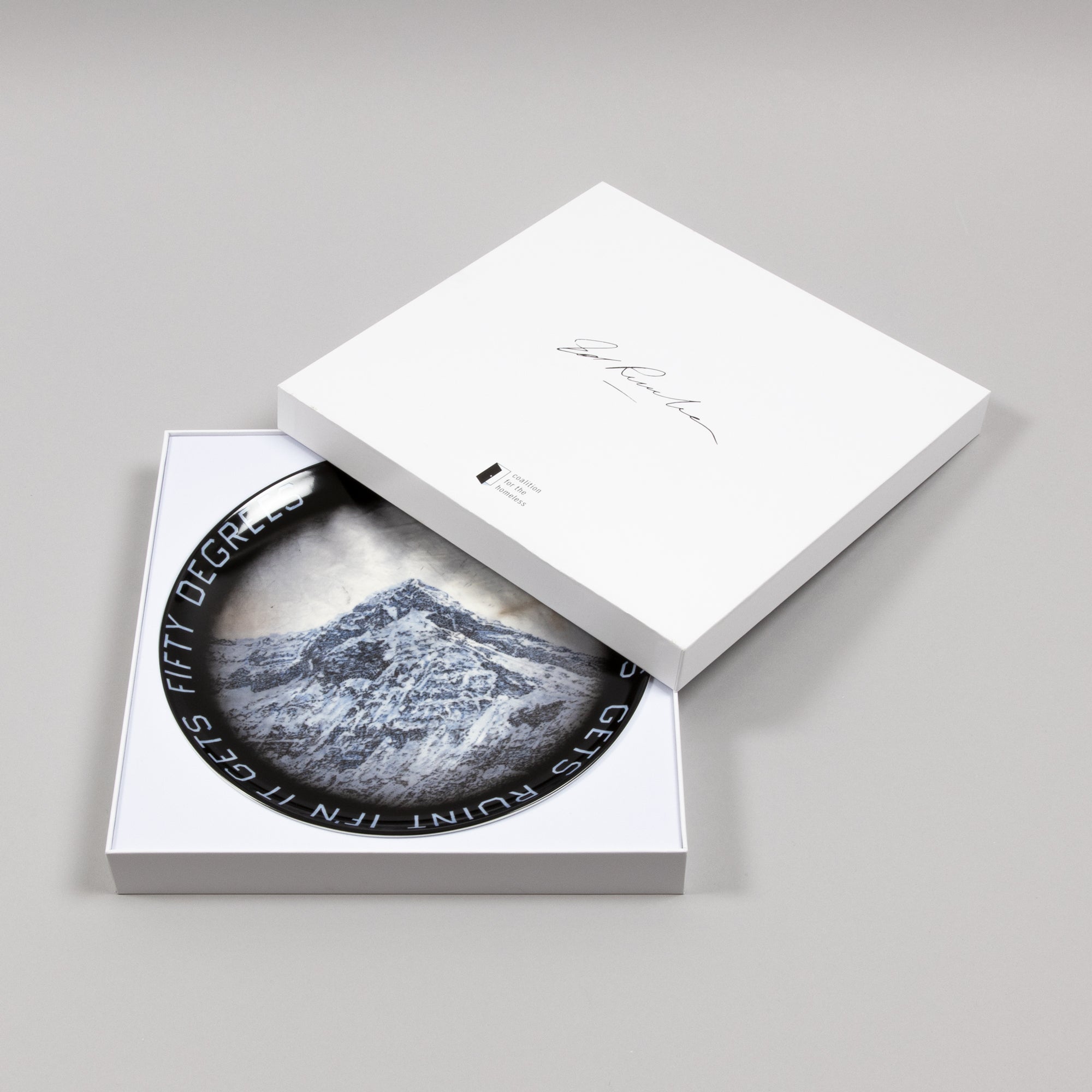
Ed Ruscha - America WhistlesEd Ruscha - America Whistles
Ed Ruscha – America Whistles Sale price€9.500,00
Jenny Holzer - Inflammatory EssaysJenny Holzer - Inflammatory Essays
Barbara Kruger - Culture Nature VaseBarbara Kruger - Culture Nature Vase
Wolfgang Tillmans - Wie wahrscheinlich ist es...Wolfgang Tillmans - Wie wahrscheinlich ist es...
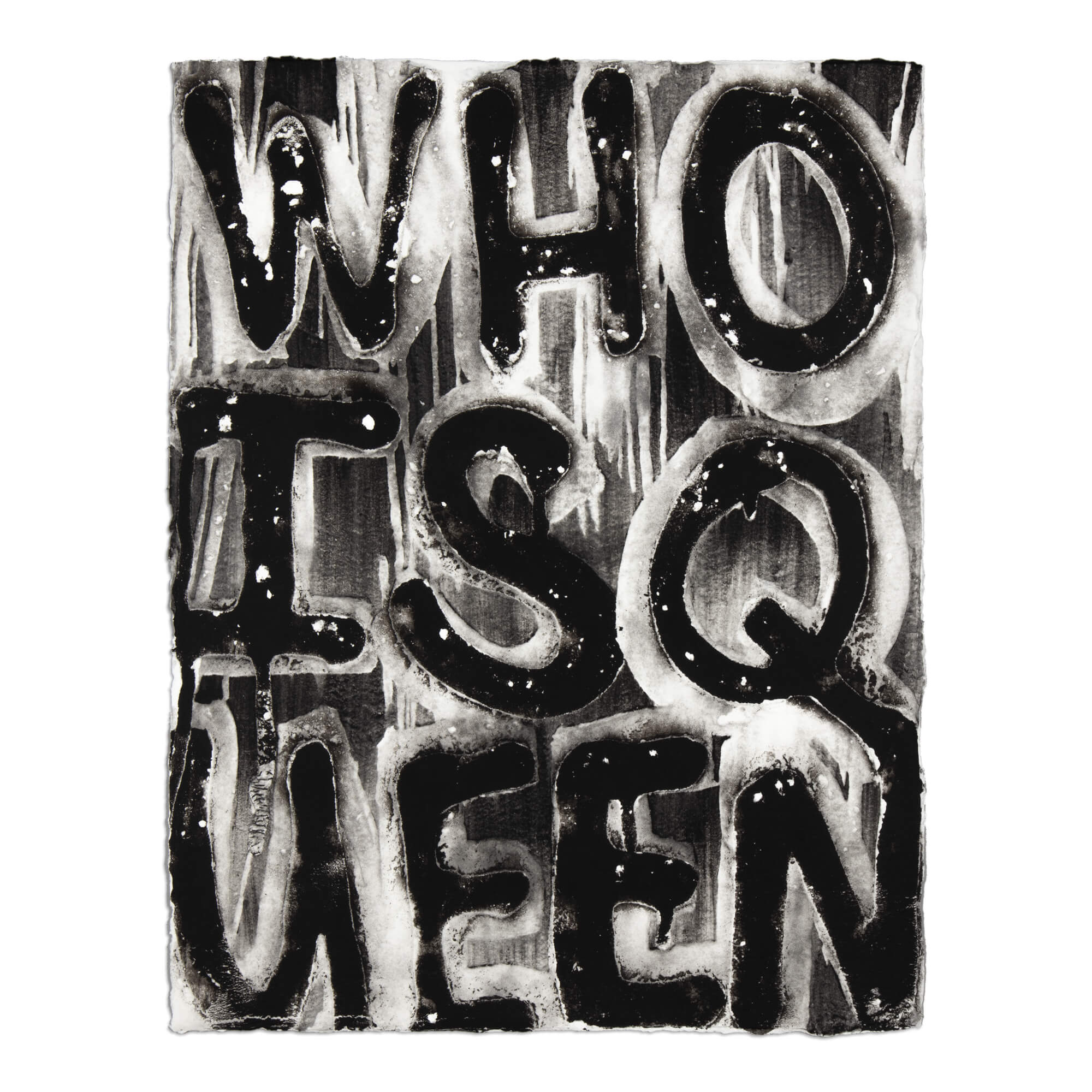
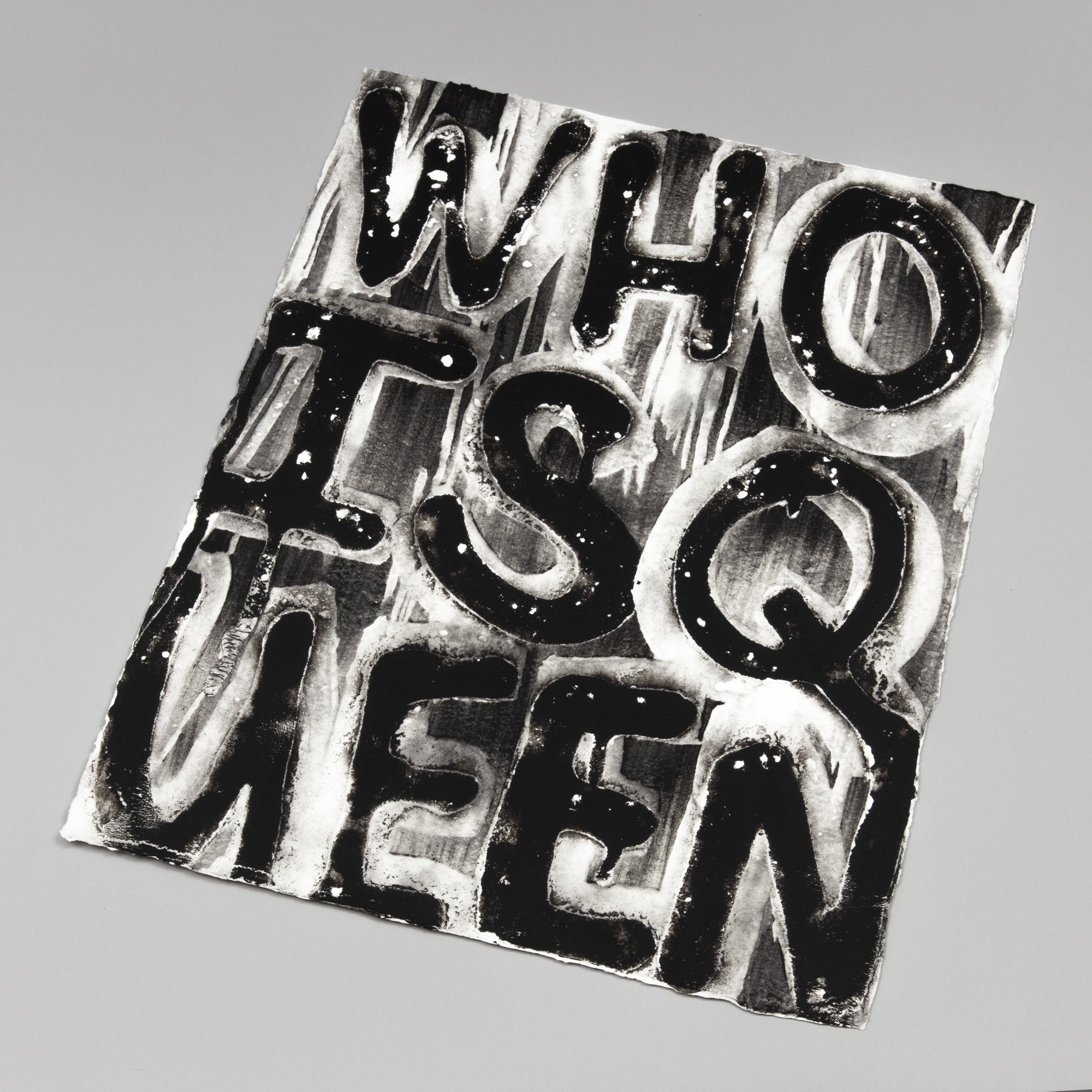
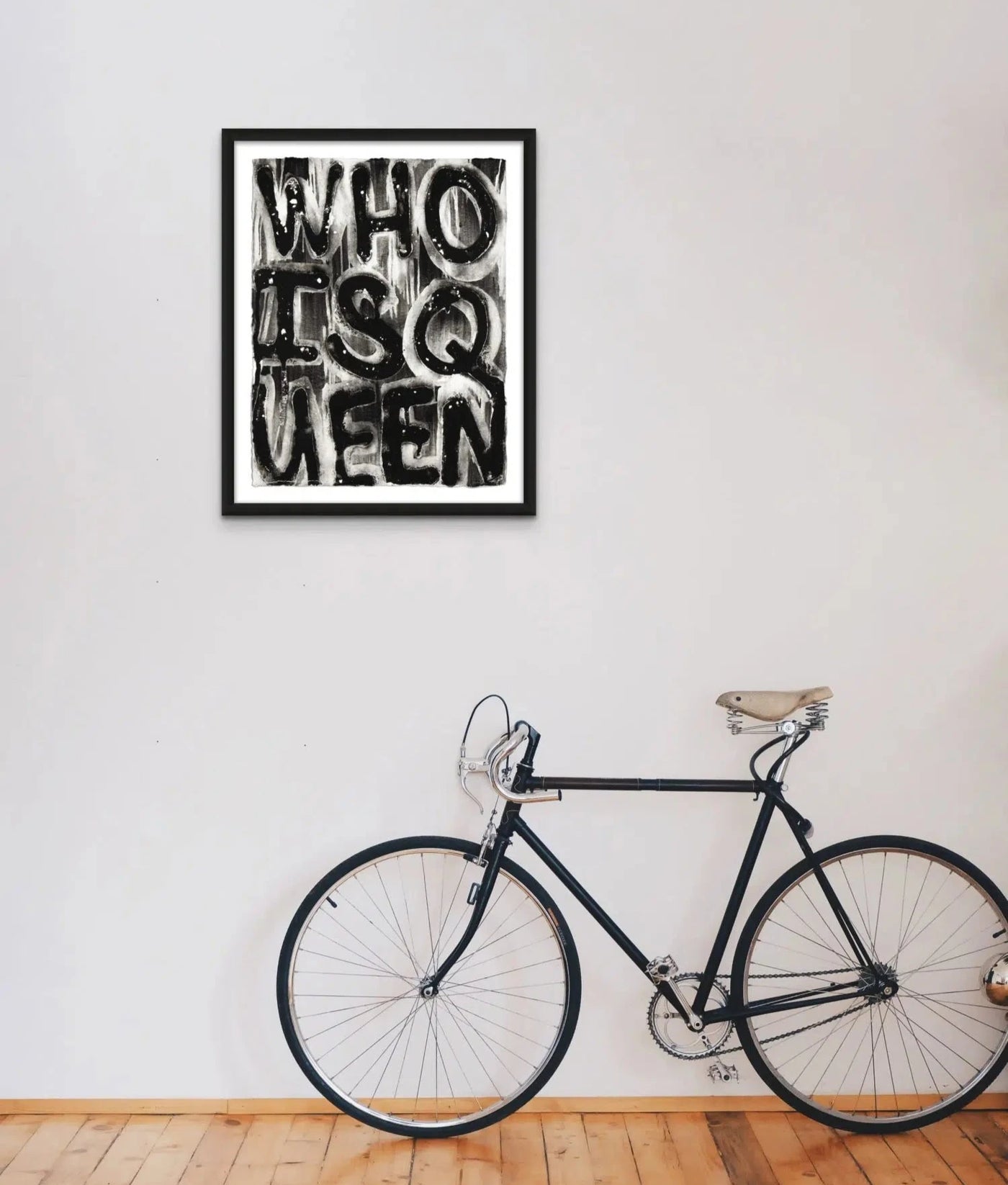
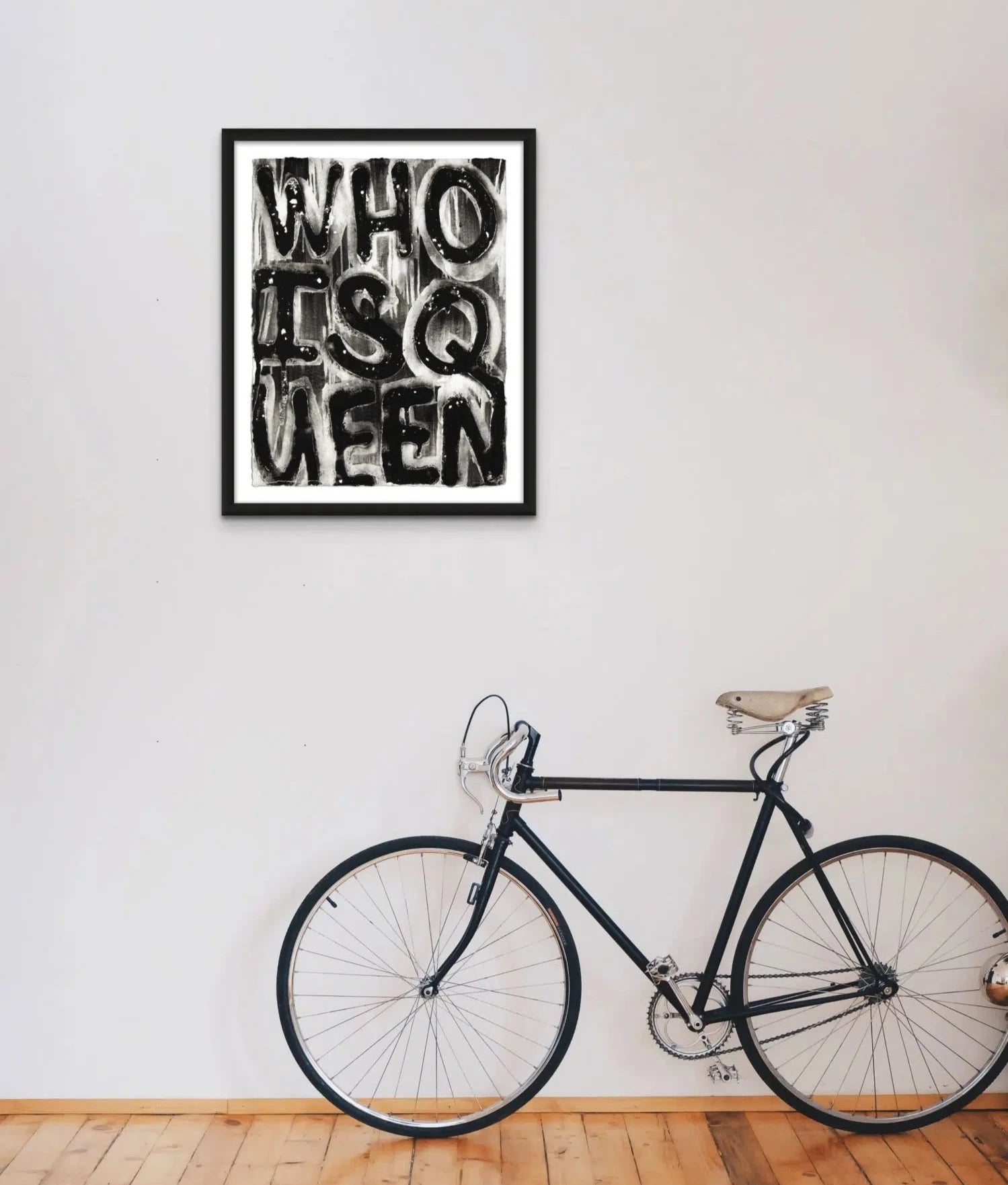
Adam Pendleton - Who Is Queen?Adam Pendleton - Who Is Queen?
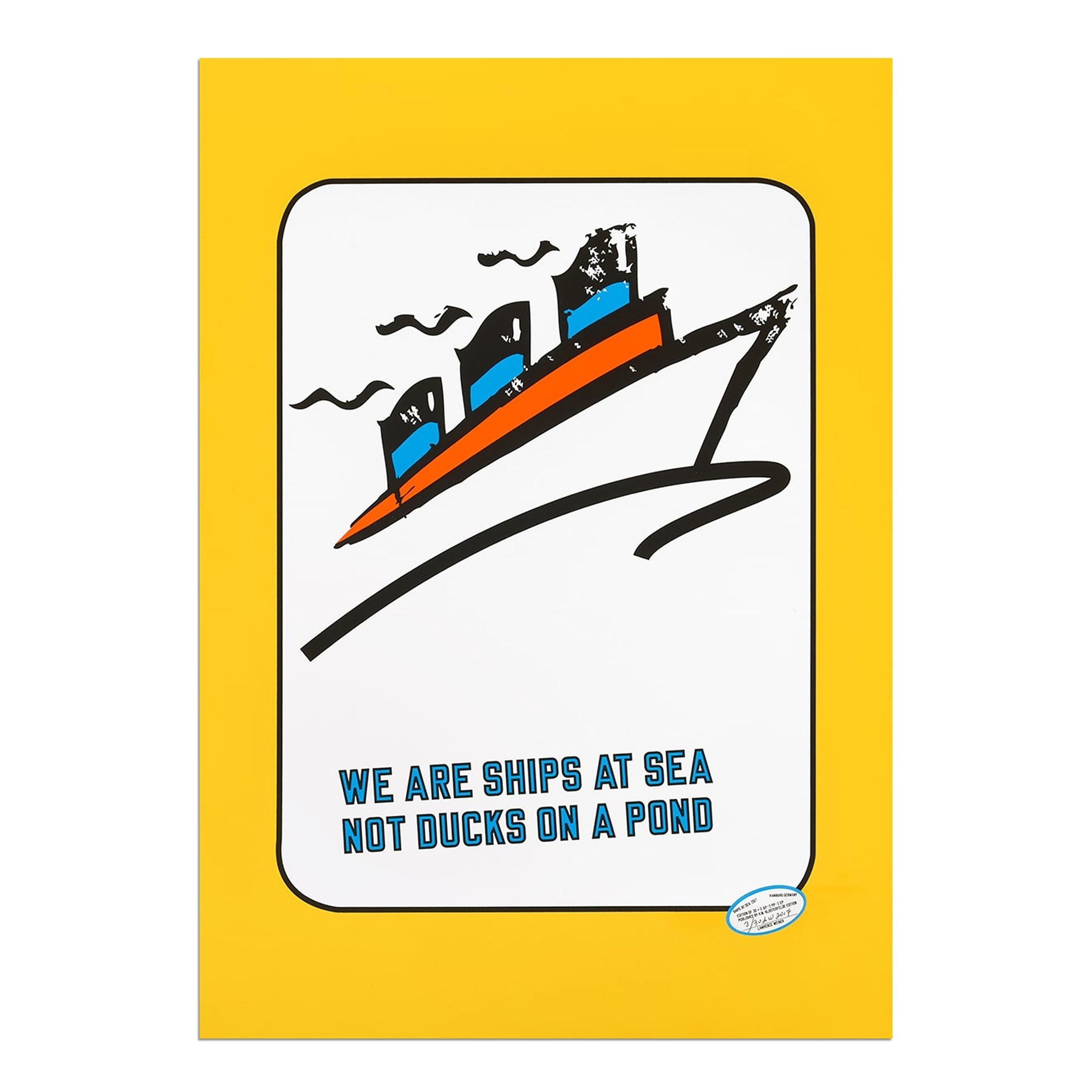
Lawrence Weiner – We Are Ships at Sea Not Ducks on a Pond
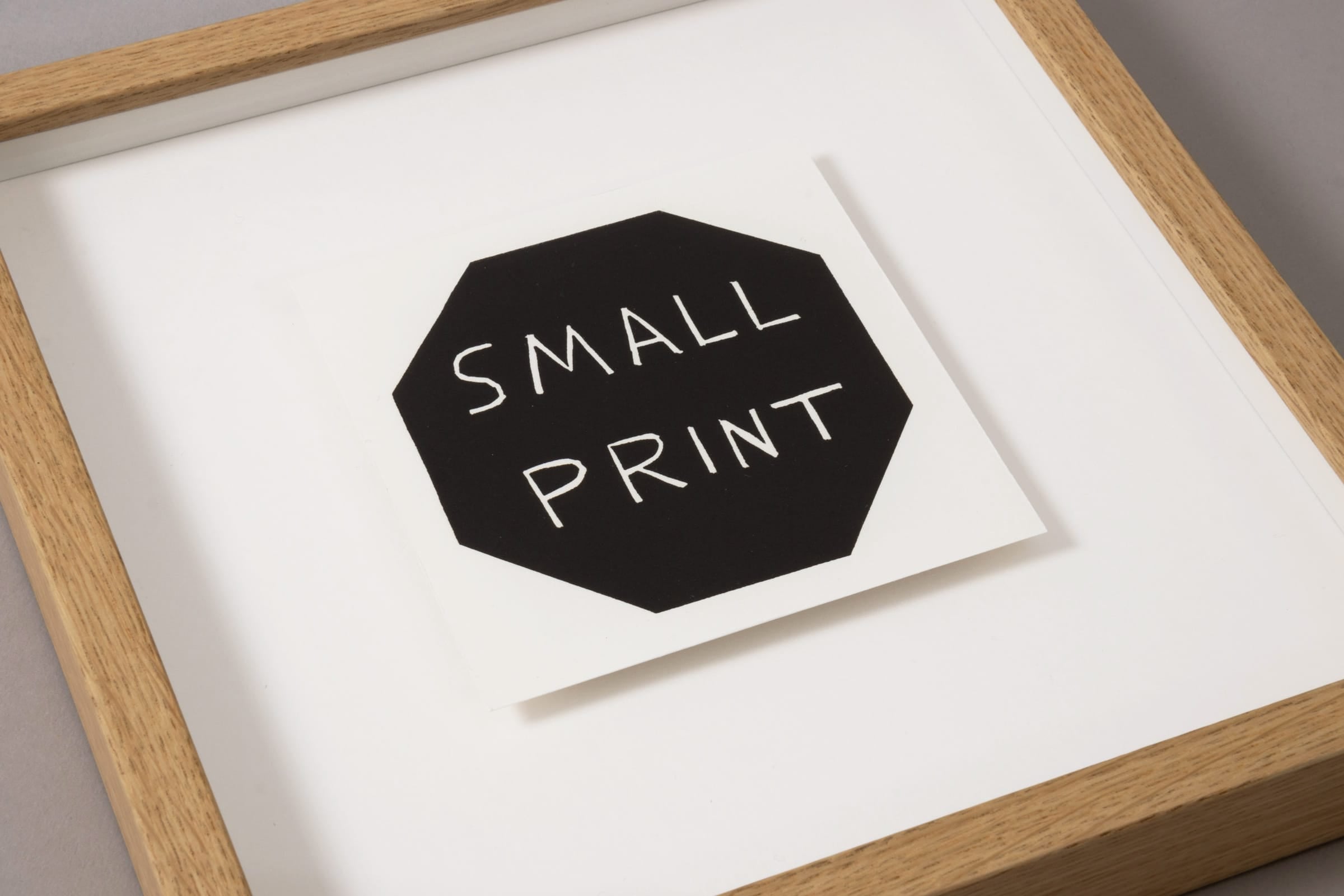
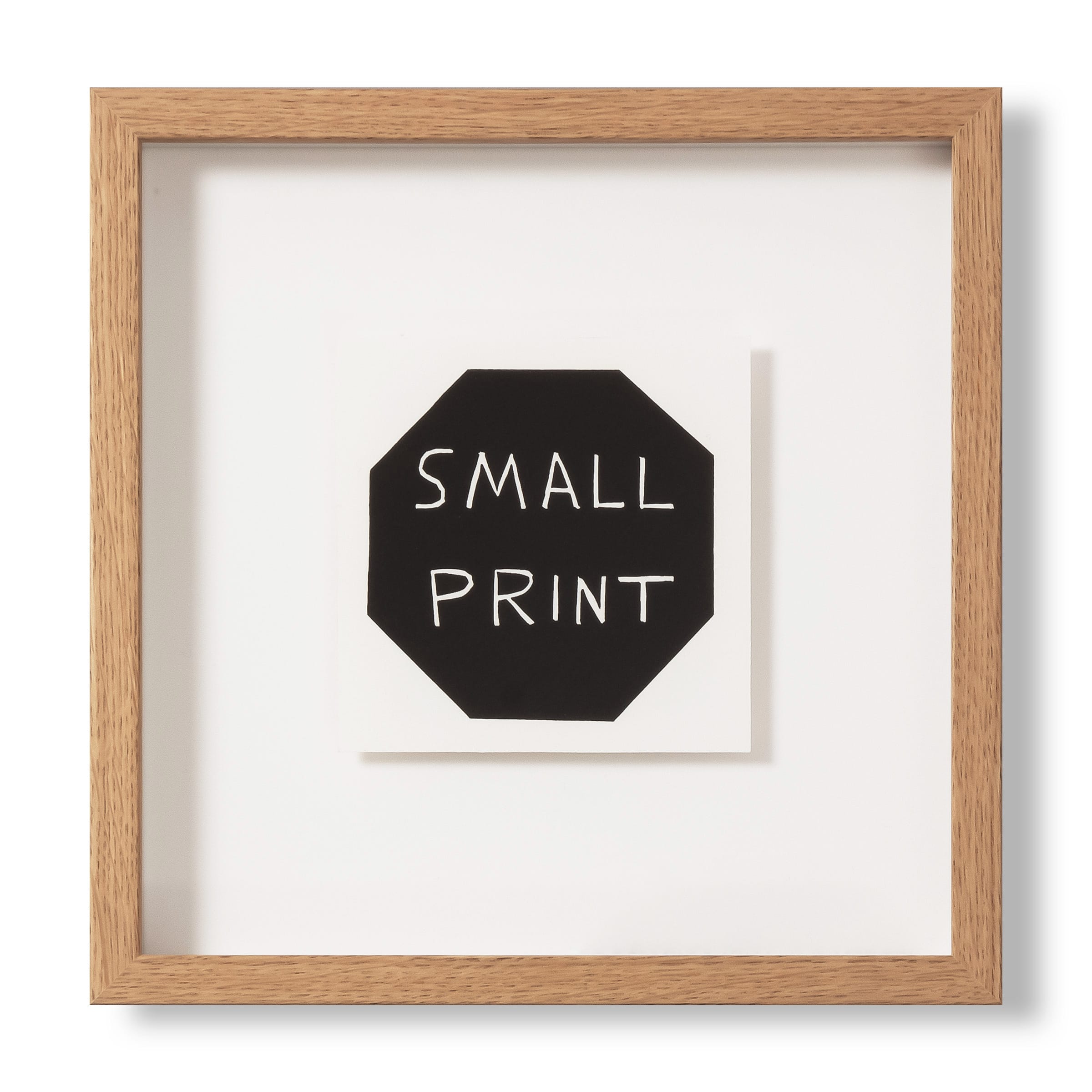
David Shrigley - Small PrintDavid Shrigley - Small Print
David Shrigley – Small Print Sale price€900,00
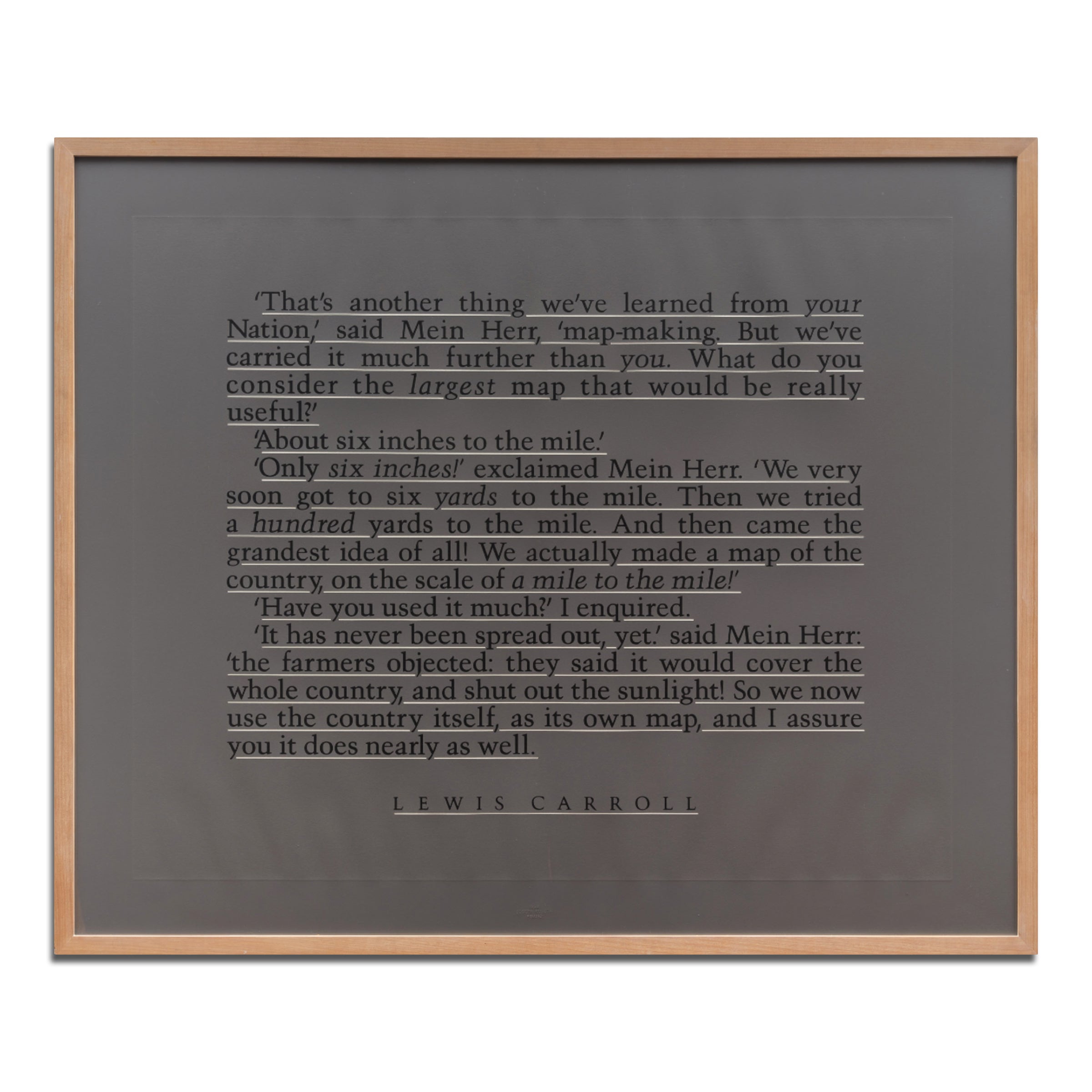
Joseph Kosuth, Map to Indicate
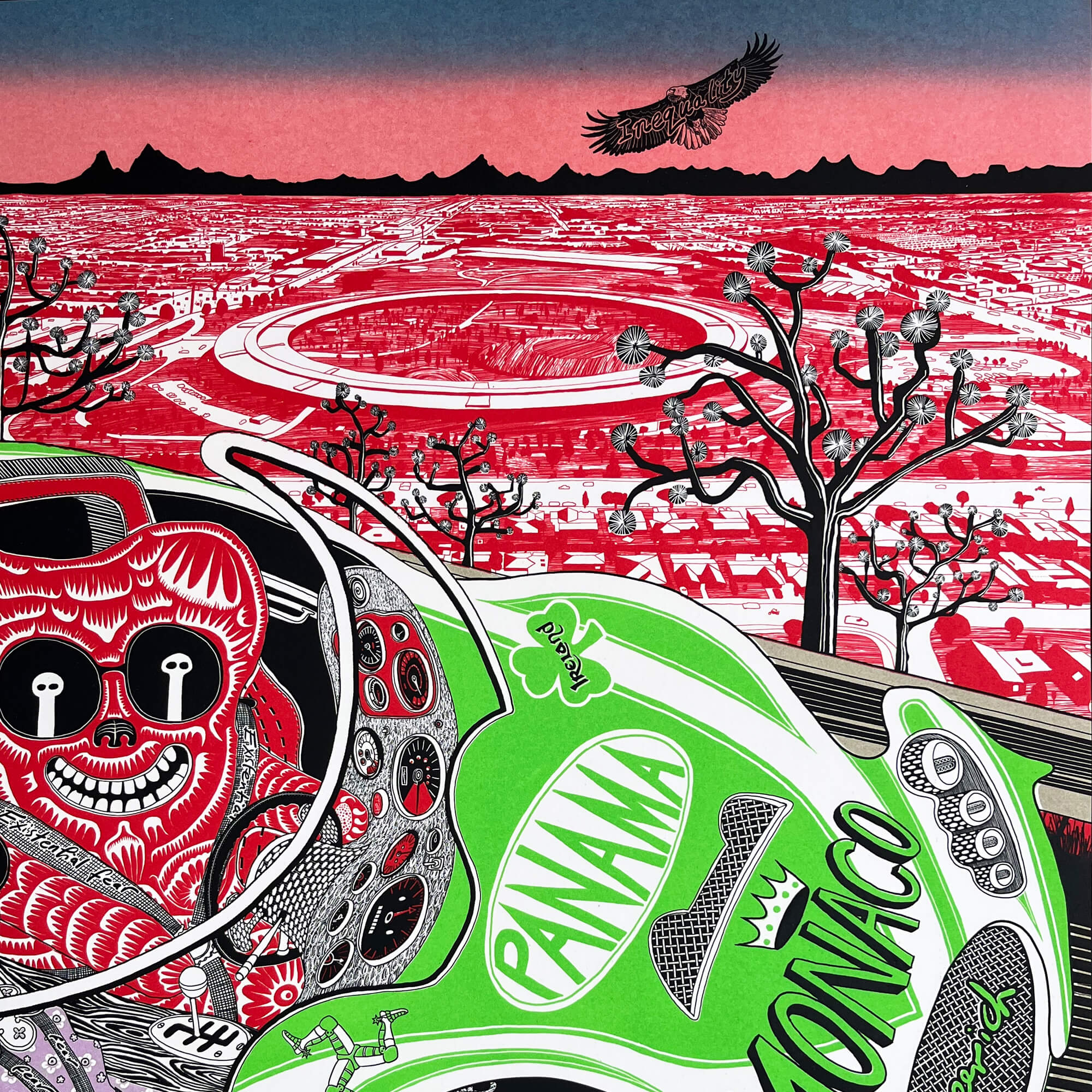
Grayson Perry - Sponsored by YouGrayson Perry – Sponsored by You
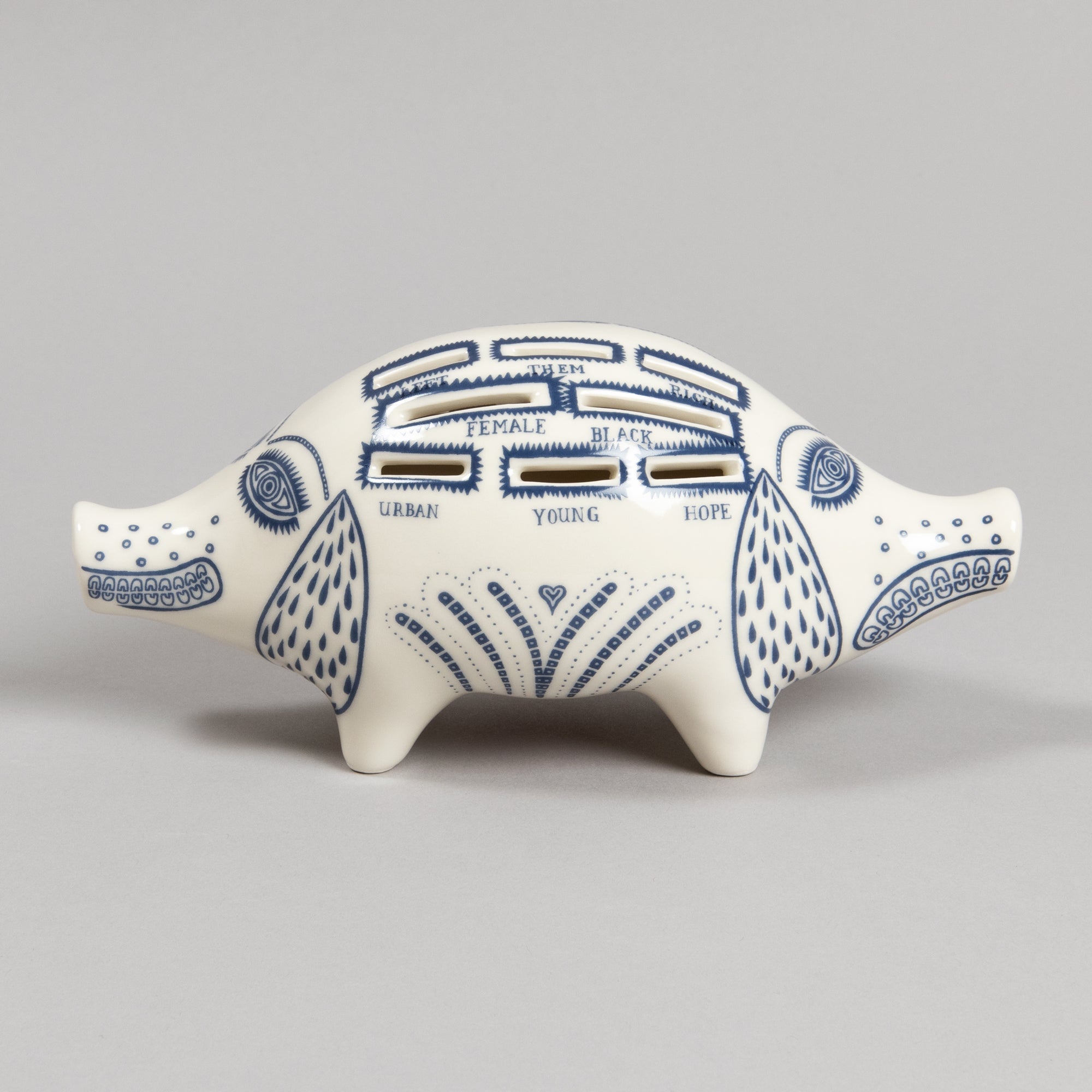
Grayson Perry, Piggy BankGrayson Perry, Piggy Bank
Grayson Perry – Piggy Bank Sale price€1.500,00
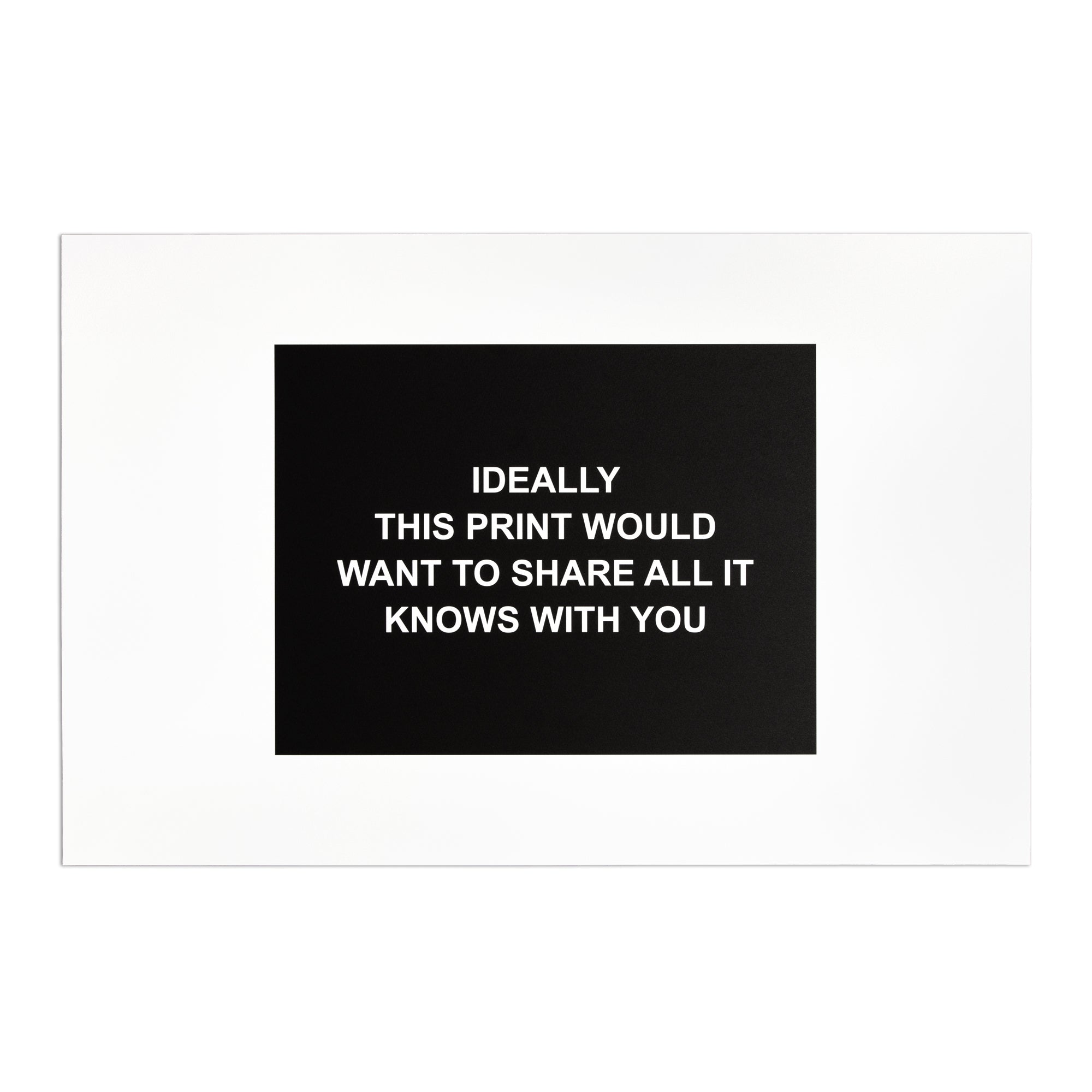
Laure Prouvost – Ideally this print would want to share all it knows with you
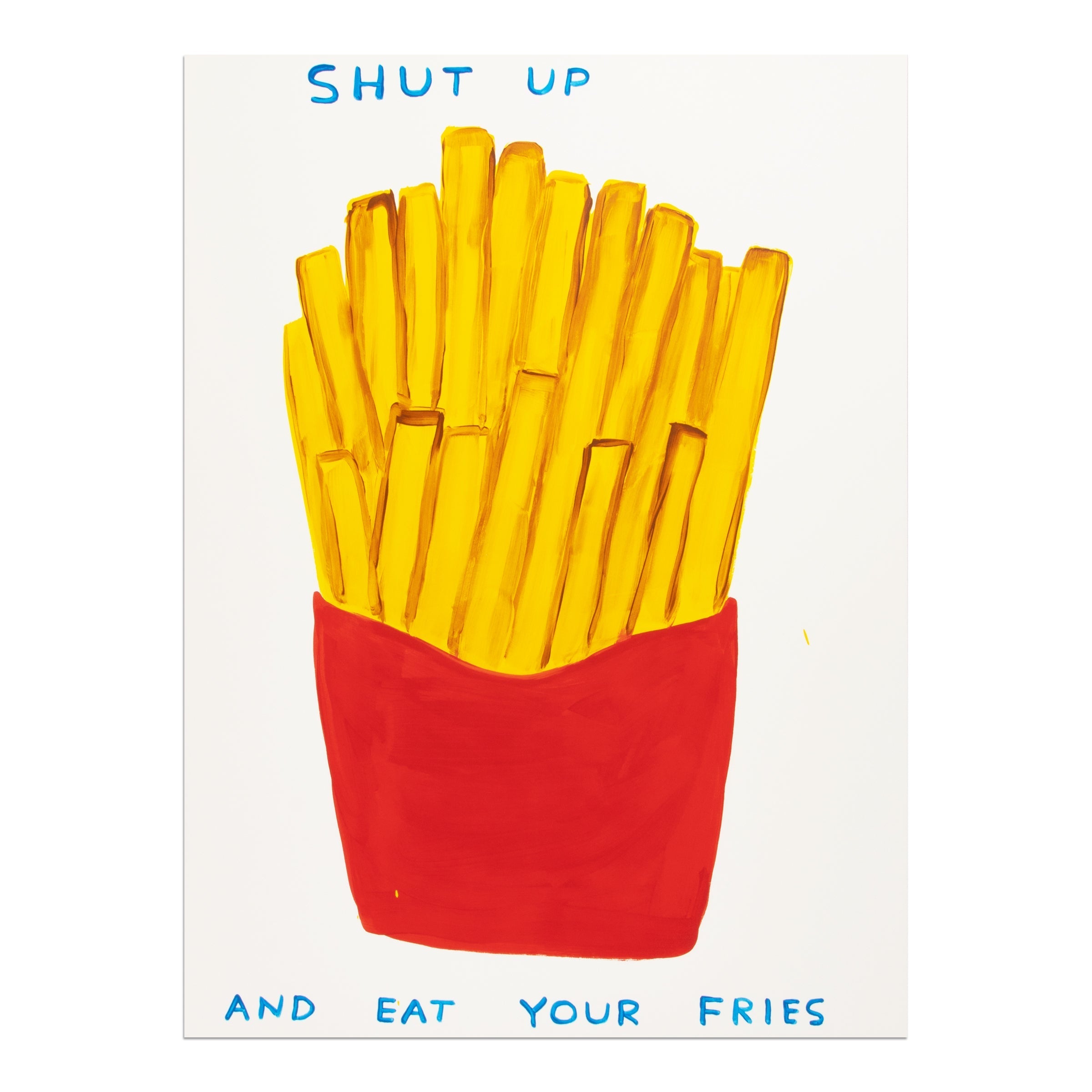
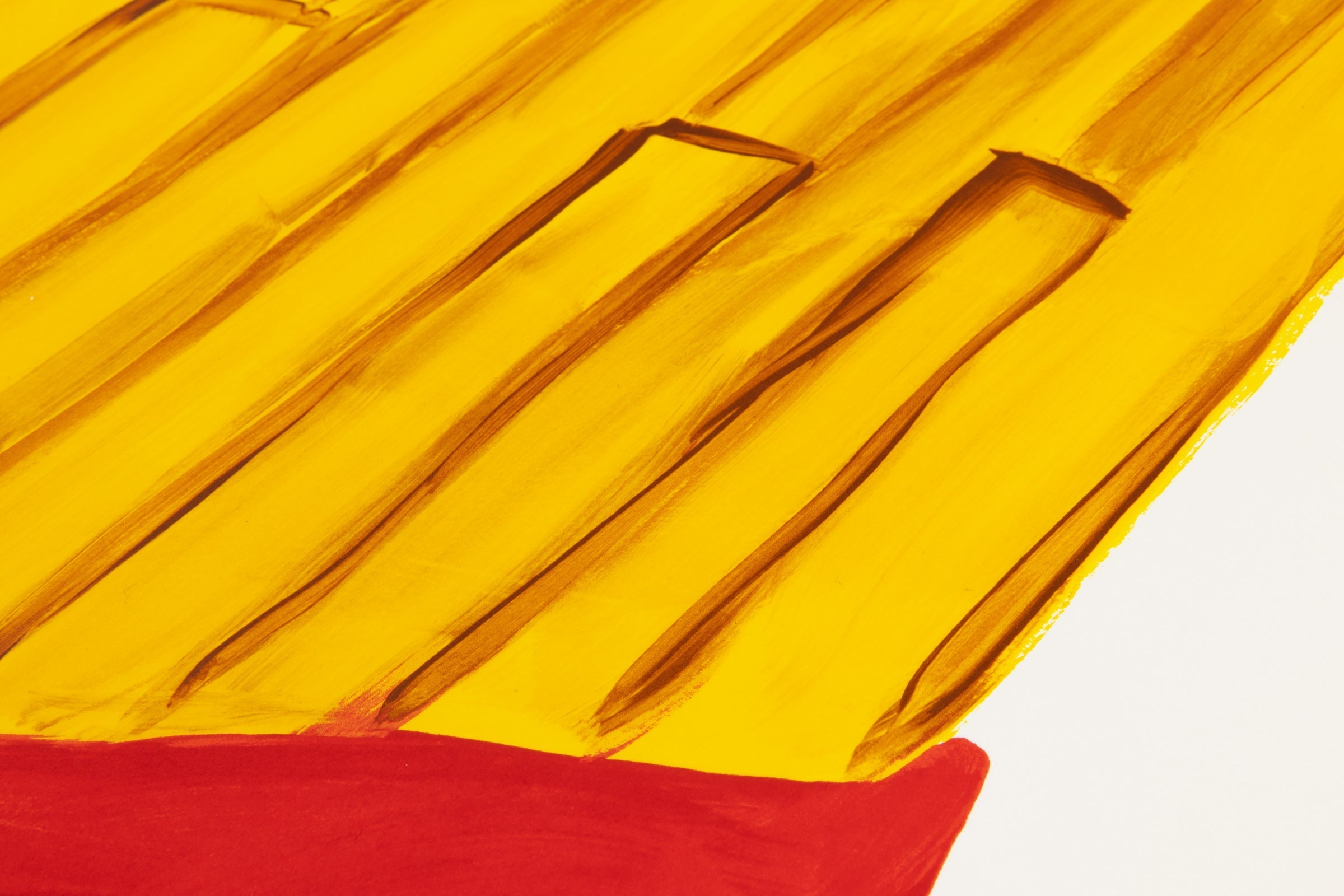
David Shrigley - Shut Up and Eat Your FriesDavid Shrigley - Shut Up and Eat Your Fries
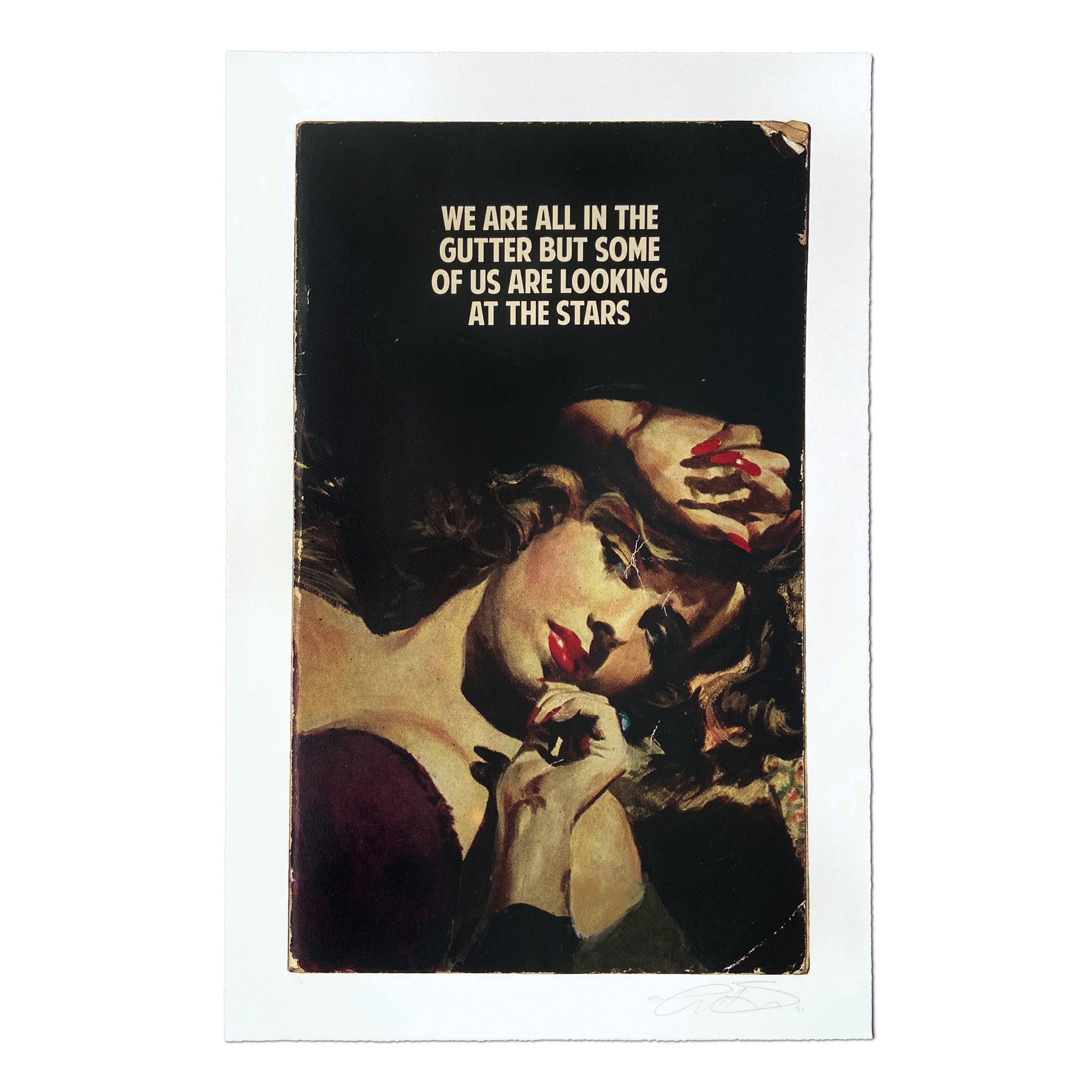
The Connor Brothers - We Are All in the Gutter
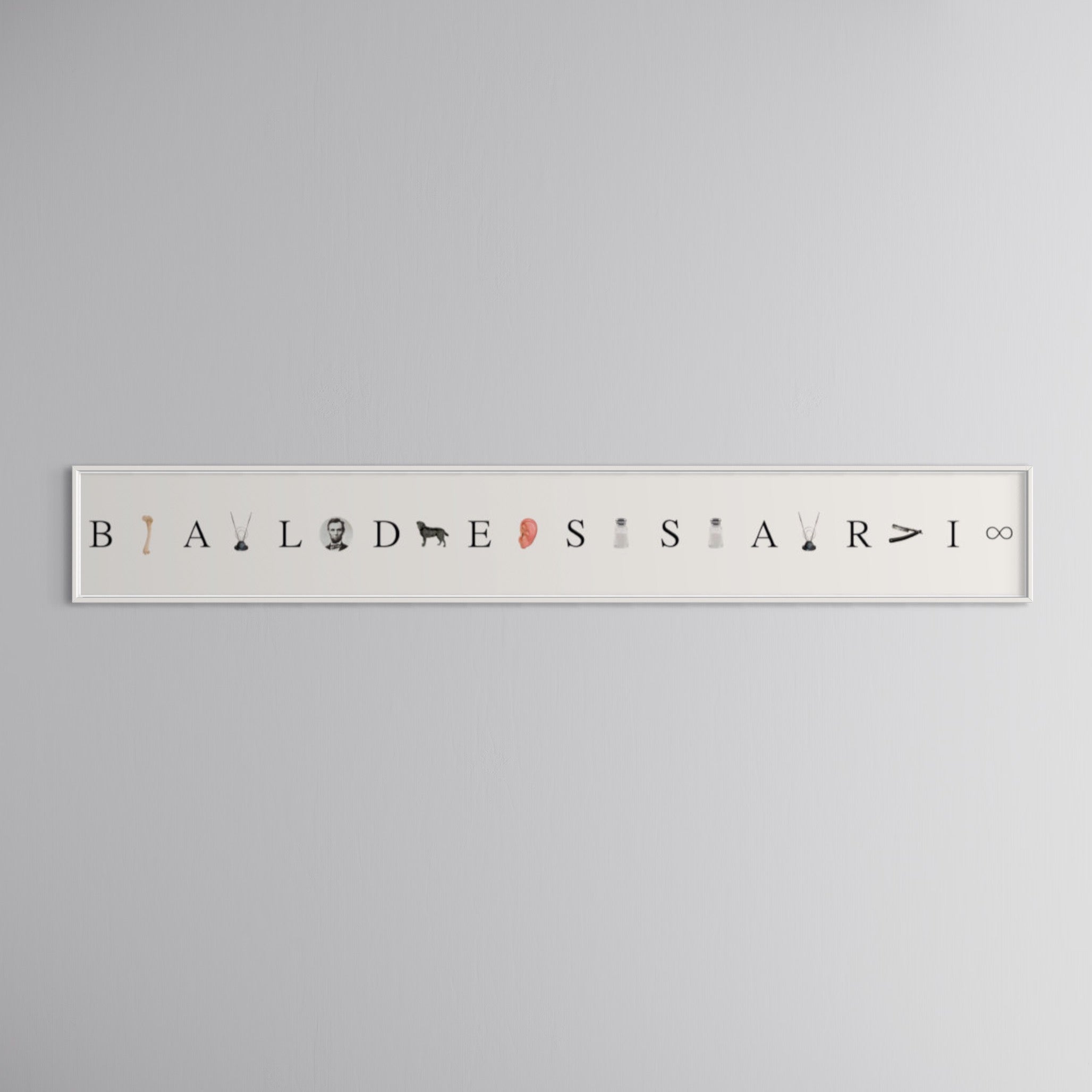
John Baldessari - Give me a B, give me an A...John Baldessari - Give me a B, give me an A...
Sold out
Jenny Holzer - Water Board 0000090Jenny Holzer - Water Board 0000090
Lawrence Weiner – Wir sind keine Enten auf dem Teich
Grayson Perry - Magical ThinkingGrayson Perry - Magical Thinking
Grayson Perry – Magical Thinking Sale price€3.000,00
Daniel Richter - Talk is CheapDaniel Richter - Talk is Cheap
Daniel Richter – Talk is Cheap Sale price€5.400,00
David Shrigley - Fat Pig We Love You
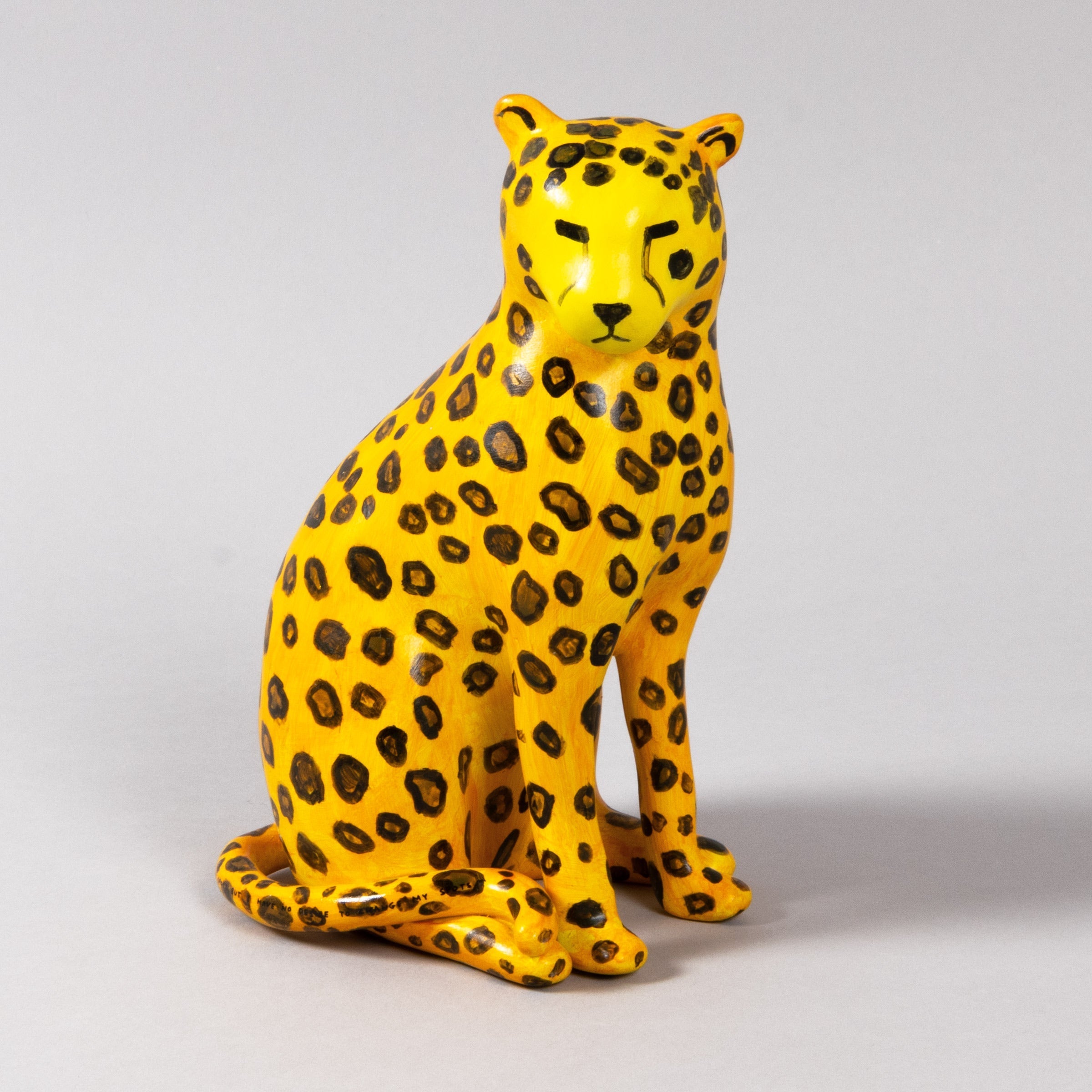
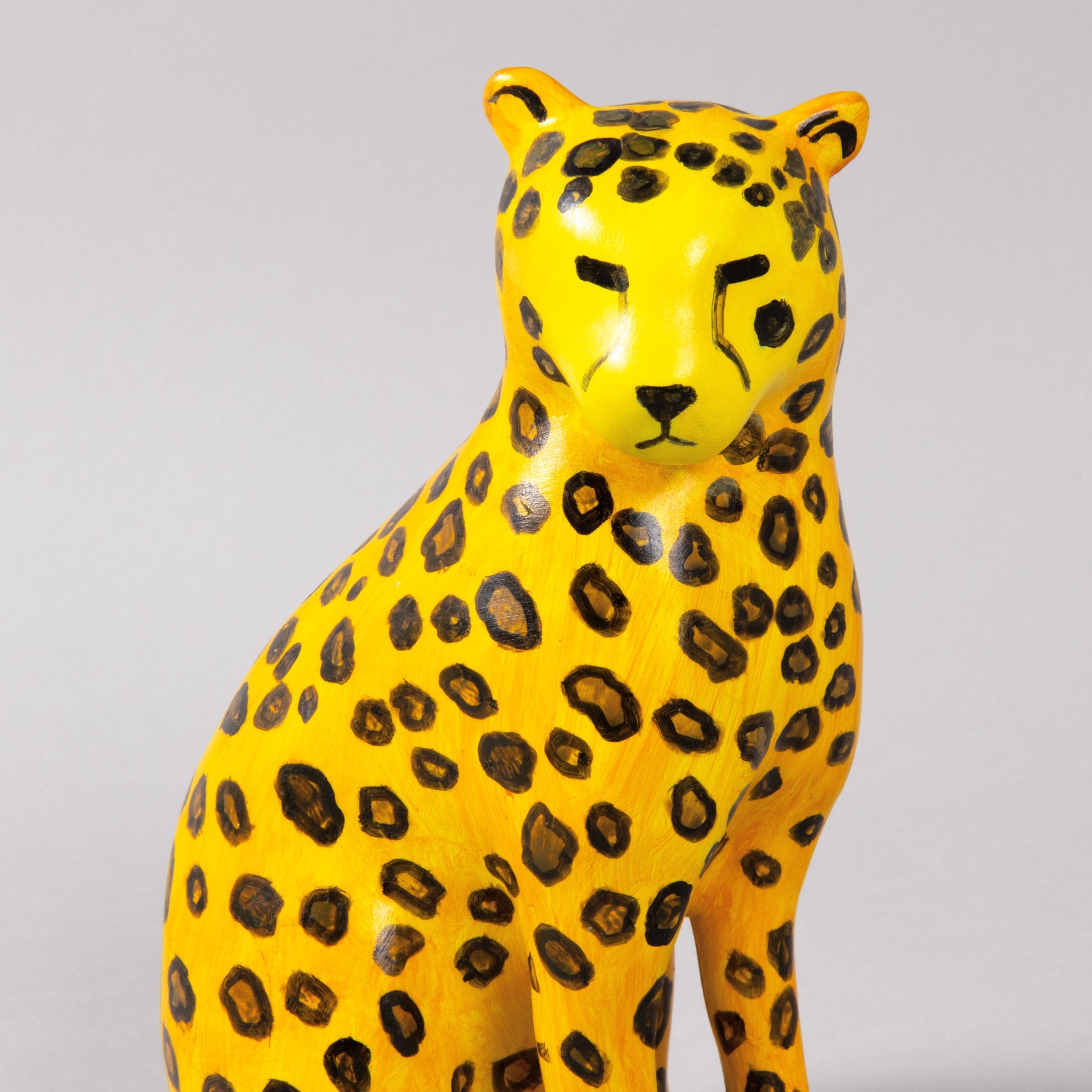
David Shrigley - I Cannot Change my SpotsDavid Shrigley - I Cannot Change my Spots
David Shrigley - I Hate Human BeingsDavid Shrigley - I Hate Human Beings
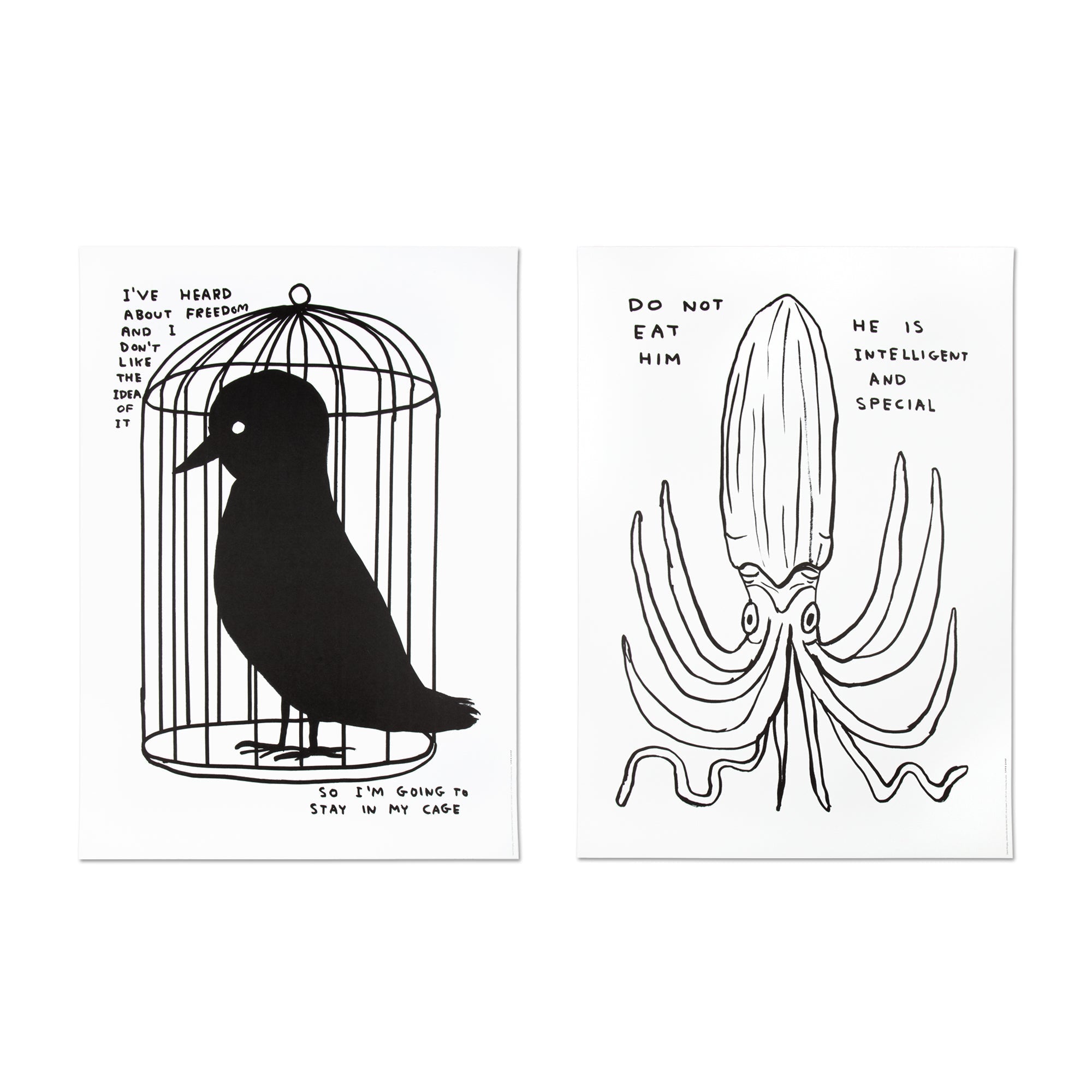
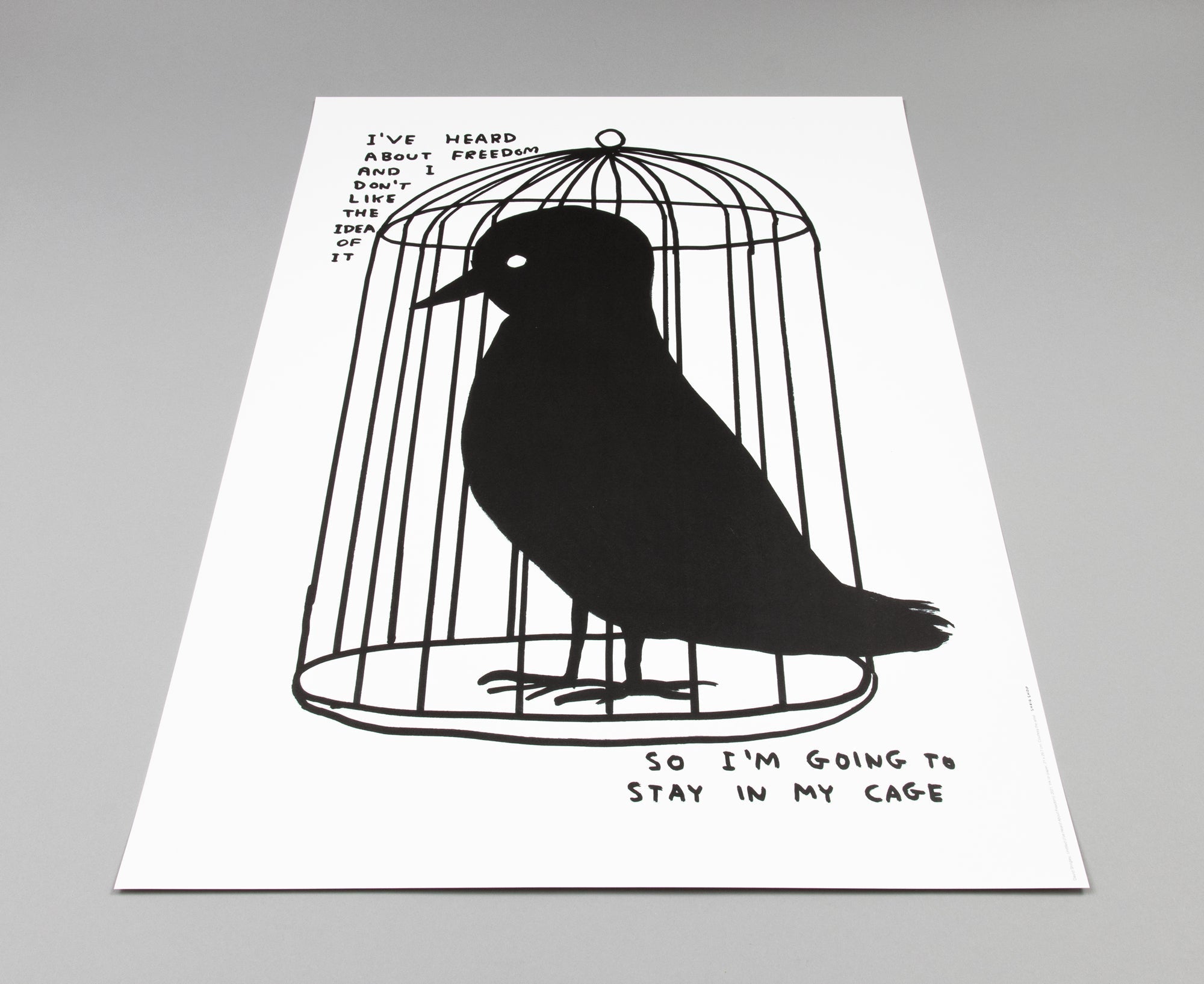
David Shrigley - I've Heard About Freedom + Do Not Eat Him - 2 PrintsDavid Shrigley - I've Heard About Freedom
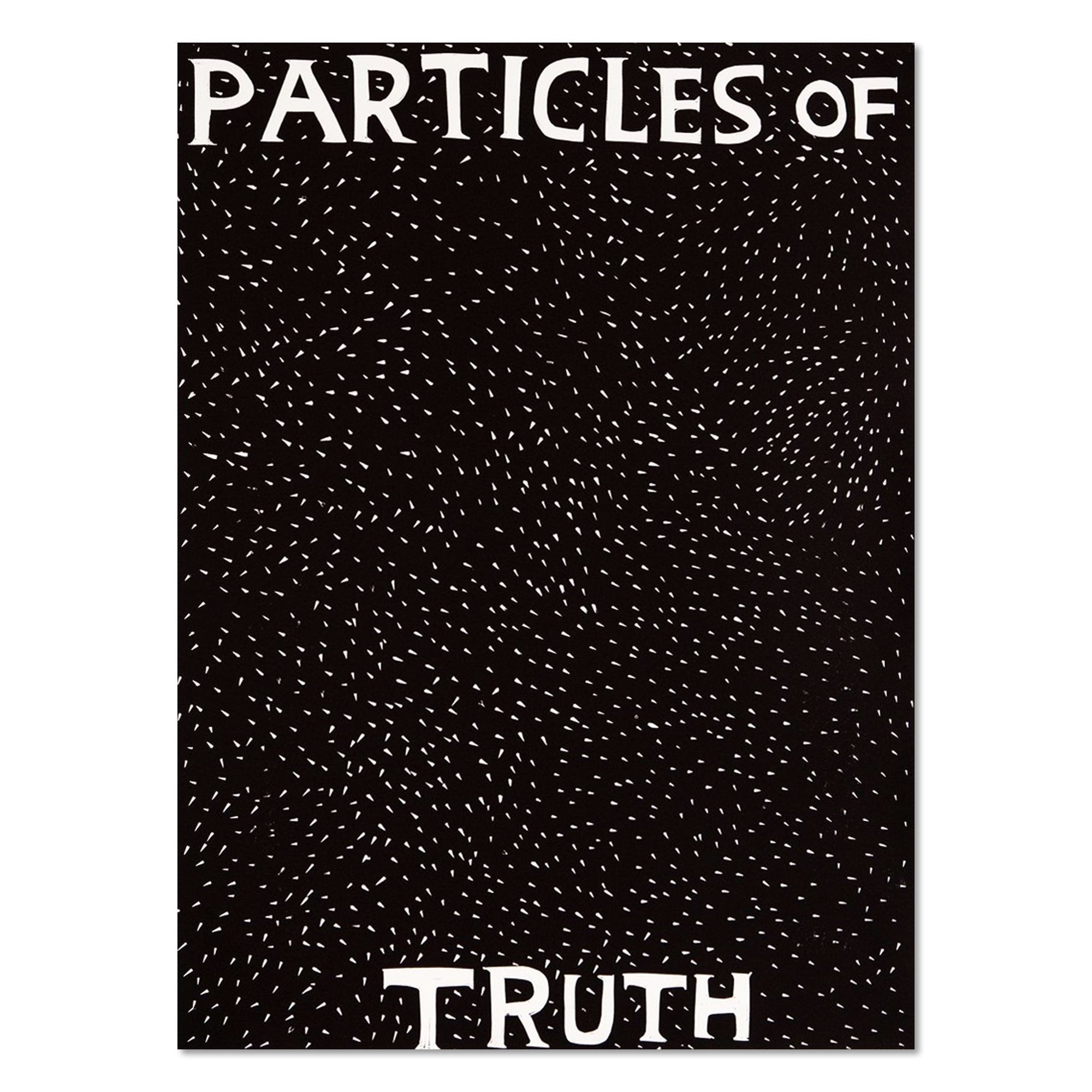
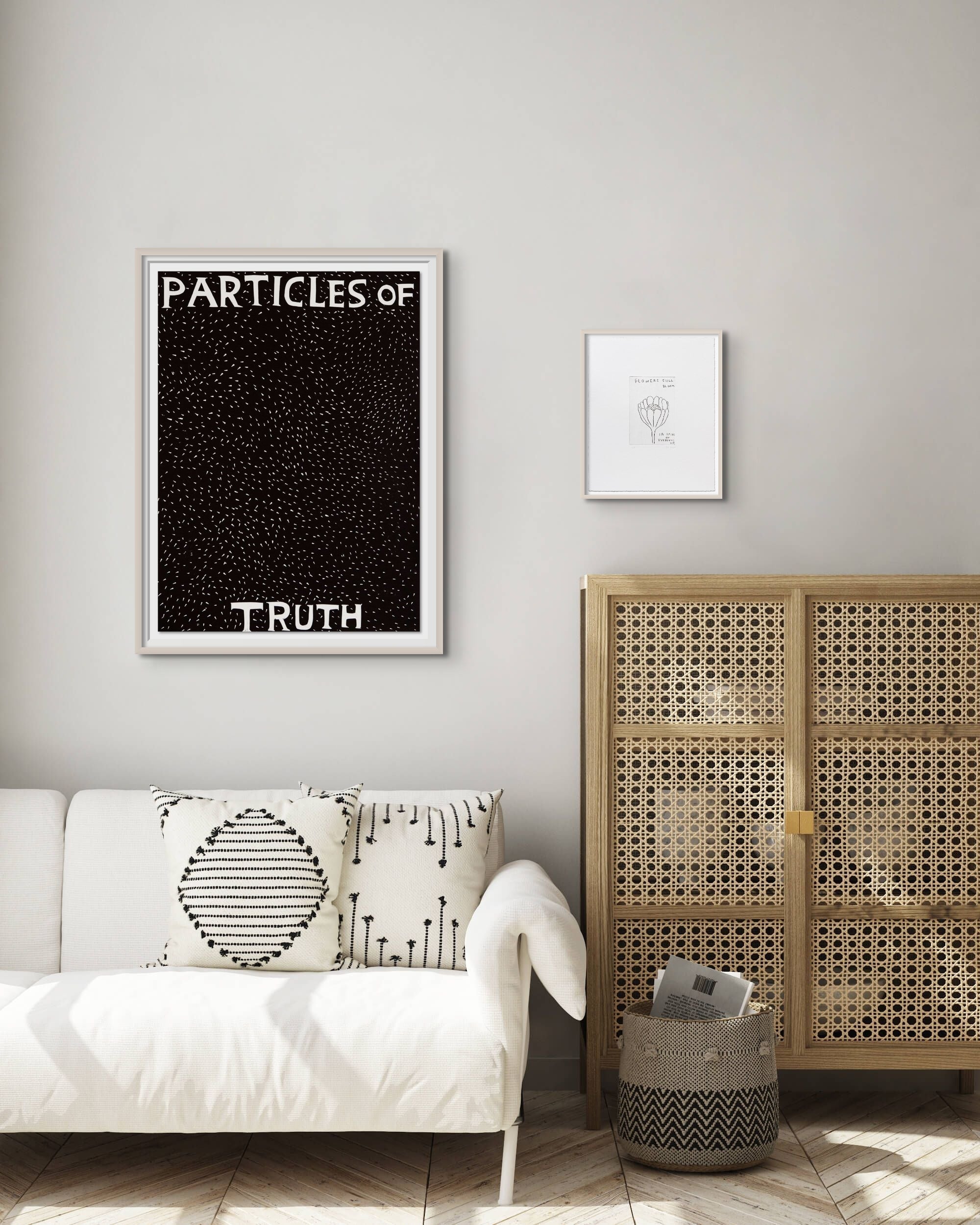
David Shrigley – Particles of TruthDavid Shrigley - Particles of Truth
David Shrigley - StinkDavid Shrigley - Stink
David Shrigley – Stink Sale price€2.800,00
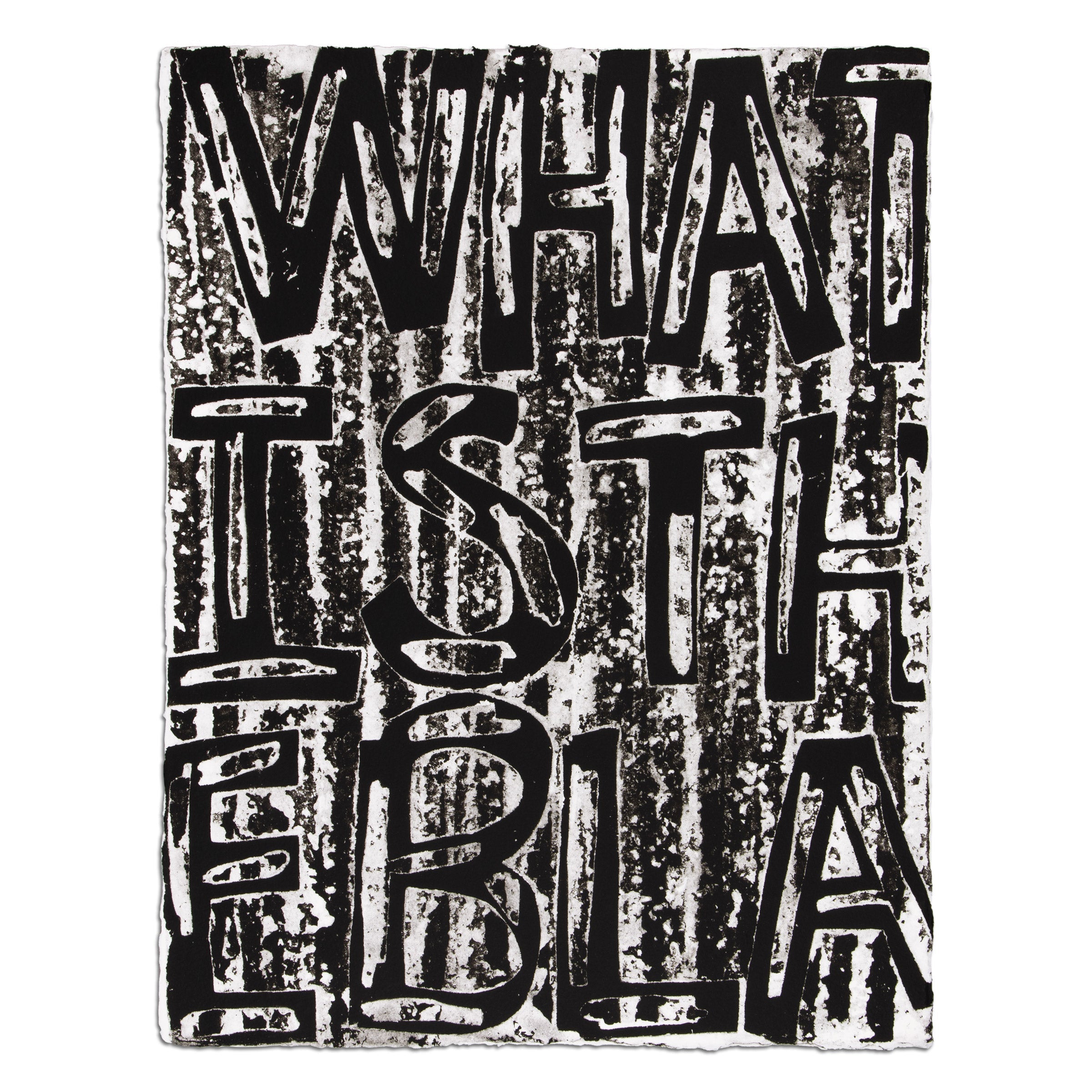
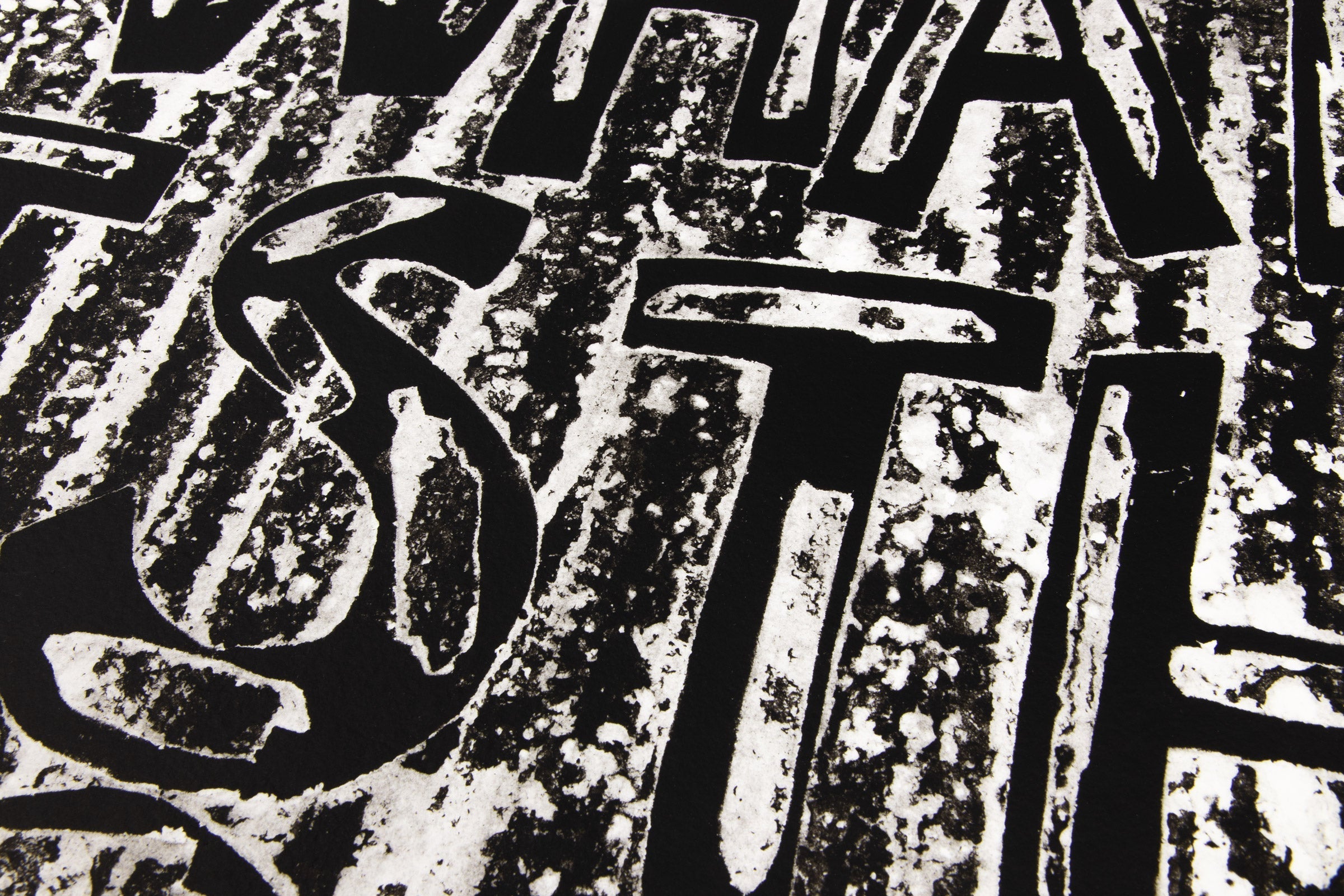
Adam Pendleton - What is the Black DadaAdam Pendleton - What is the Black Dada
David Shrigley - The Moon Makes Us CrazyDavid Shrigley - The Moon Makes Us Crazy
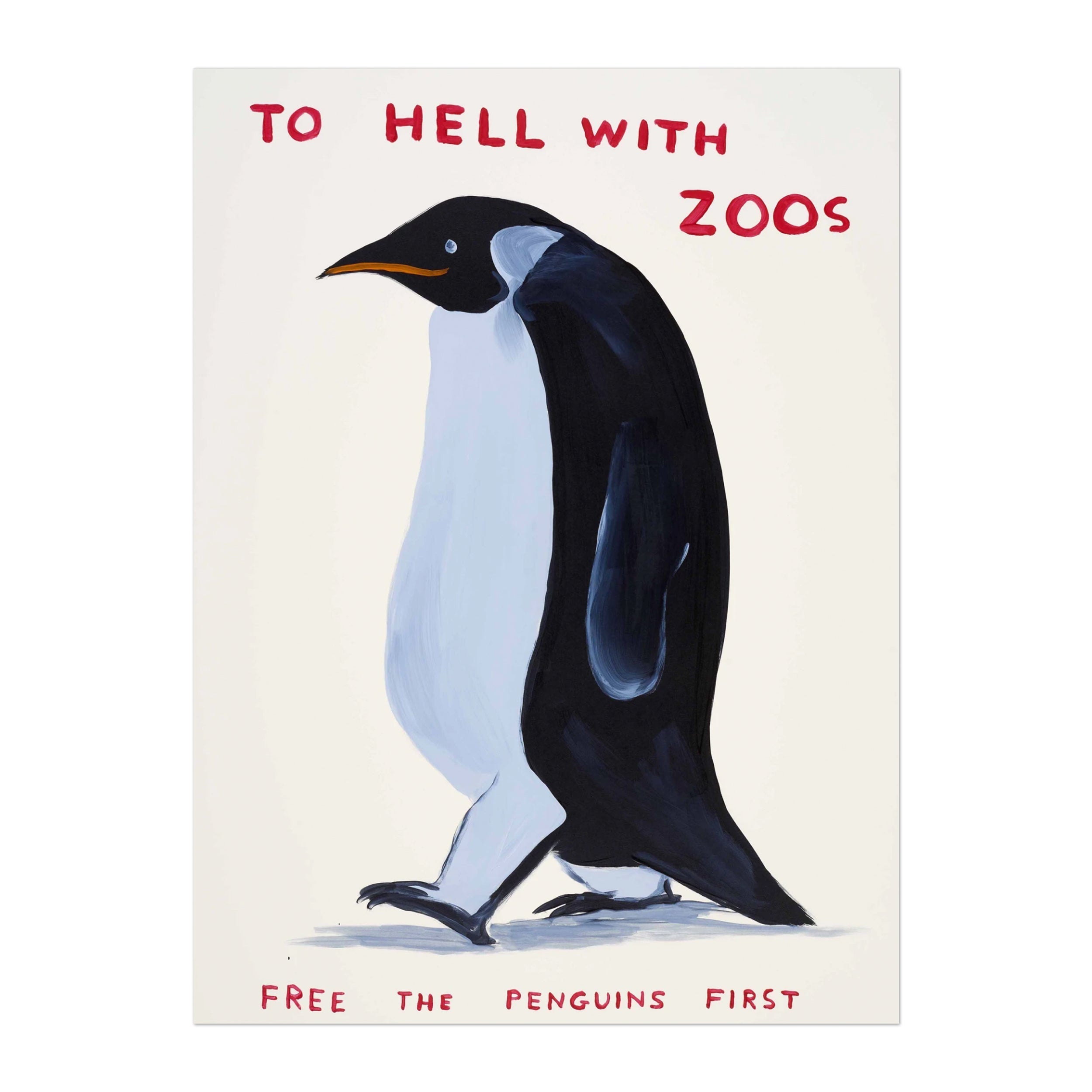
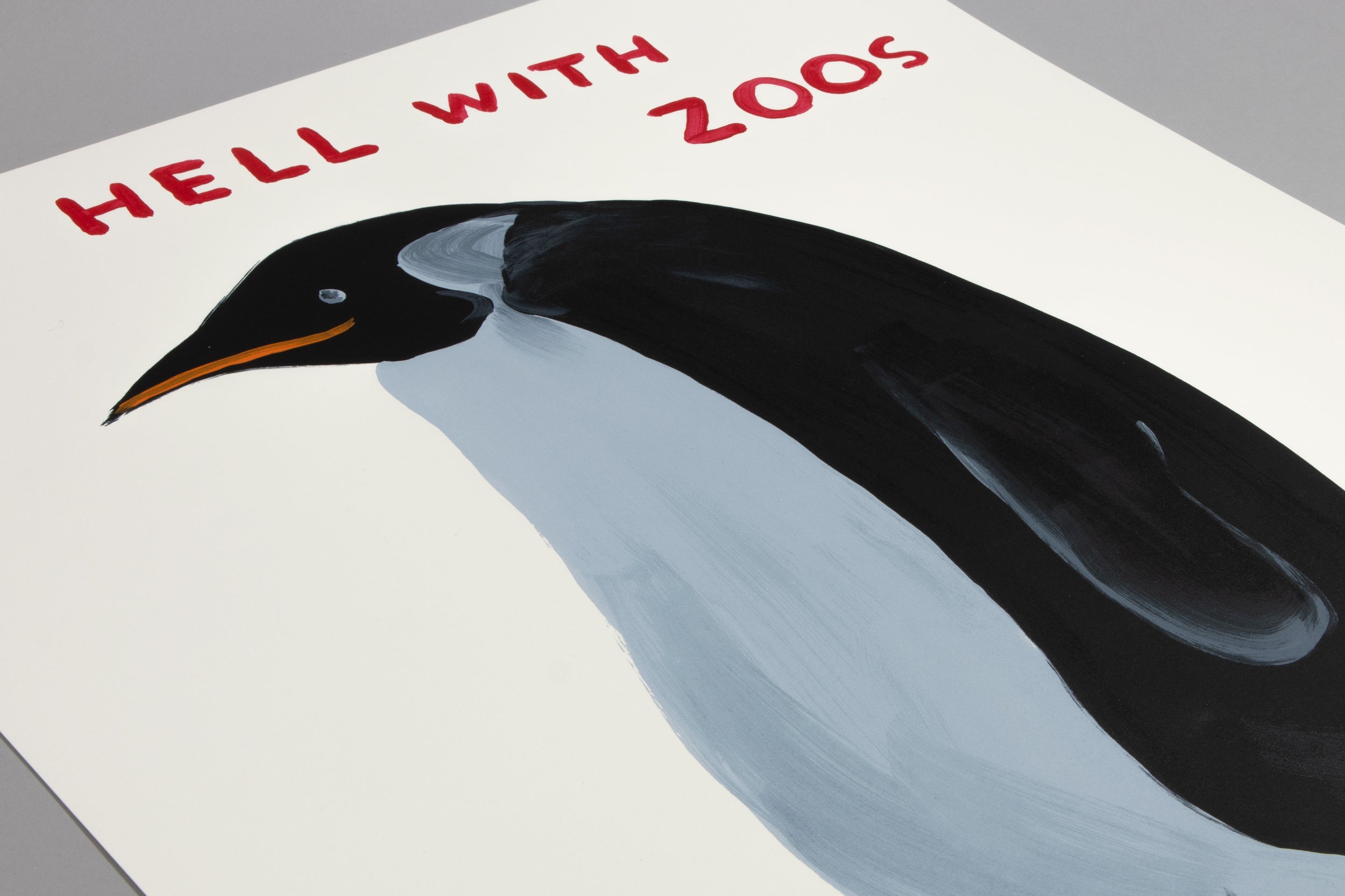
David Shrigley - To Hell With ZoosDavid Shrigley - To Hell With Zoos
David Shrigley – We Won the RaceDavid Shrigley – We Won the Race
David Shrigley – We Won the Race Sale price€2.600,00
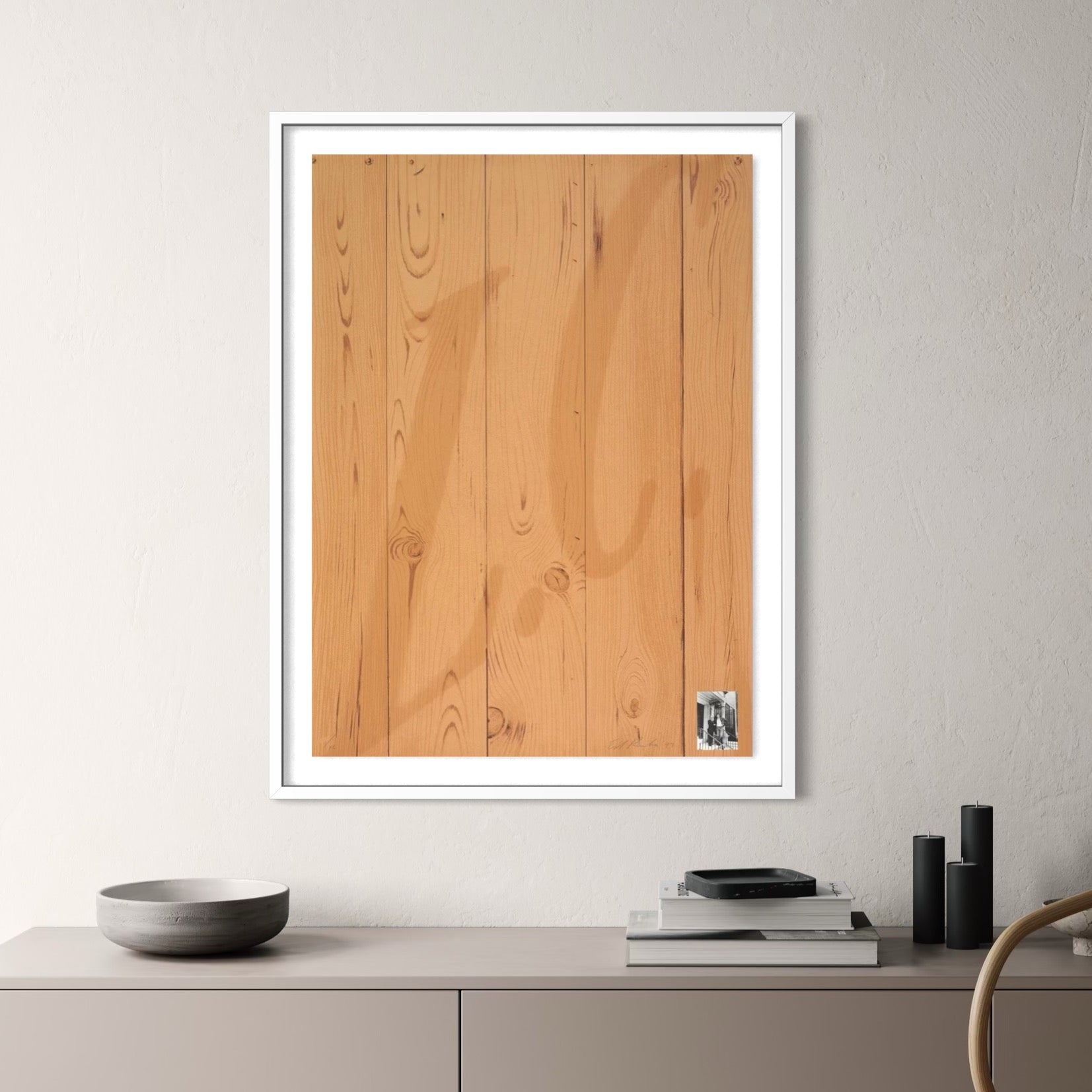
Ed Ruscha - L.C.Ed Ruscha - L.C.
Ed Ruscha - L.C. Sale price€5.400,00
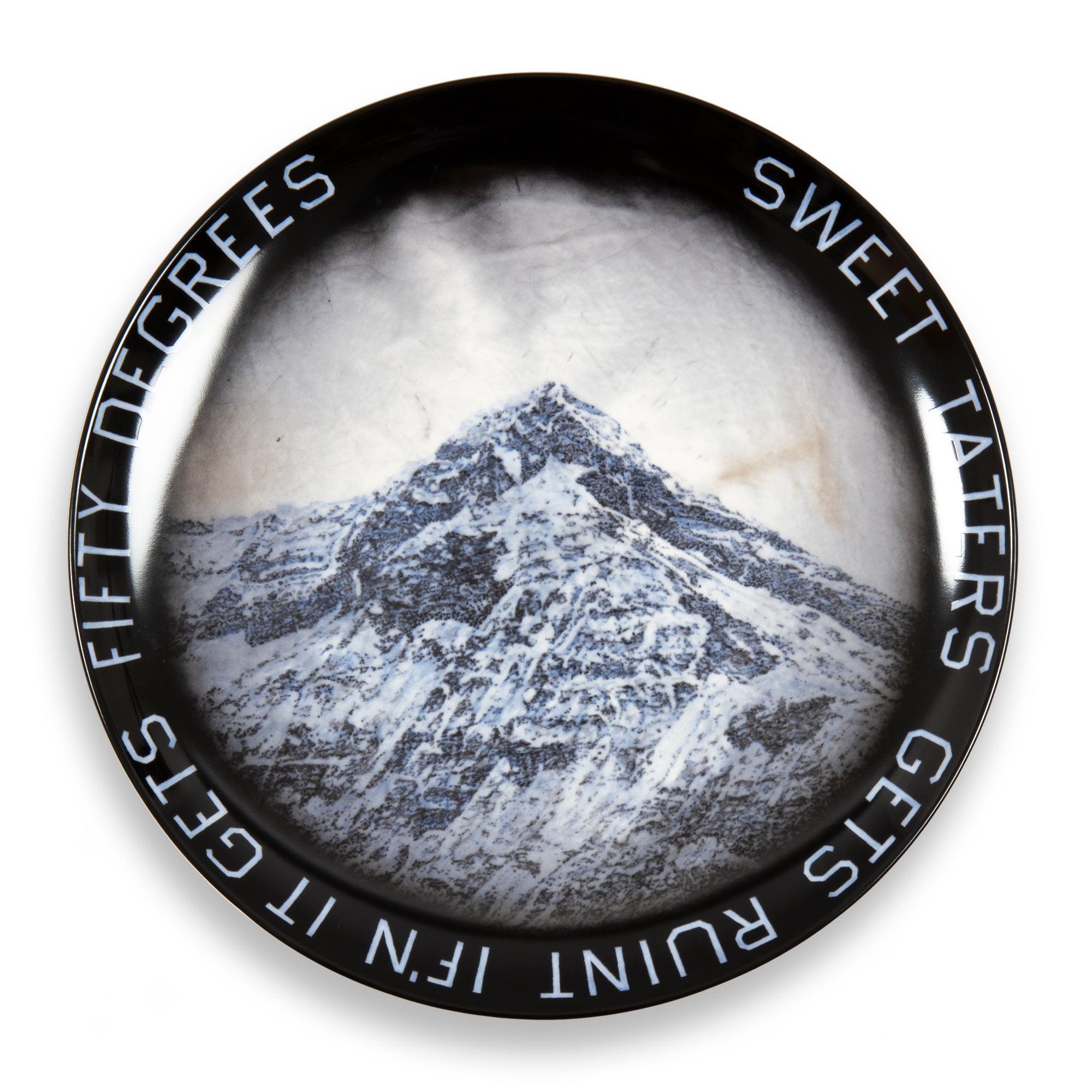
Ed Ruscha - Sweet TatersEd Ruscha - Sweet Taters
Ed Ruscha – Sweet Taters Sale price€1.700,00
Tracey Emin – This is ForeverTracey Emin – This is Forever
Tracey Emin – This is Forever Sale price€7.800,00
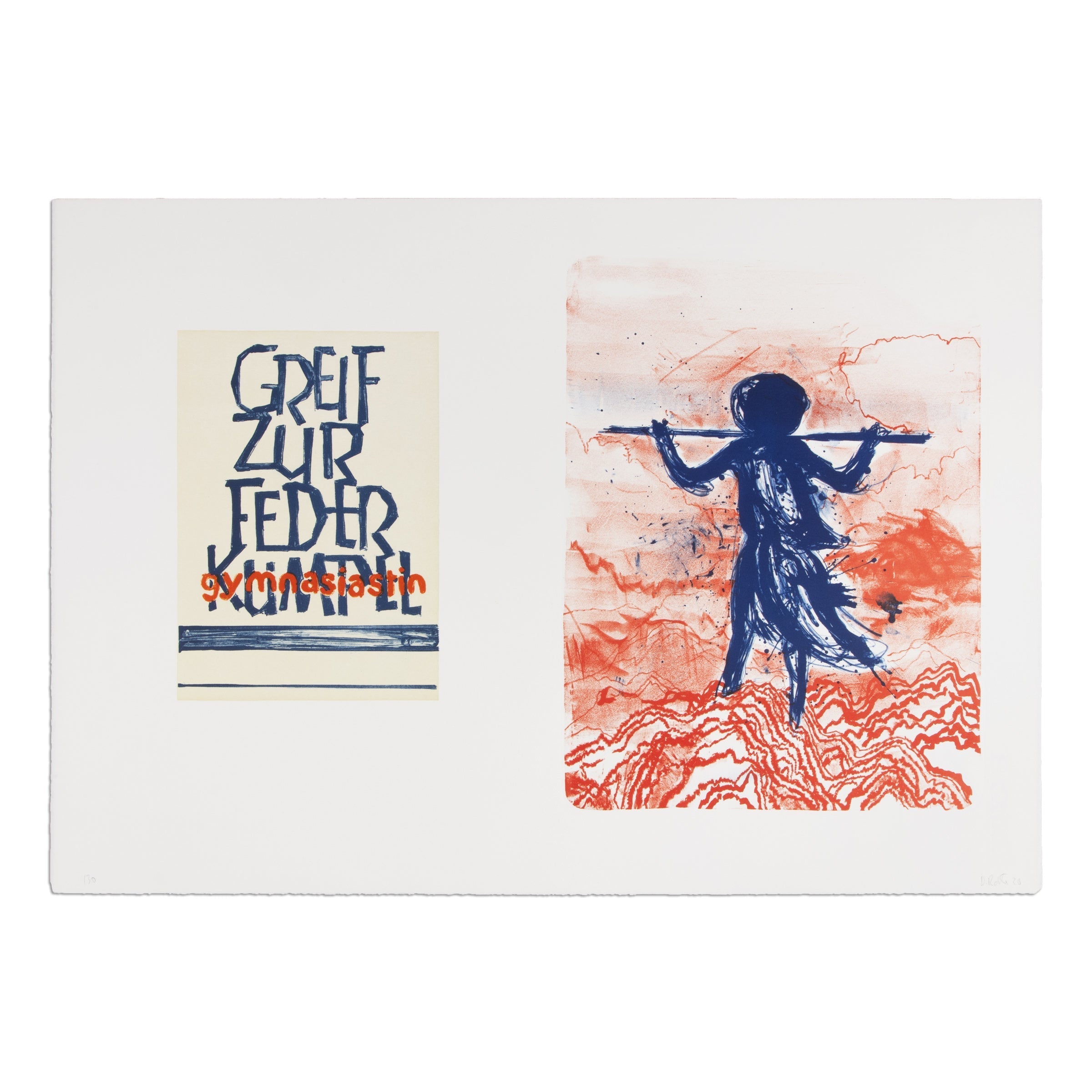
Daniel Richter – Greif zur FederDaniel Richter – Greif zur Feder
Daniel Richter – Greif zur Feder Sale price€1.900,00
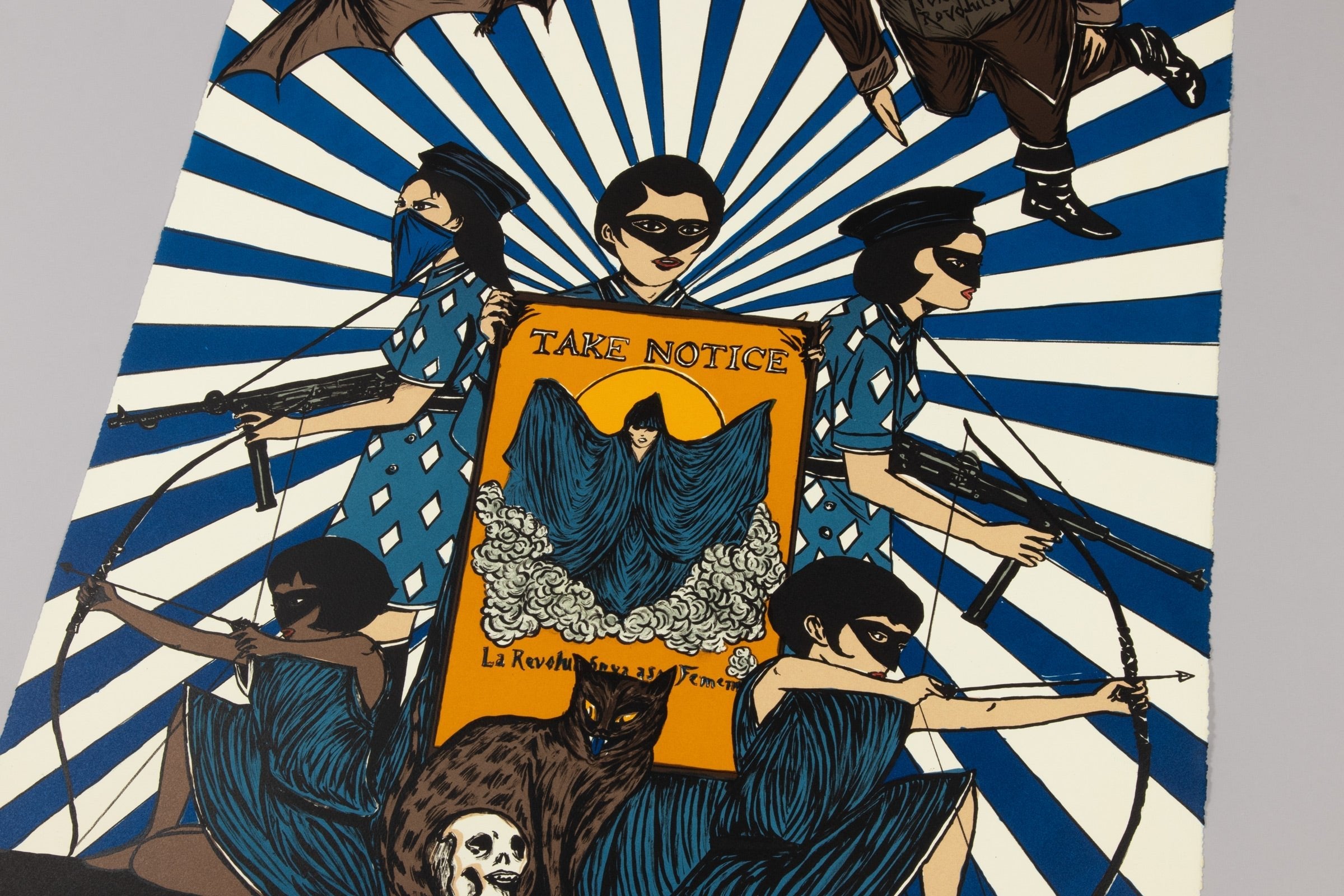
Marcel Dzama – La Revolución va a Ser Femenina (Blue)Marcel Dzama – La Revolución va a Ser Femenina (Blue)

Leading Text-Based Artists
Explore leading text-based artists including Ed Ruscha, Jenny Holzer, and Barbara Kruger.

All artists
01

Where Text-Based Art Began

The roots run back to the early twentieth-century avant-garde. Dada artists, working in the shadow of the First World War, treated language as something to fracture rather than trust — Tristan Tzara and Kurt Schwitters built collaged poems from nonsense phrases and torn newspaper, using text to destabilise meaning rather than deliver it. The Futurists pursued a parallel idea from the opposite direction, exploding typography into dynamic "words in freedom" compositions that abandoned linear reading altogether.

René Magritte gave the idea its most famous single image. The Treachery of Images (1929) — a painted pipe captioned "Ceci n'est pas une pipe" — insists on a simple but destabilising fact: a picture of a thing and the thing itself belong to entirely different systems. That gap between image and language became the foundation for everything that followed.

By the 1960s, conceptual artists made the idea structural rather than illustrative. Joseph Kosuth's One and Three Chairs (1965) placed an actual chair beside its photograph and its dictionary definition — three different systems for representing the same object, none of them complete on their own. Lawrence Weiner pushed further still, presenting declarative statements as artworks that required no physical object at all: language alone, sufficient in itself.

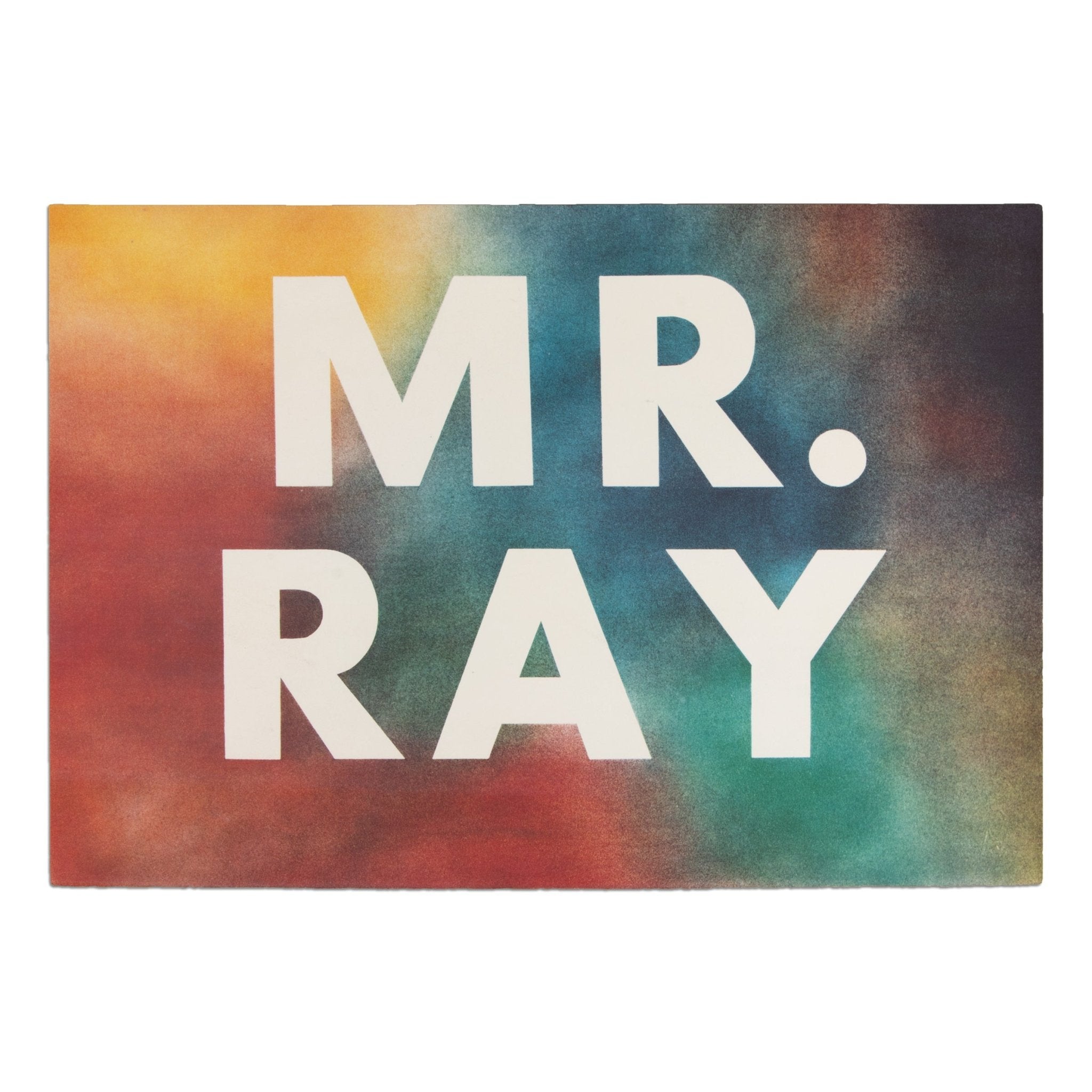
Ed Ruscha – Mr. Ray
02

Text as Public Address

In the 1980s, text-based art moved off the gallery wall and into the street. Jenny Holzer's Truisms (1977–87) — terse, often contradictory one-liners — first appeared on wheat-pasted posters, then LED displays, competing directly with advertising and news for a passerby's attention. Barbara Kruger took the opposite tactic, appropriating the exact visual grammar of advertising itself — bold type, cropped photography, red and white — and turning it back against the systems of consumption and identity it normally serves.

Both artists exposed the same underlying condition: language in public space is never neutral. It always speaks on behalf of something — a product, an institution, an ideology — and both used that fact as their primary material rather than trying to escape it.

Ed Ruscha approached the same territory from a different angle, isolating single words and short phrases with a deliberate, almost commercial flatness — revealing how meaning shifts based on presentation alone, independent of content. John Baldessari extended the inquiry into direct juxtaposition, pairing photographic imagery with disconnected text to expose just how arbitrary the relationship between word and image can be. As Baldessari put it: "I was trying to make art that could not be easily reduced to a single image, so I used language."

03

Collecting Text-Based Prints & Editions

Language suits reproduction in a way few other artistic materials do. A phrase can be printed, translated, and circulated across contexts without losing its structural integrity — which is precisely why text-based practice has such a close, long-standing relationship to printmaking and editions. Repetition and distribution were never incidental to this work; for artists like Holzer and Kruger, circulation was the argument itself, not a byproduct of it.

That relationship makes text-based editions unusually coherent with the artists' broader practice — a signed print of a Kruger phrase or a Holzer Truism carries the same declarative force as the wheat-pasted poster or the LED display it descends from, simply formalised into a collectible, numbered object.

For collectors, this collection offers direct access to seven decades of artists treating language as a serious, primary material — from conceptual first principles to public confrontation to the politically charged present.

01

Where Text-Based Art Began

The roots run back to the early twentieth-century avant-garde. Dada artists, working in the shadow of the First World War, treated language as something to fracture rather than trust — Tristan Tzara and Kurt Schwitters built collaged poems from nonsense phrases and torn newspaper, using text to destabilise meaning rather than deliver it. The Futurists pursued a parallel idea from the opposite direction, exploding typography into dynamic "words in freedom" compositions that abandoned linear reading altogether.

René Magritte gave the idea its most famous single image. The Treachery of Images (1929) — a painted pipe captioned "Ceci n'est pas une pipe" — insists on a simple but destabilising fact: a picture of a thing and the thing itself belong to entirely different systems. That gap between image and language became the foundation for everything that followed.

By the 1960s, conceptual artists made the idea structural rather than illustrative. Joseph Kosuth's One and Three Chairs (1965) placed an actual chair beside its photograph and its dictionary definition — three different systems for representing the same object, none of them complete on their own. Lawrence Weiner pushed further still, presenting declarative statements as artworks that required no physical object at all: language alone, sufficient in itself.

02

Text as Public Address

In the 1980s, text-based art moved off the gallery wall and into the street. Jenny Holzer's Truisms (1977–87) — terse, often contradictory one-liners — first appeared on wheat-pasted posters, then LED displays, competing directly with advertising and news for a passerby's attention. Barbara Kruger took the opposite tactic, appropriating the exact visual grammar of advertising itself — bold type, cropped photography, red and white — and turning it back against the systems of consumption and identity it normally serves.

Both artists exposed the same underlying condition: language in public space is never neutral. It always speaks on behalf of something — a product, an institution, an ideology — and both used that fact as their primary material rather than trying to escape it.

Ed Ruscha approached the same territory from a different angle, isolating single words and short phrases with a deliberate, almost commercial flatness — revealing how meaning shifts based on presentation alone, independent of content. John Baldessari extended the inquiry into direct juxtaposition, pairing photographic imagery with disconnected text to expose just how arbitrary the relationship between word and image can be. As Baldessari put it: "I was trying to make art that could not be easily reduced to a single image, so I used language."

03

Collecting Text-Based Prints & Editions

Language suits reproduction in a way few other artistic materials do. A phrase can be printed, translated, and circulated across contexts without losing its structural integrity — which is precisely why text-based practice has such a close, long-standing relationship to printmaking and editions. Repetition and distribution were never incidental to this work; for artists like Holzer and Kruger, circulation was the argument itself, not a byproduct of it.

That relationship makes text-based editions unusually coherent with the artists' broader practice — a signed print of a Kruger phrase or a Holzer Truism carries the same declarative force as the wheat-pasted poster or the LED display it descends from, simply formalised into a collectible, numbered object.

For collectors, this collection offers direct access to seven decades of artists treating language as a serious, primary material — from conceptual first principles to public confrontation to the politically charged present.

Ed Ruscha – Mr. Ray

Explore Art Collections

Explore curated art collections across movements, themes, and artist groups, offering multiple ways tonavigate and discover contemporary art.

View all
Prints, Photographs & Multiples

View our full collection of

Prints, Photographs & Multiples

Shop now