


Joseph Kosuth

Joseph Kosuth artworks

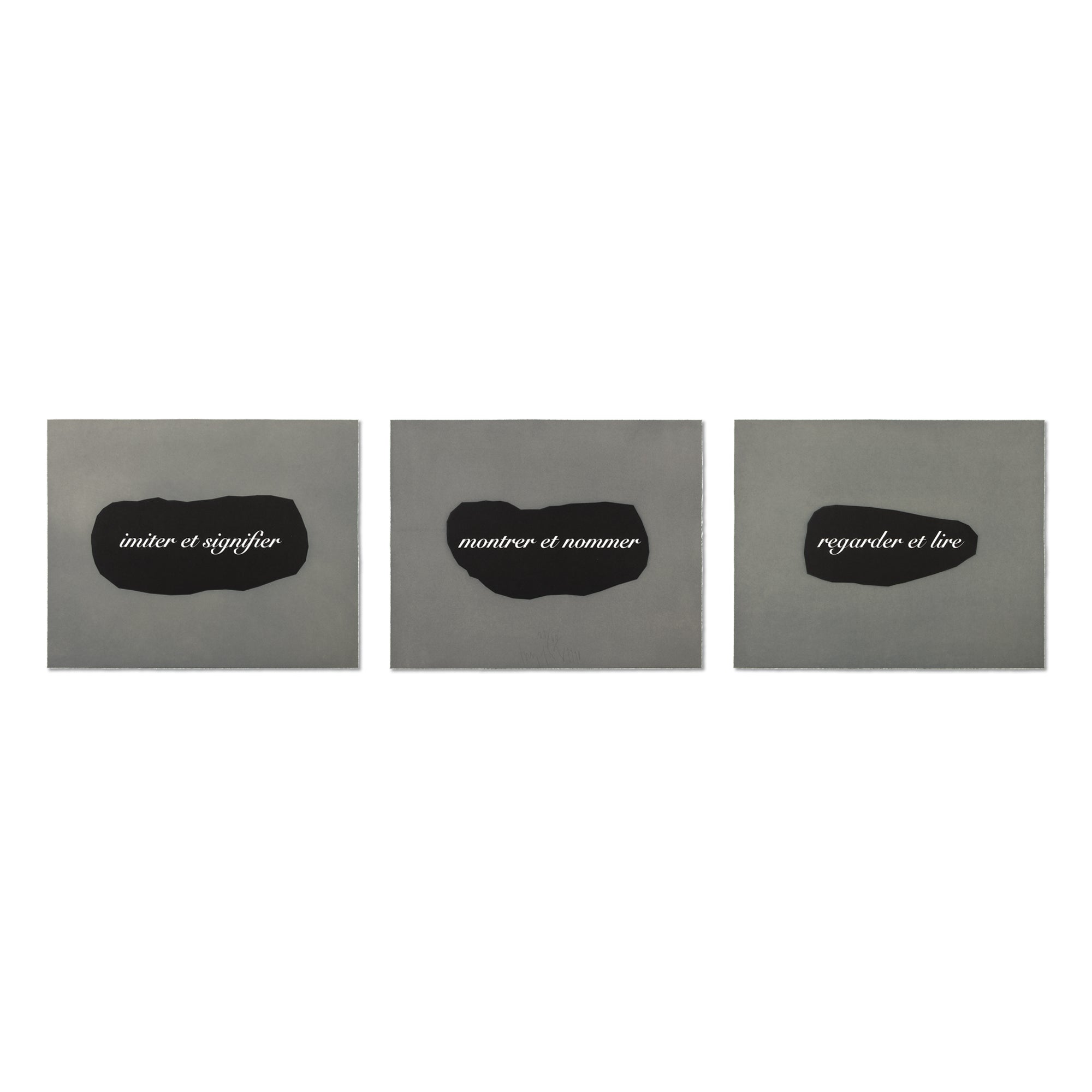
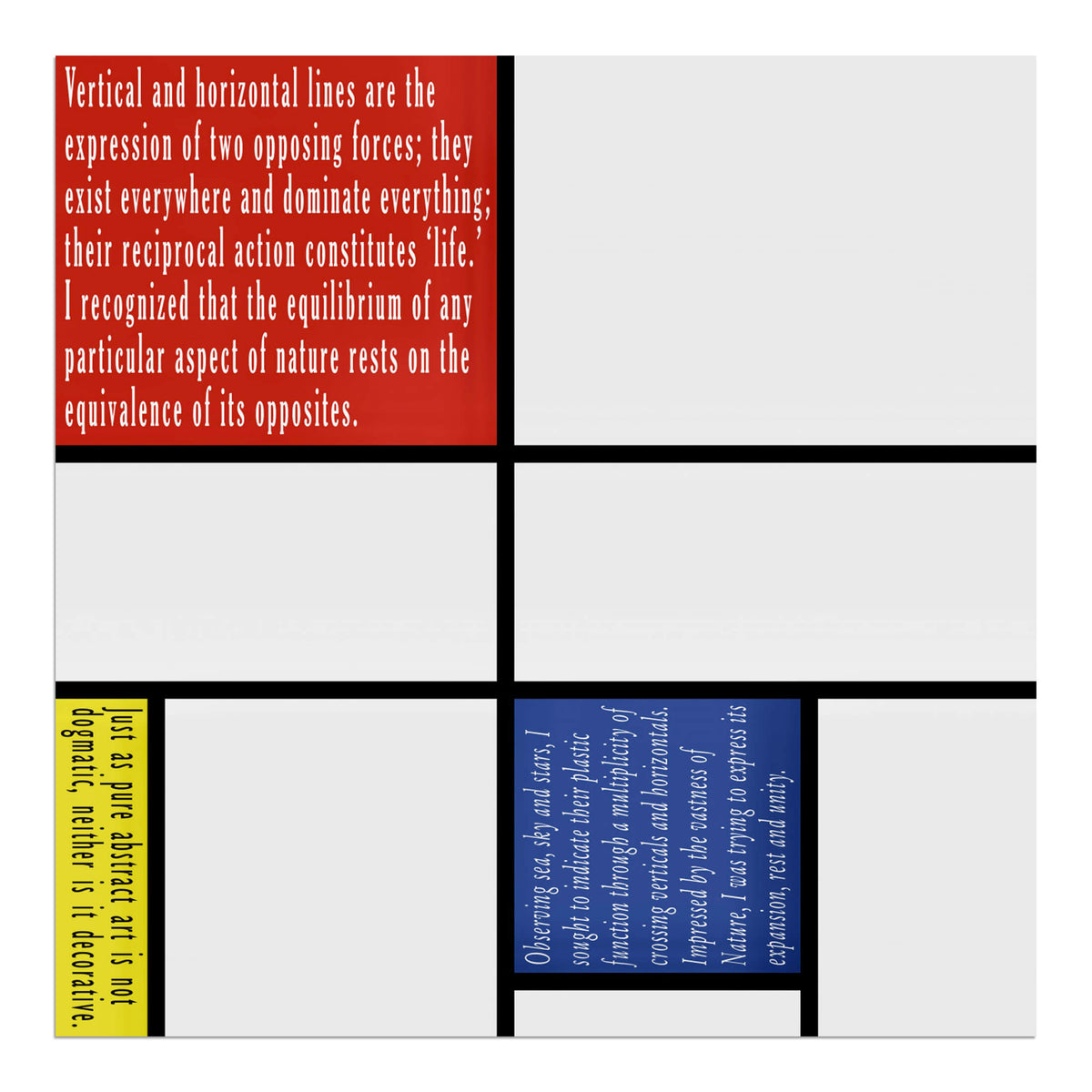
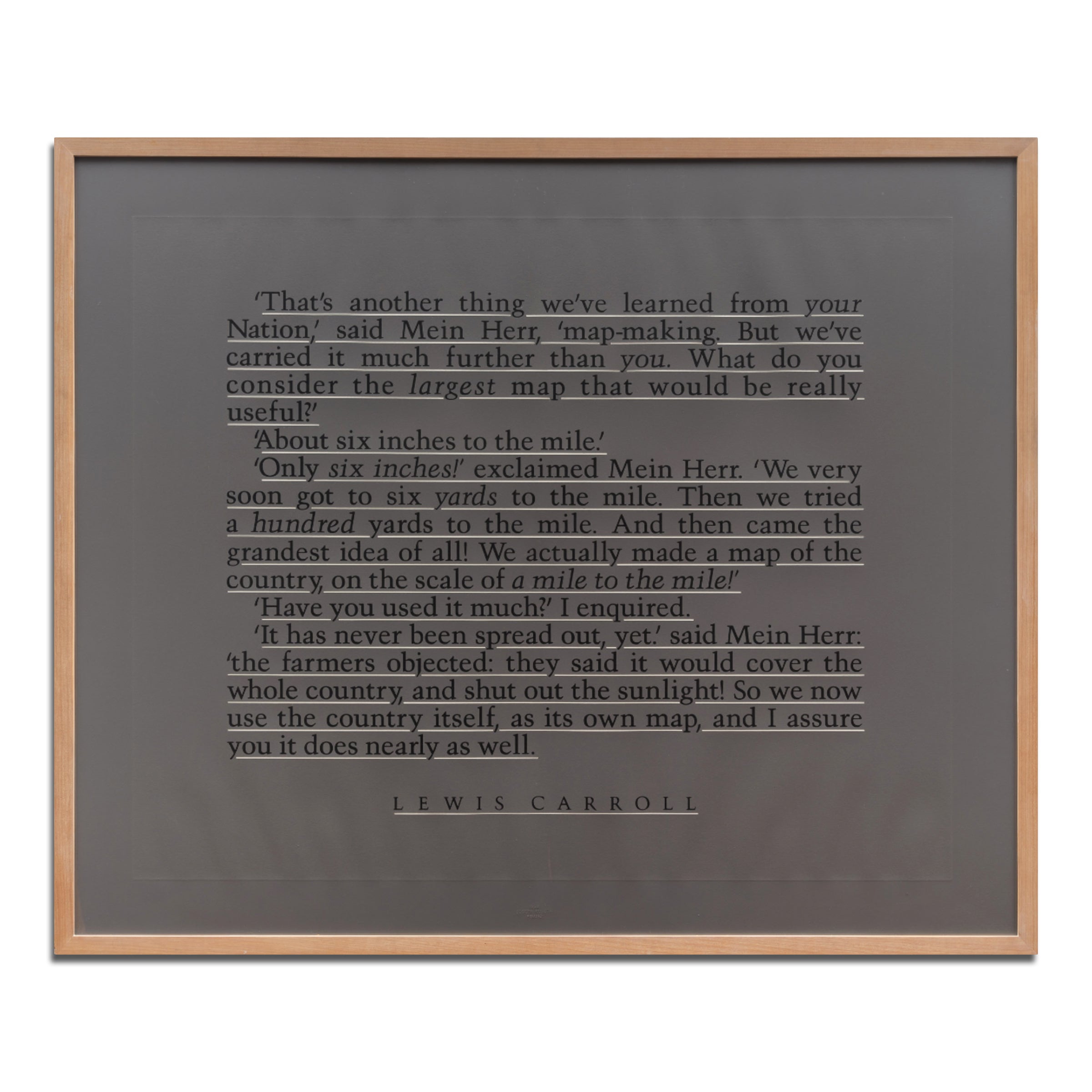
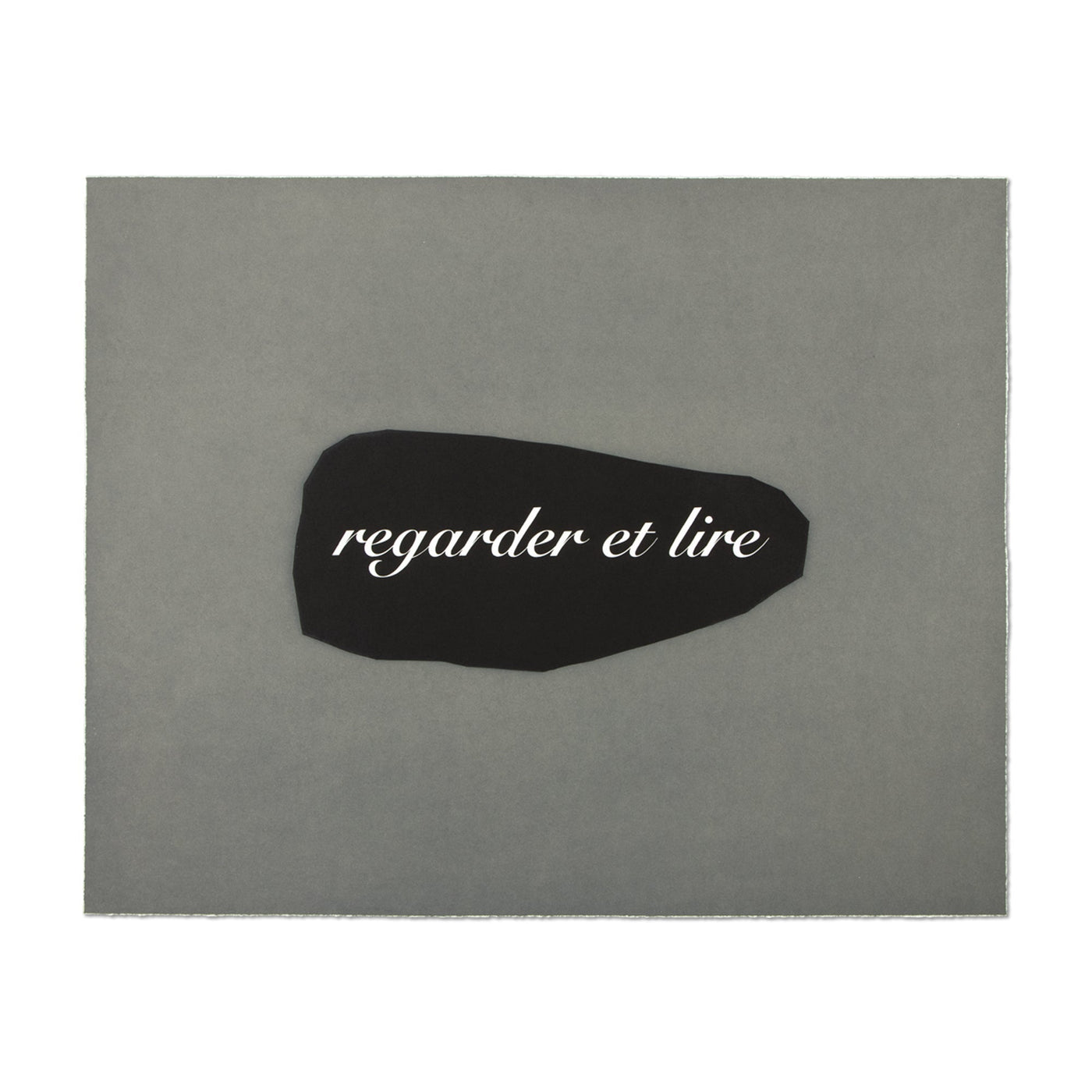
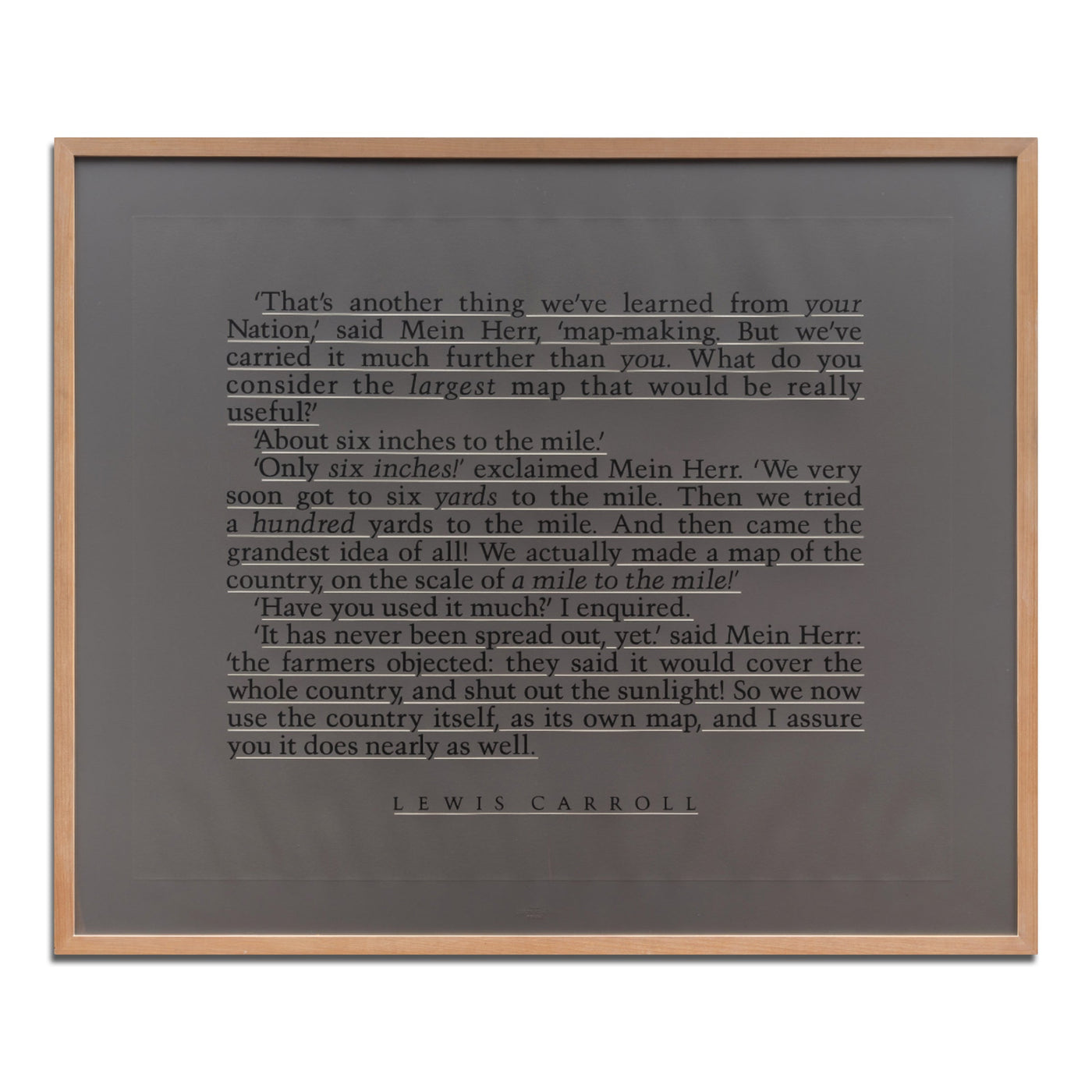
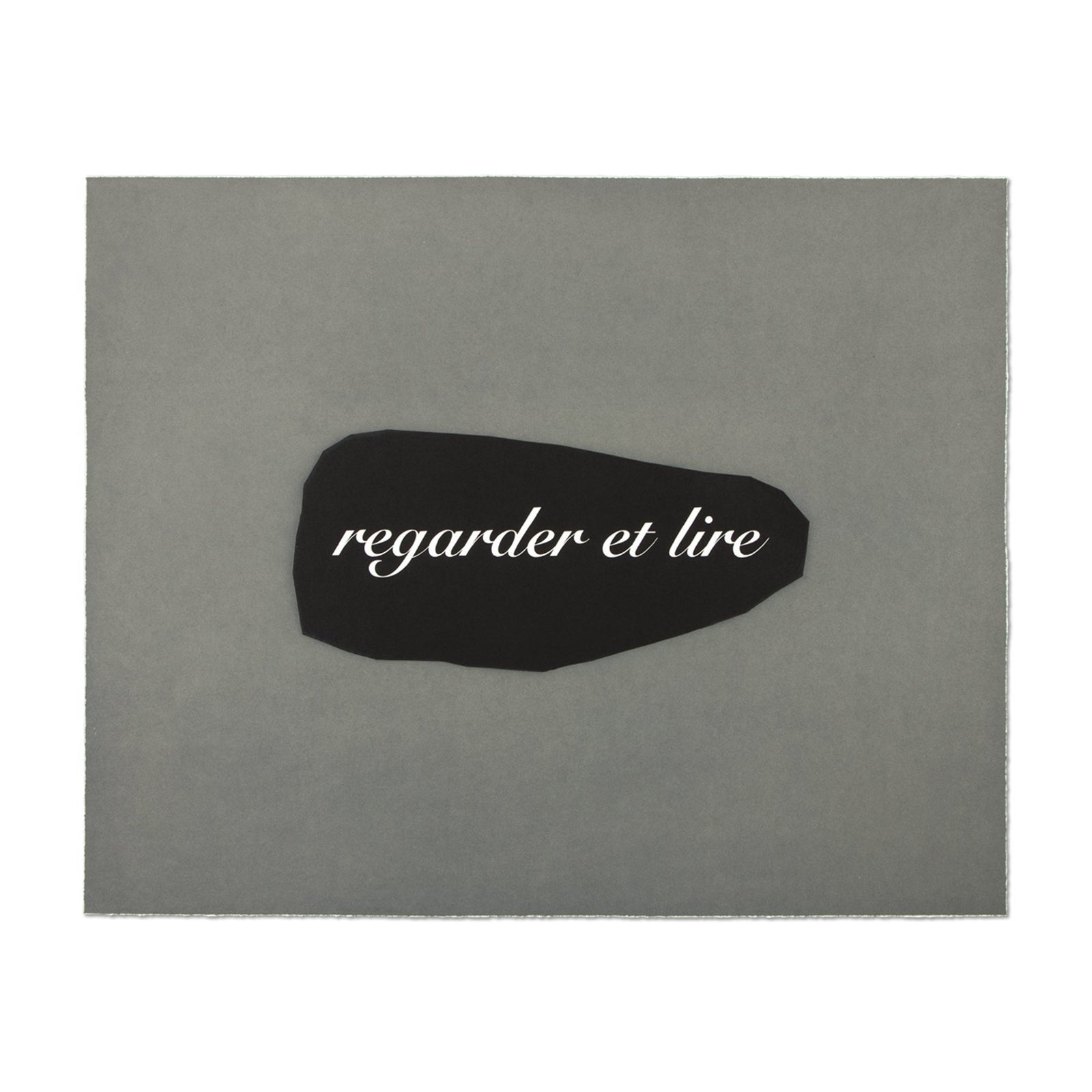
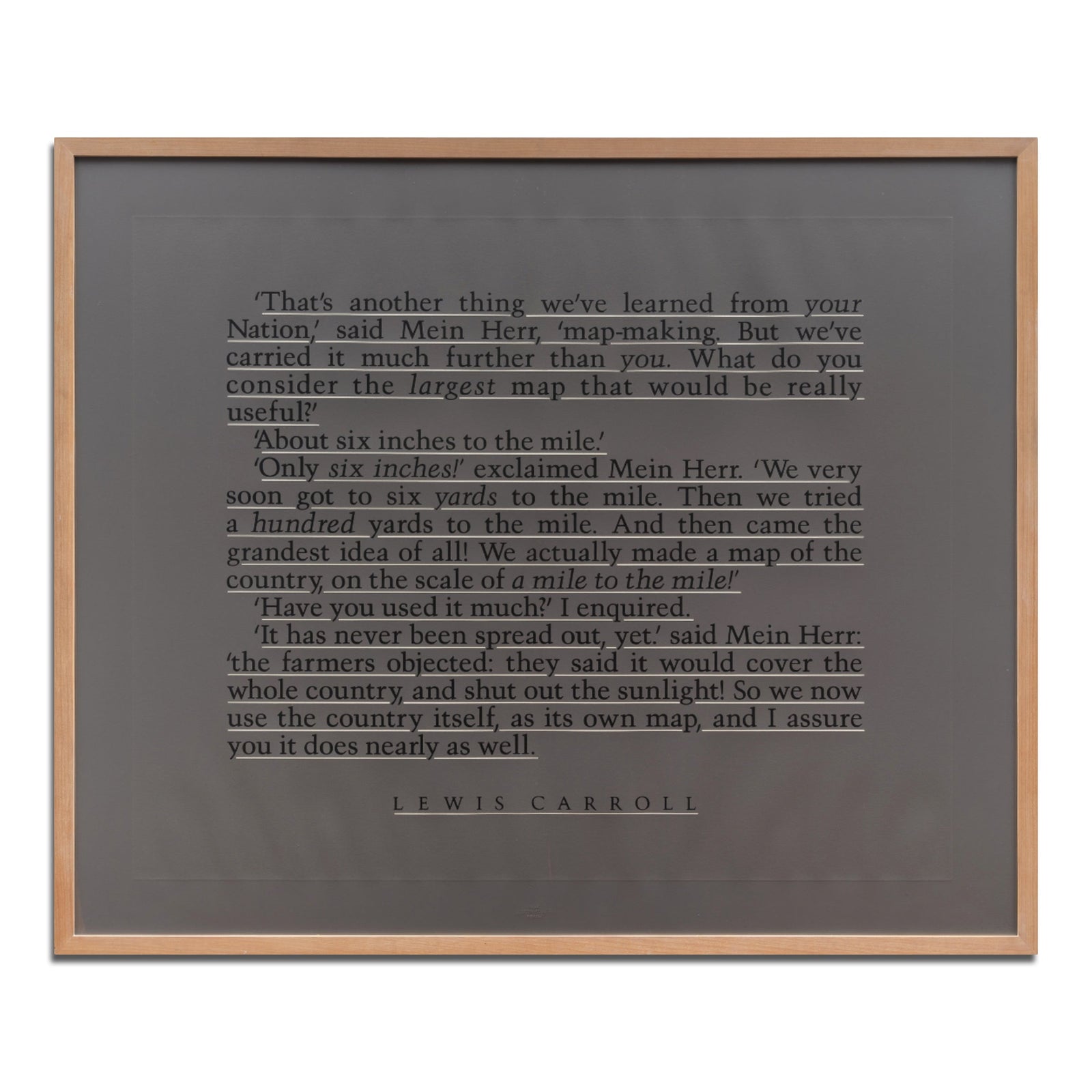
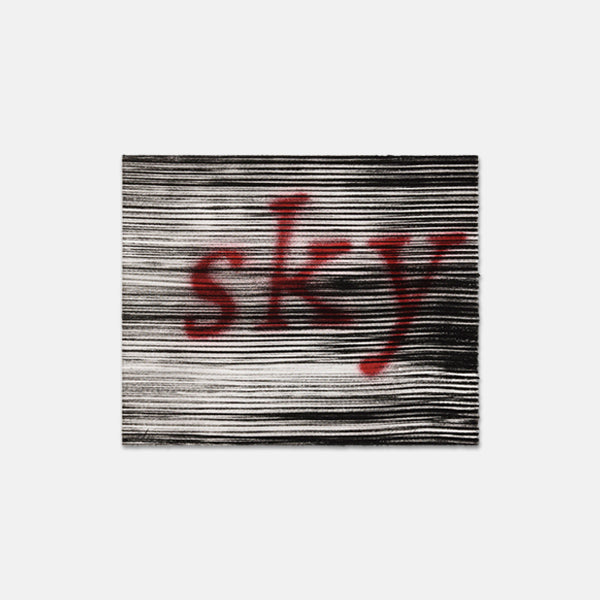
Joseph Kosuth treats language as artwork. Meaning is stated, tested, suspended. Definitions stand in for images. Appropriation functions as structure. Across fine art prints and editions, the artwork exists as proposition rather than object. These original, signed editions, available for sale, extend Joseph Kosuth’s inquiry into how artworks generate meaning, authority, and philosophical tension.

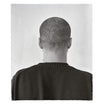
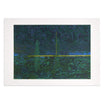
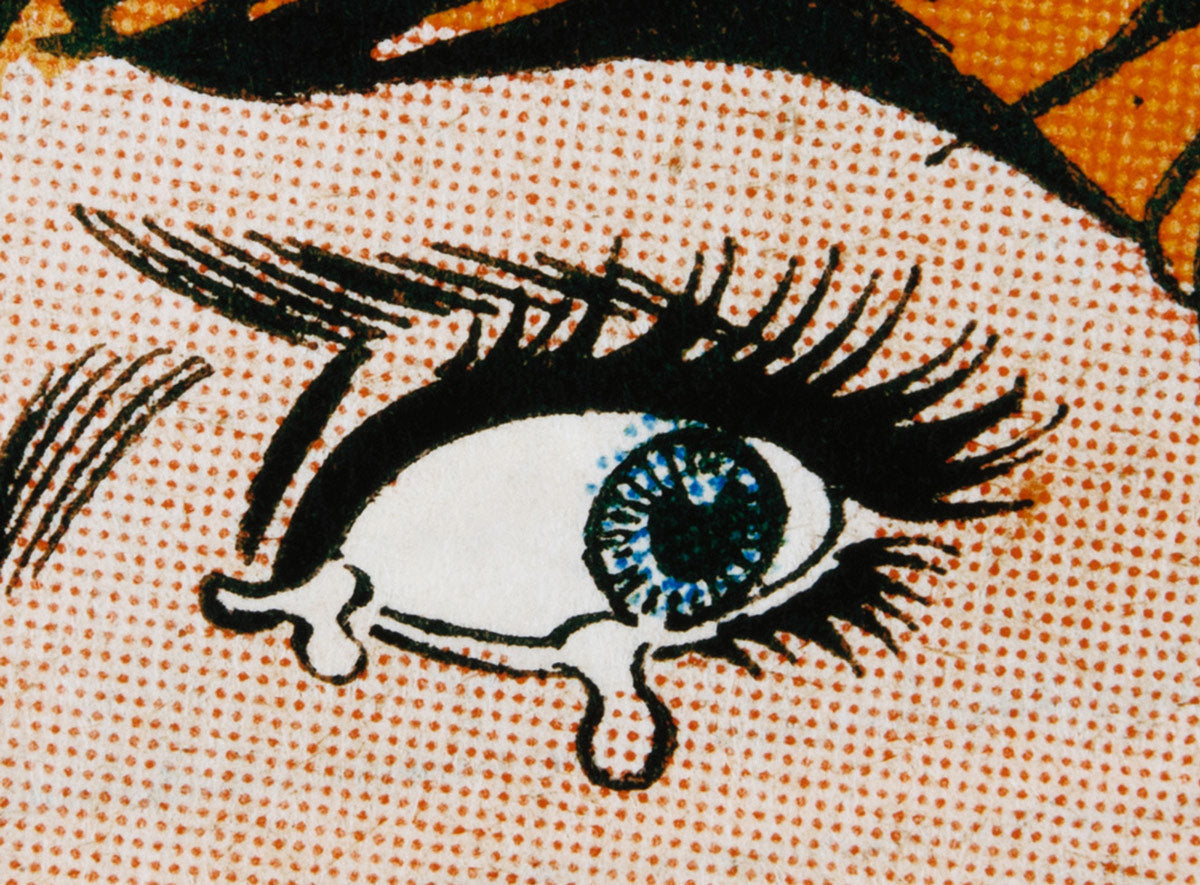
Joseph Kosuth - L'Essence de la rhétorique...
01

About Joseph Kosuth

Joseph Kosuth (born in 1945 in Toledo, Ohio) is an American artist and theorist widely recognized as one of the central figures in the development of conceptual art. Since the mid-1960s, his practice has fundamentally redefined the relationship between language, meaning, and the artwork itself, foregrounding ideas over traditional concerns of form, material, or aesthetic expression.

Kosuth's work is grounded in the conviction that art operates as a philosophical inquiry. Rather than using visual imagery to represent the world, he employs language as his primary medium, treating words as both subject and structure. This approach is exemplified by his seminal work One and Three Chairs (1965), which juxtaposes a physical chair, a photograph of that chair, and a dictionary definition of the word "chair," exposing how meaning is constructed through linguistic and cultural systems rather than inherent visual properties.

Throughout his career, Kosuth has produced installations, texts, public artworks, and editions that investigate how language frames perception and knowledge. His text-based artworks, including neon installations and limited edition prints, extend his theoretical concerns into diverse contexts, translating conceptual rigor into accessible yet intellectually demanding formats.

In parallel with his artistic practice, Kosuth has played a significant role in shaping critical discourse around conceptual art. He was closely associated with the Art & Language movement and has articulated his position through influential writings, notably asserting that conceptual art is defined by an inquiry into the nature of art itself.

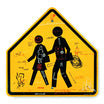
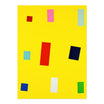
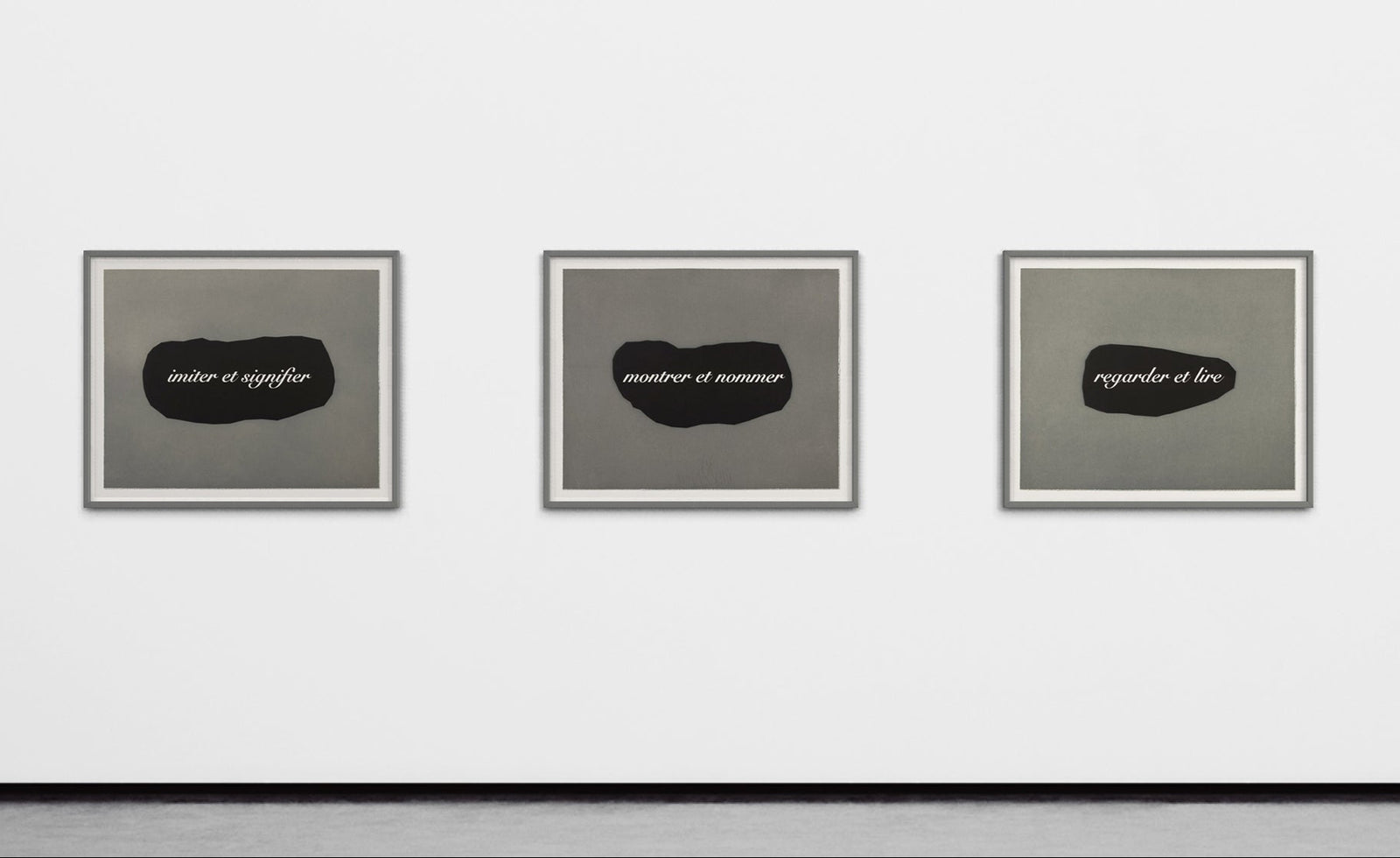
Joseph Kosuth, Map to Indicate
02

Notable exhibitions

Jospeh Kosuth's early artworks were first shown in 1967 at a space co-founded by the artist, known as the Museum of Normal Art. In 1969, Kosuth held his first solo show at Leo Castelli, and became an editor for the Art and Language journal. His artwork has influenced a generation of conceptual artists, including Jenny Holzer and Barbara Kruger. He has participated at documenta and the Venice Biennale four times each and held major solo exhibitions at institutions including MAMM (Moscow), the Louvre (Paris), the Schirn Kunsthalle (Frankfurt), the Tokushima Modern Art Museum, the Palais des Beaux Arts (Brussels) and the MoMA PS1 (New York).

01

About Joseph Kosuth

Joseph Kosuth (born in 1945 in Toledo, Ohio) is an American artist and theorist widely recognized as one of the central figures in the development of conceptual art. Since the mid-1960s, his practice has fundamentally redefined the relationship between language, meaning, and the artwork itself, foregrounding ideas over traditional concerns of form, material, or aesthetic expression.

Kosuth's work is grounded in the conviction that art operates as a philosophical inquiry. Rather than using visual imagery to represent the world, he employs language as his primary medium, treating words as both subject and structure. This approach is exemplified by his seminal work One and Three Chairs (1965), which juxtaposes a physical chair, a photograph of that chair, and a dictionary definition of the word "chair," exposing how meaning is constructed through linguistic and cultural systems rather than inherent visual properties.

Throughout his career, Kosuth has produced installations, texts, public artworks, and editions that investigate how language frames perception and knowledge. His text-based artworks, including neon installations and limited edition prints, extend his theoretical concerns into diverse contexts, translating conceptual rigor into accessible yet intellectually demanding formats.

In parallel with his artistic practice, Kosuth has played a significant role in shaping critical discourse around conceptual art. He was closely associated with the Art & Language movement and has articulated his position through influential writings, notably asserting that conceptual art is defined by an inquiry into the nature of art itself.

02

Notable exhibitions

Jospeh Kosuth's early artworks were first shown in 1967 at a space co-founded by the artist, known as the Museum of Normal Art. In 1969, Kosuth held his first solo show at Leo Castelli, and became an editor for the Art and Language journal. His artwork has influenced a generation of conceptual artists, including Jenny Holzer and Barbara Kruger. He has participated at documenta and the Venice Biennale four times each and held major solo exhibitions at institutions including MAMM (Moscow), the Louvre (Paris), the Schirn Kunsthalle (Frankfurt), the Tokushima Modern Art Museum, the Palais des Beaux Arts (Brussels) and the MoMA PS1 (New York).

Joseph Kosuth - L'Essence de la rhétorique...Joseph Kosuth, Map to Indicate
Prints, Photographs & Multiples

View our full collection of

Prints, Photographs & Multiples

Explore editions