










New Art Editions
What you find here today may not be here next week. Most of these works exist in a single example, or a handful at most — sourced across the global art market and added the moment they arrive, never held back for a scheduled release. Six decades of practice move through this page: prints, photographs, sculptural multiples, each one kept because it stopped us mid-search. Sold once, and it rarely comes back.
Filters
432 products
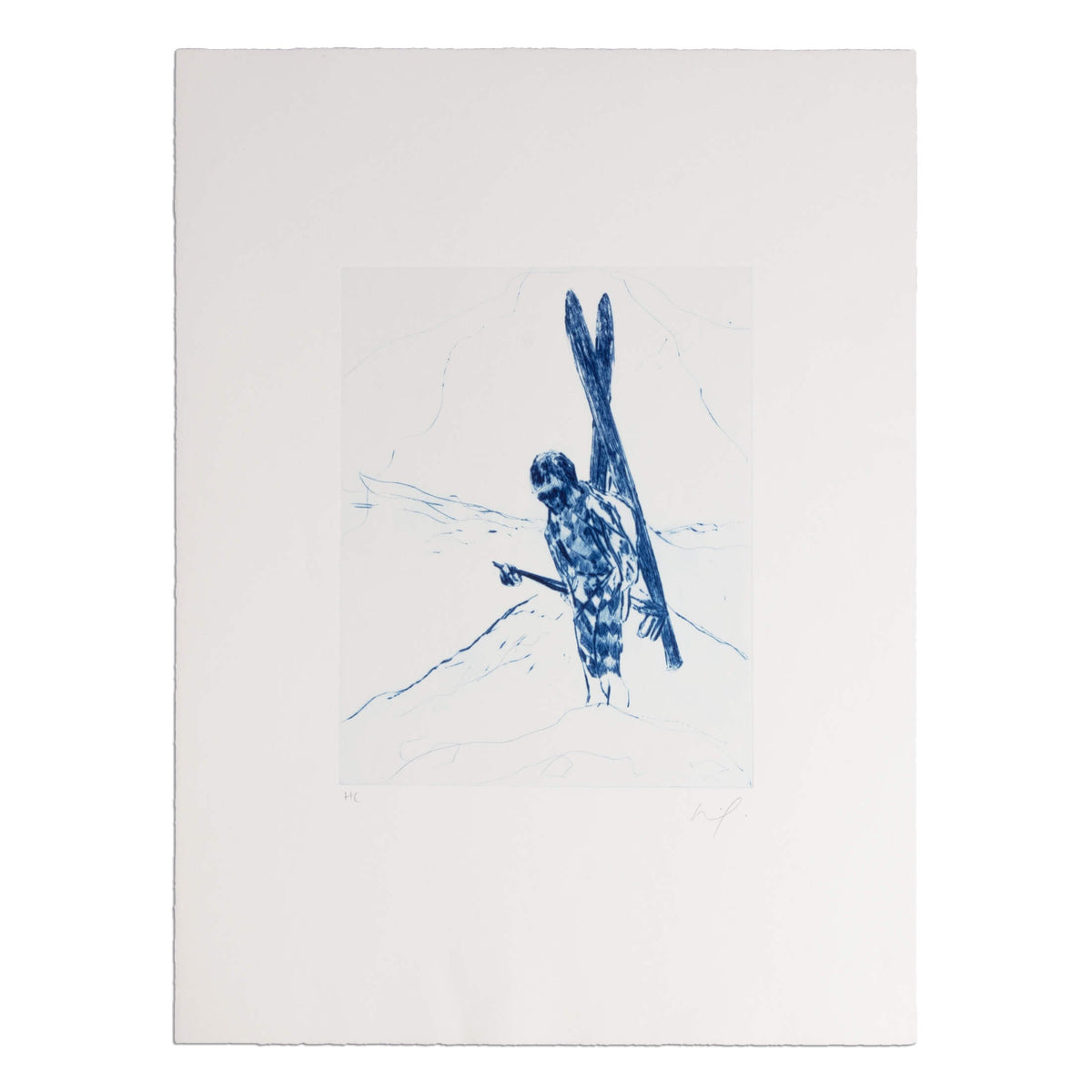
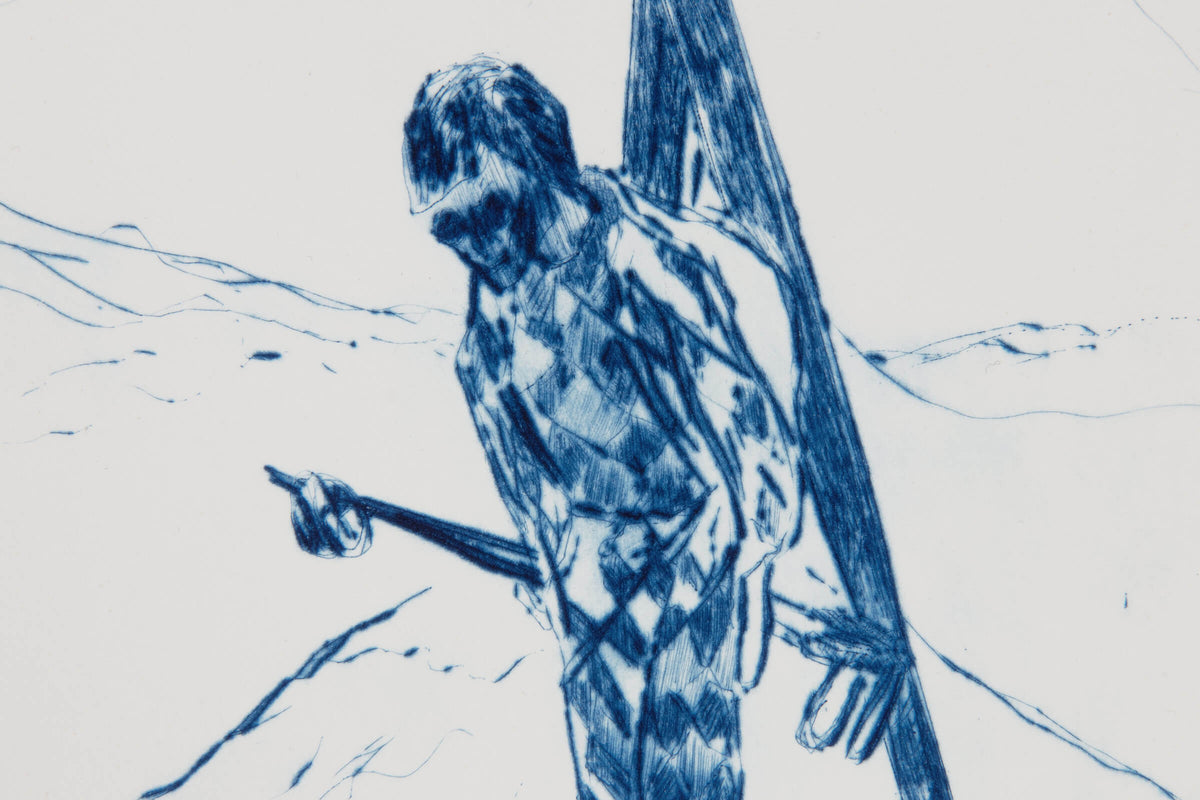
Peter Doig – Alpiniste
Sale price€3.600,00
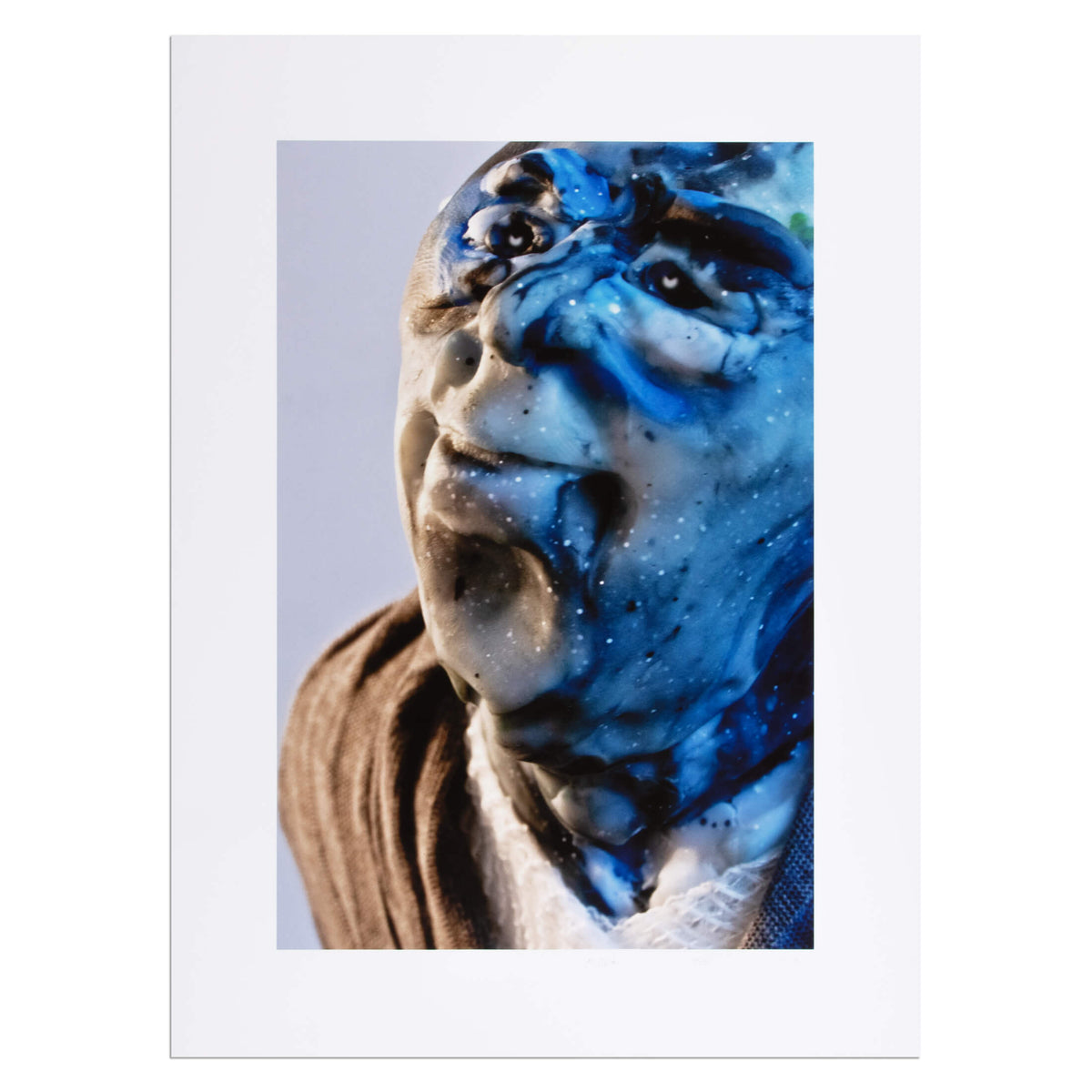

Thomas Schütte – Old Friends Revisited
Sale price€2.200,00
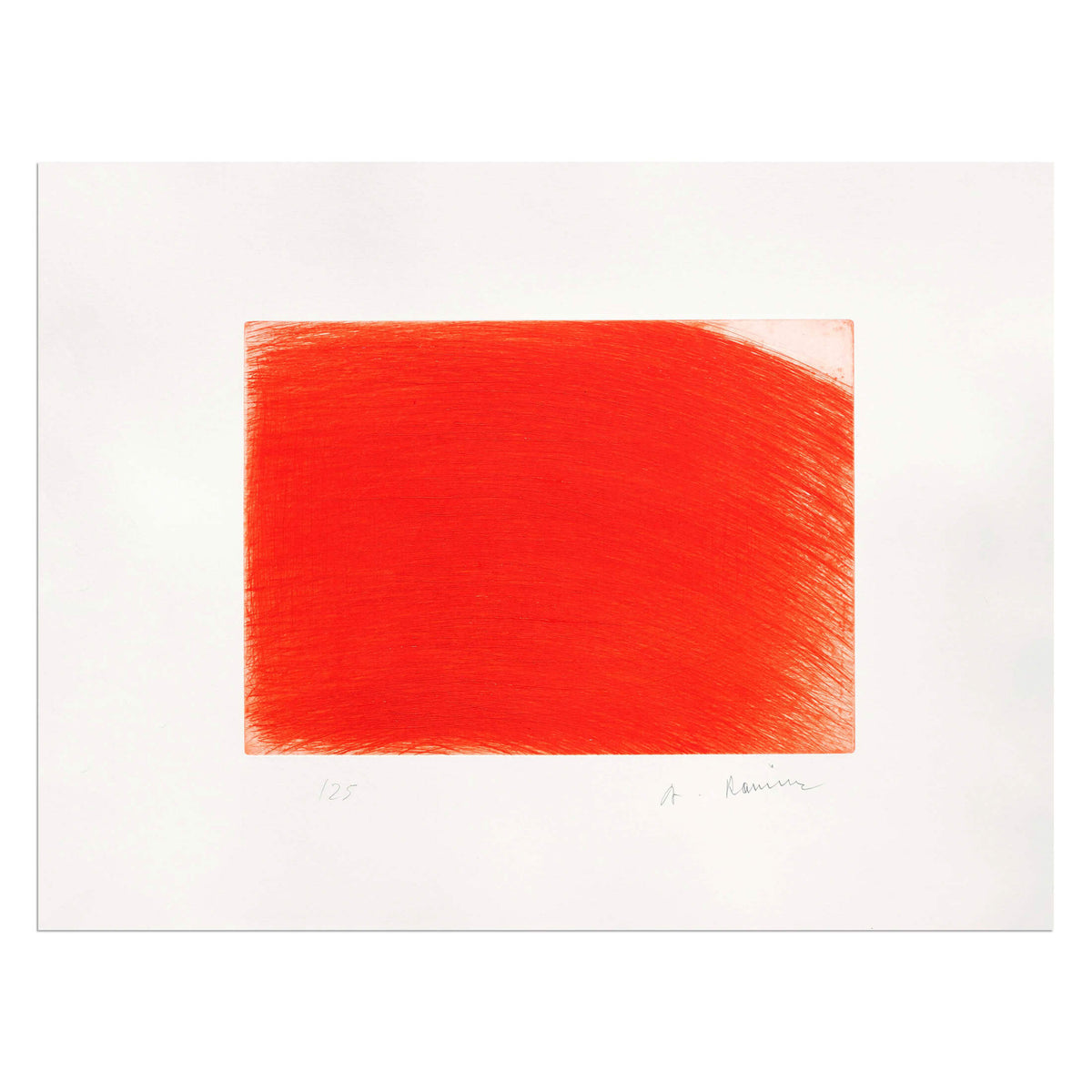
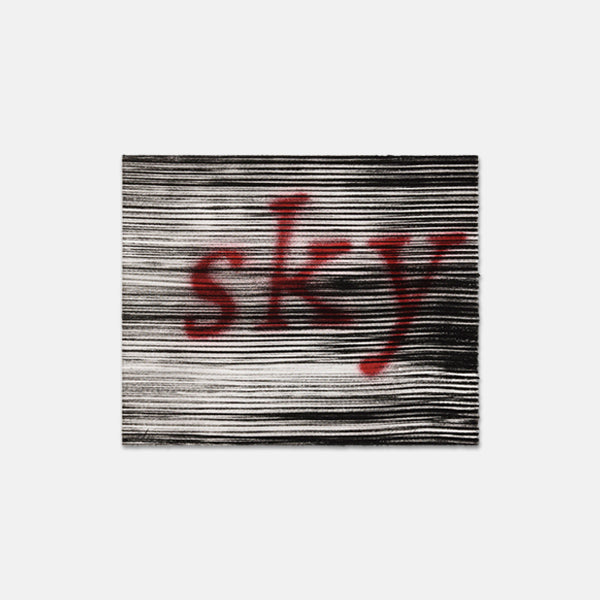
Arnulf Rainer – Pyrol
Sale price€2.900,00
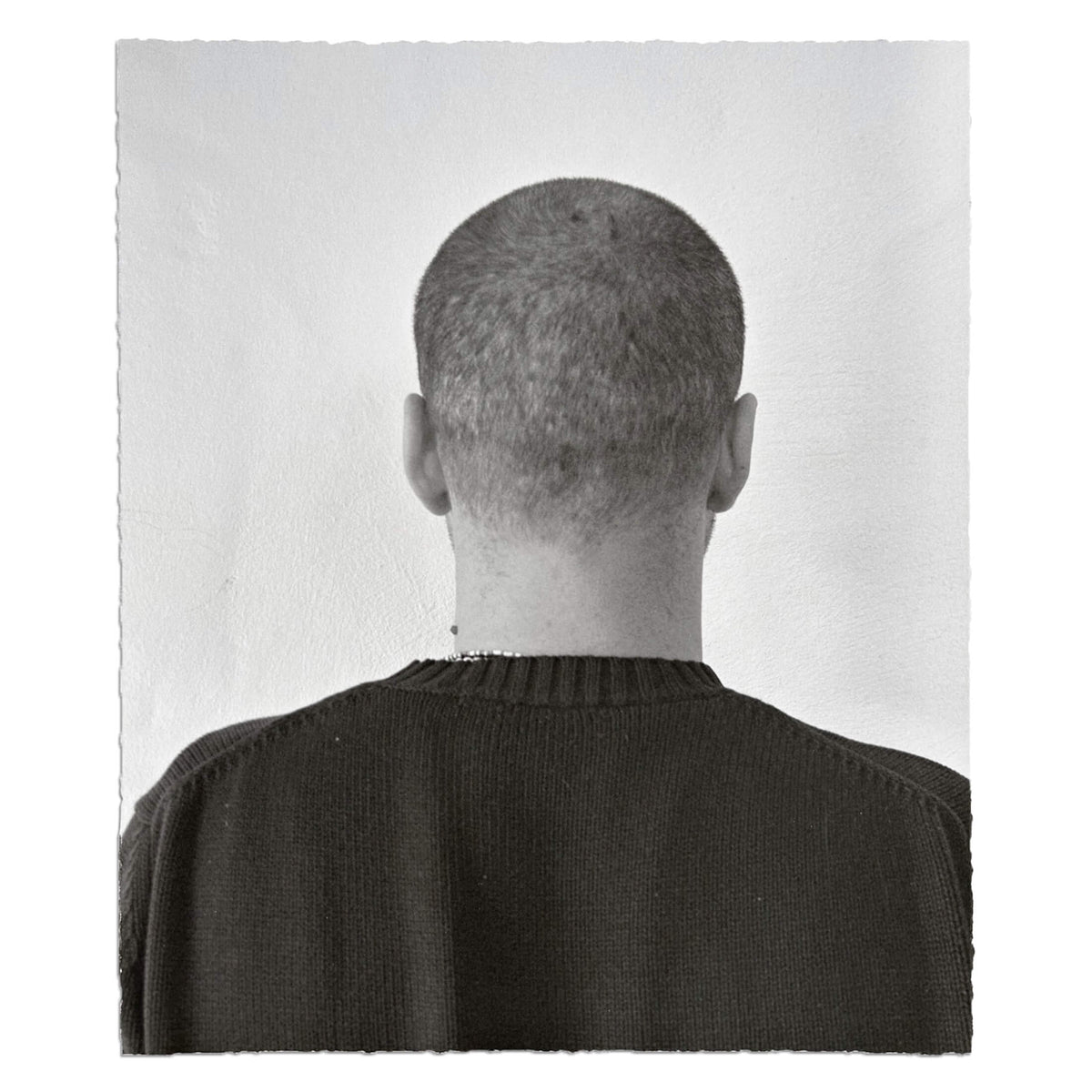
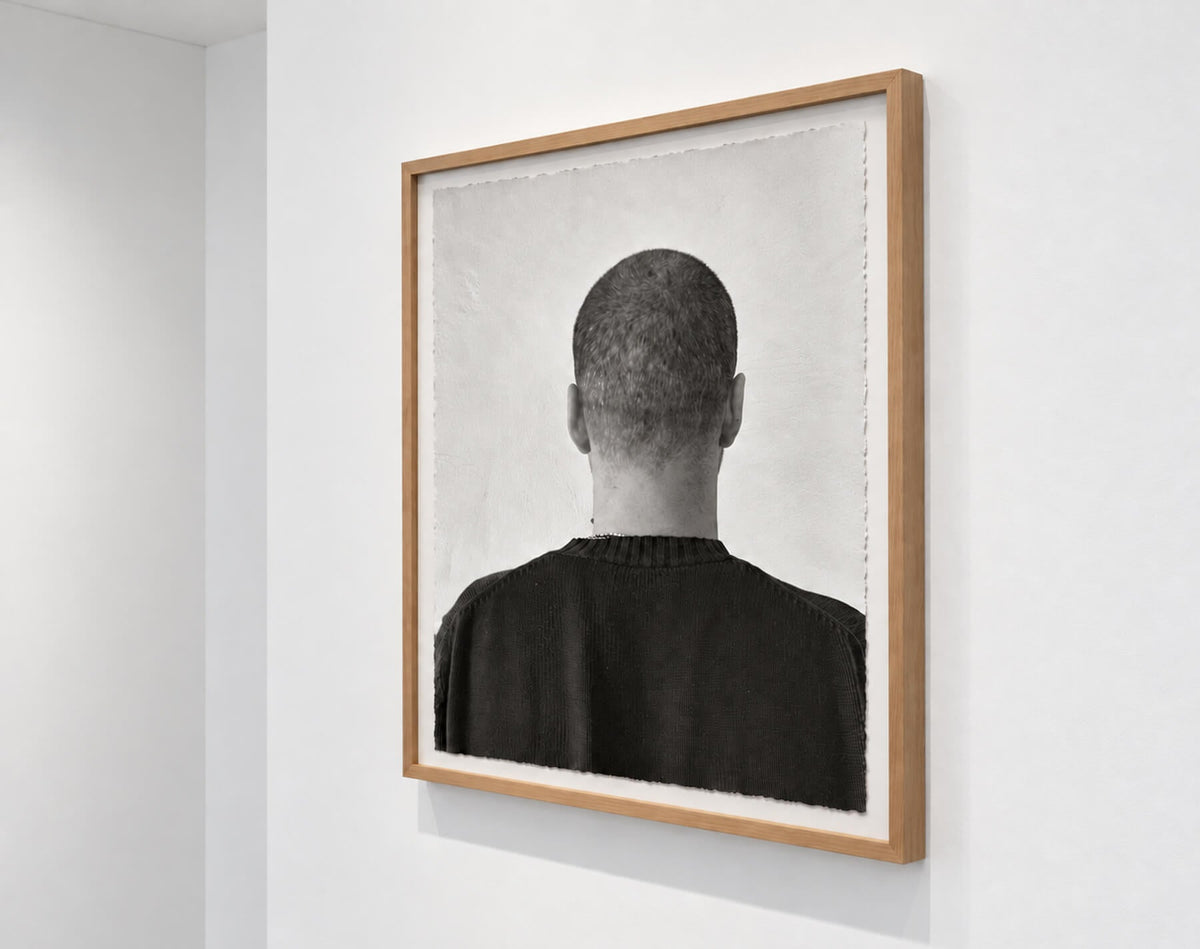
Santiago Sierra – Self-Portrait
Sale price€1.200,00
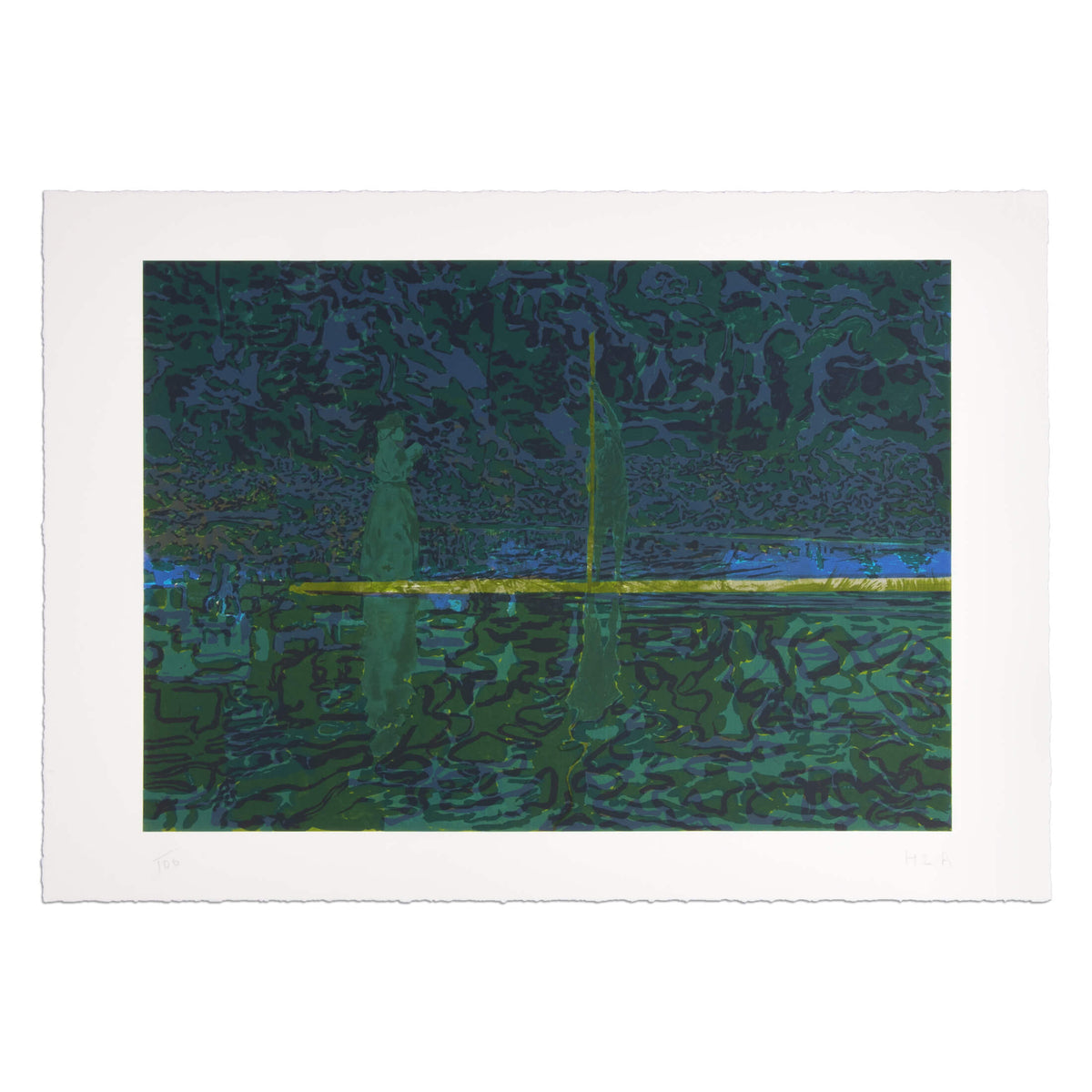
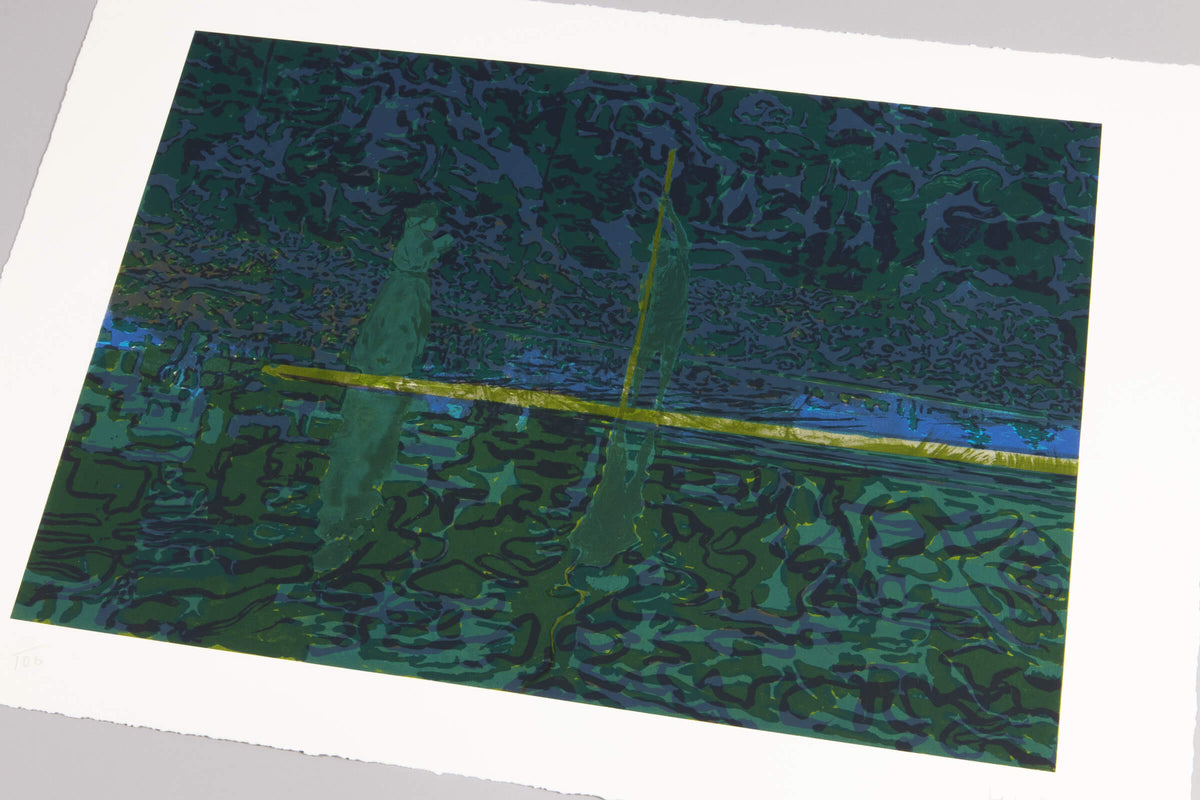
Hurvin Anderson – The Raft
Sale price€2.900,00
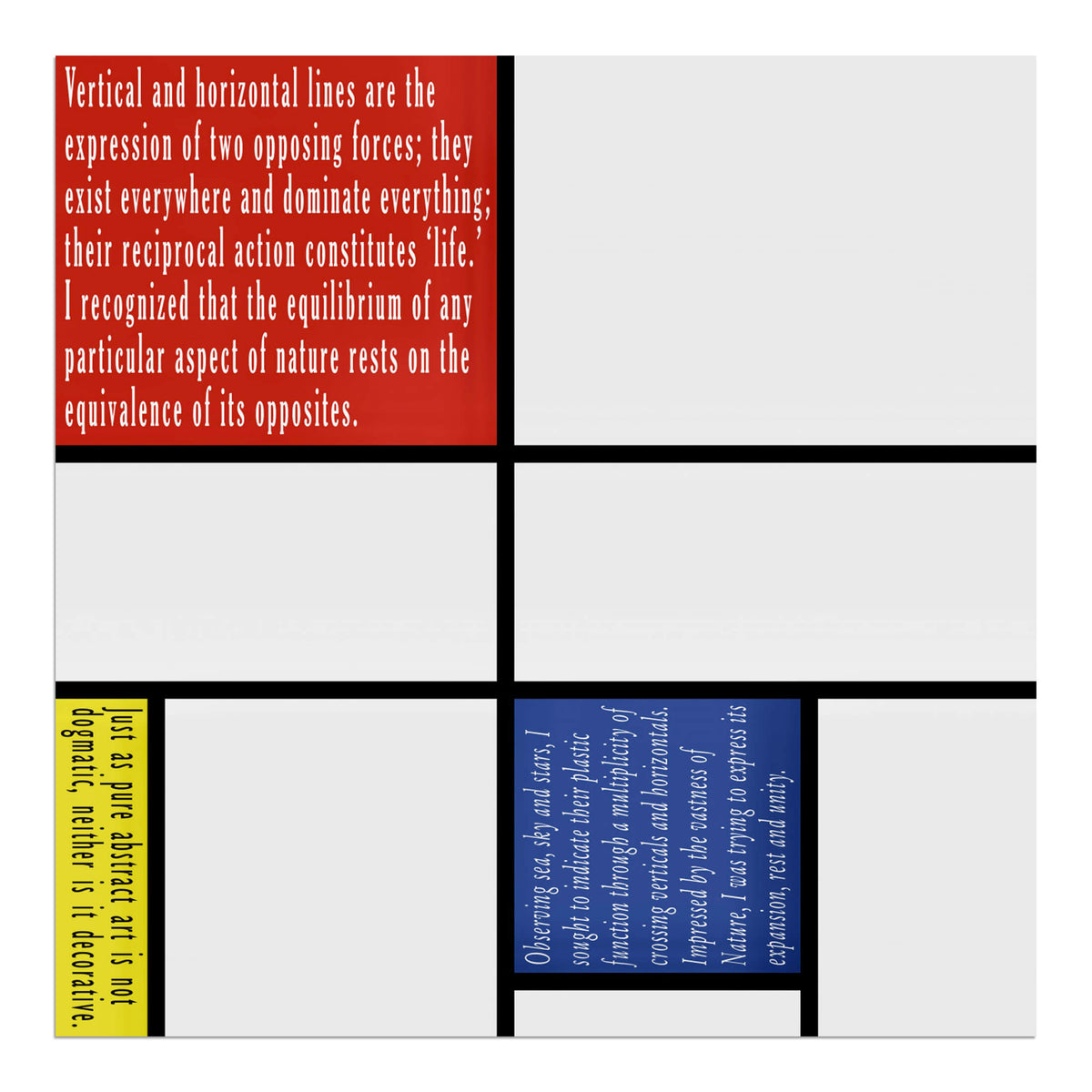
Joseph Kosuth – Mondrian's Work V
Sale price€2.700,00
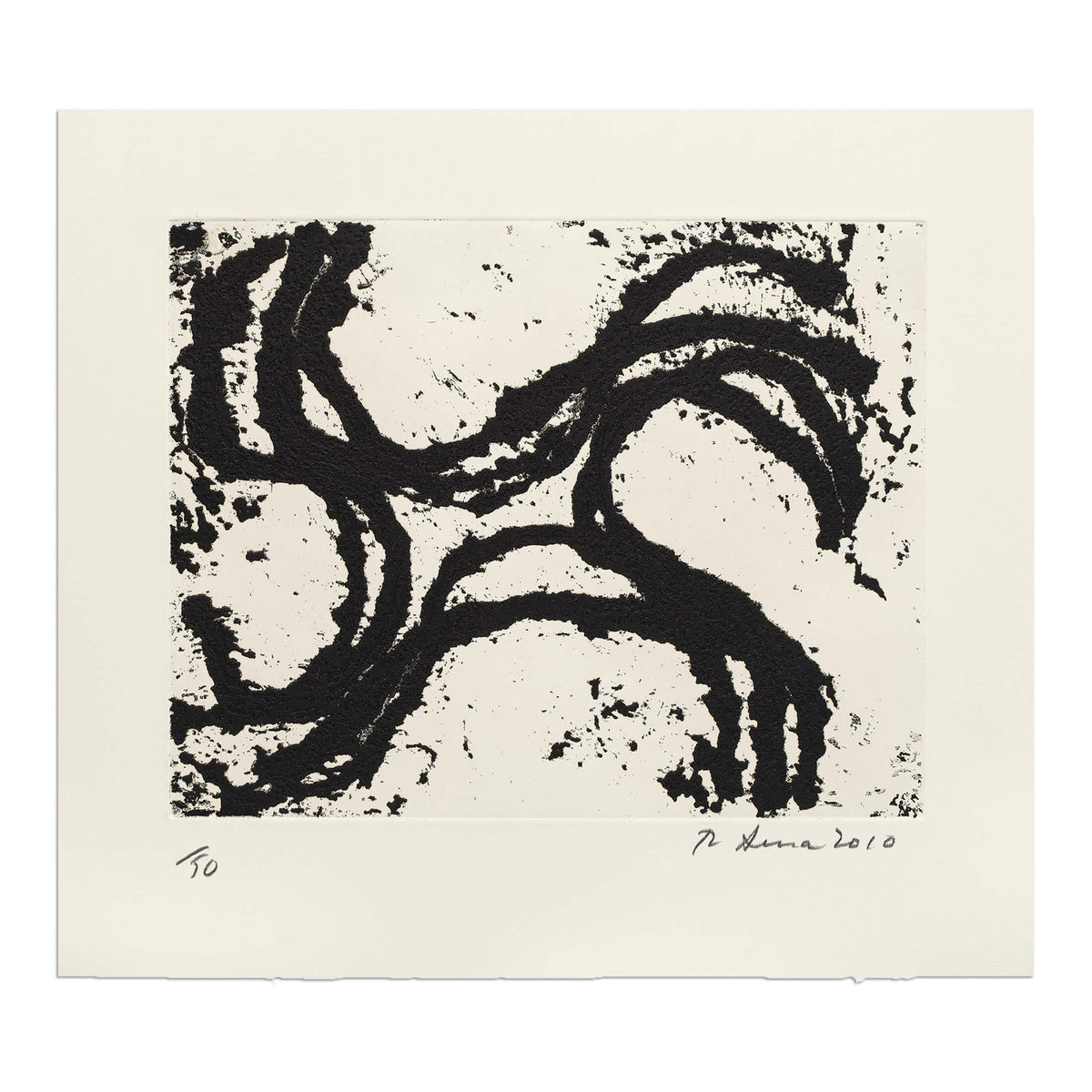
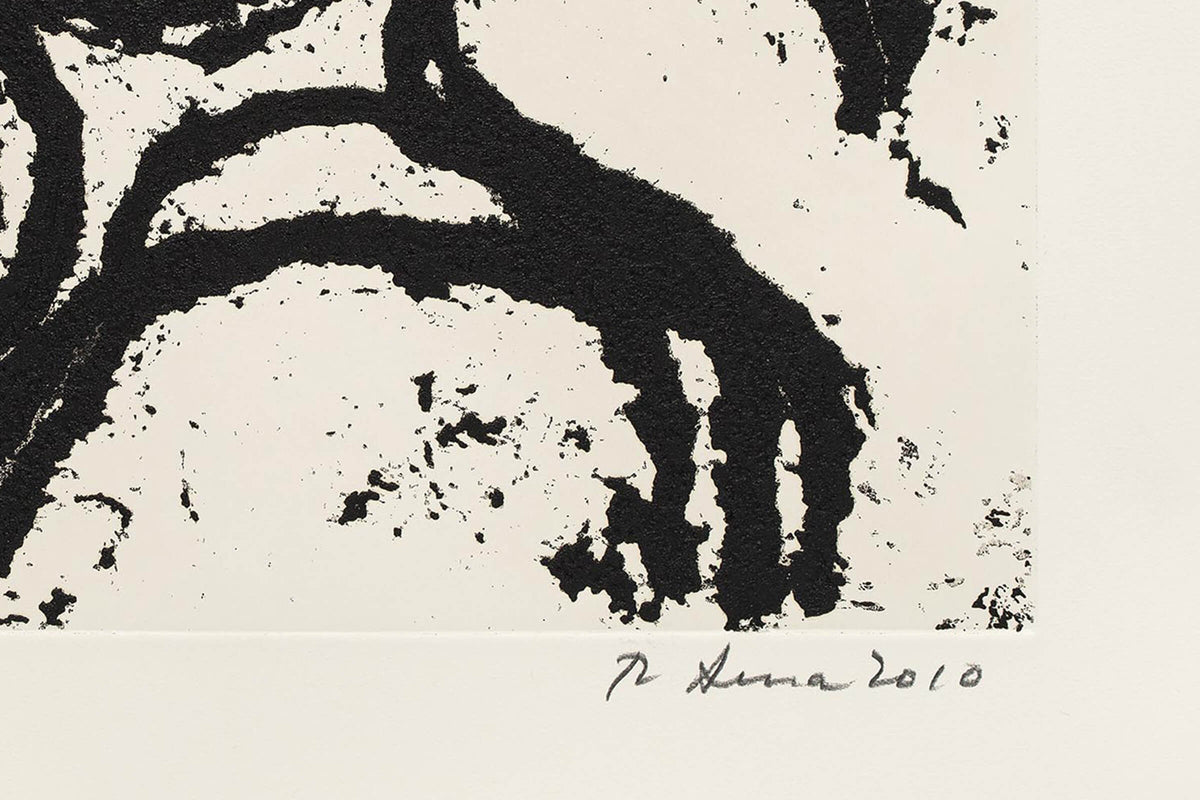
Richard Serra – Junction #7
Sale price€5.000,00
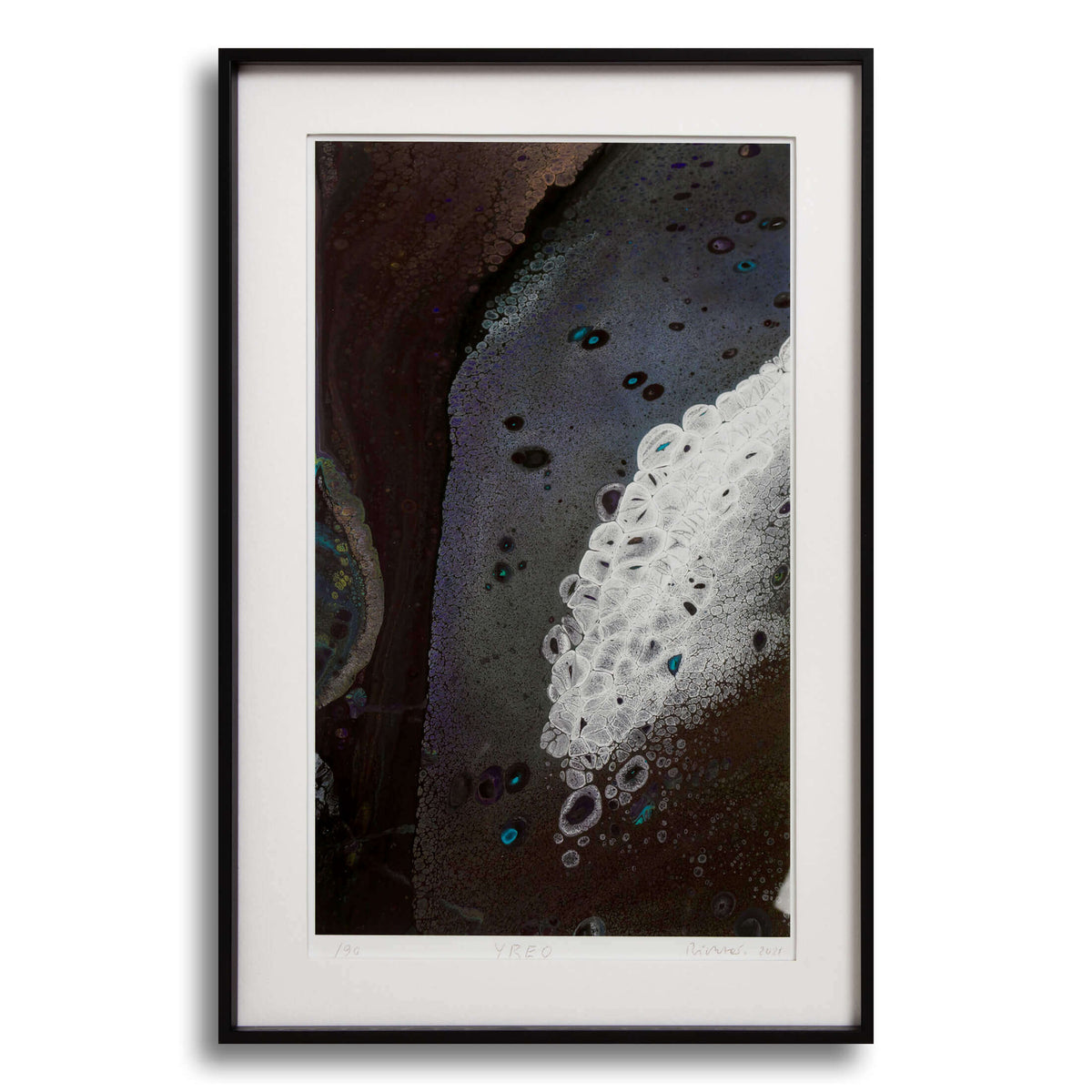
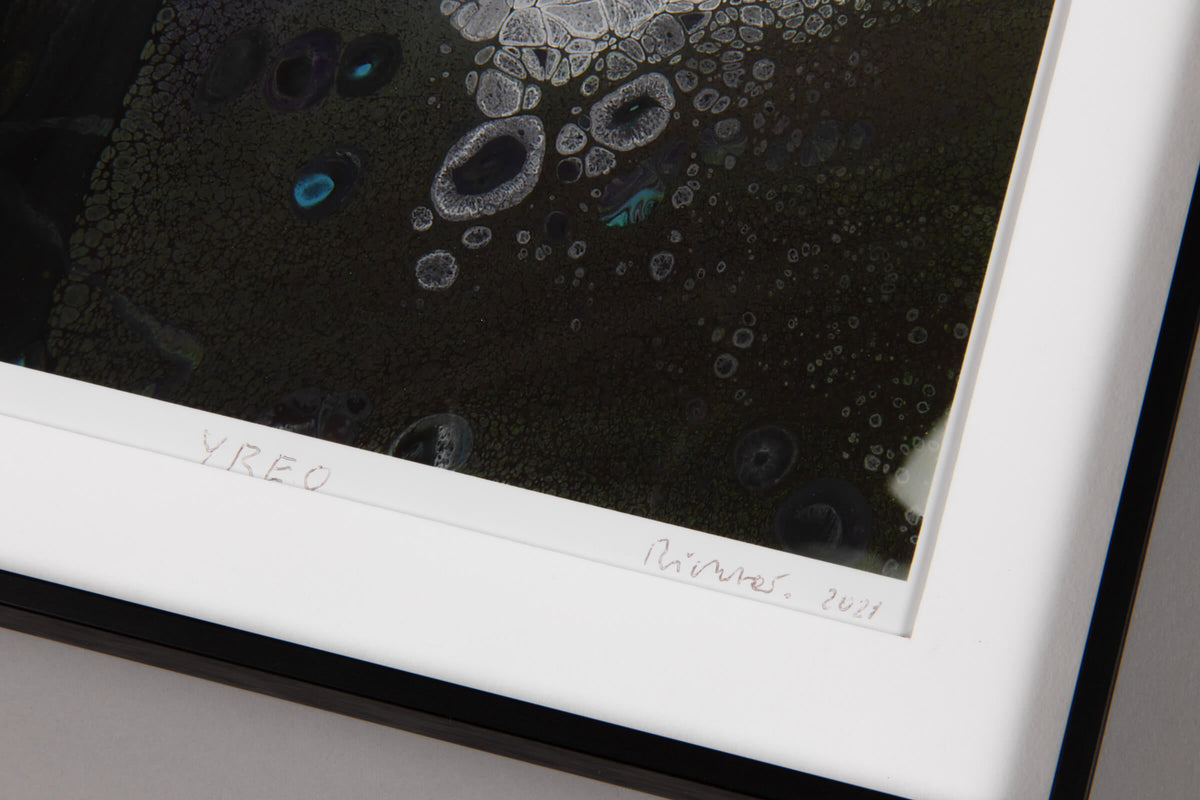
Gerhard Richter – YREO
Sale price€12.500,00
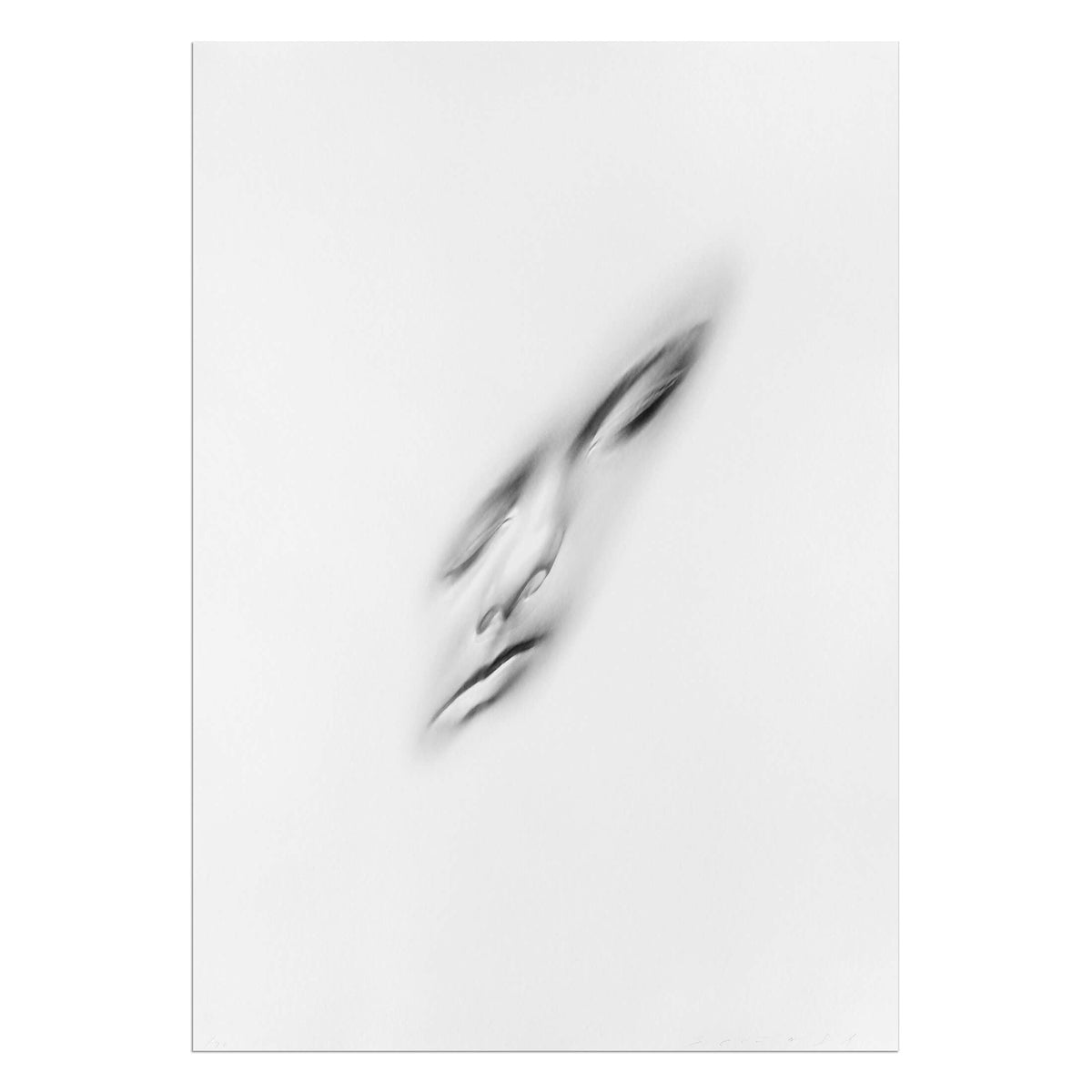
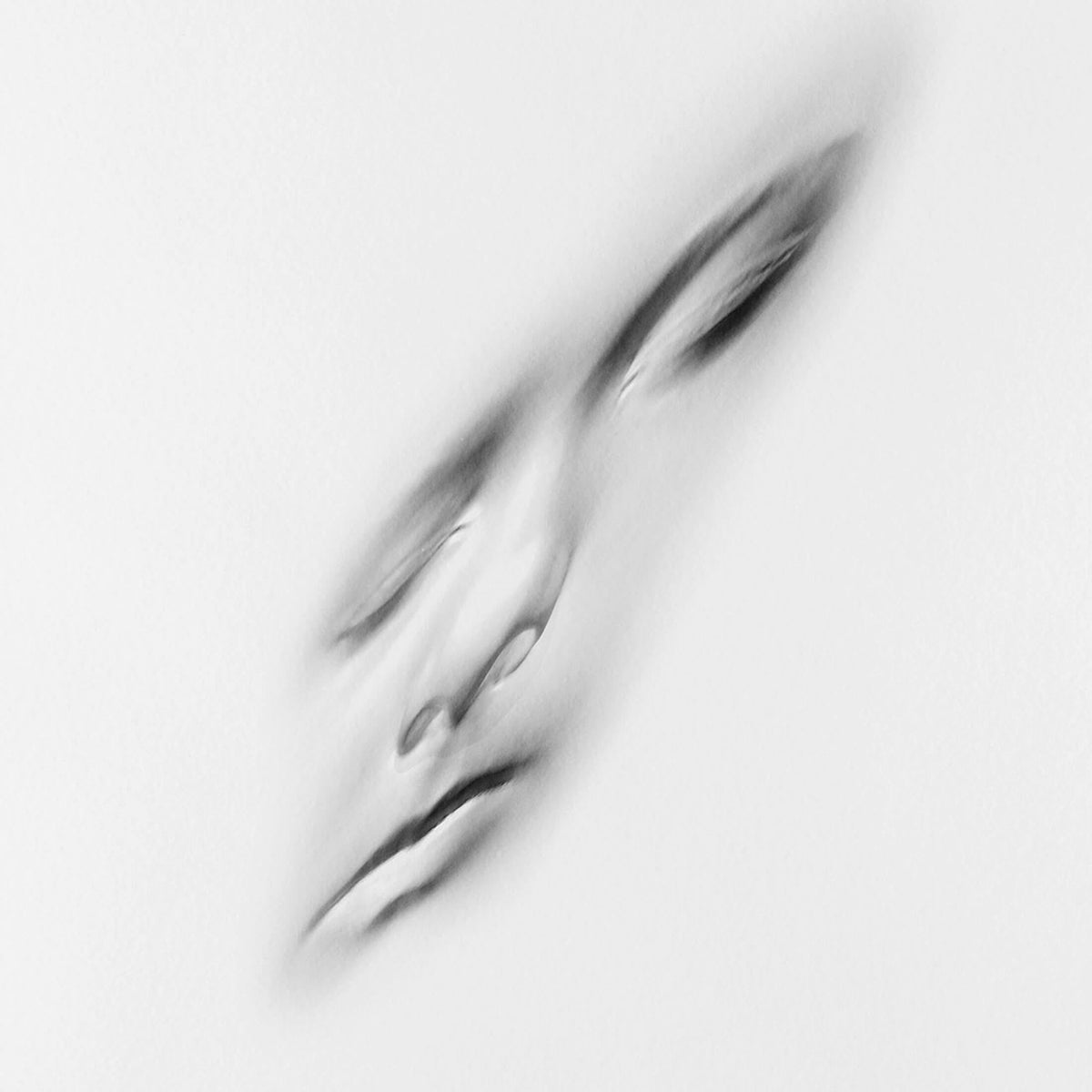
Jaume Plensa – Slumberland II
Sale price€2.600,00
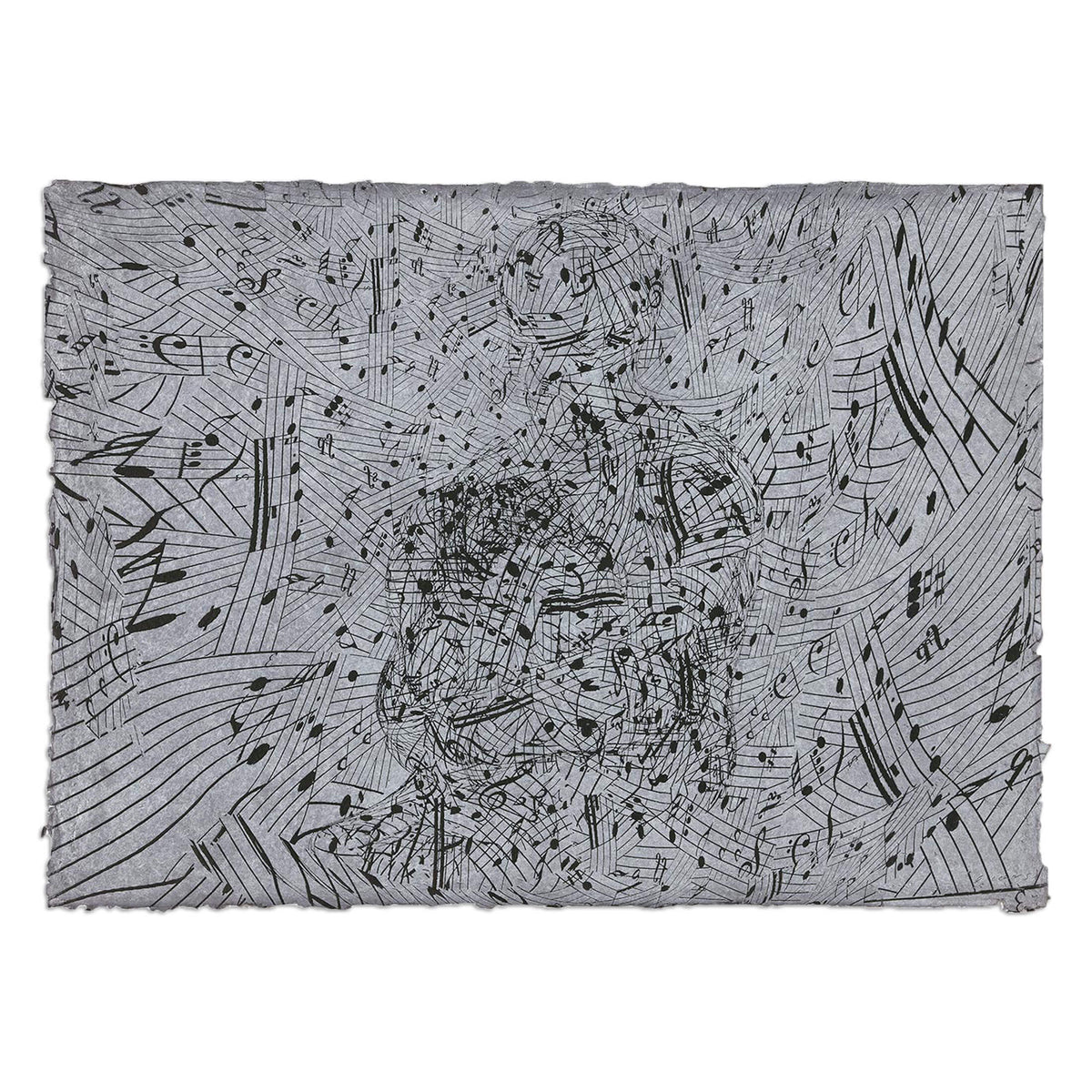
Jaume Plensa – Nocturne II
Sale price€4.000,00
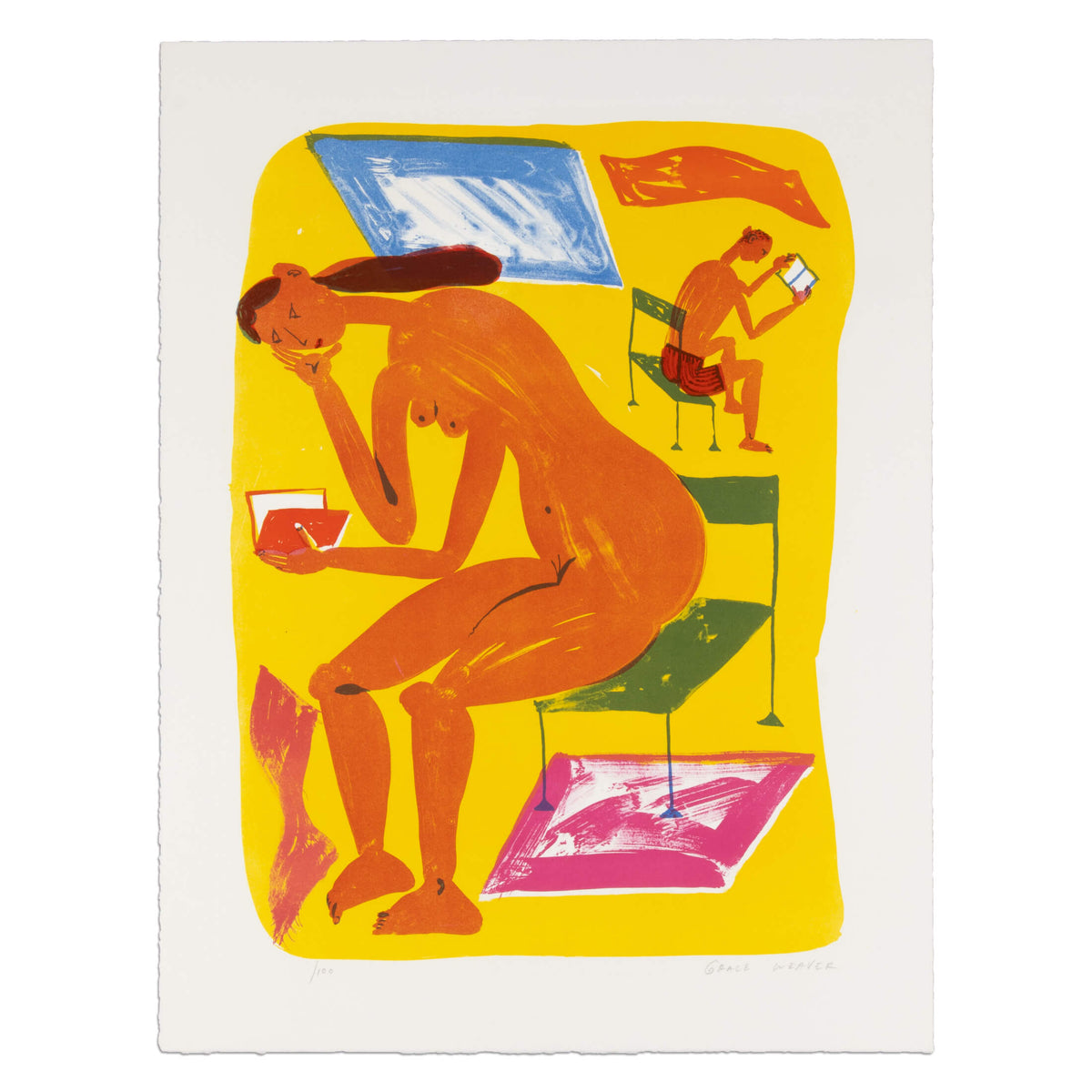

Grace Weaver – Hotel Amour
Sale price€1.700,00
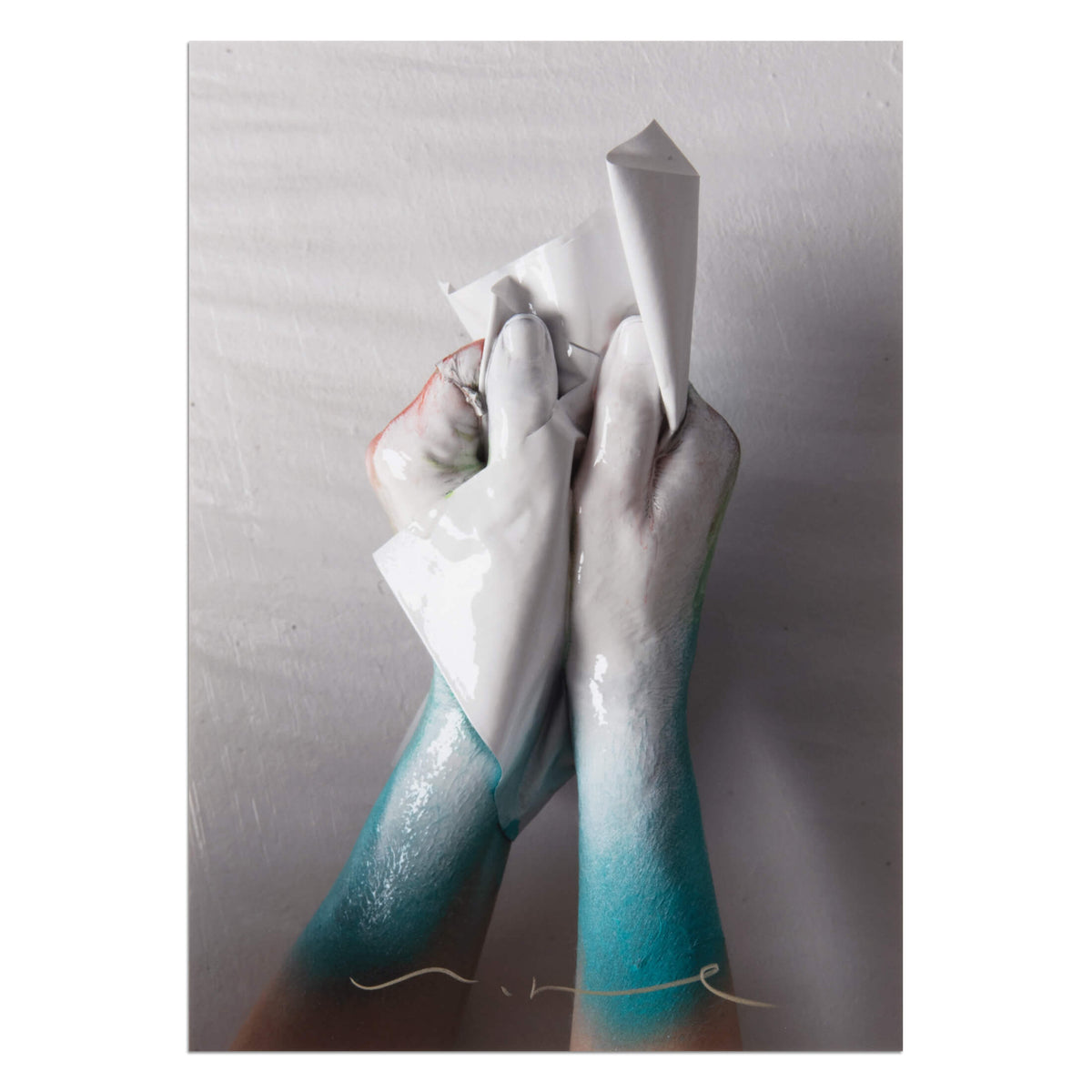
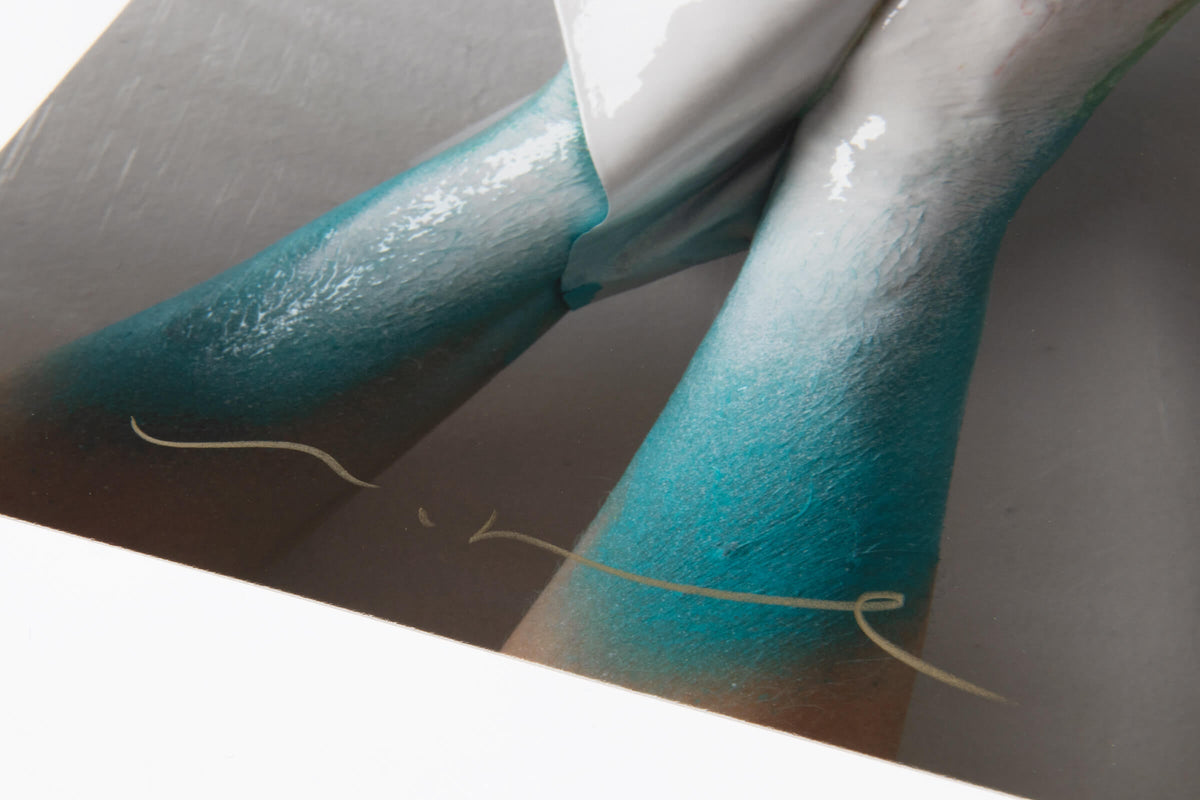
Katharina Grosse – Untitled (for Weiter Schreiben)
Sale price€1.800,00
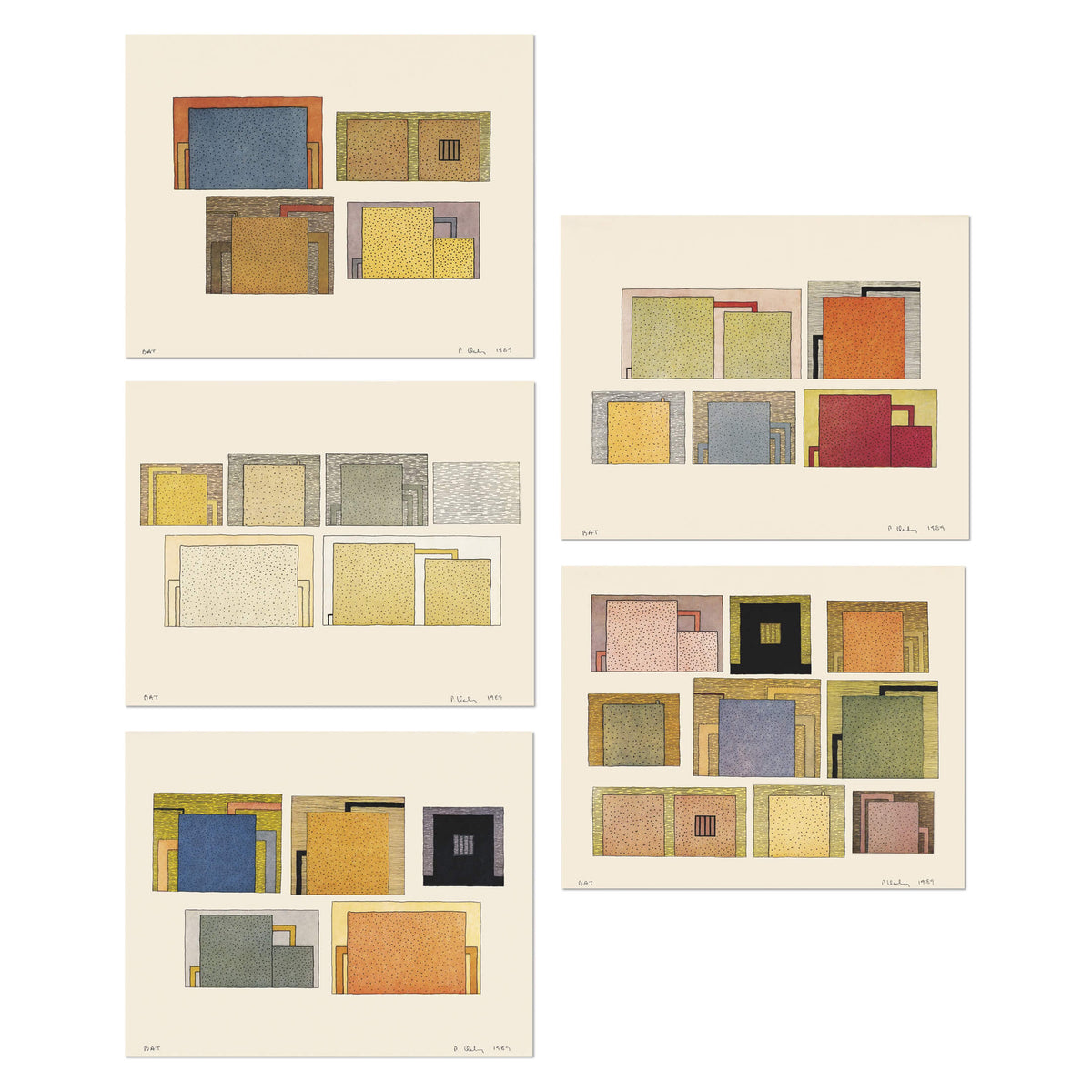
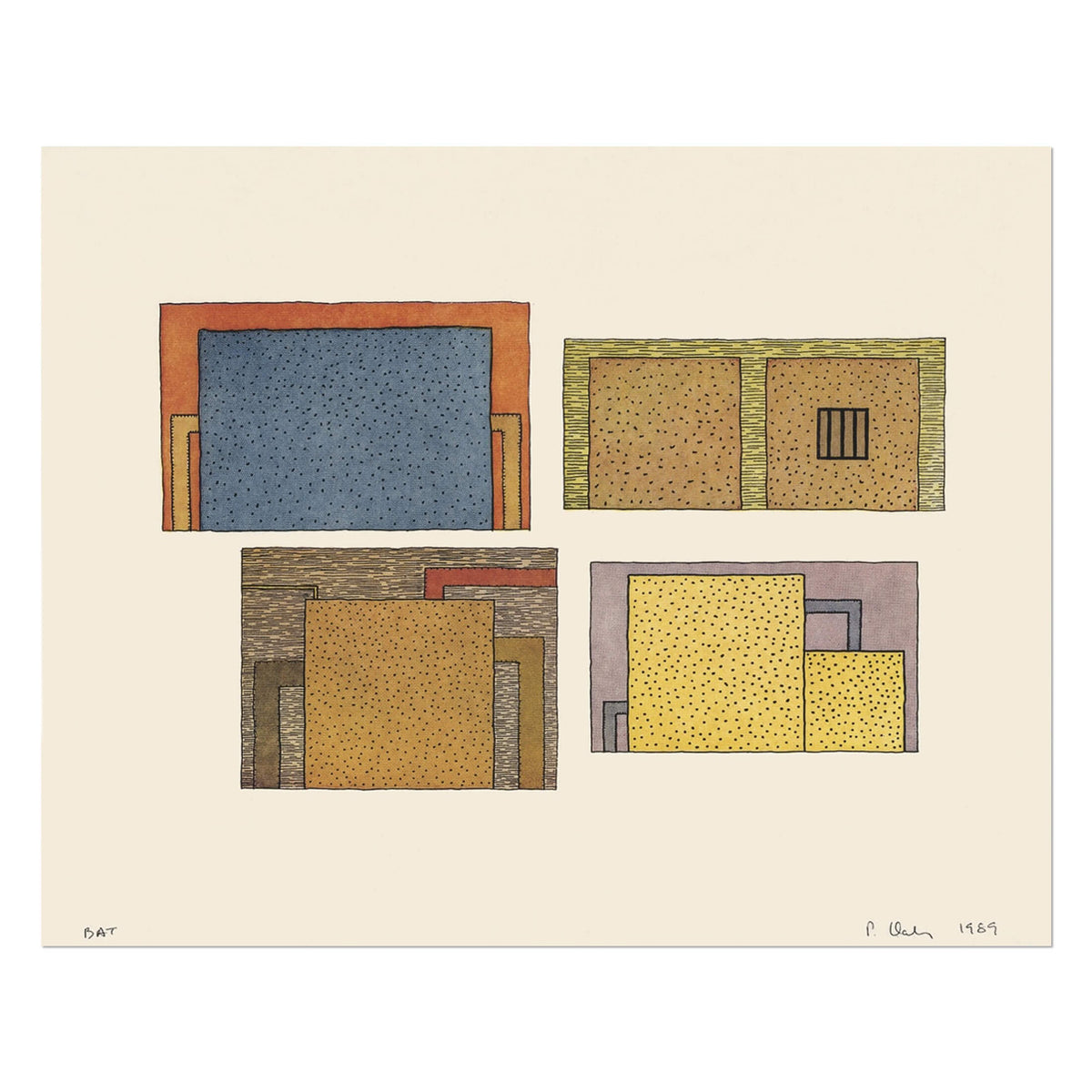
Peter Halley – A Tour of the Monuments of Passaic, New Jersey
Sale price€3.800,00
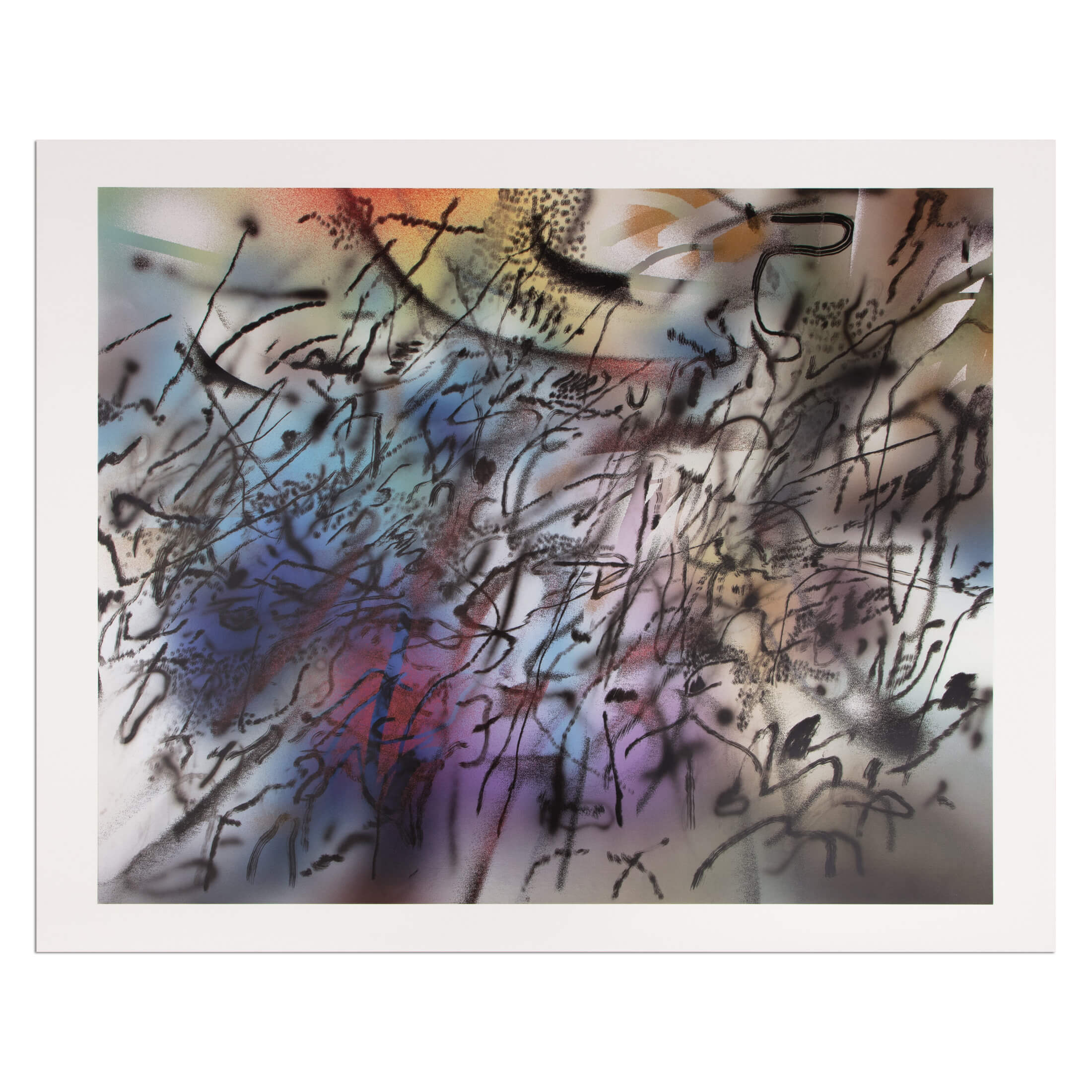
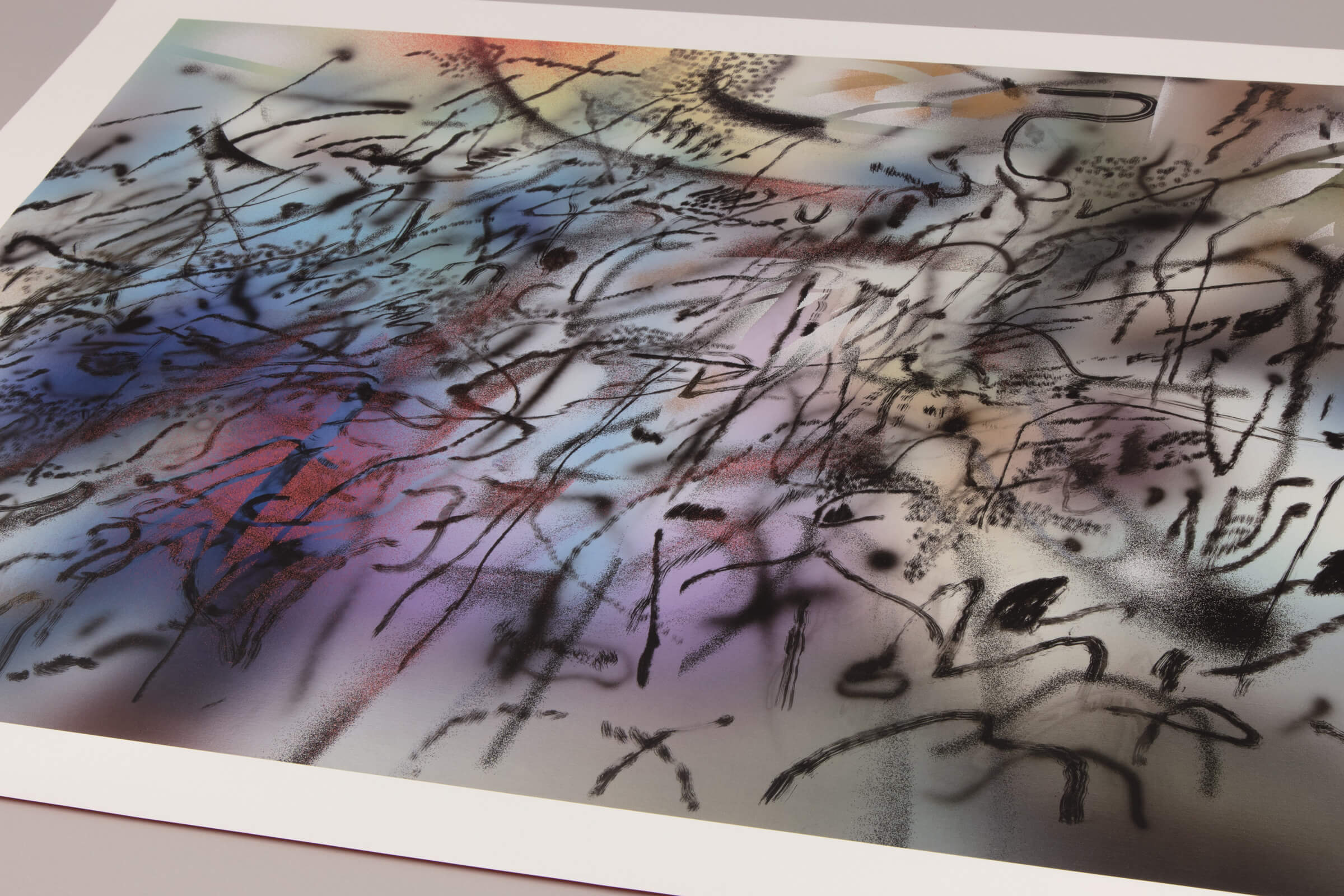
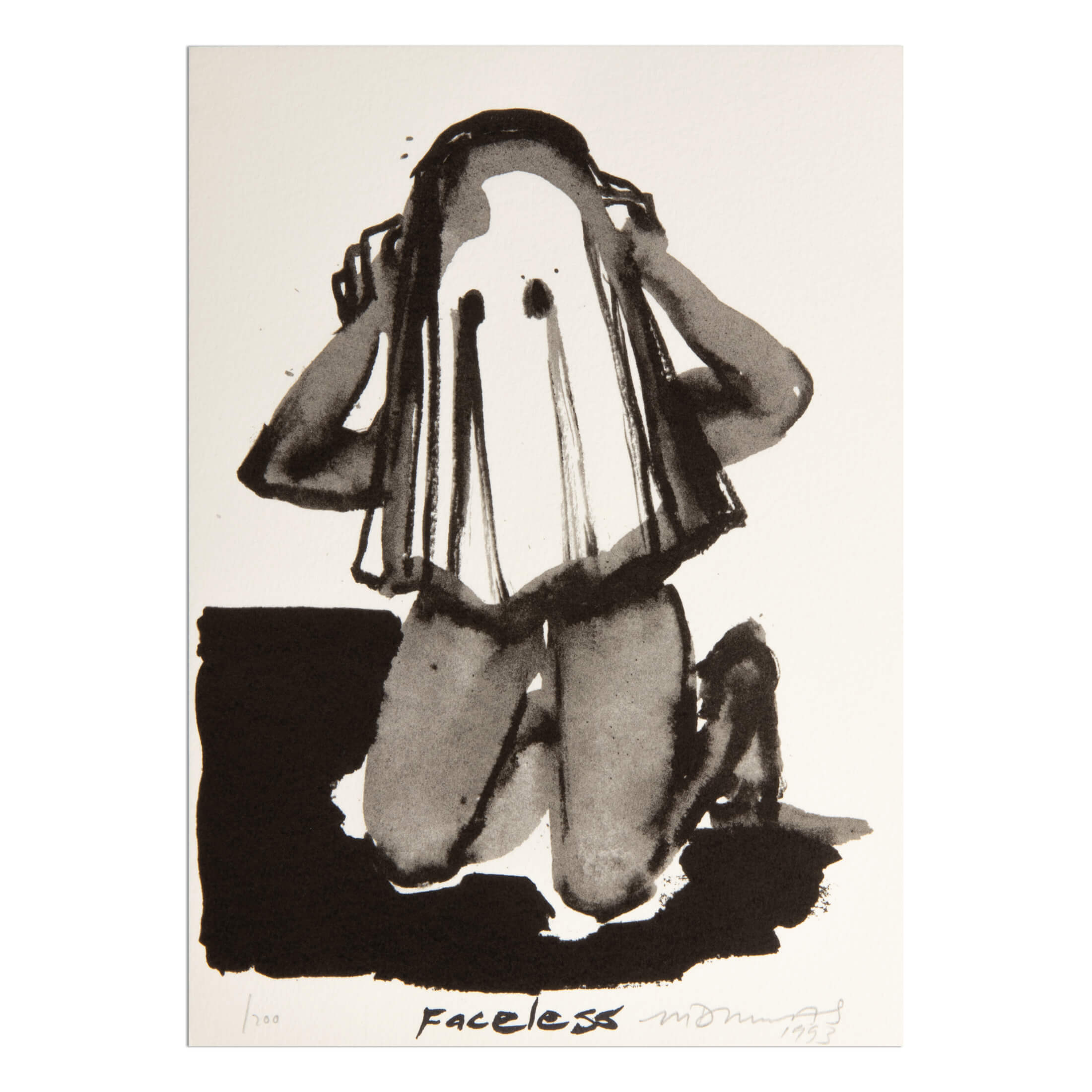
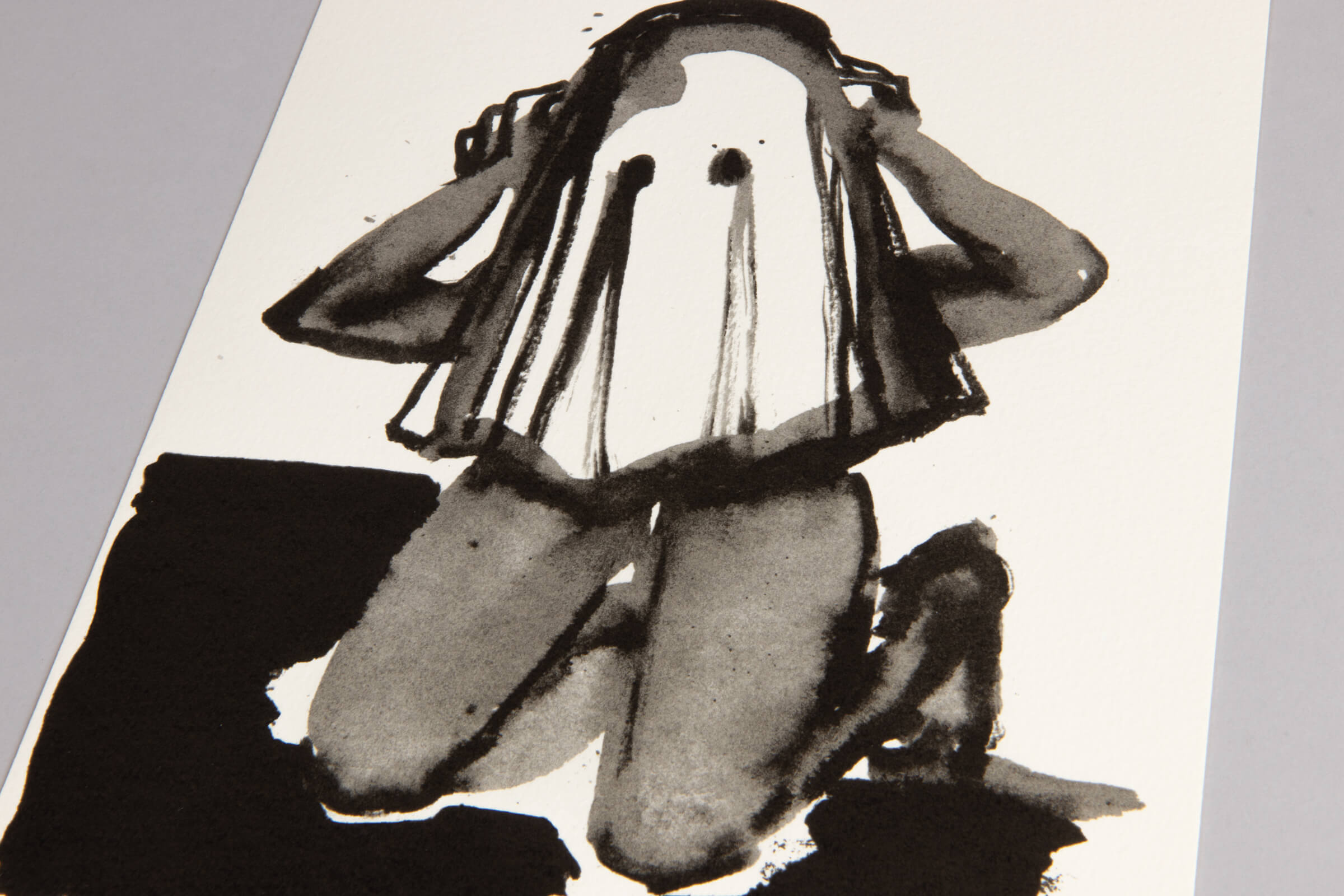
Marlene Dumas – Faceless
Sale price€4.800,00
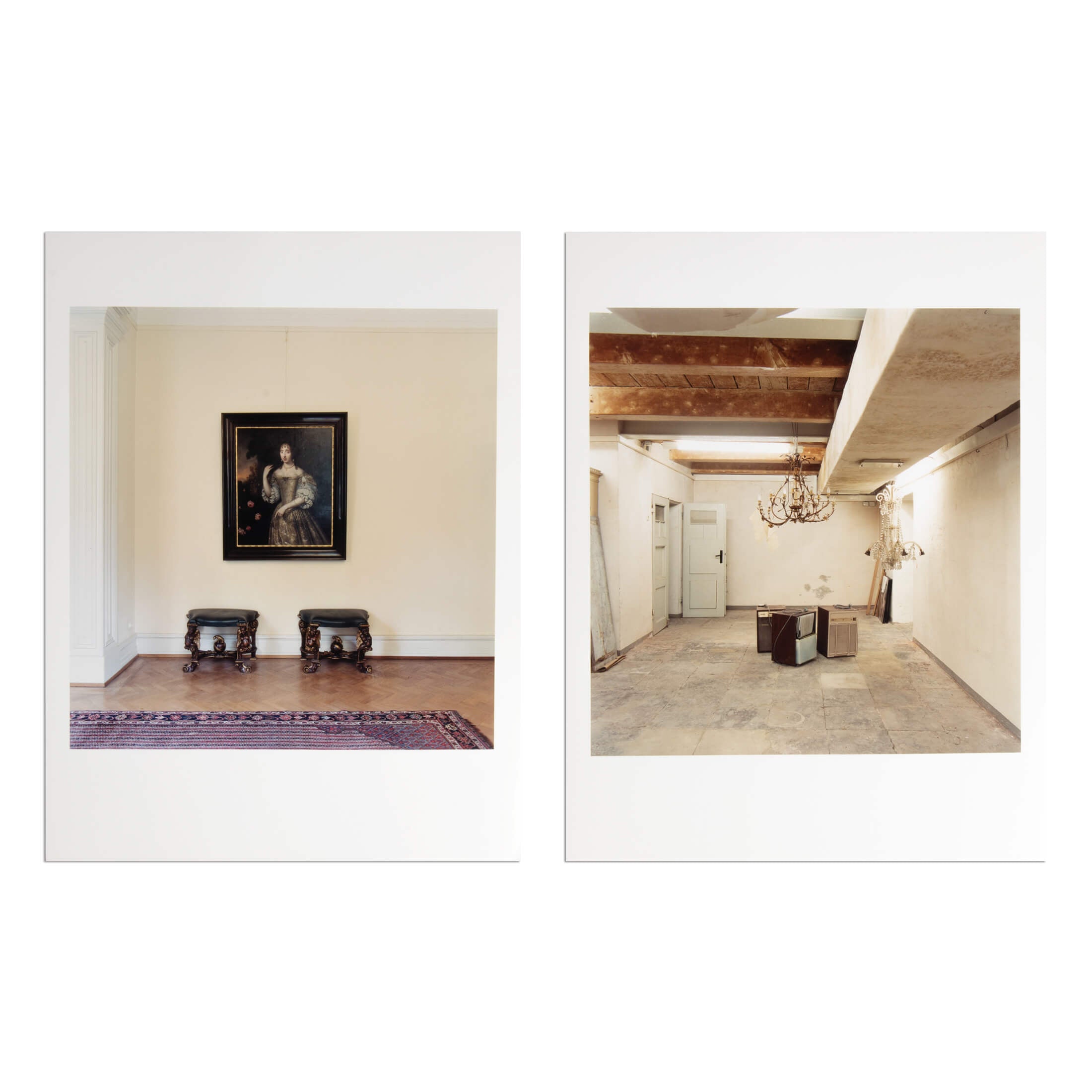
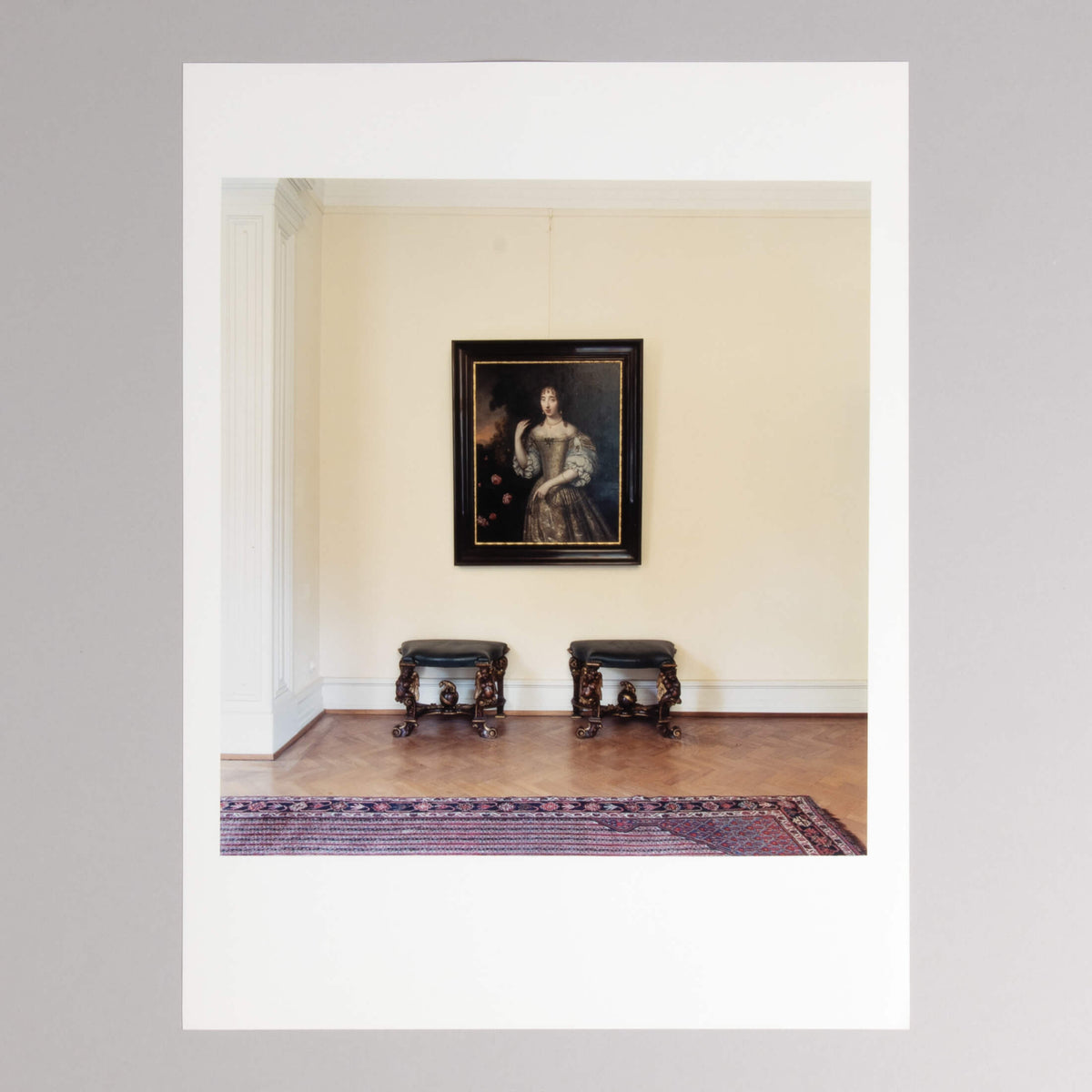
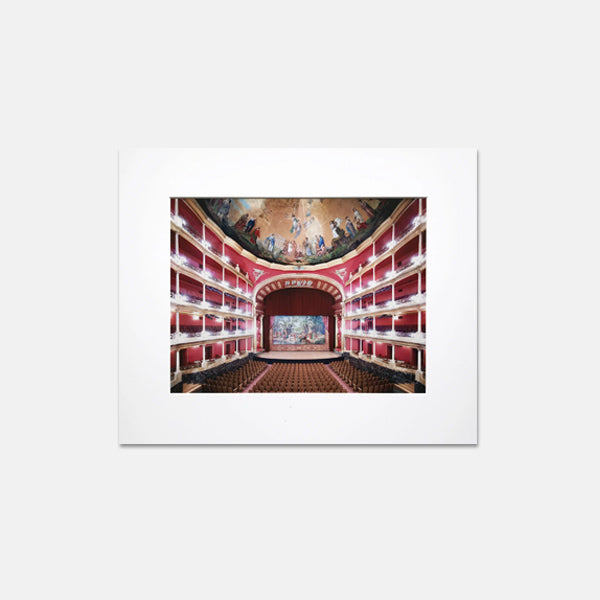
Candida Höfer – Jenisch-Haus Hamburg
Sale price€3.200,00
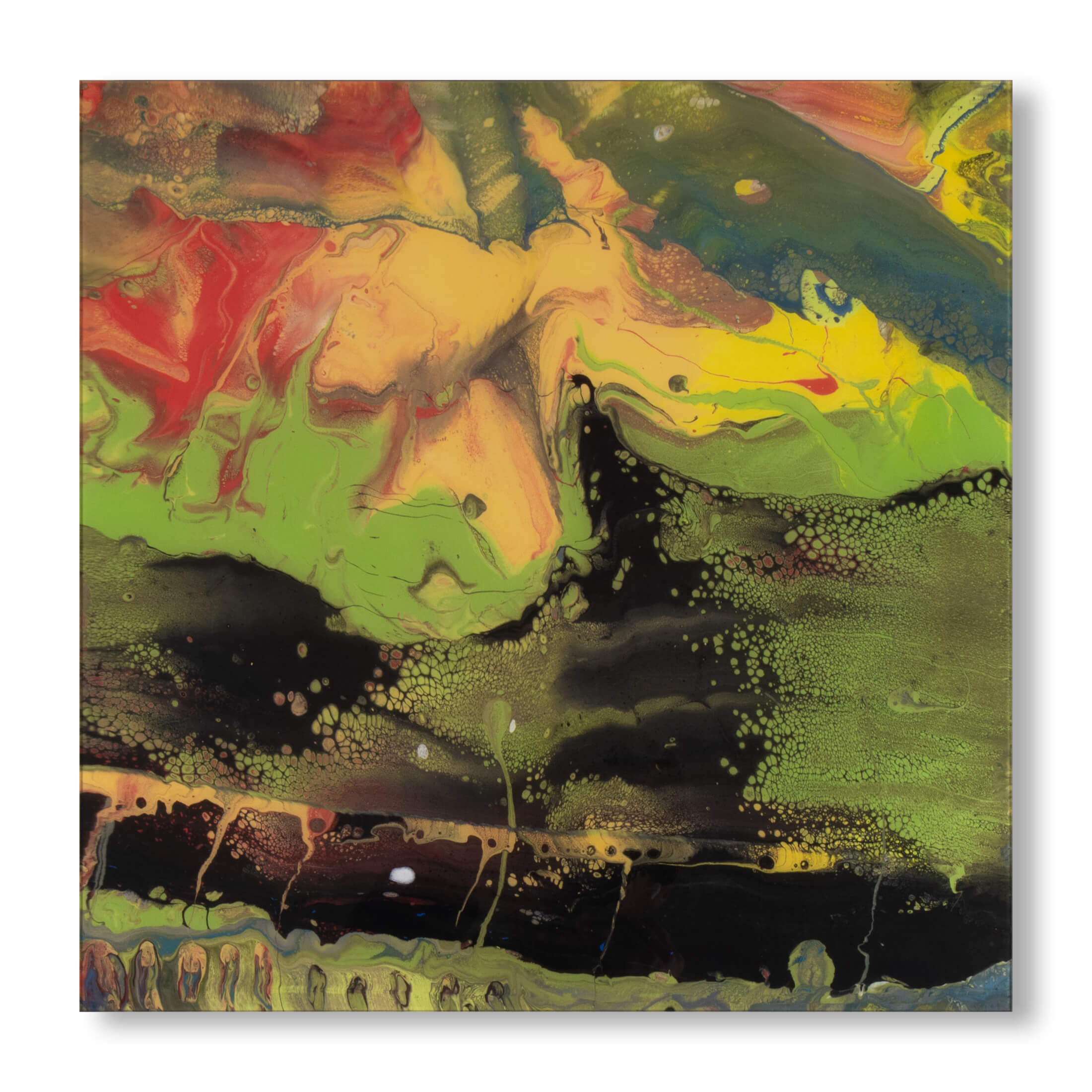
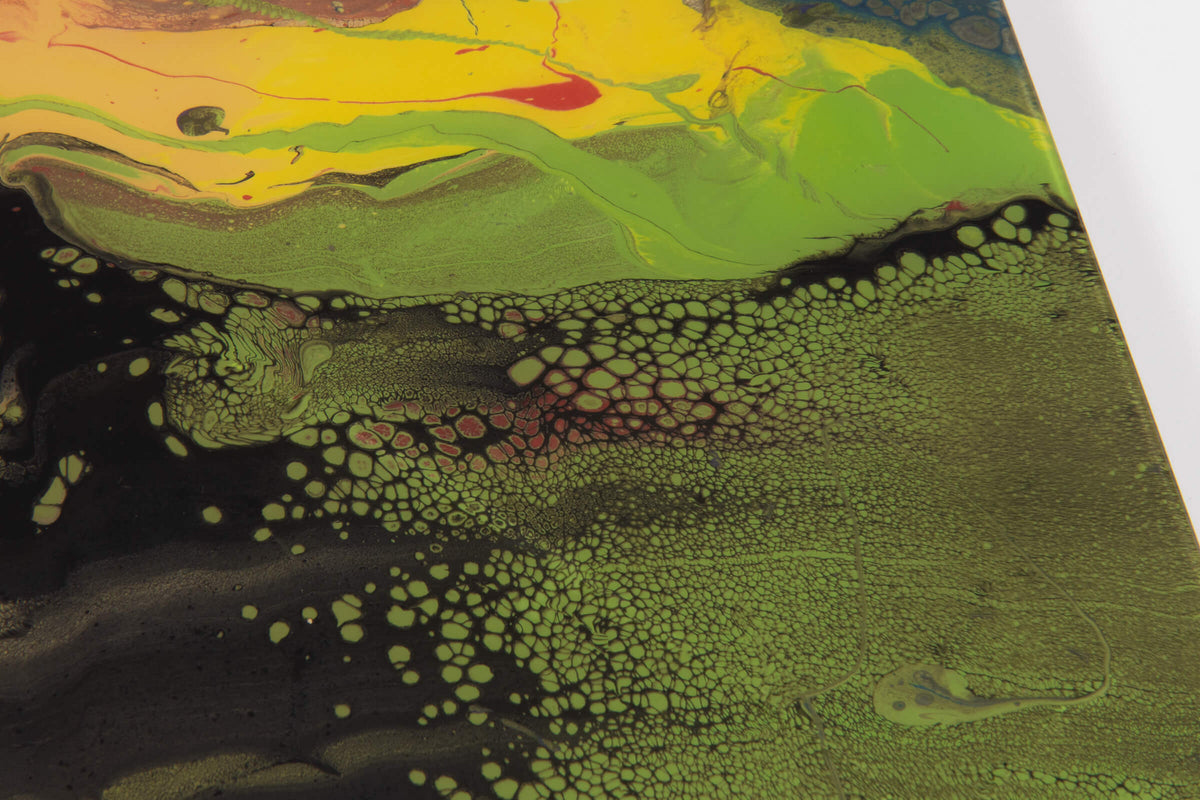
Gerhard Richter – Flow (P4)
Sale price€6.400,00
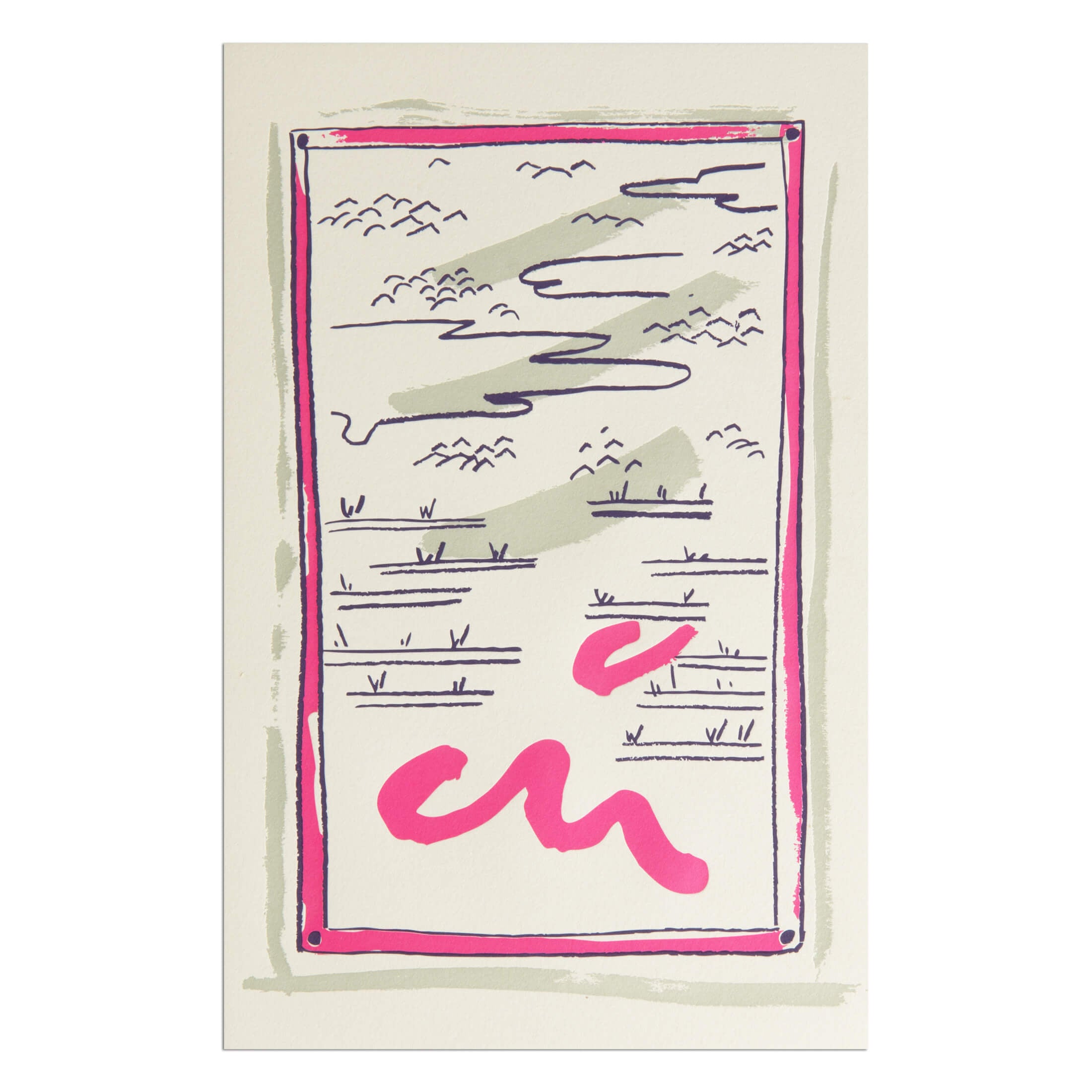
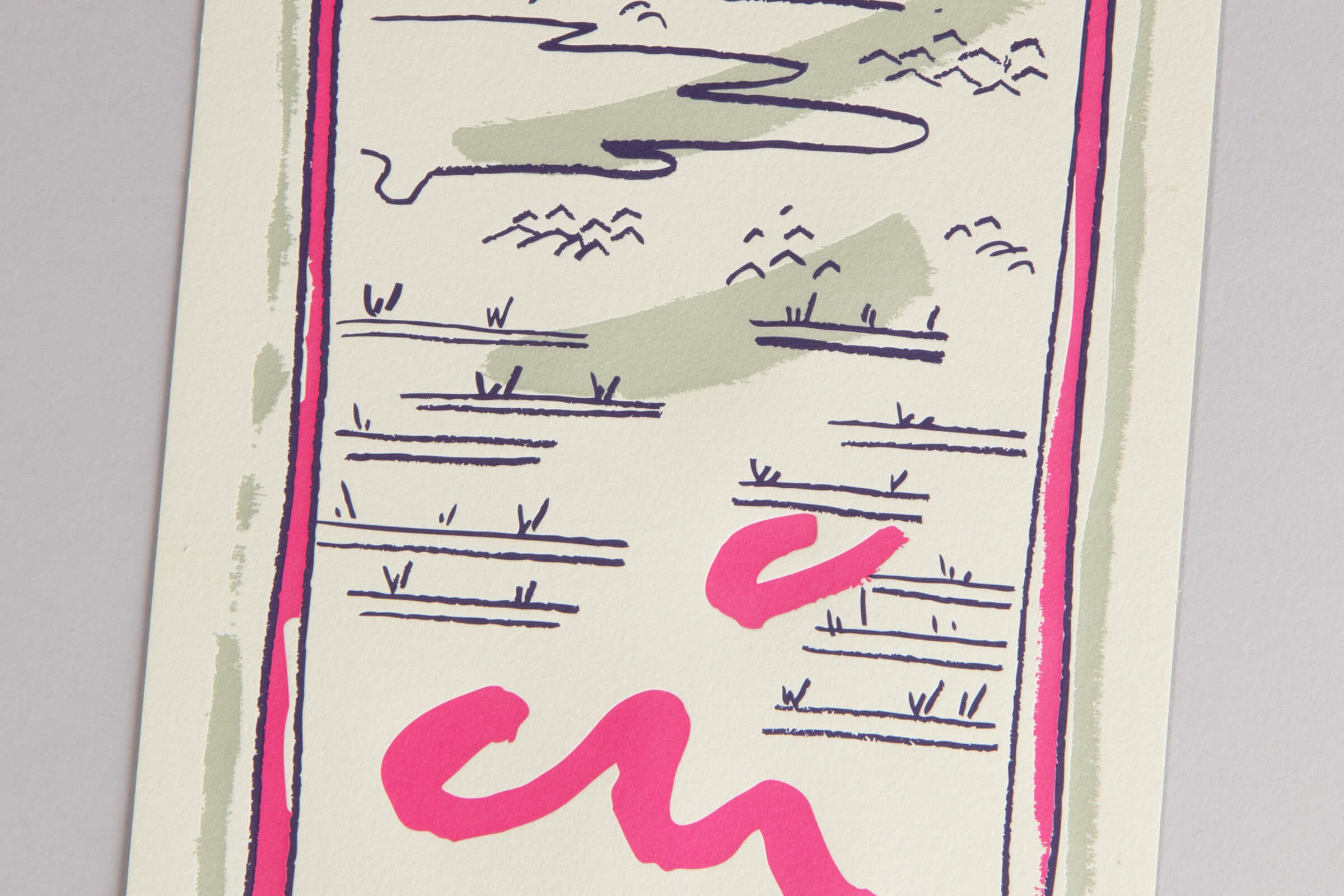
Laura Owens – Untitled
Sale price€2.000,00
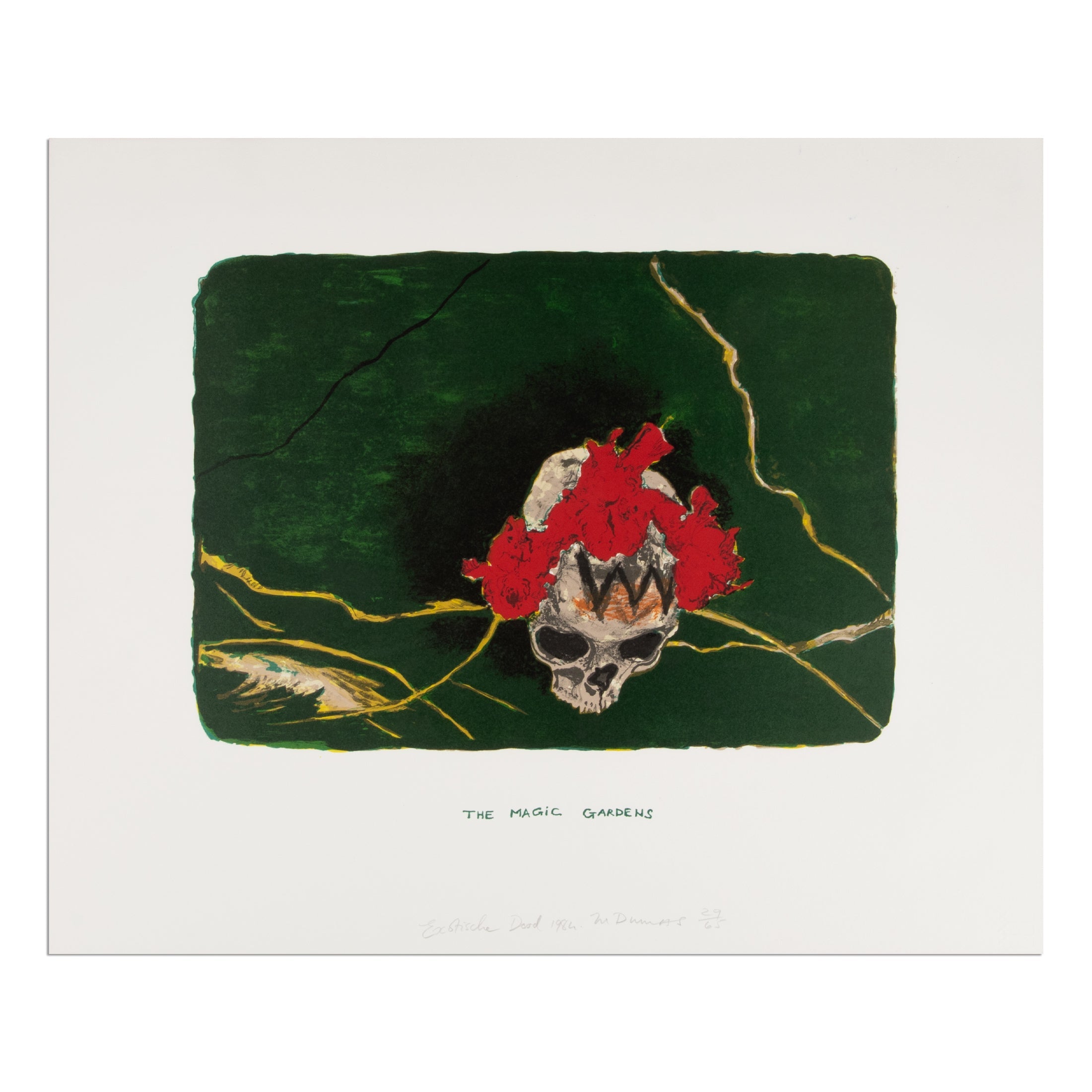
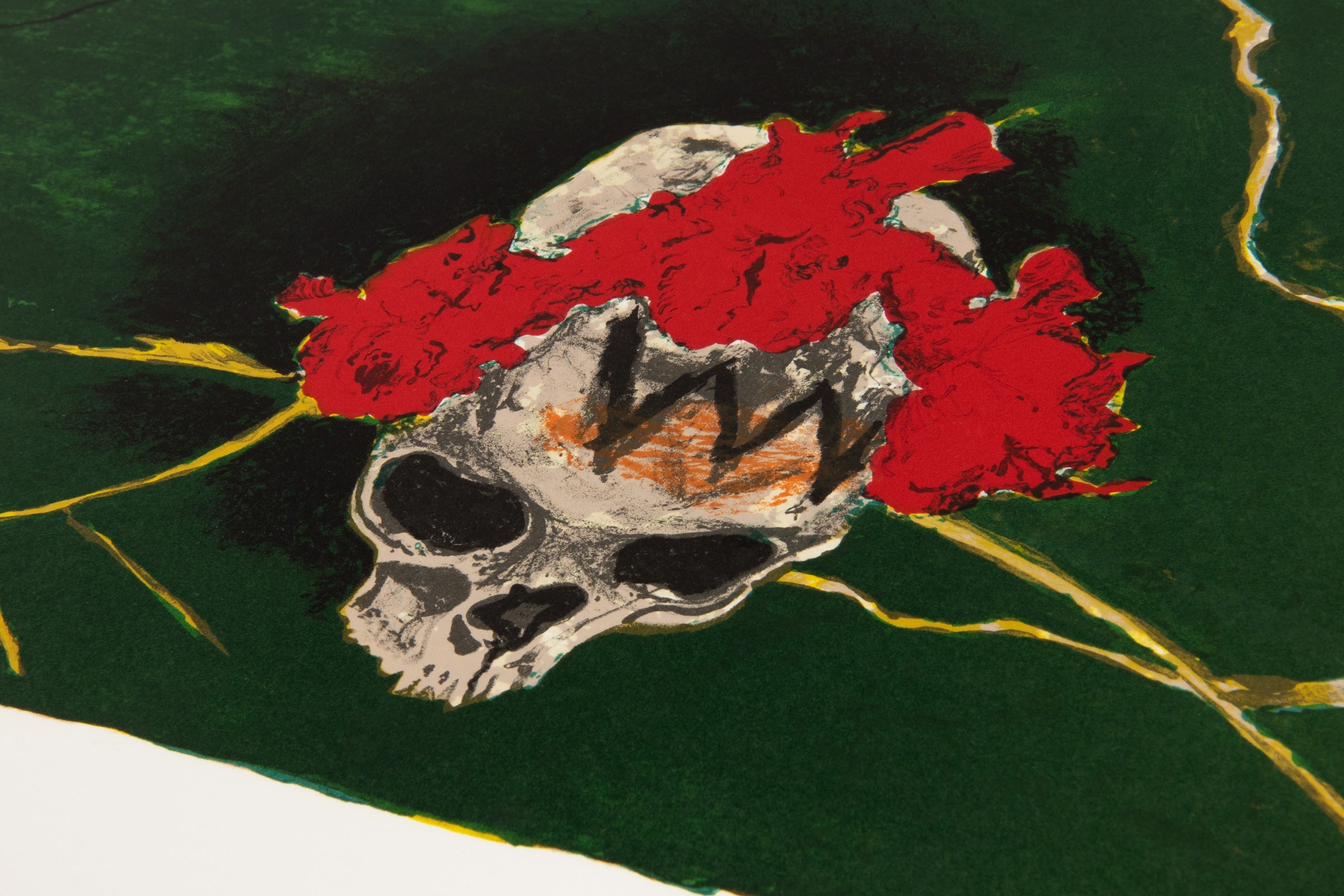
Marlene Dumas – The Magic Gardens
Sale price€4.000,00
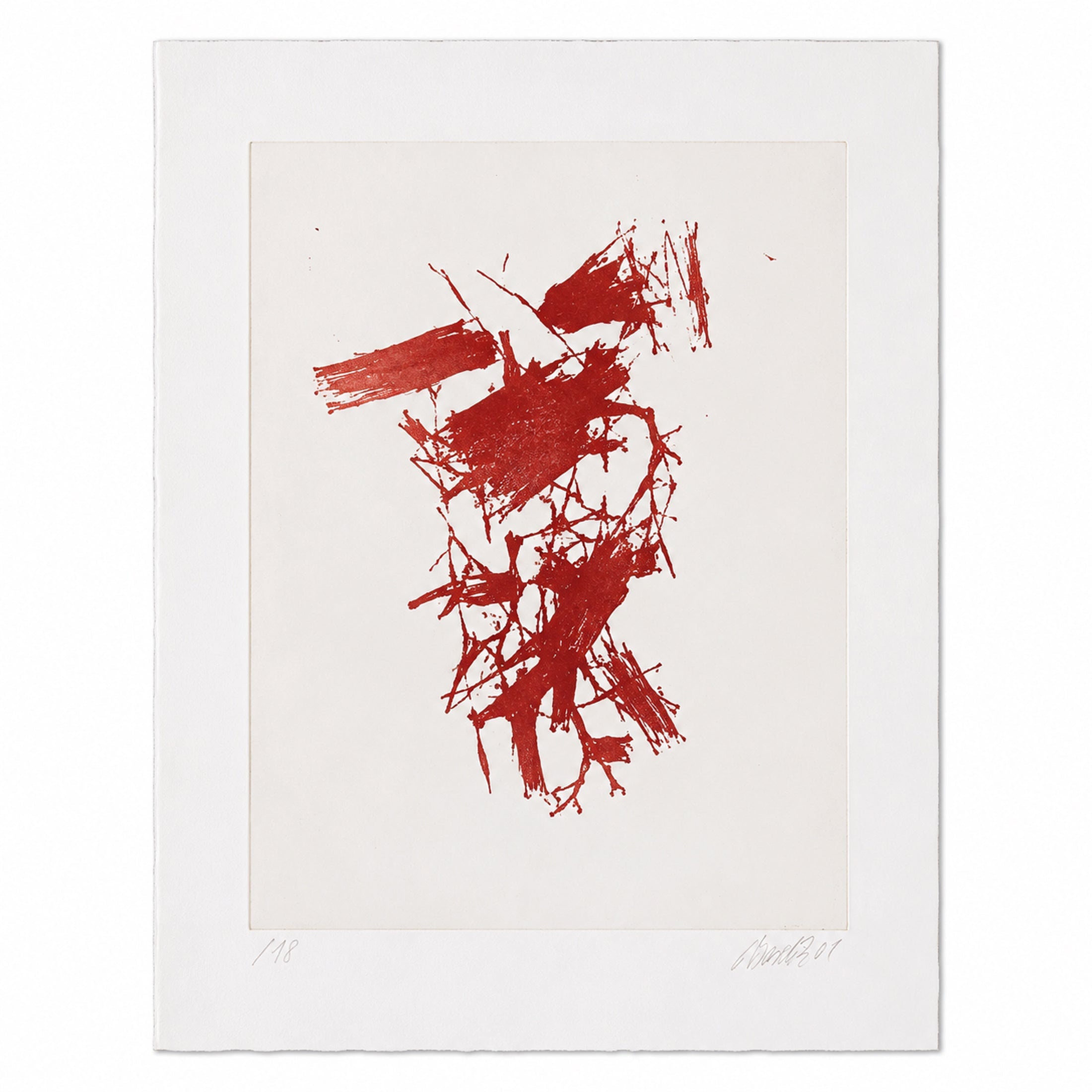
Georg Baselitz – Ansicht von Kamenz
Sale price€5.200,00
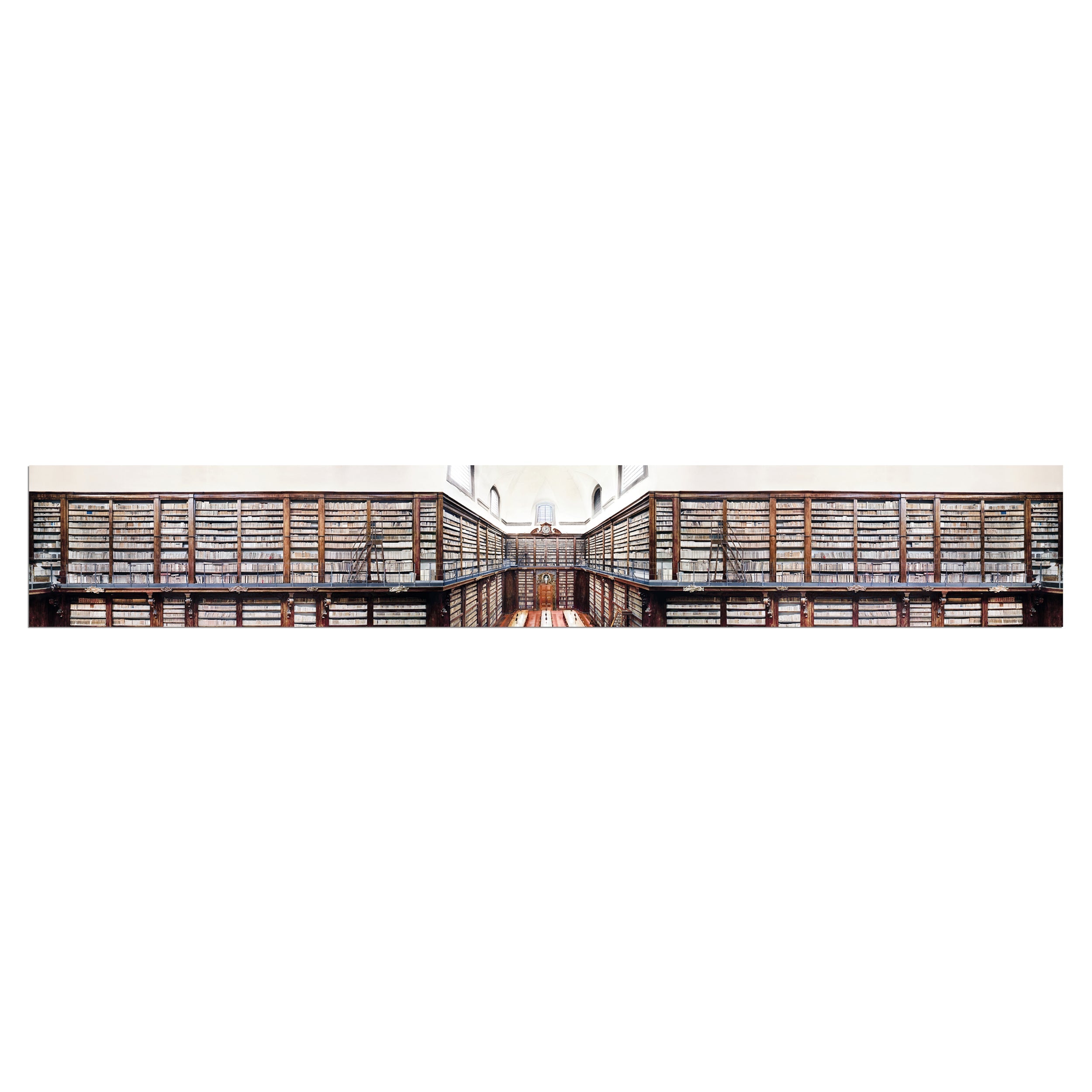
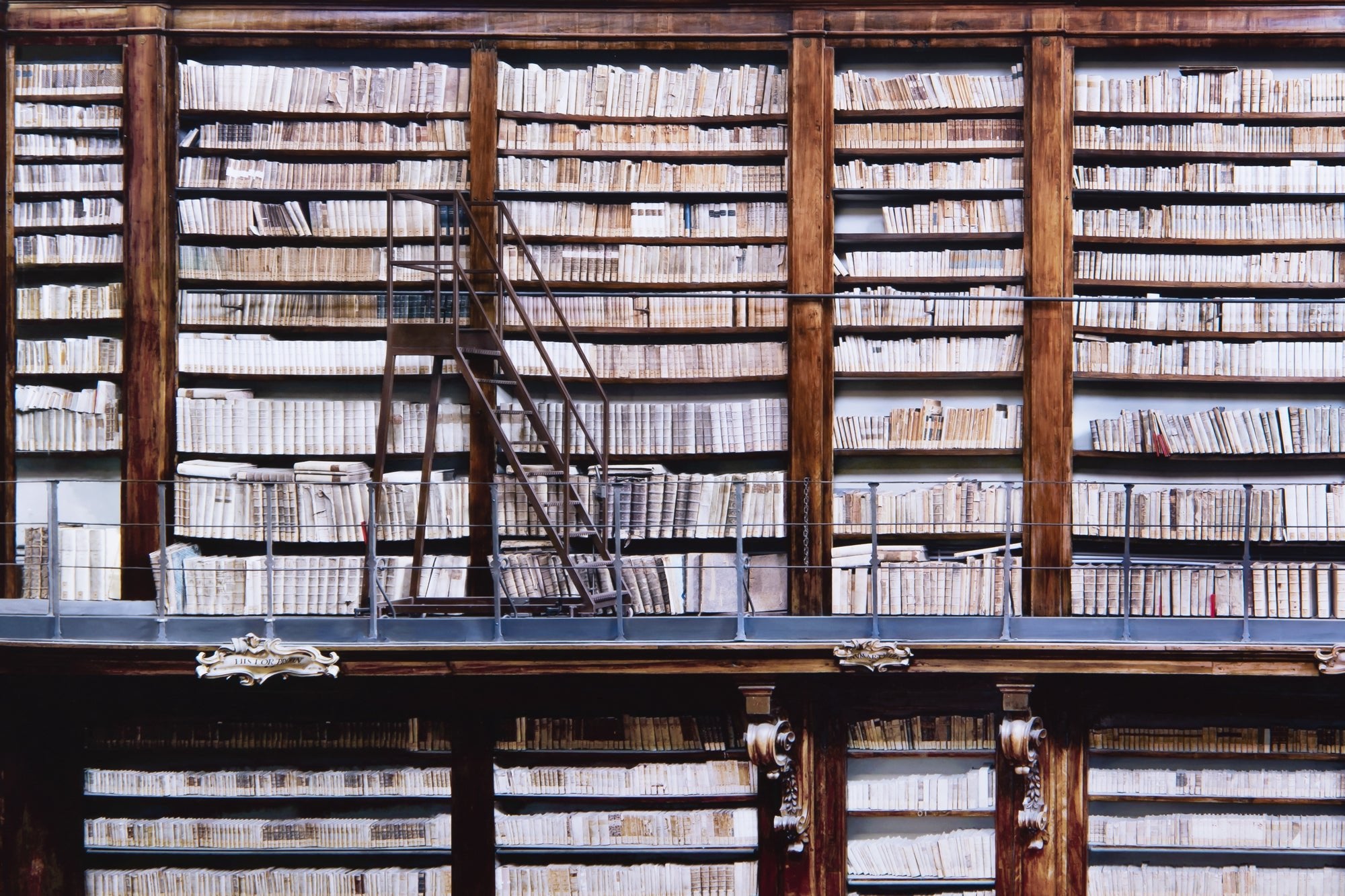
Candida Höfer – Shelves
Sale price€3.000,00
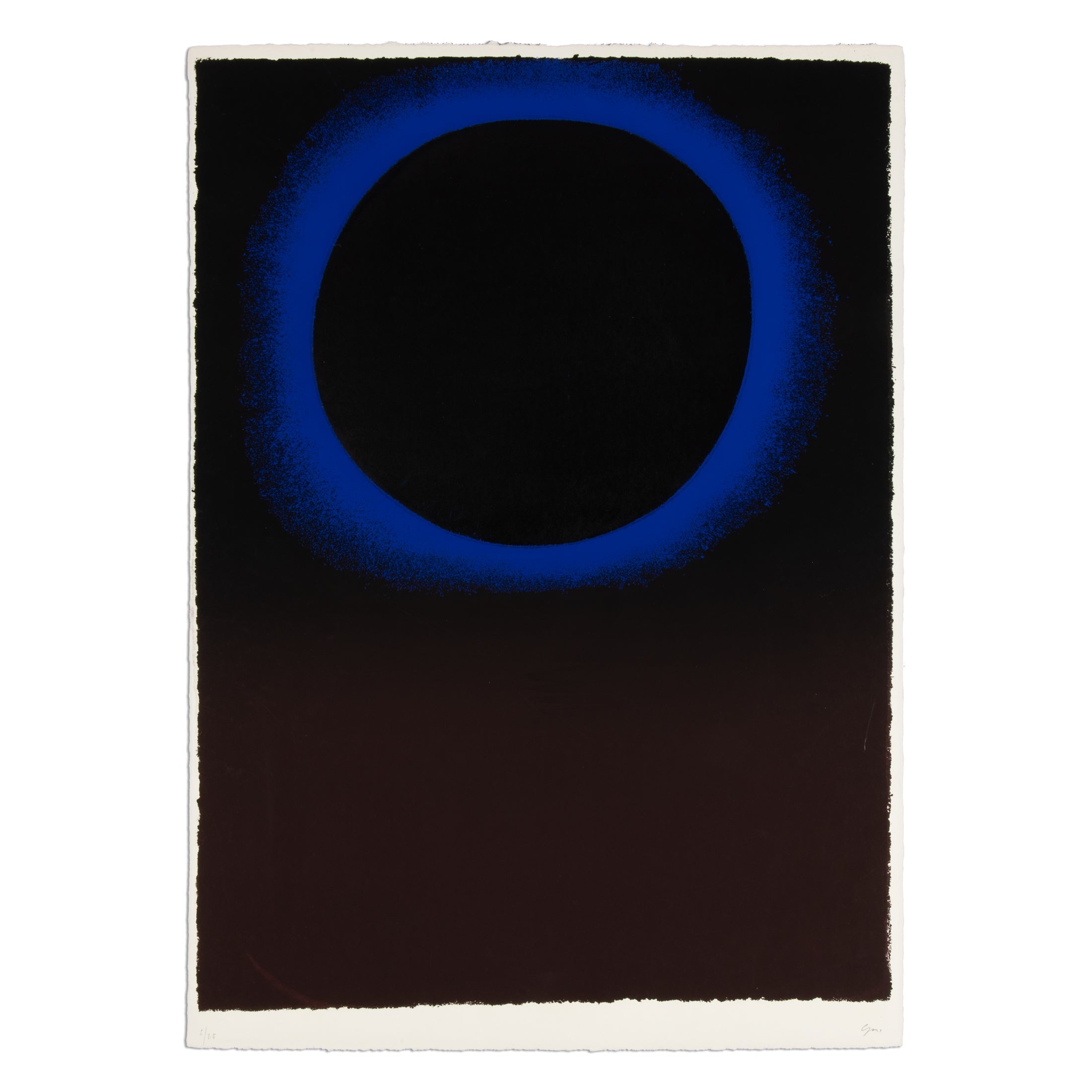
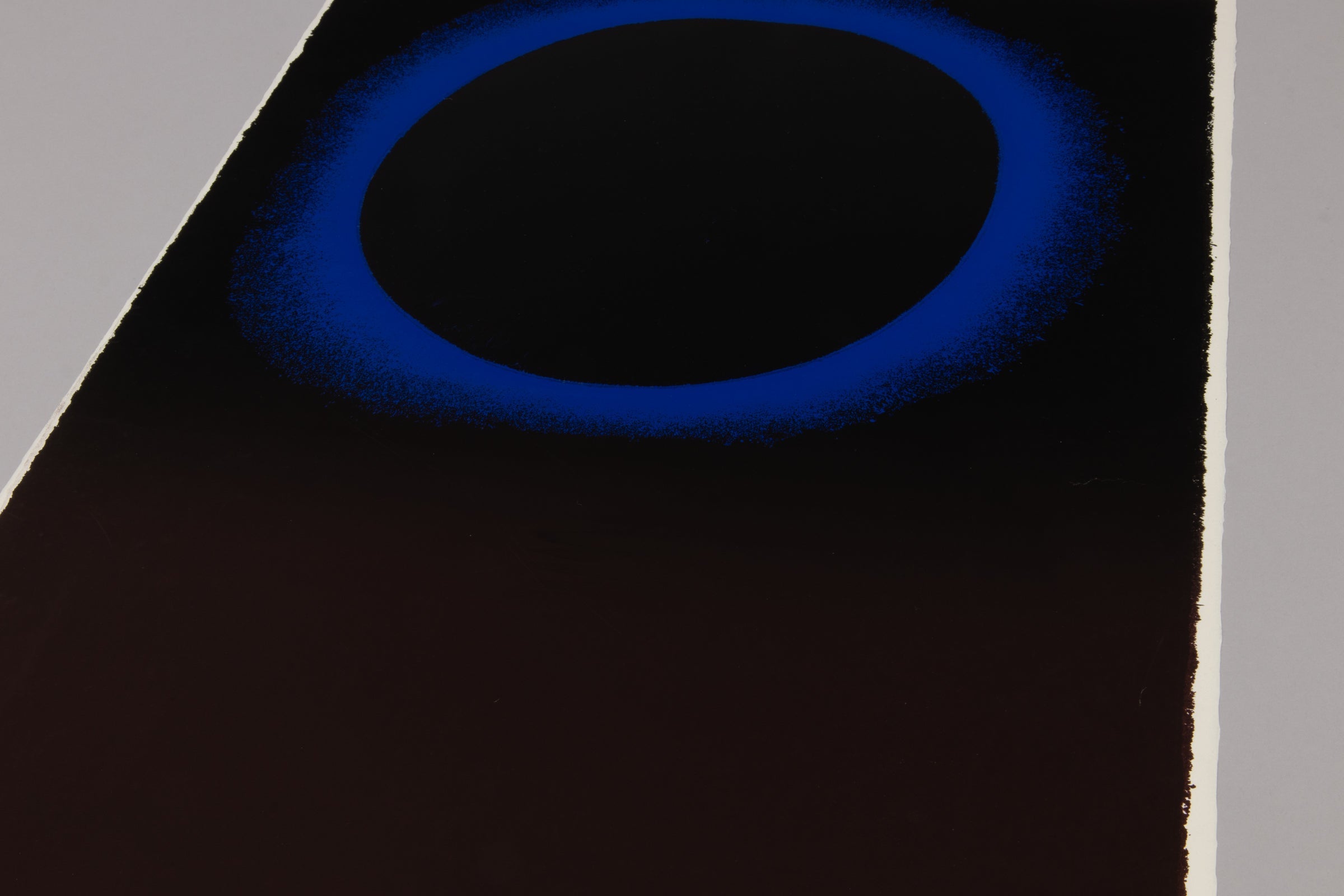
Rupprecht Geiger – Schwarzes Rund mit blauem Kranz
Sale price€2.600,00
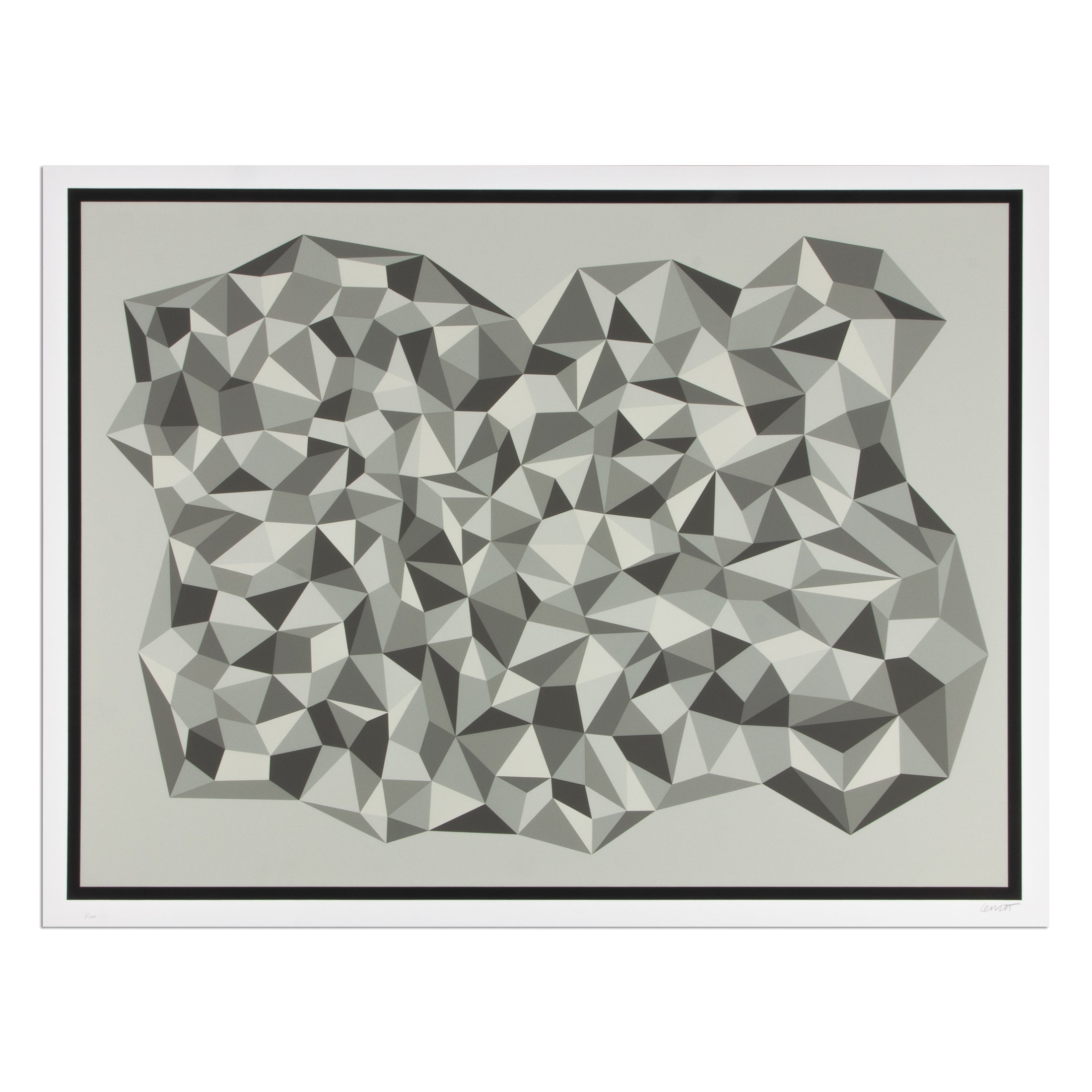
Sol LeWitt – Kinderstern
Sale price€2.500,00

Jenny Holzer – Selection from Living
Sale price€3.400,00
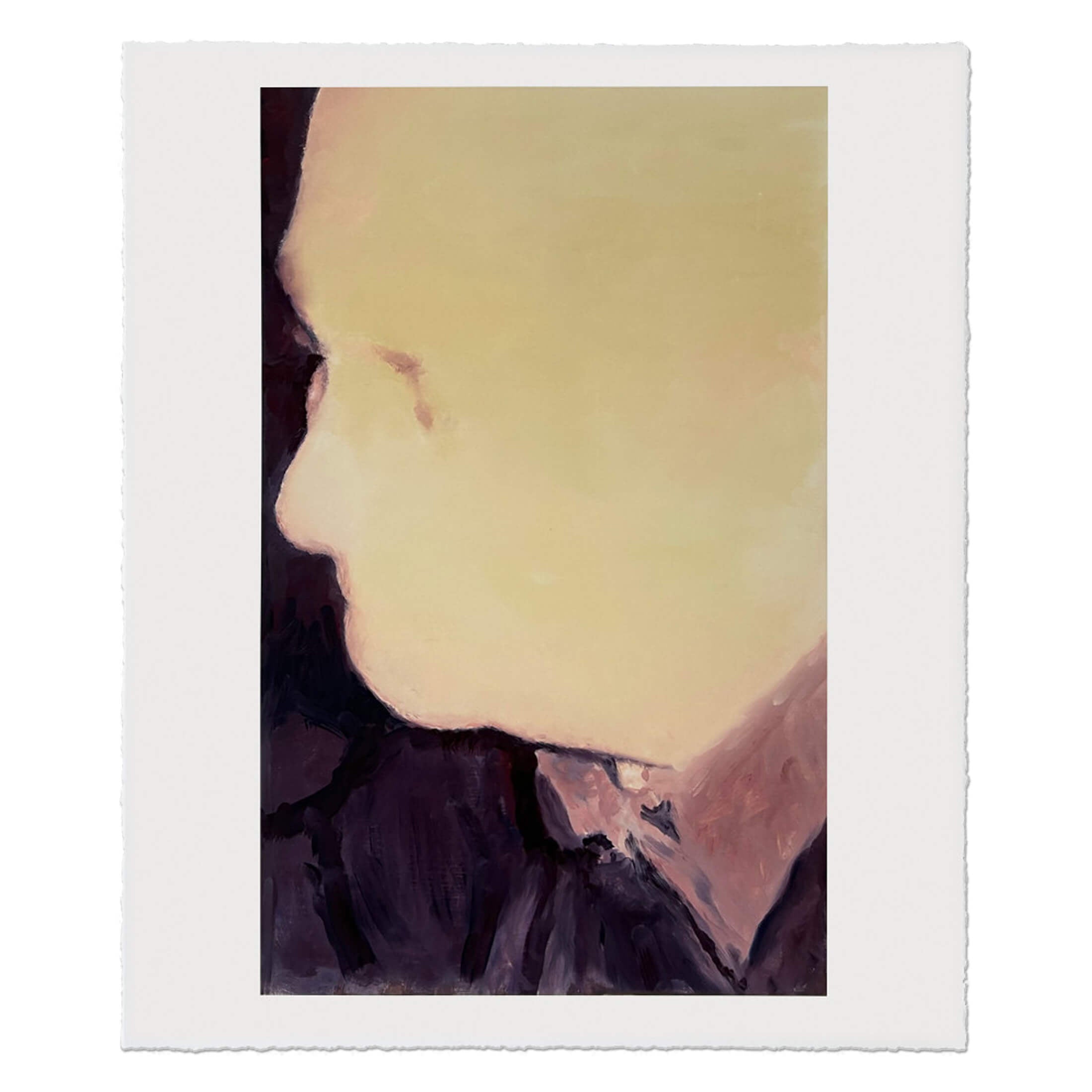
Luc Tuymans – Win
Sale price€1.600,00
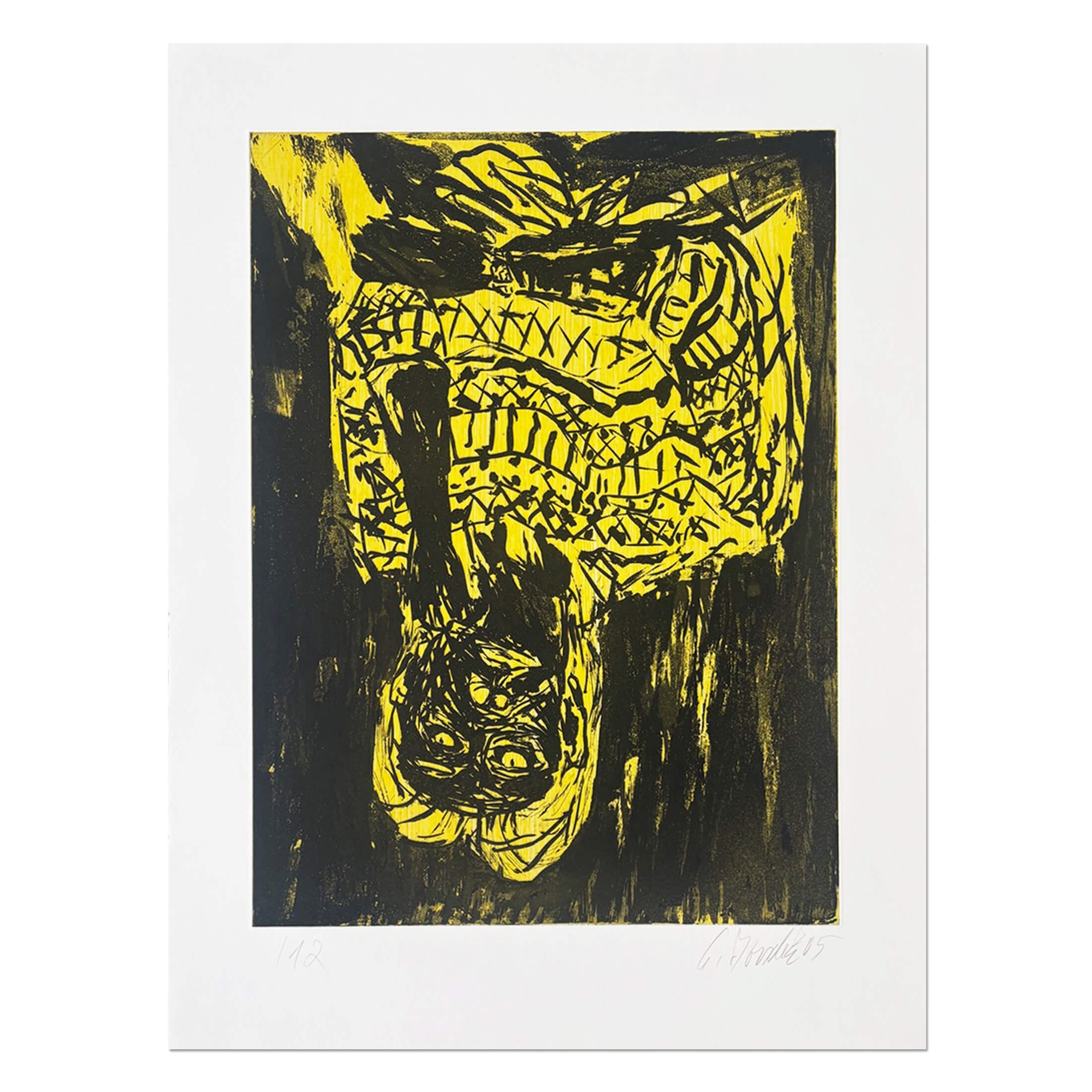
Georg Baselitz – 35 Jahre Später
Sale price€4.800,00
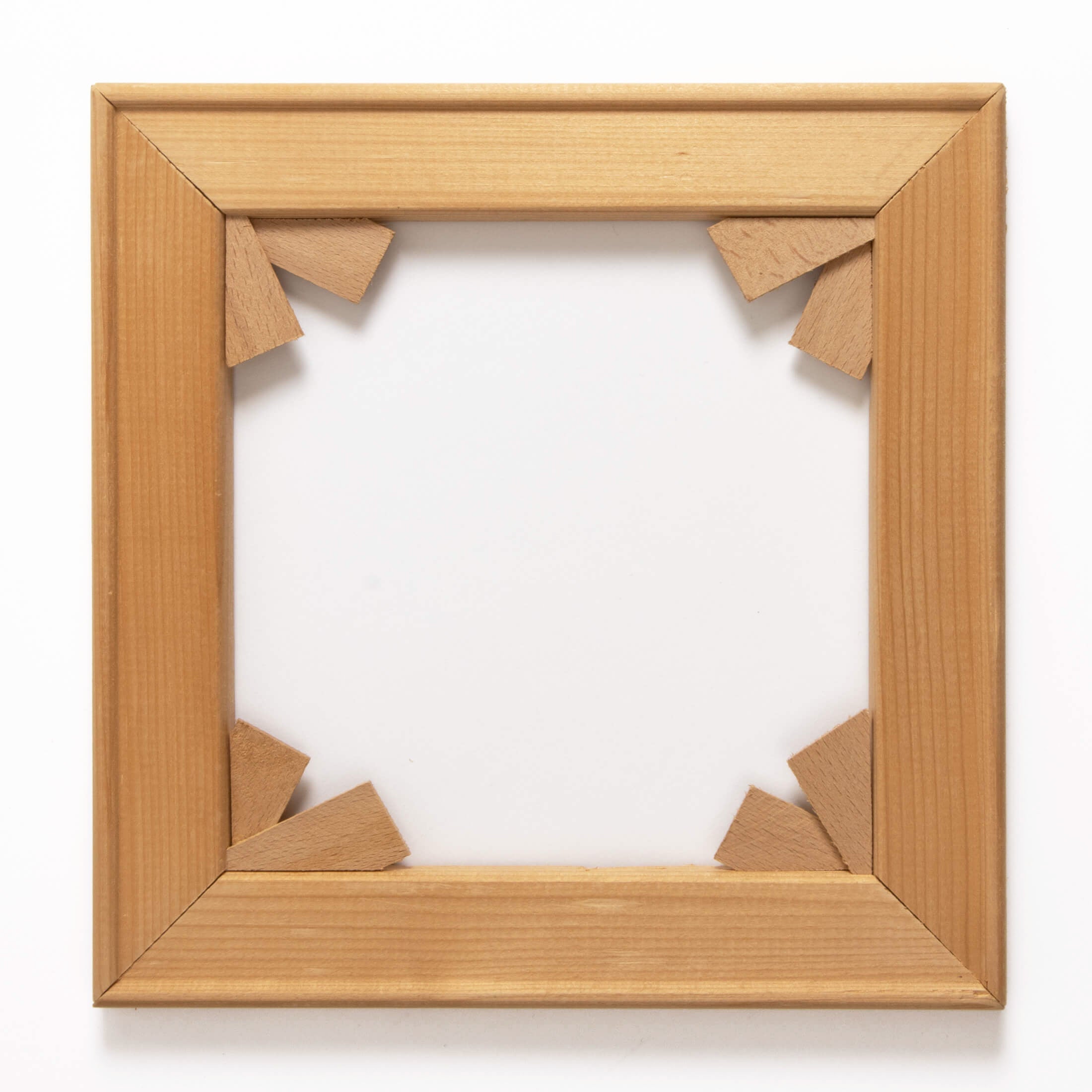
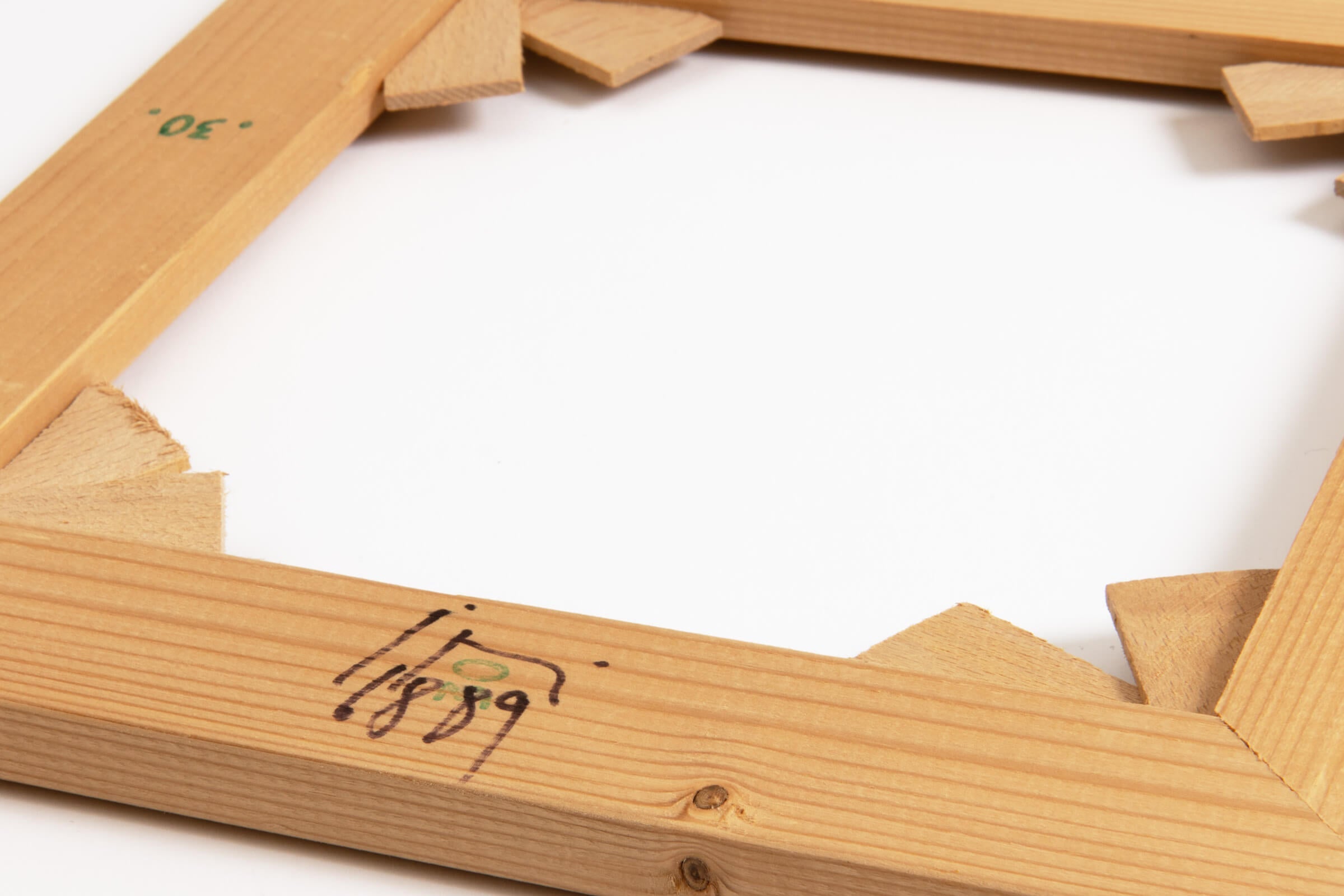
Imi Knoebel – Keilrahmen
Sale price€800,00
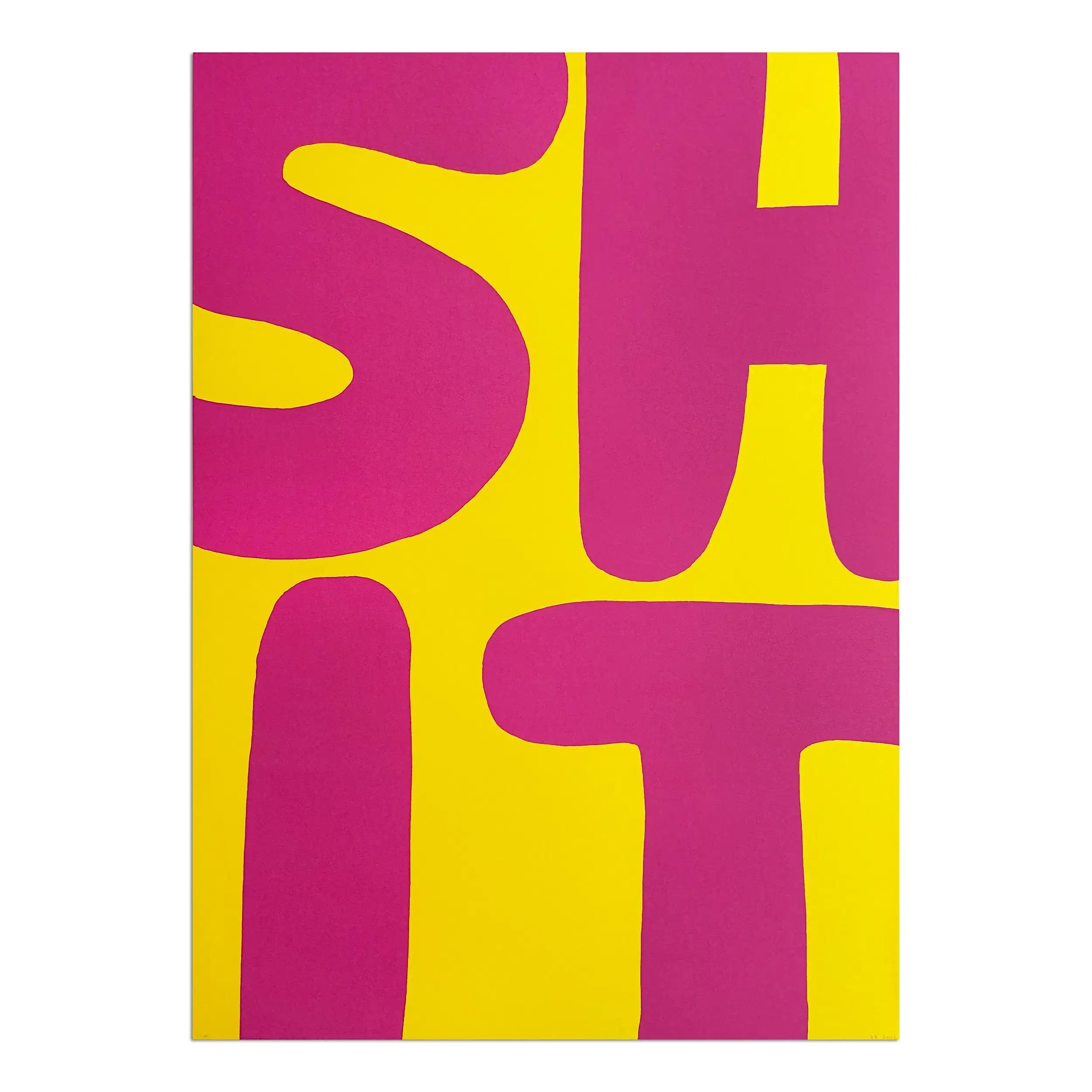
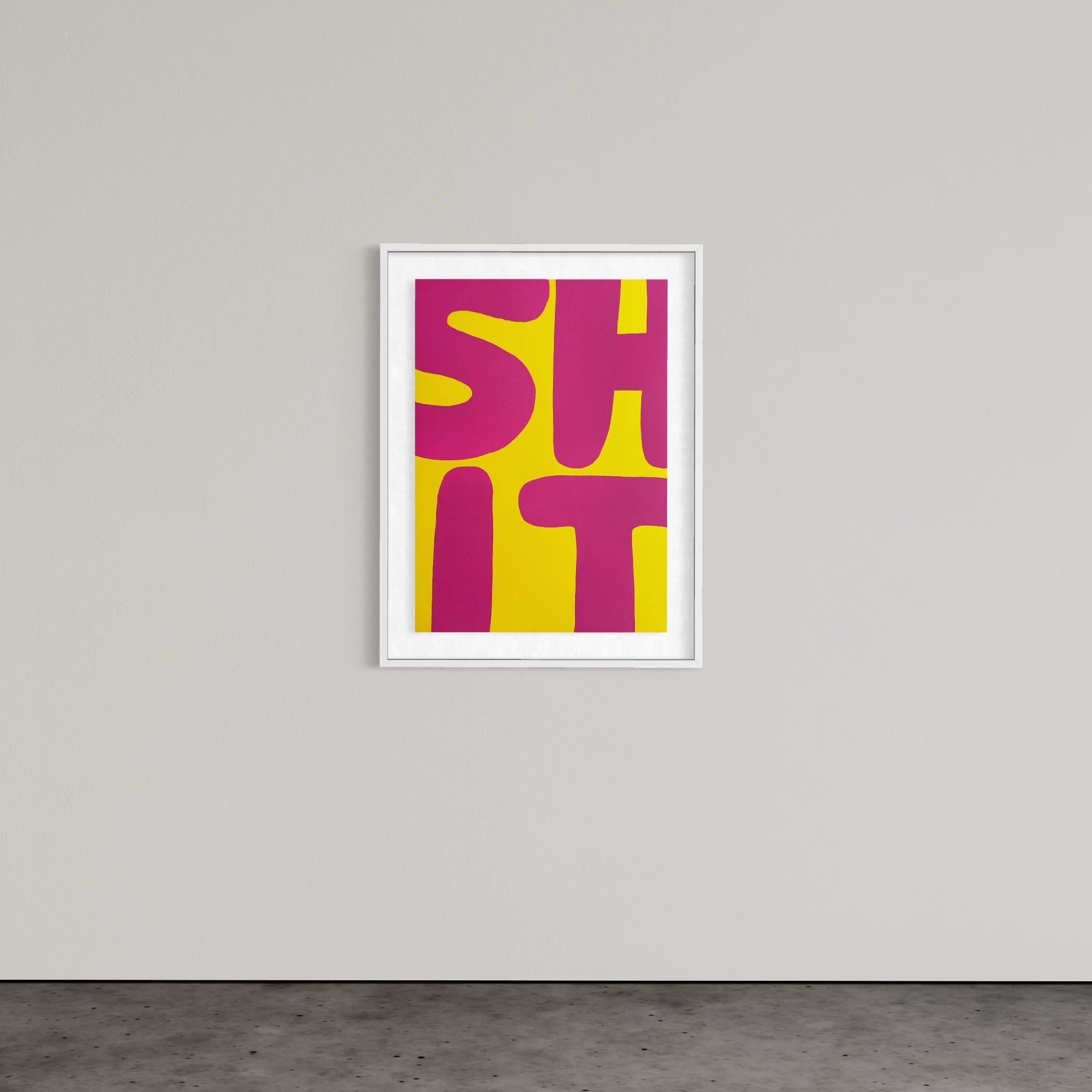
David Shrigley – Everyone Likes Colourful Shit
Sale price€2.400,00
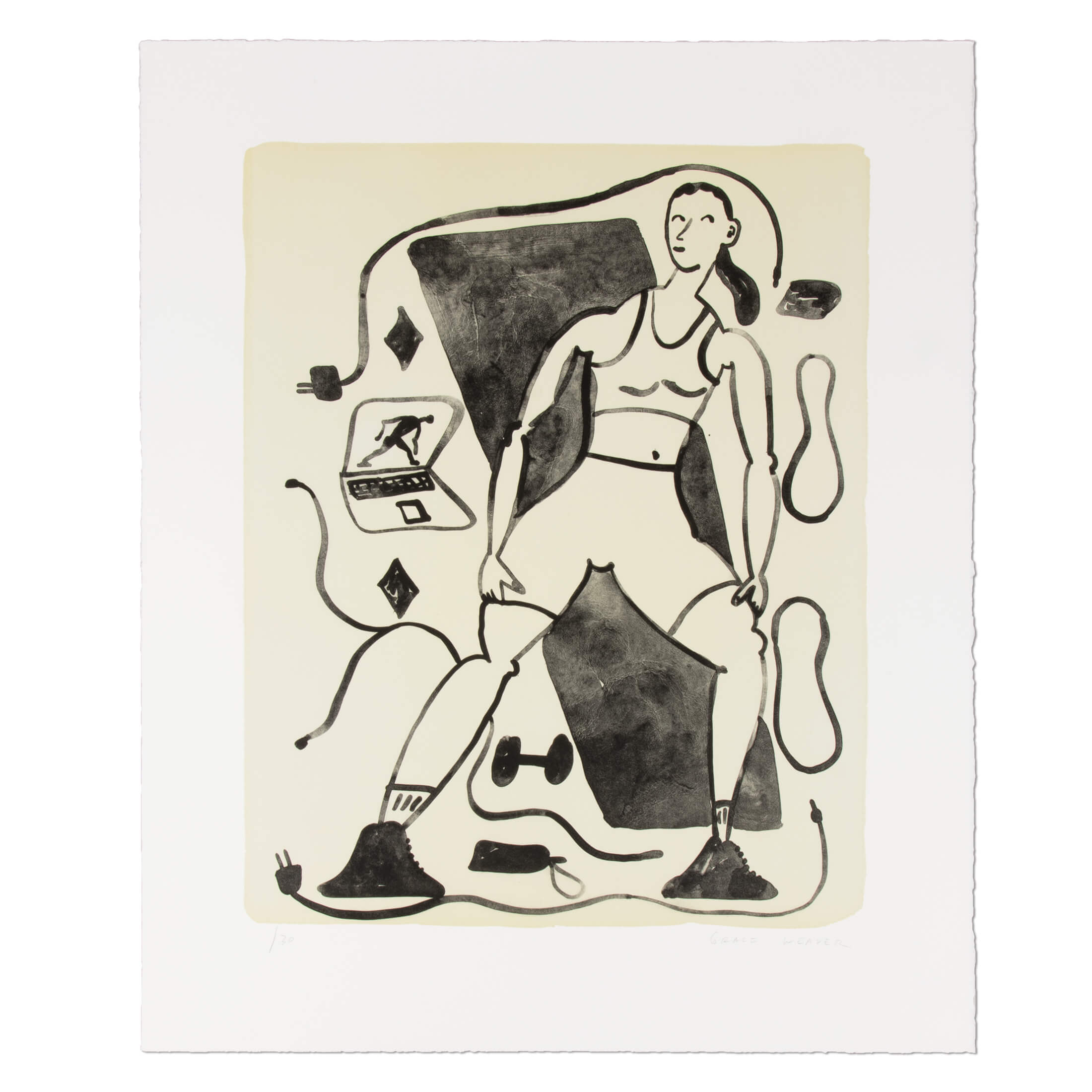
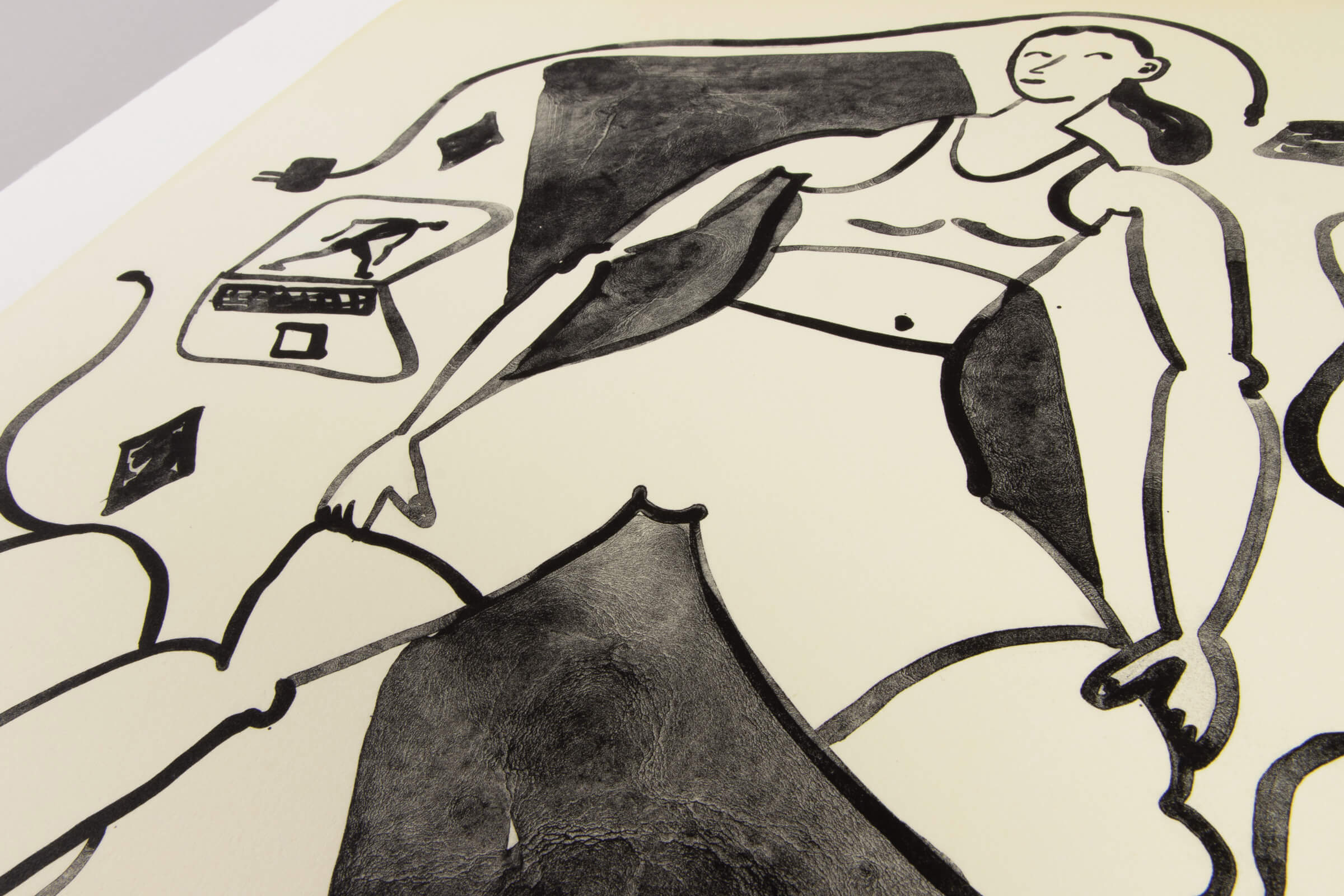
Grace Weaver – Untitled
Sale price€1.500,00
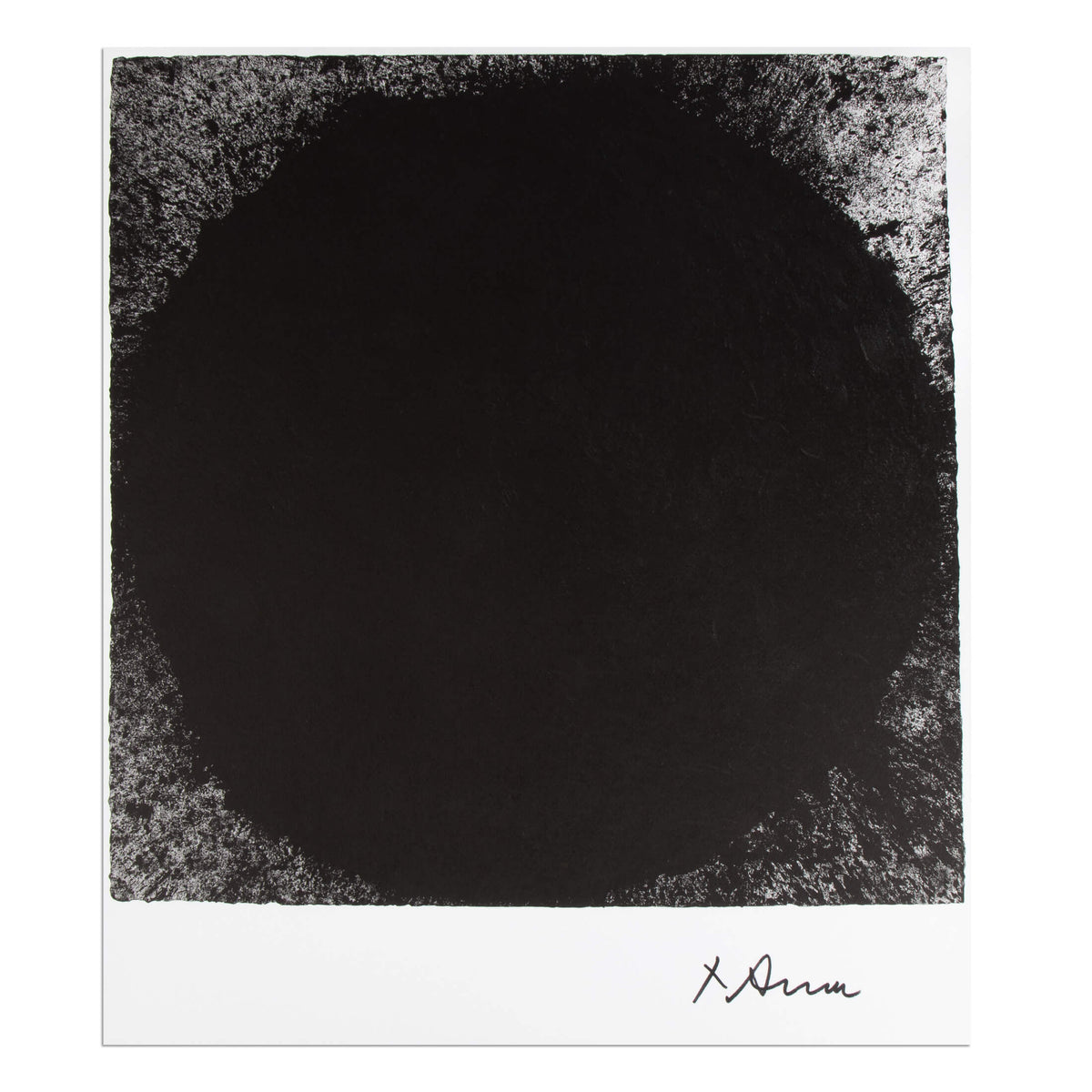
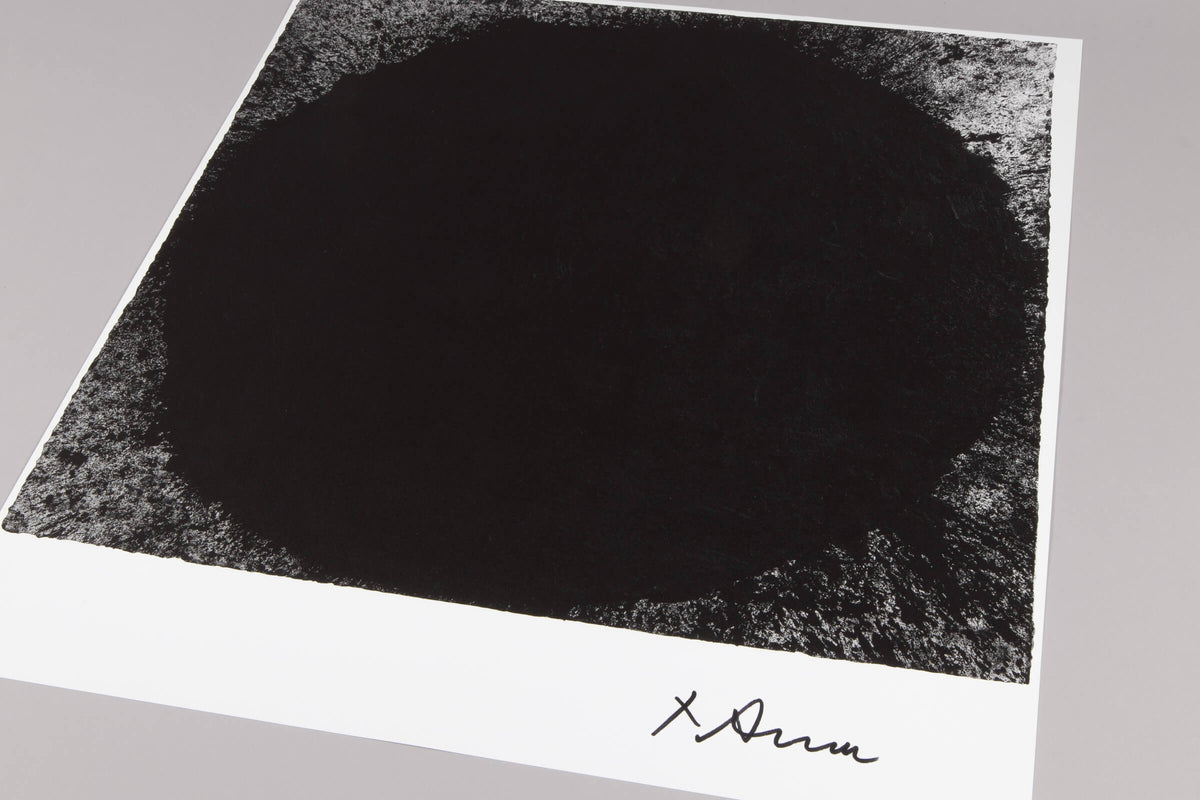
Richard Serra – out-of-round X
Sale price€3.900,00
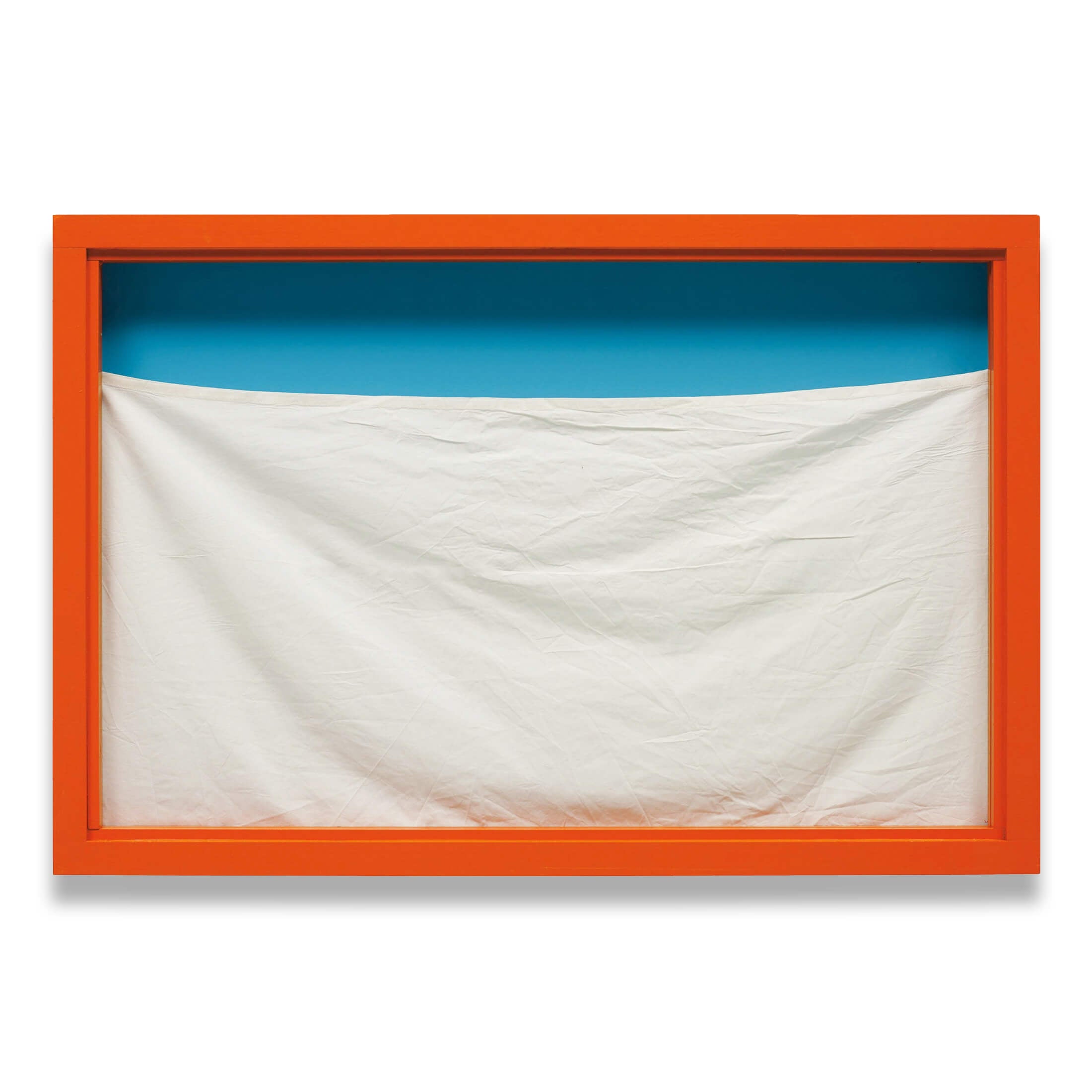
Christo – Show Window
Sale price€13.000,00
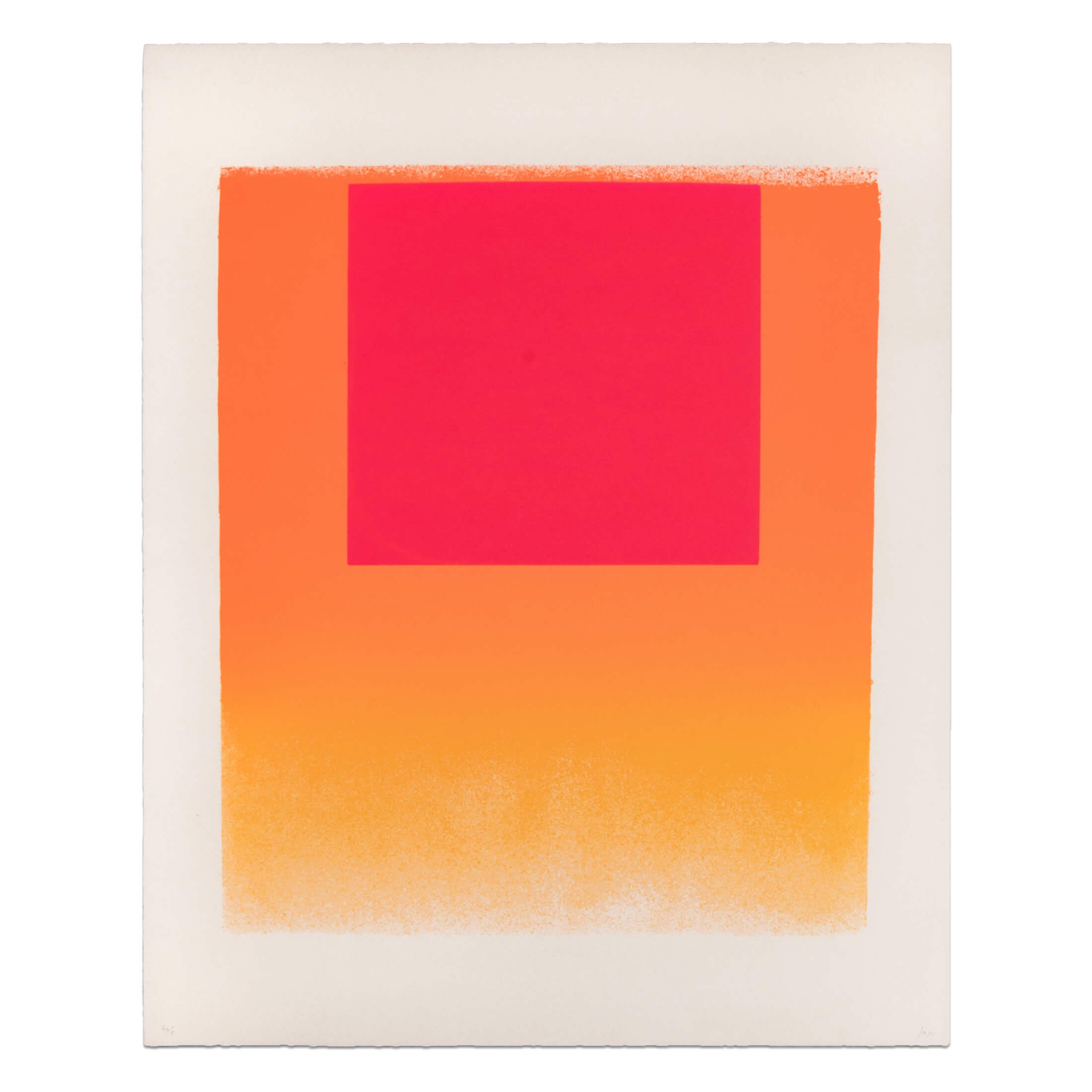
Rupprecht Geiger – Leuchtrot Orange - Leuchtrot Warm
Sale price€3.400,00


Daniel Richter – Freunde
Sale price€3.600,00
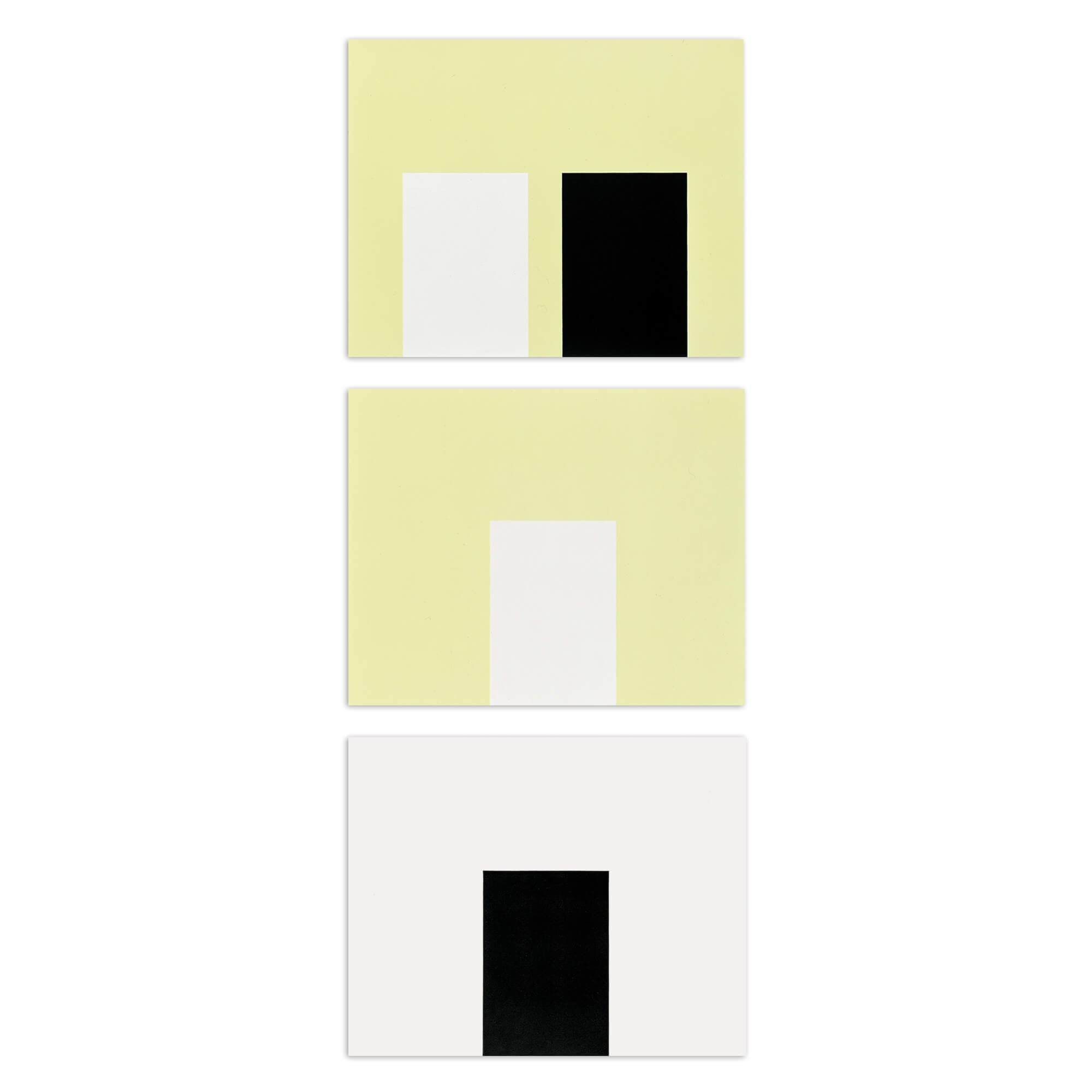
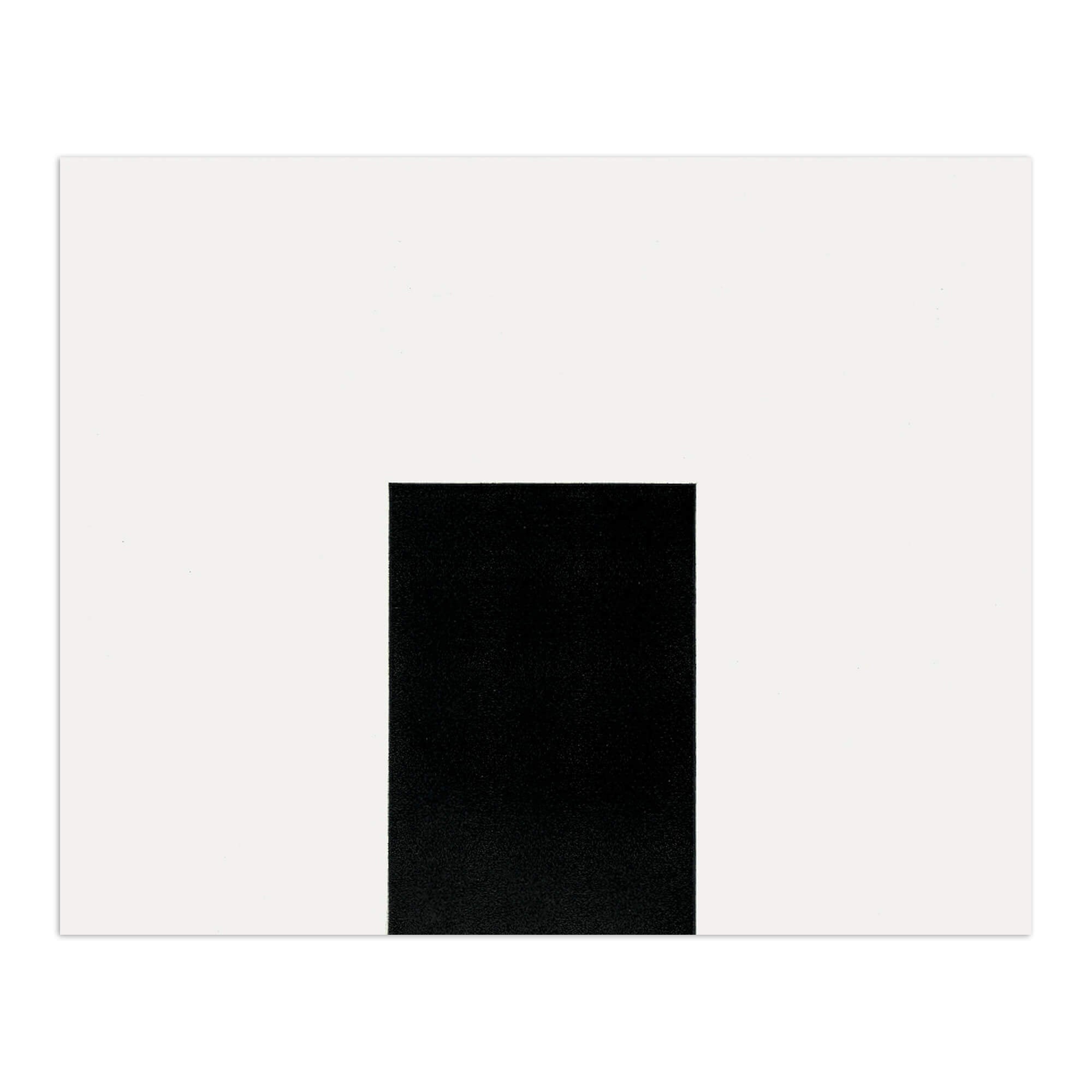
Imi Knoebel – Tür und Tor
Sale price€3.200,00
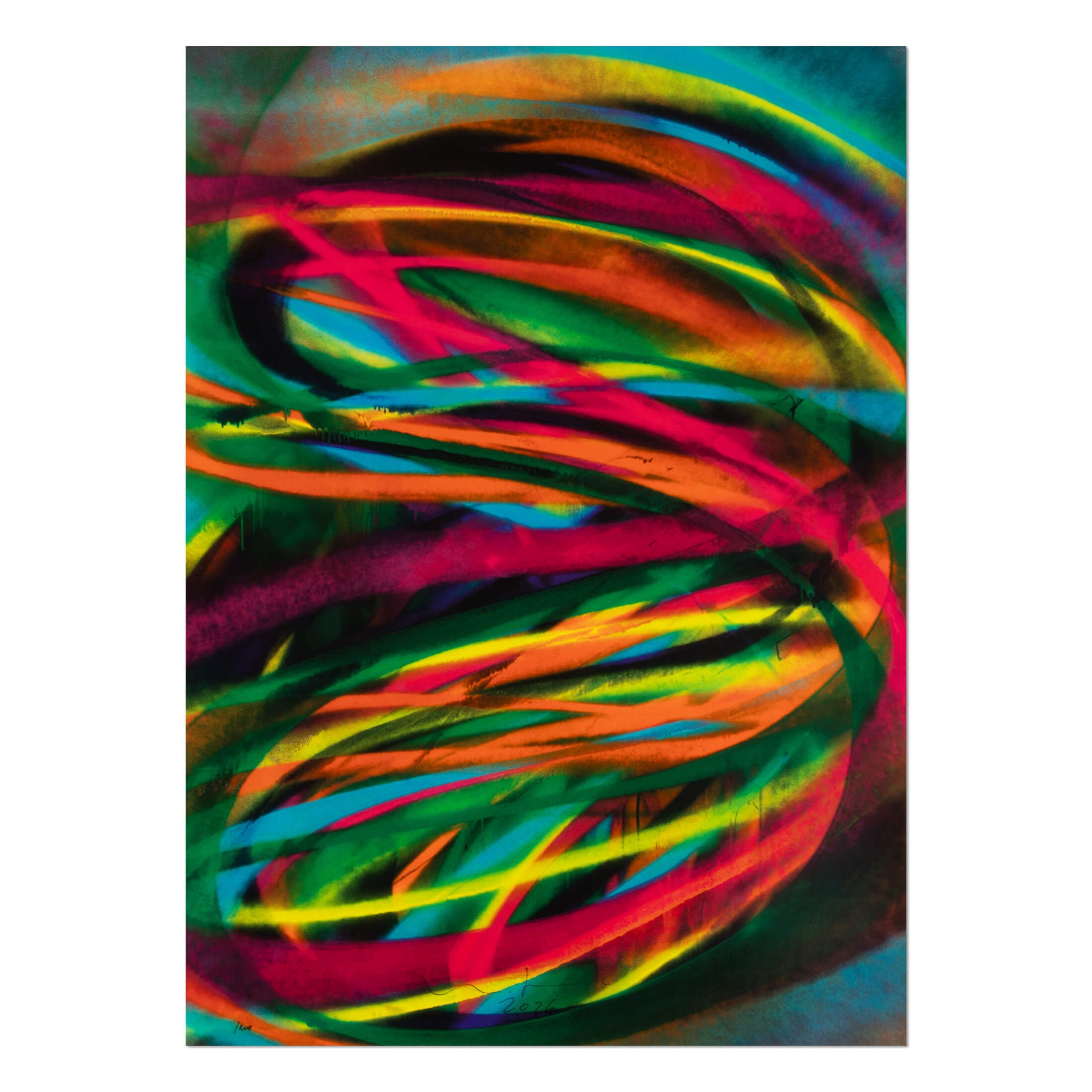
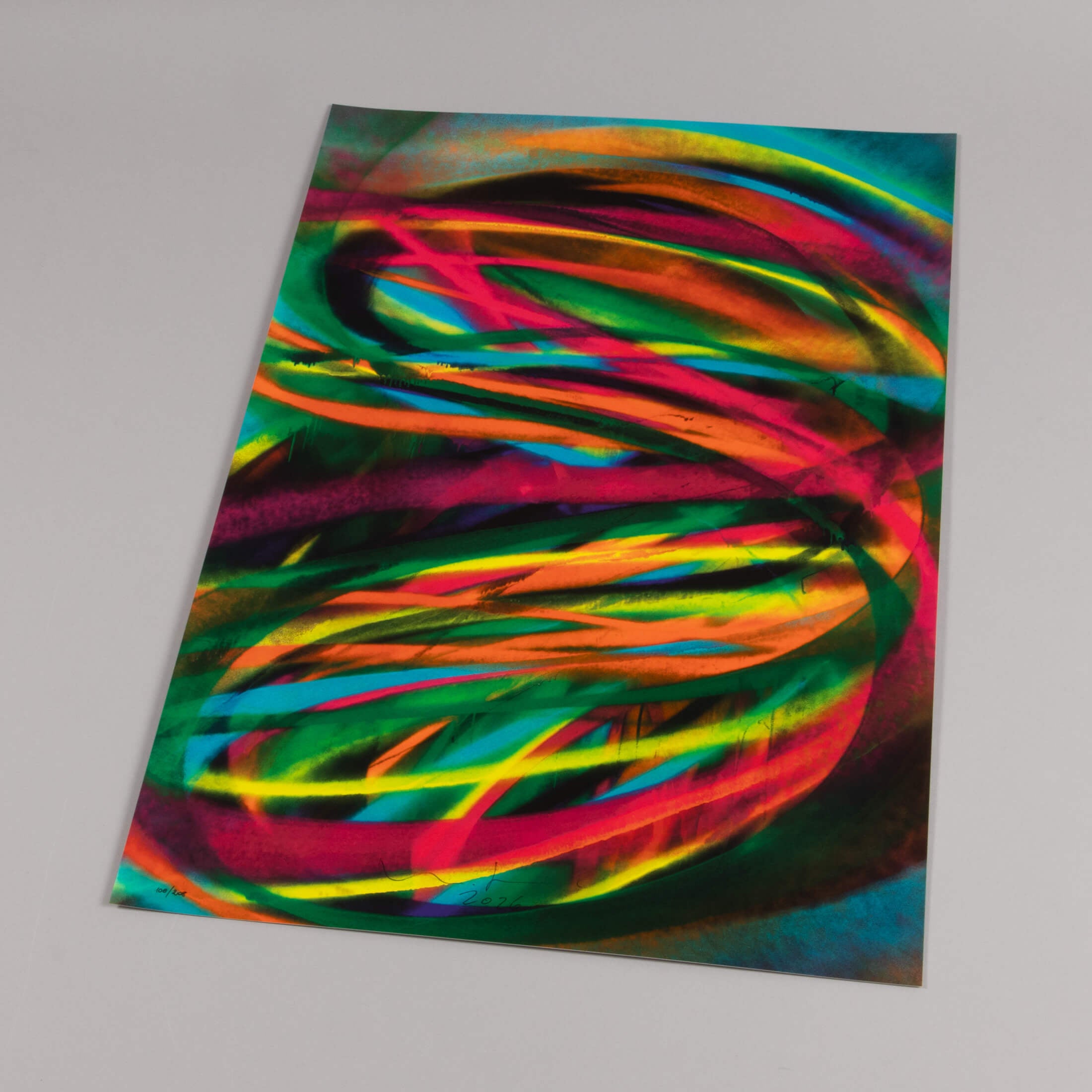
Katharina Grosse – Untitled (Composition 3)
Sale price€3.500,00


Shirin Neshat – From Roja
Sale price€4.400,00
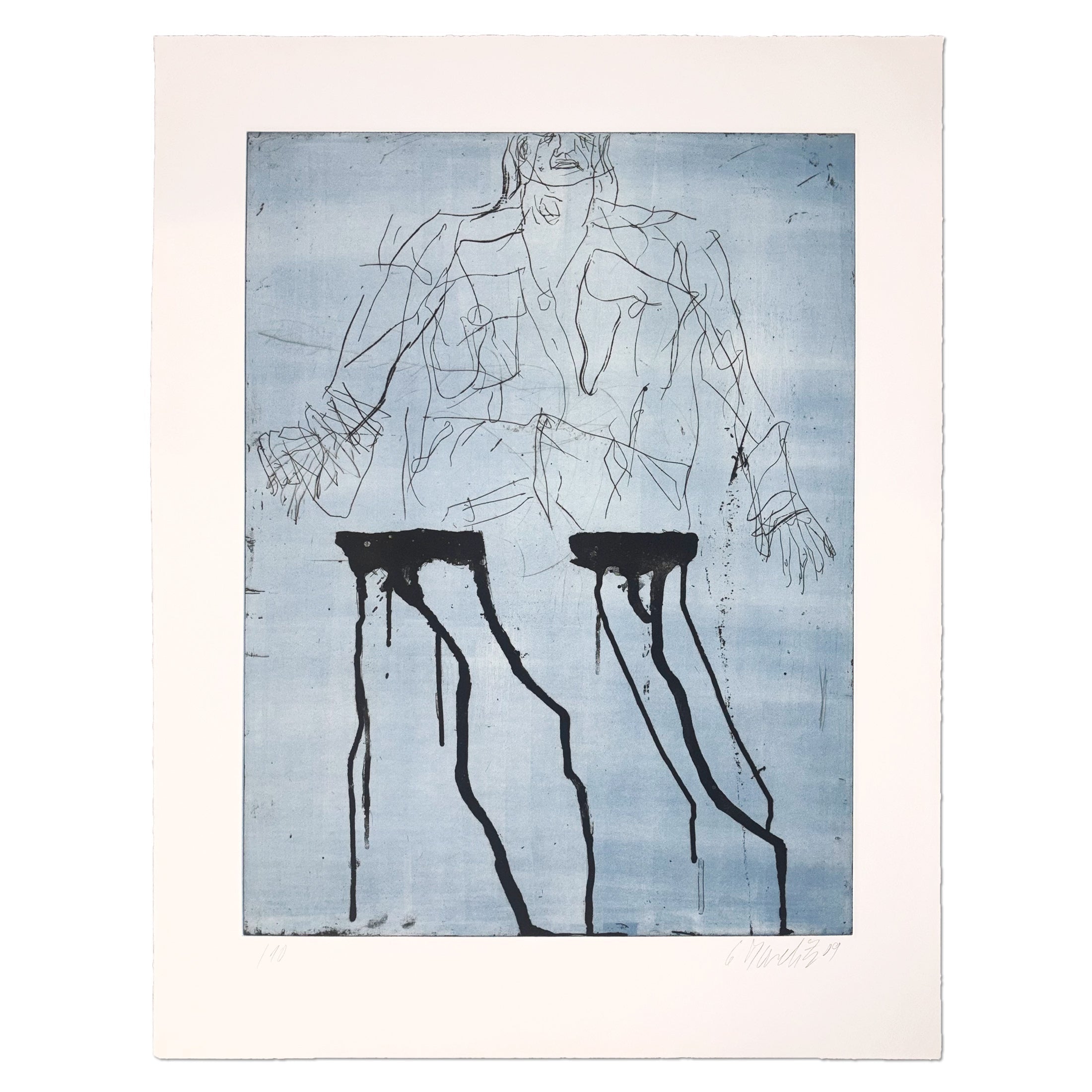
Georg Baselitz – Offene Hände
Sale price€4.600,00
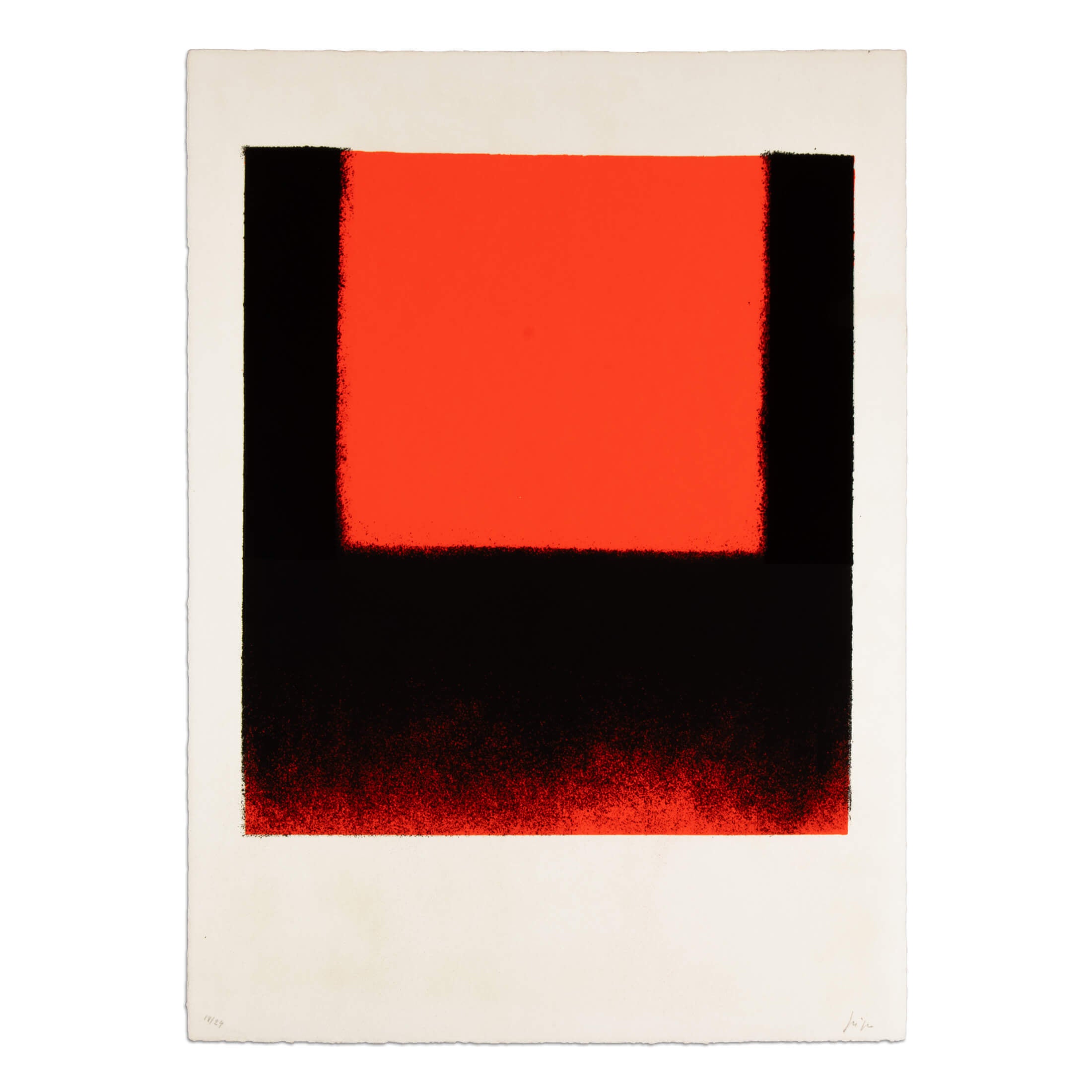
Rupprecht Geiger – Leuchtrot Warm - Schwarz
Sale price€2.600,00
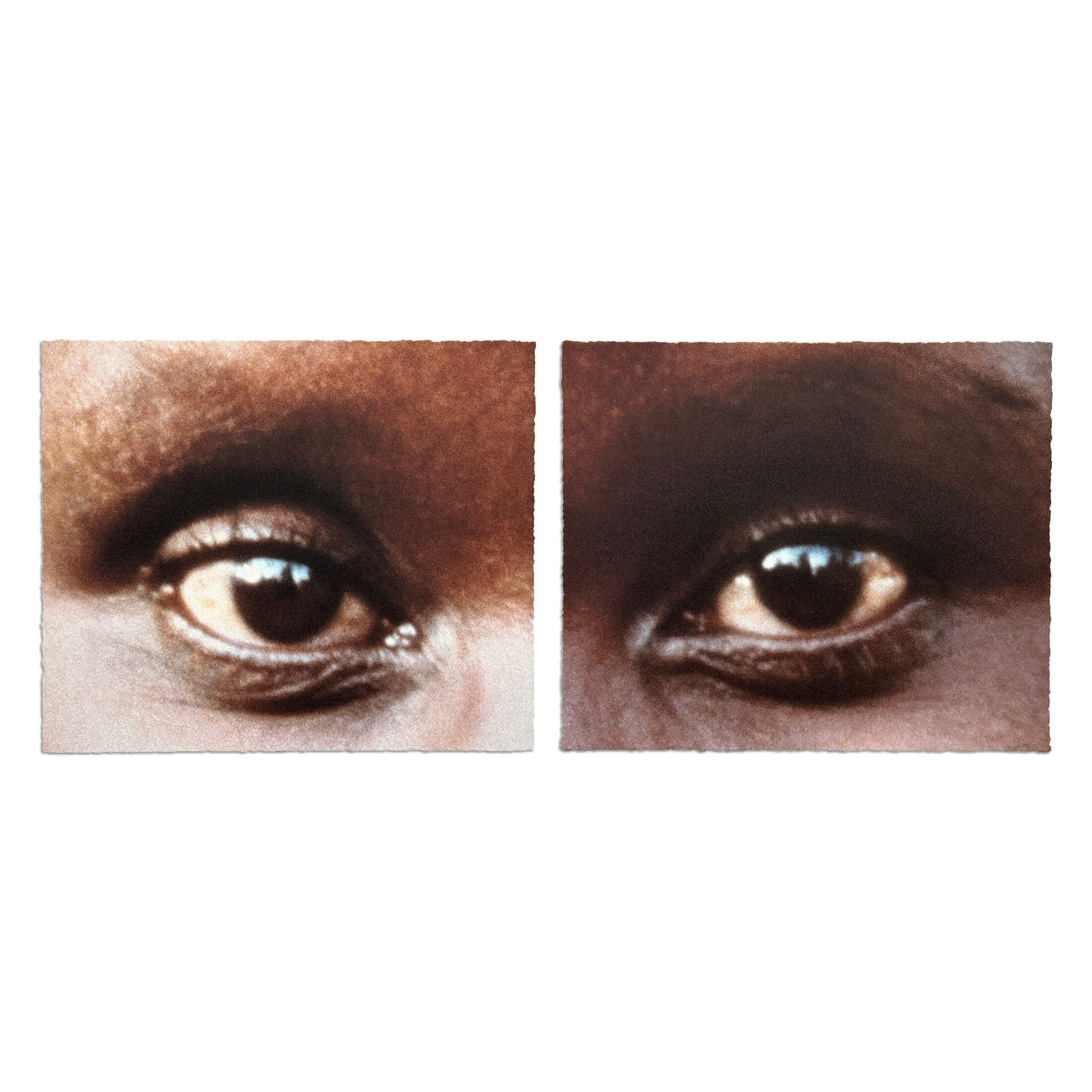
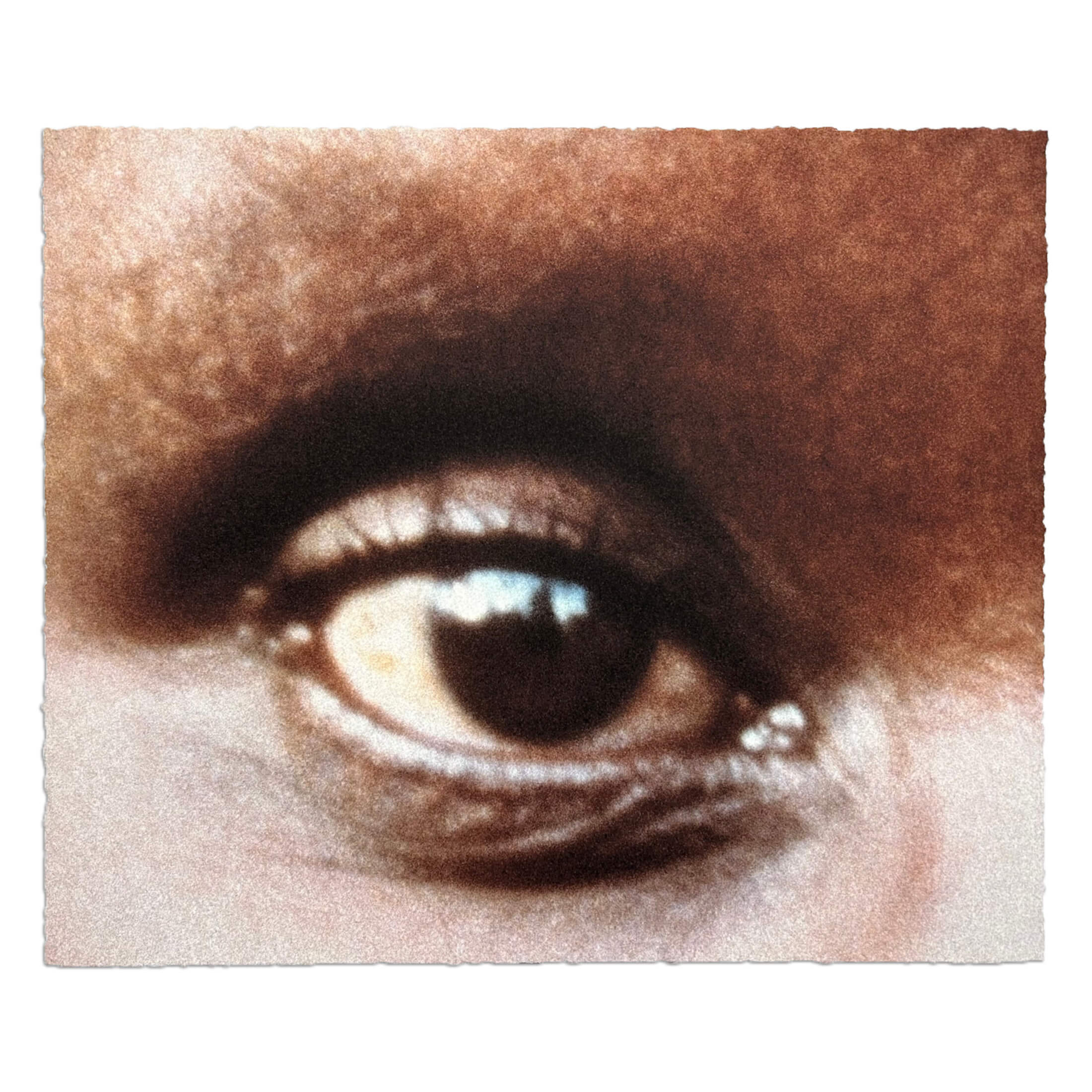
Alfredo Jaar – The Eyes of Gutete Emerita
Sale price€3.200,00
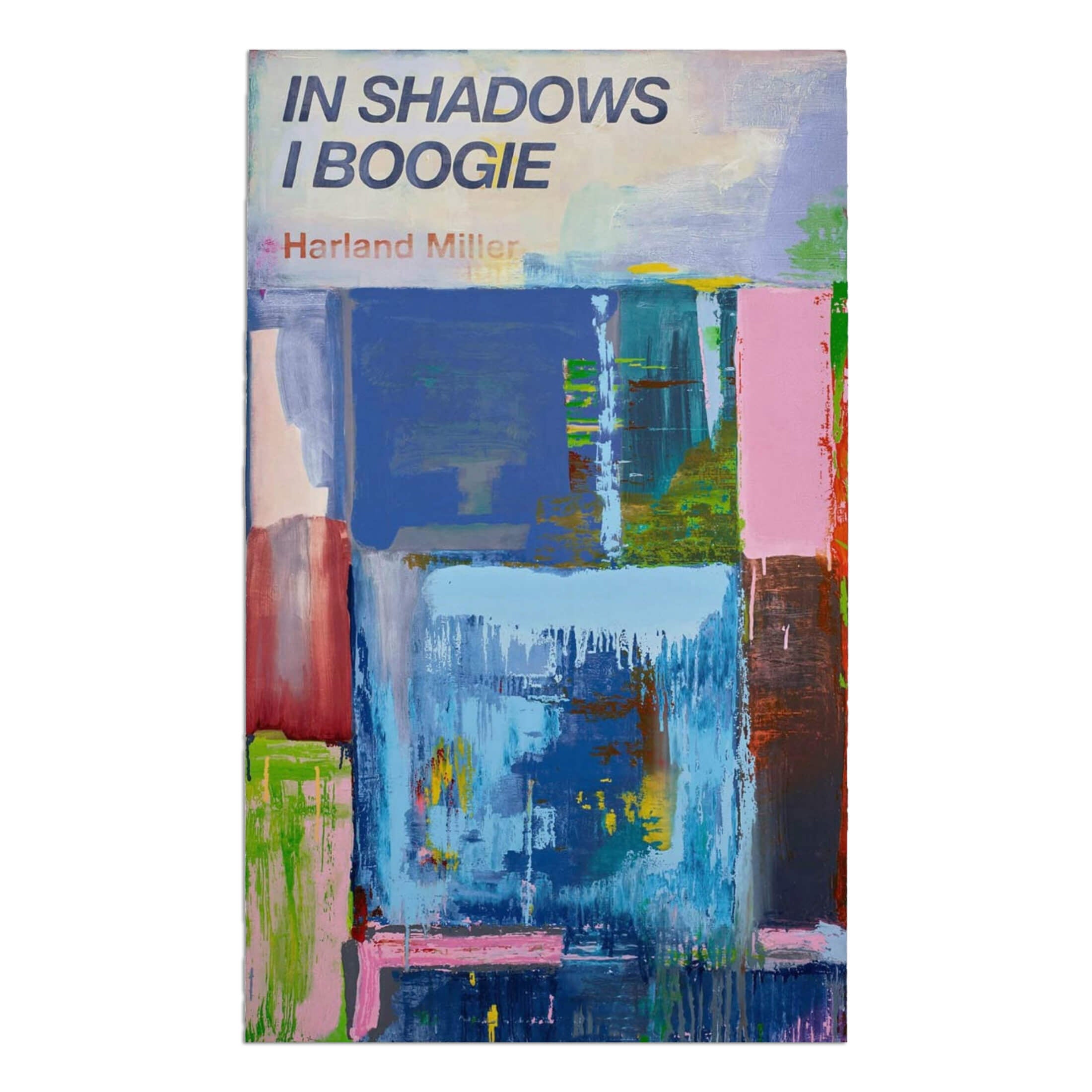
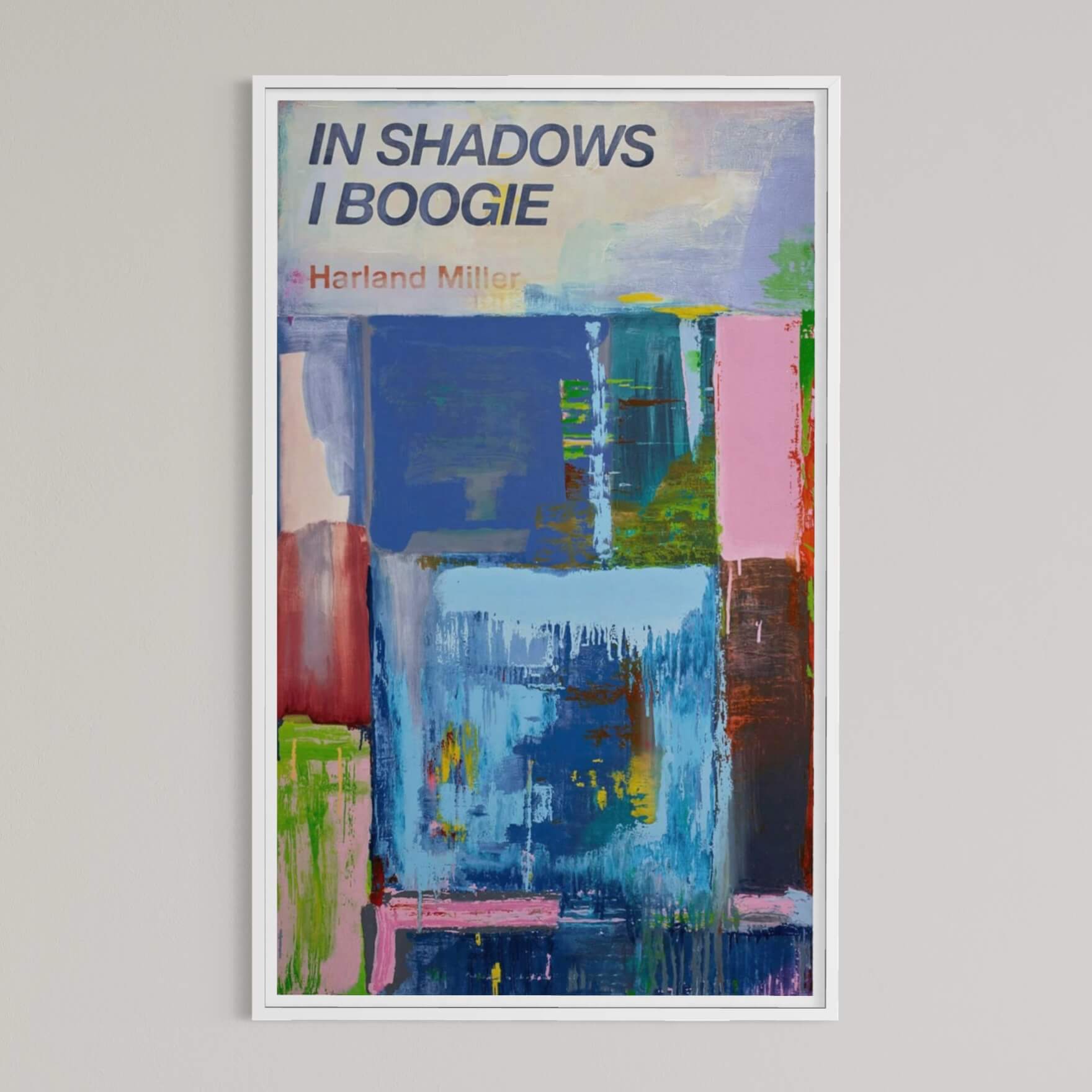
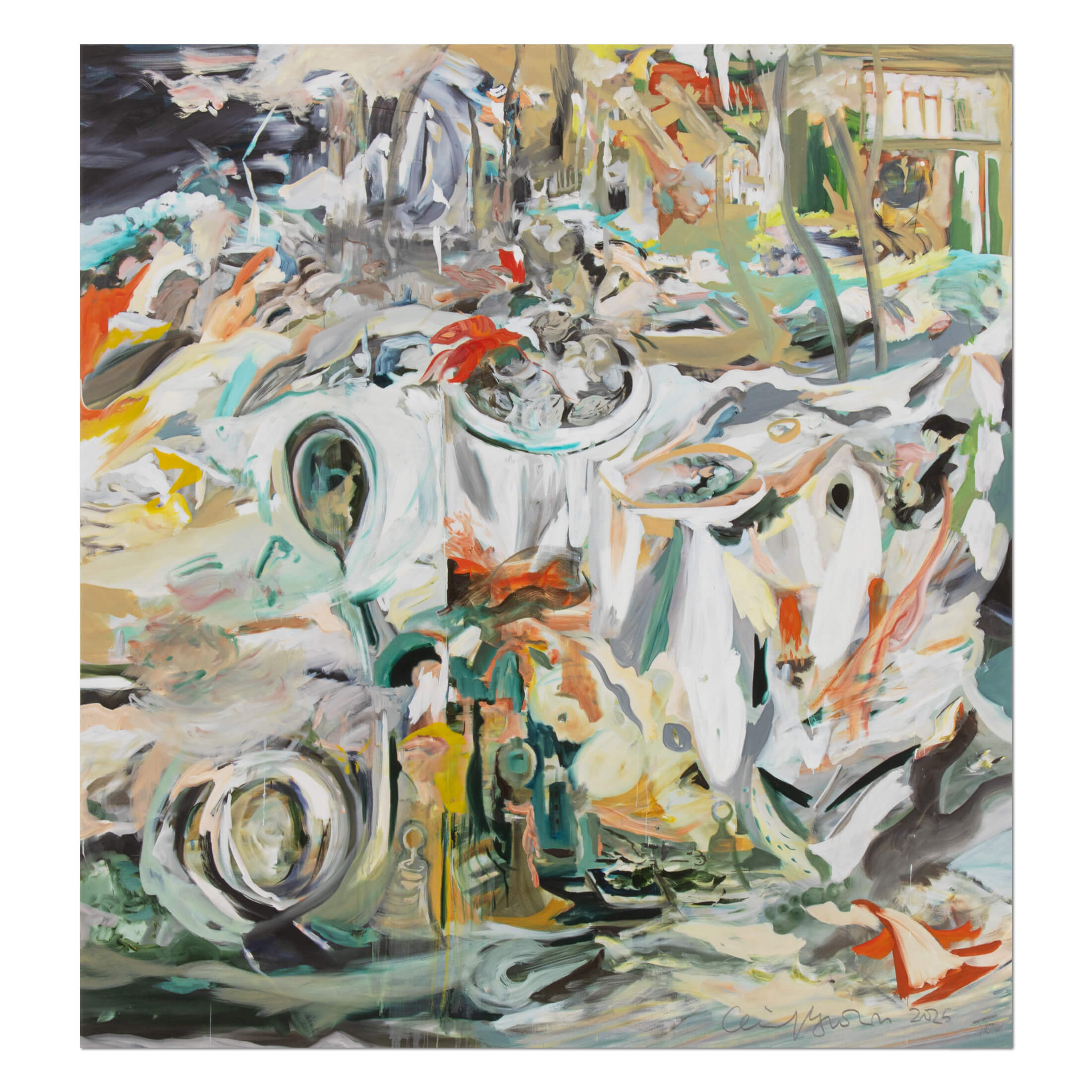
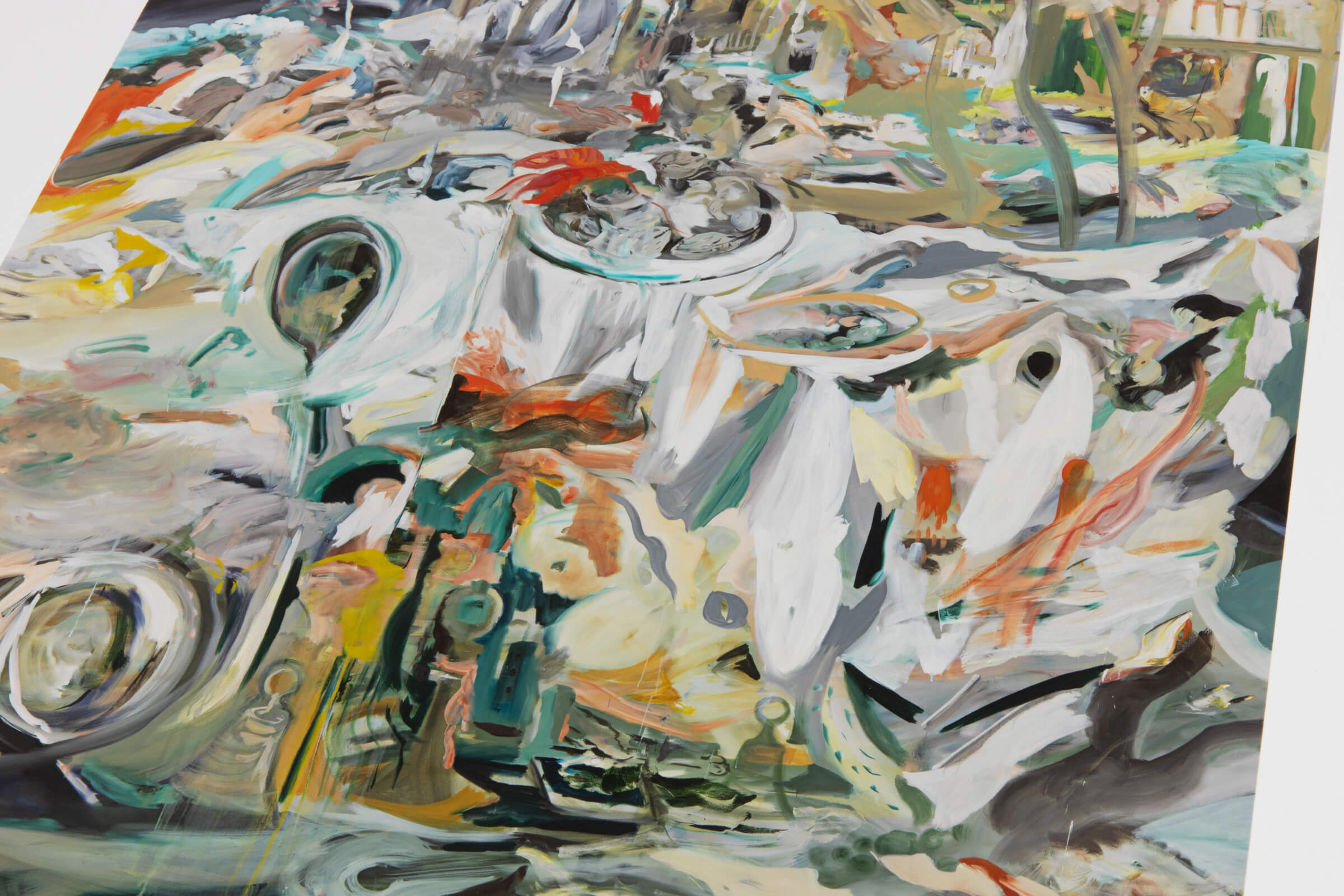
Cecily Brown – The 5 Senses
Sale price€4.800,00
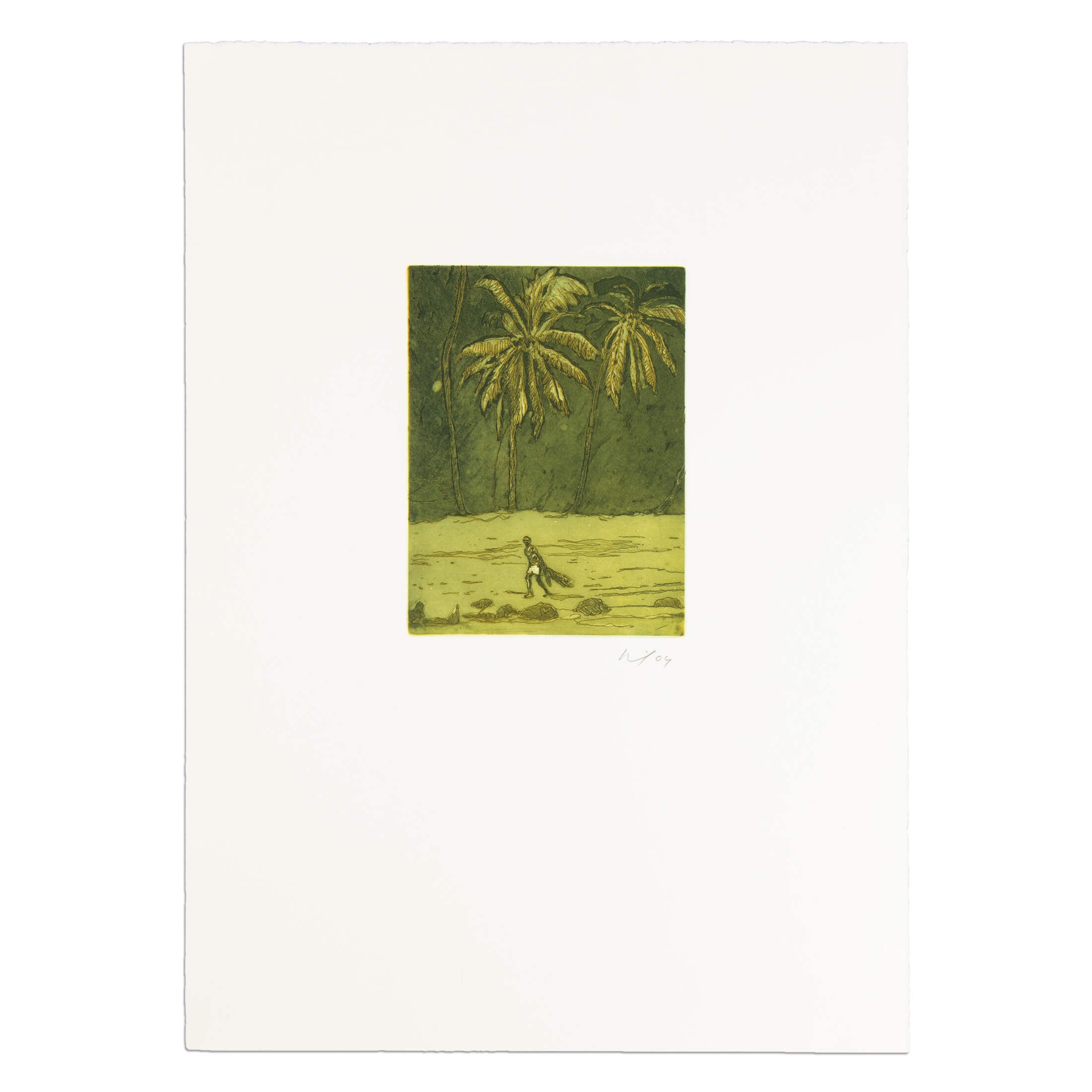

Peter Doig – Pelican
Sale price€3.600,00
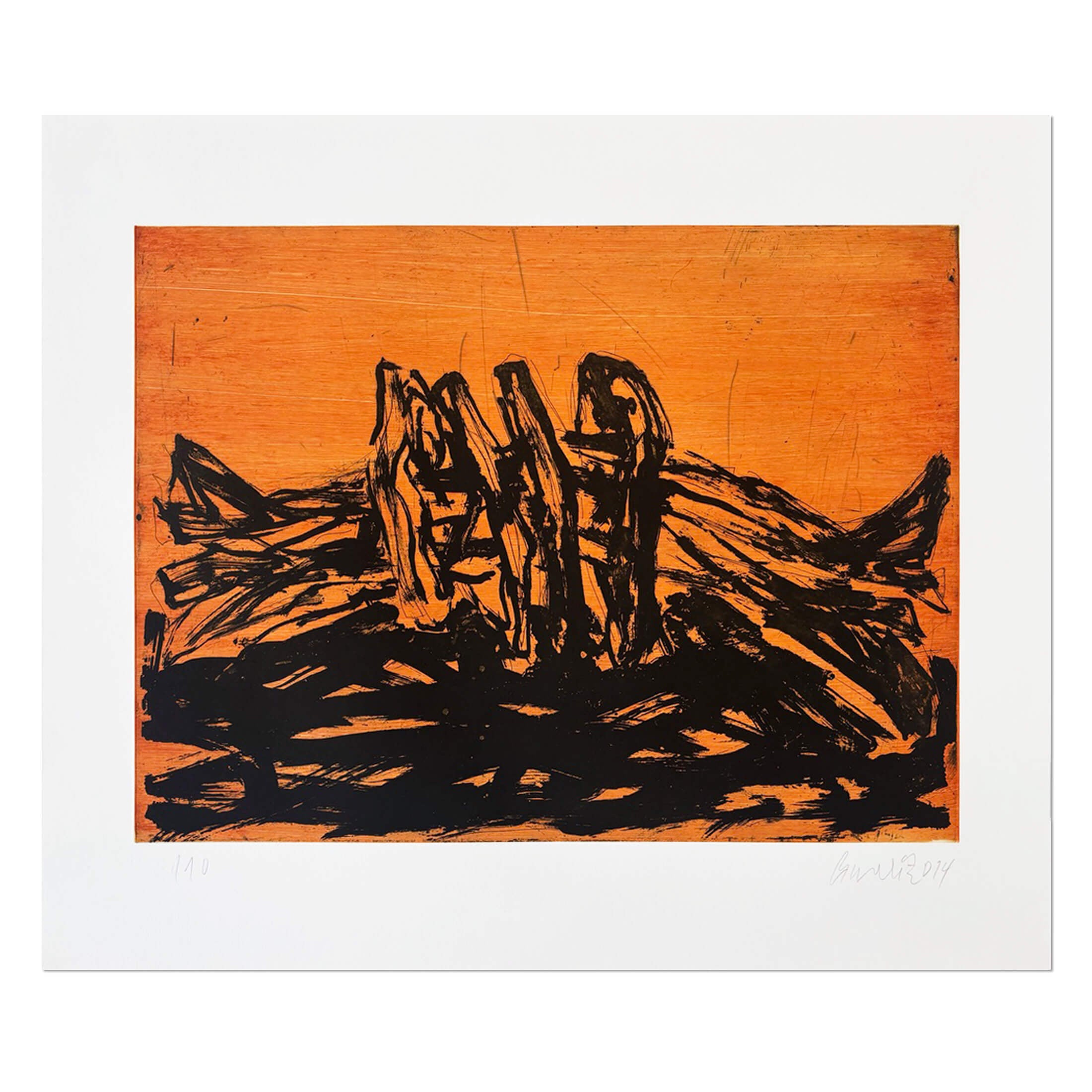
Georg Baselitz - Winterschlaf IX
Sale price€7.700,00
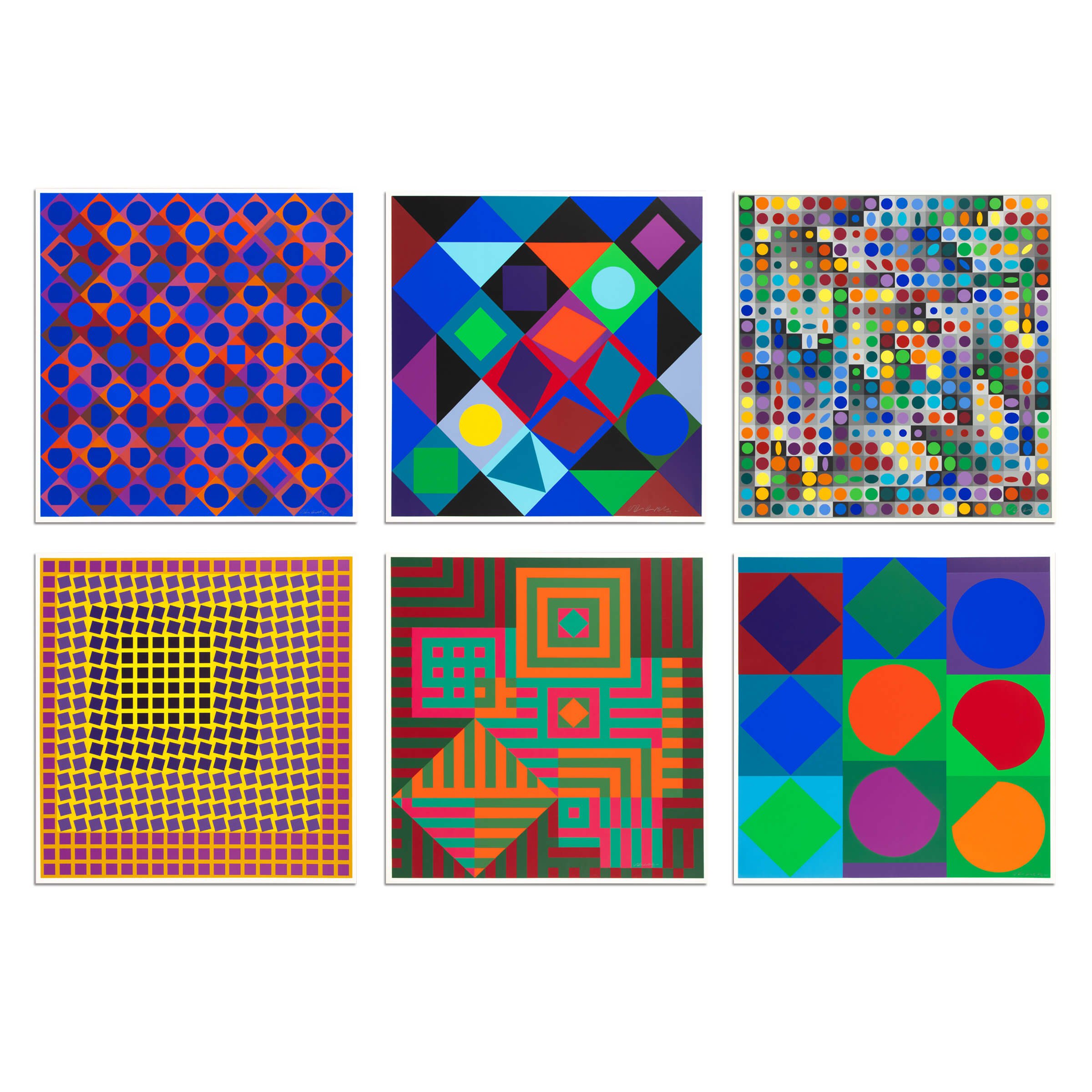
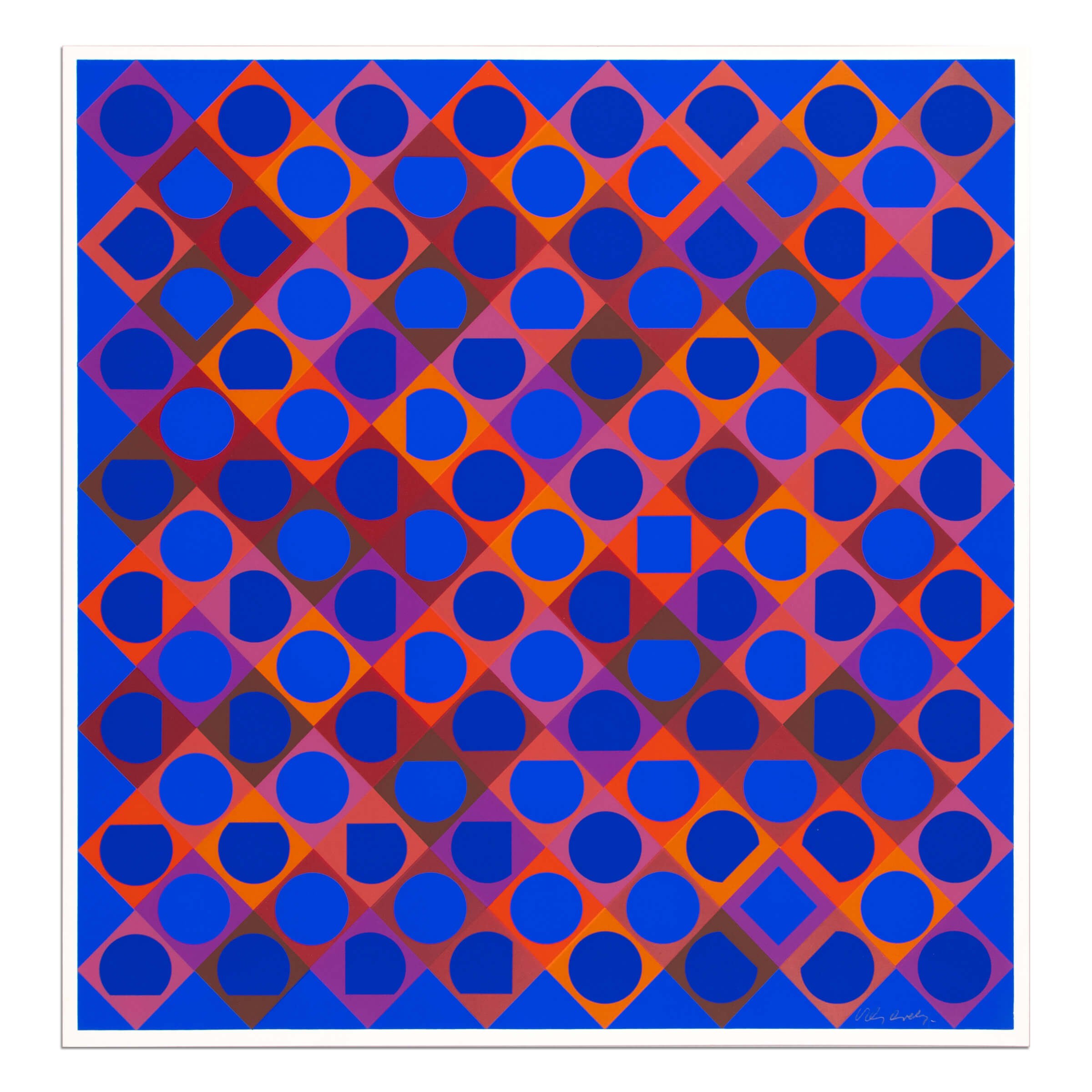
Victor Vasarely – Planetarische Folklore
Sale price€9.900,00
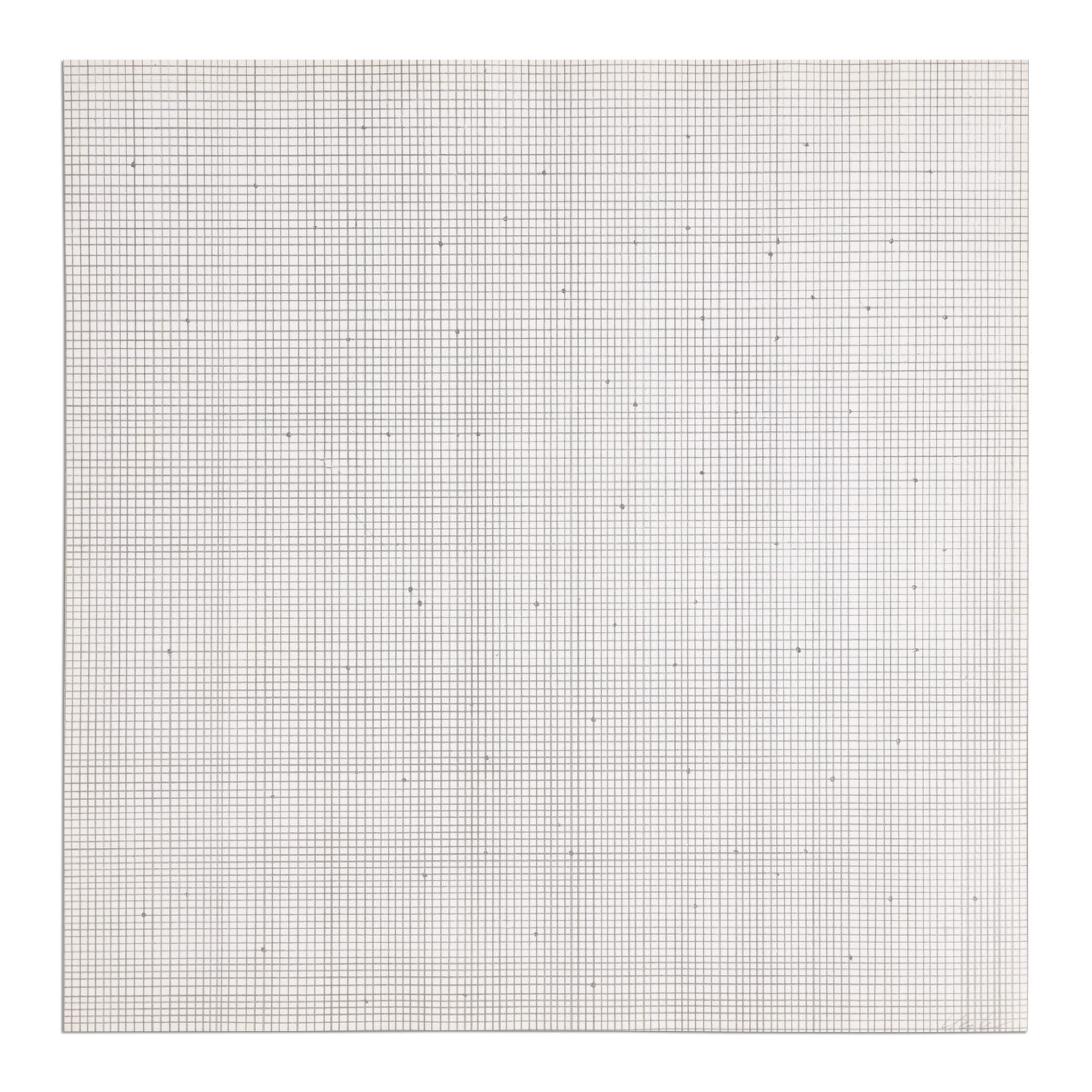
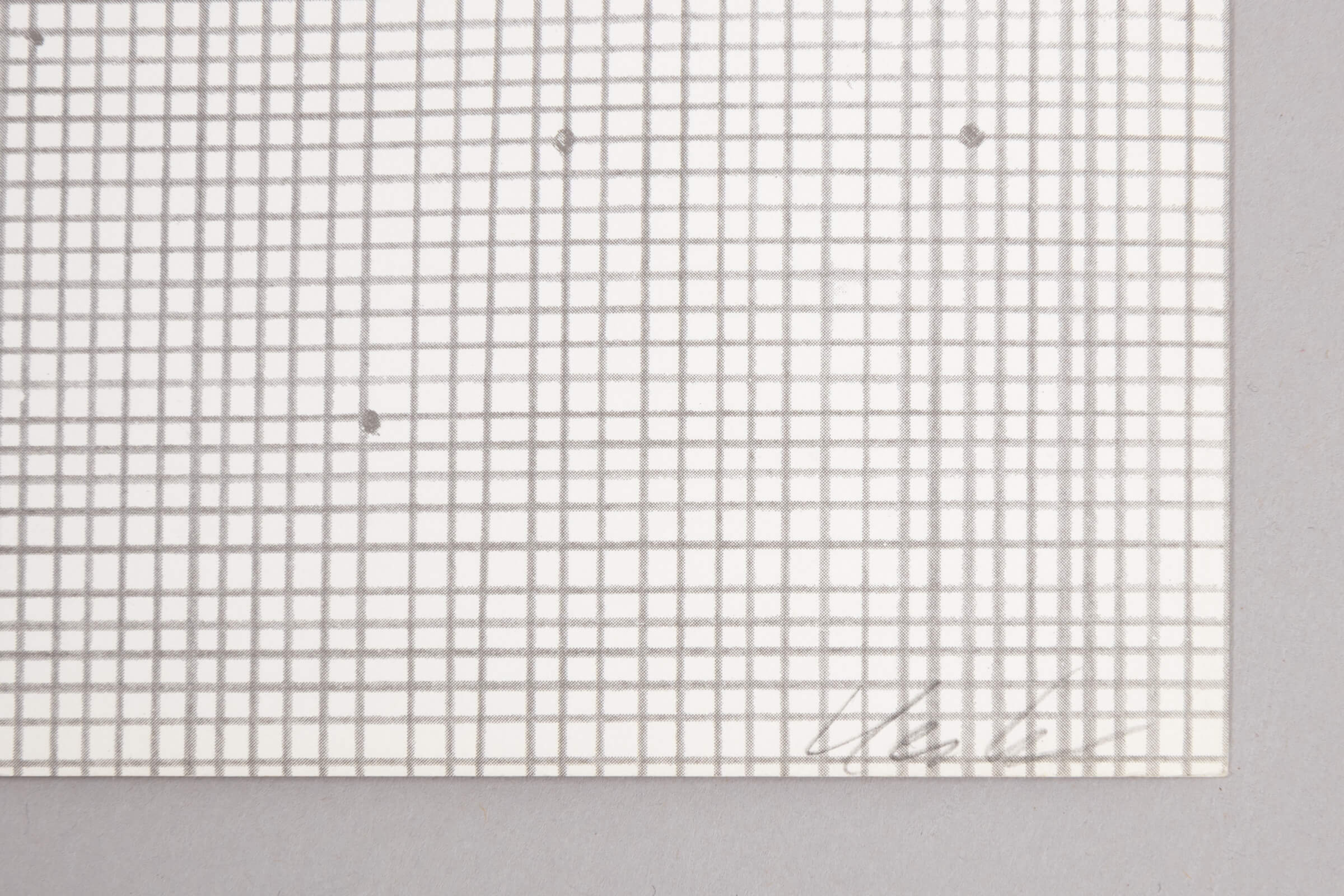
Günther Uecker – Untitled Print from Nagelbuch
Sale price€1.700,00


JR – 28 Millimeters, Portrait of a Generation
Sale price€1.900,00


Barbara Kruger – Untitled (2Kiss)
Sale price€2.400,00

Recently acquired. Carefully selected.


