Wolfgang Tillmans

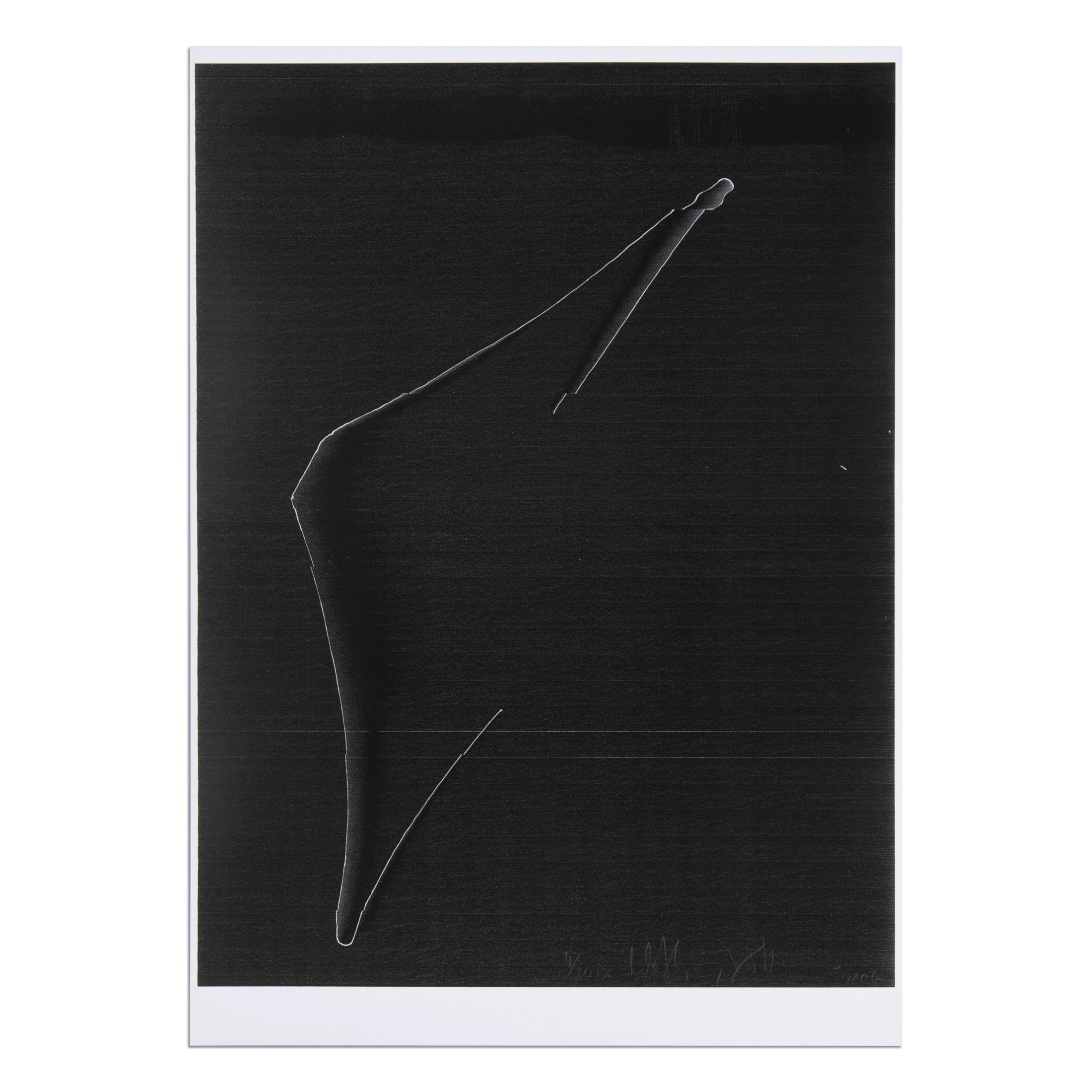
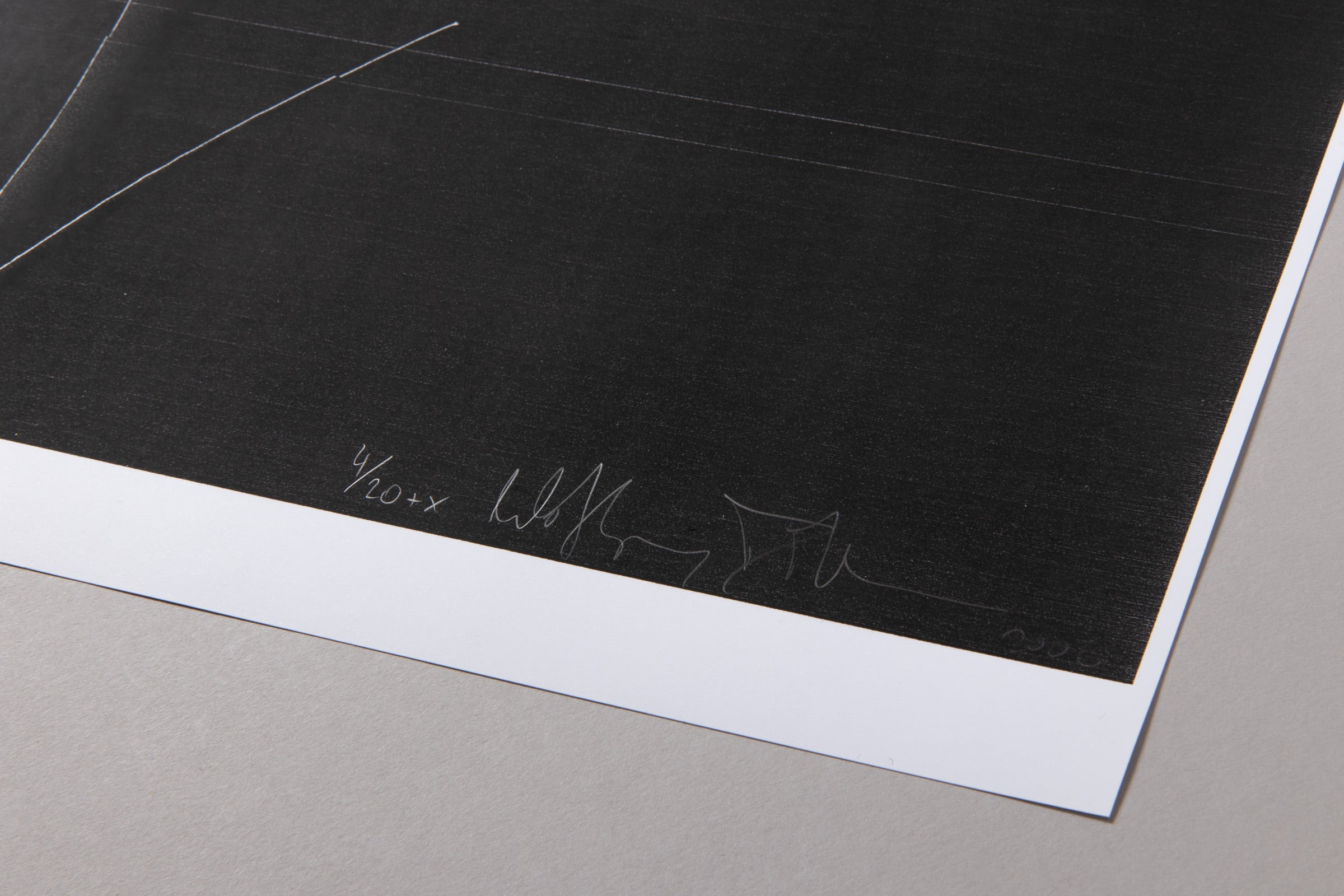
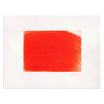
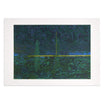
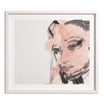
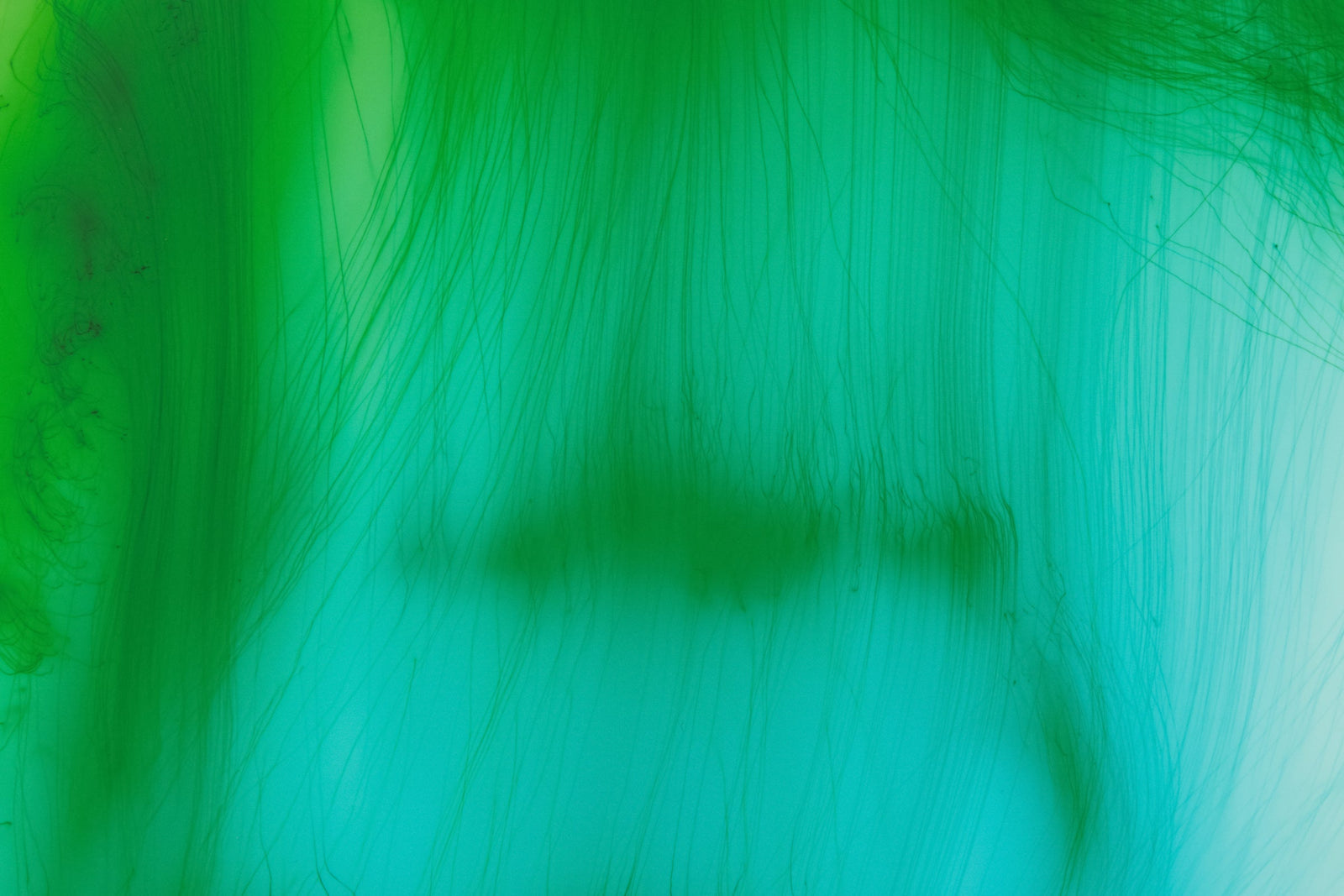
Wolfgang Tillmans - Freischwimmer TfL

Wolfgang Tillmans did something photography wasn't supposed to do: he made it think. Working across London and Berlin through the 1990s, he dissolved the hierarchy between documentary and fine art — moving fluidly between intimate portraiture, cultural observation, and pure abstraction. The first photographer to win the Turner Prize, in 2000, his editions carry the same commitment to surface and specificity that defines his museum practice.

Browse signed Wolfgang Tillmans prints, photographs and editions now.

Available Prints & Editions

01

Wolfgang Tillmans Biography
Wolfgang Tillmans (born 1968 in Remscheid, Germany) came to photography outside the academy — publishing candid images of youth culture, LGBTQ communities, and club scenes in magazines including i-D and Spex through the early 1990s. That context mattered: his work entered the art world already fluent in the language of mass media, which is precisely what gave it its critical edge.

Over the following decades his practice expanded without losing that tension. Beyond the camera, Wolfgang Tillmans works with photocopiers, darkroom manipulation, and photographic chemicals directly — producing abstract works that sit on the boundary between photography, printmaking, and painting. His installations treat photographs as spatial objects rather than framed images, where the relationship between works on a wall matters as much as any individual print.

The Turner Prize in 2000 — the first awarded to a photographer, and to a non-British artist — confirmed an institutional recognition that has only deepened since: solo exhibitions at Tate Modern (2017), MoMA (2022), Fondation Beyeler (2023), and a 6,000 m² retrospective at the Centre Pompidou in 2025.

Over time, Tillmans's work has increasingly addressed questions of democracy, freedom of movement, and media literacy. Without adopting overt didacticism, he examines how images participate in the formation of public belief — how photographs shape perception, circulate through media systems, and accumulate political meaning. His response to Brexit and the erosion of European solidarity, Manual Alphabet, demonstrated that intimacy and civic engagement are not opposites in his practice but the same impulse directed differently.

Tillmans redefined what contemporary photography could be — expanding it into installation, abstraction, publishing, and civic discourse without abandoning its intimate origins. His influence is visible in how younger artists treat images as sequences and systems rather than isolated statements. By bridging private experience and public structure, he repositioned photography as both record and framework: a medium capable of holding the present in its complexity.

Wolfgang Tillmans - Freischwimmer TfL
02

Famous Wolfgang Tillmans Artworks

Wolfgang Tillmans's practice resists categorisation by series — images from different bodies of work coexist in installations without hierarchy. Nonetheless, certain works define the arc of his career.

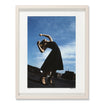
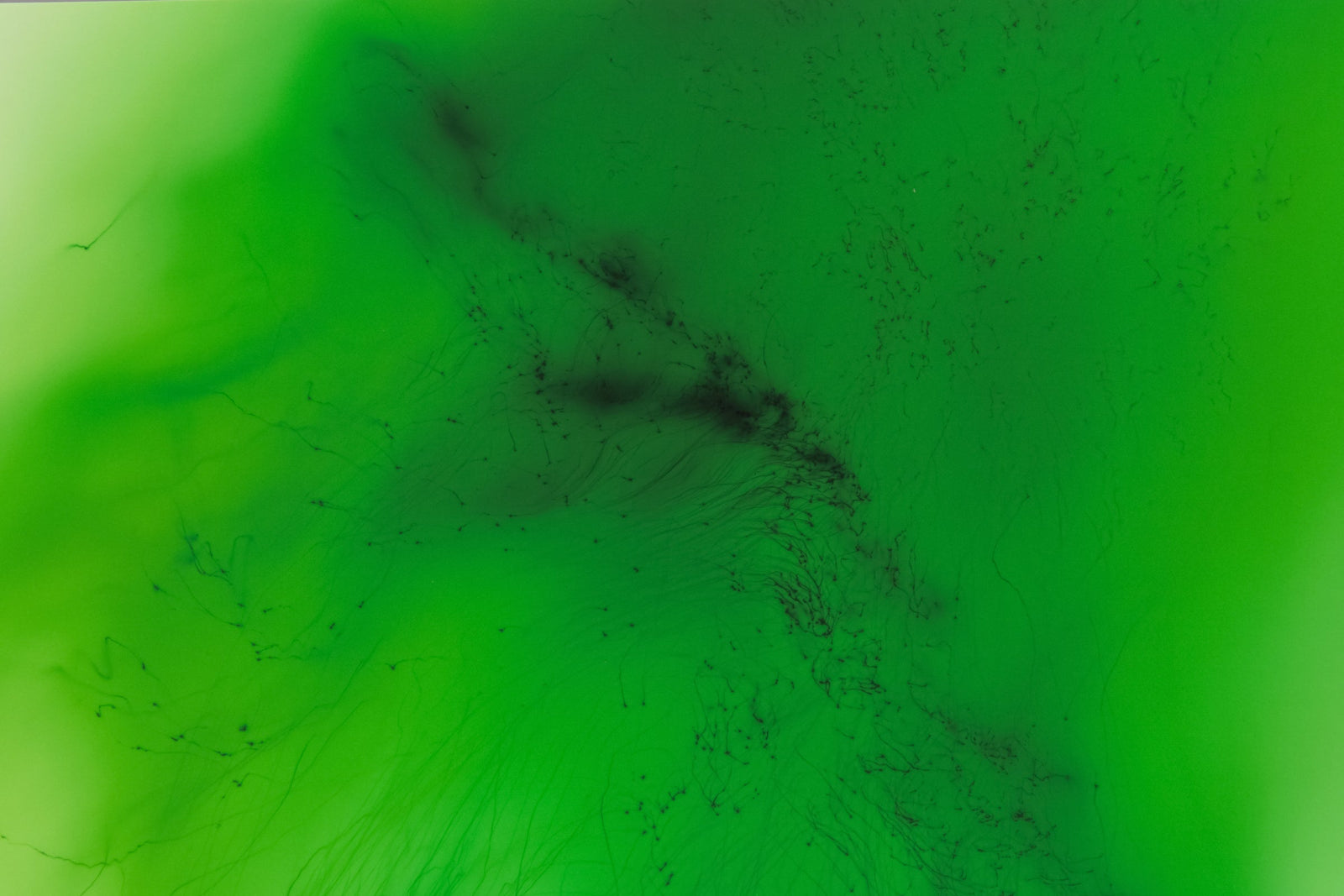
His early photographs of friends and club culture — including Lutz & Alex sitting in the trees (1992) — established his reputation for intimacy without staging. The Freischwimmer series (begun 2003) marked a decisive turn toward abstraction: large-scale works produced through direct manipulation of light-sensitive paper, without a camera, exploring colour, surface, and luminosity as primary subjects.

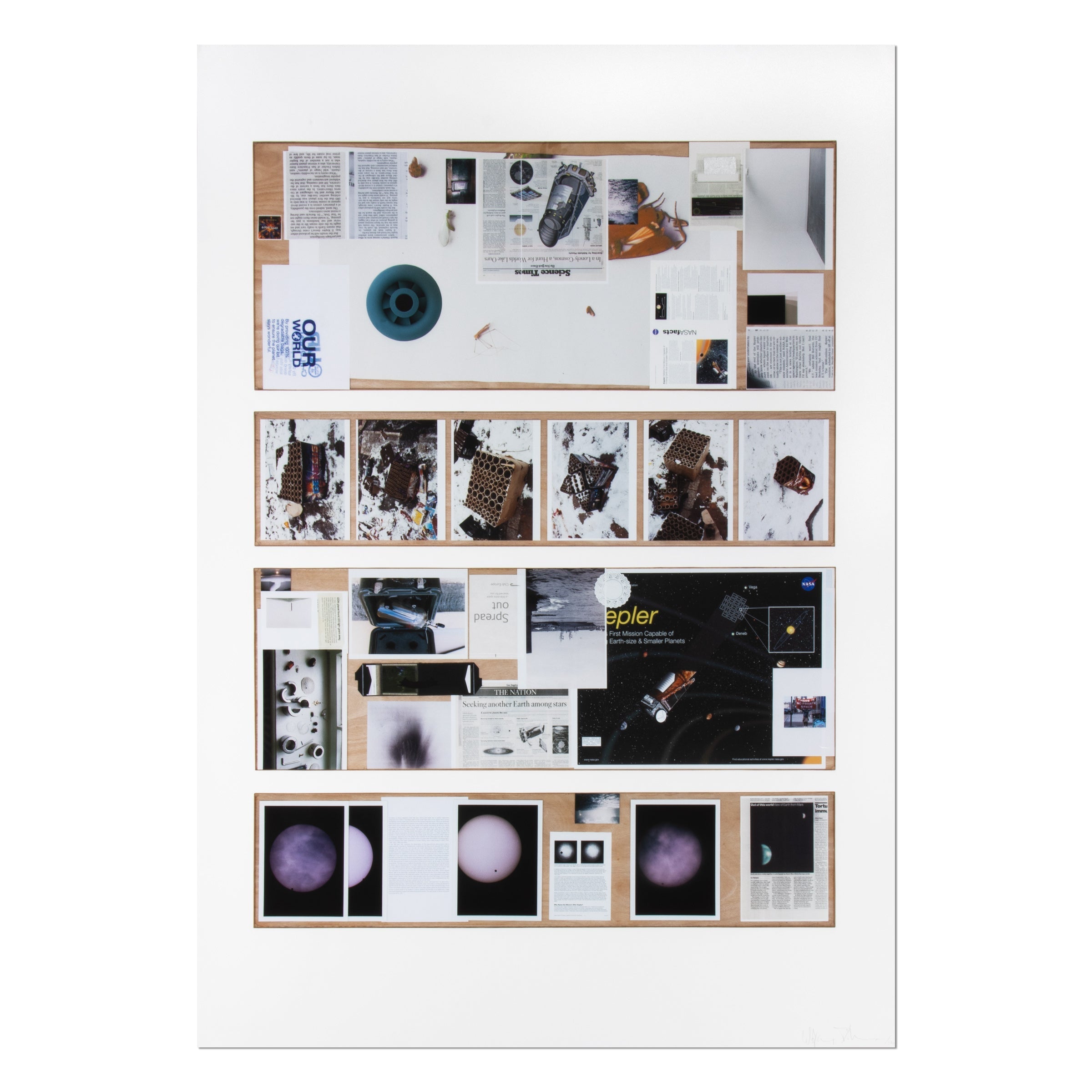
Neue Welt (2012) documented a global visual landscape — infrastructure, nature, political space — assembled into a book and exhibition that positioned photography as a tool for civic attention. Manual Alphabet extended this political dimension, produced in response to Brexit and the erosion of European solidarity.

Across all these bodies of work, the edition is not an afterthought. Scale, paper, and surface are structural decisions. The print is the work.

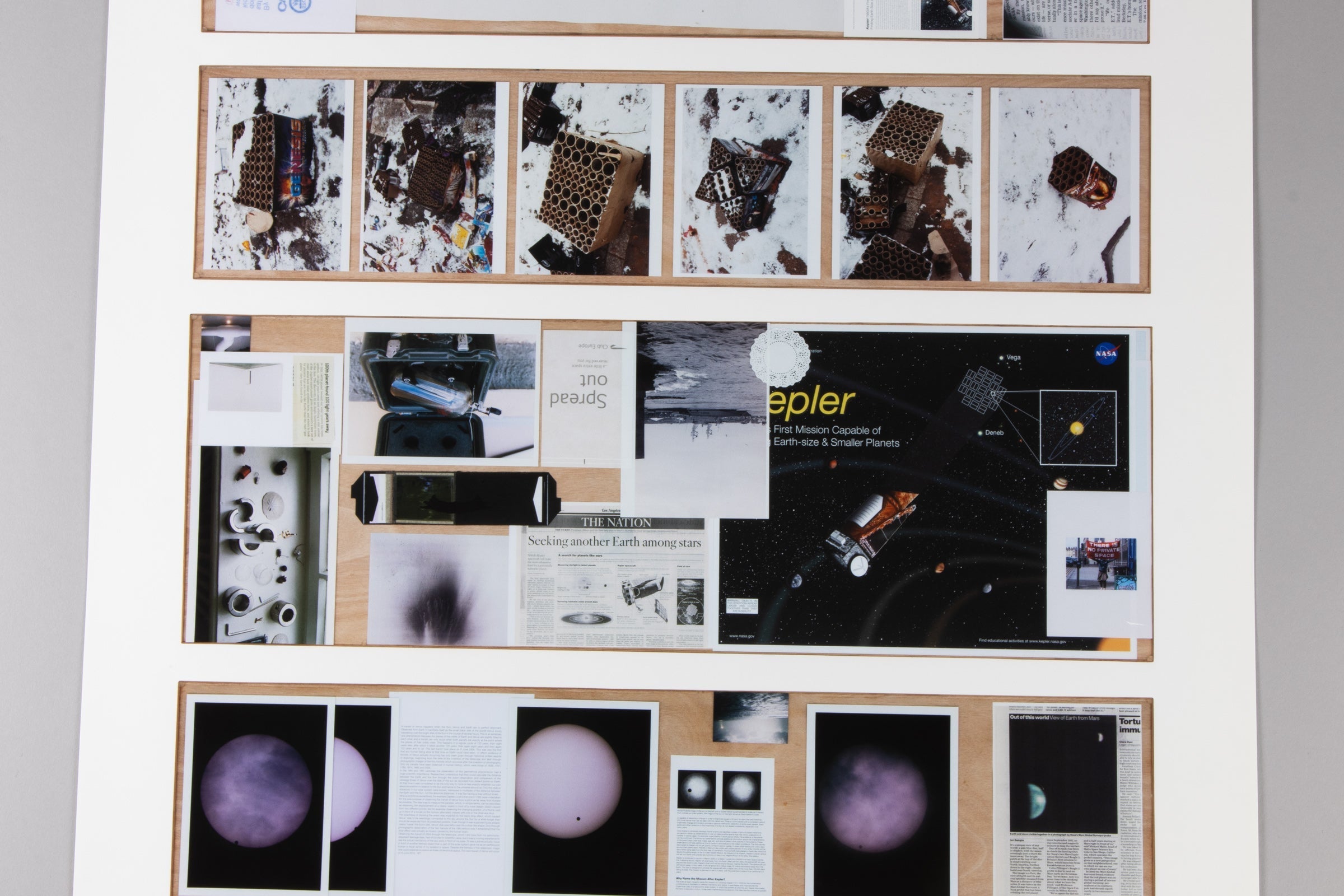
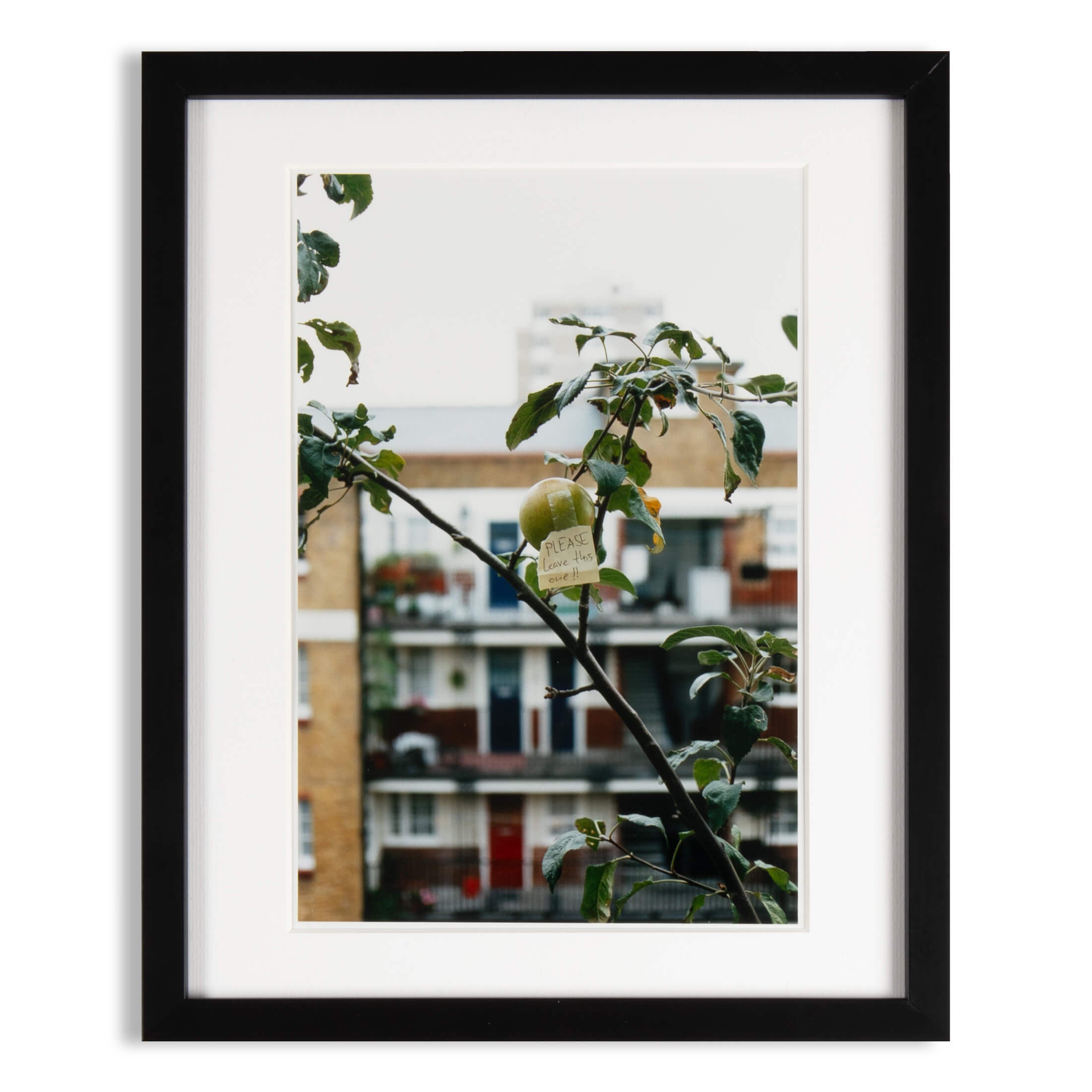
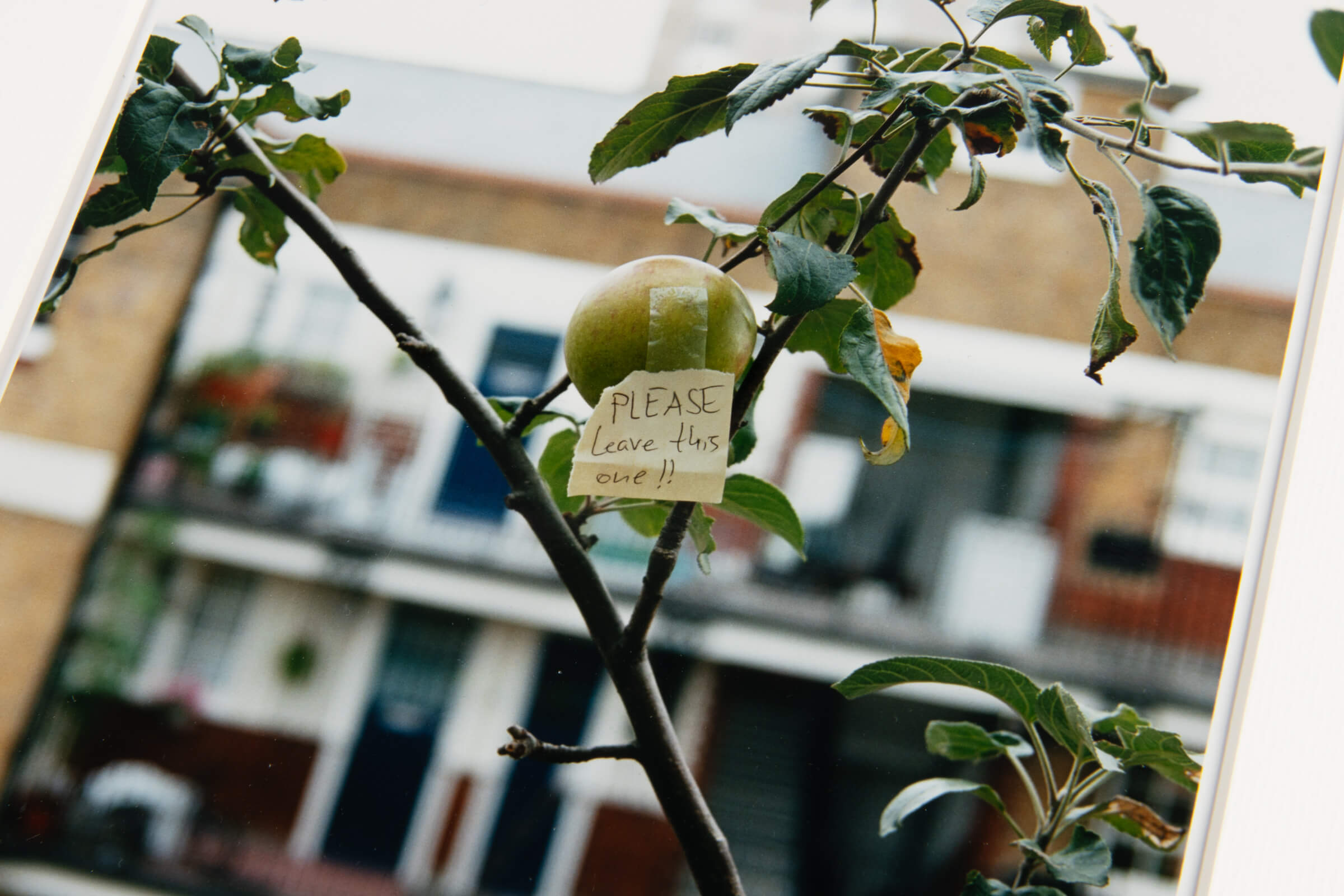
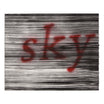
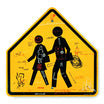
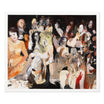
Wolfgang Tillmans – PLEASE leave this one
03

Wolfgang Tillmans Prints & Editions

For many artists, editions are a by-product of their primary practice. For Tillmans, the edition is often the primary form. Differences in scale, paper, surface, and mounting are not secondary adaptations but structural decisions that shape how each image is perceived.

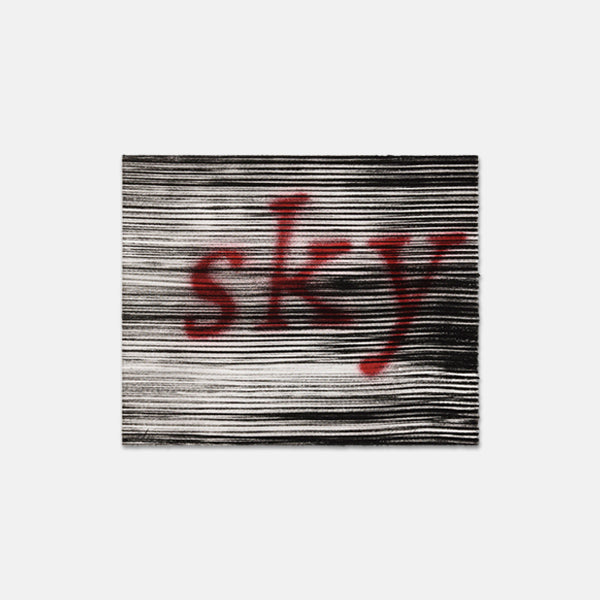
His engagement with unconventional processes — inkjet systems, photocopiers, folded light-sensitive paper — foregrounds contingency as a working method. Streaks, tonal shifts, and mechanical irregularities are integrated rather than corrected. The print records its own production.

Publishing extends this logic. Tillmans's artist's books function as portable exhibitions, structured through sequencing and adjacency. Images interact across pages as they do across walls. In his practice, printmaking is not reproduction. It is method.

Signed and strictly limited editions by Wolfgang Tillmans are available in this collection.

01

Wolfgang Tillmans Biography

Wolfgang Tillmans (born 1968 in Remscheid, Germany) came to photography outside the academy — publishing candid images of youth culture, LGBTQ communities, and club scenes in magazines including i-D and Spex through the early 1990s. That context mattered: his work entered the art world already fluent in the language of mass media, which is precisely what gave it its critical edge.

Over the following decades his practice expanded without losing that tension. Beyond the camera, Wolfgang Tillmans works with photocopiers, darkroom manipulation, and photographic chemicals directly — producing abstract works that sit on the boundary between photography, printmaking, and painting. His installations treat photographs as spatial objects rather than framed images, where the relationship between works on a wall matters as much as any individual print.

The Turner Prize in 2000 — the first awarded to a photographer, and to a non-British artist — confirmed an institutional recognition that has only deepened since: solo exhibitions at Tate Modern (2017), MoMA (2022), Fondation Beyeler (2023), and a 6,000 m² retrospective at the Centre Pompidou in 2025.

Over time, Tillmans's work has increasingly addressed questions of democracy, freedom of movement, and media literacy. Without adopting overt didacticism, he examines how images participate in the formation of public belief — how photographs shape perception, circulate through media systems, and accumulate political meaning. His response to Brexit and the erosion of European solidarity, Manual Alphabet, demonstrated that intimacy and civic engagement are not opposites in his practice but the same impulse directed differently.

Tillmans redefined what contemporary photography could be — expanding it into installation, abstraction, publishing, and civic discourse without abandoning its intimate origins. His influence is visible in how younger artists treat images as sequences and systems rather than isolated statements. By bridging private experience and public structure, he repositioned photography as both record and framework: a medium capable of holding the present in its complexity.

02

Famous Wolfgang Tillmans Artworks

Wolfgang Tillmans's practice resists categorisation by series — images from different bodies of work coexist in installations without hierarchy. Nonetheless, certain works define the arc of his career.

His early photographs of friends and club culture — including Lutz & Alex sitting in the trees (1992) — established his reputation for intimacy without staging. The Freischwimmer series (begun 2003) marked a decisive turn toward abstraction: large-scale works produced through direct manipulation of light-sensitive paper, without a camera, exploring colour, surface, and luminosity as primary subjects.

Neue Welt (2012) documented a global visual landscape — infrastructure, nature, political space — assembled into a book and exhibition that positioned photography as a tool for civic attention. Manual Alphabet extended this political dimension, produced in response to Brexit and the erosion of European solidarity.

Across all these bodies of work, the edition is not an afterthought. Scale, paper, and surface are structural decisions. The print is the work.

03

Wolfgang Tillmans Prints & Editions

For many artists, editions are a by-product of their primary practice. For Tillmans, the edition is often the primary form. Differences in scale, paper, surface, and mounting are not secondary adaptations but structural decisions that shape how each image is perceived.

His engagement with unconventional processes — inkjet systems, photocopiers, folded light-sensitive paper — foregrounds contingency as a working method. Streaks, tonal shifts, and mechanical irregularities are integrated rather than corrected. The print records its own production.

Publishing extends this logic. Tillmans's artist's books function as portable exhibitions, structured through sequencing and adjacency. Images interact across pages as they do across walls. In his practice, printmaking is not reproduction. It is method.

Signed and strictly limited editions by Wolfgang Tillmans are available in this collection.

Wolfgang Tillmans - Freischwimmer TfLWolfgang Tillmans – PLEASE leave this one

Wolfgang Tillmans: Key Questions

Collecting Wolfgang Tillmans?

Looking for a specific artwork or have a question about an edition? We're happy to advise on availability, pricing, condition, and provenance — and to source artworks beyond our current selection.

Contact us

Prints, Photographs & Multiples

View our full collection of

Prints, Photographs & Multiples

Explore editions