


Richard Long - Wind Stones

Sale price€1.400,00

Taxes included. Shipping calculated at checkout.


Richard Long (British, b. 1945)

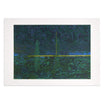
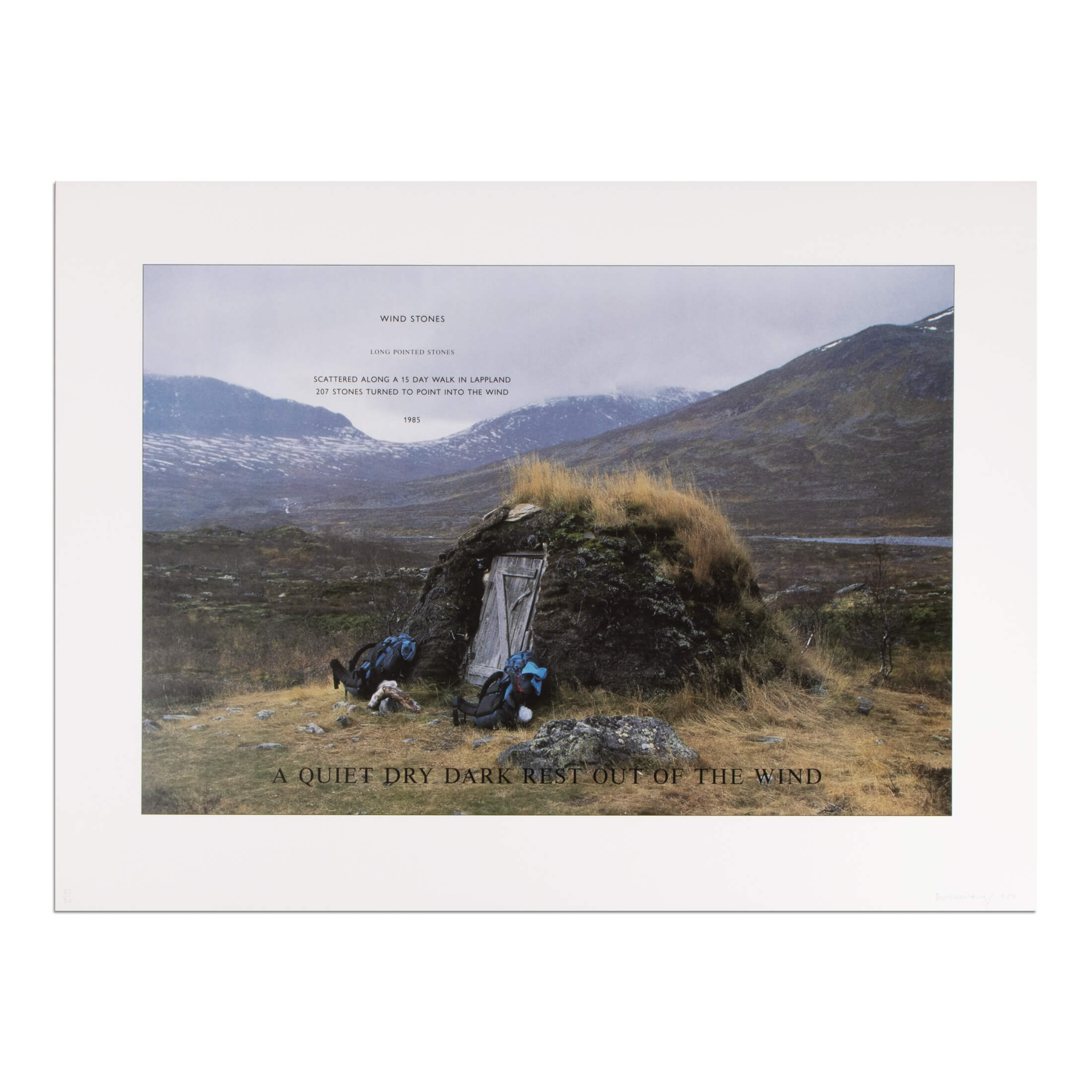
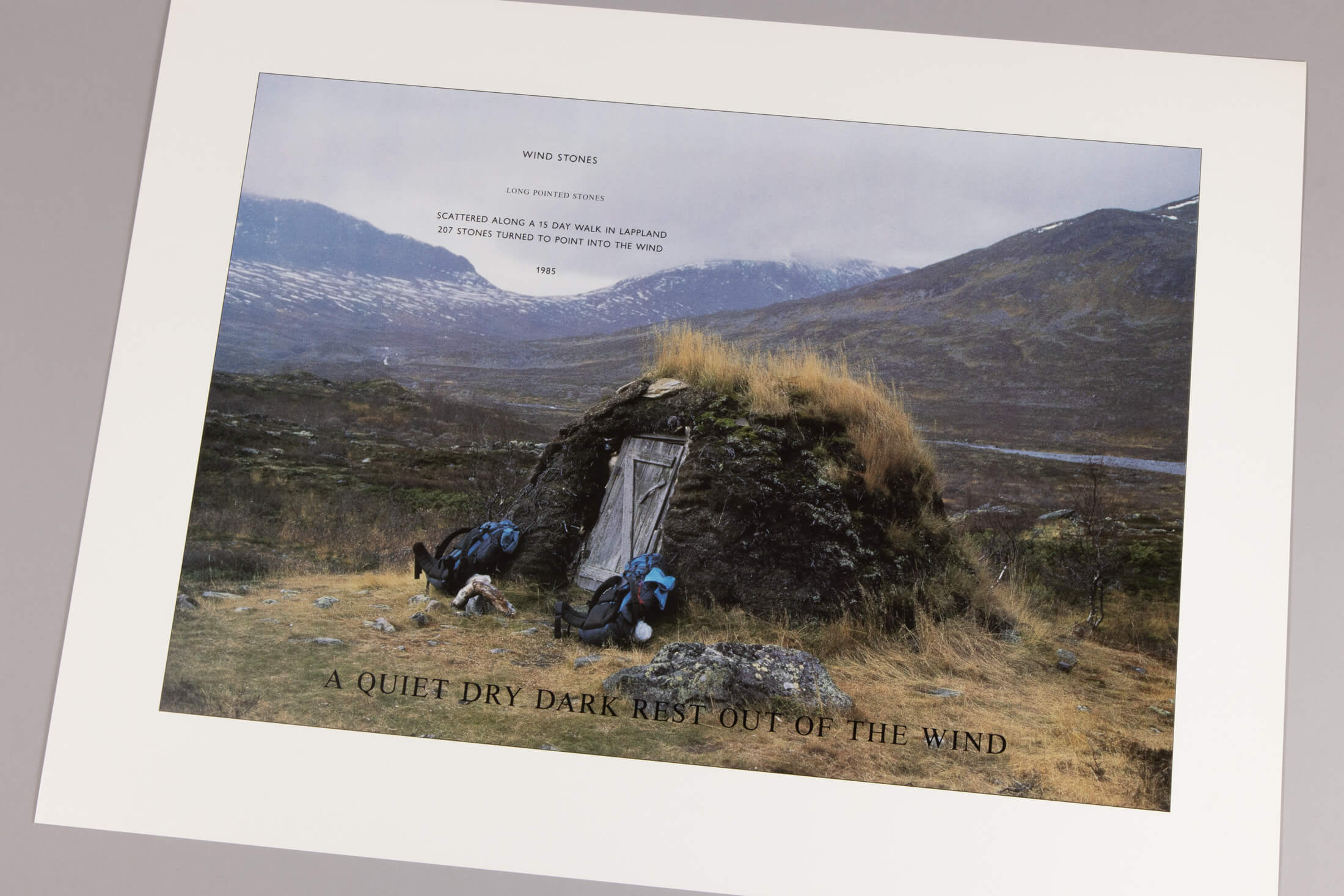
Wind Stones (from For Joseph Beuys), 1986

Medium: Offset lithograph and silkscreen on paper

Dimensions: 60 x 80 cm (23.5 x 31.5 in)

Edition of 90 + XXX: Hand-signed and numbered in pencil

Condition: Very good

This artwork ships worldwide.
Richard Long - Wind Stones

About this artwork

Richard Long - Wind Stones

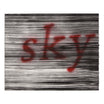
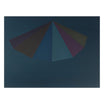
In Richard Long's Wind Stones (from For Joseph Beuys) (1986), the artist presents a quiet meditation on landscape and human presence. Set in the sparse terrain of Lapland, this limited edition print centers on a modest stone mound overgrown with grass, serving as a simple wind shelter for walkers. Reduced to its most elemental purpose, the structure becomes a symbol of refuge and endurance within an exposed environment.

Created for the portfolio For Joseph Beuys, published shortly after Beuys's death in January 1986, this artwork is Long's visual response to Beuys's profound influence on postwar art - particularly his expanded notion of sculpture, landscape, and social responsibility. As a pioneering figure in Land Art and contemporary photography, Richard Long transforms walking and natural materials into conceptual practice. This signed and numbered fine art print exemplifies his approach to documenting ephemeral interventions in remote landscapes, bridging sculpture, performance, and photography. 

Richard Long - Two Sahara Works

About Richard Long

Richard Long is a distinguished British artist renowned for his pioneering role in the Land Art movement that emerged in the late 1960s. Born in Bristol, England, in 1945, he studied at the West of England College of Art and later at Saint Martin’s School of Art in London, where he was influenced by minimalist and conceptual art. Unlike many of his contemporaries, Long turned to the natural environment as his primary canvas.

Richard Long’s artwork explores landscape and nature through actions rather than traditional painting or sculpture. His practice centers on walking as an artistic act and on the passage of time. He creates simple yet monumental geometric forms such as lines, circles, and spirals directly in the landscape, often using natural materials like stones, branches, and mud. These ephemeral interventions are documented through photographs, prints, maps, and text works, which serve as the lasting record of the work.

A key example of his approach is A Line Made by Walking (1967), created by repeatedly walking back and forth across a field to leave a visible line in the grass. This gesture redefined sculpture and drawing by merging physical action with contemplative engagement with nature.

Prints, Photographs & Multiples

View our full collection of

Prints, Photographs & Multiples

Shop now