



Tracey Emin
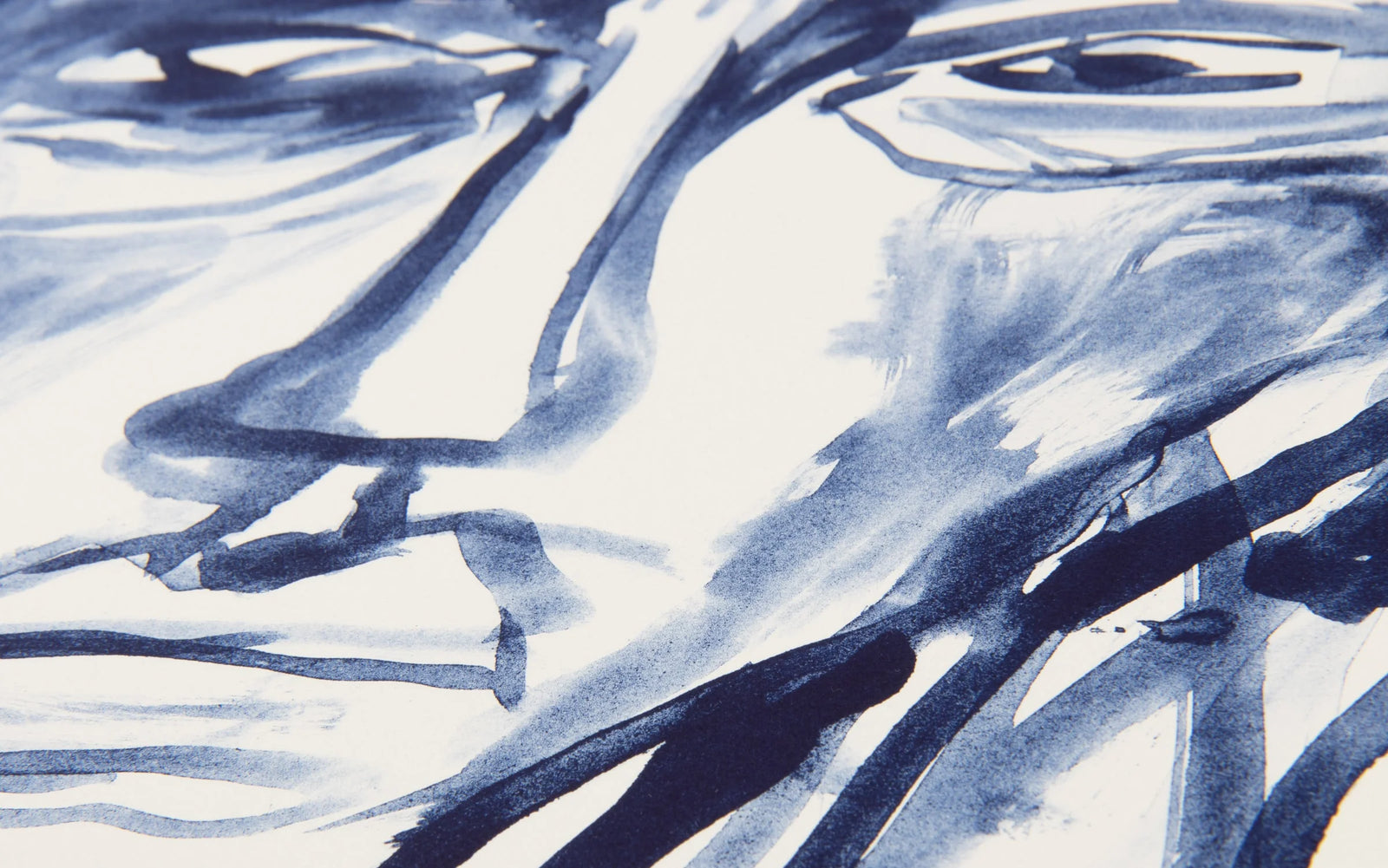
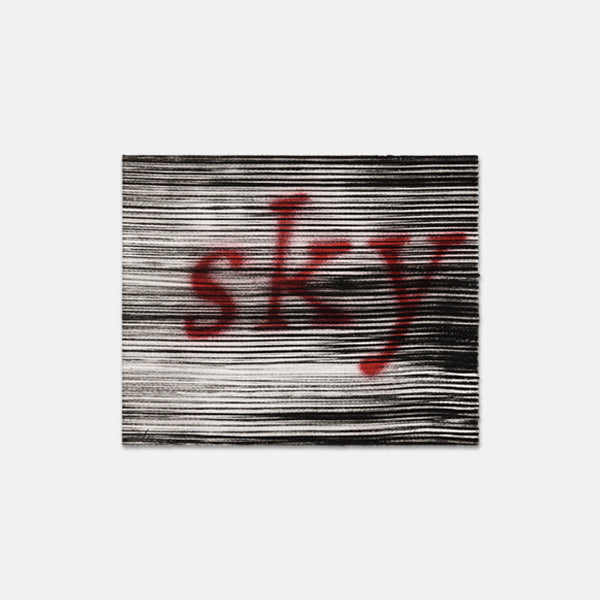
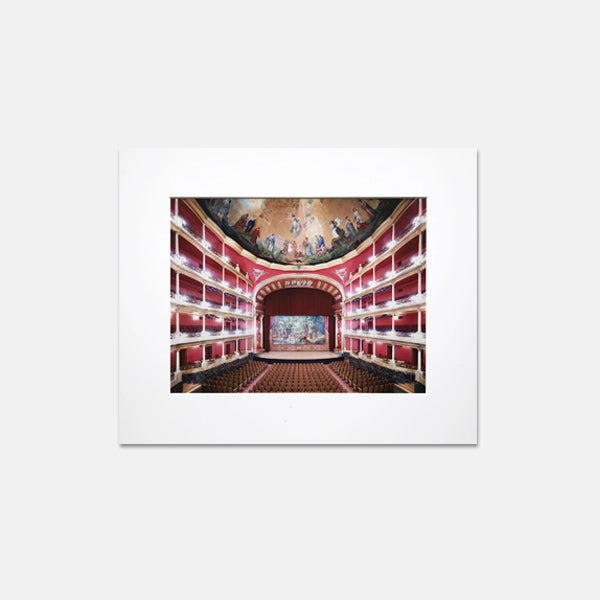
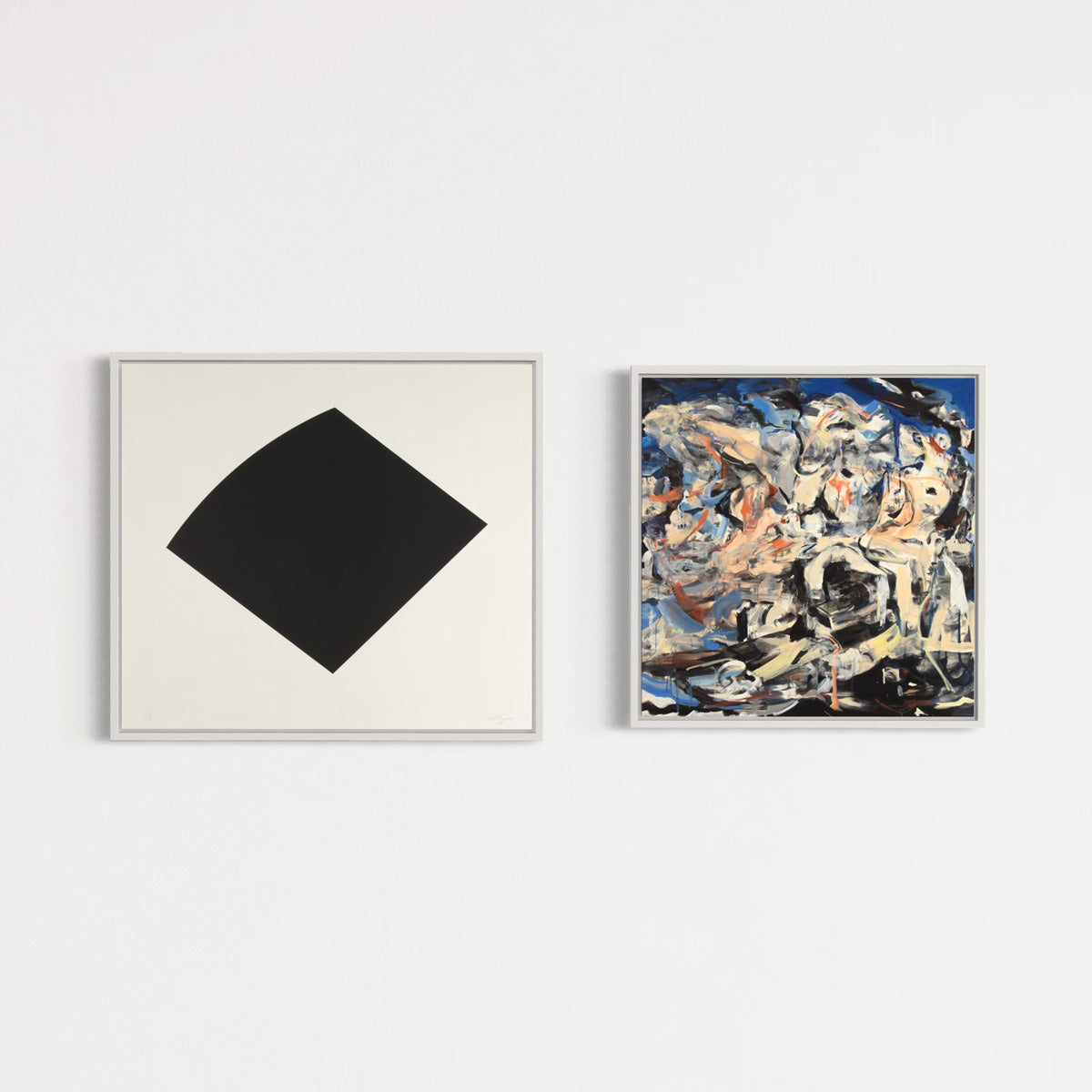
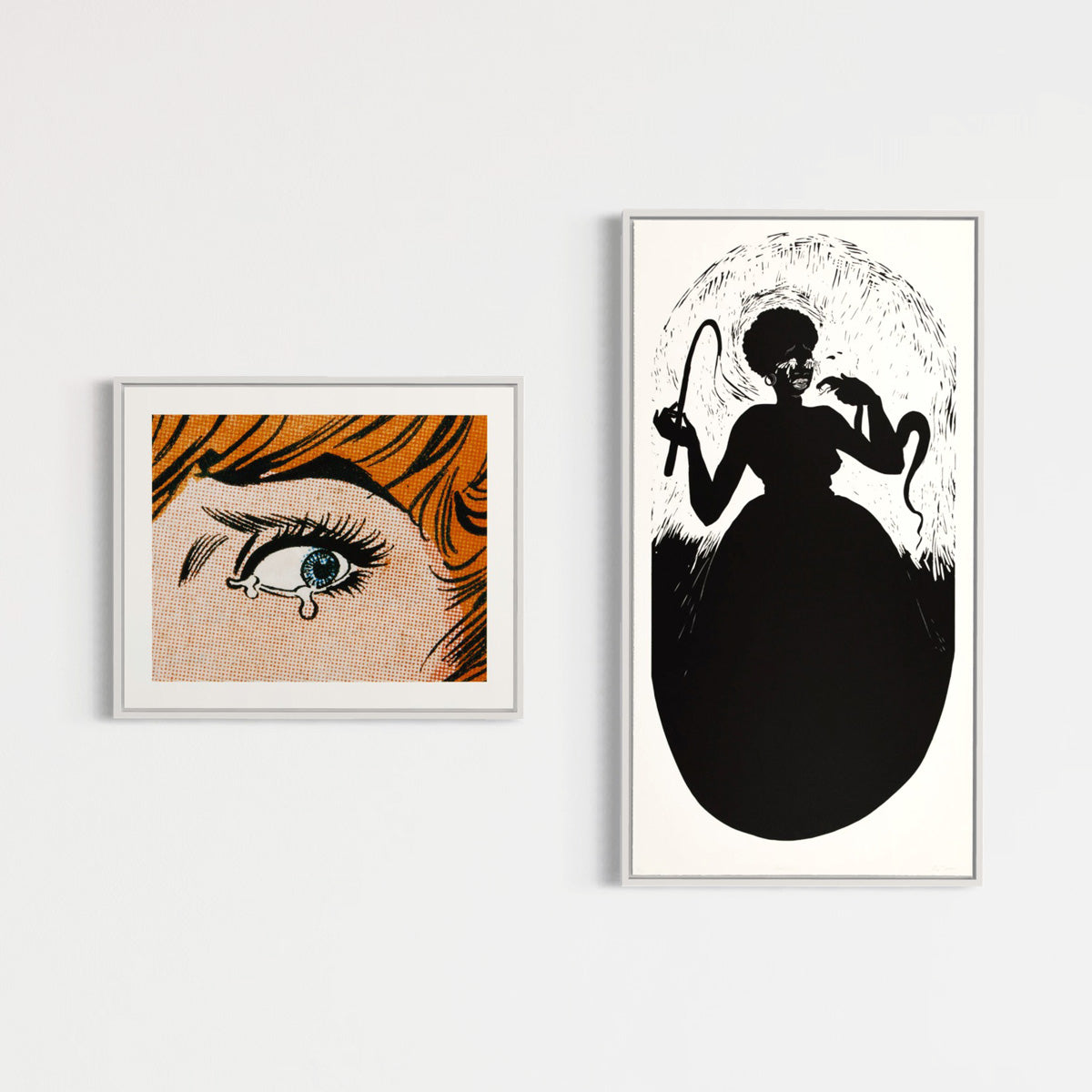
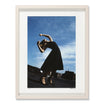
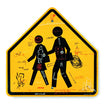
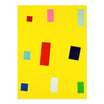
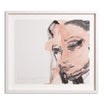
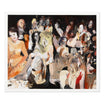
Tracey Emin prints and editions for sale.
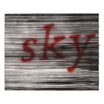
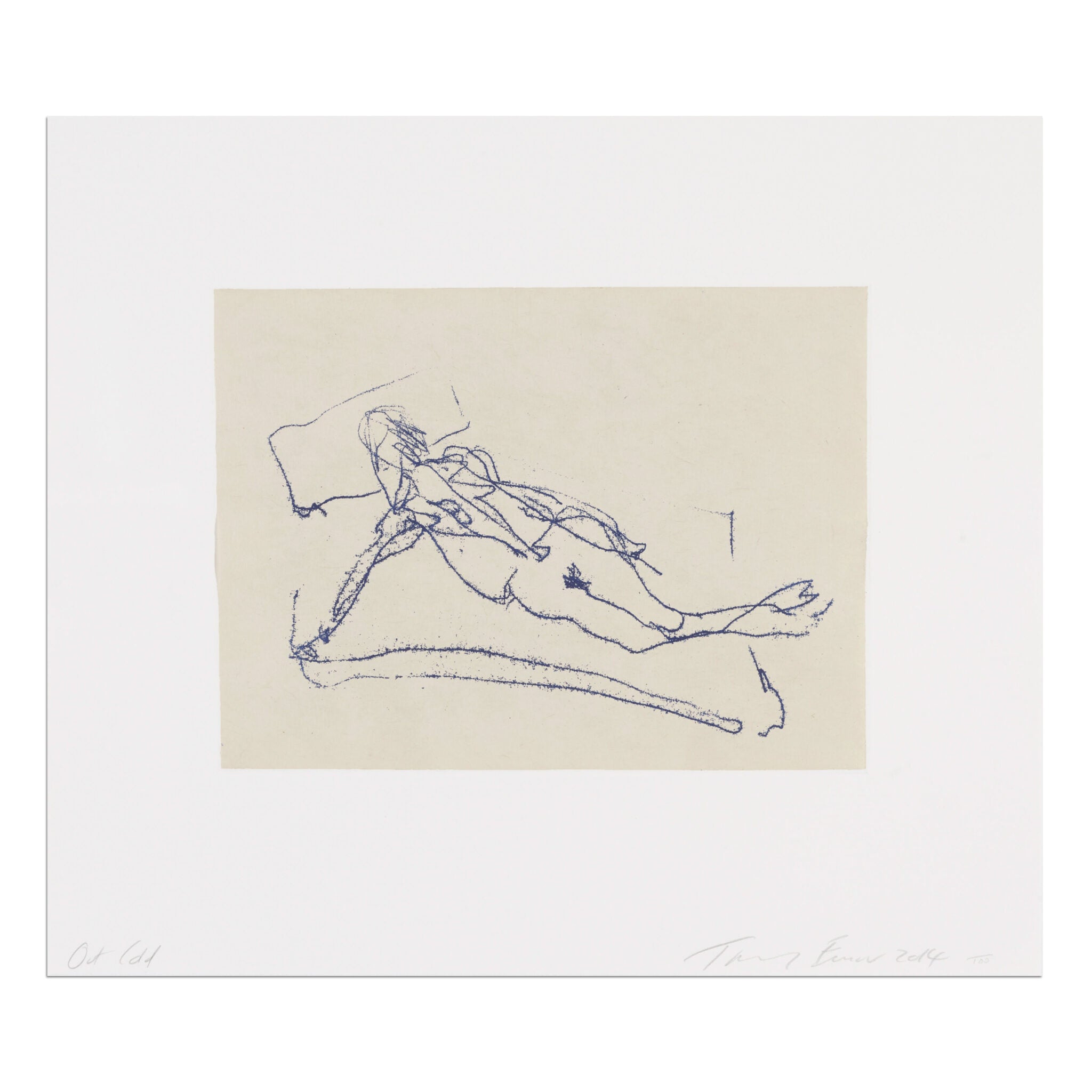
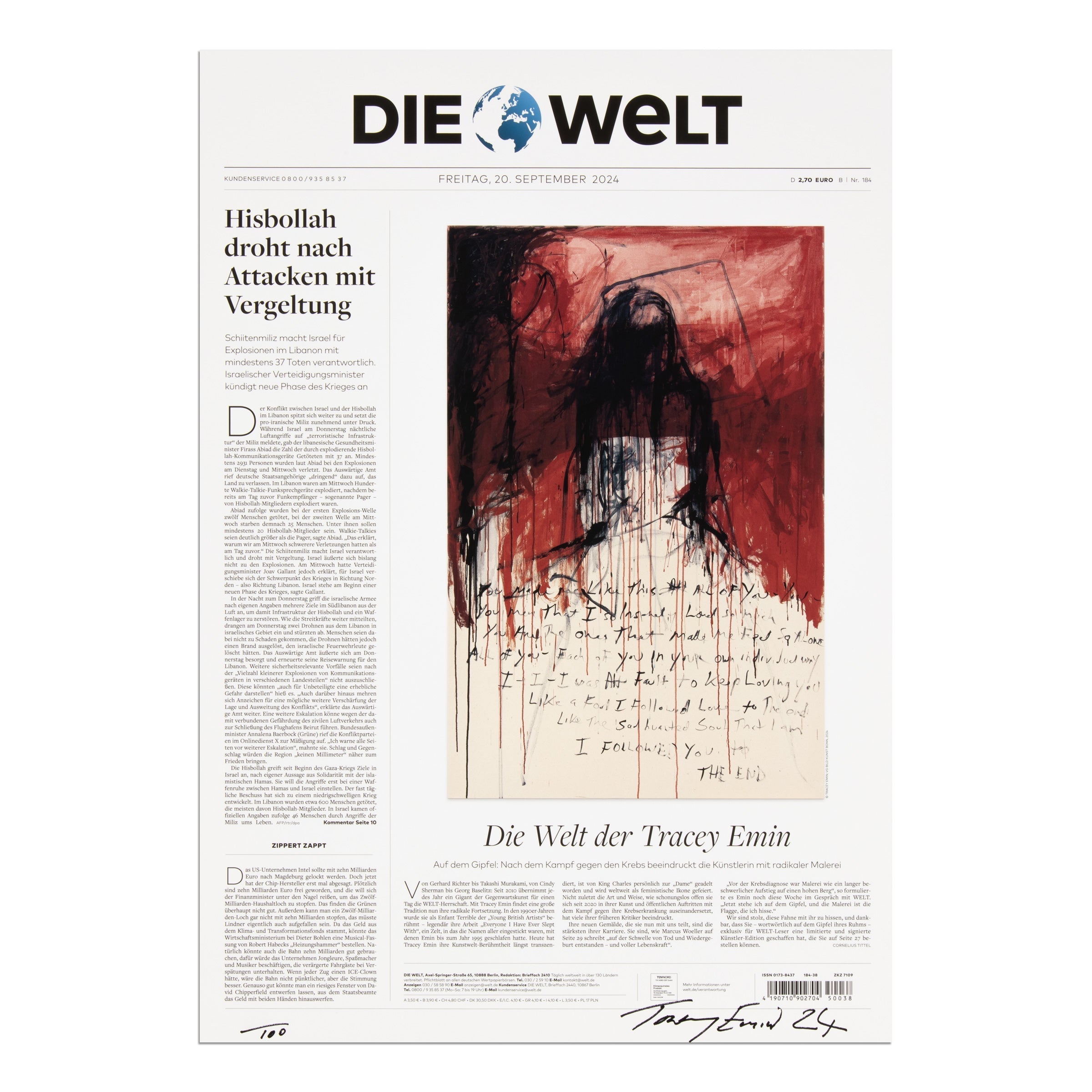
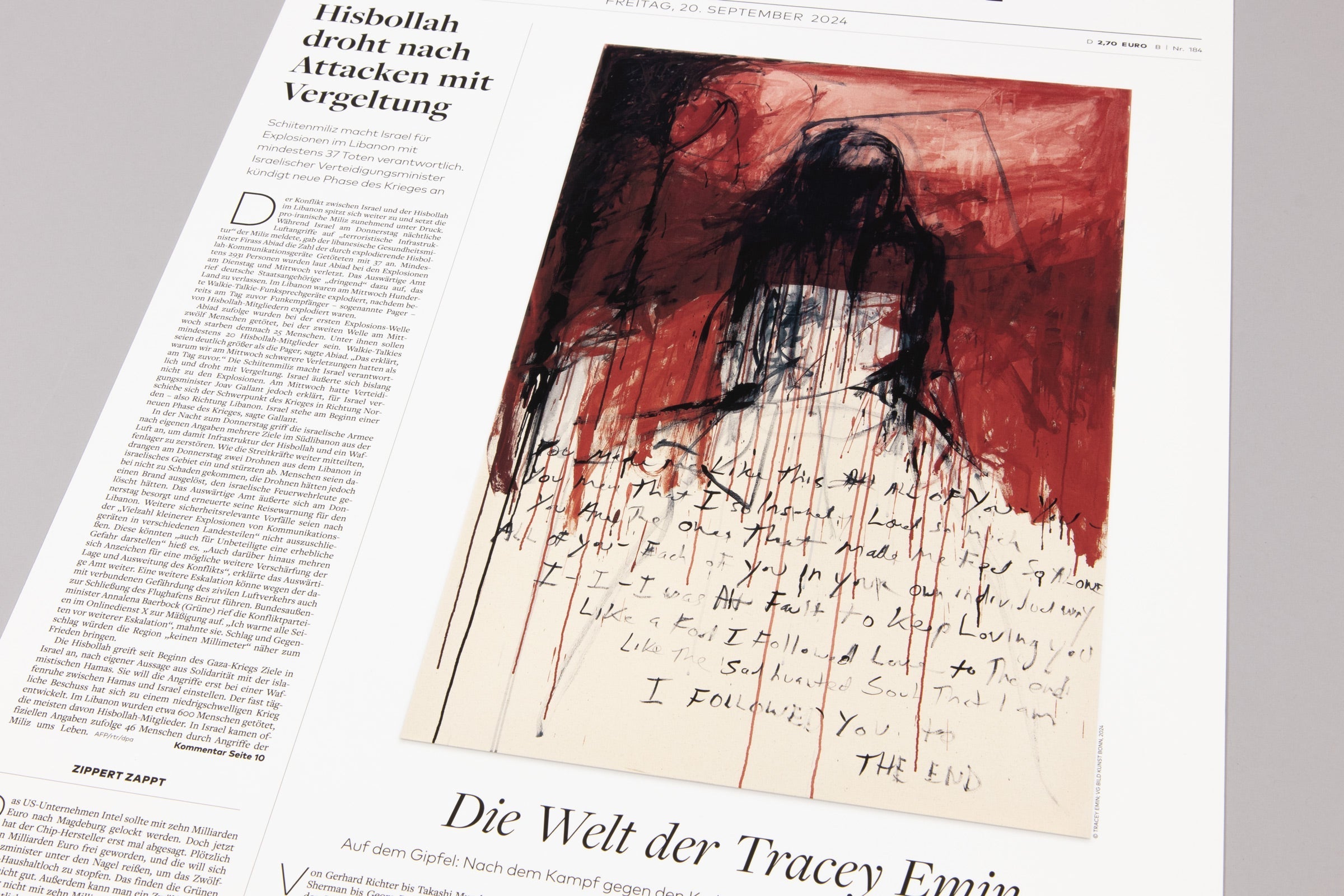
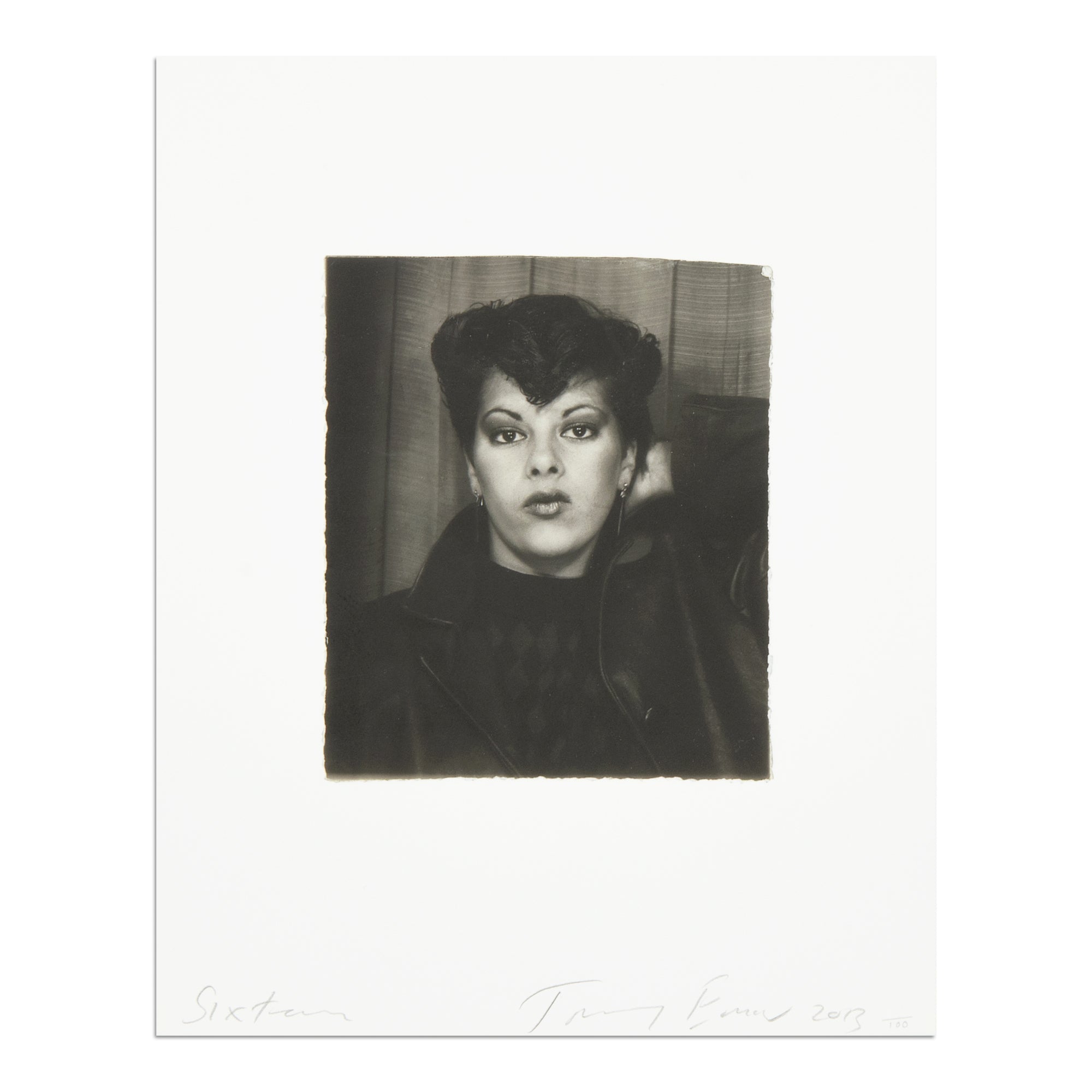
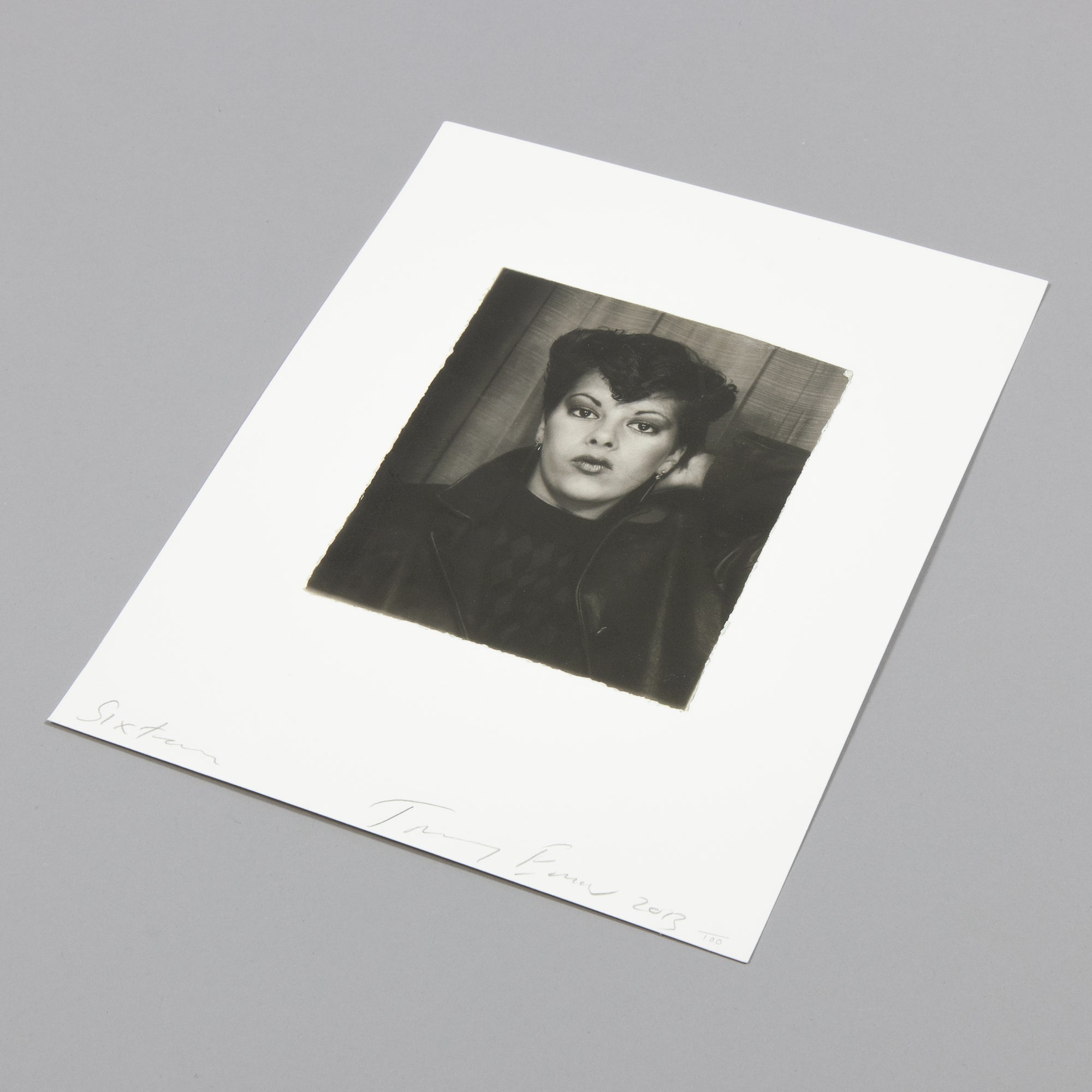
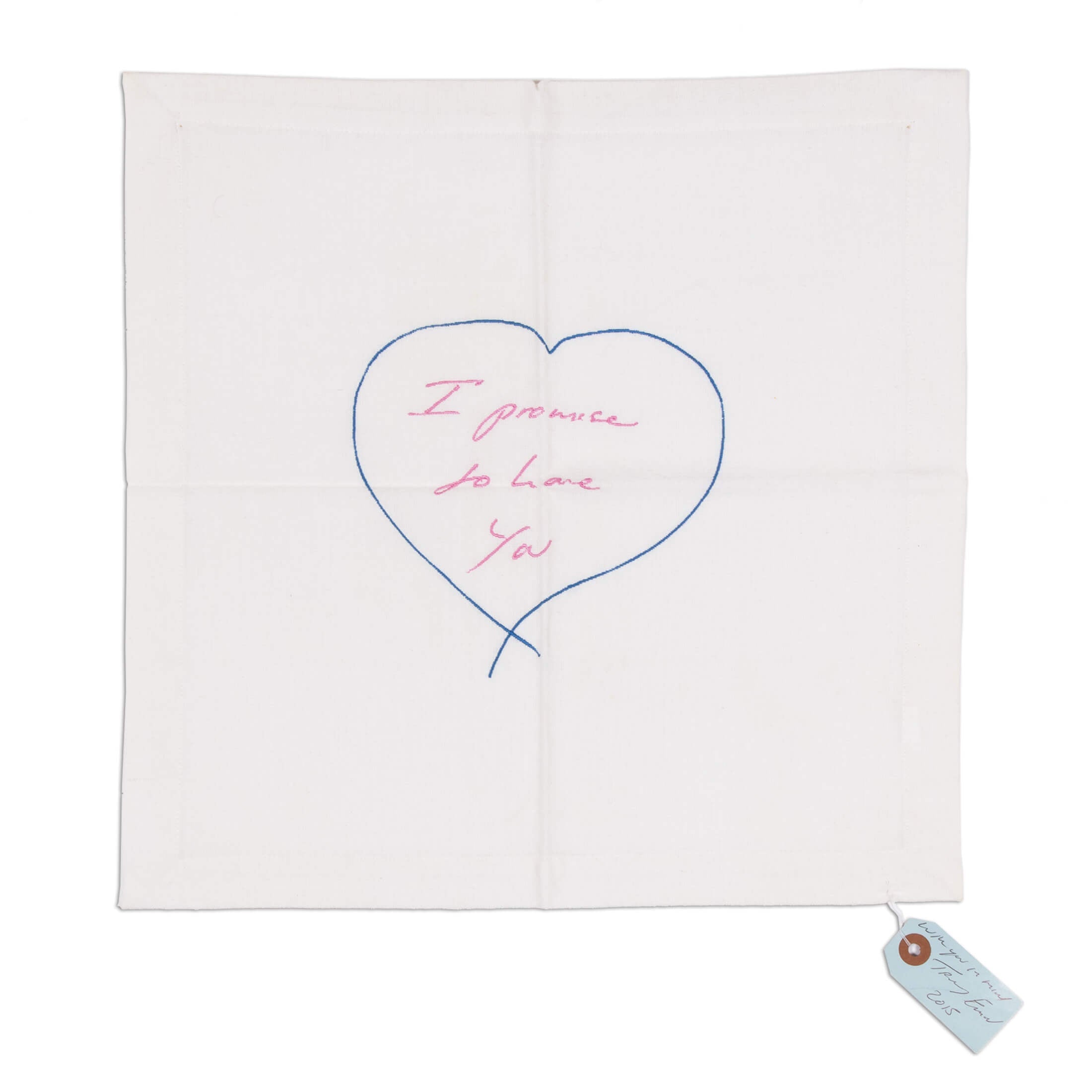
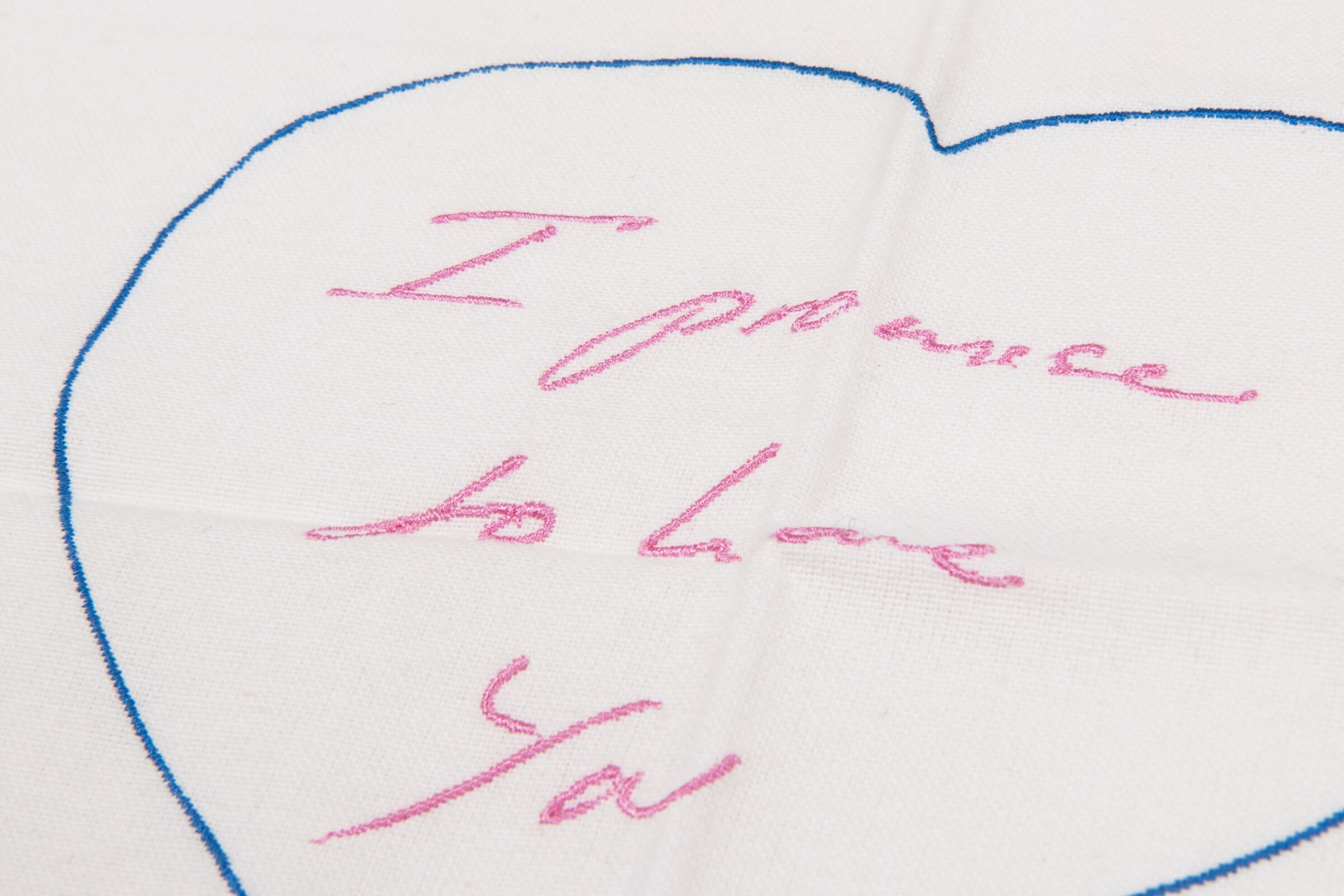
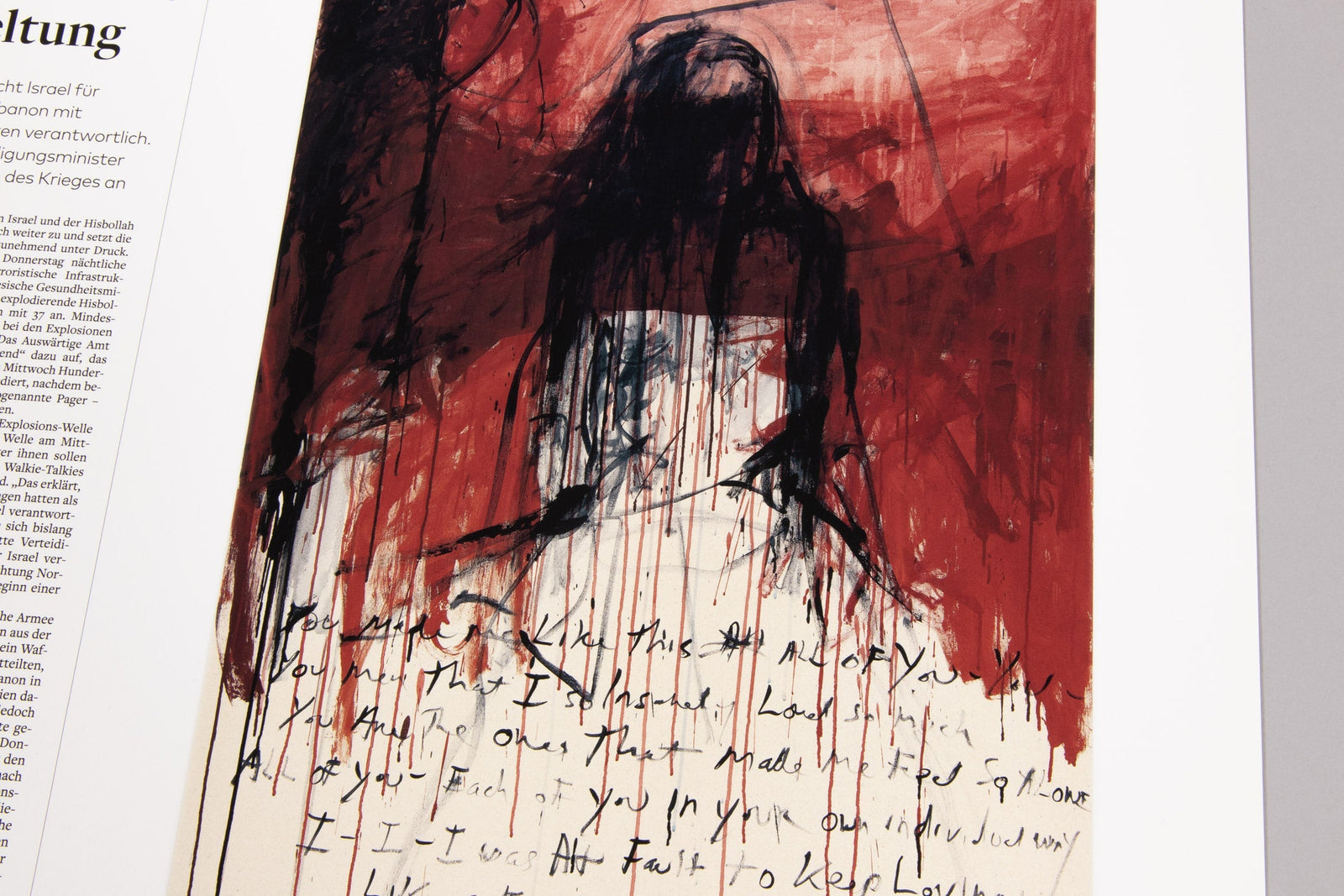
Tracey Emin turned her own life into her primary material — love, sex, loss, trauma, transcribed with a rawness that made her one of the defining Young British Artists. My Bed, shown at the 1999 Turner Prize, made private experience unavoidably public. But it is in drawing and print that her practice finds its most direct form: the tremor of an unsteady line, handwritten confession. Not reproductions of her paintings — this is where her voice is most exposed. Artworks held at Tate and the Royal Academy, where she is a Royal Academician.
Available Prints & Editions
7 products





Tracey Emin Biography

Famous Tracey Emin Artworks
Tracey Emin Prints & Editions
Tracey Emin: Key Questions
Collecting Tracey Emin?
Looking for a specific artwork or have a question about an edition? We're happy to advise on availability, pricing, condition, and provenance — and to source artworks beyond our current selection.
What is Tracey Emin known for?
What was Tracey Emin's My Bed?
Is Tracey Emin a Young British Artist (YBA)?
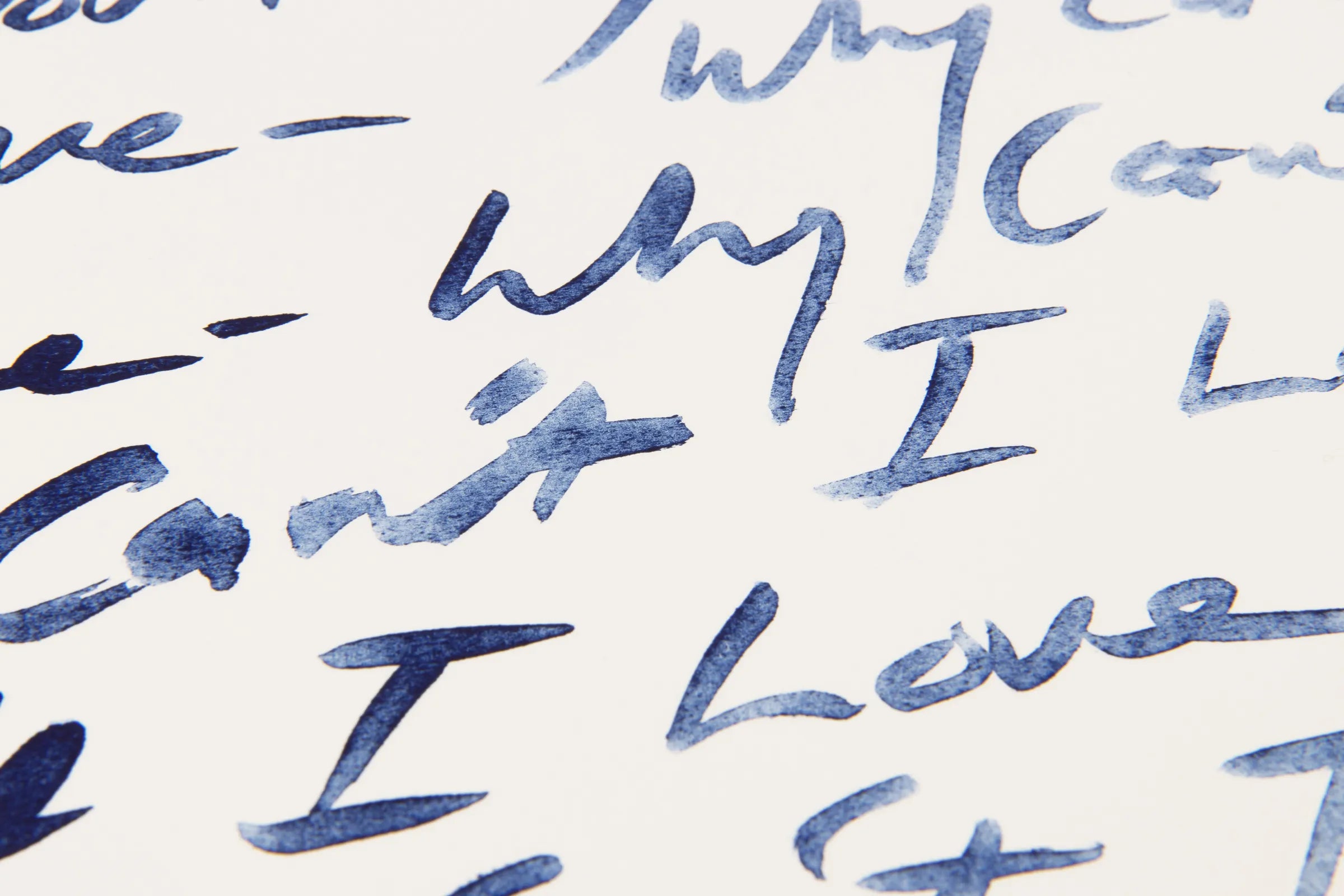
How does Tracey Emin use text in her art?
How much do Tracey Emin artworks sell for?


