Peter Doig

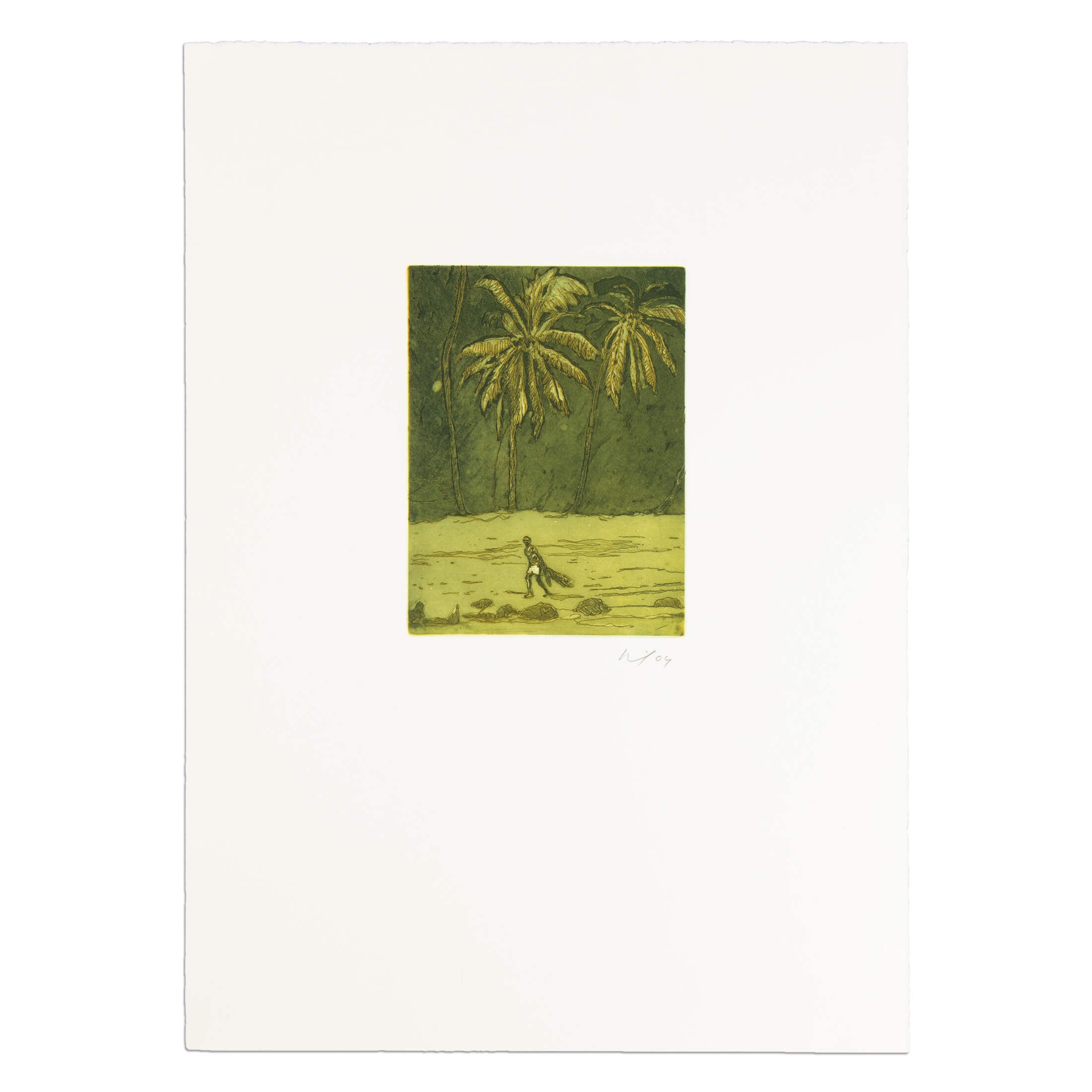
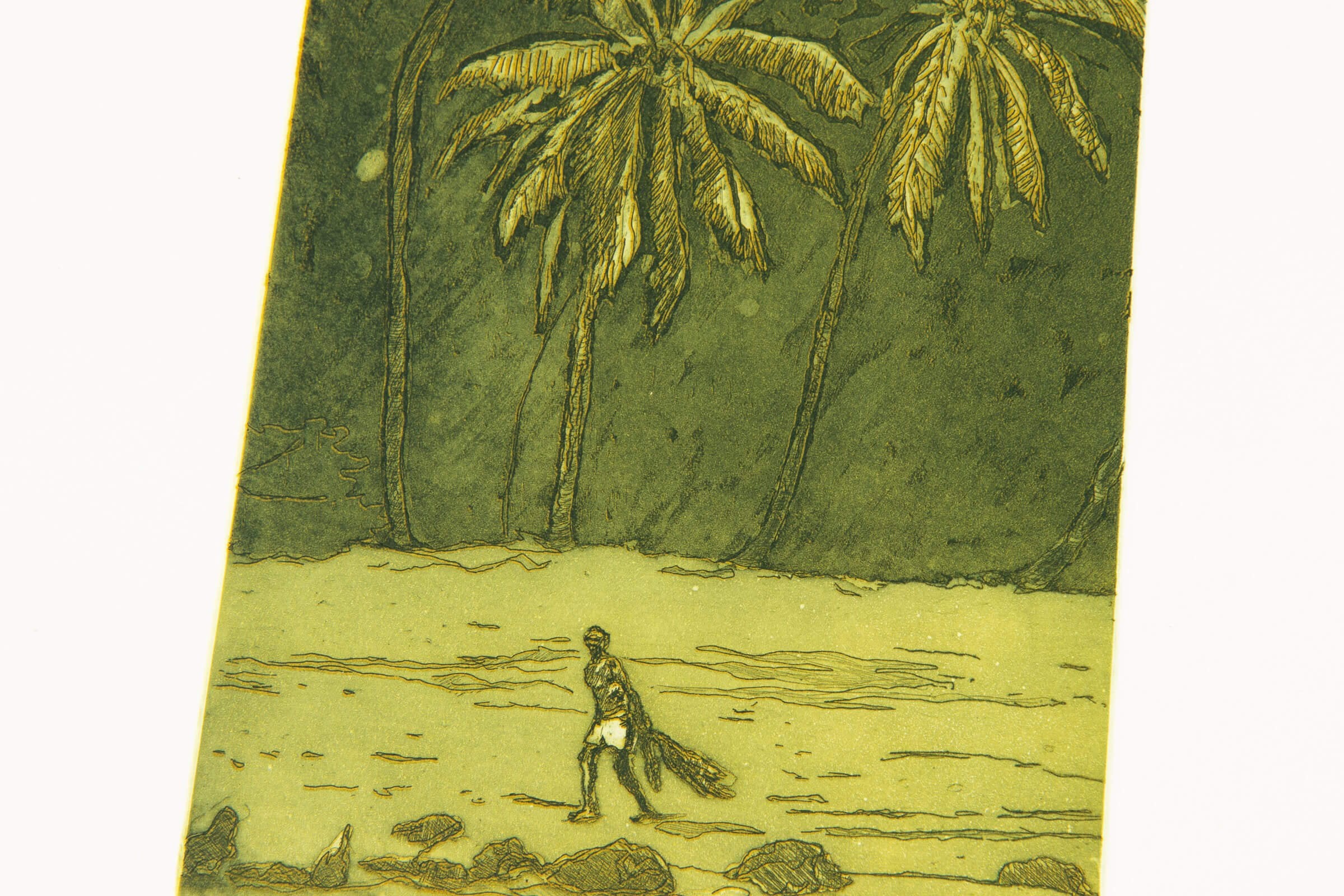
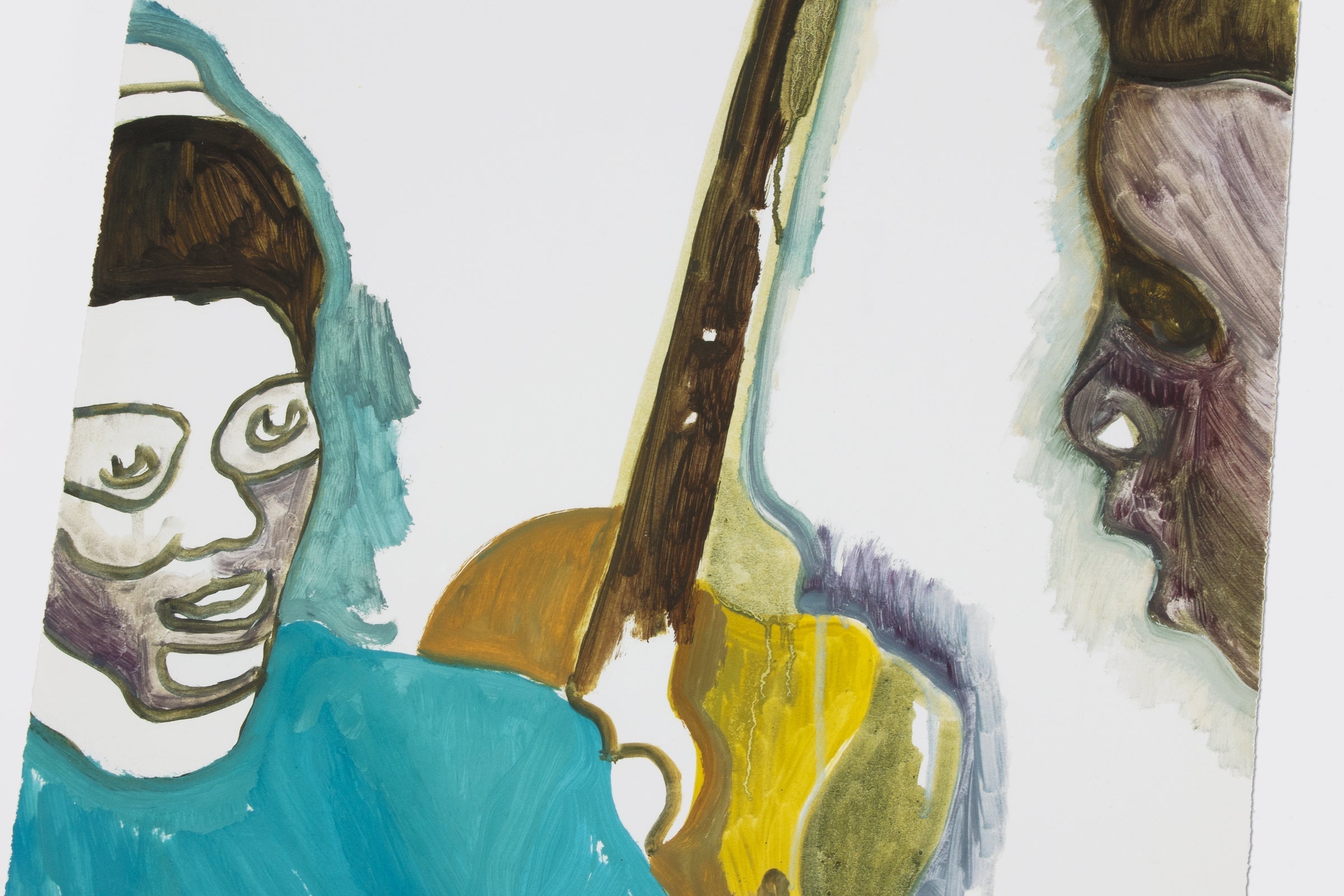
Peter Doig - Maracas

Peter Doig paints from the gap between memory and image — snowfields, still water, figures that belong to no specific time or place. Born in Edinburgh in 1959, he lived across Trinidad, Canada, and London, and each landscape left residue in the work. What distinguishes Doig among his generation is that printmaking runs parallel to painting, not beneath it — etching and aquatint as sites of equal experimentation. Works held at MoMA, Tate, and the Musée d'Orsay.

Browse signed Peter Doig prints and editions now.

Available Prints & Editions

9 products

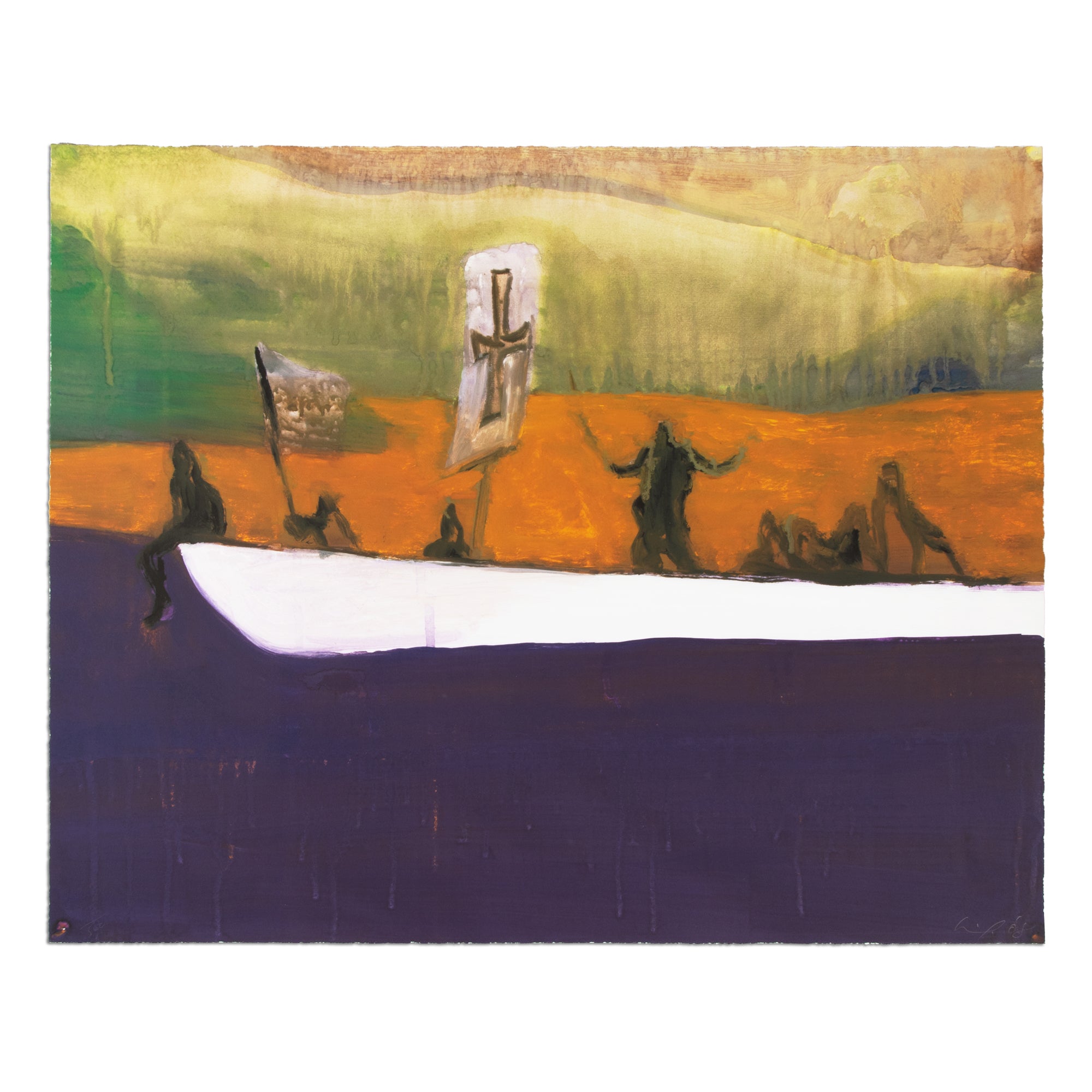
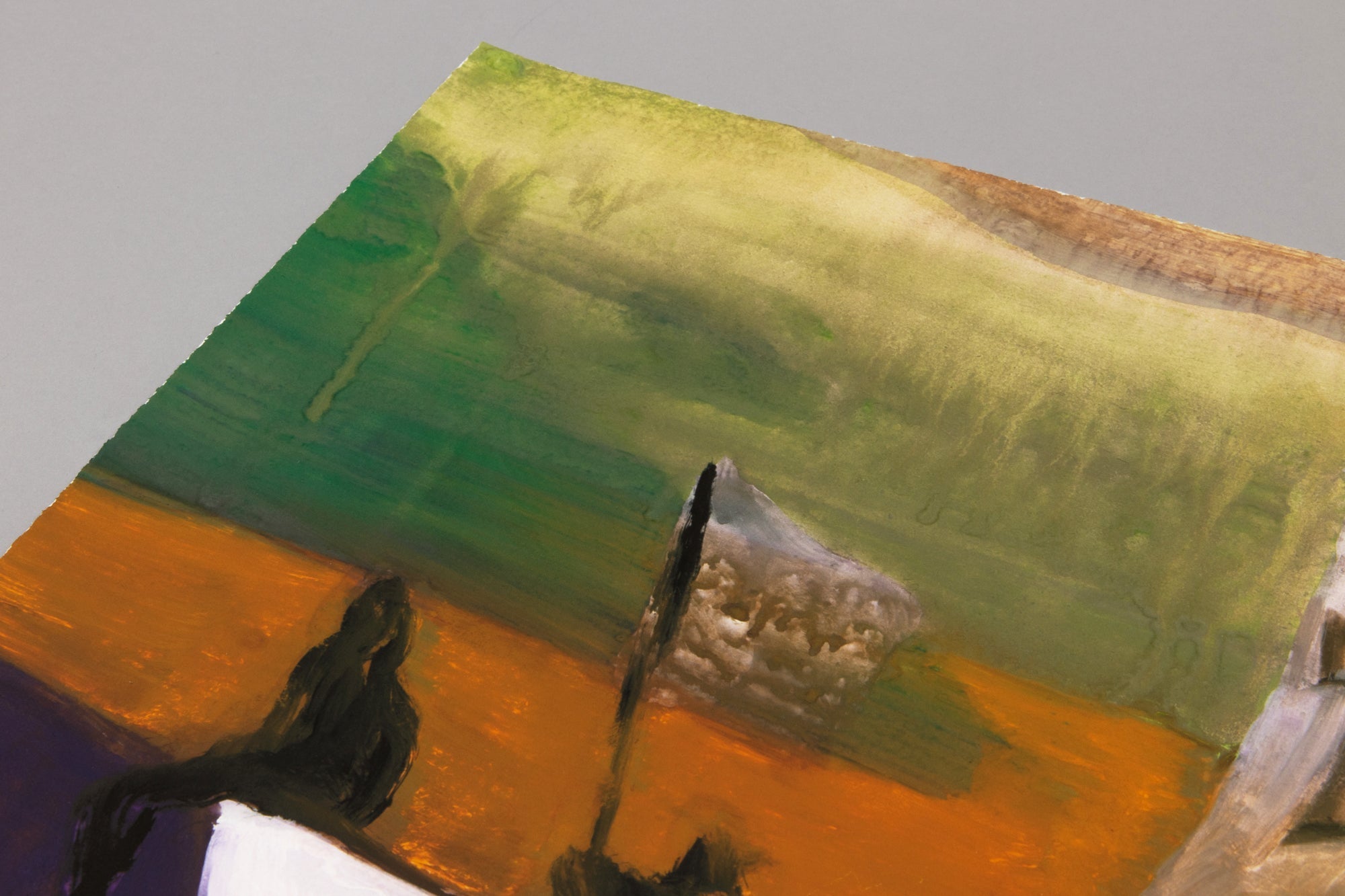
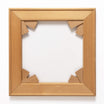
Peter Doig – CanoePeter Doig – Canoe
Peter Doig – Canoe Sale price€2.600,00
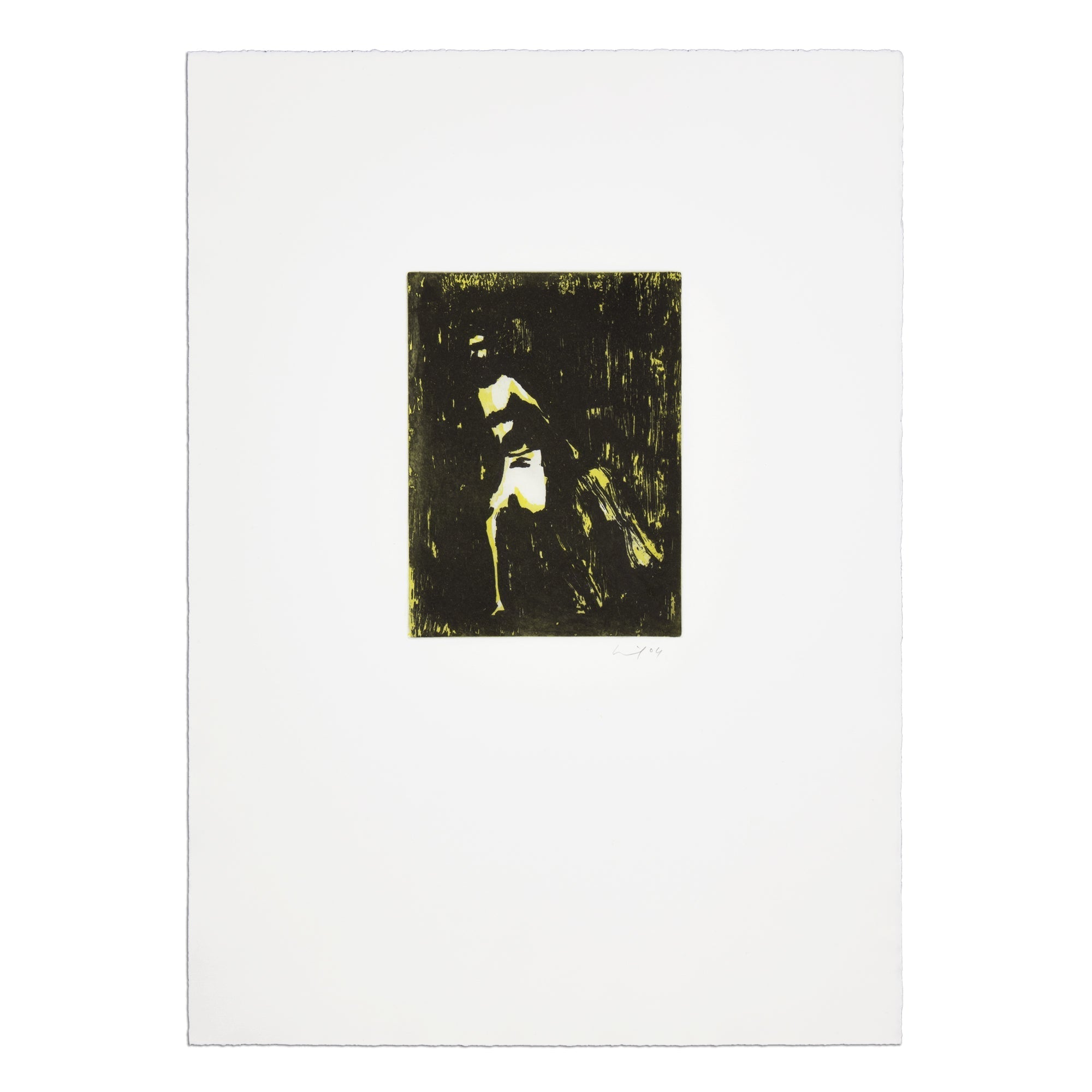
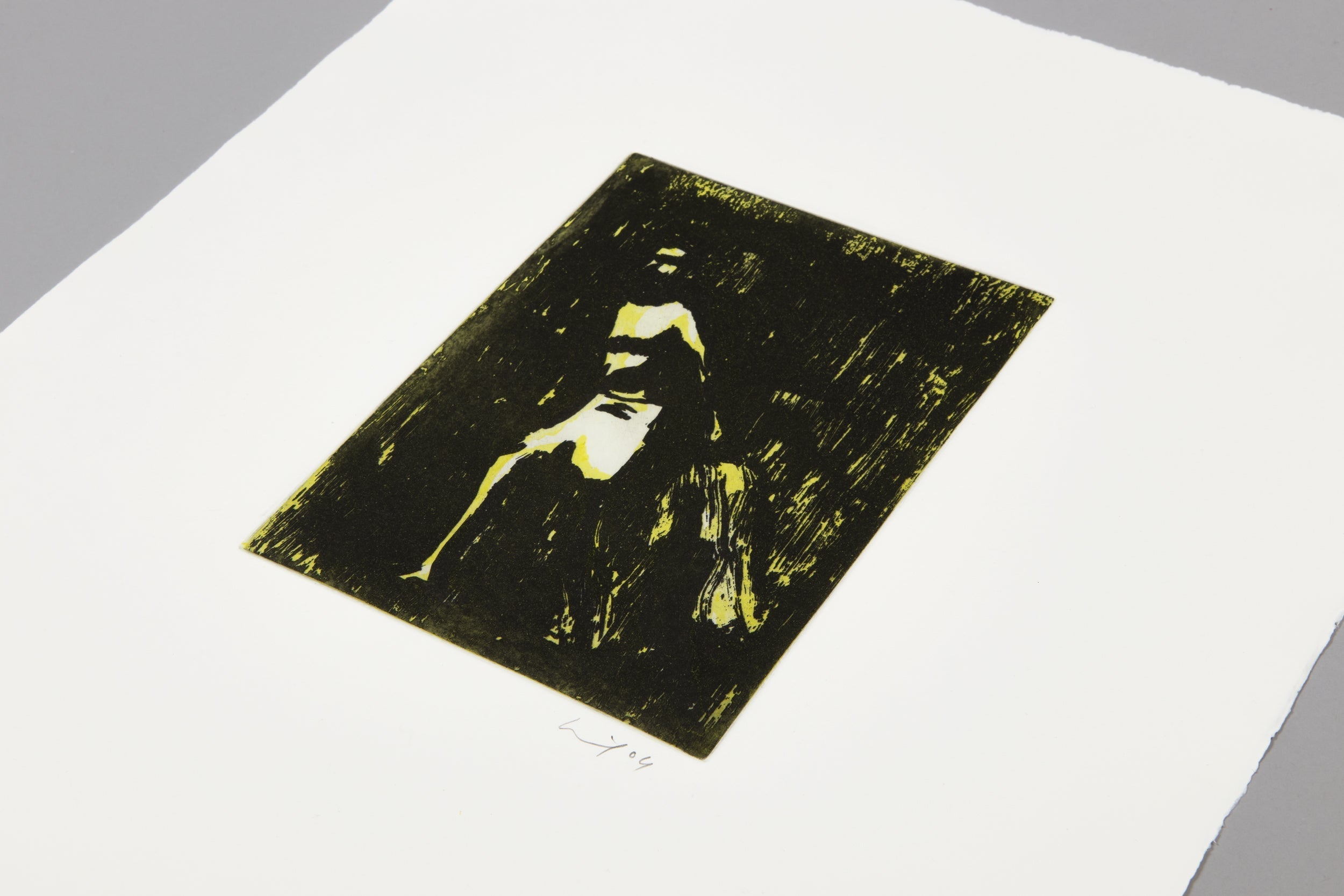
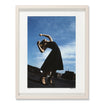
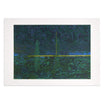
Peter Doig – PelicanPeter Doig – Pelican
Peter Doig – Pelican Sale price€3.600,00
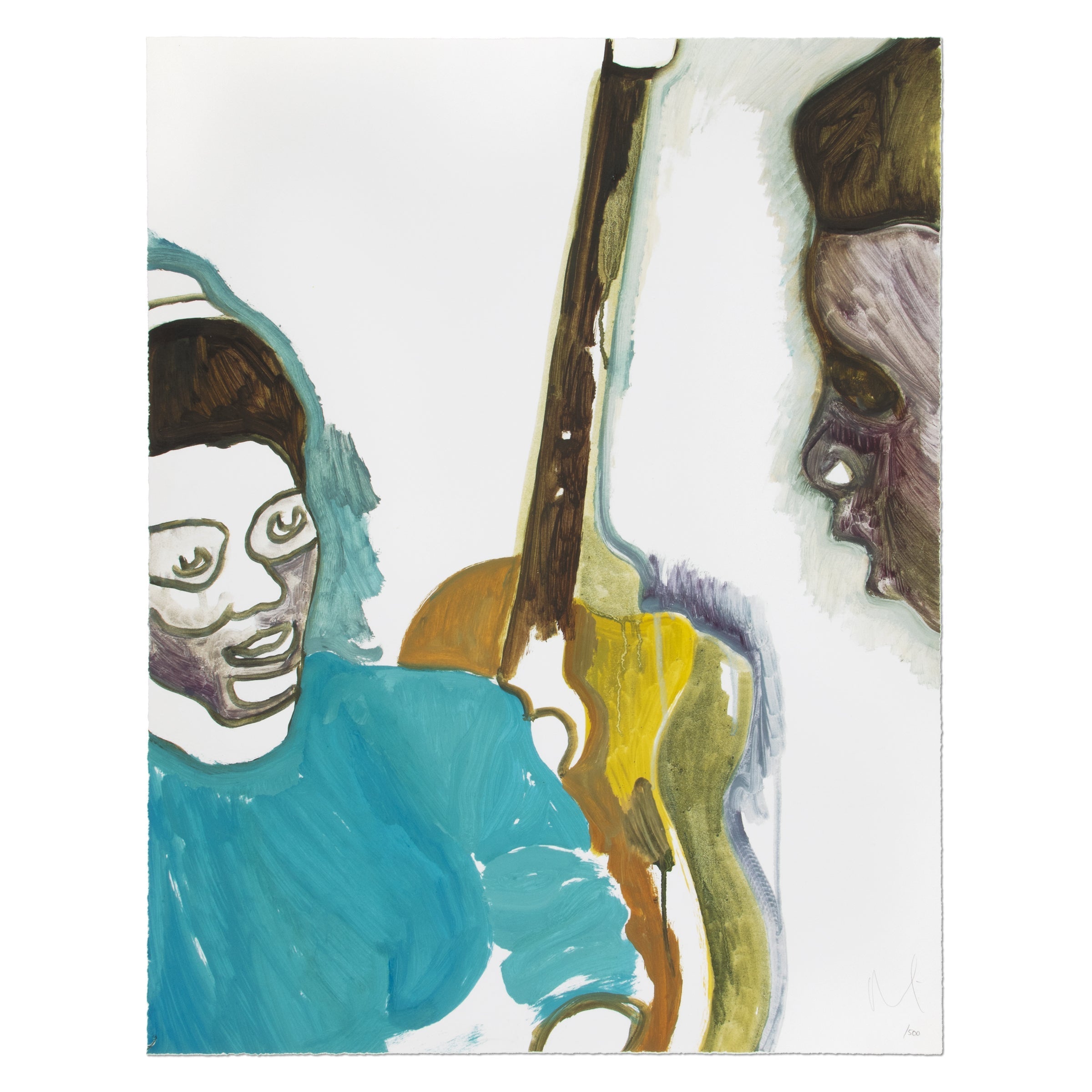
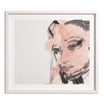
Peter Doig – Two StudentsPeter Doig - Two Students
Peter Doig – Two Students Sale price€1.900,00
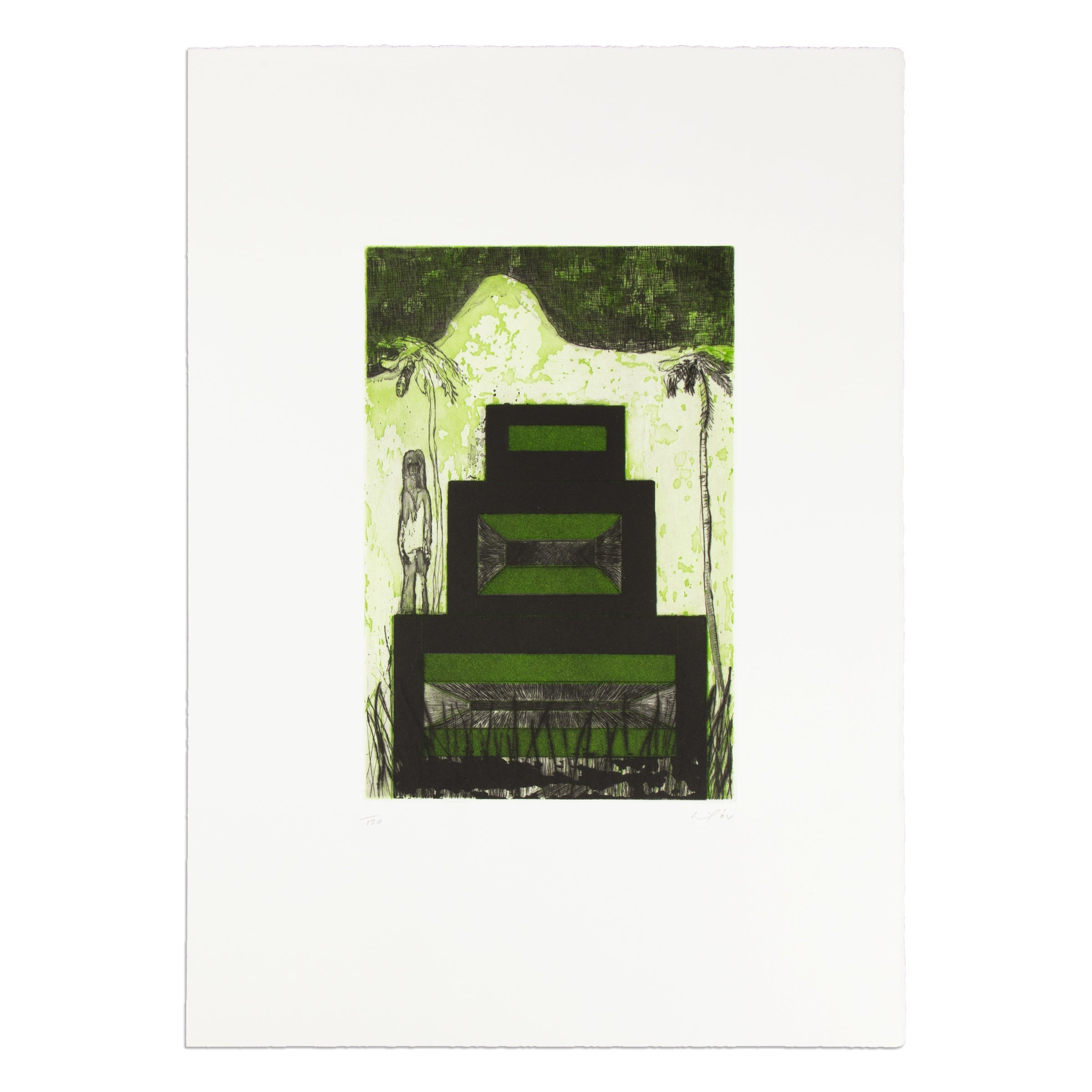
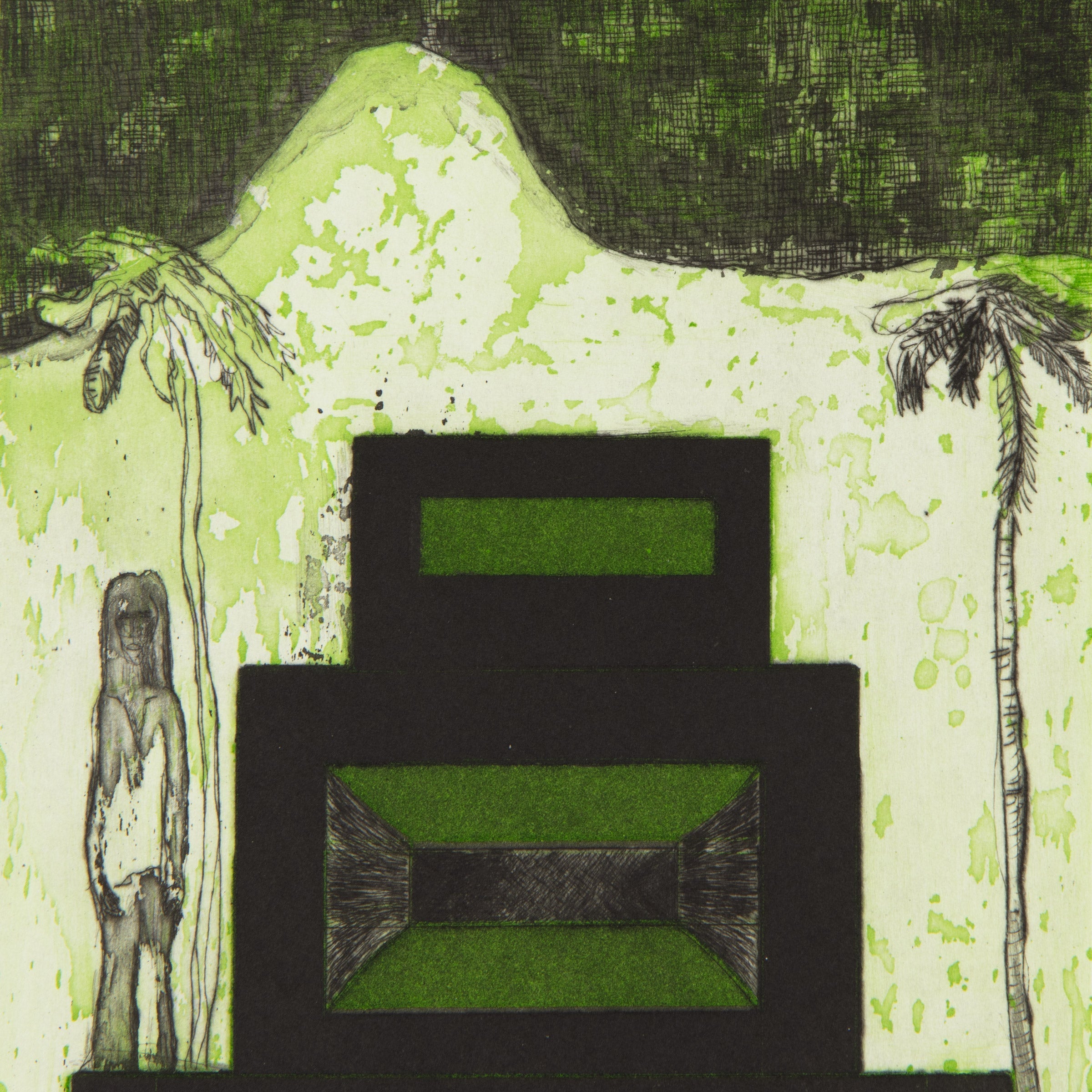
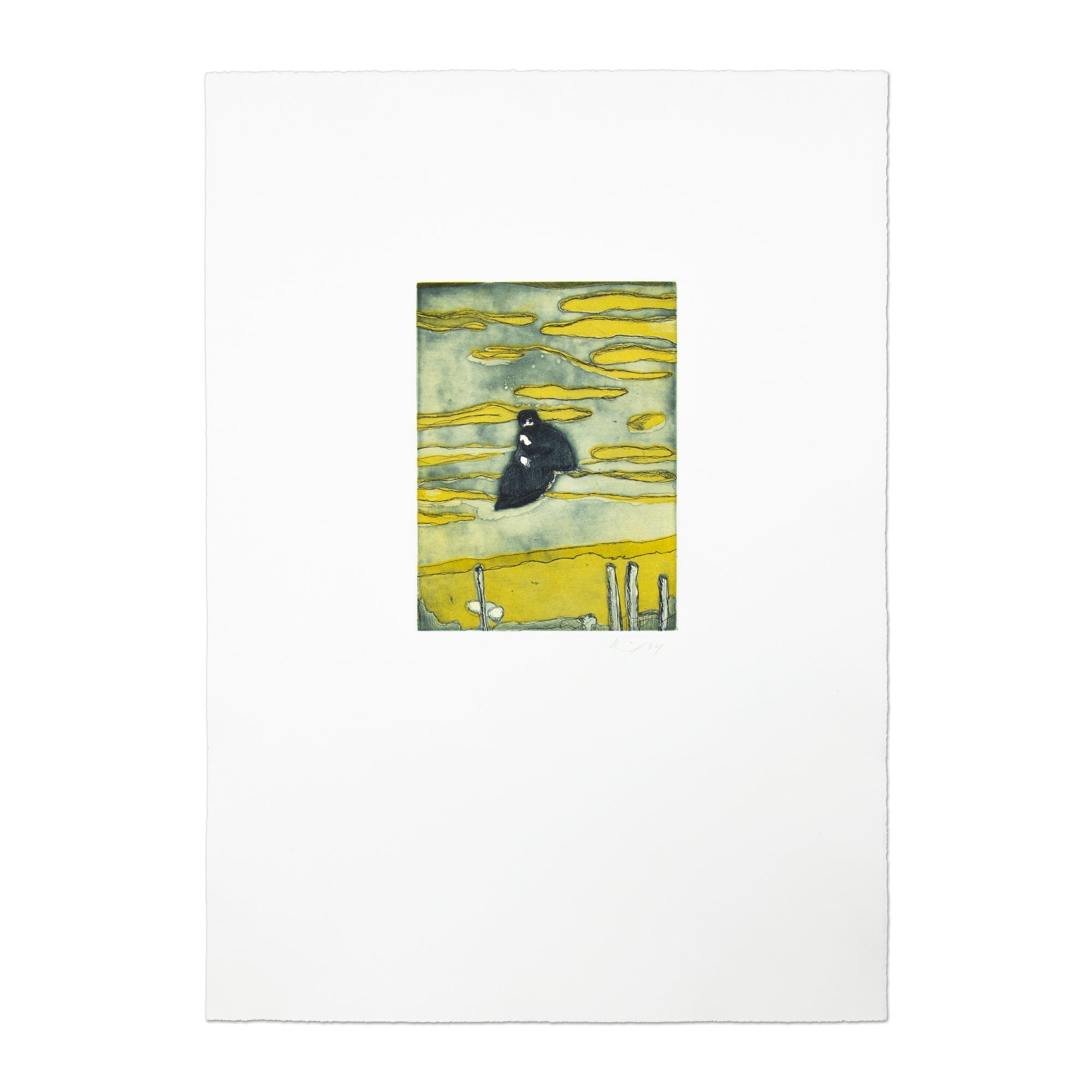
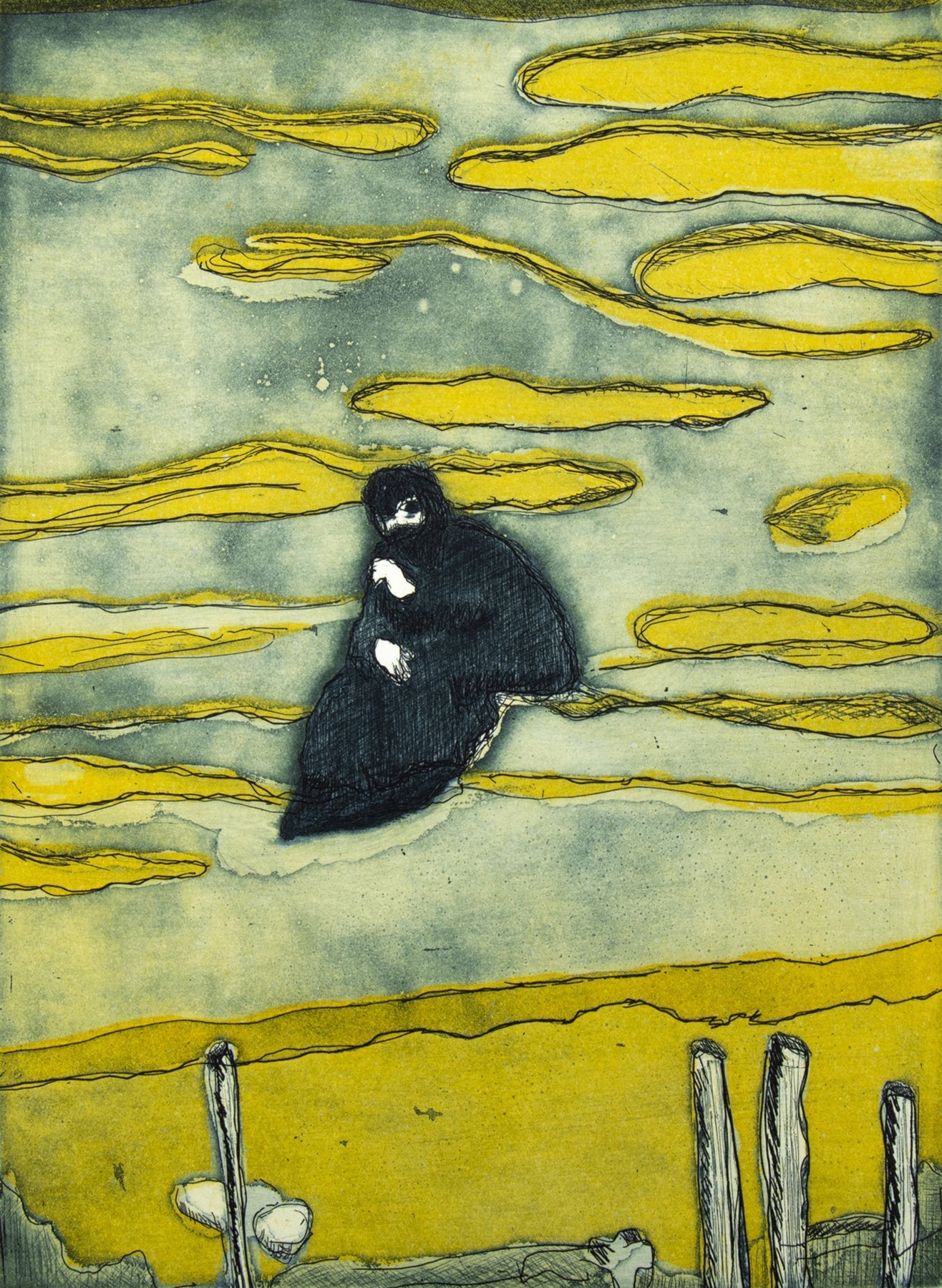
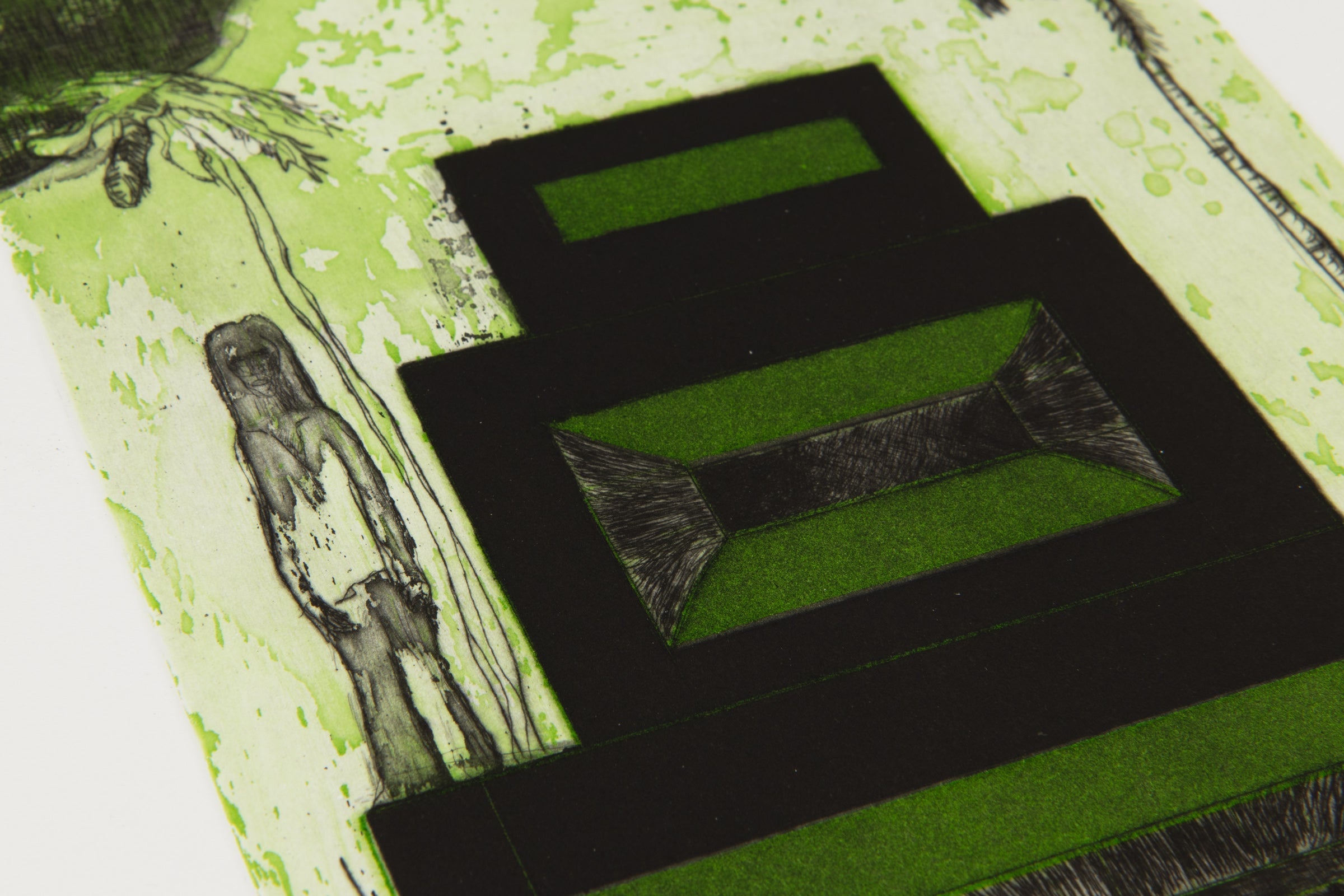
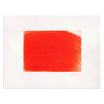
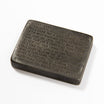
Peter Doig – MaracasPeter Doig - Maracas
Peter Doig – Maracas Sale price€3.900,00
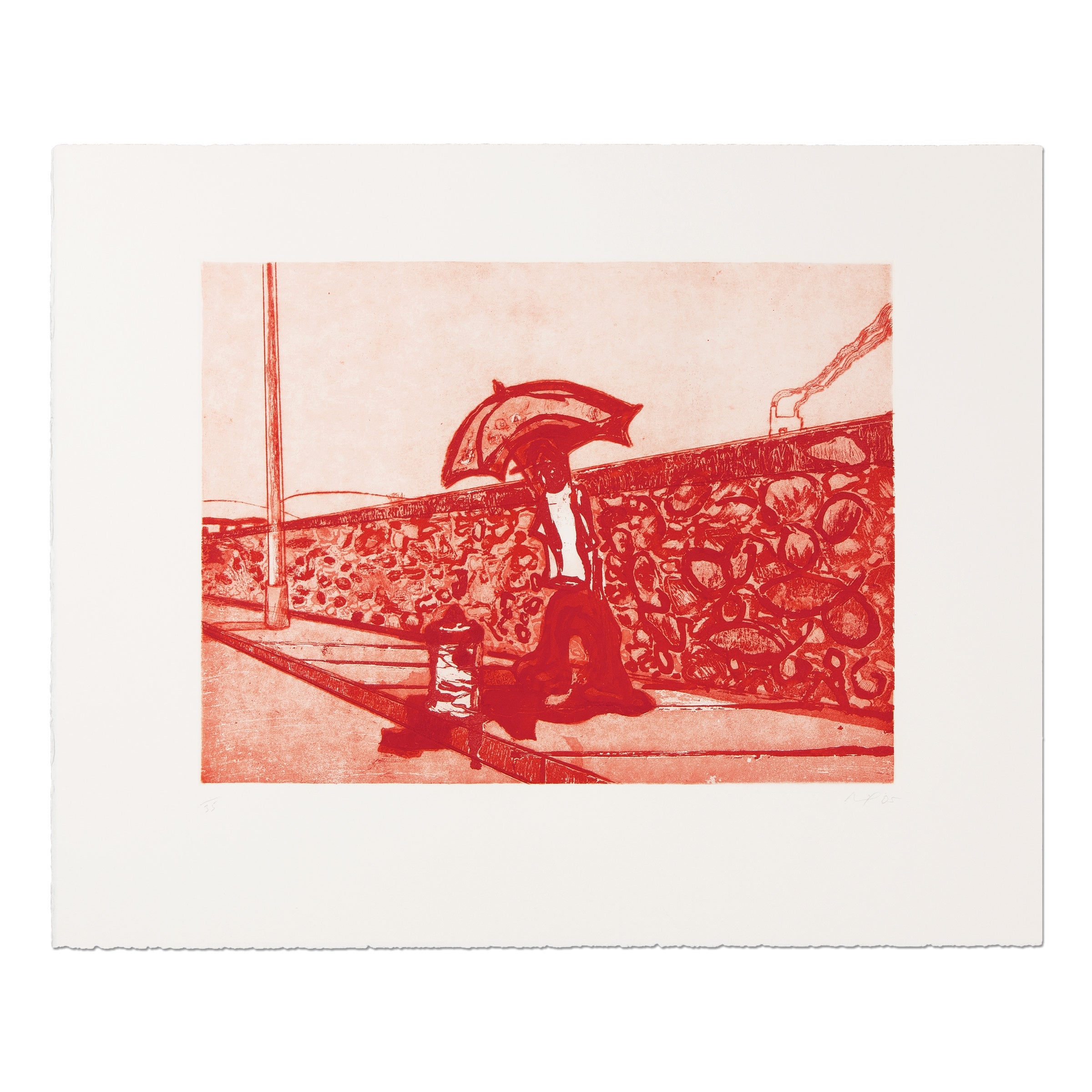
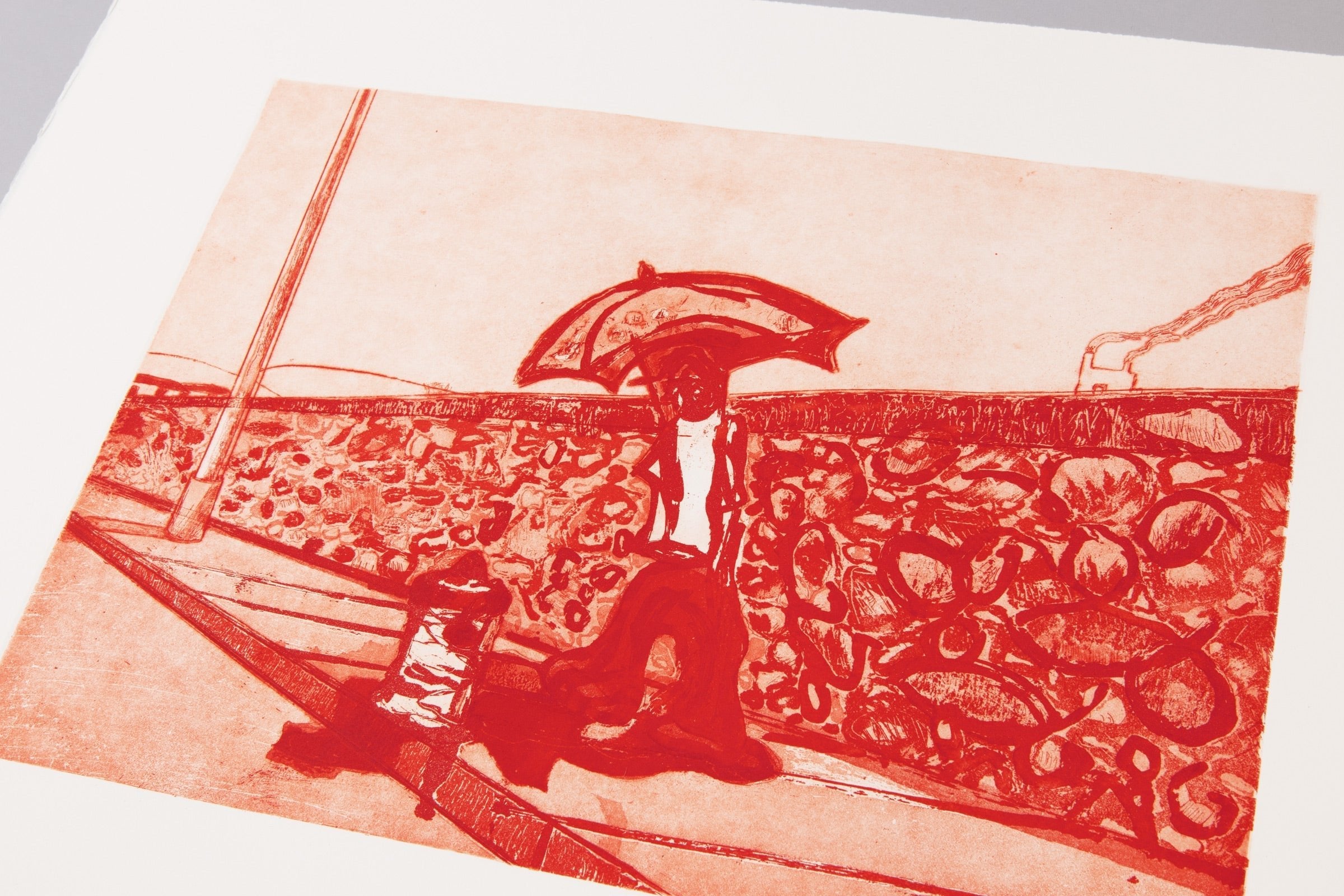
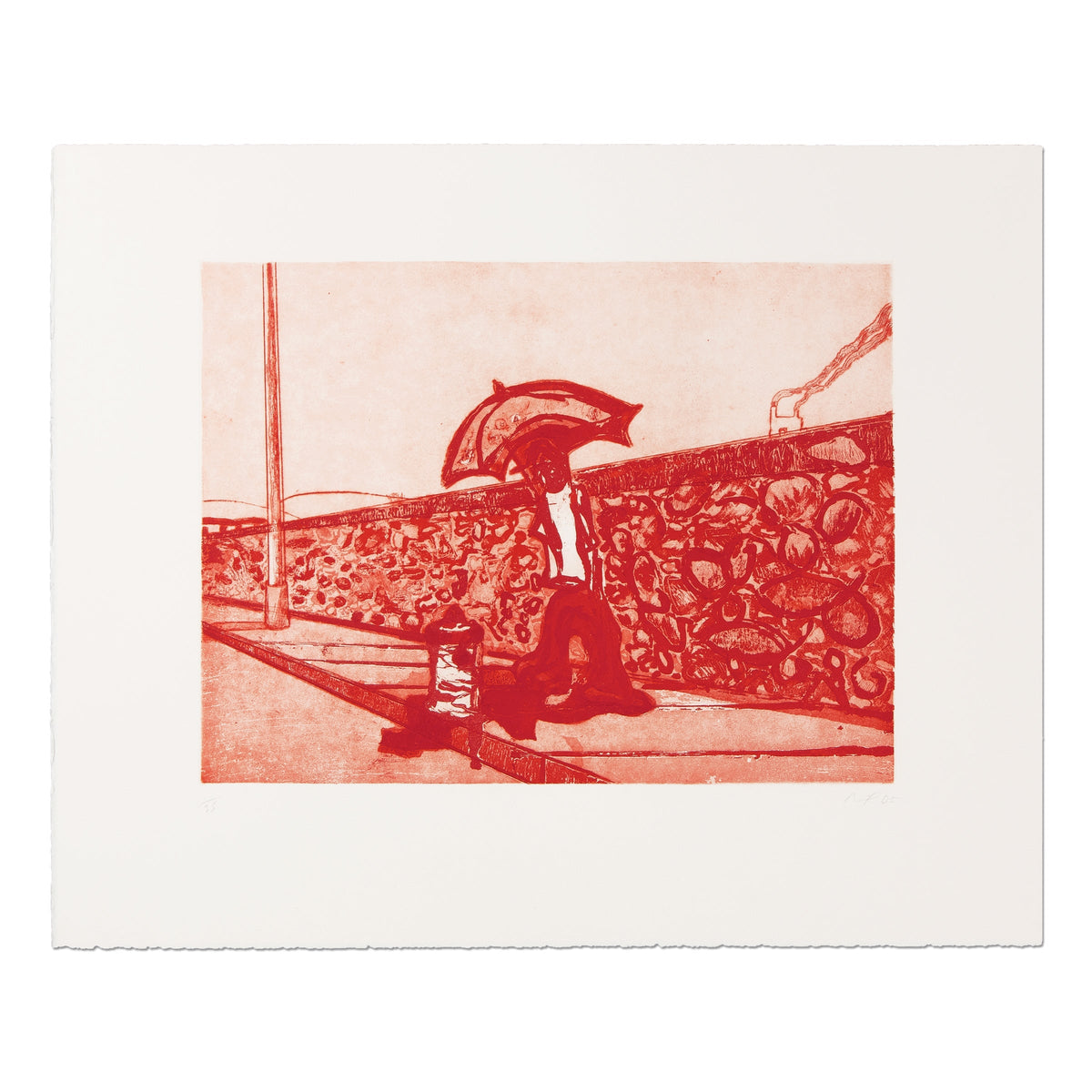
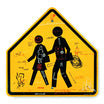
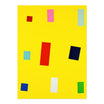
Peter Doig – Lapeyrouse WallPeter Doig - Lapeyrouse Wall
Peter Doig – Lapeyrouse Wall Sale price€5.600,00
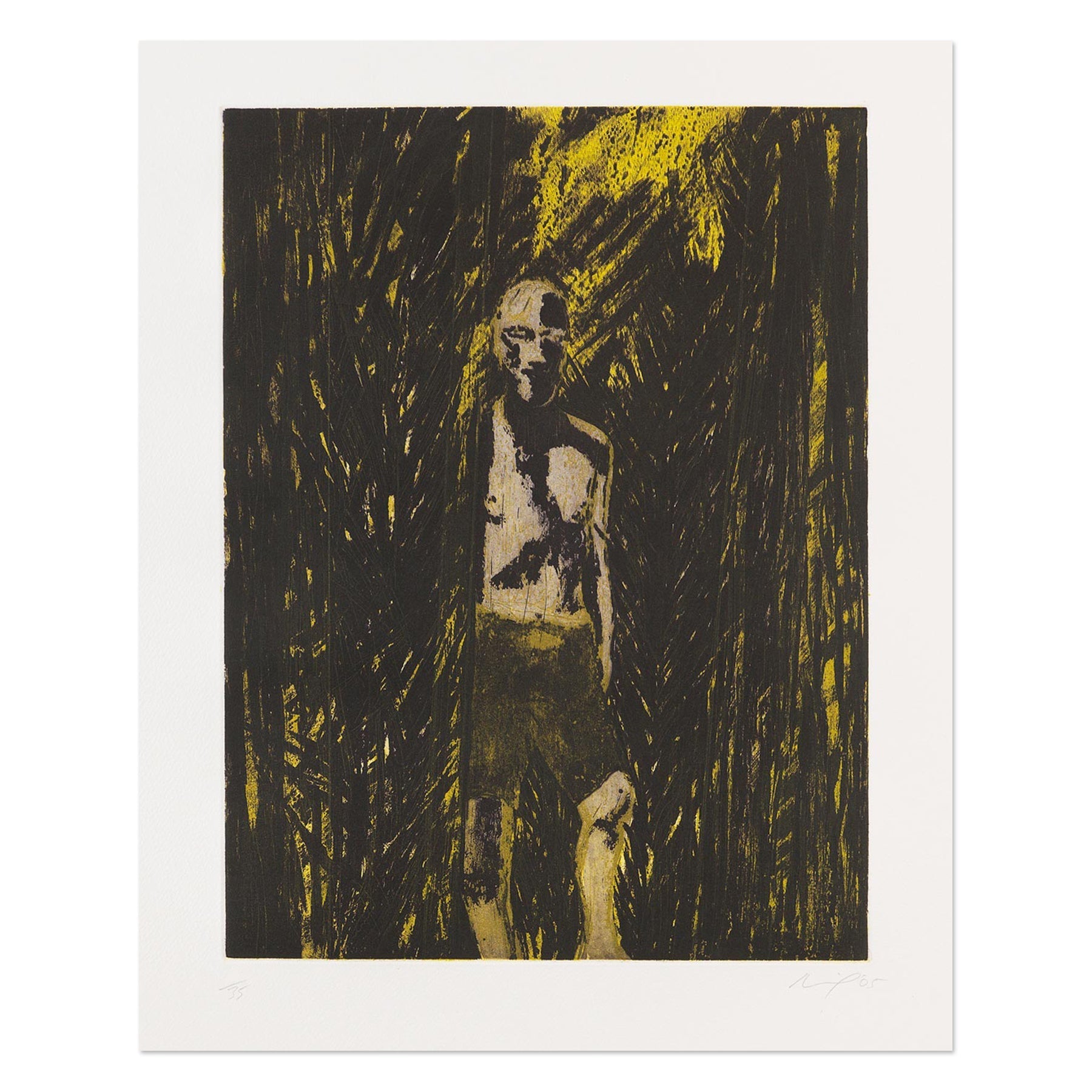
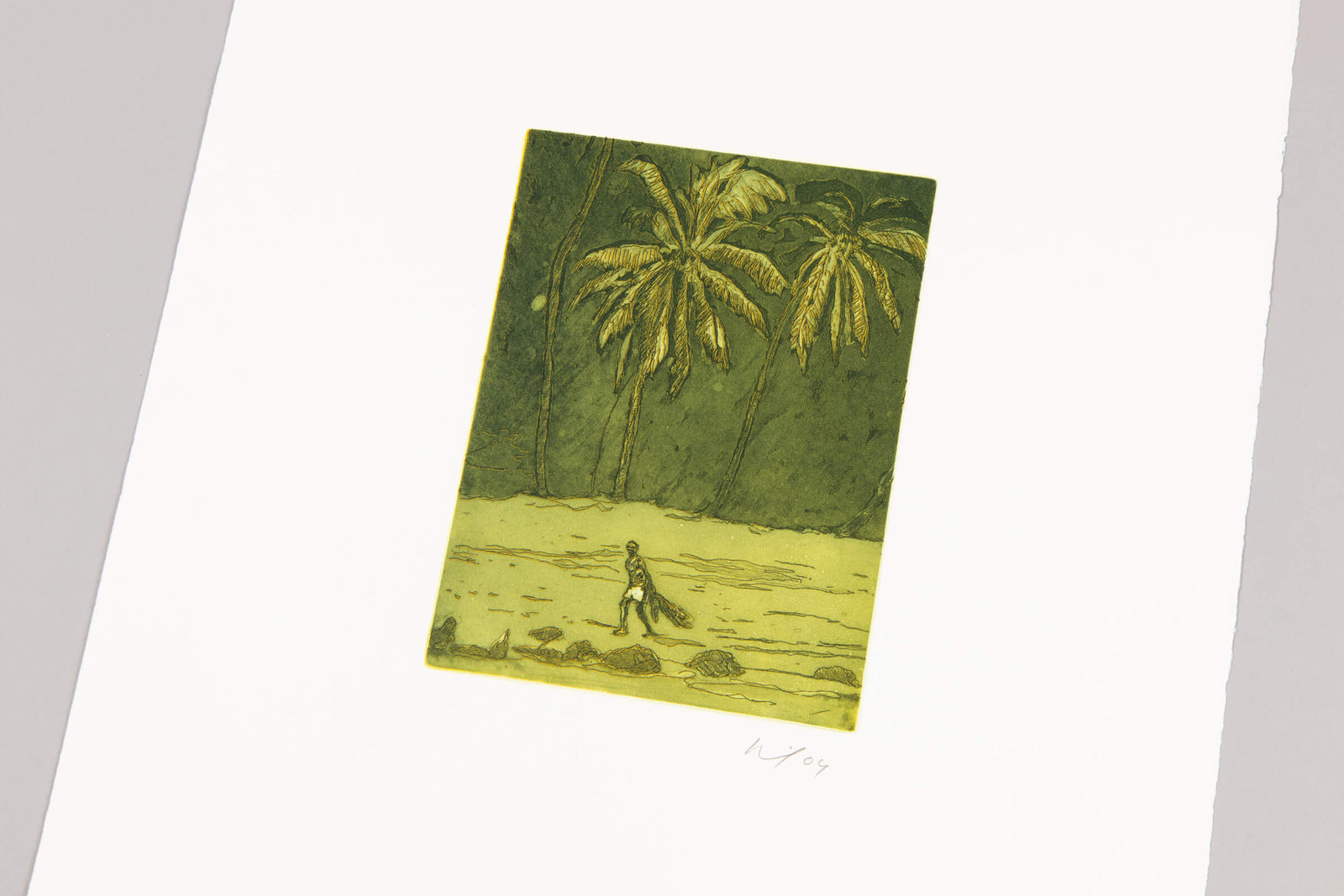
Peter Doig – FishermanPeter Doig - Fisherman
Peter Doig – Fisherman
Peter Doig – Fisherman Sale price€4.800,00
Peter Doig – BoathousePeter Doig - Boathouse
Peter Doig – Boathouse Sale price€3.600,00
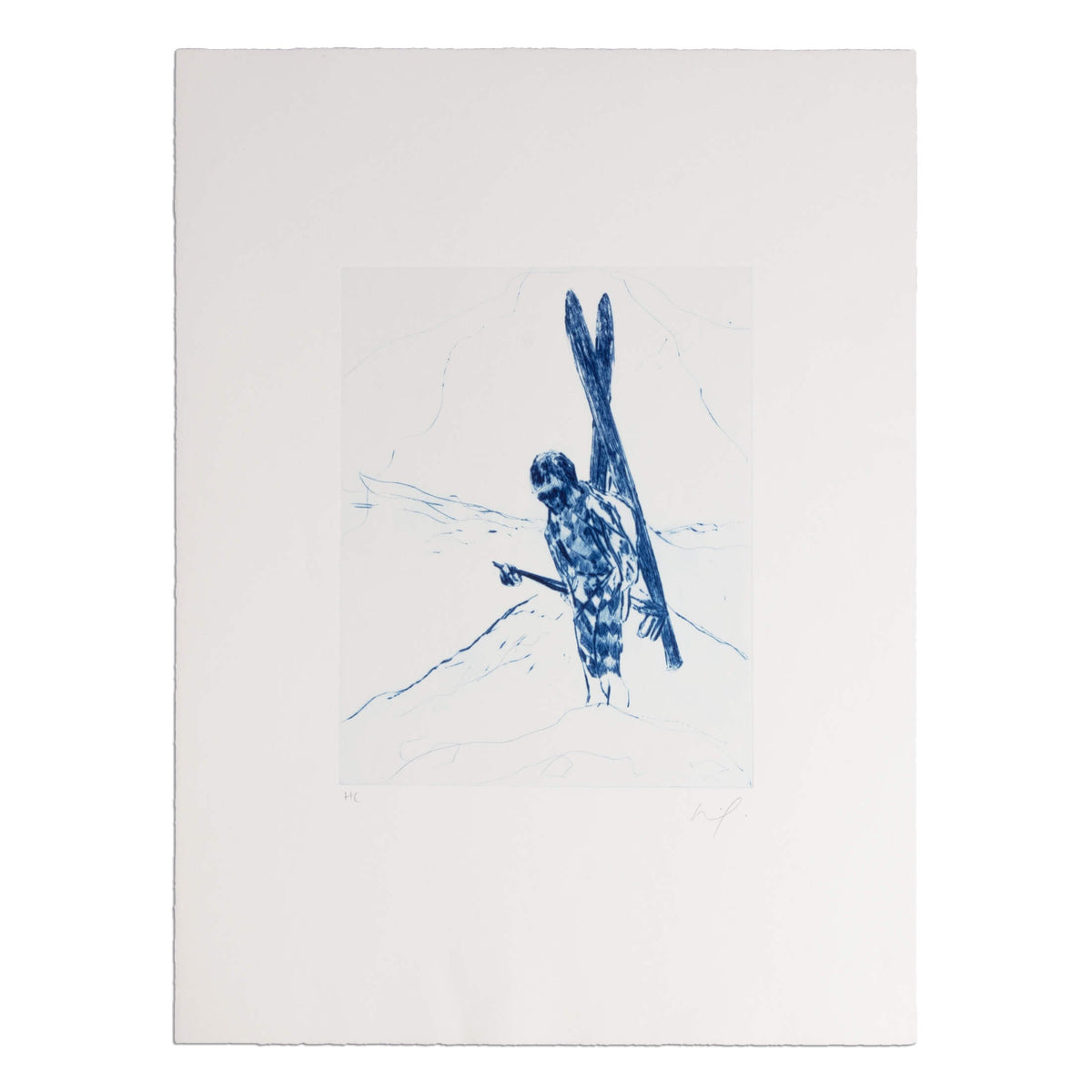
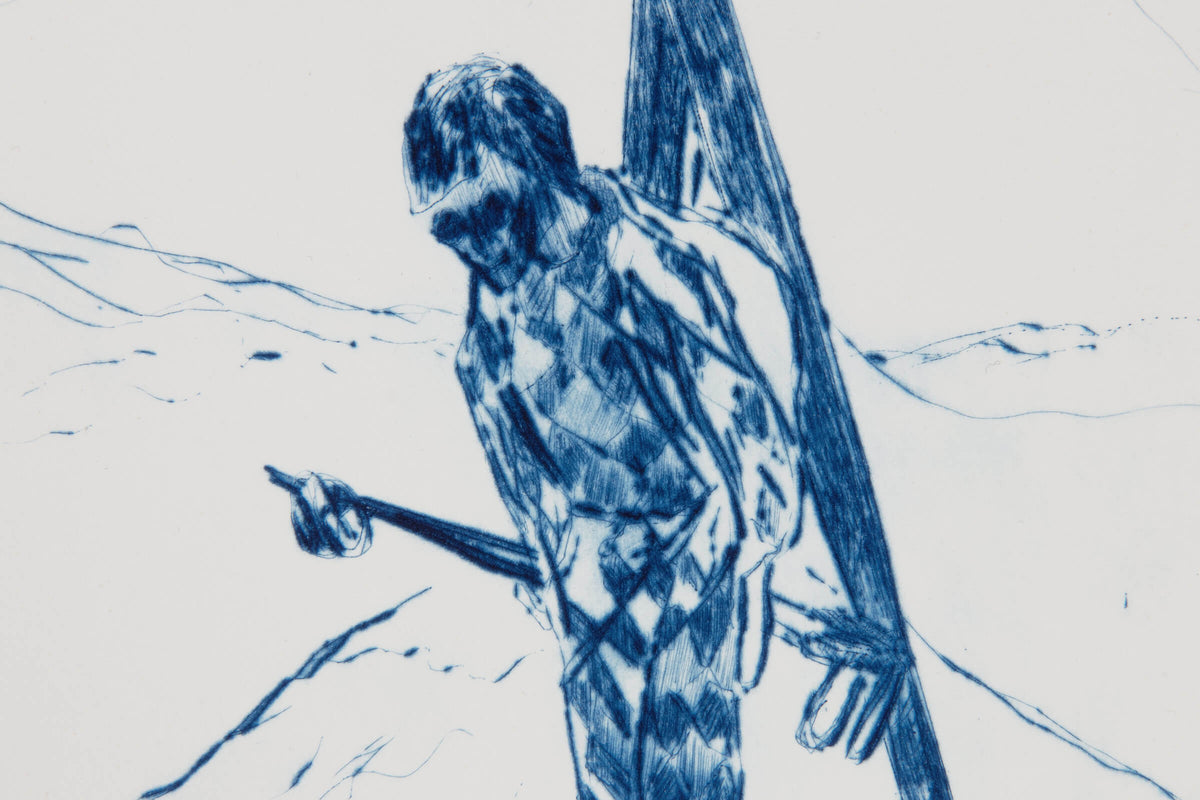
Peter Doig – Untitled (Winter Scene)Peter Doig - Untitled (Winter Scene)
Peter Doig - Untitled (Winter Scene)
01

Peter Doig Biography

Peter Doig (born 1959 in Edinburgh) moved to Trinidad at three, then to Canada, before studying art in London at Wimbledon, St Martins, and Chelsea — a peripatetic childhood that became the engine of his mature work. His paintings do not depict remembered places so much as reconstruct the unreliable process of remembering them: architecture, water, and figures rendered through layers of thinned paint that leave the image perpetually on the verge of dissolving.

His 1994 Turner Prize nomination arrived early in a career that would prioritise atmosphere and psychological depth over the conceptual strategies dominant among his British contemporaries. He was, by design, out of step with the YBAs around him — a painter's painter in a moment that largely wasn't interested in painting. That position has proven durable: the Tate Britain retrospective of 2008 confirmed the longer arc, and major surveys have followed at the Scottish National Gallery (2013), Fondation Beyeler (2015), and the Courtauld Gallery (2023).

Doig lived and worked in Trinidad from 2002 to 2021, a period that decisively reshaped his palette and subject matter, before relocating his studio to London. Throughout, he has drawn on found photographs, film stills, and personal memory as raw material — sources he transforms rather than illustrates, producing an ambiguity between the real and the imagined that has become the defining condition of his work.

Peter Doig, Lapeyrouse Wall
02

Famous Peter Doig Artworks

White Canoe (1990–91) established the motif — a lone canoe adrift on dark water — that would recur across his career and become closely associated with his name. When it sold for $11.3 million in 2007, it set a record at the time for the highest auction price achieved by a living European artist, an early signal of the critical and commercial weight his painting would come to carry.

Swamped (1990) remains his auction record, selling for $39.86 million at Christie's New York in 2021. A canoe seen from above, dissolving into reflected water and vegetation, it distils the vertiginous uncertainty of space that defines his strongest paintings — the viewer's position, like the canoe's, never quite fixed.

Morning, Paramin — a suite of 28 etchings made between 2016 and 2025 — occupies a distinct place in his output: a visual dialogue with his late friend, the Saint Lucian Nobel laureate Derek Walcott, whose poems had responded to Doig's paintings a decade earlier. Made across Trinidad and the Alps, the series folds Doig's printmaking practice directly into a decades-long creative friendship, and stands as one of his most sustained bodies of work on paper.

Peter Doig – Pelican
03

Peter Doig Prints & Editions

For Doig, etching is not a secondary activity undertaken between paintings — it runs parallel to painting, a distinct site of experimentation with its own discipline. He works and reworks the plate obsessively, building, effacing, and rediscovering the image through techniques including aquatint, spitbite, sugar lift, and burnishing, chasing a fluidity in print that approaches the alchemy of paint itself. Since relocating his studio to London in 2021 he has continued to prioritise printmaking equipment as central to his practice, not peripheral to it.

His major print series read as sustained investigations rather than incidental output: Ten Etchings (1996), Blizzard '77 (1997), the Zermatt etchings made during residencies in the Swiss Alps, and Morning, Paramin, his collaboration with Derek Walcott. Limited edition prints account for a substantial share of Doig's work sold at auction — evidence that collectors treat his editions not as affordable substitutes for the paintings, but as a distinct and serious body of work in their own right.

For collectors, Doig's prints and editions offer direct access to a working method inseparable from his paintings, at a considerably more accessible price point. Works are held in the permanent collections of MoMA, Tate, and the Musée d'Orsay.

01

Peter Doig Biography

Peter Doig (born 1959 in Edinburgh) moved to Trinidad at three, then to Canada, before studying art in London at Wimbledon, St Martins, and Chelsea — a peripatetic childhood that became the engine of his mature work. His paintings do not depict remembered places so much as reconstruct the unreliable process of remembering them: architecture, water, and figures rendered through layers of thinned paint that leave the image perpetually on the verge of dissolving.

His 1994 Turner Prize nomination arrived early in a career that would prioritise atmosphere and psychological depth over the conceptual strategies dominant among his British contemporaries. He was, by design, out of step with the YBAs around him — a painter's painter in a moment that largely wasn't interested in painting. That position has proven durable: the Tate Britain retrospective of 2008 confirmed the longer arc, and major surveys have followed at the Scottish National Gallery (2013), Fondation Beyeler (2015), and the Courtauld Gallery (2023).

Doig lived and worked in Trinidad from 2002 to 2021, a period that decisively reshaped his palette and subject matter, before relocating his studio to London. Throughout, he has drawn on found photographs, film stills, and personal memory as raw material — sources he transforms rather than illustrates, producing an ambiguity between the real and the imagined that has become the defining condition of his work.

02

Famous Peter Doig Artworks

White Canoe (1990–91) established the motif — a lone canoe adrift on dark water — that would recur across his career and become closely associated with his name. When it sold for $11.3 million in 2007, it set a record at the time for the highest auction price achieved by a living European artist, an early signal of the critical and commercial weight his painting would come to carry.

Swamped (1990) remains his auction record, selling for $39.86 million at Christie's New York in 2021. A canoe seen from above, dissolving into reflected water and vegetation, it distils the vertiginous uncertainty of space that defines his strongest paintings — the viewer's position, like the canoe's, never quite fixed.

Morning, Paramin — a suite of 28 etchings made between 2016 and 2025 — occupies a distinct place in his output: a visual dialogue with his late friend, the Saint Lucian Nobel laureate Derek Walcott, whose poems had responded to Doig's paintings a decade earlier. Made across Trinidad and the Alps, the series folds Doig's printmaking practice directly into a decades-long creative friendship, and stands as one of his most sustained bodies of work on paper.

03

Peter Doig Prints & Editions

For Doig, etching is not a secondary activity undertaken between paintings — it runs parallel to painting, a distinct site of experimentation with its own discipline. He works and reworks the plate obsessively, building, effacing, and rediscovering the image through techniques including aquatint, spitbite, sugar lift, and burnishing, chasing a fluidity in print that approaches the alchemy of paint itself. Since relocating his studio to London in 2021 he has continued to prioritise printmaking equipment as central to his practice, not peripheral to it.

His major print series read as sustained investigations rather than incidental output: Ten Etchings (1996), Blizzard '77 (1997), the Zermatt etchings made during residencies in the Swiss Alps, and Morning, Paramin, his collaboration with Derek Walcott. Limited edition prints account for a substantial share of Doig's work sold at auction — evidence that collectors treat his editions not as affordable substitutes for the paintings, but as a distinct and serious body of work in their own right.

For collectors, Doig's prints and editions offer direct access to a working method inseparable from his paintings, at a considerably more accessible price point. Works are held in the permanent collections of MoMA, Tate, and the Musée d'Orsay.

Peter Doig - Untitled (Winter Scene)Peter Doig, Lapeyrouse WallPeter Doig – Pelican

Peter Doig: Key Questions

Collecting Peter Doig?

Looking for a specific artwork or have a question about an edition? We're happy to advise on availability, pricing, condition, and provenance — and to source artworks beyond our current selection.

Contact us

Prints, Photographs & Multiples

View our full collection of

Prints, Photographs & Multiples

Explore editions