



About Louise Bourgeois
Louise Bourgeois (1911–2010) was a French-American artist whose seven-decade career shaped the course of modern and contemporary art. Working across sculpture, installation, drawing, painting, and limited edition prints, she developed a deeply personal visual language focused on memory, family, sexuality, fear, and the subconscious. Her work is widely understood as autobiographical, using art as a means to confront psychological states and unresolved emotional experiences.
Bourgeois is best known for her large-scale sculptures, most notably Maman, the monumental spider form that has become a defining image of late 20th-century art. The spider functions as a complex symbol of motherhood, protection, and vulnerability. Her Cells installations further expanded her sculptural practice, creating enclosed architectural spaces filled with objects, textiles, and sculptural fragments that evoke isolation, trauma, and remembrance.
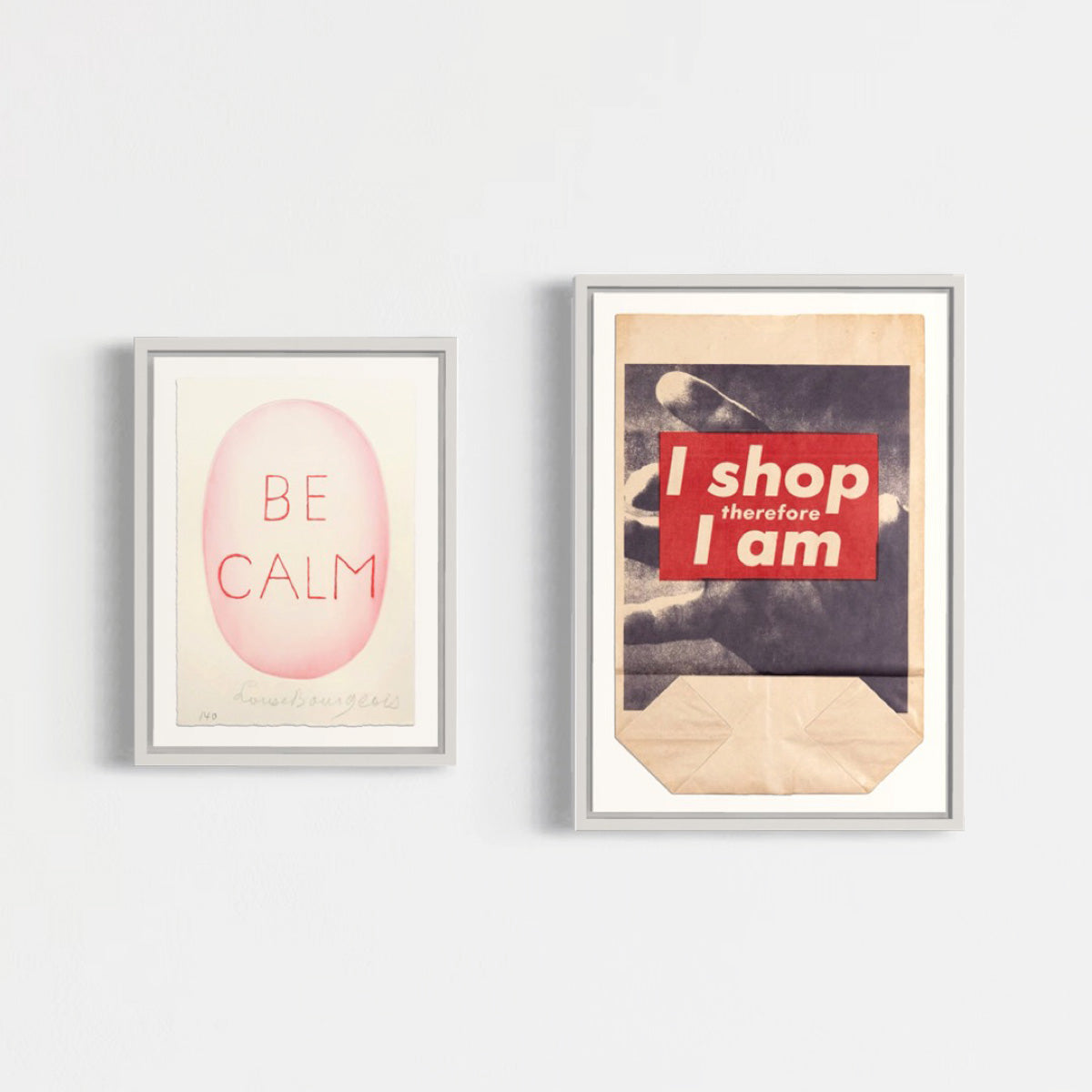
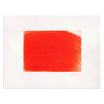
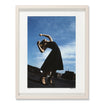
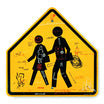
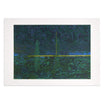
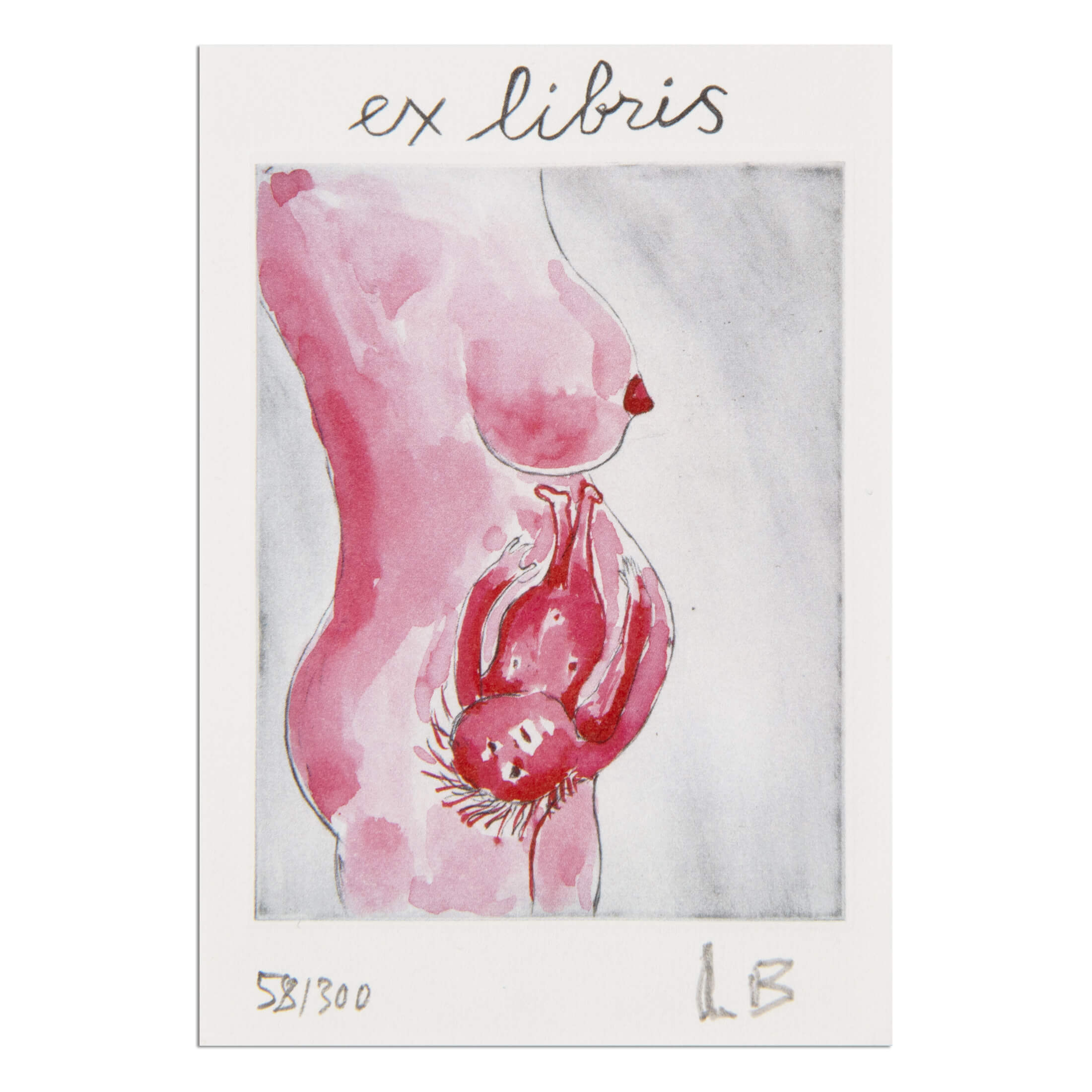
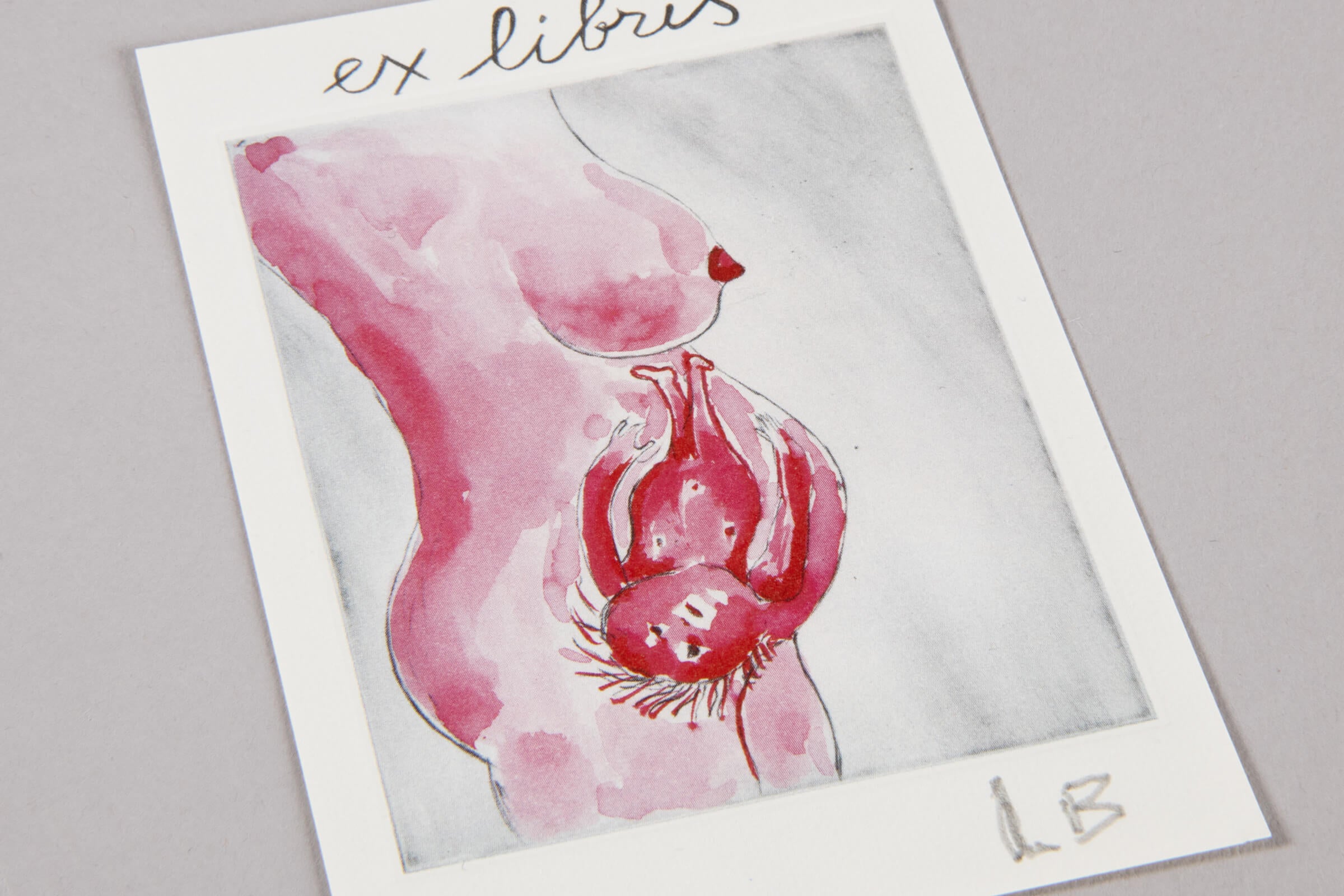
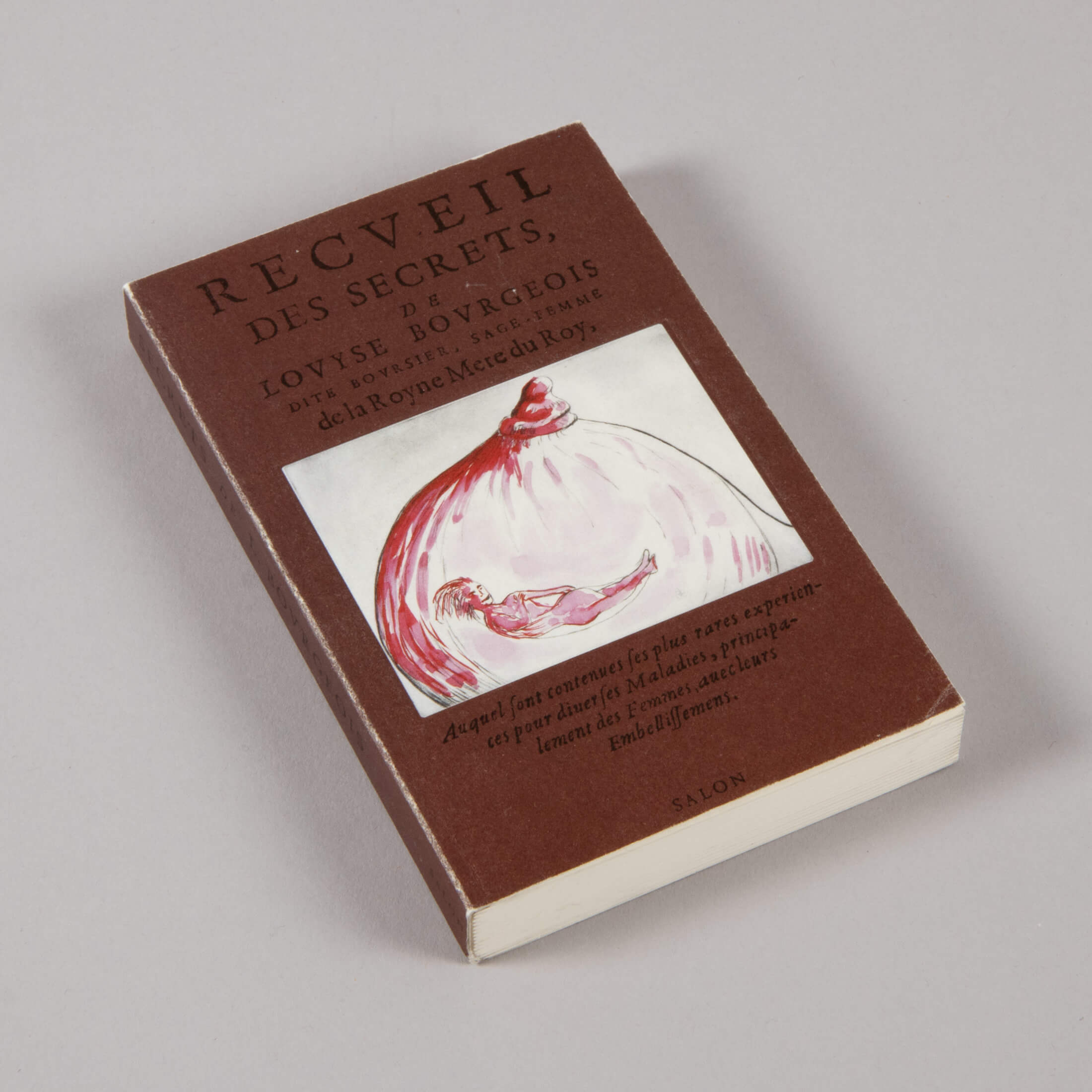
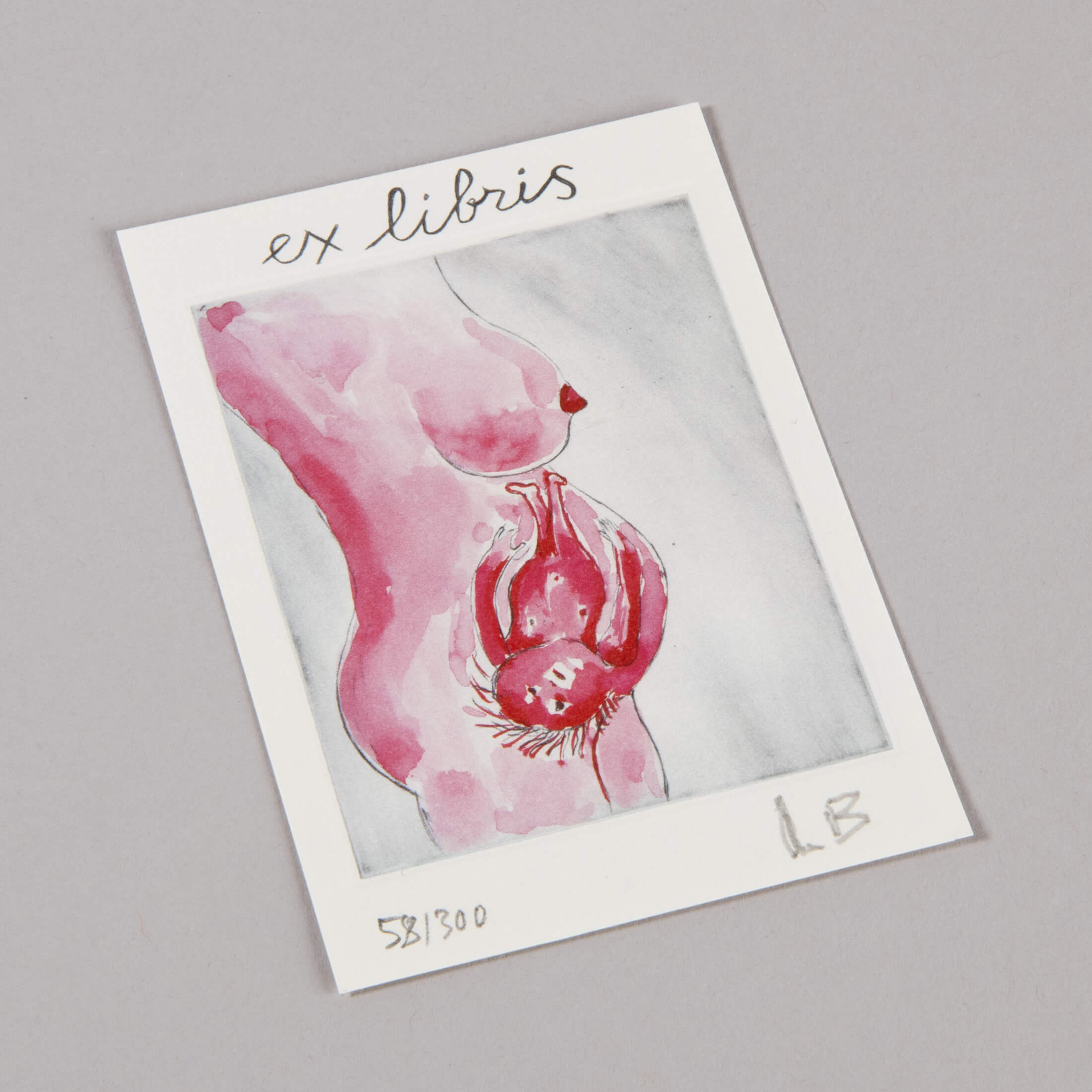
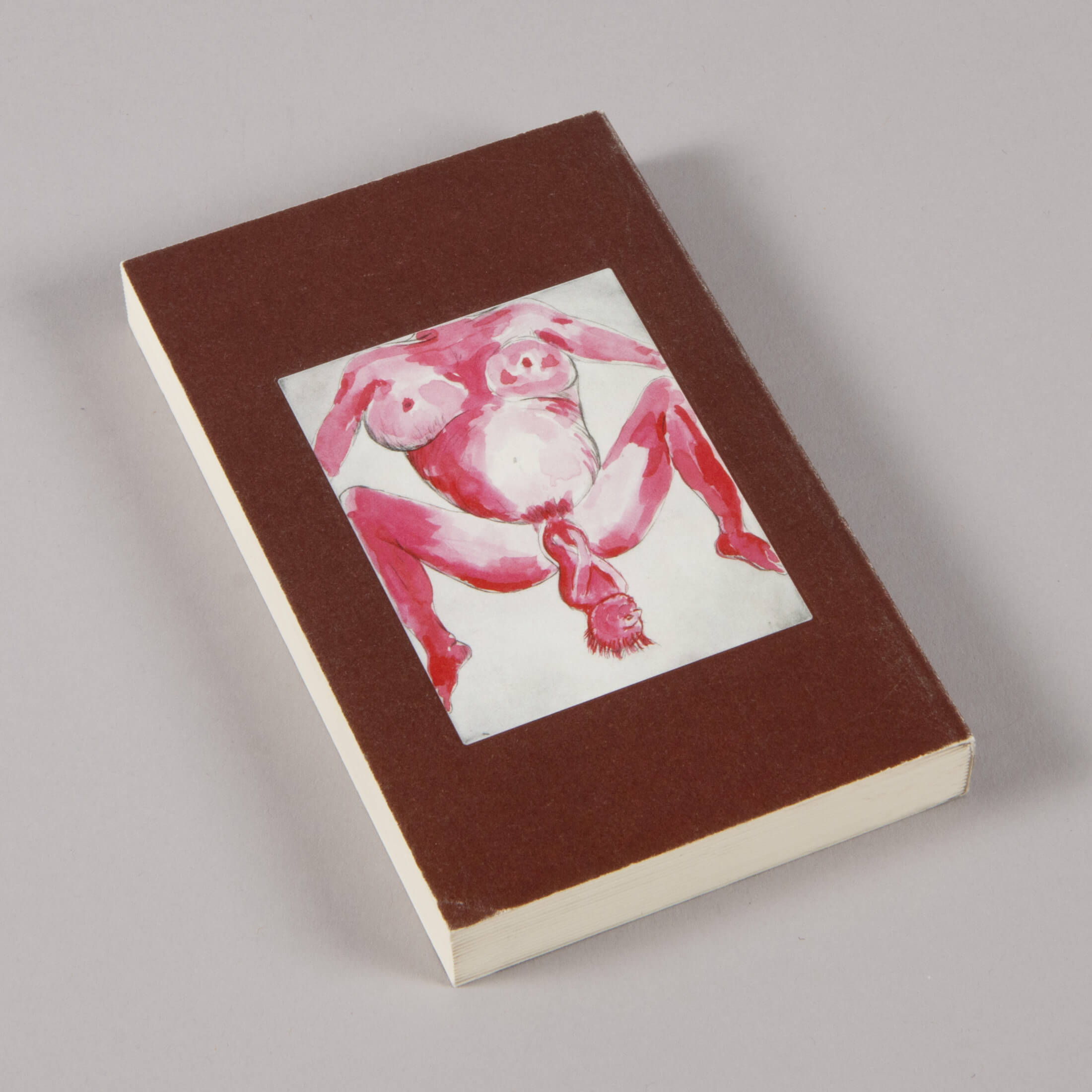
Alongside her sculptures, Bourgeois produced an extensive body of fine art prints and works on paper. These signed and limited edition prints translate her recurring motifs—organic forms, bodily imagery, and psychological tension—into intimate, graphic compositions. Her printmaking practice allowed her to revisit themes central to her sculpture while exploring line, repetition, and symbolism in a more distilled format.
Often associated with feminist art, Bourgeois challenged traditional representations of gender, identity, and the body, influencing generations of contemporary artists. Her artworks, sculptures, and editions remain central to discussions of emotional expression and psychological depth in contemporary art, securing her position as one of the most influential artists of the 20th century.


