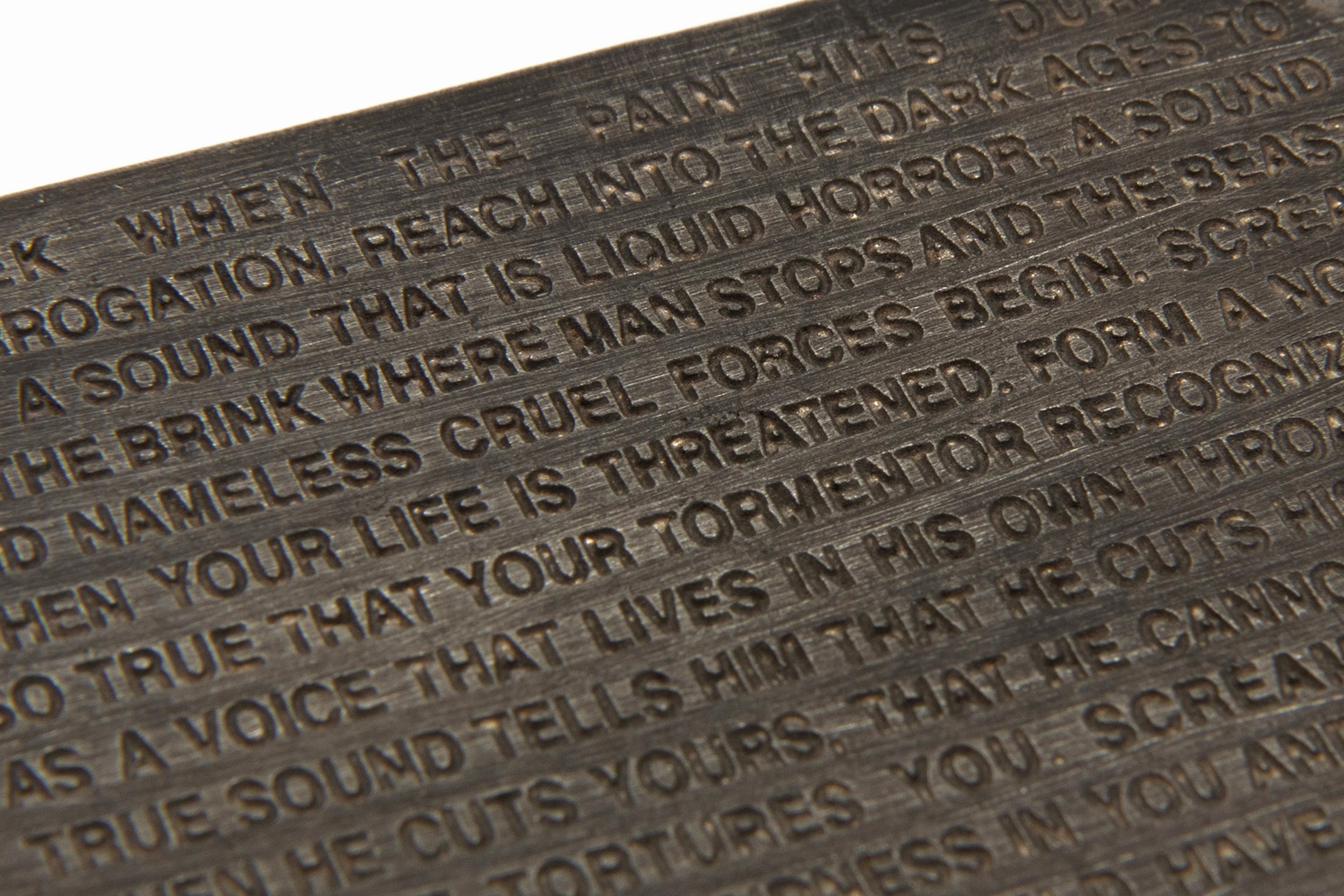
Jenny Holzer (born 1950 in Gallipolis, Ohio) earned a BFA in printmaking and painting from Ohio University in 1972, then an MFA in painting from the Rhode Island School of Design in 1977 — formal training in exactly the two disciplines, language and print, that would define her career, though not yet in combination. That combination arrived in New York, where she enrolled in the Whitney Museum's Independent Study Program under tutor Ron Clark. His reading list — dense post-structuralist theory that Holzer found "wonderful yet daunting" — became the raw material for her breakthrough: she distilled its ideas into blunt, aphoristic one-liners and called them Truisms.
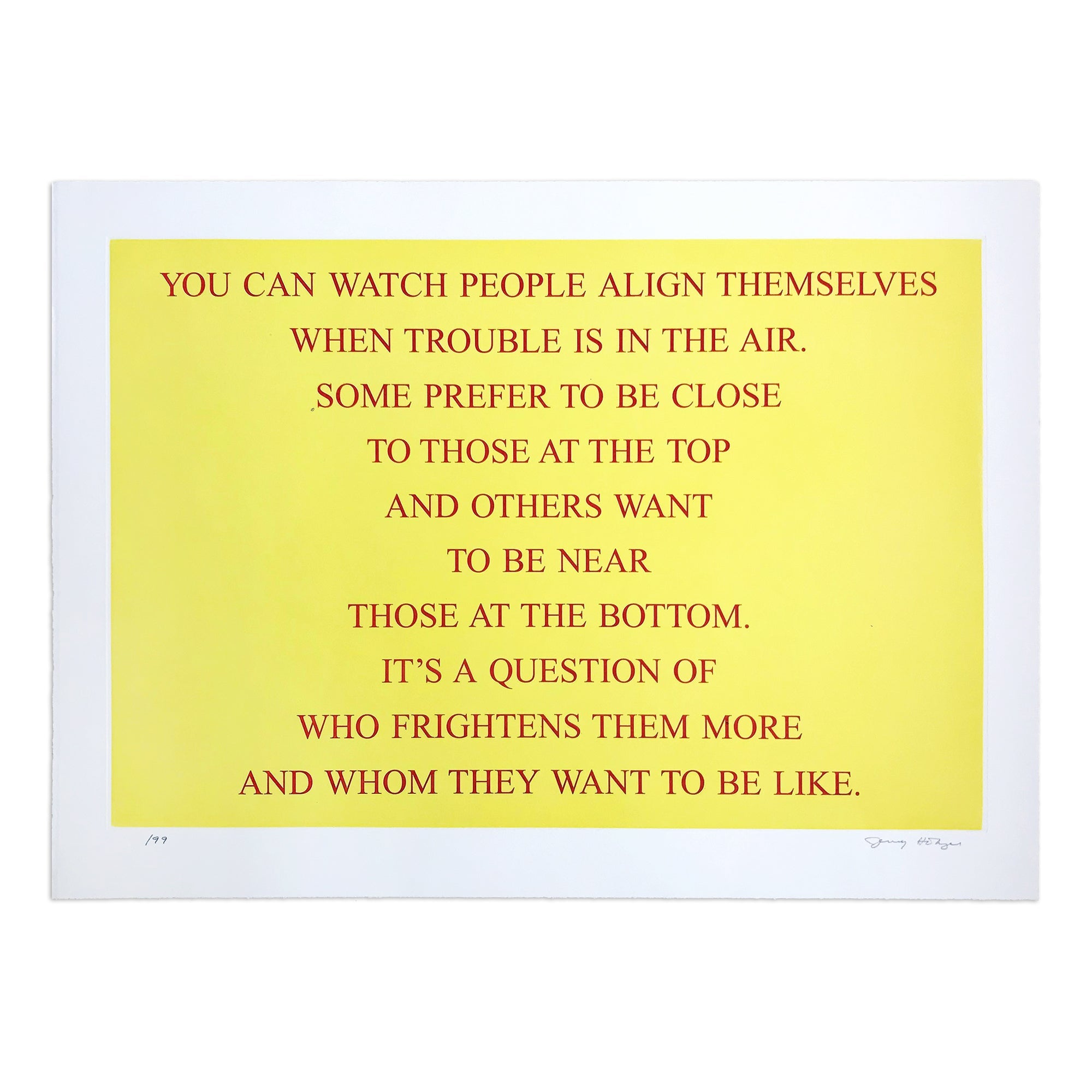
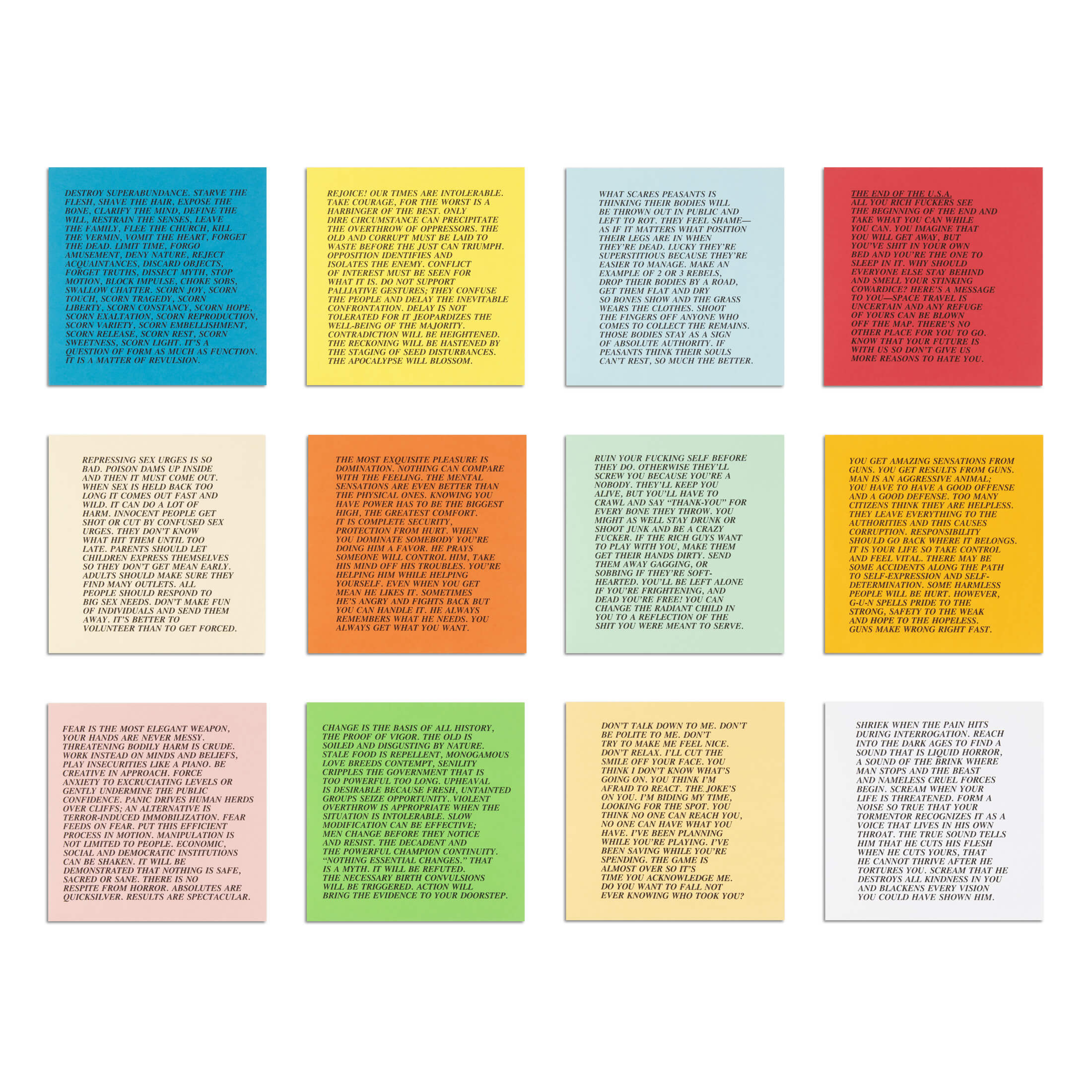
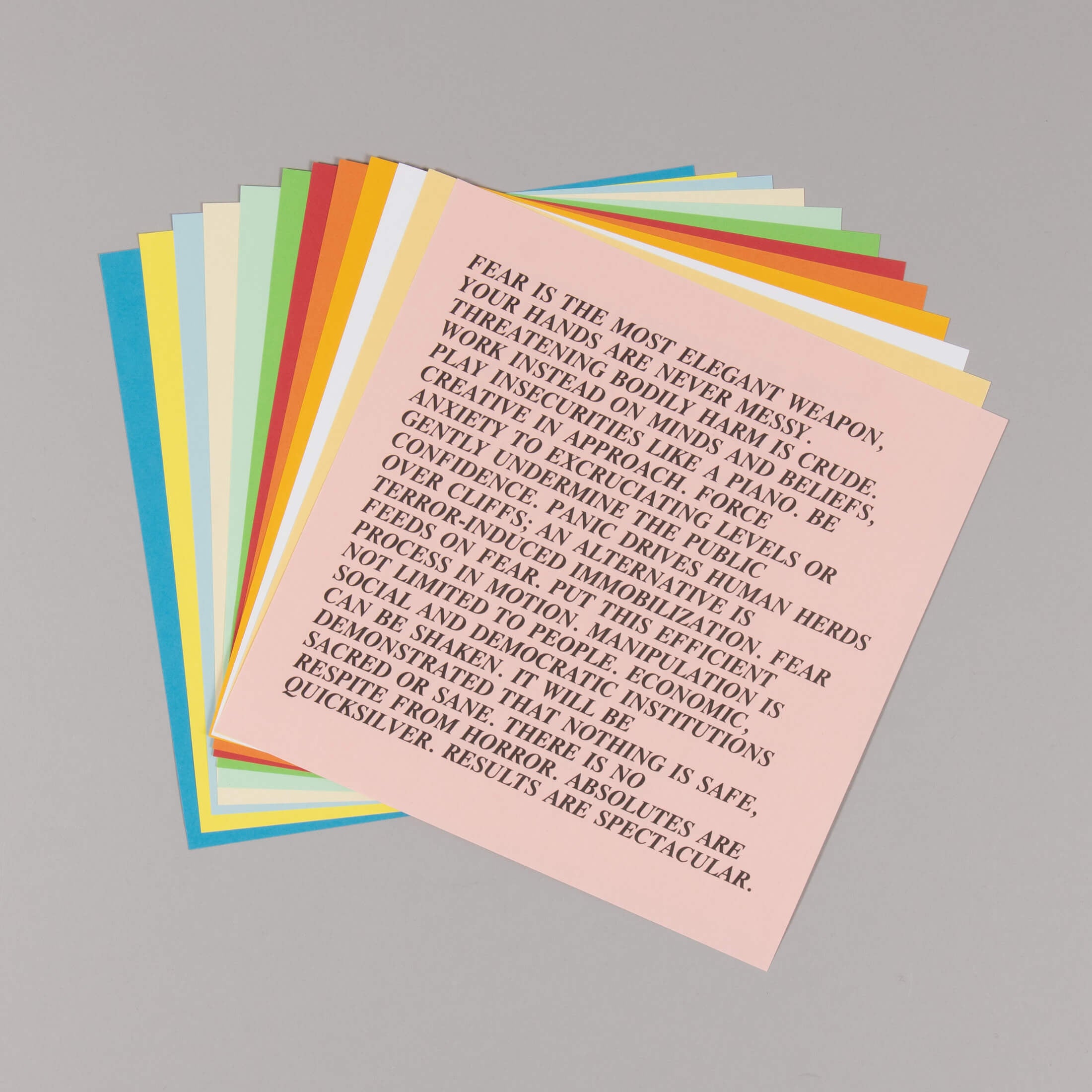
Working with the downtown artist collective Colab alongside Tom Otterness and Christy Rupp, Holzer printed the Truisms on broadsheets and wheat-pasted them anonymously across lower Manhattan between 1977 and 1979 — guerrilla distribution that mimicked official signage while undermining it. She was arrested during one pasting session; her own account of the incident, offered to the New York Times, has become one of her most quoted lines: "I was dripping with so much wheat paste they probably didn't want me on their back seat much longer." Inflammatory Essays (1979–82) followed the same method with longer, angrier texts on brightly coloured paper.
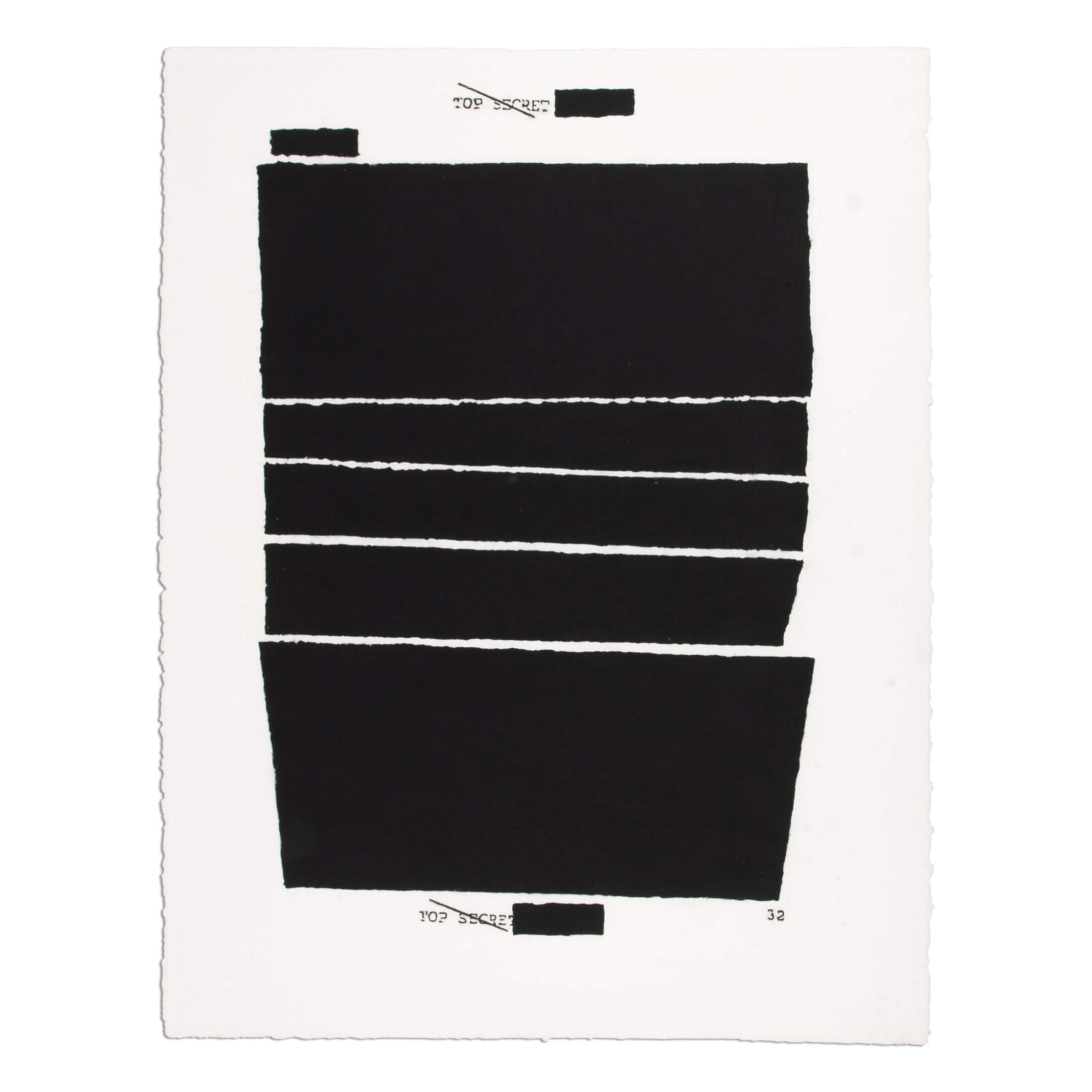
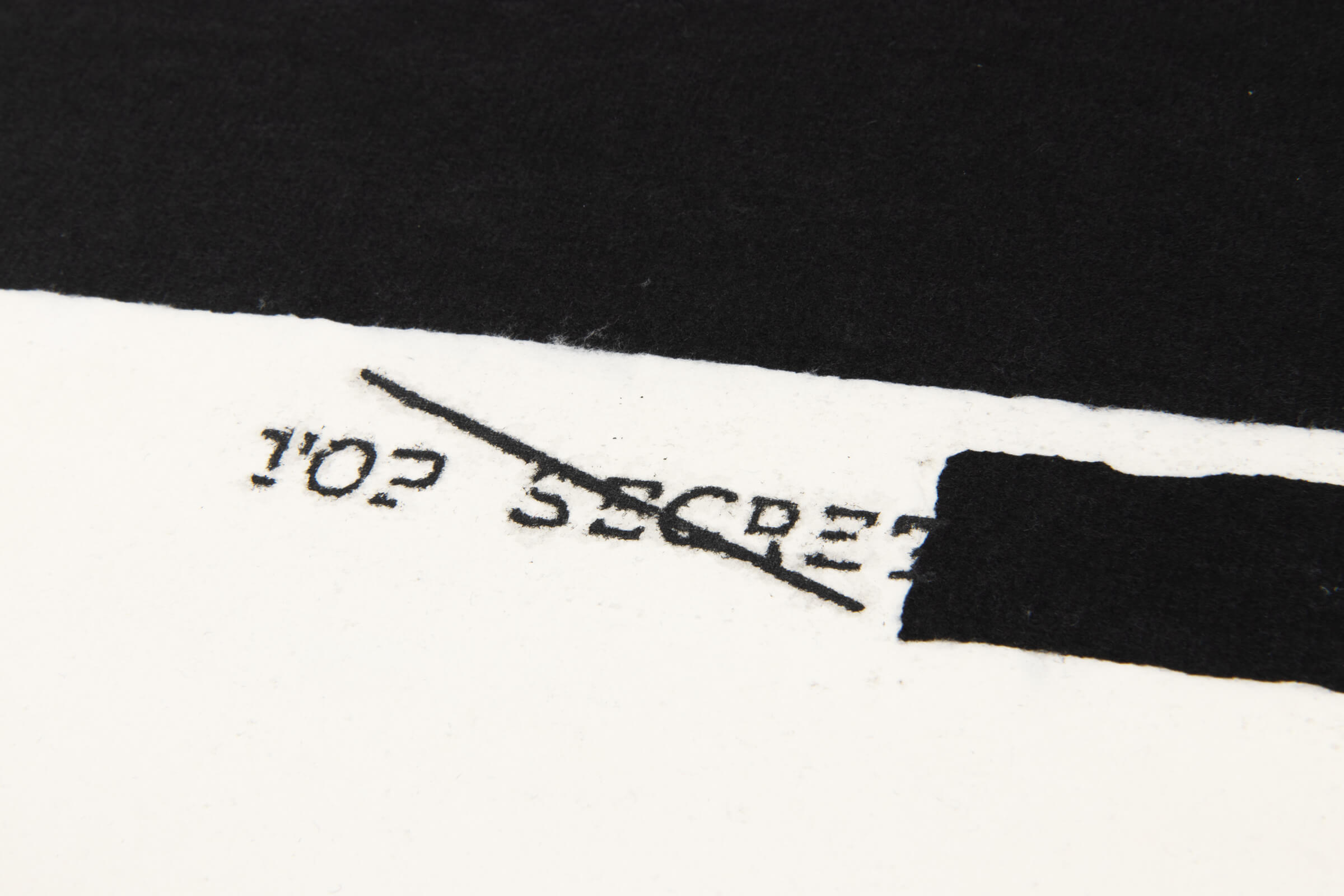
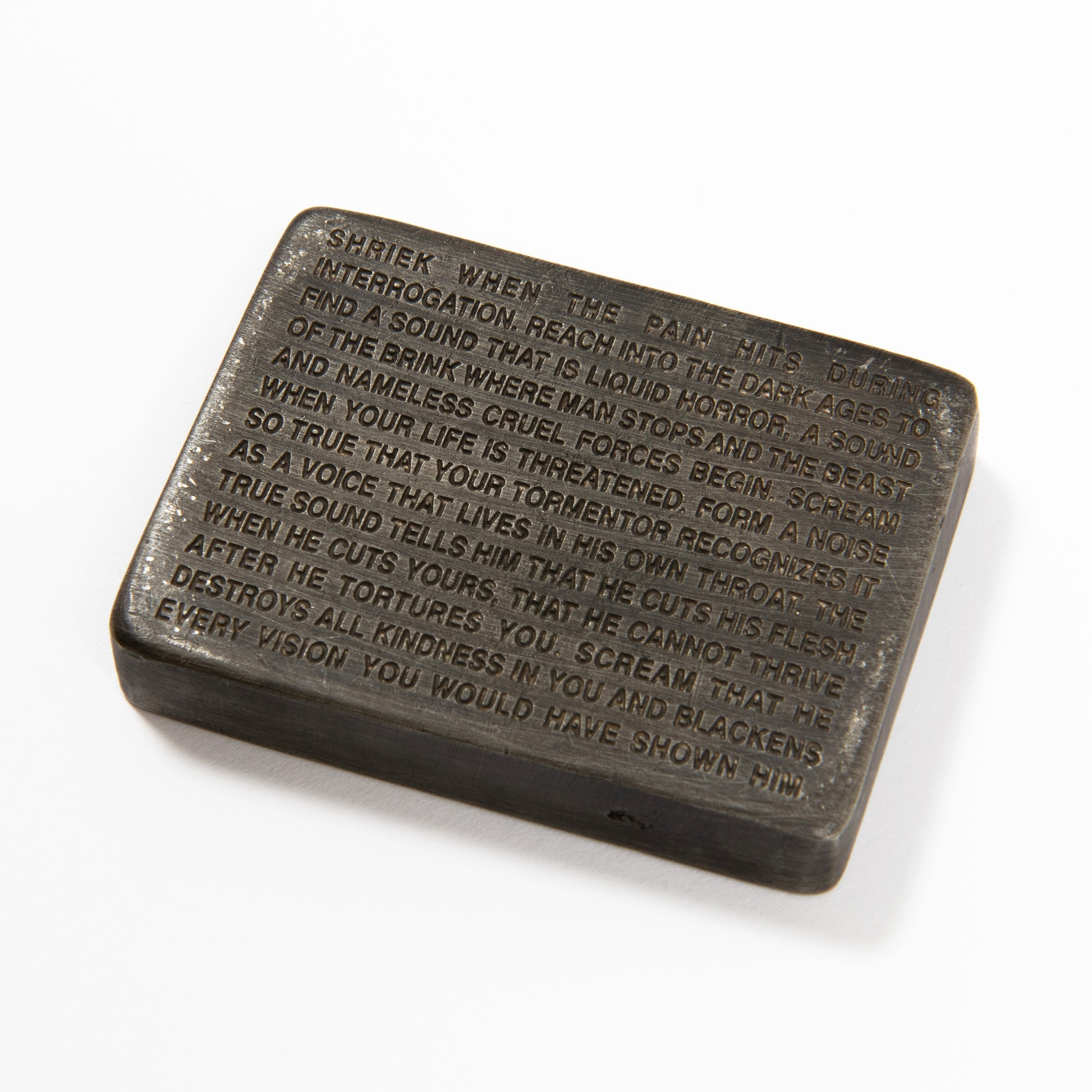
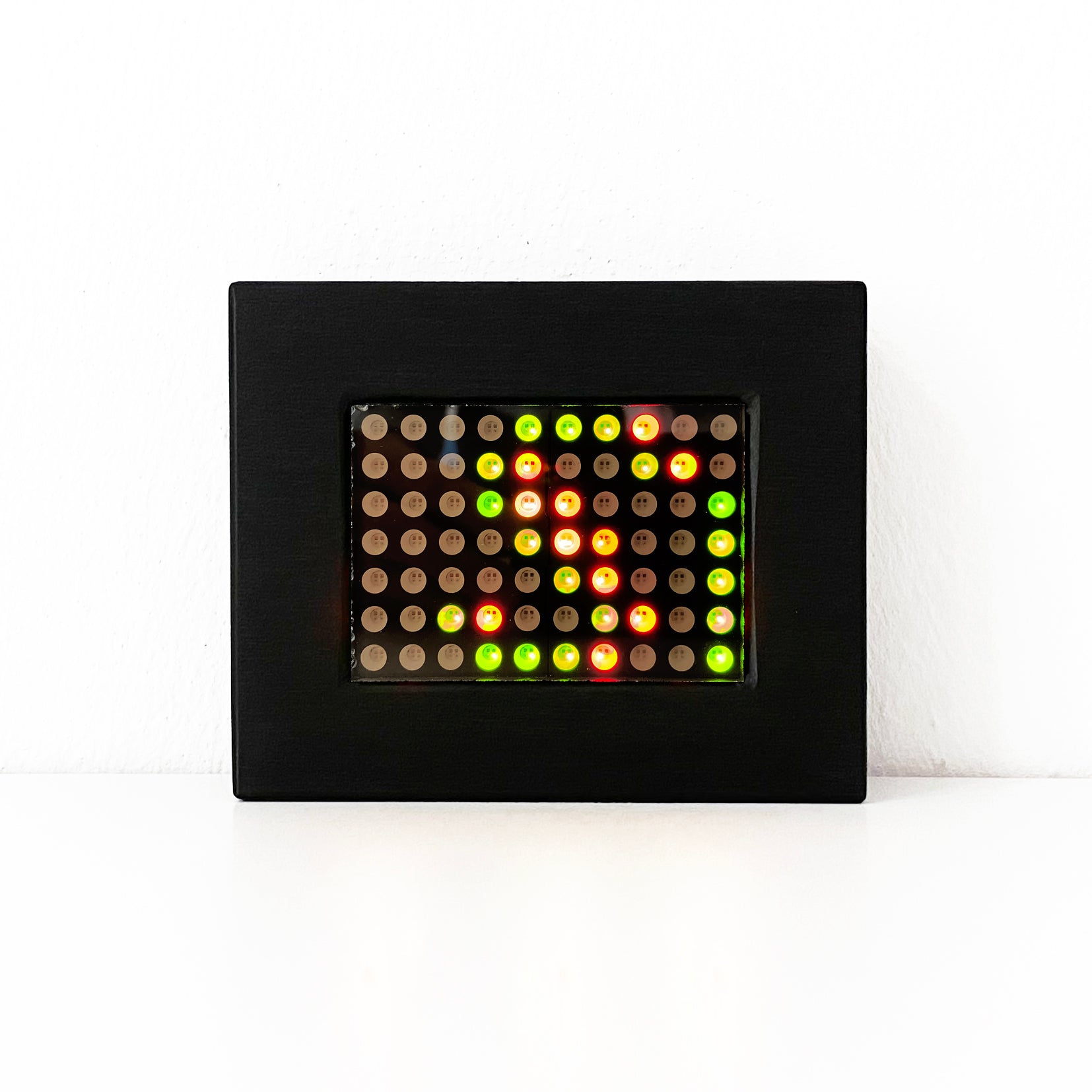
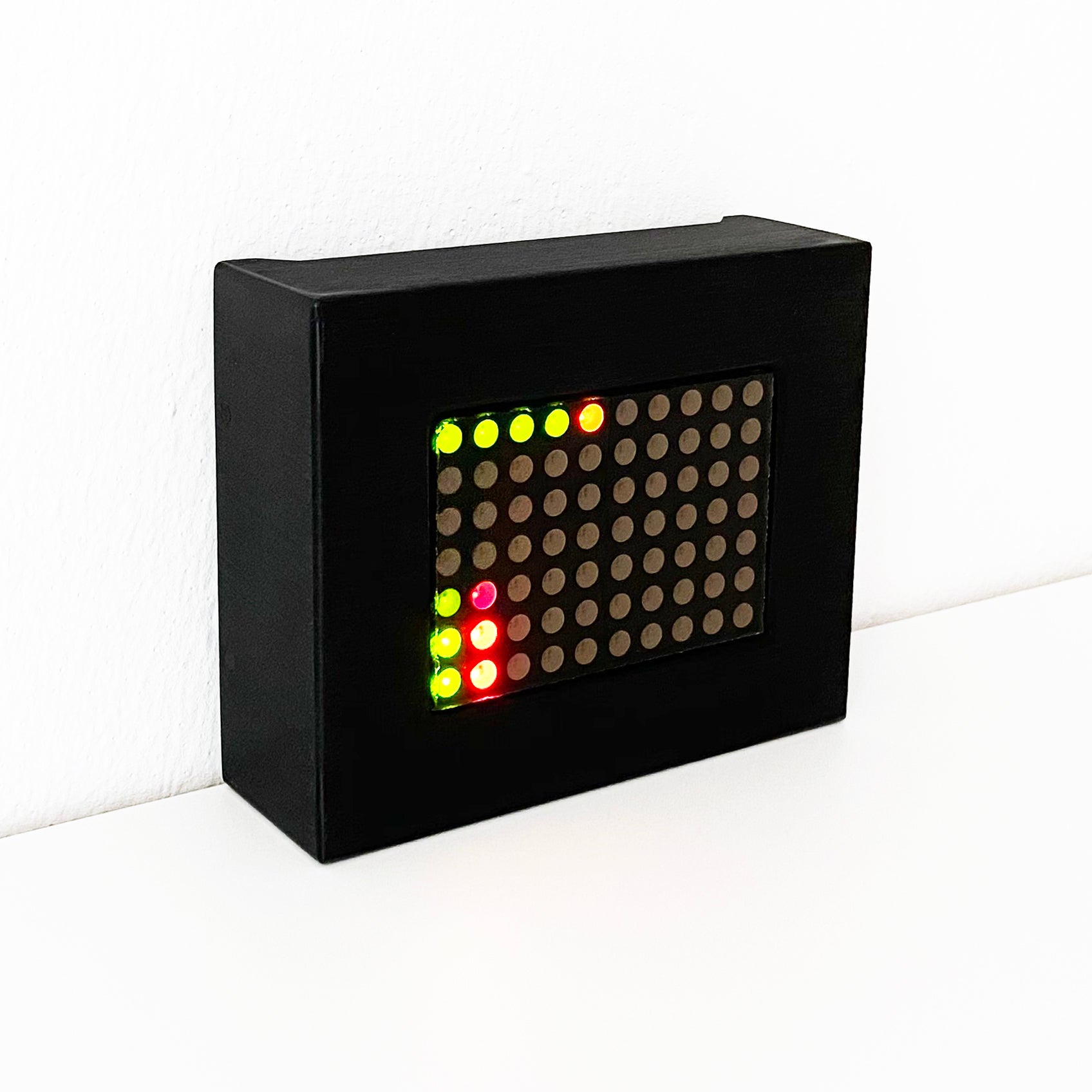
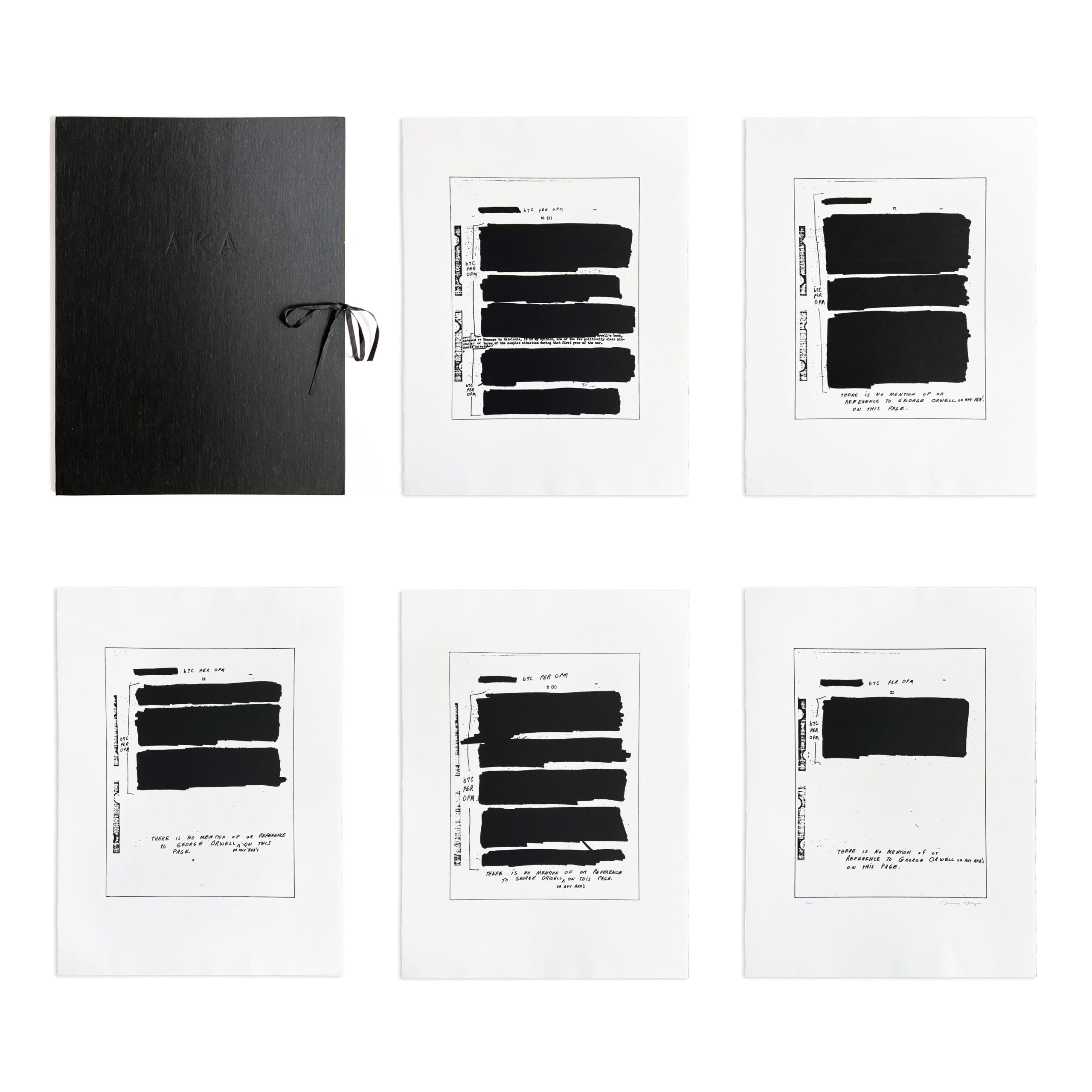
The move to LED signage in the early 1980s was not a stylistic shift but a logical extension: Holzer wanted her language displayed "where people look," and by the decade's end that meant electronic displays, stone benches, and eventually building-scale projections in cities from Florence to Rio de Janeiro. In 1990 she became the first woman to represent the United States solo at the Venice Biennale, winning the Golden Lion. In 2010 her practice returned to its printmaking roots with the Redaction Paintings — declassified US government documents from the Iraq and Afghanistan wars, silkscreened onto oil-painted canvases, language as evidence rather than aphorism.
Her Truisms have outlived every context they were built to critique. In 2017, at the height of the #MeToo movement, a group of women revived one line from the original series — "Abuse of power comes as no surprise" — as the rallying name for their campaign, #NotSurprised: proof that a sentence pasted on a wall in 1977 could still organise a movement four decades later.