


Adam Pendleton

Adam Pendleton builds paintings out of things that don't usually belong together. He takes a canonical work of white American Minimalism — Sol LeWitt's sculptures — photocopies it, crops it, blows it up. Then he silkscreens fragments of Black radical poetry over the top, letters stuttering and overlapping until the words barely hold together. Two histories that rarely speak to each other, forced into the same frame. That collision has driven his work for nearly two decades, from paintings to prints to a 60-foot installation that now stands permanently in MoMA's collection.
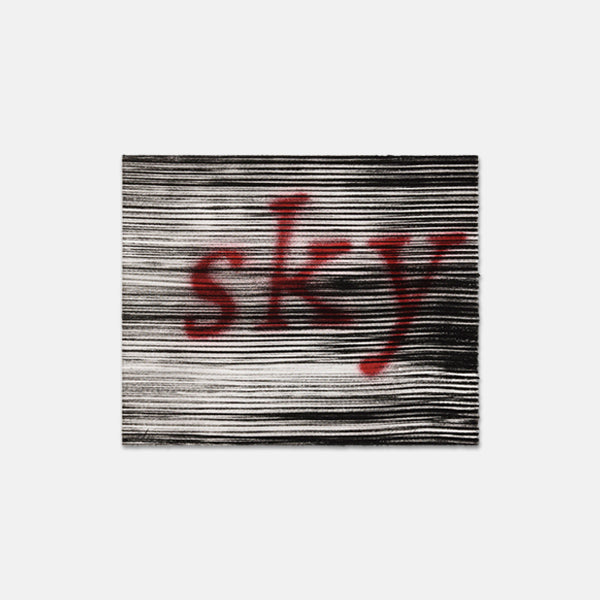
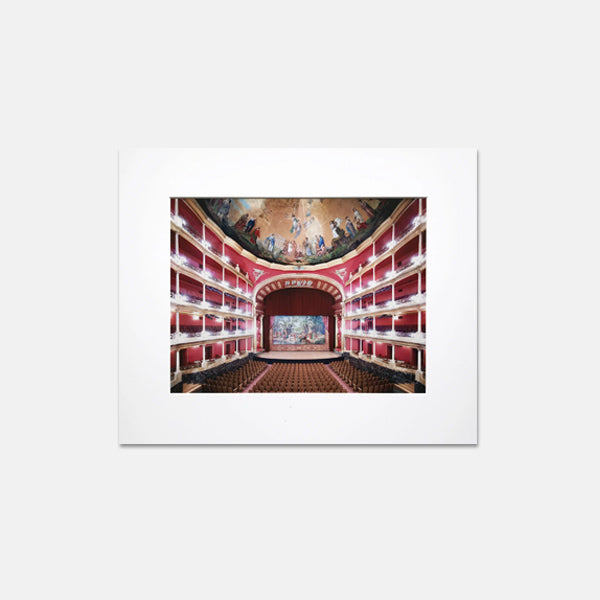
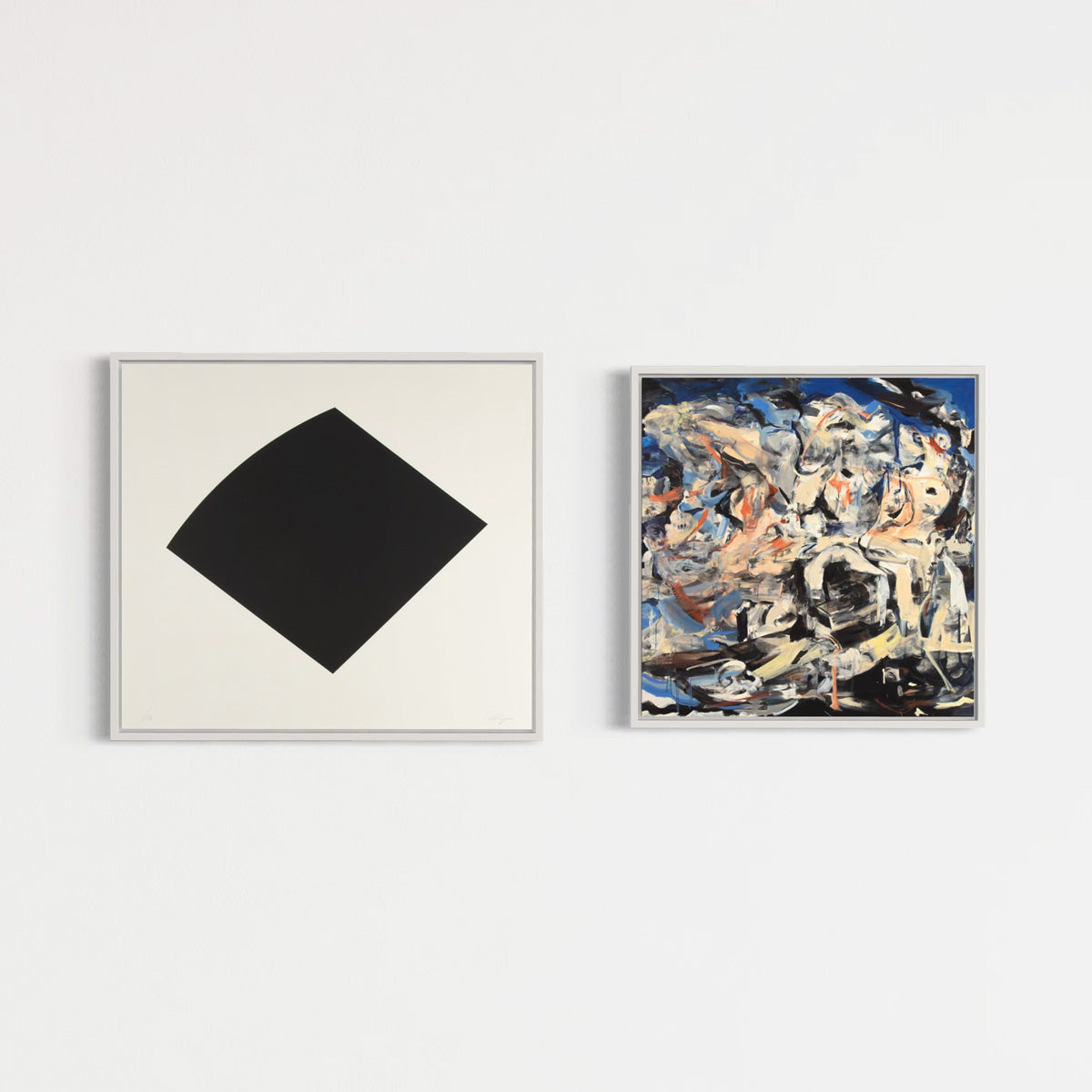
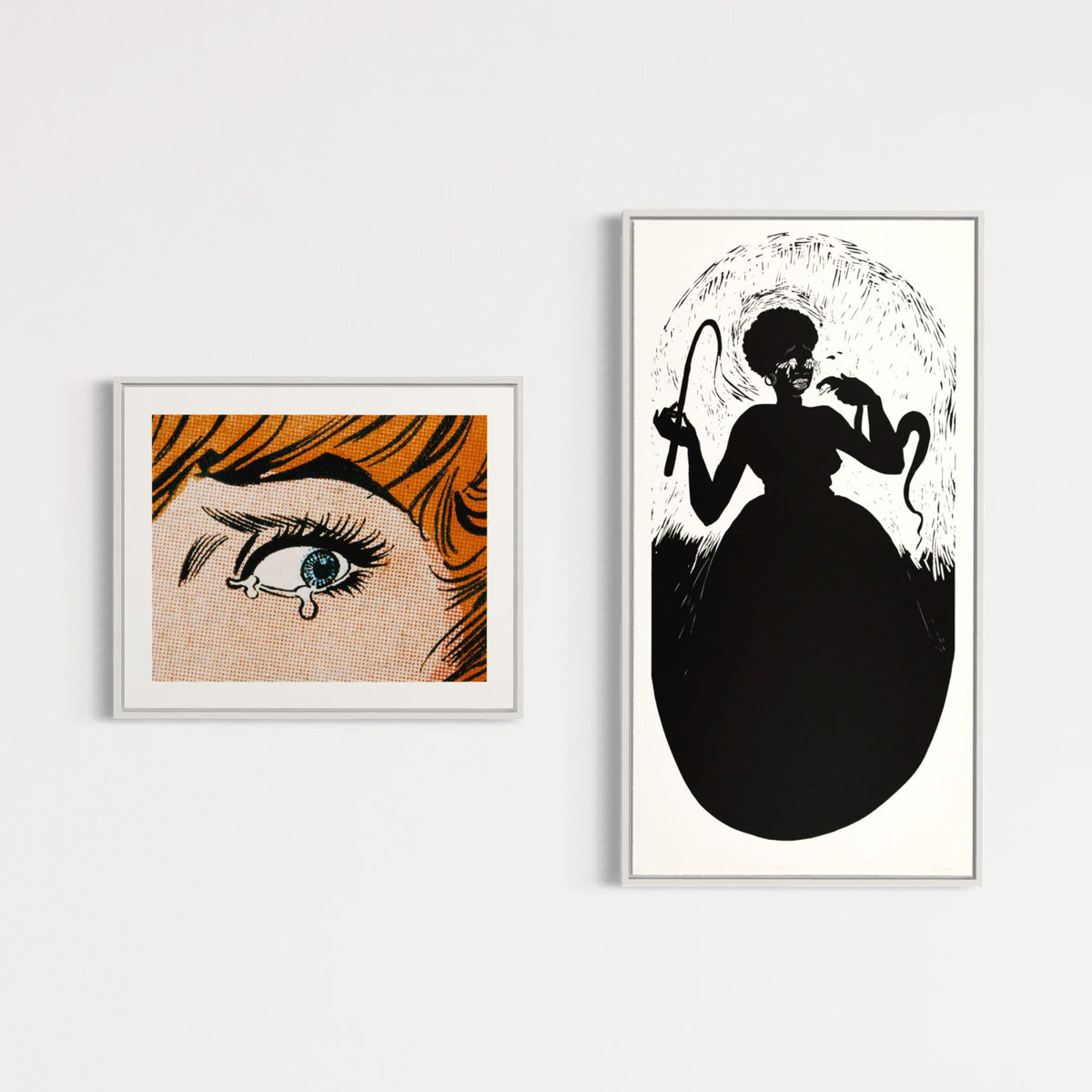
Browse signed Adam Pendleton prints and editions now.
Available Prints & Editions
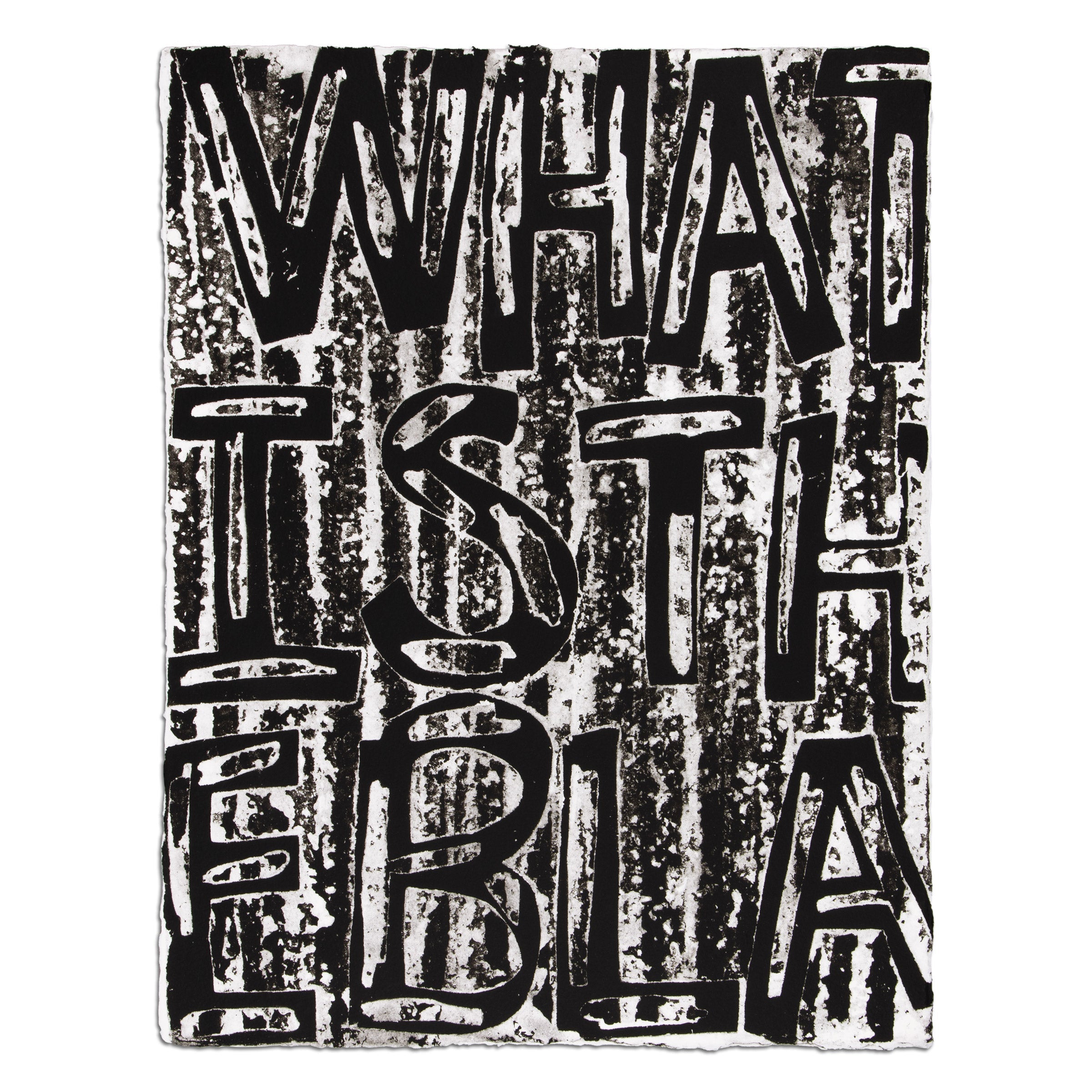
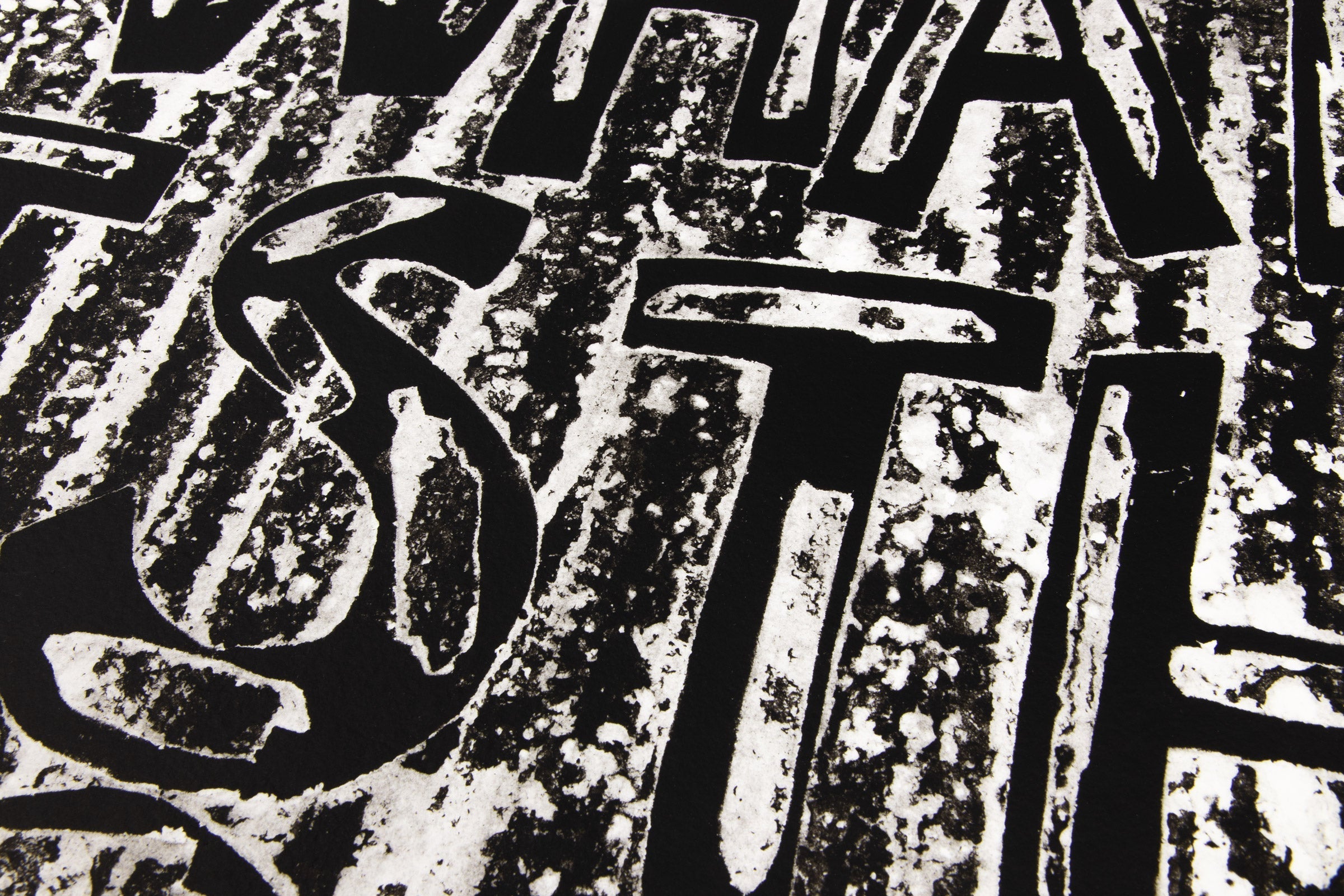


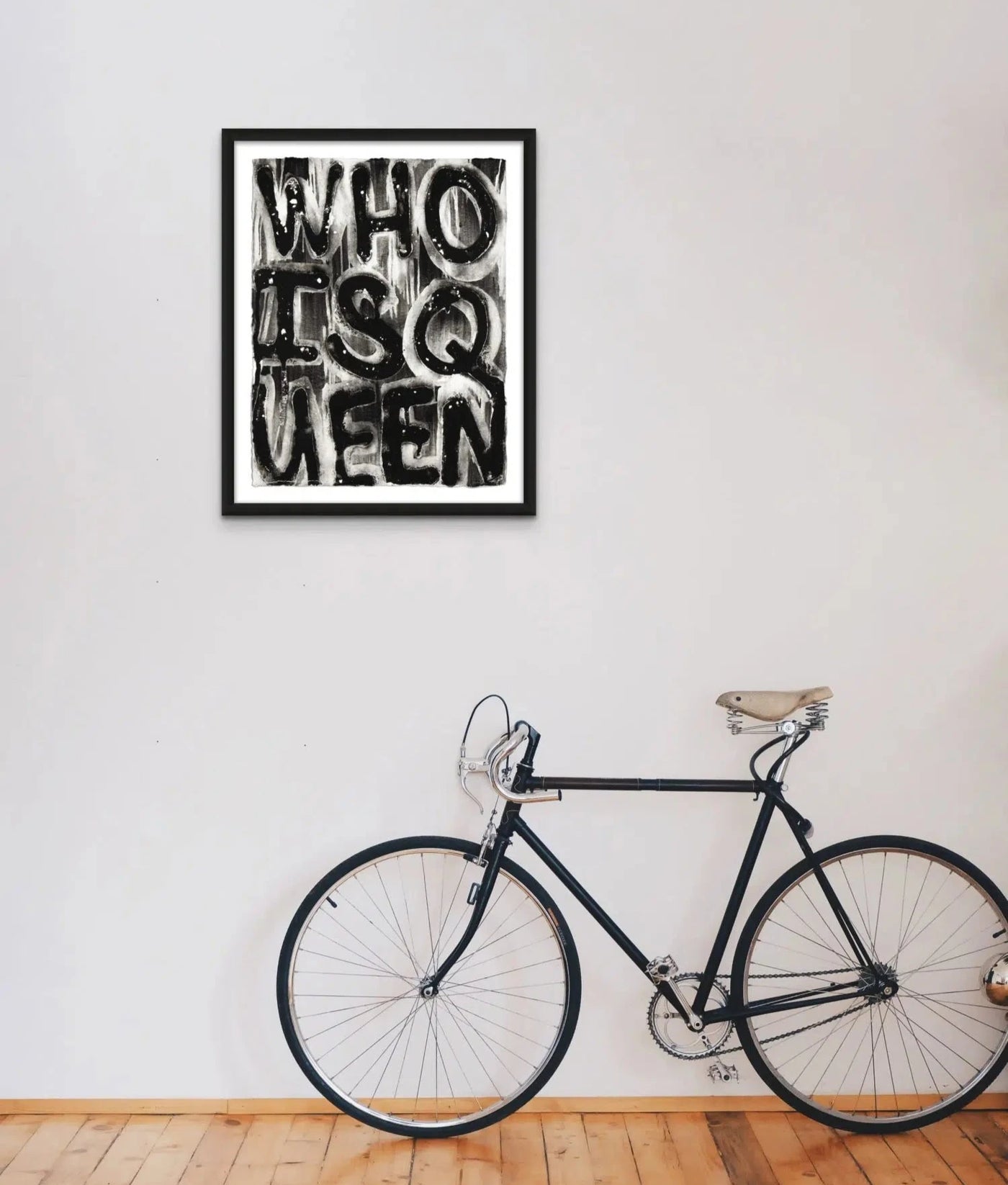
Adam Pendleton (born 1984 in Richmond, Virginia) began developing the body of work that would define his career in 2008, when he articulated "Black Dada" in a manifesto for the European biennial Manifesta 7. The text performed a precise act of appropriation: recasting Tristan Tzara's 1916 Dada manifesto — "We are not naive / We are successive / We are exclusive" — by inserting "Black Dada" before each line, then fusing that structure with a quotation from Amiri Baraka's 1964 poem "Black Dada Nihilismus," written while Baraka still used his birth name, LeRoi Jones. "Black Dada," Pendleton has explained, is "a way of talking about the future while talking about the past... looking at Blackness as an open-ended idea that is not just related to notions of race."
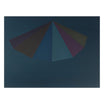
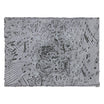
The paintings that emerged from this framework follow a consistent method: Pendleton photocopies reproductions of Sol LeWitt's Incomplete Open Cubes (1974), enlarges and crops the fragments, then silkscreens them onto black grounds alongside stuttering, partially legible letters spelling BLACK DADA. The pairing is deliberate provocation — grafting the language of Black radical thought onto the visual vocabulary of a movement, Minimalism, historically defined by its whiteness and its silence on race. In 2011 he began compiling the Black Dada Reader, an informally distributed, spiral-bound compendium of source texts — Hugo Ball, W.E.B. Du Bois, Gertrude Stein, Sun Ra, Adrian Piper — that Koenig Books later published as a formal hardcover in 2017.
That research culminated in Who Is Queen? (2021), his most ambitious work to date: three 60-foot black scaffold towers filling MoMA's Marron Family Atrium, supporting paintings, drawings, video, sound, and a single textile piece across the museum's full height. Structured around the balloon framing typical of American houses, the installation was acquired into MoMA's permanent collection — a rare distinction for a work of this scale, and confirmation of Pendleton's position at the centre of contemporary American art.
Beyond MoMA, Pendleton's work has been shown at the Whitney Museum, the Venice Biennale, and Manifesta 7, and he has held major solo presentations at the Baltimore Museum of Art, the KW Institute for Contemporary Art in Berlin, and Tate Liverpool — an institutional footprint that has grown steadily since his first appearances in group exhibitions in the mid-2000s.

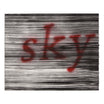
The Black Dada paintings (2008–present) remain Pendleton's foundational and ongoing series — layered fields of cropped Sol LeWitt imagery and fractured text, spelling out a phrase that never resolves into its full, legible form. Truncated, repeated, and overwritten, the letters "stutter" across the canvas, refusing the viewer a single stable reading.
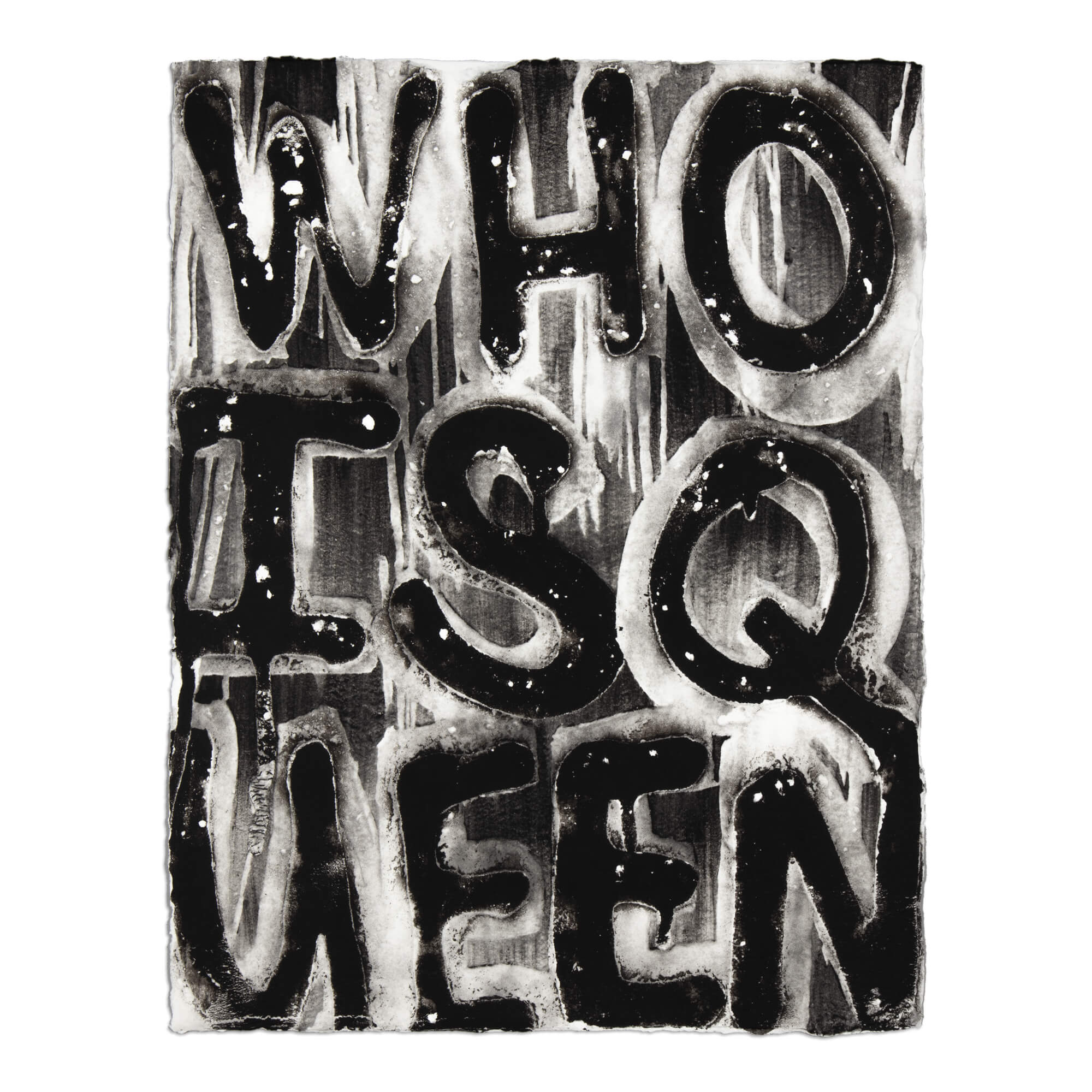
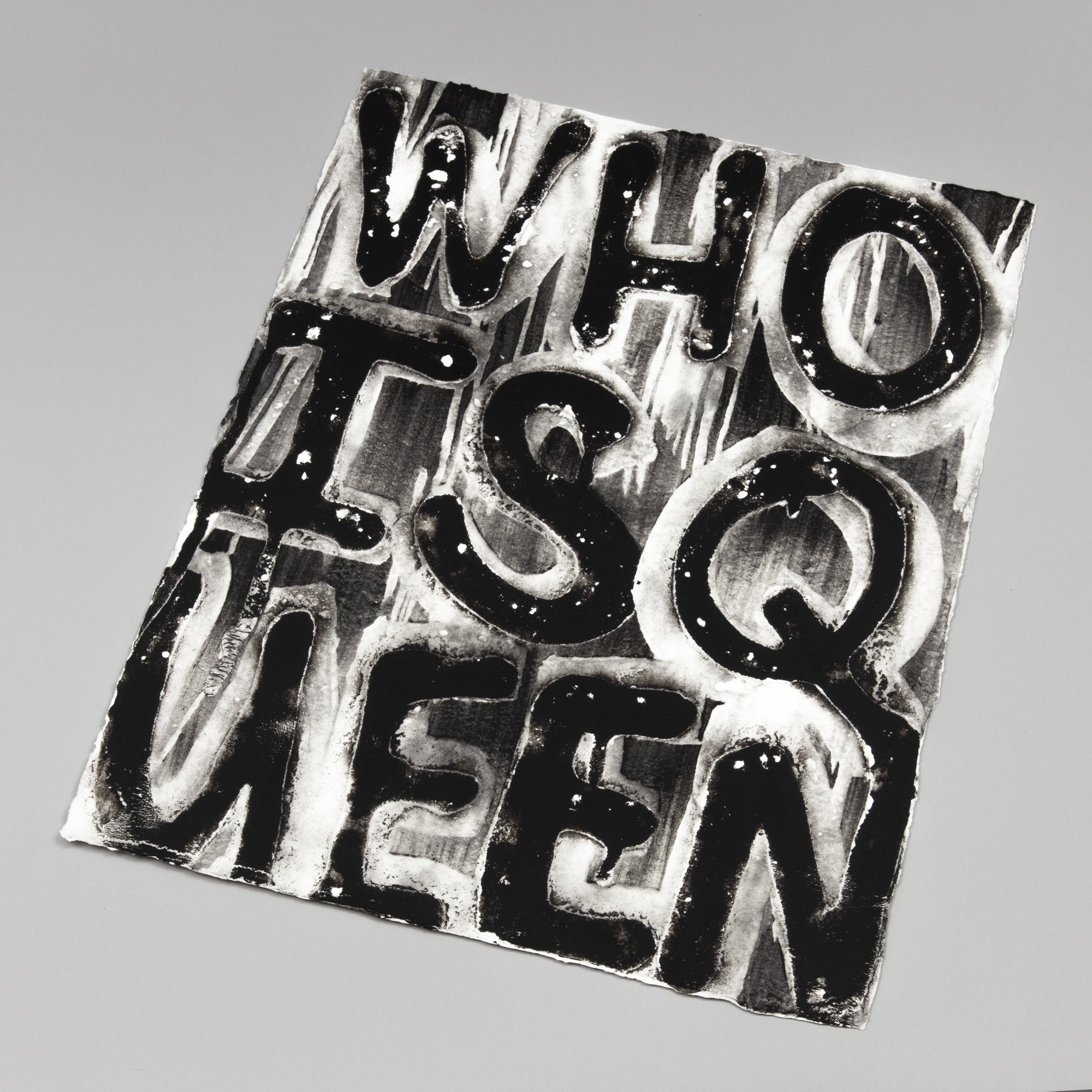
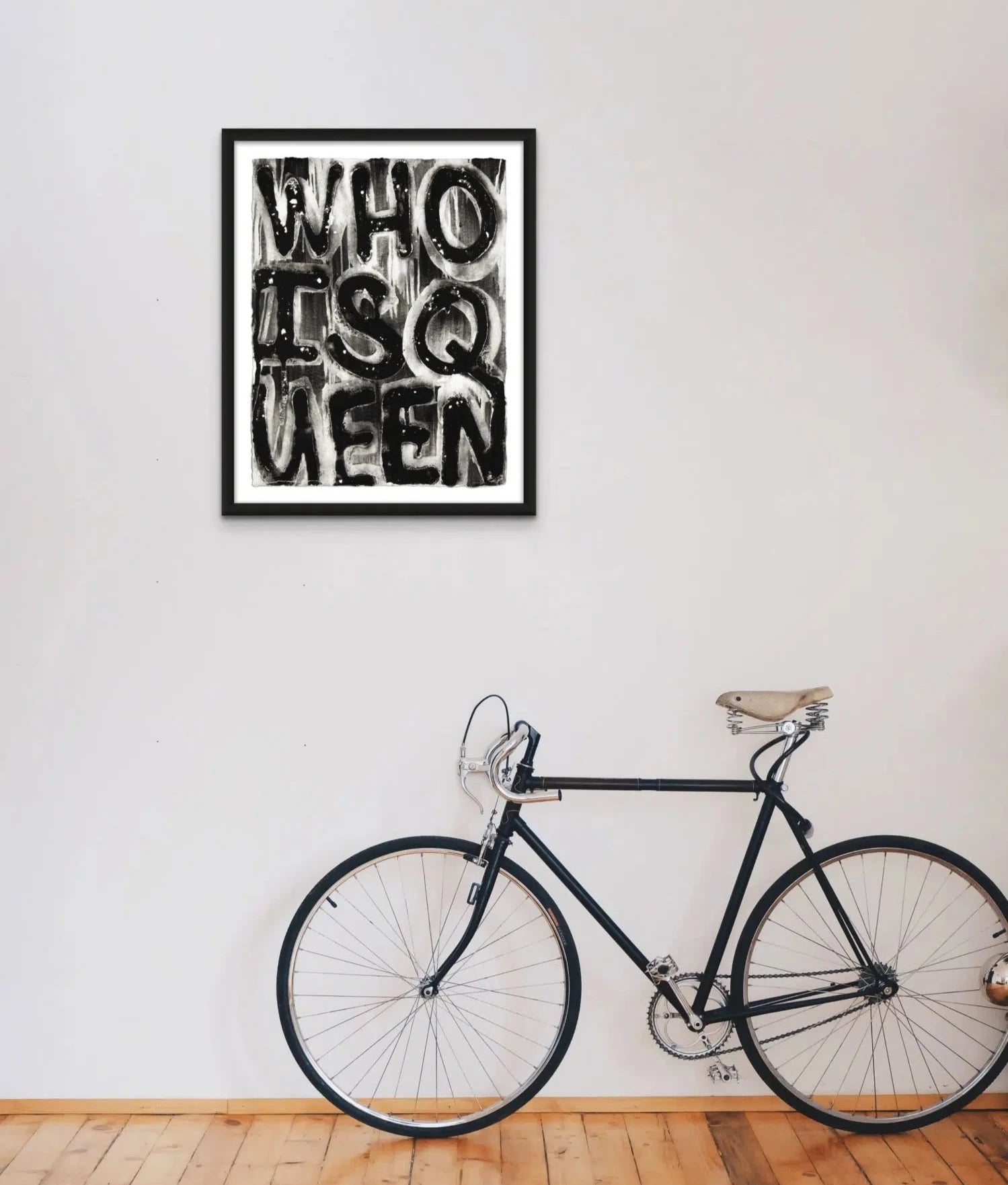
Who Is Queen? (2021), his floor-to-ceiling MoMA atrium installation, transformed sixty feet of museum architecture into what curators described as "a total work of art for the 21st century" — paintings, drawings, moving image, and a sound piece anchored by a reading from Amiri Baraka, exploring Blackness, abstraction, and the avant-garde as a single, continuous inquiry rather than separate historical threads.
Black Dada Reader (2011/2017), Pendleton's compiled anthology of source texts spanning European Dada, the Harlem Renaissance, and the Black Arts Movement, functions as both scholarly apparatus and artwork in itself — an anti-canon built through what the artist calls "radical juxtaposition."
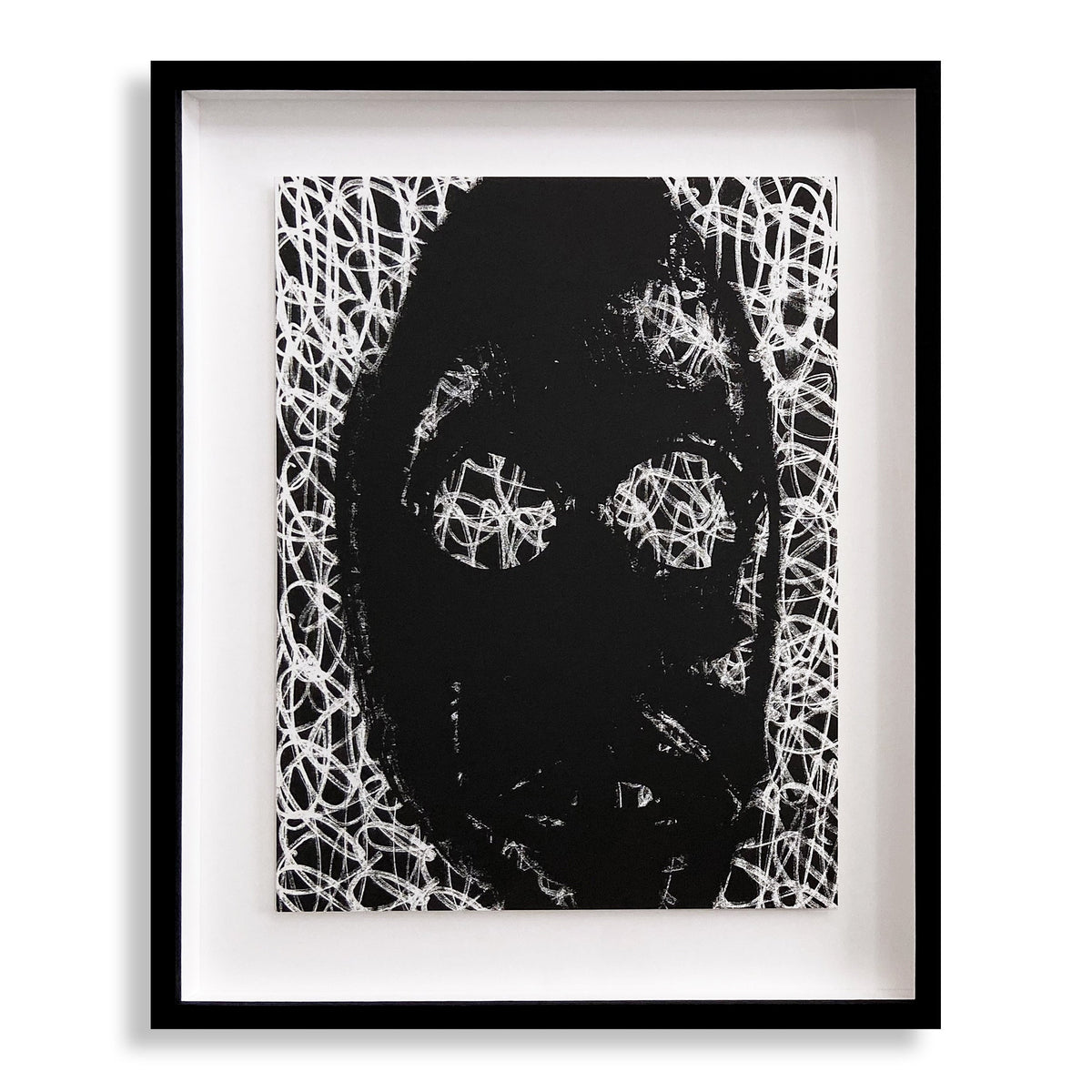
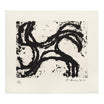
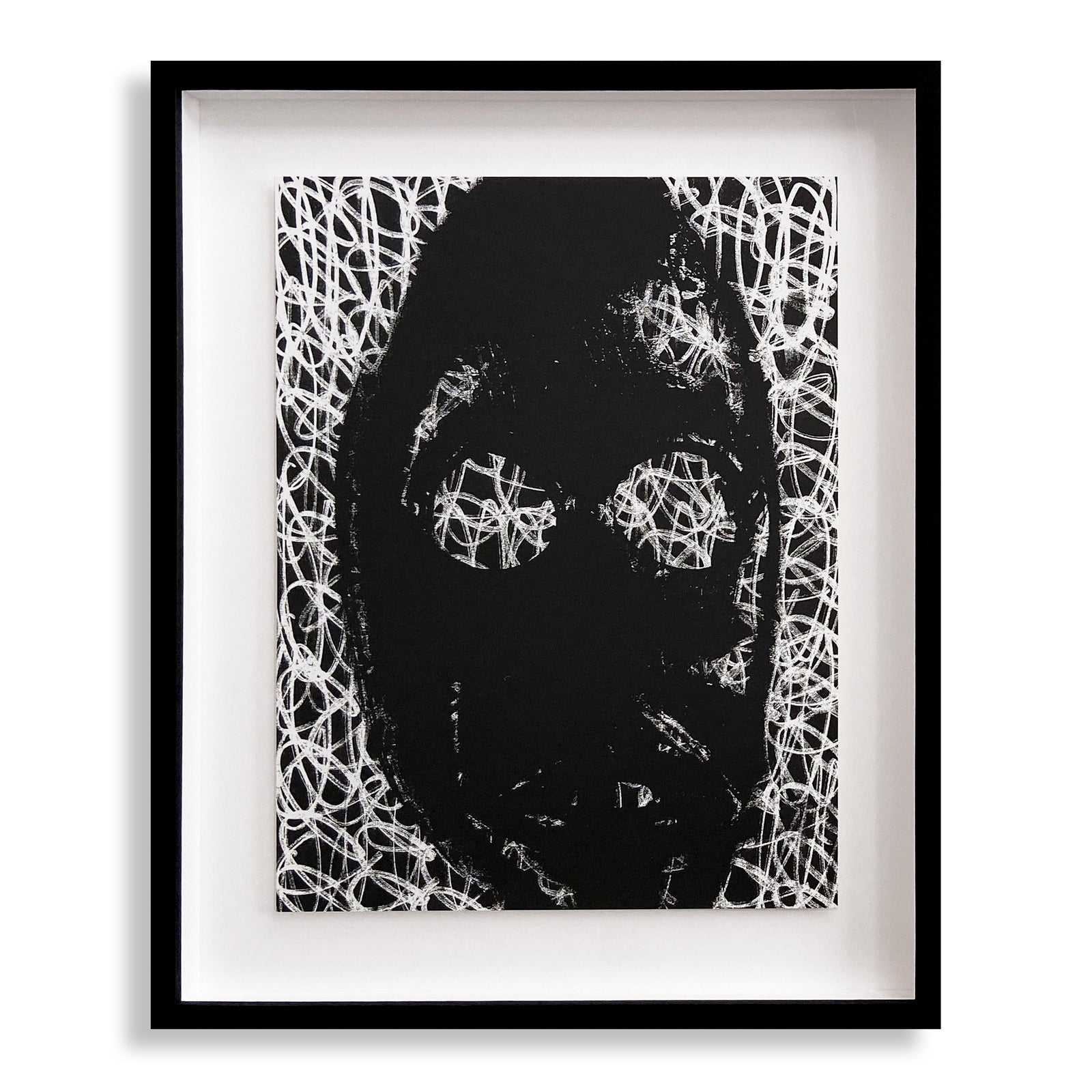
Adam Pendleton's editions extend the same method of appropriation and fragmentation that defines his paintings and installations — silkscreen and screenprint processes that mirror how the Black Dada canvases themselves are constructed: photocopied, cropped, enlarged, layered. A print by Pendleton is not a simplified restatement of a larger work; it applies the identical operations of quotation and juxtaposition at a different scale.
His editions frequently draw directly from major bodies of work — including pieces connected to Who Is Queen? and the ongoing Black Dada series — offering collectors access to the same conceptual apparatus that has placed his work in MoMA's permanent collection and in private collections including those of Laurene Powell Jobs and Leonardo DiCaprio.
For collectors, Pendleton's text-based prints and editions provide a genuine entry point into a practice still gaining market recognition relative to its institutional weight. Works are held in the permanent collections of MoMA, the Whitney Museum, and Tate Liverpool.
Adam Pendleton (born 1984 in Richmond, Virginia) began developing the body of work that would define his career in 2008, when he articulated "Black Dada" in a manifesto for the European biennial Manifesta 7. The text performed a precise act of appropriation: recasting Tristan Tzara's 1916 Dada manifesto — "We are not naive / We are successive / We are exclusive" — by inserting "Black Dada" before each line, then fusing that structure with a quotation from Amiri Baraka's 1964 poem "Black Dada Nihilismus," written while Baraka still used his birth name, LeRoi Jones. "Black Dada," Pendleton has explained, is "a way of talking about the future while talking about the past... looking at Blackness as an open-ended idea that is not just related to notions of race."
The paintings that emerged from this framework follow a consistent method: Pendleton photocopies reproductions of Sol LeWitt's Incomplete Open Cubes (1974), enlarges and crops the fragments, then silkscreens them onto black grounds alongside stuttering, partially legible letters spelling BLACK DADA. The pairing is deliberate provocation — grafting the language of Black radical thought onto the visual vocabulary of a movement, Minimalism, historically defined by its whiteness and its silence on race. In 2011 he began compiling the Black Dada Reader, an informally distributed, spiral-bound compendium of source texts — Hugo Ball, W.E.B. Du Bois, Gertrude Stein, Sun Ra, Adrian Piper — that Koenig Books later published as a formal hardcover in 2017.
That research culminated in Who Is Queen? (2021), his most ambitious work to date: three 60-foot black scaffold towers filling MoMA's Marron Family Atrium, supporting paintings, drawings, video, sound, and a single textile piece across the museum's full height. Structured around the balloon framing typical of American houses, the installation was acquired into MoMA's permanent collection — a rare distinction for a work of this scale, and confirmation of Pendleton's position at the centre of contemporary American art.
Beyond MoMA, Pendleton's work has been shown at the Whitney Museum, the Venice Biennale, and Manifesta 7, and he has held major solo presentations at the Baltimore Museum of Art, the KW Institute for Contemporary Art in Berlin, and Tate Liverpool — an institutional footprint that has grown steadily since his first appearances in group exhibitions in the mid-2000s.
The Black Dada paintings (2008–present) remain Pendleton's foundational and ongoing series — layered fields of cropped Sol LeWitt imagery and fractured text, spelling out a phrase that never resolves into its full, legible form. Truncated, repeated, and overwritten, the letters "stutter" across the canvas, refusing the viewer a single stable reading.
Who Is Queen? (2021), his floor-to-ceiling MoMA atrium installation, transformed sixty feet of museum architecture into what curators described as "a total work of art for the 21st century" — paintings, drawings, moving image, and a sound piece anchored by a reading from Amiri Baraka, exploring Blackness, abstraction, and the avant-garde as a single, continuous inquiry rather than separate historical threads.
Black Dada Reader (2011/2017), Pendleton's compiled anthology of source texts spanning European Dada, the Harlem Renaissance, and the Black Arts Movement, functions as both scholarly apparatus and artwork in itself — an anti-canon built through what the artist calls "radical juxtaposition."
Adam Pendleton's editions extend the same method of appropriation and fragmentation that defines his paintings and installations — silkscreen and screenprint processes that mirror how the Black Dada canvases themselves are constructed: photocopied, cropped, enlarged, layered. A print by Pendleton is not a simplified restatement of a larger work; it applies the identical operations of quotation and juxtaposition at a different scale.
His editions frequently draw directly from major bodies of work — including pieces connected to Who Is Queen? and the ongoing Black Dada series — offering collectors access to the same conceptual apparatus that has placed his work in MoMA's permanent collection and in private collections including those of Laurene Powell Jobs and Leonardo DiCaprio.
For collectors, Pendleton's text-based prints and editions provide a genuine entry point into a practice still gaining market recognition relative to its institutional weight. Works are held in the permanent collections of MoMA, the Whitney Museum, and Tate Liverpool.

Adam Pendleton: Key Questions
Collecting Adam Pendleton?
Looking for a specific artwork or have a question about an edition? We're happy to advise on availability, pricing, condition, and provenance — and to source artworks beyond our current selection.
What is Adam Pendleton known for?
Adam Pendleton is known for "Black Dada," a conceptual framework he developed in 2008 that fuses the language of European Dada with Black radical thought and postwar Minimalism. Working across painting, print, collage, and large-scale installation, he layers cropped text and appropriated imagery to examine history, identity, and abstraction as continuous, unresolved processes rather than fixed narratives.
What does "Black Dada" mean?
"Black Dada" is Pendleton's term, first articulated in a 2008 manifesto, that recasts Tristan Tzara's 1916 Dada manifesto through the lens of Amiri Baraka's 1964 poem "Black Dada Nihilismus." Pendleton has described it as "a way of talking about the future while talking about the past," treating Blackness as an open-ended concept rather than a fixed category defined solely by race.
What was Adam Pendleton's Who Is Queen? at MoMA?
Who Is Queen? (2021) was Pendleton's major installation filling MoMA's Marron Family Atrium with three 60-foot black scaffold towers supporting paintings, drawings, video, and sound. Widely regarded as his most significant work to date, it was subsequently acquired into MoMA's permanent collection.
Why does Adam Pendleton use Sol LeWitt's imagery in his paintings?
Pendleton photocopies and crops reproductions of Sol LeWitt's Incomplete Open Cubes (1974), incorporating the fragments into his Black Dada paintings alongside text drawn from Black radical thought. The pairing deliberately grafts language associated with Black political history onto Minimalism, a movement historically defined by its silence on race, forcing the two traditions into direct dialogue.
How much do Adam Pendleton works sell for?
Adam Pendleton's market has strengthened considerably since his 2021 MoMA exhibition — his auction record now stands at roughly $1.02 million including premium, set at Sotheby's New York in November 2024 for Black Dada (K) (2022), well above its high estimate. His work is held by major collectors including Laurene Powell Jobs and Leonardo DiCaprio, and his prints and editions offer a considerably more accessible way to collect an artist whose major installation now sits in MoMA's permanent collection.


Buy art online
Shop editions with transparent pricing, accurate condition reports, and fast dispatch. Built for international collectors — buying original art made simple and reliable.

Worldwide shipping
Every work ships fully insured and tracked, handled only by trusted international express carriers — DHL Express, FedEx, UPS — and typically dispatched within five days.

Professional packaging
Meticulous packing is our craft. Each artwork is packed in-house to archival standards — multi-layer construction built to ensure it arrives in mint condition, anywhere in the world.

Secure payment
Checkout is powered by Shopify Payments — the same encrypted, PCI-compliant infrastructure trusted by millions of merchants worldwide.