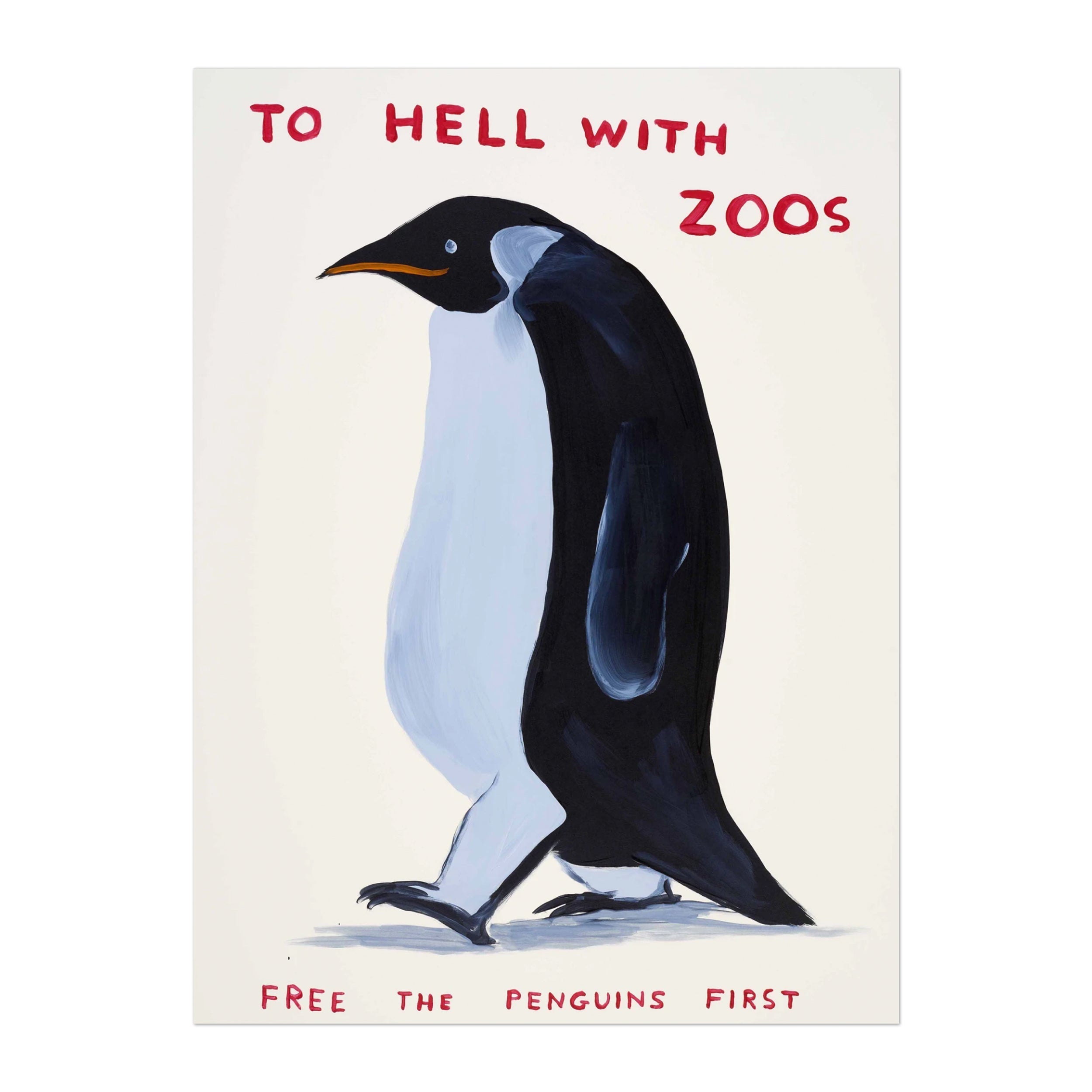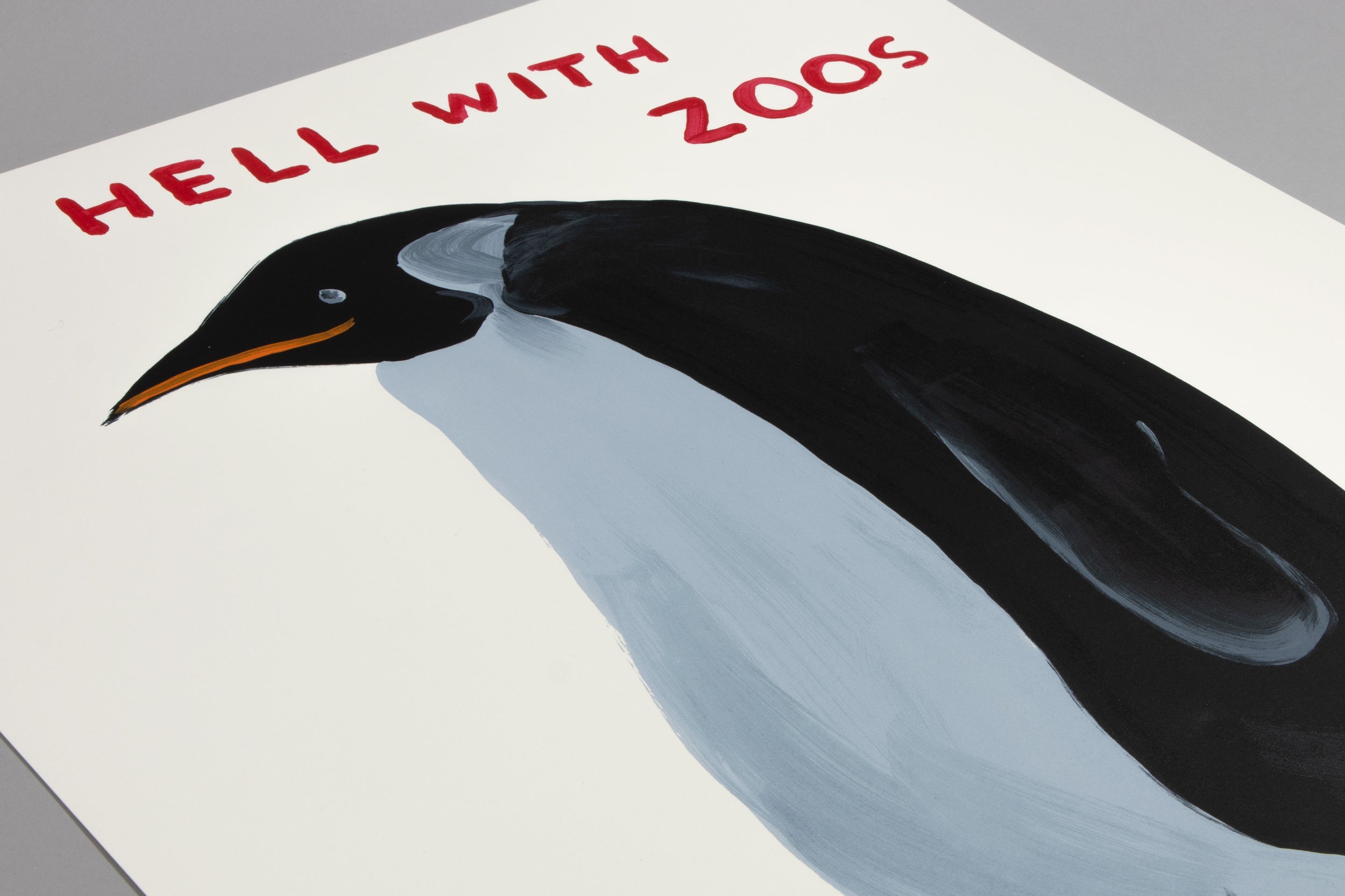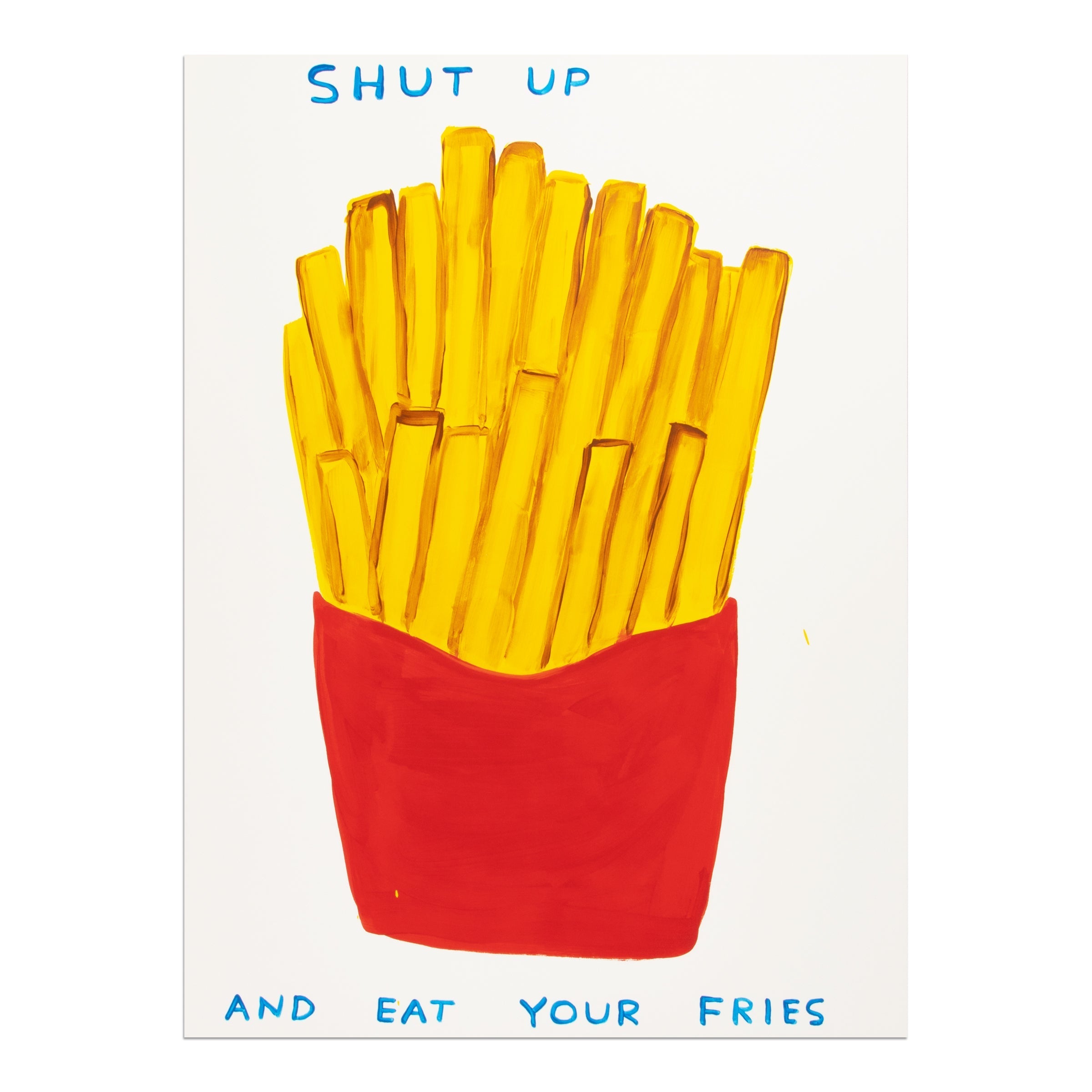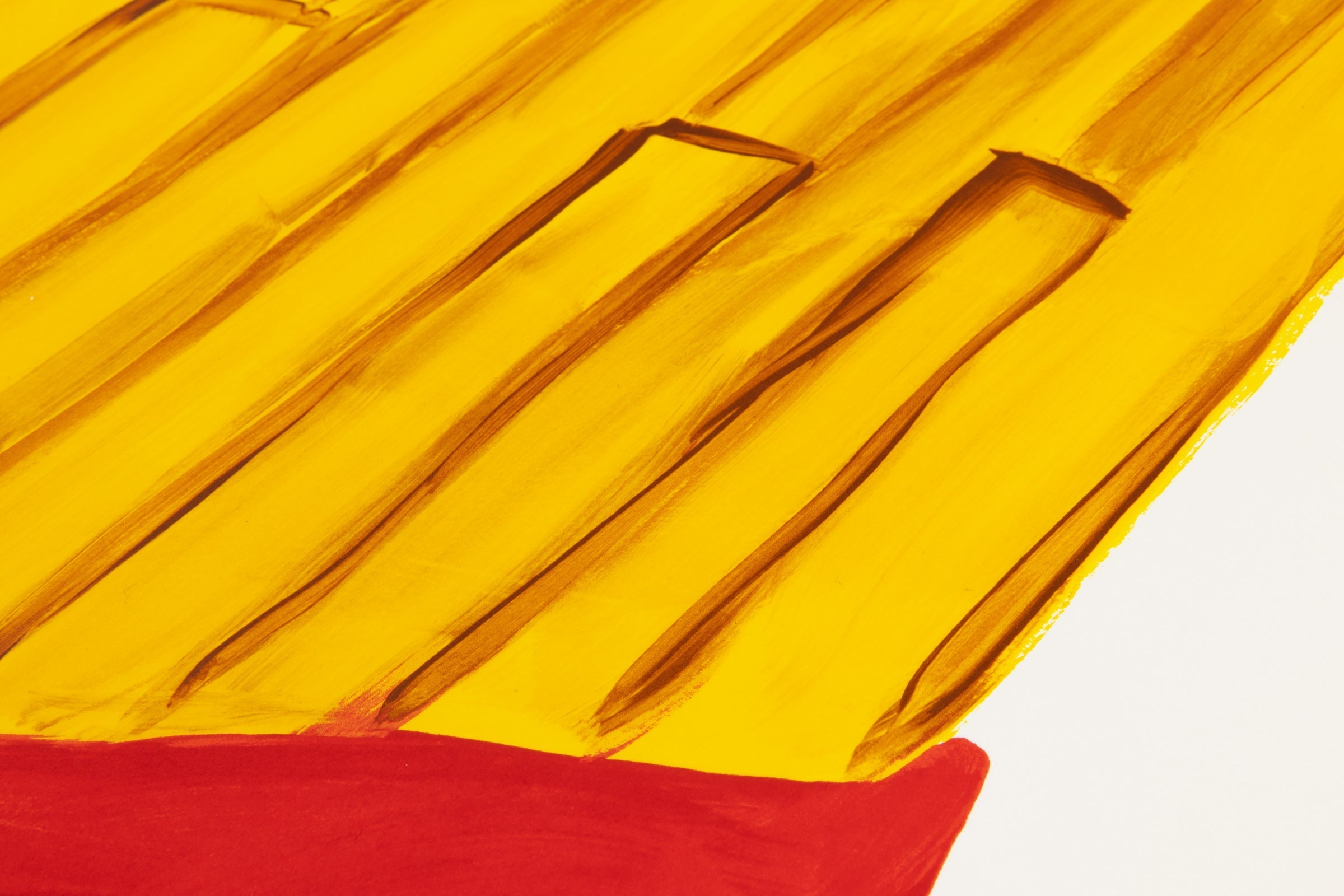
David Shrigley

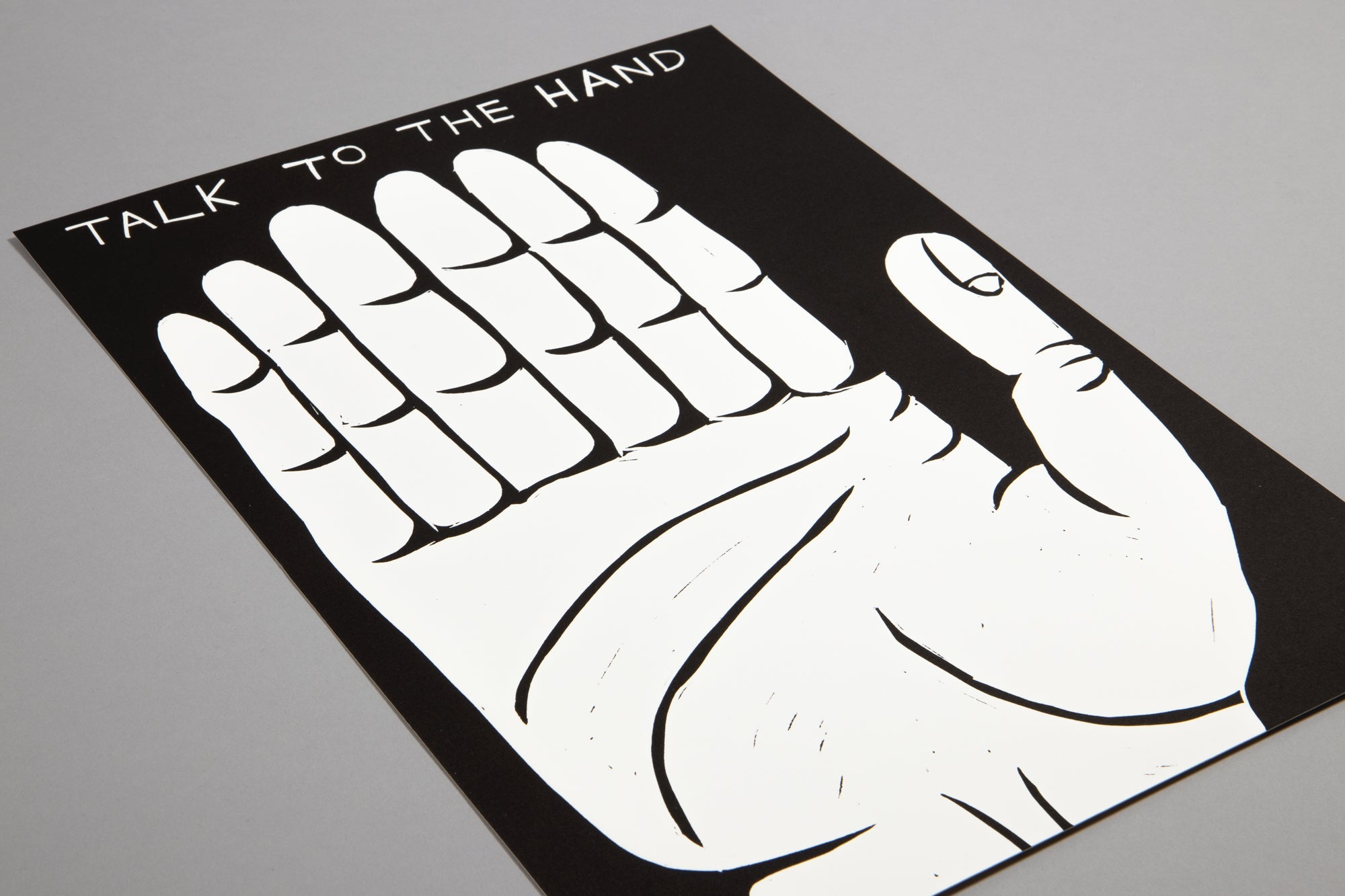
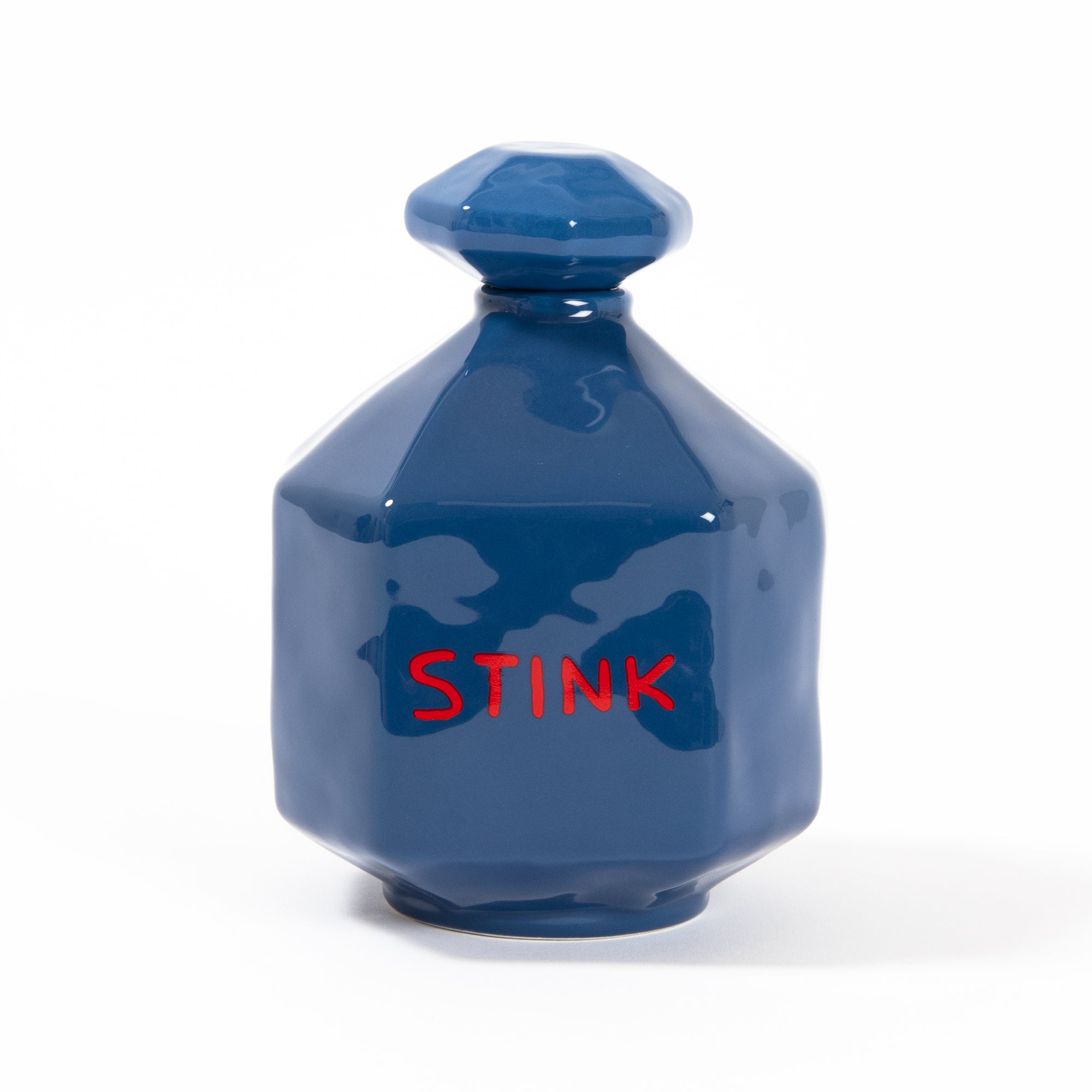
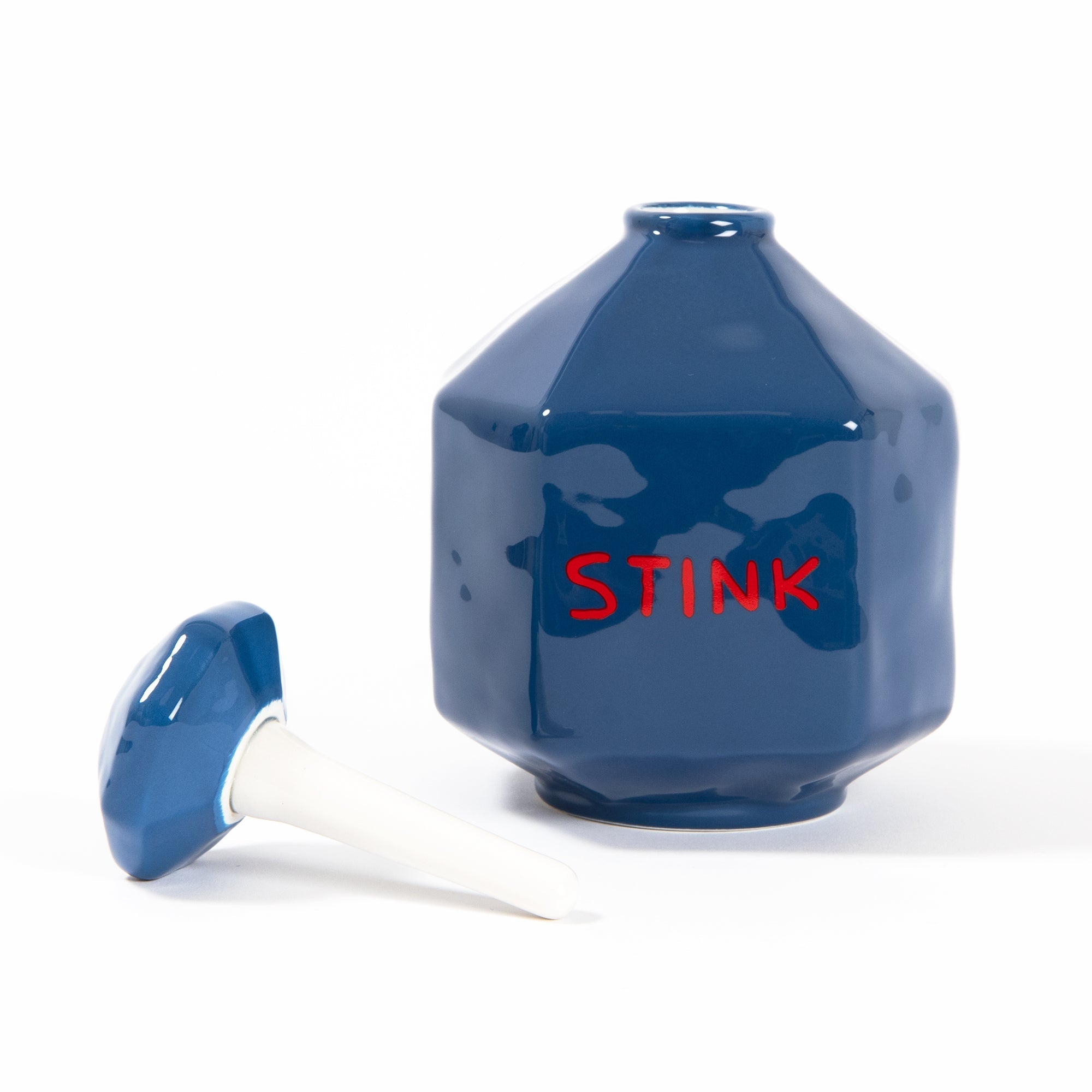
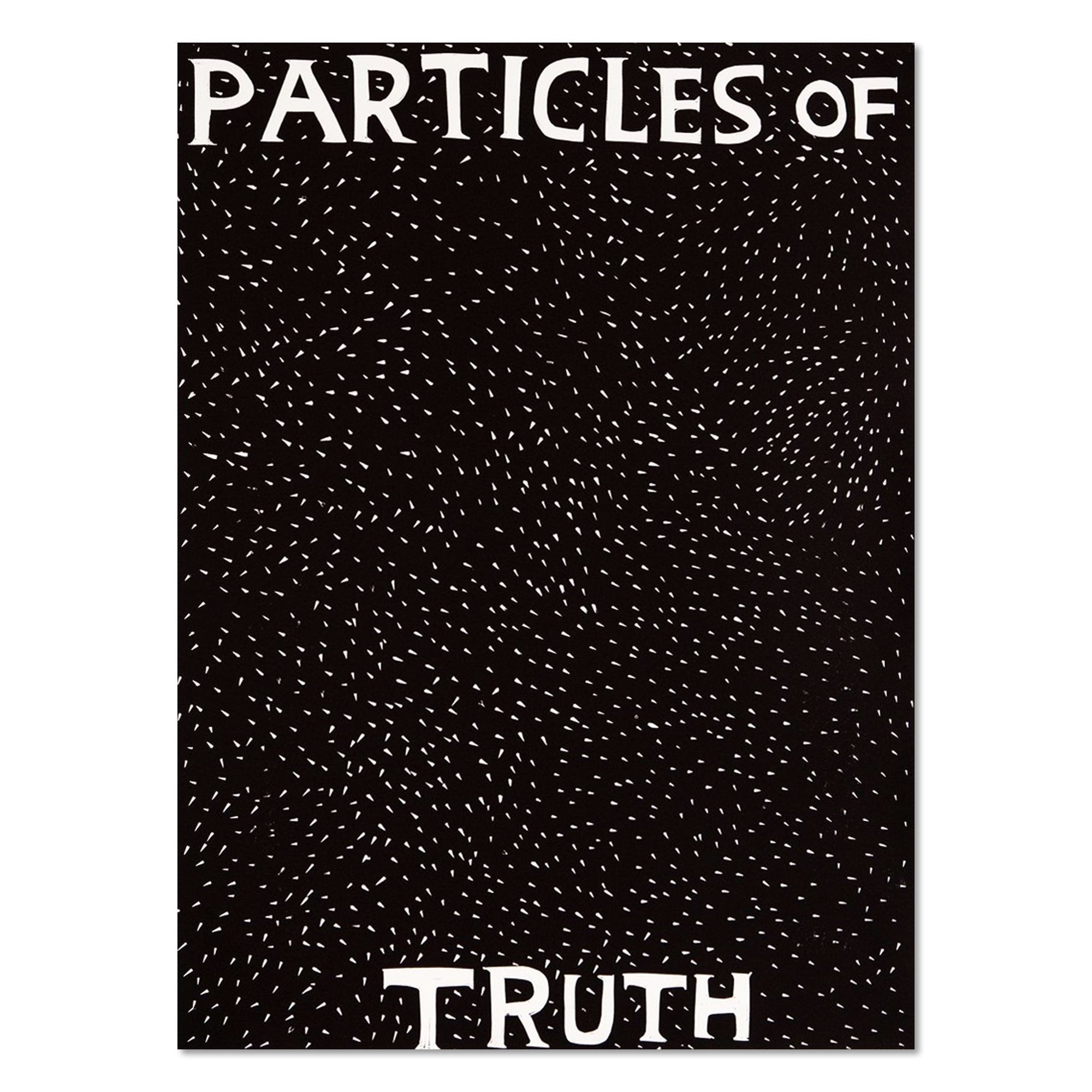
David Shrigley makes conceptual art that people actually laugh at — and that tension is precisely the point. Working from Glasgow since the 1990s, he built a practice out of deliberately bad drawing, deadpan text, and the kind of blunt observation that makes uncomfortable ideas feel inevitable. Nominated for the Turner Prize in 2013, his work is held at Tate, MoMA, and the Centre Pompidou. The prints translate that economy of means directly — nothing added, nothing softened. 

Browse signed David Shrigley prints and editions now.

Available Prints & Editions

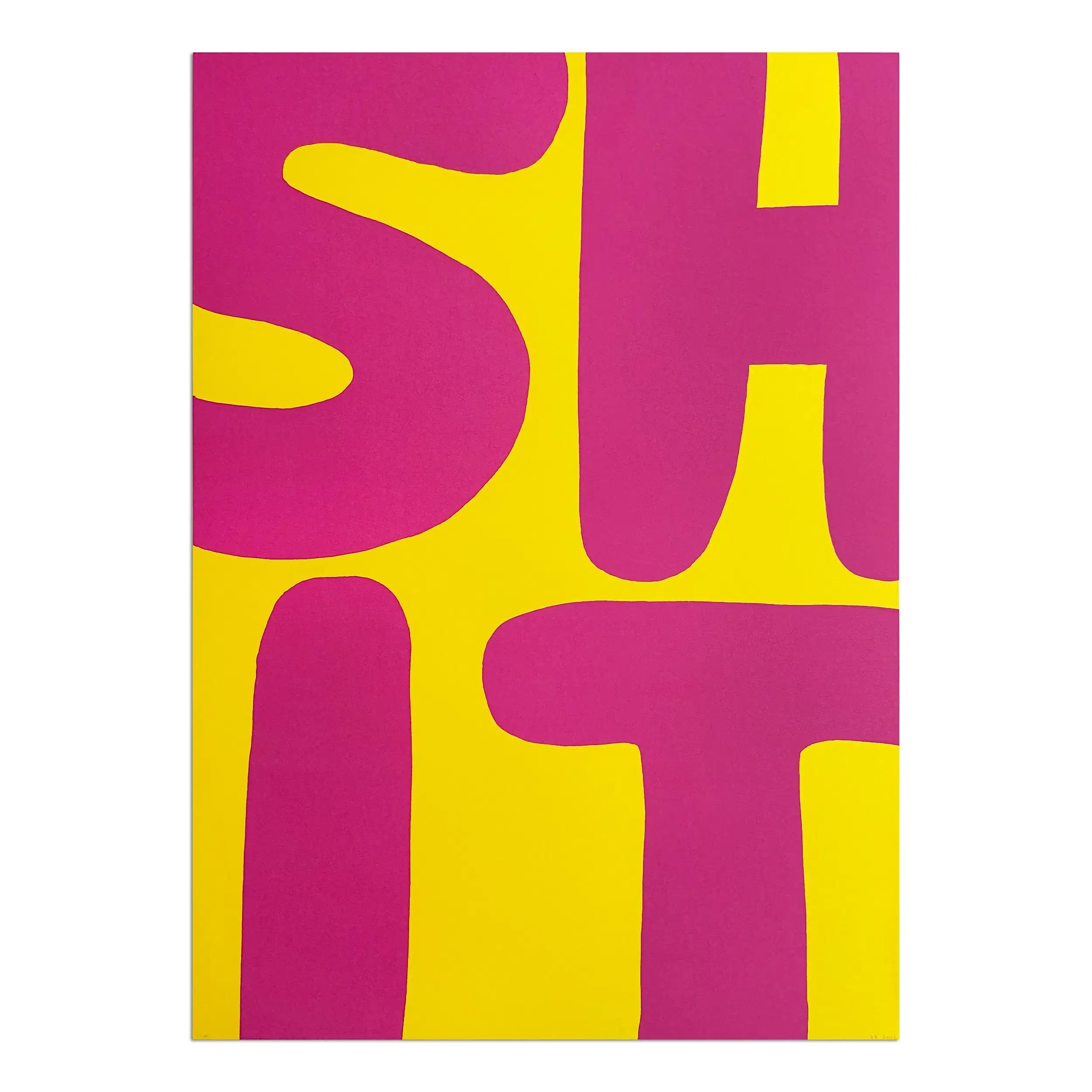
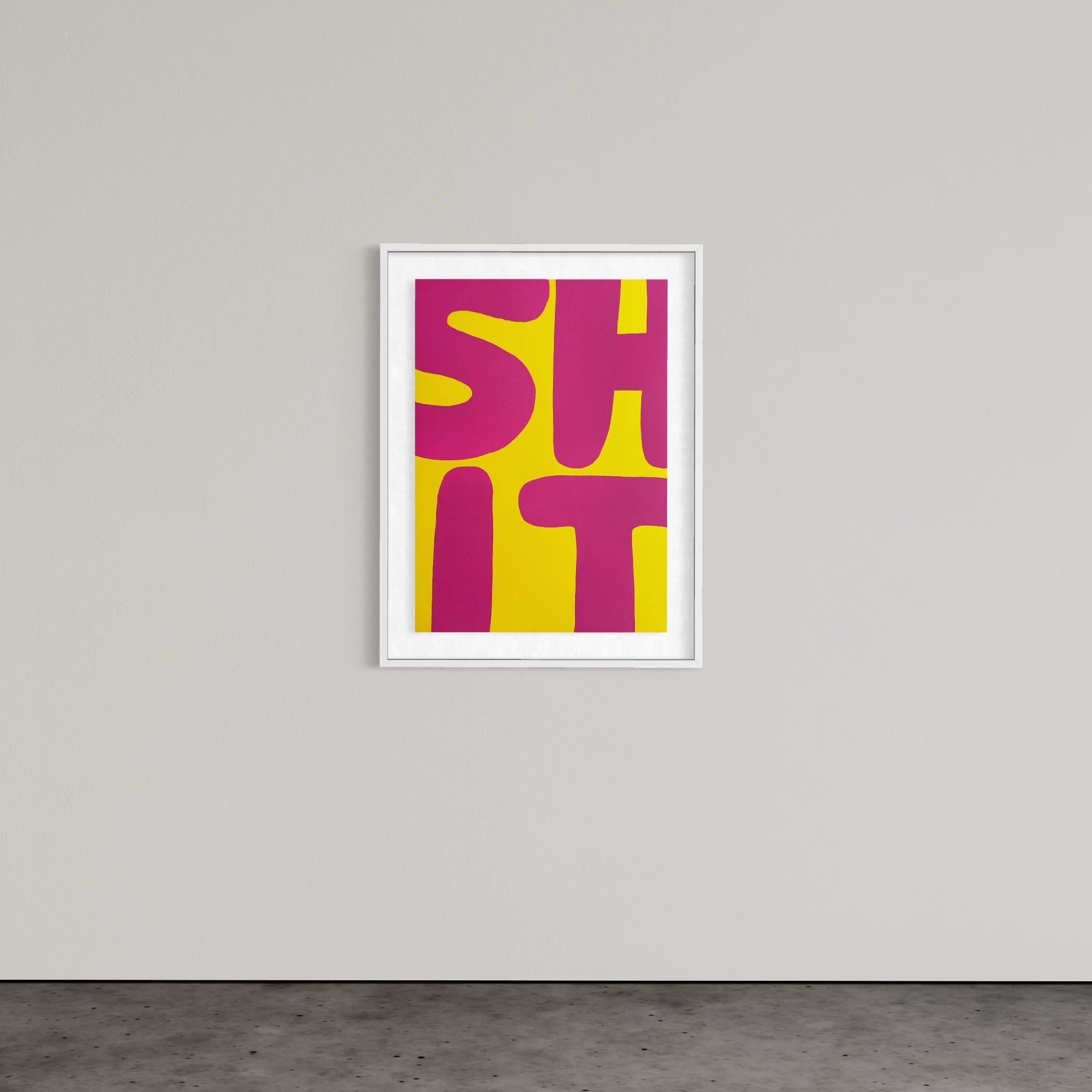
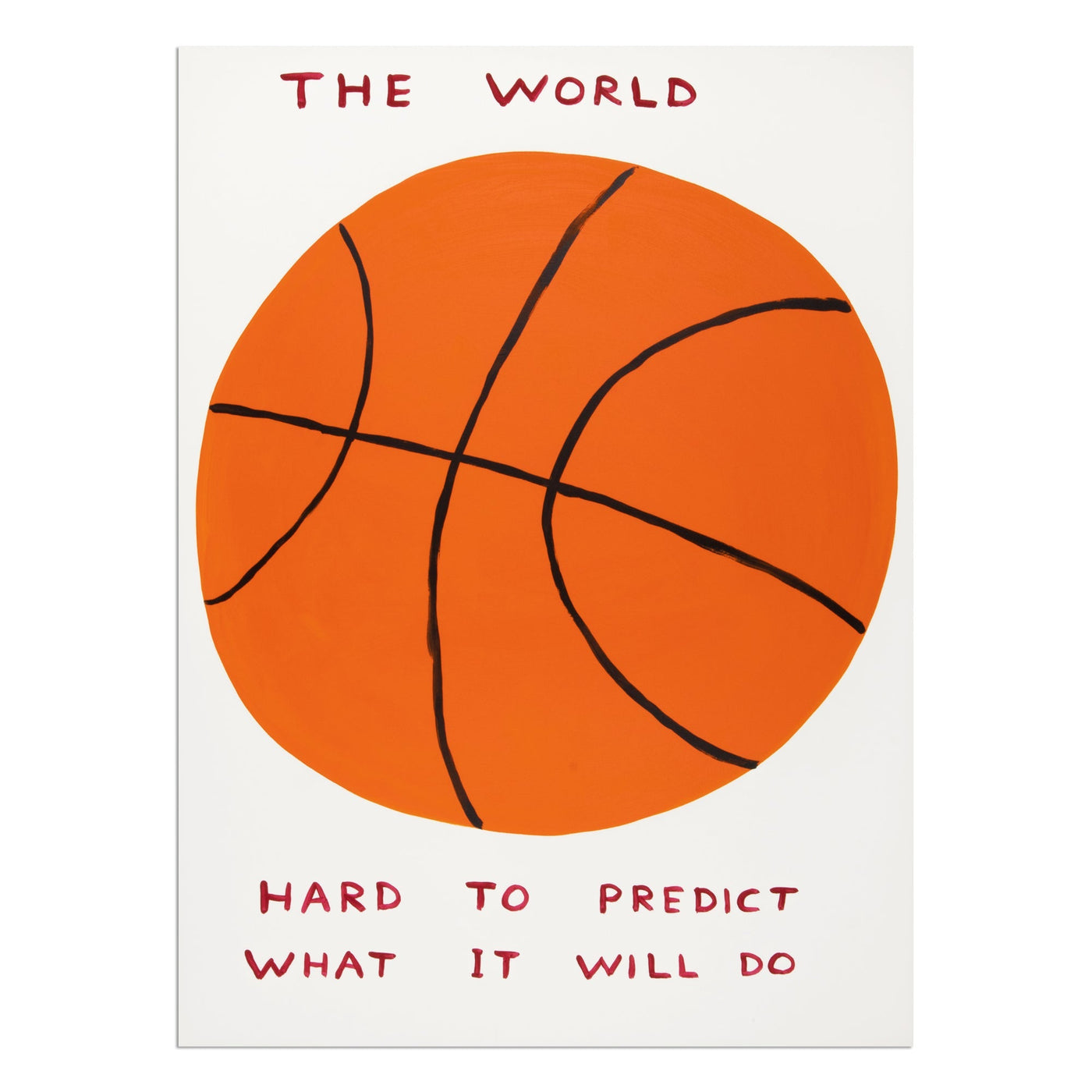
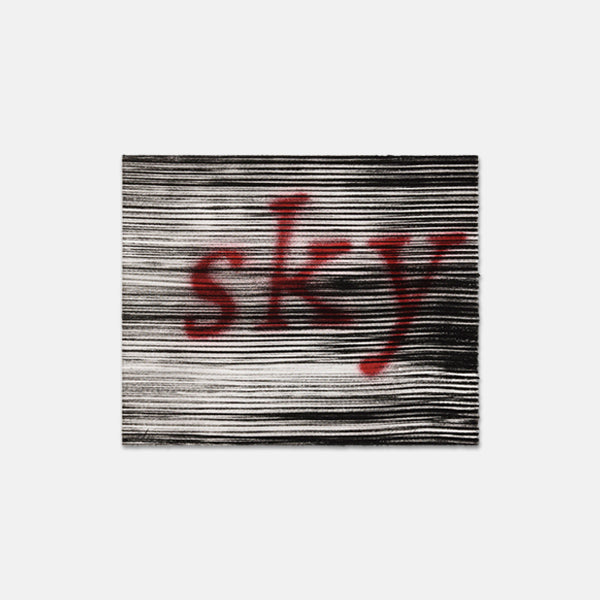
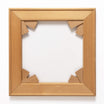
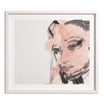
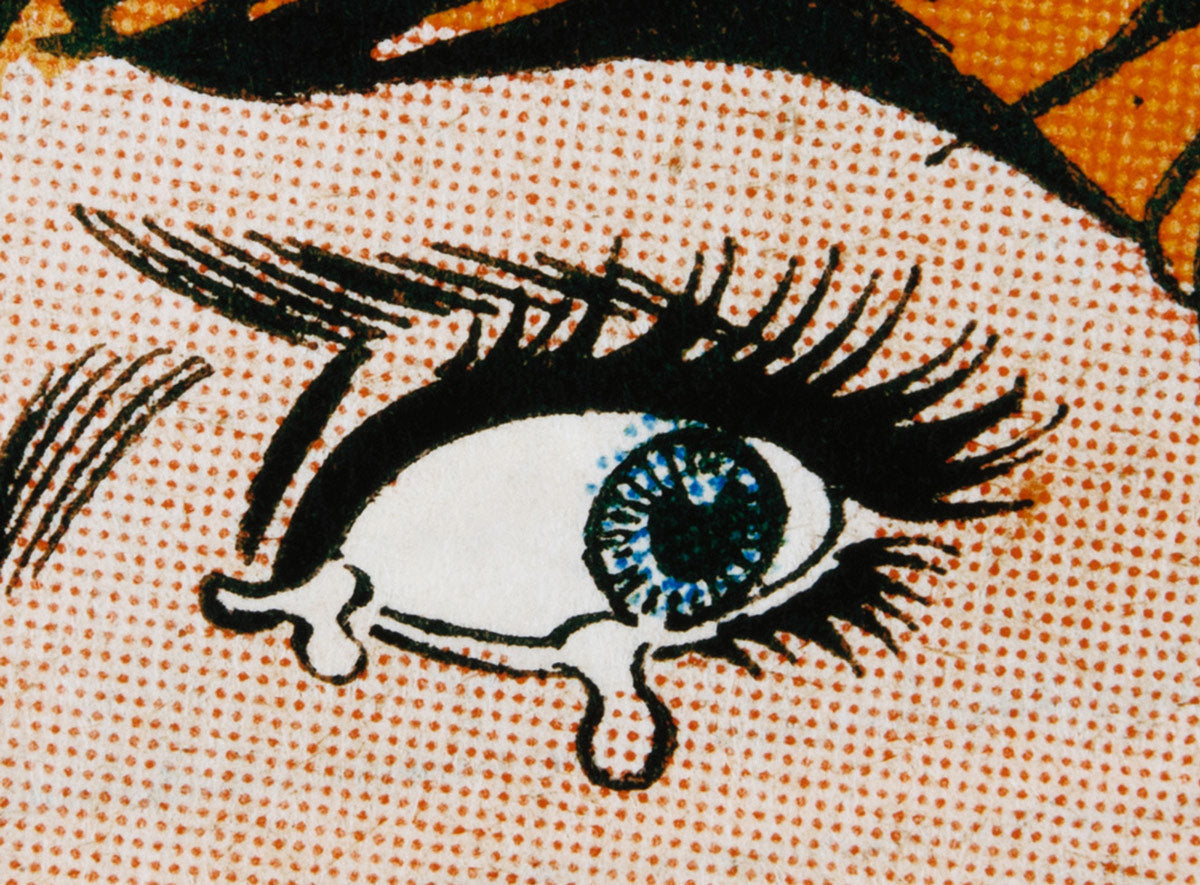
David Shrigley - Eyes
01

David Shrigley Biography

David Shrigley (born 1968 in Macclesfield, England) studied Environmental Art at the Glasgow School of Art from 1988 to 1991 — a period he remembers with characteristic self-deprecation. "Secretly I considered the printmakers to be losers who weren't good enough to be in the 'cool' departments," he later admitted. "Printing was old-fashioned. Perhaps even boring. A side-project for serious elderly painters." That prejudice held for nearly a decade, until Shrigley made his first etchings in Copenhagen in the mid-1990s, a turn that would make printmaking central to everything he built afterward.

His breakthrough arrived in 1995: a solo show in Glasgow, followed almost immediately by one of his drawings appearing on the cover of Frieze magazine — the moment his crude line drawings and deadpan captions reached an international art audience for the first time. What followed was a career built on refusing craft as a value in itself. Shrigley draws with deliberately unsteady lines and handwriting that looks unpractised, pairing images with text that swings between the absurd and the devastatingly direct — a body of work he has expanded into sculpture, animation, photography, and music, including directing a music video for Blur and producing Worried Noodles (2007), an album of musicians setting his texts to lyrics.

Recognition followed the work rather than preceding it. He was nominated for the Turner Prize in 2013 for his Hayward Gallery retrospective Brain Activity, and in 2016 his bronze sculpture Really Good — an absurdly elongated thumbs-up — occupied London's Fourth Plinth in Trafalgar Square for eighteen months, becoming one of the most photographed public artworks in Britain. His work has since been the subject of major solo presentations at the Louisiana Museum of Modern Art in Denmark and the K Museum of Contemporary Art in Seoul, and in 2020 he was appointed OBE for services to visual art. He has contributed cartoons to The Guardian since 2005 and now lives and works in Brighton.

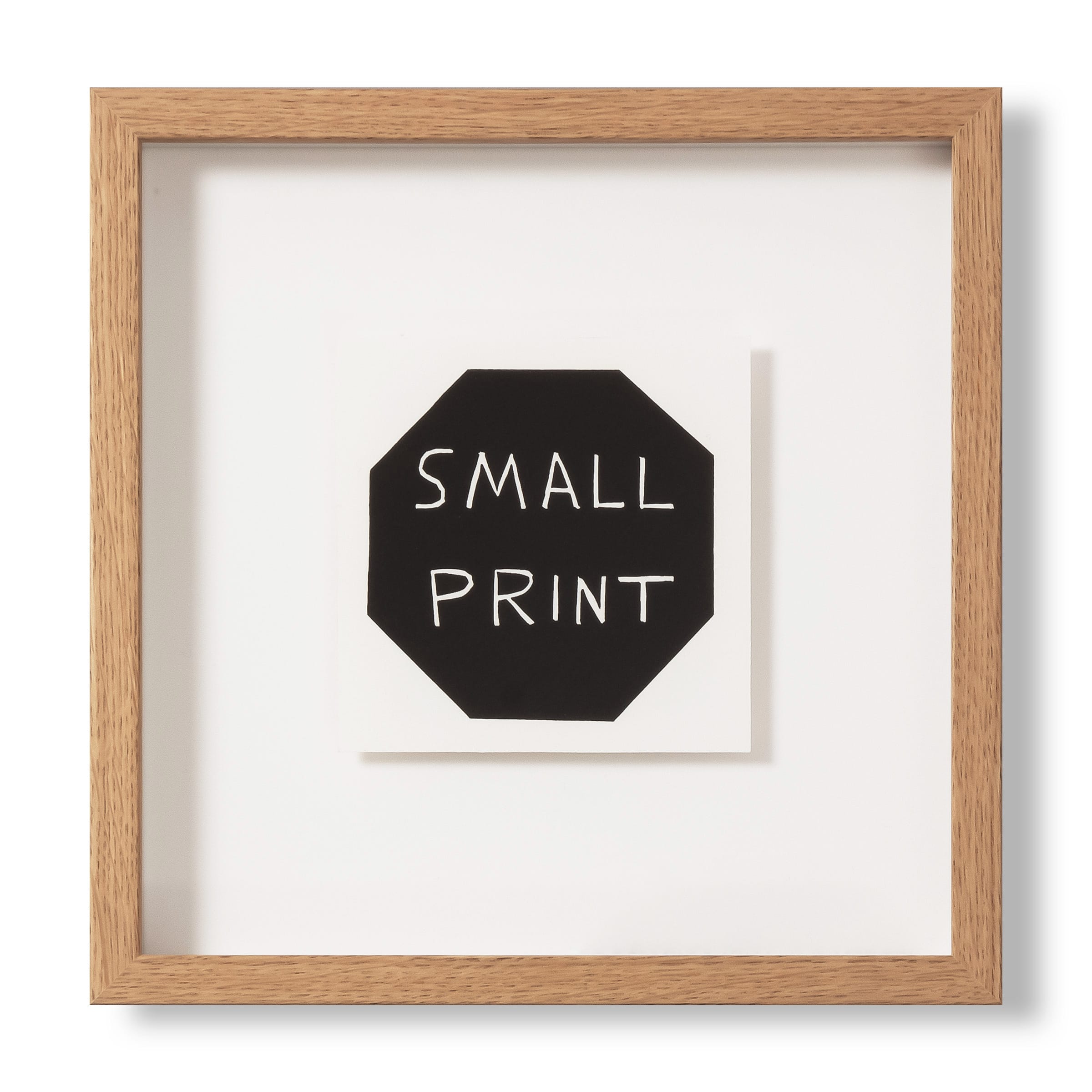
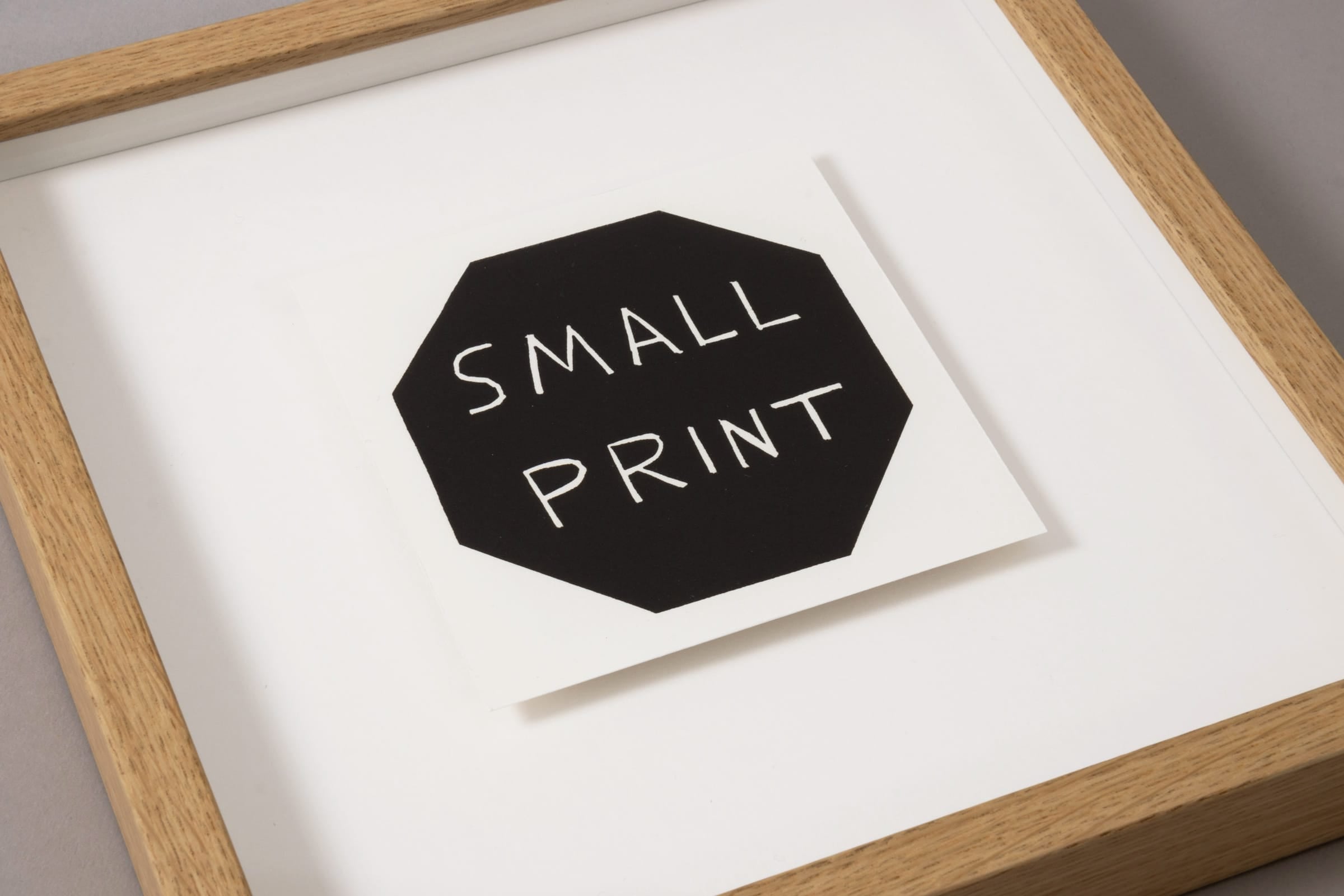
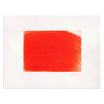
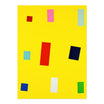
David Shrigley - Small Print
02

Famous David Shrigley Artworks

Memorial (2023), Shrigley's auction record at $165,100, took the form of a five-metre stone monument engraved not with the names of the fallen but with an ordinary shopping list — compiled from lists solicited from friends, deliberately stripped of anything "posh." A war memorial's solemnity applied to milk, bread, and washing powder: the joke and the argument are the same sentence.

Really Good (2016), his eighteen-month Fourth Plinth commission, exaggerated the universal thumbs-up gesture into something genuinely strange — a bronze hand stretched improbably tall, sincere approval rendered so literally it curdles into something closer to threat. It remains his most publicly seen work.

Untitled (It's OK) (2005), his print auction record at $44,100 — over ten times its estimate — distils his method to a single deadpan phrase. Reassurance offered with just enough uncertainty to withhold it entirely.

Brain Activity (2012), his Hayward Gallery retrospective and the basis for his 2013 Turner Prize nomination, gathered three decades of drawings, sculptures, and animations into the survey that confirmed his position within British contemporary art's critical mainstream — not despite the crude drawing style, but because of what it made possible.

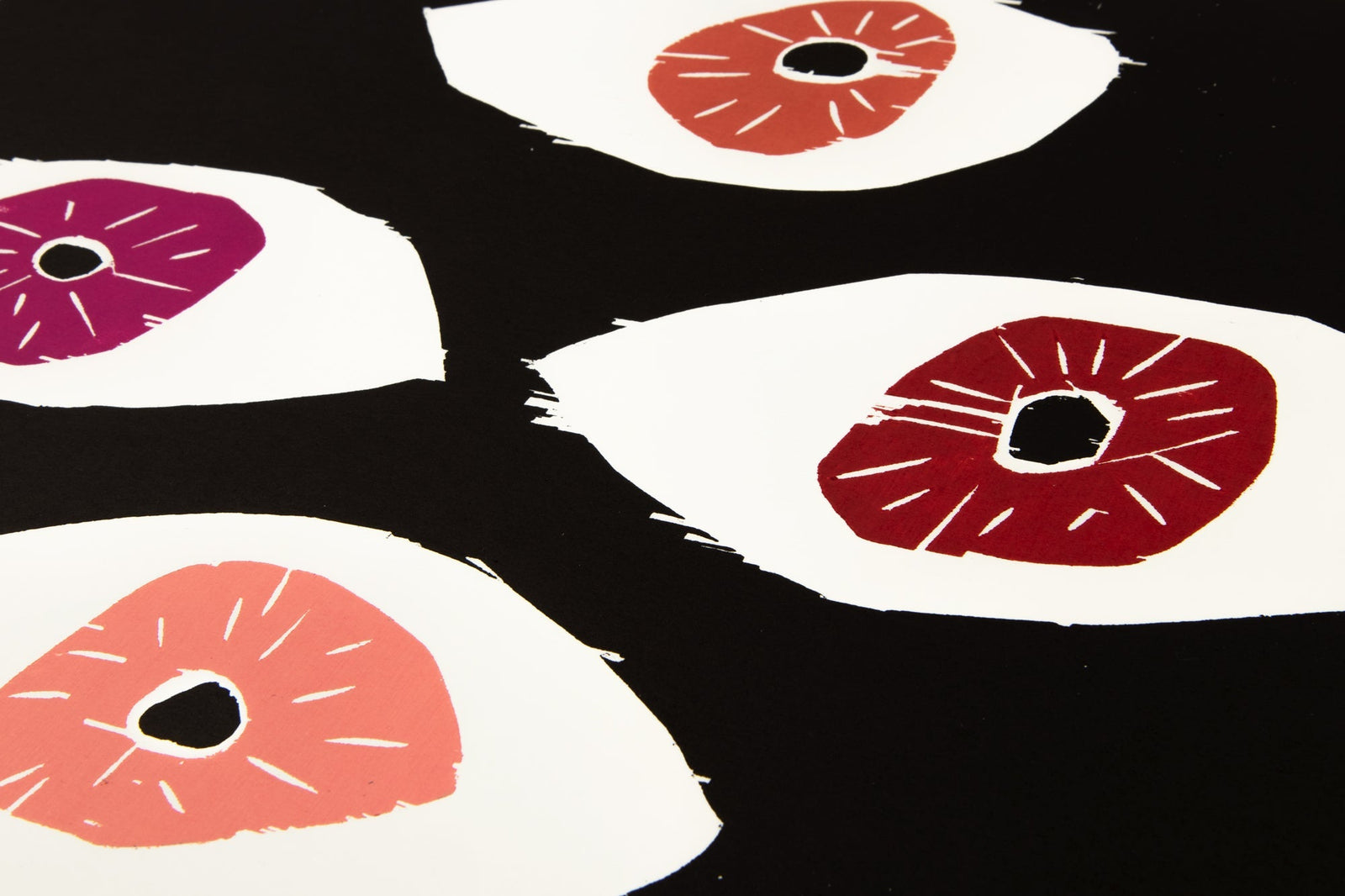
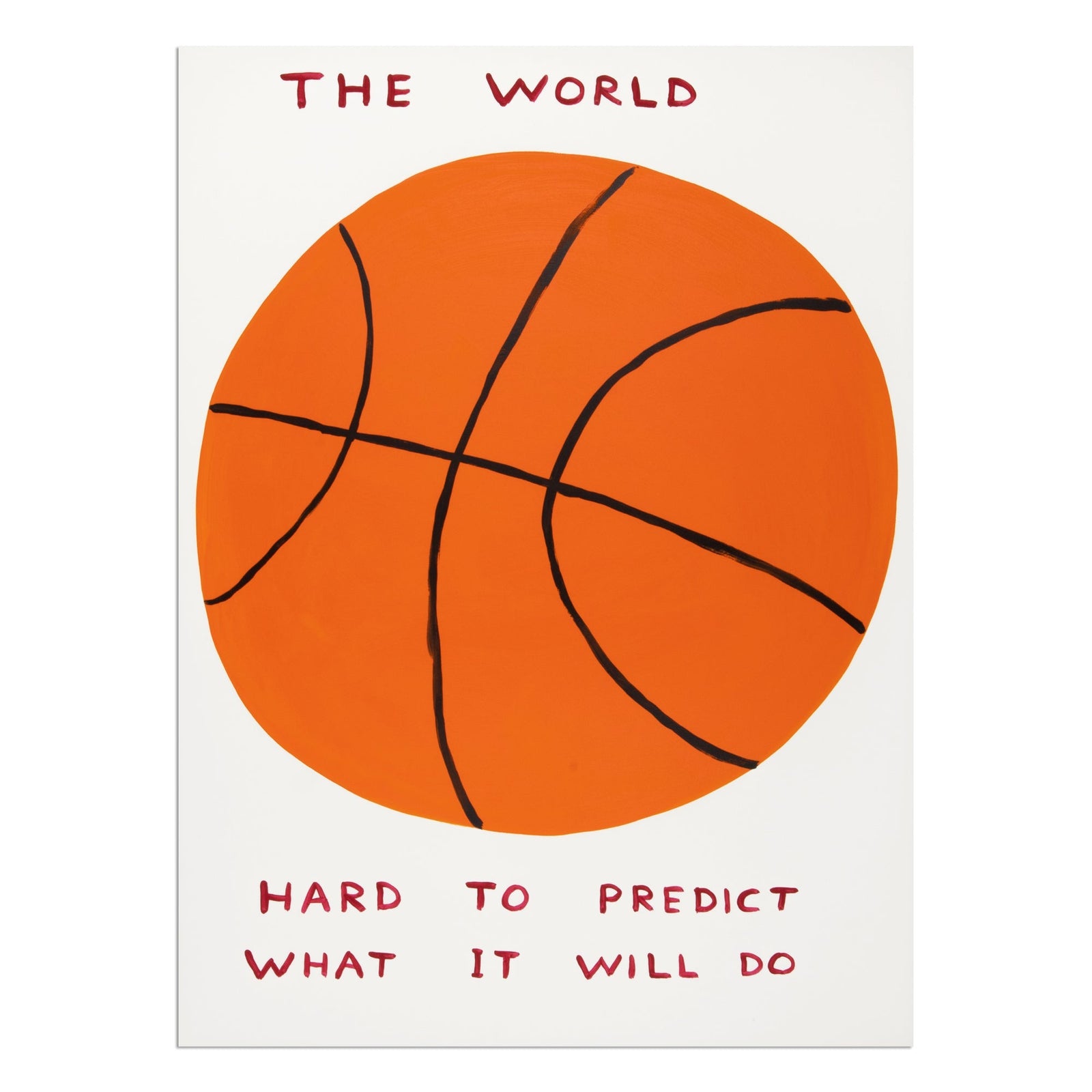
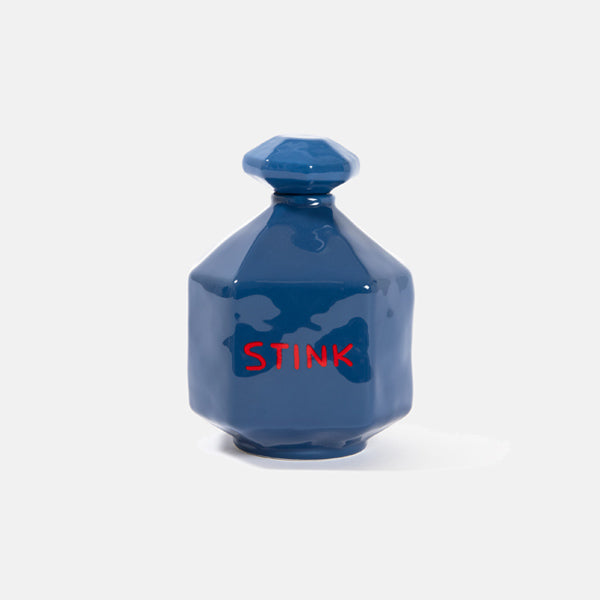
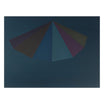
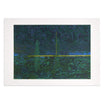
David Shrigley - The World
03

David Shrigley Prints & Editions

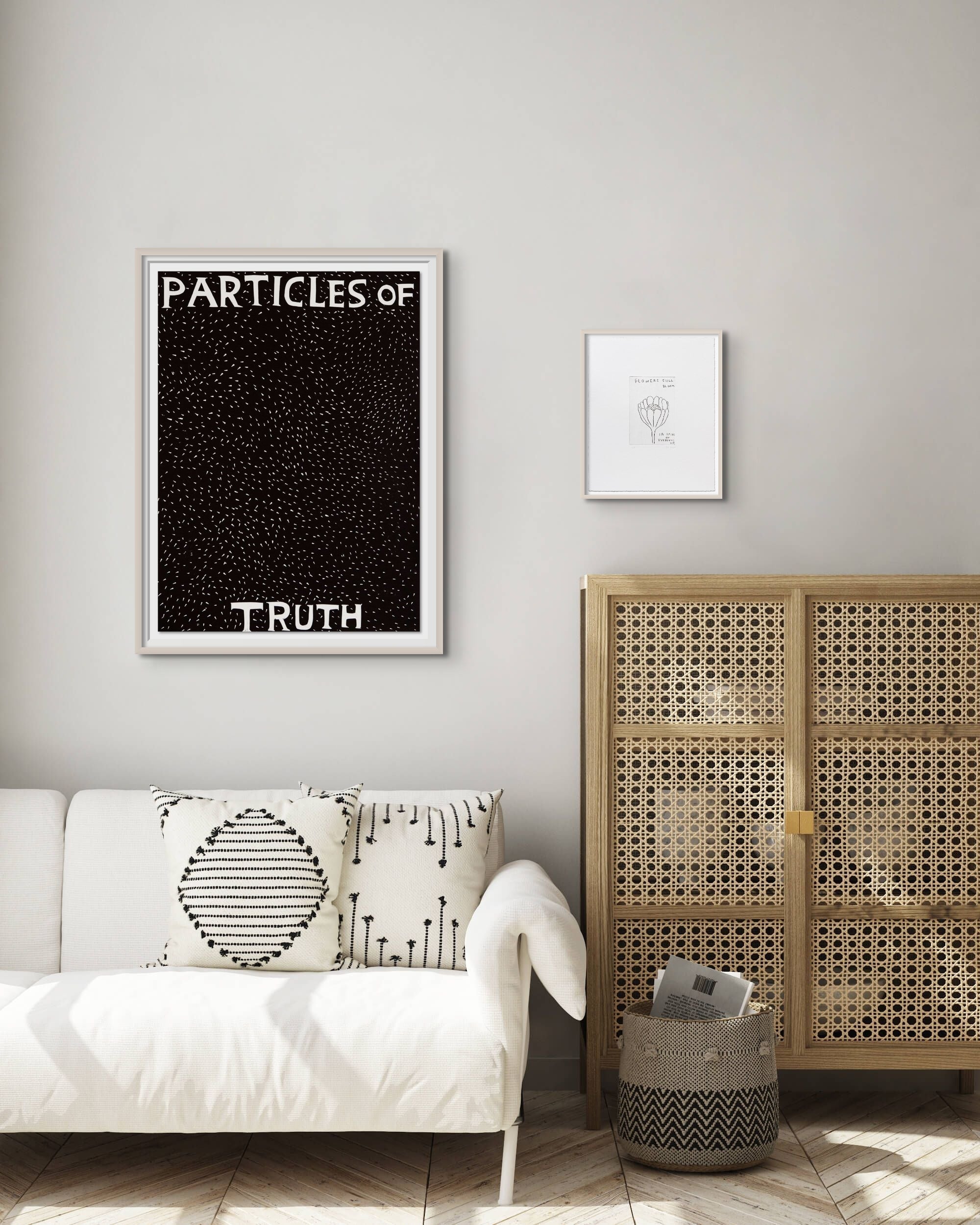
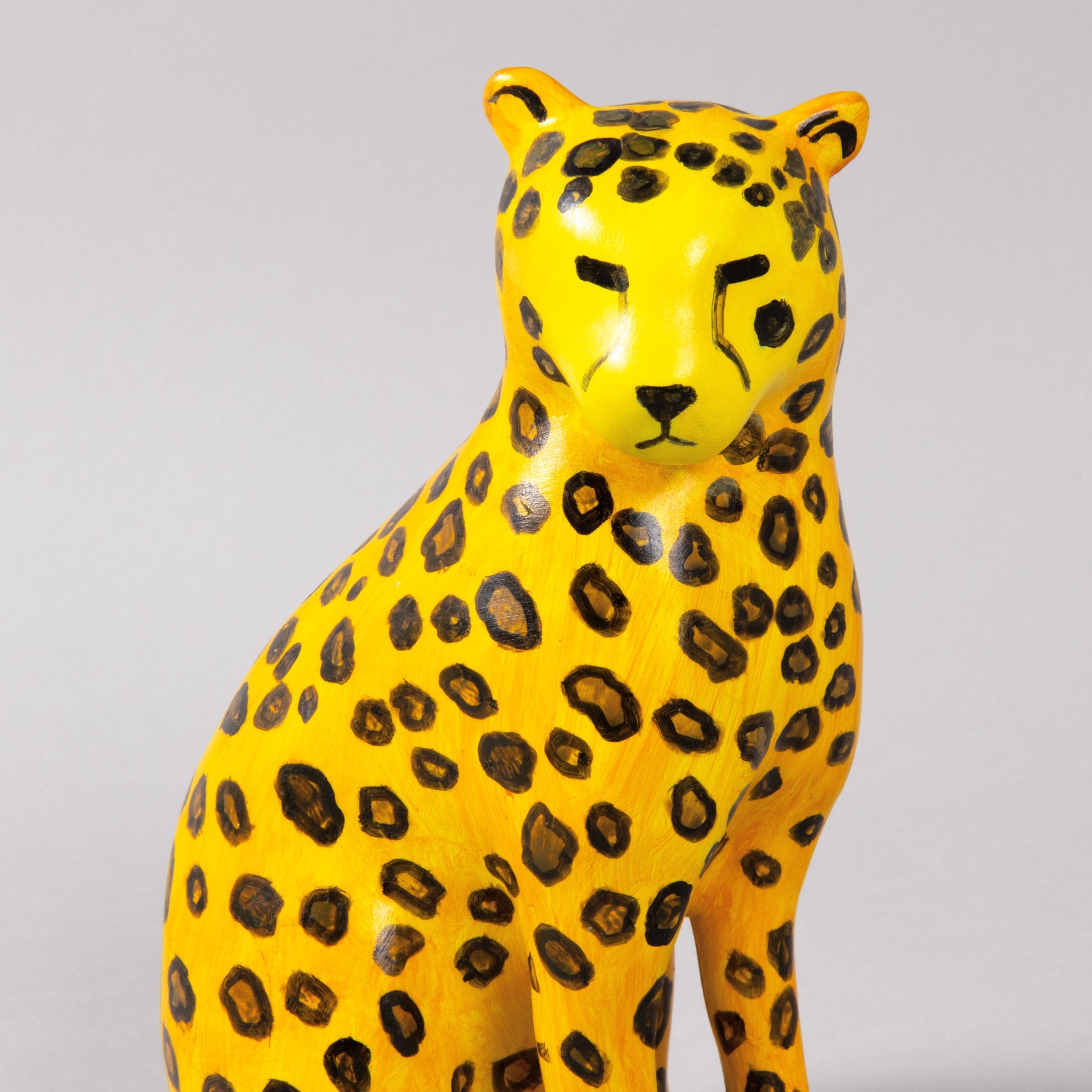
Prints are not a sideline in Shrigley's practice — they are its centre of gravity. According to Artprice data, prints and works on paper account for 86% of his work sold at auction, a proportion almost unheard of among artists of comparable market standing. His print turnover has grown from roughly £214 in 2015 to over £421,000 in 2024, with UK sales alone exceeding £2.1 million since 2000 — a trajectory that reflects not novelty but sustained, compounding demand.

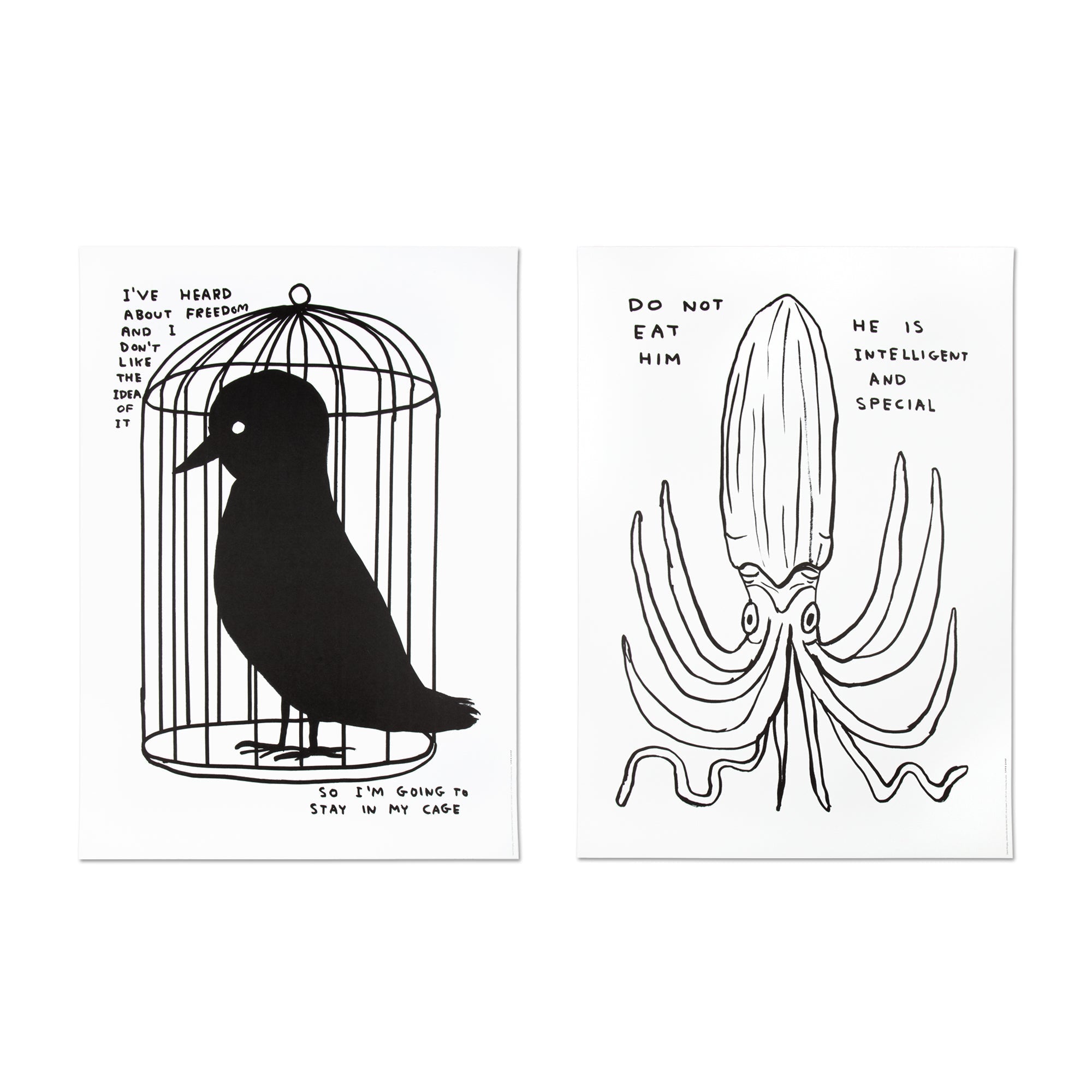
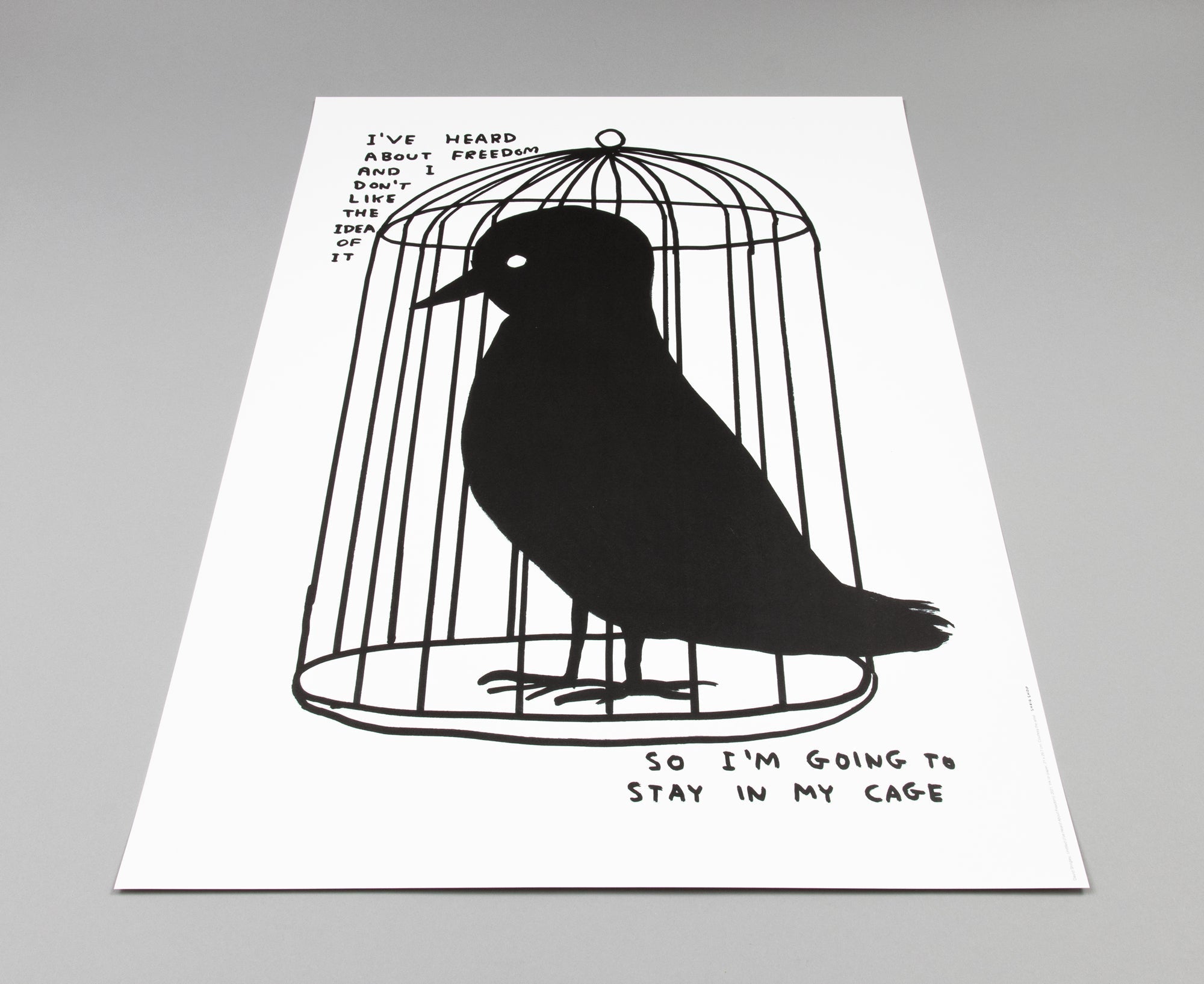
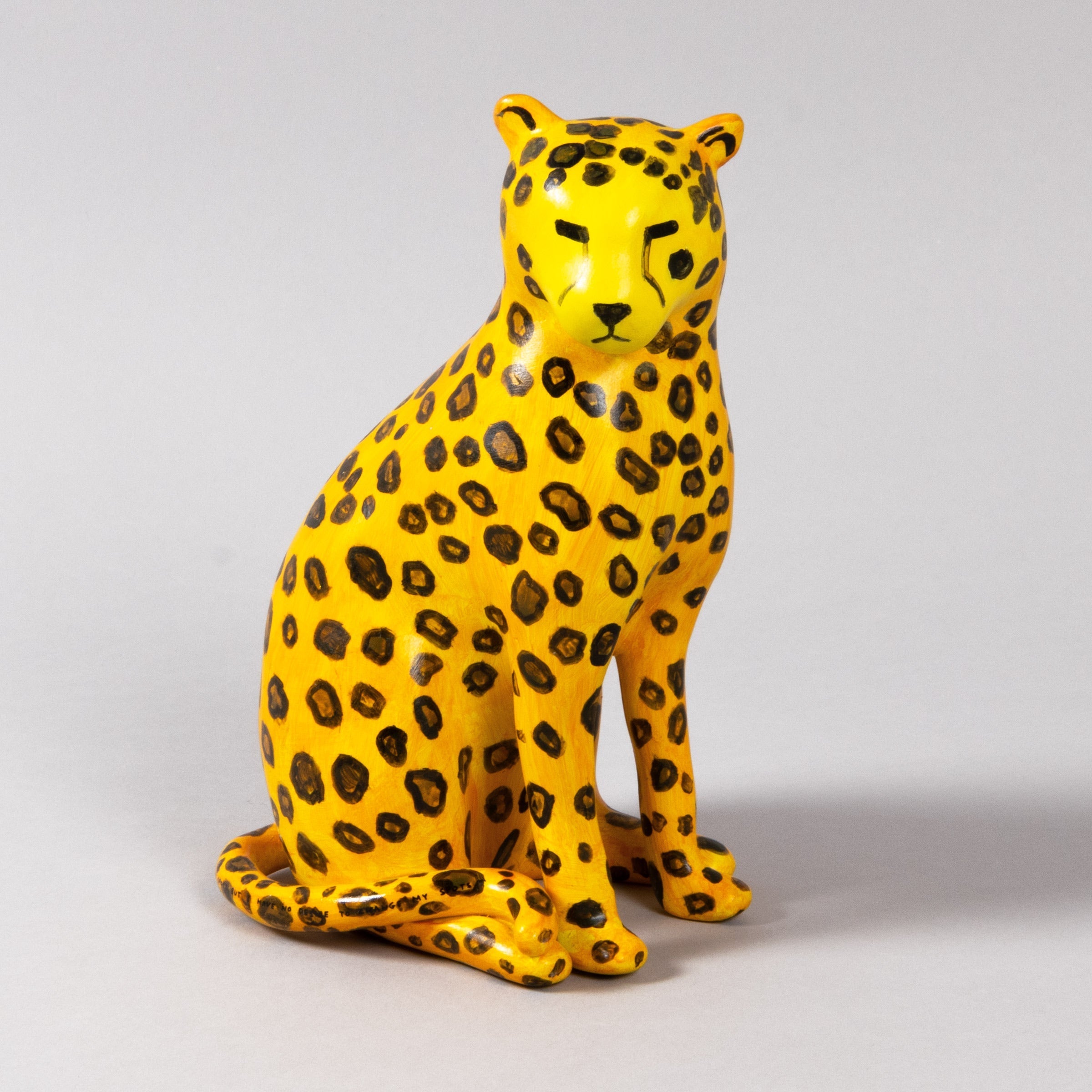
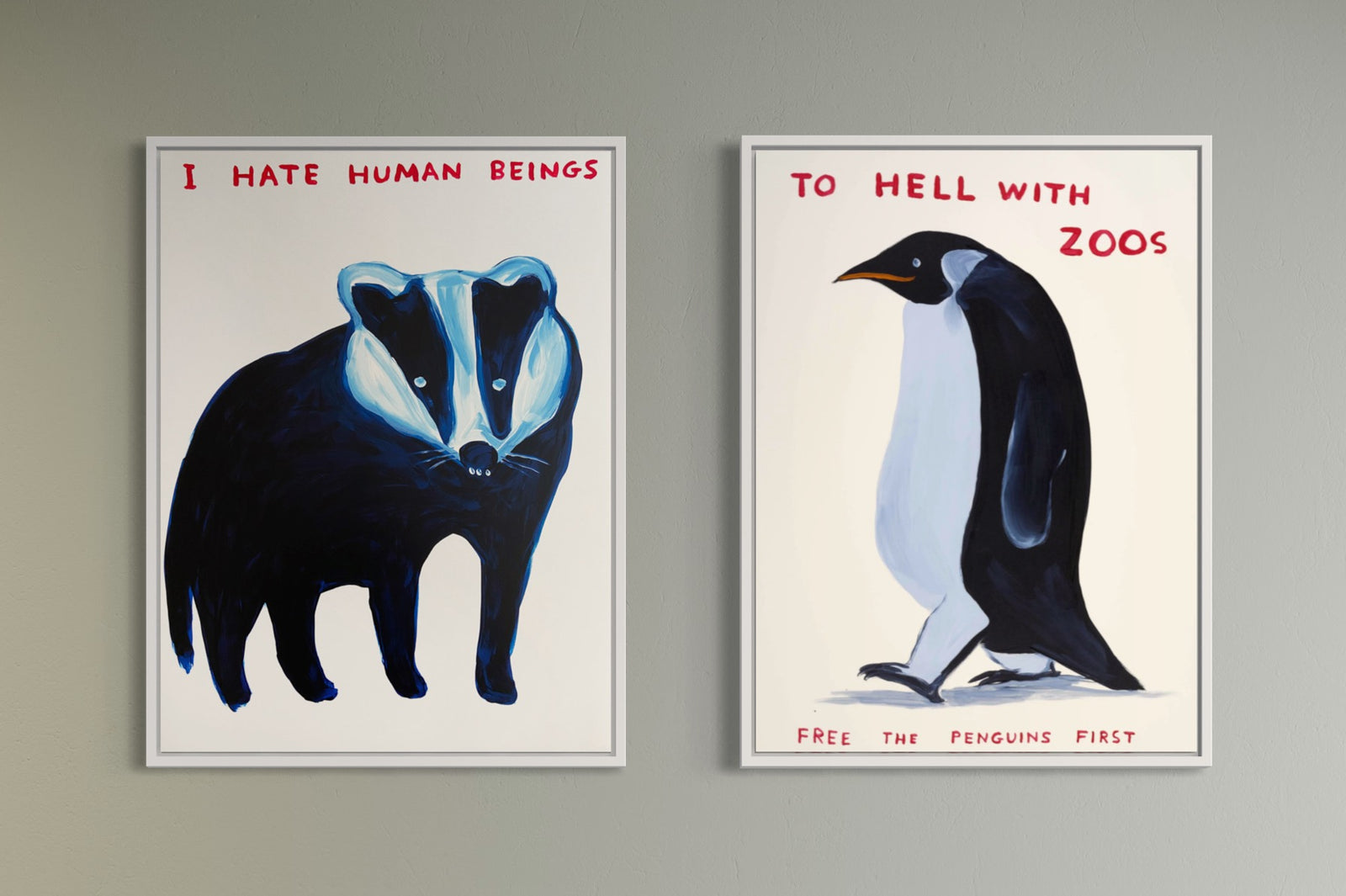
His editions span screenprint, etching, linocut, and lithography, drawing on the same recurring visual vocabulary that defines his work on canvas and paper — animals, blunt statements, absurd instructions. Subject matter matters considerably to value: works like Live Each Day As If It Were Your First typically trade between £4,000 and £7,000, with standout results reaching considerably higher when demand outpaces supply.

For collectors, Shrigley's editions offer the same unfiltered directness as his sculptures and drawings, at a fraction of the scale and cost. Works are held in the permanent collections of Tate, MoMA, and the Centre Pompidou.

01

David Shrigley Biography

David Shrigley (born 1968 in Macclesfield, England) studied Environmental Art at the Glasgow School of Art from 1988 to 1991 — a period he remembers with characteristic self-deprecation. "Secretly I considered the printmakers to be losers who weren't good enough to be in the 'cool' departments," he later admitted. "Printing was old-fashioned. Perhaps even boring. A side-project for serious elderly painters." That prejudice held for nearly a decade, until Shrigley made his first etchings in Copenhagen in the mid-1990s, a turn that would make printmaking central to everything he built afterward.

His breakthrough arrived in 1995: a solo show in Glasgow, followed almost immediately by one of his drawings appearing on the cover of Frieze magazine — the moment his crude line drawings and deadpan captions reached an international art audience for the first time. What followed was a career built on refusing craft as a value in itself. Shrigley draws with deliberately unsteady lines and handwriting that looks unpractised, pairing images with text that swings between the absurd and the devastatingly direct — a body of work he has expanded into sculpture, animation, photography, and music, including directing a music video for Blur and producing Worried Noodles (2007), an album of musicians setting his texts to lyrics.

Recognition followed the work rather than preceding it. He was nominated for the Turner Prize in 2013 for his Hayward Gallery retrospective Brain Activity, and in 2016 his bronze sculpture Really Good — an absurdly elongated thumbs-up — occupied London's Fourth Plinth in Trafalgar Square for eighteen months, becoming one of the most photographed public artworks in Britain. His work has since been the subject of major solo presentations at the Louisiana Museum of Modern Art in Denmark and the K Museum of Contemporary Art in Seoul, and in 2020 he was appointed OBE for services to visual art. He has contributed cartoons to The Guardian since 2005 and now lives and works in Brighton.

02

Famous David Shrigley Artworks

Memorial (2023), Shrigley's auction record at $165,100, took the form of a five-metre stone monument engraved not with the names of the fallen but with an ordinary shopping list — compiled from lists solicited from friends, deliberately stripped of anything "posh." A war memorial's solemnity applied to milk, bread, and washing powder: the joke and the argument are the same sentence.

Really Good (2016), his eighteen-month Fourth Plinth commission, exaggerated the universal thumbs-up gesture into something genuinely strange — a bronze hand stretched improbably tall, sincere approval rendered so literally it curdles into something closer to threat. It remains his most publicly seen work.

Untitled (It's OK) (2005), his print auction record at $44,100 — over ten times its estimate — distils his method to a single deadpan phrase. Reassurance offered with just enough uncertainty to withhold it entirely.

Brain Activity (2012), his Hayward Gallery retrospective and the basis for his 2013 Turner Prize nomination, gathered three decades of drawings, sculptures, and animations into the survey that confirmed his position within British contemporary art's critical mainstream — not despite the crude drawing style, but because of what it made possible.

03

David Shrigley Prints & Editions

Prints are not a sideline in Shrigley's practice — they are its centre of gravity. According to Artprice data, prints and works on paper account for 86% of his work sold at auction, a proportion almost unheard of among artists of comparable market standing. His print turnover has grown from roughly £214 in 2015 to over £421,000 in 2024, with UK sales alone exceeding £2.1 million since 2000 — a trajectory that reflects not novelty but sustained, compounding demand.

His editions span screenprint, etching, linocut, and lithography, drawing on the same recurring visual vocabulary that defines his work on canvas and paper — animals, blunt statements, absurd instructions. Subject matter matters considerably to value: works like Live Each Day As If It Were Your First typically trade between £4,000 and £7,000, with standout results reaching considerably higher when demand outpaces supply.

For collectors, Shrigley's editions offer the same unfiltered directness as his sculptures and drawings, at a fraction of the scale and cost. Works are held in the permanent collections of Tate, MoMA, and the Centre Pompidou.

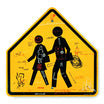
David Shrigley - EyesDavid Shrigley - Small PrintDavid Shrigley - The World

David Shrigley: Key Questions

Collecting David Shrigley?

Looking for a specific artwork or have a question about an edition? We're happy to advise on availability, pricing, condition, and provenance — and to source artworks beyond our current selection.

Contact us

Prints, Photographs & Multiples

View our full collection of

Prints, Photographs & Multiples

Explore editions