







John Baldessari

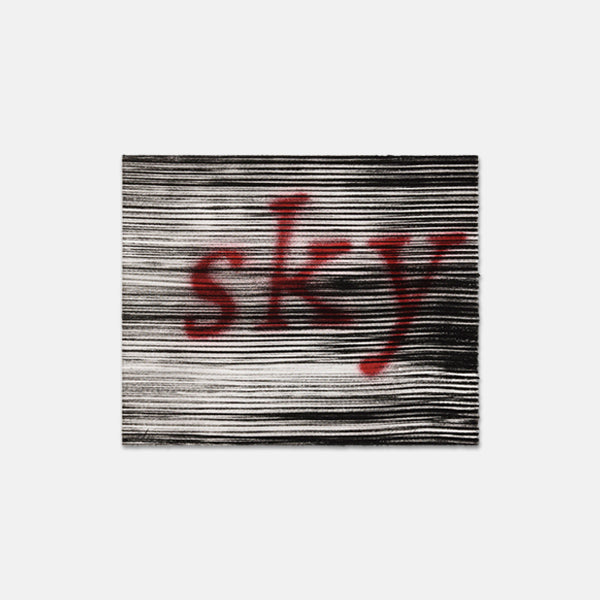
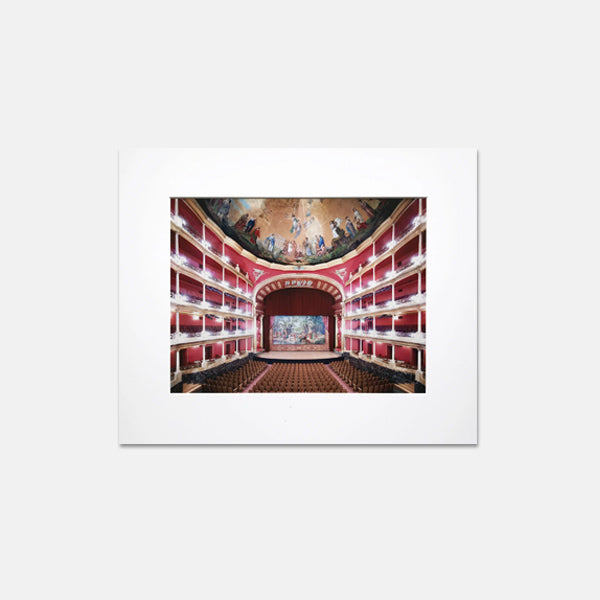
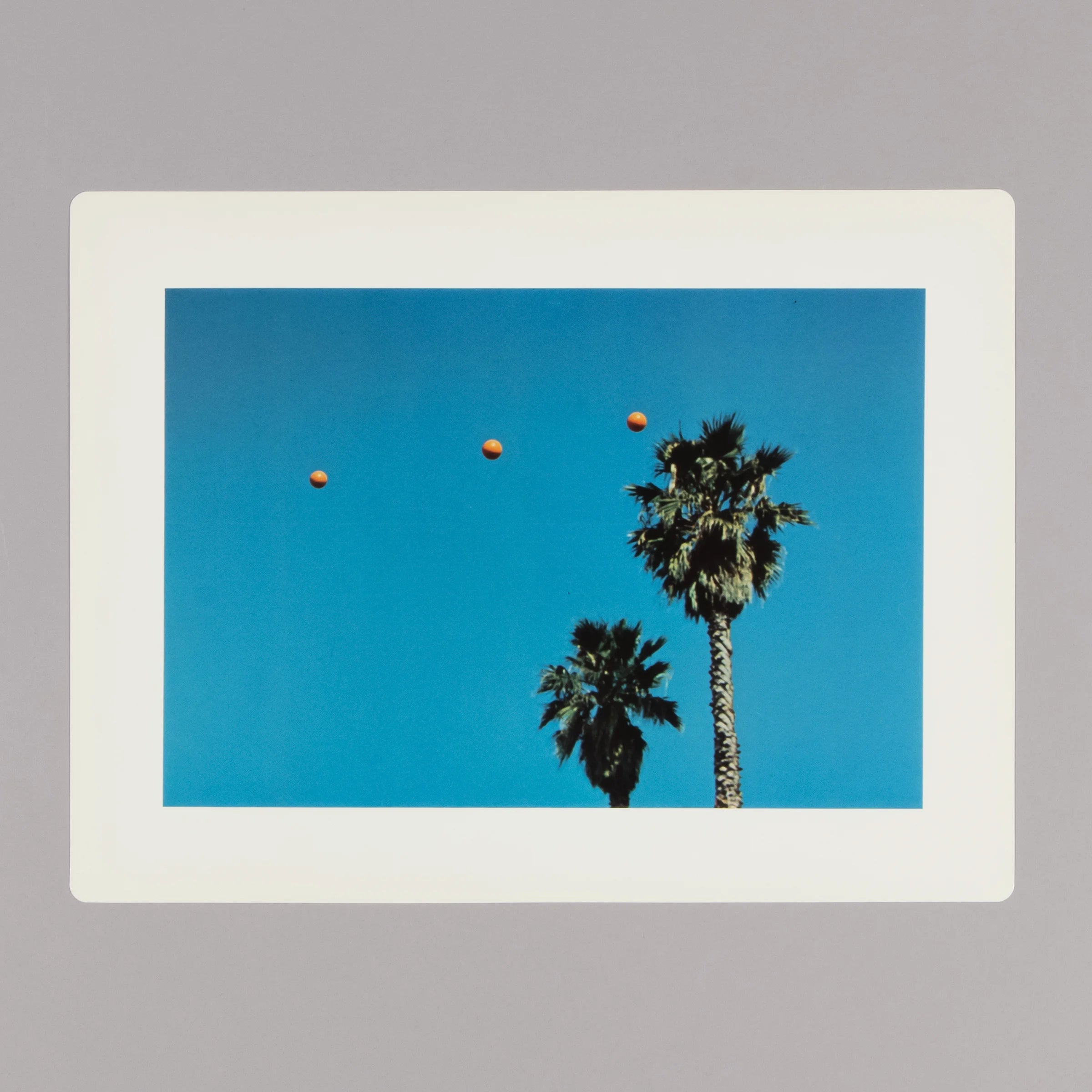
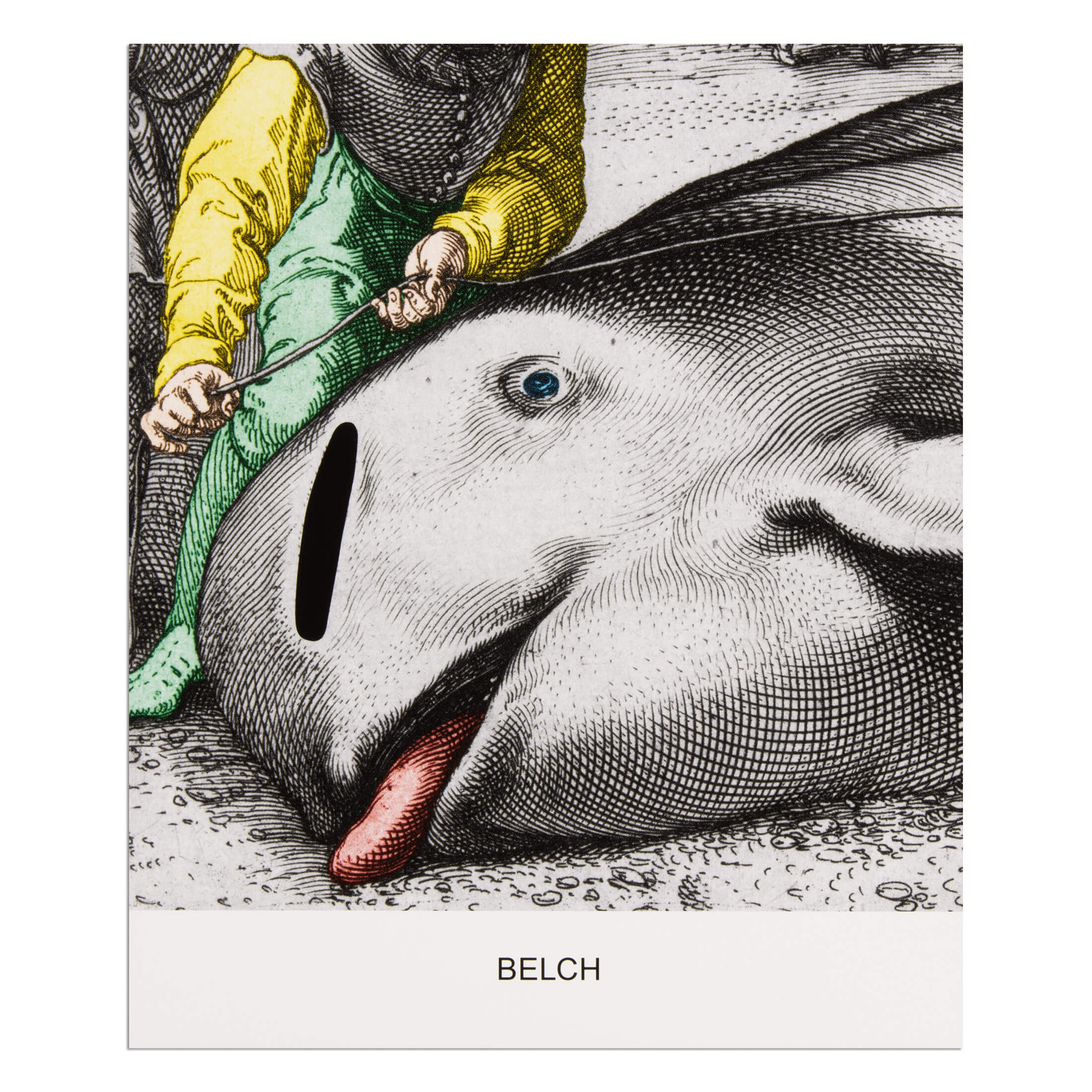
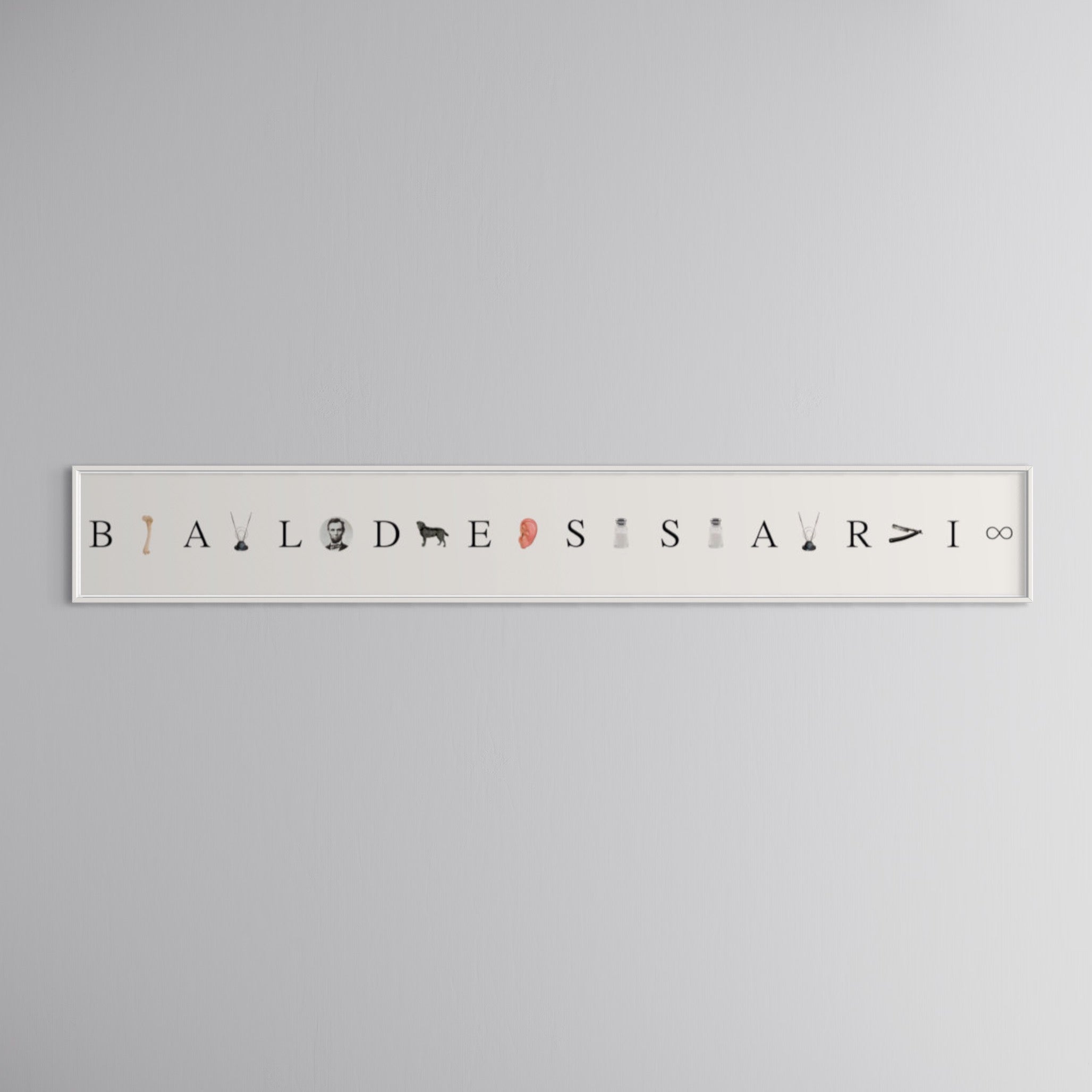
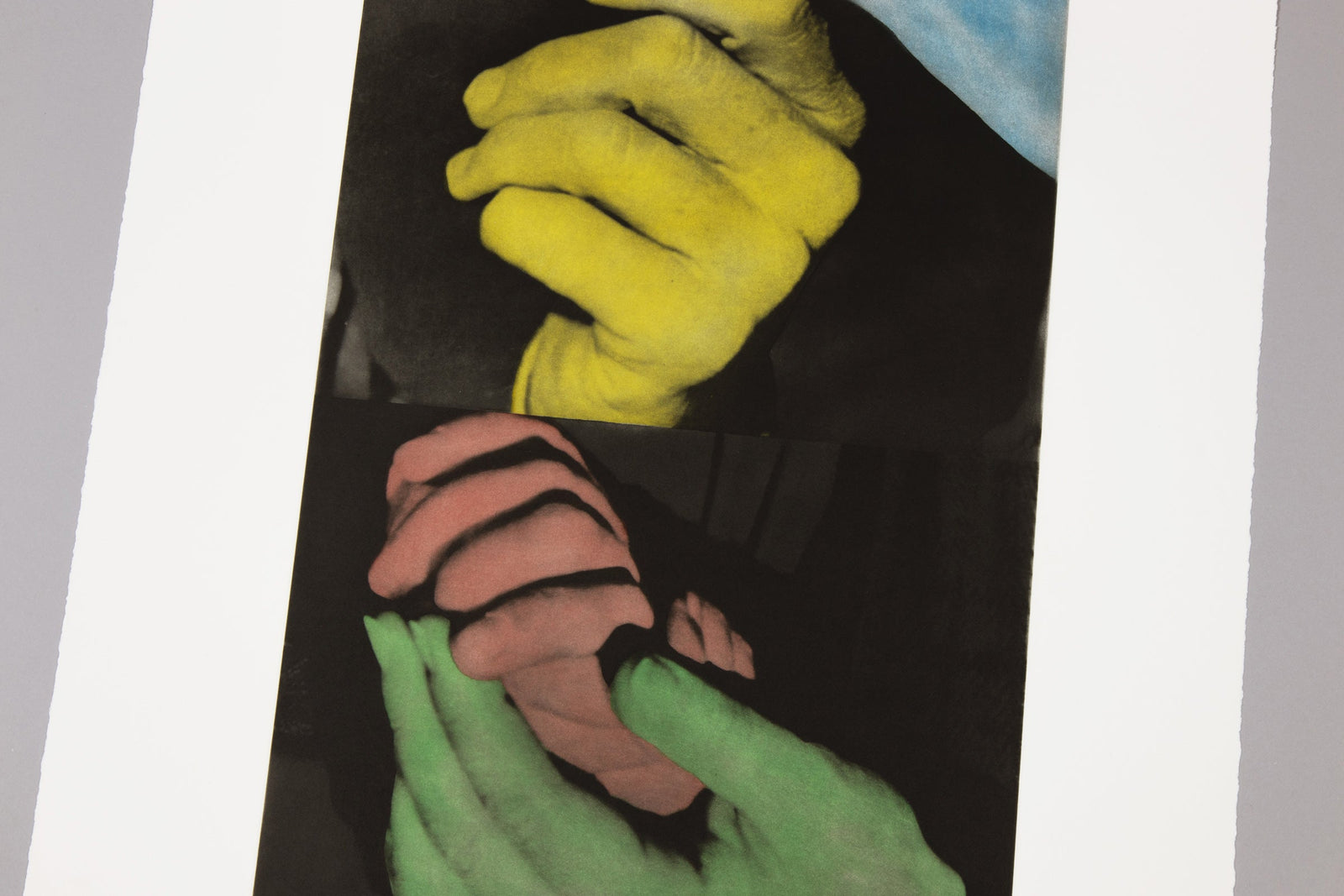
In 1970, John Baldessari gathered his early paintings and had them cremated. It was not an act of despair but of transition — the definitive gesture that separated him from painting-as-destiny and opened three decades of art asking a single question: how does an image become believable? Working across photography, film stills, text, and appropriation, he exposed the captions, crops, and conventions that make pictures feel self-evident — always with a deadpan humour that made the analysis land harder, not softer. Artworks held at MoMA, Tate, and LACMA.
Browse signed John Baldessari prints and editions now.
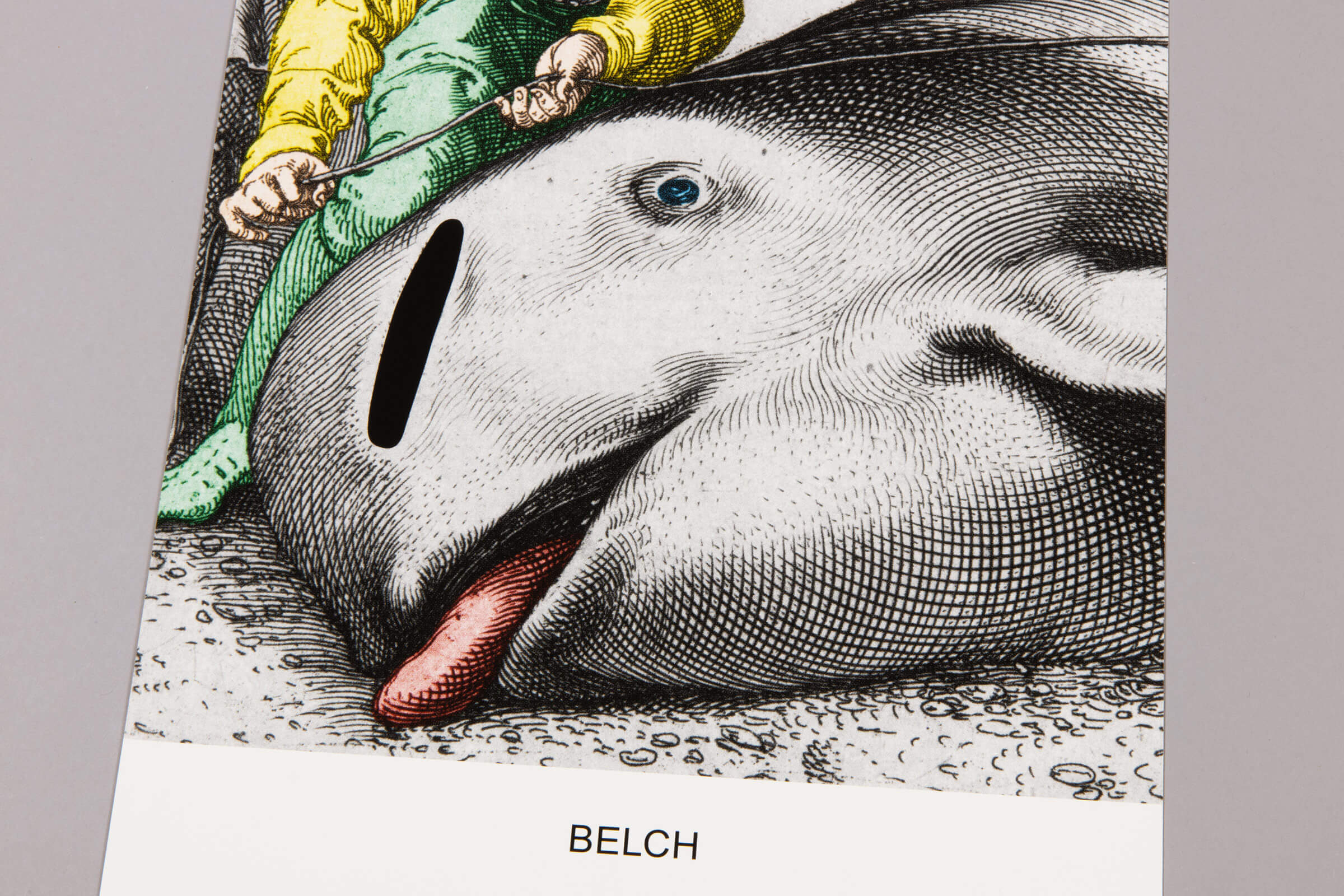
Available Prints & Editions
10 products

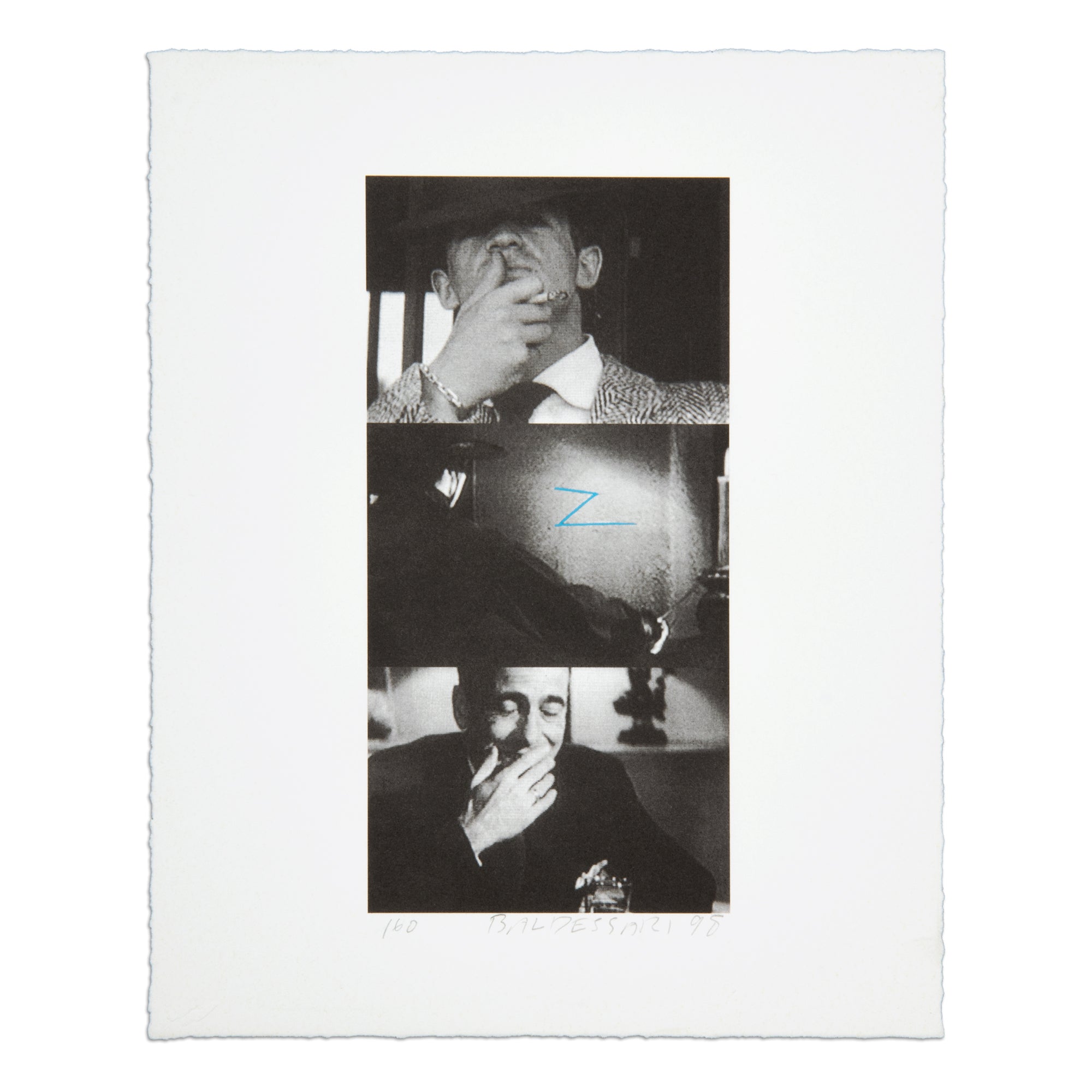
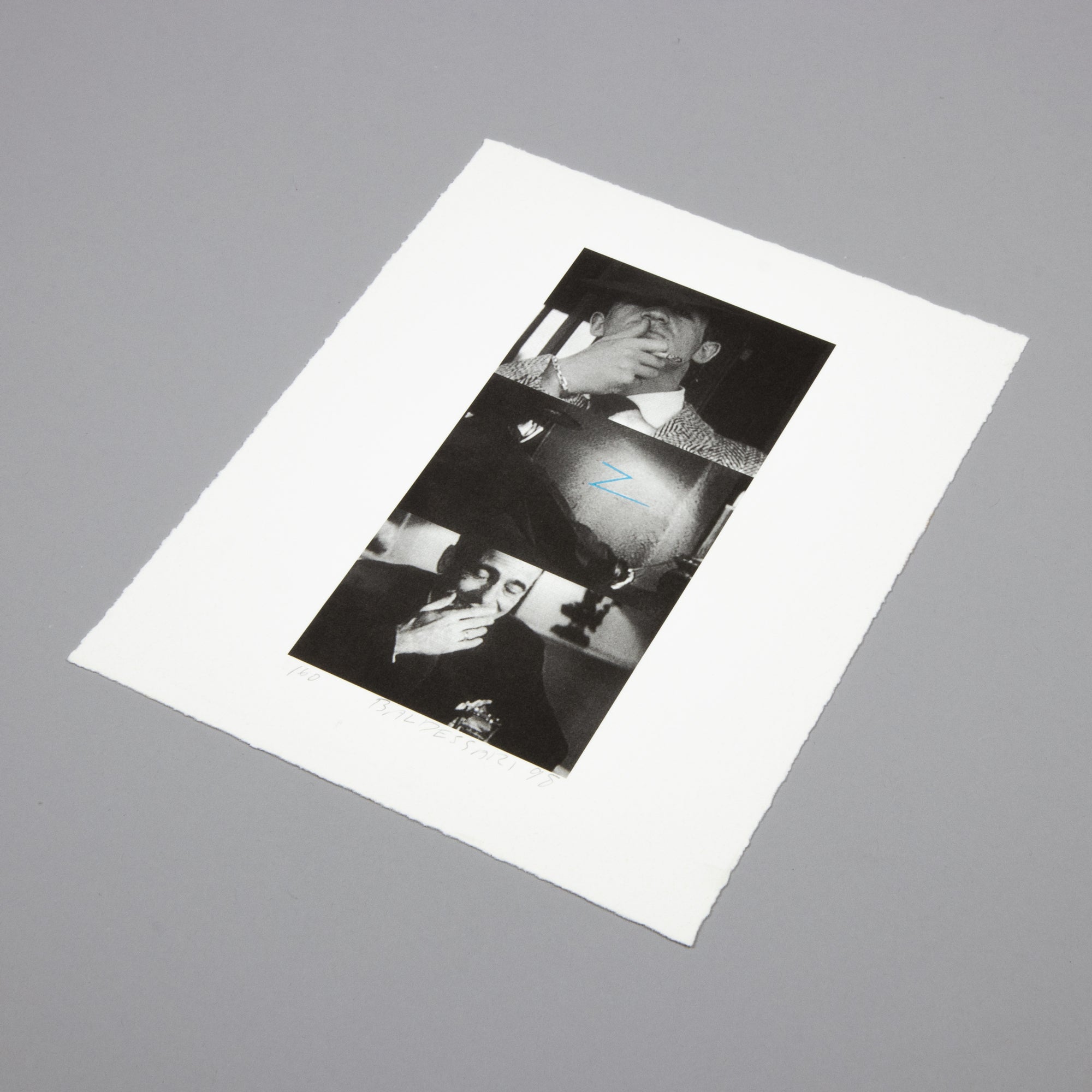
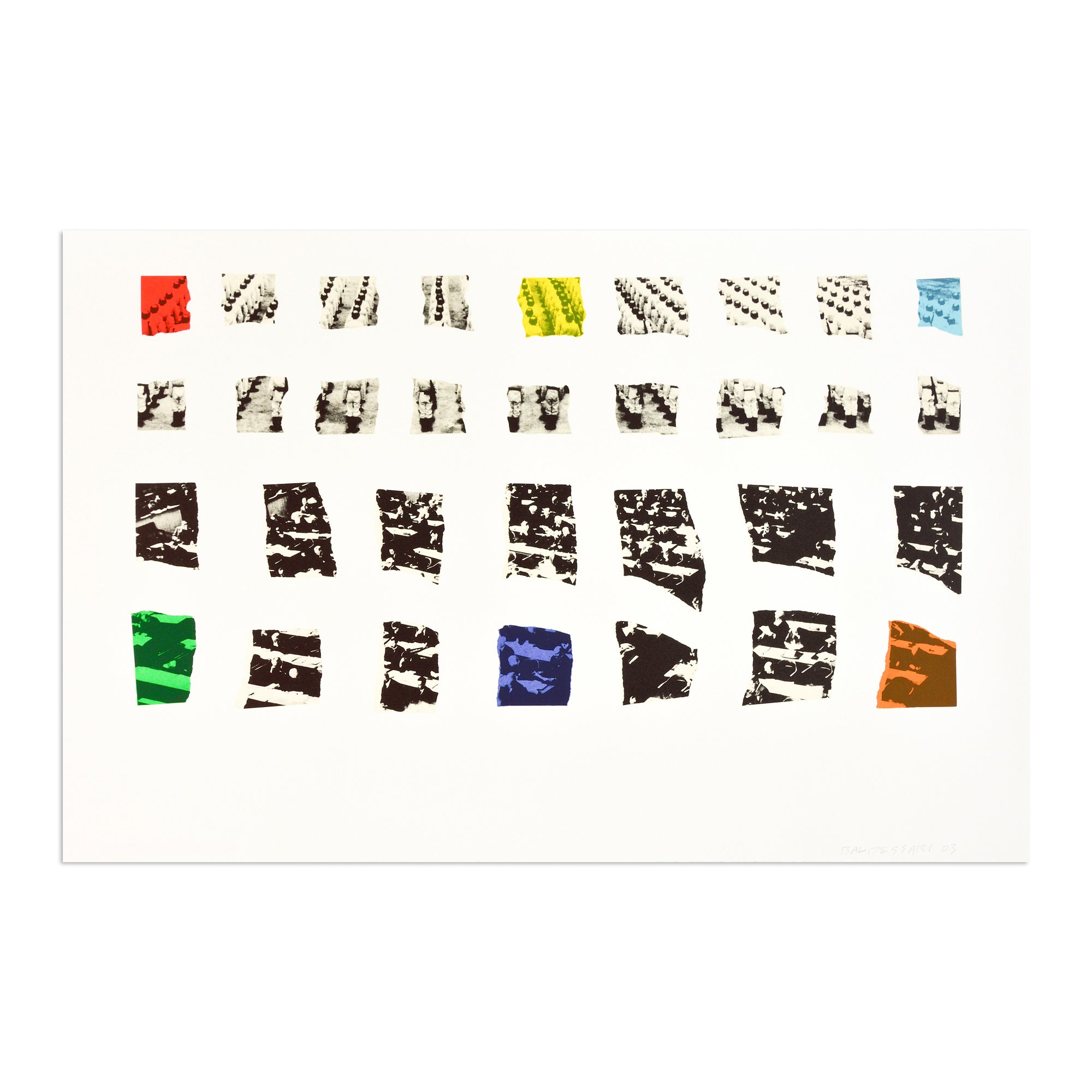
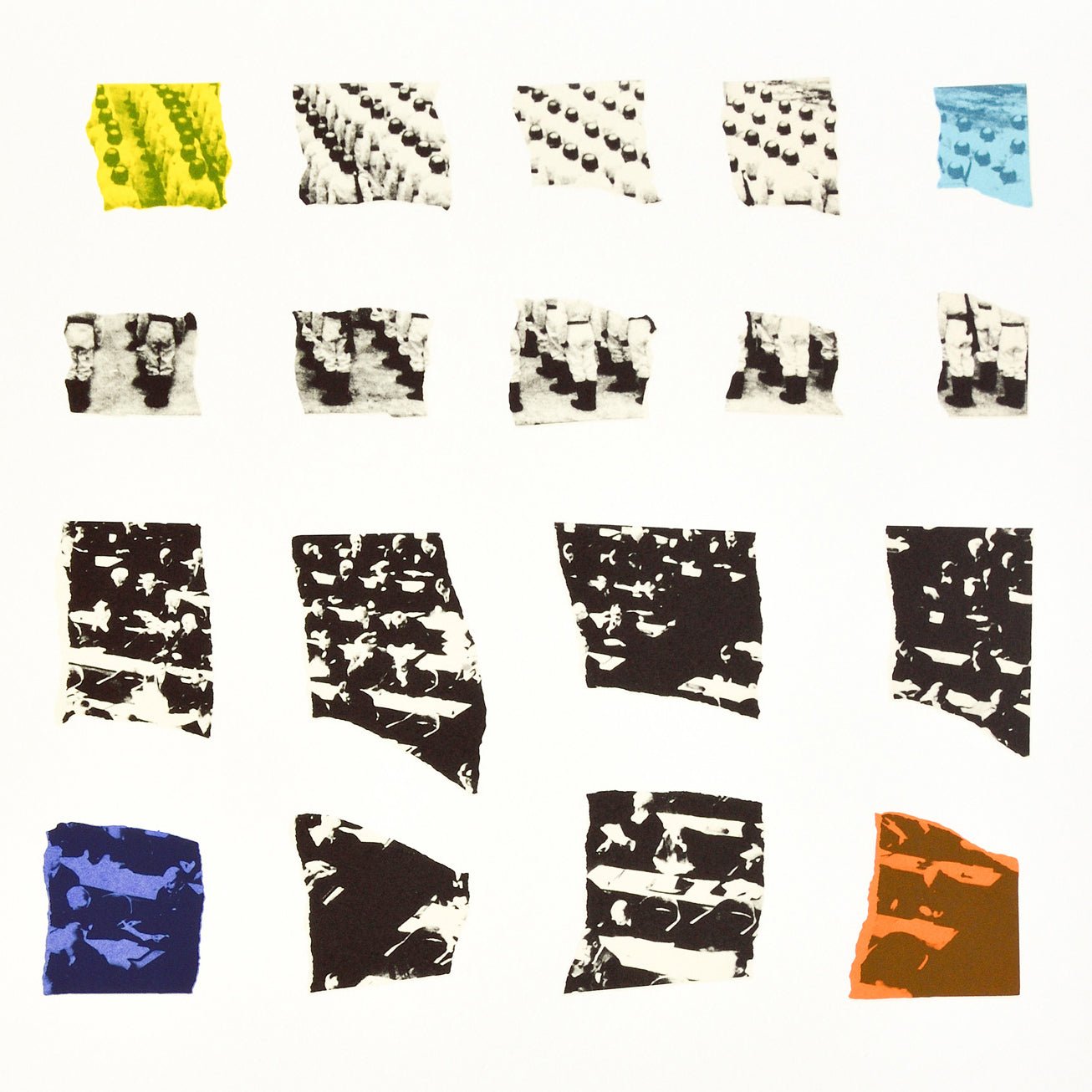
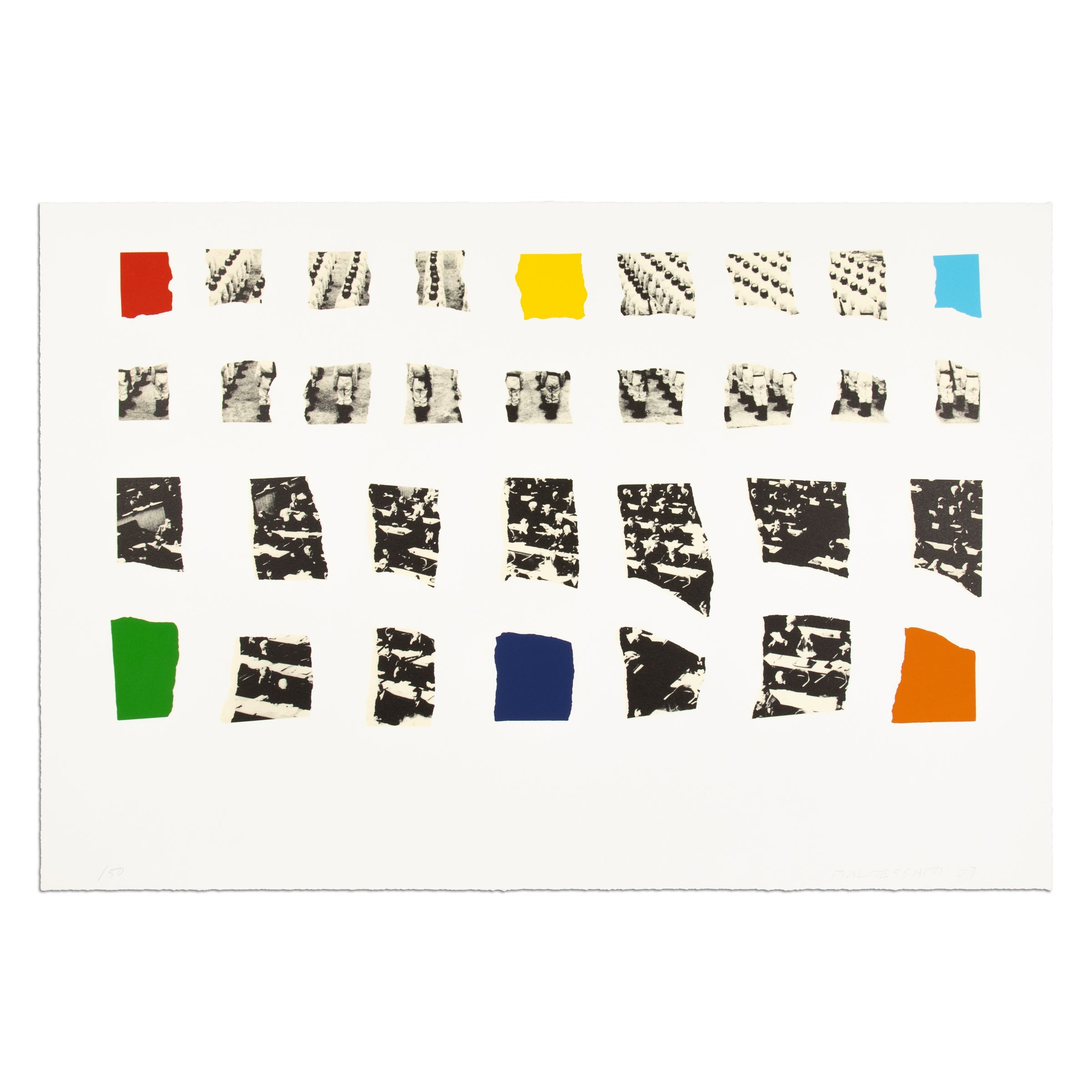
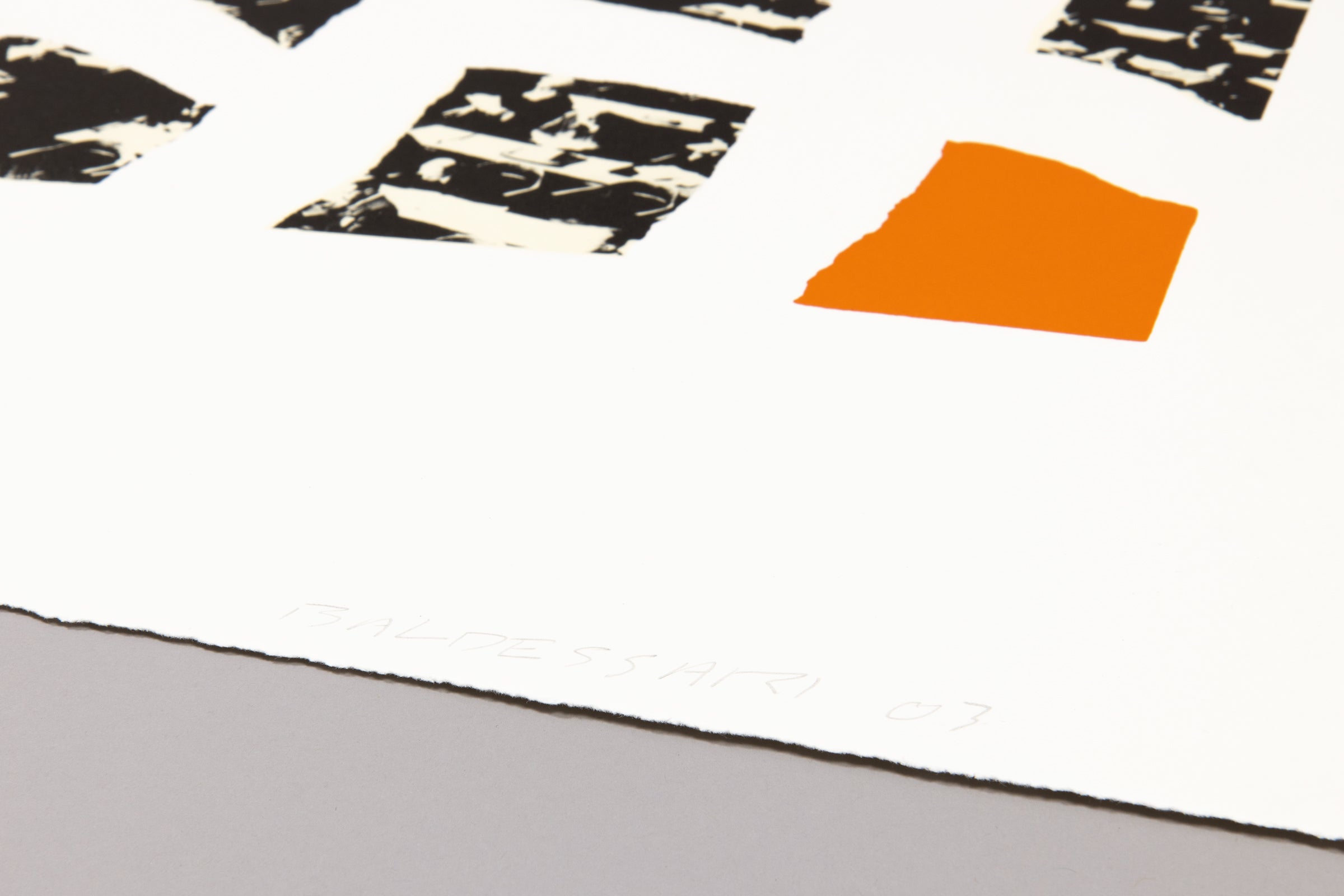


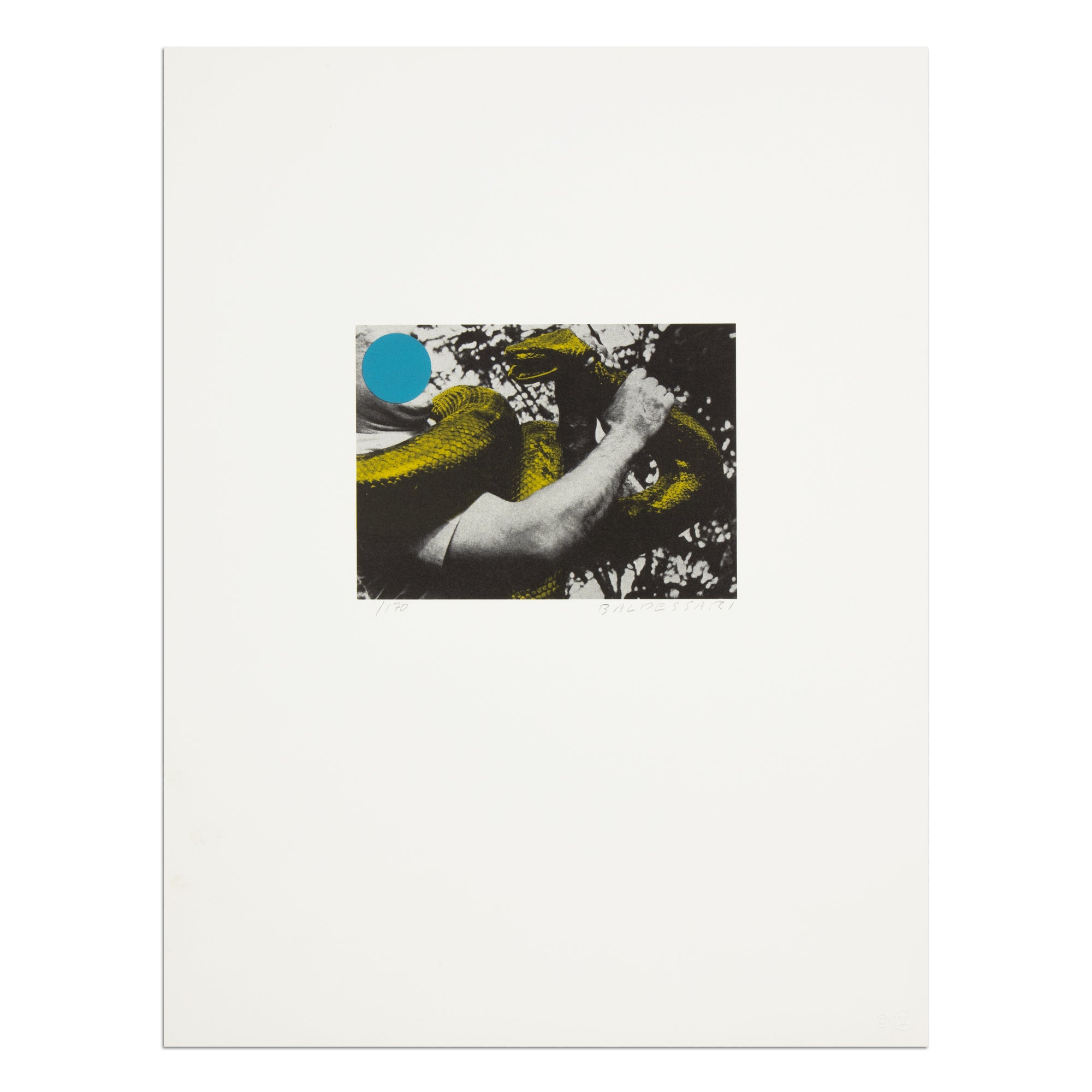
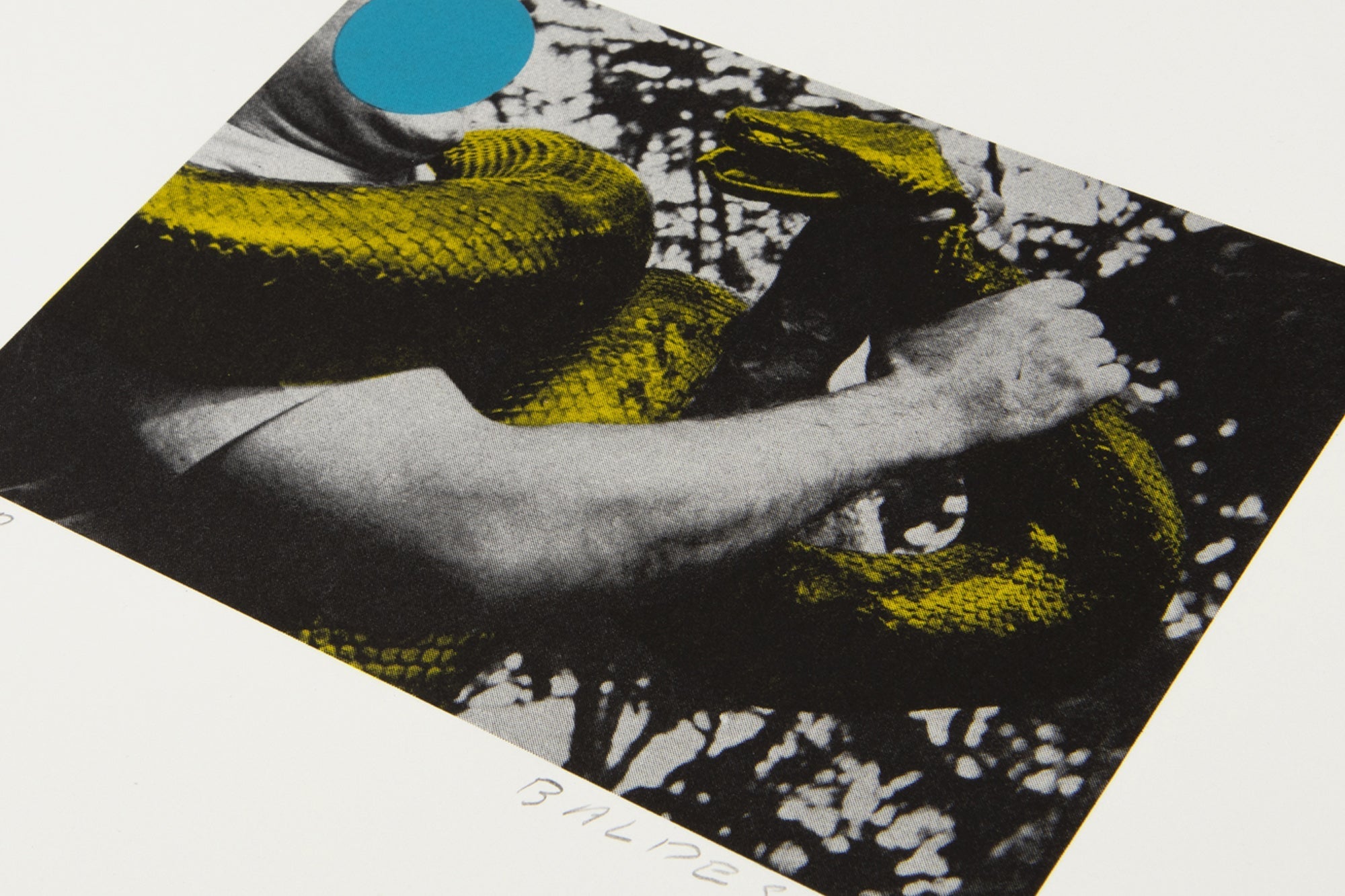








John Baldessari: Key Questions
Collecting John Baldessari?
Looking for a specific artwork or have a question about an edition? We're happy to advise on availability, pricing, condition, and provenance — and to source artworks beyond our current selection.
What is John Baldessari known for?
Why did John Baldessari burn his paintings?
How did John Baldessari redefine authorship?
What role did language play in John Baldessari's art?
How much do John Baldessari prints and editions sell for?


