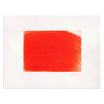
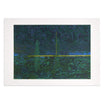
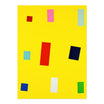
Peter Halley (born 1953, New York City) is a leading American painter, printmaker, and writer associated with Neo-Conceptualism and the legacy of Minimalism and Color Field Painting. Since the 1980s, his geometric paintings and limited edition prints have examined the structures of contemporary life through a visual language of cells, conduits, and grids. Working alongside artists such as Jeff Koons, Sarah Charlesworth, and Annette Lemieux, Halley helped redefine abstraction as a vehicle for cultural and theoretical critique.
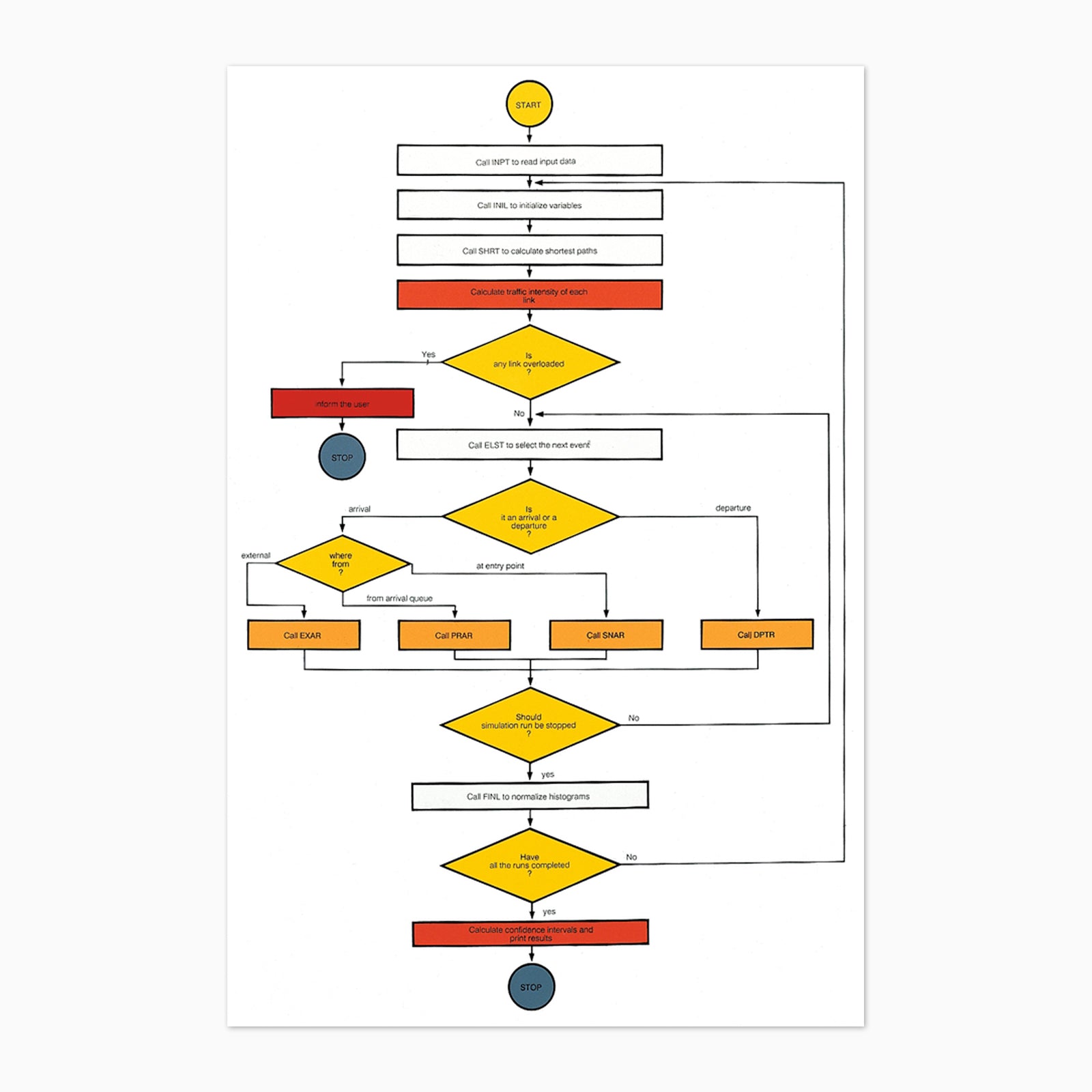
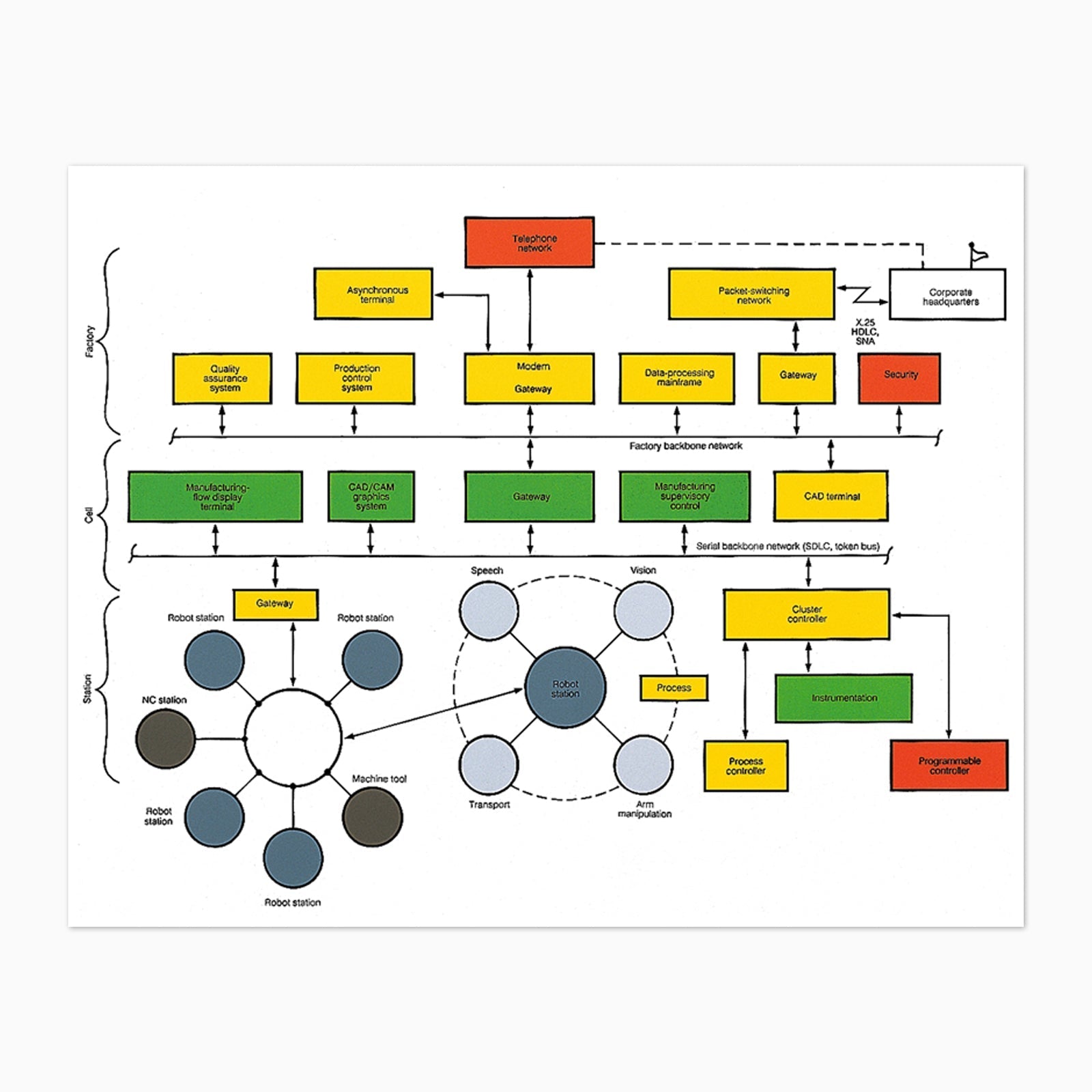
Drawing inspiration from New York's gridded urban plan, digital networks, and circuit diagrams, Halley employs hard-edged geometric forms to map systems of control, communication, and isolation. His signature compositions often resemble prison cells linked by conduits, reflecting on physical confinement and electronic connectivity in a technologically driven society. As he has written, modern space is "geometrically differentiated and partitioned," structured by circulatory pathways that regulate movement and exchange.
Peter Halley's artworks are distinguished by their use of industrial materials, including Roll-a-Tex textured paint, Day-Glo fluorescent pigments, and sand, which give his surfaces a tactile, architectural presence. In addition to his paintings, his signed prints and editions extend these investigations into the medium of printmaking. His work is held in major museum collections worldwide, including The Museum of Modern Art, Tate Modern, and the Art Institute of Chicago.