






Peter Halley
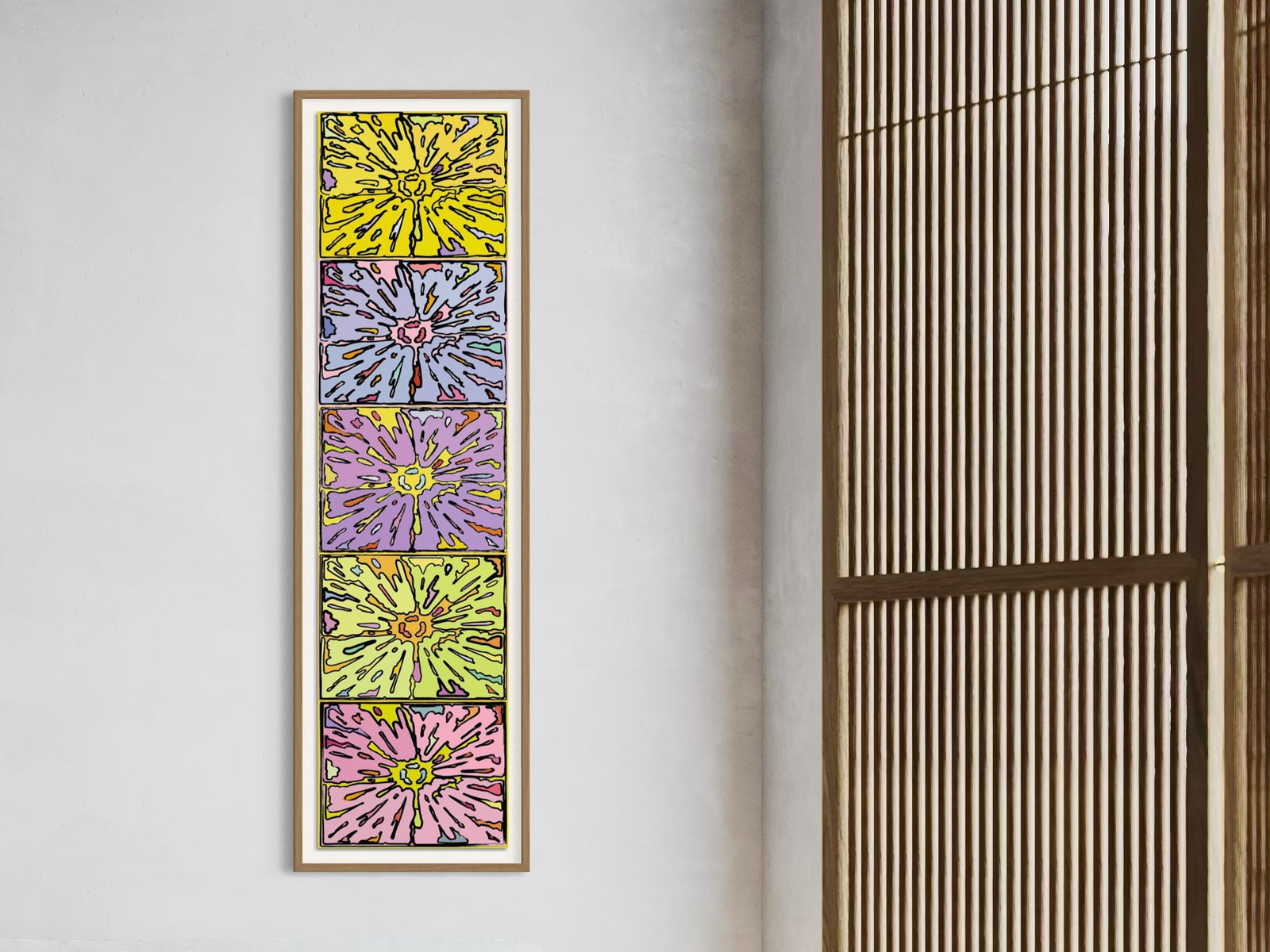
Peter Halley prints and editions for sale.
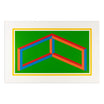
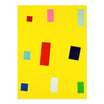
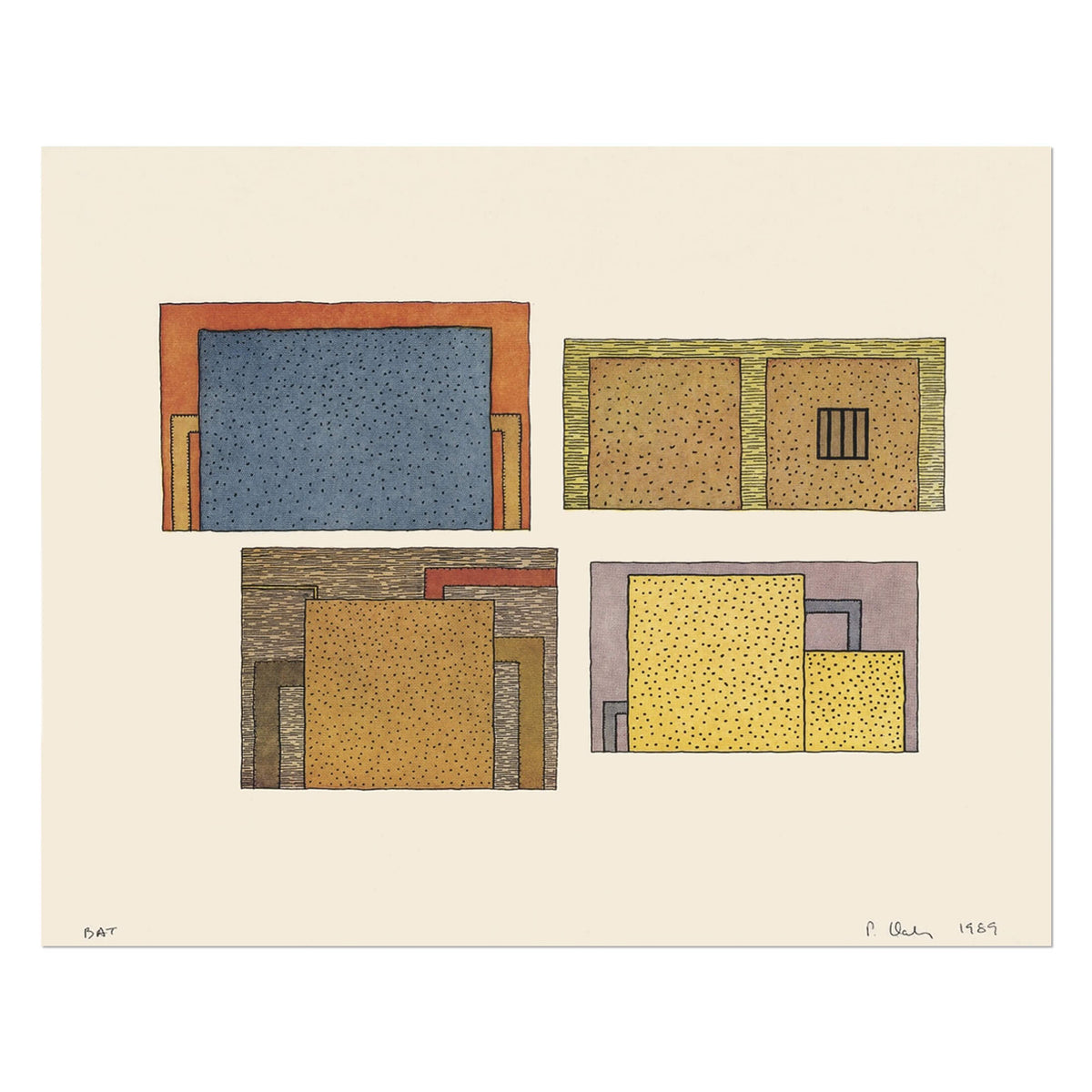
Peter Halley paints diagrams of the places people are kept. Since the early 1980s his pictures have been built from two elements — the cell and the conduit, the square and the pipe that leaves it — rendered in Day-Glo fluorescent acrylic over a hardware-store texture meant for suburban ceilings. He read art history before he trained as a painter, and it shows: the geometry is an argument about confinement, connection and the networks running between. These signed prints hold that argument at full chromatic strength on paper.
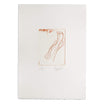
Available Prints & Editions
3 products
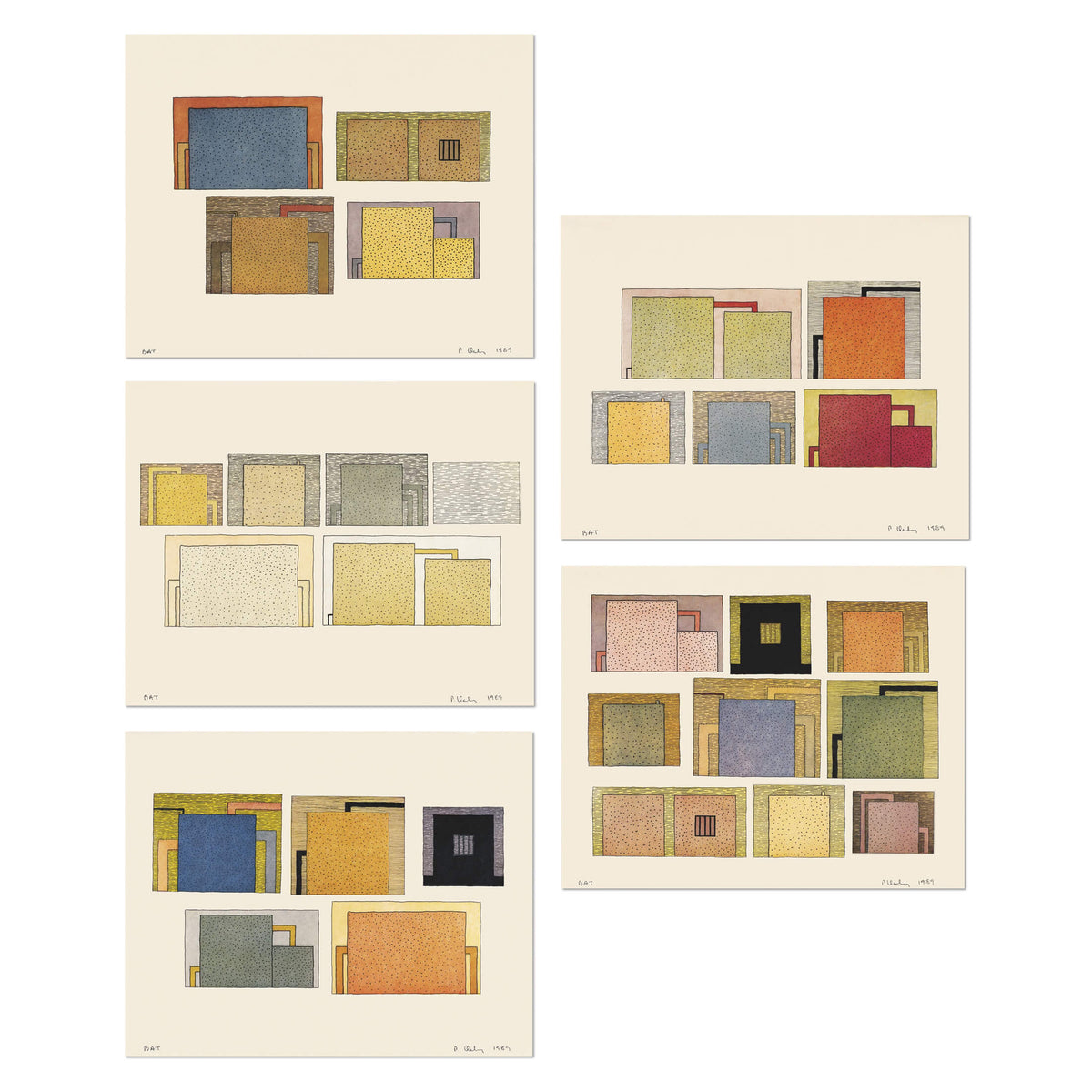




Peter Halley: Key Questions
Collecting Peter Halley?
Looking for a specific artwork or have a question about an edition? We're happy to advise on availability, pricing, condition, and provenance — and to source artworks beyond our current selection.
What is Peter Halley known for?
What do Peter Halley’s cells and conduits mean?
Where can I buy a signed Peter Halley print?
Are Peter Halley prints hand-signed and numbered?
How much do Peter Halley artworks sell for?


