


About Luc Tuymans
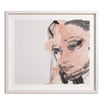
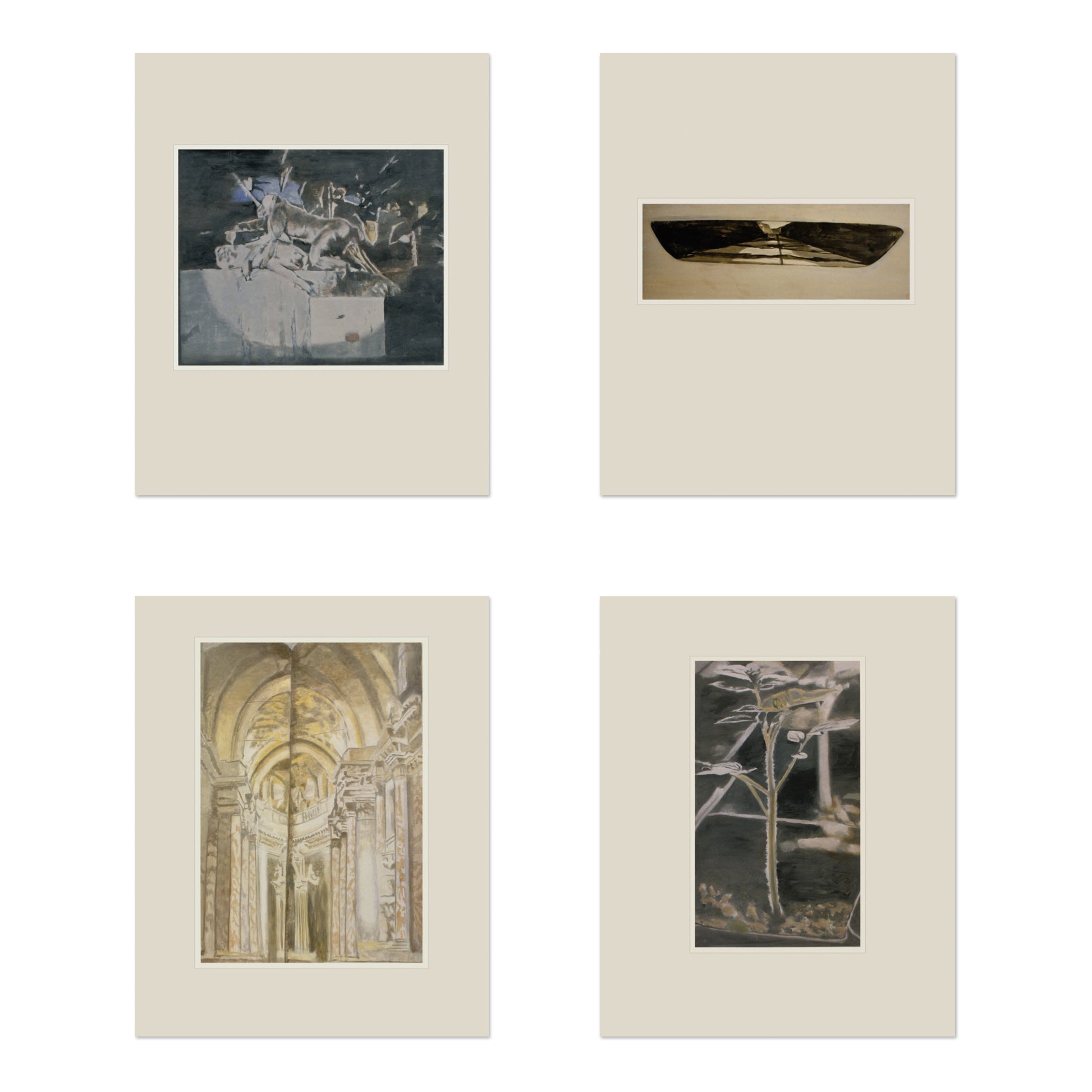
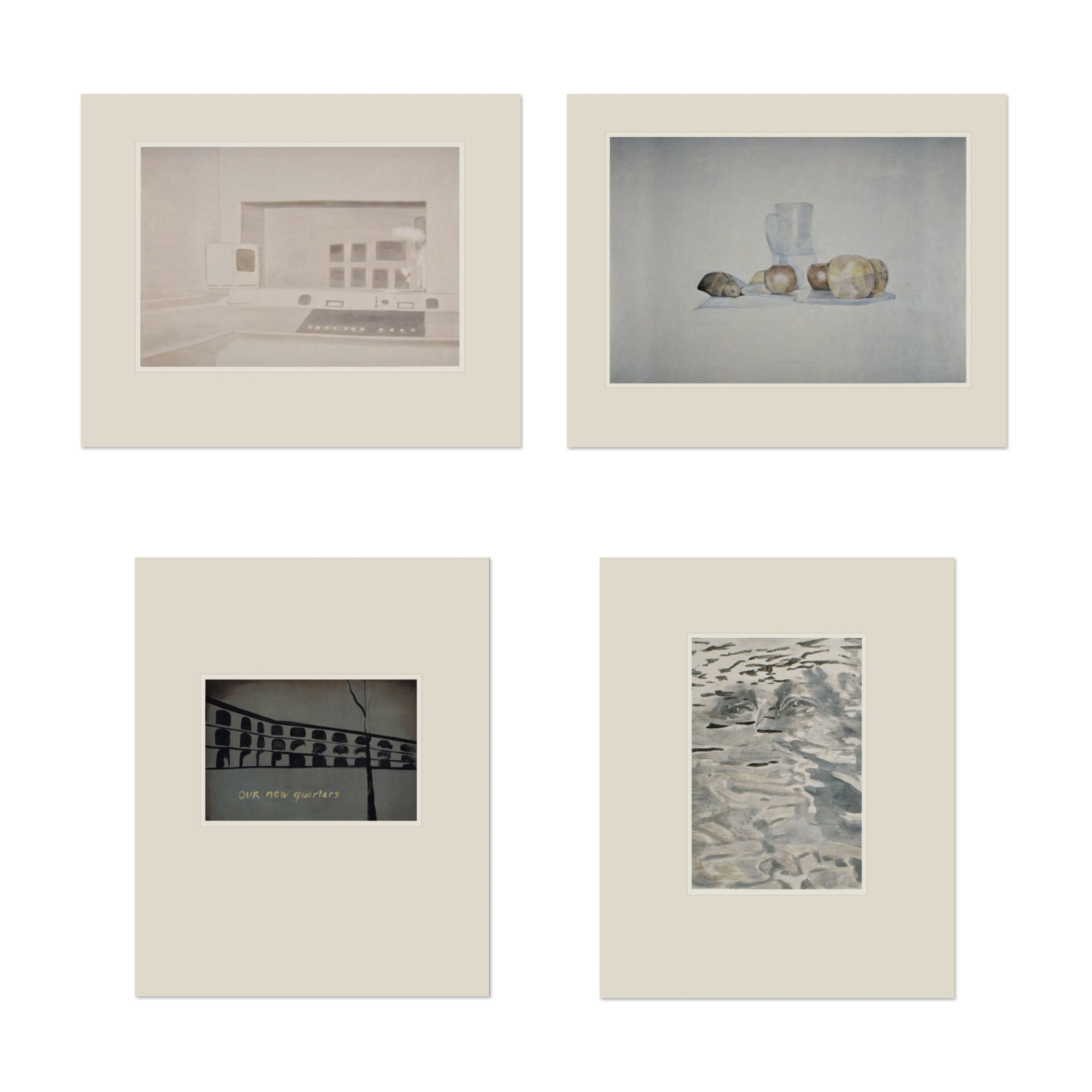
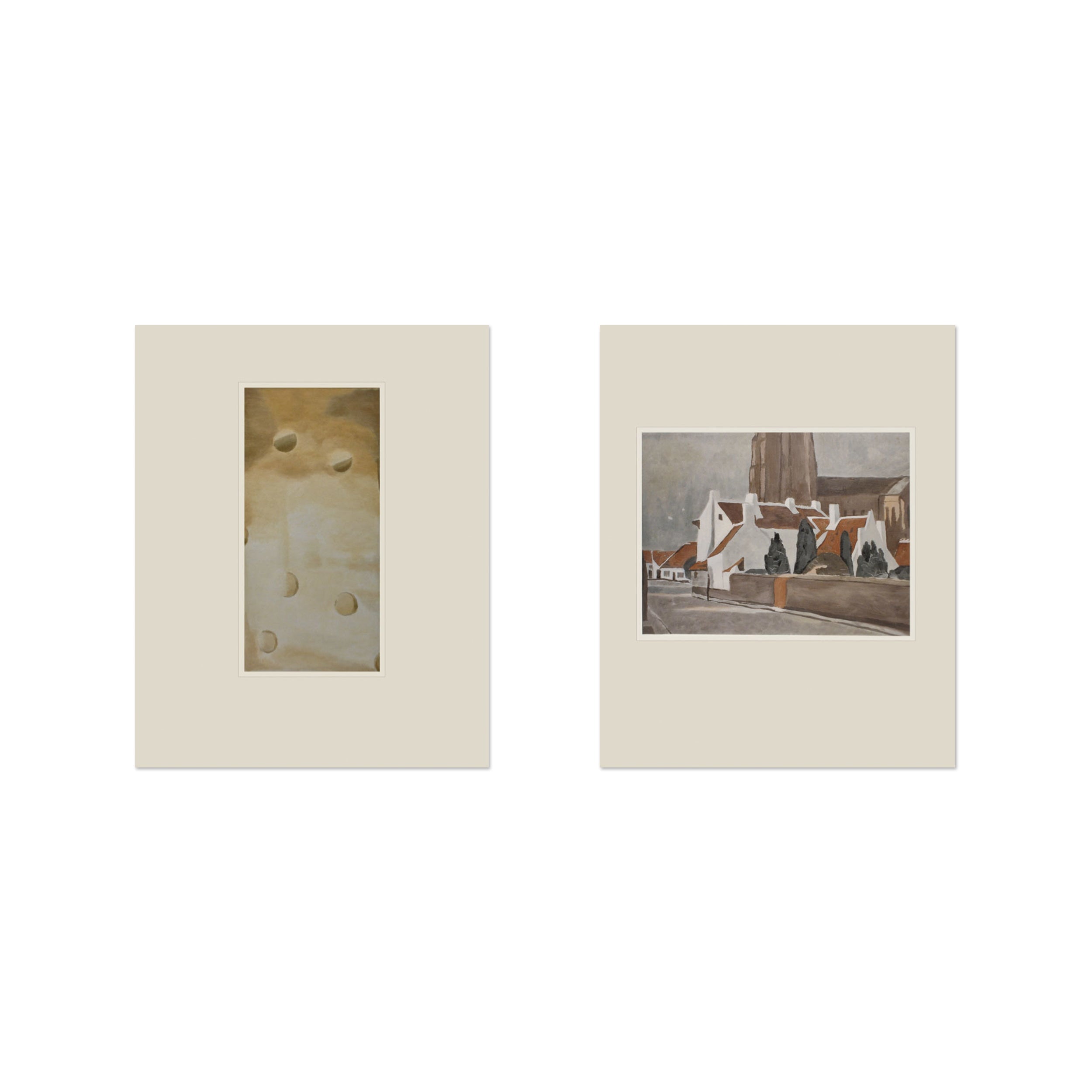
Luc Tuymans (born 1958, Mortsel, Belgium) is a seminal figure in contemporary painting whose distinctive visual language has shaped the field for decades. Working with a muted palette of pale pastel tones often tinged with brown or grey, he creates atmospheres that feel understated yet emotionally charged. His paintings typically emerge from small-format canvases where everyday objects, architectural fragments, landscapes, and mask-like human figures become subjects of intense observation.
Tuymans' practice is deeply rooted in the reinterpretation of pre-existing images drawn from photographs, film, and television. By filtering historically charged visuals through his restrained painterly approach, he interrogates the relationship between memory and representation. His works prompt viewers to reconsider familiar narratives surrounding major historical events, engaging with themes such as the world wars, Belgian colonial history, and the aftermath of September 11. Through this reflective process, he opens a space to contemplate the formation of collective memory and cultural identity.
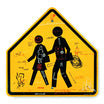
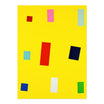
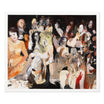
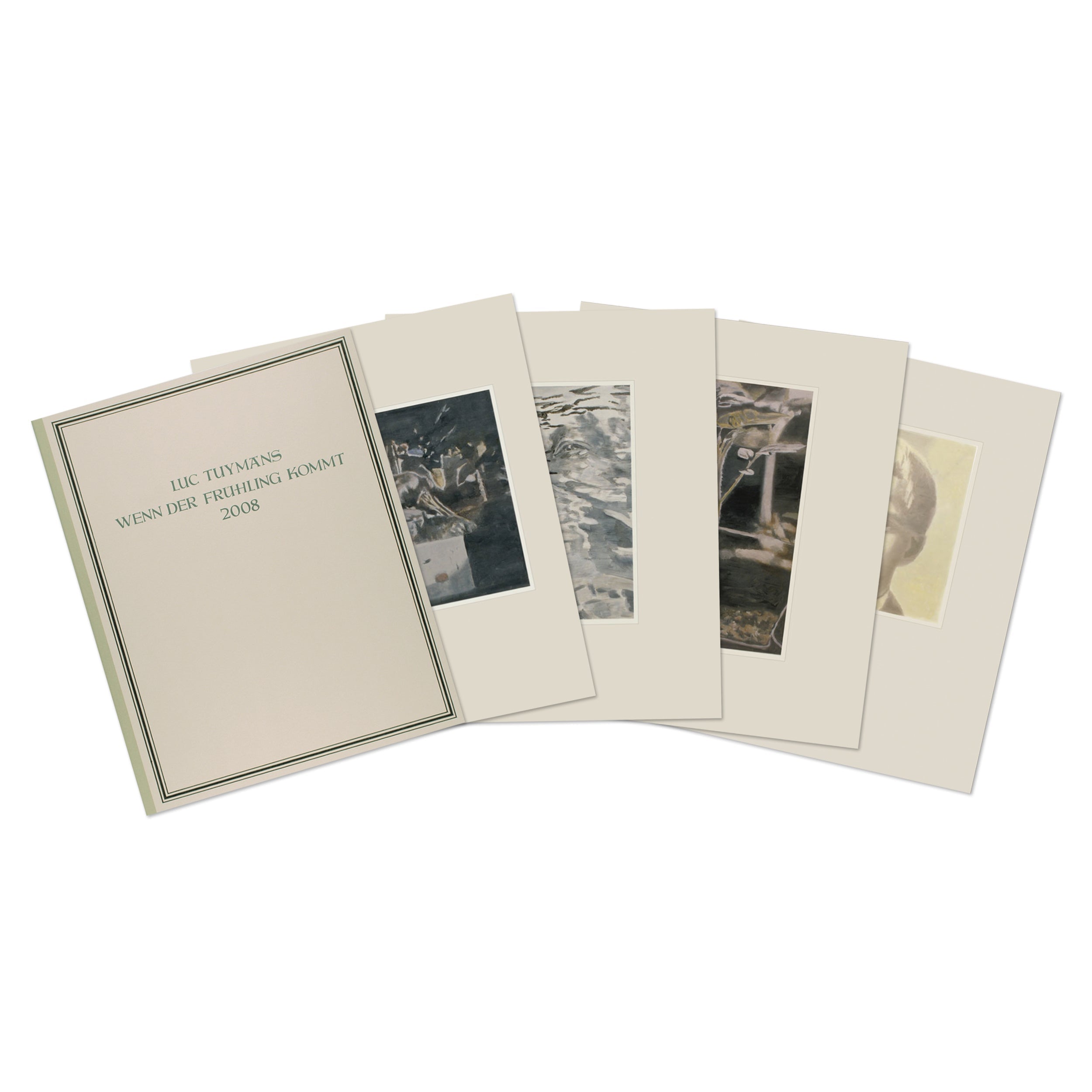
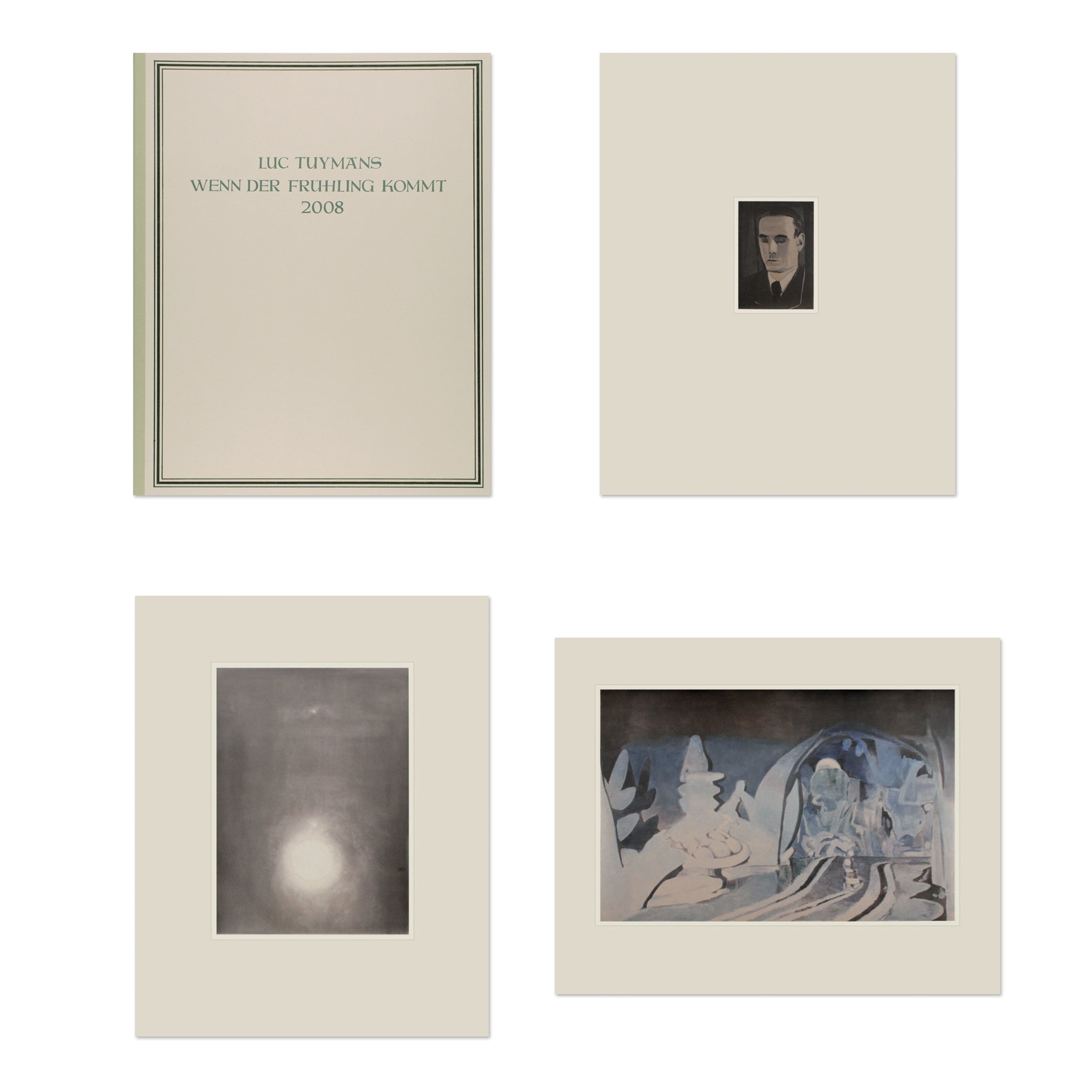
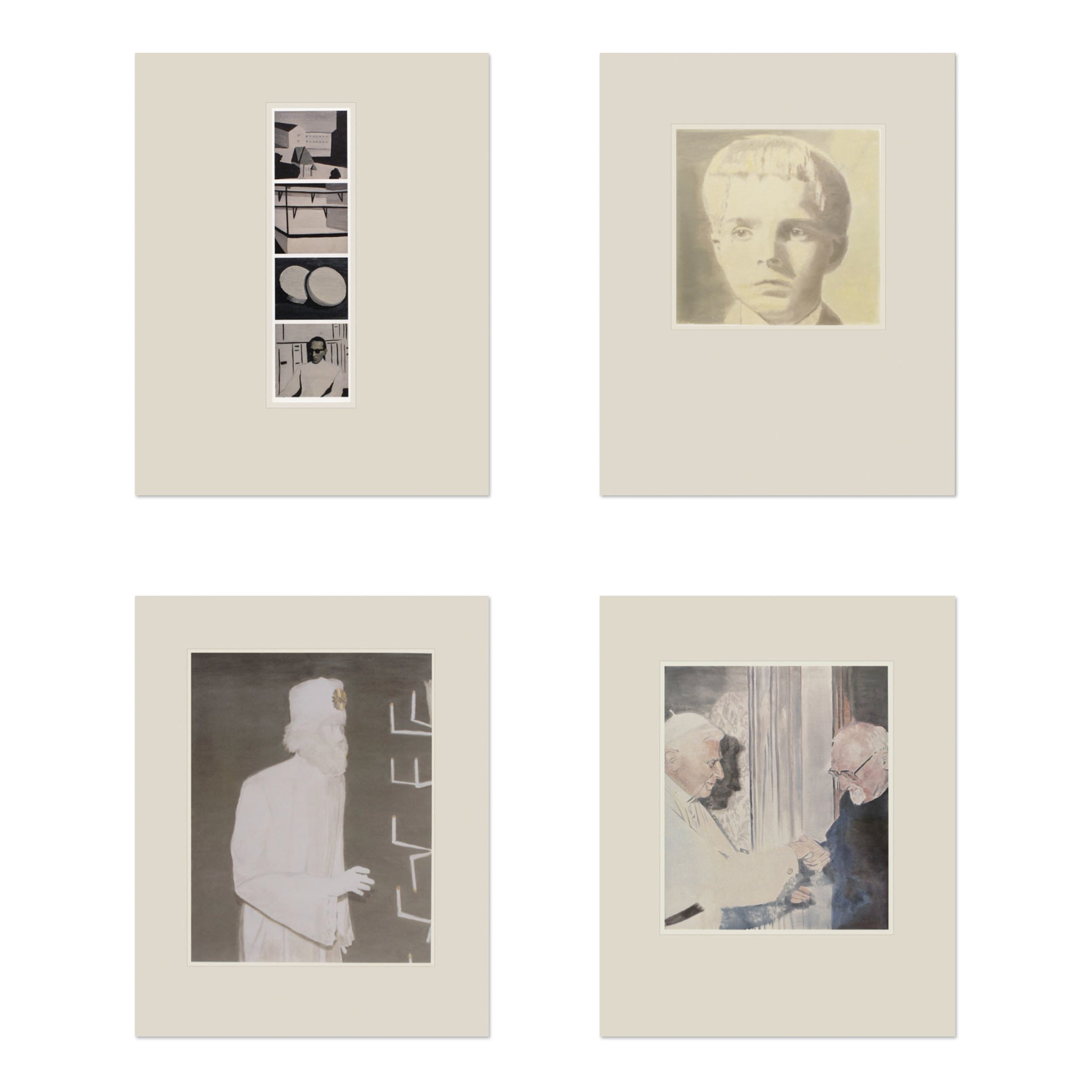
Beyond his paintings, Tuymans produces limited edition prints that extend his exploration of history and perception. These prints maintain the subtle color schemes and contemplative subjects that define his practice, offering collectors access to his artistic investigations. His work is held in leading museum collections worldwide, including the Centre Georges Pompidou, The Museum of Modern Art, the Solomon R. Guggenheim Museum, the Pinakothek der Moderne, the National Museum of Art, and Tate. This global presence underscores the enduring significance of his contribution to contemporary art.


