Luc Tuymans

Luc Tuymans paints fast — most canvases finished in a single day, wet paint into wet paint, no revision, no second layer to hide behind. That speed is not carelessness; it mirrors his subject exactly. Working from photographs, film stills, and television frames rather than direct observation, he investigates how thoroughly memory and history arrive already mediated, already edited, long before any single viewer encounters them. The results are quiet, pale, and unmistakably unsettling.

Browse signed Luc Tuymans prints and editions now.

Available Prints & Editions

5 products
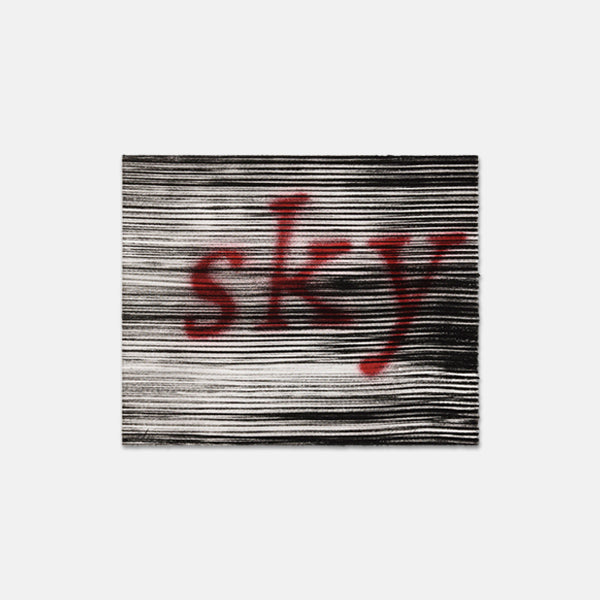
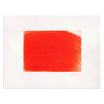
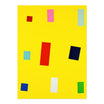
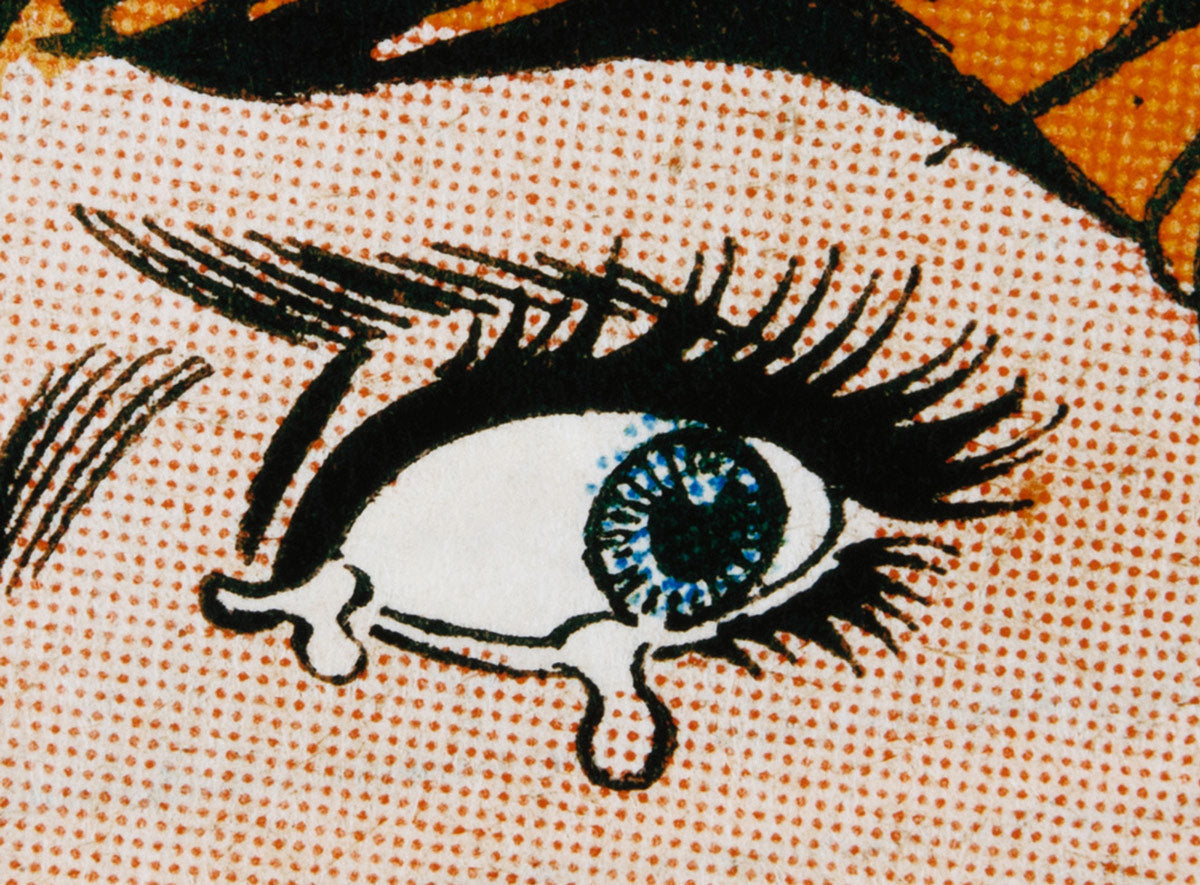
Luc Tuymans – Win
Luc Tuymans – Win Sale price€1.600,00
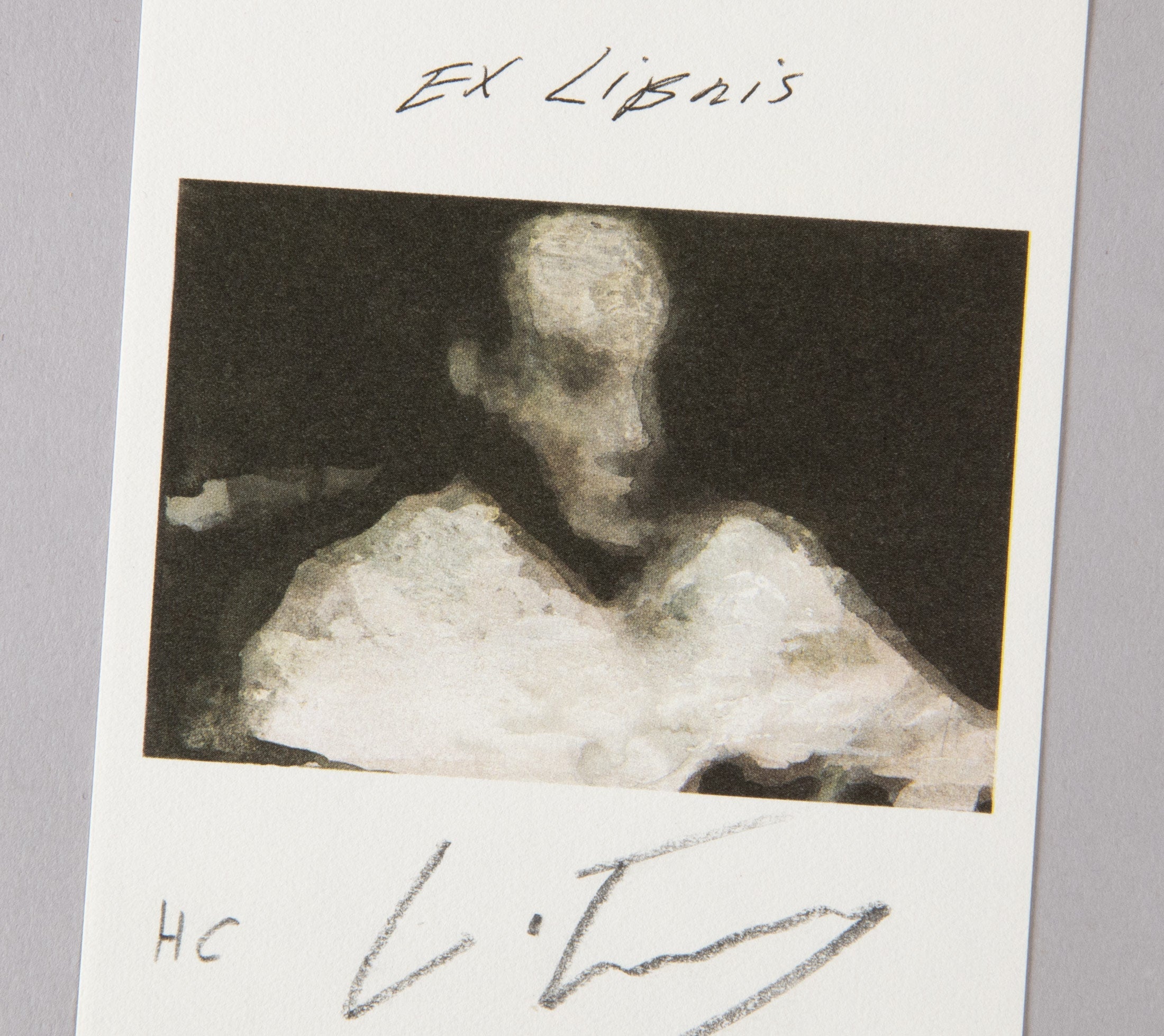
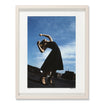
Luc Tuymans - Ex LibrisLuc Tuymans - Ex Libris
Luc Tuymans - Ex Libris Sale price€700,00
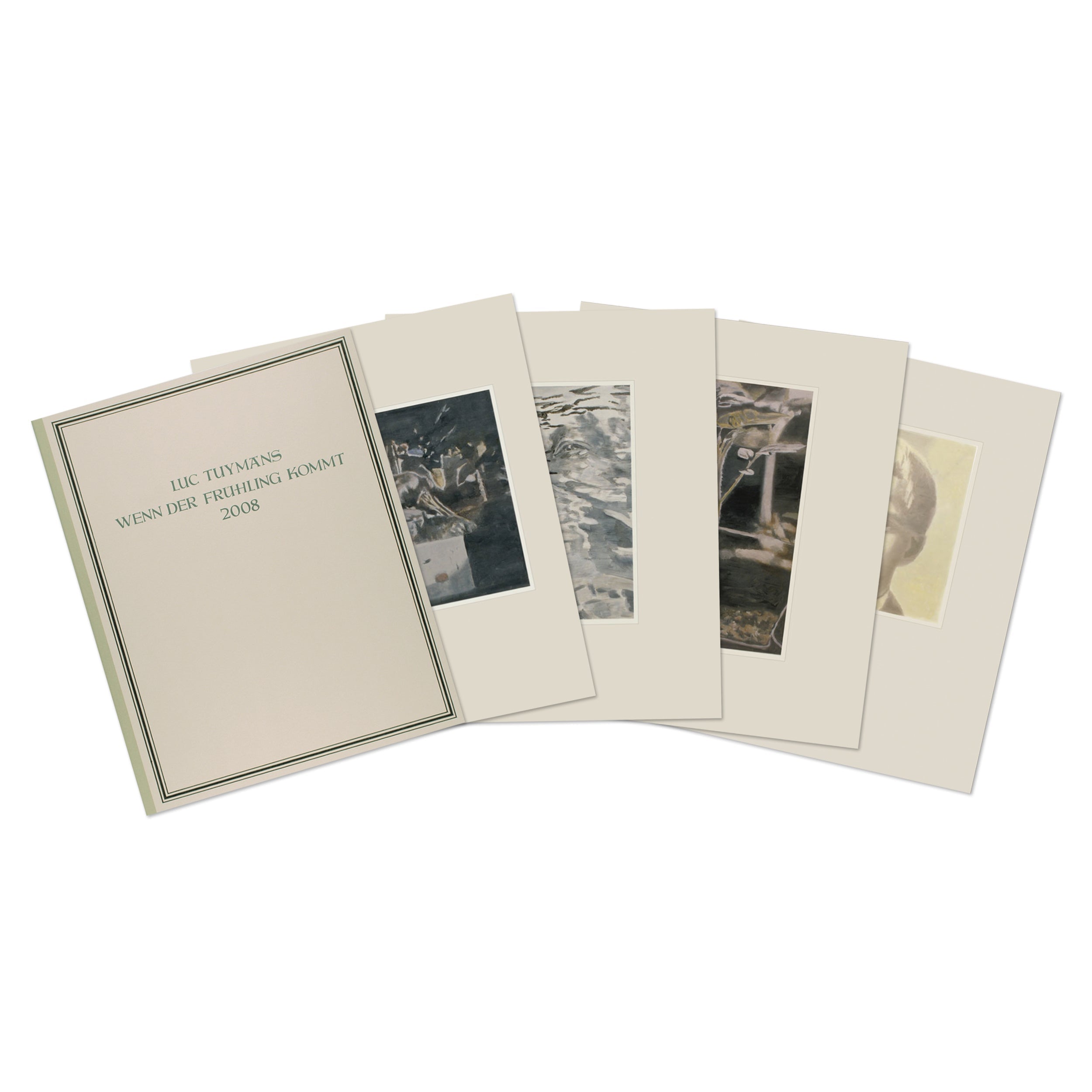
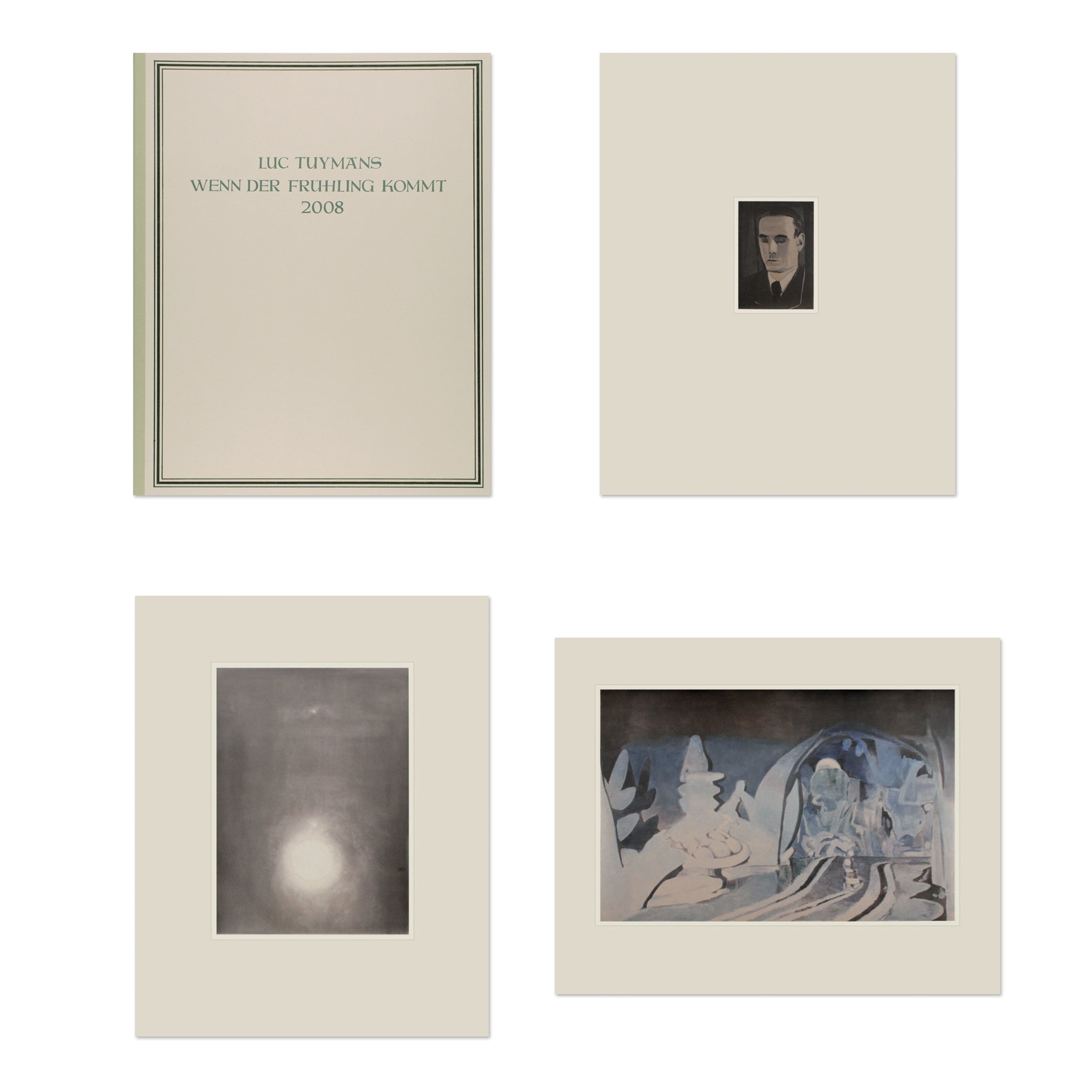
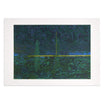
Luc Tuymans - Wenn der Frühling kommtLuc Tuymans - Wenn der Frühling kommt
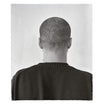
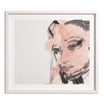
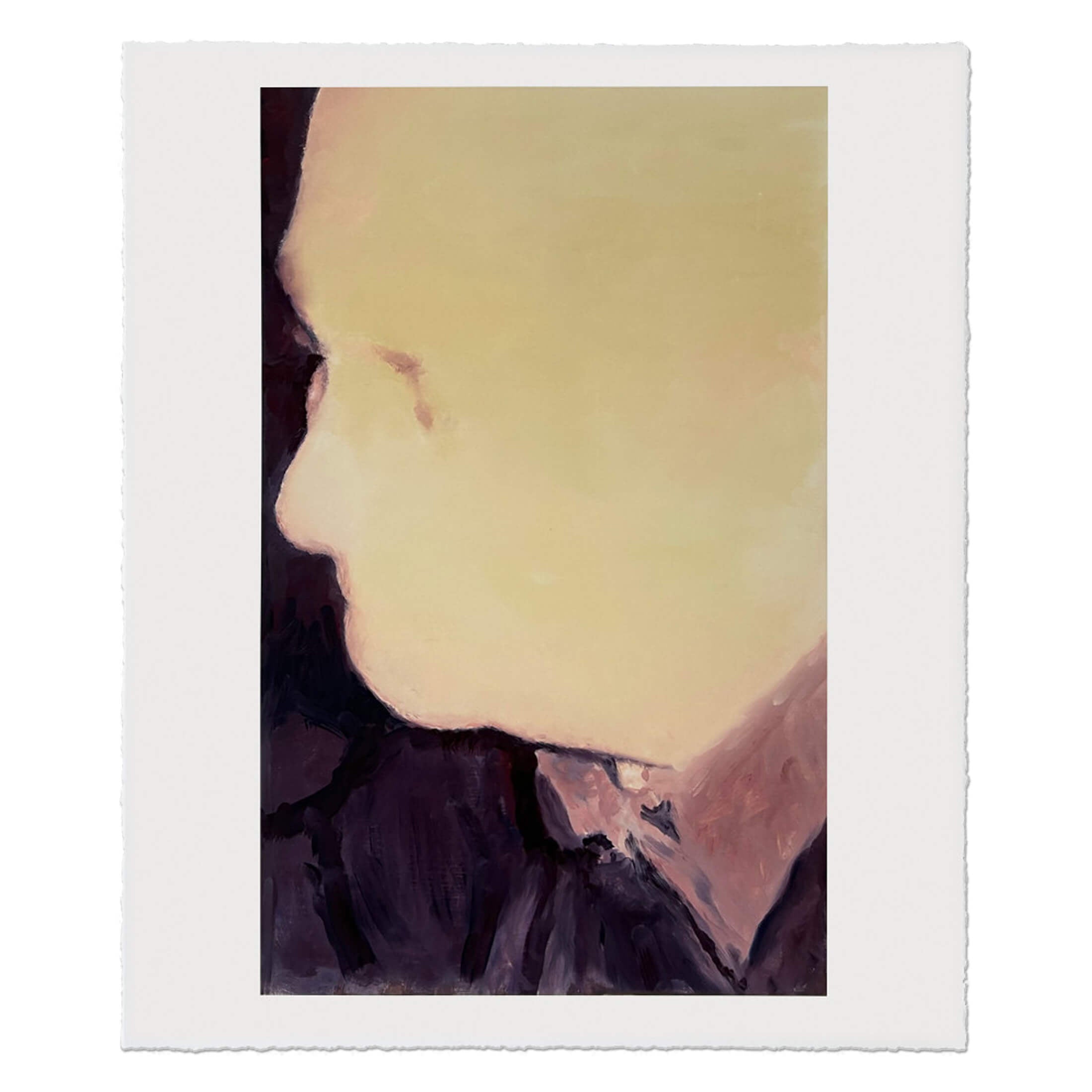
Luc Tuymans – SuperstitionLuc Tuymans - Superstition
Luc Tuymans – Superstition Sale price€1.600,00
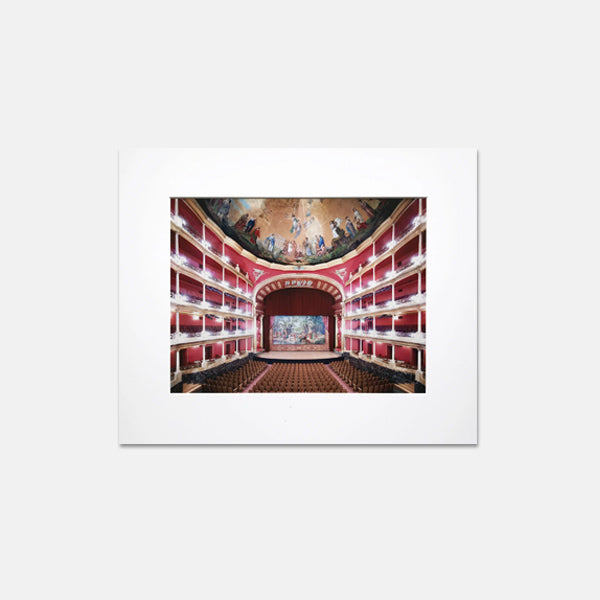
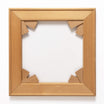
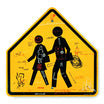
Luc Tuymans – AltarLuc Tuymans - Altar
Luc Tuymans – Altar Sale price€4.800,00
Luc Tuymans - Superstition
01

Luc Tuymans Biography

Luc Tuymans (born 1958 in Mortsel, Belgium) studied at La Cambre in Brussels and the Royal Academy of Fine Arts in Antwerp before abandoning painting altogether in the early 1980s, spending several years working in experimental film and studying art history at the Vrije Universiteit Brussels. When he returned to the canvas in 1985, he brought the discipline of editing with him: each painting would now be completed in a single sitting, wet-on-wet, with no possibility of correction once begun. The constraint became the method — and, in time, the entire argument of his work.

Gaskamer (Gas Chamber, 1986), based on his own watercolour of the former concentration camp at Dachau, announced that argument in its most severe form: an image so pale and barely legible it withholds nearly everything, forcing meaning to arrive through the title rather than the paint itself. The blur that defines Tuymans's mature style is not erasure — unlike Gerhard Richter, who drags a dry brush across wet paint to soften an image after the fact, Tuymans paints the blur directly, as a considered, irreversible decision made in real time.

In 1994, Tuymans's Superstition opened at David Zwirner in New York — one of the gallery's earliest exhibitions, and Tuymans among its first artists, a relationship that has continued for three decades since. The show marked his American breakthrough, extending a European reputation built on paintings addressing the Holocaust, Belgian colonial violence in the Congo, and the ordinary, half-noticed imagery — wallpaper, decorations, domestic interiors — that surrounds historical trauma without ever depicting it directly. As Tuymans has put it, he never gave the market any thought when he started; the paintings were built to interrogate what images conceal, not to please the people looking at them.

Luc Tuymans - Altar
02

Famous Luc Tuymans Artworks

Gaskammer (Gas Chamber, 1986), Tuymans's breakthrough and still his most notorious canvas, renders the Dachau concentration camp in near-illegible pale tones — restraint functioning as the work's entire argument about the limits of historical representation.

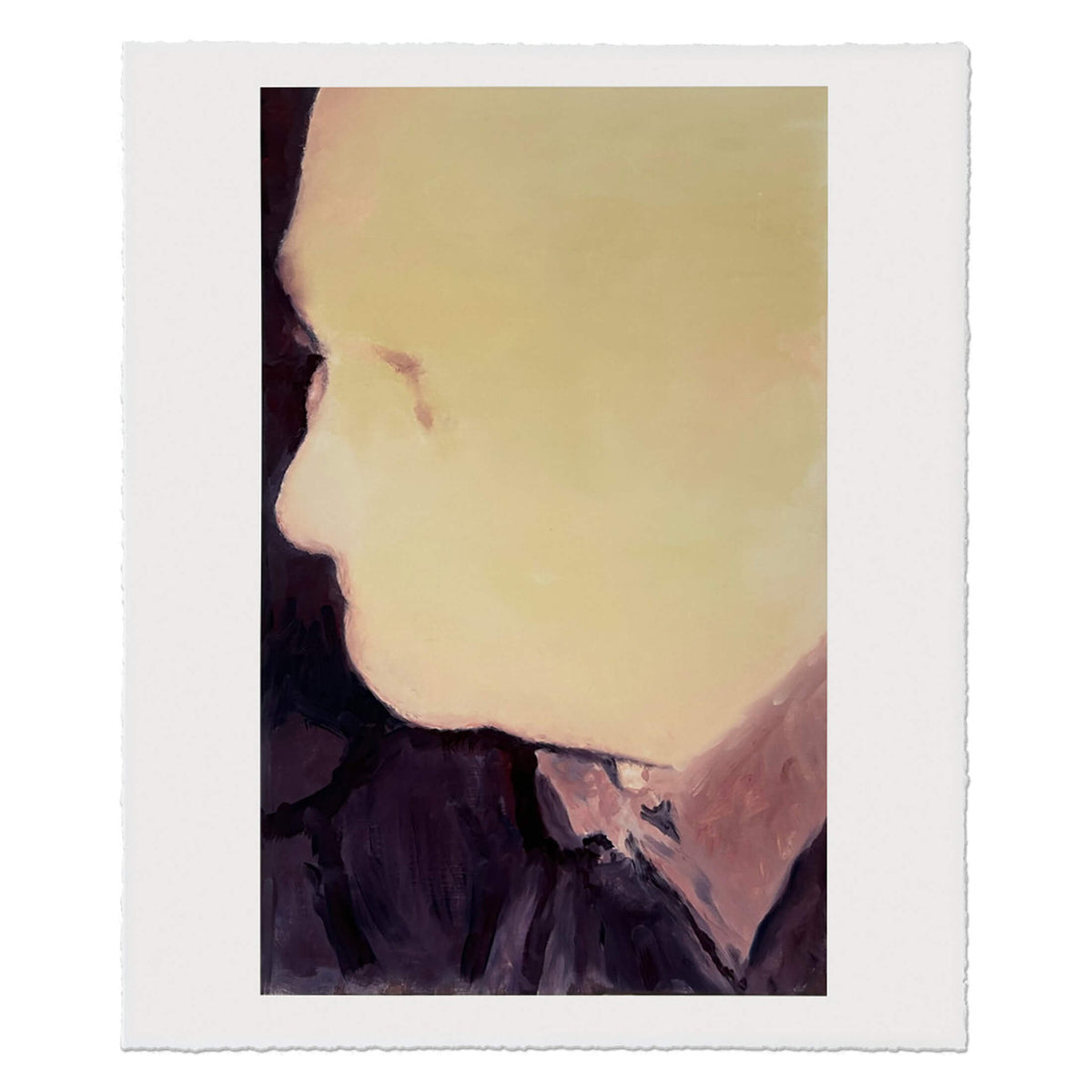
Der diagnostische Blick (The Diagnostic View, 1992), a series of depersonalised, mask-like faces, exemplifies Tuymans's approach to portraiture: figures that read less as psychological studies than as hollow shells, stripped of the interiority a traditional portrait promises.

Superstition (1994), his David Zwirner New York debut, marked Tuymans's American breakthrough and remains a touchstone work in the gallery's own history, cementing a partnership between artist and gallery that has now lasted three decades.

Rumour, Tuymans's auction record at $2.7 million (Christie's New York, 2013), confirms the market's recognition of an artist whose reputation was built almost entirely on restraint rather than spectacle.

Luc Tuymans – Win
03

Luc Tuymans Prints & Editions

Printmaking extends Tuymans's central method rather than simplifying it — his editions, produced across offset lithography, screenprint, and digital pigment printing, carry the same muted palette and mediated, photograph-derived imagery as his paintings. Wenn der Frühling kommt, a seventeen-part portfolio of digital pigment prints, exemplifies the scale and ambition his print practice can reach — a sustained body of work in its own right, not a secondary echo of the canvases.

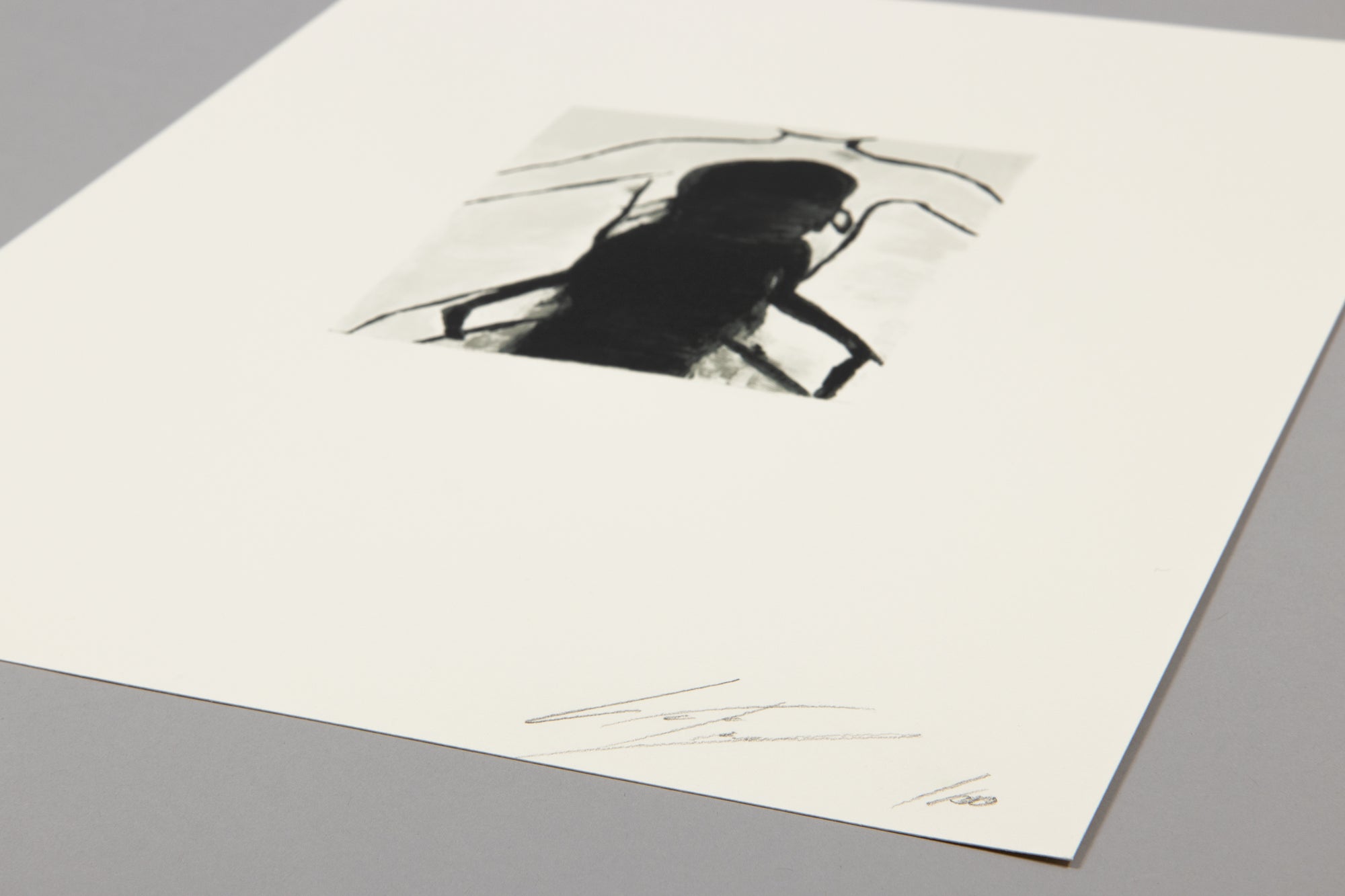
His editions have circulated for over three decades, with early lithographs dating to the late 1980s and new portfolios continuing to the present, typically produced in editions of 50 to 100, hand-signed and numbered. Because Tuymans works from pre-existing photographic sources rather than direct observation, the translation from painting to print loses remarkably little — the mediated, secondhand quality of the imagery survives the shift in medium intact.

For collectors, Tuymans's editions offer direct access to an investigation of memory and representation built on restraint rather than scale. Works are held in the permanent collections of MoMA, Tate, and the Centre Pompidou.

01

Luc Tuymans Biography

Luc Tuymans (born 1958 in Mortsel, Belgium) studied at La Cambre in Brussels and the Royal Academy of Fine Arts in Antwerp before abandoning painting altogether in the early 1980s, spending several years working in experimental film and studying art history at the Vrije Universiteit Brussels. When he returned to the canvas in 1985, he brought the discipline of editing with him: each painting would now be completed in a single sitting, wet-on-wet, with no possibility of correction once begun. The constraint became the method — and, in time, the entire argument of his work.

Gaskamer (Gas Chamber, 1986), based on his own watercolour of the former concentration camp at Dachau, announced that argument in its most severe form: an image so pale and barely legible it withholds nearly everything, forcing meaning to arrive through the title rather than the paint itself. The blur that defines Tuymans's mature style is not erasure — unlike Gerhard Richter, who drags a dry brush across wet paint to soften an image after the fact, Tuymans paints the blur directly, as a considered, irreversible decision made in real time.

In 1994, Tuymans's Superstition opened at David Zwirner in New York — one of the gallery's earliest exhibitions, and Tuymans among its first artists, a relationship that has continued for three decades since. The show marked his American breakthrough, extending a European reputation built on paintings addressing the Holocaust, Belgian colonial violence in the Congo, and the ordinary, half-noticed imagery — wallpaper, decorations, domestic interiors — that surrounds historical trauma without ever depicting it directly. As Tuymans has put it, he never gave the market any thought when he started; the paintings were built to interrogate what images conceal, not to please the people looking at them.

02

Famous Luc Tuymans Artworks

Gaskammer (Gas Chamber, 1986), Tuymans's breakthrough and still his most notorious canvas, renders the Dachau concentration camp in near-illegible pale tones — restraint functioning as the work's entire argument about the limits of historical representation.

Der diagnostische Blick (The Diagnostic View, 1992), a series of depersonalised, mask-like faces, exemplifies Tuymans's approach to portraiture: figures that read less as psychological studies than as hollow shells, stripped of the interiority a traditional portrait promises.

Superstition (1994), his David Zwirner New York debut, marked Tuymans's American breakthrough and remains a touchstone work in the gallery's own history, cementing a partnership between artist and gallery that has now lasted three decades.

Rumour, Tuymans's auction record at $2.7 million (Christie's New York, 2013), confirms the market's recognition of an artist whose reputation was built almost entirely on restraint rather than spectacle.

03

Luc Tuymans Prints & Editions

Printmaking extends Tuymans's central method rather than simplifying it — his editions, produced across offset lithography, screenprint, and digital pigment printing, carry the same muted palette and mediated, photograph-derived imagery as his paintings. Wenn der Frühling kommt, a seventeen-part portfolio of digital pigment prints, exemplifies the scale and ambition his print practice can reach — a sustained body of work in its own right, not a secondary echo of the canvases.

His editions have circulated for over three decades, with early lithographs dating to the late 1980s and new portfolios continuing to the present, typically produced in editions of 50 to 100, hand-signed and numbered. Because Tuymans works from pre-existing photographic sources rather than direct observation, the translation from painting to print loses remarkably little — the mediated, secondhand quality of the imagery survives the shift in medium intact.

For collectors, Tuymans's editions offer direct access to an investigation of memory and representation built on restraint rather than scale. Works are held in the permanent collections of MoMA, Tate, and the Centre Pompidou.

Luc Tuymans - SuperstitionLuc Tuymans - AltarLuc Tuymans – Win

Luc Tuymans: Key Questions

Collecting Luc Tuymans?

Looking for a specific artwork or have a question about an edition? We're happy to advise on availability, pricing, condition, and provenance — and to source artworks beyond our current selection.

Contact us

Prints, Photographs & Multiples

View our full collection of

Prints, Photographs & Multiples

Explore editions