Christo

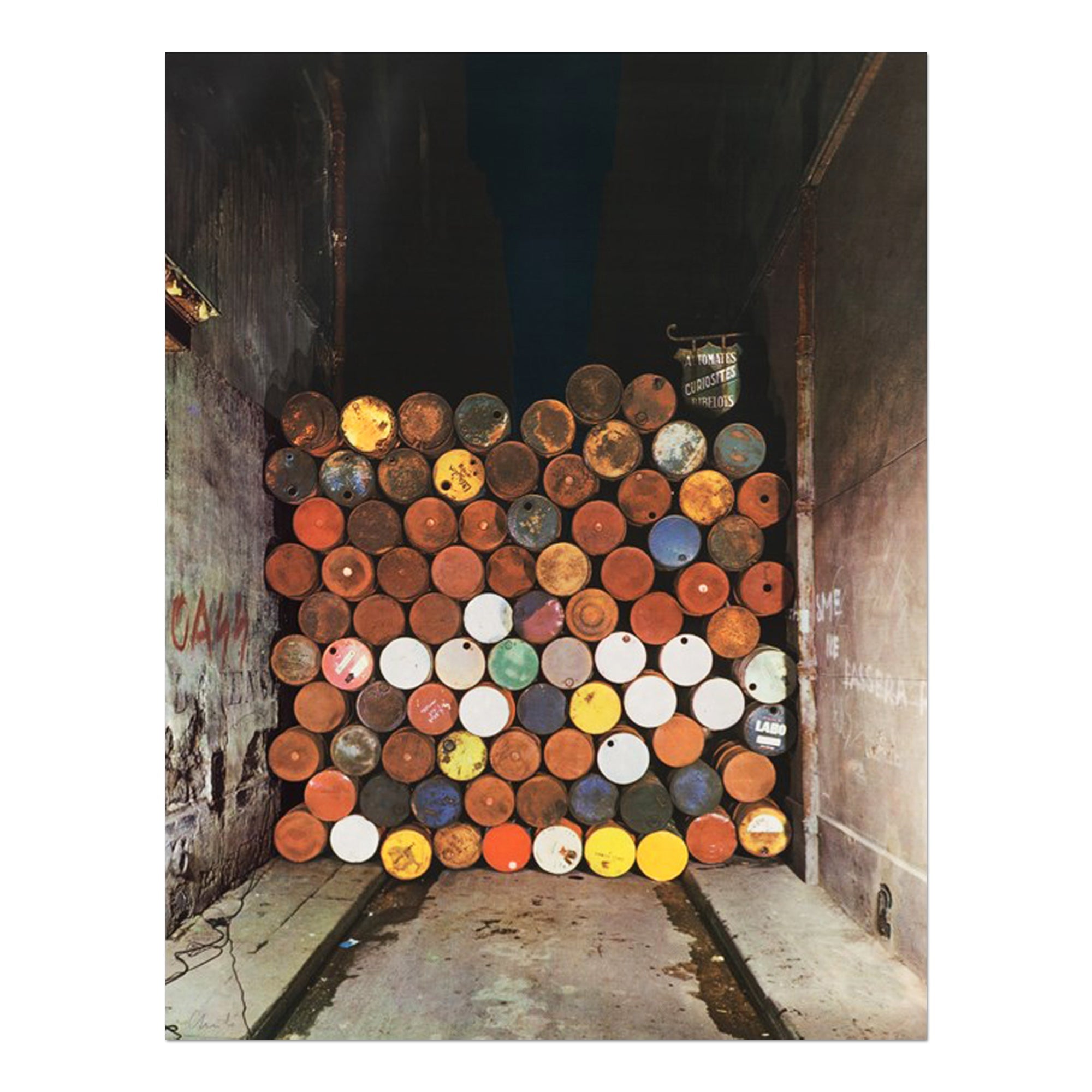
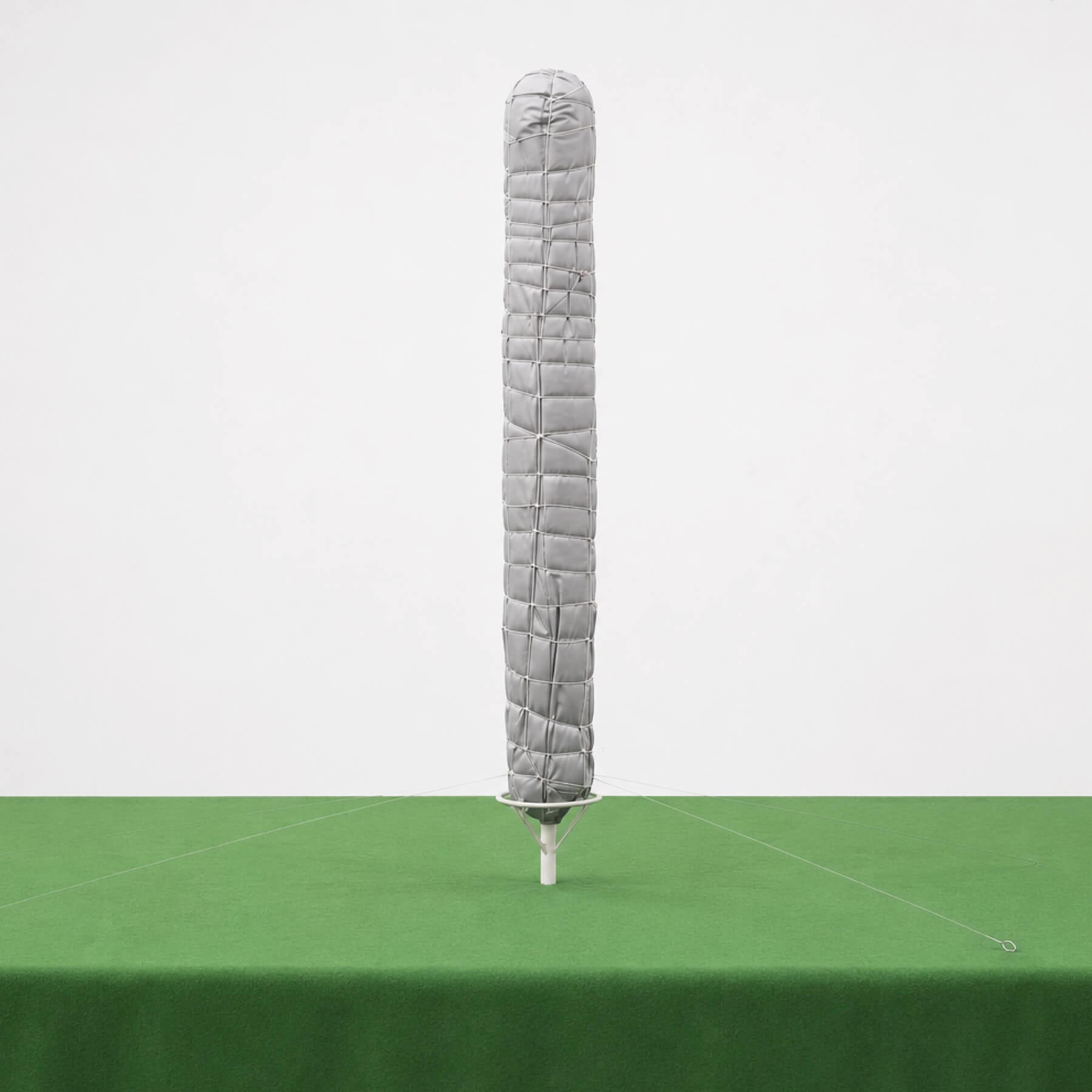
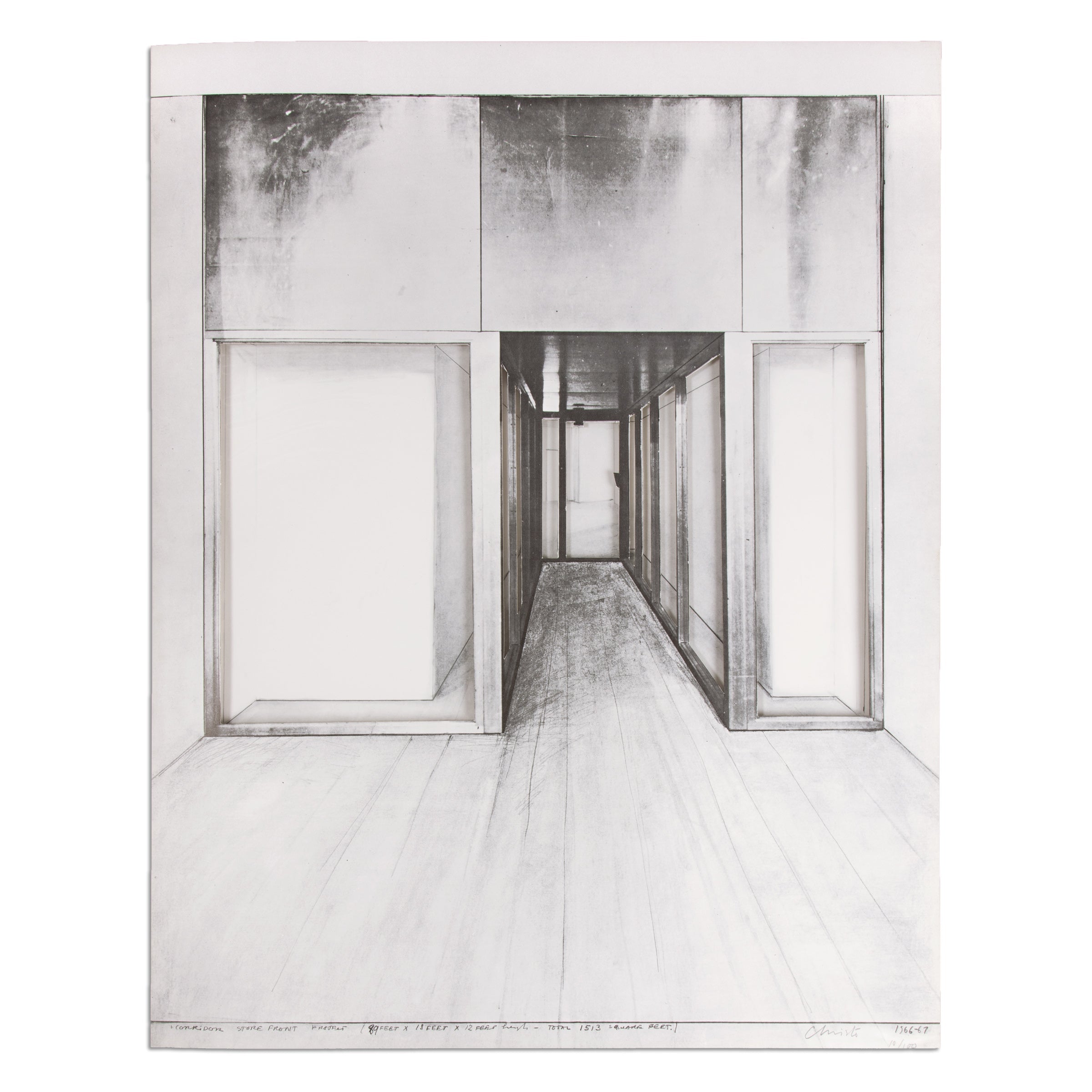
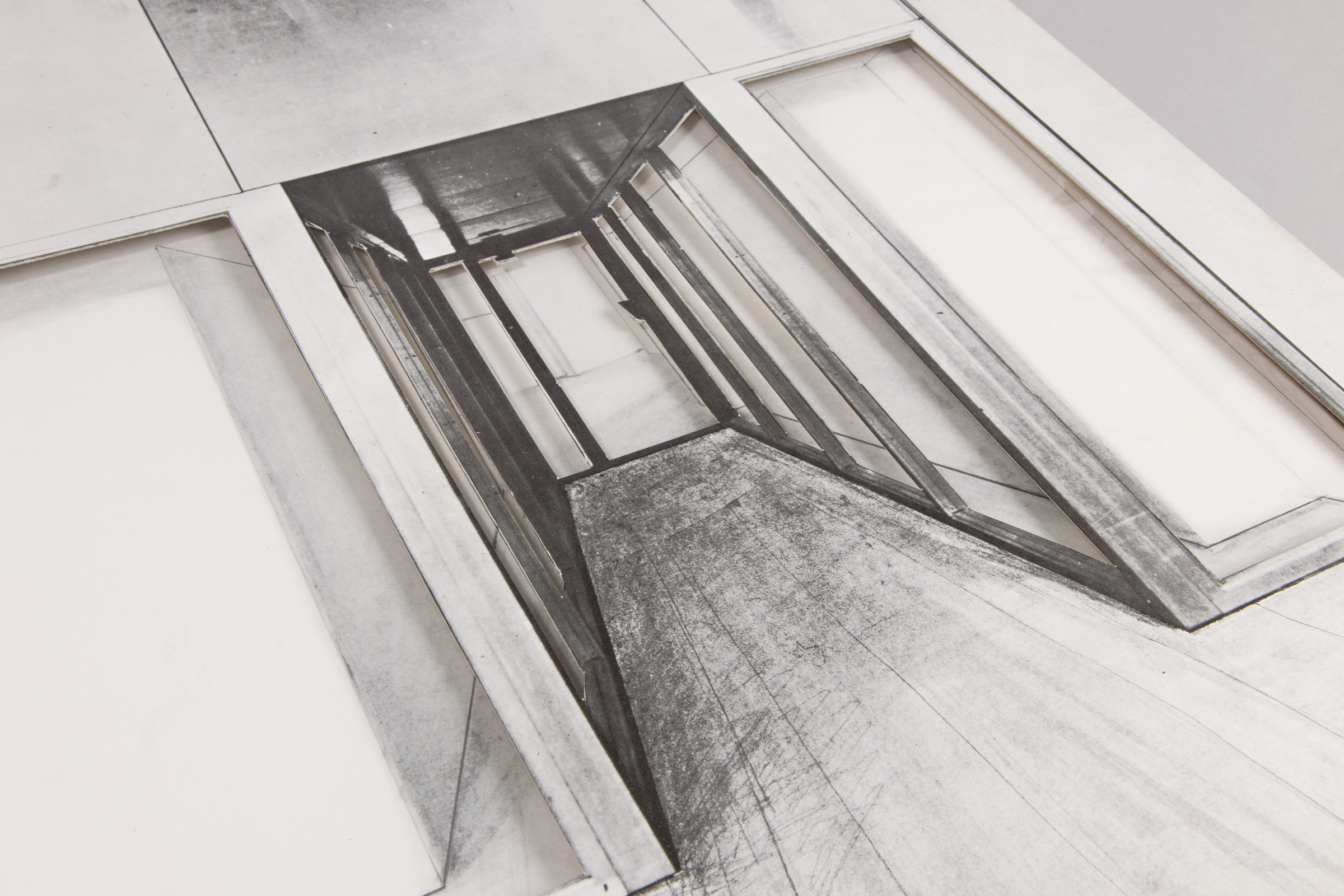
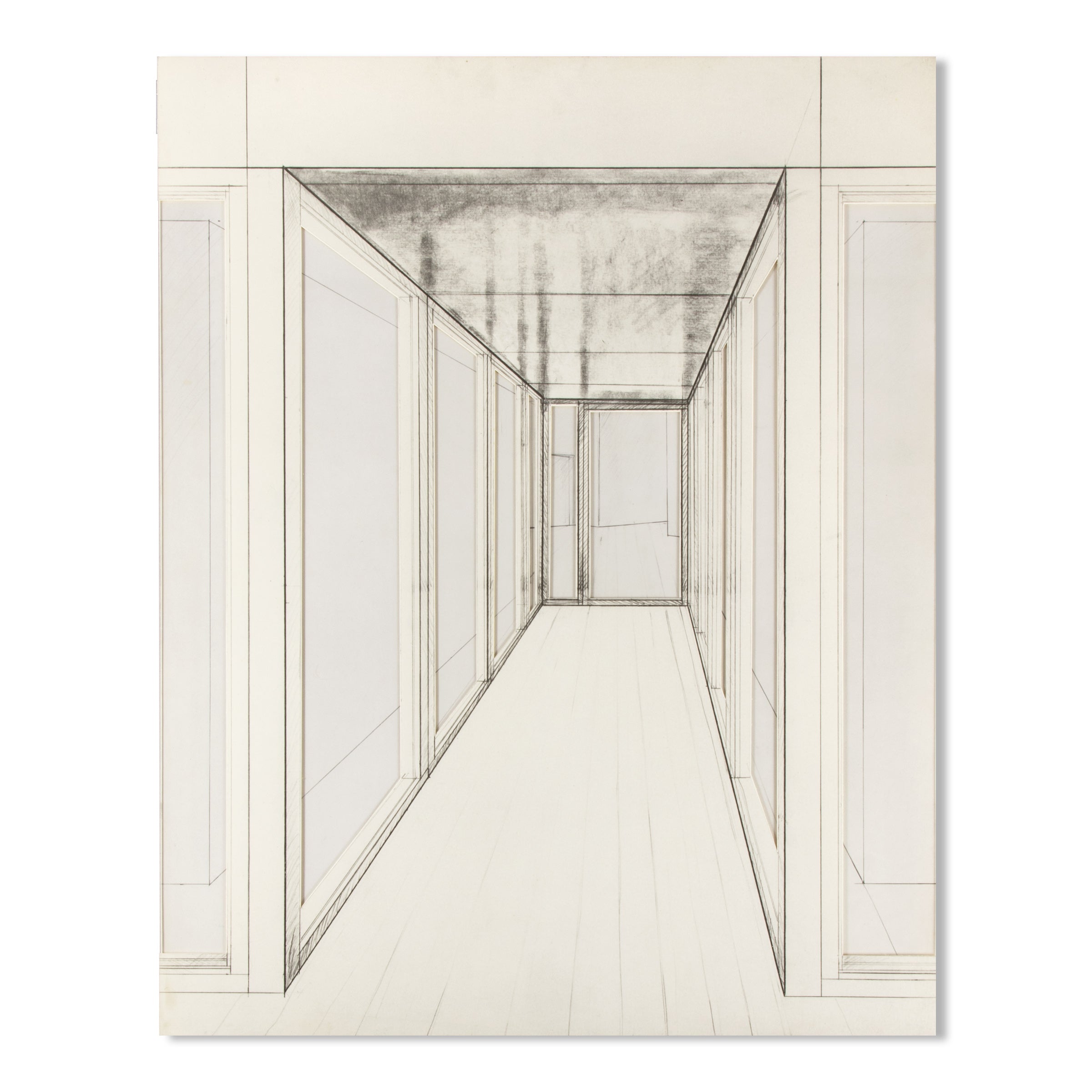
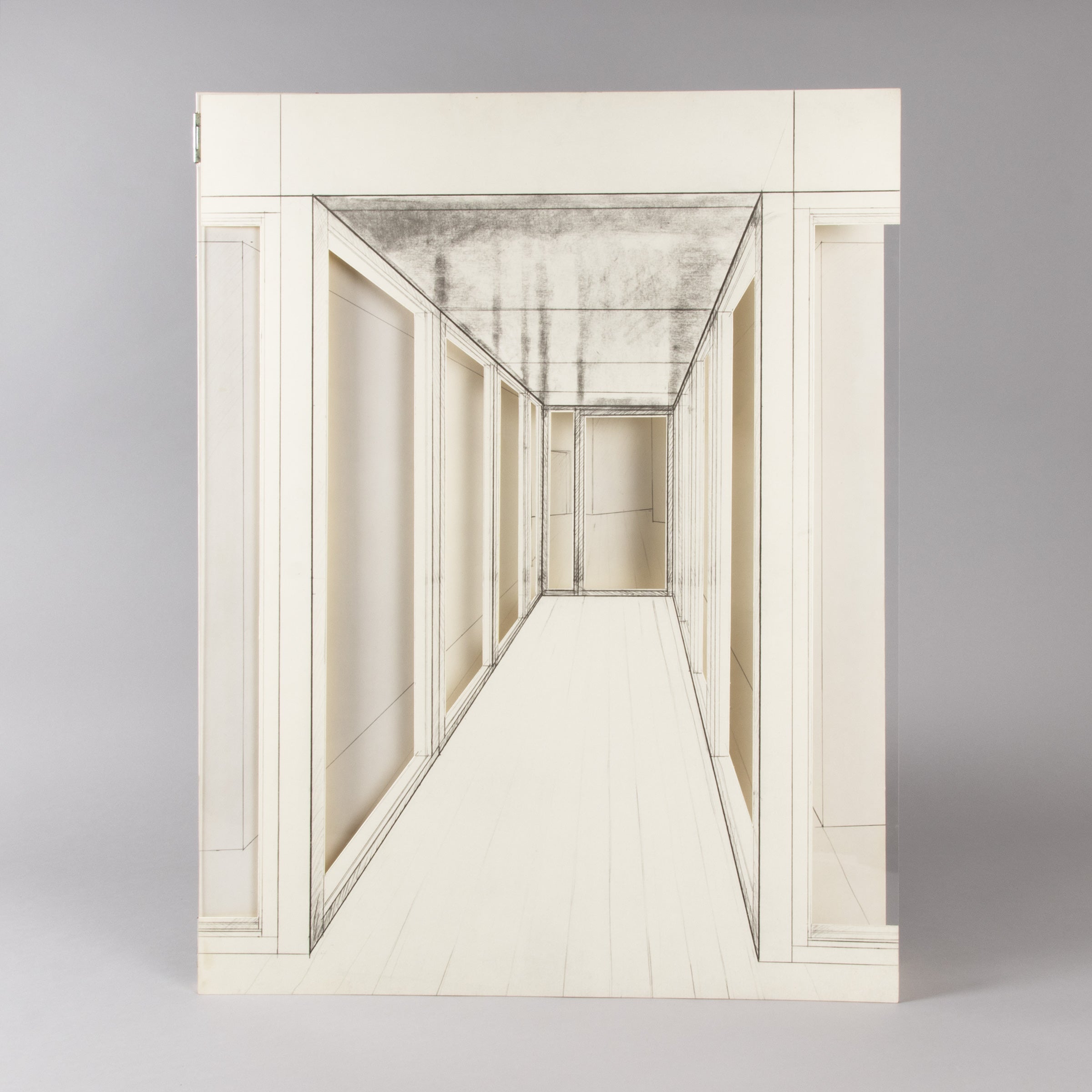
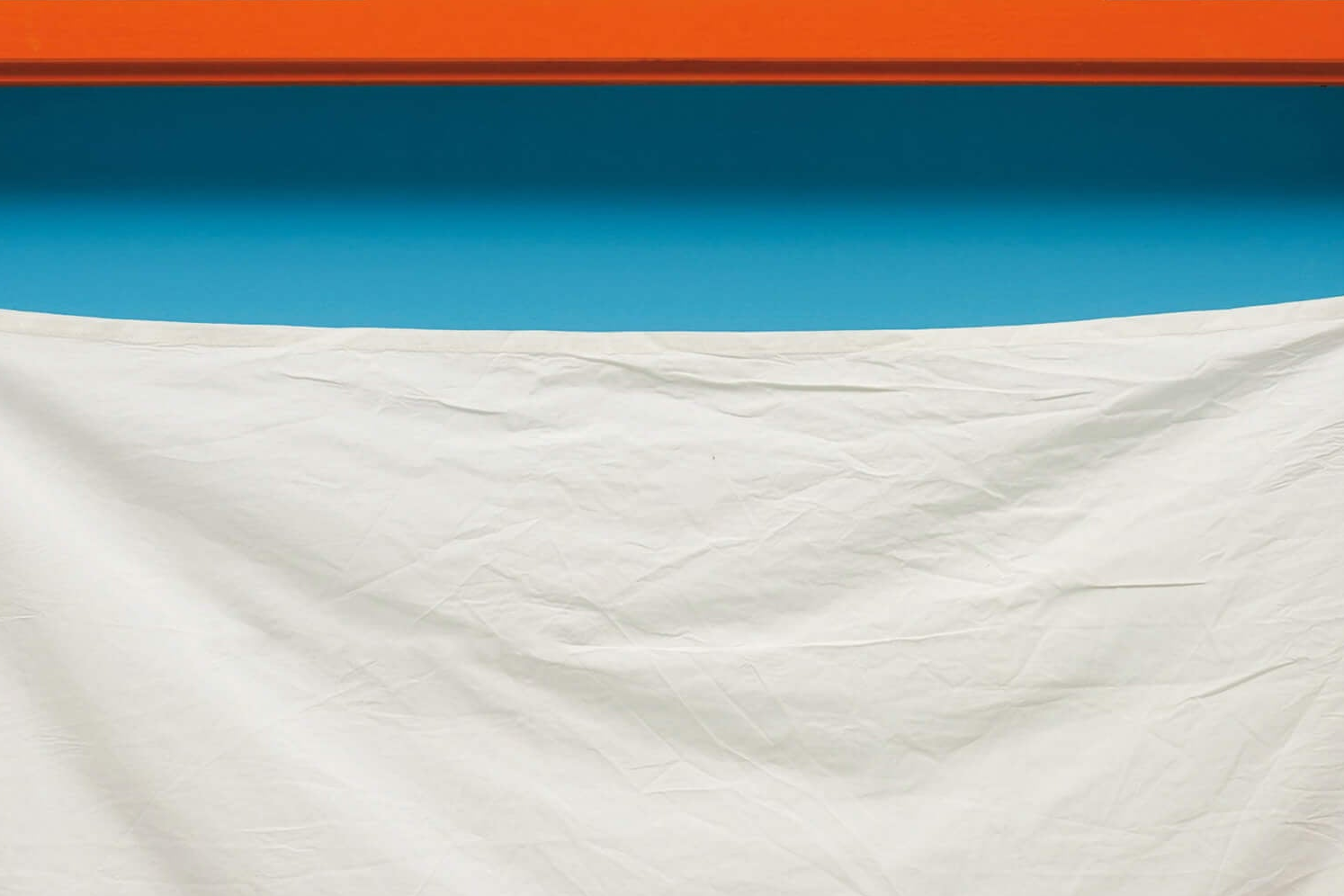
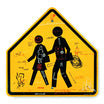
Christo - Corridor Store Front (documenta Foundation)

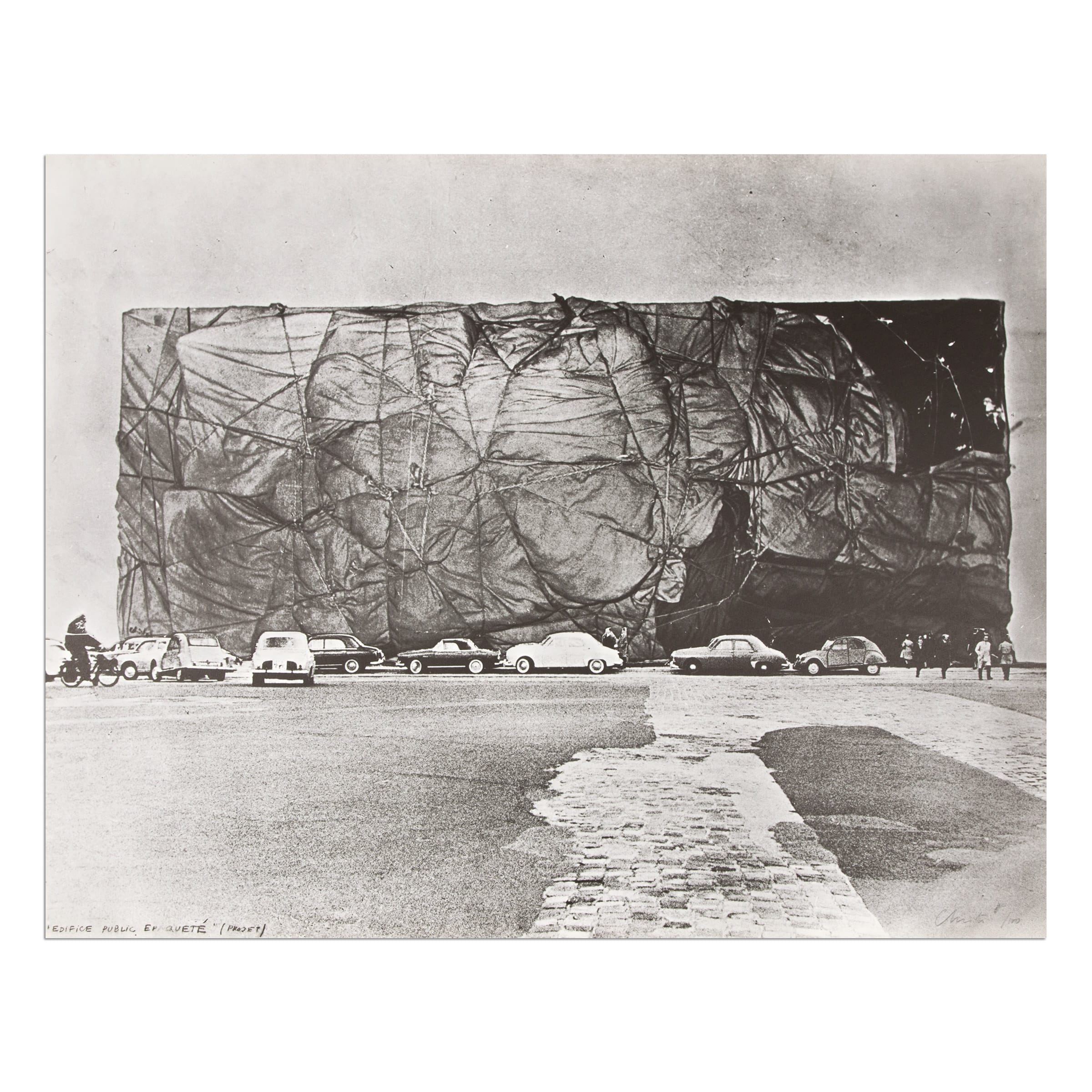
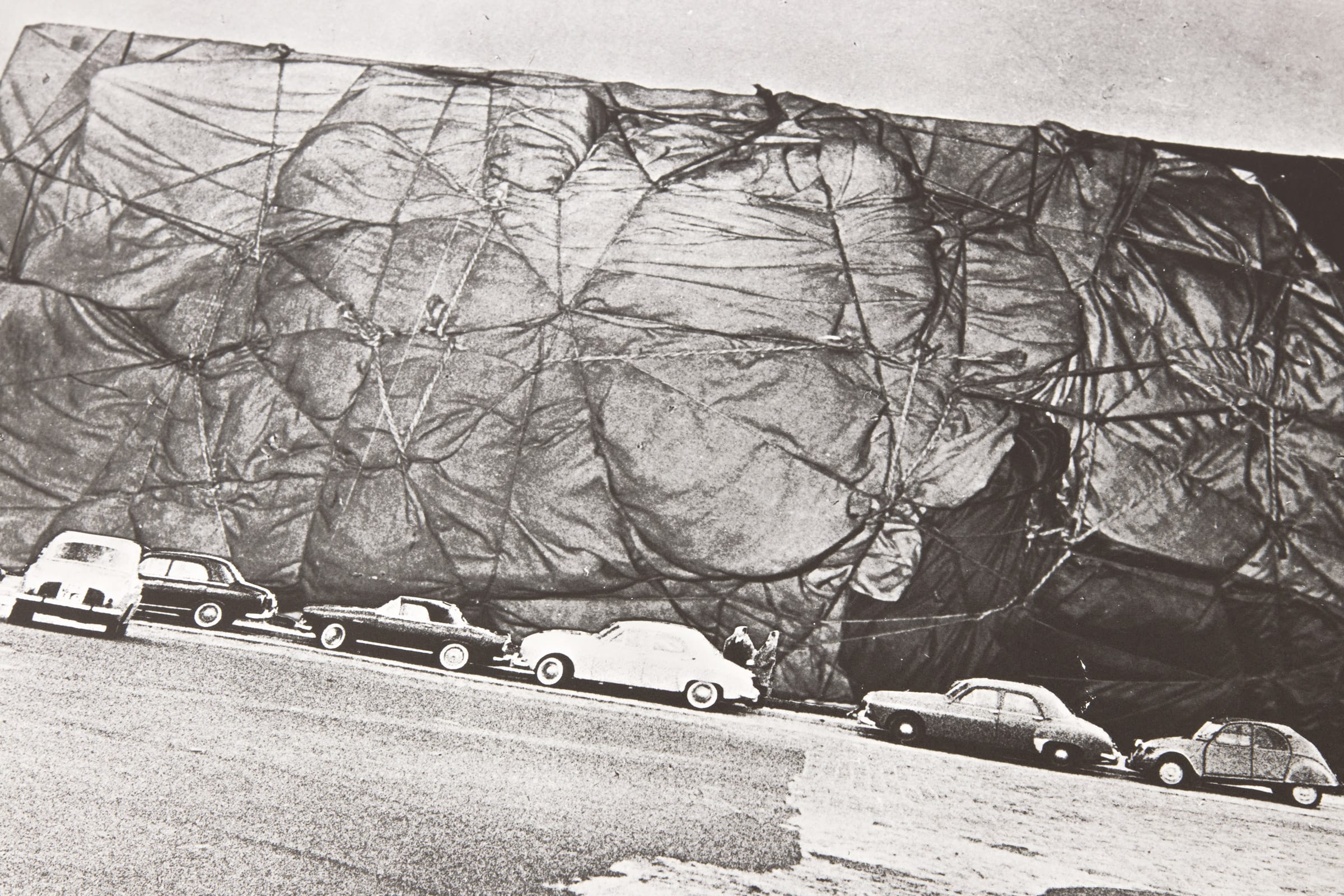
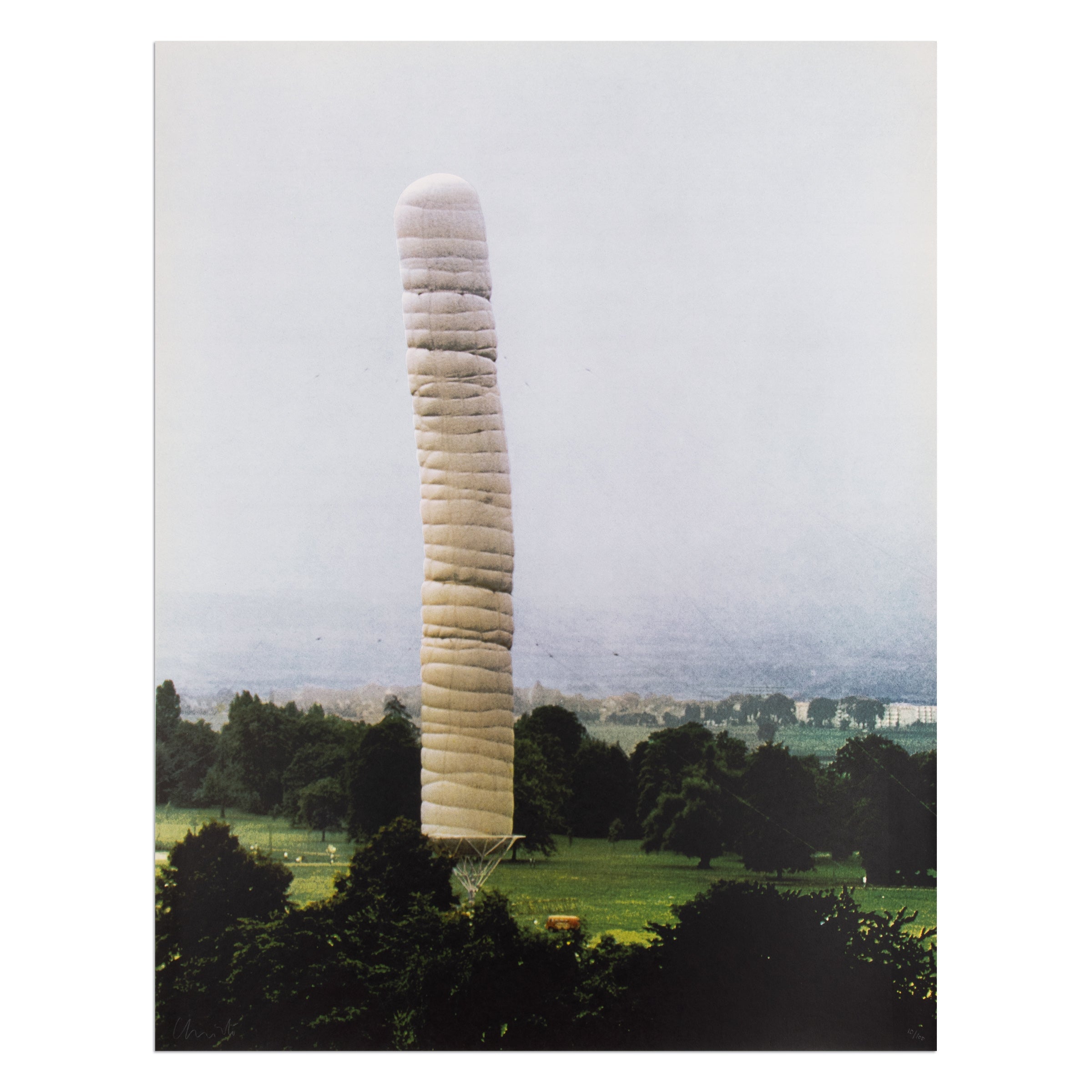
Christo never sold a finished artwork — because for the projects he is famous for, none exist. Wrapped Reichstag stood for two weeks in 1995; Surrounded Islands lasted a fortnight in Biscayne Bay; The Gates opened and closed within sixteen days. What remains are the preparatory drawings, collages, and lithographs he made to fund each project himself, refusing all public money and sponsorship. These were never souvenirs of the installations — they were how the installations became possible at all. Works held at MoMA, the Centre Pompidou, and the Smithsonian.

Browse signed Christo prints and editions now.

Available Prints & Editions

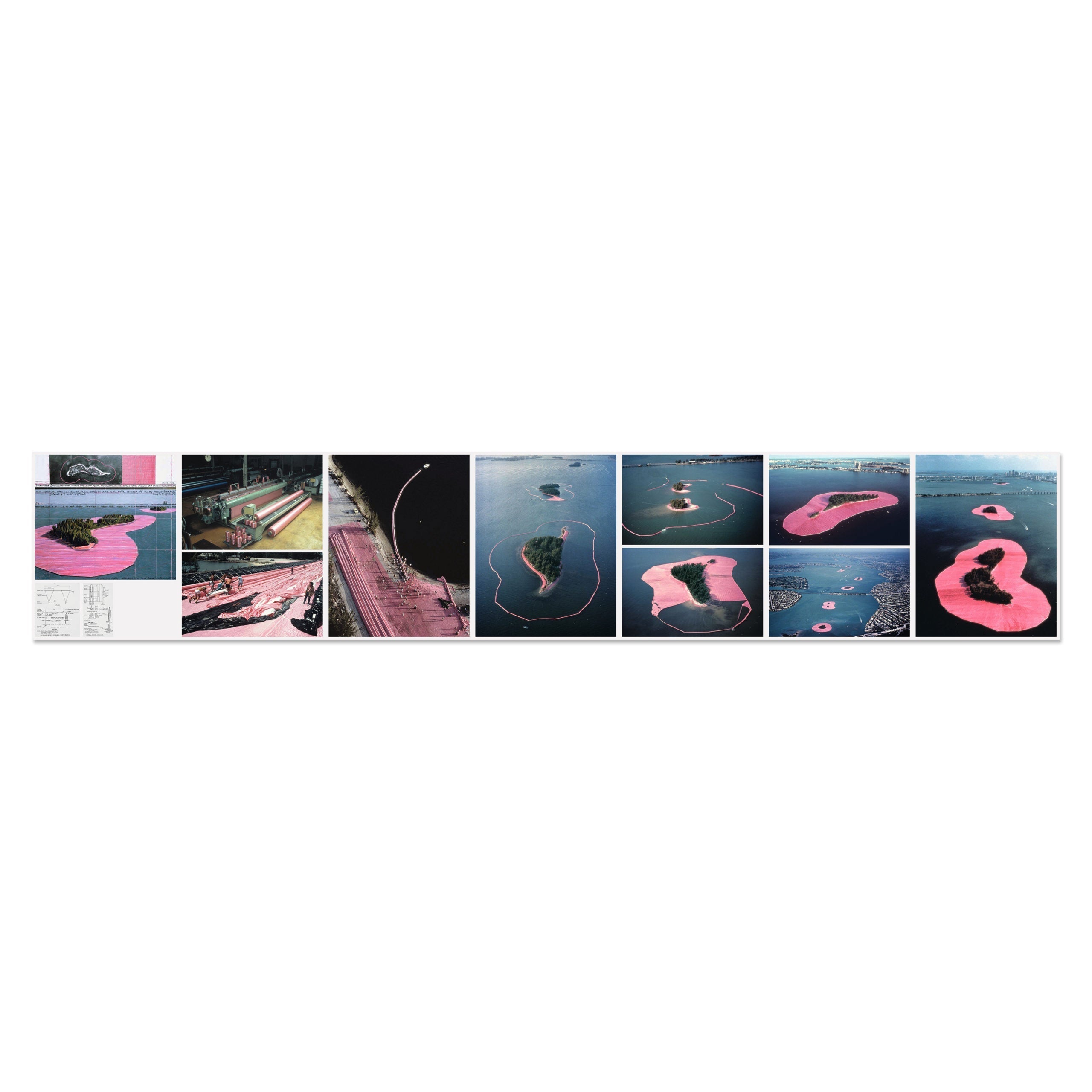
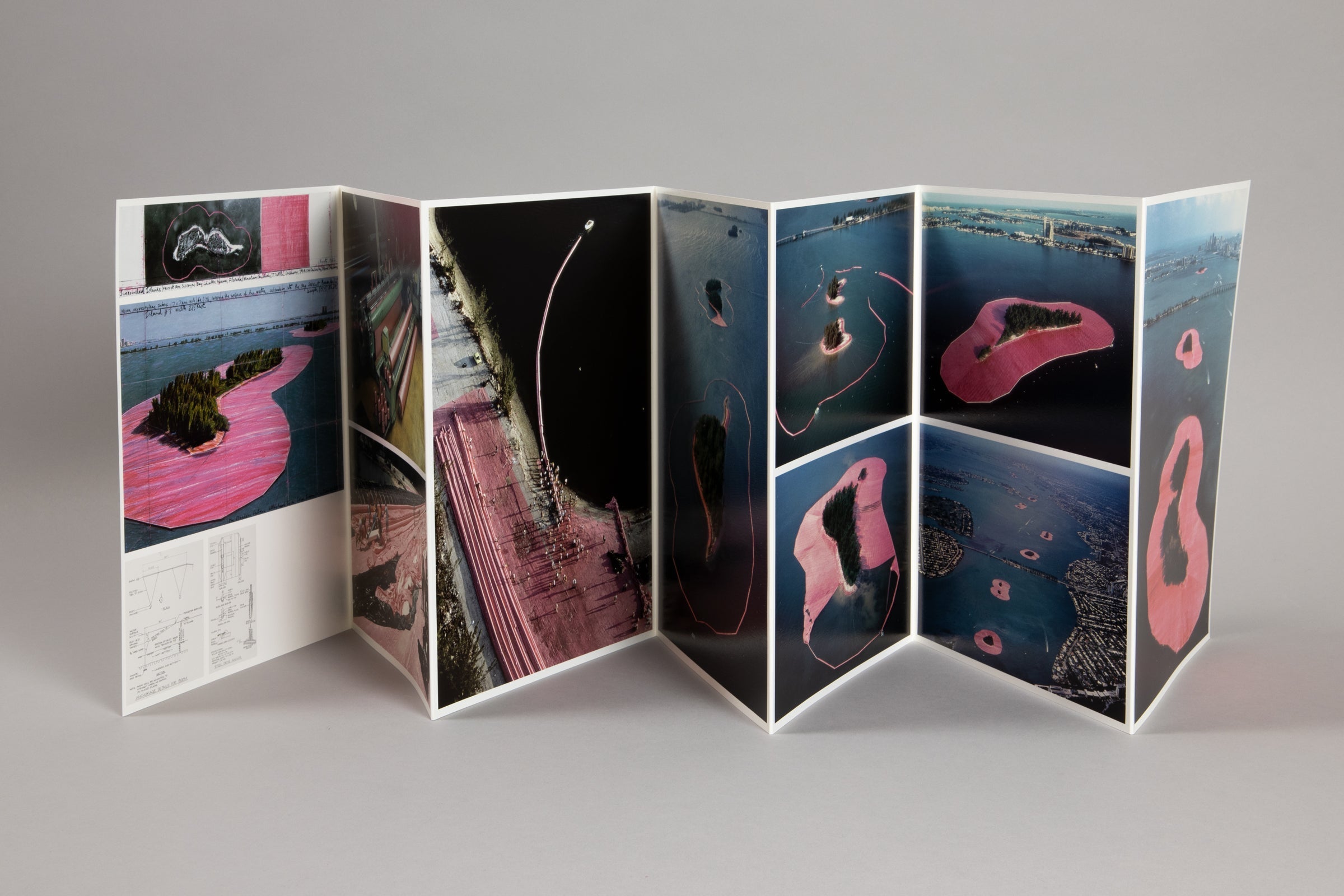
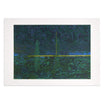
Christo - Surrounded Islands
01

Christo Biography

Christo Vladimirov Javacheff (1935–2020) was born in Gabrovo, Bulgaria, and studied at the Sofia Academy of Fine Arts under a communist regime that left him permanently suspicious of state involvement in art. He fled west in 1957, reaching Paris via Vienna and Geneva, where he met Jeanne-Claude Denat de Guillebon — his lifelong collaborator, born, remarkably, on the same day in 1935. They married and moved to New York in 1964, and worked together until her death in 2009.

Their practice rested on a single, uncompromising principle: no patrons, no public funding, no sponsorship, ever. Every wrapped building, valley, or coastline was paid for entirely through sales of Christo's own preparatory drawings, collages, scale models, and prints — a self-financing model unusual in scale and unheard of in its purity. "If you draw it, you can pay for it" is how the National Gallery of Art has summarised the logic; Christo put it more starkly himself: "I don't have any artworks that exist. Only the preparatory drawings are left."

The projects themselves took years, sometimes decades, of negotiation before a single sheet of fabric was unfurled. Wrapped Reichstag required 24 years of lobbying the German parliament. The Gates took 26 years from conception to installation in Central Park. Each was engineered to disappear within weeks — Christo considered this essential, not regrettable: "I think it takes much greater courage to create things to be gone than to create things that will remain."

Following Jeanne-Claude's death, Christo completed projects they had conceived together, including The Floating Piers (2016) and The London Mastaba (2018), and initiated L'Arc de Triomphe, Wrapped — realised posthumously in Paris in 2021, entirely self-funded as always.

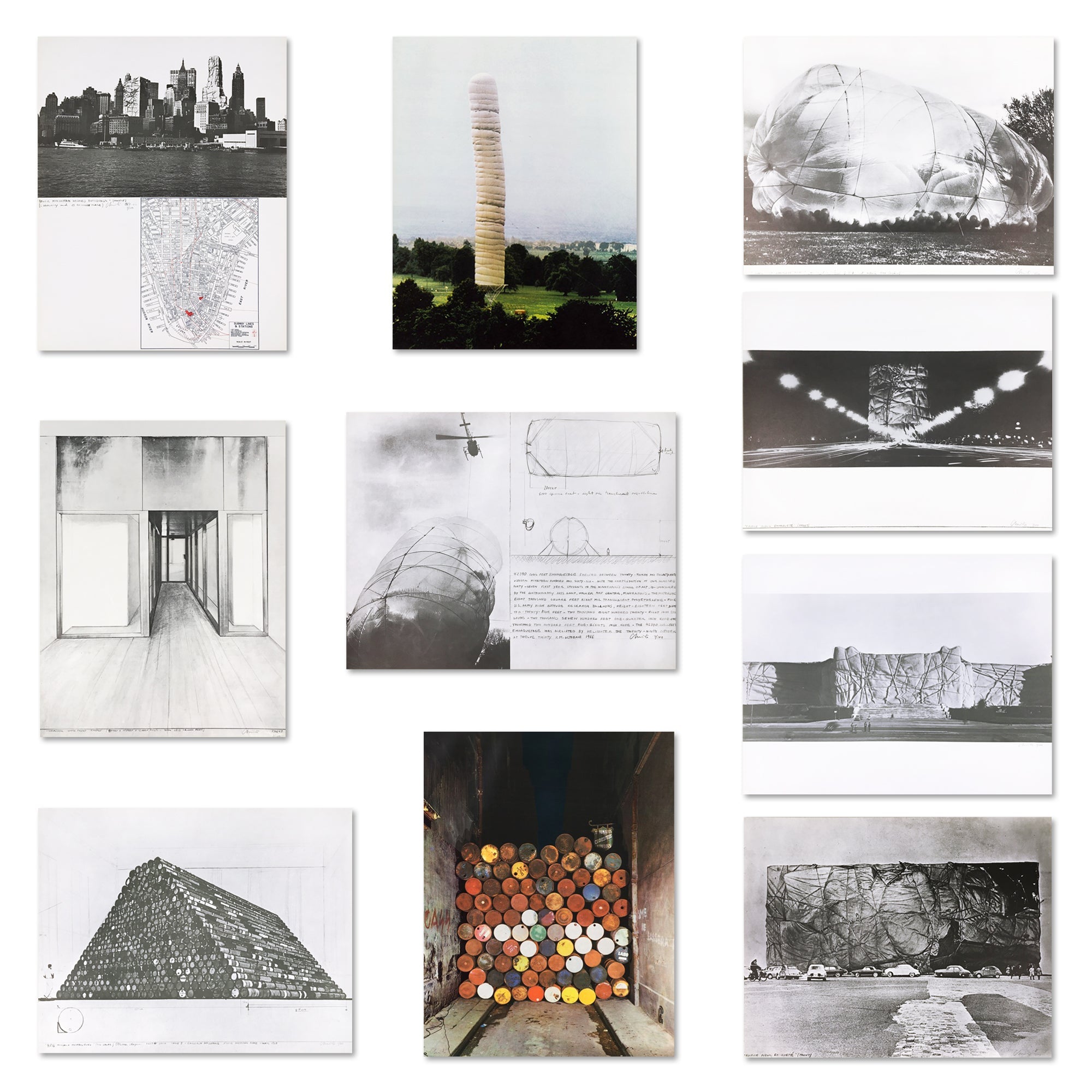
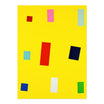
Christo - Monuments Portfolio
02

Famous Christo Artworks

Wrapped Reichstag (1995) is Christo and Jeanne-Claude's best-known achievement: over one million square feet of silvery polypropylene fabric and blue rope enveloping Berlin's parliament building for two weeks in June 1995, watched by an estimated five million visitors. The building — a site heavy with German political history — became, briefly, weightless and strange. The 24-year campaign to secure approval is itself part of the work's meaning: persistence as artistic material.

Surrounded Islands (1983) ringed eleven islands in Miami's Biscayne Bay with 6.5 million square feet of hot-pink fabric, transforming the bay into something between a garden and a mirage — visible from the air as a constellation of floating pink discs. It remains one of the couple's most photographed and most beloved works, and among the most sought-after subjects for their preparatory drawings and prints.

The Gates (2005) installed 7,503 saffron-coloured fabric panels along 23 miles of pathways through Central Park, conceived in 1979 and realised 26 years later. Unlike the more remote Reichstag or Surrounded Islands, it unfolded inside a dense, everyday urban space, turning a familiar park into something momentarily unrecognisable for the roughly four million people who walked through it during its sixteen days on view.

03

Christo Prints & Editions

For most artists, prints exist downstream of the primary work. For Christo, the relationship inverted entirely: the drawings, collages, and lithographs were the primary mechanism through which everything else became possible. Without their sale, none of the wrapped monuments would ever have been built — no patron, foundation, or government contributed a cent.

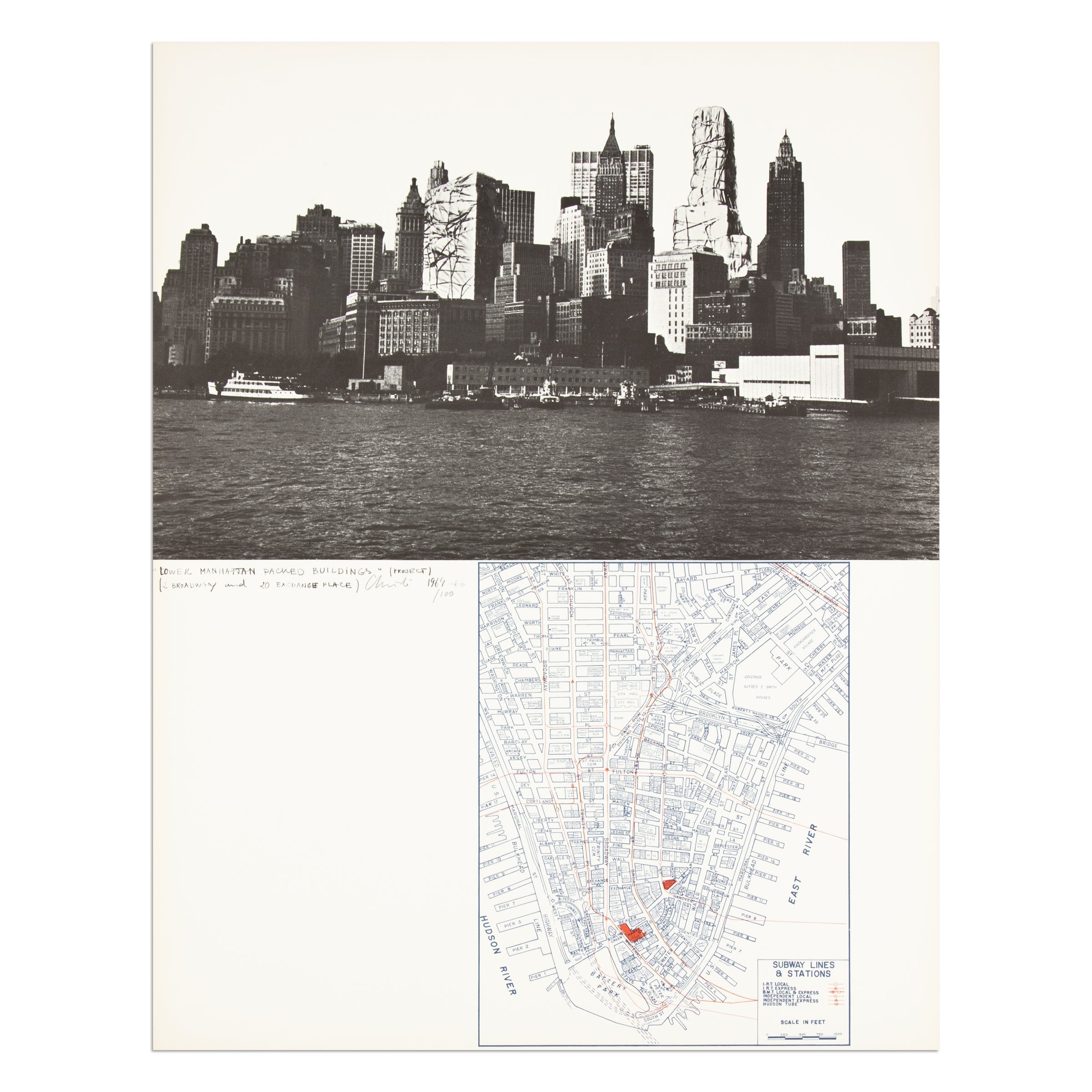
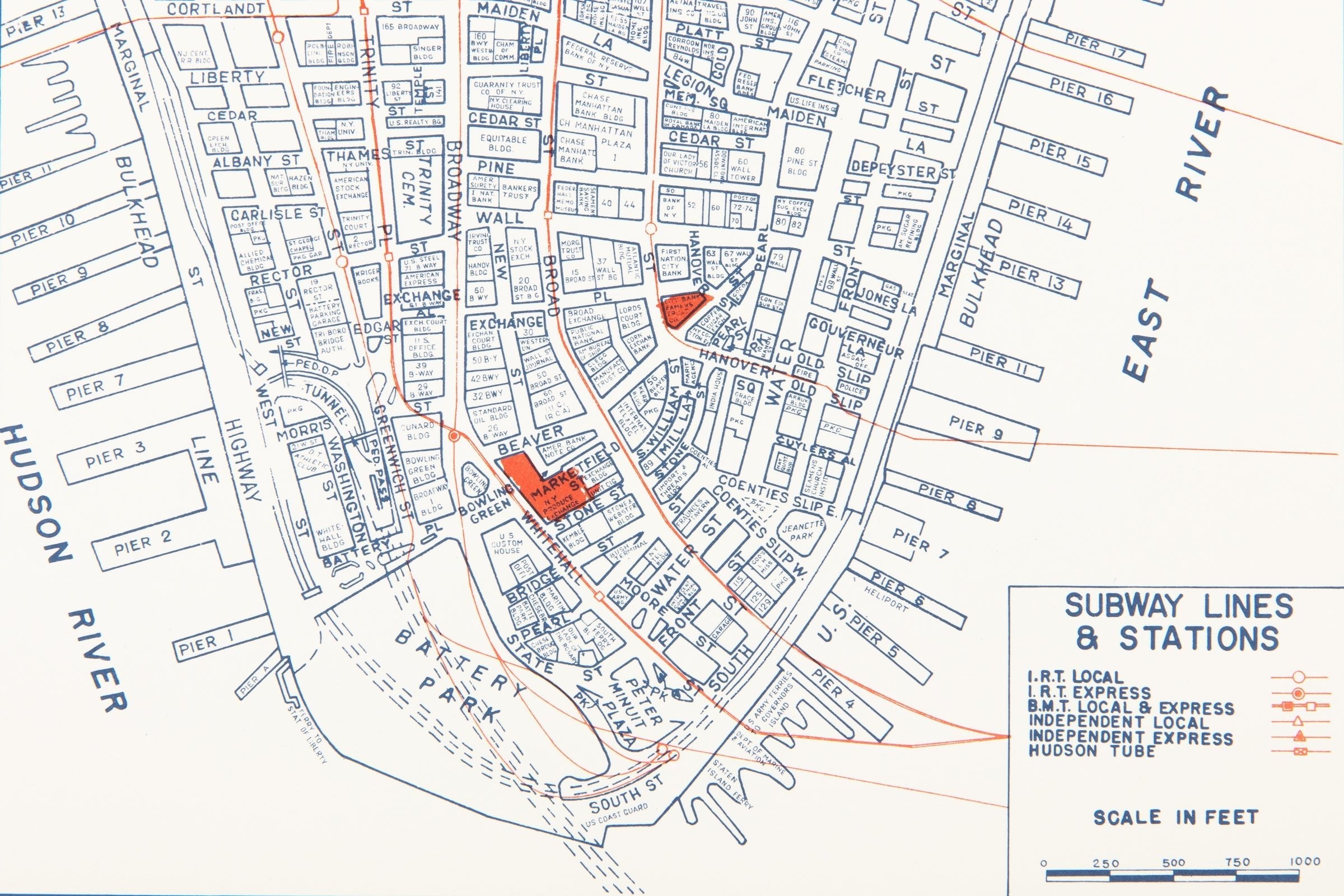
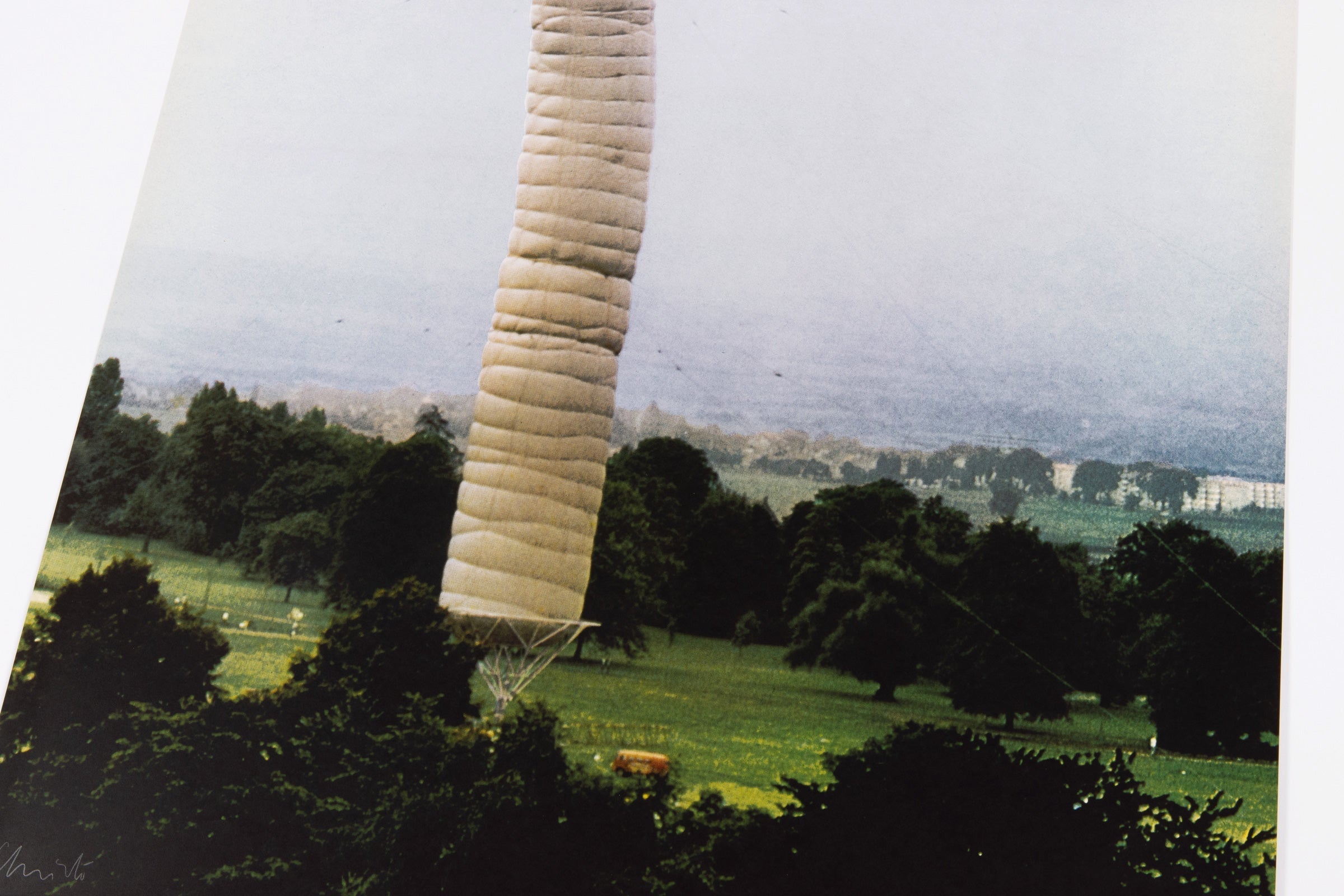
This gives Christo's editions a documentary and financial weight unlike almost any other artist's prints. Each depicts a specific project, often annotated with fabric swatches, technical notes, or aerial photography by his longtime collaborator Wolfgang Volz — part artwork, part engineering document, part fundraising instrument. Many depict projects that were never realised at all, existing only as drawings: a wrapped fountain, a wrapped Sydney Opera House, ideas too ambitious or too politically fraught to complete. For these unrealised projects, the print is not documentation of something else. It is the entire artwork.

For collectors, Christo's prints and editions offer direct access to a working method built on radical self-sufficiency — signed works that funded some of the most audacious public art of the twentieth century. Works are held in the permanent collections of MoMA, the Centre Pompidou, and the Smithsonian.

01

Christo Biography

Christo Vladimirov Javacheff (1935–2020) was born in Gabrovo, Bulgaria, and studied at the Sofia Academy of Fine Arts under a communist regime that left him permanently suspicious of state involvement in art. He fled west in 1957, reaching Paris via Vienna and Geneva, where he met Jeanne-Claude Denat de Guillebon — his lifelong collaborator, born, remarkably, on the same day in 1935. They married and moved to New York in 1964, and worked together until her death in 2009.

Their practice rested on a single, uncompromising principle: no patrons, no public funding, no sponsorship, ever. Every wrapped building, valley, or coastline was paid for entirely through sales of Christo's own preparatory drawings, collages, scale models, and prints — a self-financing model unusual in scale and unheard of in its purity. "If you draw it, you can pay for it" is how the National Gallery of Art has summarised the logic; Christo put it more starkly himself: "I don't have any artworks that exist. Only the preparatory drawings are left."

The projects themselves took years, sometimes decades, of negotiation before a single sheet of fabric was unfurled. Wrapped Reichstag required 24 years of lobbying the German parliament. The Gates took 26 years from conception to installation in Central Park. Each was engineered to disappear within weeks — Christo considered this essential, not regrettable: "I think it takes much greater courage to create things to be gone than to create things that will remain."

Following Jeanne-Claude's death, Christo completed projects they had conceived together, including The Floating Piers (2016) and The London Mastaba (2018), and initiated L'Arc de Triomphe, Wrapped — realised posthumously in Paris in 2021, entirely self-funded as always.

02

Famous Christo Artworks

Wrapped Reichstag (1995) is Christo and Jeanne-Claude's best-known achievement: over one million square feet of silvery polypropylene fabric and blue rope enveloping Berlin's parliament building for two weeks in June 1995, watched by an estimated five million visitors. The building — a site heavy with German political history — became, briefly, weightless and strange. The 24-year campaign to secure approval is itself part of the work's meaning: persistence as artistic material.

Surrounded Islands (1983) ringed eleven islands in Miami's Biscayne Bay with 6.5 million square feet of hot-pink fabric, transforming the bay into something between a garden and a mirage — visible from the air as a constellation of floating pink discs. It remains one of the couple's most photographed and most beloved works, and among the most sought-after subjects for their preparatory drawings and prints.

The Gates (2005) installed 7,503 saffron-coloured fabric panels along 23 miles of pathways through Central Park, conceived in 1979 and realised 26 years later. Unlike the more remote Reichstag or Surrounded Islands, it unfolded inside a dense, everyday urban space, turning a familiar park into something momentarily unrecognisable for the roughly four million people who walked through it during its sixteen days on view.

03

Christo Prints & Editions

For most artists, prints exist downstream of the primary work. For Christo, the relationship inverted entirely: the drawings, collages, and lithographs were the primary mechanism through which everything else became possible. Without their sale, none of the wrapped monuments would ever have been built — no patron, foundation, or government contributed a cent.

This gives Christo's editions a documentary and financial weight unlike almost any other artist's prints. Each depicts a specific project, often annotated with fabric swatches, technical notes, or aerial photography by his longtime collaborator Wolfgang Volz — part artwork, part engineering document, part fundraising instrument. Many depict projects that were never realised at all, existing only as drawings: a wrapped fountain, a wrapped Sydney Opera House, ideas too ambitious or too politically fraught to complete. For these unrealised projects, the print is not documentation of something else. It is the entire artwork.

For collectors, Christo's prints and editions offer direct access to a working method built on radical self-sufficiency — signed works that funded some of the most audacious public art of the twentieth century. Works are held in the permanent collections of MoMA, the Centre Pompidou, and the Smithsonian.

Christo - Surrounded IslandsChristo - Monuments Portfolio

Christo: Key Questions

Collecting Christo?

Looking for a specific artwork or have a question about an edition? We're happy to advise on availability, pricing, condition, and provenance — and to source artworks beyond our current selection.

Contact us

Prints, Photographs & Multiples

View our full collection of

Prints, Photographs & Multiples

Explore editions