



Christo (1935–2020, Gabrovo, Bulgaria), known professionally as Christo, was an artist whose large-scale environmental works transformed landscapes, buildings, and public space through temporary intervention. Working in close collaboration with Jeanne-Claude from the early 1960s until her death in 2009, Christo developed a practice centered on wrapping, enclosure, and spatial alteration as means of re-seeing the world.
Emerging in the context of postwar Europe and later the United States, Christo’s work challenged conventional definitions of sculpture, architecture, and public art. His projects were realized internationally and are held in major public collections through extensive documentation, positioning him as a central figure in twentieth- and twenty-first-century environmental art.
Artistic Practice
Christo’s artistic practice was defined by the realization of temporary, site-specific projects that intervened directly in natural and built environments. These works involved the wrapping of buildings, bridges, coastlines, and landscapes using fabric, rope, and engineered support systems.
Each project was conceived as a singular, non-repeatable event, existing only for a limited duration. Permanence was deliberately rejected in favor of ephemerality, emphasizing experience, presence, and collective memory.
Christo maintained complete artistic independence by self-financing projects through the sale of preparatory drawings, collages, and models, allowing full creative control without sponsorship or public funding.
Key Themes and Motifs
Central to Christo’s work are themes of transformation, visibility, and temporality. By wrapping familiar structures, his projects rendered the known unfamiliar, encouraging viewers to reconsider scale, form, and context.
Concealment functioned paradoxically as revelation. Covered surfaces emphasized volume, contour, and spatial relationships, shifting attention from function to perception.
The temporary nature of each project heightened awareness of time, emphasizing shared experience and the inevitability of disappearance.
Historical and Cultural Context
Christo’s practice developed against the backdrop of postwar reconstruction, Cold War geopolitics, and expanding global mobility. His early works emerged in Paris alongside Nouveau Réalisme, while later projects reflected the openness and scale of the American landscape.
By operating outside institutional frameworks, Christo positioned his work in direct dialogue with public space, bypassing traditional exhibition contexts.
His projects often required years of negotiation with governments, communities, and environmental authorities, embedding political, social, and bureaucratic processes into the artwork itself.
Public Space, Landscape, and Architecture
Public space was fundamental to Christo’s practice. Projects such as wrapped buildings, floating walkways, and fenced landscapes redefined how art could occupy civic and natural environments.
Architecture and landscape were not treated as neutral backdrops but as active components shaped through fabric, color, and scale.
By temporarily altering sites of historical, political, or natural significance, Christo’s work invited collective participation and debate.
Drawings, Editions, and Documentation
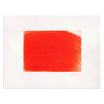
Drawings and collages played a crucial role in Christo’s practice. These works functioned simultaneously as preparatory studies, independent artworks, and financial instruments enabling project realization.
Prints and editioned works extend the life of otherwise ephemeral projects, preserving visual and conceptual aspects through documentation.
Editions are conceived as autonomous works that reflect the planning, negotiation, and vision underlying each temporary intervention.
Market and Circulation Context
Christo’s work occupies a unique position within the art market. While the large-scale projects themselves were temporary and non-commercial, drawings, collages, and editions circulate within a firmly established institutional and collector framework.
This model preserved artistic independence while allowing broad access to the conceptual and material dimensions of his work.
Within the contemporary art ecosystem, Christo’s practice is recognized for redefining authorship, funding, and the economics of large-scale public art.
Institutional Exhibitions and Collections
Christo’s work has been the subject of numerous major exhibitions at museums and institutions worldwide, often focusing on project documentation, drawings, and process.
His work has been exhibited at institutions including the Museum of Modern Art, New York; Tate Modern, London; the Centre Pompidou, Paris; and the Reichstag, Berlin, as both site and subject.
Documentation of his projects is held in major public collections, where it occupies a central place in narratives of environmental and conceptual art.
Position within Contemporary Art
Within contemporary art history, Christo occupies a singular position as an artist who transformed public space through temporary, monumental gesture.
By prioritizing experience, autonomy, and ephemerality, his practice expanded the boundaries of sculpture and installation, influencing generations of artists working with landscape, architecture, and public participation.
Editorial Note
This editorial page provides a structured overview of Christo’s artistic practice, thematic concerns, institutional context, and market circulation, with particular attention to his large-scale environmental interventions.
Selected works related to Christo are available through our collection.
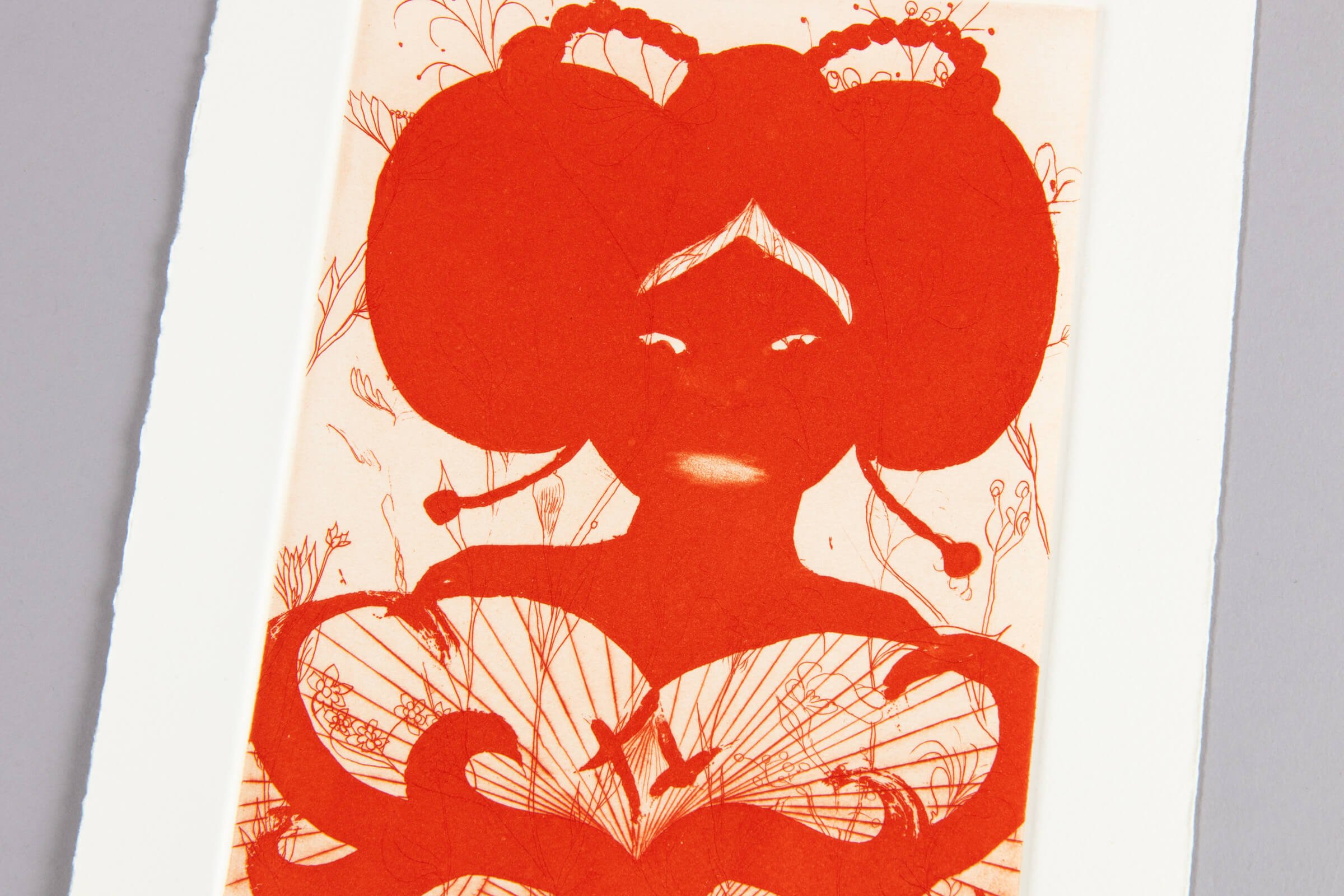
The Art of Printmaking
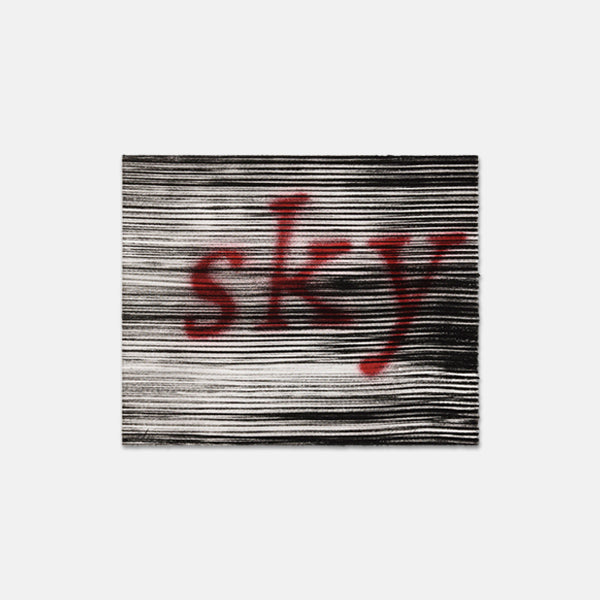
From the precise lines of woodcuts to the velvety depth of lithographs. Discover a curated selection of editioned works on paper that celebrate the unique texture and heritage of traditional print media.
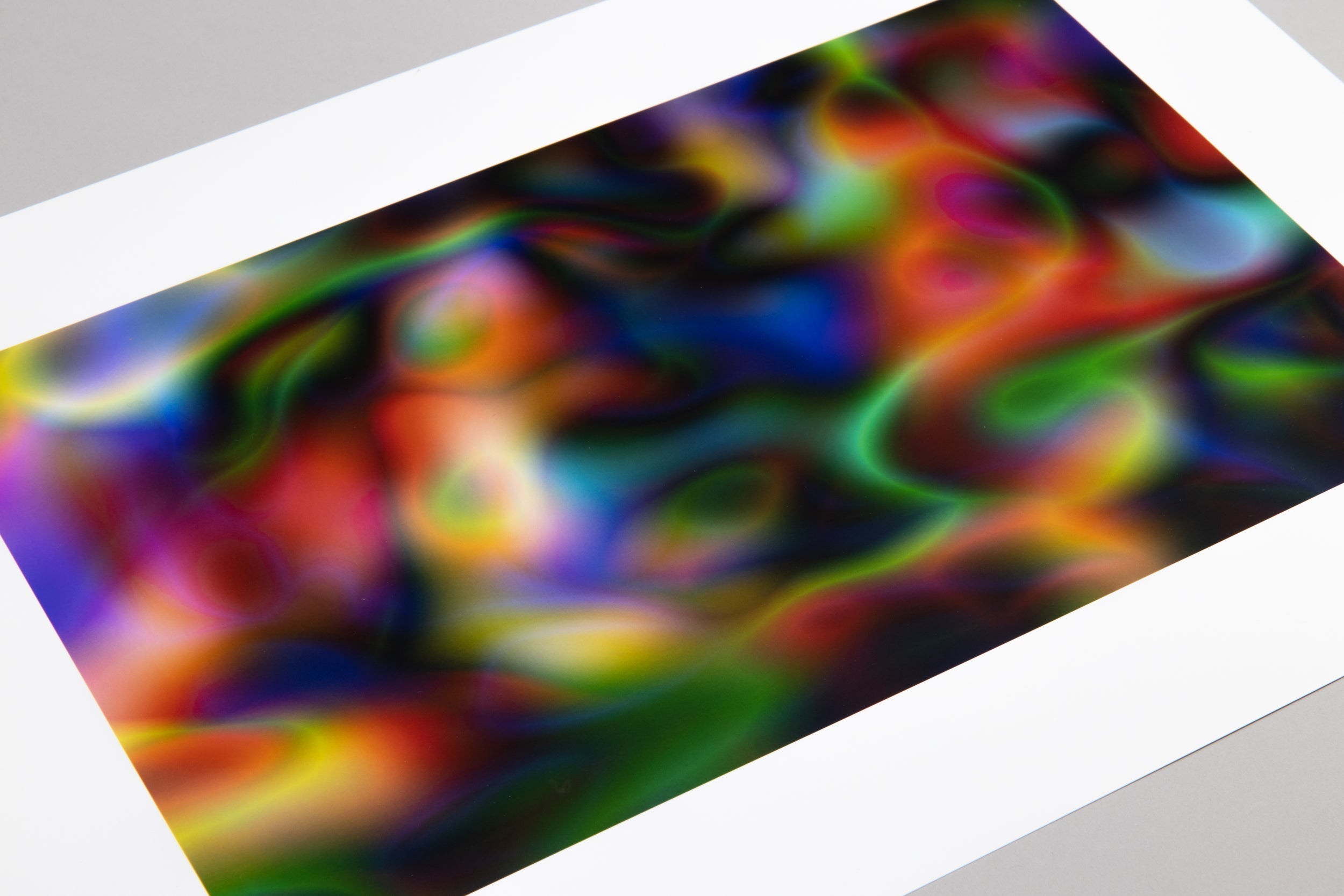
The Photographic Image
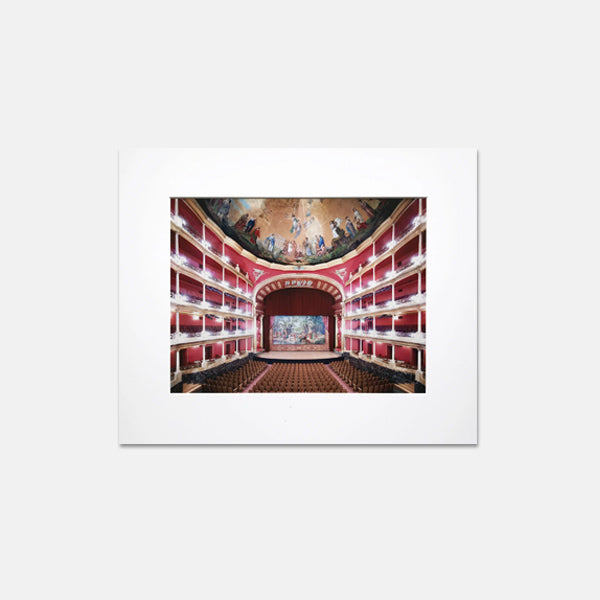
Explore contemporary photography through the lens of precision and scale. Our collection features exceptional photo editions that investigate the boundaries of representation and spatial order.
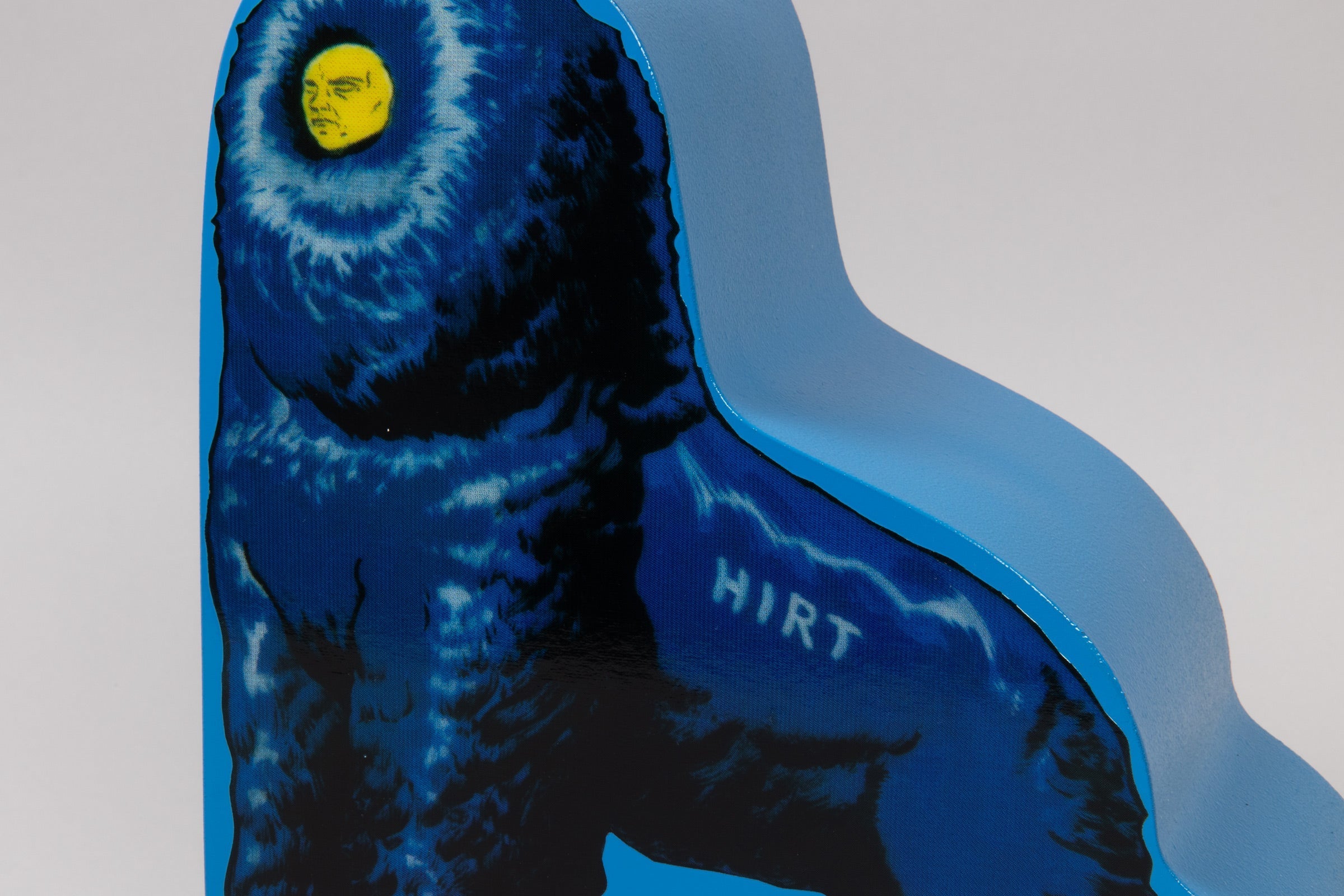
The Sculptural Multiple
Art beyond the pedestal. Discover three-dimensional objects designed to circulate ideas in space. These works bridge the gap between sculpture and the everyday, making radical art accessible.


