






About Sol LeWitt
Sol LeWitt (American, 1928–2007) was a pioneering figure in Conceptual Art and Minimalism, and one of the most influential artists of the twentieth century. Based in New York, LeWitt fundamentally reshaped contemporary art by asserting that the idea precedes execution, famously stating that “the idea becomes a machine that makes the art.”
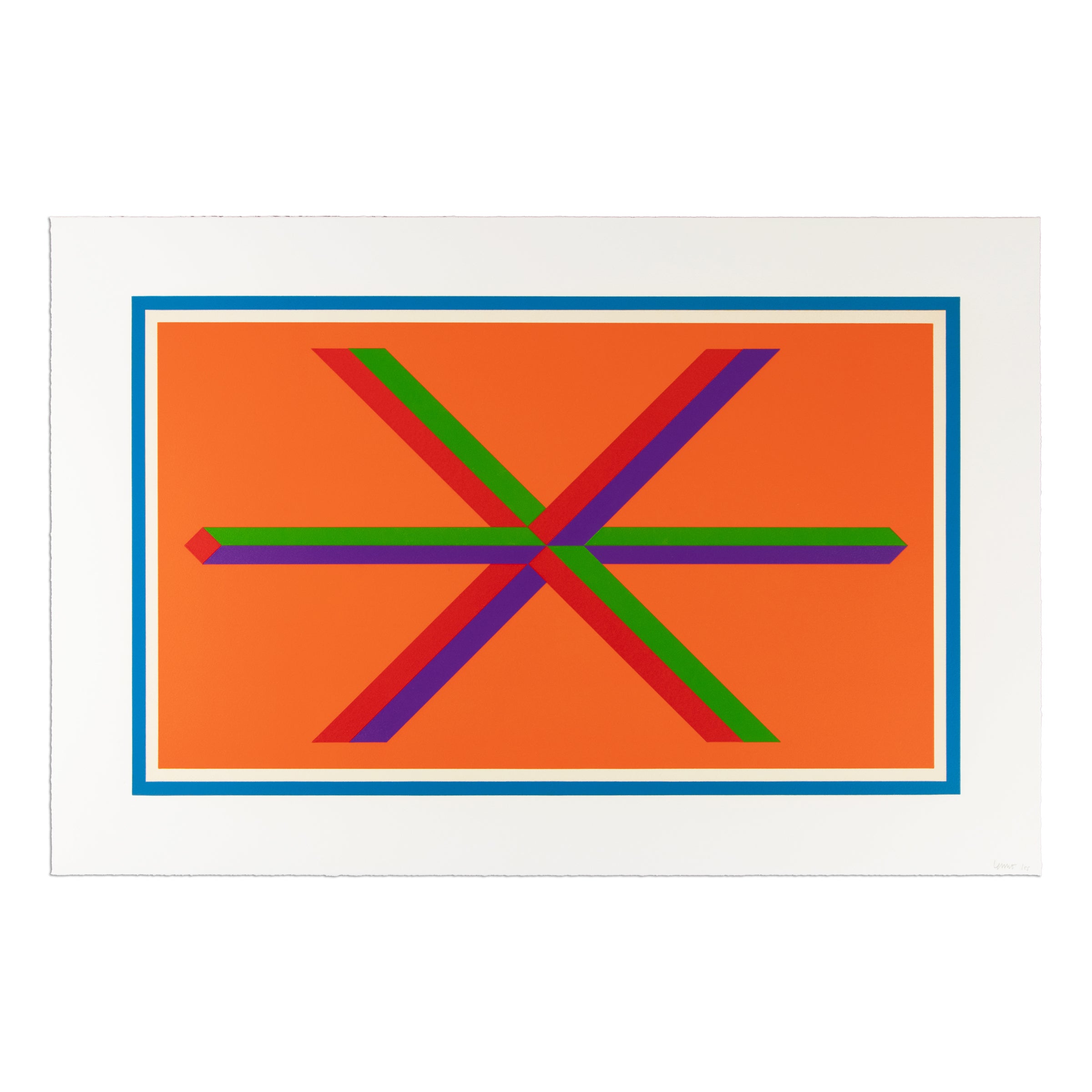
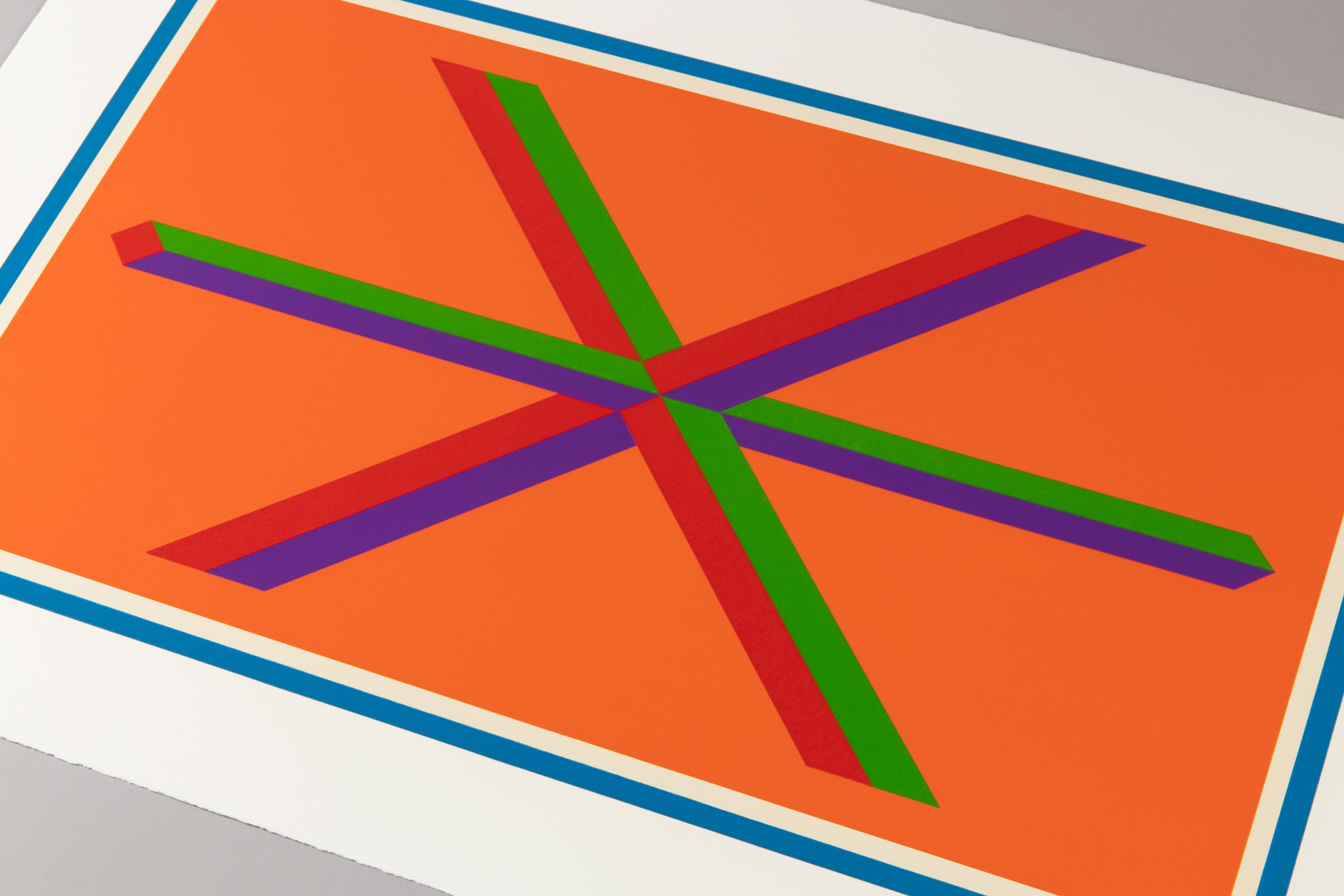
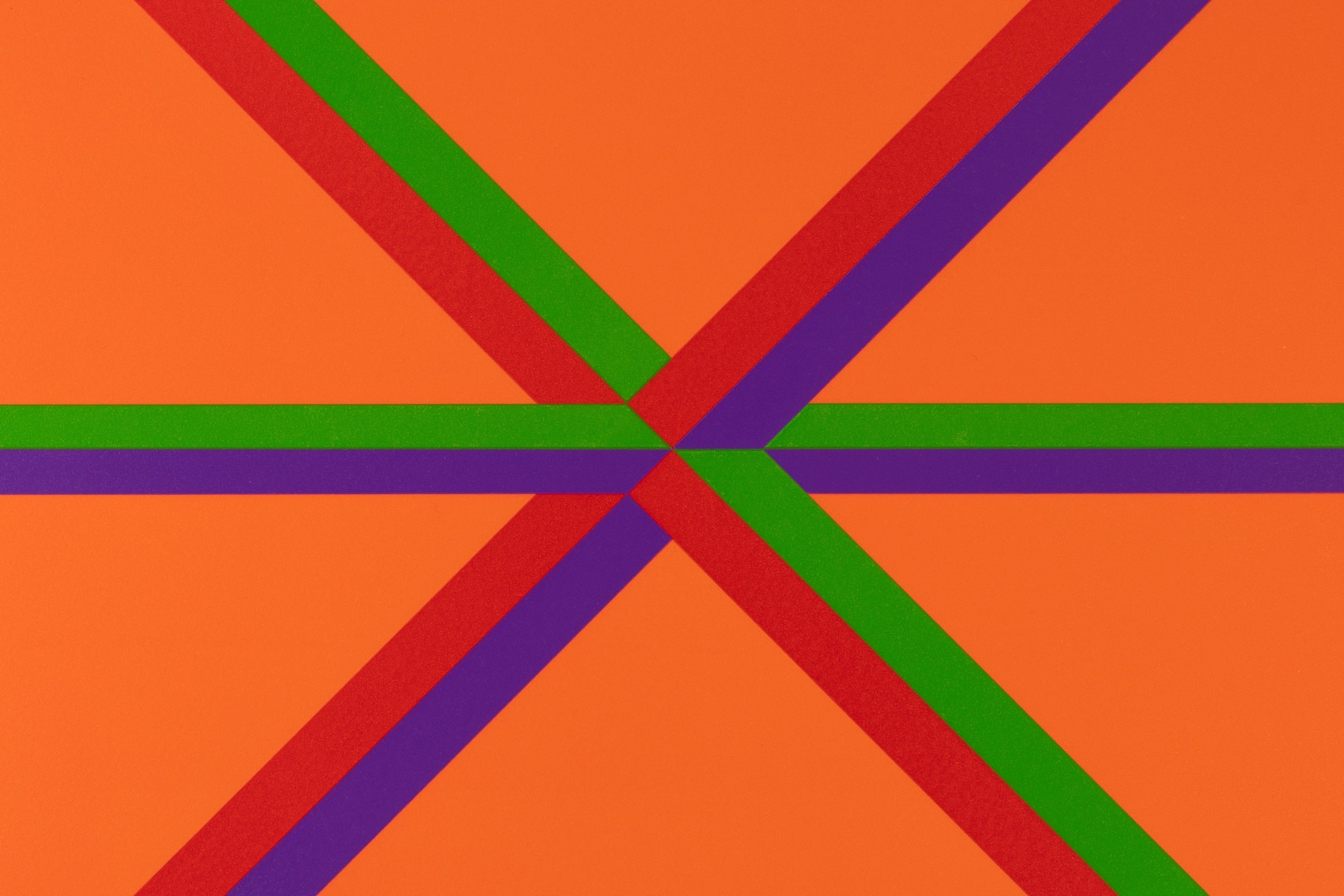
His artworks—including wall drawings, sculptures, limited edition prints, and works on paper—are defined by geometric abstraction, modular structures, and systematic variations of line, color, and form. LeWitt’s wall drawings, executed according to written instructions, challenged traditional notions of authorship and originality, establishing the concept itself as the primary artwork.
Working through grids, serial progressions, and mathematical permutations, LeWitt created visually rigorous compositions that balance intellectual structure with striking formal clarity. This systematic approach extends across his sculptures and signed prints, where repetition and logic generate expansive visual possibilities within clearly defined parameters.
In addition to his monumental wall drawings, Sol LeWitt produced an extensive body of limited edition prints and works on paper that remain highly sought after in the contemporary art market. His artworks are held in major museum collections including the Museum of Modern Art, Tate, and the Whitney Museum of American Art. LeWitt’s signed prints and art editions continue to attract collectors seeking museum-quality contemporary art grounded in conceptual precision and geometric form.


