







Conceptual Art
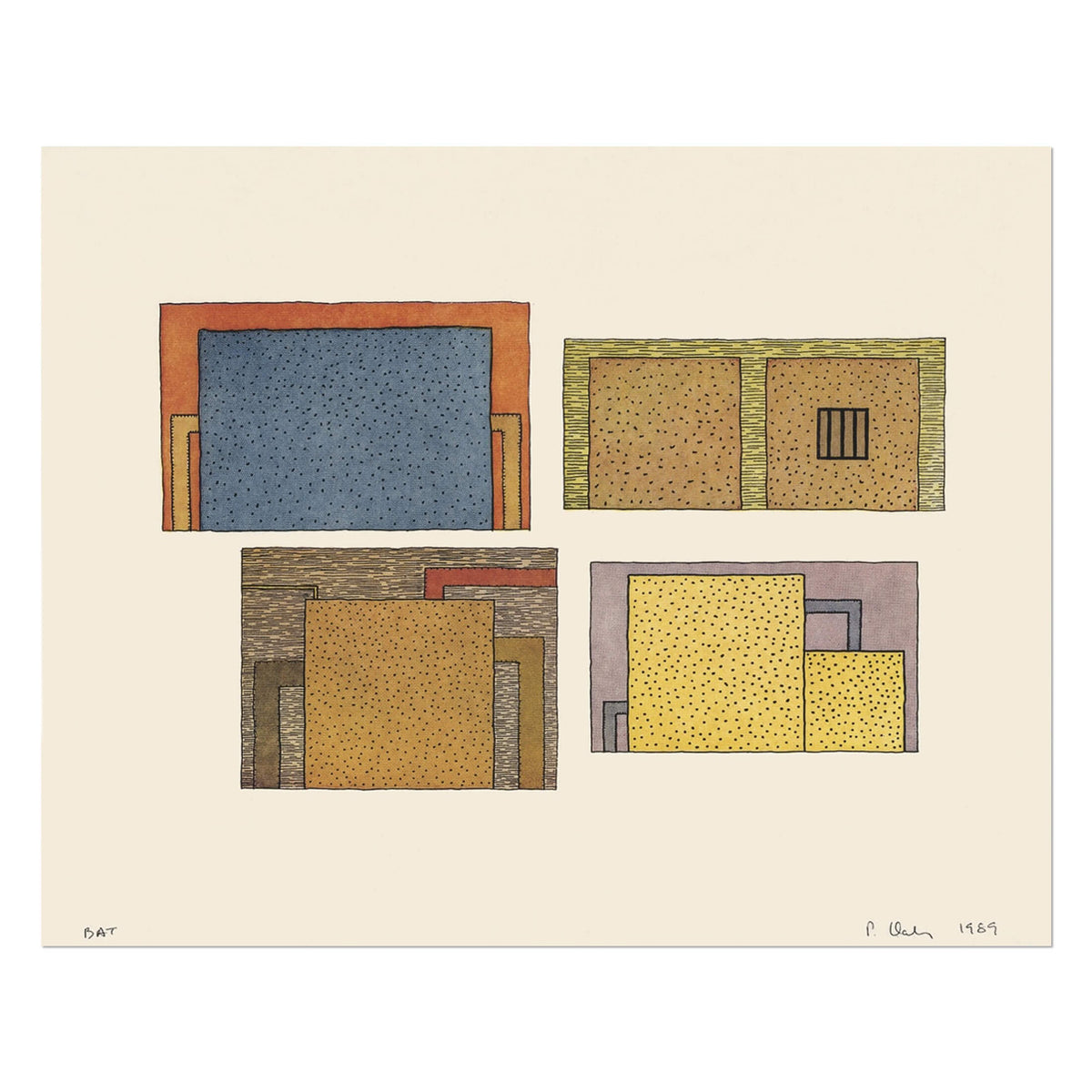
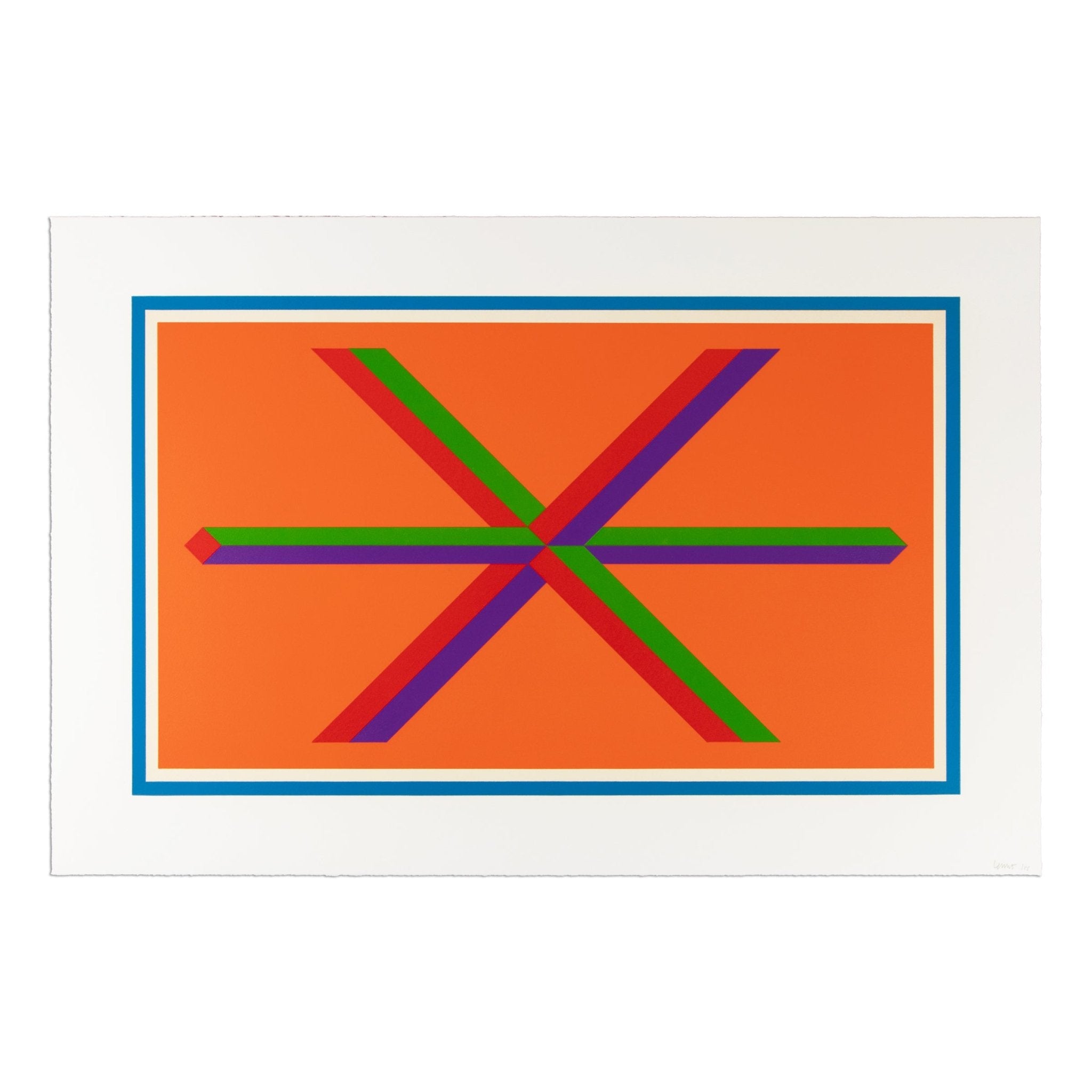
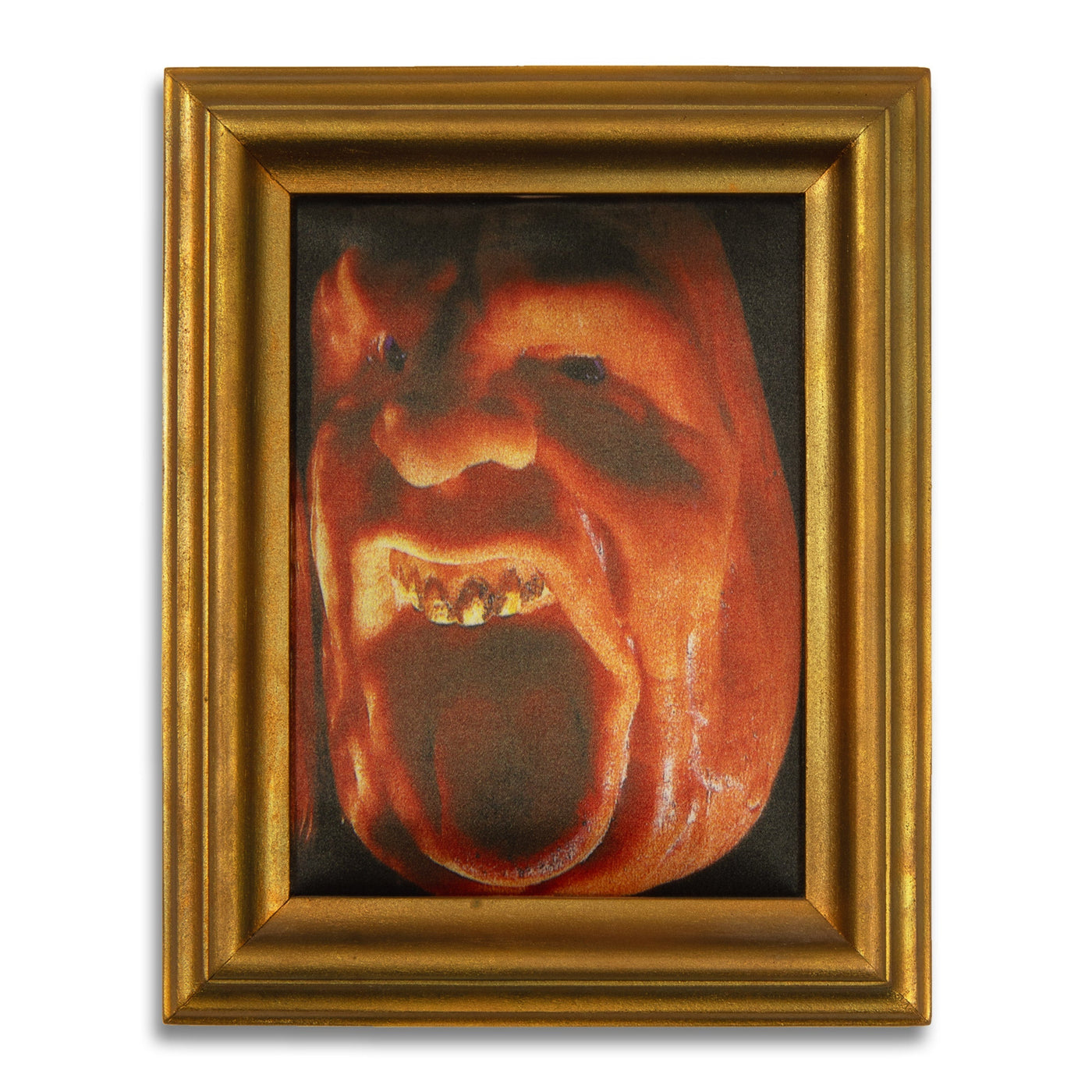
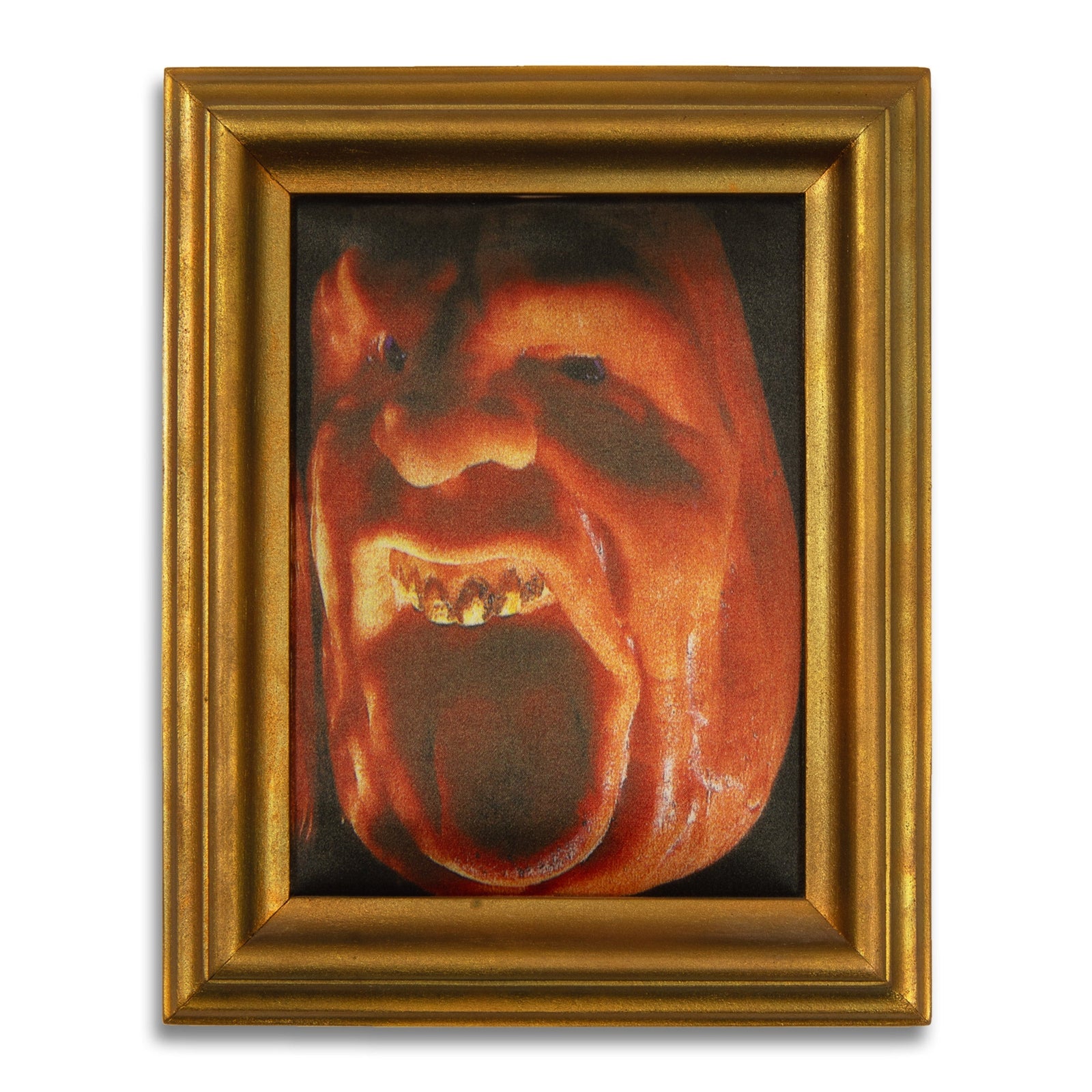
Explore conceptual editions by leading artists whose ideas reshaped contemporary art. Emerging in the late 1960s, Conceptual Art shifted focus from object to thought and language. These artworks reflect that legacy of innovation, where meaning, form, and idea intersect with clarity.
Filters
100 products
Conceptual art, as defined in the 1960s and 1970s, marked one of the most radical departures in the history of modern art. Its roots lie in Dada and the revolutionary ideas of Marcel Duchamp, whose readymade Fountain (1917) challenged notions of authorship, originality, and beauty. Duchamp’s declaration that an everyday object could be art redefined the relationship between artist, object, and viewer — laying the foundation for conceptual artists to come.
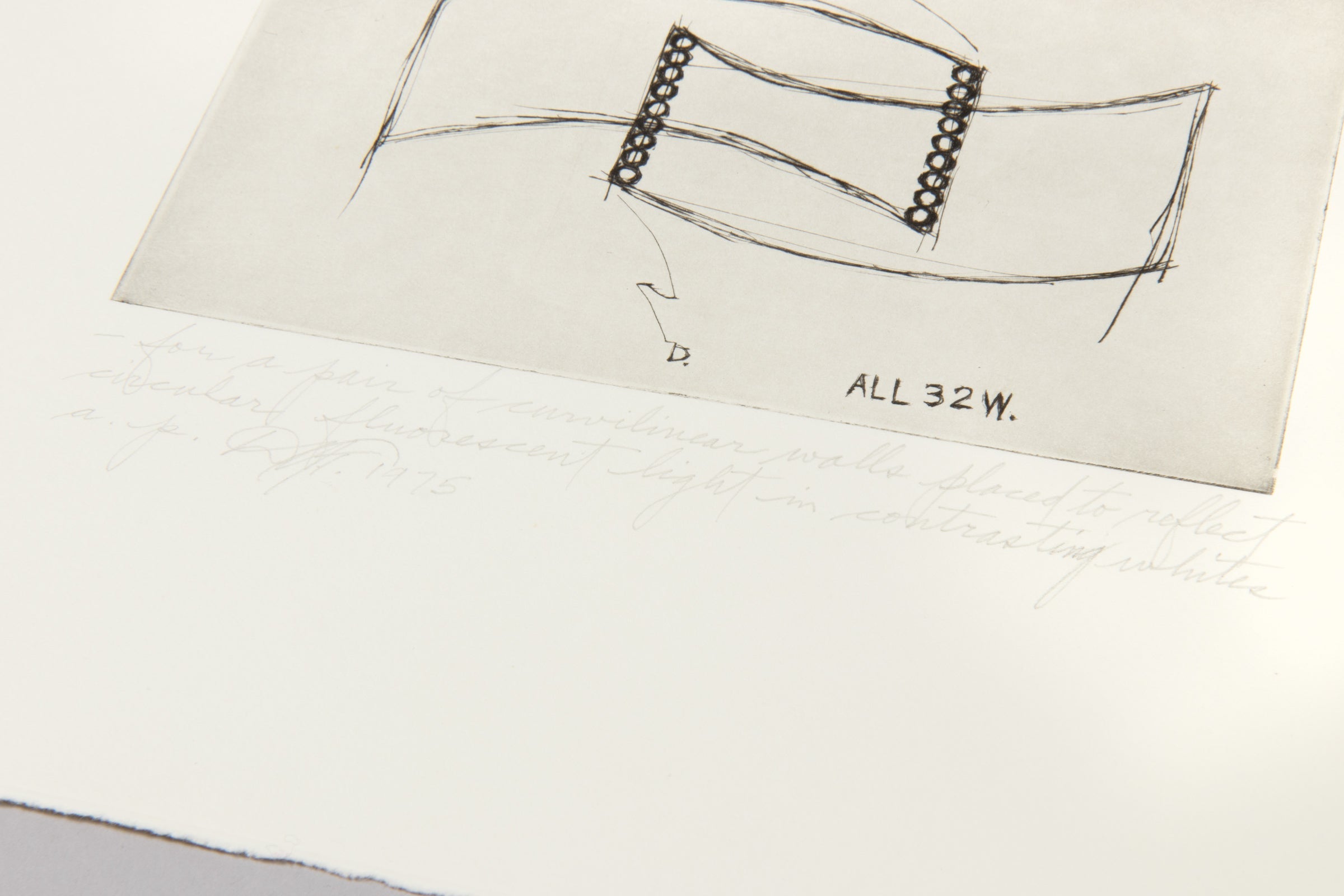
In the late 1960s, Sol LeWitt’s Paragraphs on Conceptual Art stated that “the idea or concept is the most important aspect of the work,” shifting focus from craft to intellect. Artists such as Joseph Kosuth, John Baldessari, and Lawrence Weiner expanded on this, using language, instruction, and photography to interrogate art’s very definition. Conceptual artworks became investigations rather than objects — reflections of pure thought materialized through form, text, or gesture.

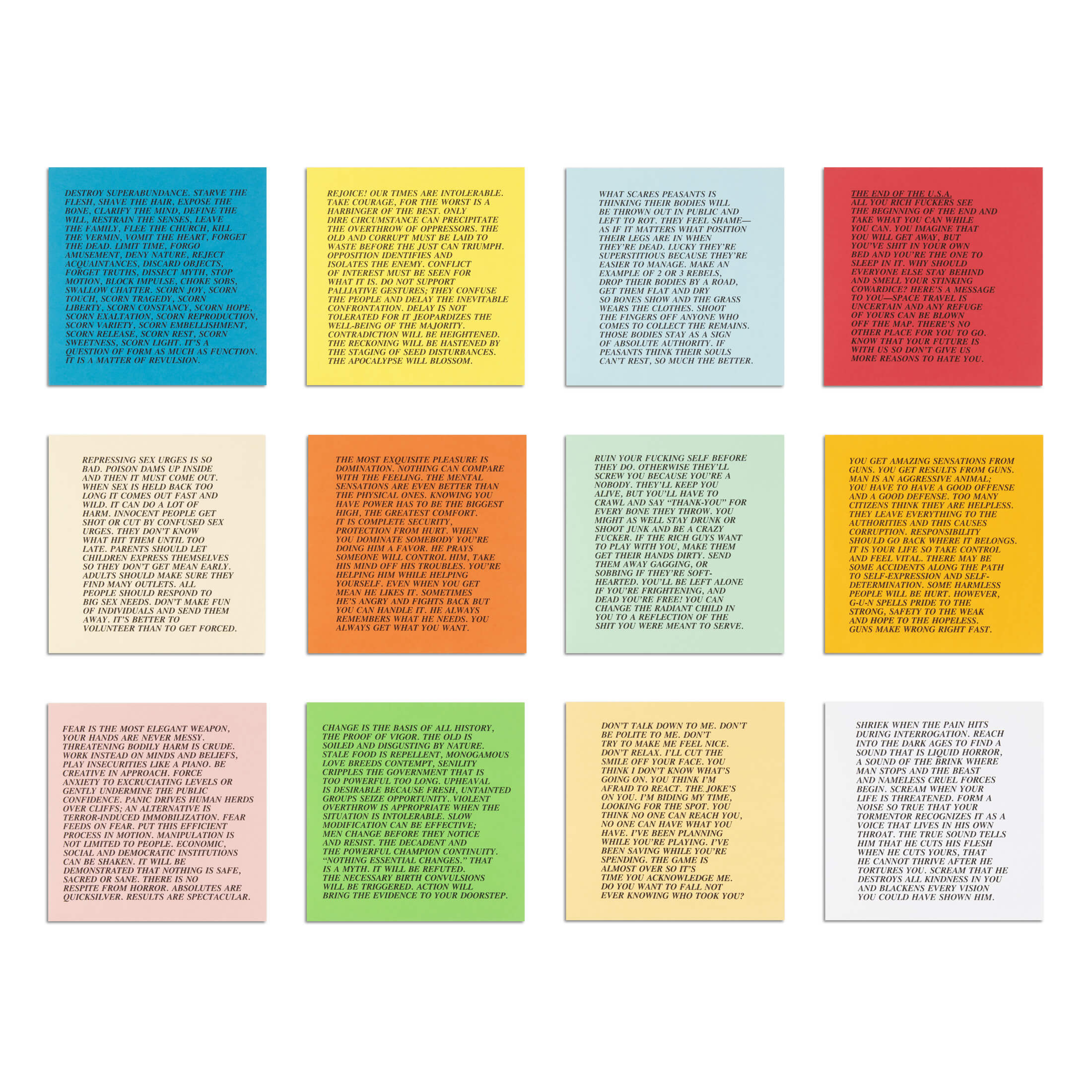
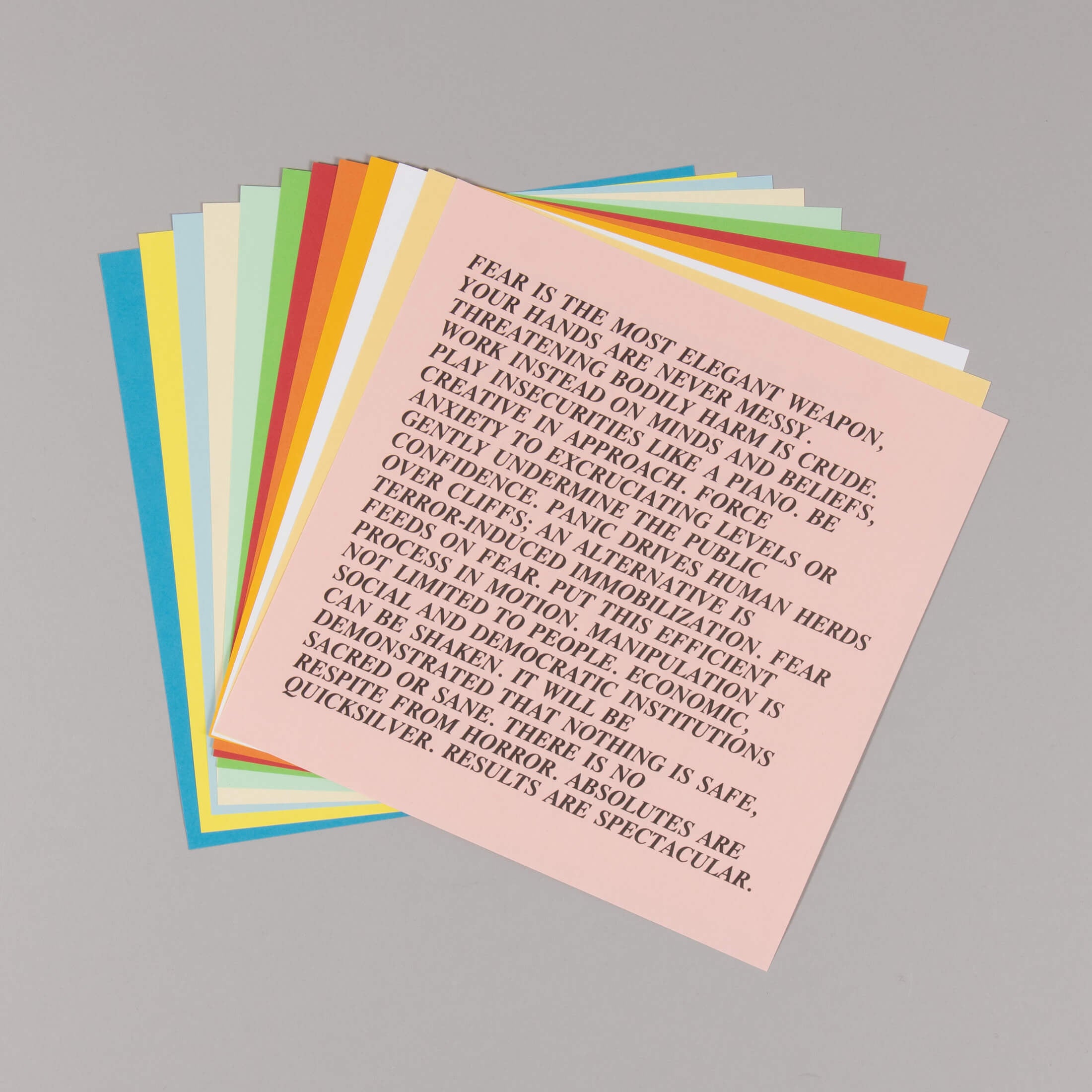
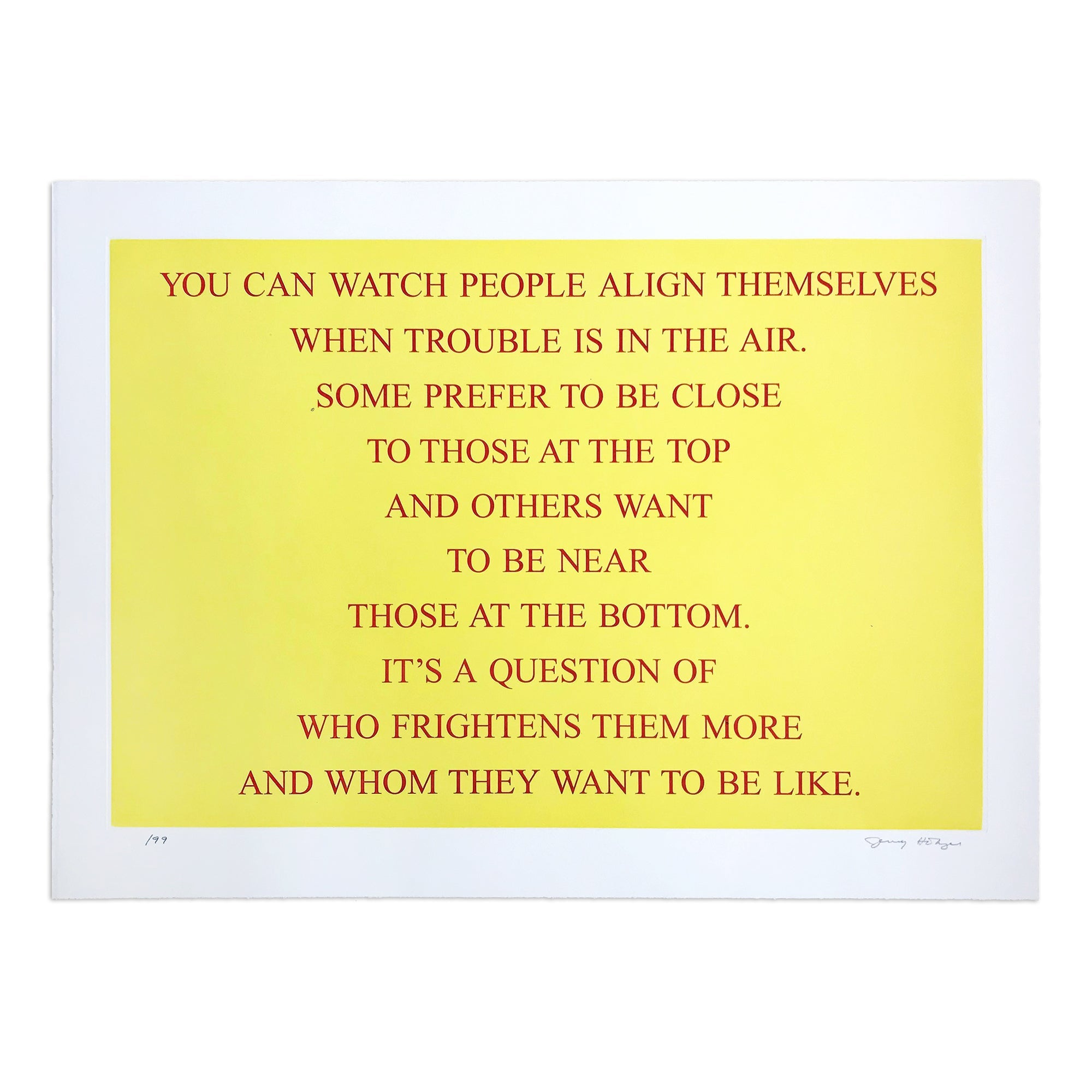
The influence of conceptual art extends far beyond its origins. Its philosophical underpinnings shaped movements as diverse as Minimalism, Performance Art, and Postmodernism. Artists like Jenny Holzer, Barbara Kruger, and Damien Hirst each expanded the legacy of conceptual art by blending intellectual rigor with striking visual impact. Holzer’s Truisms transformed public space into a platform for thought, while Kruger’s bold image-text combinations confronted consumer culture and gender politics. Hirst, inheriting Duchamp’s provocation, reimagined the art object as both spectacle and idea. Marina Abramović’s performances, testing the limits of endurance and audience participation, further redefined the viewer’s role. Together, these conceptual artists made art an act of inquiry — a continuous questioning of what it means to create, to experience, and to collect. Their conceptual artworks, whether printed, installed, or performed, invite engagement that is both intellectual and emotional, bridging the space between thought and form.

Collecting conceptual art differs fundamentally from acquiring traditional paintings or sculptures. While traditional artworks are often valued for their visual or aesthetic appeal, conceptual artworks may appear deliberately unaesthetic — their beauty lies in the clarity, elegance, and originality of the idea itself. For the conceptual artist, form is secondary to thought; the artwork’s true essence is intellectual rather than decorative.
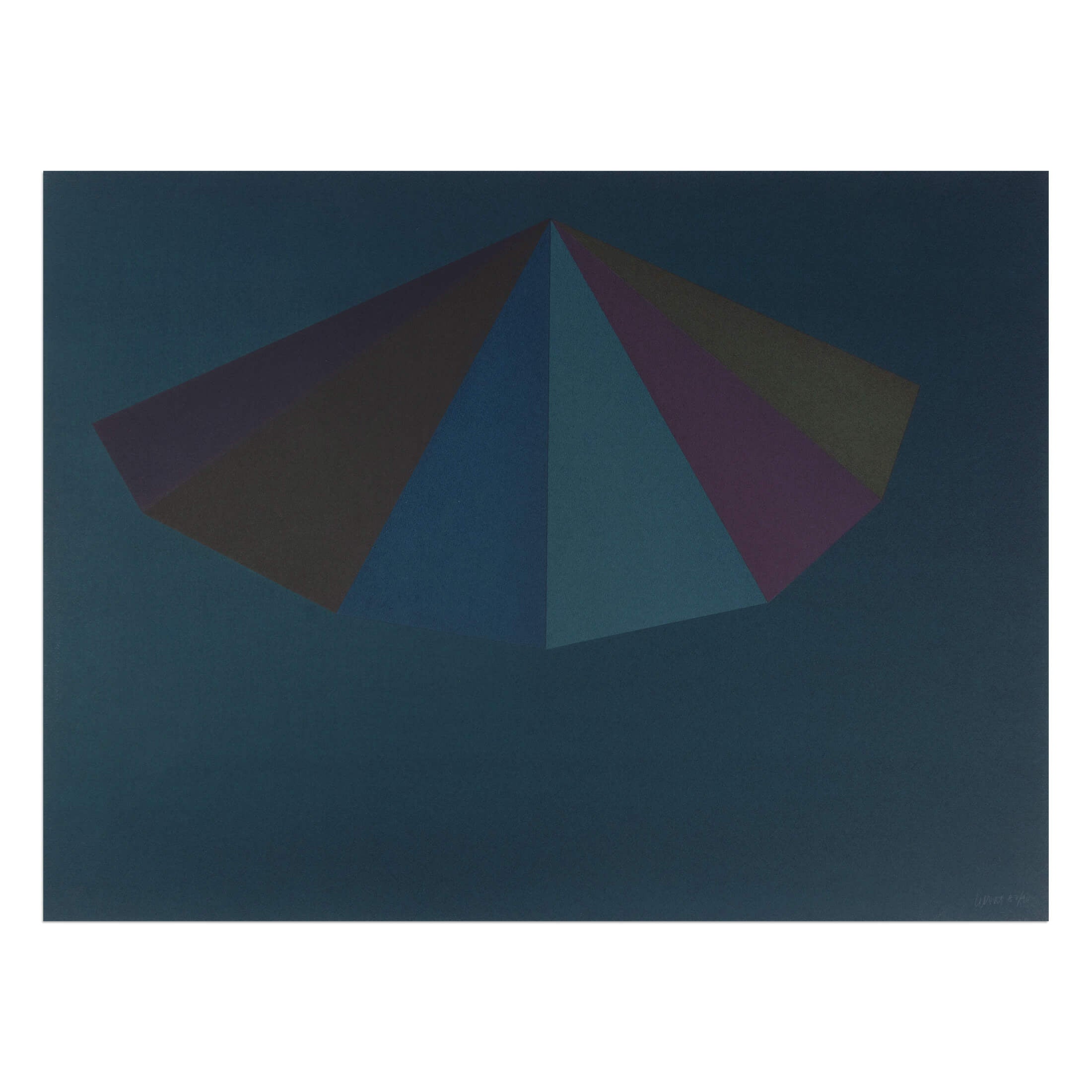
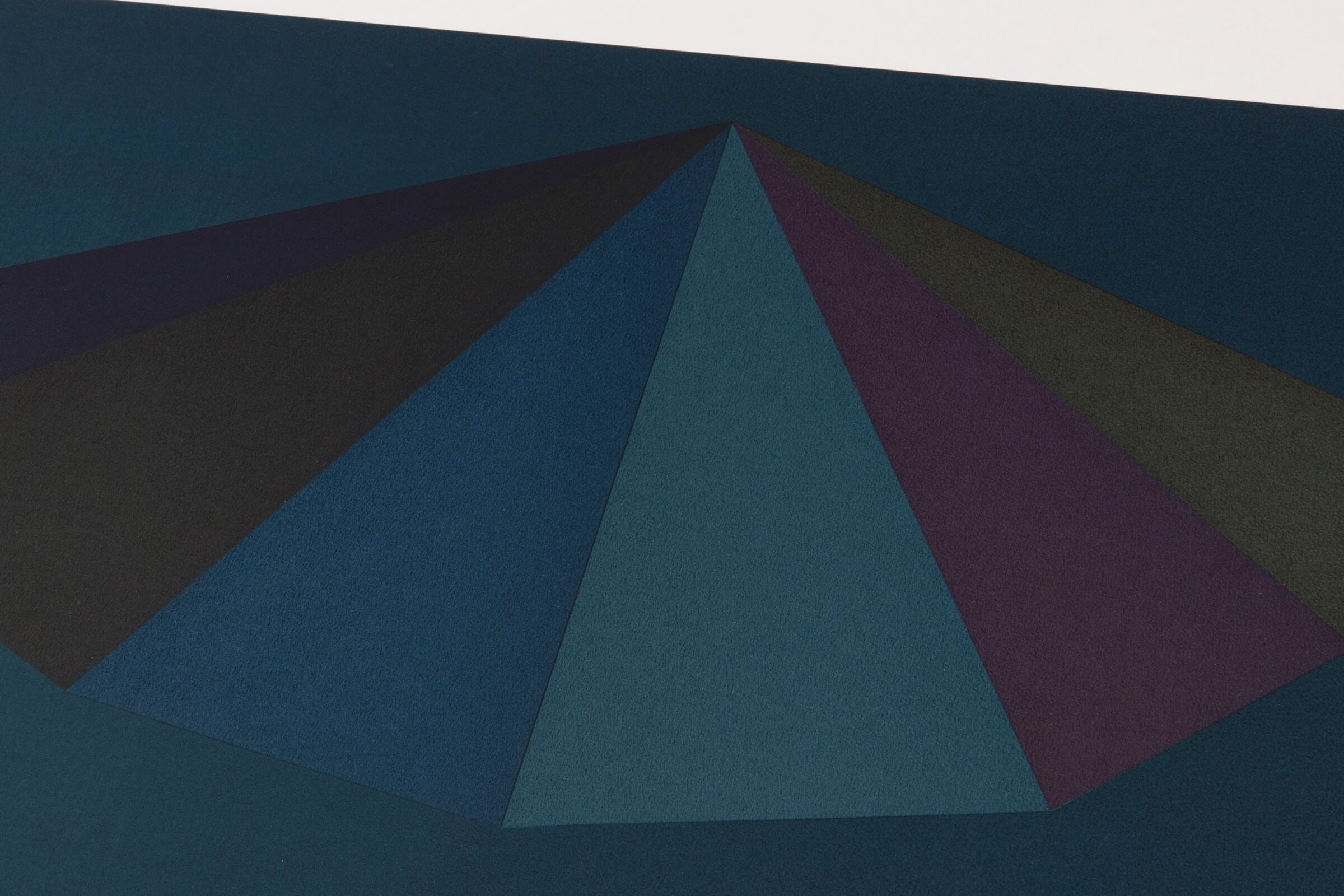
Many artists have used limited editions to make these ideas accessible while preserving conceptual integrity. Art editions by Sol LeWitt, Joseph Kosuth, or Ed Ruscha may exist as executed works, sets of instructions, or certificates of authenticity that define how the piece should be realized. In this sense, collecting conceptual art is an act of engagement rather than passive appreciation. The collector becomes a custodian of meaning, preserving not only the material form but also the artist’s intent and the concept itself. To collect conceptual artworks is to invest in thought — in the enduring beauty of ideas that continue to shape the language of contemporary art.
Conceptual art, as defined in the 1960s and 1970s, marked one of the most radical departures in the history of modern art. Its roots lie in Dada and the revolutionary ideas of Marcel Duchamp, whose readymade Fountain (1917) challenged notions of authorship, originality, and beauty. Duchamp’s declaration that an everyday object could be art redefined the relationship between artist, object, and viewer — laying the foundation for conceptual artists to come.
In the late 1960s, Sol LeWitt’s Paragraphs on Conceptual Art stated that “the idea or concept is the most important aspect of the work,” shifting focus from craft to intellect. Artists such as Joseph Kosuth, John Baldessari, and Lawrence Weiner expanded on this, using language, instruction, and photography to interrogate art’s very definition. Conceptual artworks became investigations rather than objects — reflections of pure thought materialized through form, text, or gesture.
The influence of conceptual art extends far beyond its origins. Its philosophical underpinnings shaped movements as diverse as Minimalism, Performance Art, and Postmodernism. Artists like Jenny Holzer, Barbara Kruger, and Damien Hirst each expanded the legacy of conceptual art by blending intellectual rigor with striking visual impact. Holzer’s Truisms transformed public space into a platform for thought, while Kruger’s bold image-text combinations confronted consumer culture and gender politics. Hirst, inheriting Duchamp’s provocation, reimagined the art object as both spectacle and idea. Marina Abramović’s performances, testing the limits of endurance and audience participation, further redefined the viewer’s role. Together, these conceptual artists made art an act of inquiry — a continuous questioning of what it means to create, to experience, and to collect. Their conceptual artworks, whether printed, installed, or performed, invite engagement that is both intellectual and emotional, bridging the space between thought and form.
Collecting conceptual art differs fundamentally from acquiring traditional paintings or sculptures. While traditional artworks are often valued for their visual or aesthetic appeal, conceptual artworks may appear deliberately unaesthetic — their beauty lies in the clarity, elegance, and originality of the idea itself. For the conceptual artist, form is secondary to thought; the artwork’s true essence is intellectual rather than decorative.
Many artists have used limited editions to make these ideas accessible while preserving conceptual integrity. Art editions by Sol LeWitt, Joseph Kosuth, or Ed Ruscha may exist as executed works, sets of instructions, or certificates of authenticity that define how the piece should be realized. In this sense, collecting conceptual art is an act of engagement rather than passive appreciation. The collector becomes a custodian of meaning, preserving not only the material form but also the artist’s intent and the concept itself. To collect conceptual artworks is to invest in thought — in the enduring beauty of ideas that continue to shape the language of contemporary art.


Buy art online
Shop art editions online with transparent pricing, accurate condition reports, and fast dispatch. Designed for international collectors, we make buying limited edition prints and artworks simple, secure, and reliable.
Worldwide shipping
We ship art editions worldwide with full insurance and tracking. Handled only by trusted international carriers, each shipment is securely packaged and typically dispatched within 5 days.
Professional packaging
Every artwork is packaged to the highest professional standards. Using solid multi-layer cardboard and protective materials, we ensure your art editions arrive safely and in excellent condition.
Secure payment
Buy with confidence using secure, encrypted payments backed by advanced fraud protection. Every transaction is processed with trusted technology, ensuring a smooth and worry-free checkout for collectors worldwide.