
















About Joseph Beuys
Joseph Beuys (1921–1986) was one of the most influential figures of postwar European art, whose work radically expanded the definition of what art could be. Rooted in social philosophy, humanism, and anthroposophy, Beuys understood art as a transformative force capable of reshaping society itself. His famous assertion that "everyone is an artist" encapsulated his belief that creativity was a universal human capacity rather than a specialist profession.
Working across performance, sculpture, installation, drawing, Fluxus actions, and multiples, Beuys consistently blurred the boundaries between art, politics, and everyday life. Materials such as felt and animal fat became recurring symbolic elements in his practice, representing warmth, protection, energy, and transformation. These unconventional materials reinforced his conviction that meaning could emerge from the most ordinary substances.
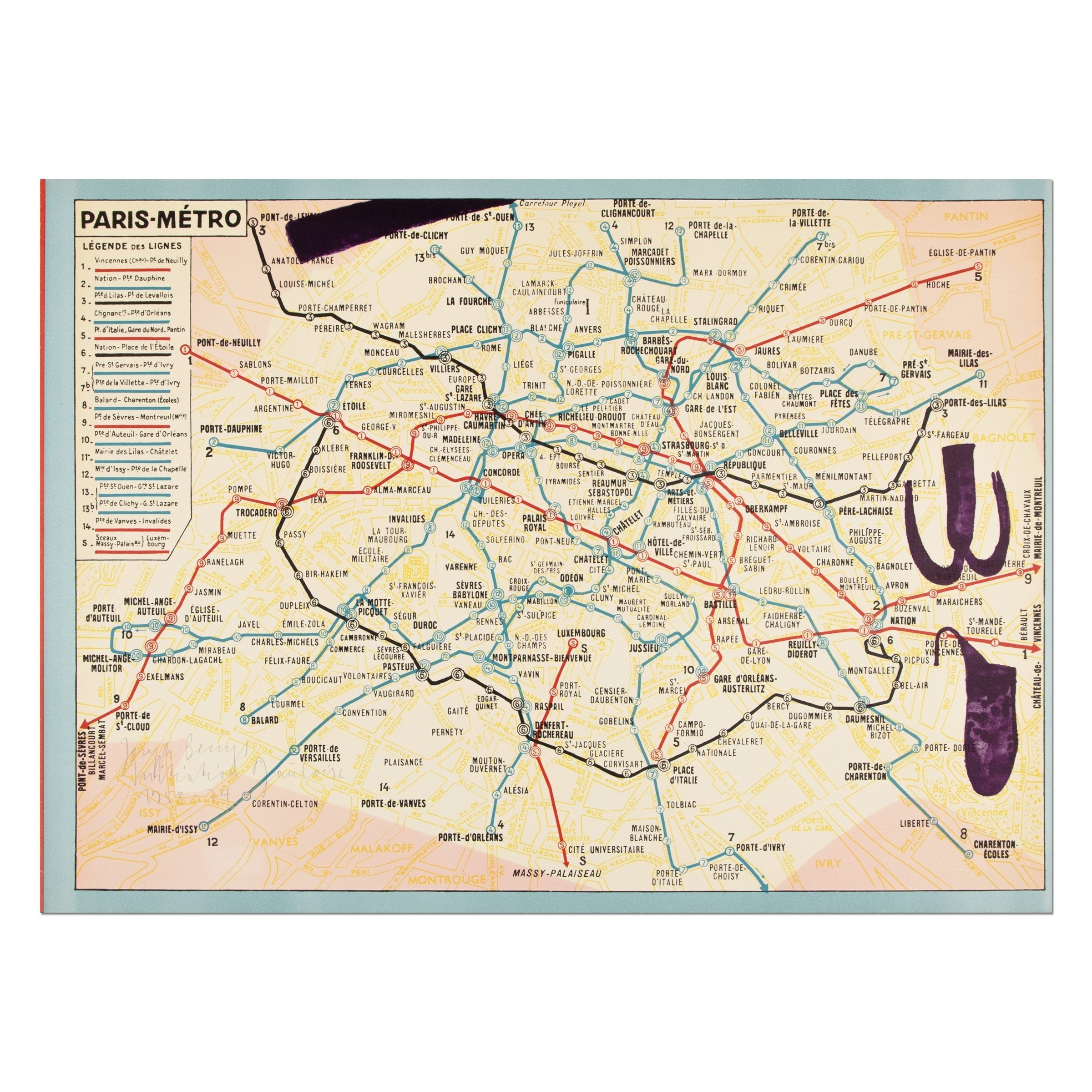
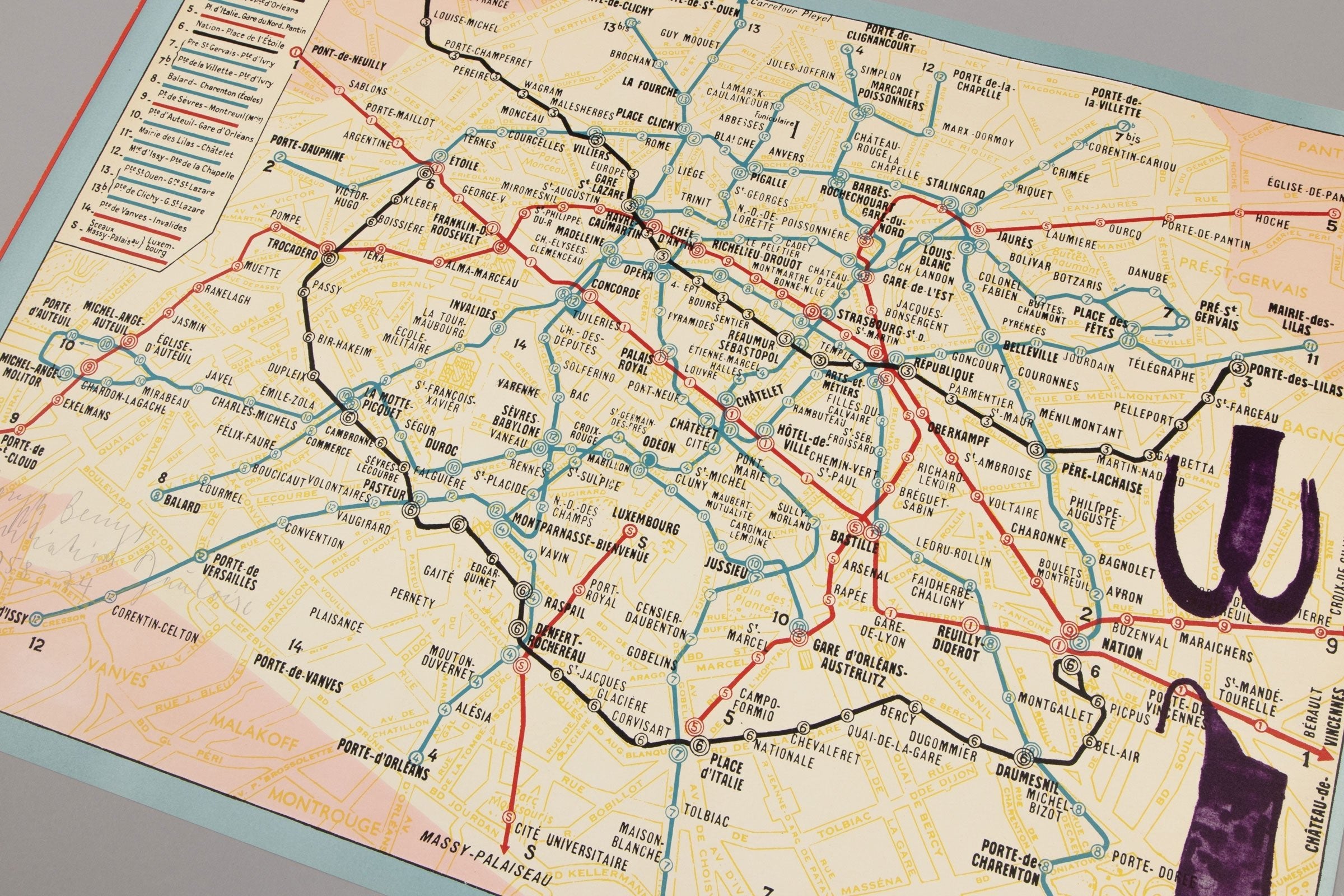
Editions and multiples played a central role in Beuys's practice. He viewed fine art prints and objects not as secondary artworks, but as essential vehicles for disseminating ideas beyond the museum, aligning with his vision of art as a democratic and socially engaged process. Through these limited editions, Joseph Beuys extended his concepts into accessible formats that allowed direct engagement with a wider public.
Beuys's international significance was firmly established during his lifetime, notably with a major retrospective at the Solomon R. Guggenheim Museum in 1979. Since his death, his artworks have been the subject of major exhibitions at institutions including the Centre Pompidou, Tate Modern, Museo Reina Sofía, and Hamburger Bahnhof. Today, Joseph Beuys remains a defining figure in contemporary art, revered for his enduring influence on conceptual practice, social sculpture, and the relationship between art and society.


