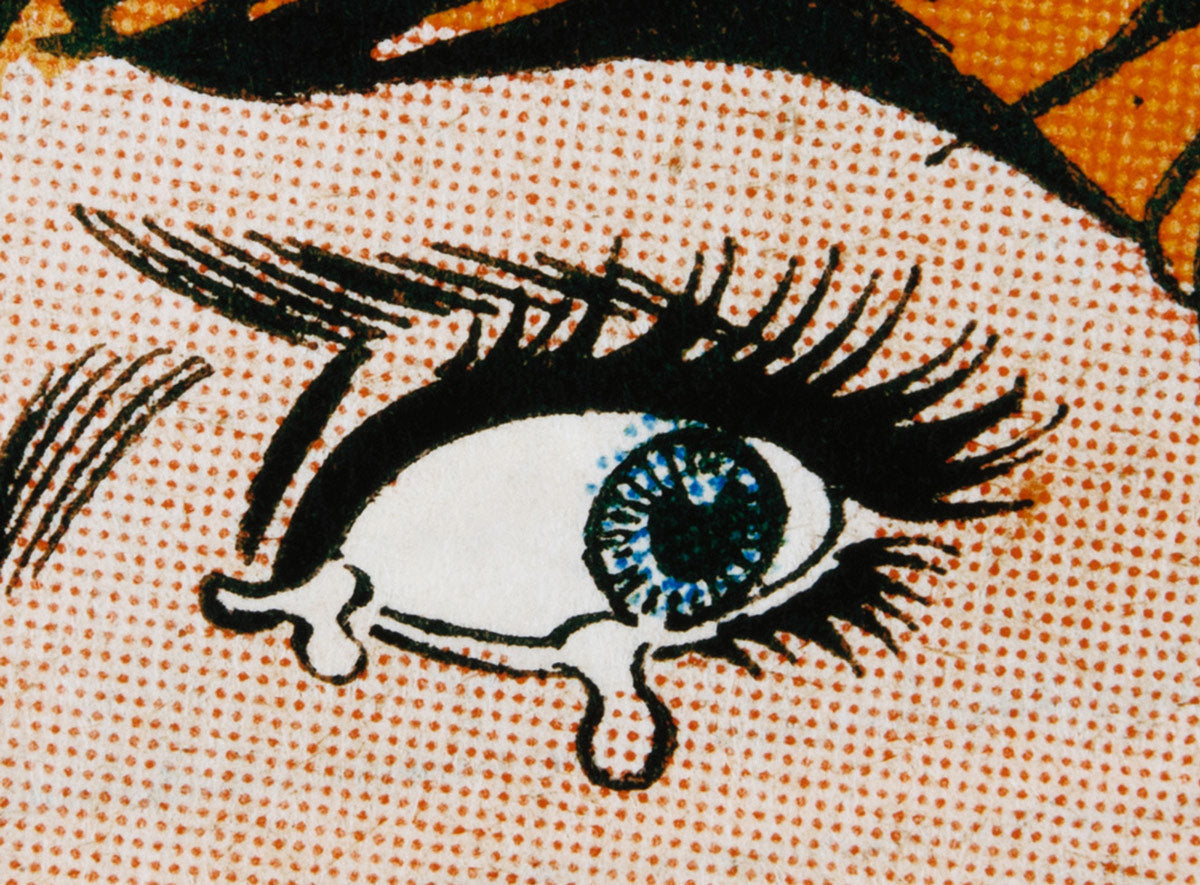
Women Artists

For most of the twentieth century, the institutions that defined artistic value systematically excluded women — not by accident, but by design. The artists in this collection built entirely new positions: Louise Bourgeois transforming autobiography into monumental sculpture, Kara Walker turning the silhouette into a political instrument, Jenny Holzer weaponising language as public art — and many others whose work holds a place in the permanent collections of MoMA, Tate, and the Centre Pompidou.

Browse signed prints and editions by women artists now.

Filters

Sort by:

87 products

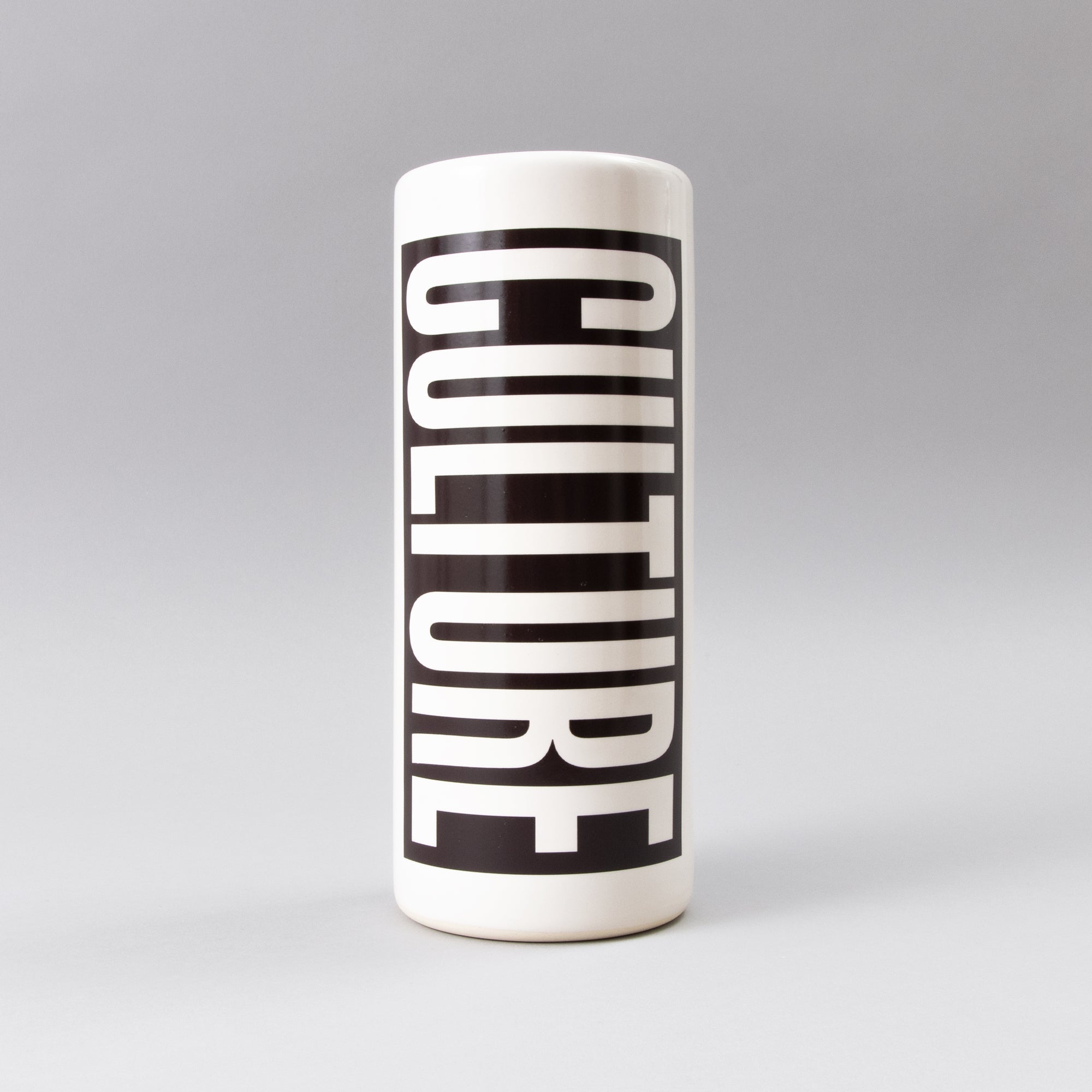
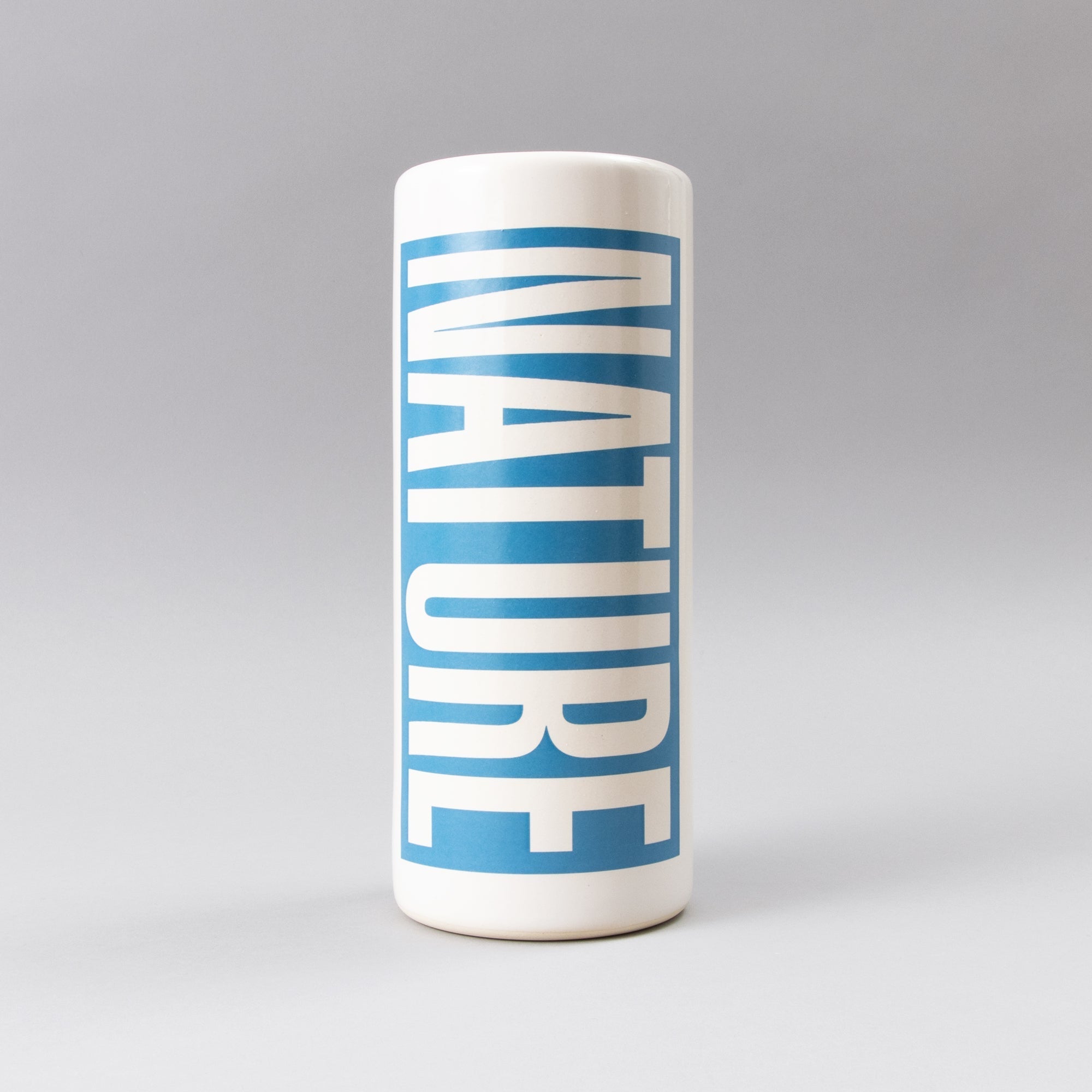
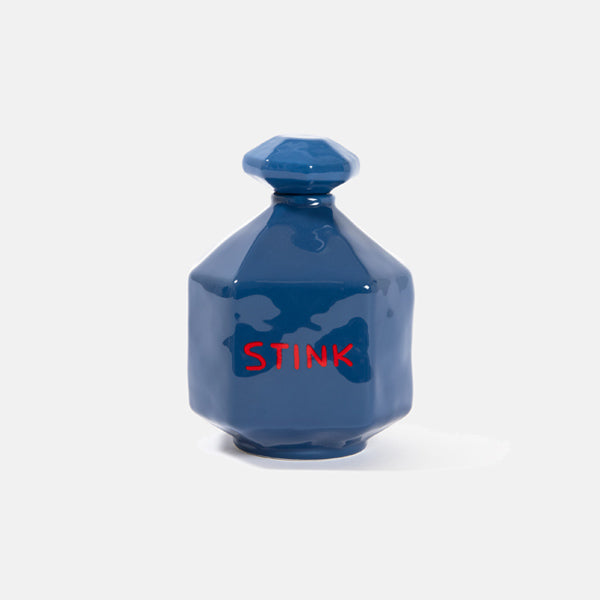
Barbara Kruger - Culture Nature VaseBarbara Kruger - Culture Nature Vase
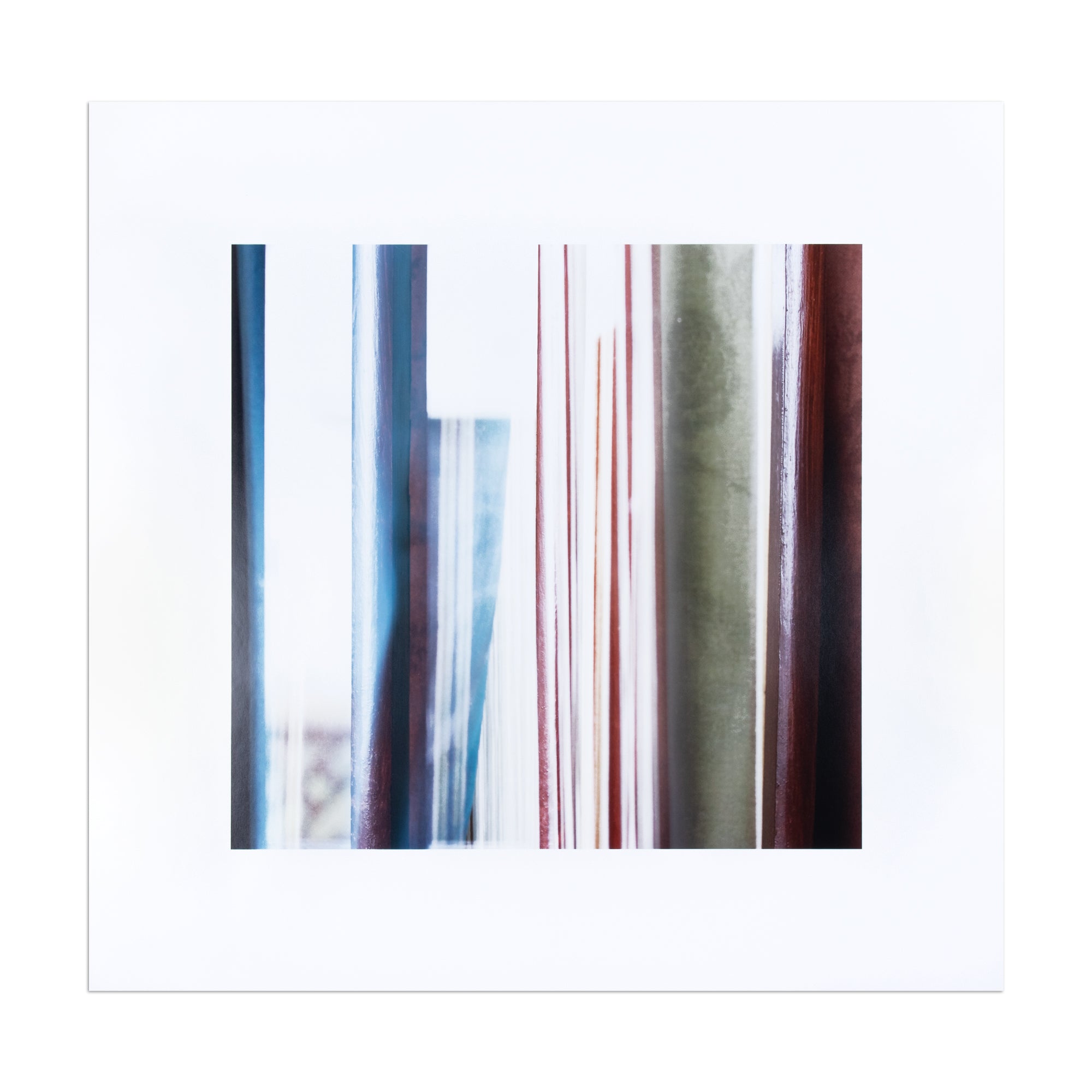
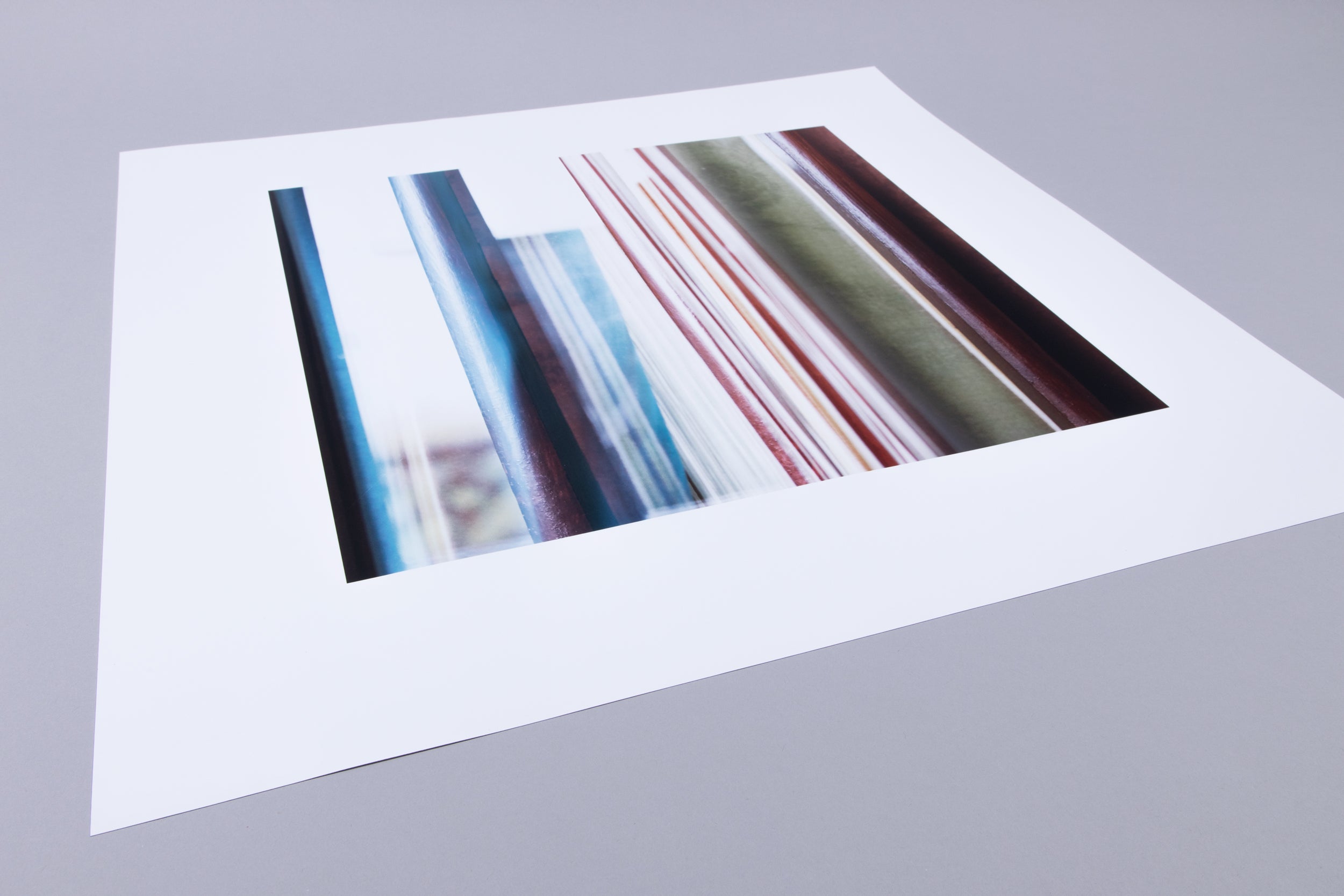
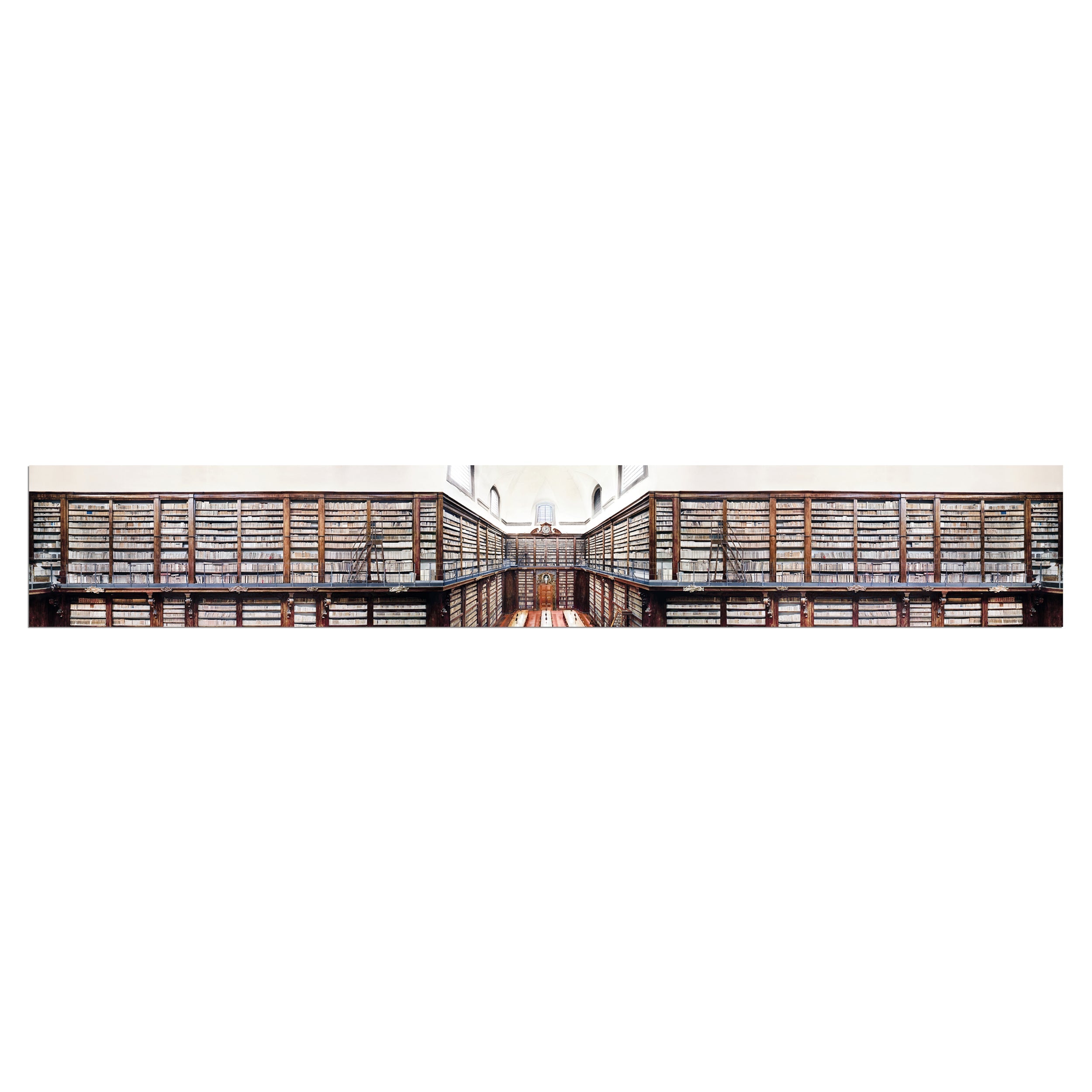
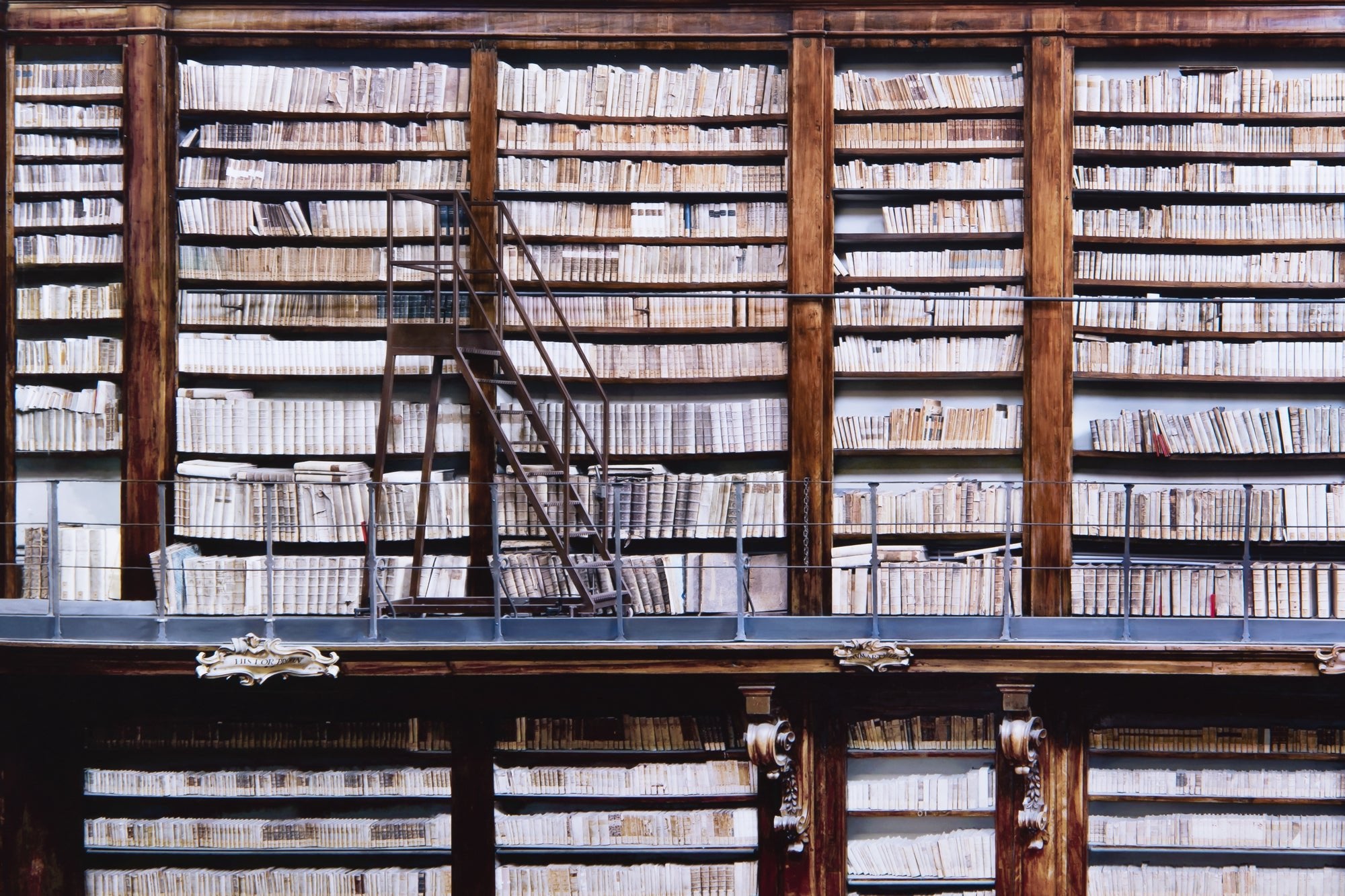
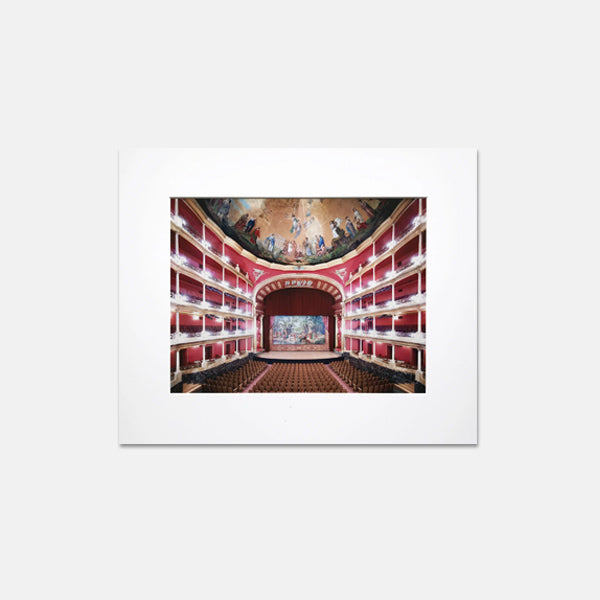
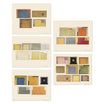
Candida Höfer - Colored WoodCandida Höfer - Colored Wood
Candida Höfer - Colored Wood Sale price€2.600,00
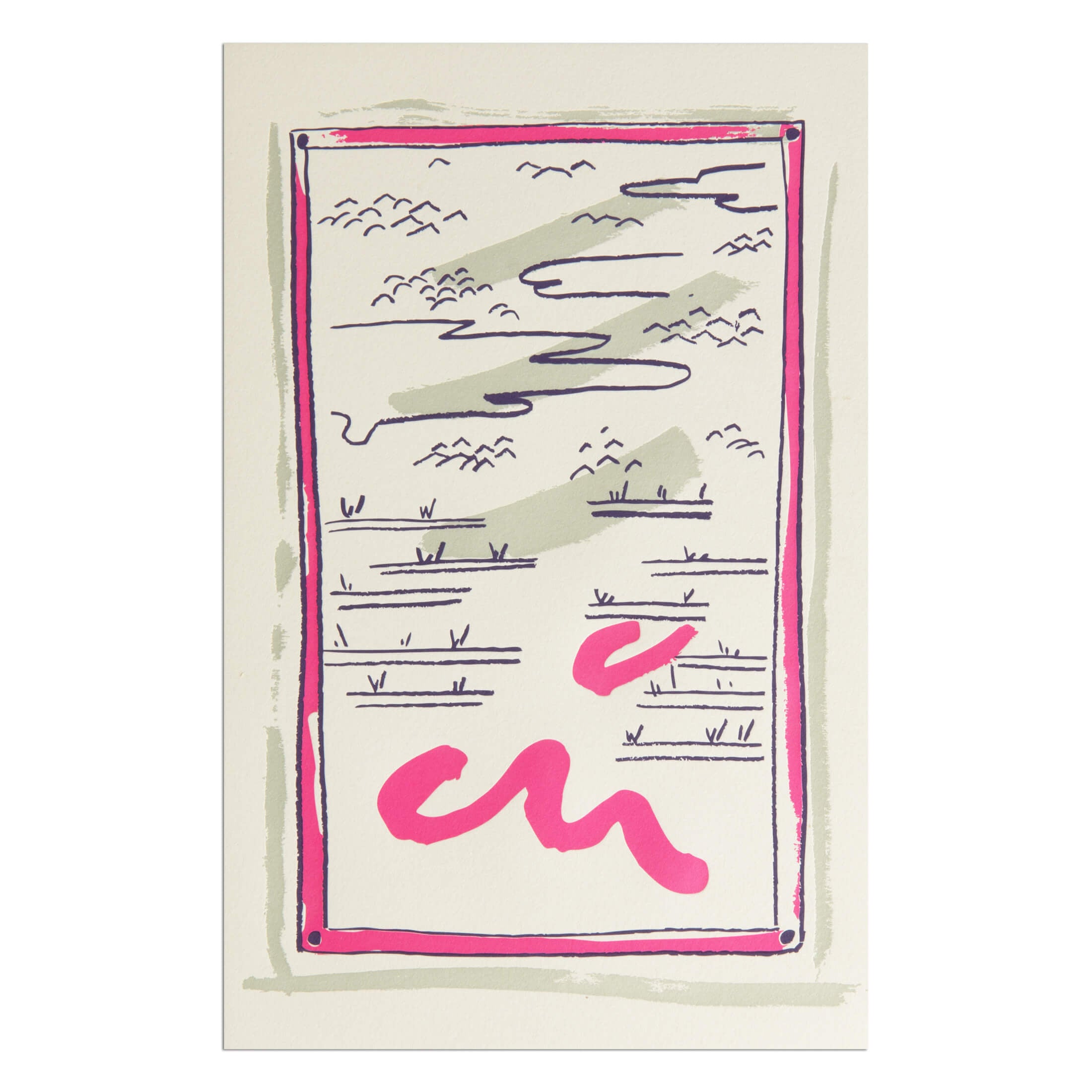
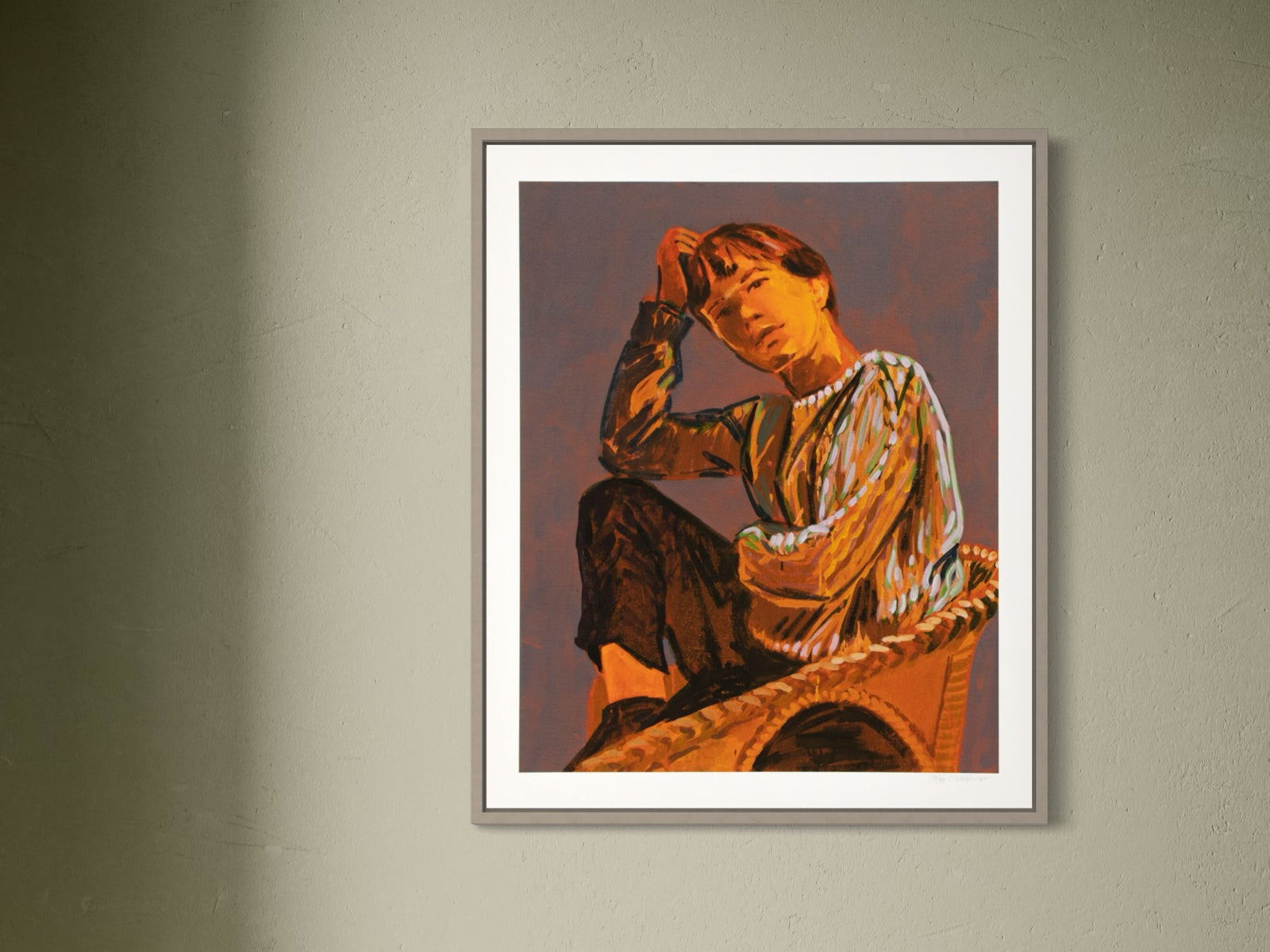
Elizabeth Peyton - E (Self-Portrait)
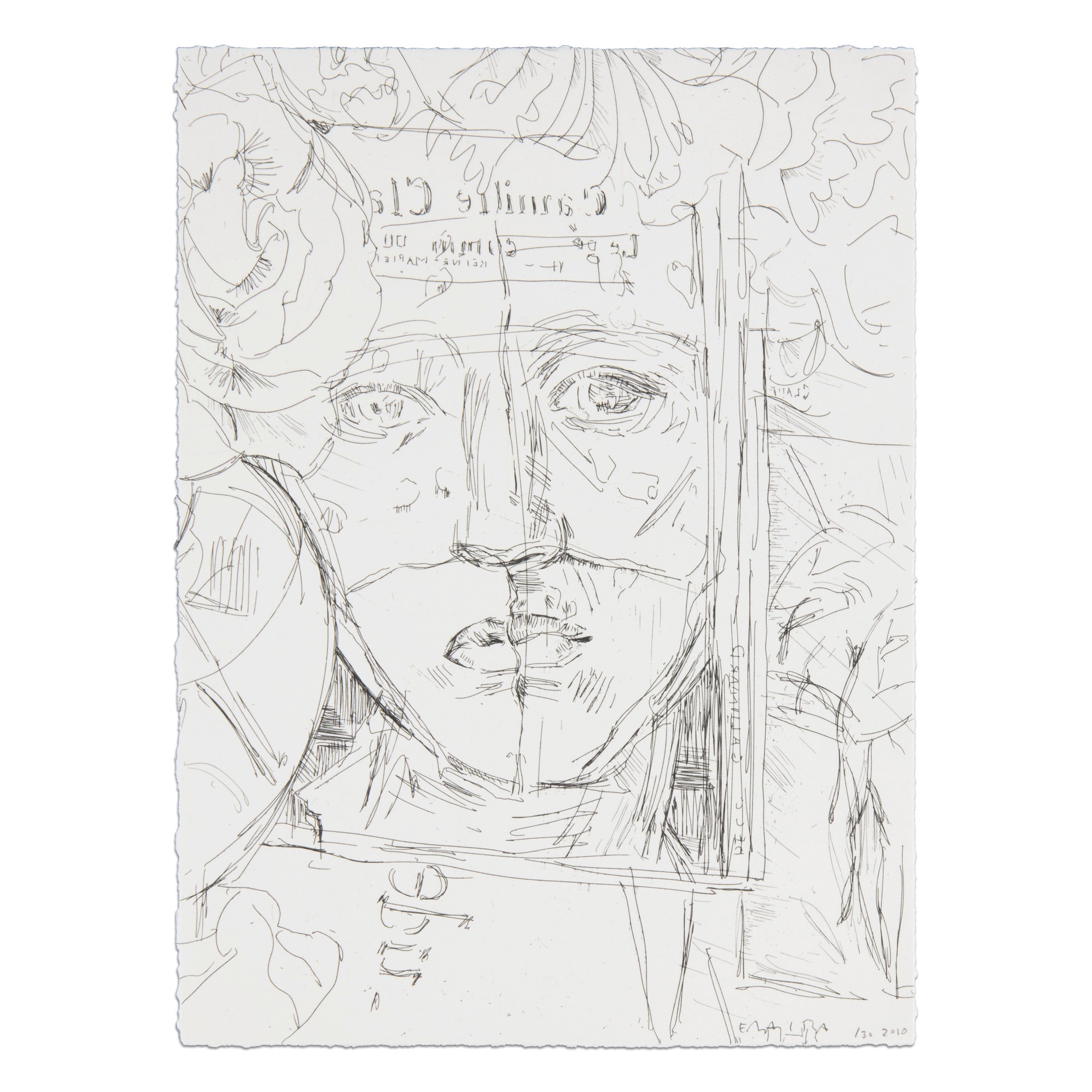
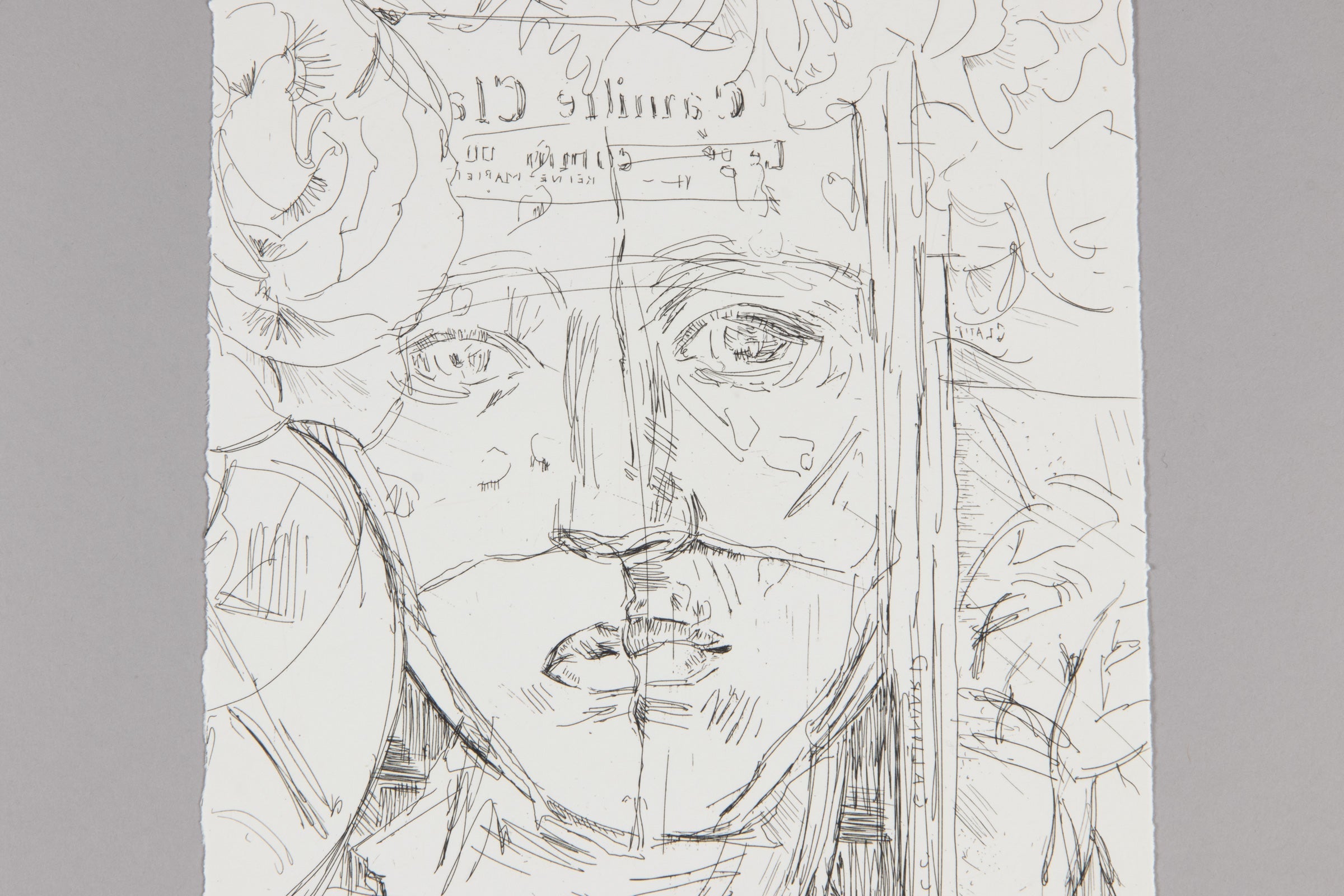
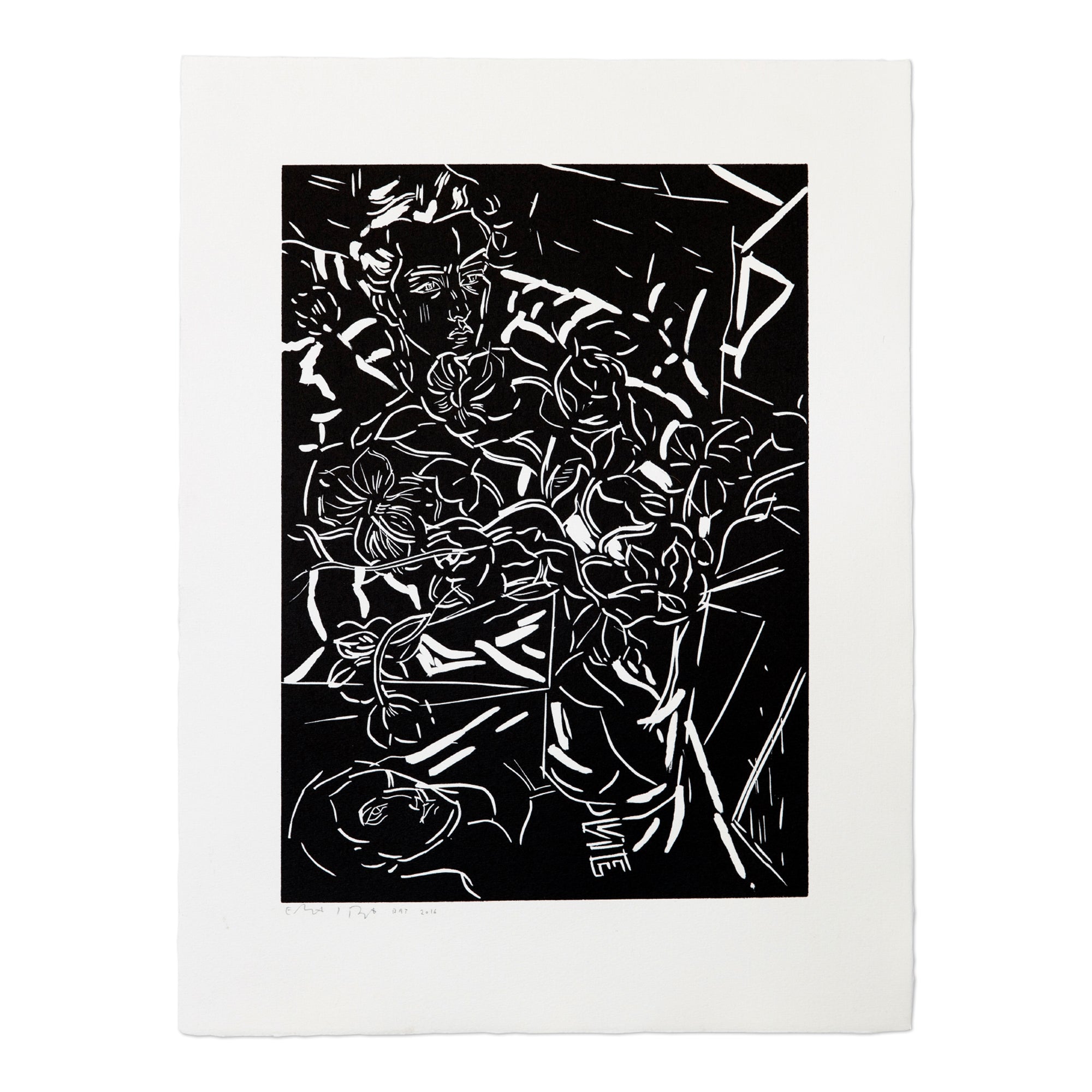
Elizabeth Peyton - Camille Claudel Flowers and BooksElizabeth Peyton - Camille Claudel Flowers and Books
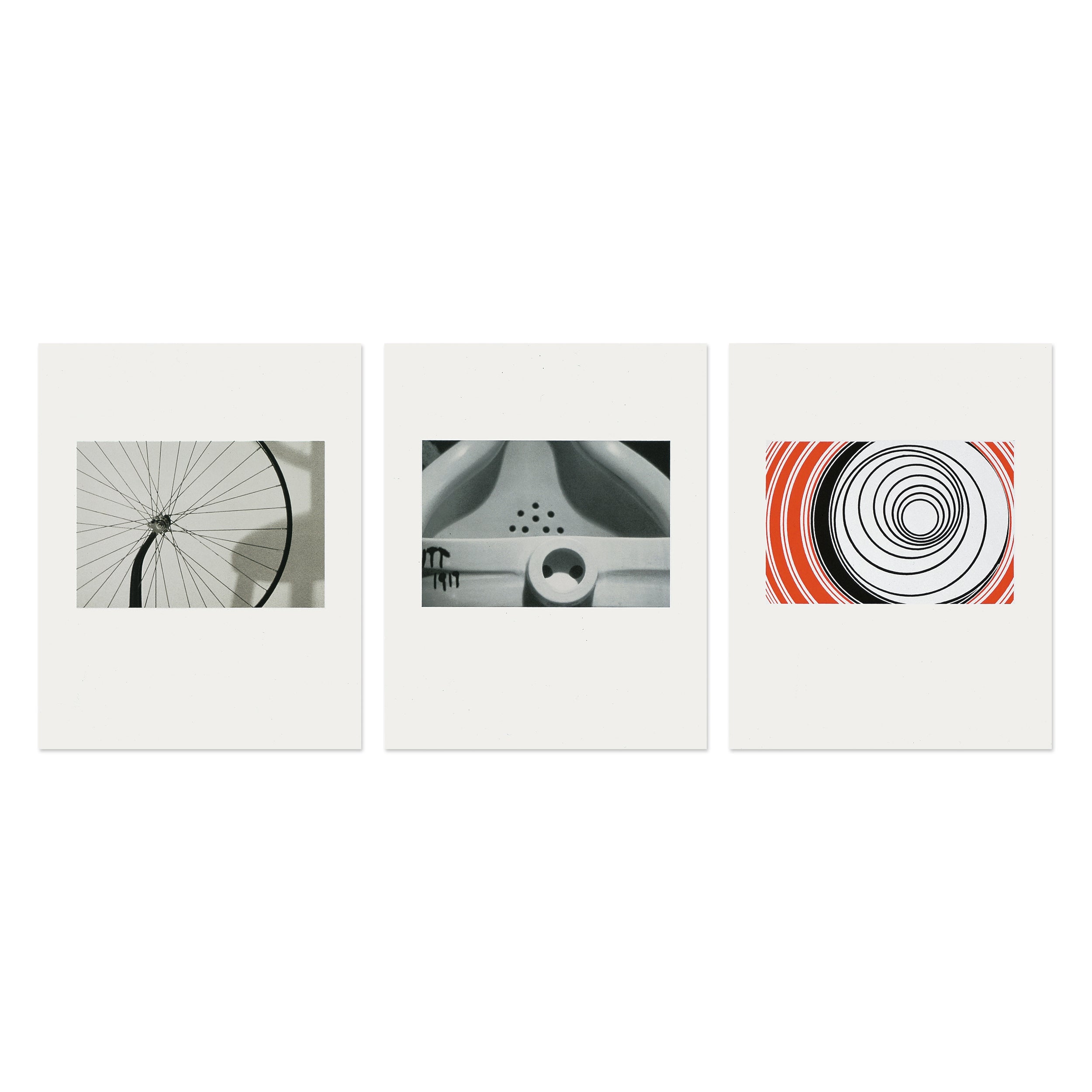
Elaine Sturtevant - Duchamp Triptych
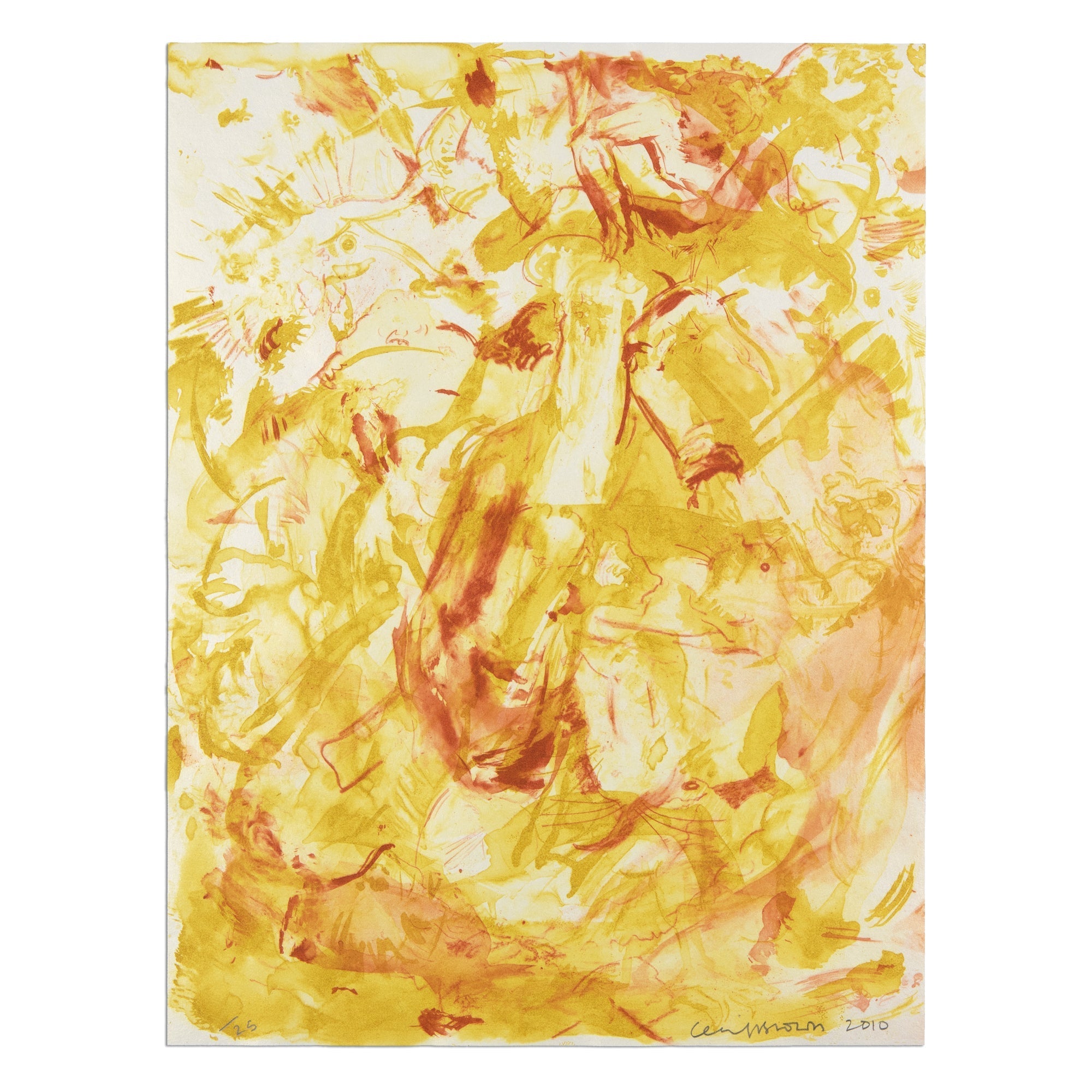
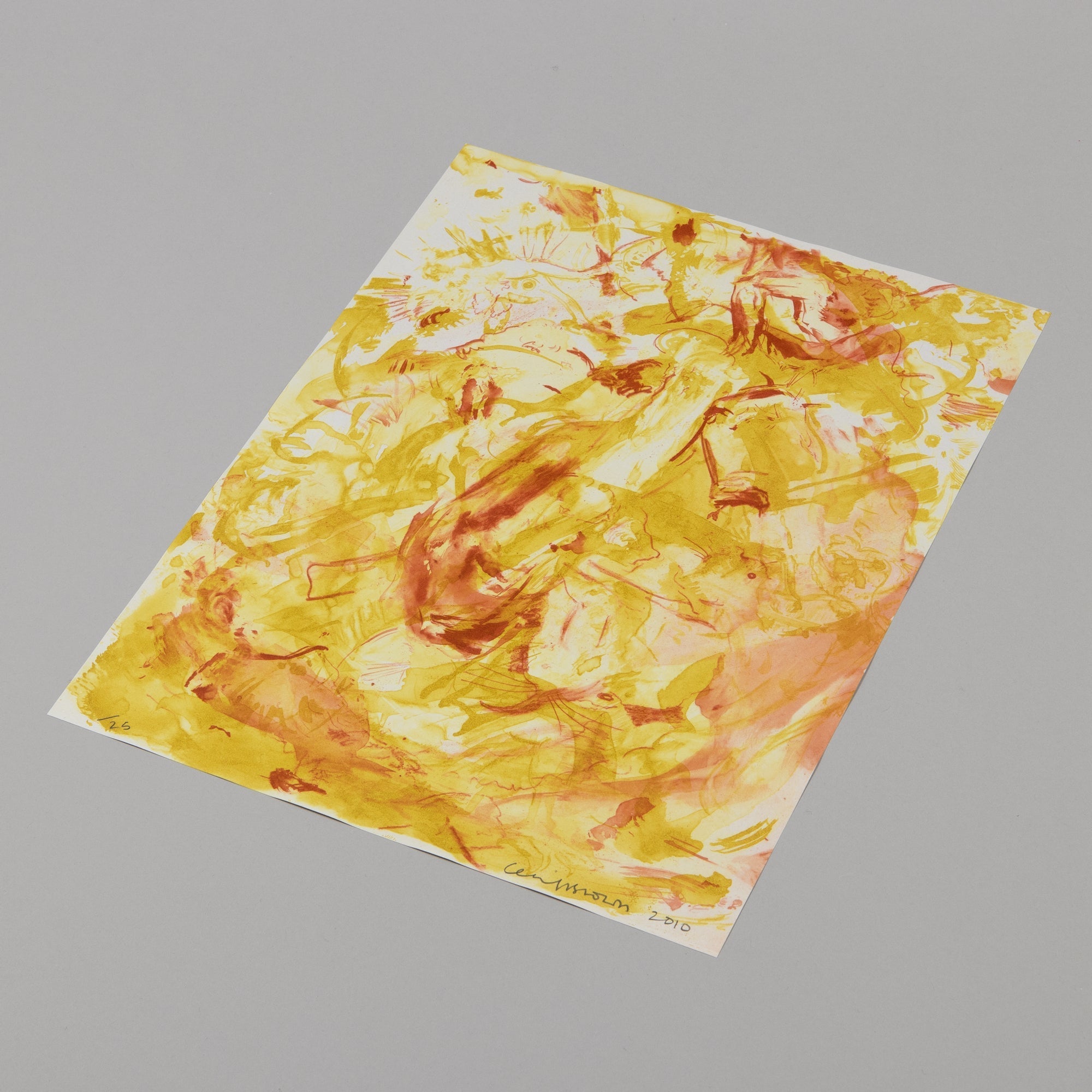
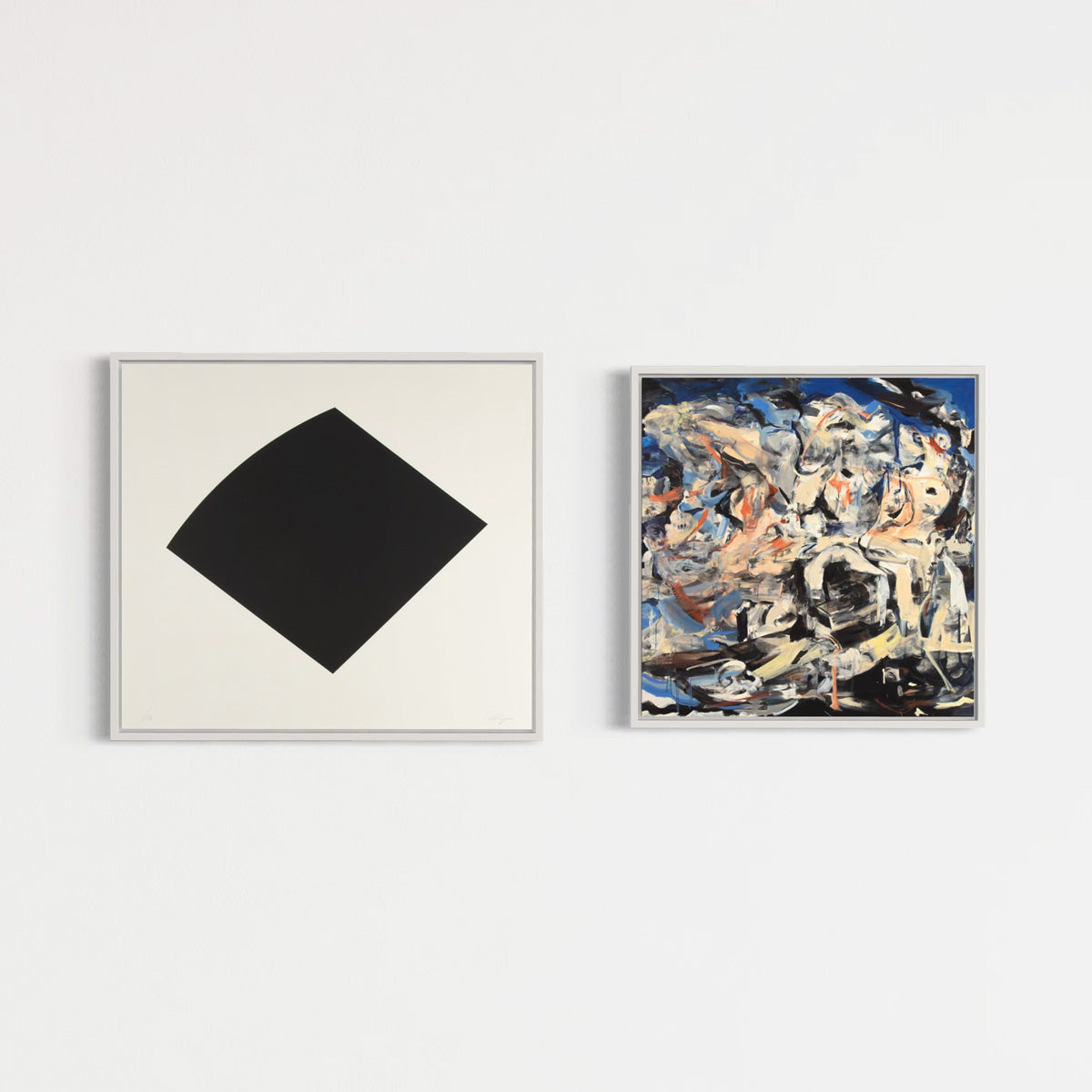
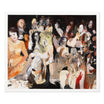
Cecily Brown - The Tribulations of St. AnthonyCecily Brown - The Tribulations of St. Anthony
Elizabeth Peyton - Frank Ocean
Elizabeth Peyton – Frank Ocean Sale price€4.200,00
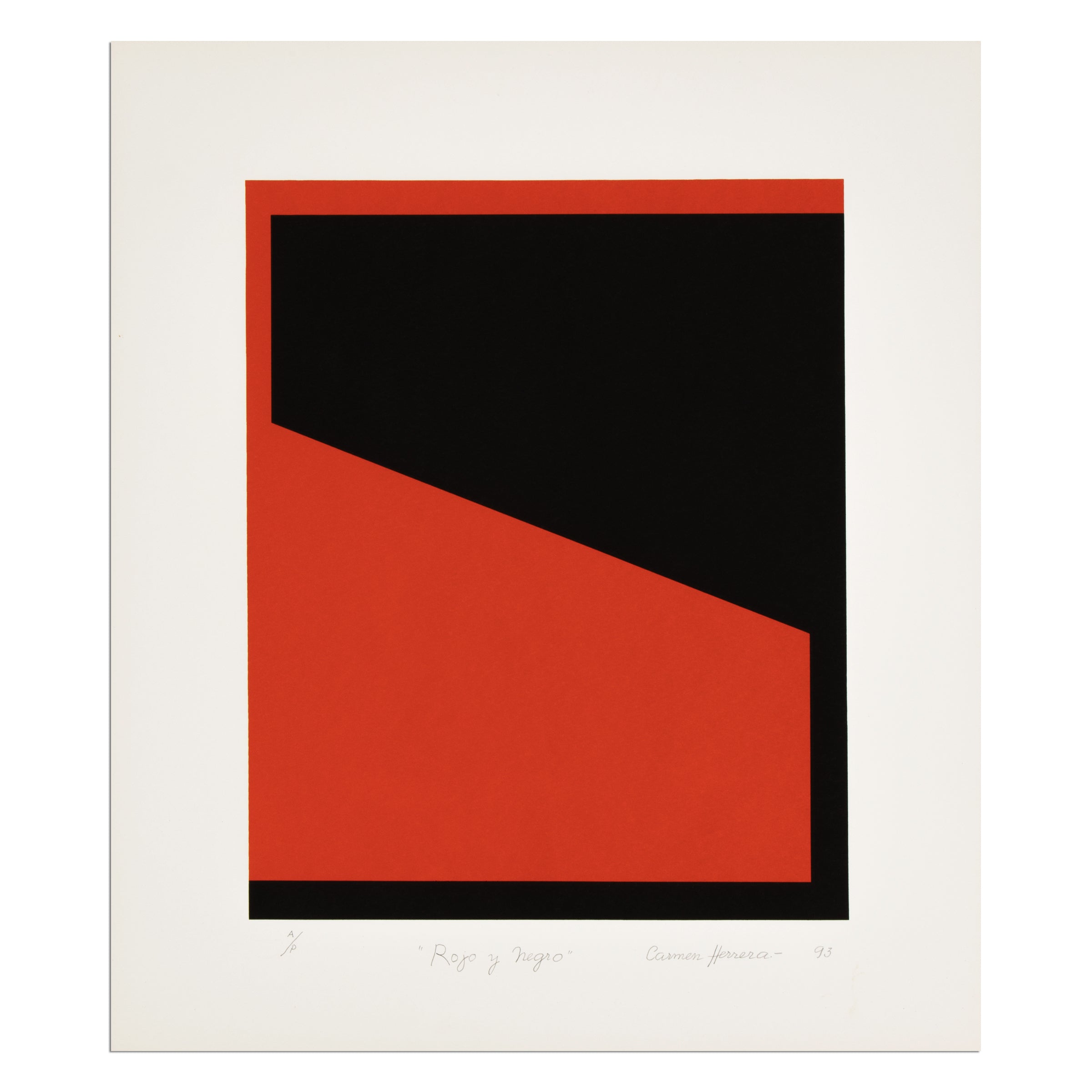
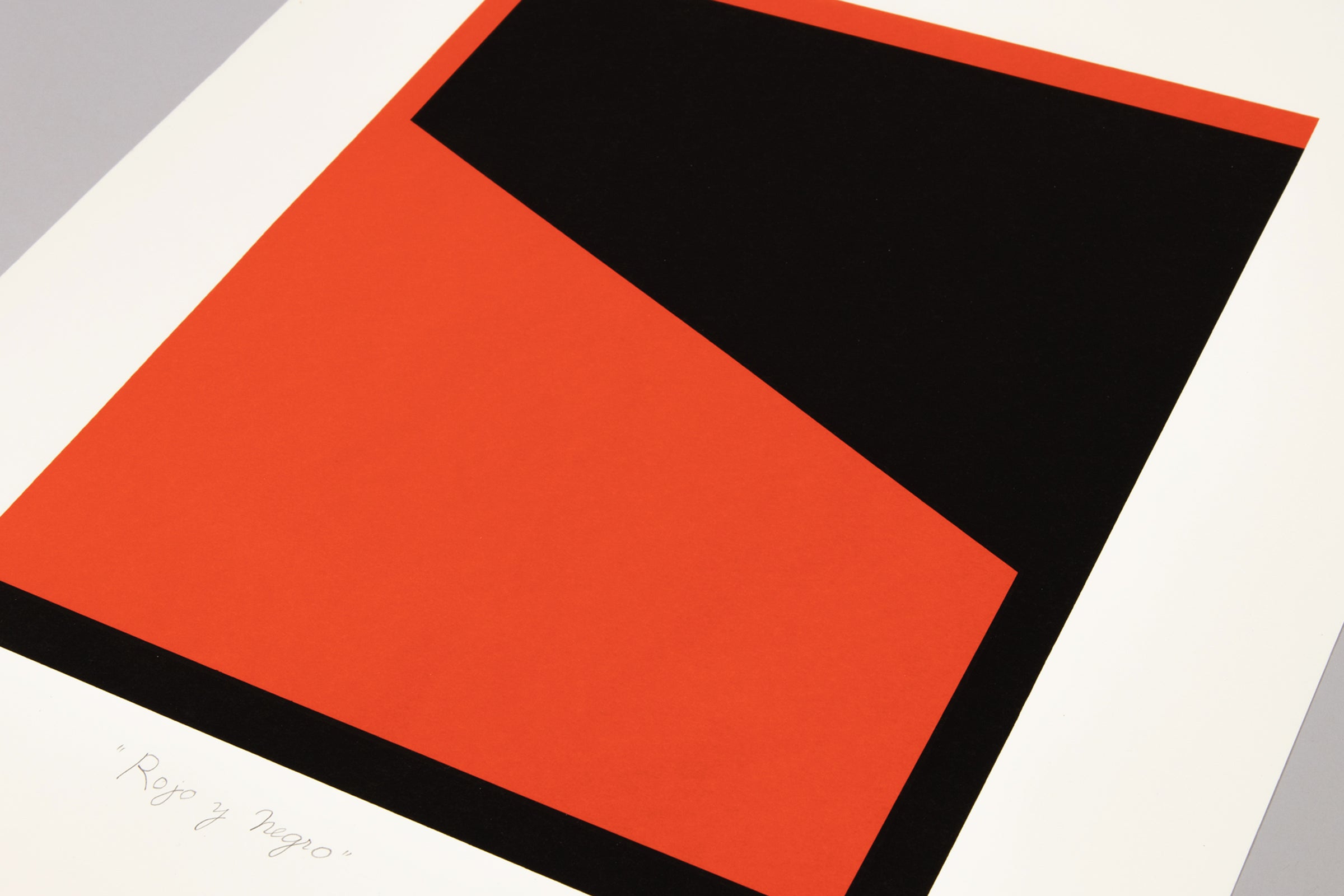
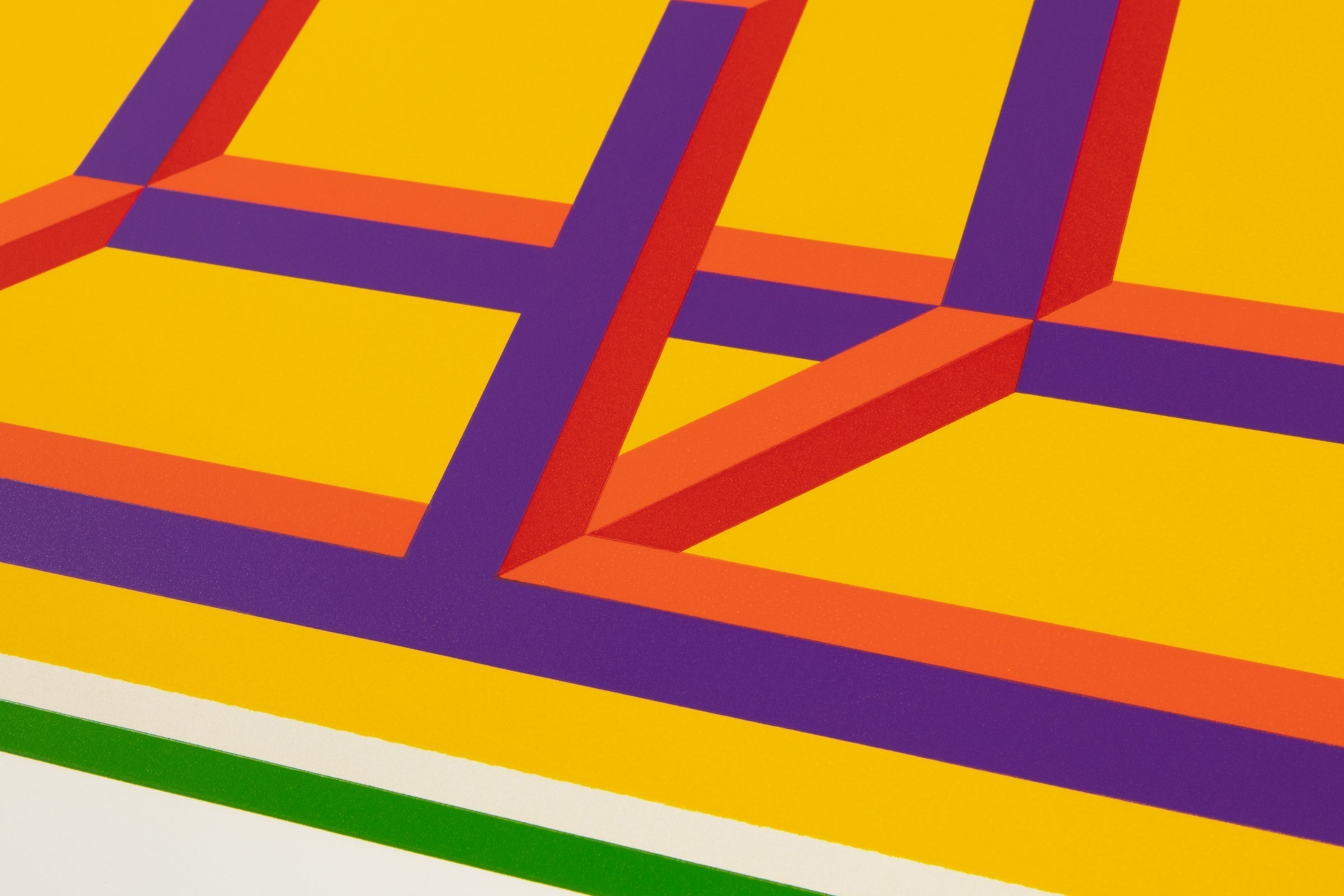
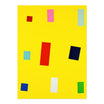
Carmen Herrera - Rojo y NegroCarmen Herrera - Rojo y Negro
Carmen Herrera - Rojo y Negro Sale price€7.000,00
Sold out
Jenny Holzer - Water Board 0000090Jenny Holzer - Water Board 0000090
Sold out
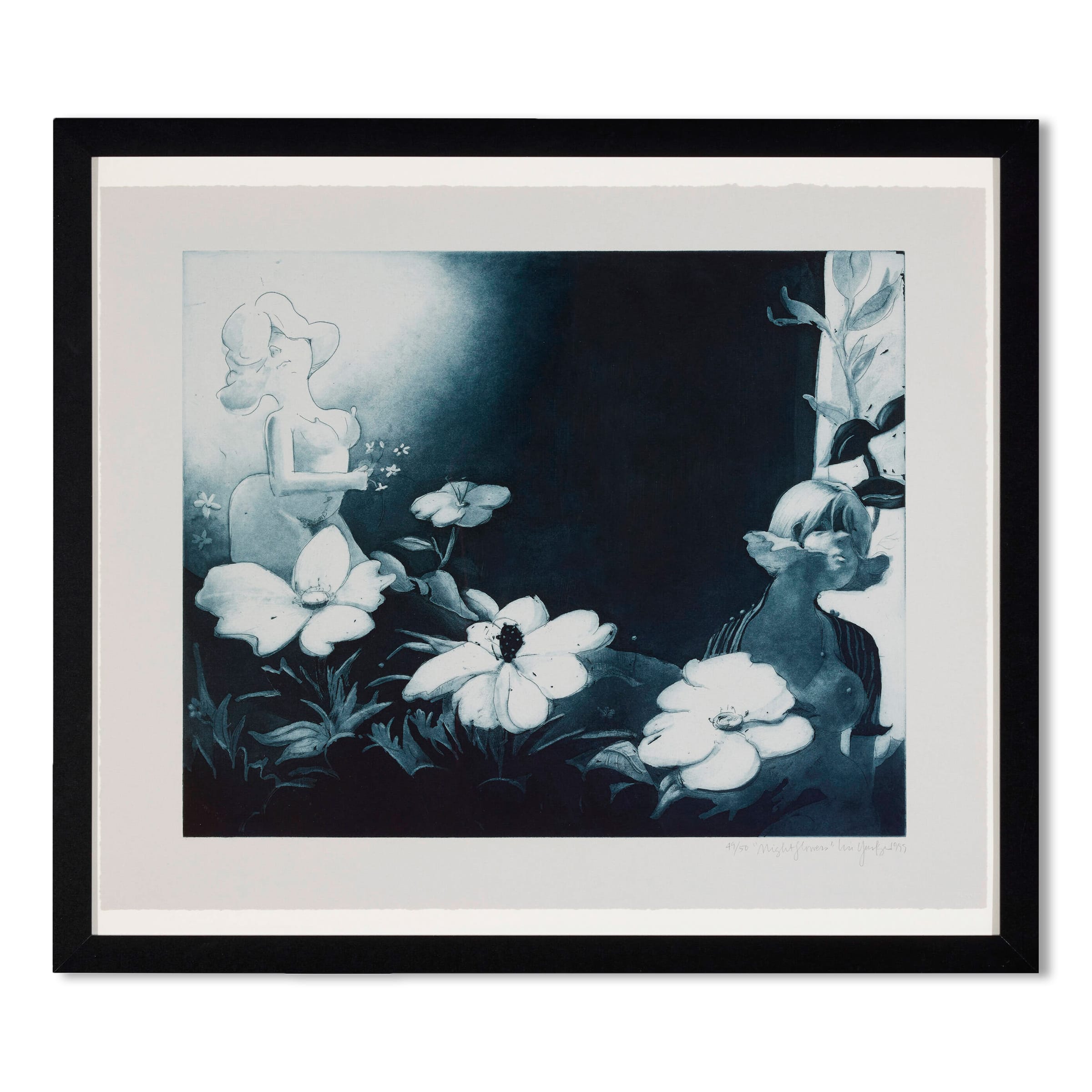
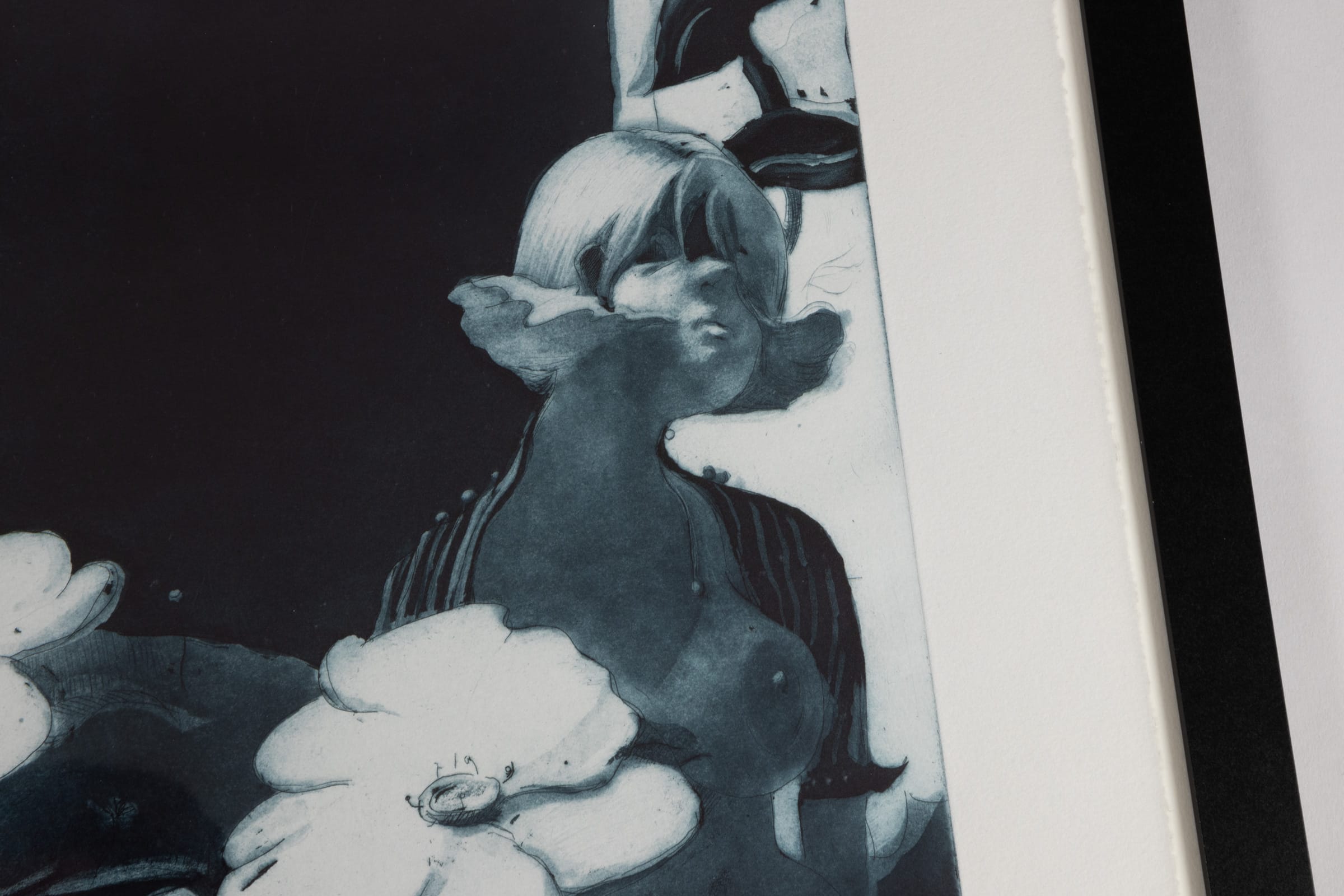
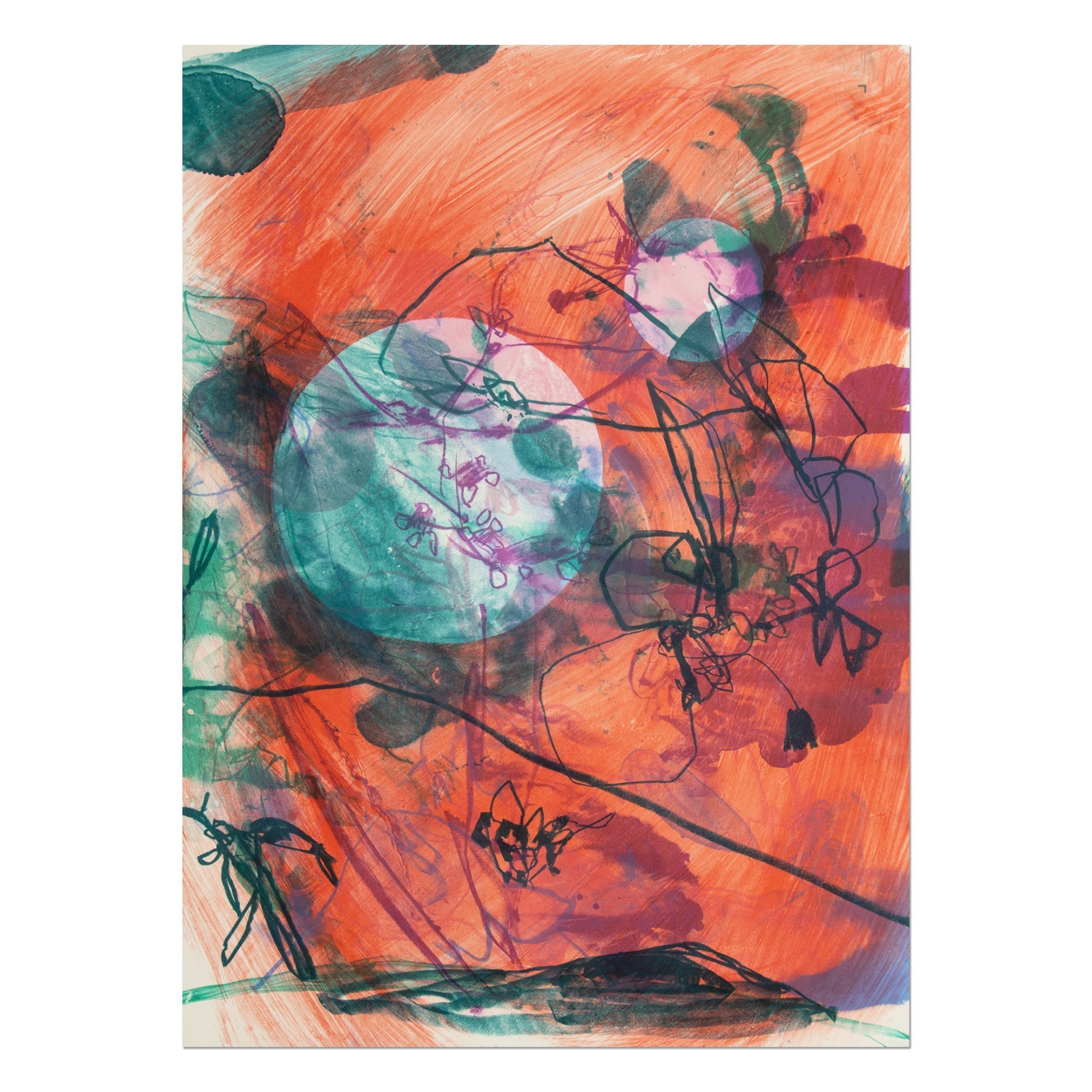
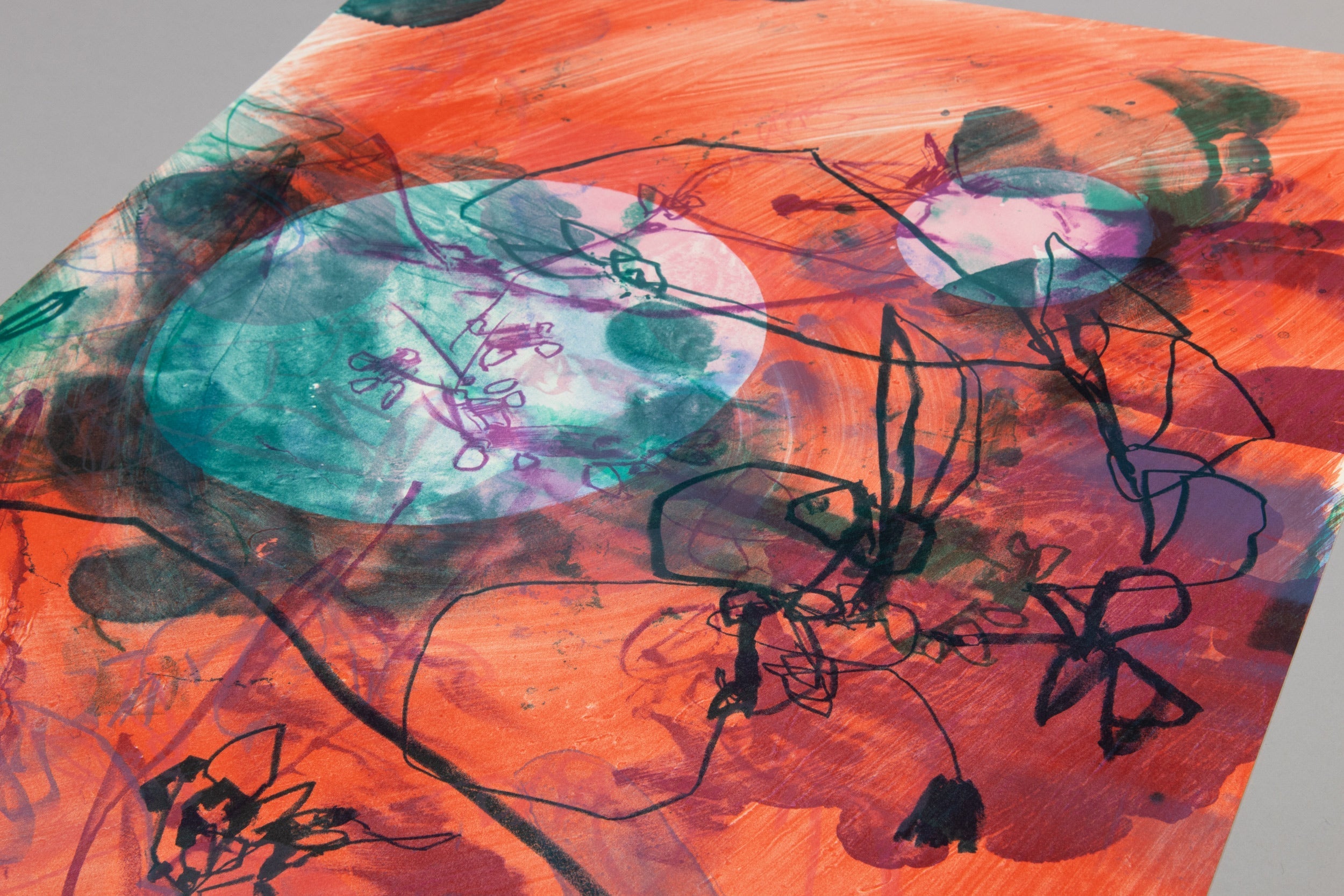
Lisa Yuskavage - Night FlowersLisa Yuskavage - Night Flowers
Lisa Yuskavage - Night Flowers Sale price€4.000,00
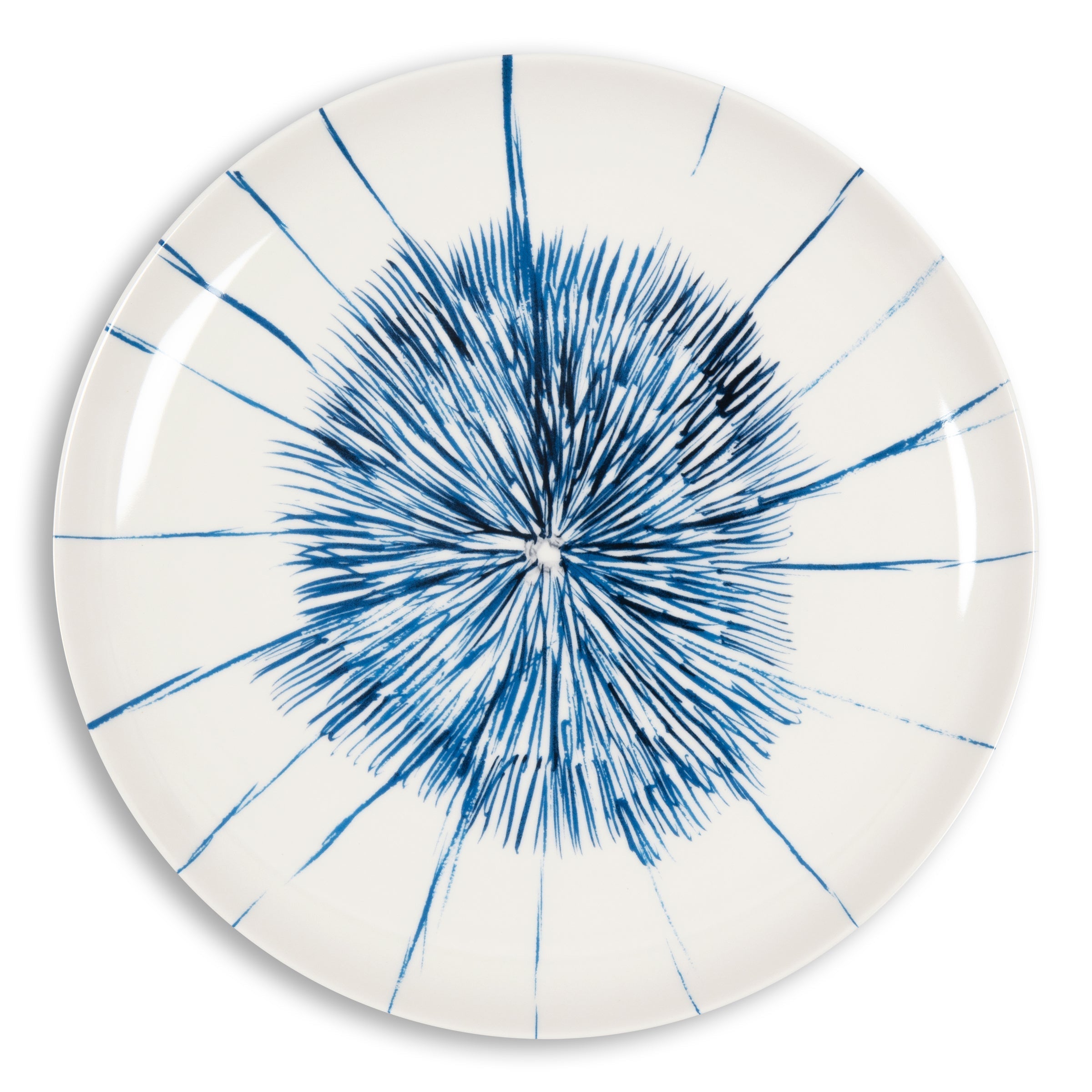
Barbara Kruger – Untitled (2Kiss)Barbara Kruger – Untitled (2Kiss)
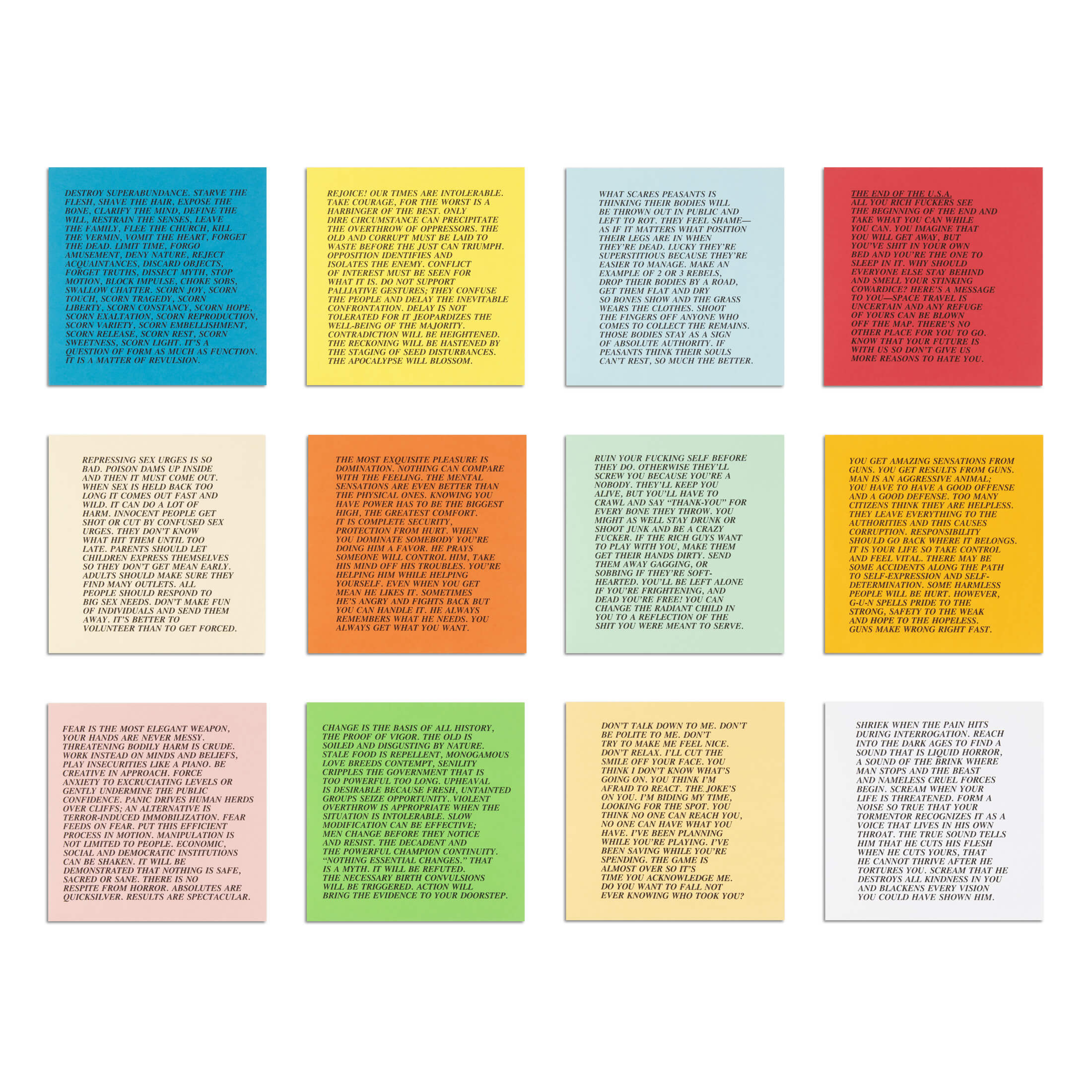
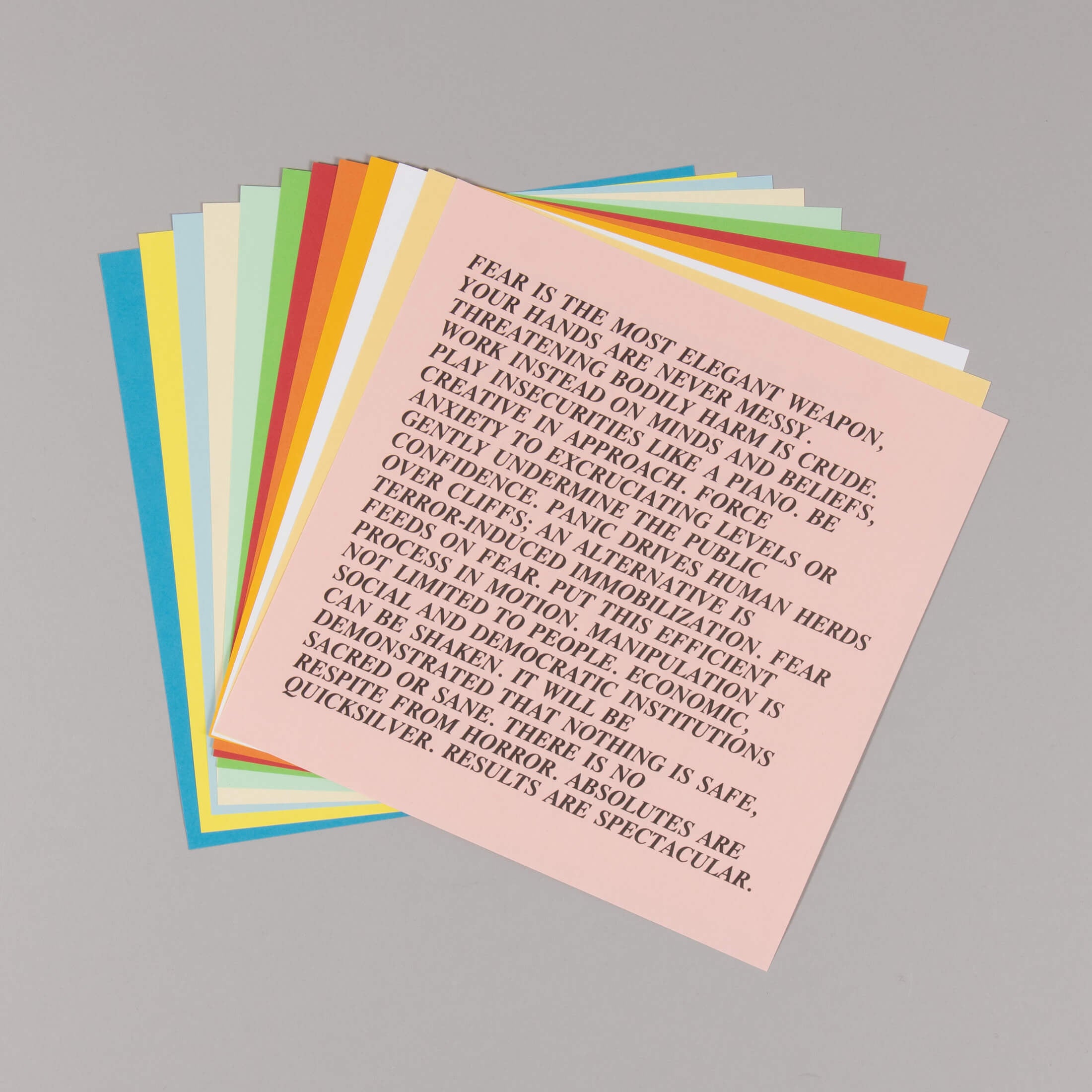
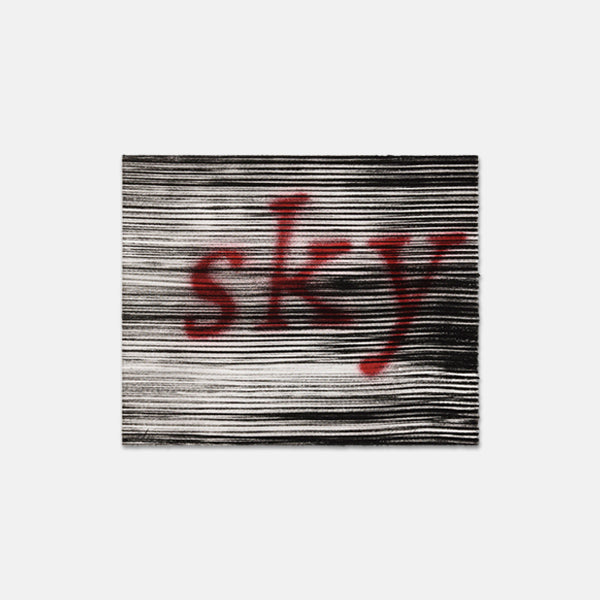
Jenny Holzer – Inflammatory Essays (twelve works)Jenny Holzer – Inflammatory Essays (twelve works)
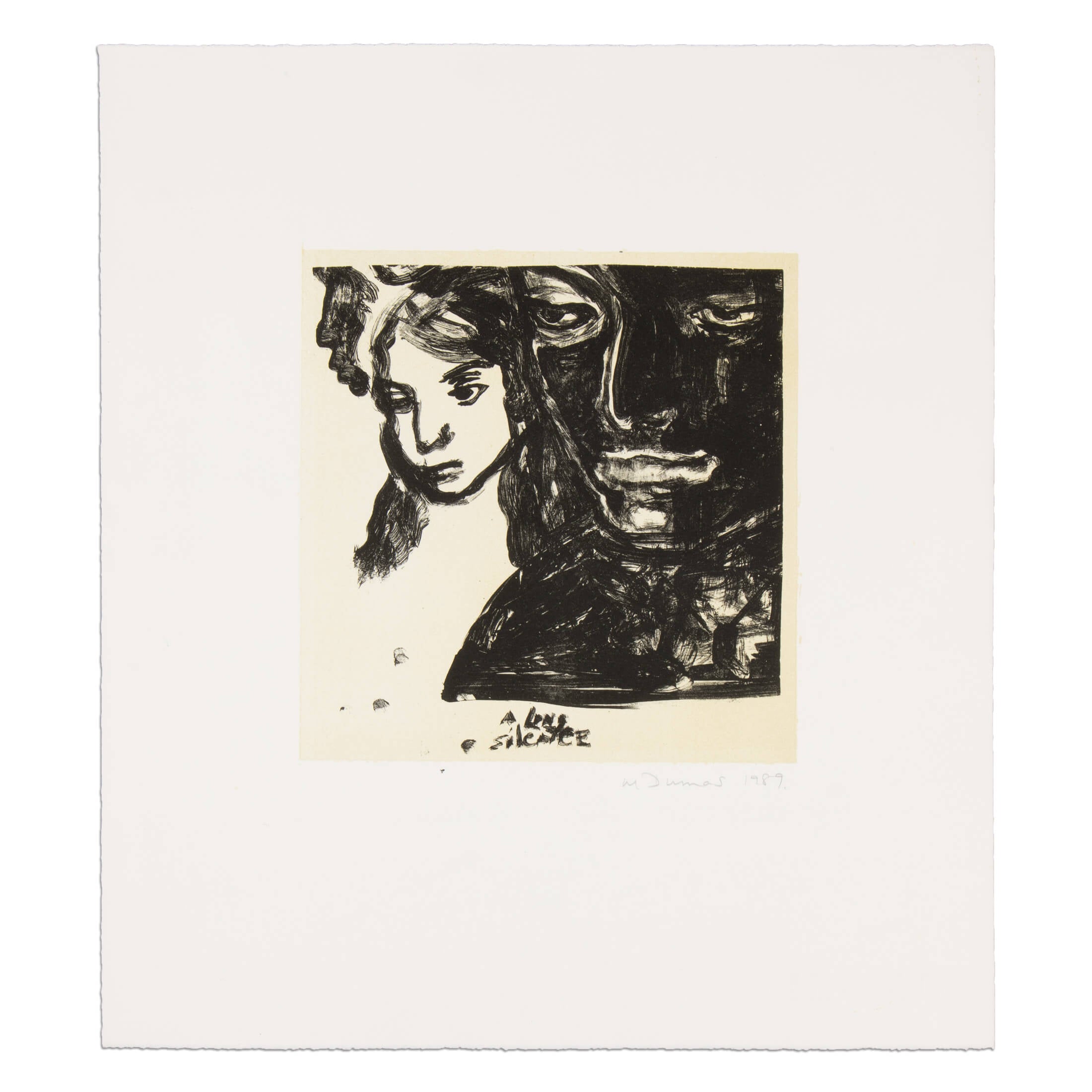
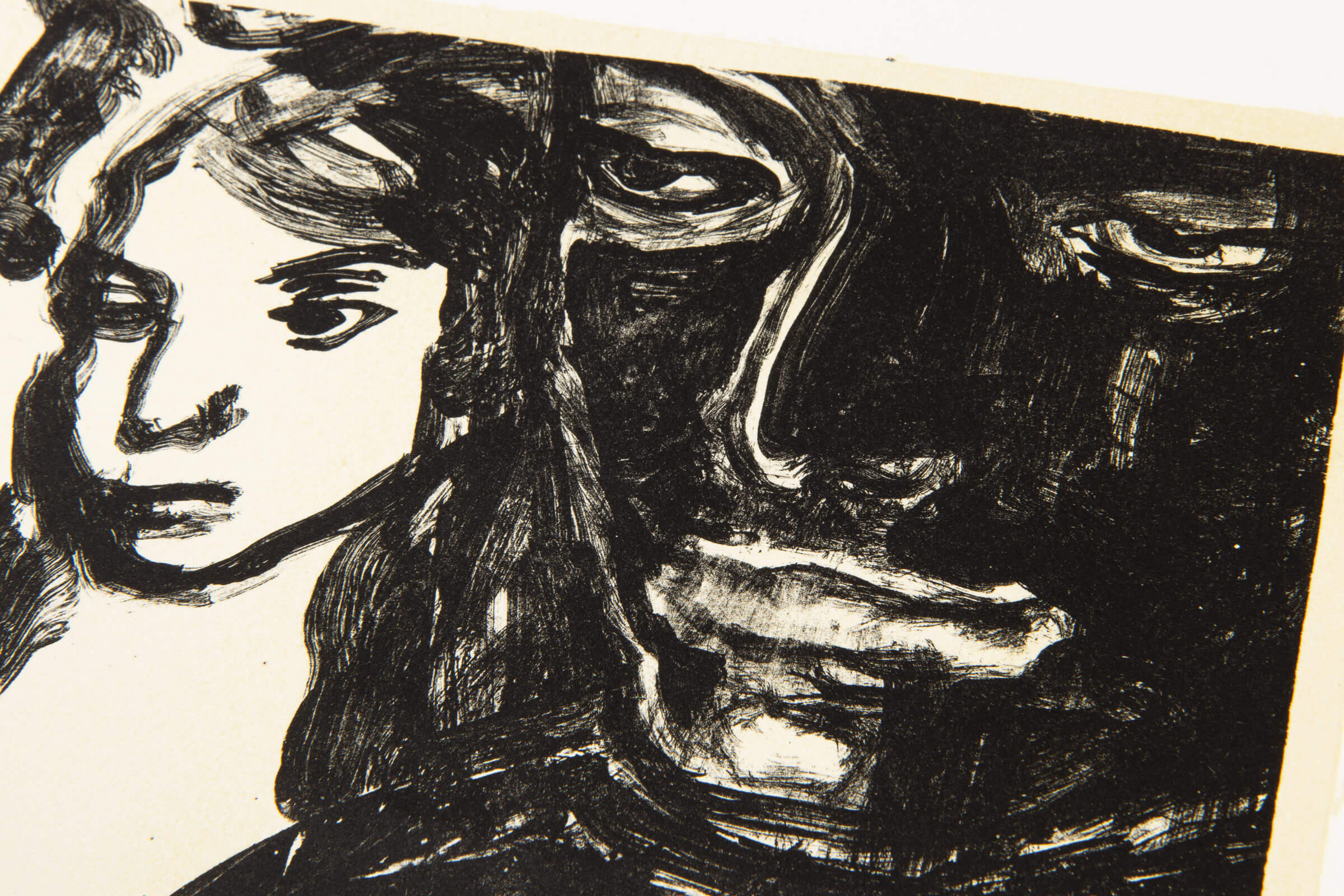
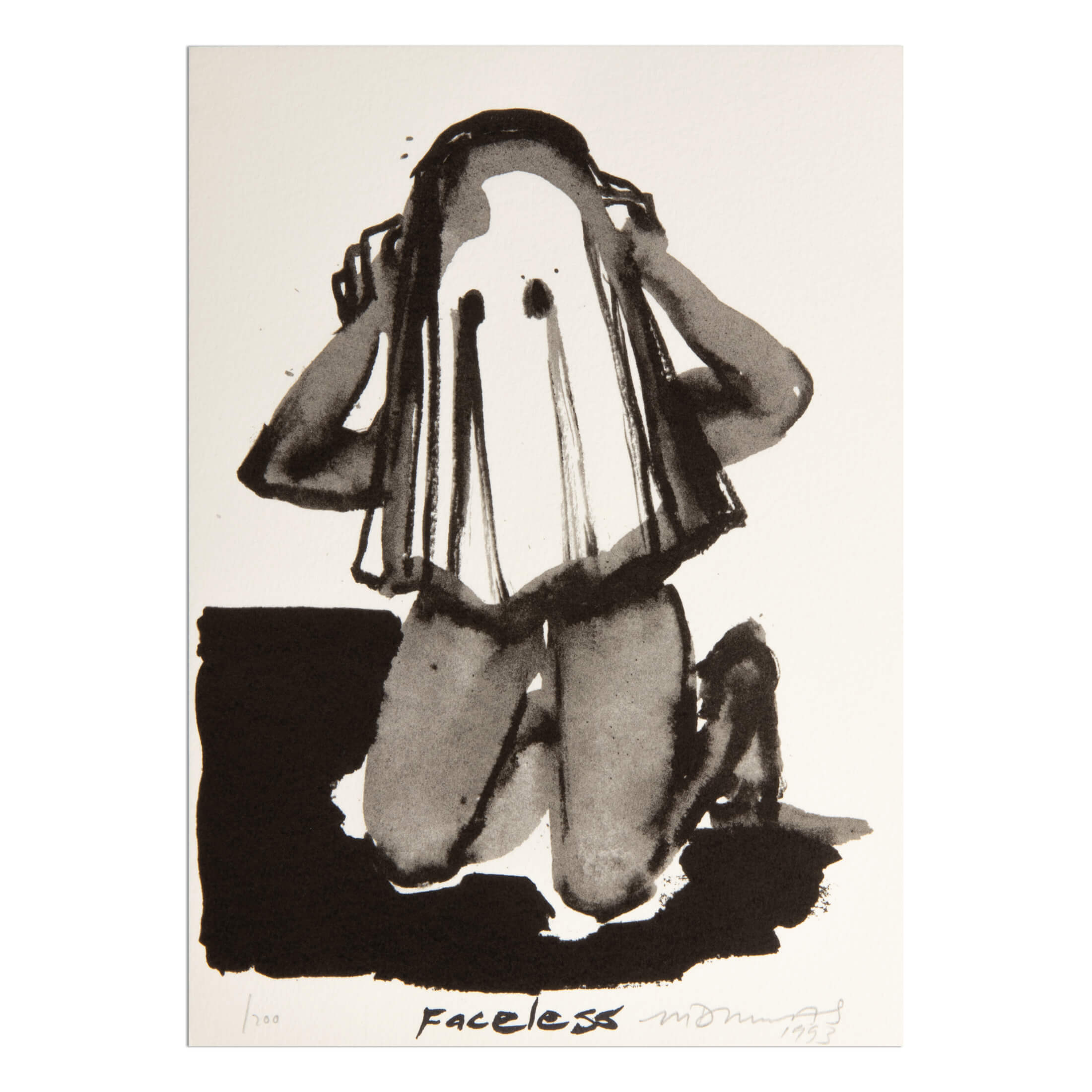
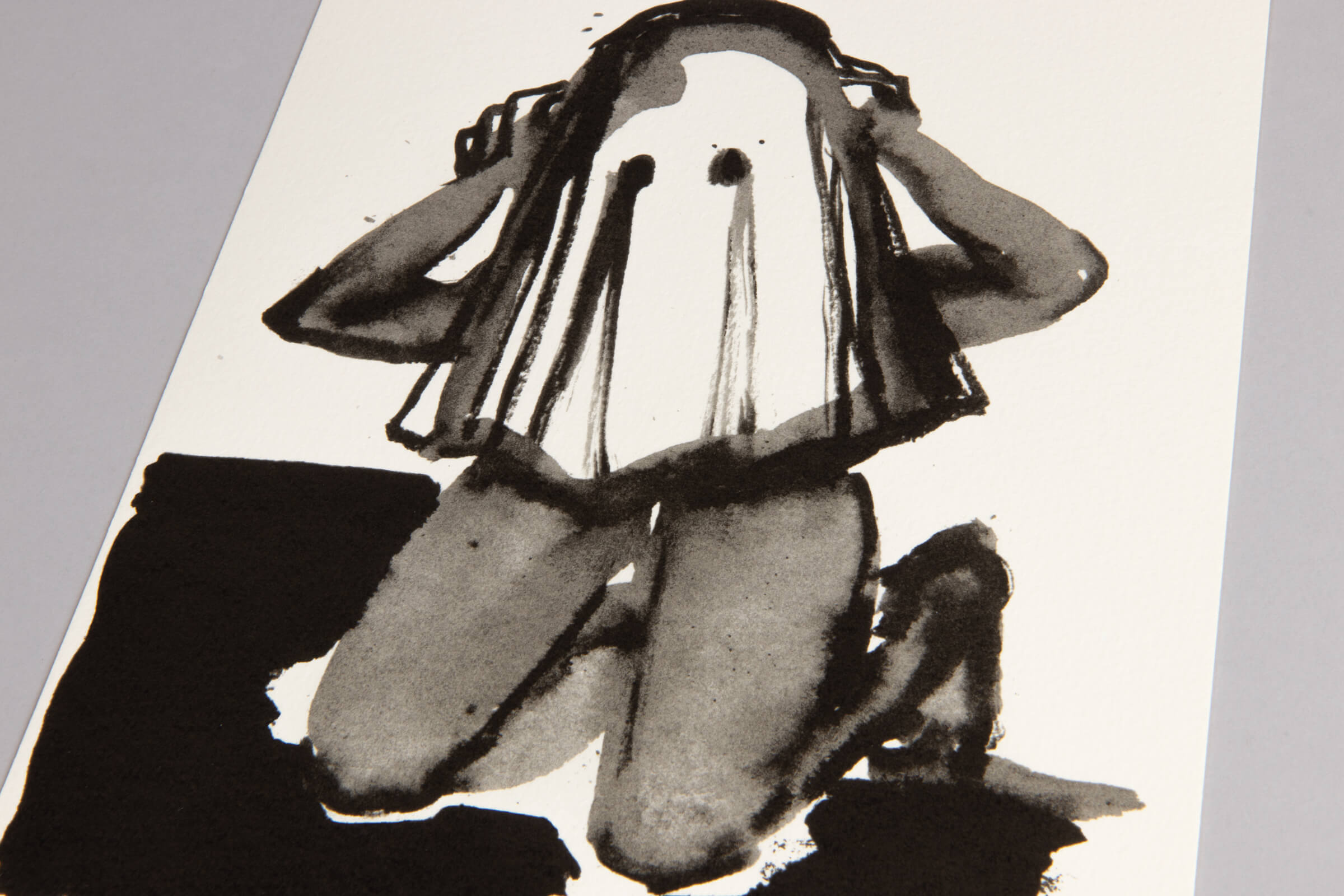
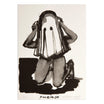
Marlene Dumas – A Long SilenceMarlene Dumas – A Long Silence
Marlene Dumas – A Long Silence Sale price€1.500,00
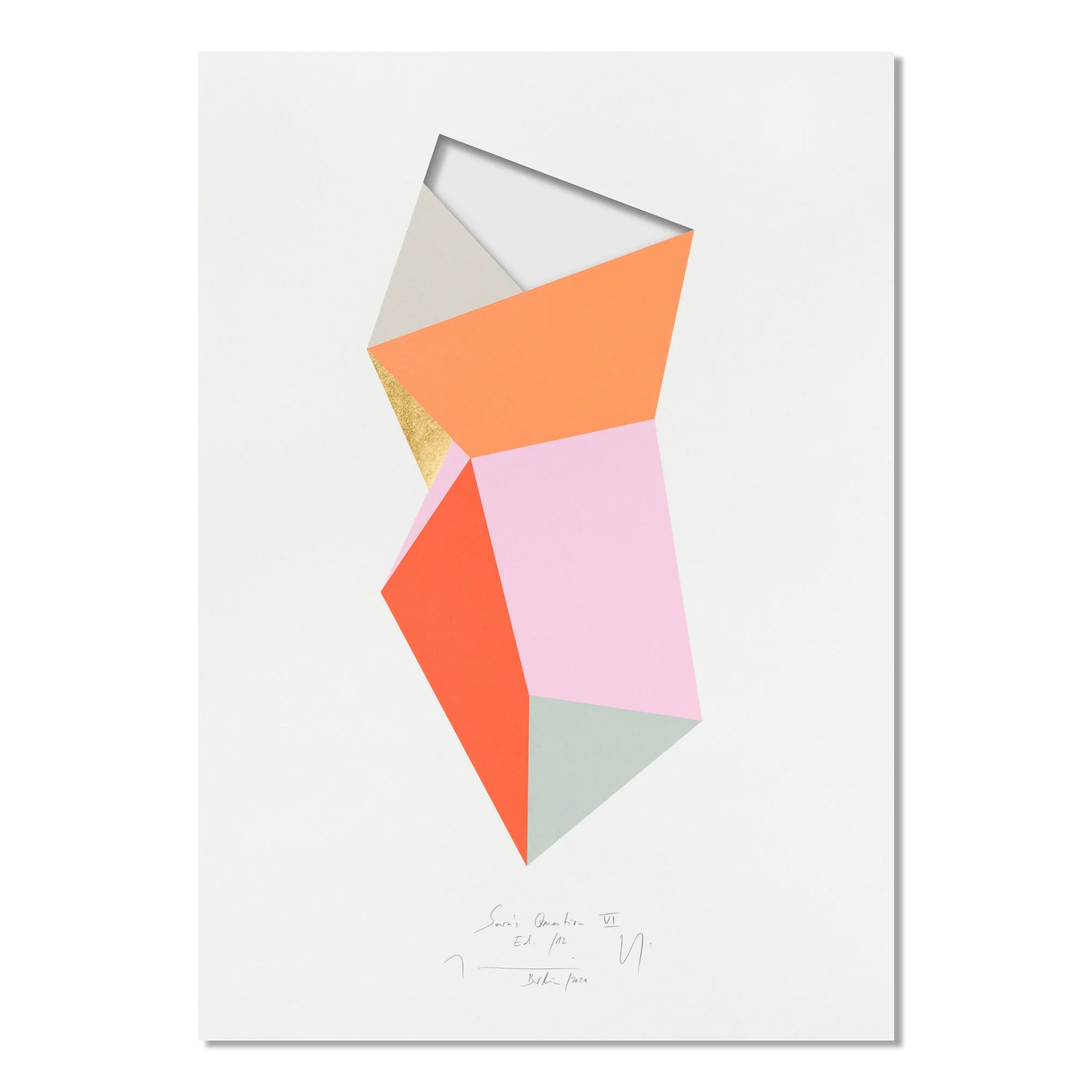
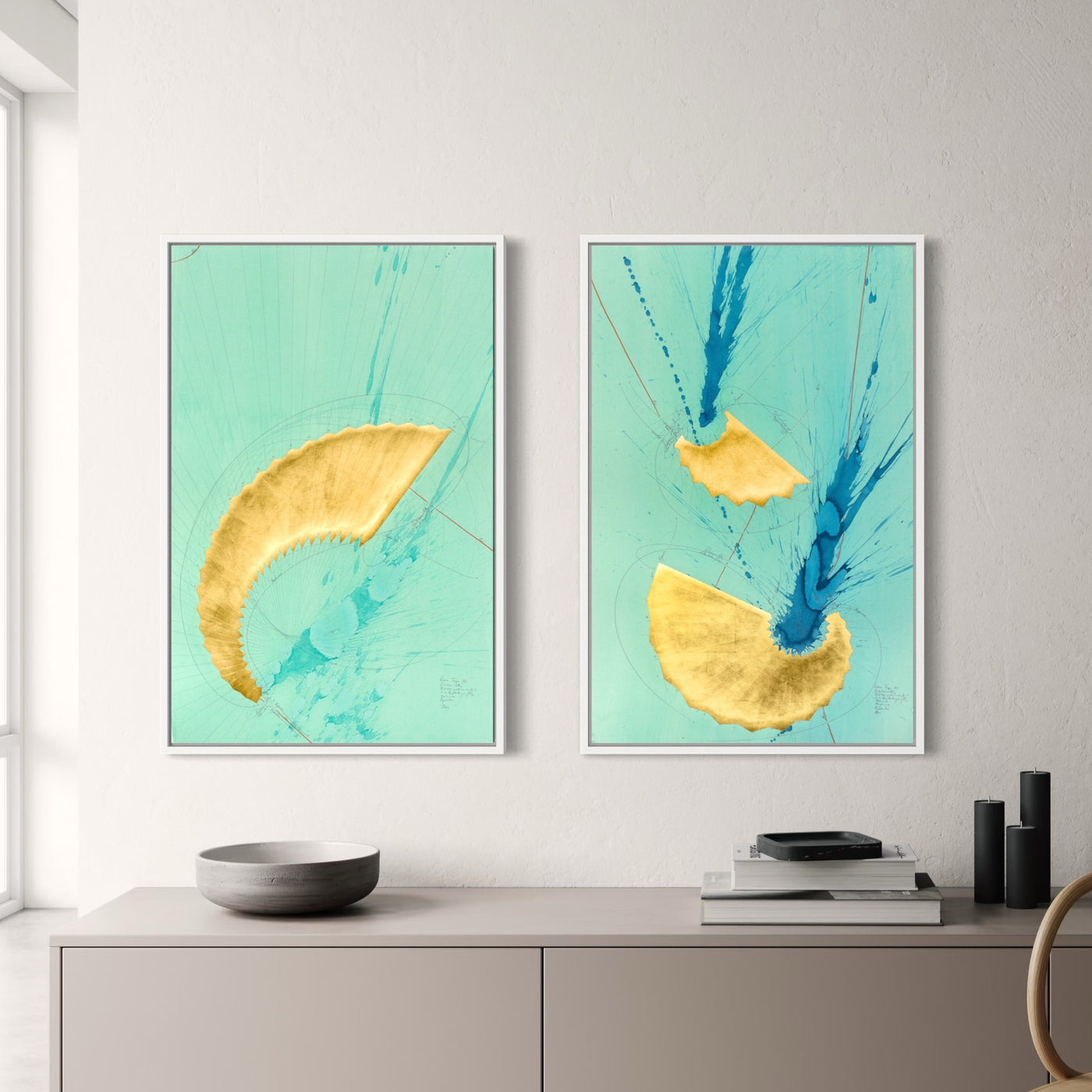
Jorinde Voigt - Sara’s Question VI
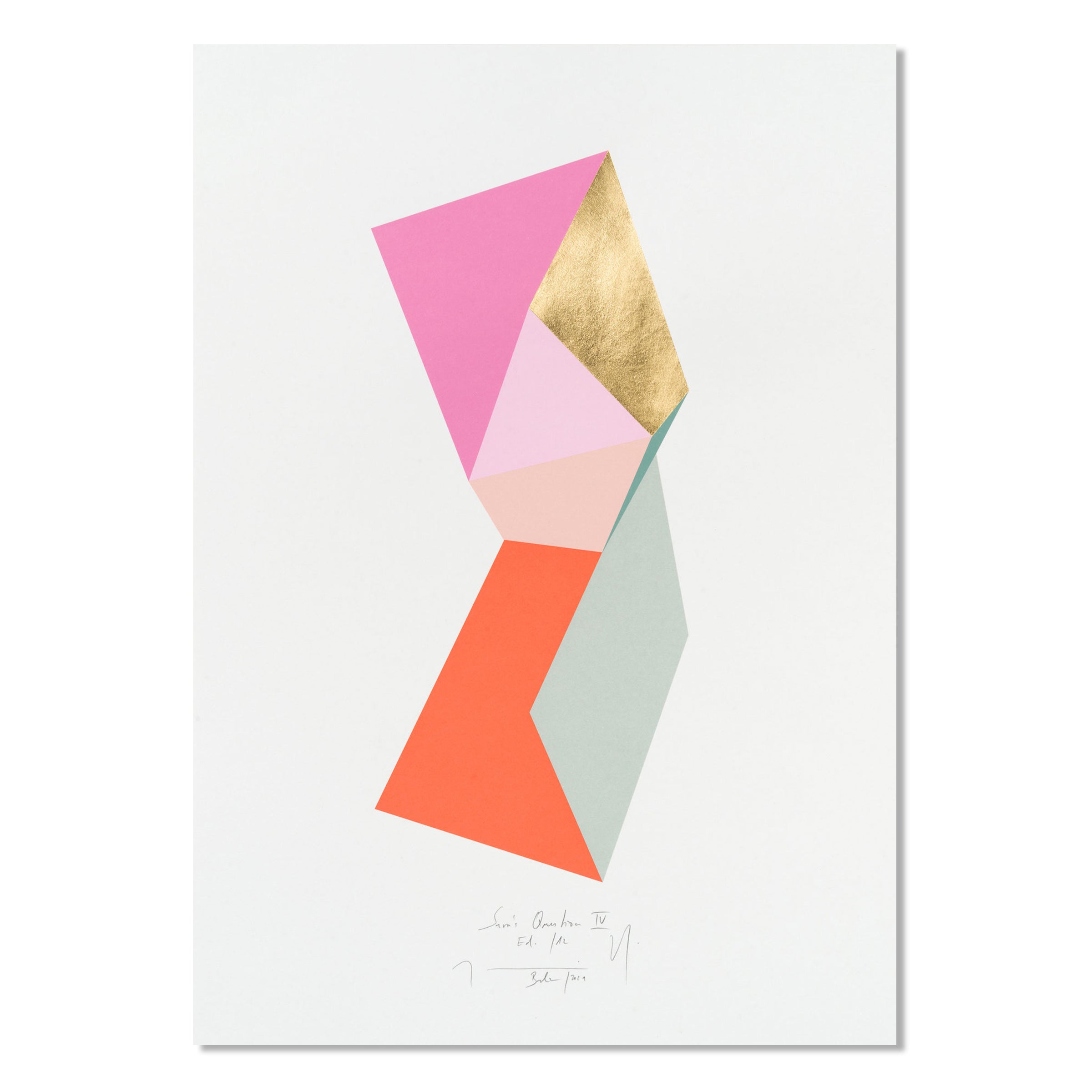
Jorinde Voigt - Sara’s Question IV
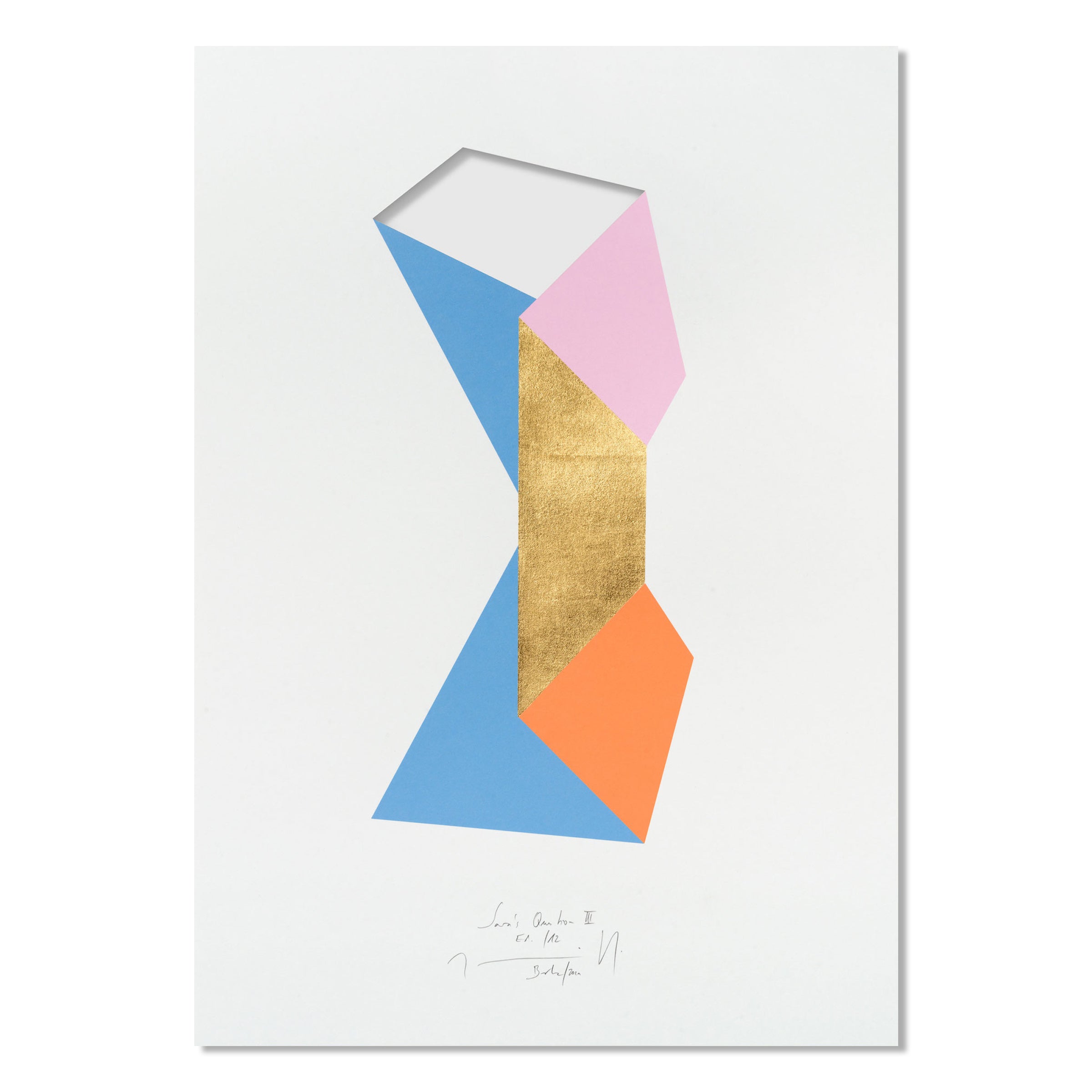
Jorinde Voigt – Sara’s Question III
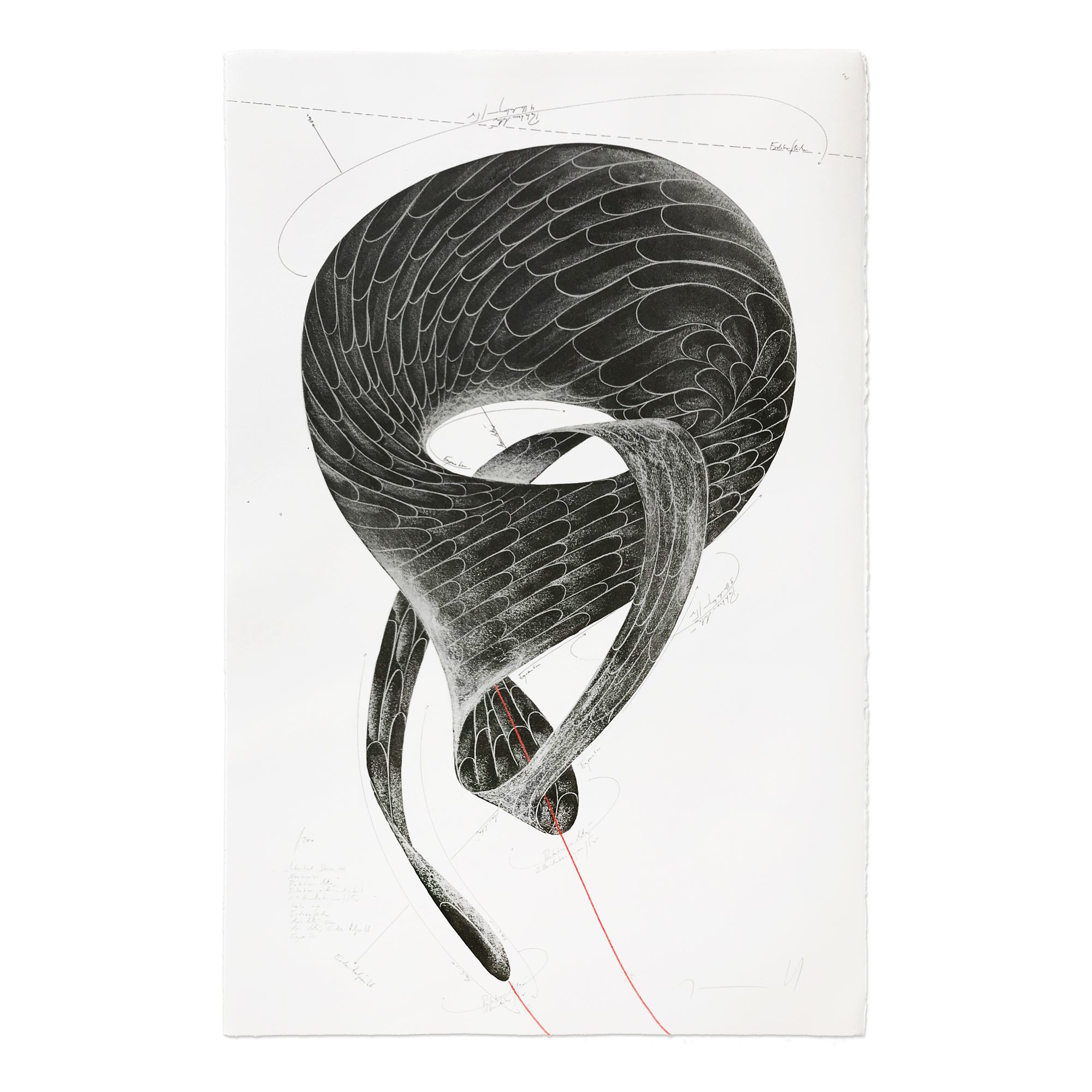
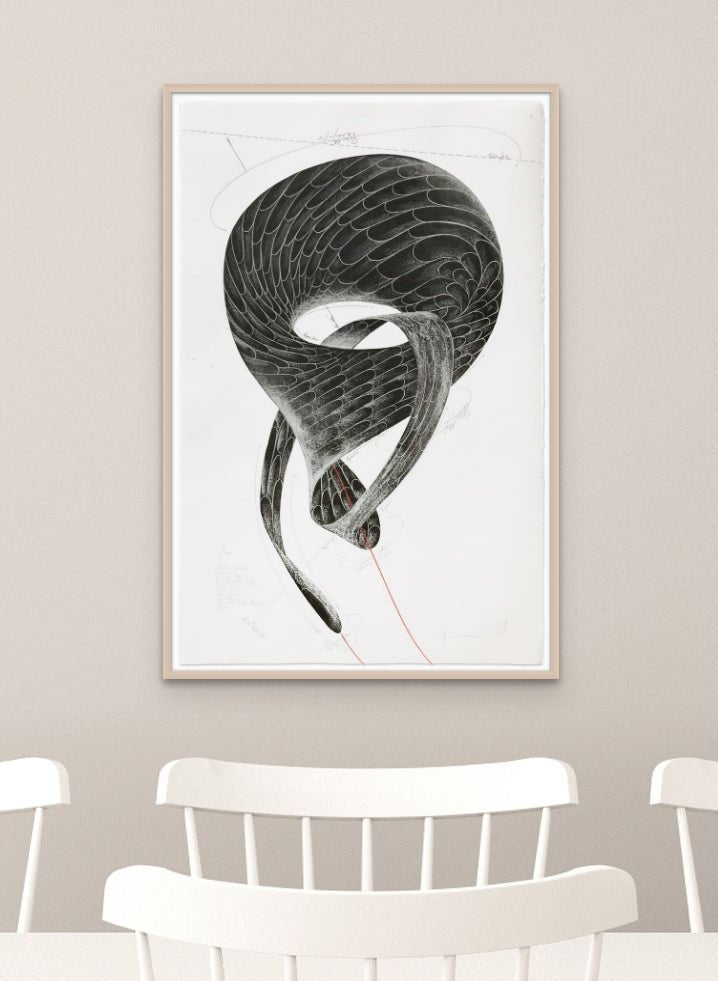
Jorinde Voigt - Inherited DesireJorinde Voigt - Inherited Desire
Jorinde Voigt – Inherited Desire Sale price€2.400,00
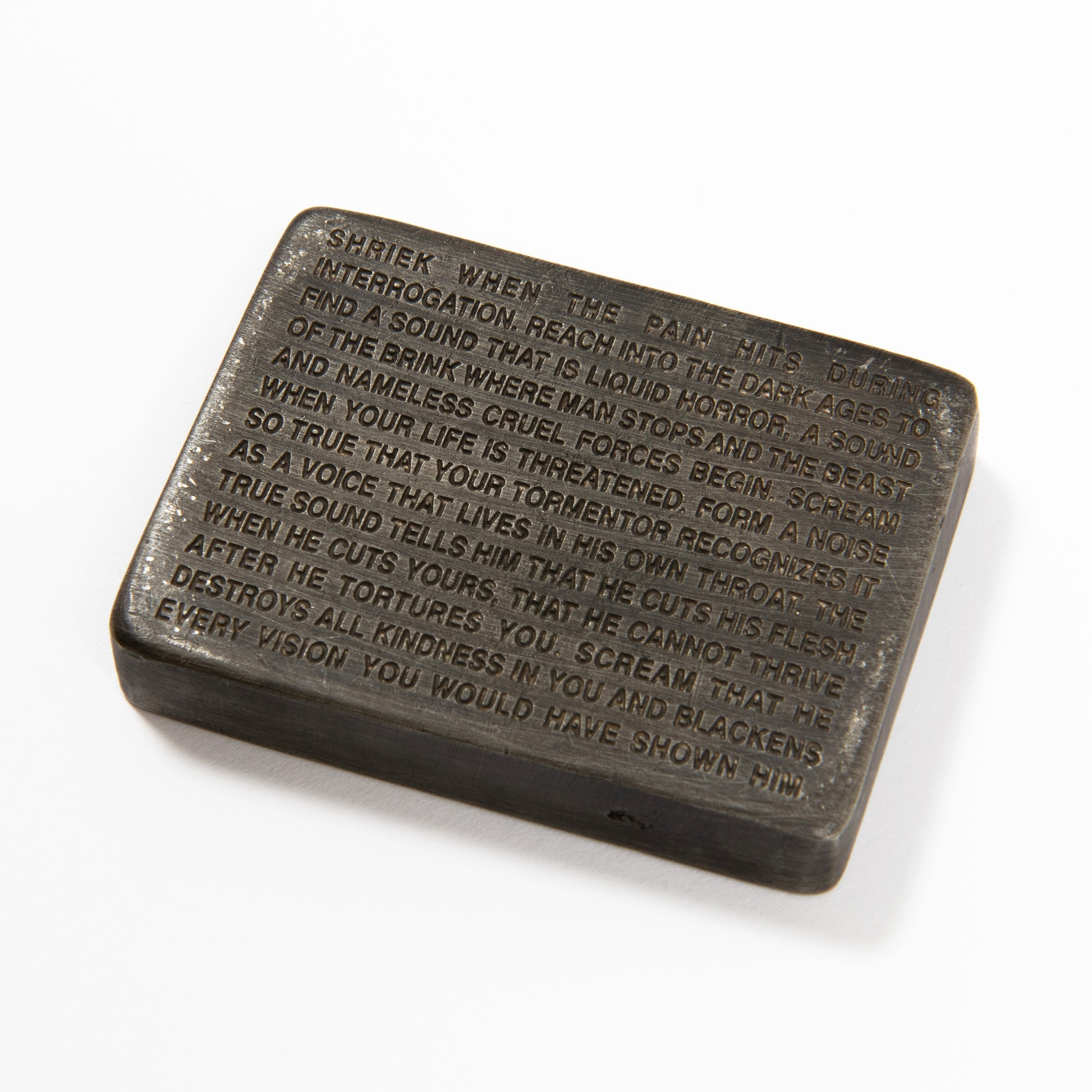
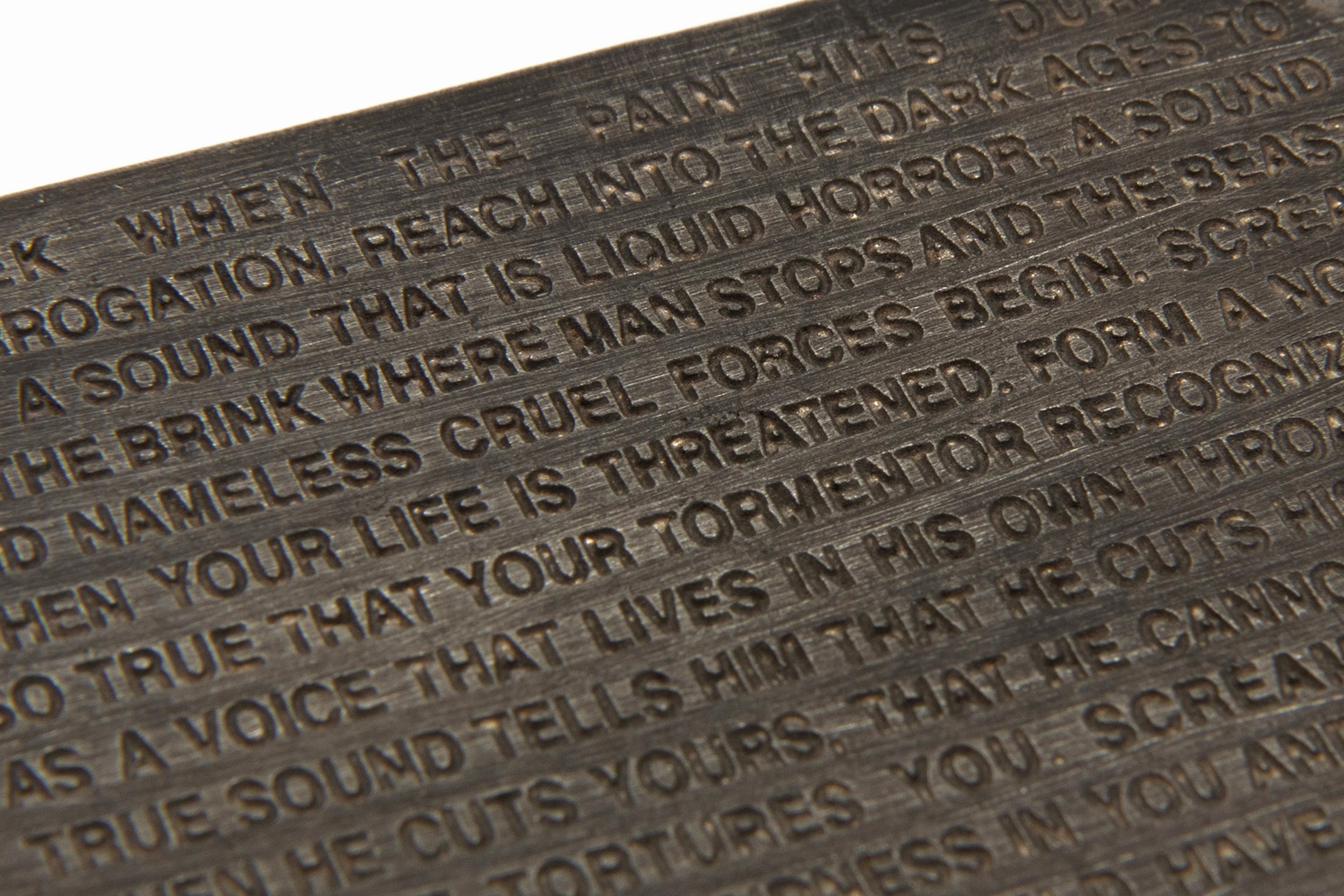
Jenny Holzer - Inflammatory Essays: Shriek When the Pain Hits During InterrogationJenny Holzer - Inflammatory Essays: Shriek When the Pain Hits During Interrogation
Jadé Fadojutimi - A Season's EchoJadé Fadojutimi - A Season's Echo
Genieve Figgis - PicnicGenieve Figgis - Picnic
Genieve Figgis – Picnic Sale price€5.800,00
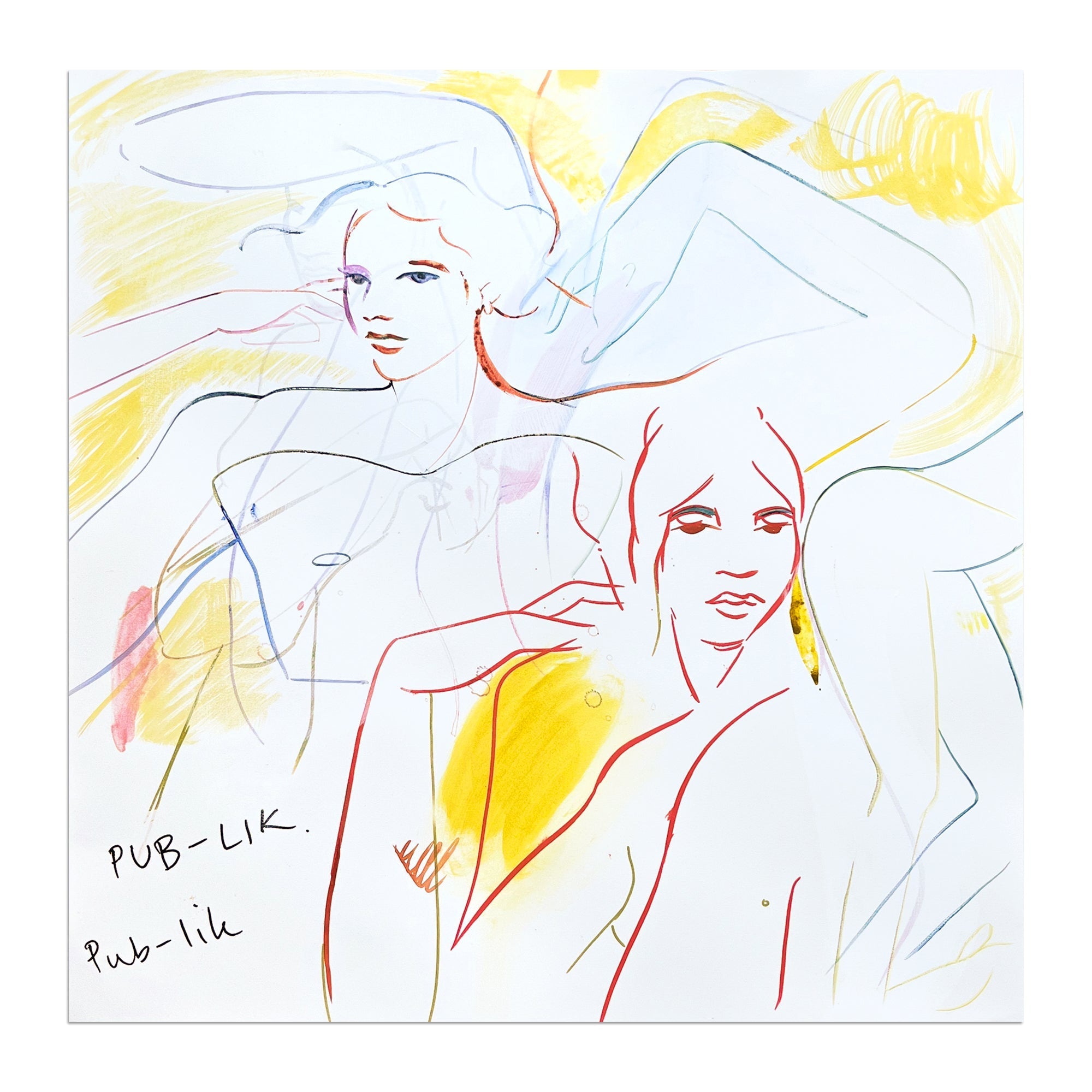
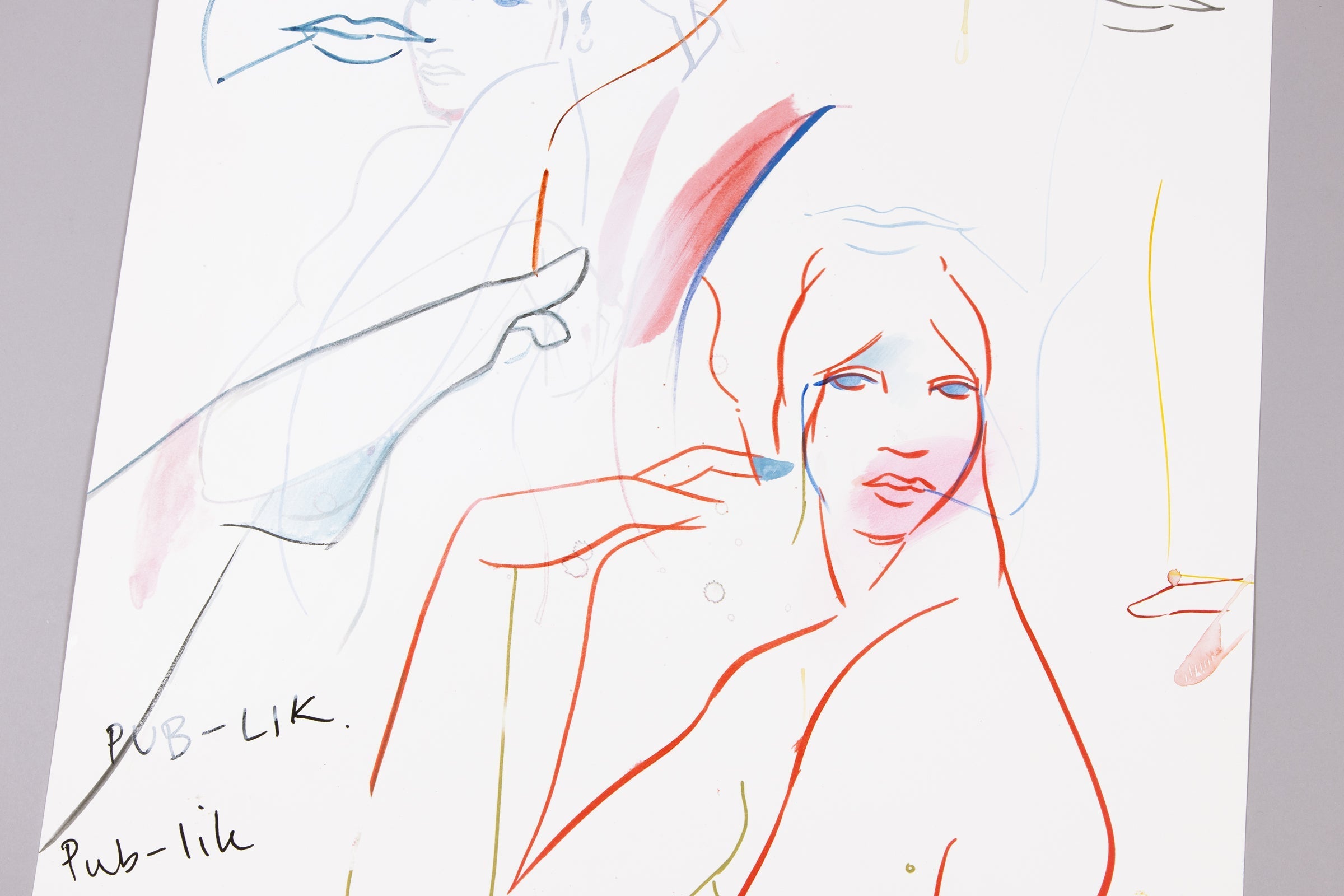
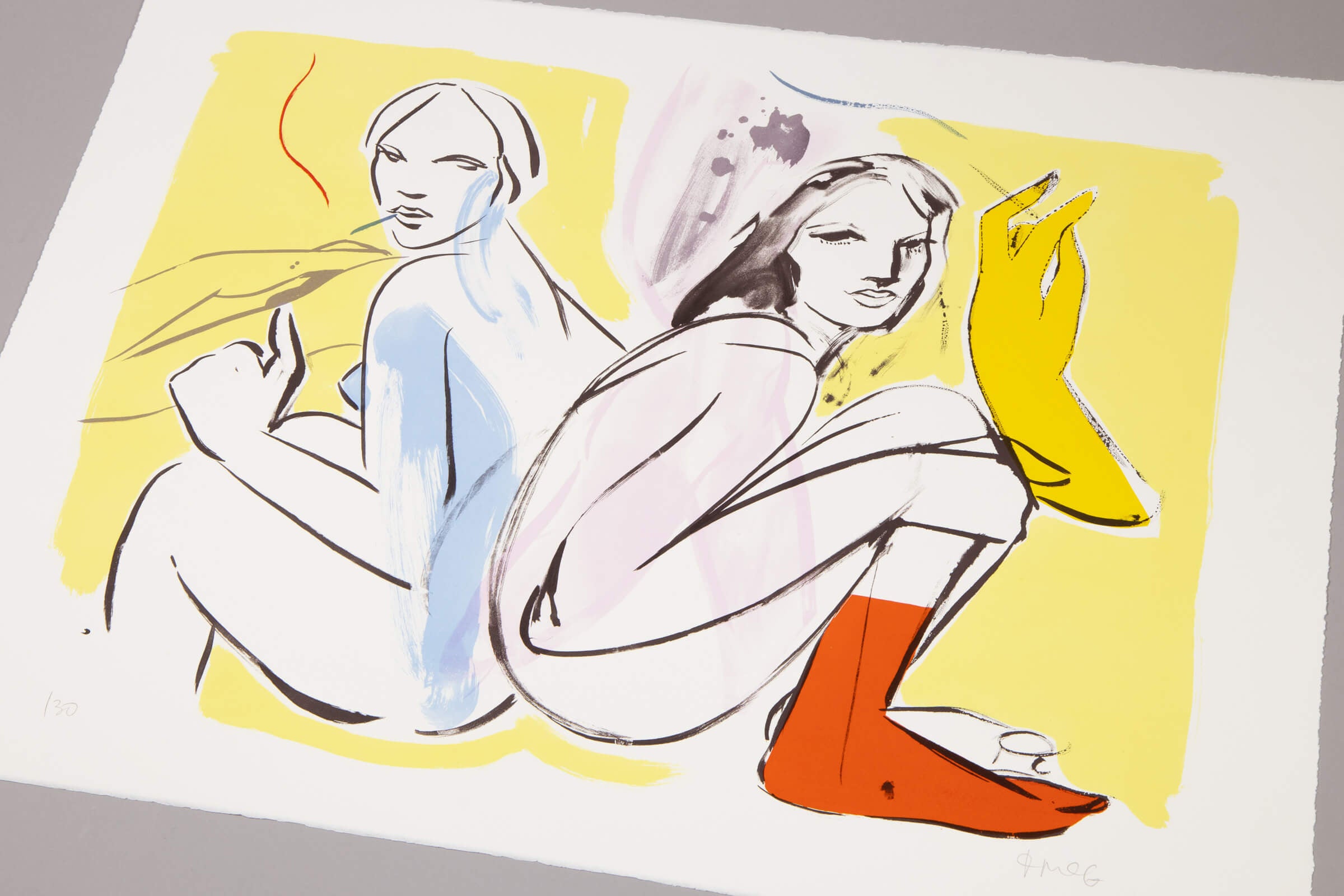
France-Lise McGurn - In Pub-lik 5
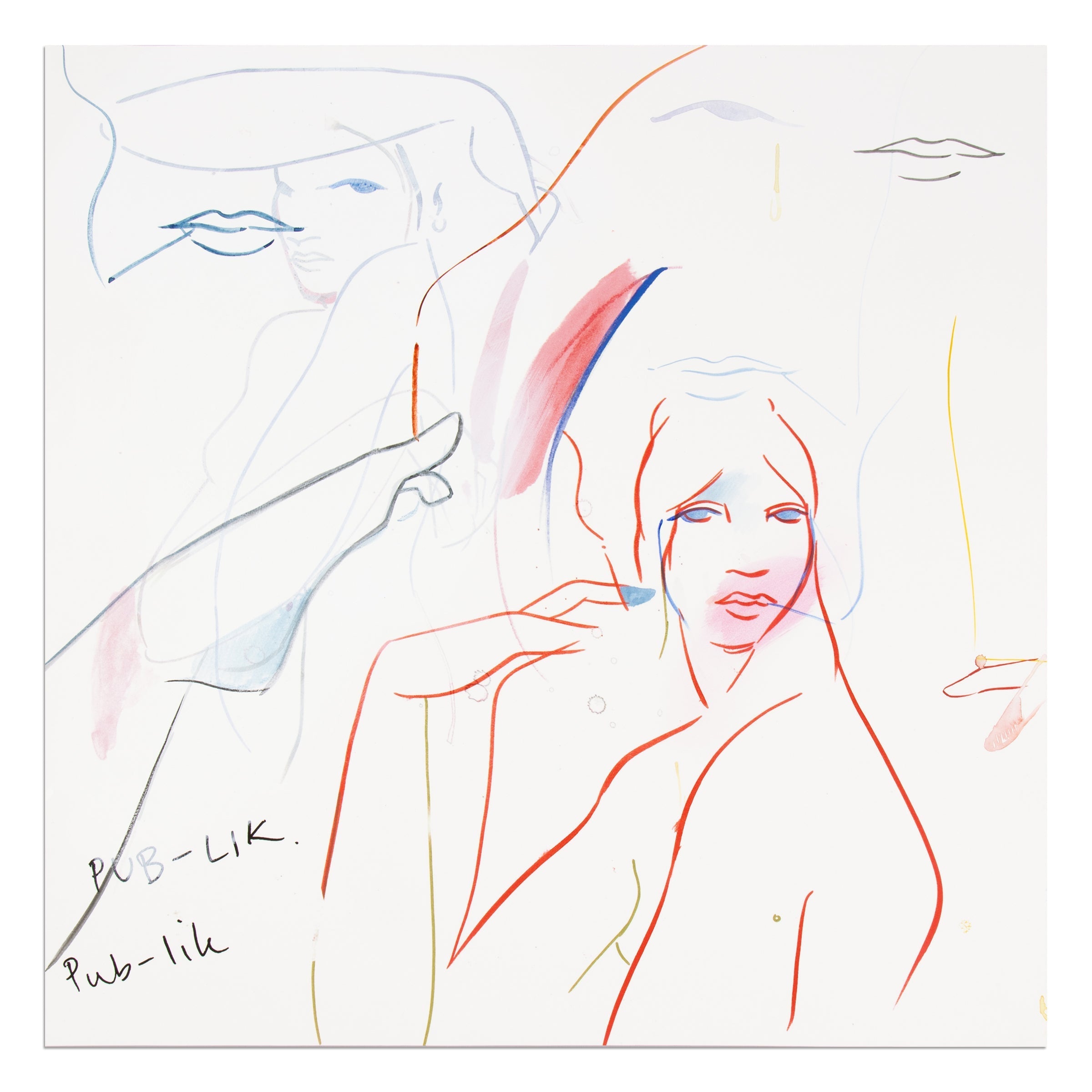
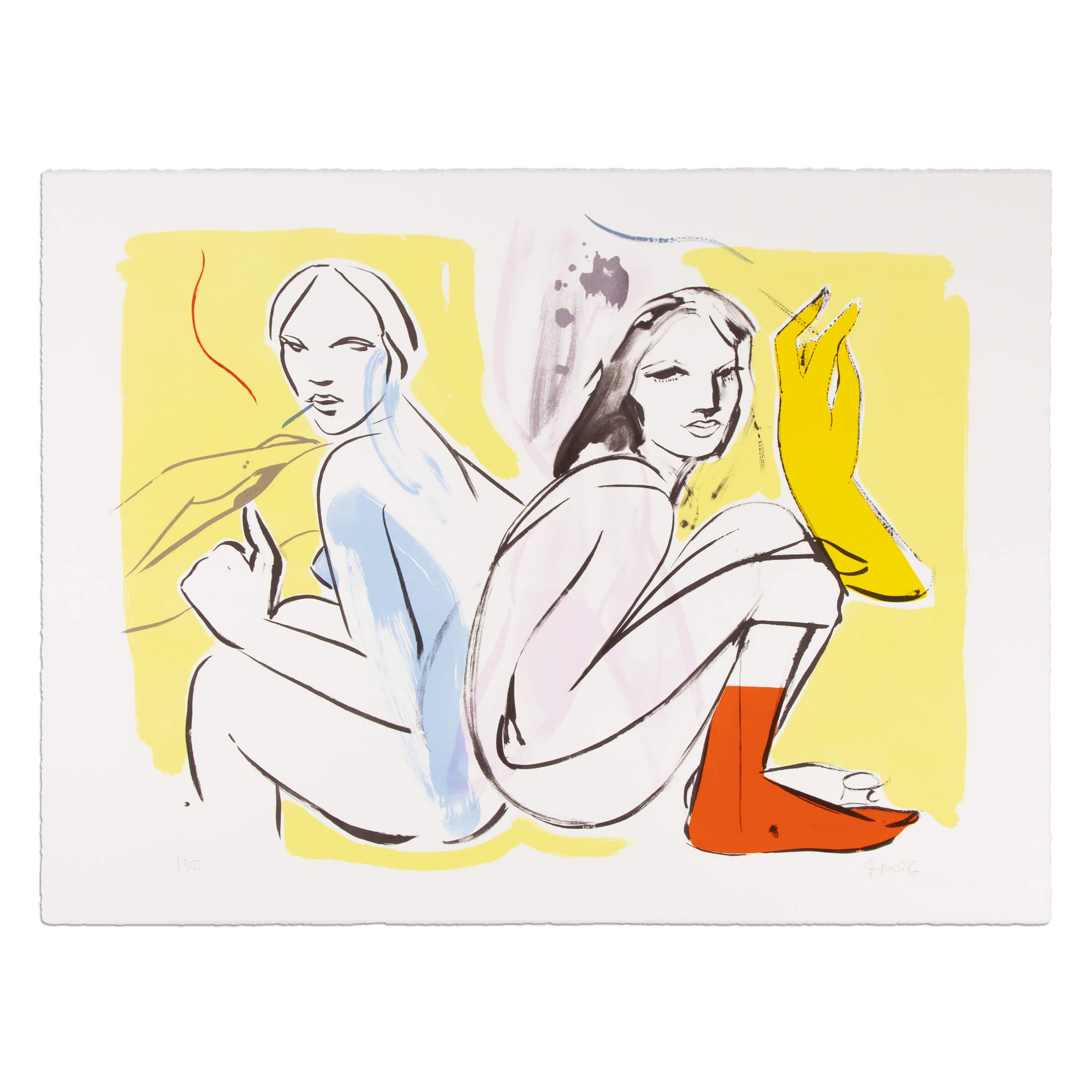
France-Lise McGurn - In Pub-likFrance-Lise McGurn - In Pub-lik
France-Lise McGurn – In Pub-lik Sale price€5.500,00
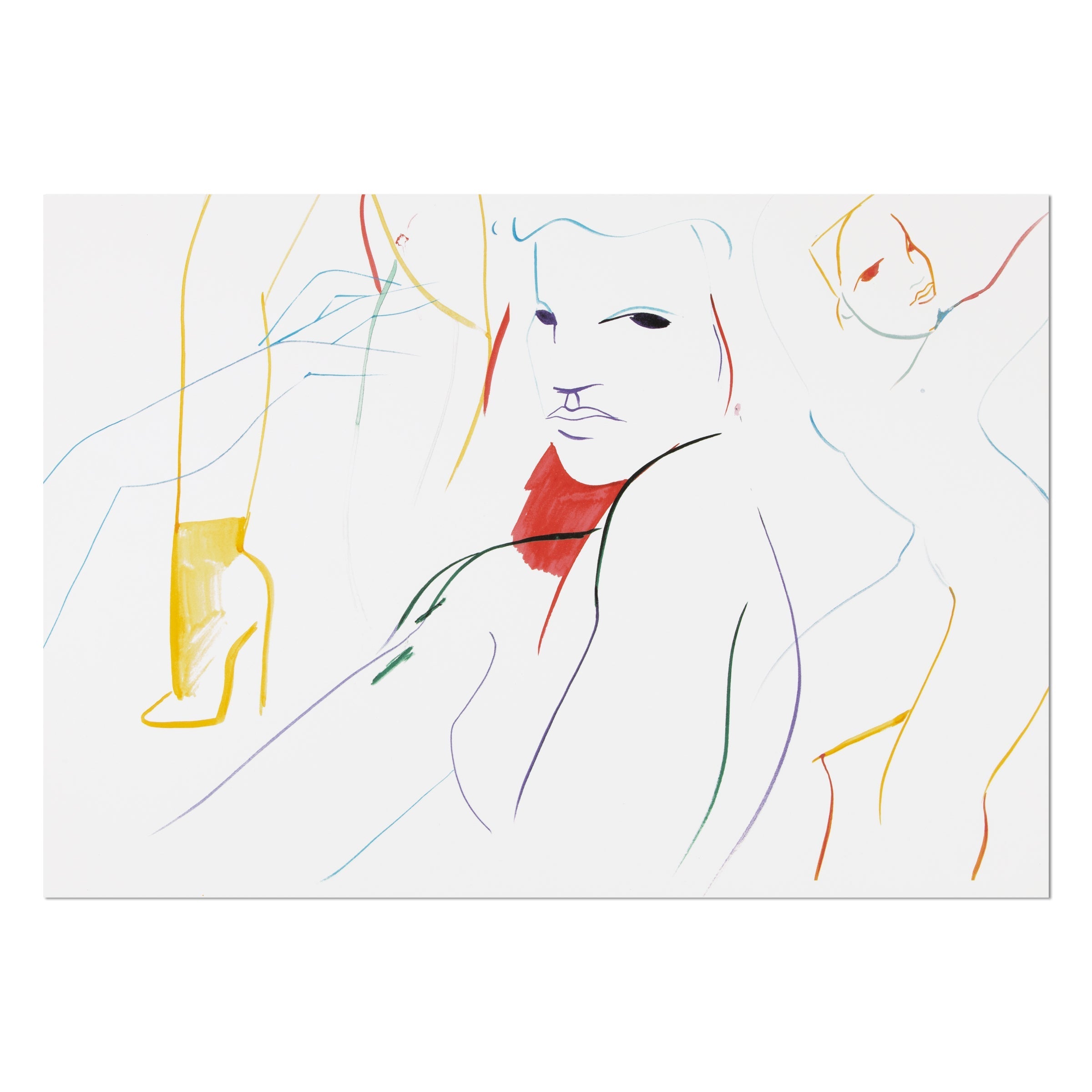
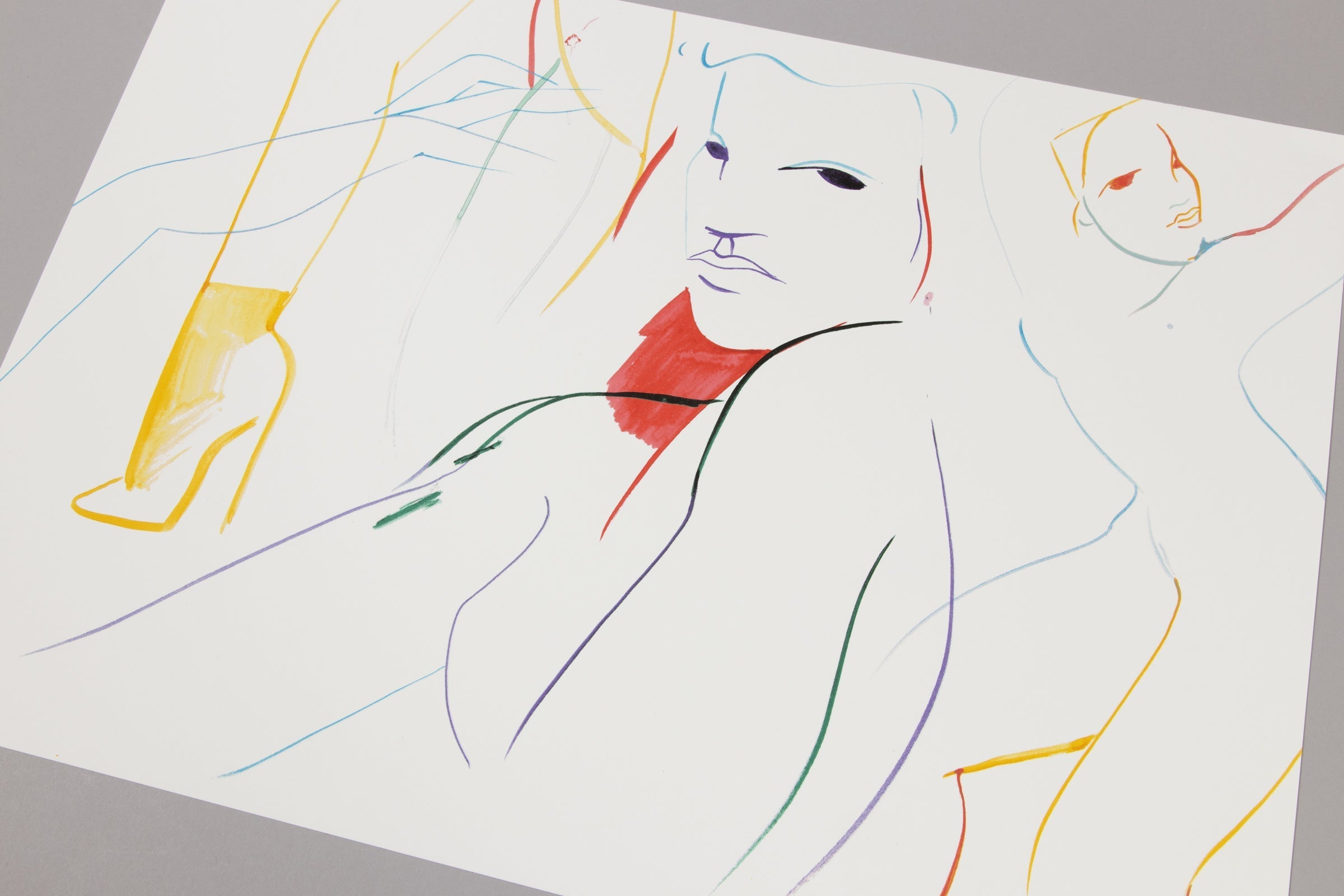
France-Lise McGurn - Dream Bod and BroncoFrance-Lise McGurn - Dream Bod and Bronco
Elizabeth Peyton - Still Life
Elizabeth Peyton – Still Life Sale price€5.500,00
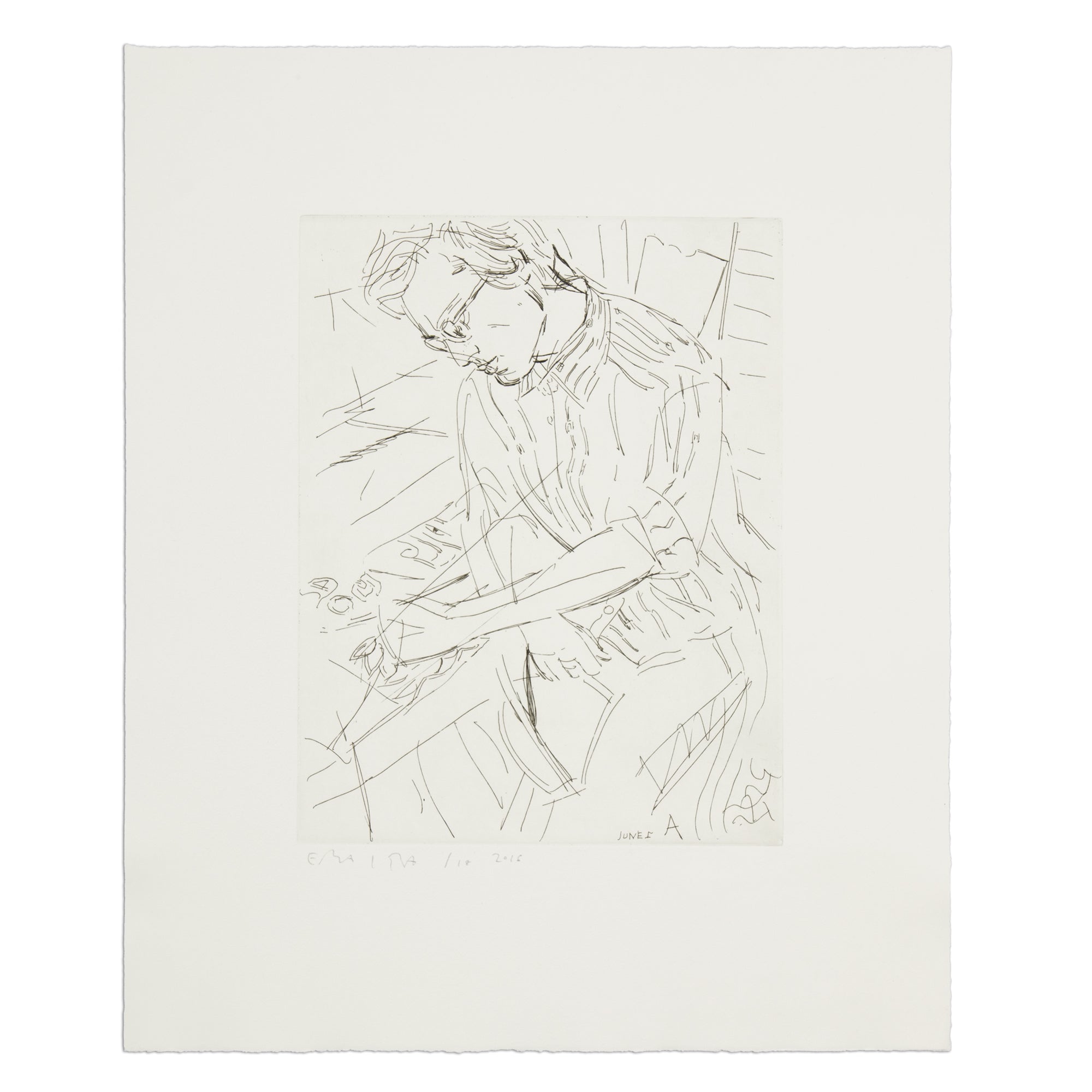
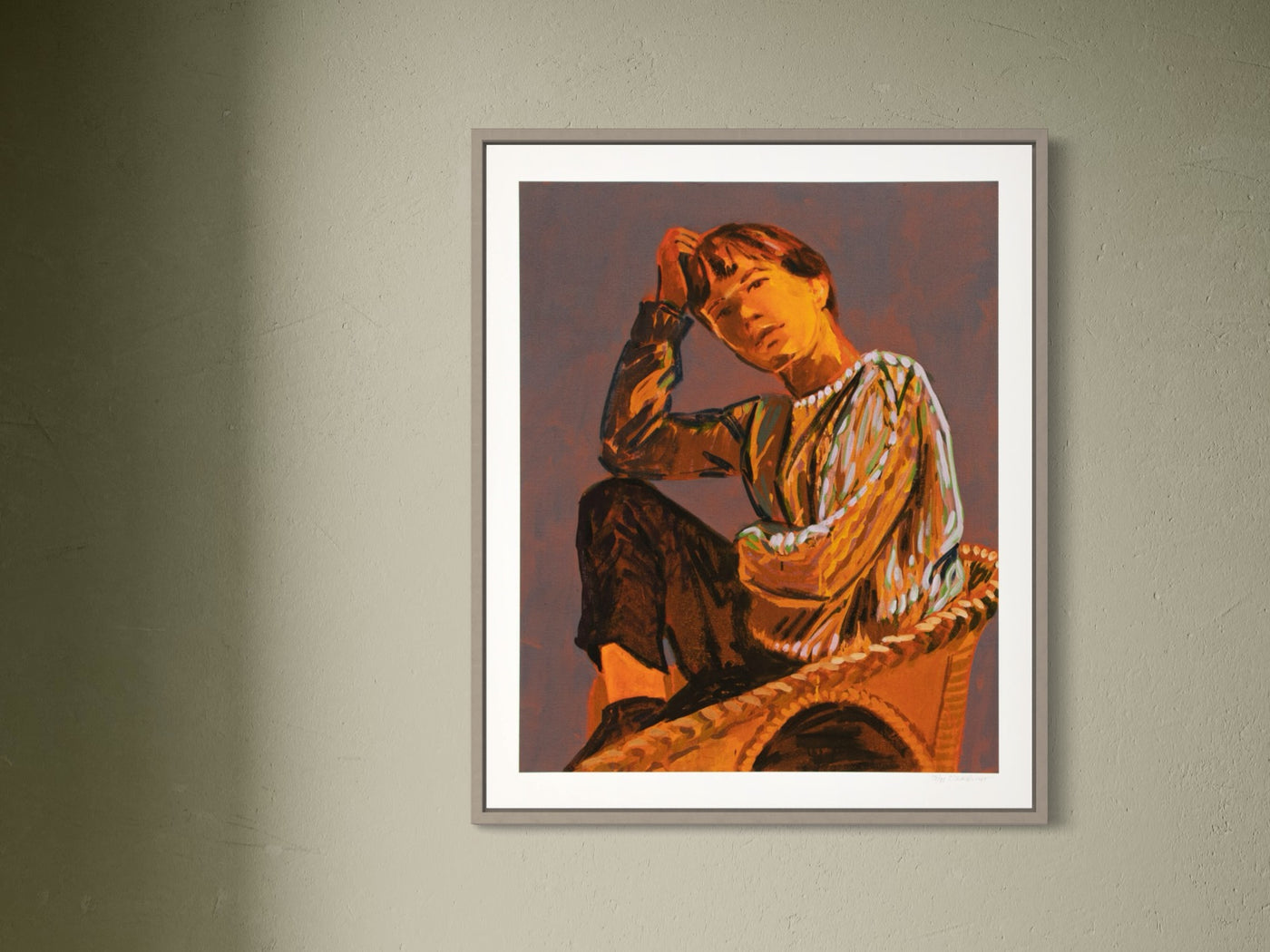
Elizabeth Peyton - Portrait of Alexander TovborgElizabeth Peyton - Portrait of Alexander Tovborg
Elizabeth Peyton - Peter
Elizabeth Peyton – Peter Sale price€3.700,00
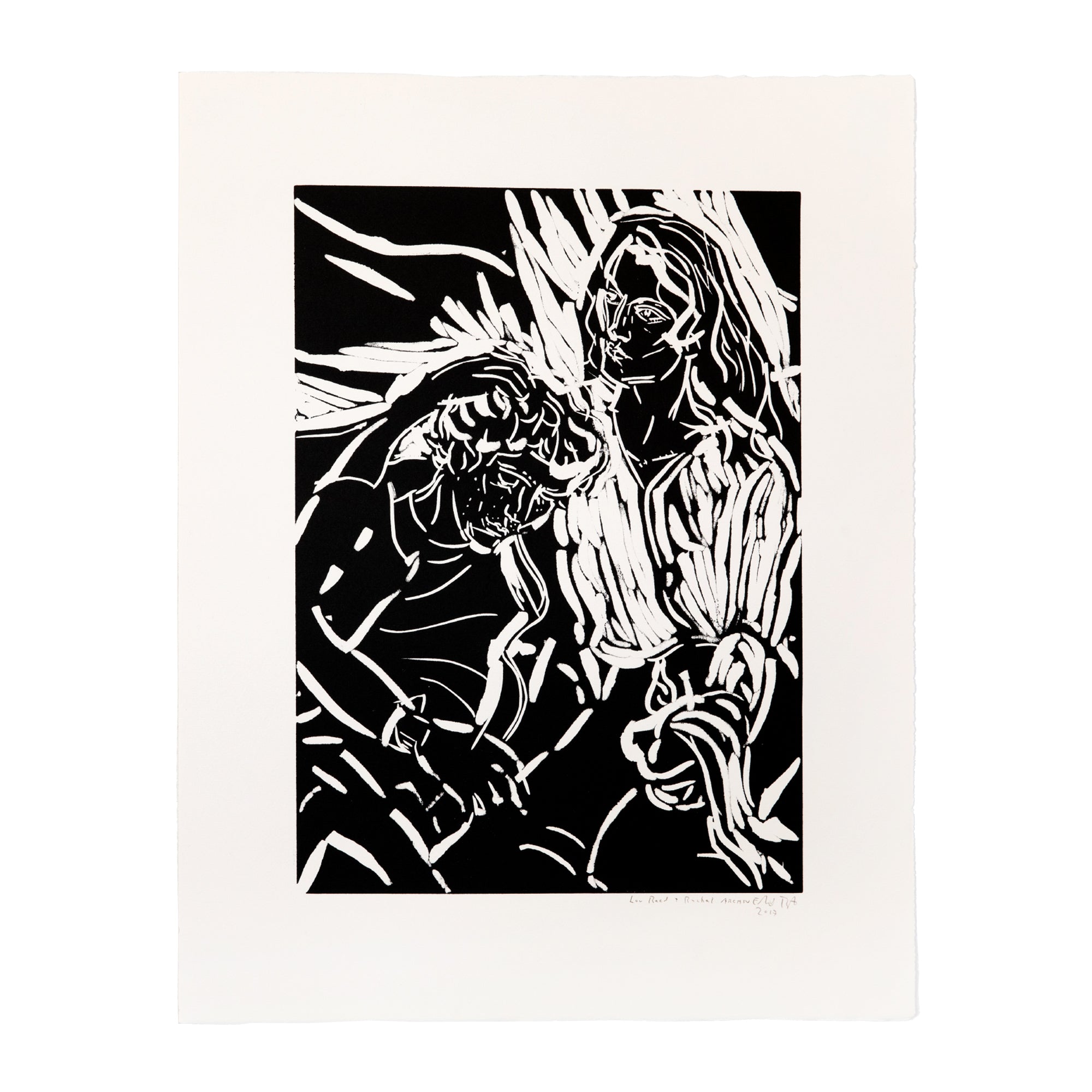
Elizabeth Peyton - Lou Reed + Rachel
France - Lise McGurn – PapillonFrance - Lise McGurn – Papillon
France-Lise McGurn – Papillon Sale price€2.800,00
Candida Höfer – Berlin Wilhelmstrasse 44Candida Höfer – Berlin Wilhelmstrasse 44
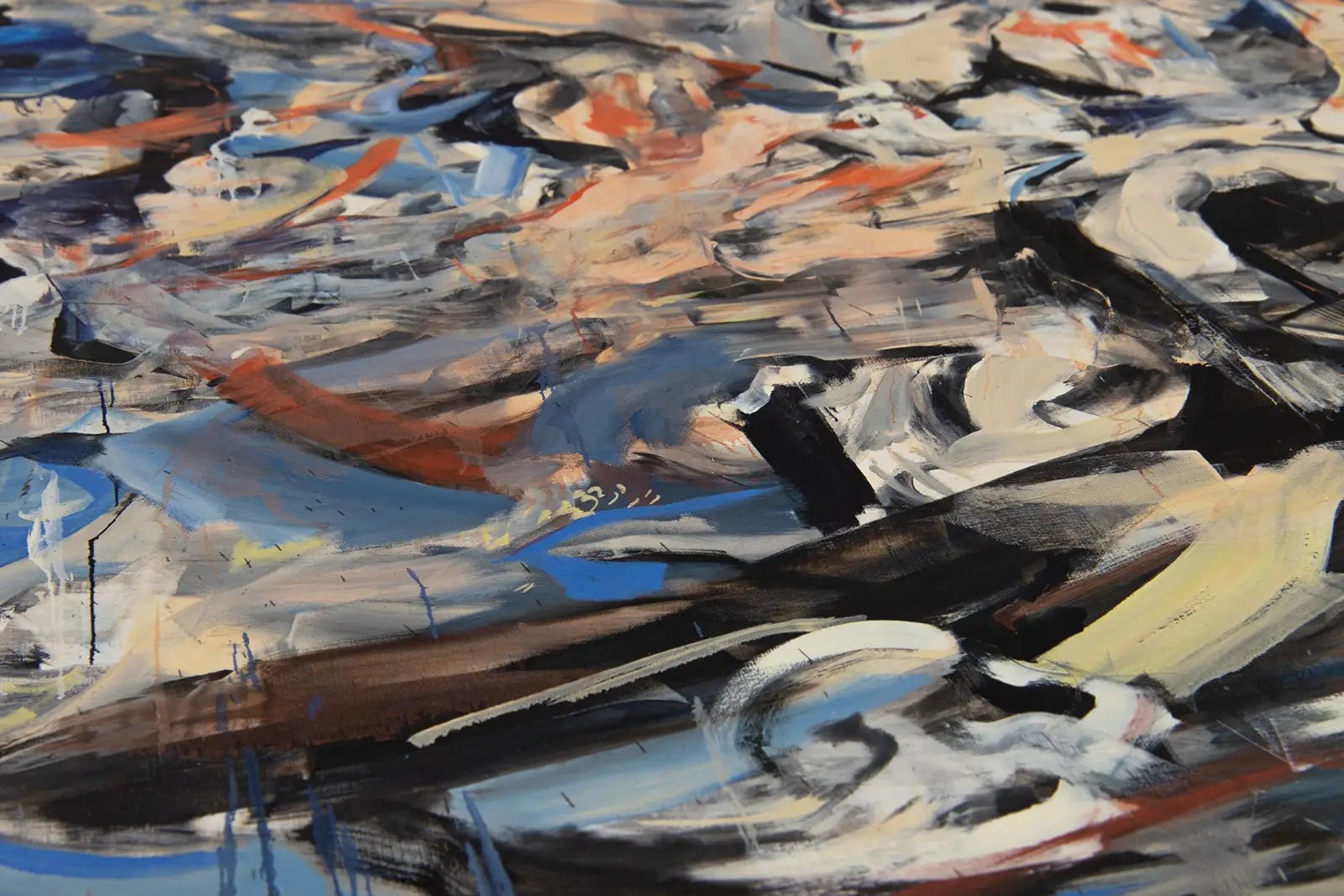
Louise Giovanelli – TideLouise Giovanelli – Tide
Louise Giovanelli – Tide Sale price€1.600,00
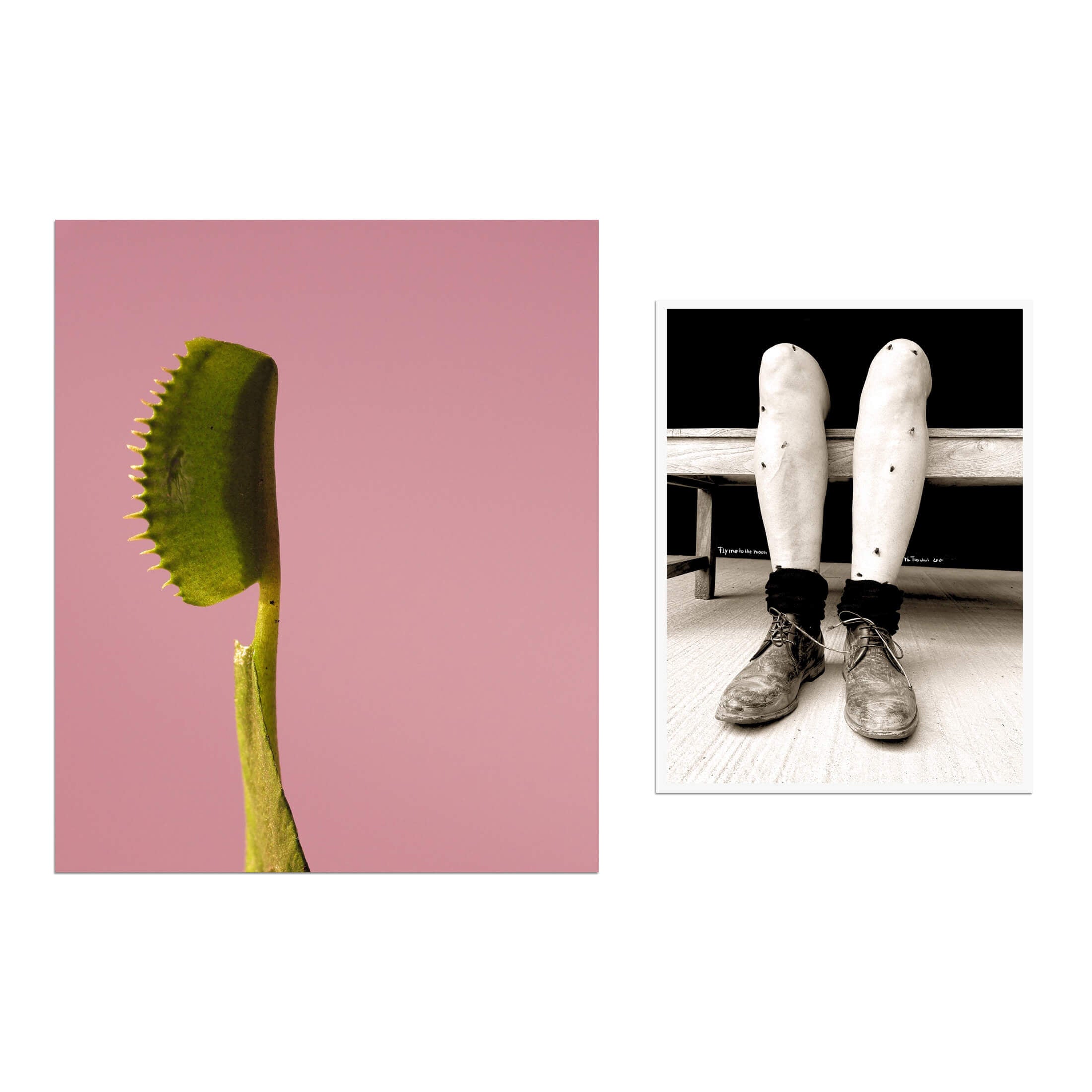
Rosemarie Trockel – Mémoires d'une moucheRosemarie Trockel – Mémoires d'une mouche
Sold out
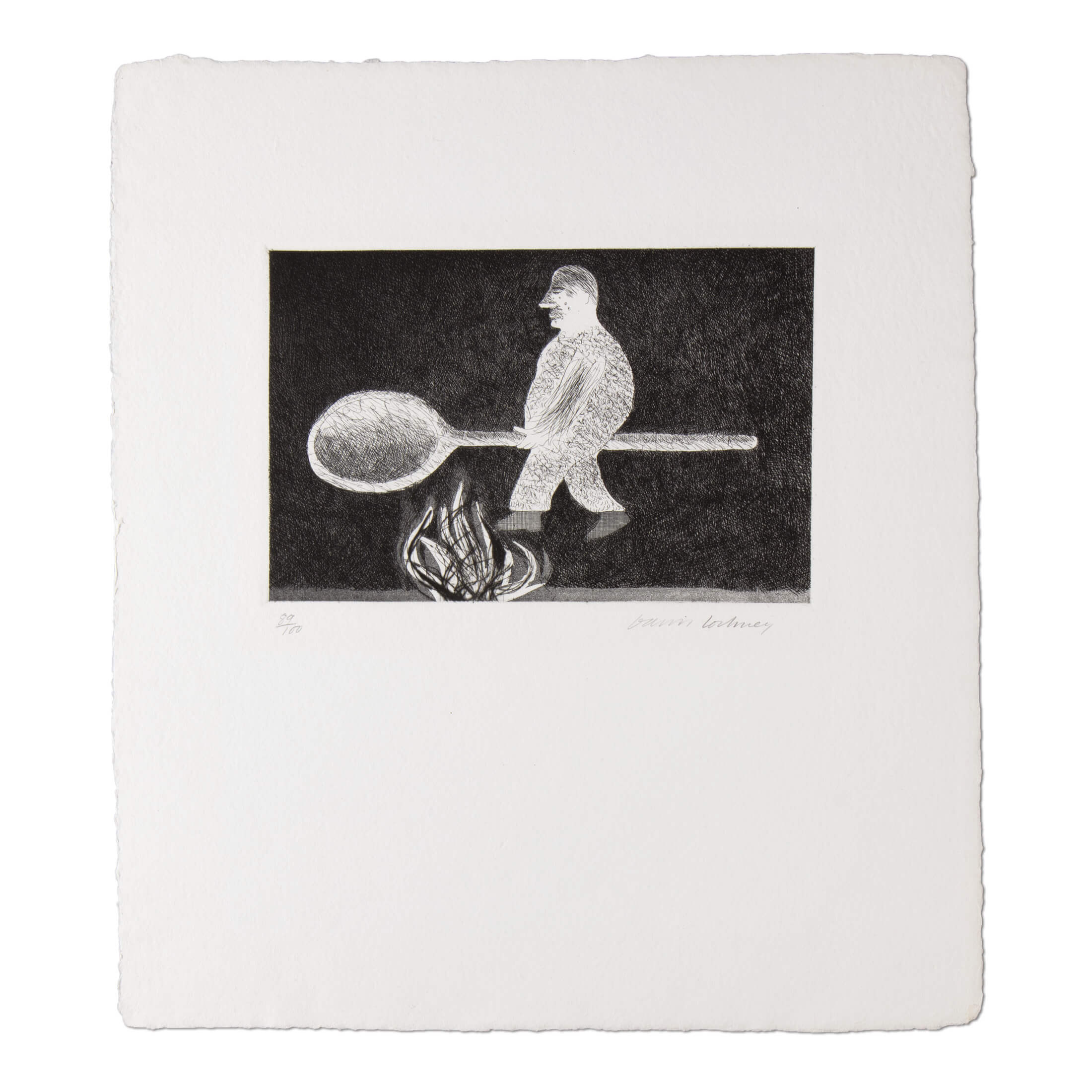
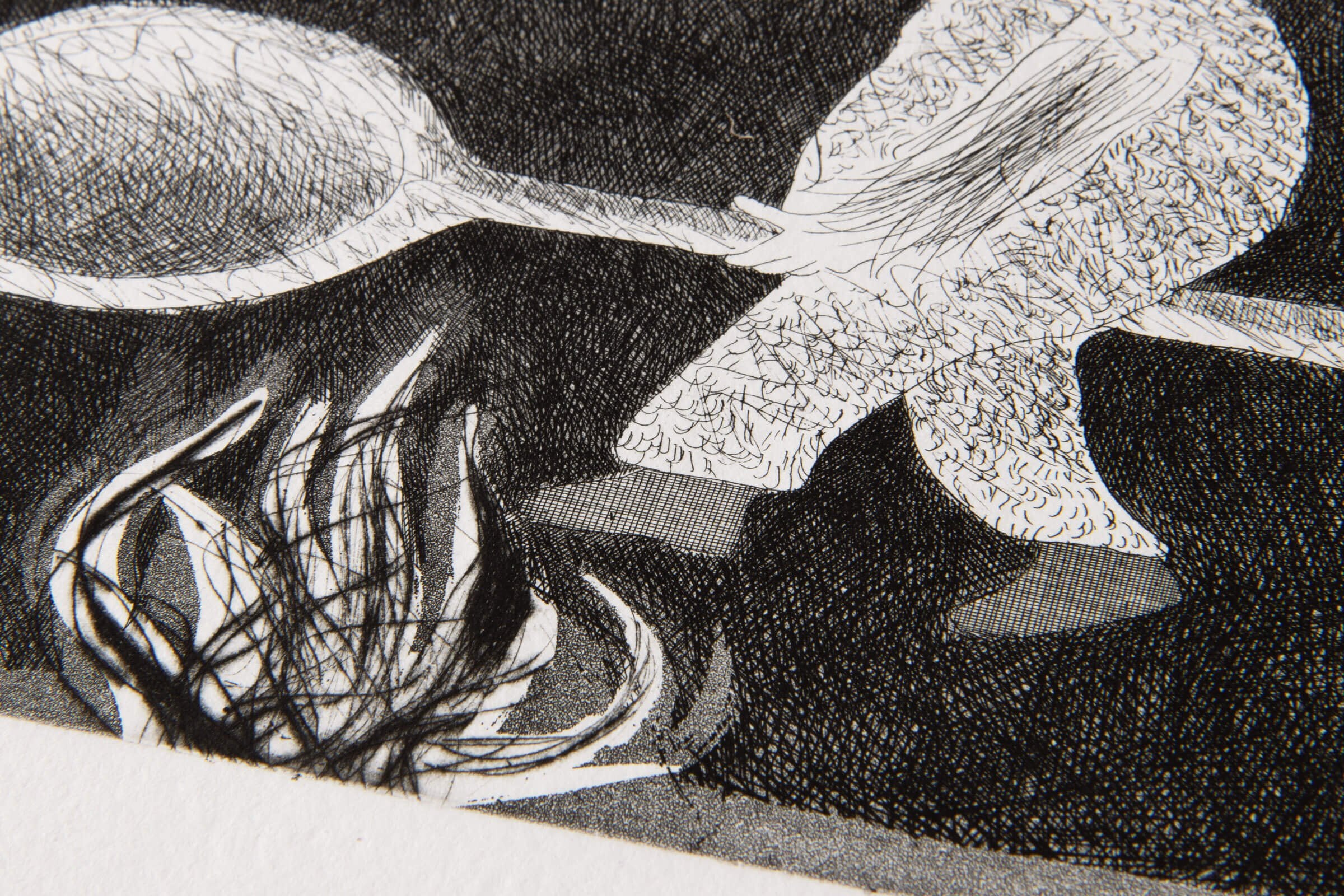
David Hockney - Riding Around on a Cooking SpoonDavid Hockney - Riding Around on a Cooking Spoon
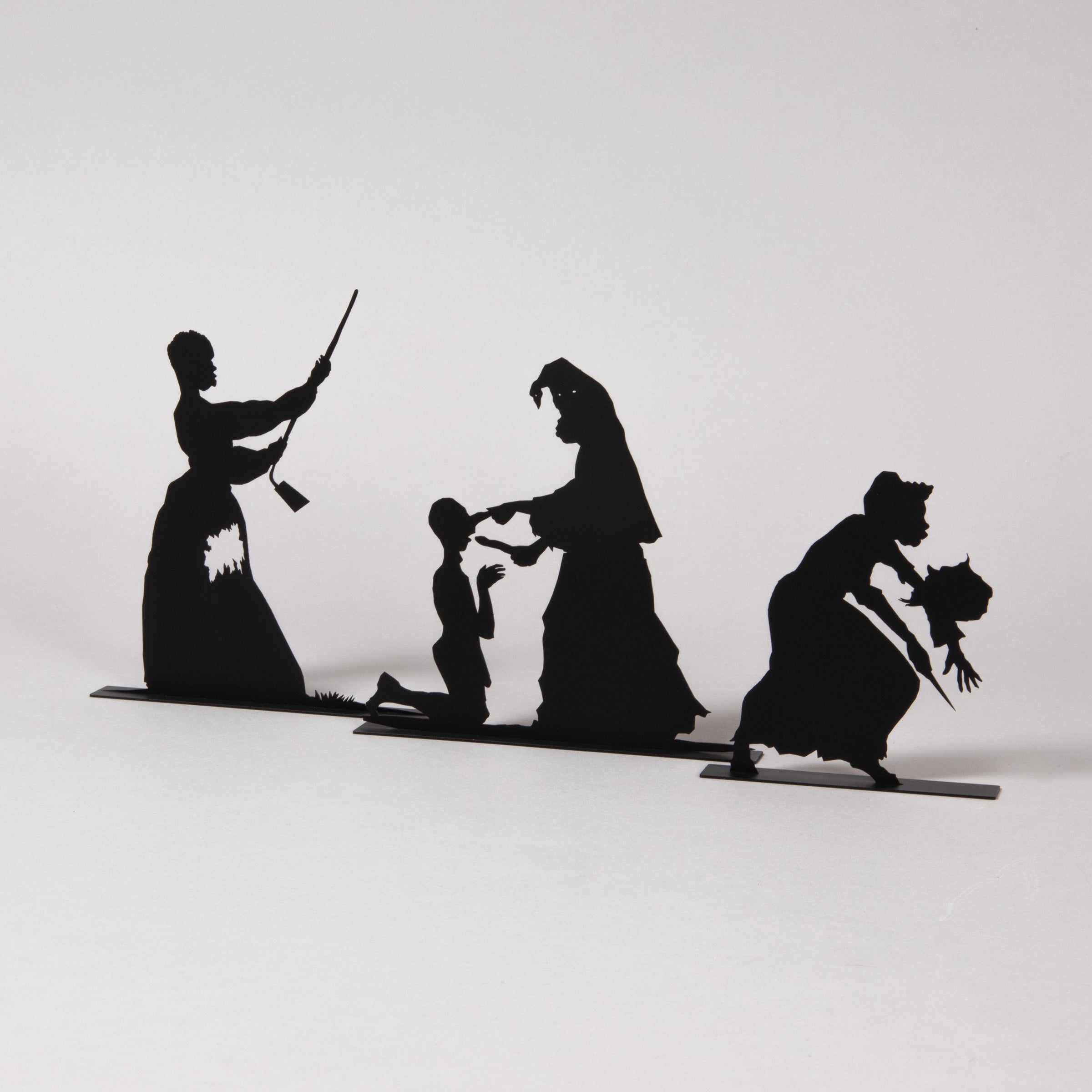
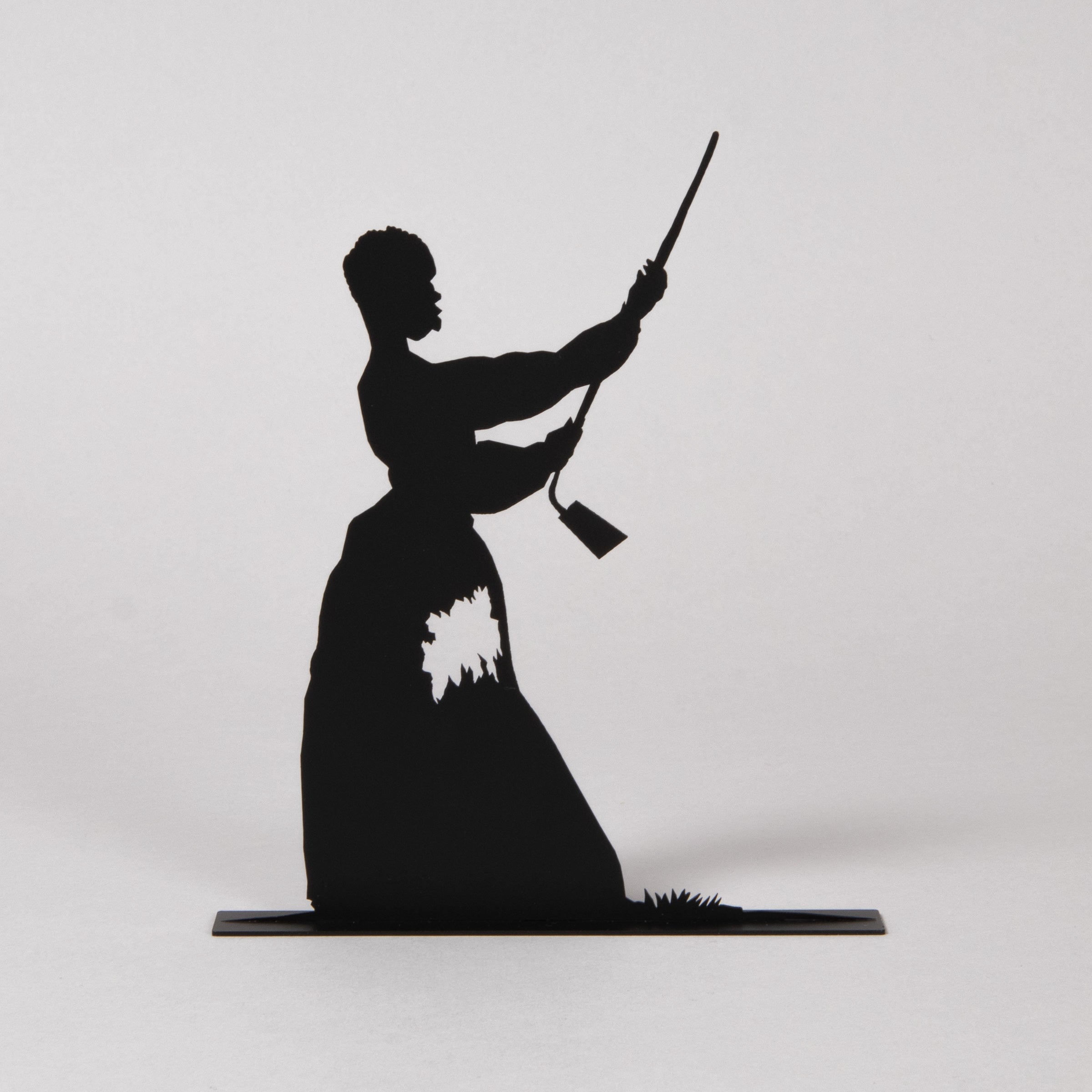
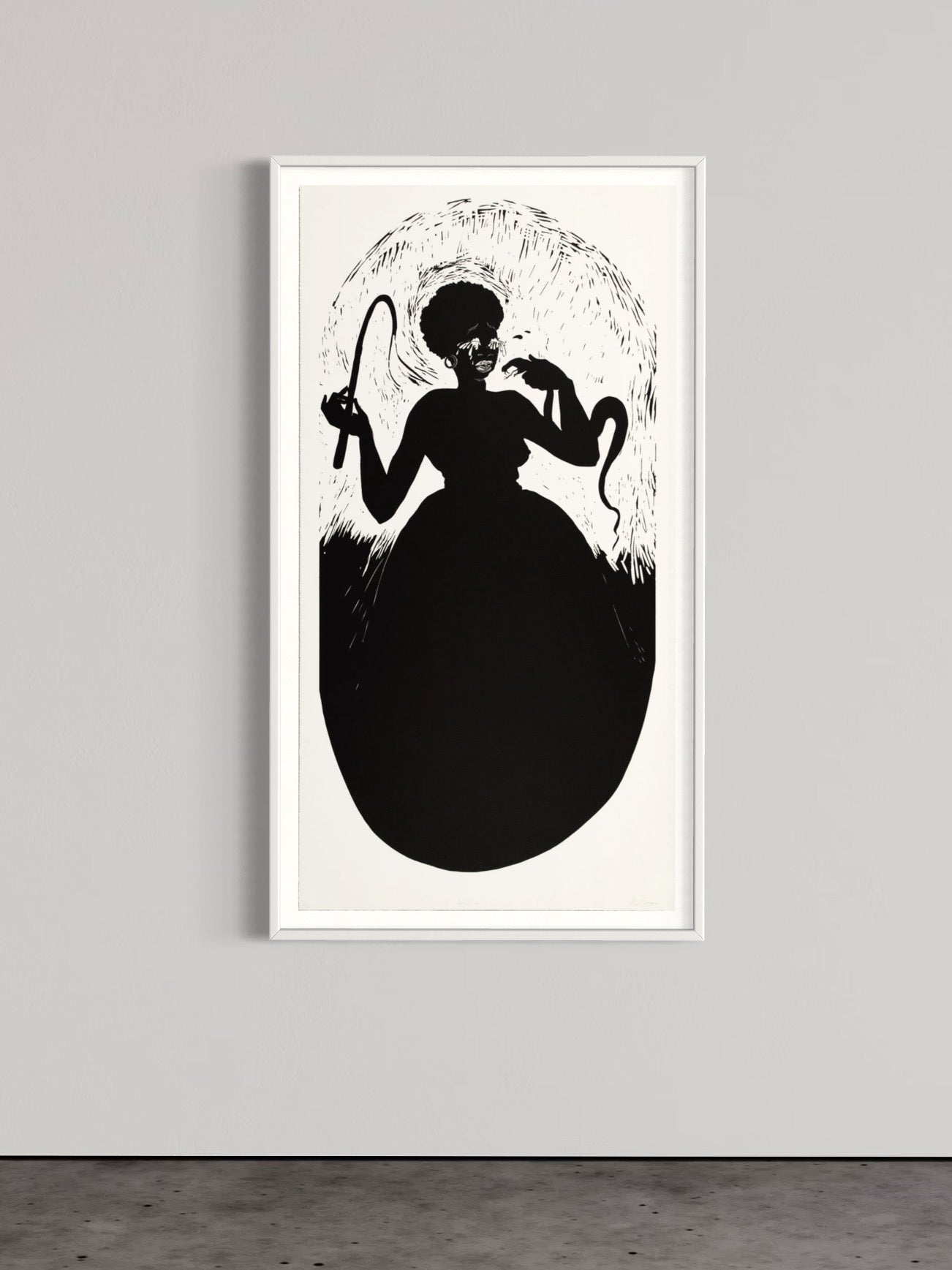
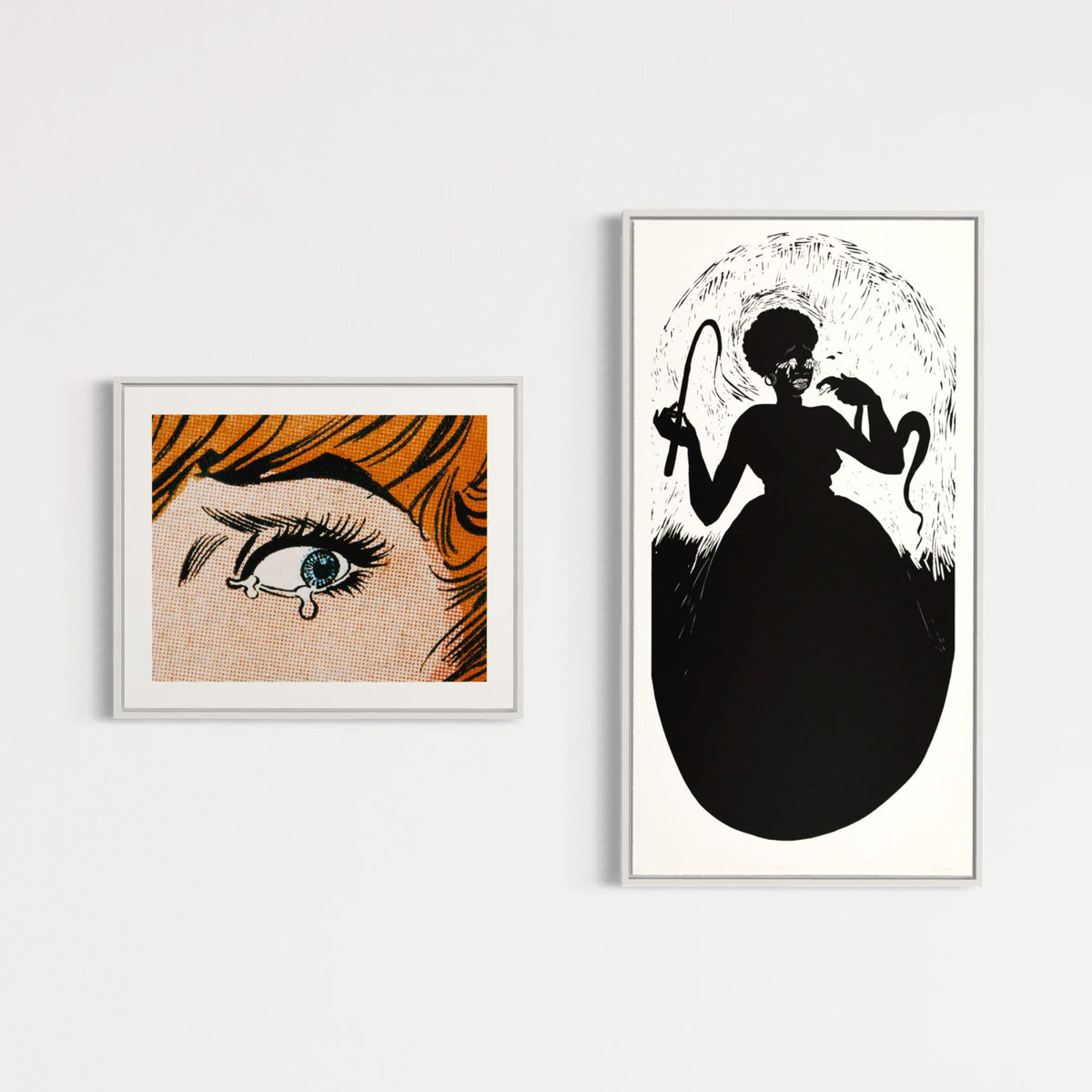
Kara Walker – The Bush. Skinny. De-boningKara Walker – The Bush. Skinny. De-boning
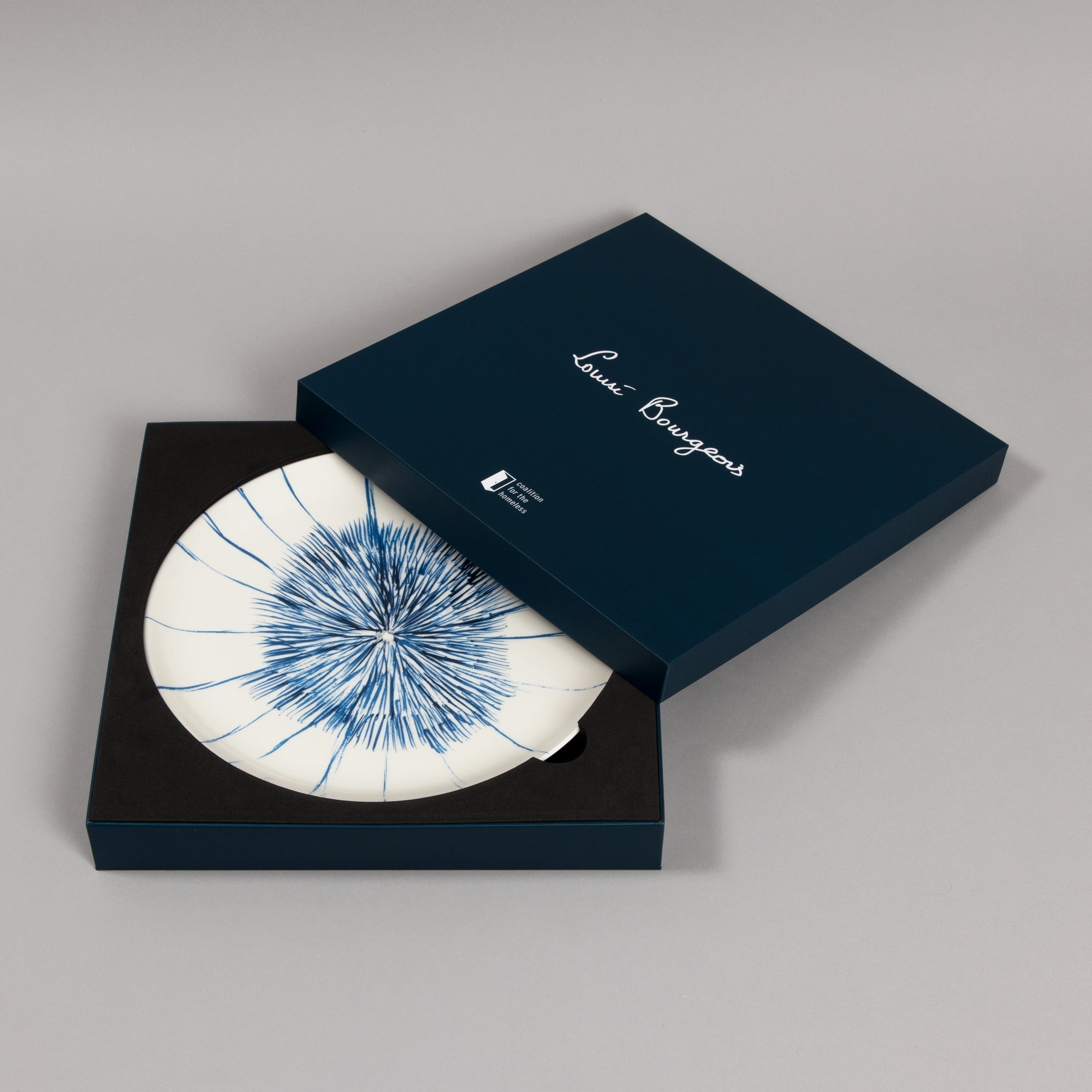
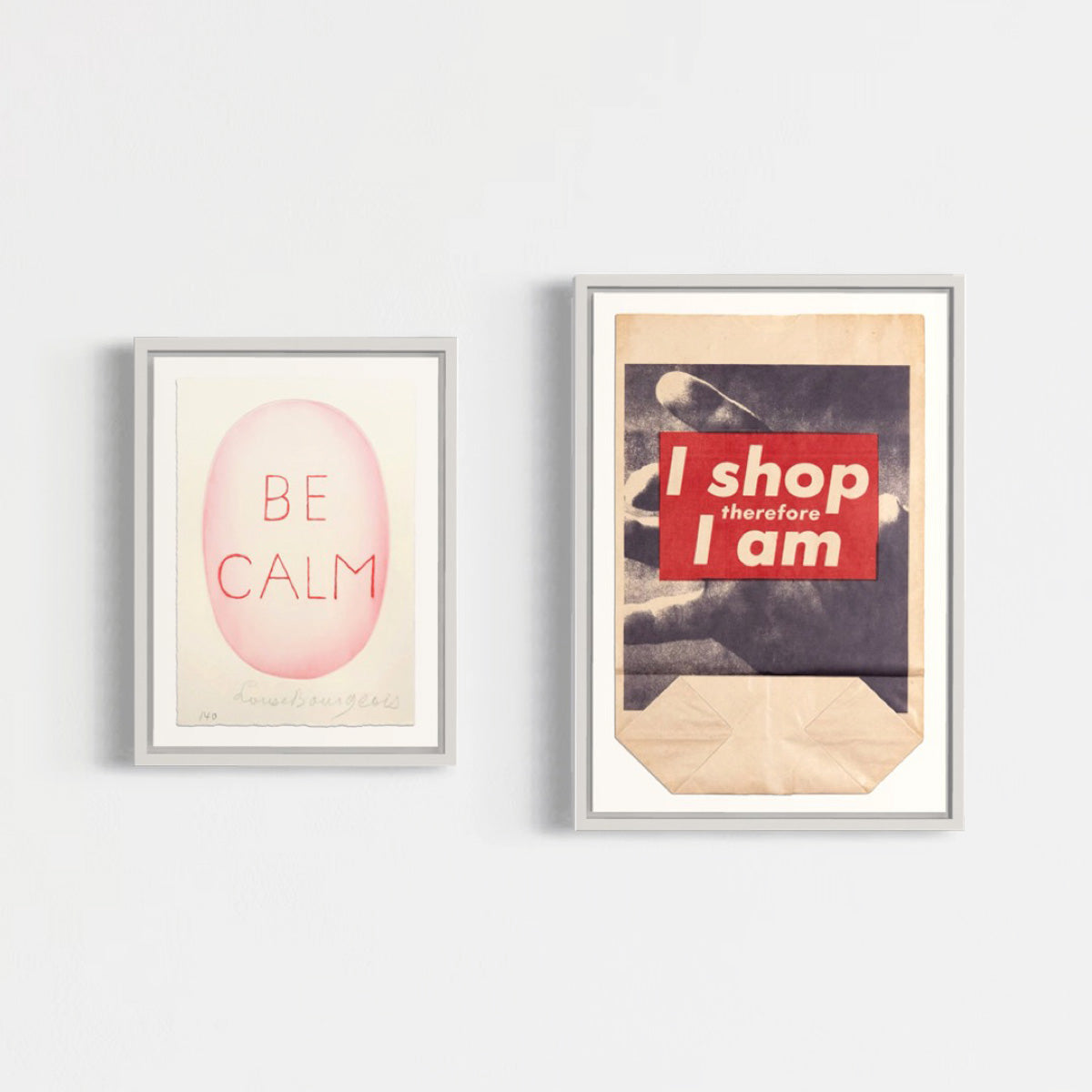
Louise Bourgeois - Je t'aimeLouise Bourgeois - Je t'aime
Louise Bourgeois – Je t'aime Sale price€1.600,00
Louise Giovanelli – PlexusLouise Giovanelli – Plexus
Louise Giovanelli – Plexus Sale price€1.600,00
Sold out
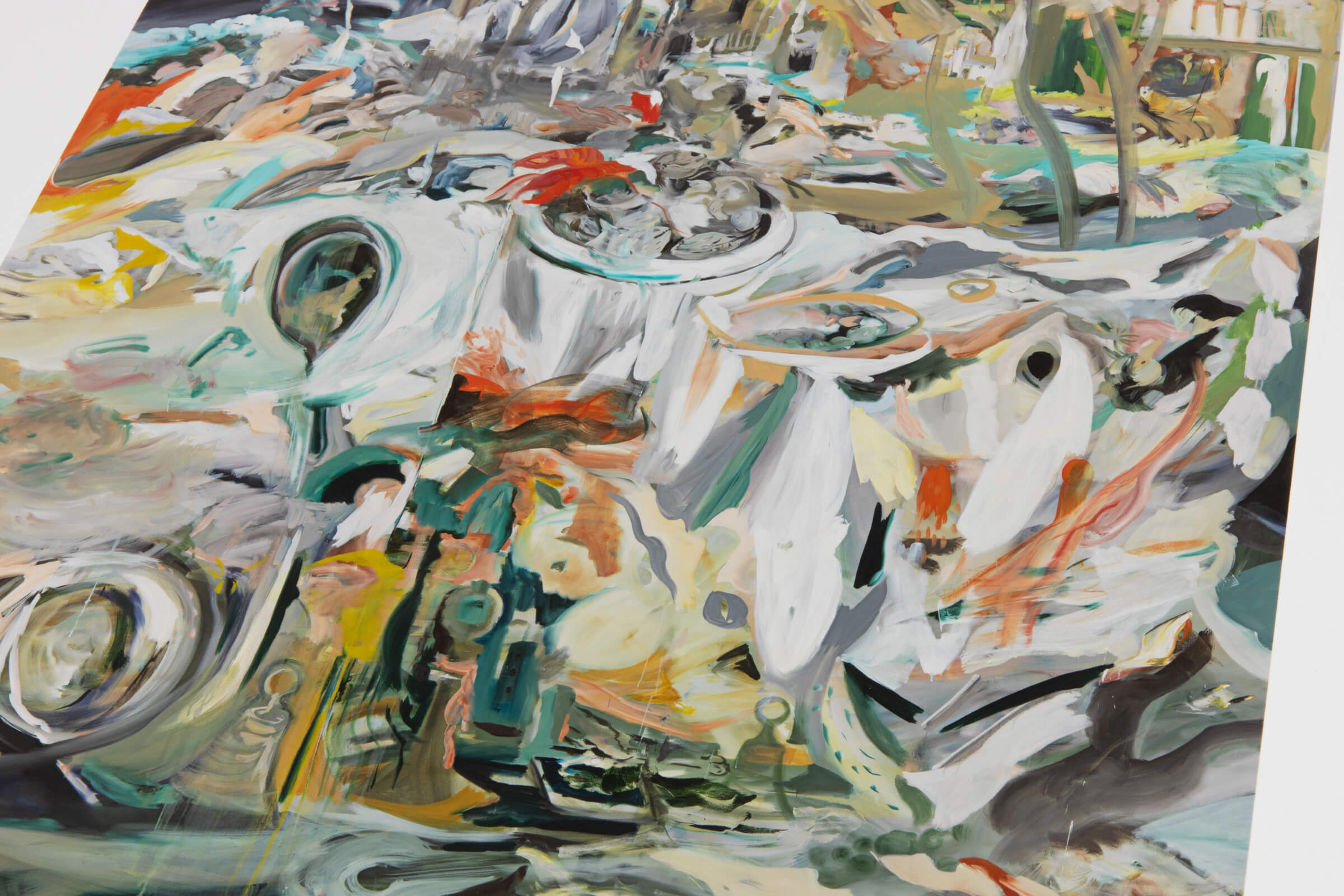
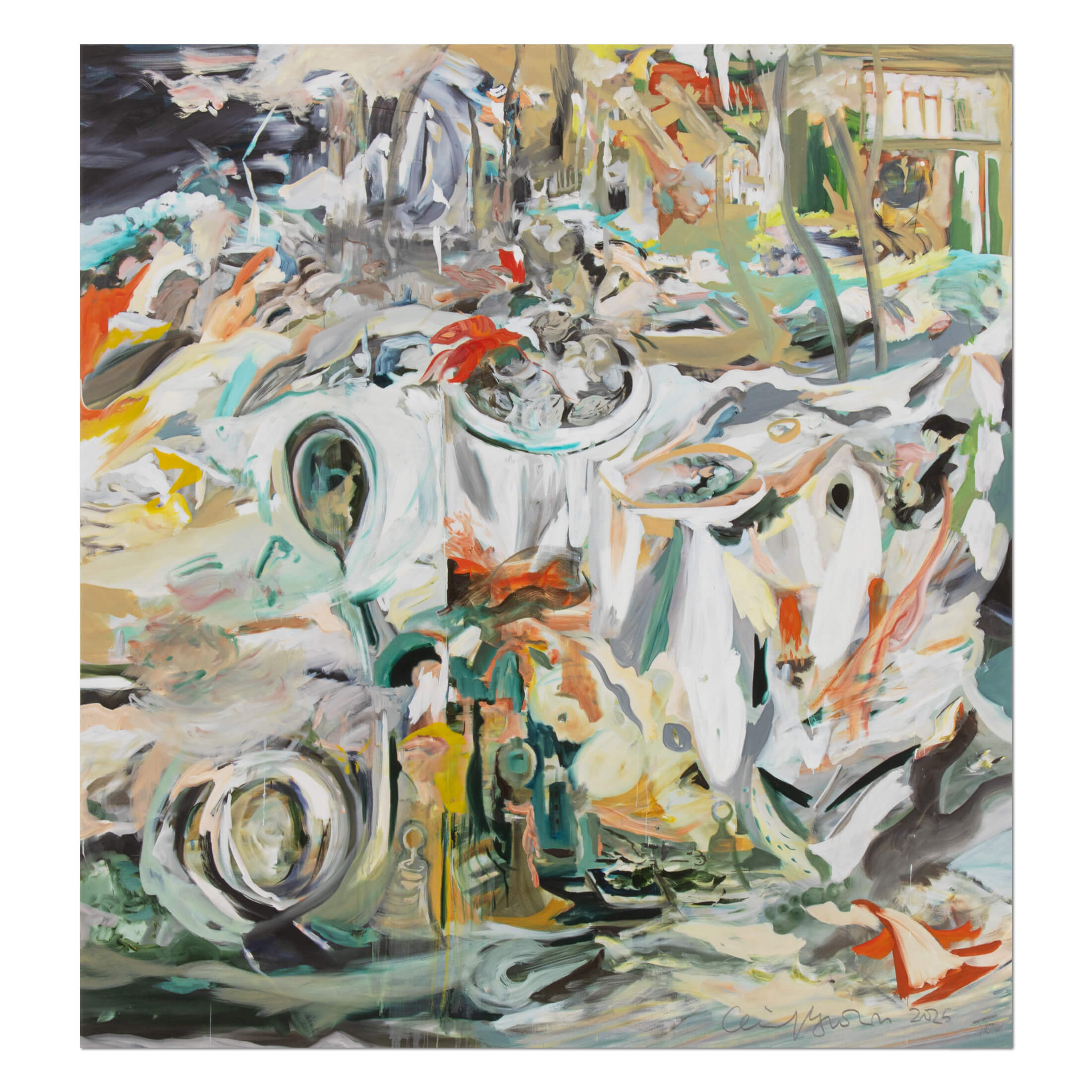
Cecily Brown – The 5 SensesCecily Brown – The 5 Senses
Cecily Brown – The 5 Senses Sale price€4.400,00
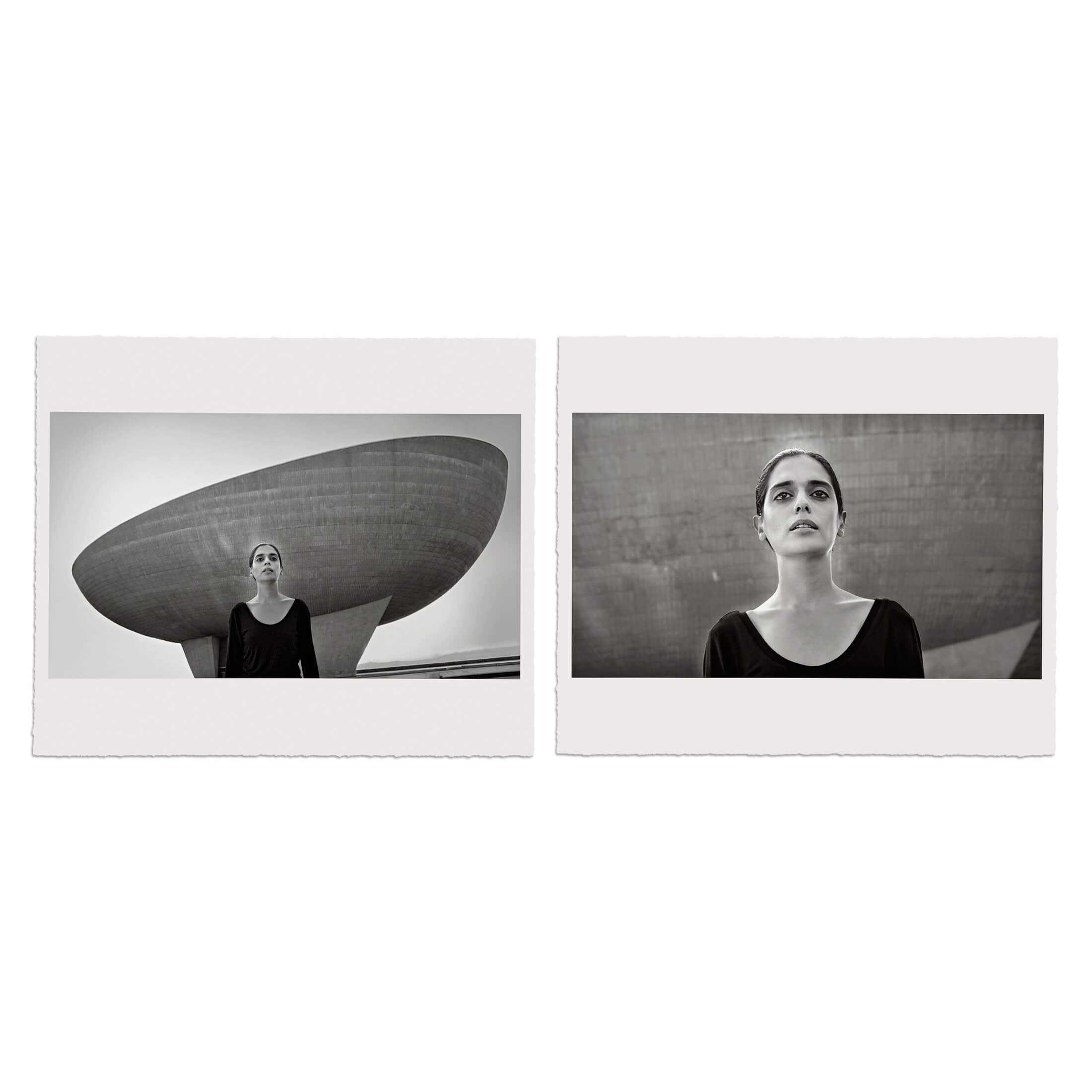
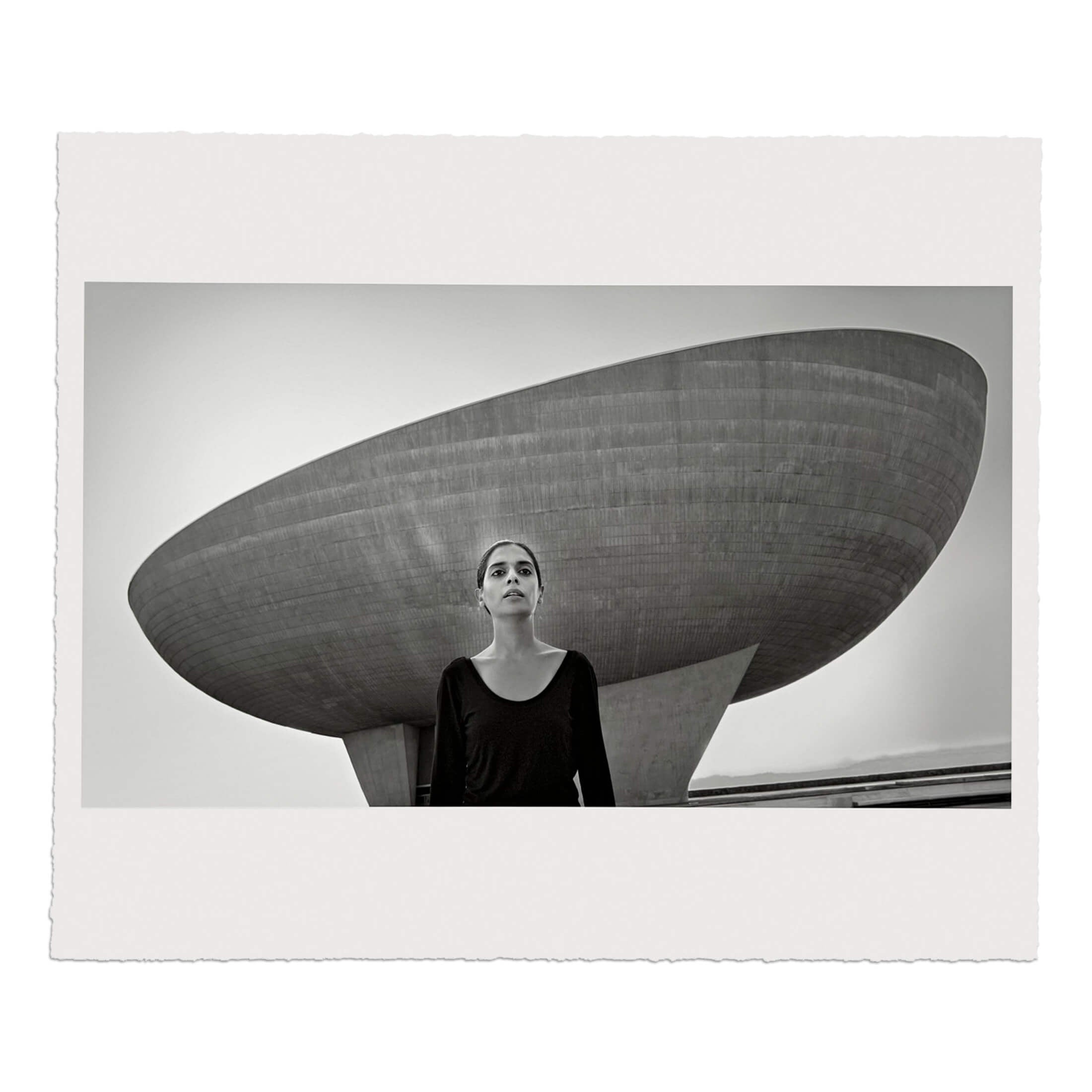
Shirin Neshat – From RojaShirin Neshat – From Roja
Shirin Neshat – From Roja Sale price€4.400,00
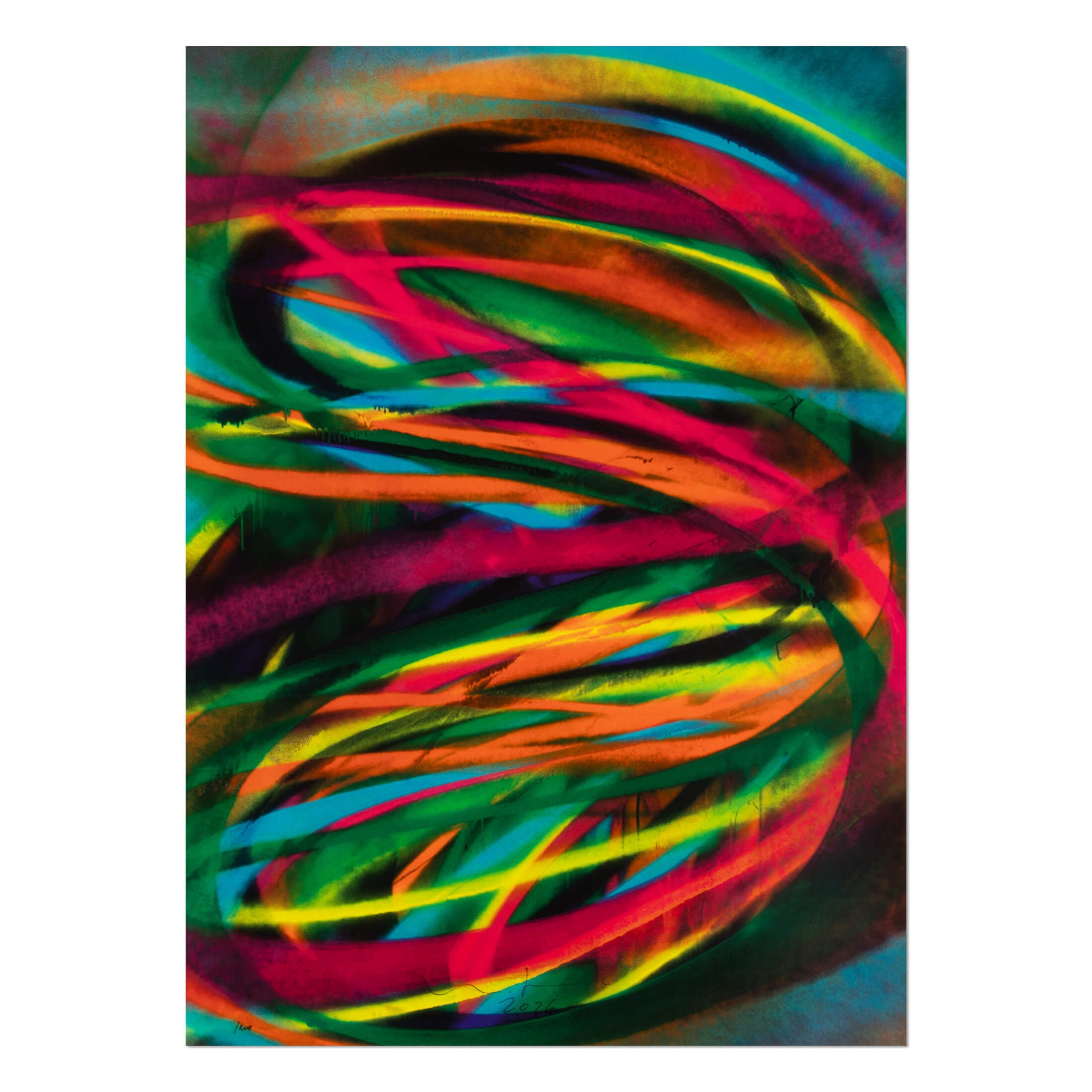
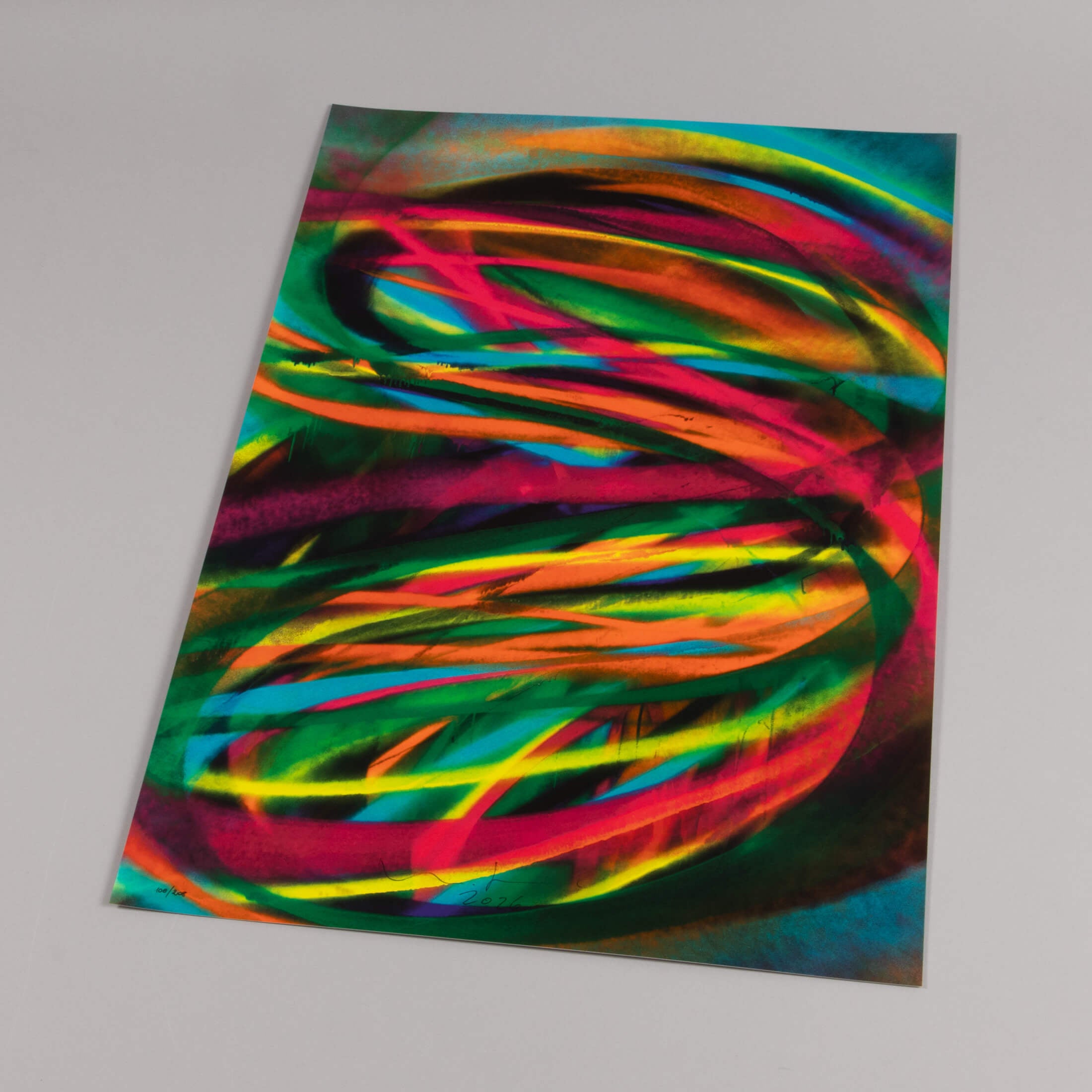
Katharina Grosse – Untitled (Composition 3)Katharina Grosse – Untitled (Composition 3)
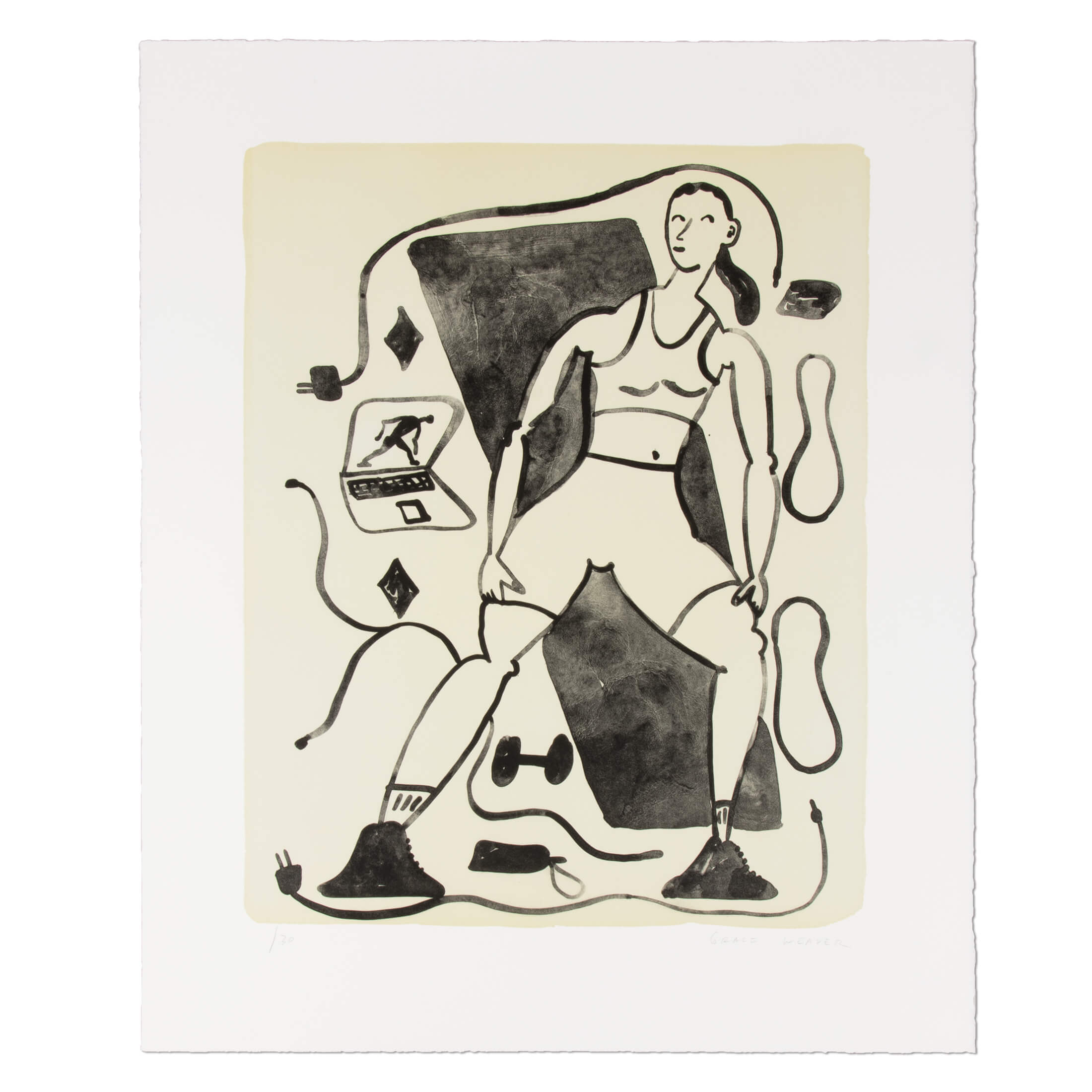
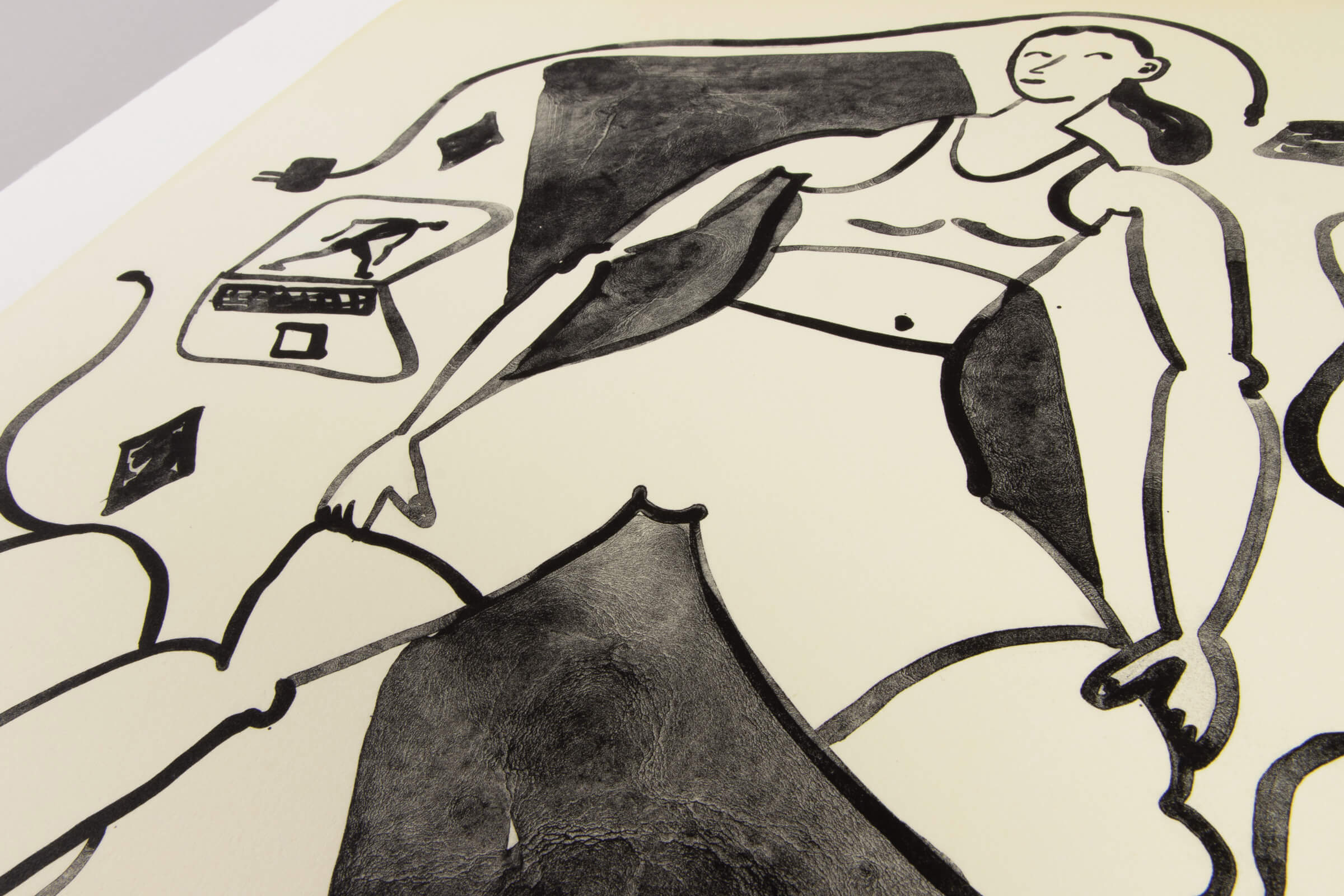
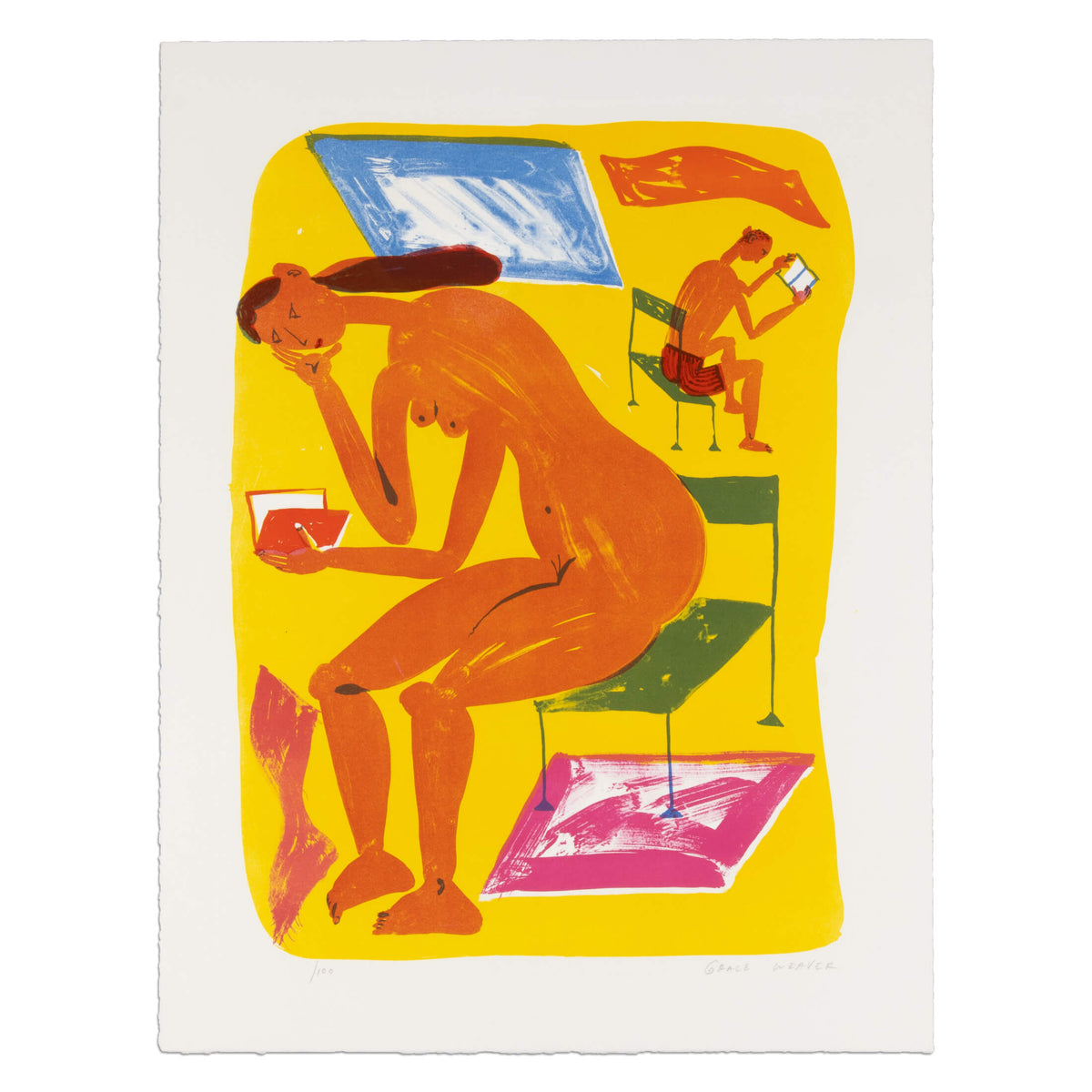
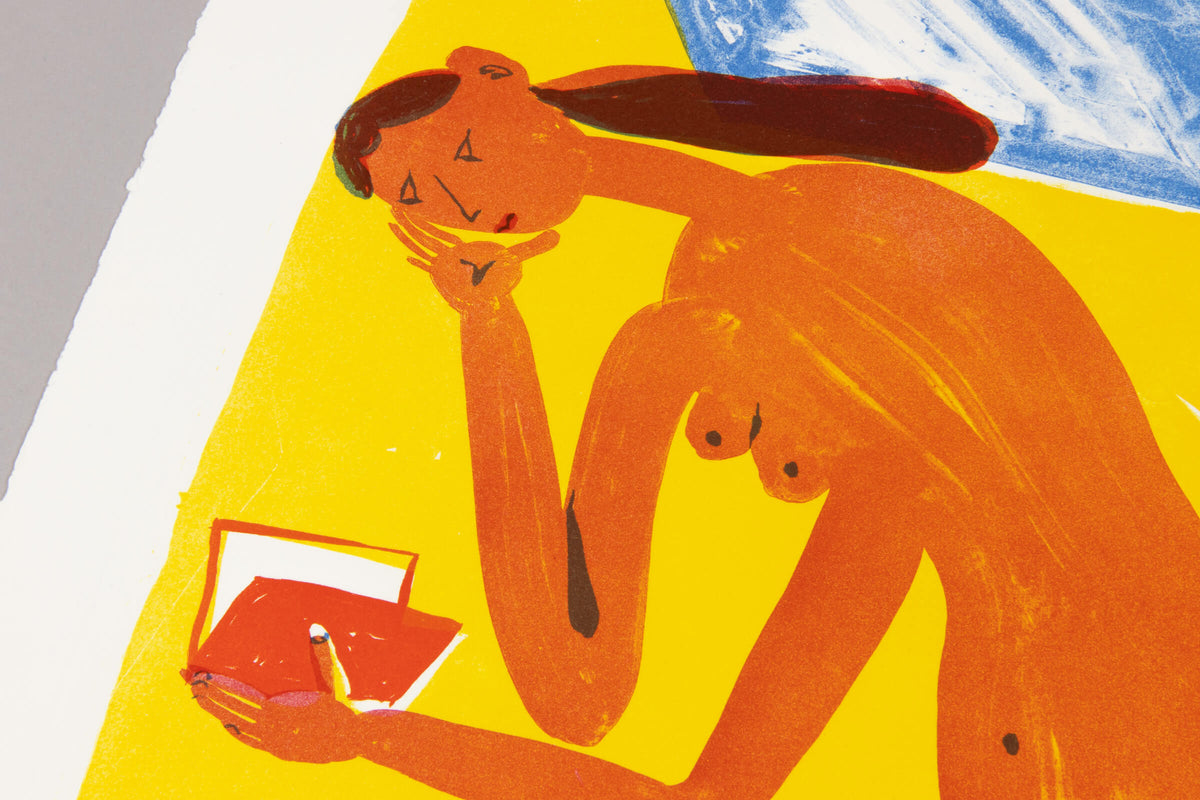
Grace Weaver – UntitledGrace Weaver – Untitled
Grace Weaver – Untitled Sale price€1.500,00
Leading Women Artists

Explore works by leading women artists whose practices have defined and expanded contemporary art. From conceptual and text-based works to figurative and abstract approaches, these artists continue to shape the visual language of today.

All artists
01

Collect Women Artists

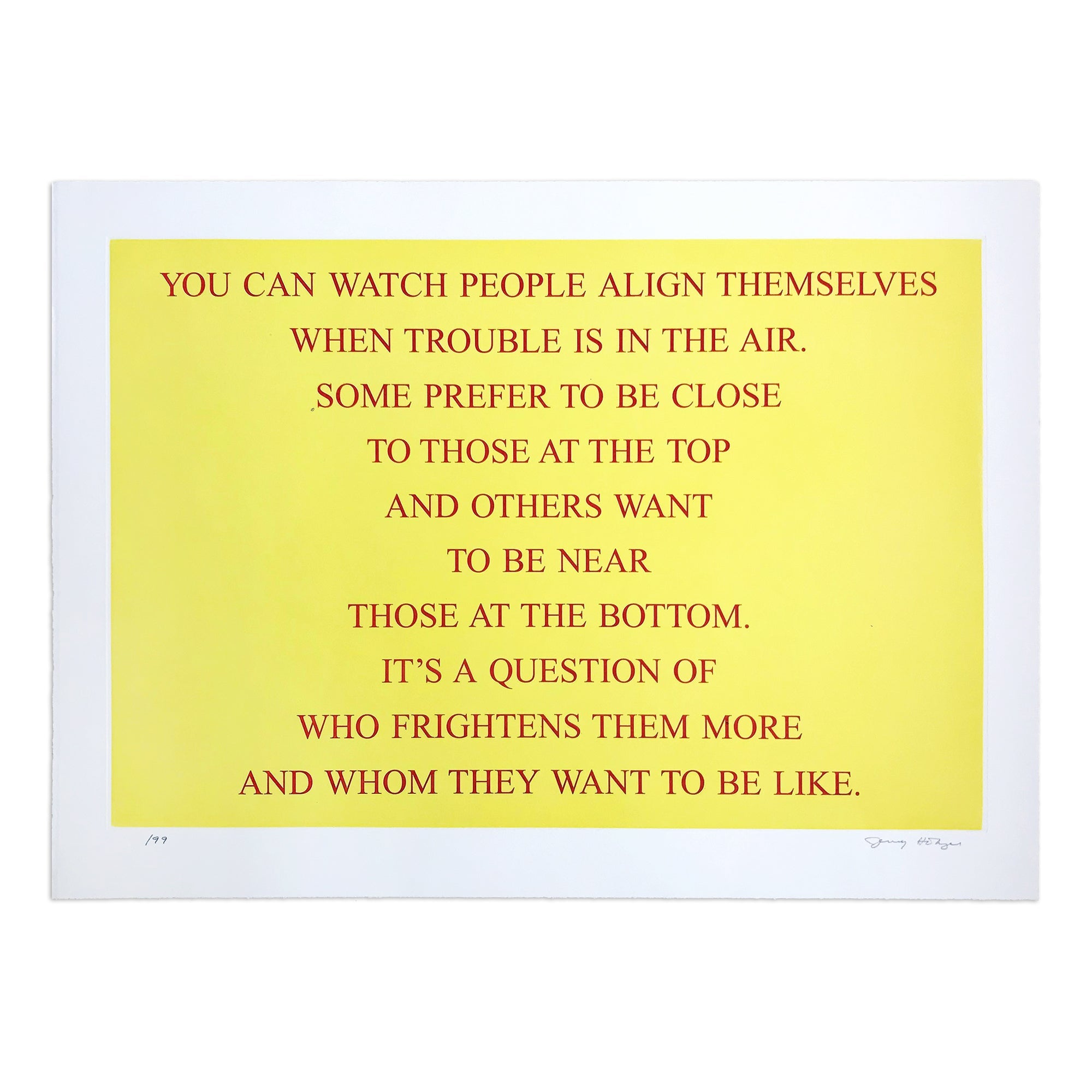
This collection brings together signed prints, photographs, and editions by some of the most significant women artists in contemporary art. What connects them is not medium or generation but method: each took an existing form and transformed it into something it had never been before. Louise Bourgeois turned autobiography into monumental sculpture. Barbara Kruger redirected advertising's visual grammar against the ideologies it normally serves. Jenny Holzer proved that a single sentence, placed in public space, carries more political force than a painting. Cindy Sherman used the camera not to document but to dismantle — revealing femininity as construction rather than nature. Carmen Herrera pursued geometric abstraction with a rigour the art world took fifty years to recognise. Rosemarie Trockel submitted machine-knitted works to institutions that had never considered craft a serious medium, and forced a reckoning.

That reckoning is still unfolding. Major institutions are actively revisiting their collections, biennials are foregrounding historically underrepresented practices, and artists overlooked for decades are being reappraised alongside those who have long held institutional recognition. The works here — spanning sculpture, photography, painting, printmaking, and installation — sit at the centre of that shift. Their editions, strictly limited and signed, offer collectors the chance to participate in that reappraisal rather than arrive after it.

02

Female Artists in History

In 2023, Tate Britain rehung its galleries for the first time in its 126-year history with half of the contemporary artists on display being women — a measure of how much ground remained to be covered, not a declaration of parity achieved. The same shift is visible at the 2022 Venice Biennale and in the rise of dedicated all-women auctions. Structural inequalities persist: works by women artists continue to achieve a fraction of the prices of their male counterparts, and commercial gallery representation remains skewed toward male artists despite the majority of postgraduate art students being female or non-binary.

The historical record is longer and more complex than these recent corrections suggest. Between the 16th and 18th centuries, women across Northern and Southern Europe were active as painters, teachers, and printmakers — often trained within artistic families precisely because official academies excluded them. Marietta Robusti trained under her father Tintoretto; Rachel Ruysch's still lifes were among the most sought-after of her era. Artemisia Gentileschi achieved recognition in her lifetime while navigating persistent limits in access, patronage, and critical reception. Their presence was never marginal — it was made invisible by the institutions that controlled the record.

Exhibitions such as Now You See Us: Women Artists in Britain 1520–1920 at Tate Britain function as critical interventions rather than retrospectives — foregrounding artists who worked in traditionally male-dominated genres and repositioning them within a history that excluded them by design.

03

Contemporary Women Artists

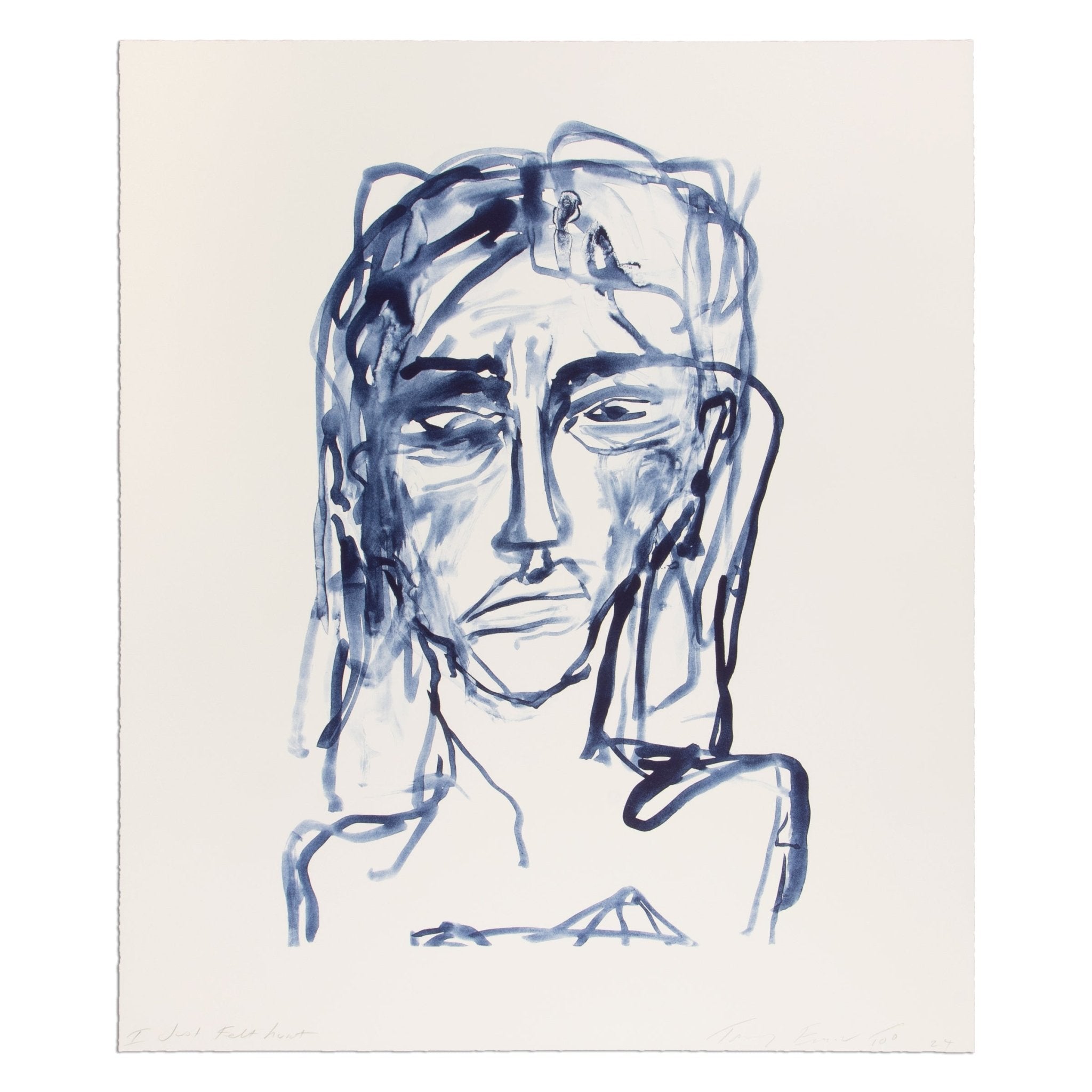
The generation that followed built on those foundations while staking out entirely new territory. Kara Walker borrowed the silhouette from European portraiture and used it to expose what that tradition had always concealed — antebellum America rendered elegant and unbearable in equal measure. Marlene Dumas paints from photographs — newspaper images, pornography, family snapshots — and produces something photography itself can never be: slow, morally uncomfortable, psychologically exact. Tracey Emin made autobiography the medium itself, collapsing the distance between private experience and public art in ways that transformed what confessional practice could look like. Elizabeth Peyton's intimate portraits — of friends, historical figures, musicians — redefined figurative painting as a site of emotional precision rather than spectacle.

Beyond Europe and North America, the field has expanded significantly. Shirin Neshat's photographic and video works give visibility to the conditions under which women's bodies and voices are controlled within political systems that render them invisible. Katharina Grosse treats colour as a spatial and psychological force — spraying pigment across architecture, soil, and fabric in immersive installations that dissolve the boundary between painting and environment. Cecily Brown returned painting to the body with a gestural force that made the medium feel urgent again — figuration and abstraction in constant, productive tension.

What these practices share is a refusal to separate the personal from the political, the formal from the experiential. Their editions — prints, photographs, multiples — carry that same insistence into collectible form.

01

Collect Women Artists

This collection brings together signed prints, photographs, and editions by some of the most significant women artists in contemporary art. What connects them is not medium or generation but method: each took an existing form and transformed it into something it had never been before. Louise Bourgeois turned autobiography into monumental sculpture. Barbara Kruger redirected advertising's visual grammar against the ideologies it normally serves. Jenny Holzer proved that a single sentence, placed in public space, carries more political force than a painting. Cindy Sherman used the camera not to document but to dismantle — revealing femininity as construction rather than nature. Carmen Herrera pursued geometric abstraction with a rigour the art world took fifty years to recognise. Rosemarie Trockel submitted machine-knitted works to institutions that had never considered craft a serious medium, and forced a reckoning.

That reckoning is still unfolding. Major institutions are actively revisiting their collections, biennials are foregrounding historically underrepresented practices, and artists overlooked for decades are being reappraised alongside those who have long held institutional recognition. The works here — spanning sculpture, photography, painting, printmaking, and installation — sit at the centre of that shift. Their editions, strictly limited and signed, offer collectors the chance to participate in that reappraisal rather than arrive after it.

02

Female Artists in History

In 2023, Tate Britain rehung its galleries for the first time in its 126-year history with half of the contemporary artists on display being women — a measure of how much ground remained to be covered, not a declaration of parity achieved. The same shift is visible at the 2022 Venice Biennale and in the rise of dedicated all-women auctions. Structural inequalities persist: works by women artists continue to achieve a fraction of the prices of their male counterparts, and commercial gallery representation remains skewed toward male artists despite the majority of postgraduate art students being female or non-binary.

The historical record is longer and more complex than these recent corrections suggest. Between the 16th and 18th centuries, women across Northern and Southern Europe were active as painters, teachers, and printmakers — often trained within artistic families precisely because official academies excluded them. Marietta Robusti trained under her father Tintoretto; Rachel Ruysch's still lifes were among the most sought-after of her era. Artemisia Gentileschi achieved recognition in her lifetime while navigating persistent limits in access, patronage, and critical reception. Their presence was never marginal — it was made invisible by the institutions that controlled the record.

Exhibitions such as Now You See Us: Women Artists in Britain 1520–1920 at Tate Britain function as critical interventions rather than retrospectives — foregrounding artists who worked in traditionally male-dominated genres and repositioning them within a history that excluded them by design.

03

Contemporary Women Artists

The generation that followed built on those foundations while staking out entirely new territory. Kara Walker borrowed the silhouette from European portraiture and used it to expose what that tradition had always concealed — antebellum America rendered elegant and unbearable in equal measure. Marlene Dumas paints from photographs — newspaper images, pornography, family snapshots — and produces something photography itself can never be: slow, morally uncomfortable, psychologically exact. Tracey Emin made autobiography the medium itself, collapsing the distance between private experience and public art in ways that transformed what confessional practice could look like. Elizabeth Peyton's intimate portraits — of friends, historical figures, musicians — redefined figurative painting as a site of emotional precision rather than spectacle.

Beyond Europe and North America, the field has expanded significantly. Shirin Neshat's photographic and video works give visibility to the conditions under which women's bodies and voices are controlled within political systems that render them invisible. Katharina Grosse treats colour as a spatial and psychological force — spraying pigment across architecture, soil, and fabric in immersive installations that dissolve the boundary between painting and environment. Cecily Brown returned painting to the body with a gestural force that made the medium feel urgent again — figuration and abstraction in constant, productive tension.

What these practices share is a refusal to separate the personal from the political, the formal from the experiential. Their editions — prints, photographs, multiples — carry that same insistence into collectible form.

Explore Art Collections

Explore curated art collections across movements, themes, and artist groups, offering multiple ways to navigate and discover contemporary art.

View all
Prints, Photographs & Multiples

View our full collection of

Prints, Photographs & Multiples

Shop now