



Elizabeth Peyton
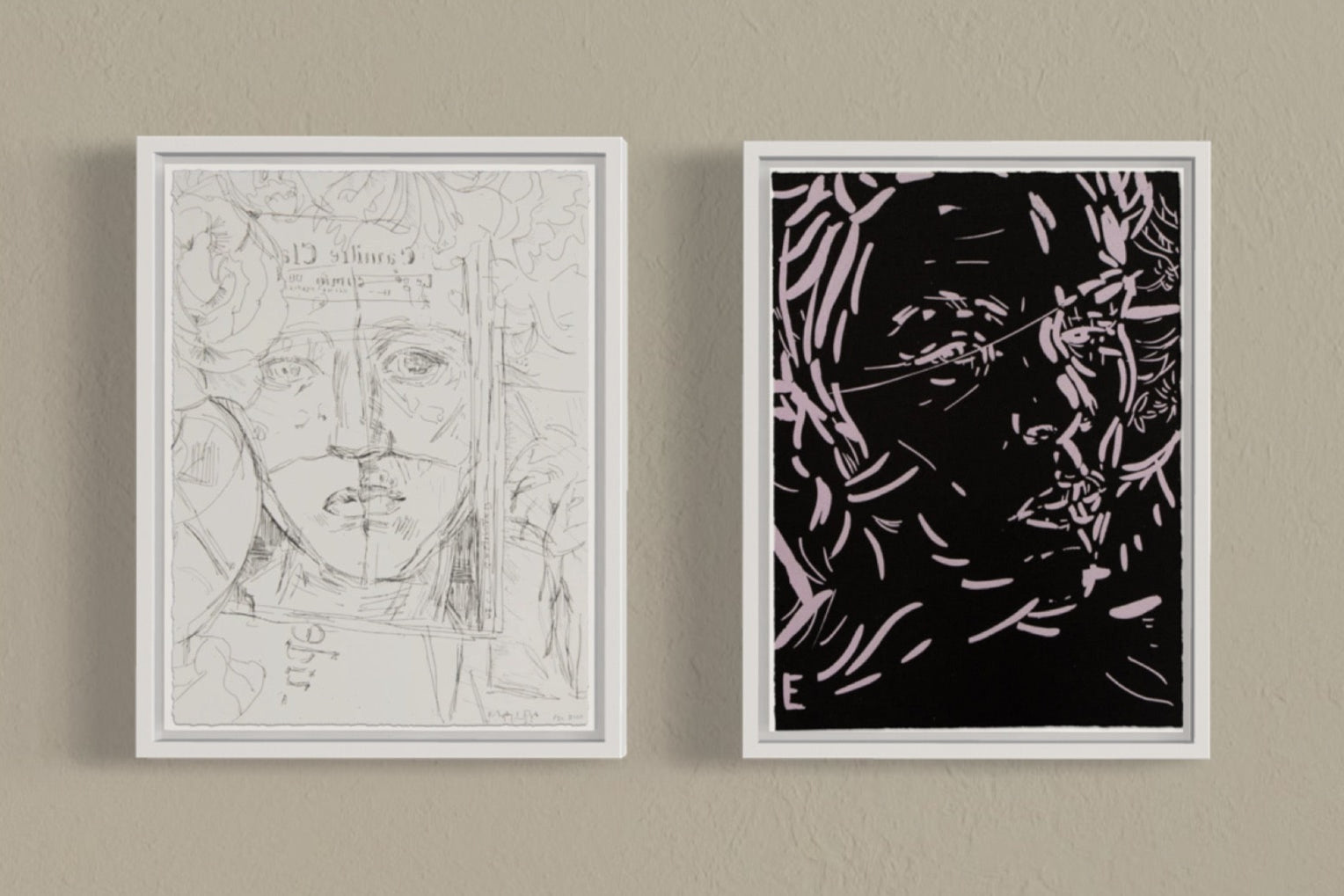
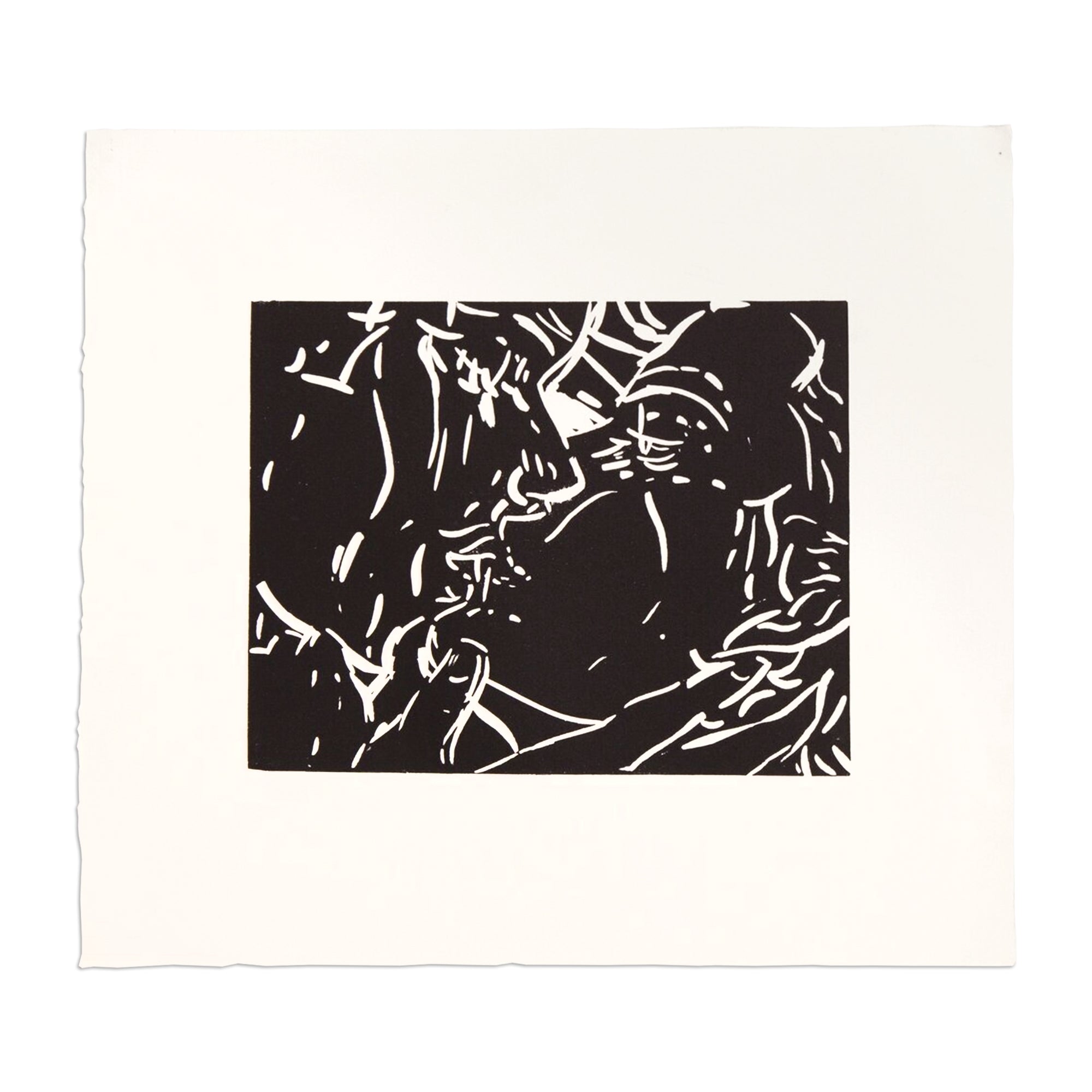
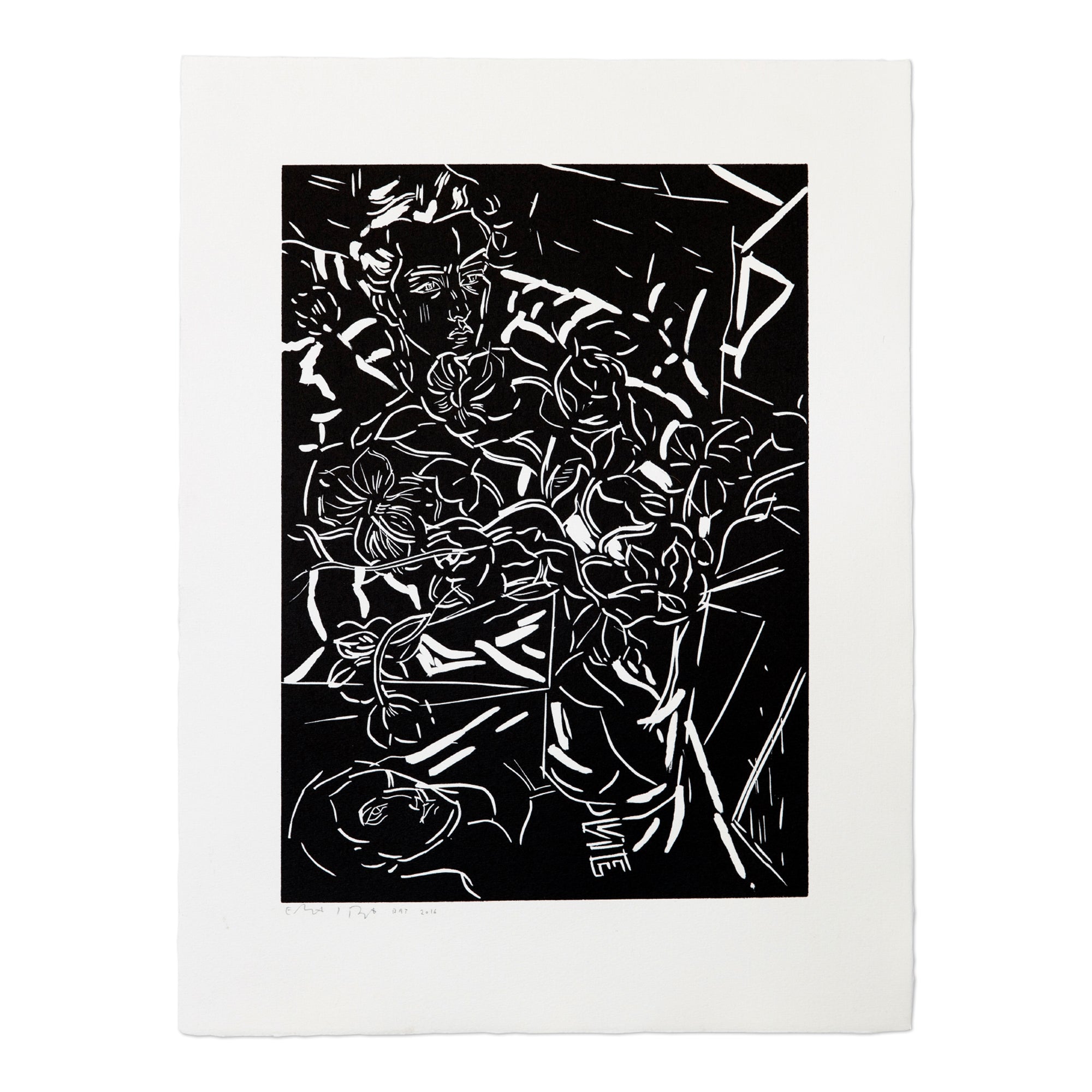
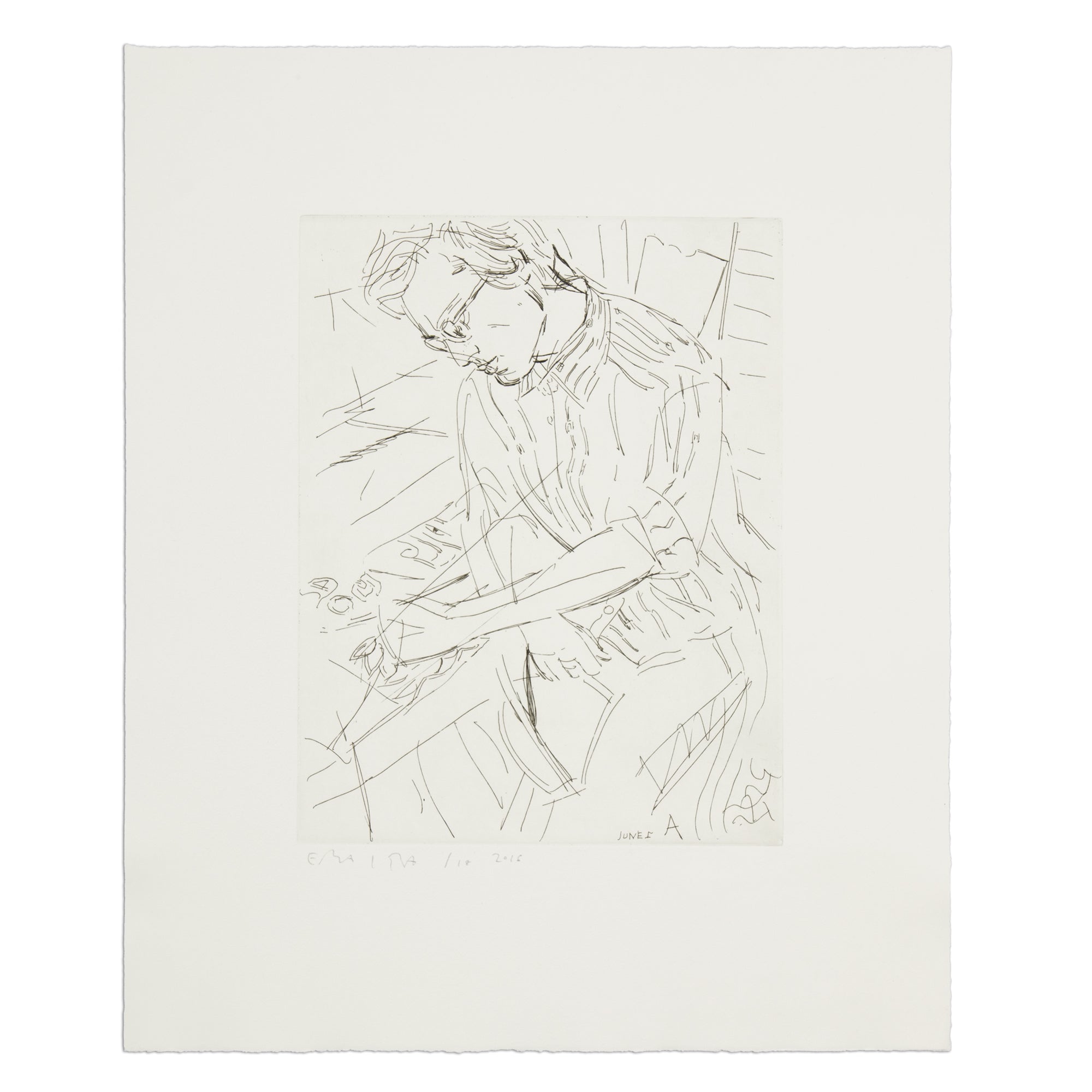
Elizabeth Peyton prints and editions for sale.
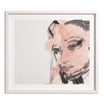
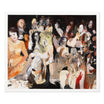
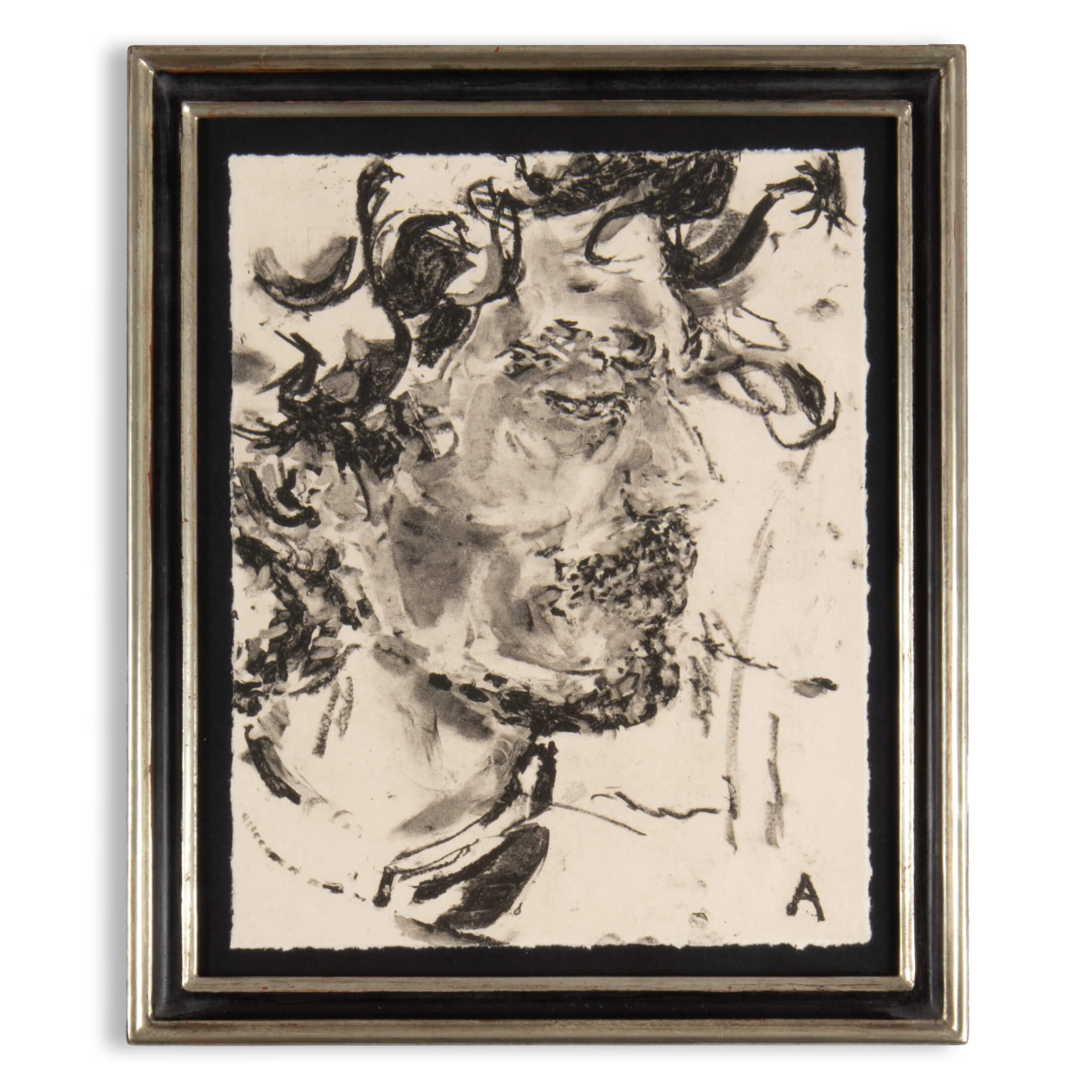
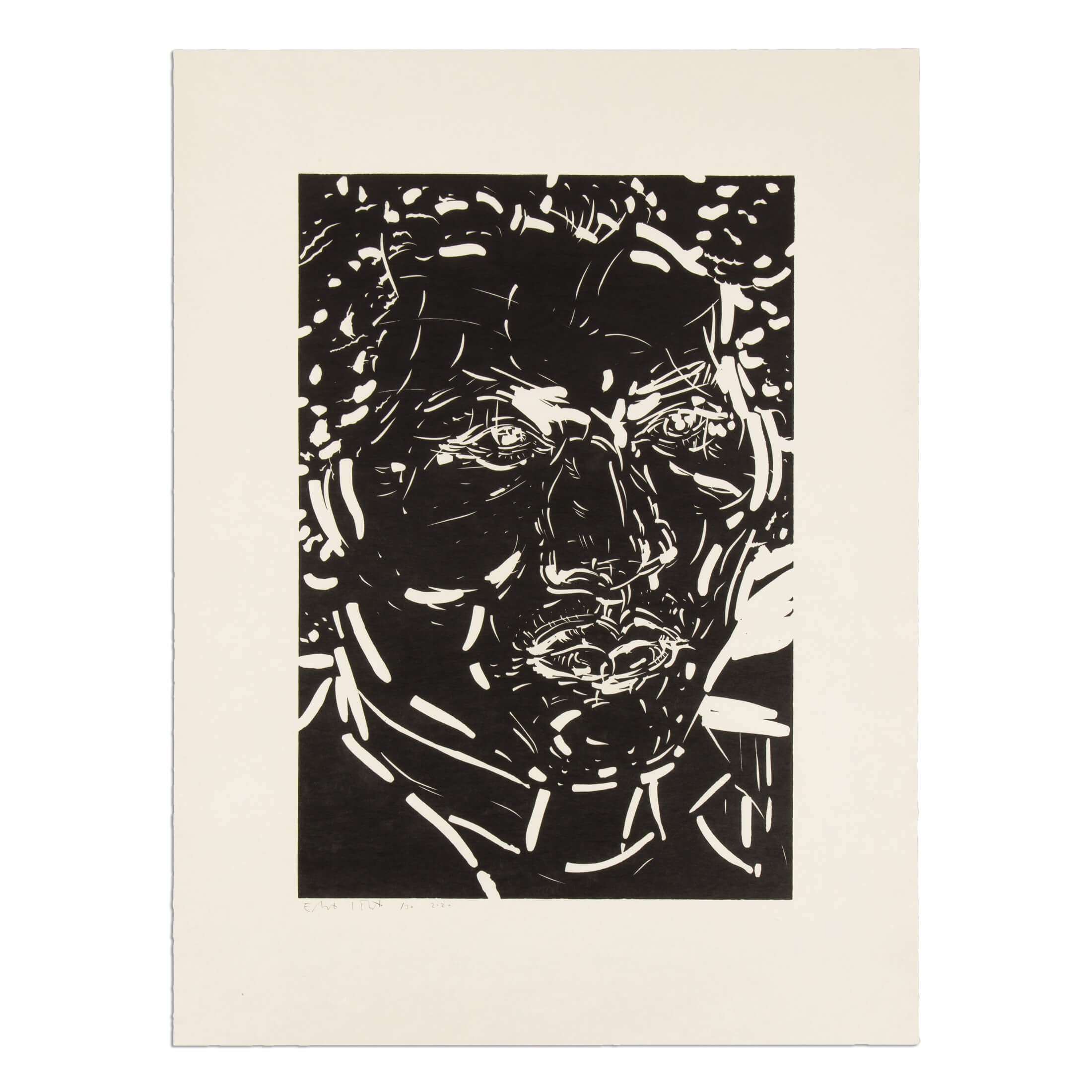
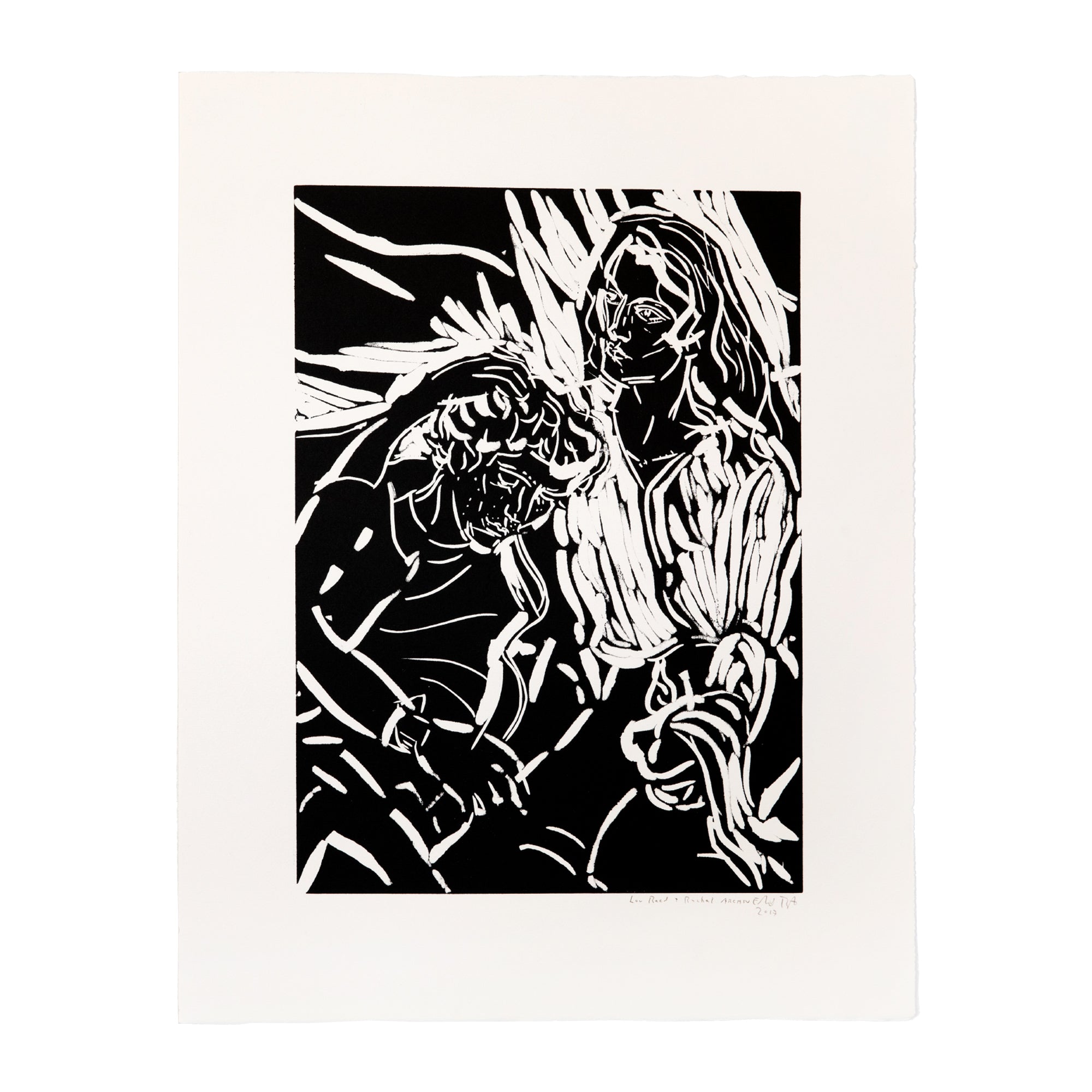
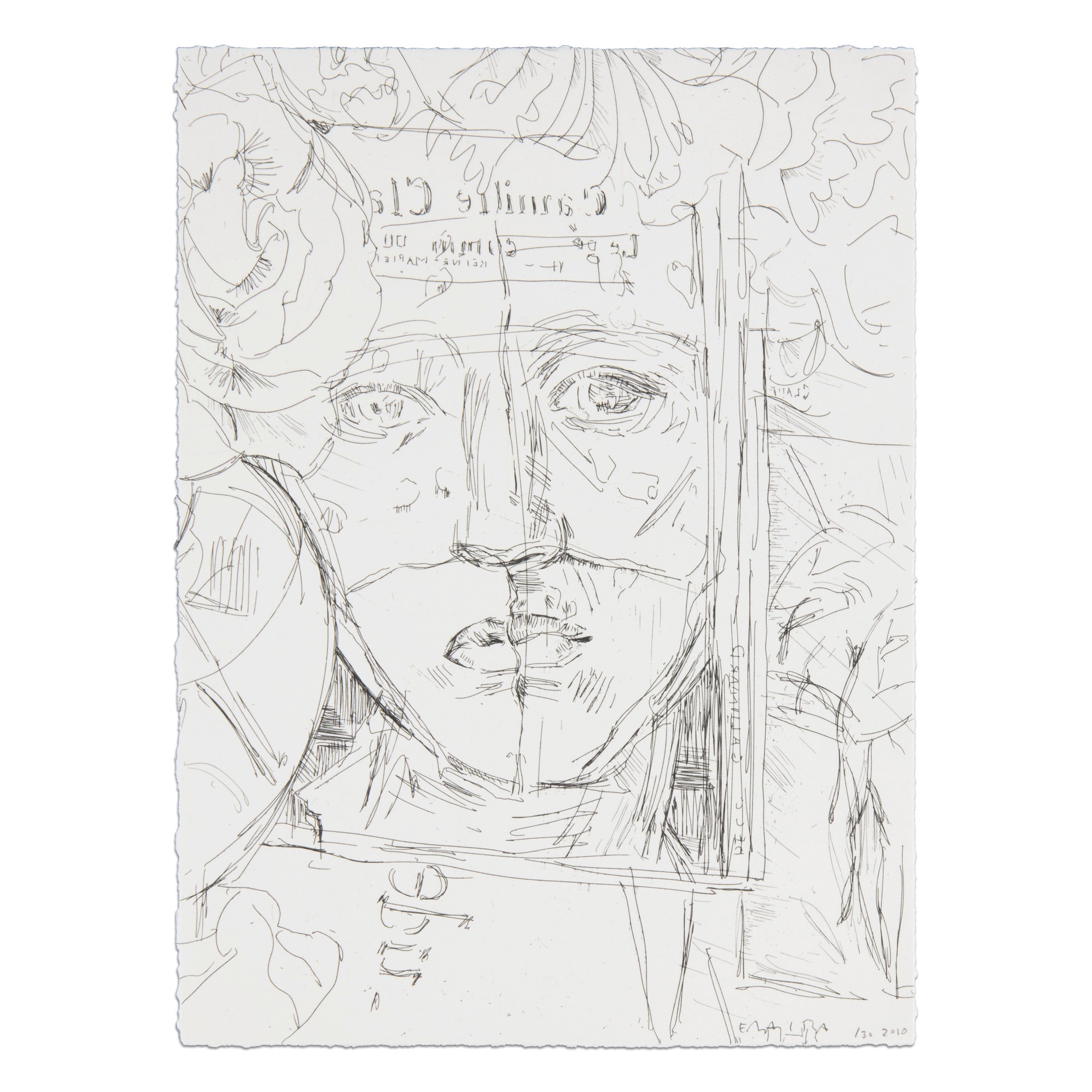
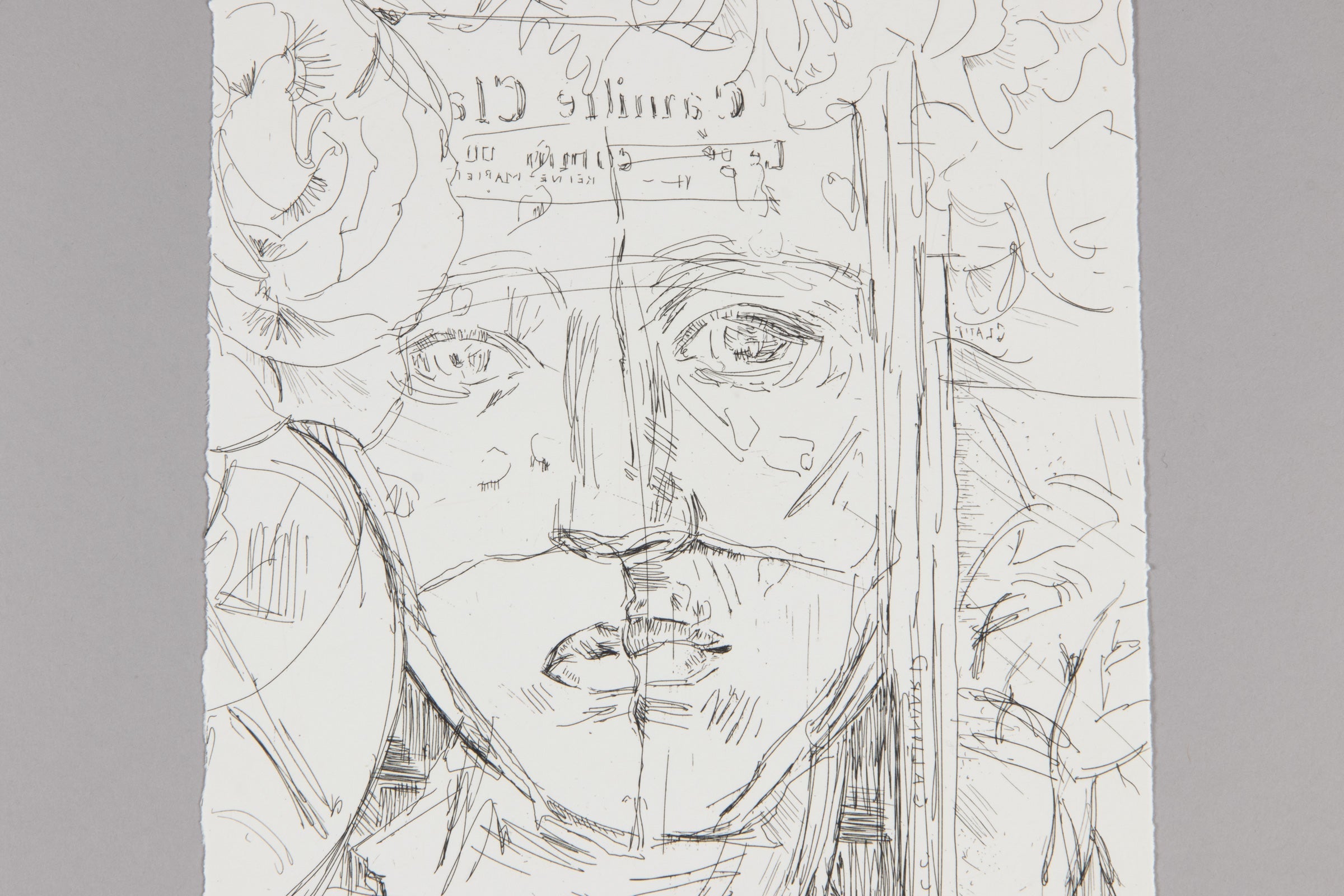
In 1993, Elizabeth Peyton rented a single room at the Chelsea Hotel and hung small charcoal drawings of Napoleon, Oscar Wilde, and the mad Bavarian king Ludwig II on its walls — no gallery reception, just a key collected at the front desk. Her signed prints carry that same intimate scale directly, drawn from the same source photographs as her paintings: portraits of friends, musicians, and cultural icons rendered in jewel-toned colour. Few artists have made looking at someone feel this personal.
Available Prints & Editions
10 products







Elizabeth Peyton: Key Questions
Collecting Elizabeth Peyton?
Looking for a specific artwork or have a question about an edition? We're happy to advise on availability, pricing, condition, and provenance — and to source artworks beyond our current selection.
What is Elizabeth Peyton known for?
What was Elizabeth Peyton's Chelsea Hotel exhibition?
Who does Elizabeth Peyton paint?
Why does Elizabeth Peyton work from photographs?
How much do Elizabeth Peyton artworks sell for?


