


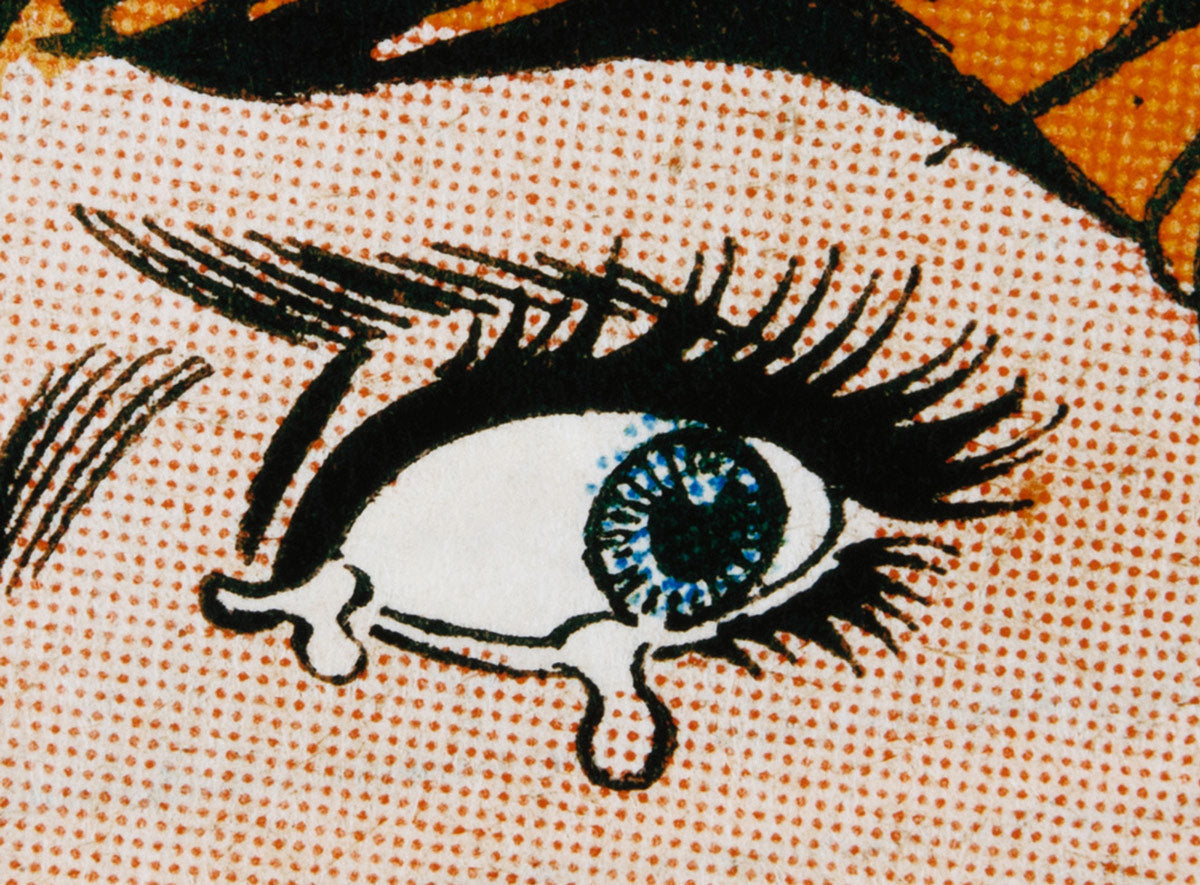

Elizabeth Peyton (born 1965, Danbury, Connecticut, United States) is a contemporary artist best known for her intimate portraits of artists, writers, musicians, and historical figures. Working primarily in painting and drawing, Peyton has developed a distinctive practice that combines art-historical portraiture with personal fascination, cultural memory, and emotional proximity.
Emerging in the early 1990s, Peyton’s work gained recognition for its quiet intensity and departure from the dominant modes of irony and spectacle of the period. Her practice has been exhibited internationally and is held in major public collections, positioning her as a central figure in the reconsideration of figurative painting at the turn of the twenty-first century.
Artistic Practice
Elizabeth Peyton’s practice centers on portraiture as a means of emotional and psychological engagement. Her paintings and drawings depict individuals drawn from contemporary culture and history, often rendered at a small scale that encourages close, attentive viewing.
Working primarily from photographs, reproductions, and memory, Peyton transforms mediated images into intimate encounters. Brushwork is restrained yet expressive, with color and line used to convey mood and presence rather than physical accuracy.
Her approach to portraiture resists monumentality. Figures appear vulnerable, idealized, or introspective, emphasizing subjectivity and identification over authority or distance.
Key Themes and Motifs
Central to Peyton’s work are themes of admiration, desire, identity, and the construction of cultural icons. Her subjects often include musicians, artists, writers, and historical figures whose public images carry emotional resonance and symbolic weight.
Rather than depicting celebrity as spectacle, Peyton’s portraits focus on moments of introspection and fragility. The work explores how admiration and projection shape the ways individuals are remembered and idealized.
Motifs of youth, beauty, and vulnerability recur throughout her practice, reflecting an ongoing interest in how intimacy operates within the public imagination.
Historical and Cultural Context
Peyton’s practice emerged during a period when figurative painting was often marginalized in favor of conceptual and media-driven approaches. Her return to portraiture offered an alternative model rooted in sincerity, affect, and historical continuity.
Her work draws on traditions of European portrait painting, particularly from the eighteenth and nineteenth centuries, while remaining attuned to contemporary culture and image circulation. This dialogue between past and present situates her practice within a broader reconsideration of painting’s relevance.
Peyton’s emphasis on personal attachment and emotional investment has been widely discussed in relation to shifts in cultural attitudes toward vulnerability and subjectivity in contemporary art.
Editions and Works on Paper
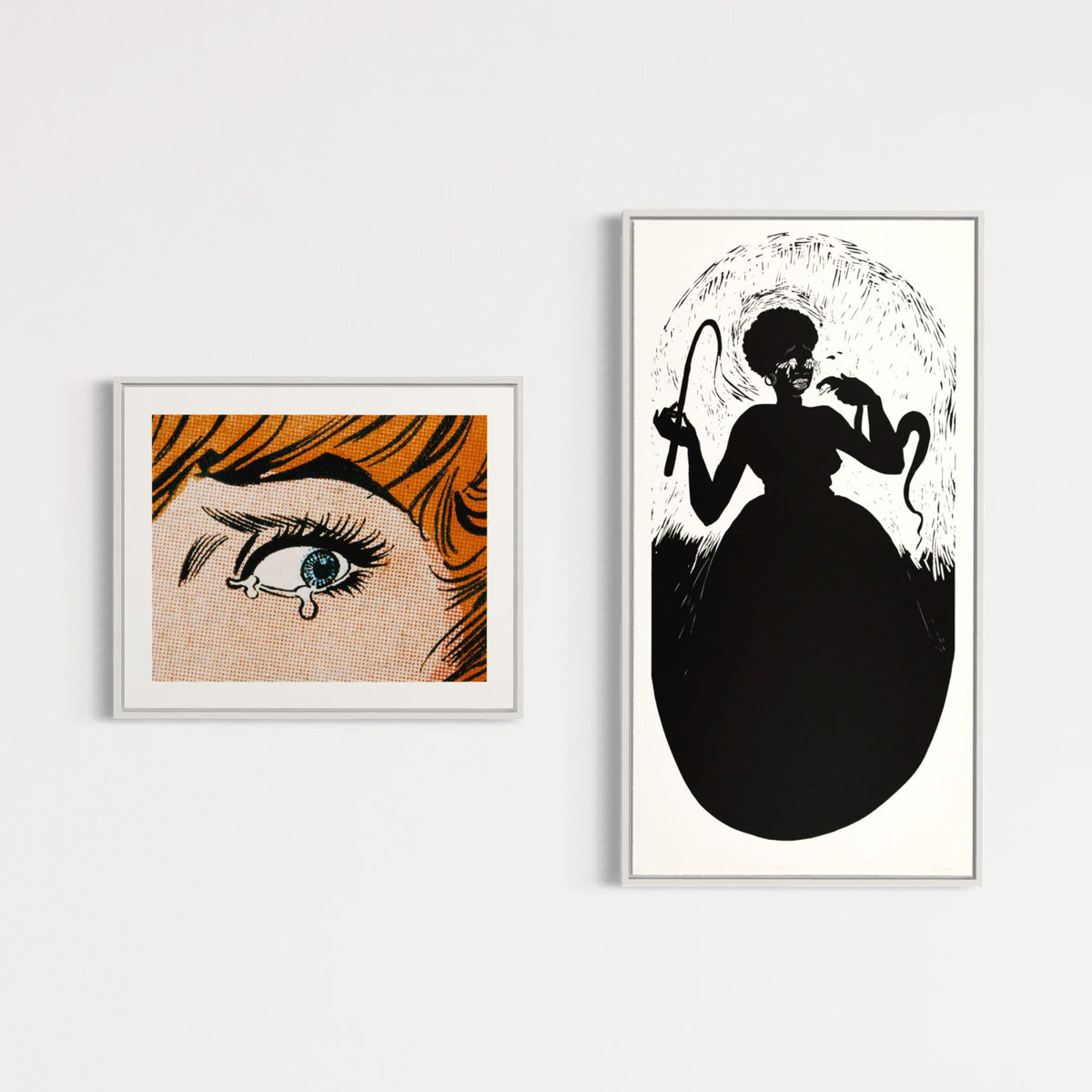
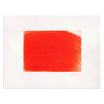
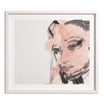
Works on paper play a central role in Elizabeth Peyton’s practice. Drawings, watercolors, and editioned prints allow for immediacy and intimacy, reinforcing the personal tone that defines her work.
These works often serve as both independent statements and extensions of her painted portraits, emphasizing line, color, and gesture in a more direct manner.
Editions are conceived as autonomous works that maintain the emotional proximity of her practice while allowing her imagery to circulate beyond unique paintings.
Market and Circulation Context
Elizabeth Peyton’s work circulates within a well-established institutional and market framework. Her paintings and works on paper are widely collected and have maintained sustained visibility within contemporary art discourse.
The circulation of her work reflects continued interest in figurative painting that foregrounds intimacy and emotional resonance rather than spectacle.
Within the contemporary art ecosystem, Peyton’s practice is often cited as a key reference point for artists engaging with portraiture and subjective experience.
Institutional Exhibitions and Collections
Peyton has been the subject of numerous solo exhibitions at major museums and institutions internationally. These presentations have emphasized the intimacy, scale, and emotional tenor of her work.
Her work has been exhibited at institutions including the New Museum, New York; the Serpentine Gallery, London; the Walker Art Center, Minneapolis; and the National Portrait Gallery, London. Museum exhibitions often foreground her engagement with portraiture as both historical form and contemporary practice.
Peyton’s work is held in major public collections worldwide, where it is positioned within narratives addressing the persistence and reinvention of figurative painting.
Position within Contemporary Art
Within contemporary art, Elizabeth Peyton occupies a significant position as an artist who reintroduced intimacy, admiration, and emotional engagement into figurative painting.
By combining art-historical reference with contemporary cultural imagery, her practice continues to influence approaches to portraiture, identity, and the representation of personal connection.
Editorial Note
This editorial page provides a structured overview of Elizabeth Peyton’s artistic practice, thematic concerns, institutional context, and market circulation, with particular attention to her approach to portraiture and emotional proximity.
Selected works by Elizabeth Peyton are available through our collection.
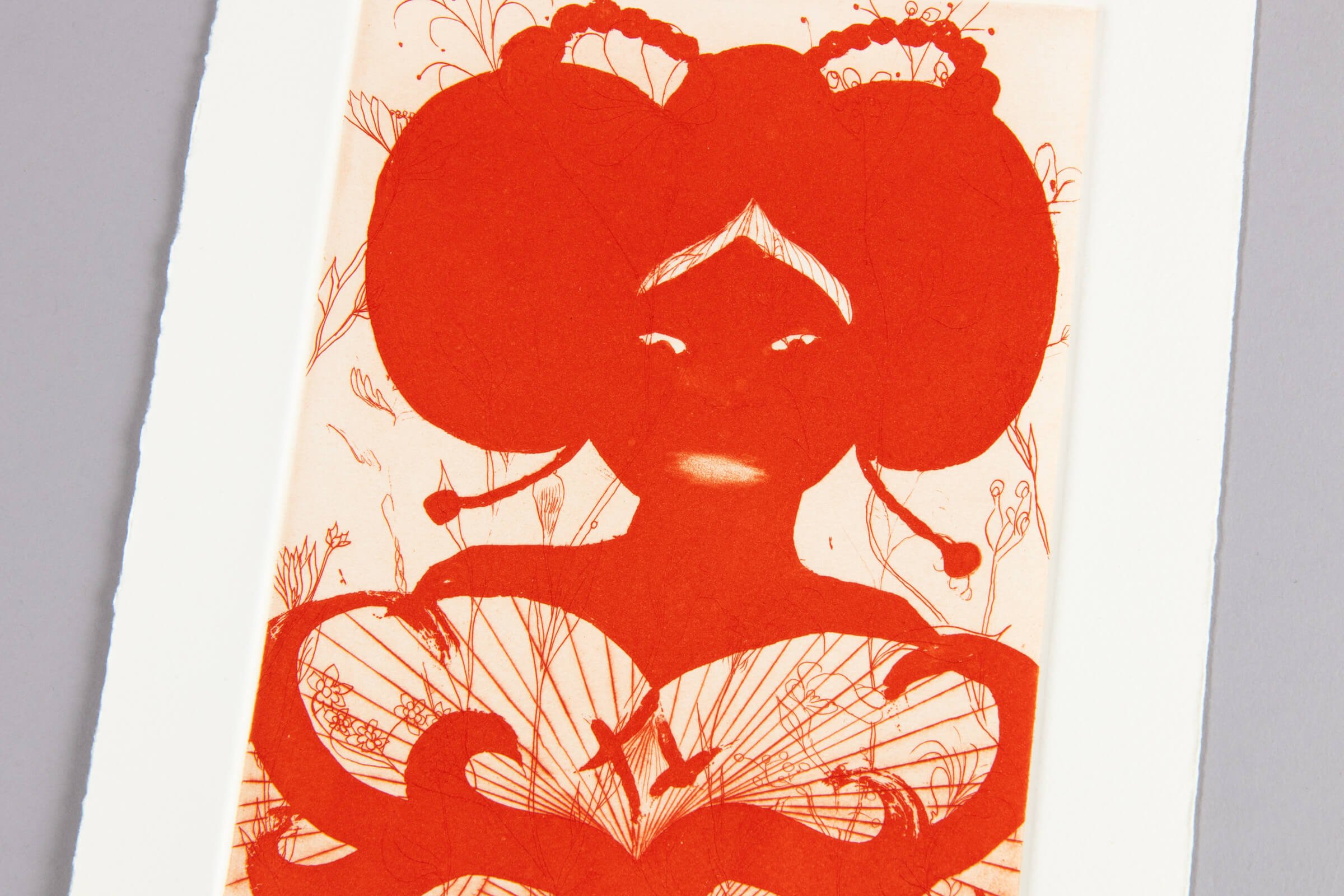
The Art of Printmaking
From the precise lines of woodcuts to the velvety depth of lithographs. Discover a curated selection of editioned works on paper that celebrate the unique texture and heritage of traditional print media.
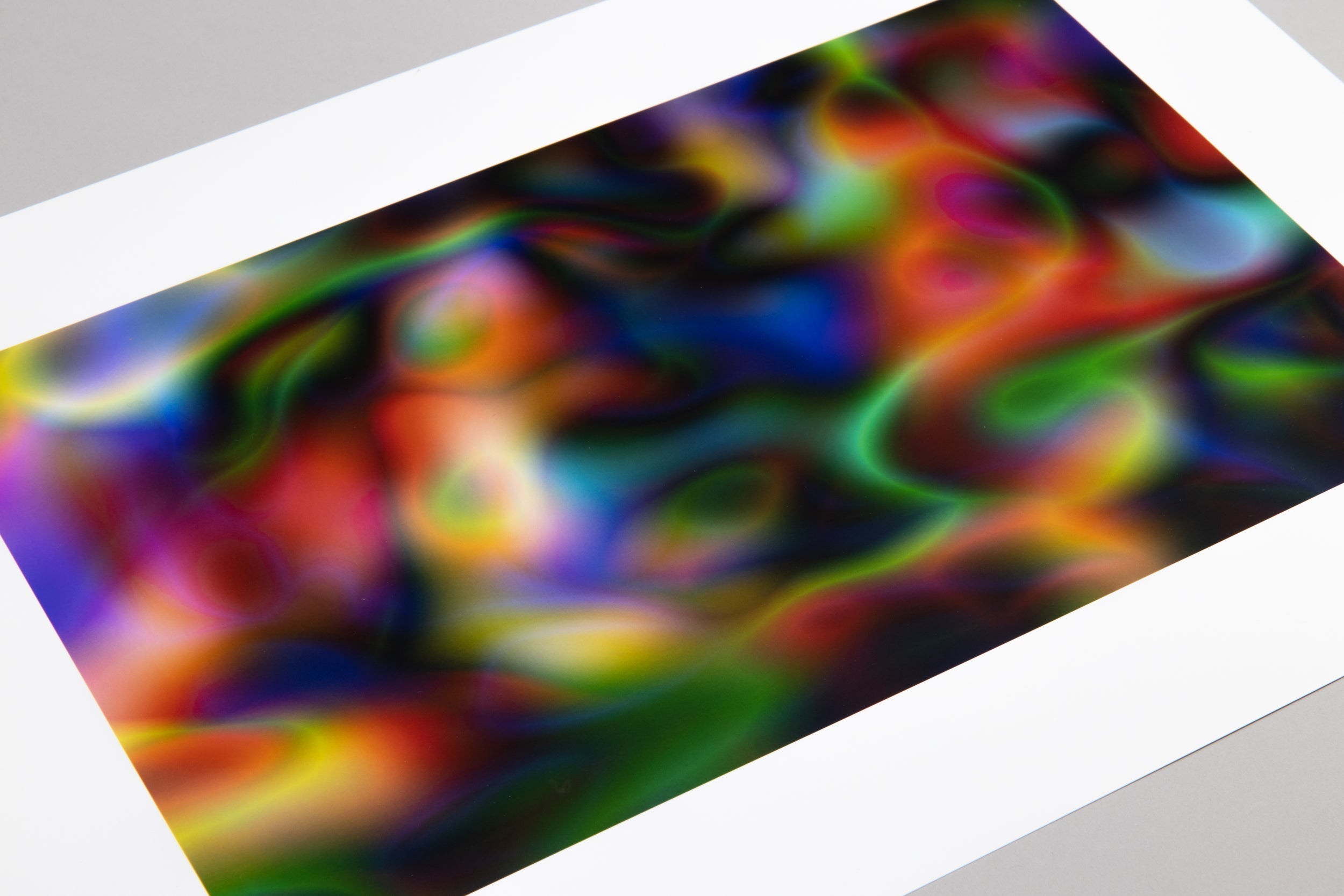
The Photographic Image
Explore contemporary photography through the lens of precision and scale. Our collection features exceptional photo editions that investigate the boundaries of representation and spatial order.
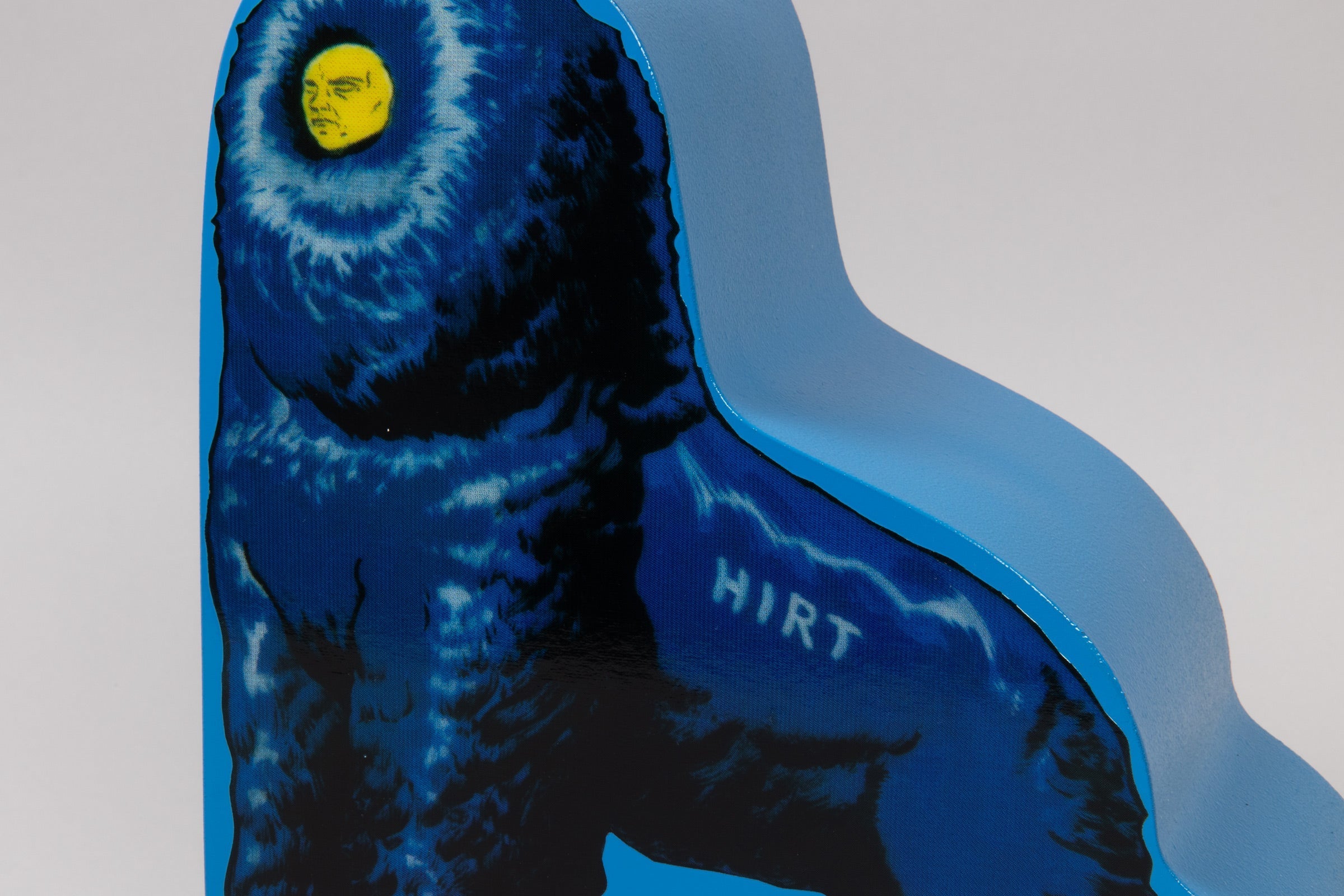
The Sculptural Multiple
Art beyond the pedestal. Discover three-dimensional objects designed to circulate ideas in space. These works bridge the gap between sculpture and the everyday, making radical art accessible.


