


About Katharina Grosse
Katharina Grosse (German, b. 1961) is one of the most important painters working today, internationally recognised for expanding the medium through an immersive, spatial practice. Since the late 1990s she has worked not with a brush but with an industrial spray gun, coating walls, floors, ceilings, rubble, trees, and everyday objects in saturated swathes of colour. In her hands, colour becomes an autonomous force — reshaping perception and collapsing the boundary between painting, sculpture, and architecture. As she has put it, the spray gun gives her work a different velocity: it allows the paint to move fast and the work to grow large.
Grosse's site-specific installations have transformed some of the most prominent spaces in contemporary art, including a derelict house in New Orleans, rubble at the Venice Biennale, an abandoned army bathhouse on New York's Rockaway peninsula, and, in 2025, the entire façade and surrounding square of Art Basel for her public commission CHOIR. Despite their unruly, overflowing surfaces, her artworks are meticulously planned, with each palette tailored to the specific demands of the site — a practice she has compared to the choreography of an orchestra.
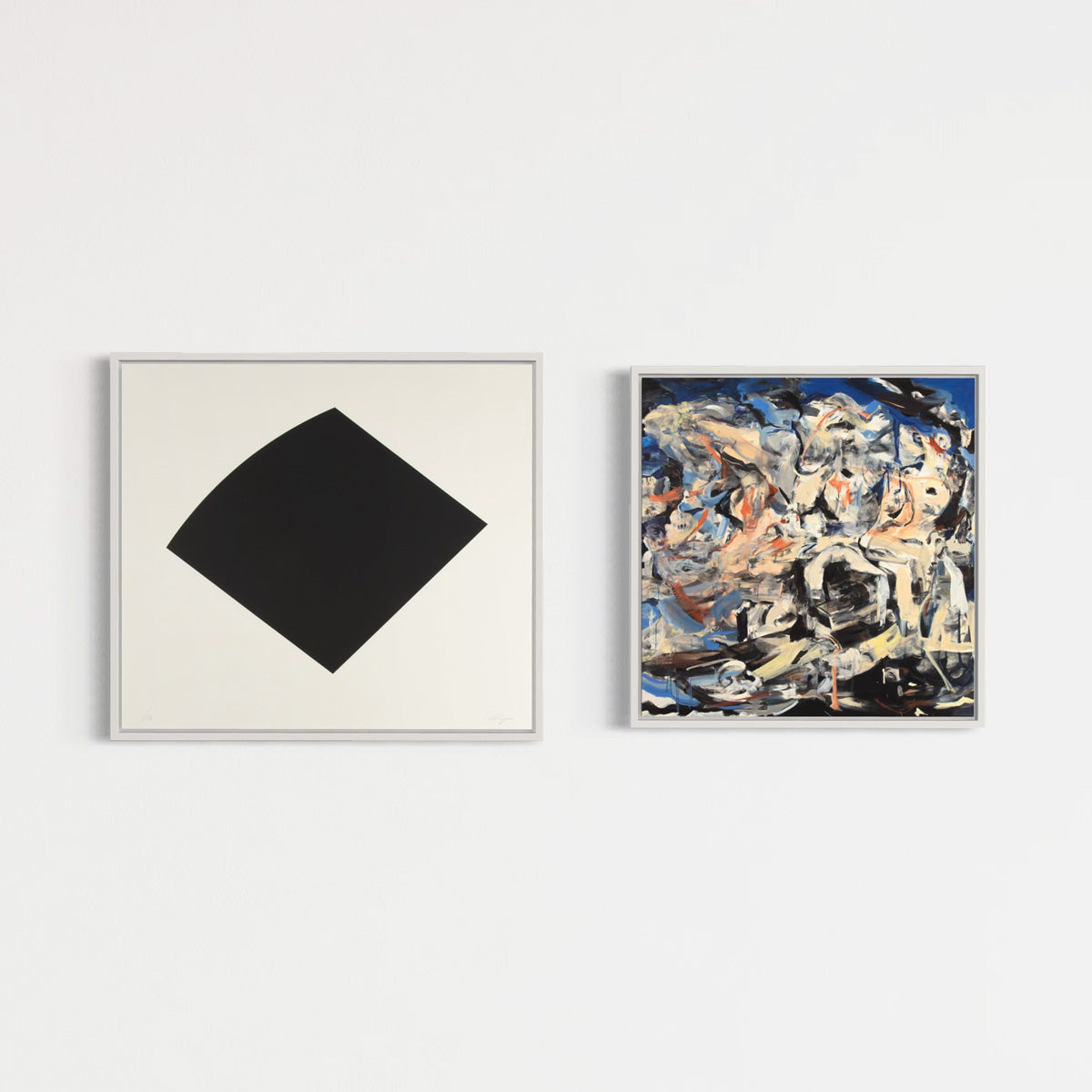
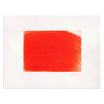
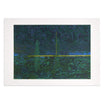
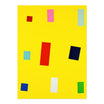
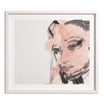
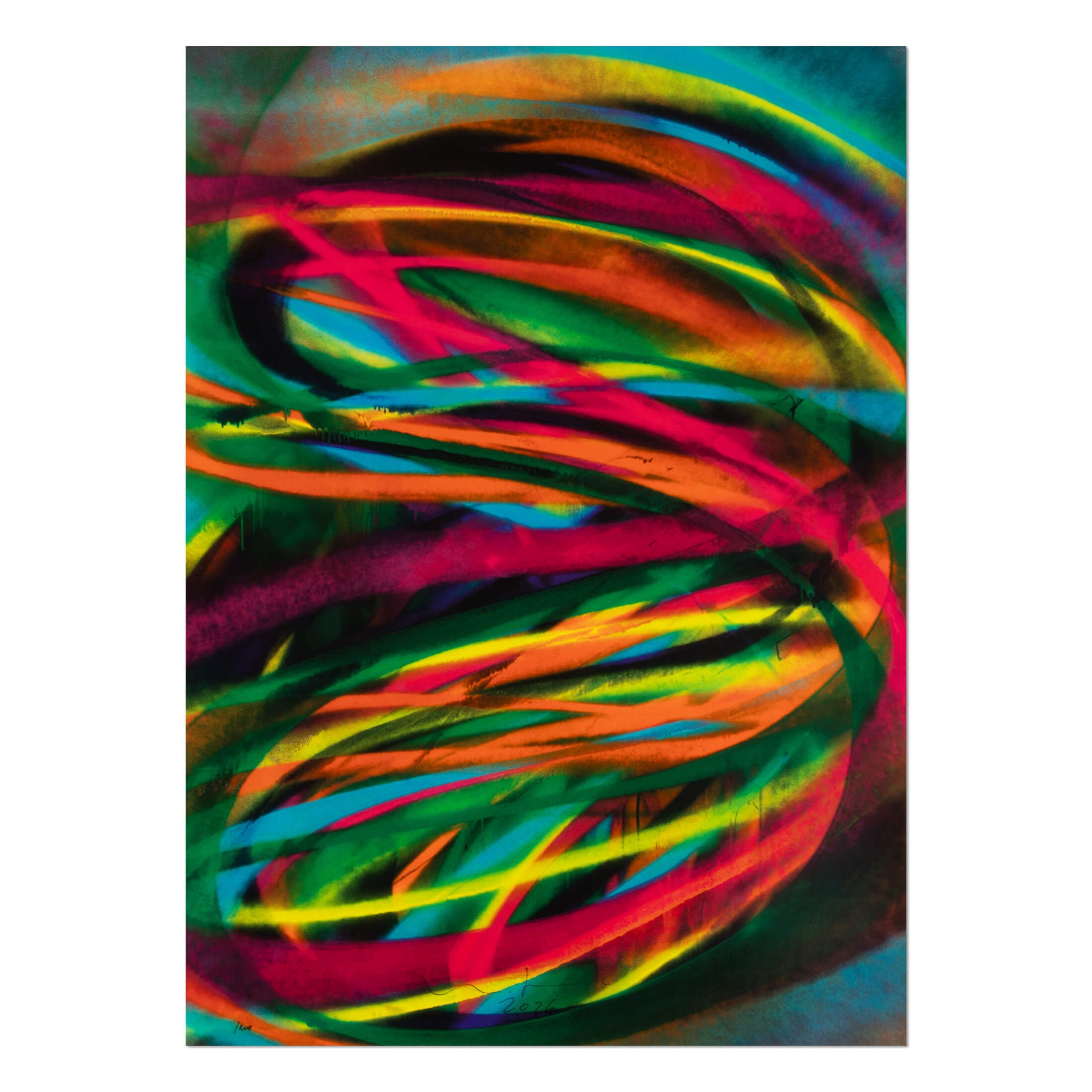
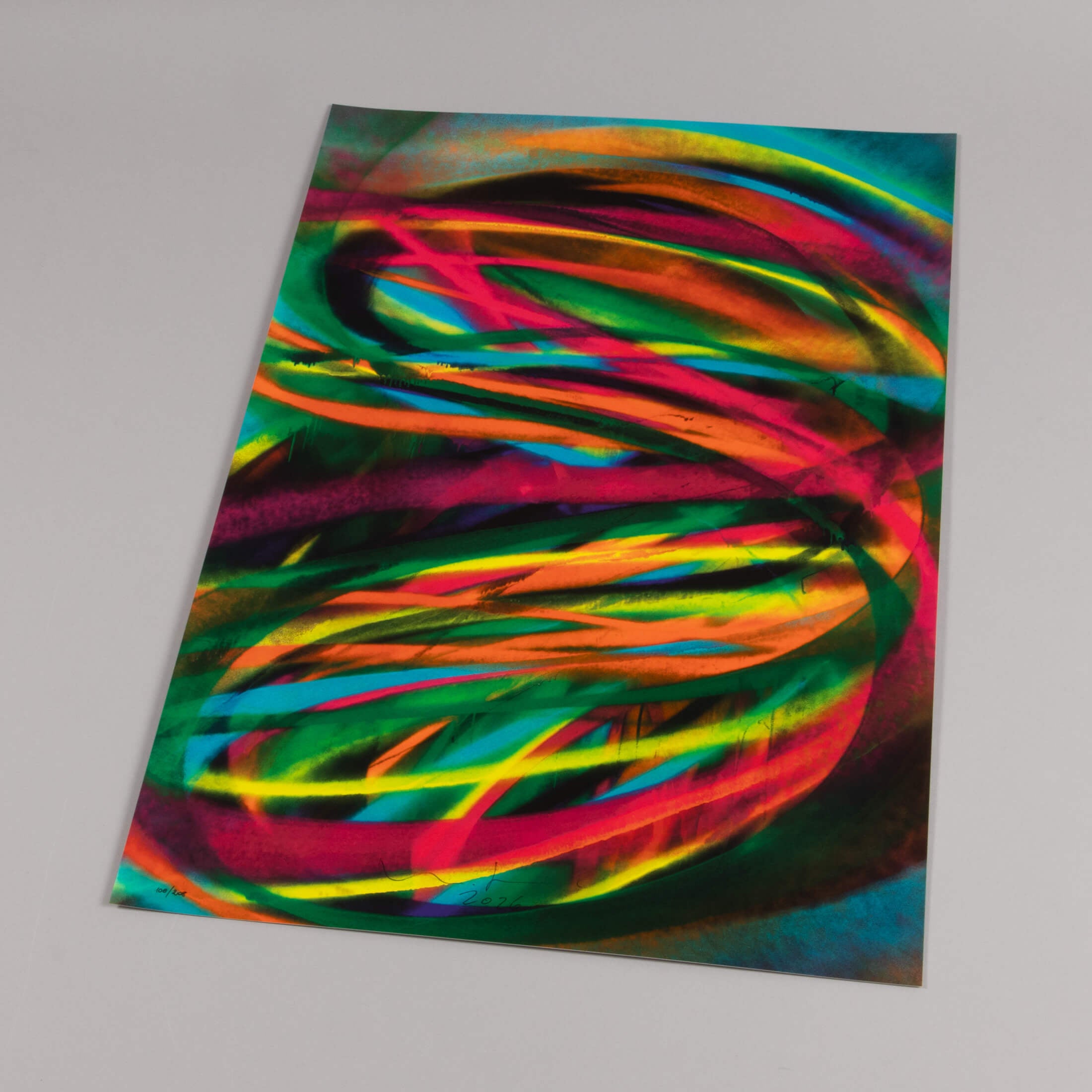
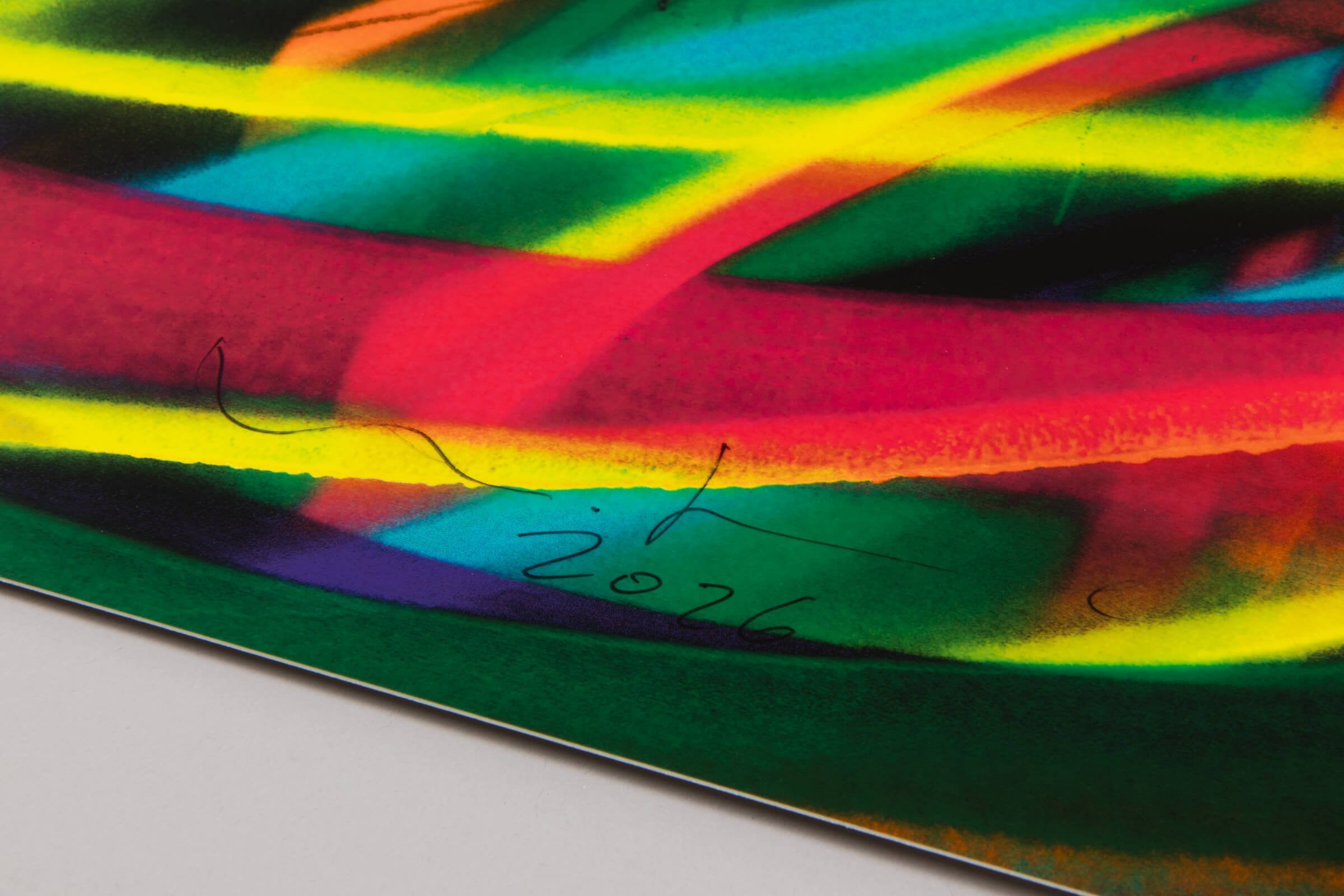
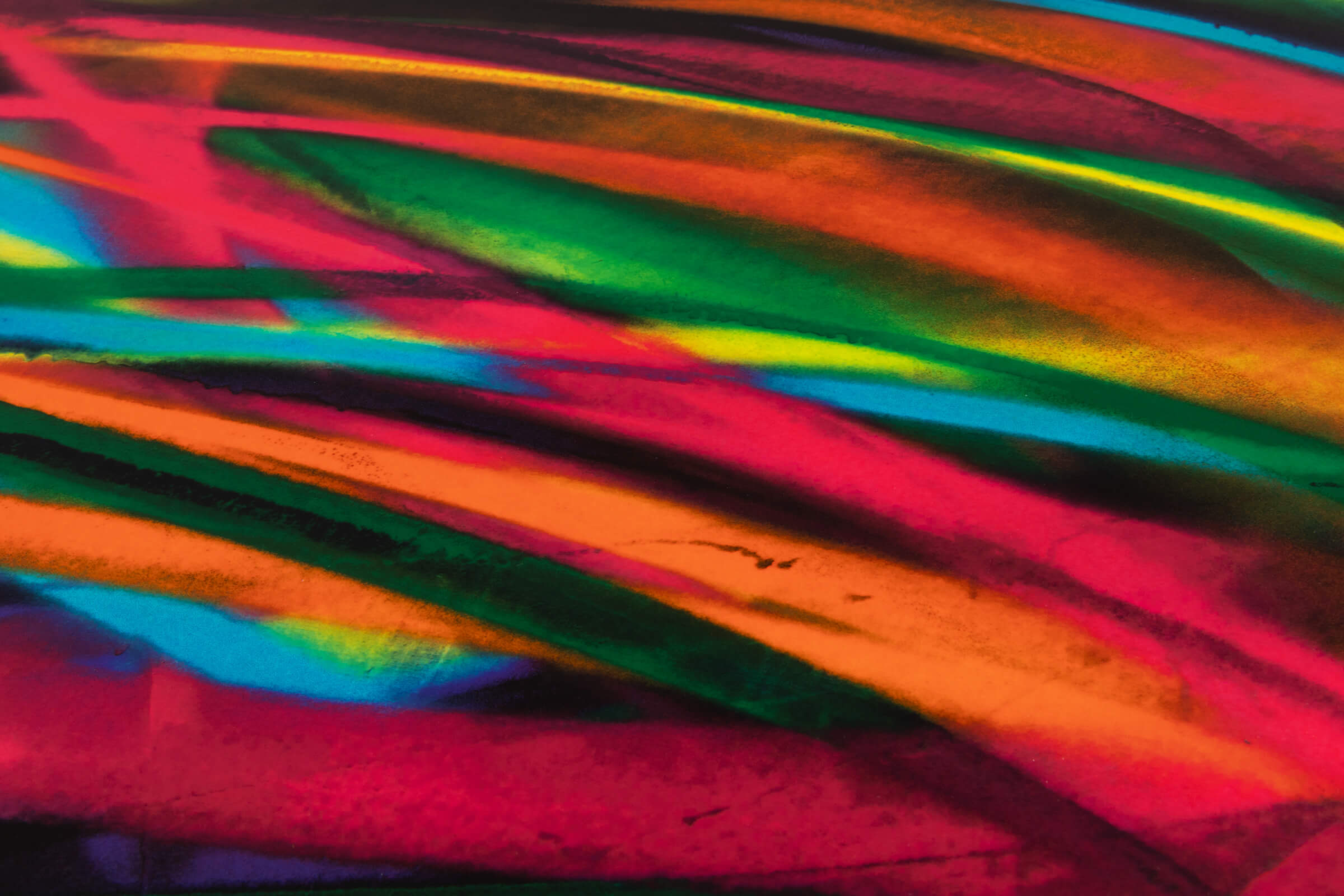
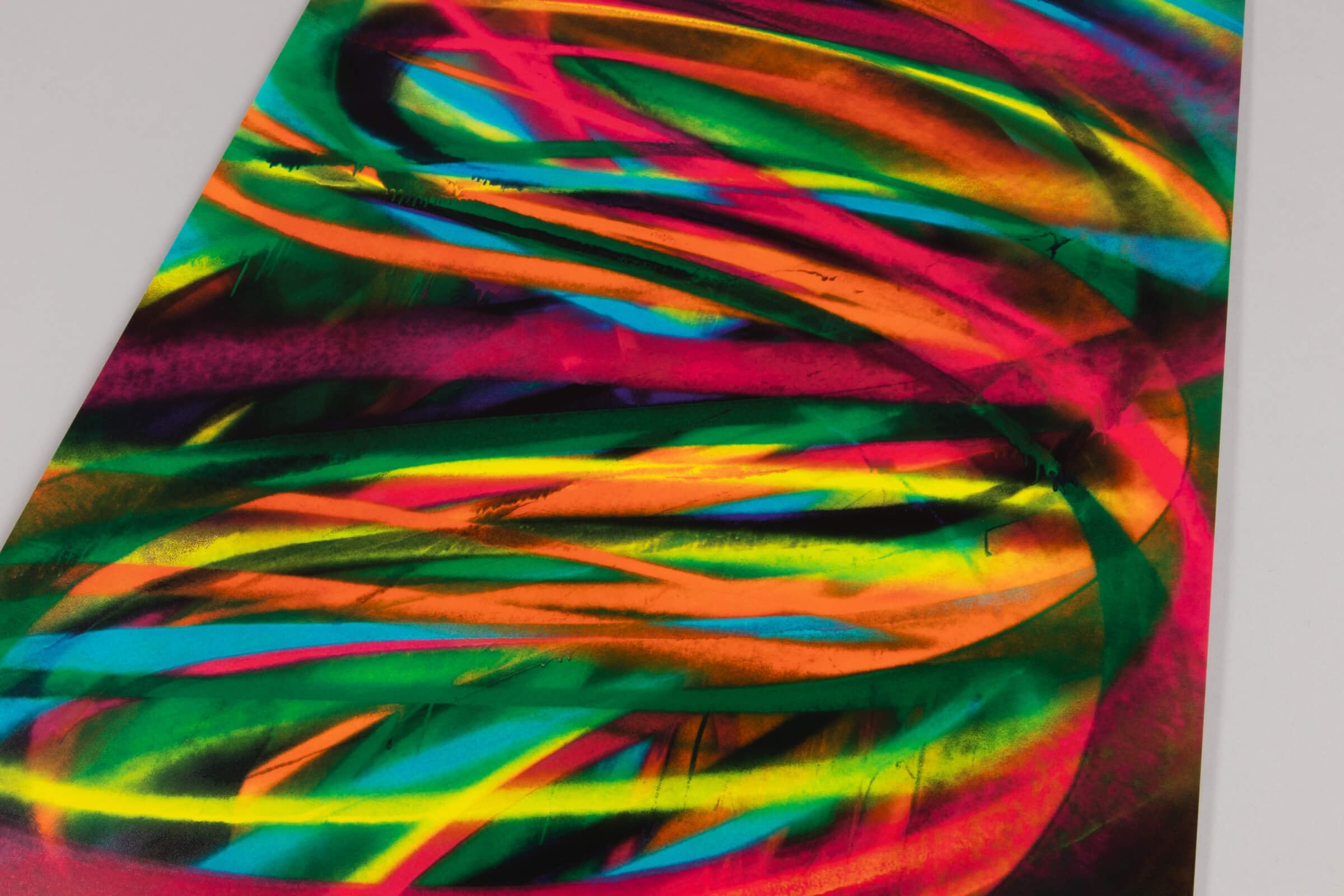
Parallel to these monumental interventions, Grosse continues to pursue studio paintings, works on paper, and fine art prints, including limited edition screenprints that translate the liquidity and density of her spray-painted technique into a more concentrated, collectible format. These signed artworks preserve the immediacy and chromatic intensity of her painted practice while offering insight into her broader artistic process.
Grosse's work has been the subject of major institutional exhibitions, including recent presentations at the Staatsgalerie Stuttgart and Deichtorhallen Hamburg, and her artworks are held in leading international collections. Within the global contemporary art landscape, Katharina Grosse occupies a central position, consistently reshaping expectations of what painting — and a painted print — can be.


