


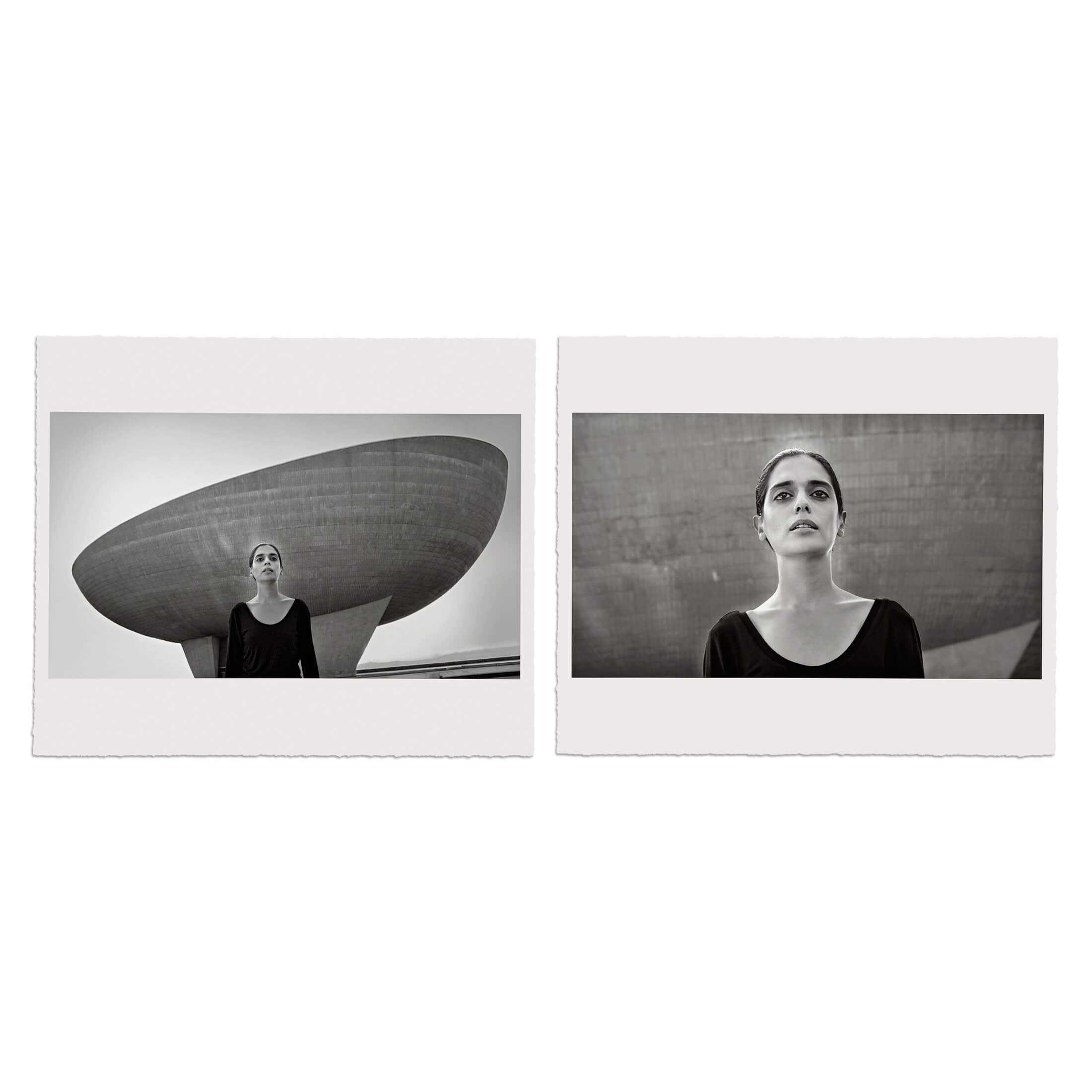
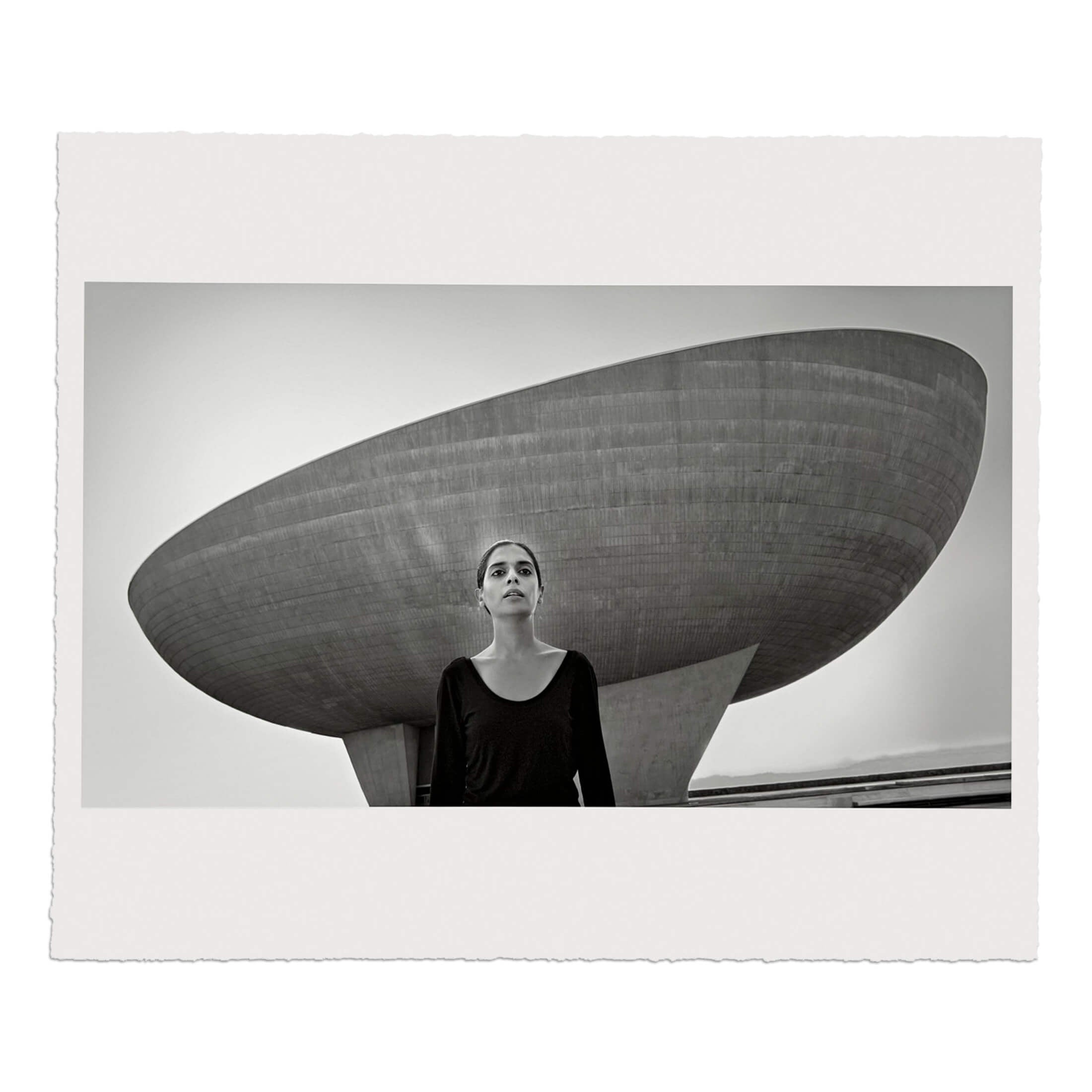
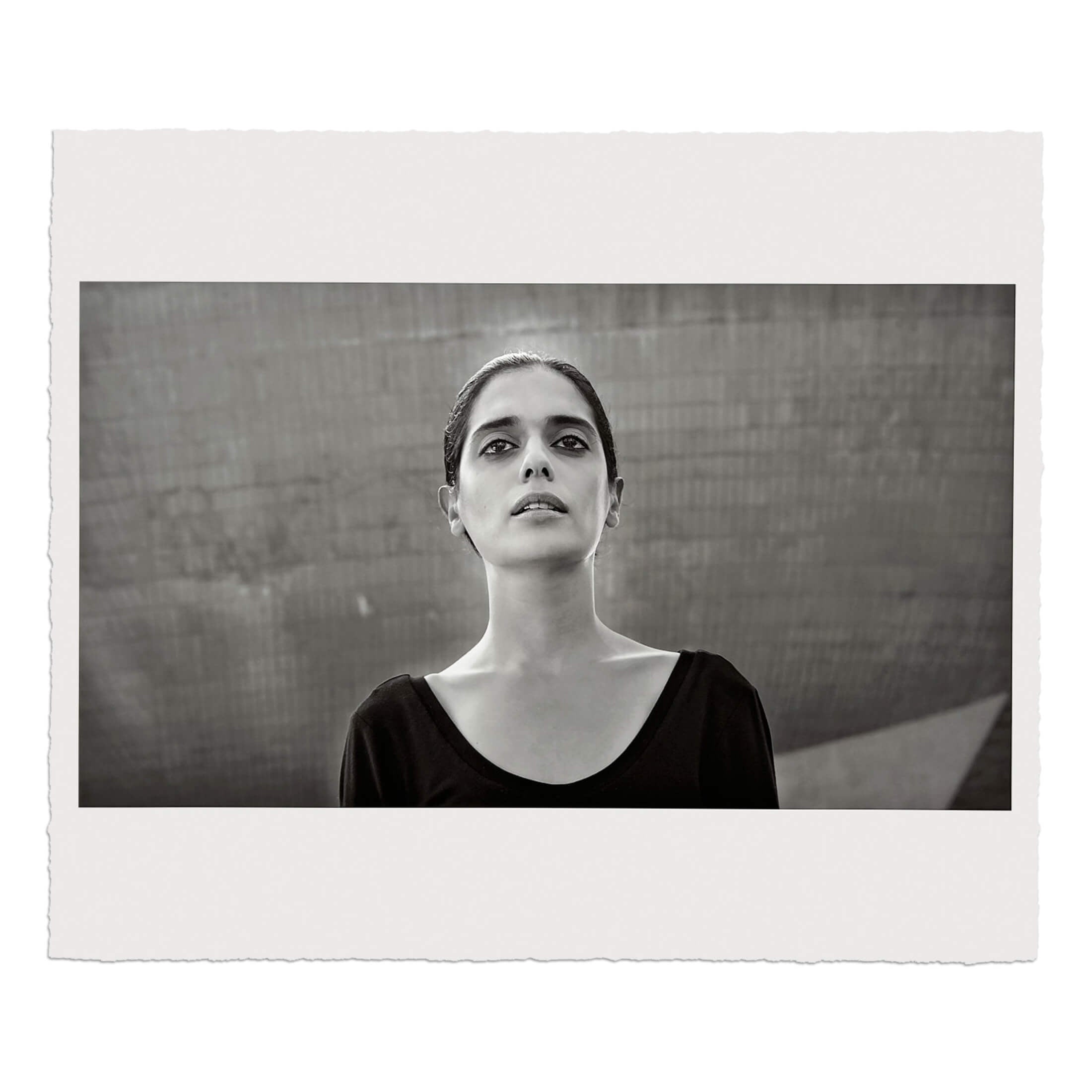

About Shirin Neshat
Shirin Neshat (b. 1957, Iran) is a seminal figure in contemporary photography and video art, internationally recognized for her unflinching exploration of identity, gender, politics, and Islamic culture. Her work engages directly with the experience of exile and the complexities of representation in a post-revolutionary Iranian context. Since the 1990s, her photographic practice has interrogated the intersection of feminism, Islam, and political resistance with a visual precision that has become increasingly influential in global contemporary art.
The Women of Allah series (1993–97), comprising stark black-and-white photographs inscribed with Farsi calligraphy and gun imagery, established her international reputation and sparked urgent conversations about representation, agency, and violence. These iconic photographs are now held in major museum collections including MoMA, the Guggenheim, and the Metropolitan Museum of Art. Her limited edition prints from this series remain among the most sought-after contemporary artworks in the market. By appropriating calligraphy—a traditionally male-dominated form in Islamic art—and pairing it with confrontational imagery, Neshat subverts conventional hierarchies and forces viewers to reconsider assumptions about femininity, Islam, and power.
Beyond photography, Neshat's practice encompasses video installation and film. Her feature film Women Without Men (2009) weaves together four female narratives against Iran's 1953 coup, offering a poetic yet politically astute meditation on female subjectivity and state oppression. Her video artworks, including the acclaimed Turbulent series (1998), similarly merge intimate portraiture with expansive architectural space, creating immersive environments that interrogate belonging and displacement.
Neshat's work has been exhibited at major international venues including the Venice Biennale (where she won the Golden Lion in 1999), Documenta, the Whitney Biennial, and Tate Modern. Her photographs and limited edition prints remain central to contemporary discourse on identity and resistance, establishing her as one of the most significant artists addressing these themes in the 21st century.


