
Shirin Neshat

Shirin Neshat returned to Iran in 1990, twelve years after leaving as a teenager, and found a country transformed — women now required by law to wear the chador, a visual reality that shocked her into making art for the first time. Women of Allah, the black-and-white photographic series that followed, inscribed veiled women with Persian poetry across their faces and hands, refusing to resolve into either celebration or condemnation of what she had witnessed. Banned from Iran since 1996, she has spent three decades building a body of work — photography, video, and film — that holds contradiction rather than settling it.

Browse signed Shirin Neshat prints and editions now.

Available Prints & Editions

4 products
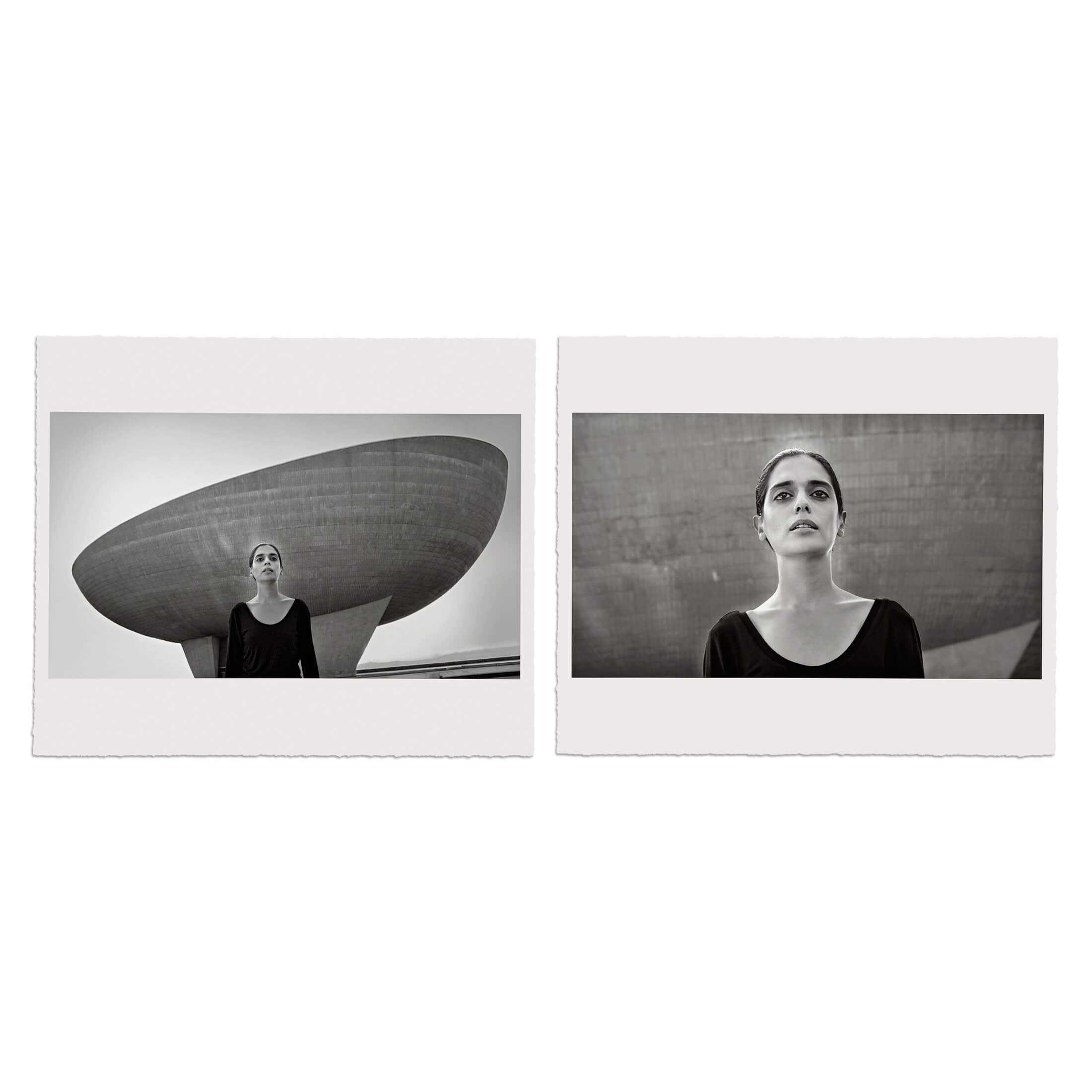
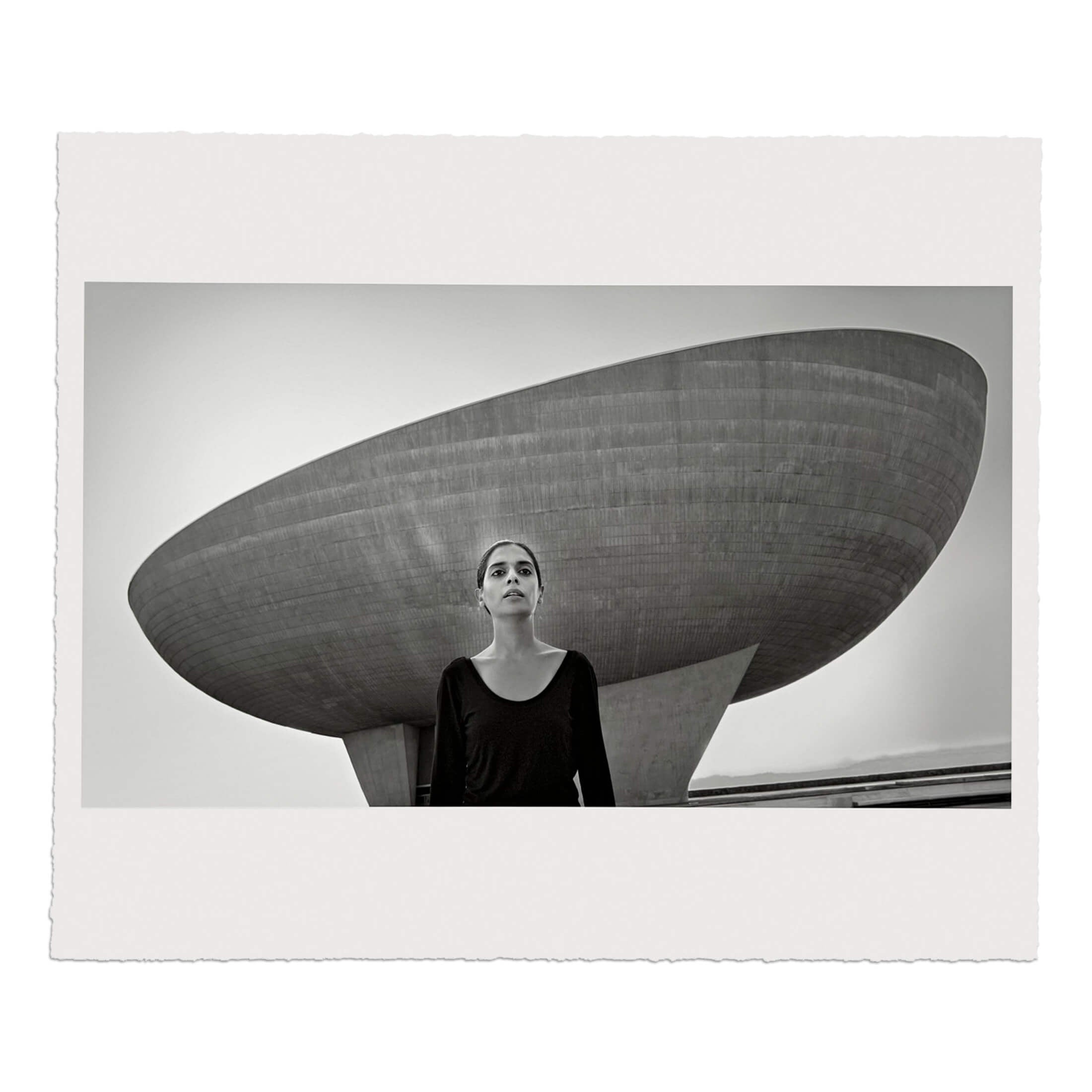
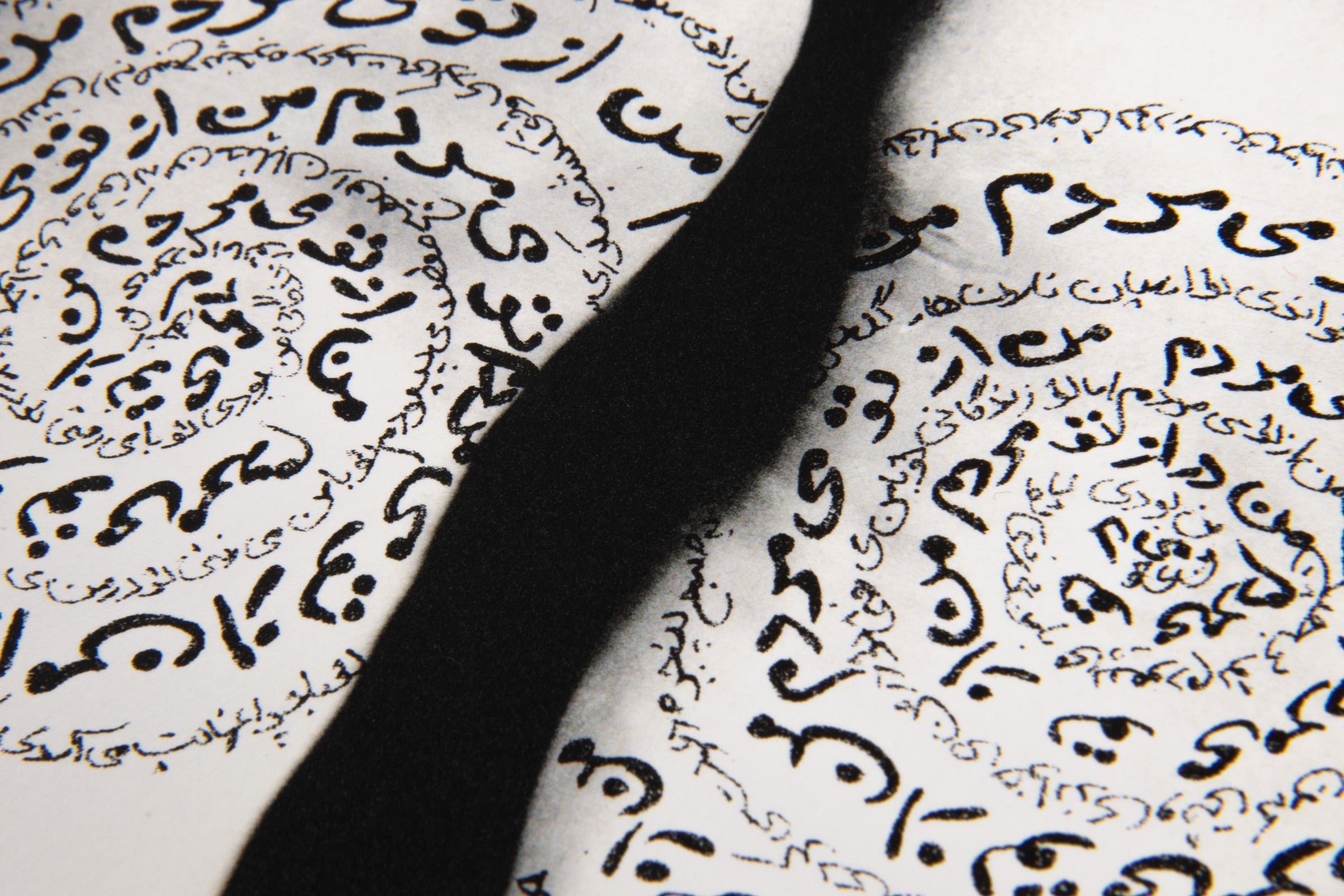
Shirin Neshat – From RojaShirin Neshat – From Roja
Shirin Neshat – From Roja Sale price€4.400,00
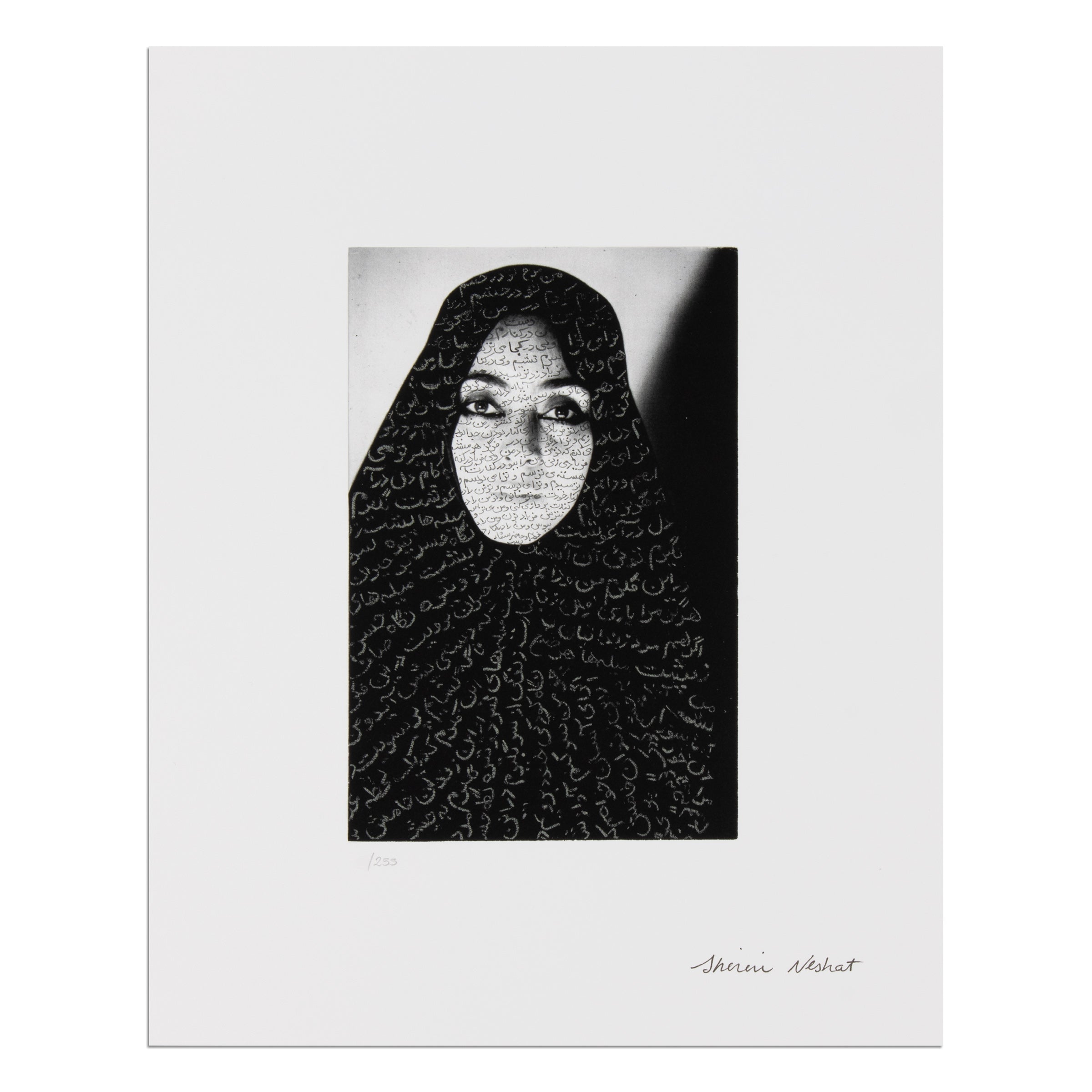
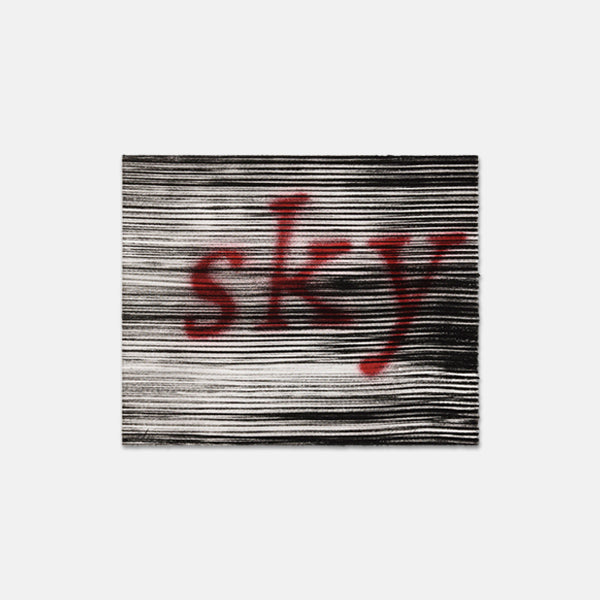
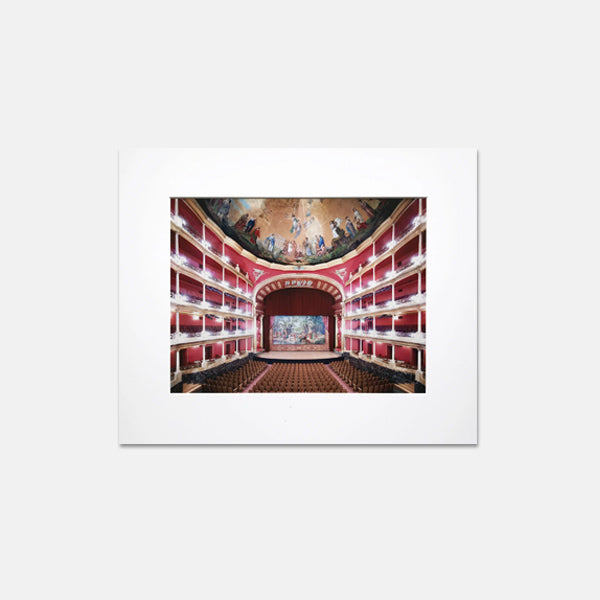
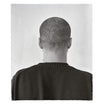
Shirin Neshat – Unveiling Series 1, 1993Shirin Neshat – Unveiling Series 1, 1993
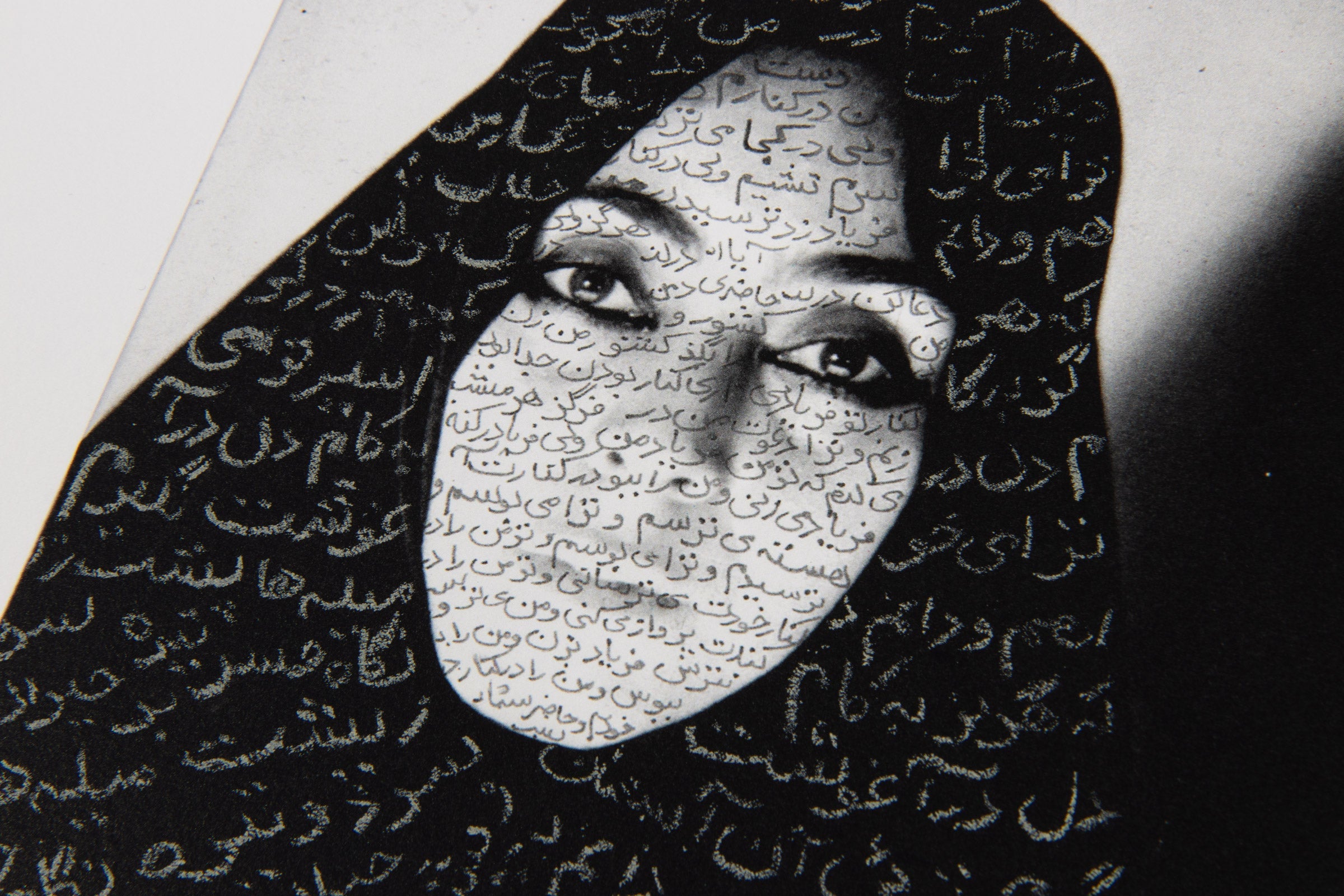
Shirin Neshat – Unveiling Series #2, 1993Shirin Neshat – Unveiling Series #2, 1993
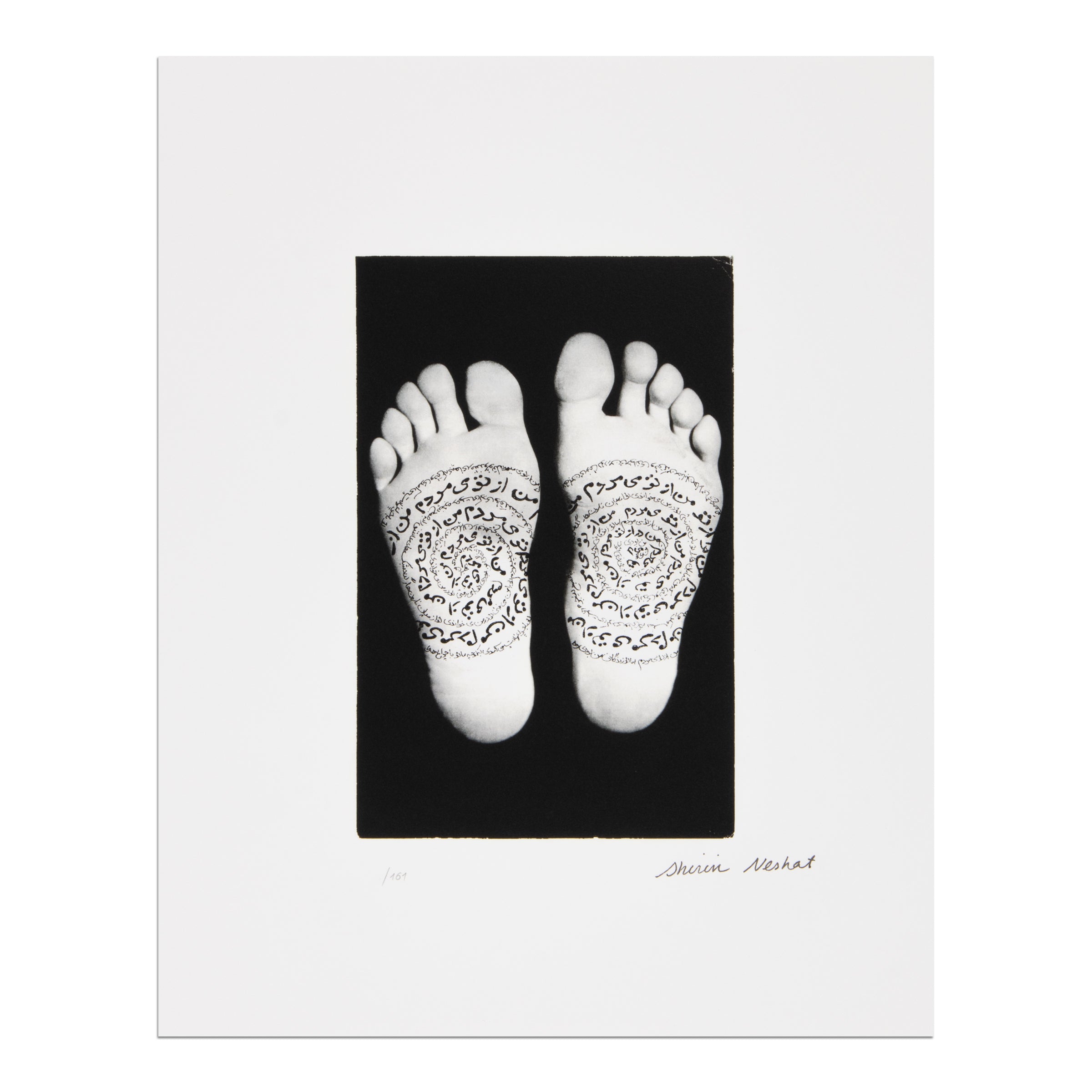
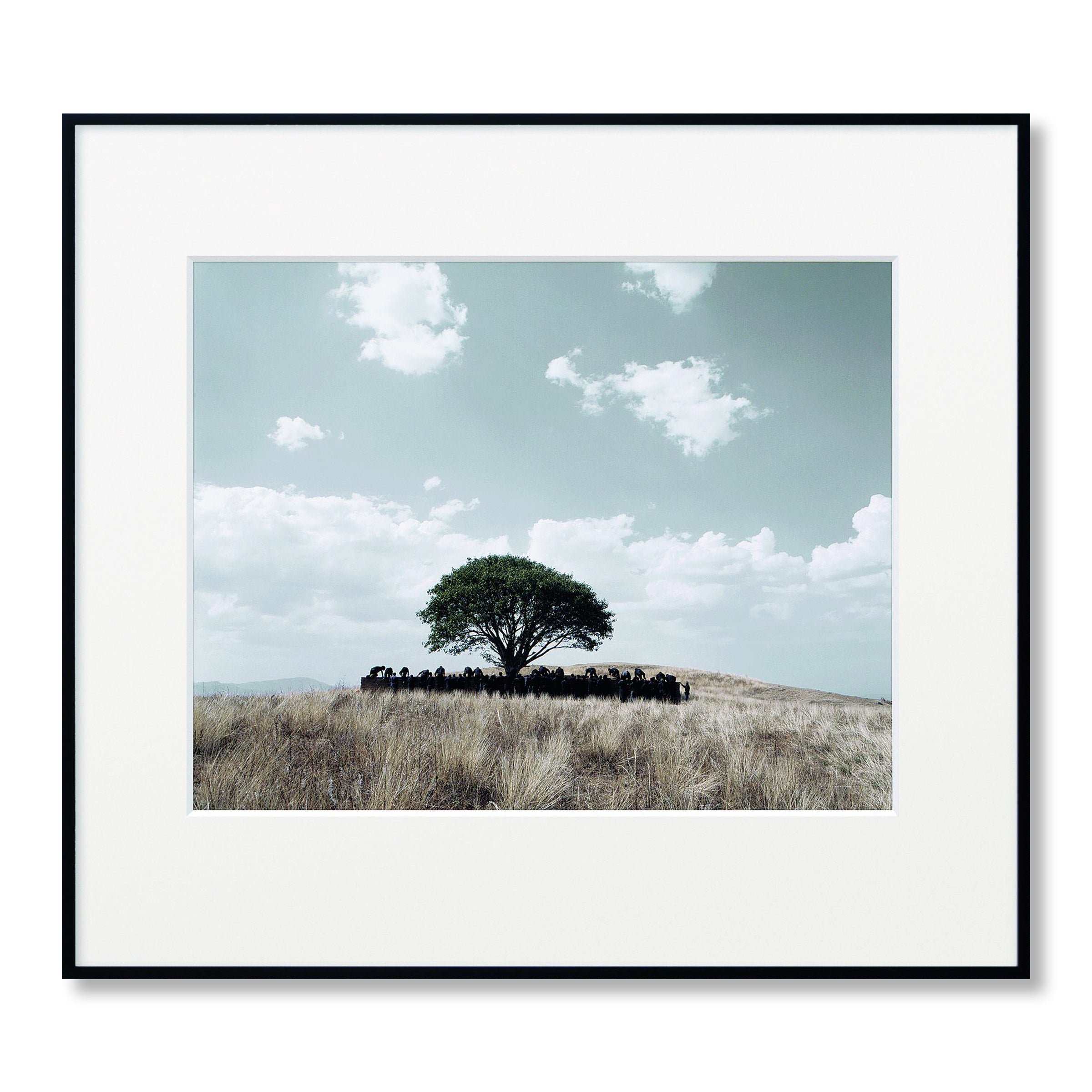
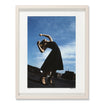
Shirin Neshat, Tooba
Shirin Neshat – Tooba Sale price€5.900,00
01

Shirin Neshat Biography

Shirin Neshat (born 1957 in Qazvin, Iran) left for the United States in 1974 to study art, earning her BFA and MFA at the University of California, Berkeley. She settled in New York in the early 1980s, running the experimental exhibition space Storefront for Art and Architecture with her then-husband, the curator Kyong Park — work that, by her own account, kept her away from making art of her own for years. That changed in 1990, when she returned to Iran for the first time since leaving, eleven years after the 1979 Islamic Revolution. What she found — women legally required to wear the chador, a country reshaped by religious law — became the direct catalyst for her first body of work.

Women of Allah (1993–97), self-portraits in which Neshat wears the chador with her exposed skin — face, hands, feet, the only parts Islamic law permitted to be shown — inscribed in Persian calligraphy by poets including Forough Farrokhzad, established her reputation internationally. The series draws on the visual language of the Islamic Revolution itself, sometimes pairing veiled women with firearms, evoking the era's female revolutionary fighters. Crucially, the work does not resolve into either endorsement or condemnation of veiling or the Revolution; it holds the genuine contradiction many Iranian women themselves experienced, for whom the veil had briefly represented liberation from Western-imposed dress before hardening into state-mandated control. Neshat remains one of the most prominent women artists working at the intersection of politics, faith, and gender today. In 1996, Neshat's work was banned in Iran, and she has lived in exile ever since.

Her practice expanded into film and video installation through the late 1990s, including Turbulent (1998) — two facing screens, one showing a man singing to a full audience, the other a woman singing alone to an empty hall, a direct response to Iran's ban on women performing solo in public. The work won the International Award at the 1999 Venice Biennale. Her feature film Women Without Men (2009), following four women's lives against the backdrop of Iran's 1953 coup, won the Silver Lion for Best Director at the Venice Film Festival. She continues to live and work in New York.

02

Famous Shirin Neshat Artworks

Rebellious Silence (1994), from Women of Allah, remains her most widely reproduced image — a woman's face bisected by the barrel of a rifle, her exposed skin covered in dense Persian script, part of a series often described as conceptual narrative built around the female warriors of the Revolution rather than straightforward documentary portraiture.

Passage, Neshat's auction record at $269,000 (Sotheby's Doha, 2014), extends her recurring interest in ritual, procession, and collective female experience into a large-scale photographic composition.

Turbulent (1998), a two-screen video installation contrasting a man performing to a packed hall with a woman singing alone to an empty one, won the International Award at the 1999 Venice Biennale — a direct, devastating response to Iran's prohibition on women singing publicly.

Shirin Neshat – From Roja
03

Shirin Neshat Prints & Editions

Neshat's prints and photographic editions extend the same visual language as her acclaimed series — black-and-white imagery inscribed with Persian calligraphy, exploring gender, faith, and political power through the body as both site and symbol. Working across gelatin silver prints, screenprint, and C-print processes, her editions frequently draw directly from Women of Allah and related bodies of work, translating imagery first developed as unique or small-edition photographs into more accessible, numbered formats.

Because her most significant photographs can reach six figures at auction, her broader body of signed prints and editions — generally trading in the mid-thousands — offers considerably more accessible entry into a practice built on confronting Western assumptions about Iran, Islam, and Iranian women.

For collectors, Neshat's editions provide direct access to one of contemporary art's most sustained investigations of exile and political power. Works are held in the permanent collections of MoMA, Tate, and the Centre Pompidou.

01

Shirin Neshat Biography

Shirin Neshat (born 1957 in Qazvin, Iran) left for the United States in 1974 to study art, earning her BFA and MFA at the University of California, Berkeley. She settled in New York in the early 1980s, running the experimental exhibition space Storefront for Art and Architecture with her then-husband, the curator Kyong Park — work that, by her own account, kept her away from making art of her own for years. That changed in 1990, when she returned to Iran for the first time since leaving, eleven years after the 1979 Islamic Revolution. What she found — women legally required to wear the chador, a country reshaped by religious law — became the direct catalyst for her first body of work.

Women of Allah (1993–97), self-portraits in which Neshat wears the chador with her exposed skin — face, hands, feet, the only parts Islamic law permitted to be shown — inscribed in Persian calligraphy by poets including Forough Farrokhzad, established her reputation internationally. The series draws on the visual language of the Islamic Revolution itself, sometimes pairing veiled women with firearms, evoking the era's female revolutionary fighters. Crucially, the work does not resolve into either endorsement or condemnation of veiling or the Revolution; it holds the genuine contradiction many Iranian women themselves experienced, for whom the veil had briefly represented liberation from Western-imposed dress before hardening into state-mandated control. Neshat remains one of the most prominent women artists working at the intersection of politics, faith, and gender today. In 1996, Neshat's work was banned in Iran, and she has lived in exile ever since.

Her practice expanded into film and video installation through the late 1990s, including Turbulent (1998) — two facing screens, one showing a man singing to a full audience, the other a woman singing alone to an empty hall, a direct response to Iran's ban on women performing solo in public. The work won the International Award at the 1999 Venice Biennale. Her feature film Women Without Men (2009), following four women's lives against the backdrop of Iran's 1953 coup, won the Silver Lion for Best Director at the Venice Film Festival. She continues to live and work in New York.

02

Famous Shirin Neshat Artworks

Rebellious Silence (1994), from Women of Allah, remains her most widely reproduced image — a woman's face bisected by the barrel of a rifle, her exposed skin covered in dense Persian script, part of a series often described as conceptual narrative built around the female warriors of the Revolution rather than straightforward documentary portraiture.

Passage, Neshat's auction record at $269,000 (Sotheby's Doha, 2014), extends her recurring interest in ritual, procession, and collective female experience into a large-scale photographic composition.

Turbulent (1998), a two-screen video installation contrasting a man performing to a packed hall with a woman singing alone to an empty one, won the International Award at the 1999 Venice Biennale — a direct, devastating response to Iran's prohibition on women singing publicly.

03

Shirin Neshat Prints & Editions

Neshat's prints and photographic editions extend the same visual language as her acclaimed series — black-and-white imagery inscribed with Persian calligraphy, exploring gender, faith, and political power through the body as both site and symbol. Working across gelatin silver prints, screenprint, and C-print processes, her editions frequently draw directly from Women of Allah and related bodies of work, translating imagery first developed as unique or small-edition photographs into more accessible, numbered formats.

Because her most significant photographs can reach six figures at auction, her broader body of signed prints and editions — generally trading in the mid-thousands — offers considerably more accessible entry into a practice built on confronting Western assumptions about Iran, Islam, and Iranian women.

For collectors, Neshat's editions provide direct access to one of contemporary art's most sustained investigations of exile and political power. Works are held in the permanent collections of MoMA, Tate, and the Centre Pompidou.

Shirin Neshat – From Roja

Shirin Neshat: Key Questions

Collecting Shirin Neshat?

Looking for a specific artwork or have a question about an edition? We're happy to advise on availability, pricing, condition, and provenance — and to source artworks beyond our current selection.

Contact us

Prints, Photographs & Multiples

View our full collection of

Prints, Photographs & Multiples

Explore editions