



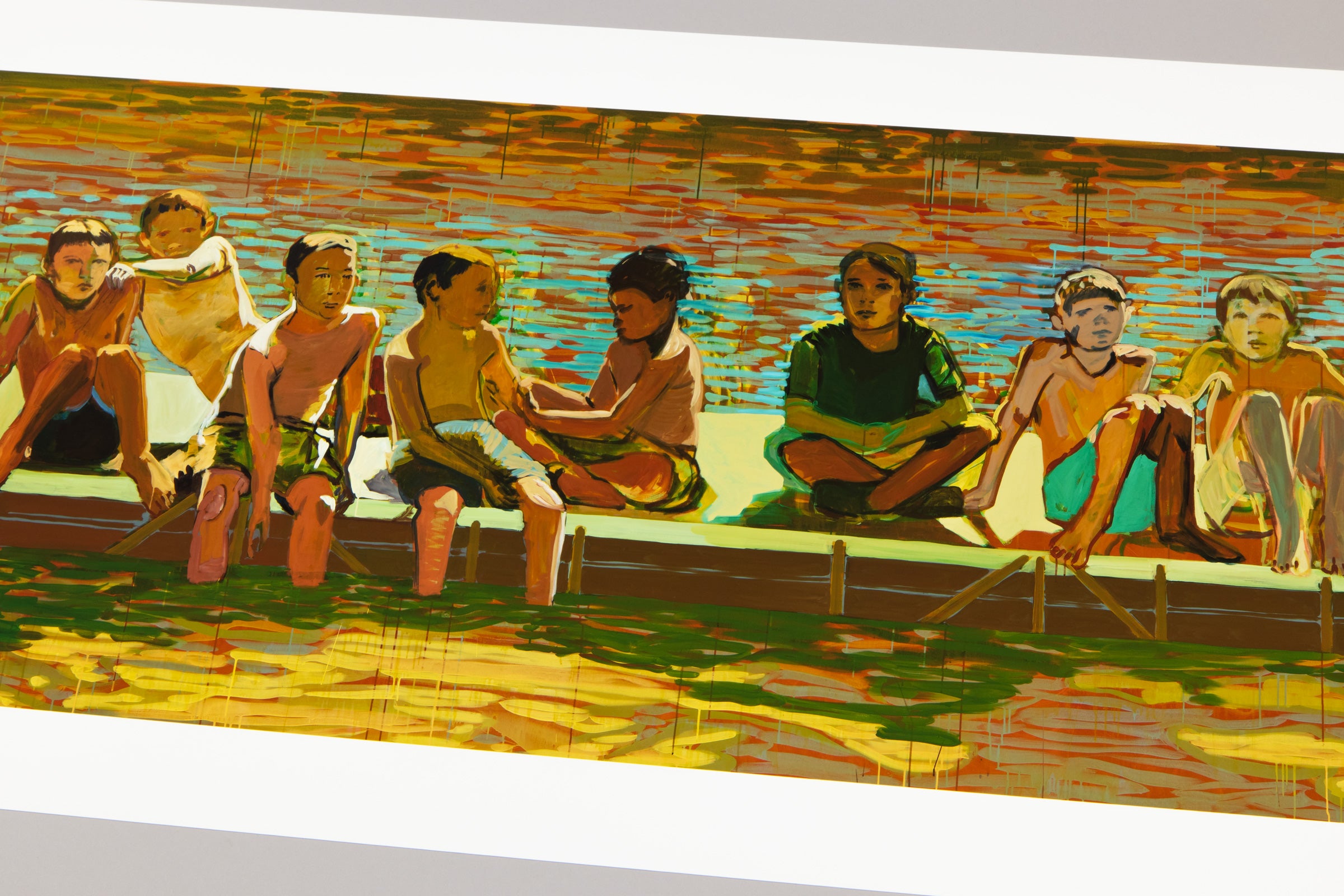
Marlene Dumas
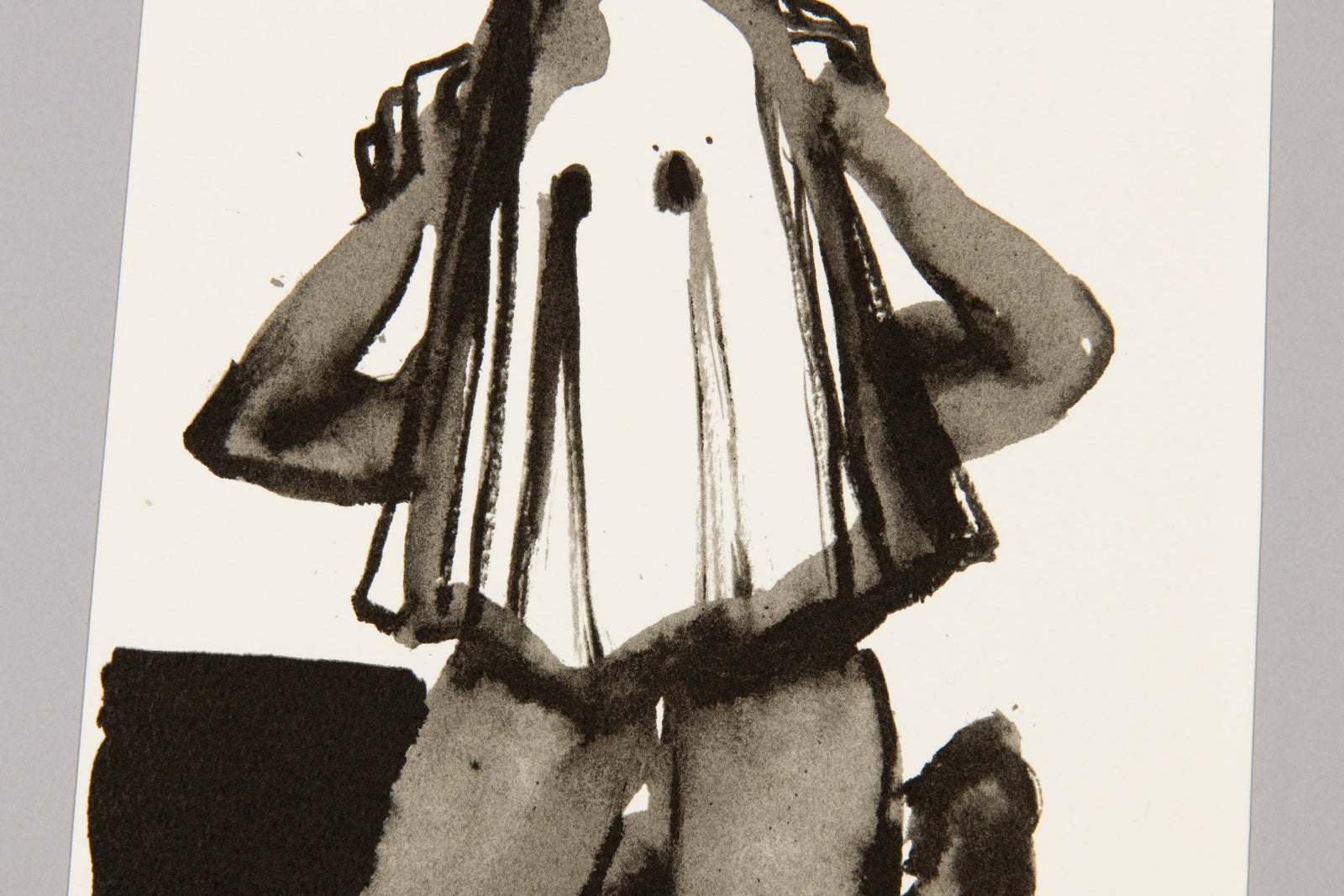
Marlene Dumas prints and editions for sale.
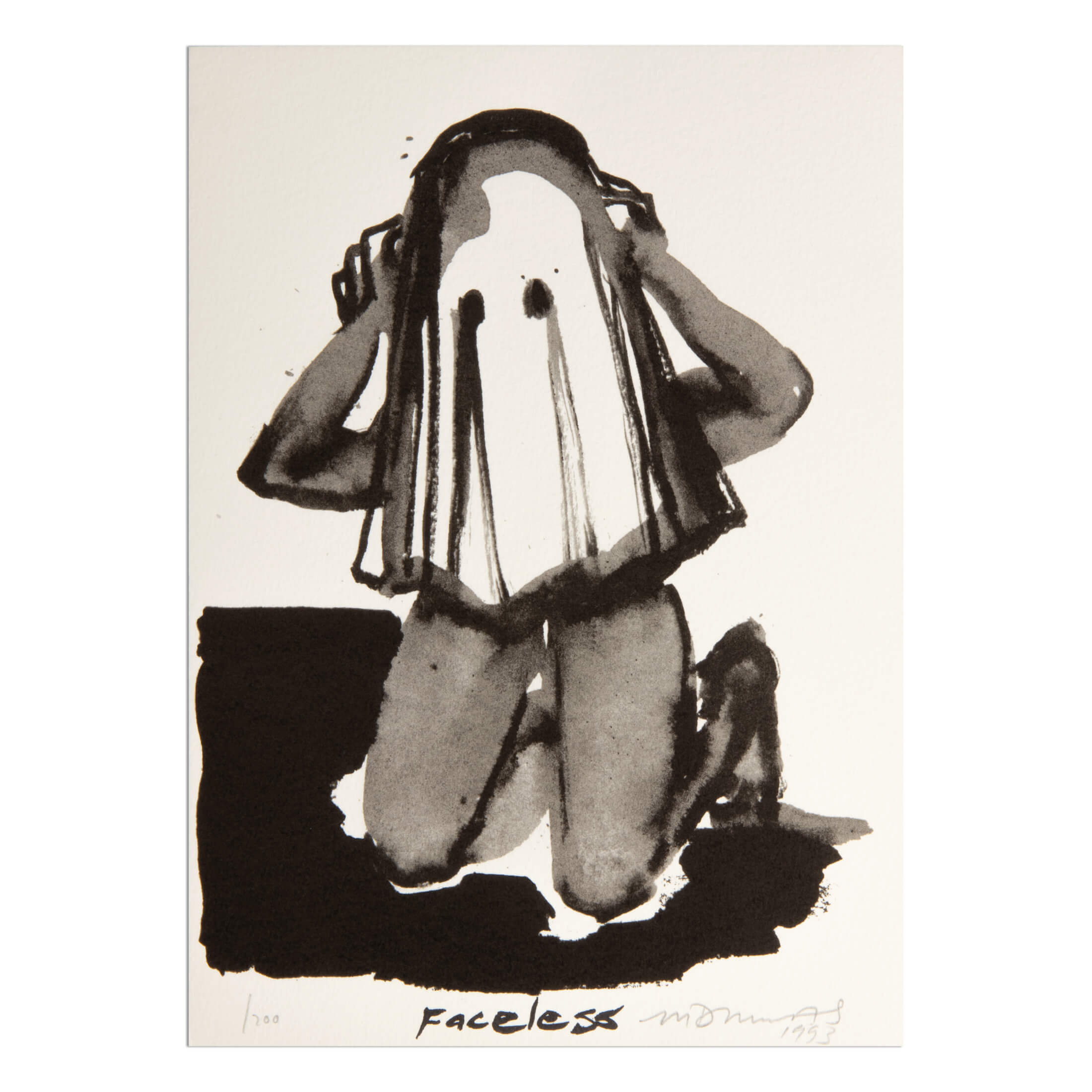
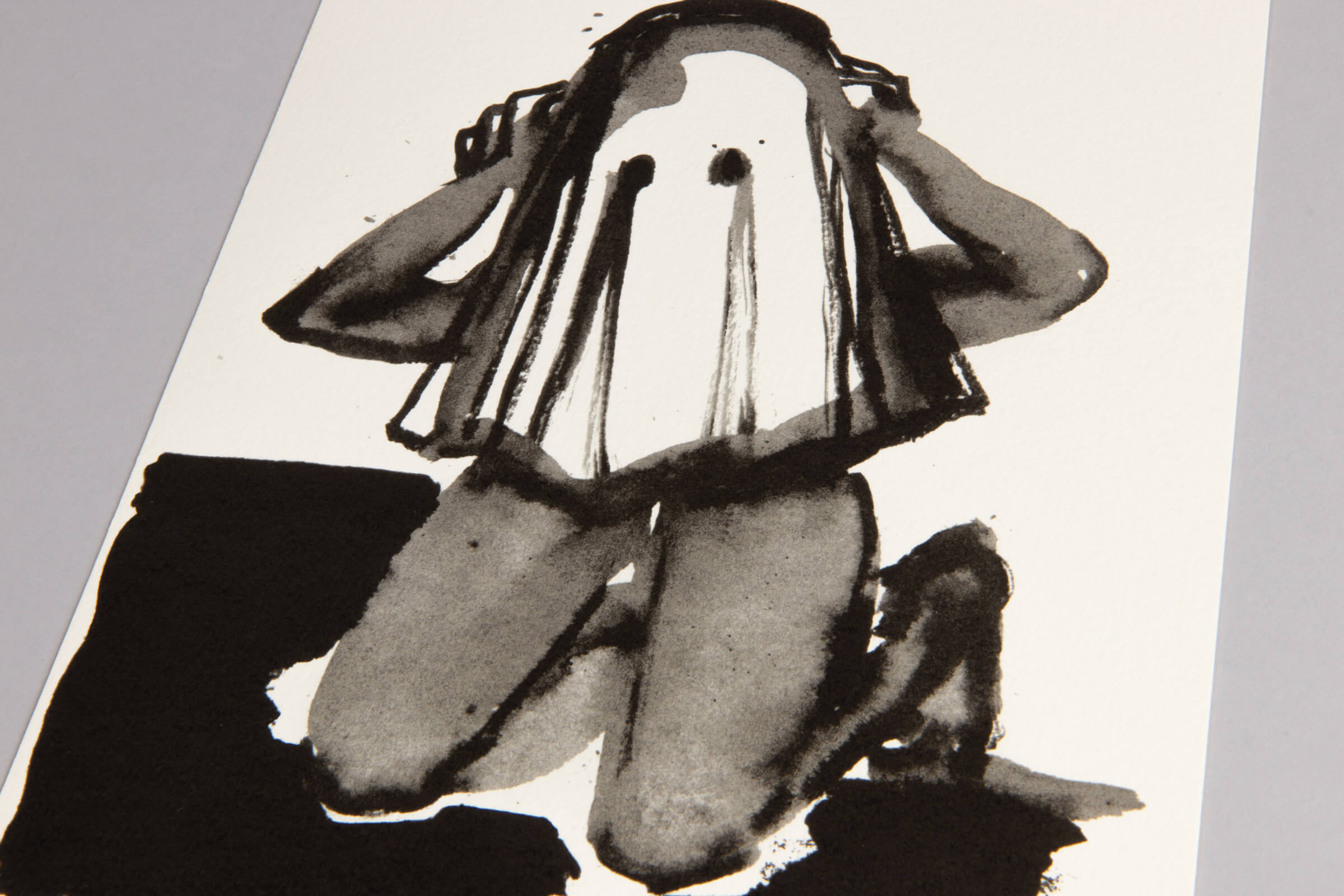
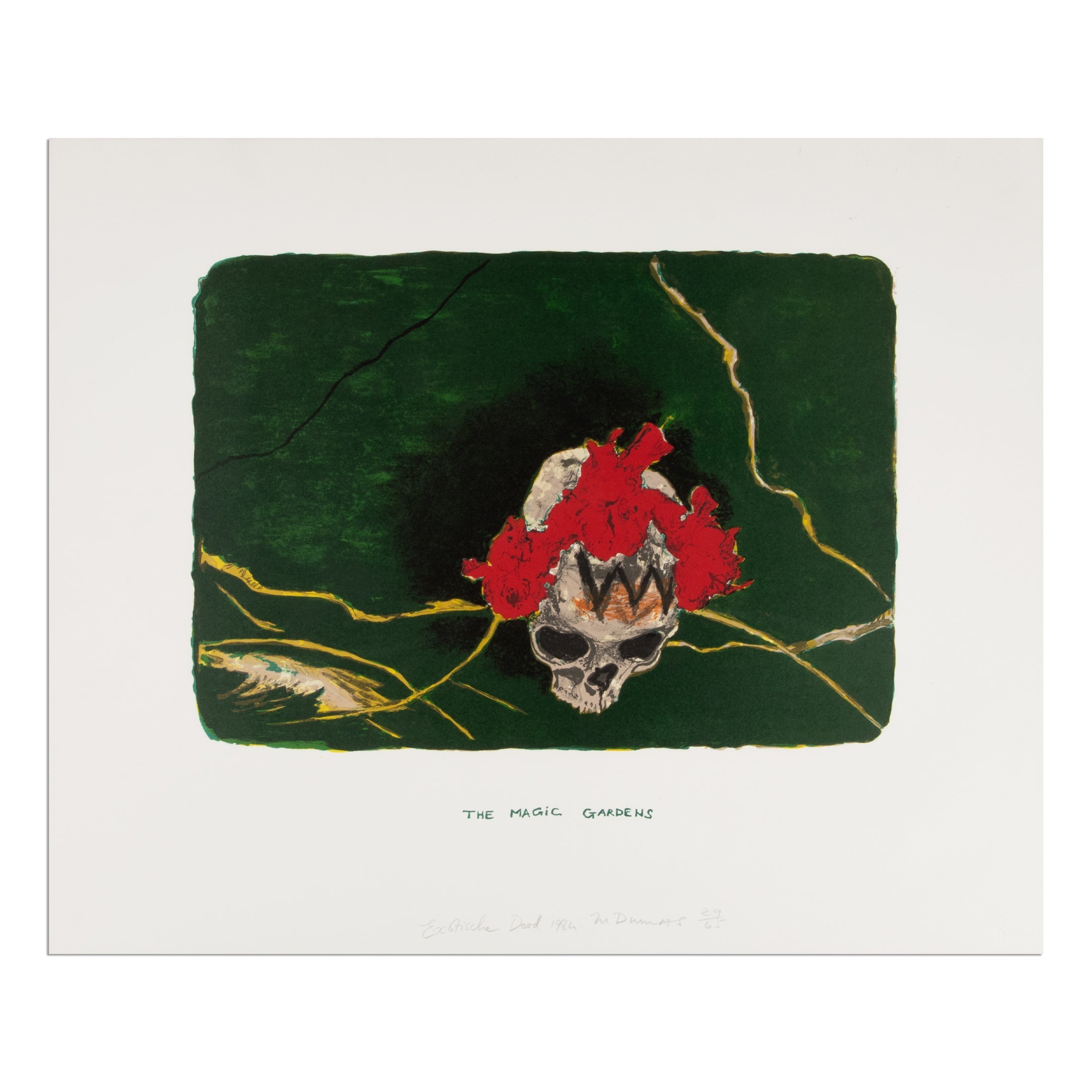
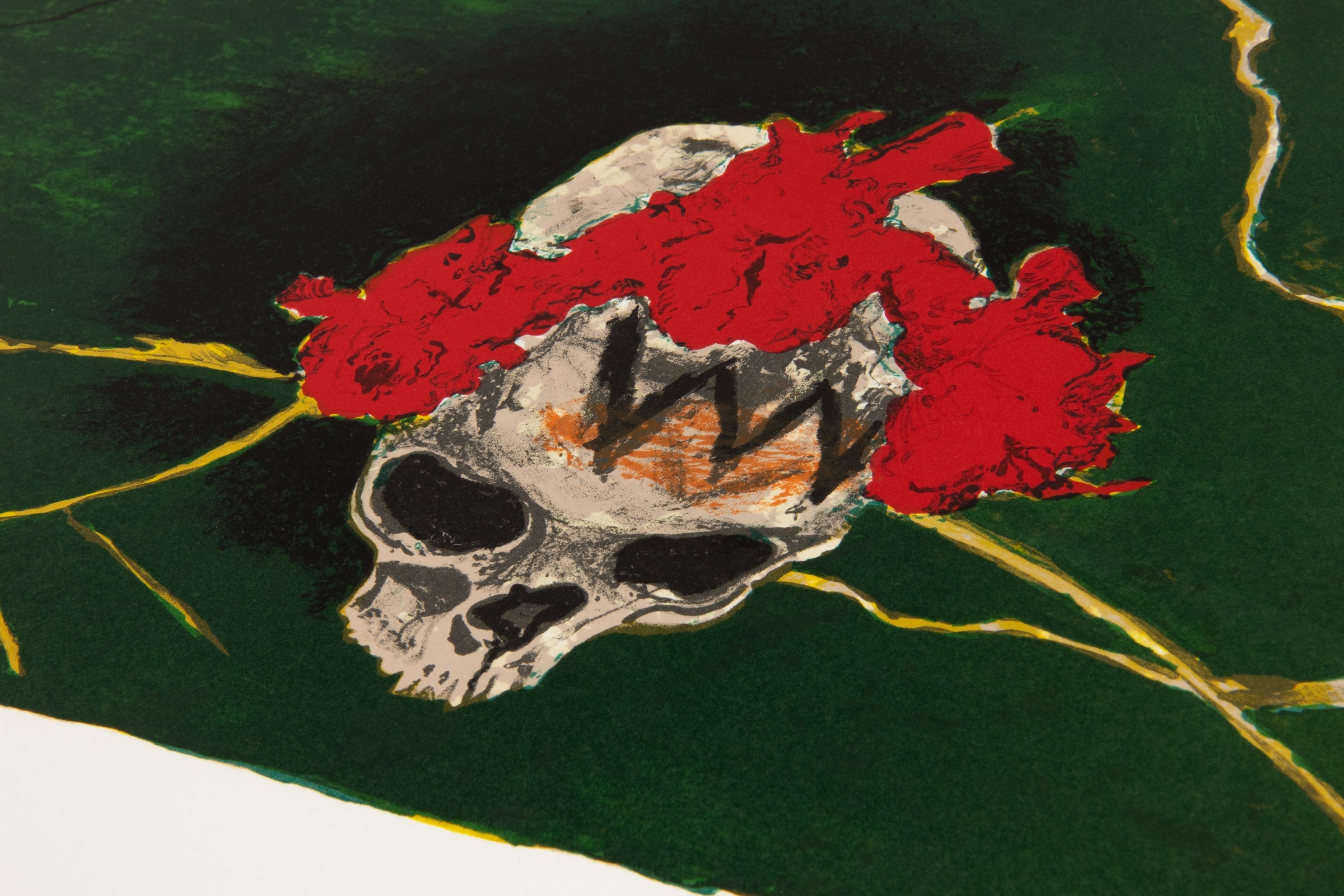
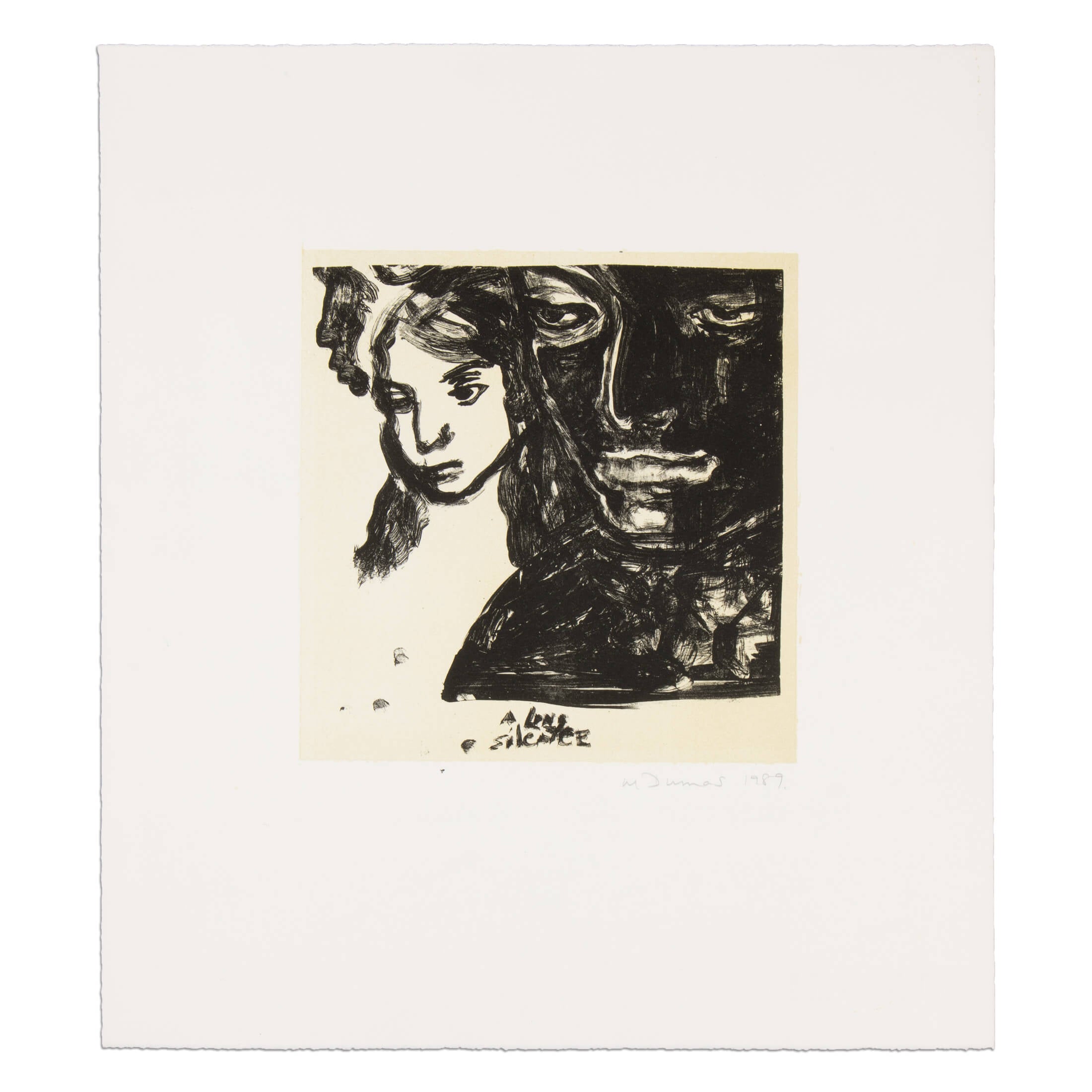
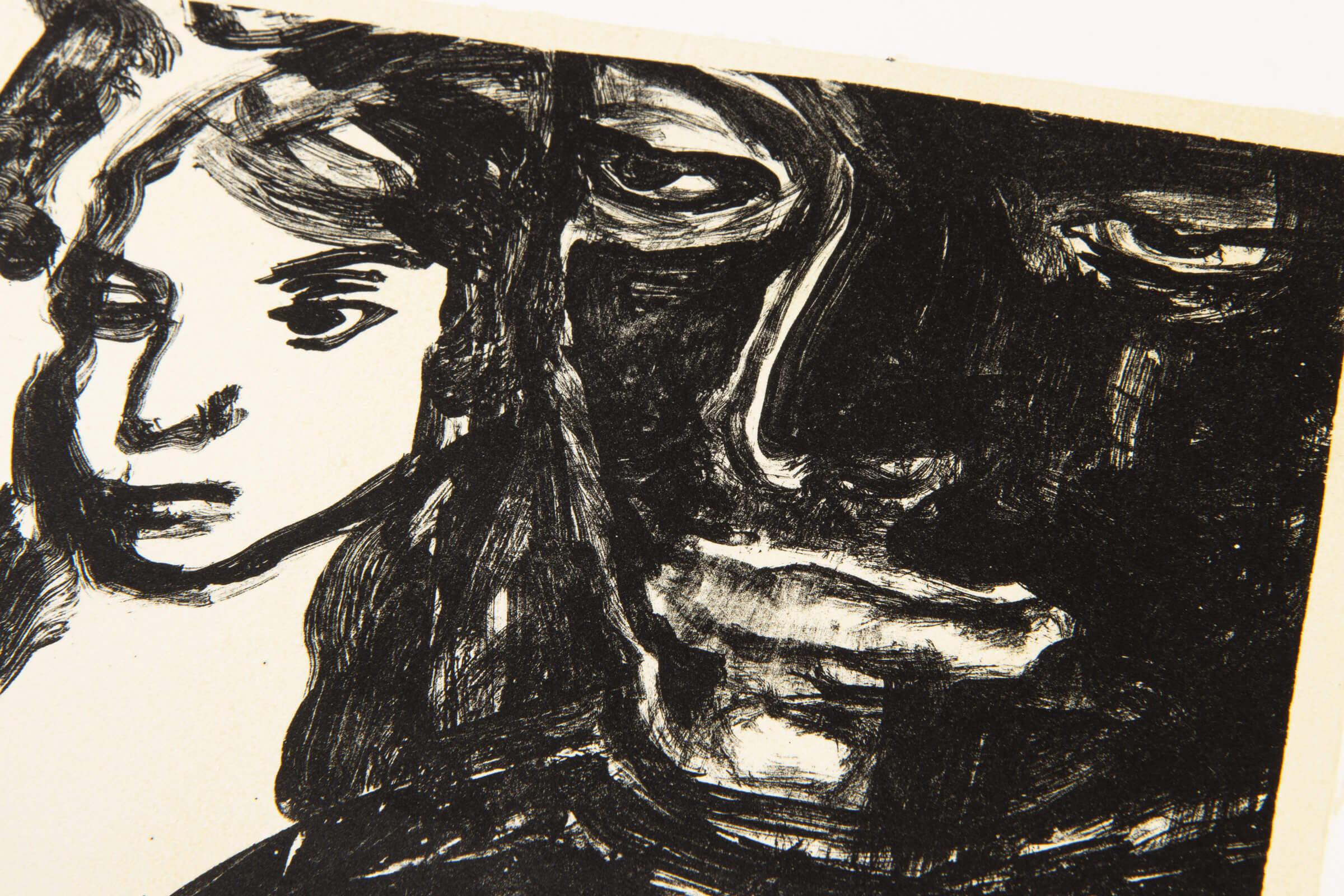
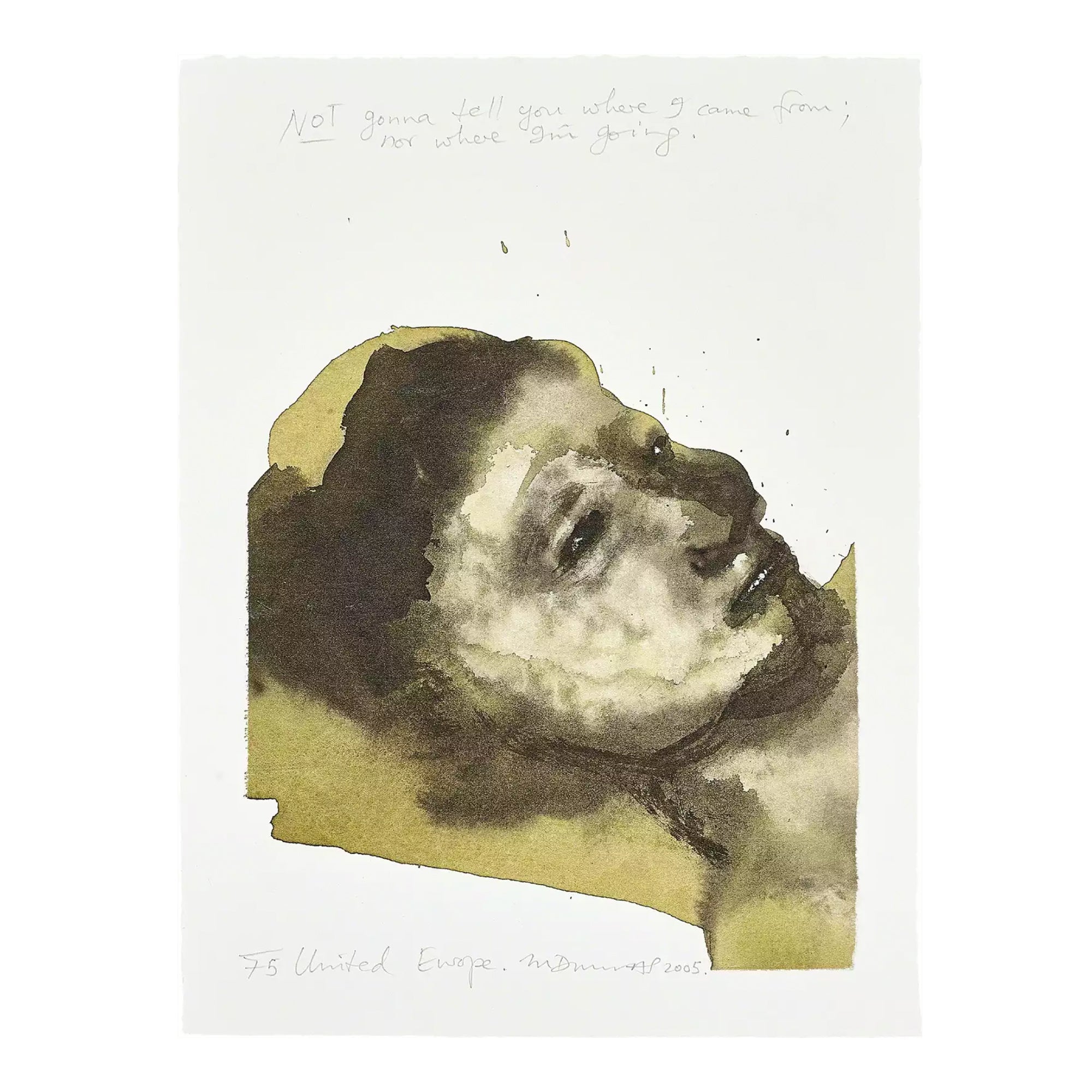
Marlene Dumas paints from photographs — newspaper images, pornography, family snapshots — and turns them into something photography can never be: slow, morally uncomfortable, impossible to look away from. Born in Cape Town in 1953, she moved to Amsterdam in 1976 and built a practice at the intersection of desire, race, and mortality. Her artworks entered MoMA, Tate, and the Stedelijk not because it was difficult, but because it was necessary. The signed prints carry the same psychological charge — the same collapsed distance between painter and subject, the same refusal of resolution.
Available Prints & Editions
5 products
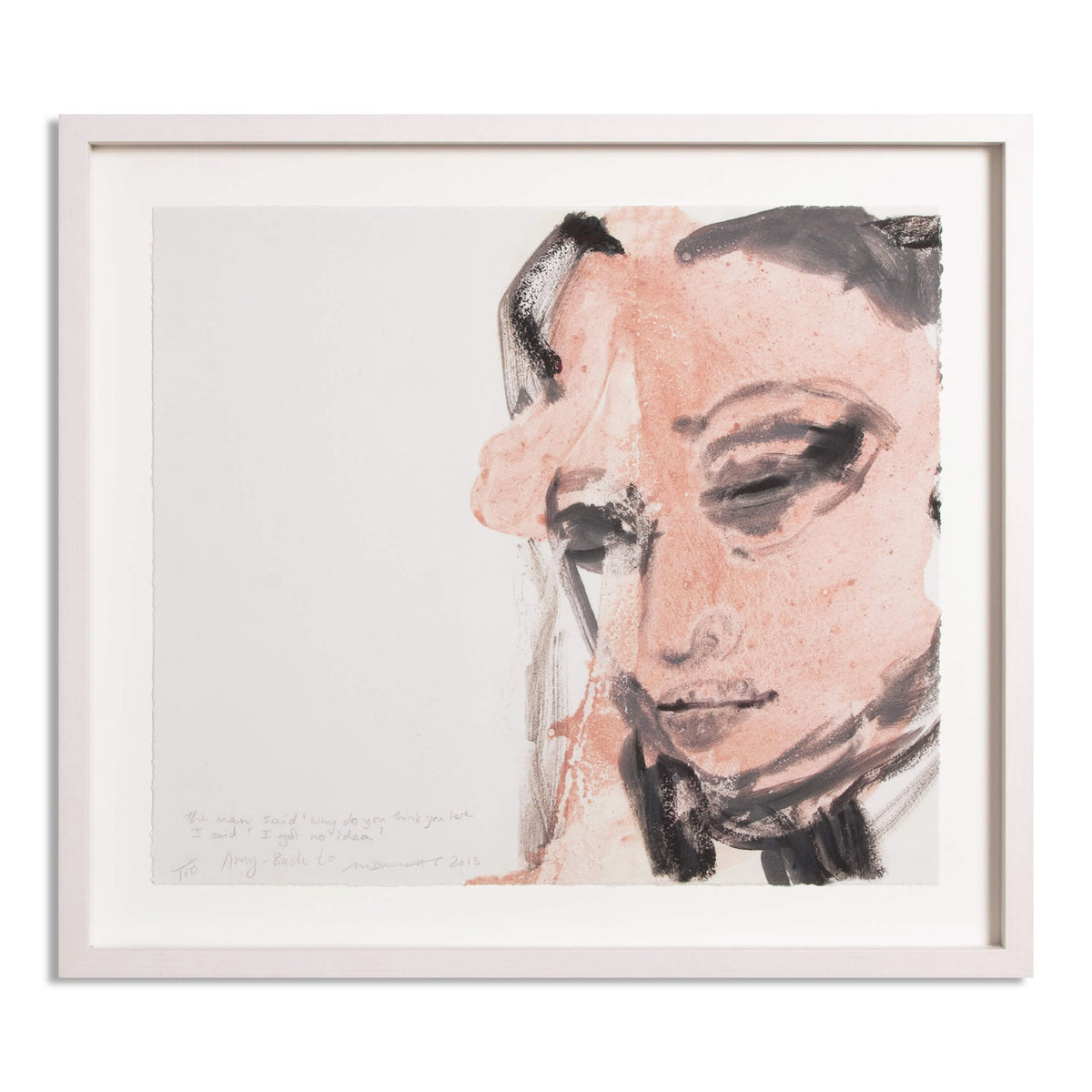
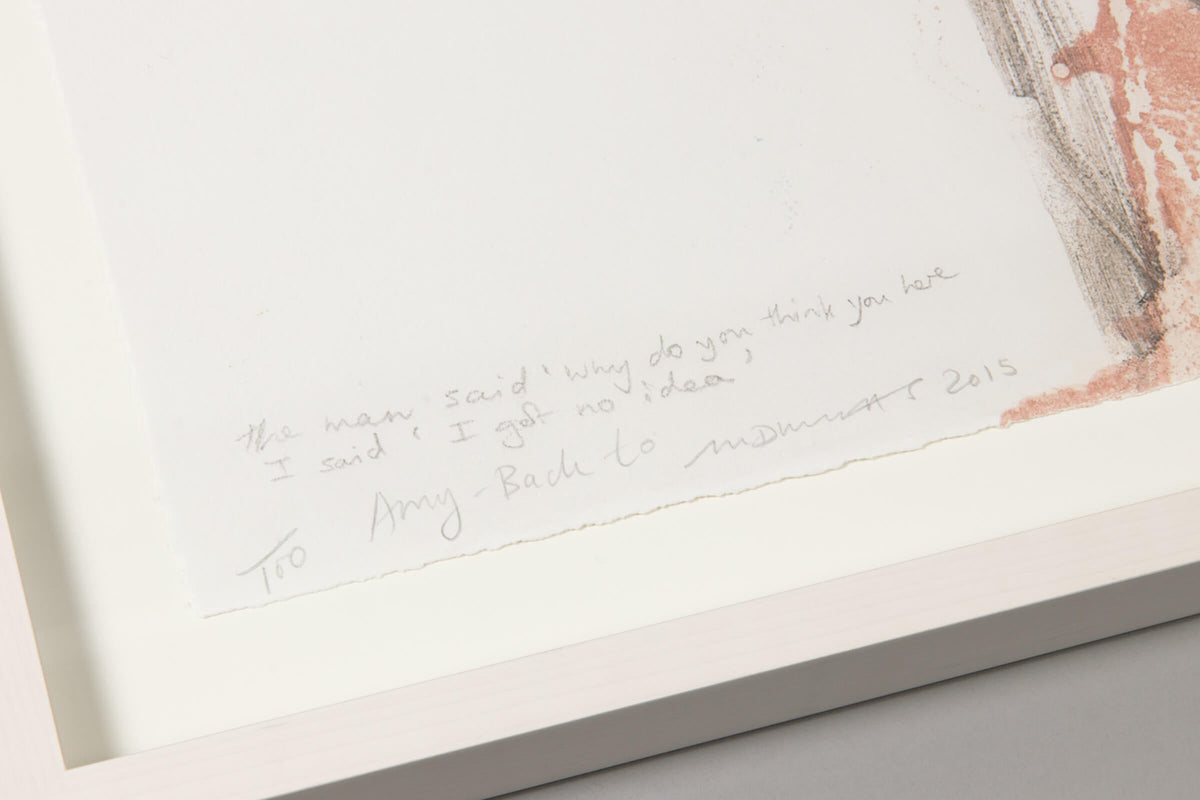


Marlene Dumas: Key Questions
Collecting Marlene Dumas?
Looking for a specific artwork or have a question about an edition? We're happy to advise on availability, pricing, condition, and provenance — and to source artworks beyond our current selection.
What is Marlene Dumas known for?
Does Marlene Dumas paint from photographs?
Is Marlene Dumas a political artist?
Why are Marlene Dumas's portraits so haunting?
How much do Marlene Dumas artworks sell for?


