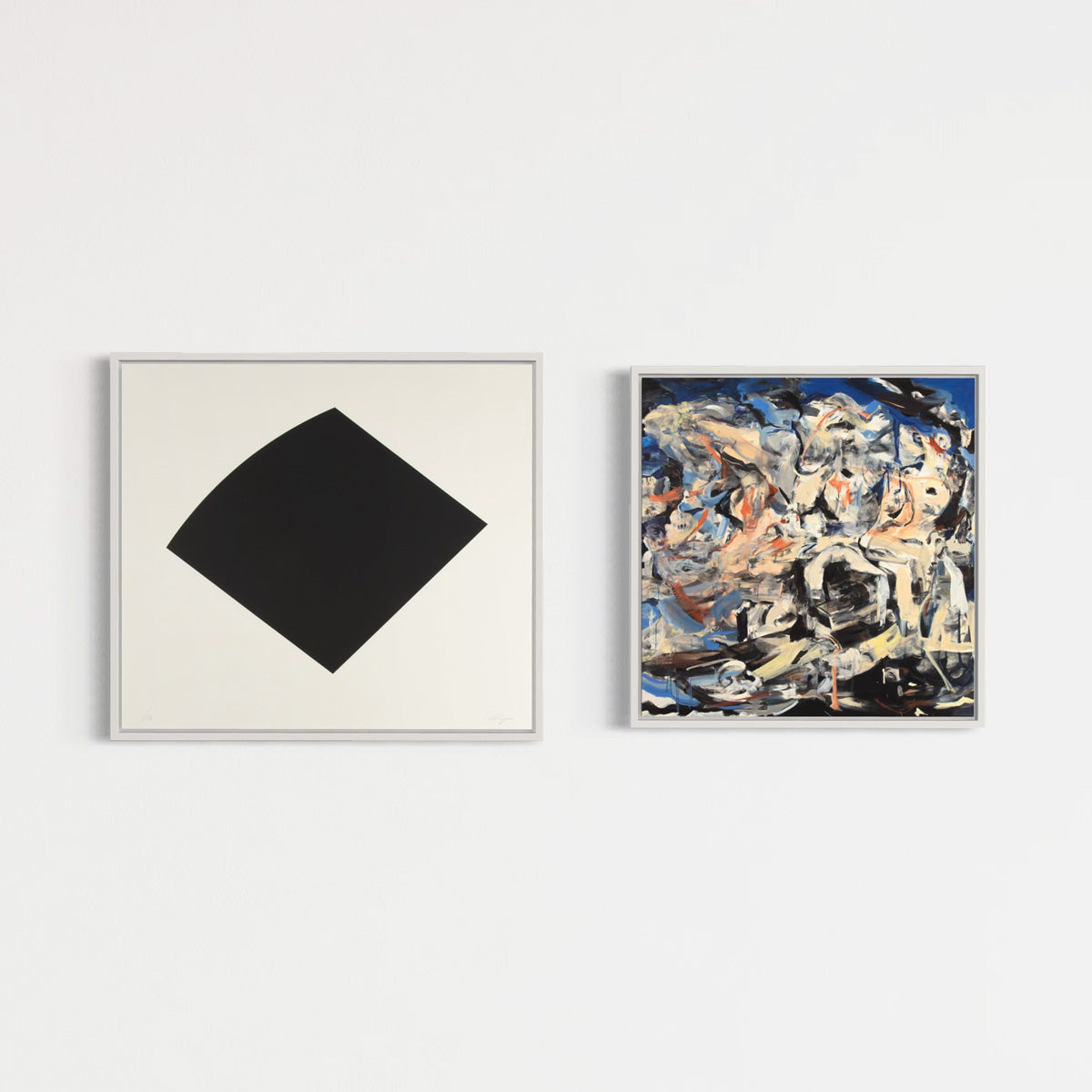
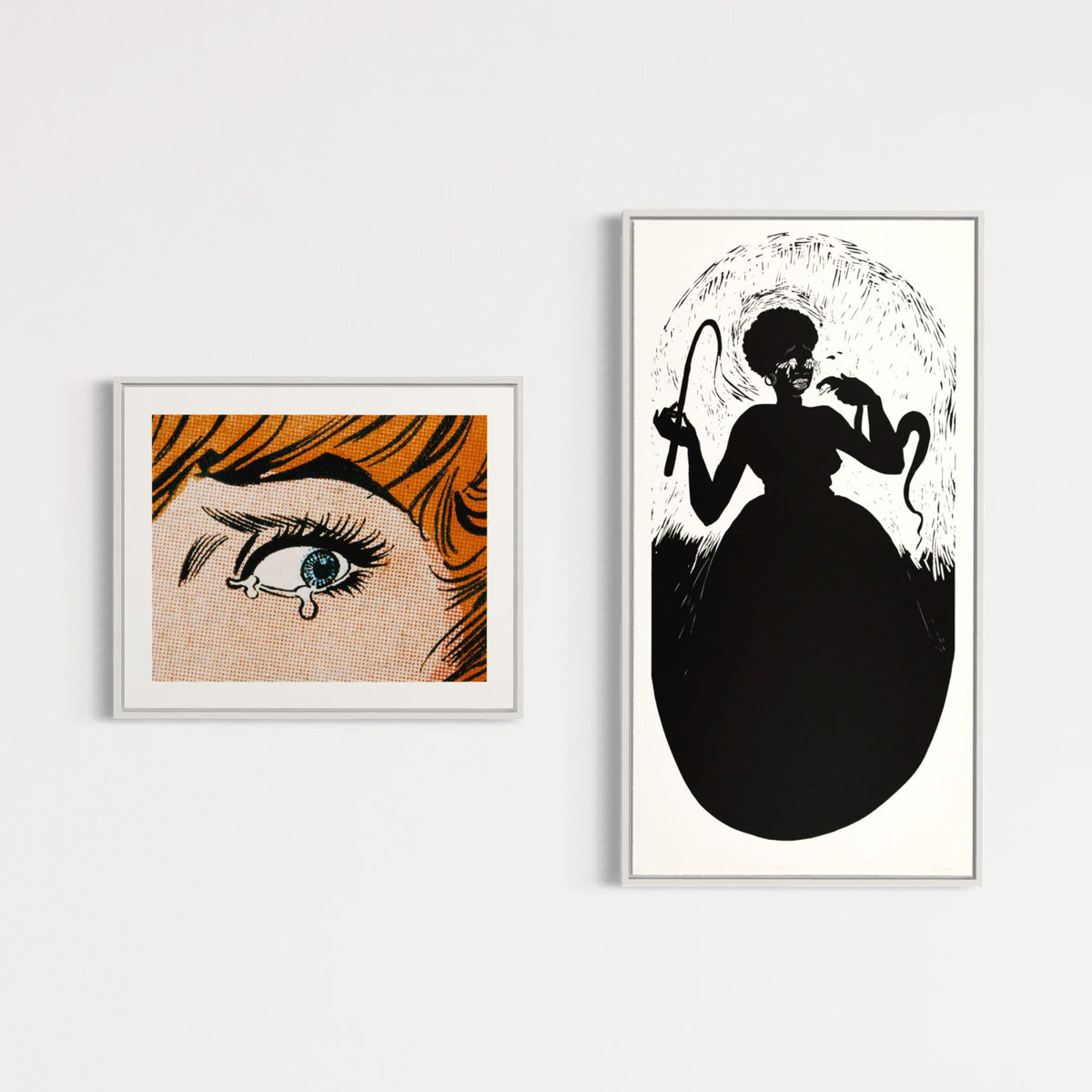
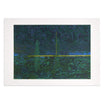
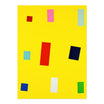
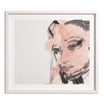
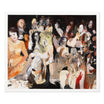
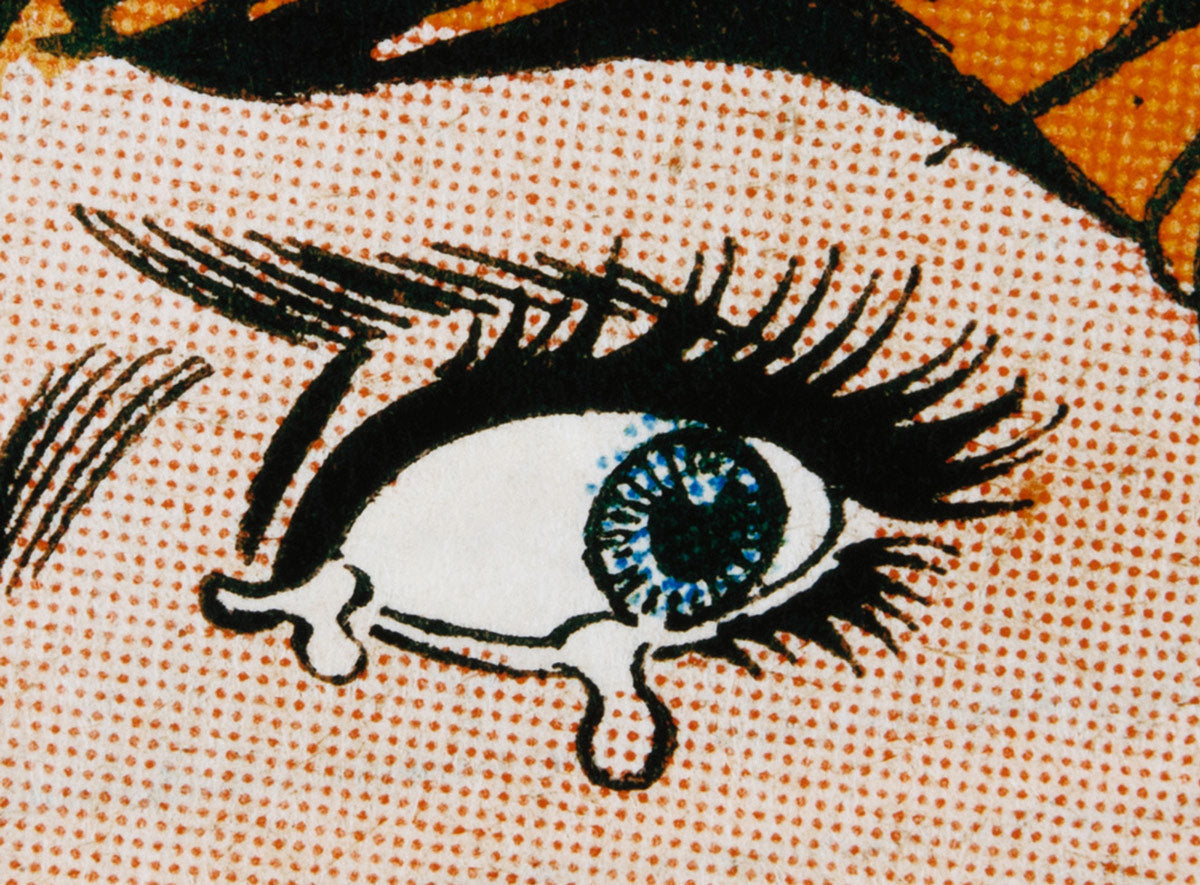
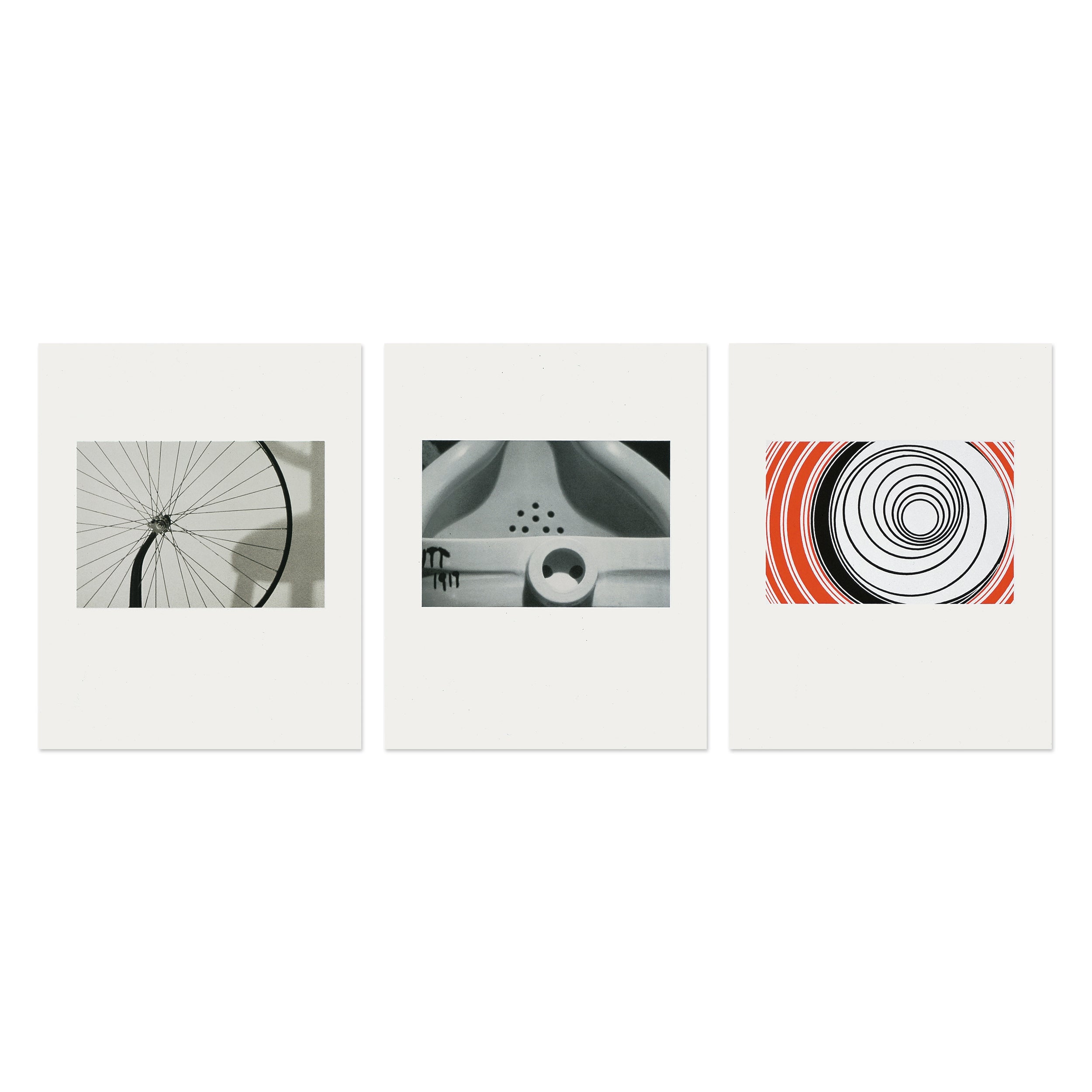
Elaine Sturtevant (1930–2014) was a pioneering American conceptual artist whose radical practice fundamentally reshaped ideas of originality, authorship, and artistic value. Emerging in the 1960s, Sturtevant became known for her meticulous recreations of works by leading contemporaries such as Andy Warhol, Jasper Johns, and Roy Lichtenstein, often using the same techniques and materials as the original artists. Her work did not function as imitation, but as a rigorous investigation into how meaning, power, and authority circulate within art.
By repeating iconic artworks, Sturtevant exposed originality as a construct rather than a fixed quality, challenging the aura traditionally attached to the “original” work. Her practice foregrounded process over invention, emphasizing repetition as a conceptual tool that reveals how images gain cultural and economic significance. In doing so, she questioned the myth of artistic genius and the mechanisms of commodification within the art market.
Working across painting, limited editions, film, video, and performance, Sturtevant consistently returned to acts of repetition and reenactment as critical strategies. Her work has been widely recognized as foundational to appropriation art and conceptual practice, influencing generations of artists and remaining central to contemporary debates on authorship, reproduction, and visual culture.