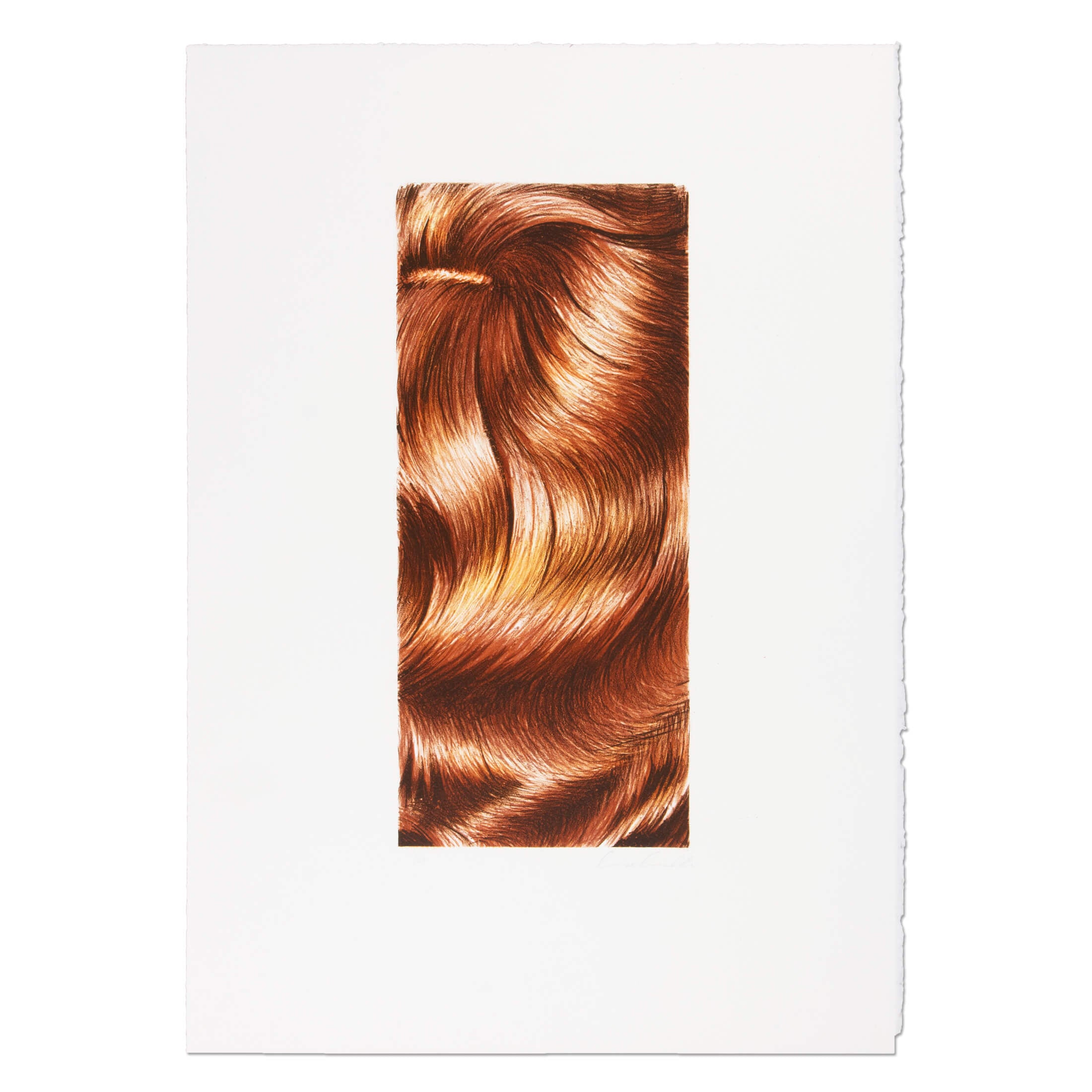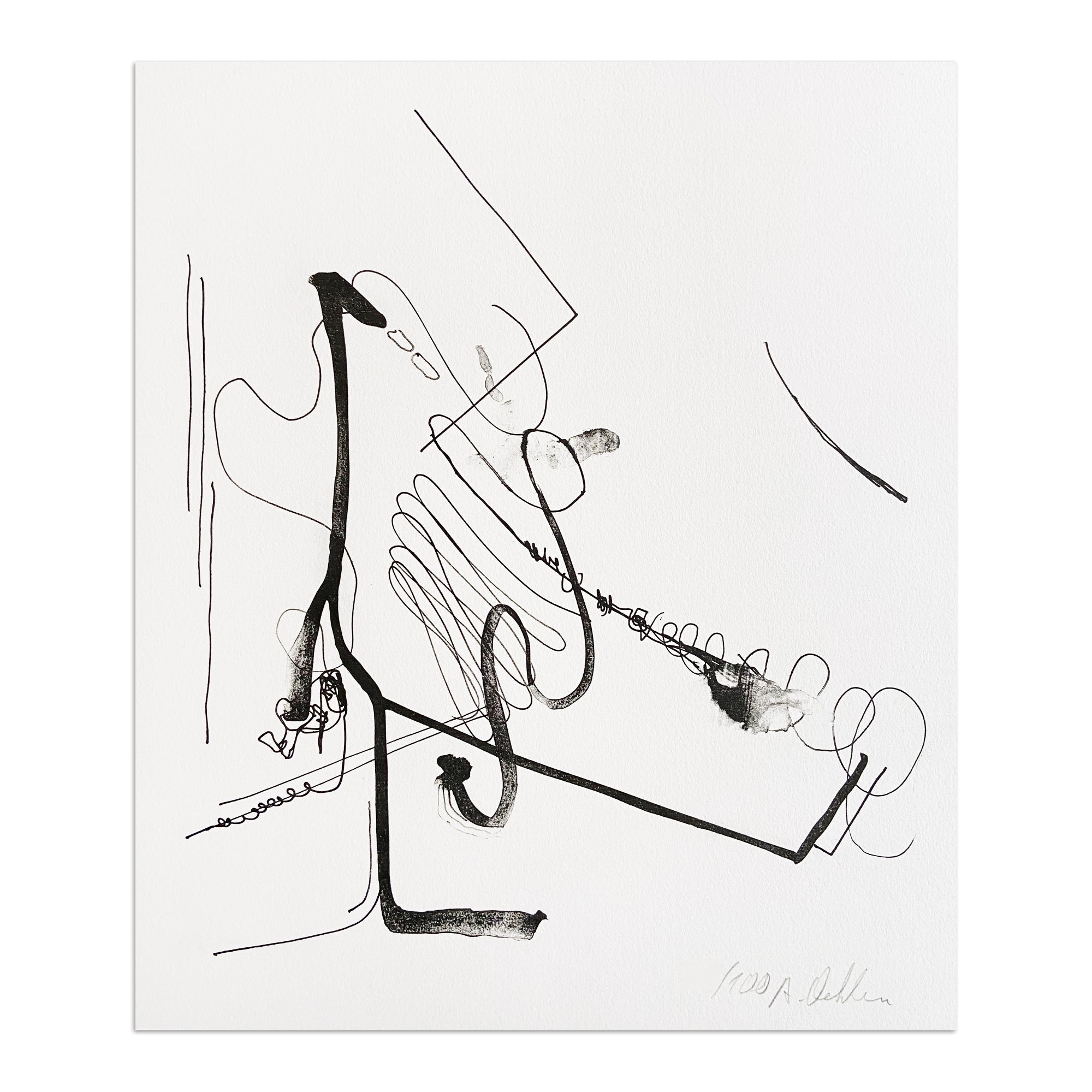


Lithographs

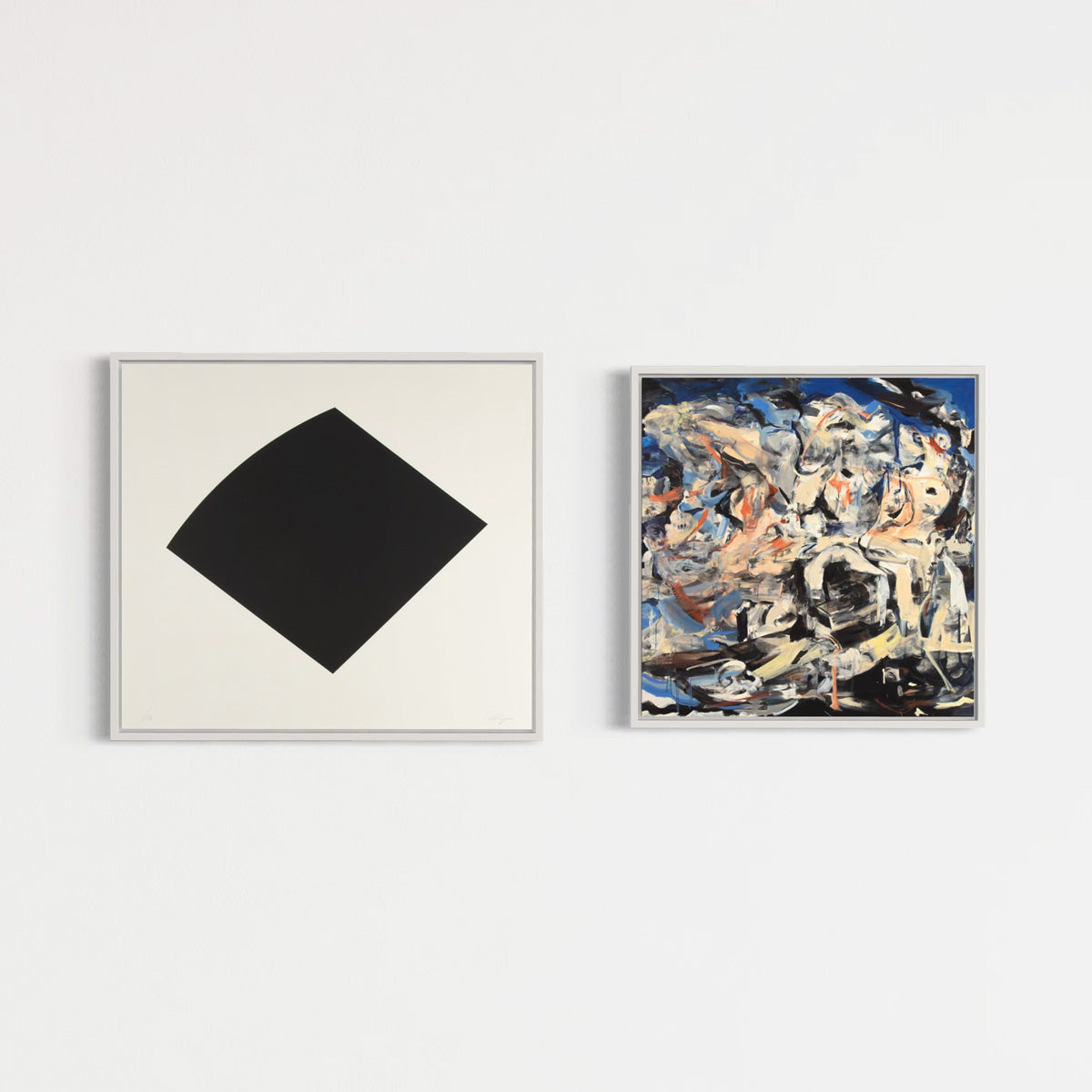
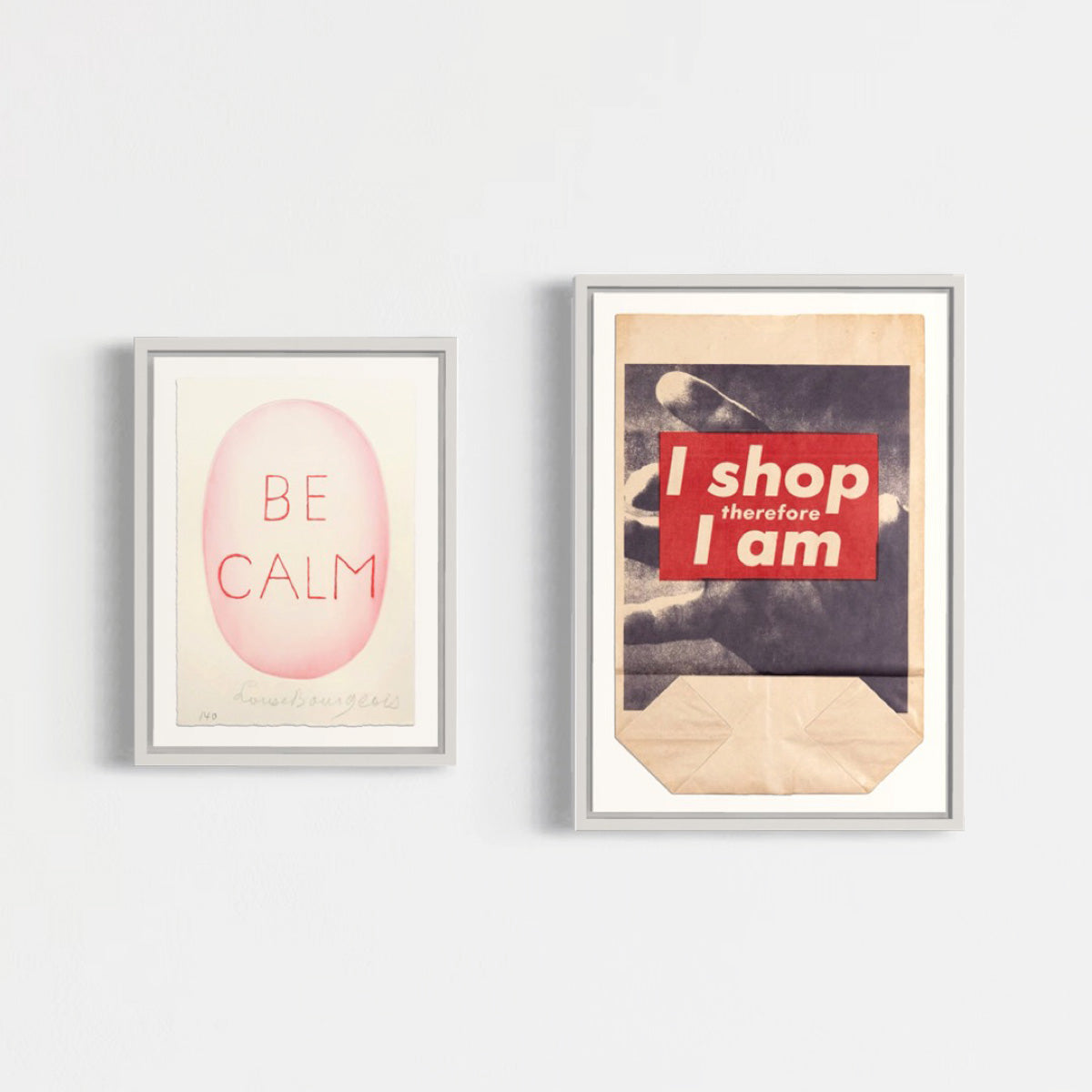
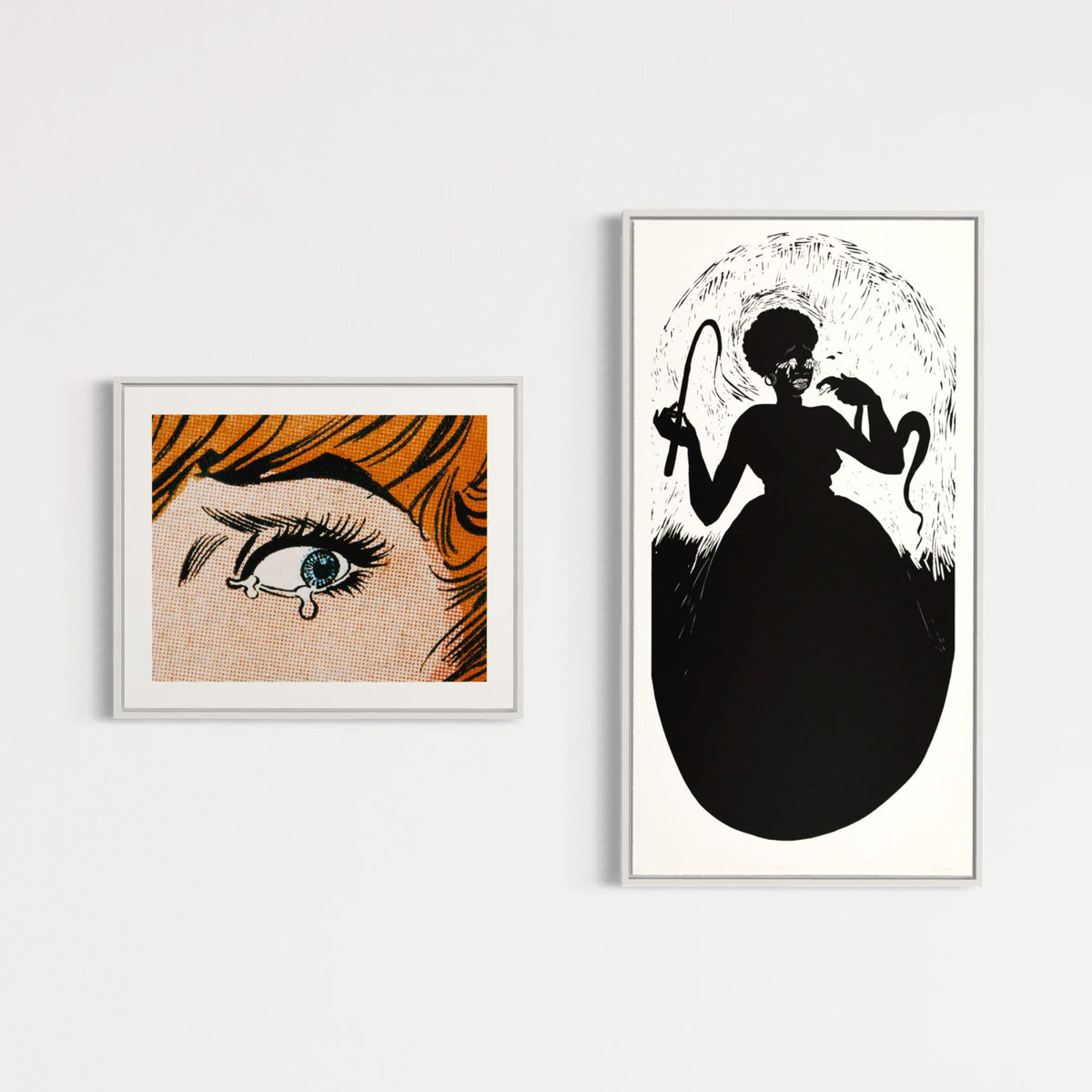
Lithographs for sale. Explore signed limited edition lithographs by leading modern and contemporary artists. Known for their nuanced tonal range and ability to capture both delicate washes and bold graphic lines, lithography remains one of the most important techniques in fine art printmaking. Available online with secure checkout and worldwide insured shipping.

Filters

Sort by:

59 products

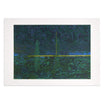
Louise Giovanelli – TideLouise Giovanelli – Tide
Louise Giovanelli – Tide Sale price€1.600,00
Georg Baselitz - AbeGeorg Baselitz - Abe
Georg Baselitz - Abe Sale price€3.000,00
Marcel Dzama – Farewell loved ones (black)Marcel Dzama – Farewell loved ones (black)
Marcel Dzama – Nature's Daughters (gold)
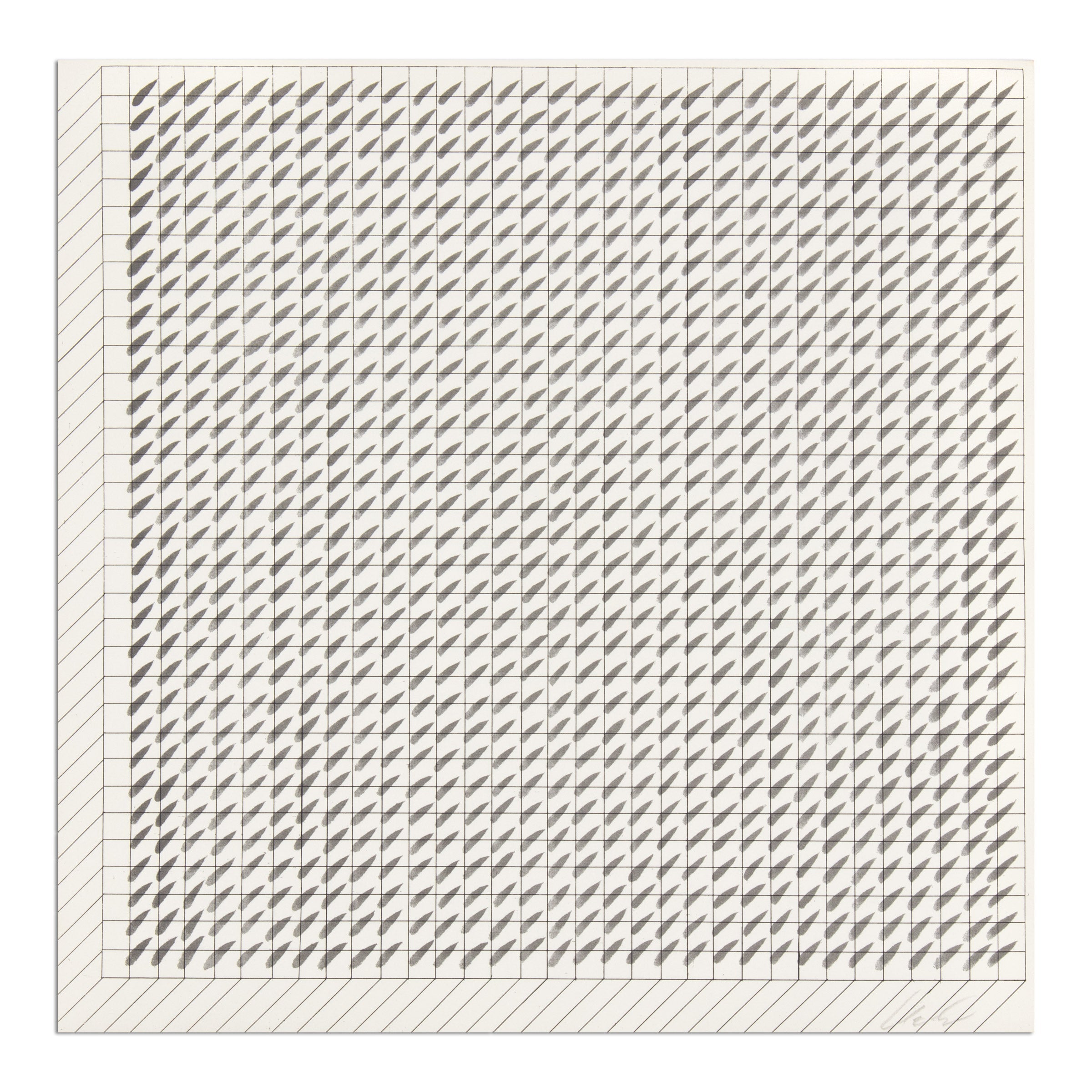
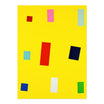
Günther Uecker – SplitterGünther Uecker – Splitter
Günther Uecker – Splitter Sale price€1.500,00
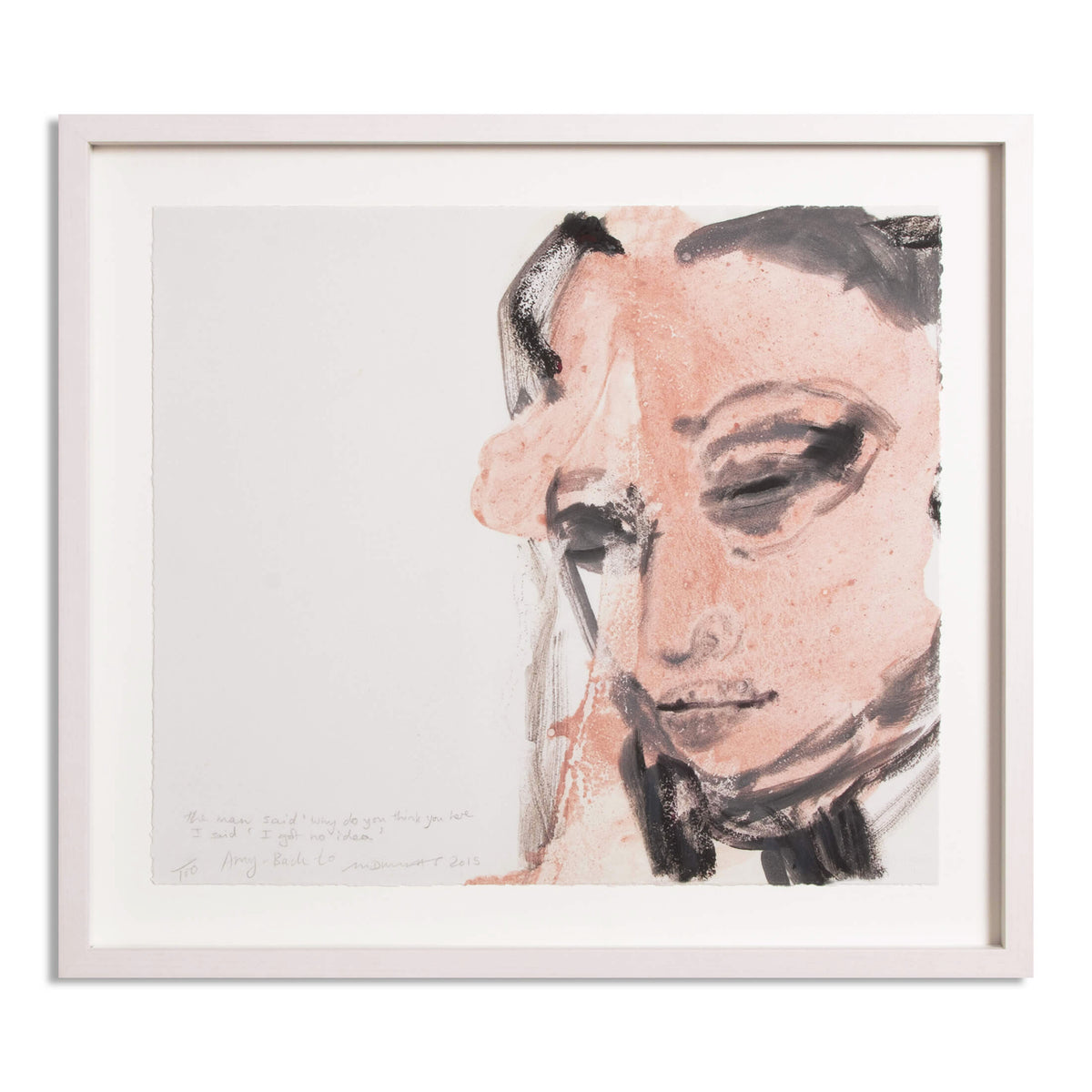
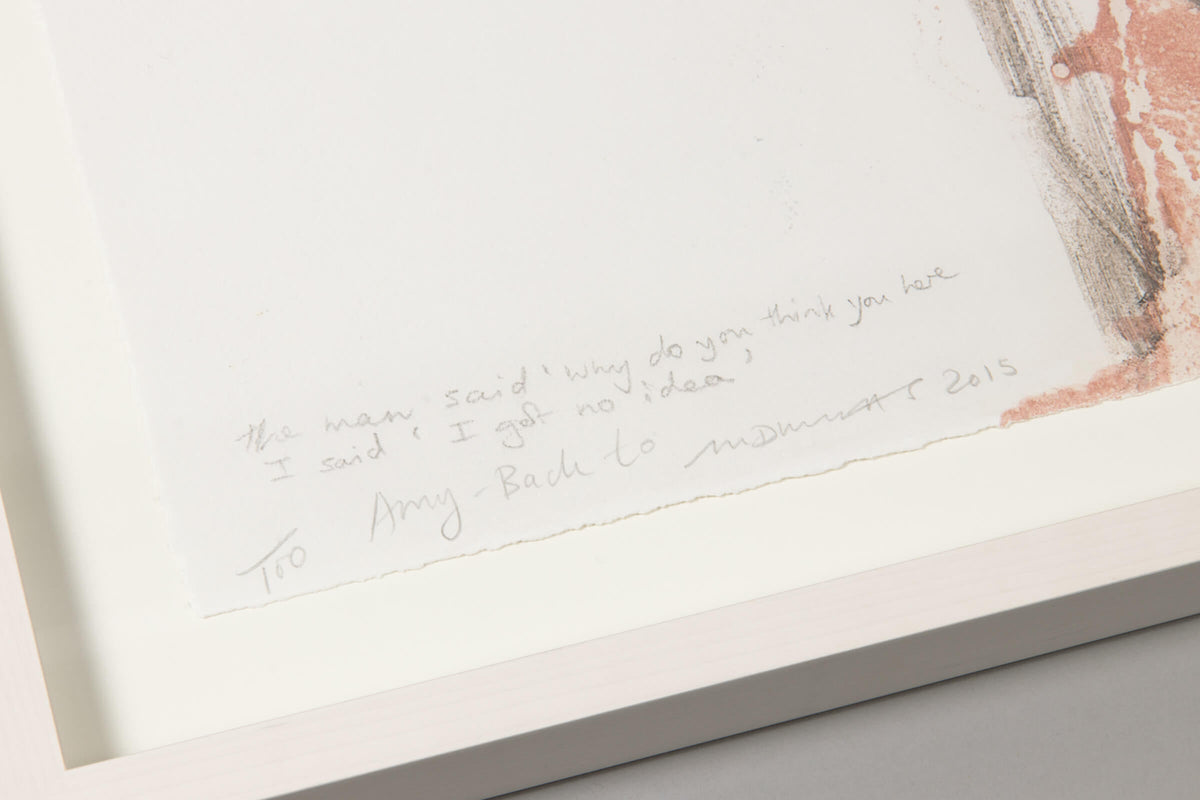
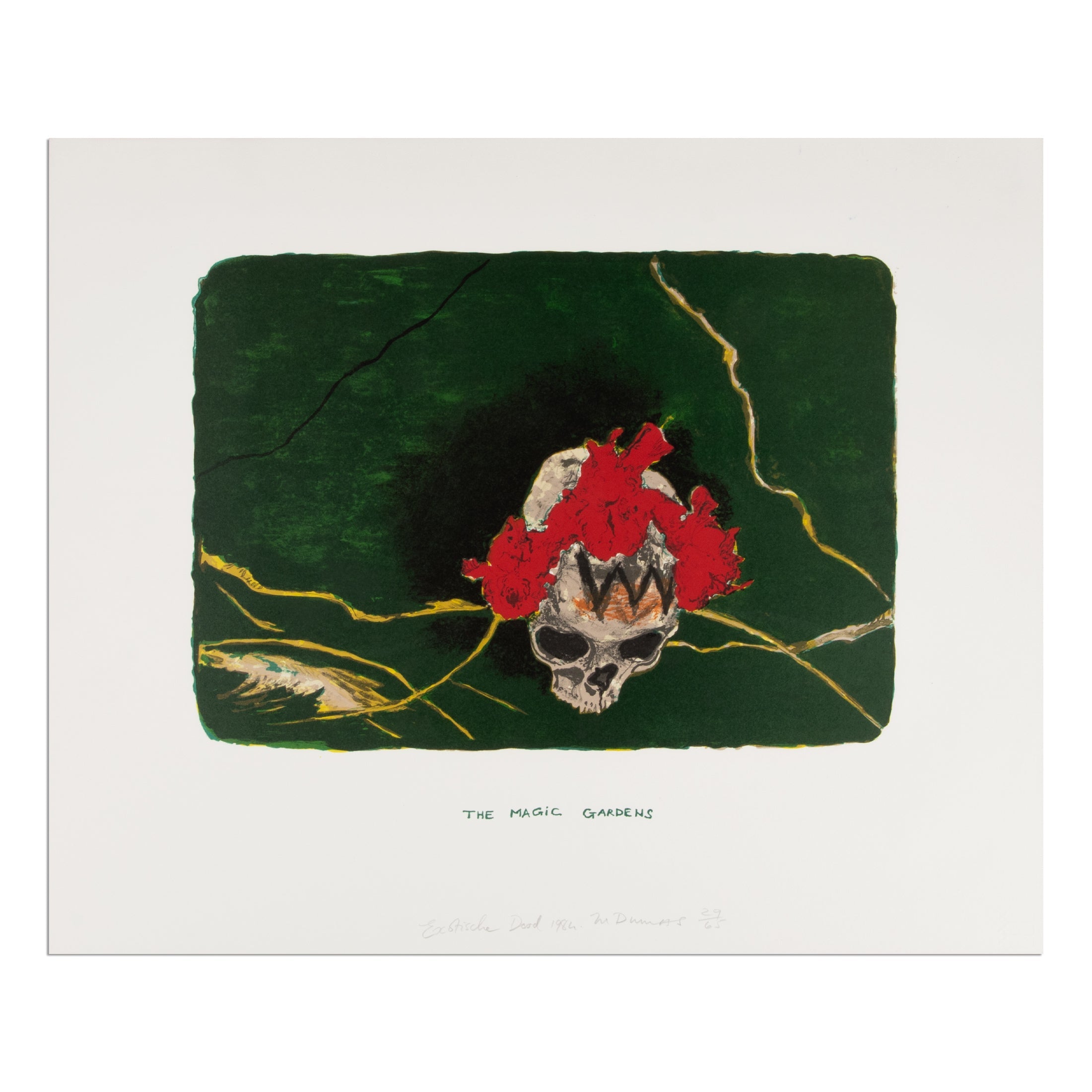
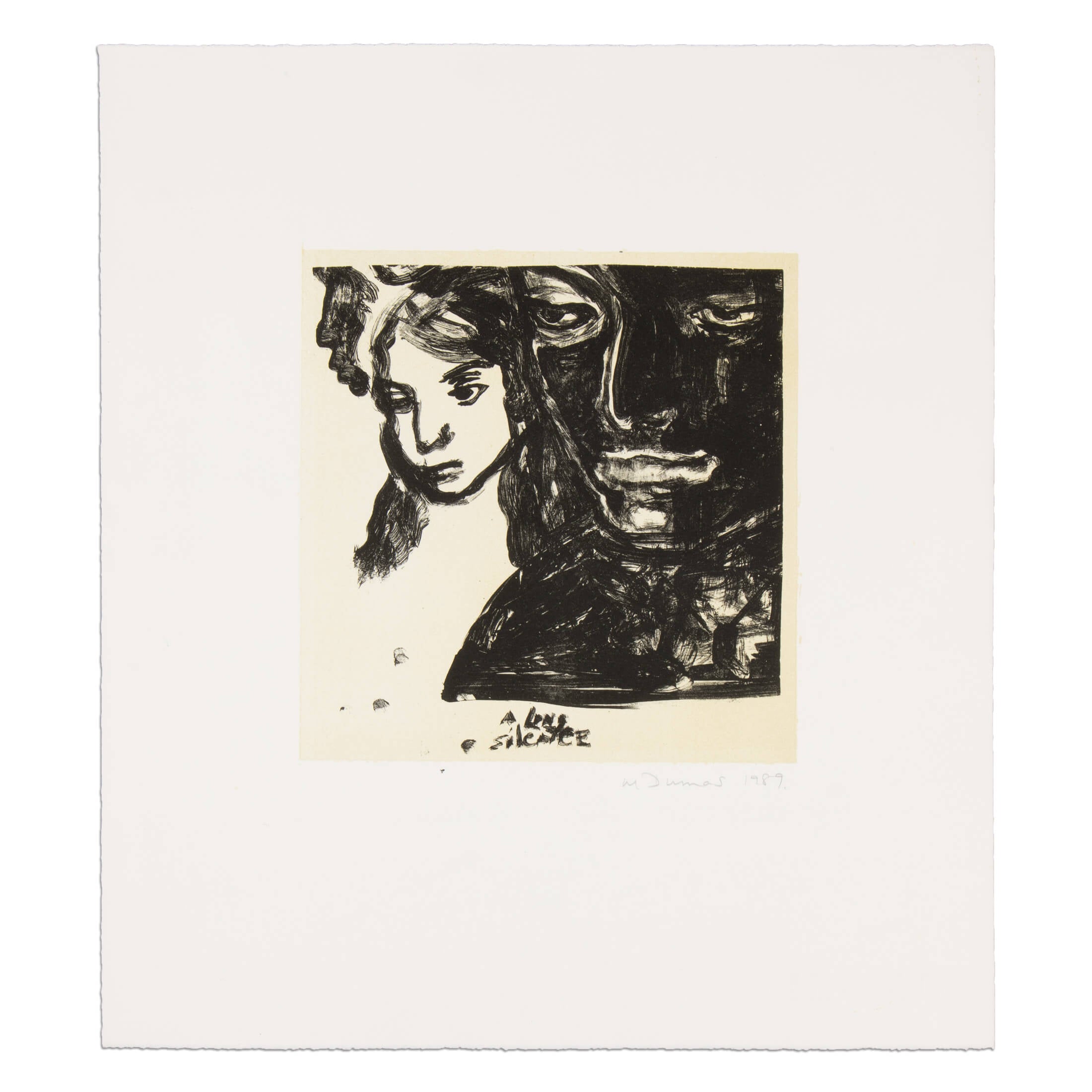
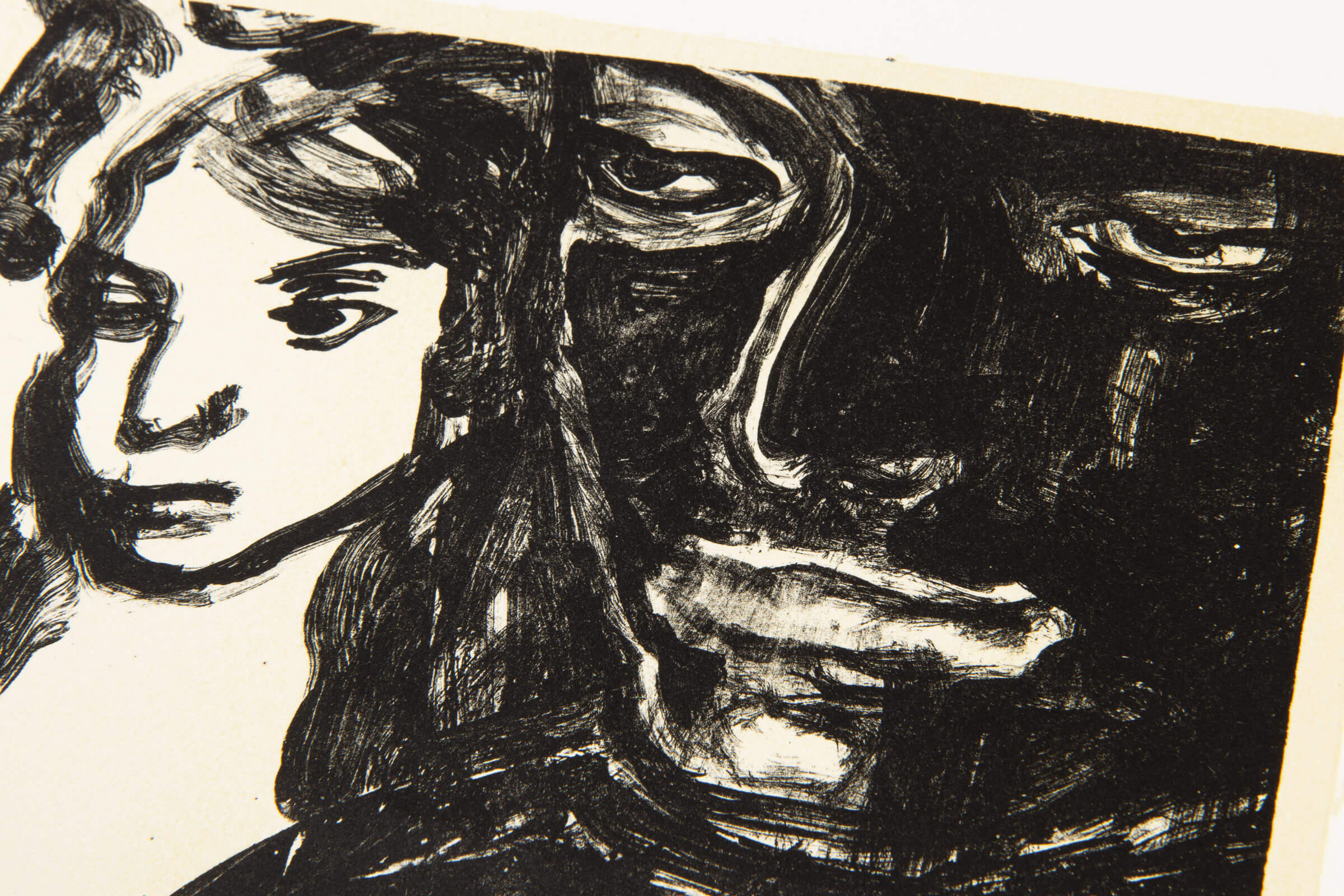
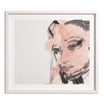
Marlene Dumas – A Long SilenceMarlene Dumas – A Long Silence
Marlene Dumas – A Long Silence Sale price€1.500,00
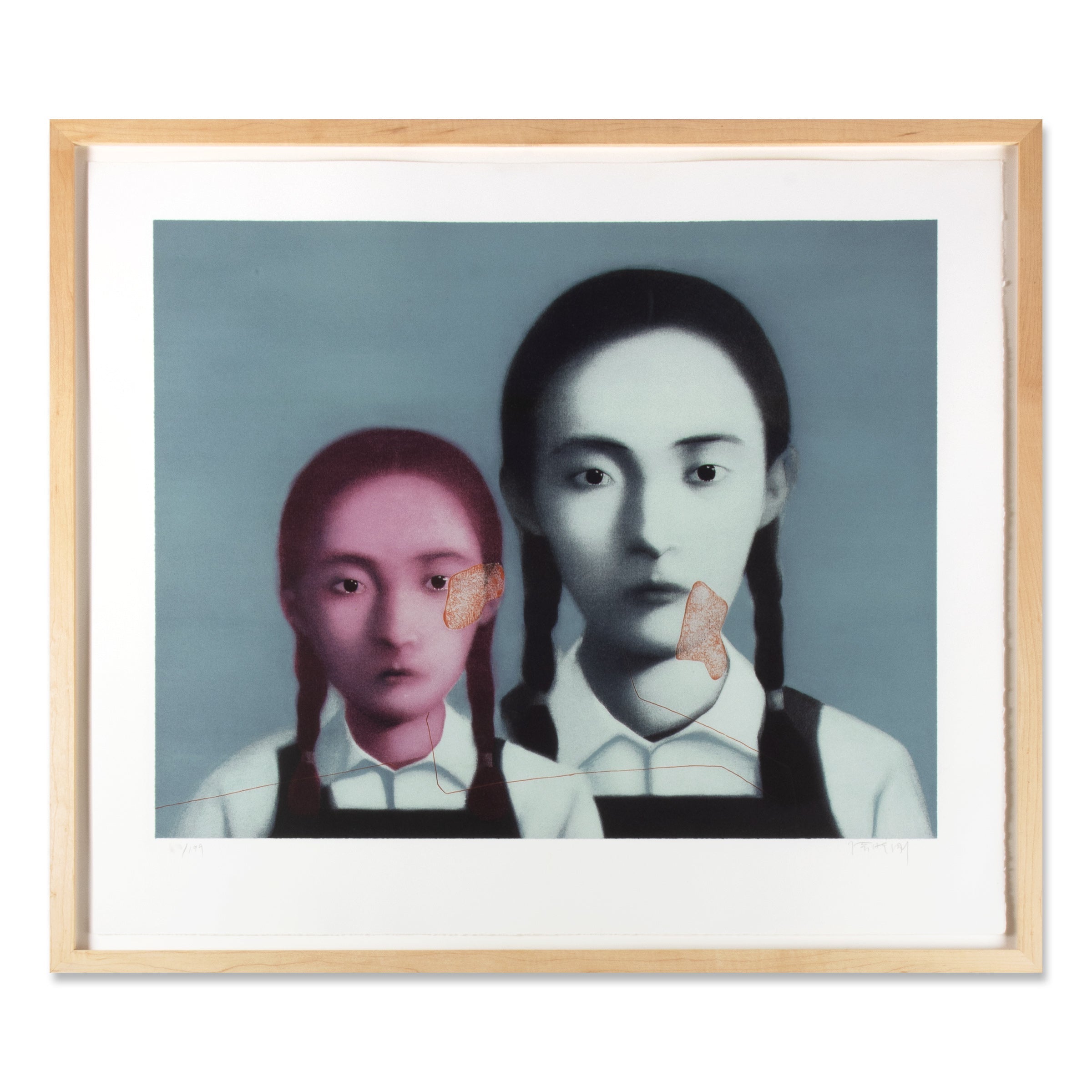
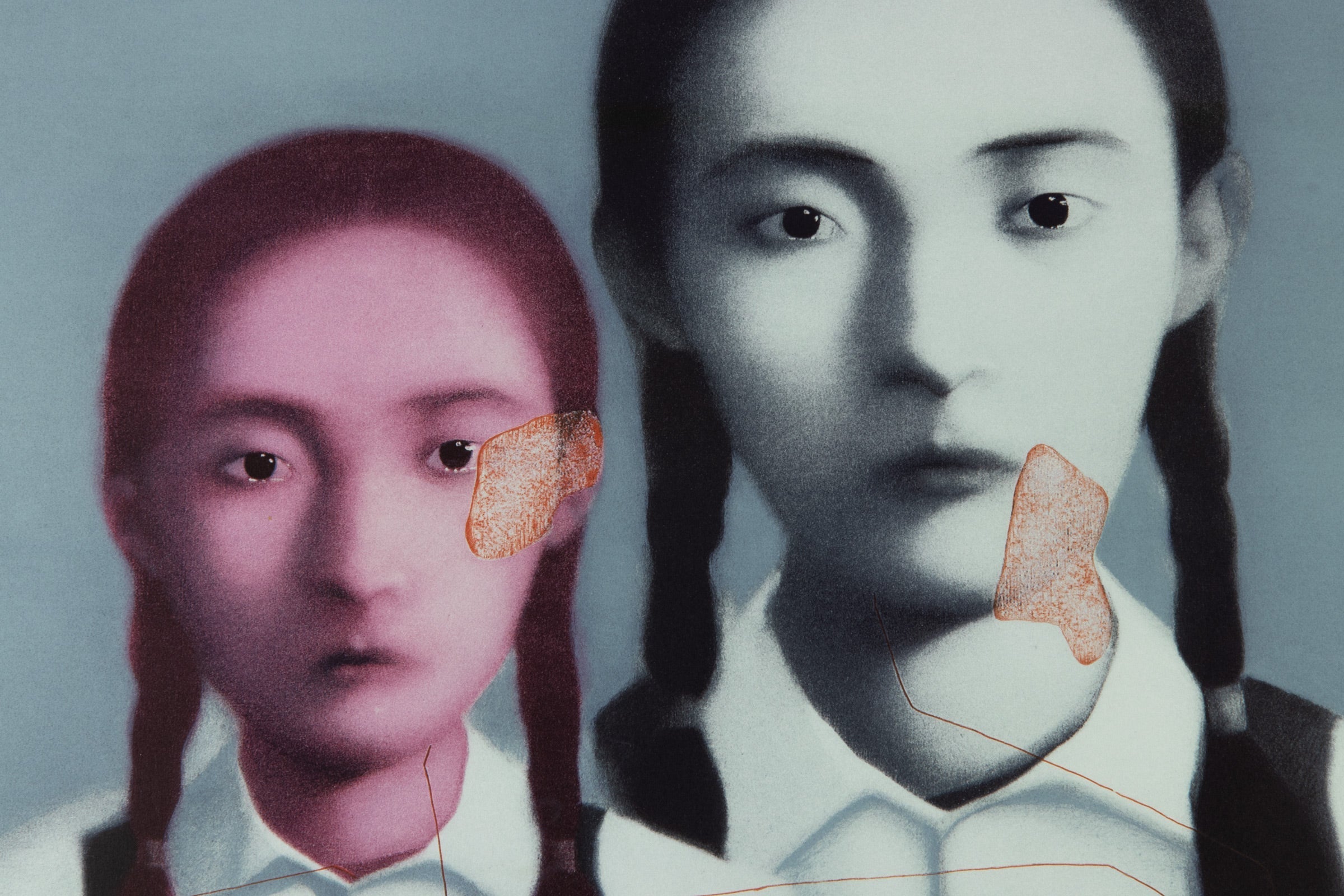
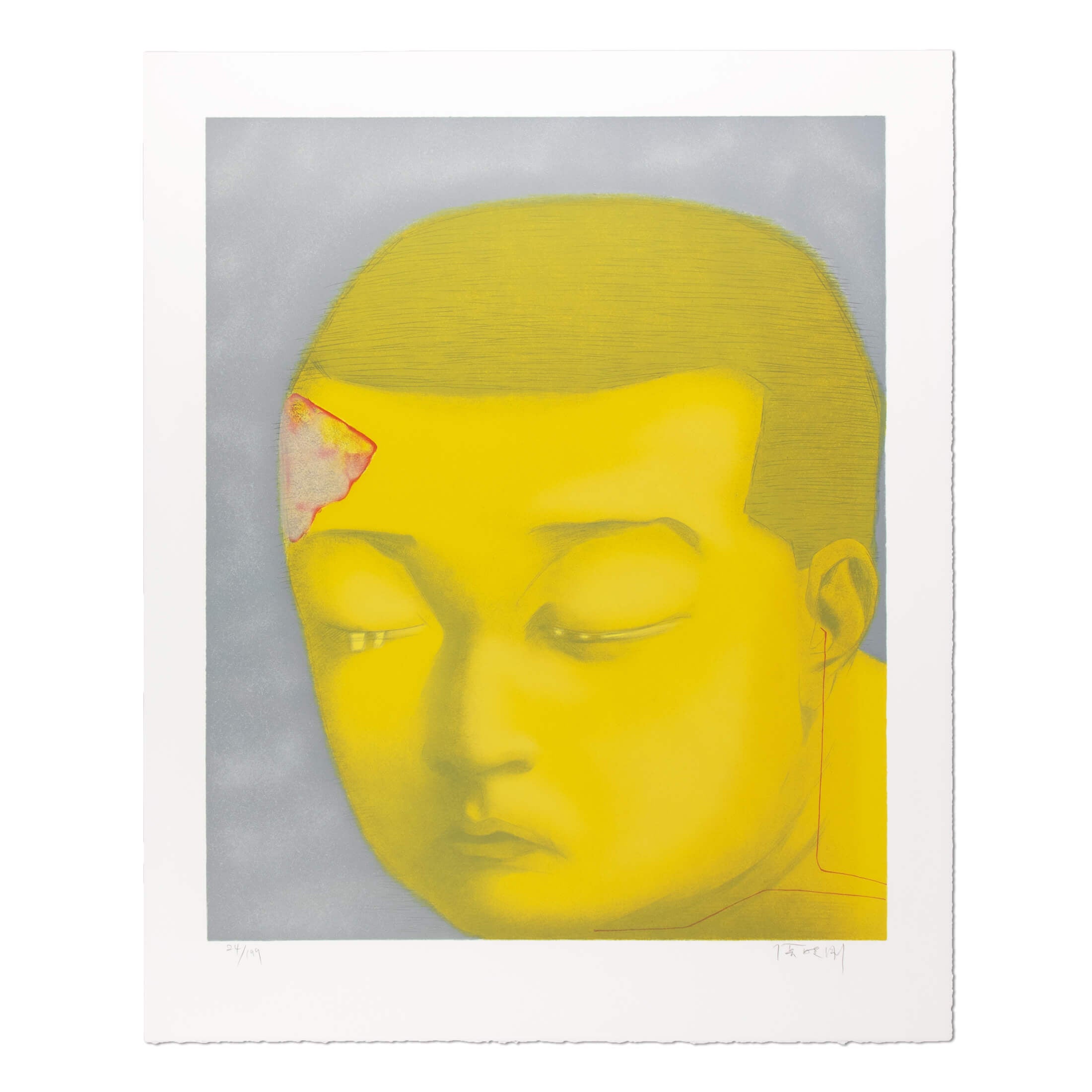
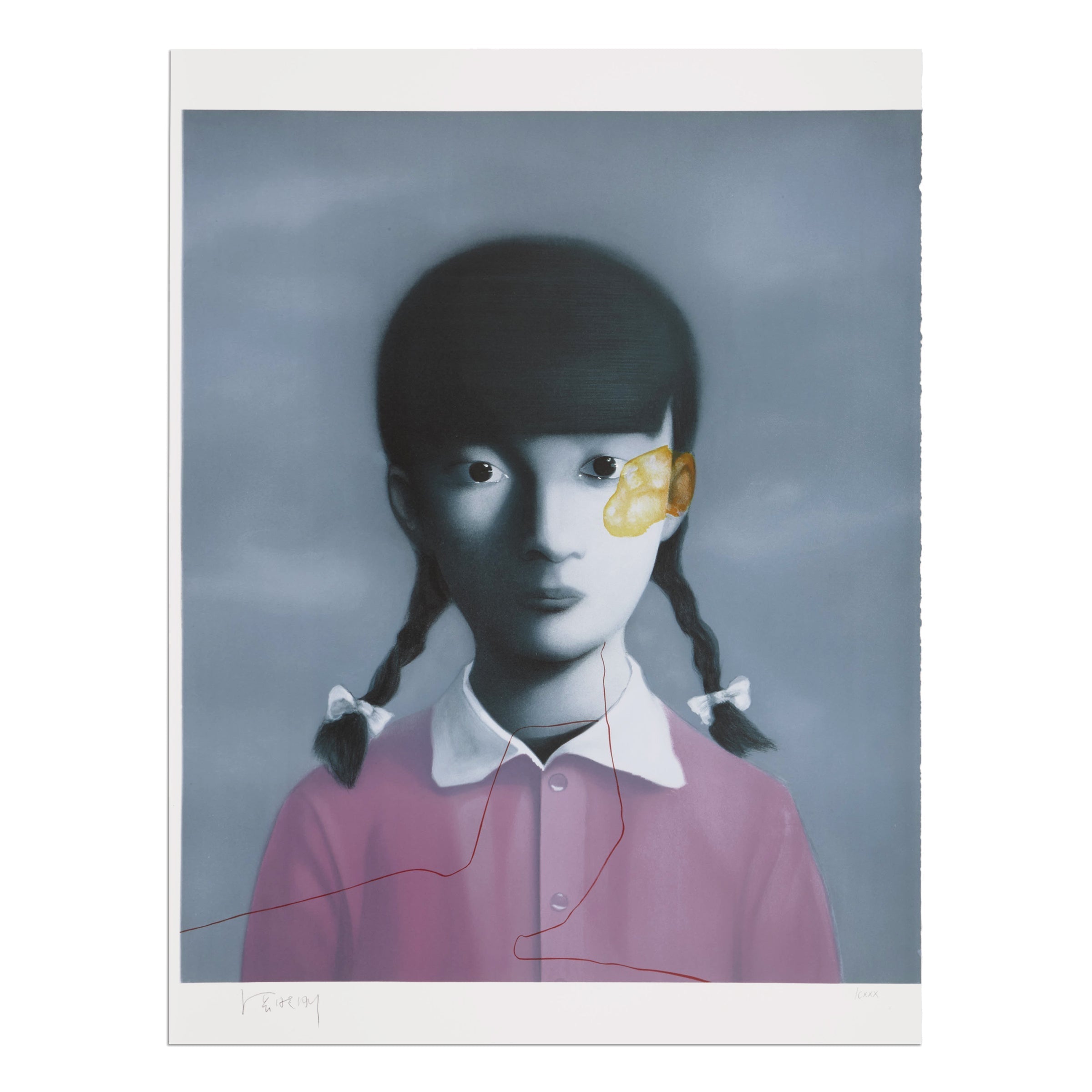
Zhang Xiaogang - FantasyZhang Xiaogang - Fantasy
Zhang Xiaogang - Fantasy Sale price€2.600,00
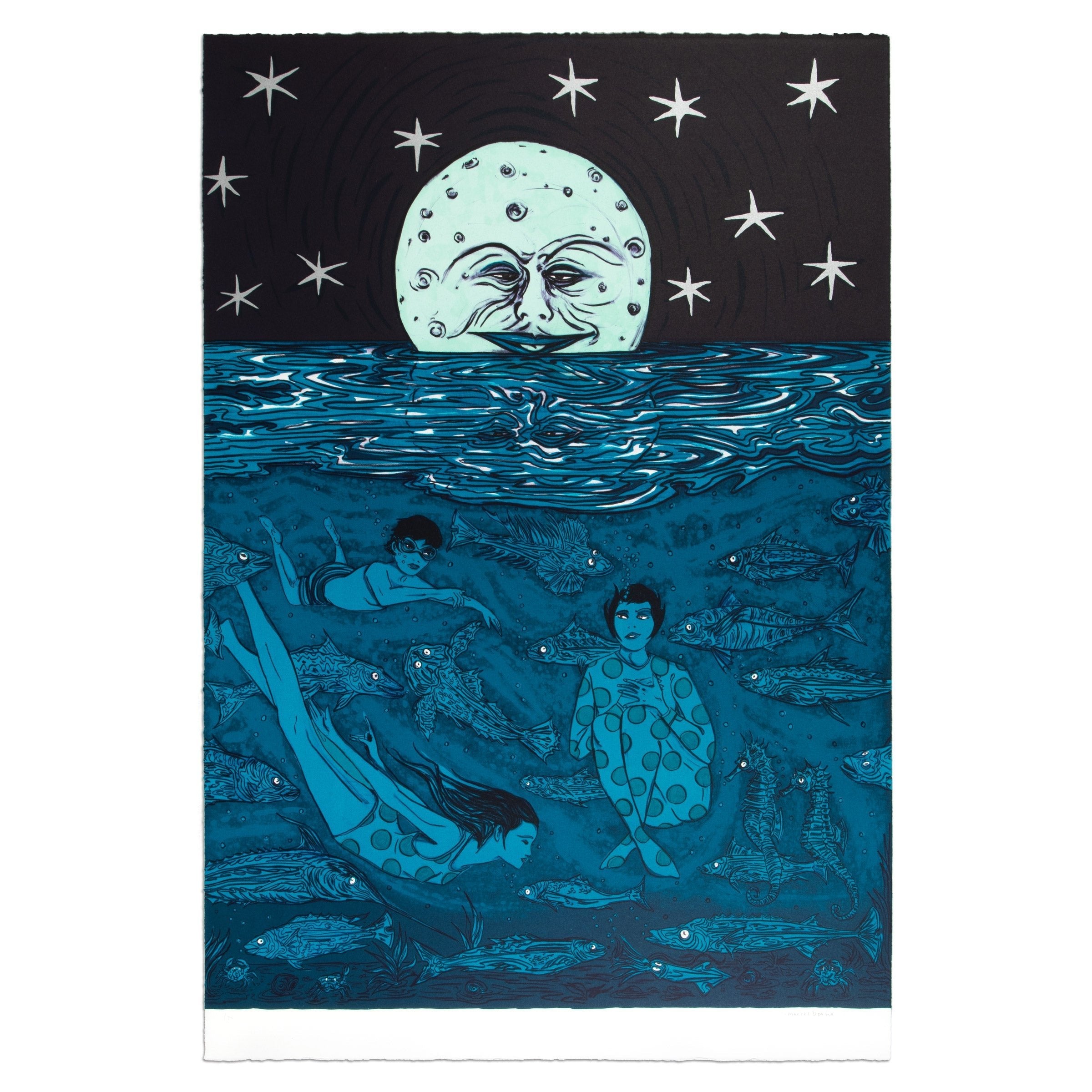
Marcel Dzama – Midnights Moon LightMarcel Dzama – Midnights Moon Light
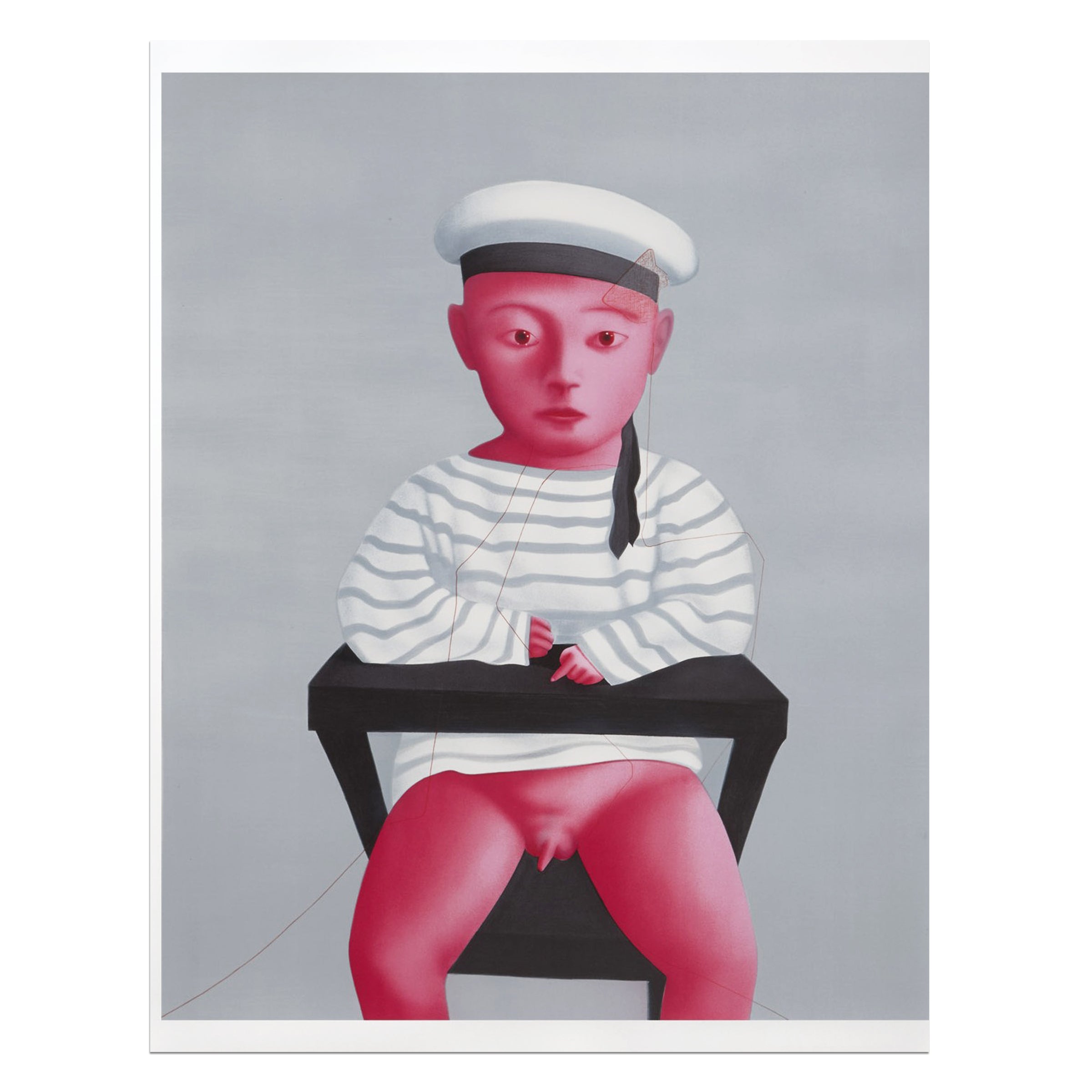
Zhang Xiaogang – Bébé en Costume de Marin
Sold out
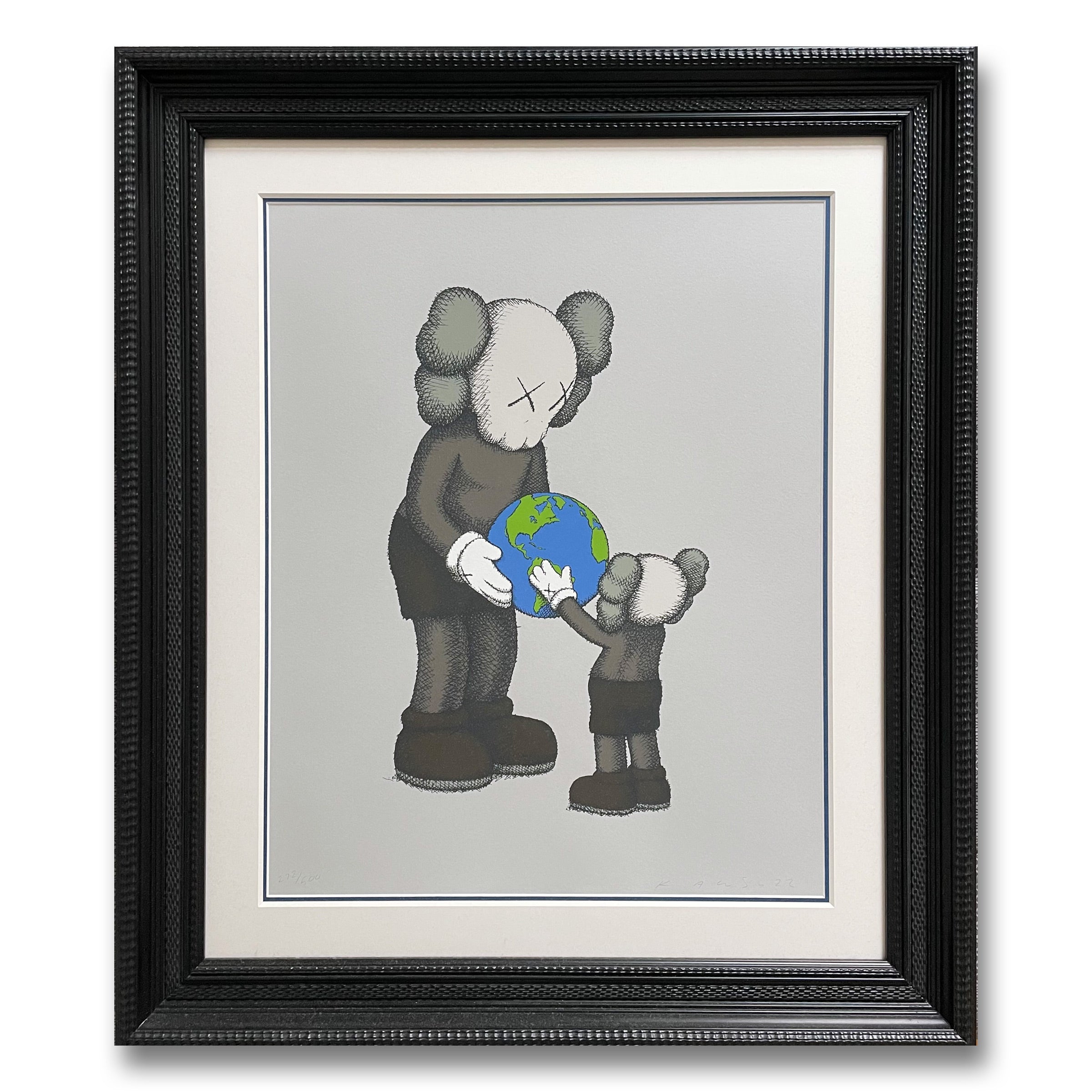
KAWS – The Promise
KAWS – The Promise Sale price€6.500,00
Zhang Xiaogang – Filette en VioletteZhang Xiaogang – Filette en Violette
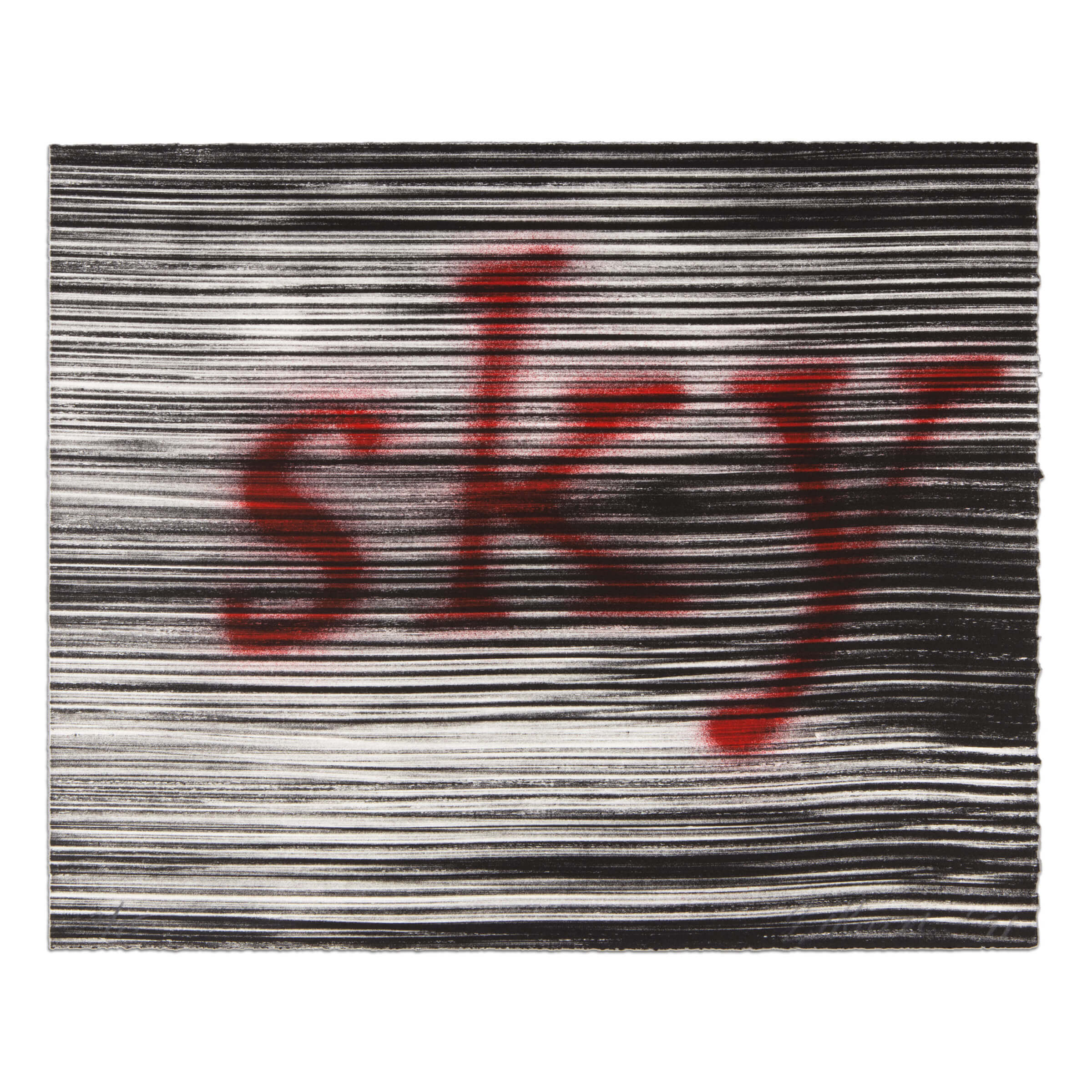
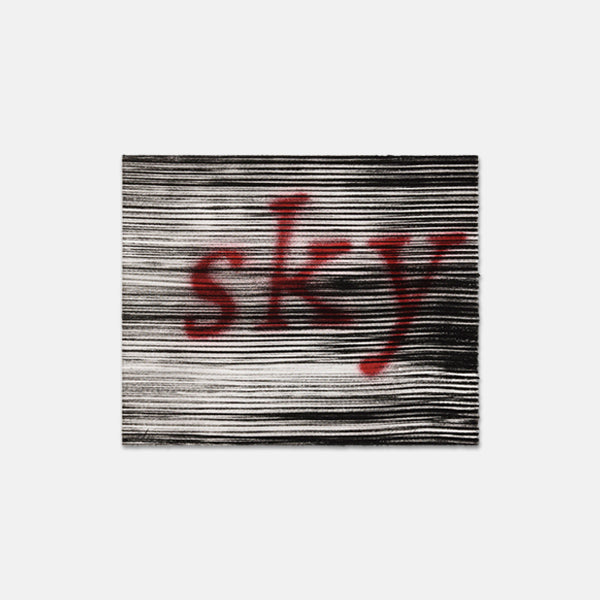
Ed Ruscha – This SkyEd Ruscha – This Sky
Ed Ruscha – This Sky Sale price€13.500,00
Günther Uecker – Lithograph from NagelbuchGünther Uecker – Lithograph from Nagelbuch
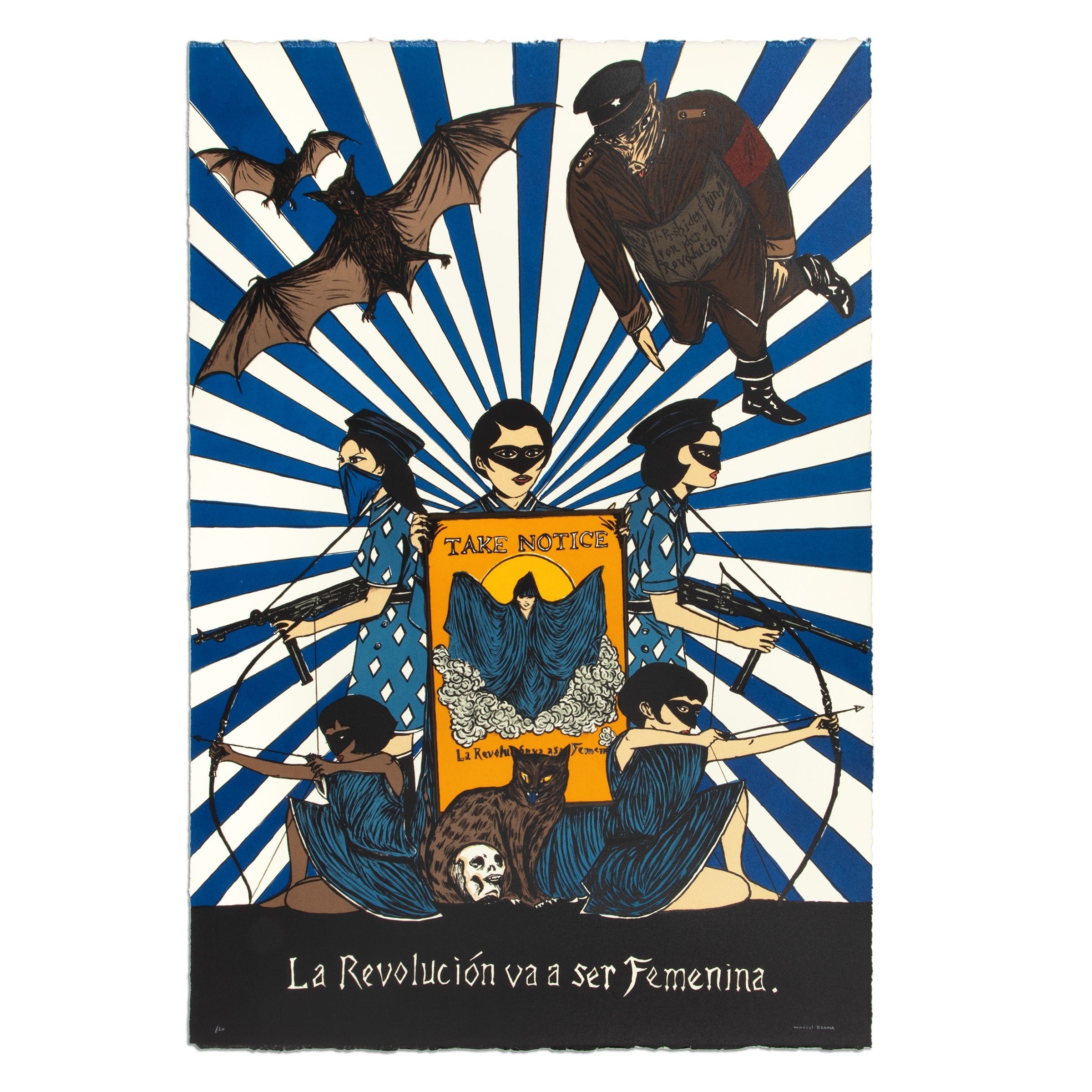
Marcel Dzama – La Revolución va a Ser Femenina (Blue)Marcel Dzama – La Revolución va a Ser Femenina (Blue)
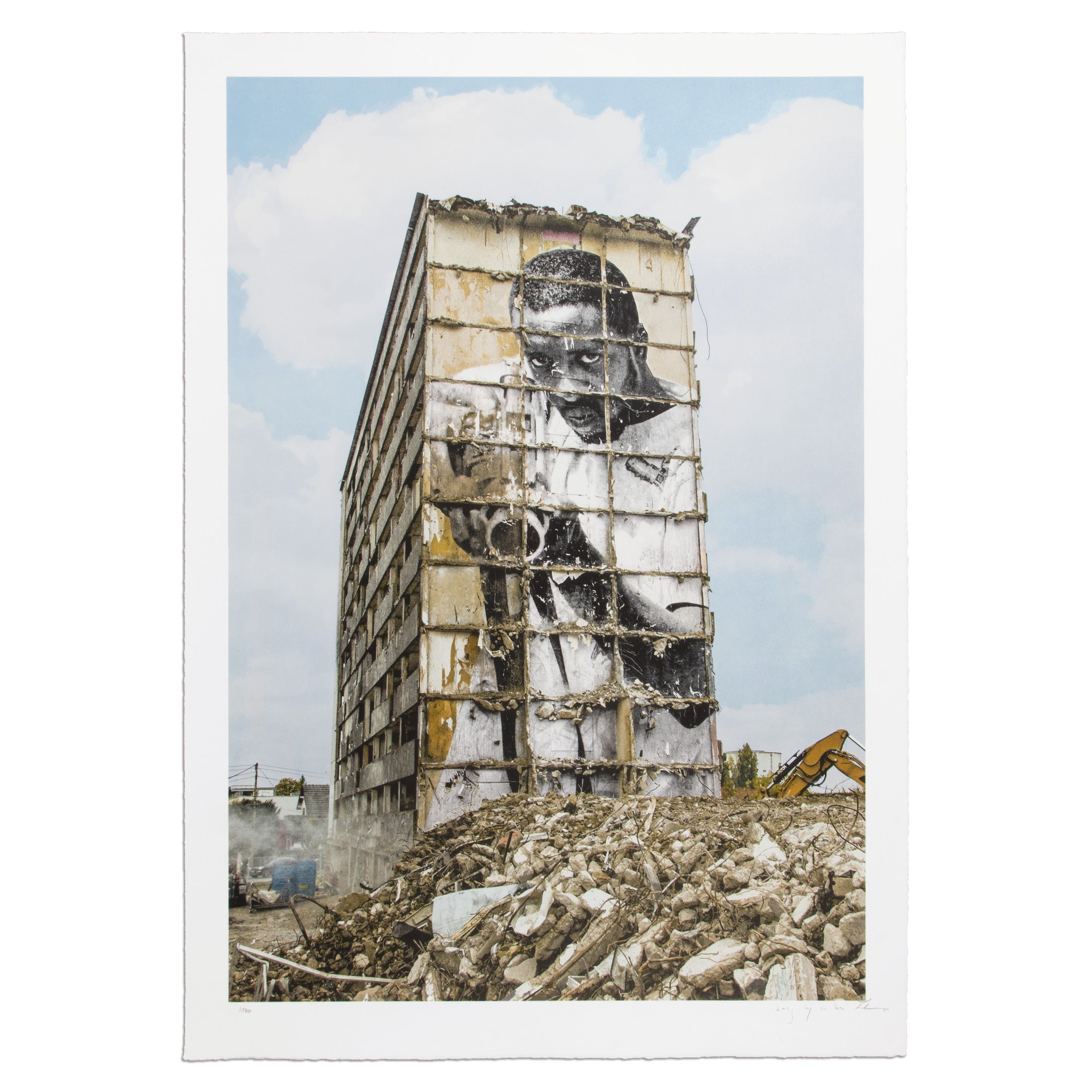
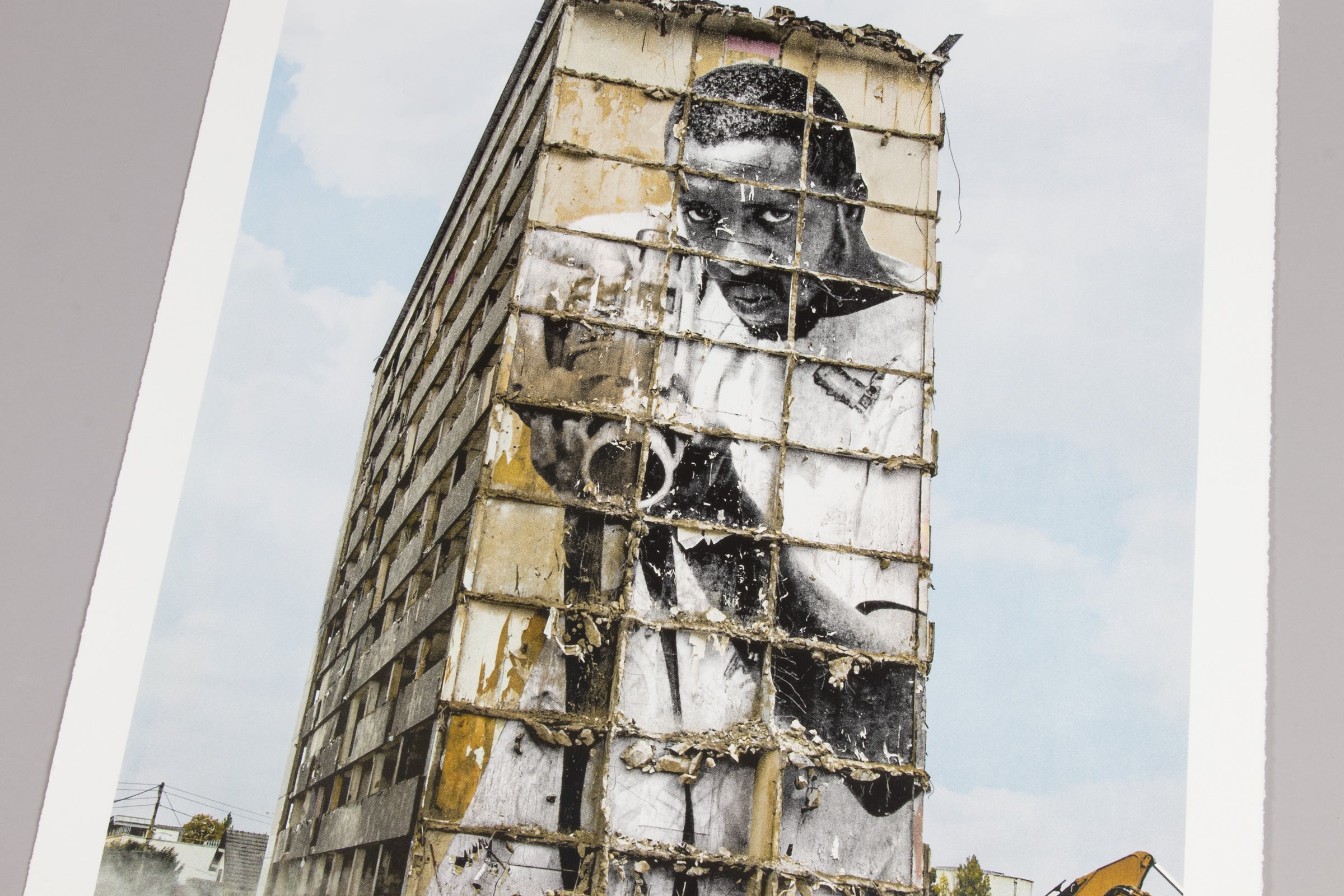
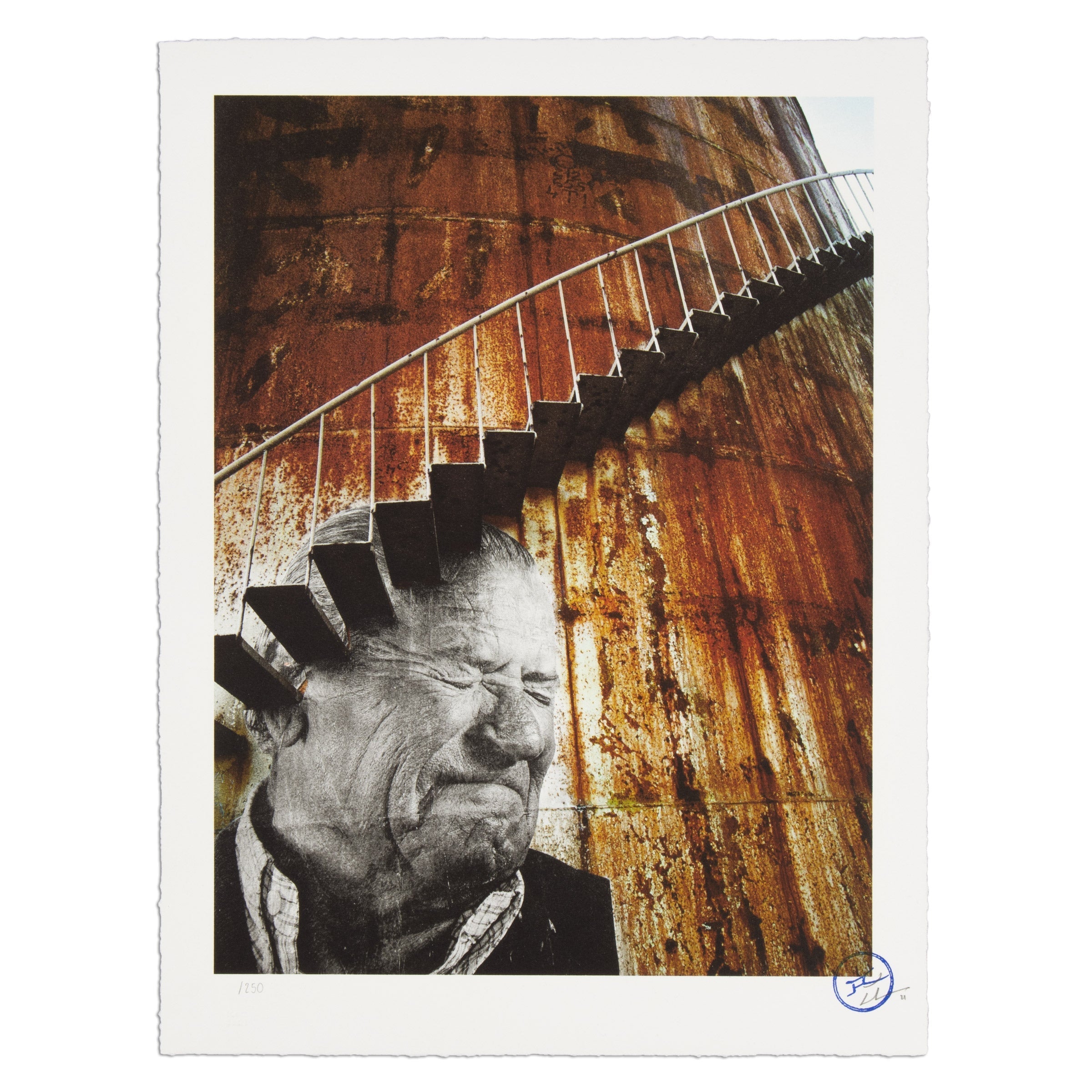
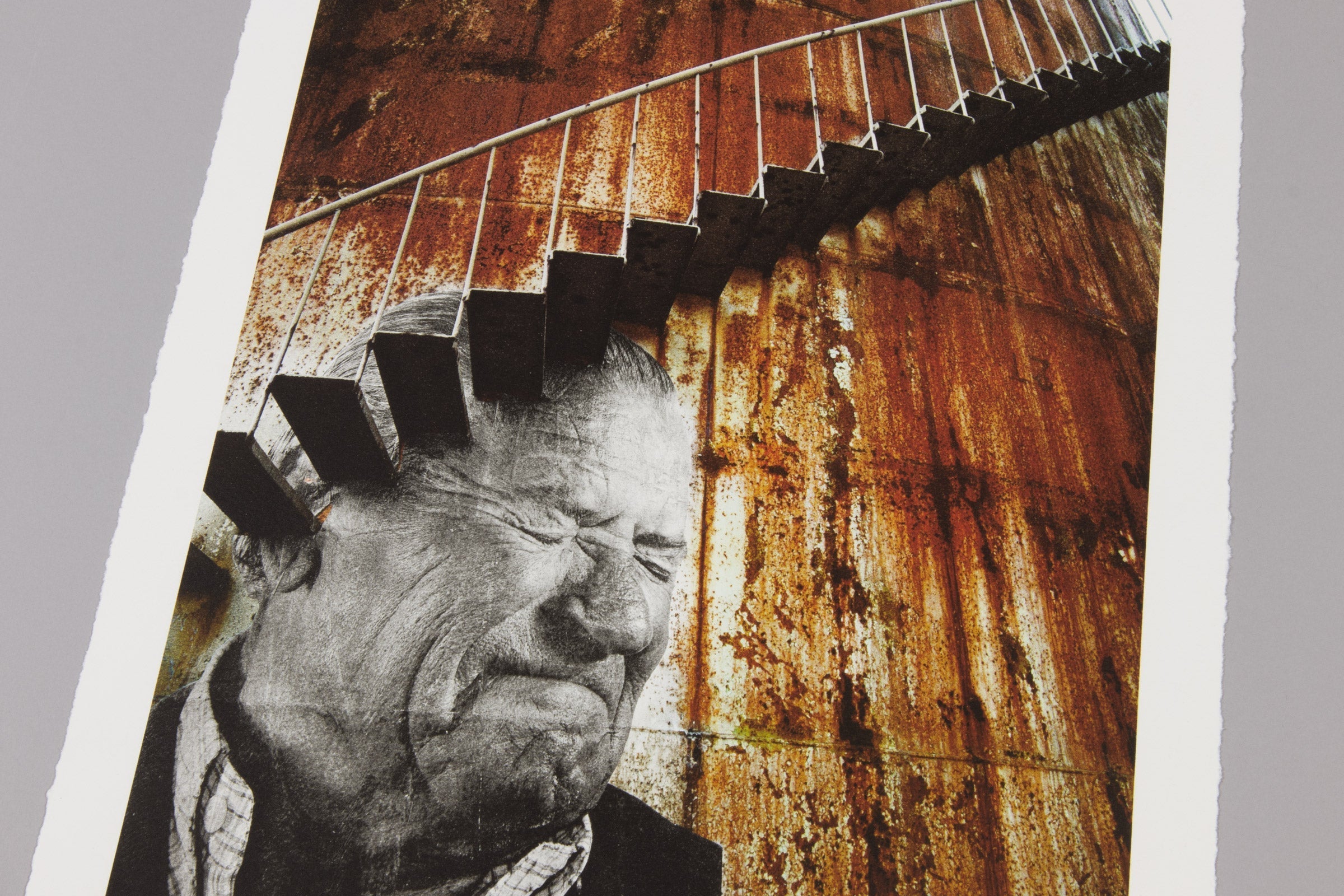
JR – Los Surcos de la CiudadJR – Los Surcos de la Ciudad
JR – Los Surcos de la Ciudad Sale price€1.200,00
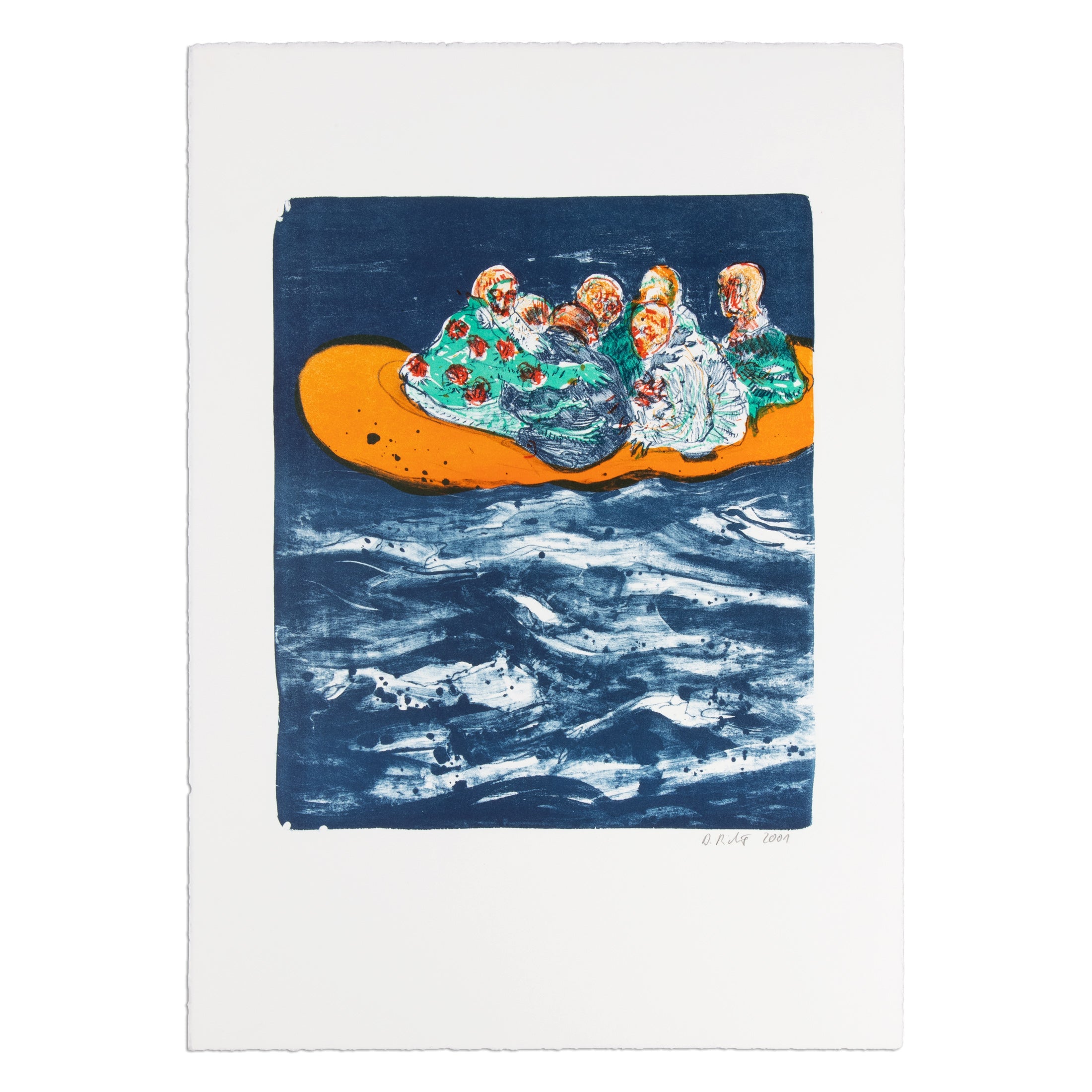
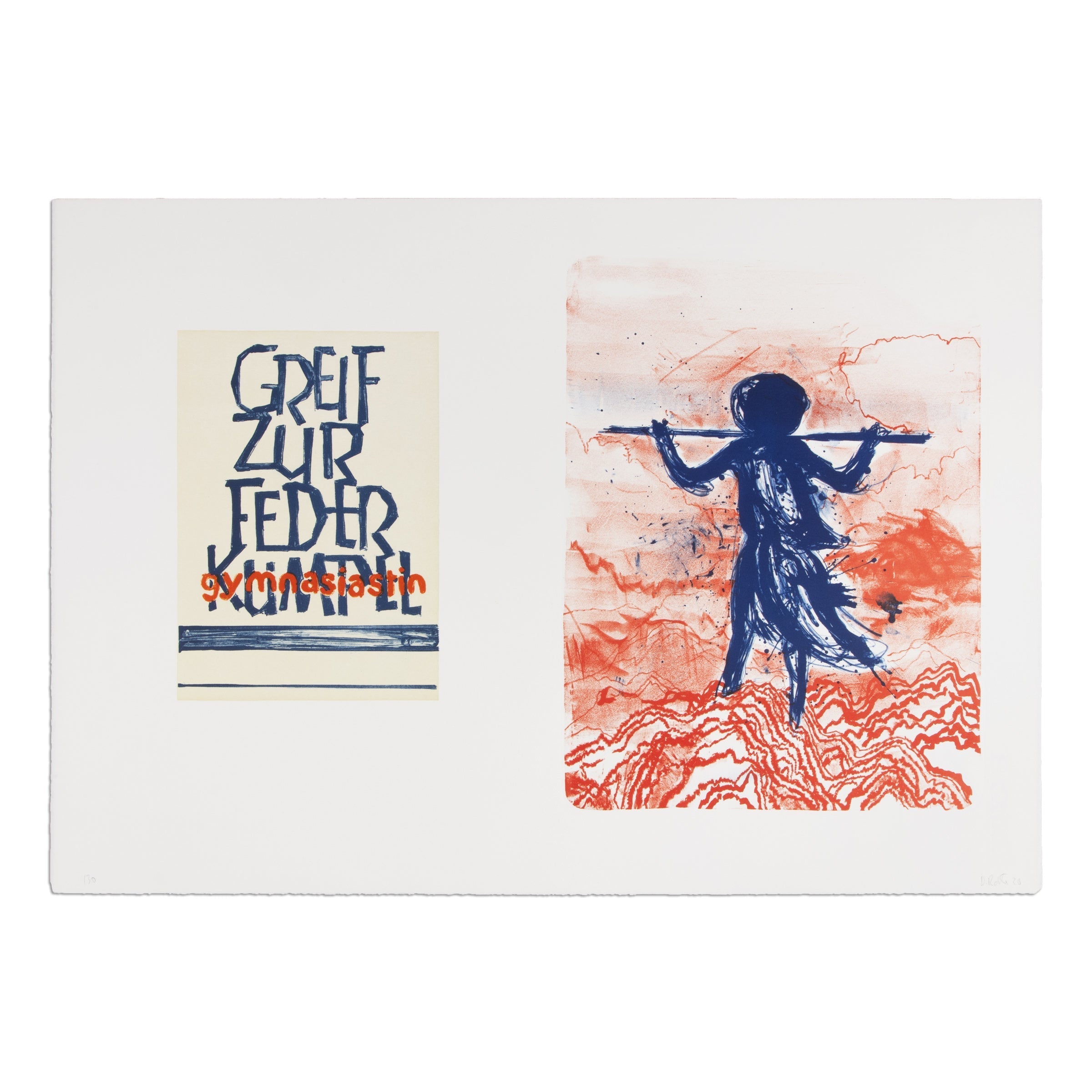
Daniel Richter – Greif zur FederDaniel Richter – Greif zur Feder
Daniel Richter – Greif zur Feder Sale price€1.900,00
Tracey Emin – This is ForeverTracey Emin – This is Forever
Tracey Emin – This is Forever Sale price€7.800,00
Günther Förg - Capri – 6 Cantos
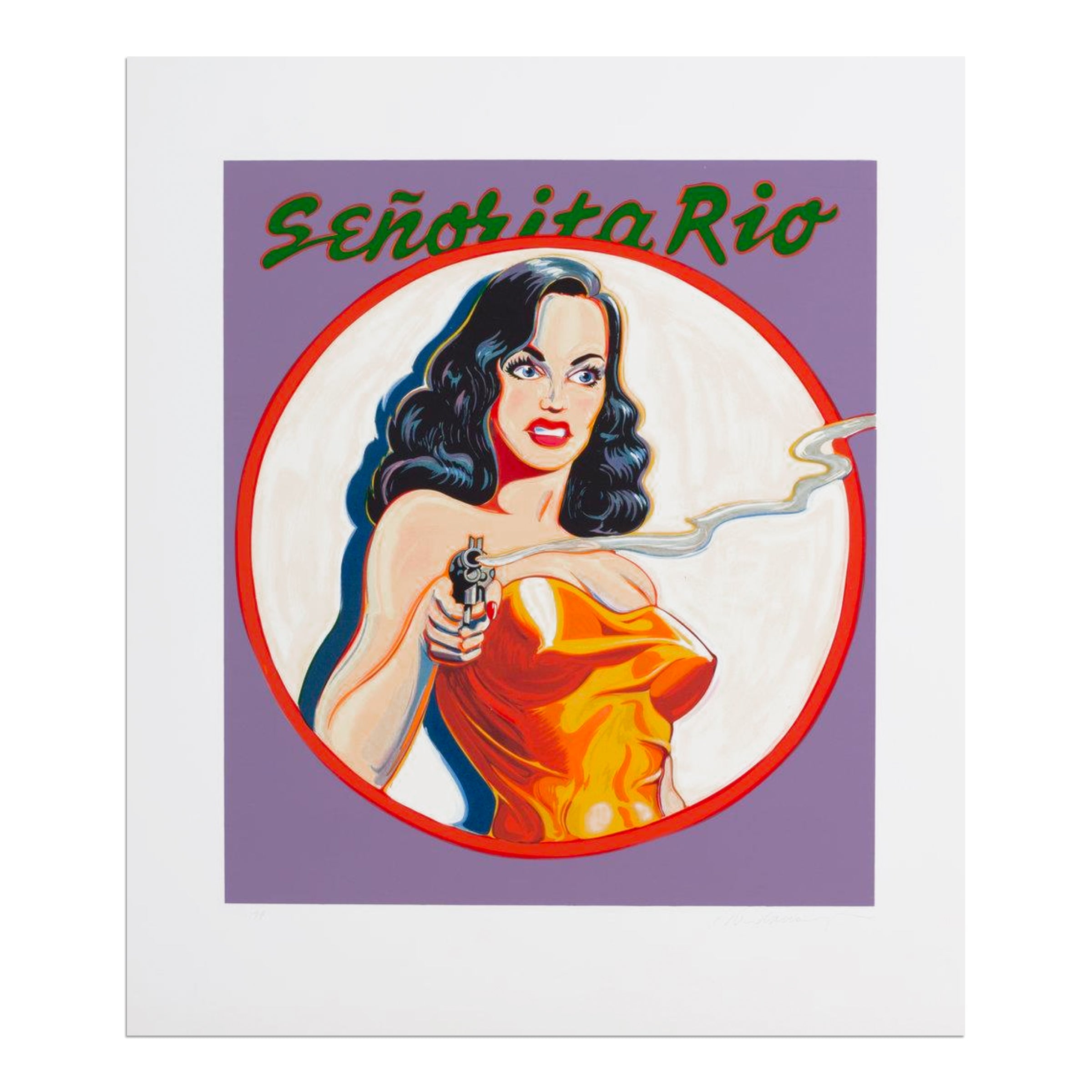
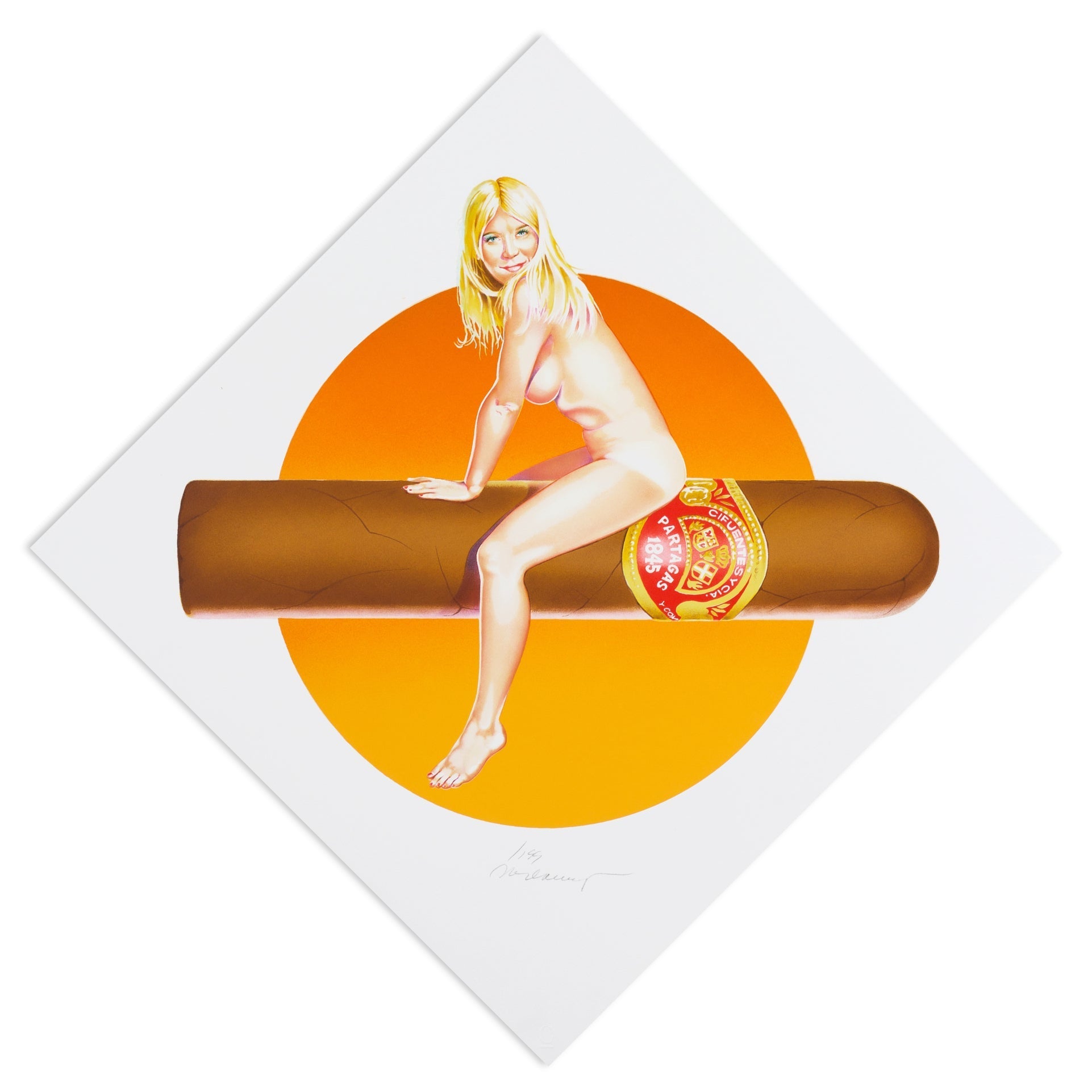
Mel Ramos - Señorita Rio
Mel Ramos – Señorita Rio Sale price€2.800,00
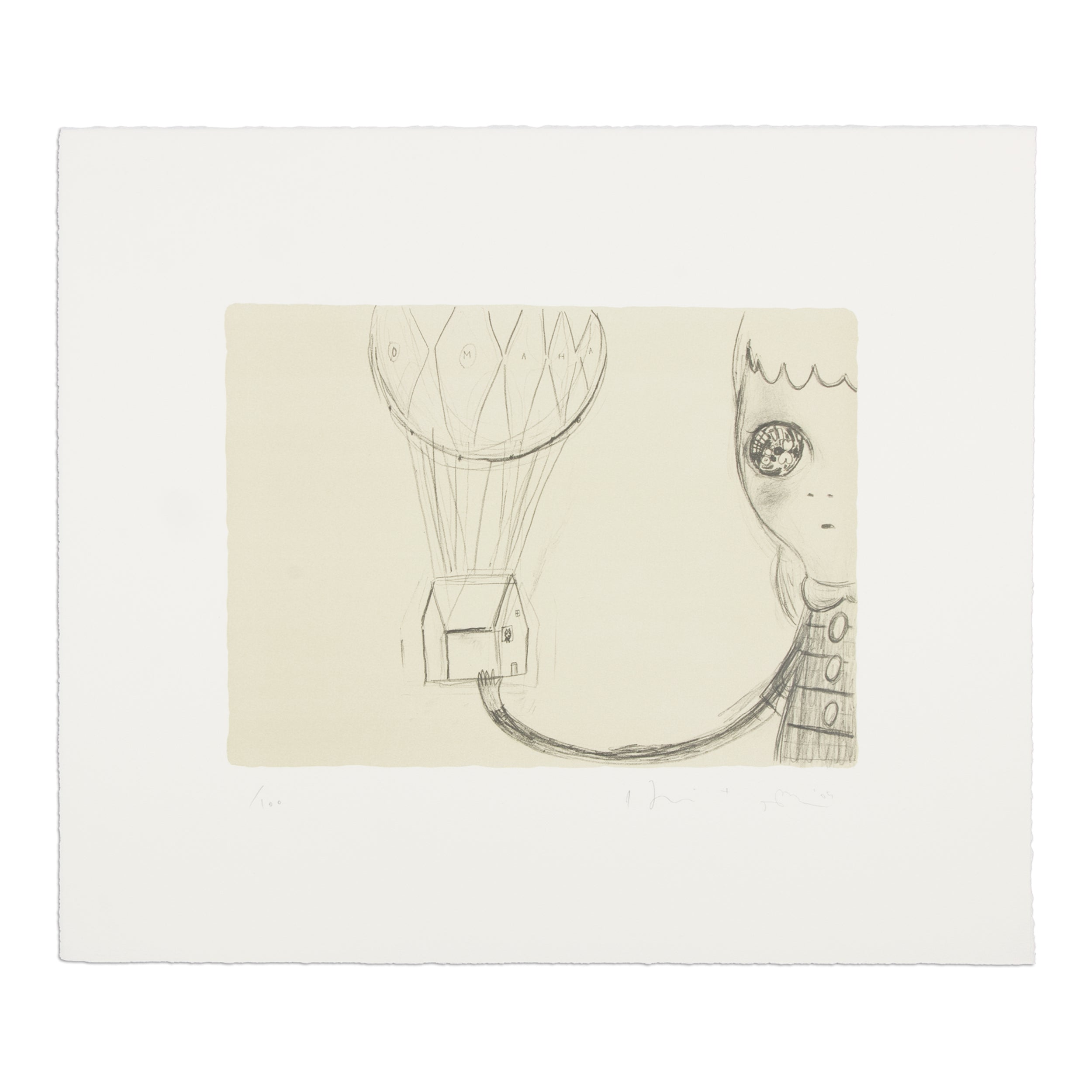
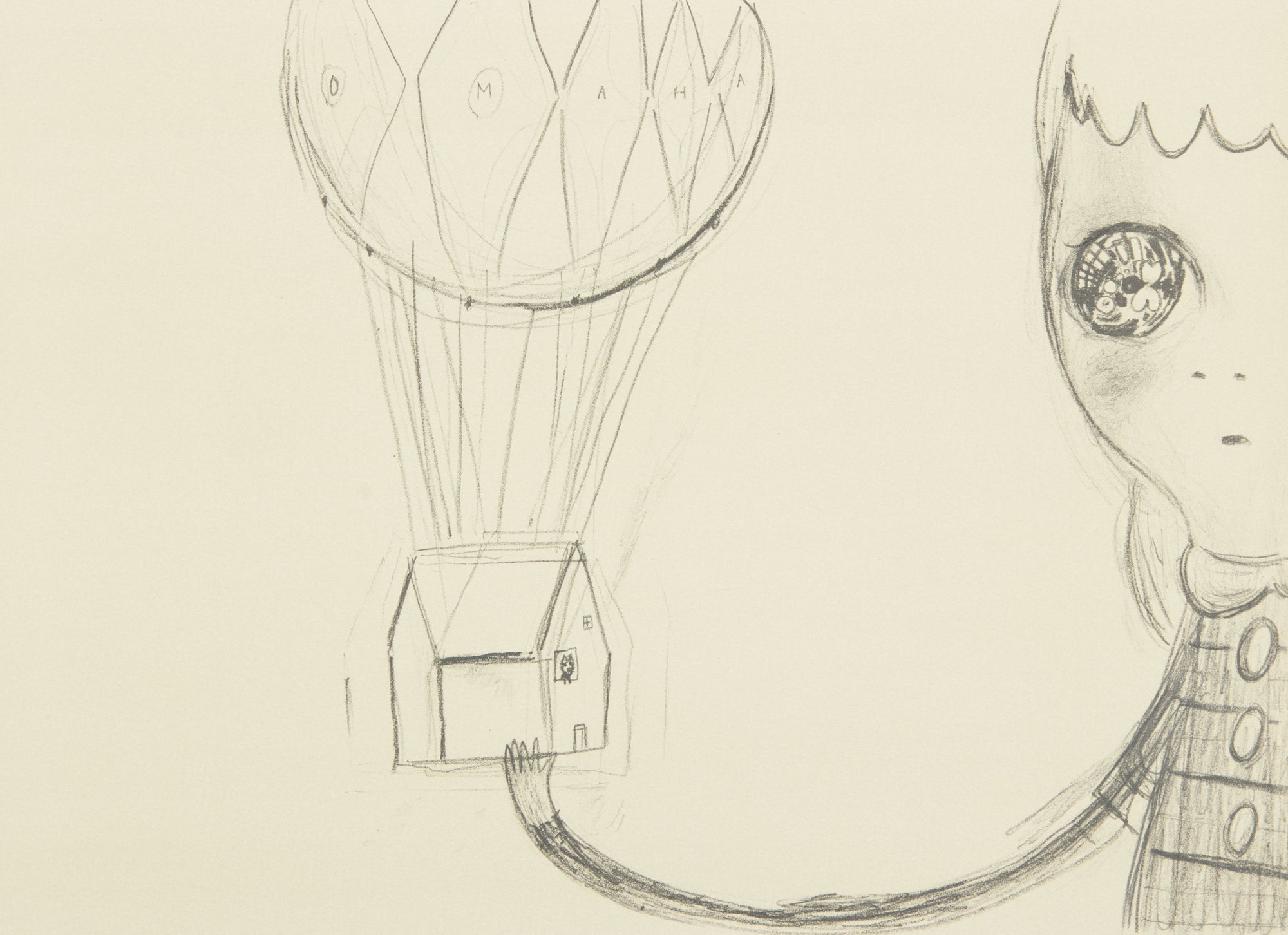
Yoshitomo Nara and Hiroshi Sugito - Untitled (Omaha)Yoshitomo Nara and Hiroshi Sugito - Untitled (Omaha)
Tracey Emin - Choose LoveTracey Emin - Choose Love
Tracey Emin - Choose Love Sale price€7.700,00
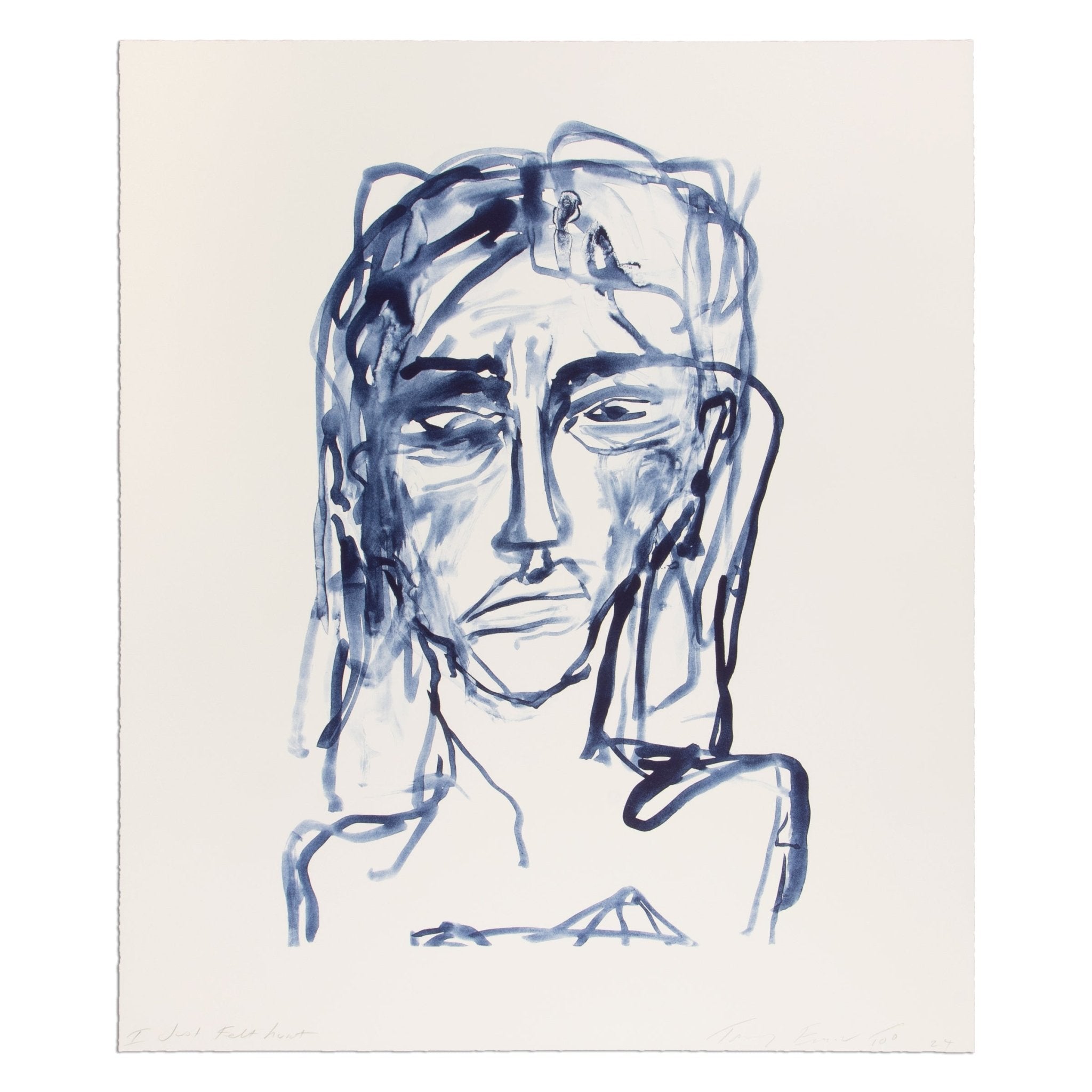
Tracey Emin - I Just Felt HurtTracey Emin - I Just Felt Hurt
Tracey Emin – I Just Felt Hurt Sale price€7.800,00
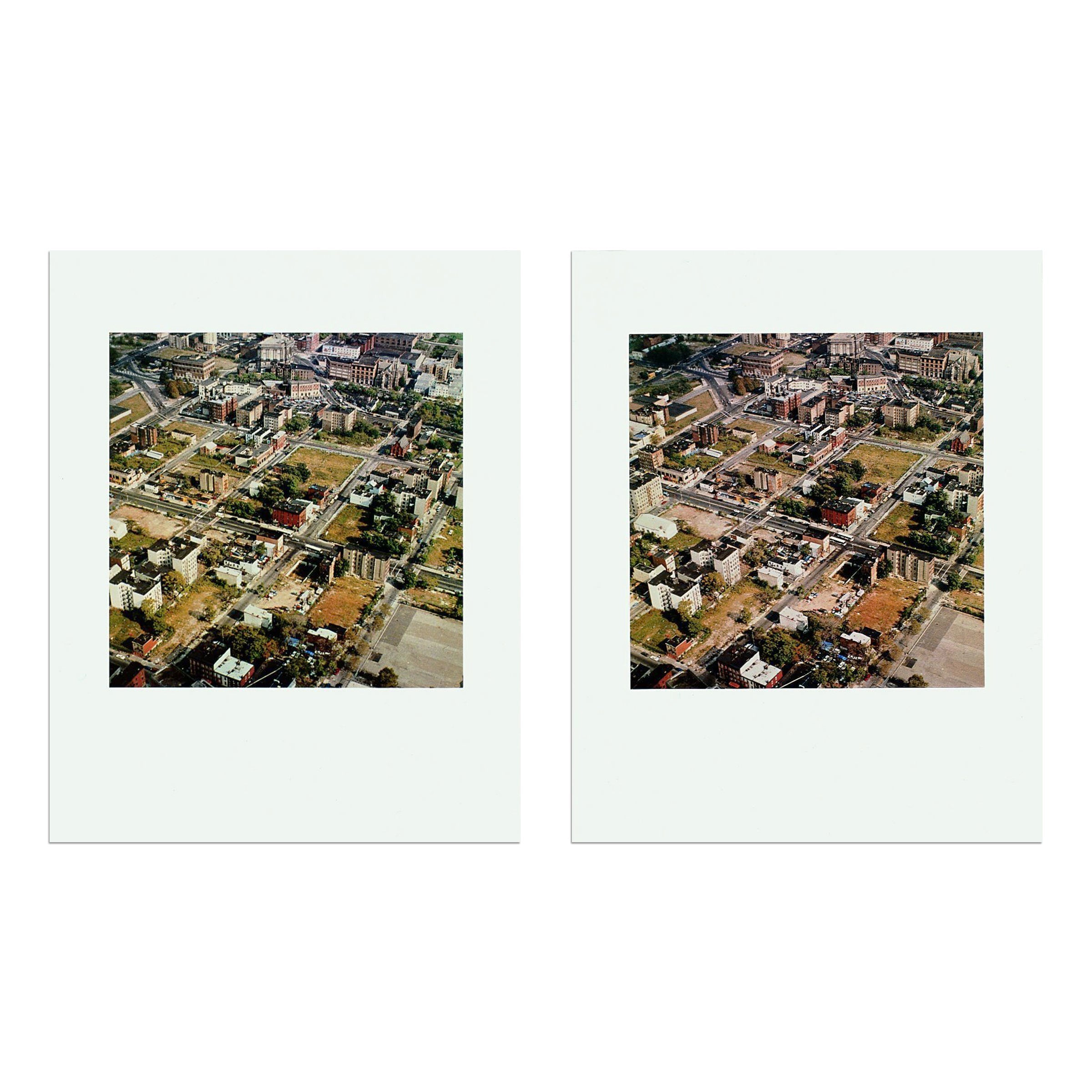
Thomas Ruff - 3-D New York (Bronx)
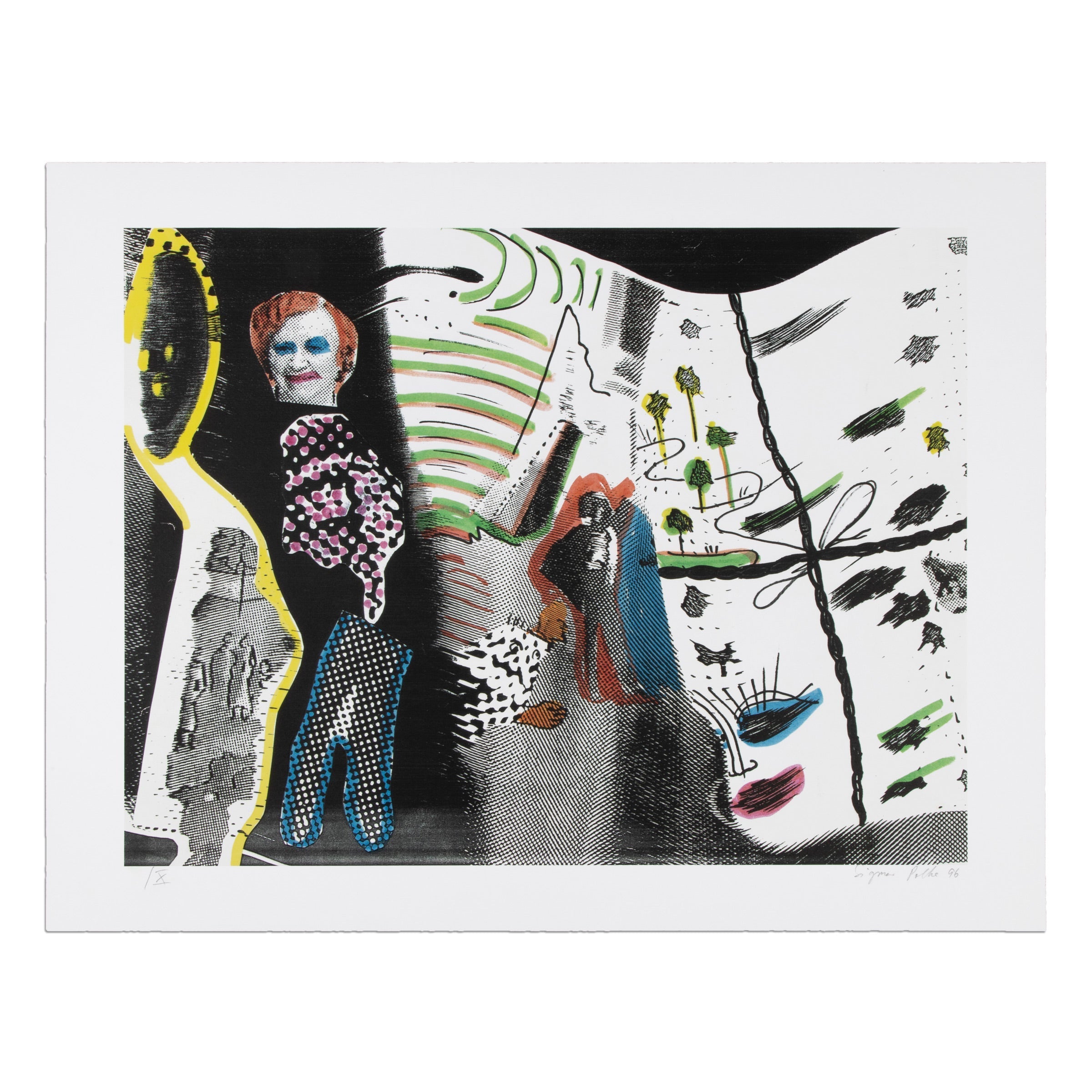
Sigmar Polke - S. schmeckt Pfirsich von H.Sigmar Polke - S. schmeckt Pfirsich von H.
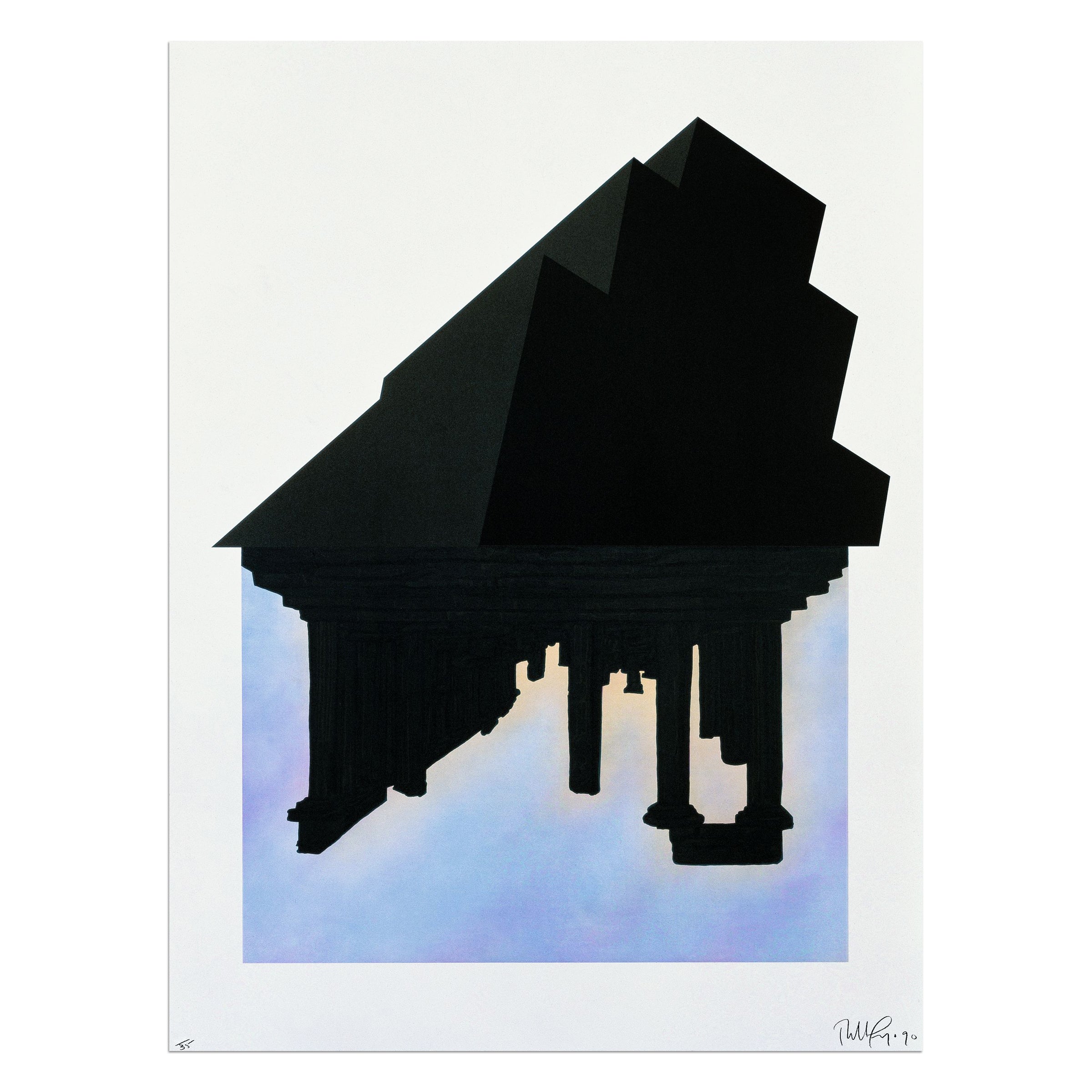
Robert Longo – Black Palms
Robert Longo – Black Palms Sale price€3.400,00
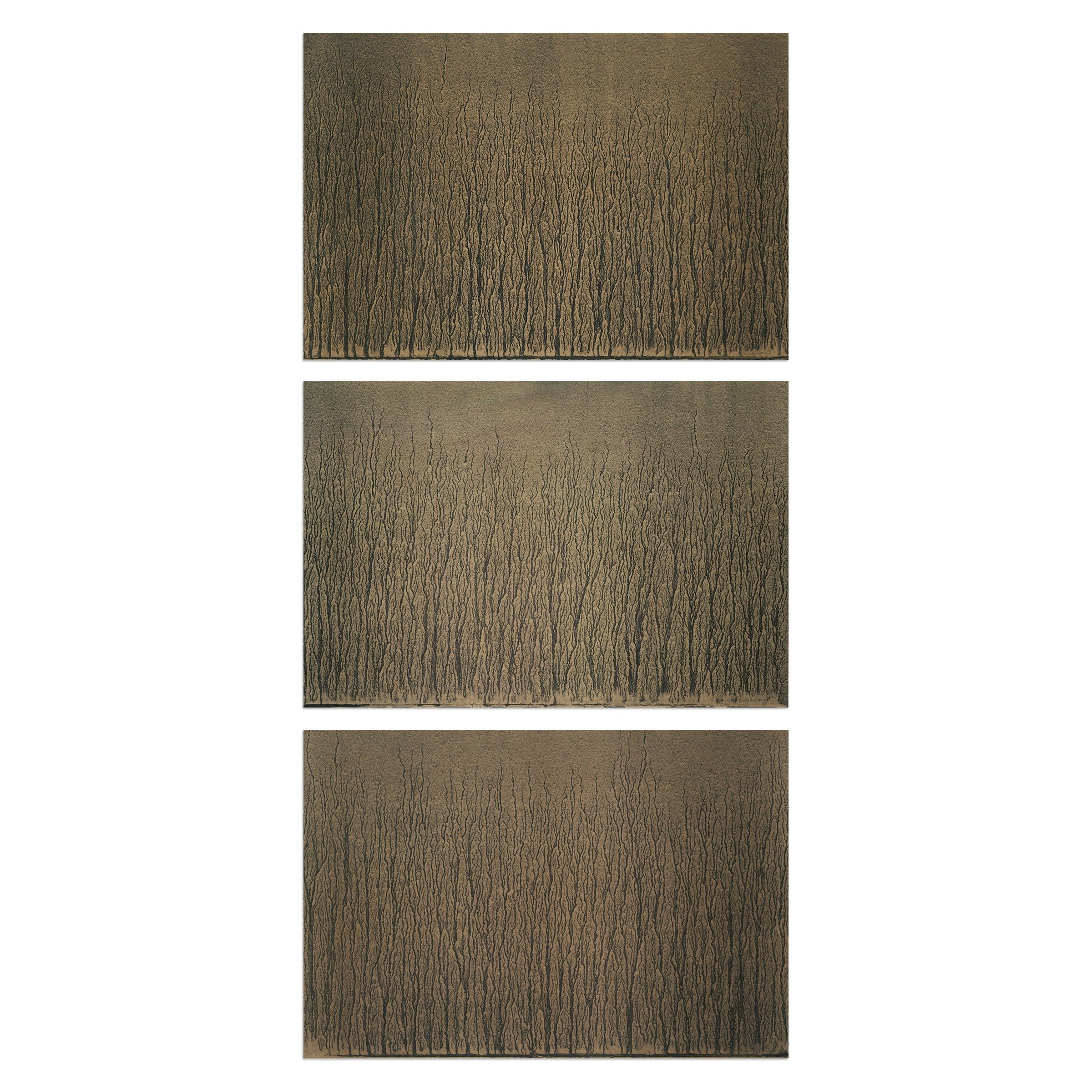
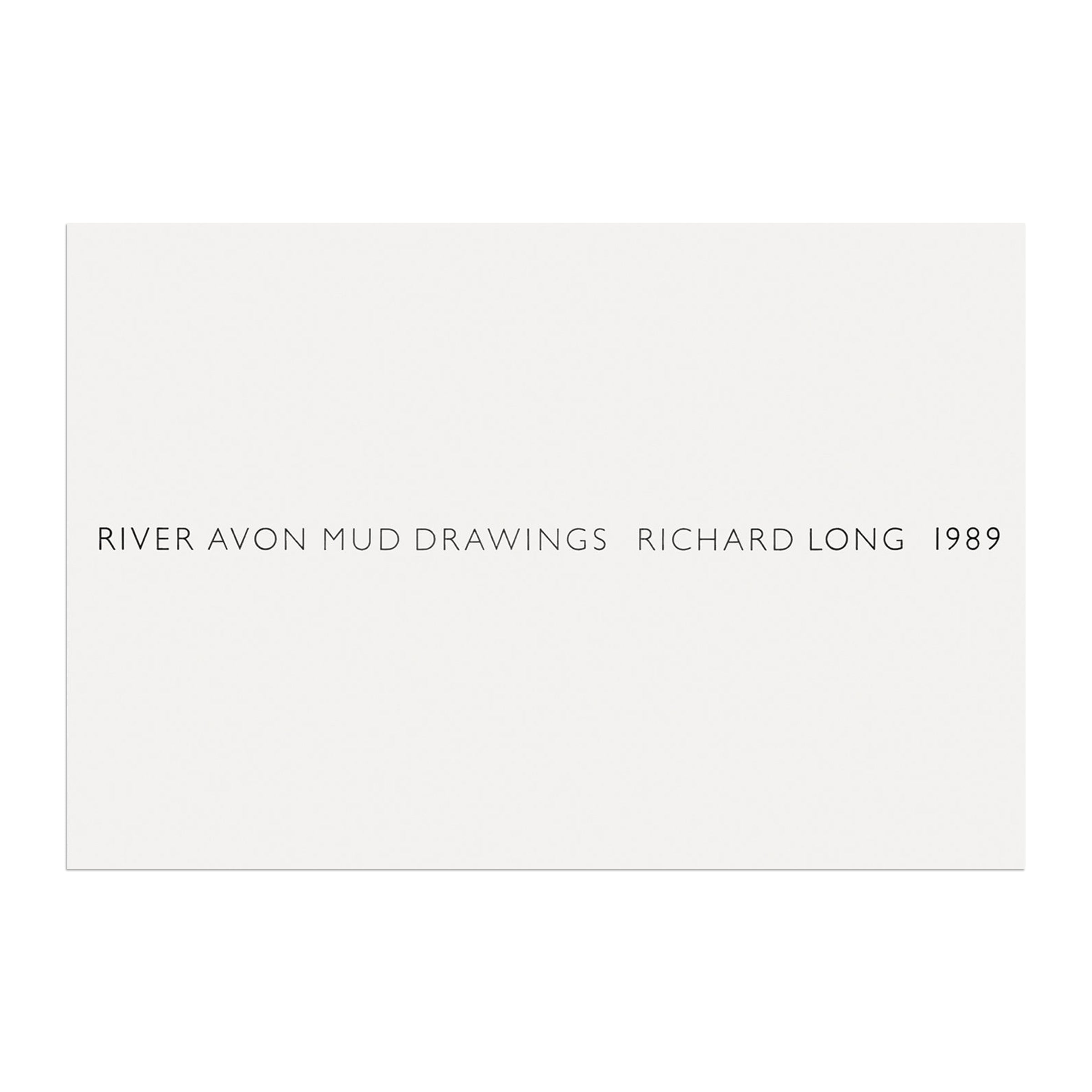
Richard Long – River Avon Mud Drawings (1989)Richard Long - River Avon Mud Drawings (1989)
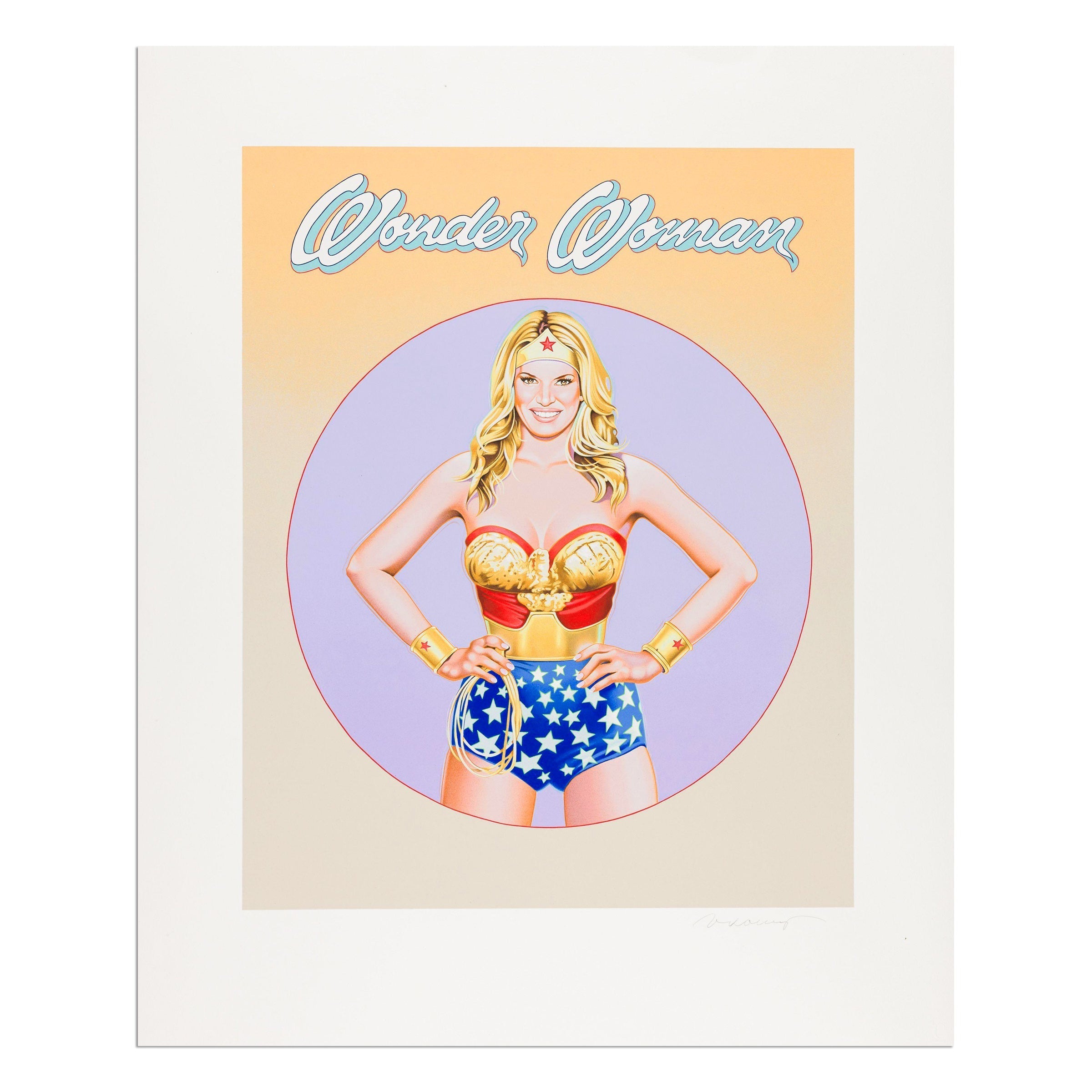
Mel Ramos – Wonder Woman 3
Mel Ramos – Wonder Woman 3 Sale price€2.800,00
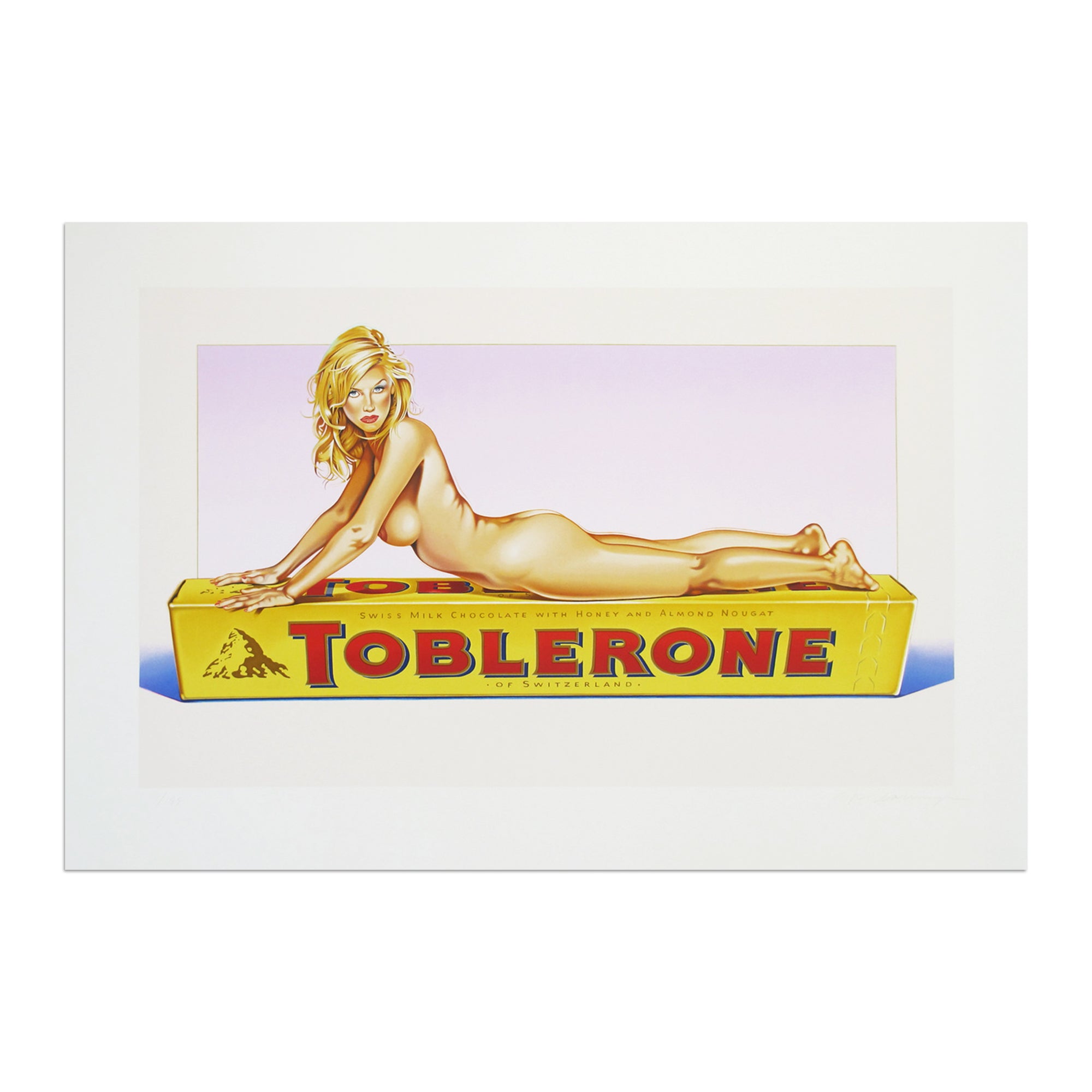
Mel Ramos – Toblerone Tess
Mel Ramos – Toblerone Tess Sale price€6.600,00
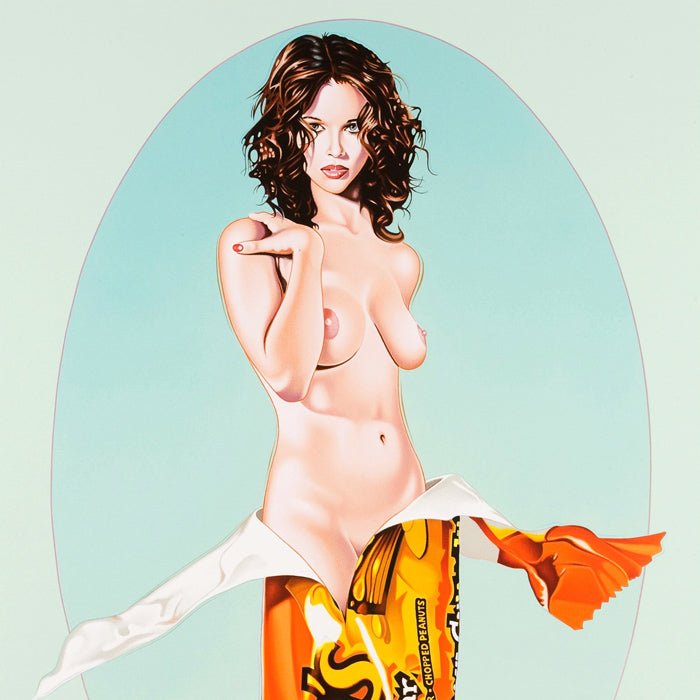
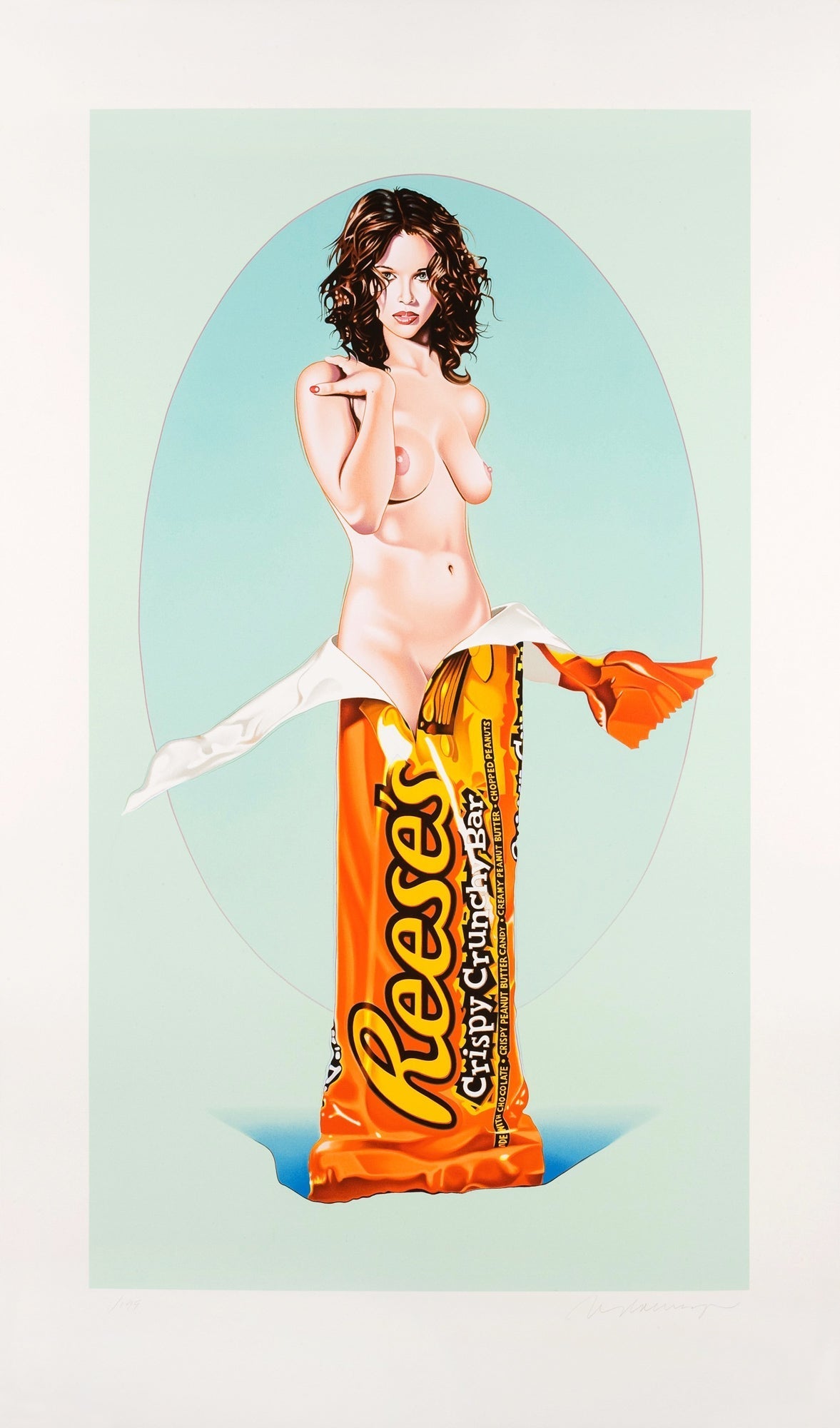
Mel Ramos - Reese's RoseMel Ramos – Reese's Rose
Mel Ramos – Reese's Rose Sale price€3.900,00
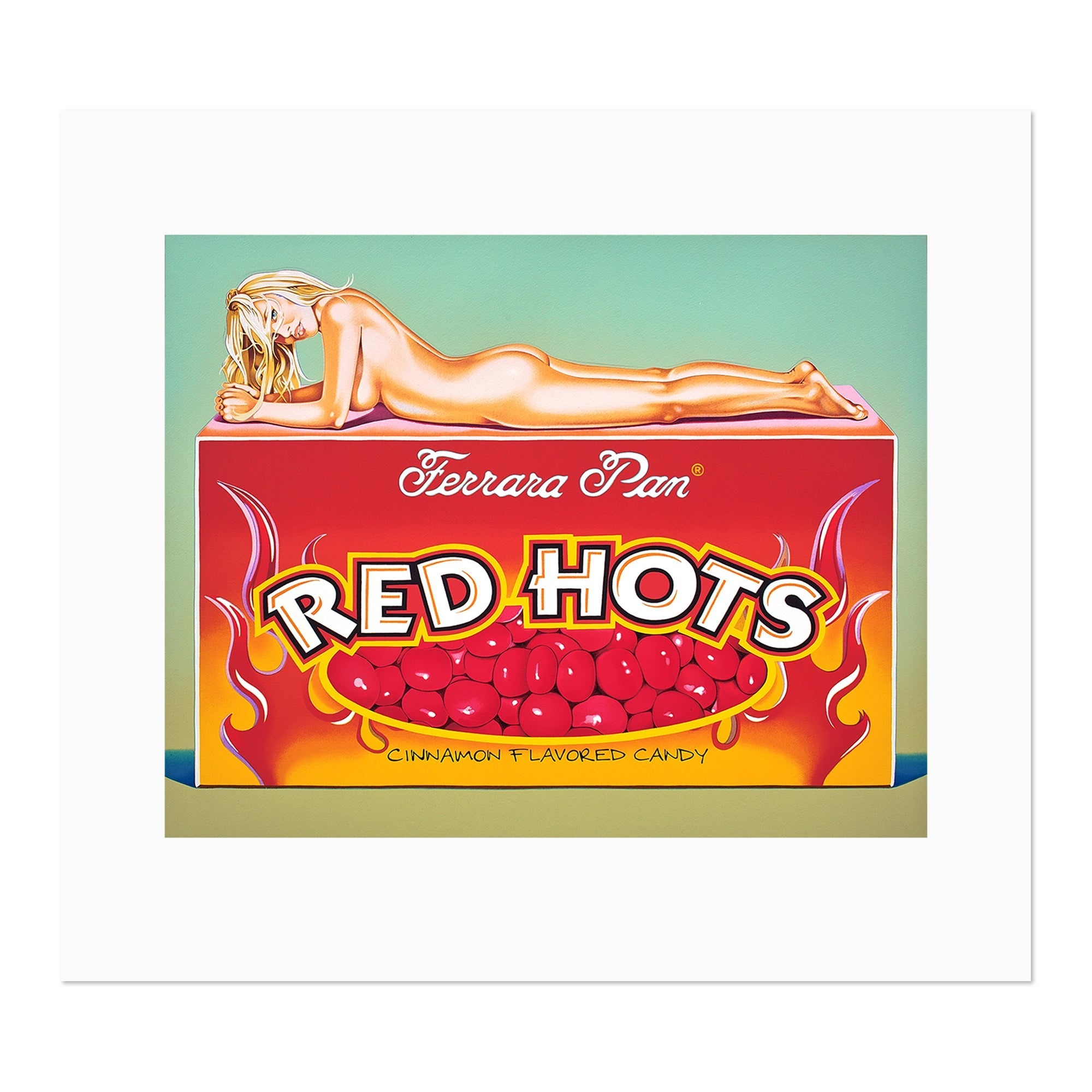
Mel Ramos – Red Hots
Mel Ramos – Red Hots Sale price€3.000,00
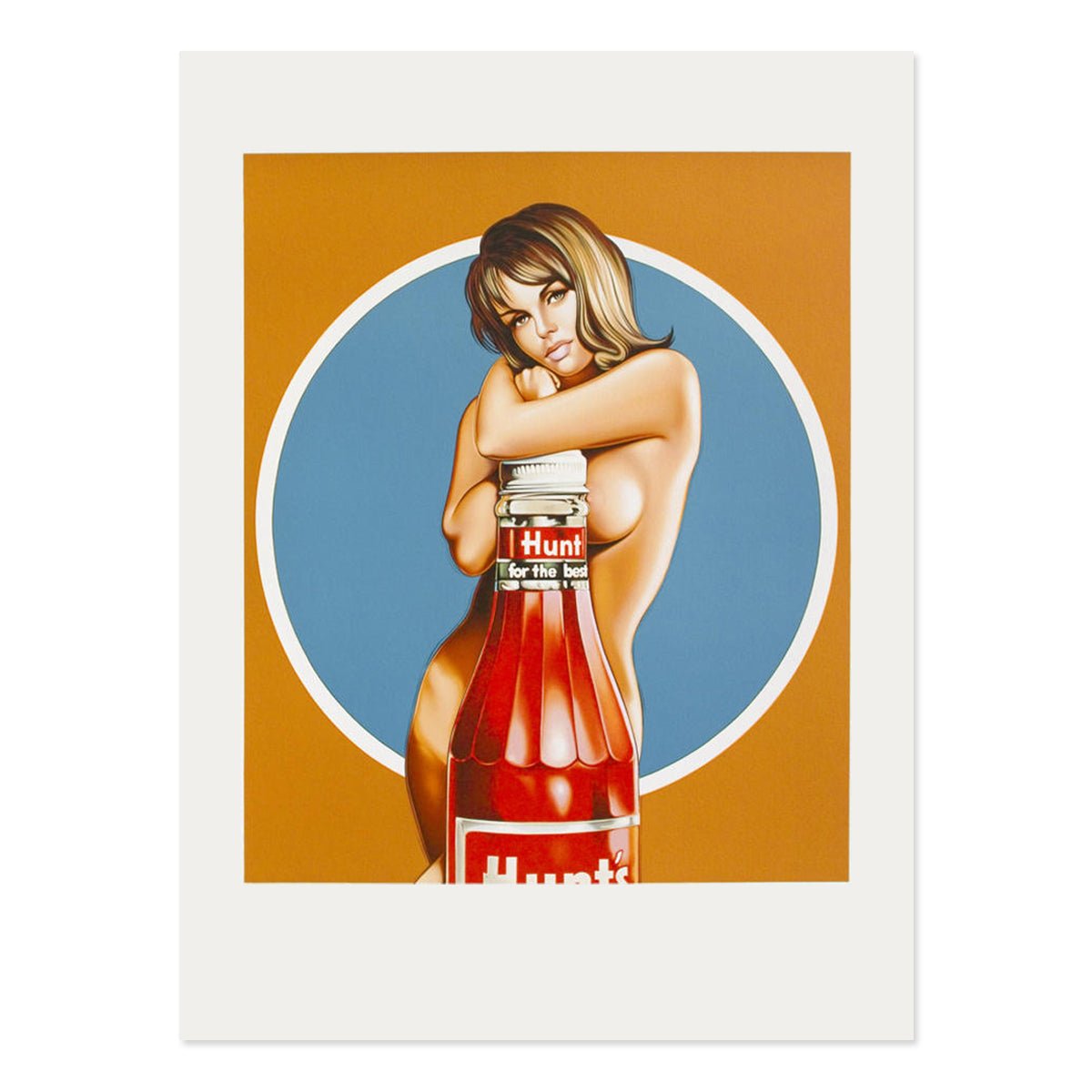
Mel Ramos – Hunt For The Best
Mel Ramos – Hunt For The Best Sale price€4.400,00
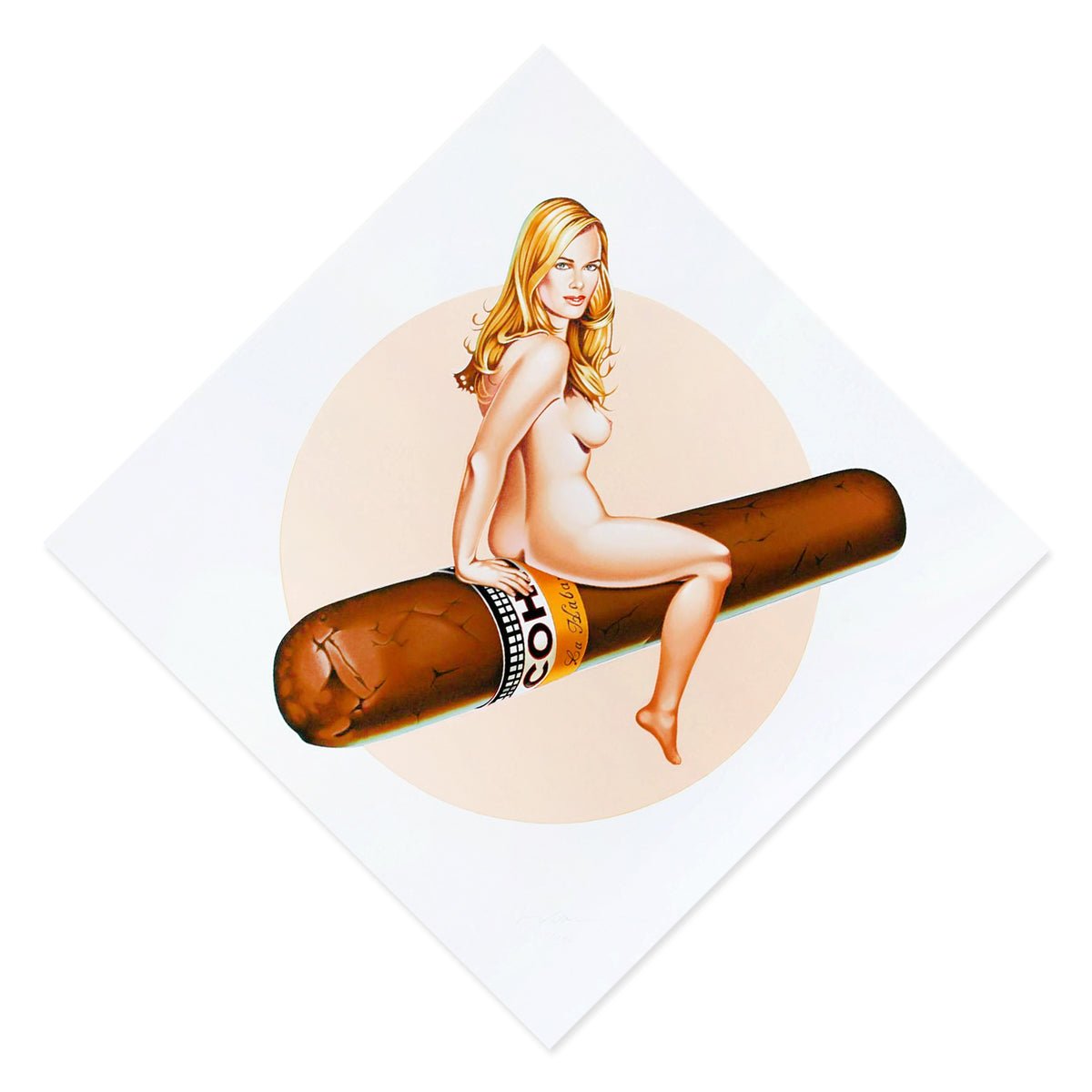
Mel Ramos – Hav-A-Havana 6
Mel Ramos – Hav-A-Havana 6 Sale price€4.000,00
Mel Ramos - Hav-A-Havana 3
Mel Ramos – Hav-A-Havana 3 Sale price€3.500,00
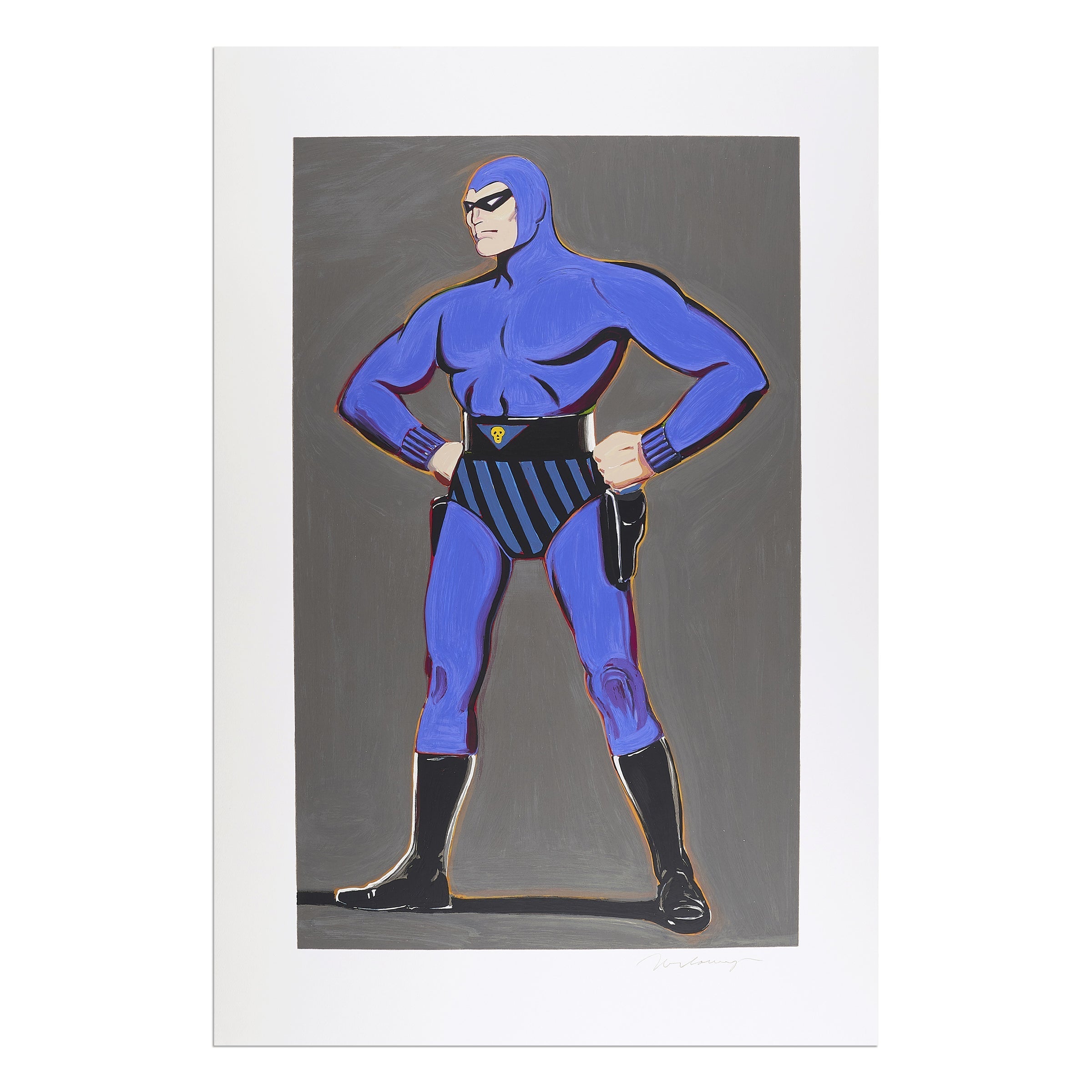
Mel Ramos - PhantomMel Ramos - Phantom
Mel Ramos – Phantom Sale price€2.800,00
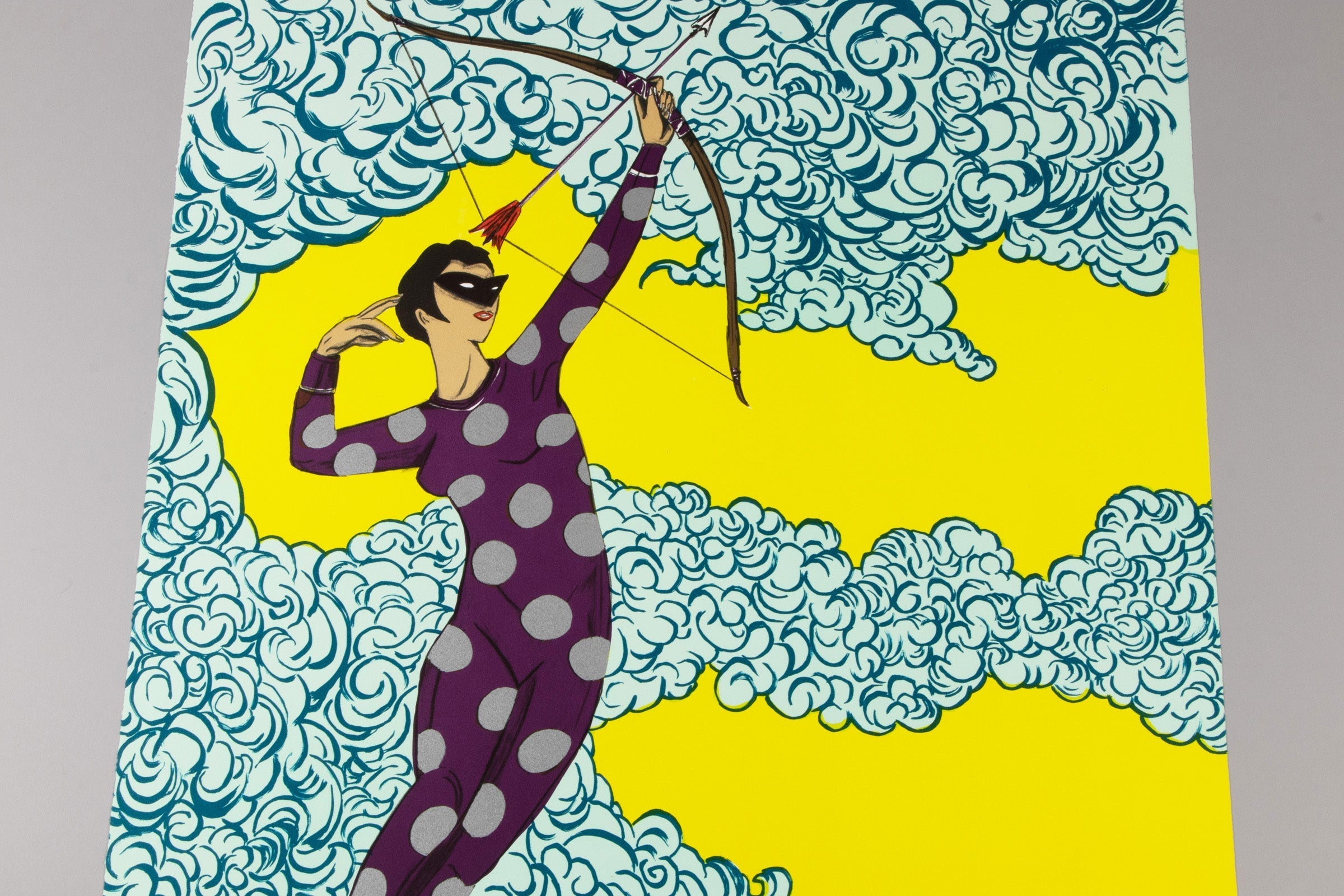
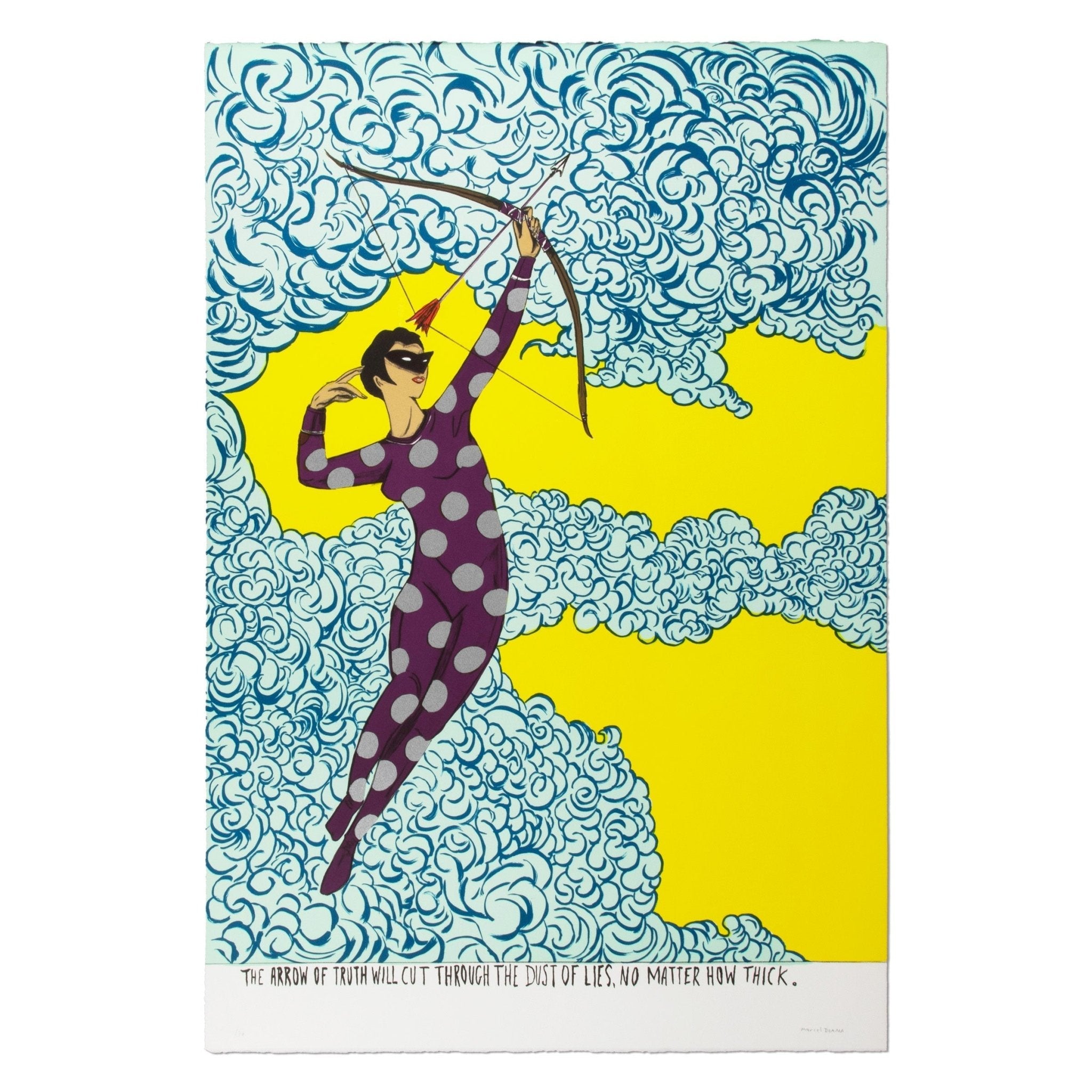
Marcel Dzama – The Arrow of TruthMarcel Dzama - The Arrow of Truth
Marcel Dzama – La Revolución va a Ser Femenina
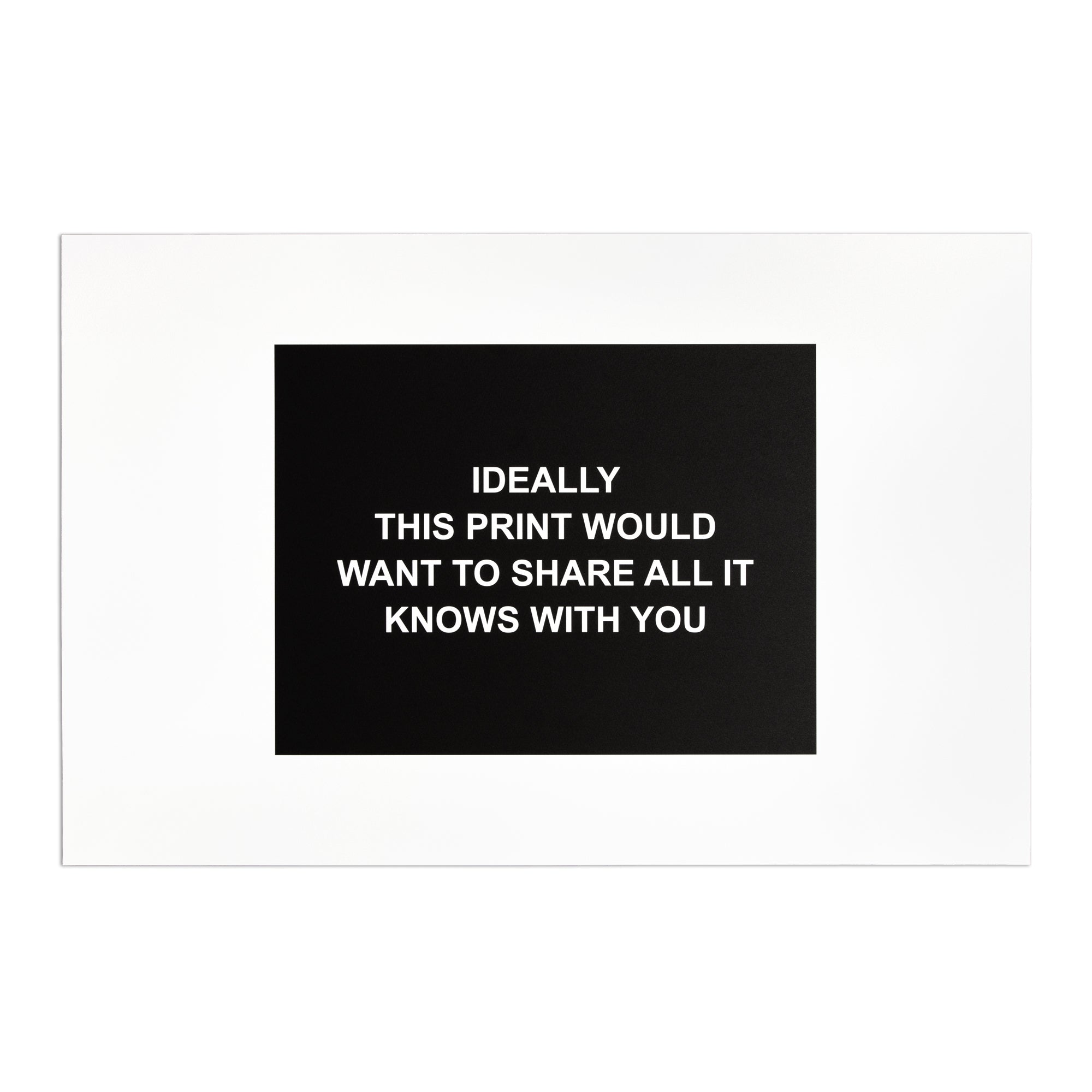
Laure Prouvost – Ideally this print would want to share all it knows with you
Sold out
JR - Women Are HeroesJR - Women Are Heroes
JR - Women Are Heroes Sale price€1.900,00
JR - Olho, Estadio de PacaembuJR – Olho, Estadio de Pacaembu
JR – Olho, Estadio de Pacaembu Sale price€1.400,00
JR, KikitoJR, Kikito
JR – Kikito Sale price€1.500,00
JR – In the Container WallJR - In the Container Wall
JR – In the Container Wall Sale price€2.400,00
JR – Death Valley BillboardJR - Death Valley Billboard
JR – Death Valley Billboard Sale price€2.000,00
Joseph Beuys – Initiation GauloiseJoseph Beuys - Initiation Gauloise
Jorinde Voigt - Inherited DesireJorinde Voigt - Inherited Desire
Jorinde Voigt – Inherited Desire Sale price€2.400,00
John Baldessari - Man with SnakeJohn Baldessari - Man with Snake
John Baldessari – Man with Snake Sale price€2.800,00
Jadé Fadojutimi - A Season's EchoJadé Fadojutimi - A Season's Echo
Georg Baselitz - BaseGeorg Baselitz - Base
Georg Baselitz - Base Sale price€3.000,00
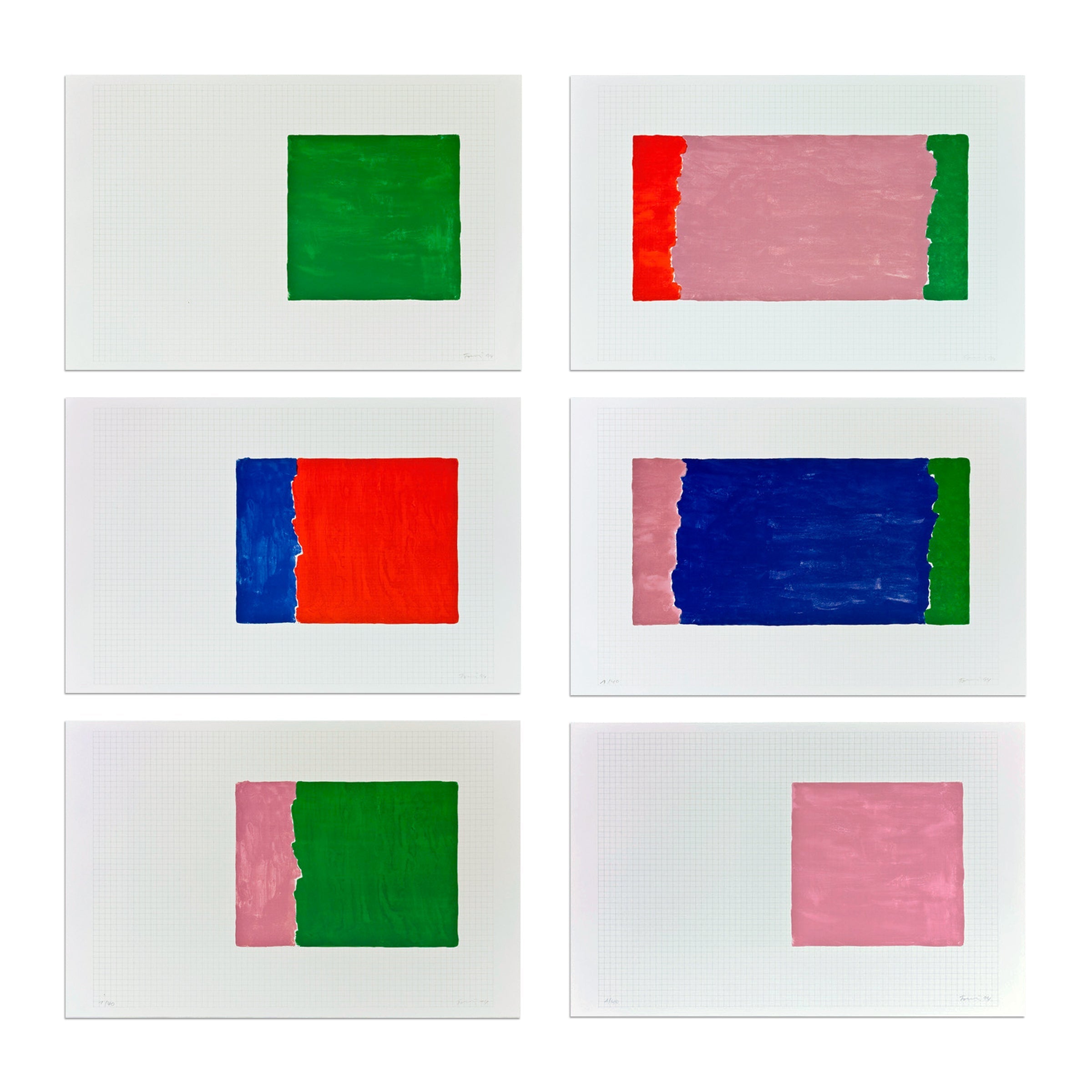
Fred Sandback - Untitled (1979.03)Fred Sandback - Untitled (1979.03)
01

What Are Lithographs?

Lithographs are original prints created through a planographic process in which the image is drawn on a flat surface rather than carved into a block or incised into metal. Invented around 1796 by Alois Senefelder, lithography quickly became one of the most important techniques in the history of printmaking. Instead of cutting or engraving a matrix, the artist draws directly onto limestone or a specially prepared metal plate using a greasy crayon or liquid tusche.

Because the drawing is made directly on the printing surface, lithography occupies a unique position within printmaking. Unlike relief processes such as woodcut or linocut, or intaglio techniques such as etching, the image is neither carved nor bitten into the matrix. The result is a method capable of recording the artist’s marks with remarkable fidelity while maintaining the flat surface characteristic of planographic printing.

Since the nineteenth century, lithography has been widely used by artists seeking to translate drawing into print without sacrificing nuance or spontaneity. Signed and numbered lithographs remain central to the history of modern and contemporary printmaking, valued for the way they combine expressive mark-making with the clarity of the limited edition format.

02

How Are Lithographs Made?

Lithographs are created by drawing or painting with a greasy material onto a smooth limestone block or specially prepared metal plate. The surface is then chemically processed so that the drawn areas attract oily printing ink while the blank areas absorb water and repel it. When the stone or plate is kept damp and rolled with ink, only the drawn image accepts the ink and transfers to paper under pressure.

This process relies on a fundamental chemical principle: oil and water repel one another. Because the image and non-image areas remain on the same flat surface, lithography differs fundamentally from both relief and intaglio printmaking. The planographic structure allows the printed image to capture subtle variations in pressure, texture, and gesture present in the original drawing.

In contemporary printmaking, lithographs are typically produced in collaboration with specialist workshops and master printers. These highly trained technicians work closely with the artist to translate a drawing or concept into a printable image, advising on factors such as scale, tonal range, plate preparation, and paper choice. Through a series of proofs, the artist and printer refine the composition, adjusting details such as ink density, registration, and tonal balance before the final edition is printed.

Master printers also oversee the production of the edition itself, ensuring that each impression matches the approved proof and that the stone or plate maintains consistent quality throughout the printing process. This collaborative relationship between artist and printer has long been central to fine art printmaking, allowing artists to pursue technically ambitious works while maintaining the highest standards of craftsmanship.

Tracey Emin - Choose Love
03

Why Artists Choose Lithography?

Artists have long been drawn to lithography because it allows printmaking to function almost like drawing. The artist can work directly on the stone or plate using crayons, ink, or brush, producing marks that retain the fluidity and spontaneity of hand-drawn lines. Lithography is capable of capturing a wide range of visual effects, from delicate tonal washes and velvety crayon textures to energetic gestures and precise linear detail. For painters and draftsmen in particular, the medium offers a way to translate the language of drawing into print without losing nuance or immediacy.

Lithography also offers practical advantages for producing editions. Compared with techniques such as drypoint or certain etched plates, which can wear relatively quickly during printing, lithographic stones and plates are capable of sustaining a larger number of consistent impressions. This durability allows artists and workshops to produce carefully controlled editions while maintaining the clarity and fidelity of the image across multiple prints.

Within the wider field of printmaking, lithography occupies a distinctive position. Screenprinting is often chosen for its bold flat color and graphic impact, while etching is prized for its finely controlled line and tonal modulation. Relief techniques such as woodcut and linocut emphasize carved form and strong contrast. Lithography, by contrast, is especially valued when artists want the expressive freedom of drawing combined with the ability to produce refined original prints in signed limited editions.

For these reasons, lithography has remained one of the most important techniques in modern and contemporary printmaking, offering artists a rare balance between direct mark-making, tonal richness, and the technical stability required for high-quality editioned works.

01

What Are Lithographs?

Lithographs are original prints created through a planographic process in which the image is drawn on a flat surface rather than carved into a block or incised into metal. Invented around 1796 by Alois Senefelder, lithography quickly became one of the most important techniques in the history of printmaking. Instead of cutting or engraving a matrix, the artist draws directly onto limestone or a specially prepared metal plate using a greasy crayon or liquid tusche.

Because the drawing is made directly on the printing surface, lithography occupies a unique position within printmaking. Unlike relief processes such as woodcut or linocut, or intaglio techniques such as etching, the image is neither carved nor bitten into the matrix. The result is a method capable of recording the artist’s marks with remarkable fidelity while maintaining the flat surface characteristic of planographic printing.

Since the nineteenth century, lithography has been widely used by artists seeking to translate drawing into print without sacrificing nuance or spontaneity. Signed and numbered lithographs remain central to the history of modern and contemporary printmaking, valued for the way they combine expressive mark-making with the clarity of the limited edition format.

02

How Are Lithographs Made?

Lithographs are created by drawing or painting with a greasy material onto a smooth limestone block or specially prepared metal plate. The surface is then chemically processed so that the drawn areas attract oily printing ink while the blank areas absorb water and repel it. When the stone or plate is kept damp and rolled with ink, only the drawn image accepts the ink and transfers to paper under pressure.

This process relies on a fundamental chemical principle: oil and water repel one another. Because the image and non-image areas remain on the same flat surface, lithography differs fundamentally from both relief and intaglio printmaking. The planographic structure allows the printed image to capture subtle variations in pressure, texture, and gesture present in the original drawing.

In contemporary printmaking, lithographs are typically produced in collaboration with specialist workshops and master printers. These highly trained technicians work closely with the artist to translate a drawing or concept into a printable image, advising on factors such as scale, tonal range, plate preparation, and paper choice. Through a series of proofs, the artist and printer refine the composition, adjusting details such as ink density, registration, and tonal balance before the final edition is printed.

Master printers also oversee the production of the edition itself, ensuring that each impression matches the approved proof and that the stone or plate maintains consistent quality throughout the printing process. This collaborative relationship between artist and printer has long been central to fine art printmaking, allowing artists to pursue technically ambitious works while maintaining the highest standards of craftsmanship.

03

Why Artists Choose Lithography?

Artists have long been drawn to lithography because it allows printmaking to function almost like drawing. The artist can work directly on the stone or plate using crayons, ink, or brush, producing marks that retain the fluidity and spontaneity of hand-drawn lines. Lithography is capable of capturing a wide range of visual effects, from delicate tonal washes and velvety crayon textures to energetic gestures and precise linear detail. For painters and draftsmen in particular, the medium offers a way to translate the language of drawing into print without losing nuance or immediacy.

Lithography also offers practical advantages for producing editions. Compared with techniques such as drypoint or certain etched plates, which can wear relatively quickly during printing, lithographic stones and plates are capable of sustaining a larger number of consistent impressions. This durability allows artists and workshops to produce carefully controlled editions while maintaining the clarity and fidelity of the image across multiple prints.

Within the wider field of printmaking, lithography occupies a distinctive position. Screenprinting is often chosen for its bold flat color and graphic impact, while etching is prized for its finely controlled line and tonal modulation. Relief techniques such as woodcut and linocut emphasize carved form and strong contrast. Lithography, by contrast, is especially valued when artists want the expressive freedom of drawing combined with the ability to produce refined original prints in signed limited editions.

For these reasons, lithography has remained one of the most important techniques in modern and contemporary printmaking, offering artists a rare balance between direct mark-making, tonal richness, and the technical stability required for high-quality editioned works.

Tracey Emin - Choose Love

Other Printmaking Techniques
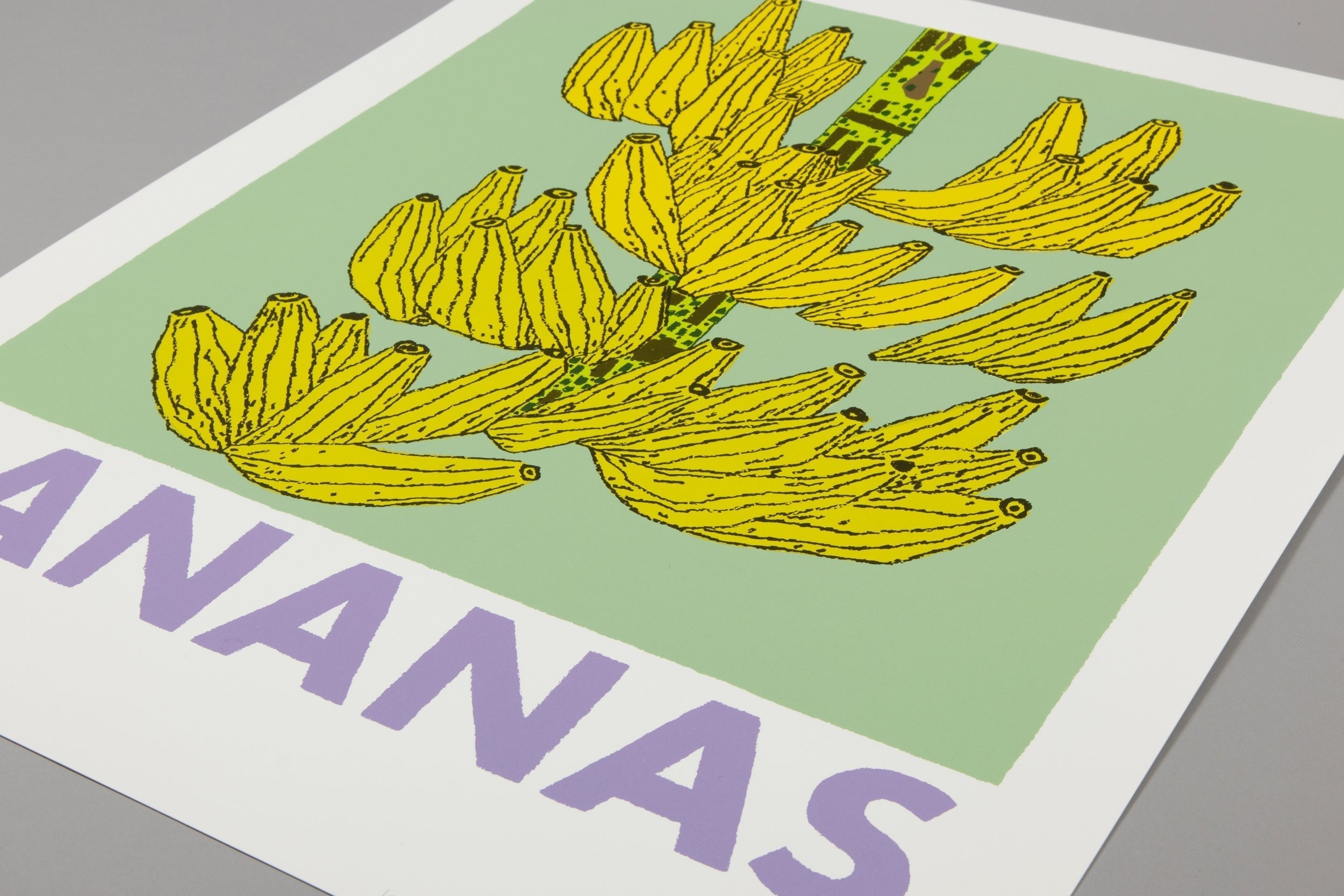
Limited edition prints are created using a range of traditional printmaking techniques, each with distinct visual qualities. Screenprints build images through layered color, etchings produce precise lines through acid-bitten plates, woodcuts create bold graphic compositions from carved blocks, and pigment prints translate photographic or digital images into finely detailed editions. Learn more in our Glossary of Editions.

View all
Prints, Photographs & Multiples

View our full collection of

Prints, Photographs & Multiples

Shop now