


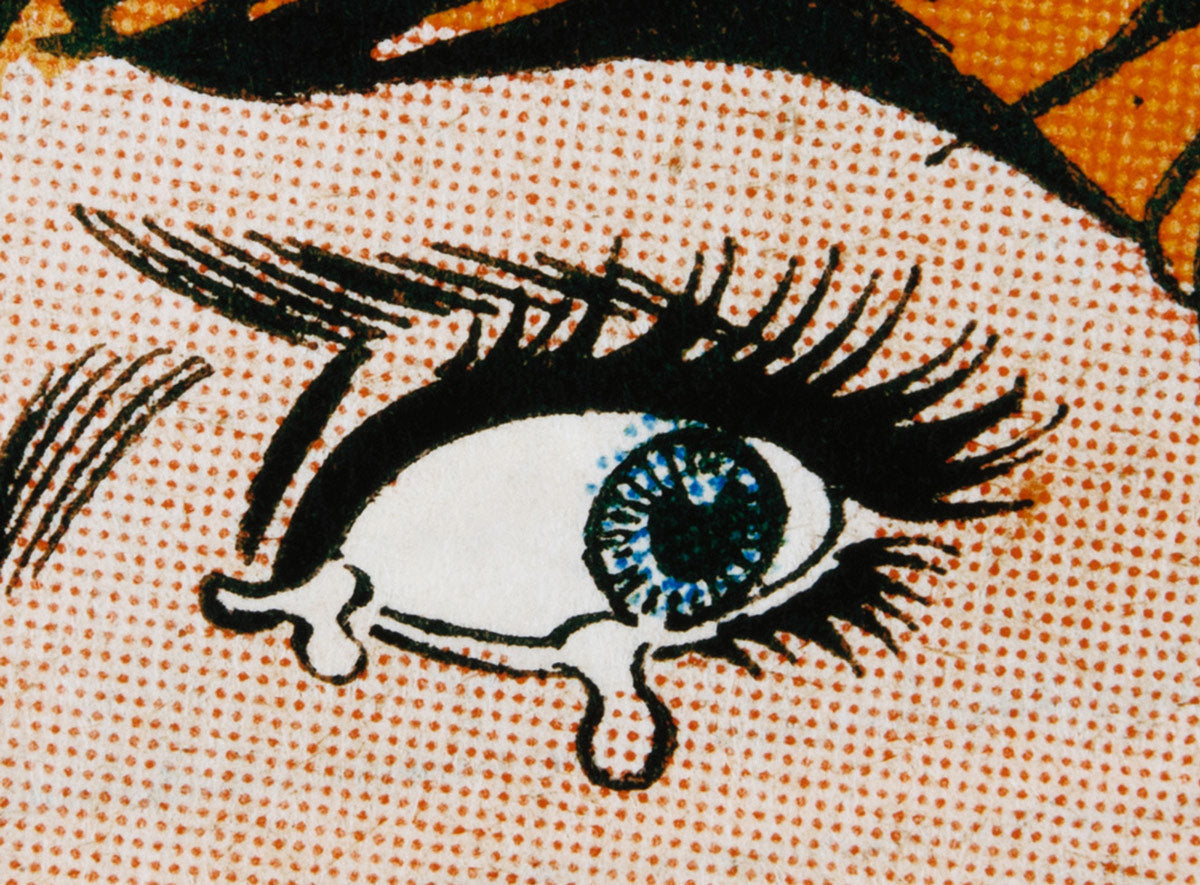
JR
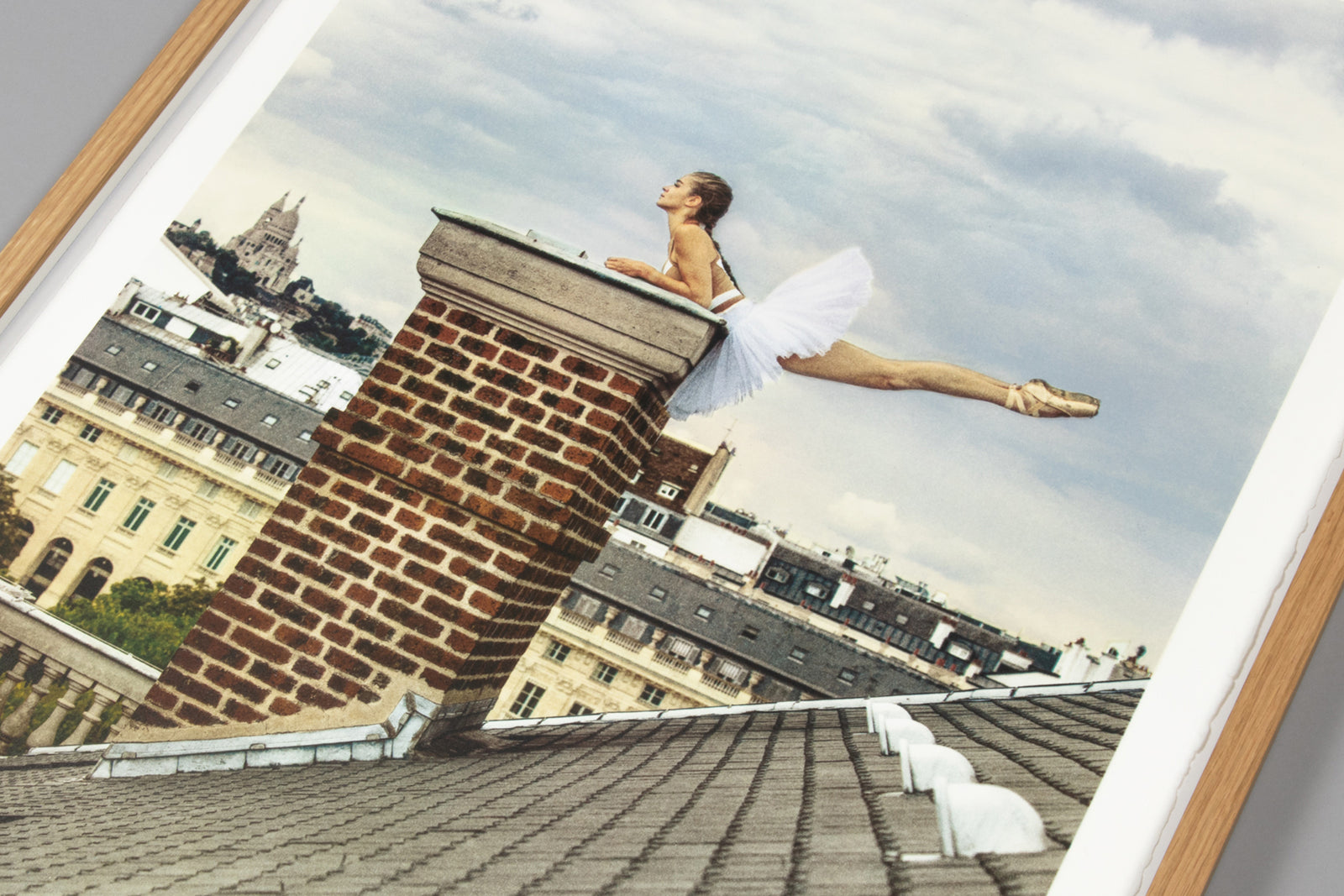
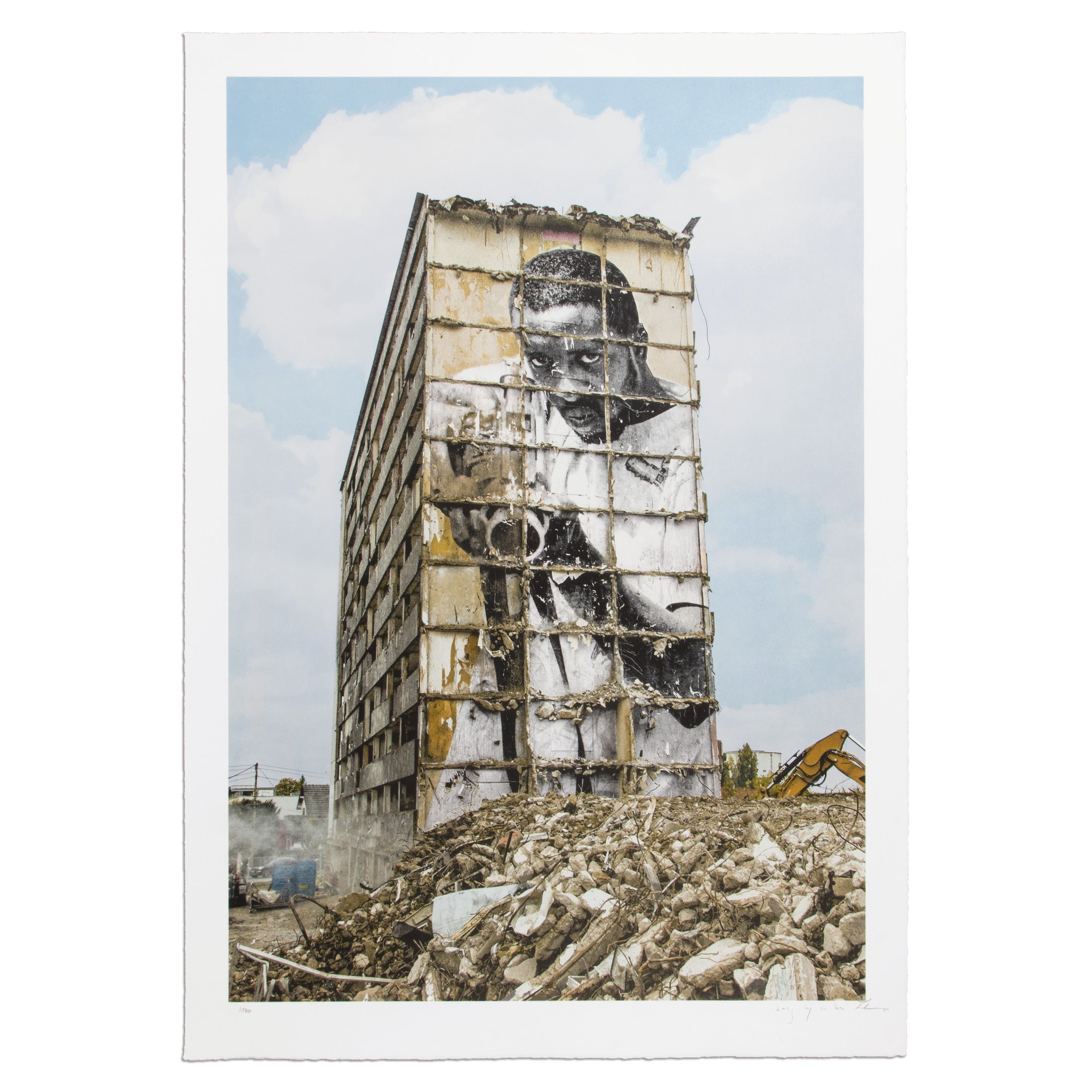
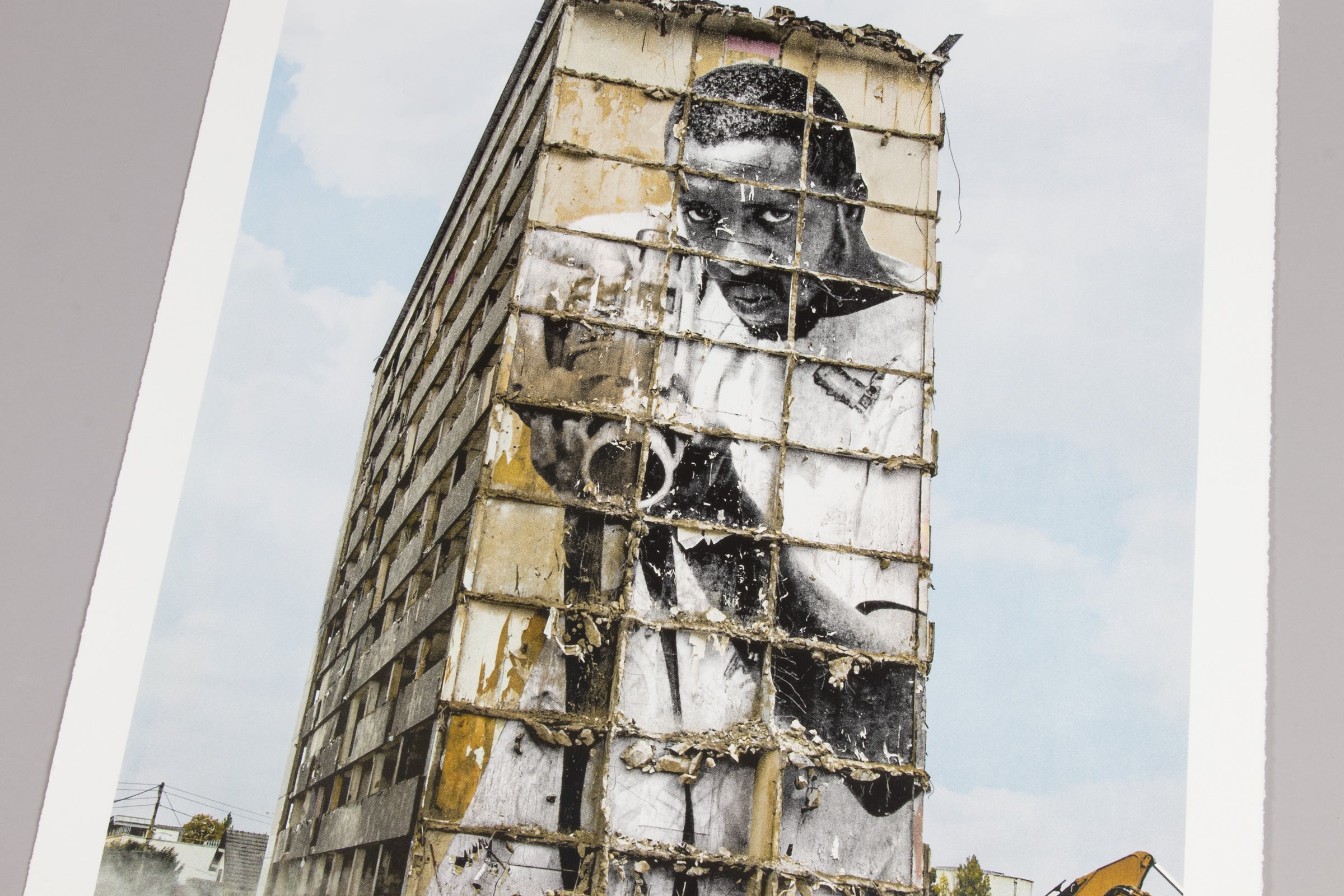
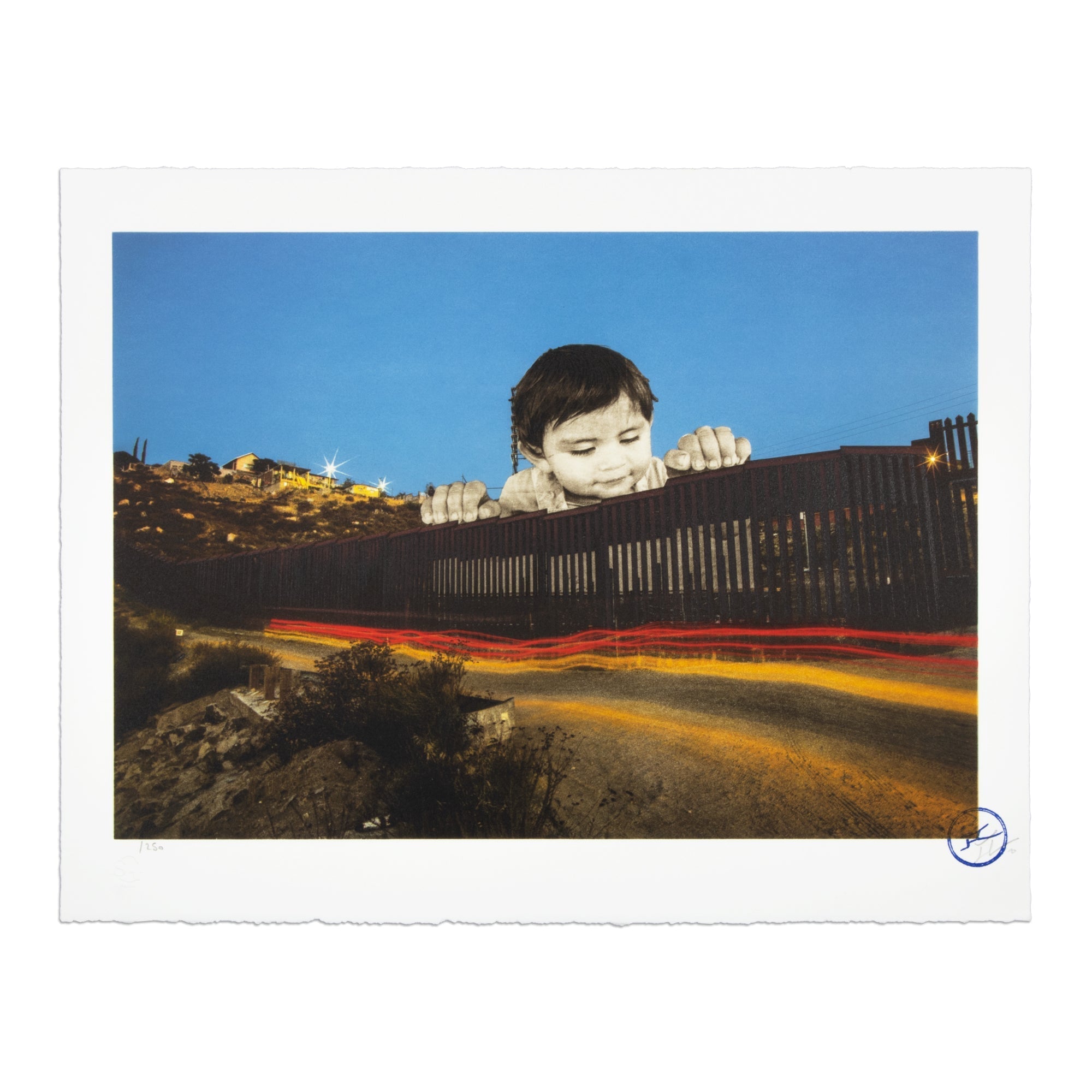
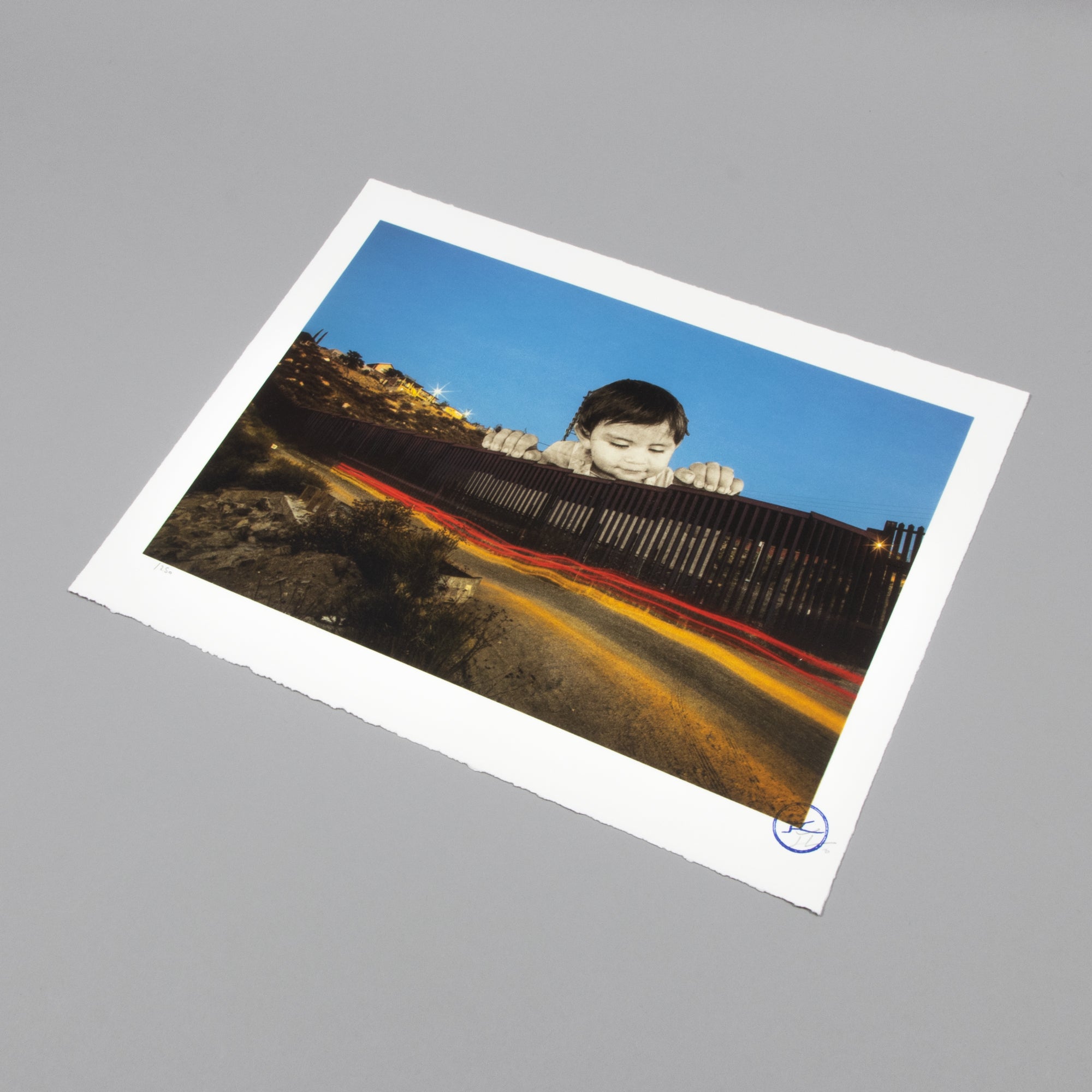
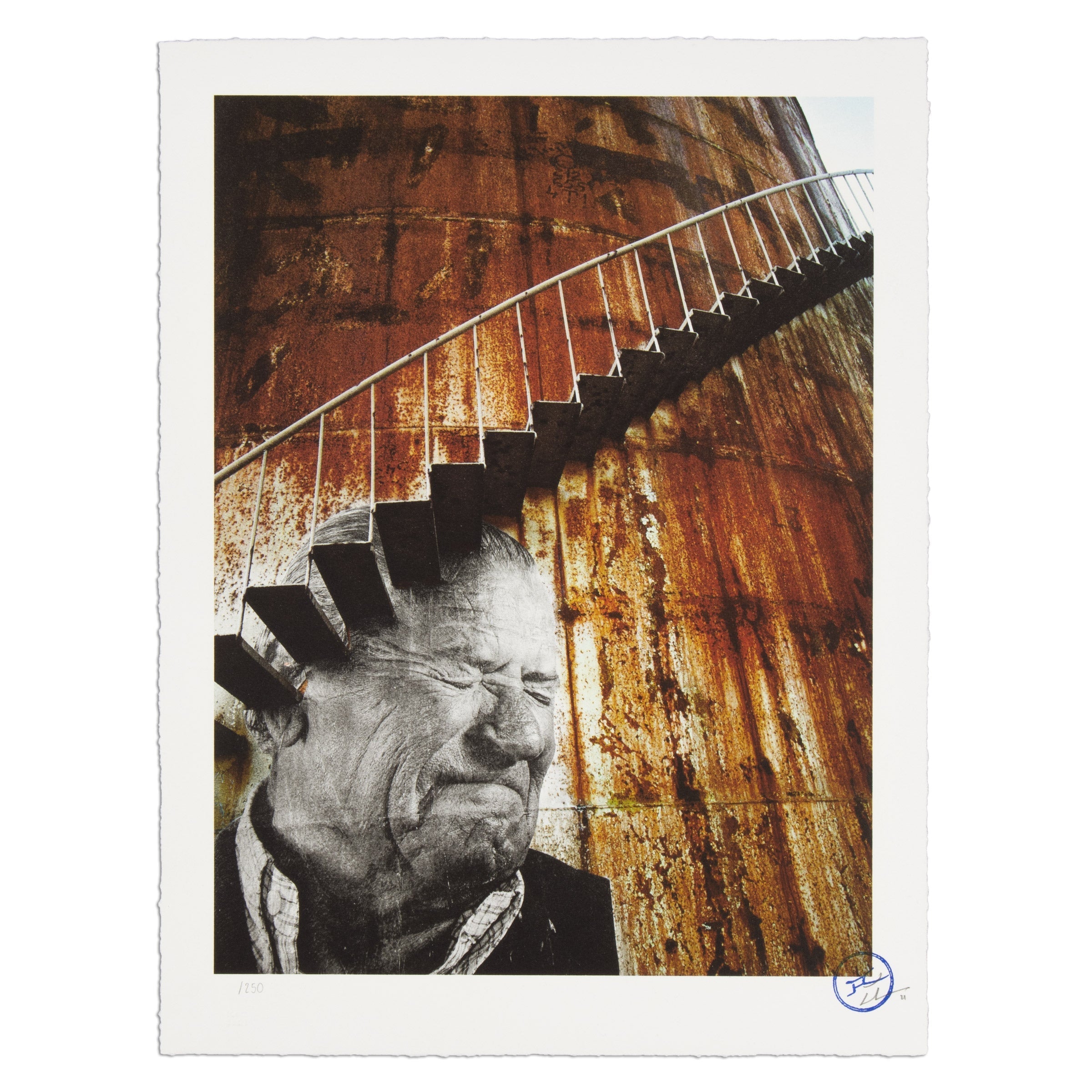
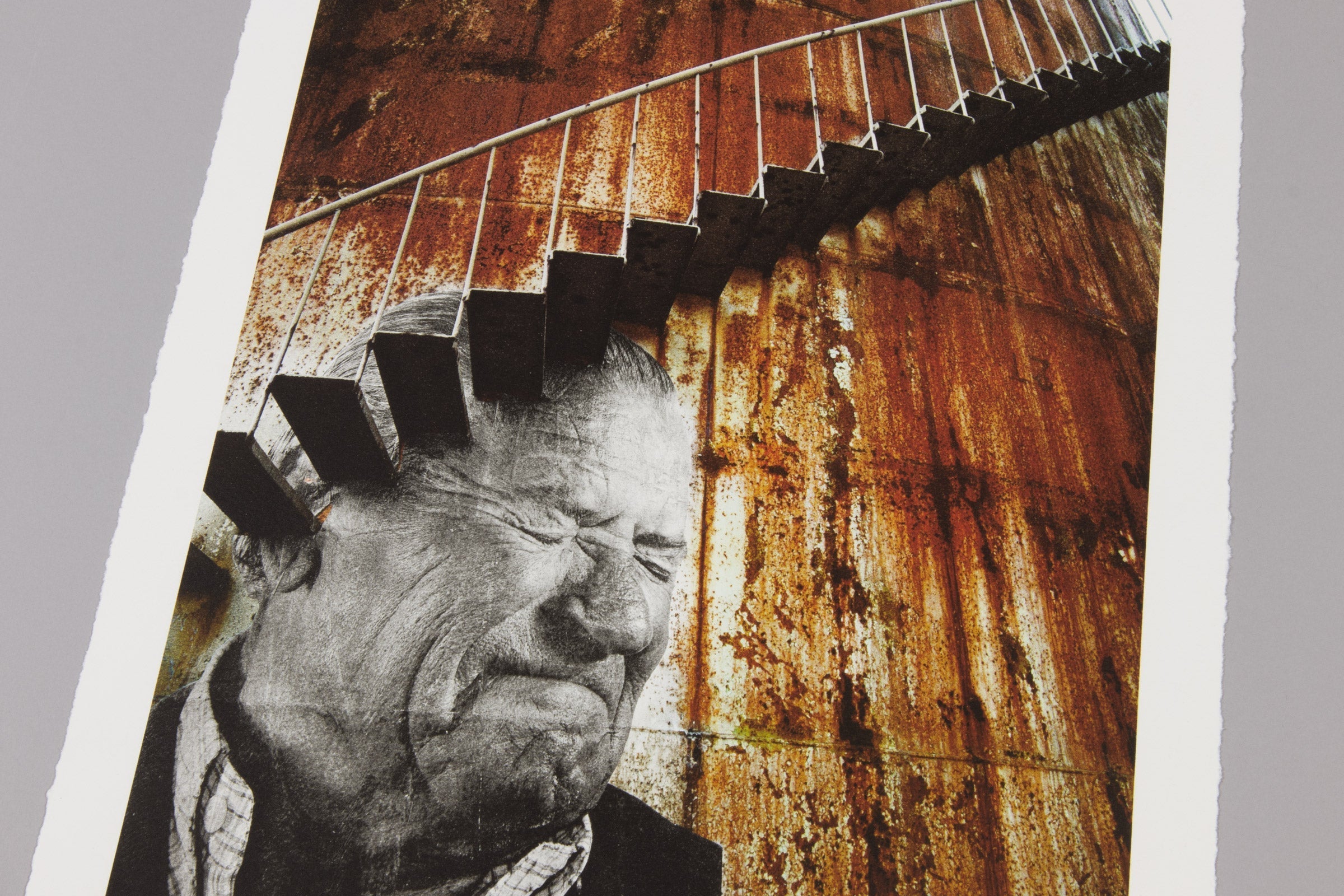
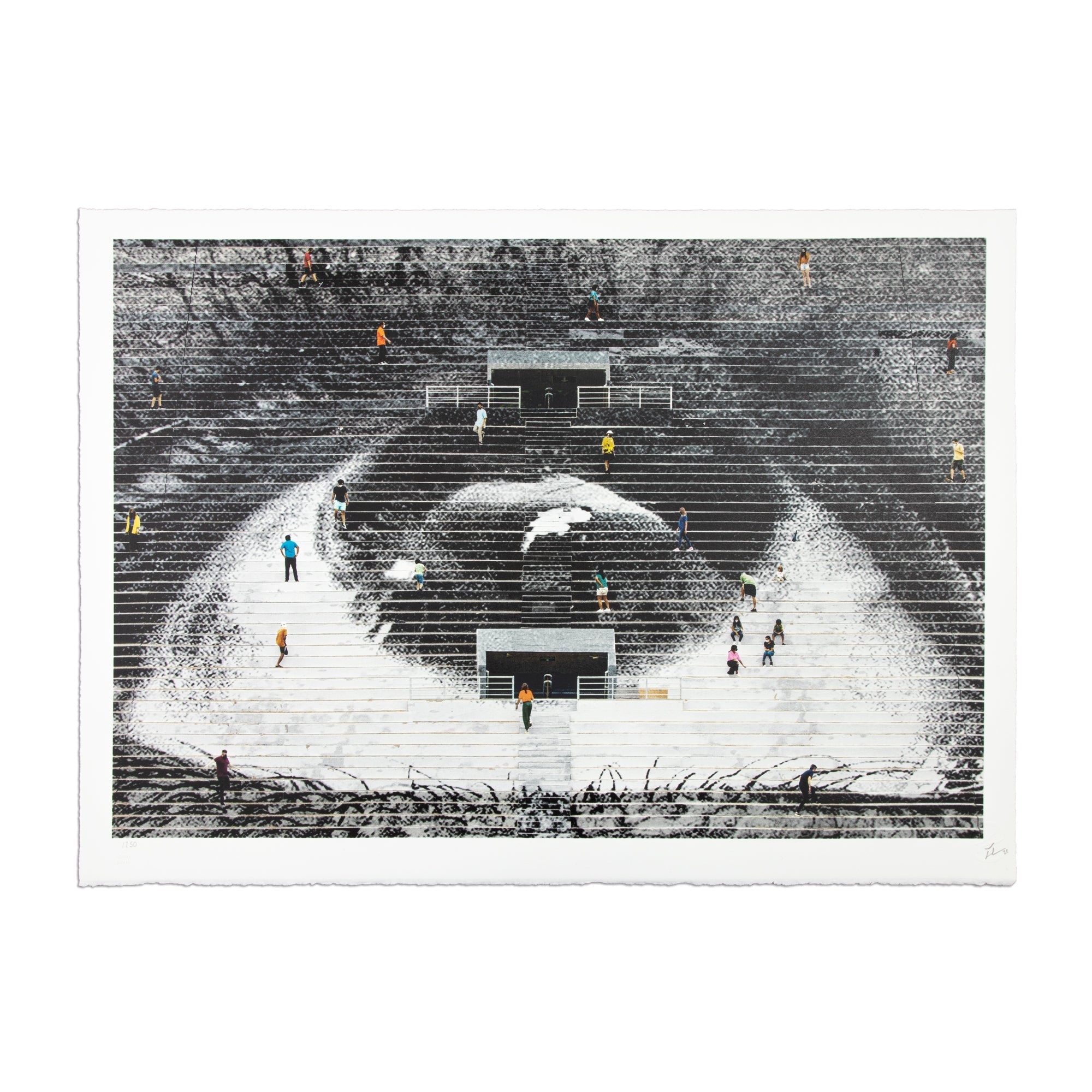
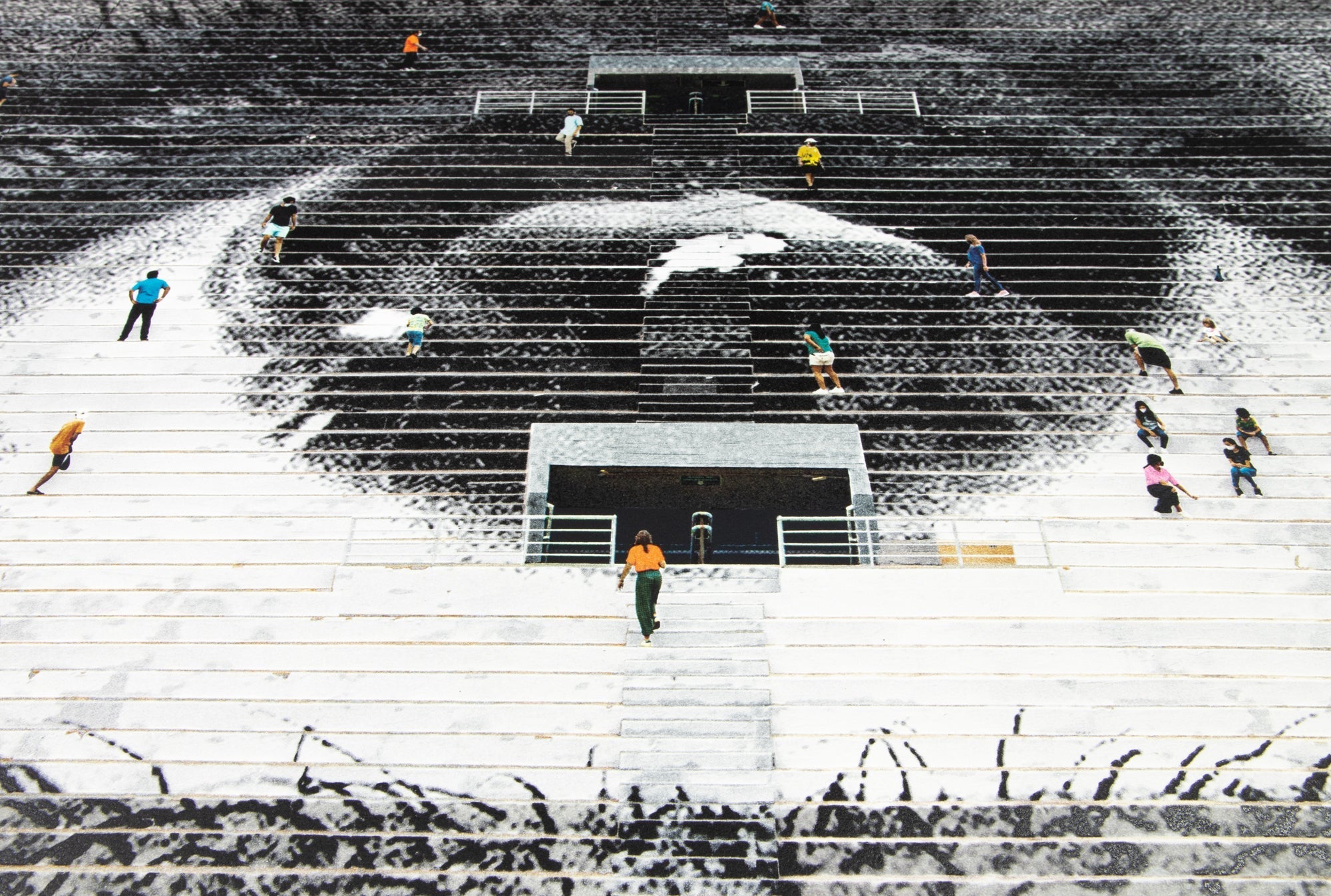
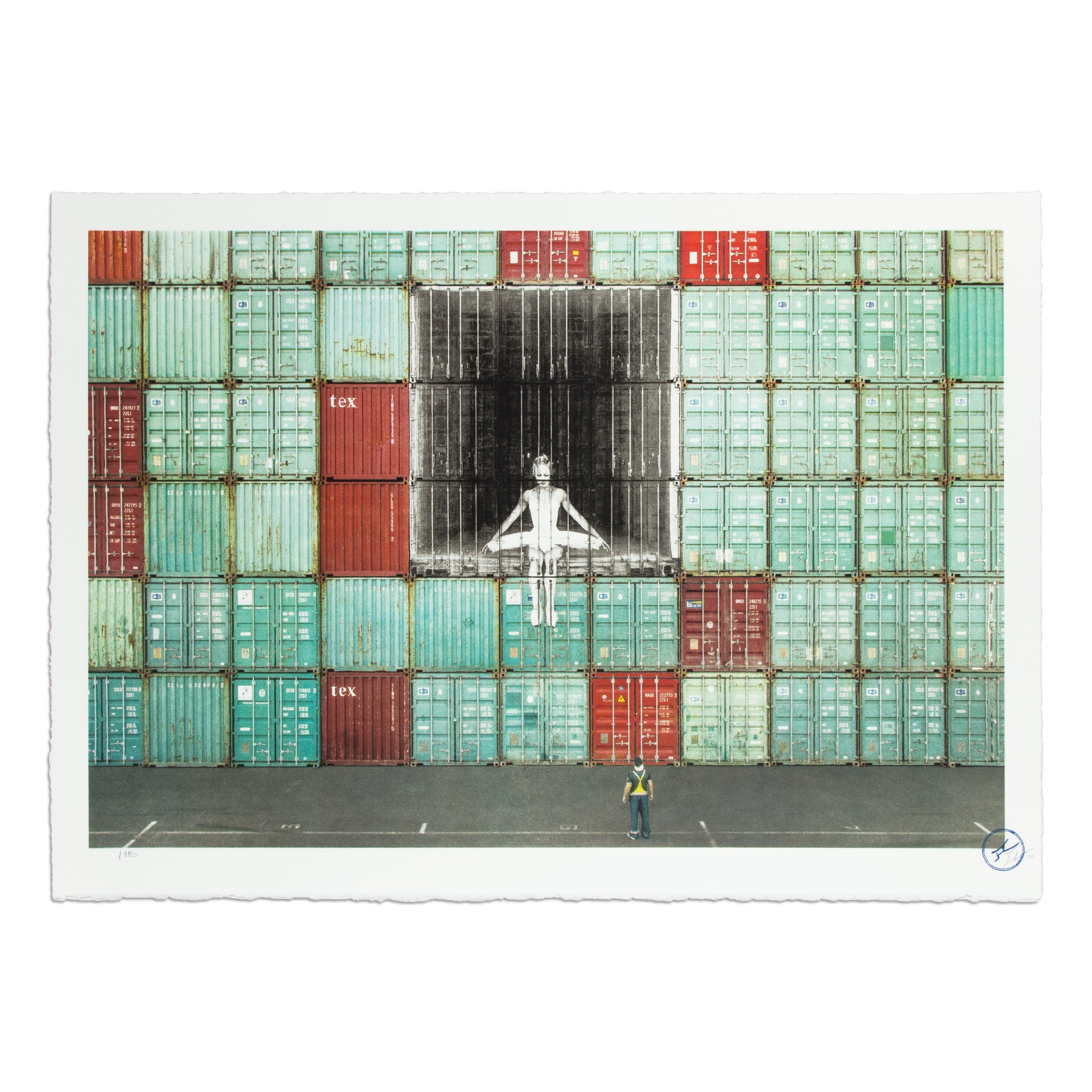
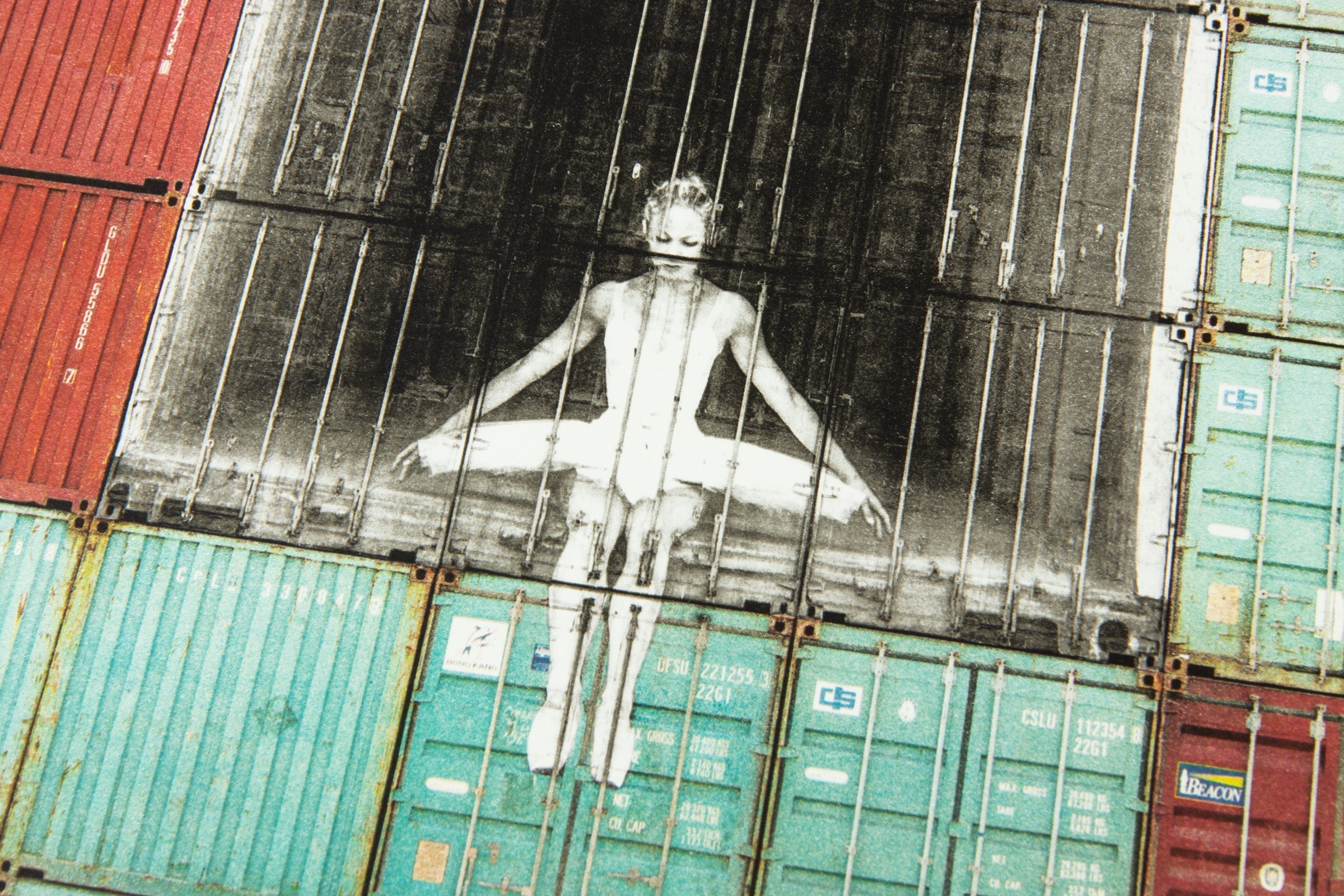
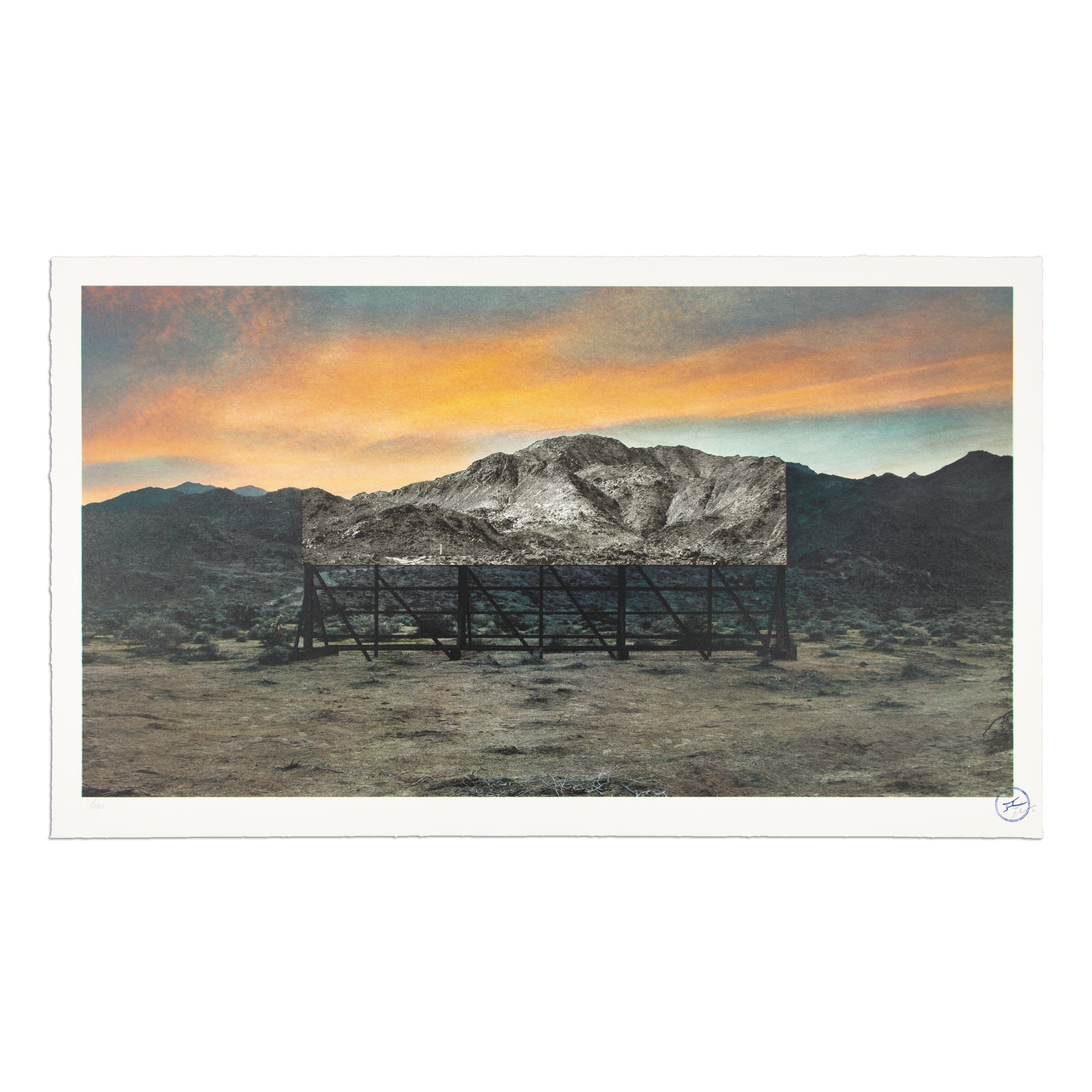
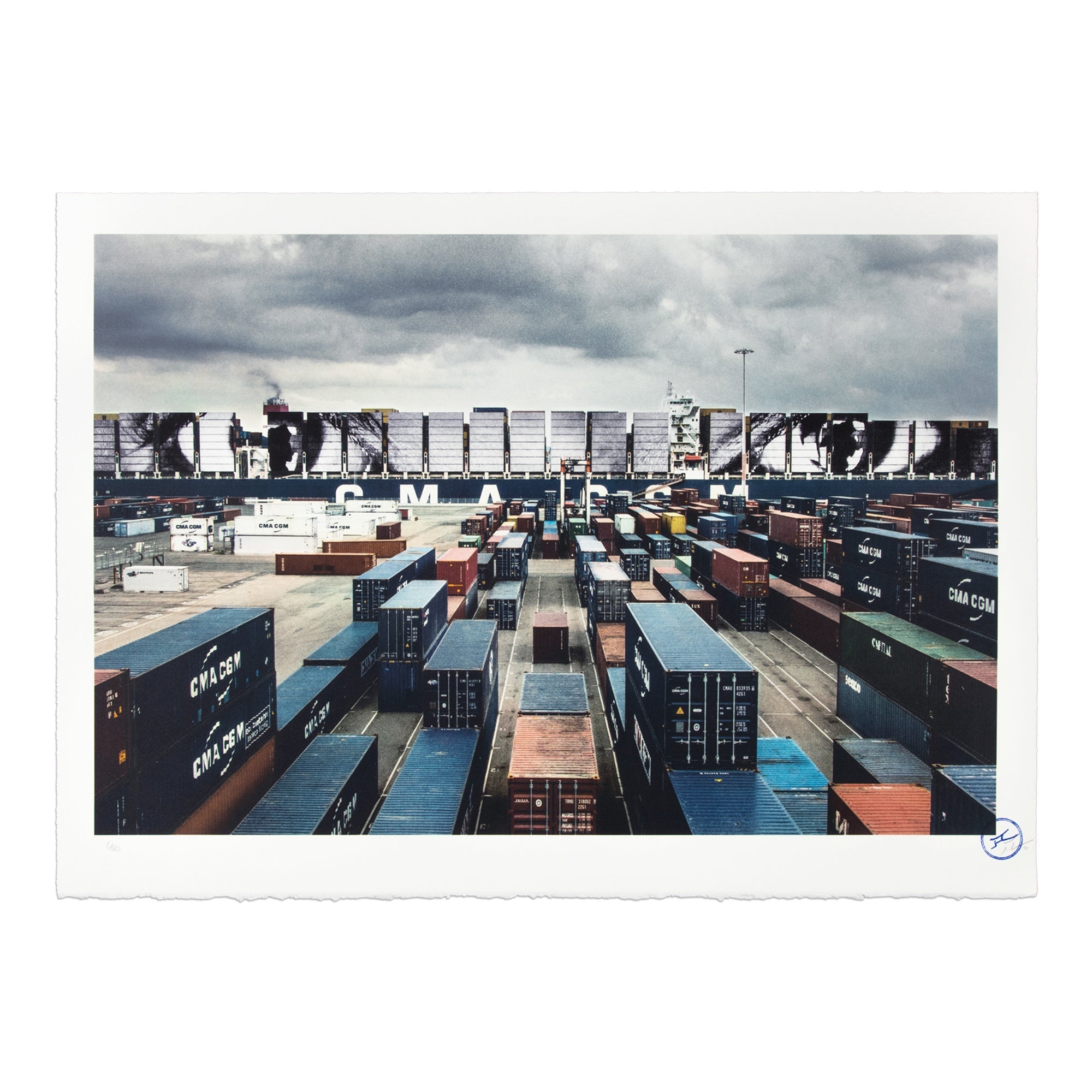
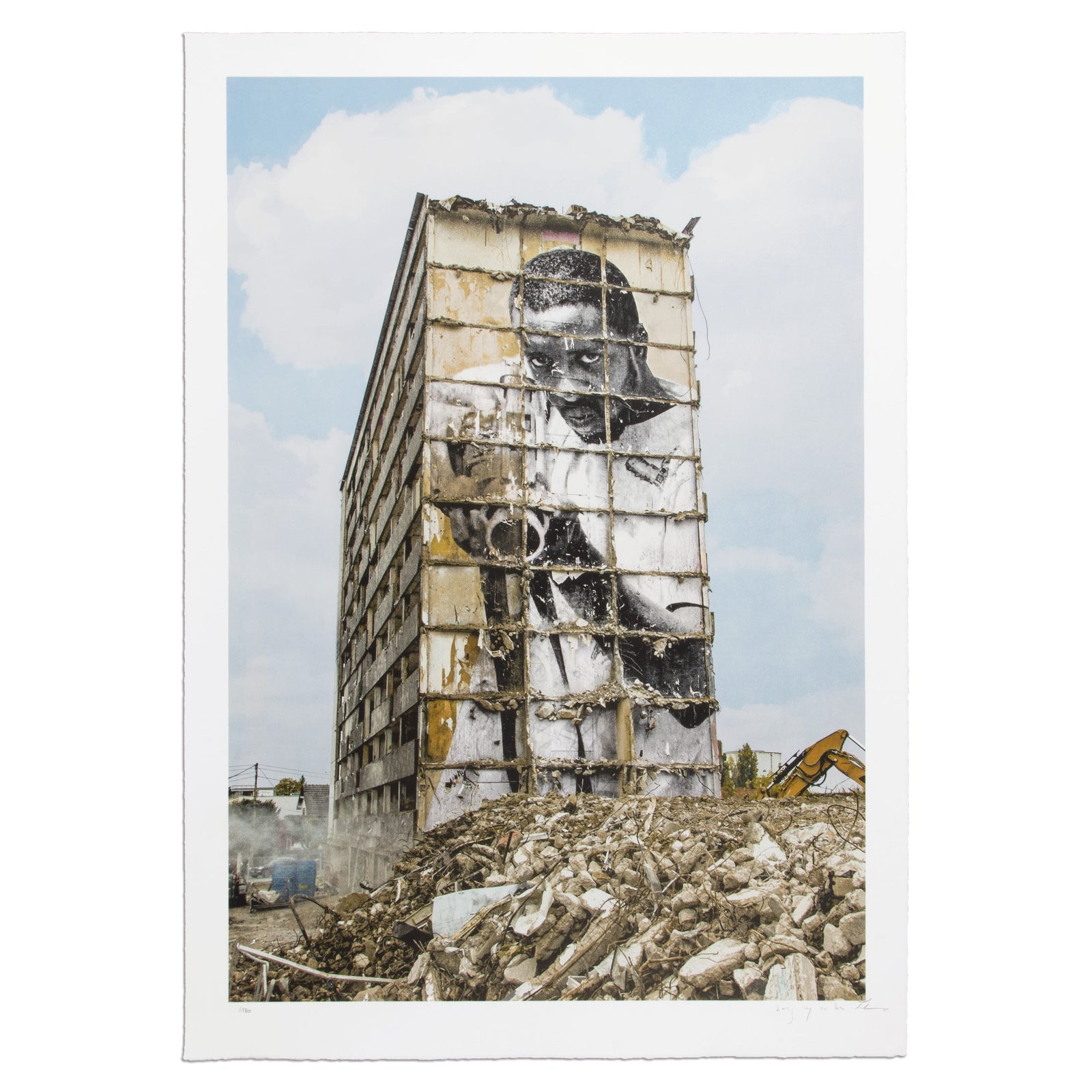
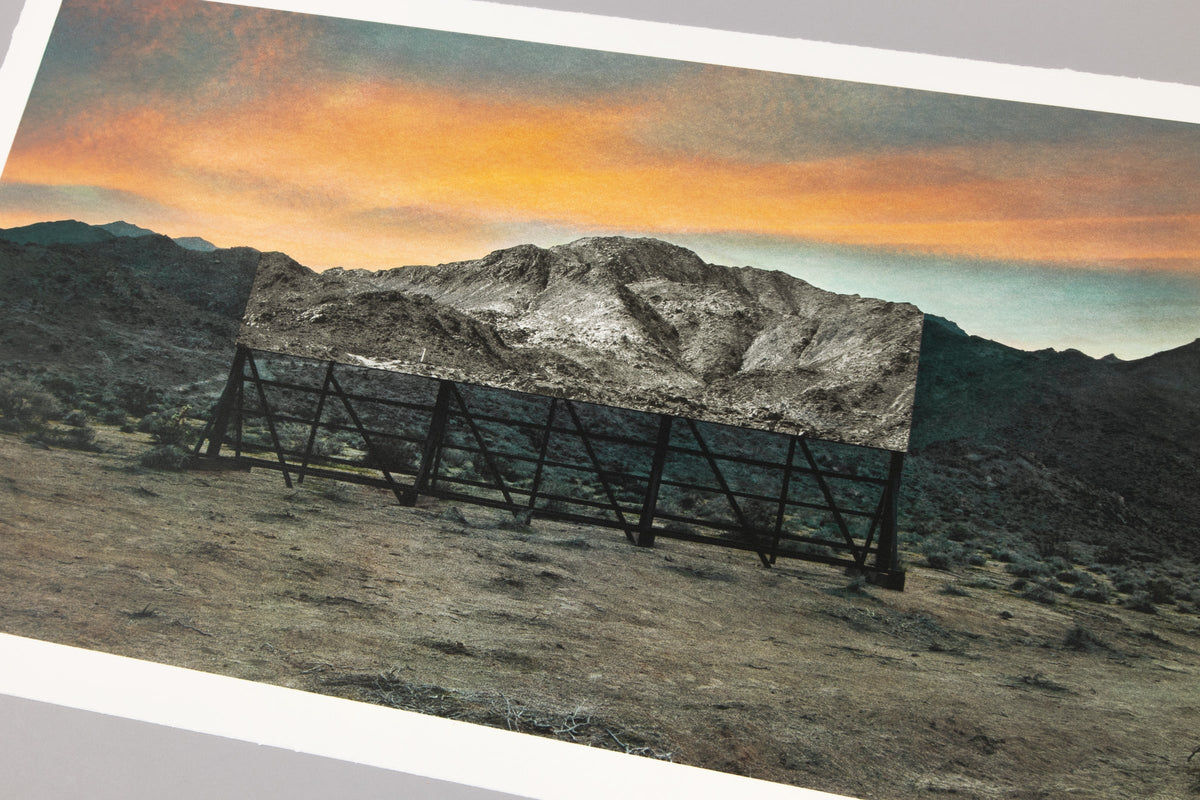
JR found his camera in the Paris Métro, left behind by someone he never traced. That accident became a career built on scale: black-and-white portraits pasted across building façades, favela hillsides, and the abandoned hospital wards of Ellis Island. His prints and editions are the rare permanent trace of an art form built to disappear — the paste peels, the walls get repainted, but the signed print survives. He works under two initials, his identity never officially confirmed, and calls himself a "photograffeur" — part photographer, part graffiti artist, working in what he describes as the largest gallery in the world: the street itself.
Available Prints & Editions
7 products
JR Biography

Famous JR Projects
JR Prints & Editions
JR: Key Questions
Collecting JR?
Looking for a specific artwork or have a question about an edition? We're happy to advise on availability, pricing, condition, and provenance — and to source artworks beyond our current selection.
What is JR known for?
Is JR's real identity known?
Is JR a political artist?
Whose faces does JR depict?
How much do JR artworks sell for?


