

About Zhang Xiaogang
Zhang Xiaogang (張曉剛), born in 1958 in Kunming, is one of the most influential figures in contemporary Chinese art. Emerging in the post–Cultural Revolution avant-garde scene, he developed a distinctive visual language that examines memory, identity, and the psychological legacy of collective history in modern China.
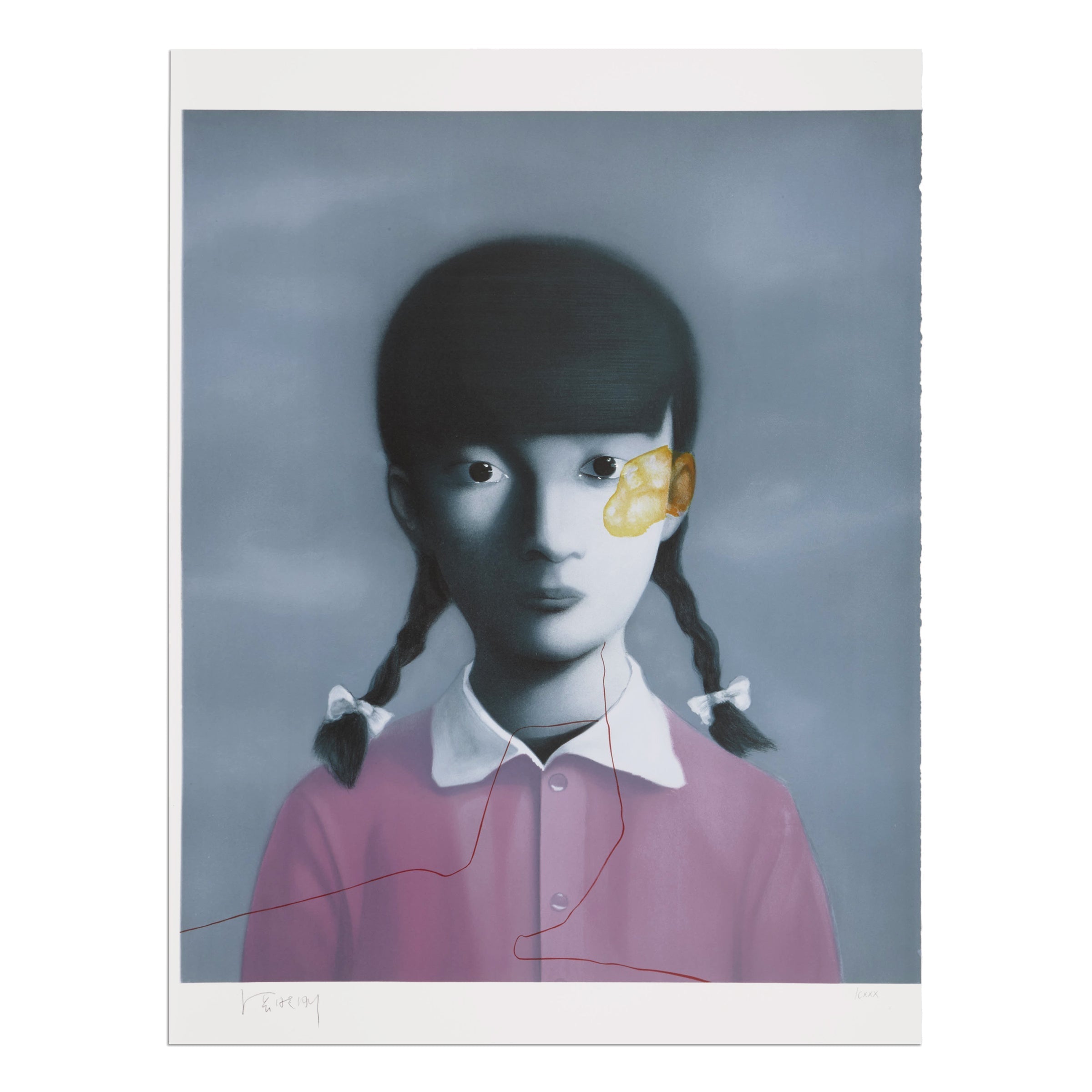
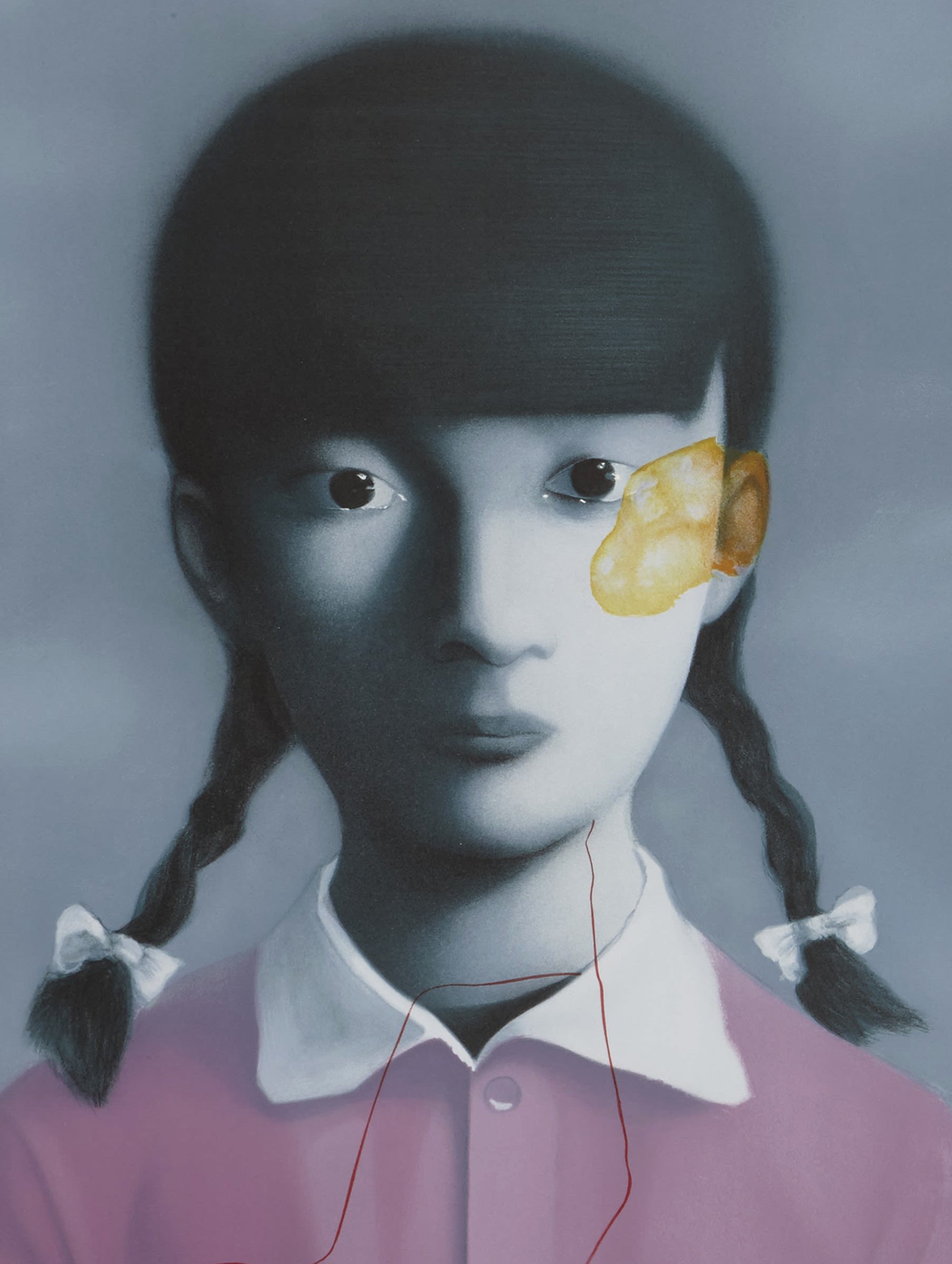
He is best known for his Bloodline: The Big Family series, based on staged family photographs from the Mao era. Rendered in muted grey tonalities with subtle shifts of color, these portraits depict standardized, expressionless figures whose individuality appears suppressed. Fine red lines linking the sitters suggest invisible bonds of lineage, ideology, and shared trauma, underscoring the tension between personal identity and collective expectation.
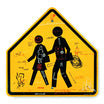
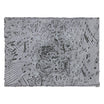
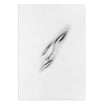
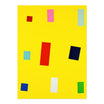
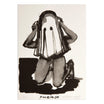
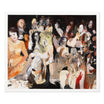
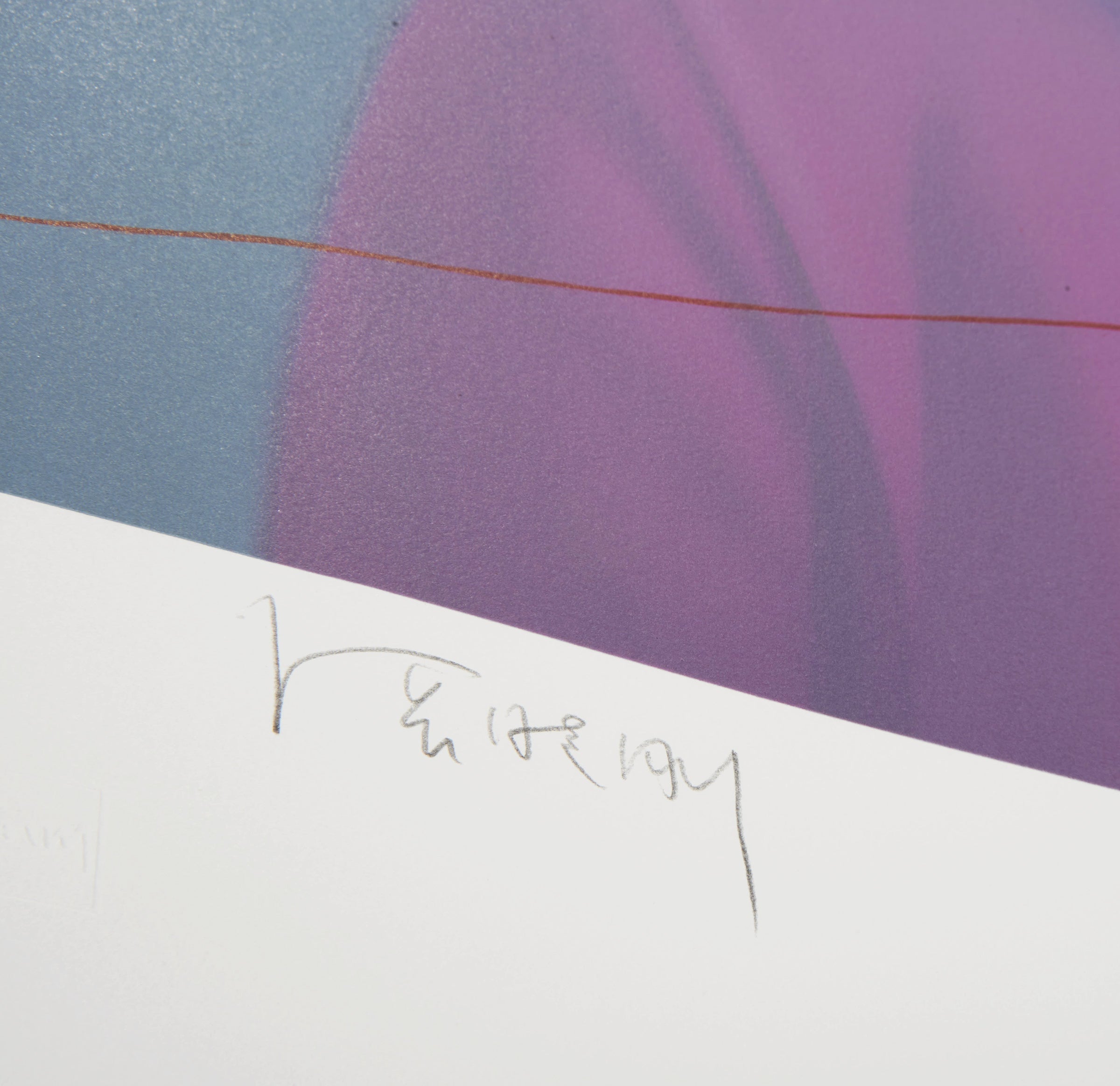
Alongside his paintings, Zhang has produced a significant body of limited edition prints that retain the restrained palette, smooth surfaces, and emotional intensity of his canvases. His works are held in major international collections, including the Museum of Modern Art in New York, Tate Modern in London, and the National Art Museum of China in Beijing, affirming his global standing as a leading voice in contemporary art.


