Zhang Xiaogang

In 1993, Zhang Xiaogang found an old photograph of his mother as a young woman — strikingly different from the mother he actually knew, whose health had since broken down. The contrast unsettled him enough to become a painting practice: portraits built from lost or surviving Cultural Revolution-era family photographs, faces rendered flat and expressionless, connected by thin red lines he adapted from Frida Kahlo. The resulting Bloodline series remains one of contemporary Chinese art's most recognisable and valuable bodies of work.

Browse signed Zhang Xiaogang prints and editions now.

Available Prints & Editions

4 products
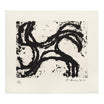
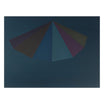
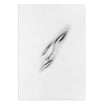
Zhang Xiaogang - FantasyZhang Xiaogang - Fantasy
Zhang Xiaogang - Fantasy Sale price€2.600,00
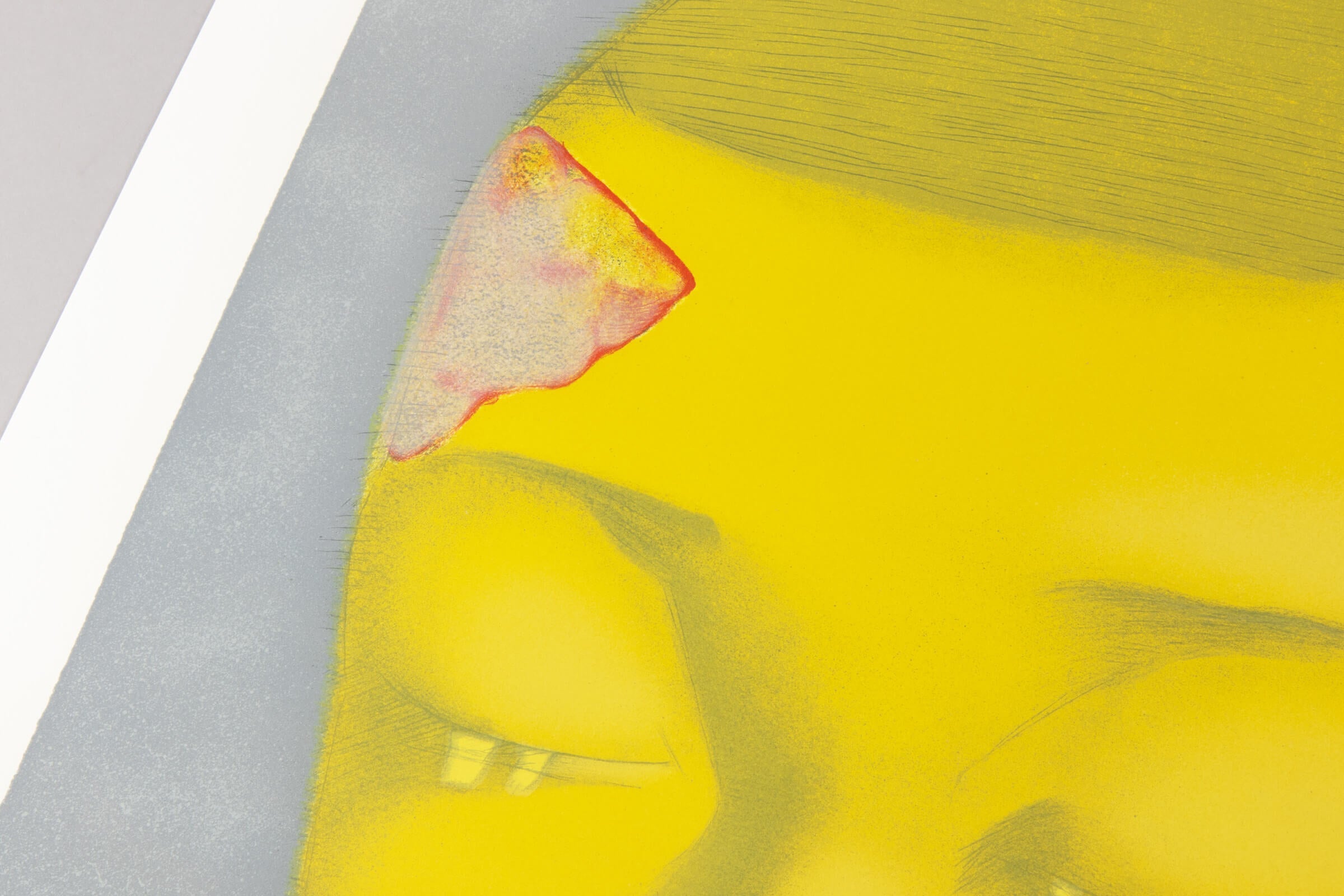
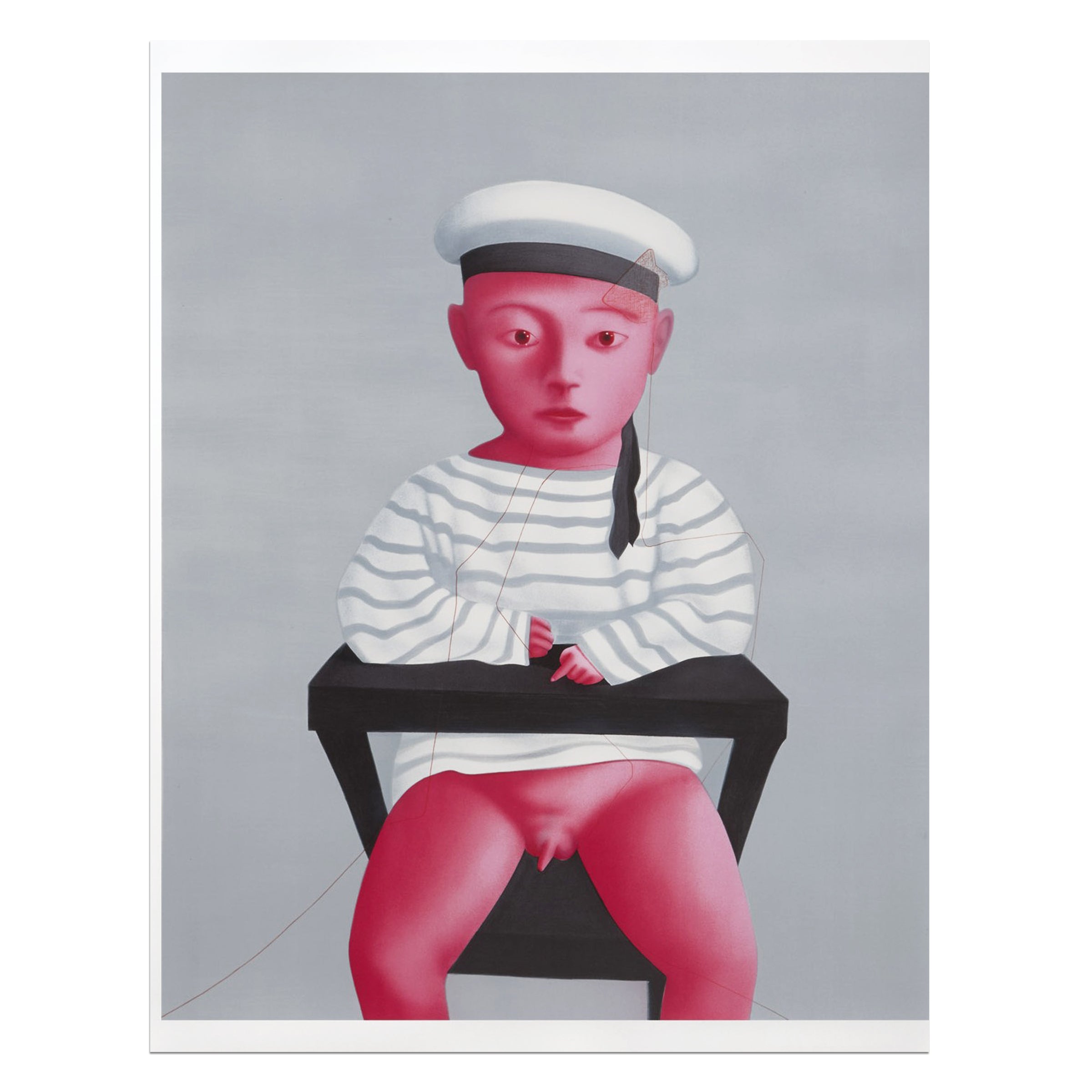
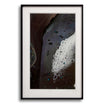
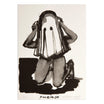
Zhang Xiaogang – Bébé en Costume de Marin
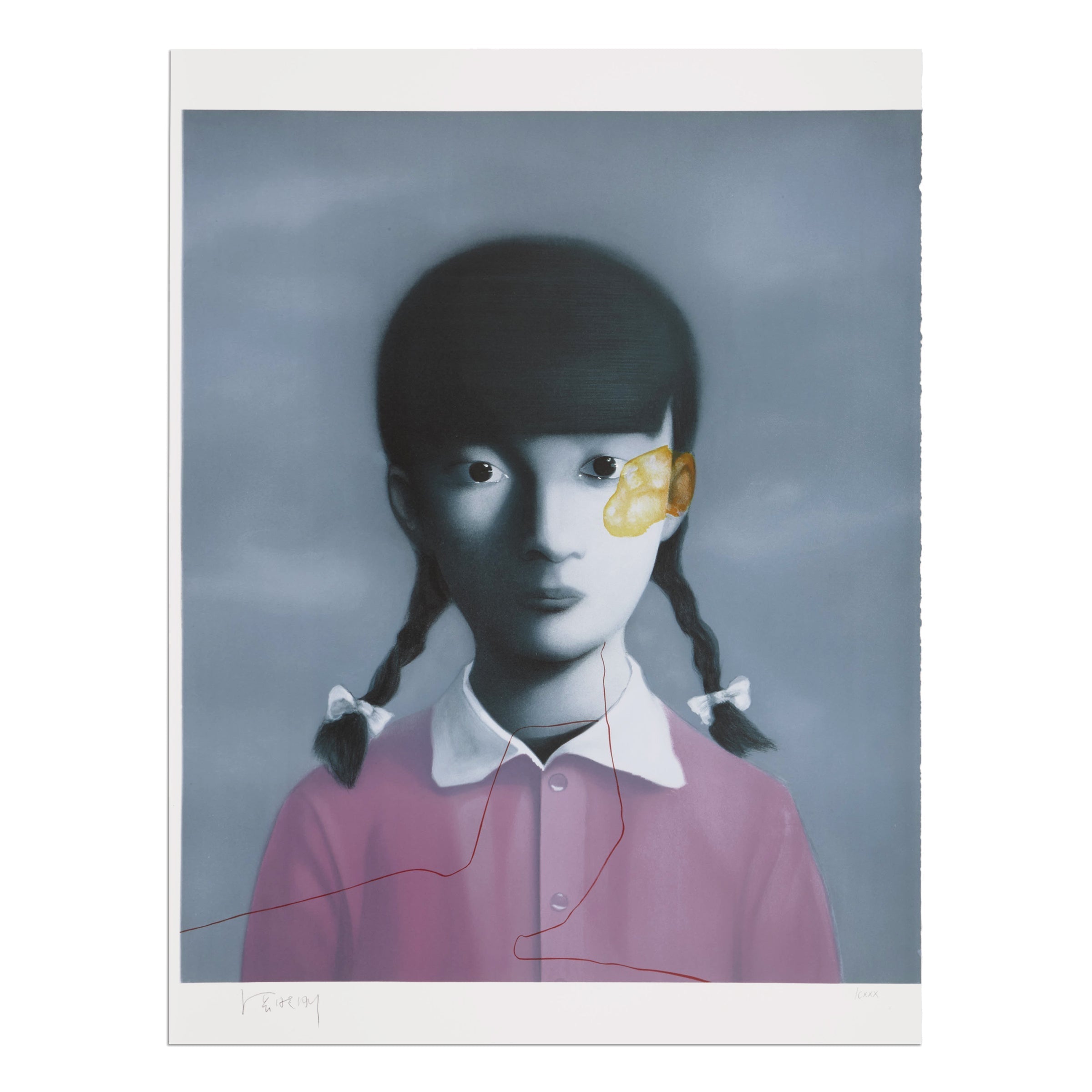
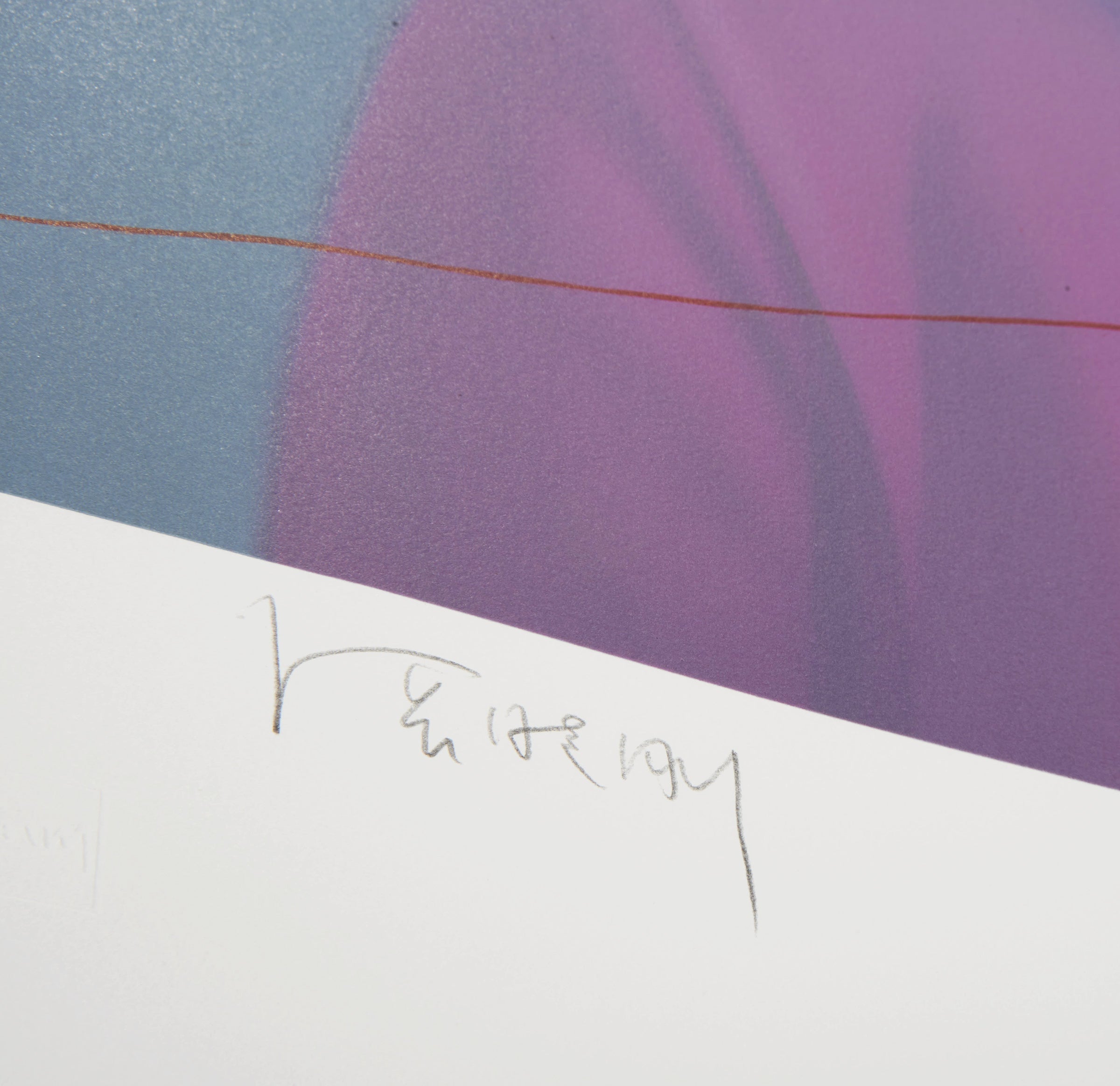
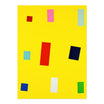
Zhang Xiaogang – Filette en VioletteZhang Xiaogang – Filette en Violette
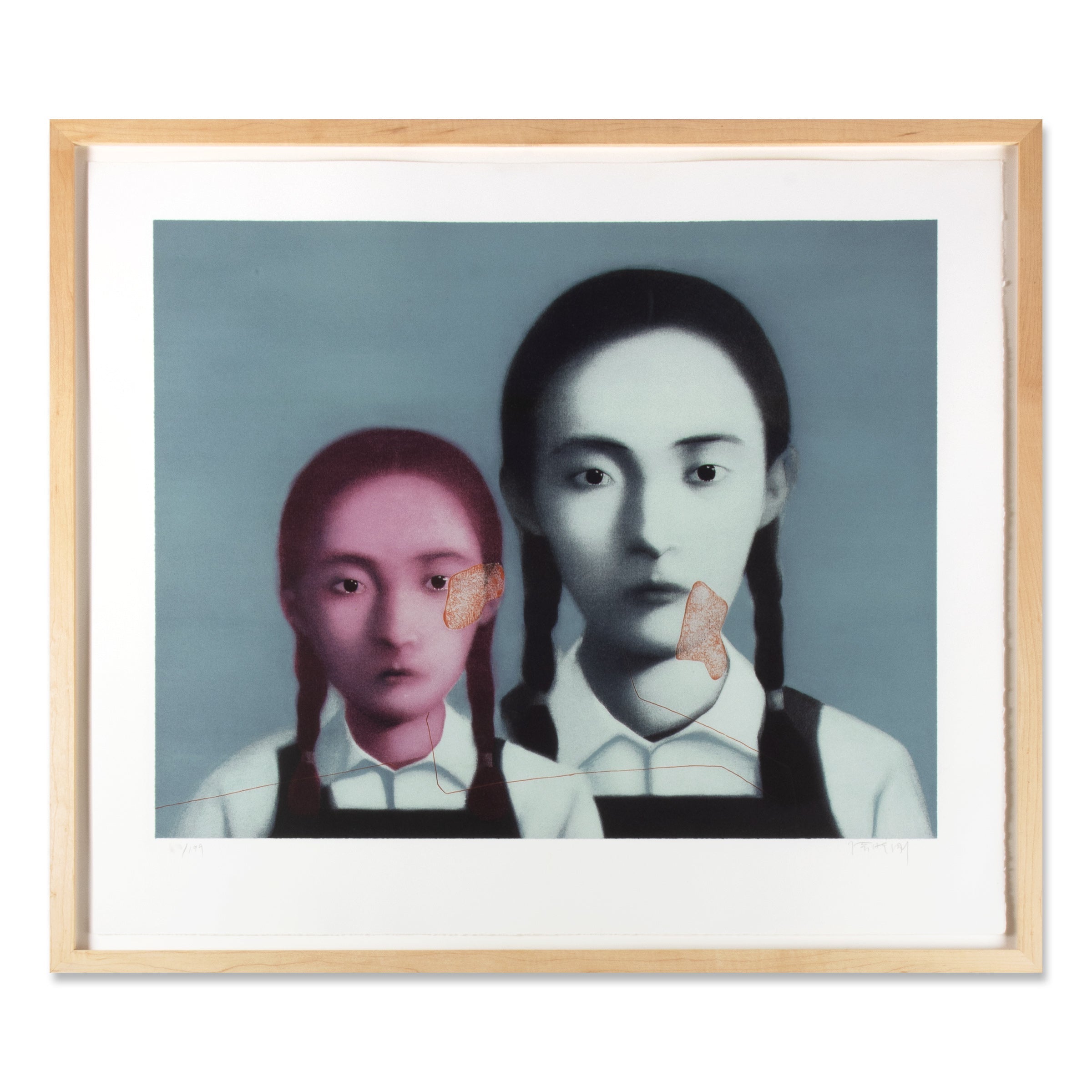
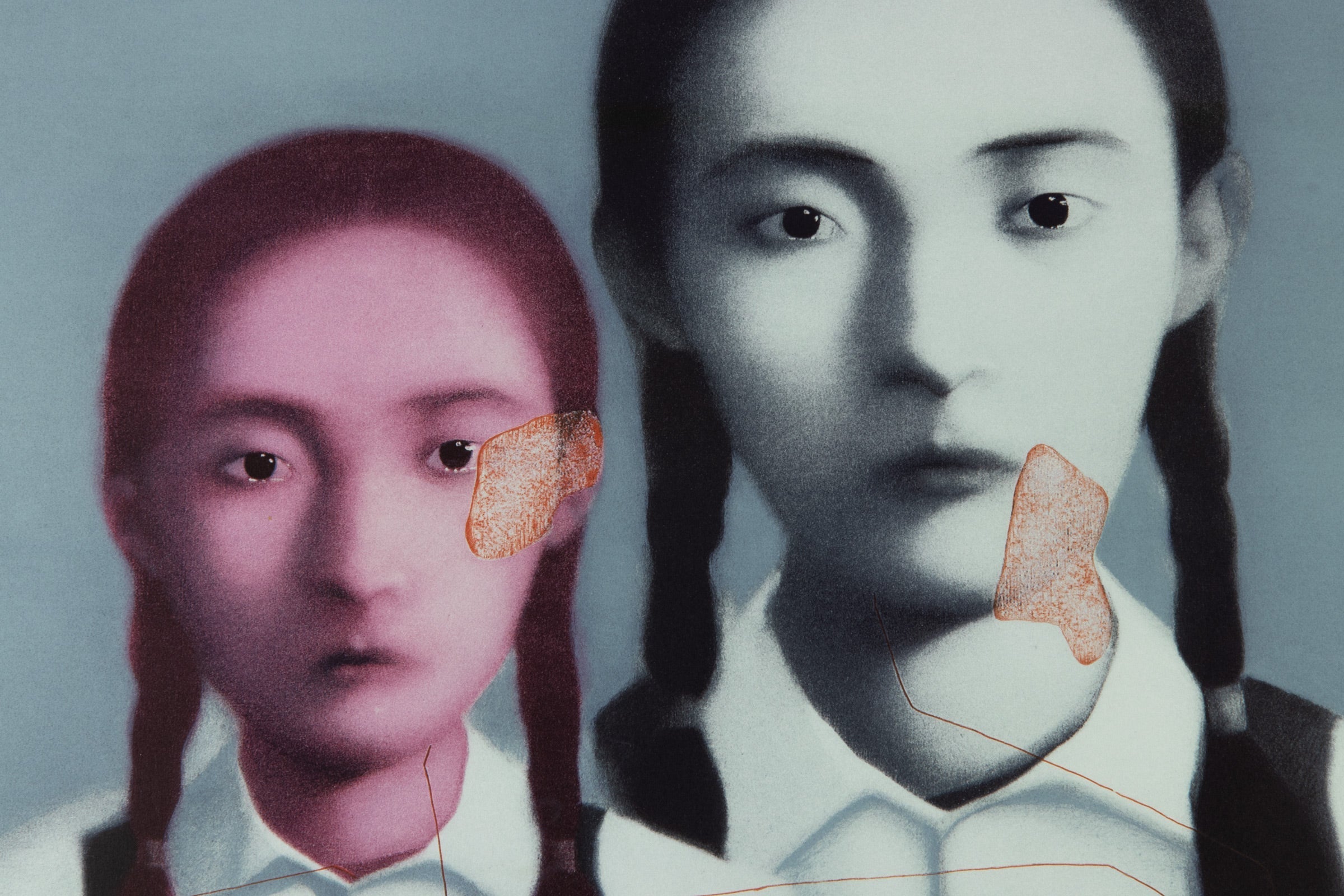
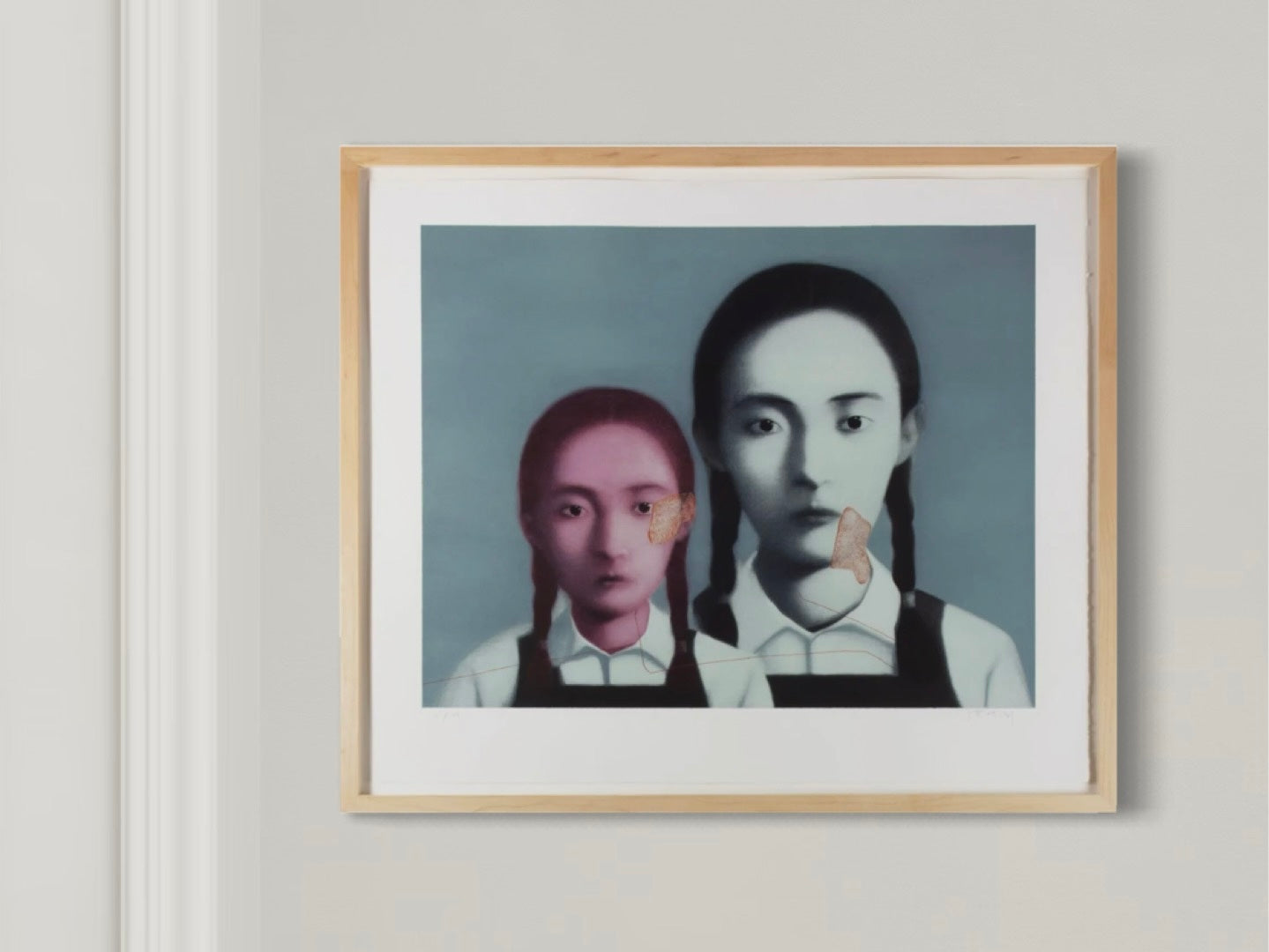
Zhang Xiaogang - Two SistersZhang Xiaogang - Two Sisters
Zhang Xiaogang – Two Sisters Sale price€3.200,00
Zhang Xiaogang – Filette en Violette

Zhang Xiaogang Biography

Zhang Xiaogang (張曉剛, born 1958 in Kunming) came of age during the Cultural Revolution (1966–76), a period that saw the destruction of vast numbers of family photographs alongside other traces of pre-revolutionary life — a loss he would later make the entire subject of his painting. In 1993, visiting his parents, he discovered an old photograph of his mother as a young woman, strikingly unlike the woman she had since become, her health broken by illness. The photograph's emotional force stayed with him, and by 1994 it had become the starting point for Bloodline: The Big Family, the series that would define his career.

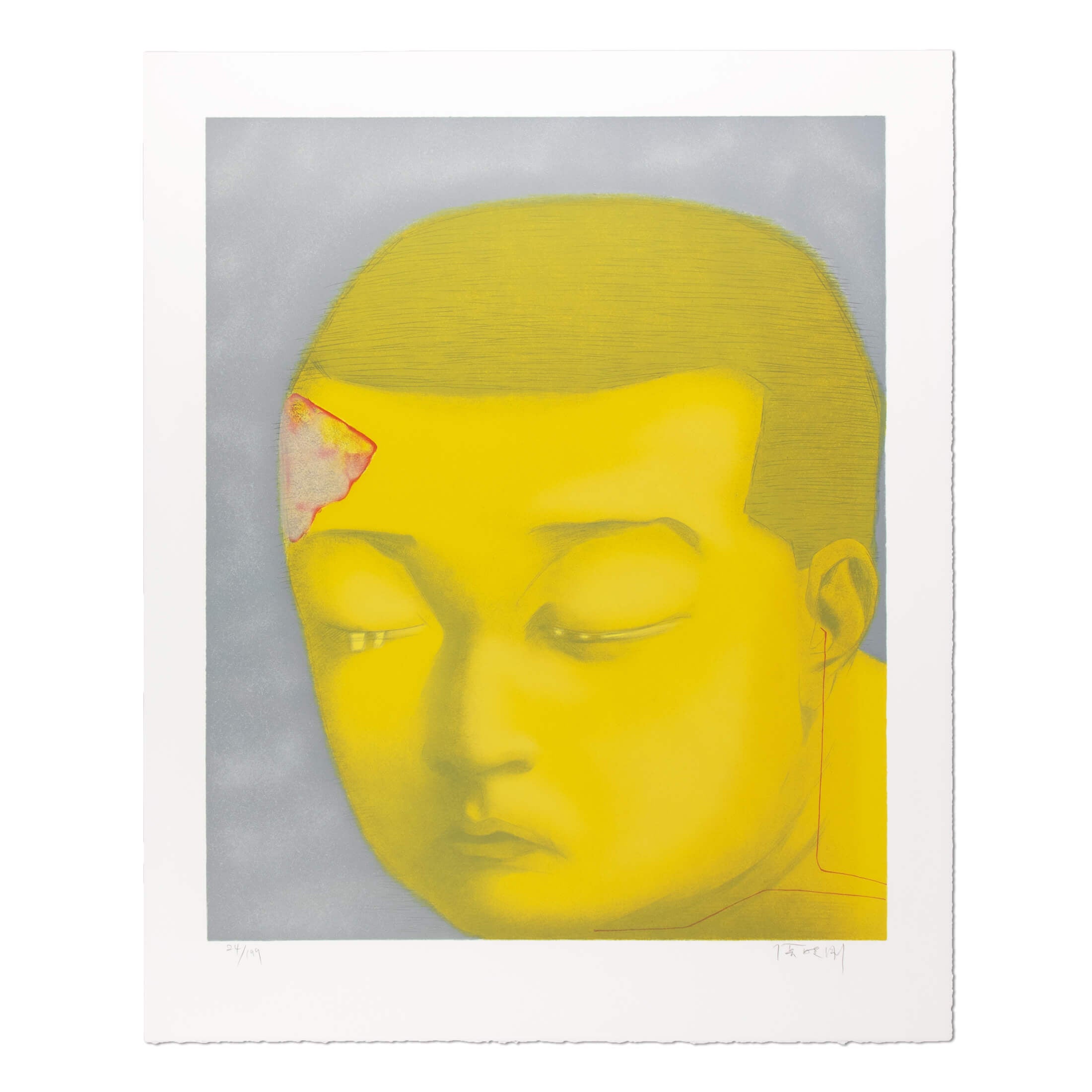
The paintings translate the formal conventions of 1950s and 60s Chinese studio photography directly onto canvas: rigid frontal poses, near-identical Mao-era clothing, faces rendered in a flattened, near-monochrome palette with no visible brushwork. Thin red lines connect the figures — a device Zhang has said was influenced by Frida Kahlo, though where hers signified a connection between two specific lives, his were meant to string figures together into something closer to a network, a constructed sense of family that might be biological, communal, or entirely invented. Small patches of yellow or pink light occasionally interrupt the figures' faces, resembling damage on an old photograph — ambiguous marks that read simultaneously as scarring and as something closer to birthmarks.

Zhang's international reputation was established early: he participated in the landmark China/Avant-Garde exhibition at the National Art Museum of China in Beijing in 1989, followed by the São Paulo Bienal in 1994 and the 46th Venice Biennale in 1995 — presentations that positioned him, alongside contemporaries responding to rapid consumerism and social change in 1990s China, as a defining figure of the country's contemporary art movement. He continues to live and work in Beijing.

Zhang Xiaogang - Fantasy

Famous Zhang Xiaogang Artworks

Bloodline: The Big Family No. 2 set Zhang's current auction record at $12.6 million (Christie's Hong Kong, 2020) — confirmation of the series' continued market dominance three decades after its creation.

Forever Lasting Love (1988), a rare early triptych predating the Bloodline series, depicts nearly nude figures in a desert landscape surrounded by symbolic imagery including a goat's head and a swaddled infant — a monumental, museum-quality work from the formative years of the Chinese avant-garde.

Bloodline: Big Family No. 3 (1995), among the series' most mature works, is the only painting to depict a child wearing the Little Red Guard's badge and armband — a direct, unambiguous marker of Cultural Revolution-era political identity within an otherwise deliberately ambiguous family scene.

Zhang Xiaogang - Two Sisters

Zhang Xiaogang Prints & Editions

Zhang's limited edition prints translate the Bloodline series' formal restraint into lithography, gouache, and mixed-media works on paper — the same flattened palette, frontal poses, and connecting red lines, at a more intimate scale. The Storyteller's Enchantment (2009), a portfolio including works such as Bébé en Costume de Marin, extends the series' family-portrait logic into a cohesive body of editioned work. Fantasy (2002), a lithograph, exemplifies his continued print practice following his international breakthrough.

As his major Bloodline paintings now regularly exceed seven figures at auction, his signed prints and editions offer a more direct way to own an original Zhang — carrying the same psychological weight at a considerably more accessible scale.

For collectors, Zhang's editions offer direct access to a practice inseparable from China's modern political history. Artworks are held in the permanent collections of MoMA, Tate, and the National Art Museum of China.

Zhang Xiaogang: Key Questions

Collecting Zhang Xiaogang?

Looking for a specific artwork or have a question about an edition? We're happy to advise on availability, pricing, condition, and provenance — and to source artworks beyond our current selection.

Contact us

Prints, Photographs & Multiples

View our full collection of

Prints, Photographs & Multiples

Explore editions