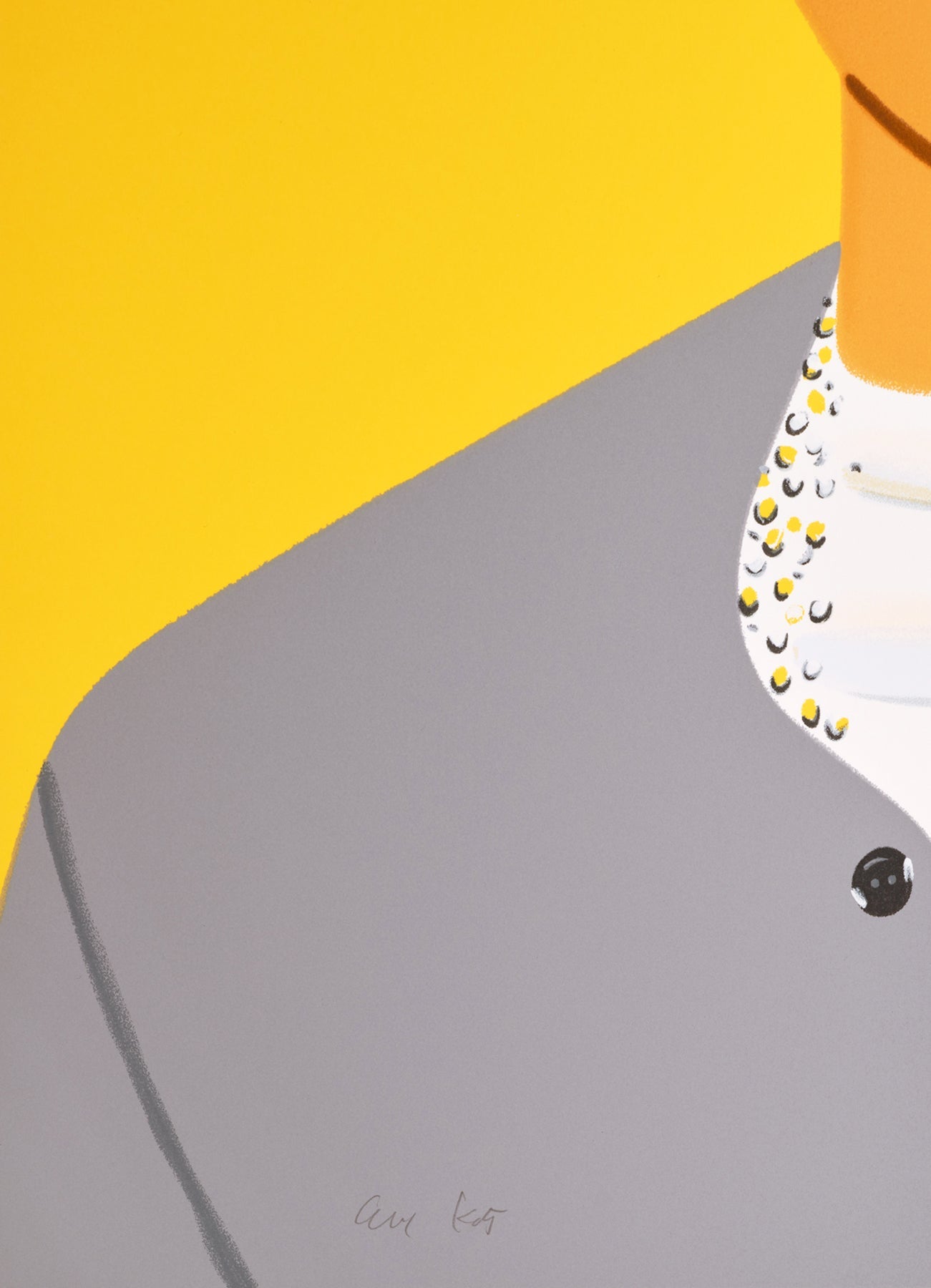
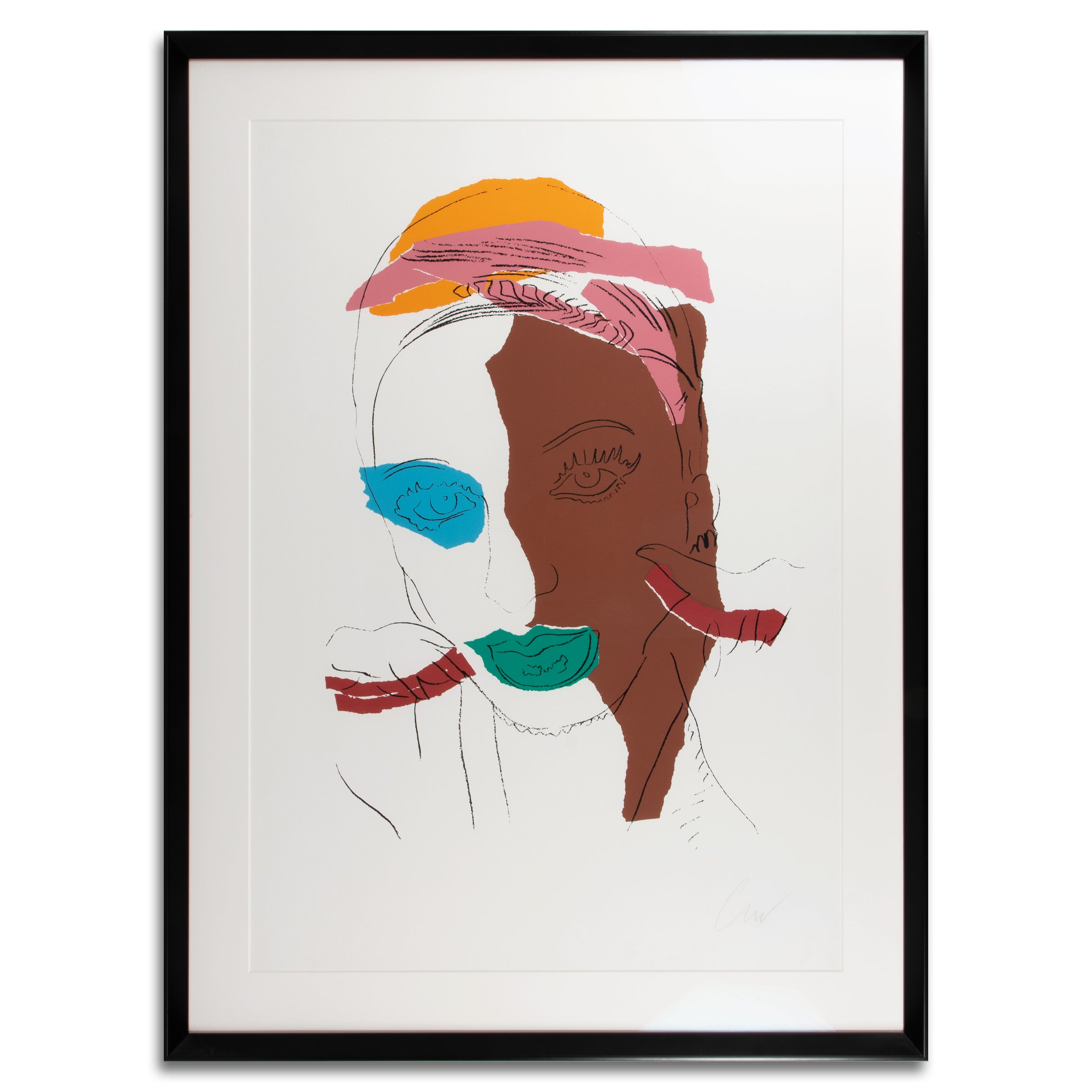
Screenprints

Screenprints for sale. Explore signed limited edition screenprints by leading contemporary artists. From bold graphic compositions to layered colour works, this collection highlights one of the most influential techniques in contemporary printmaking. Available online with secure checkout and worldwide insured shipping.
Filters

Sort by:

76 products

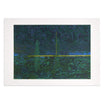
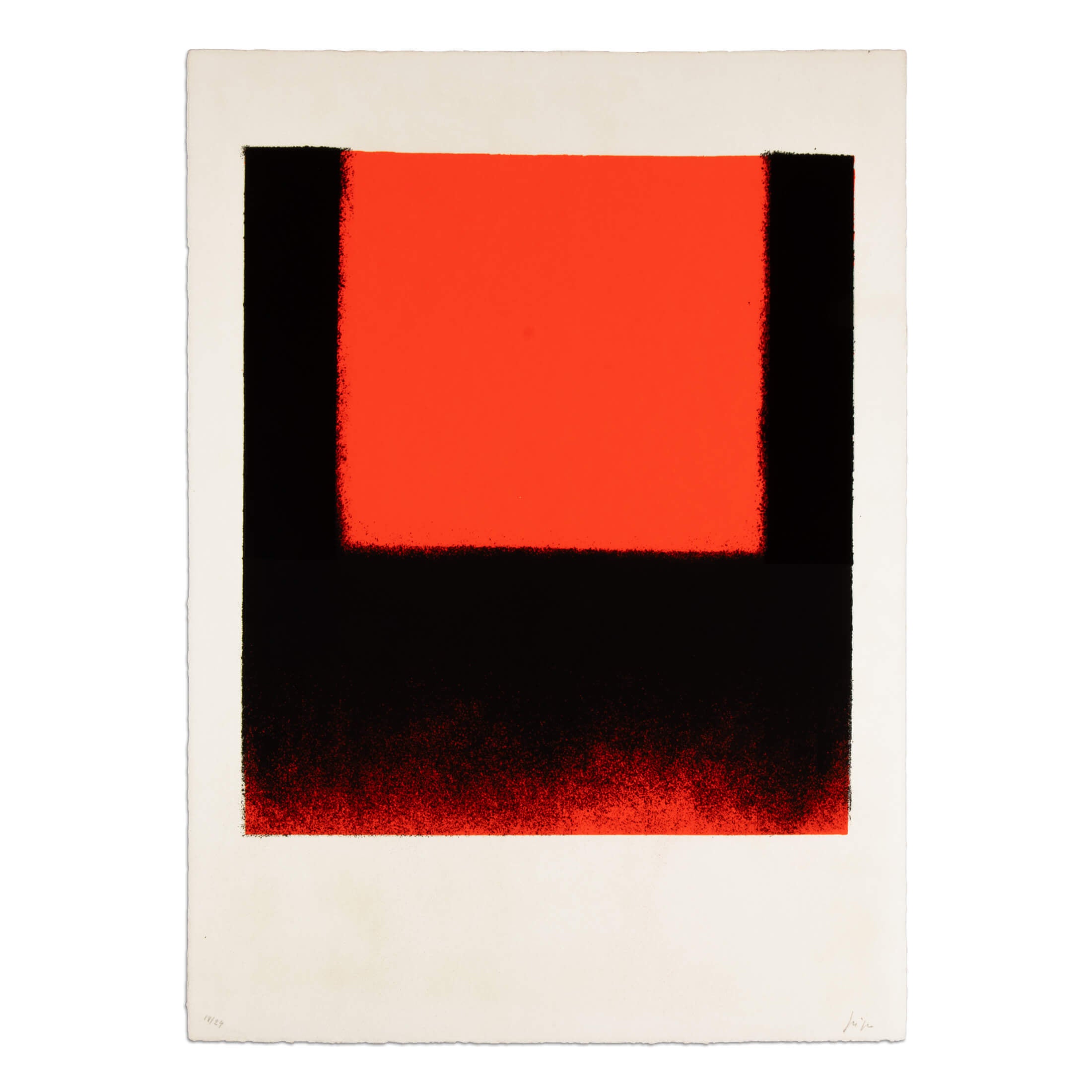
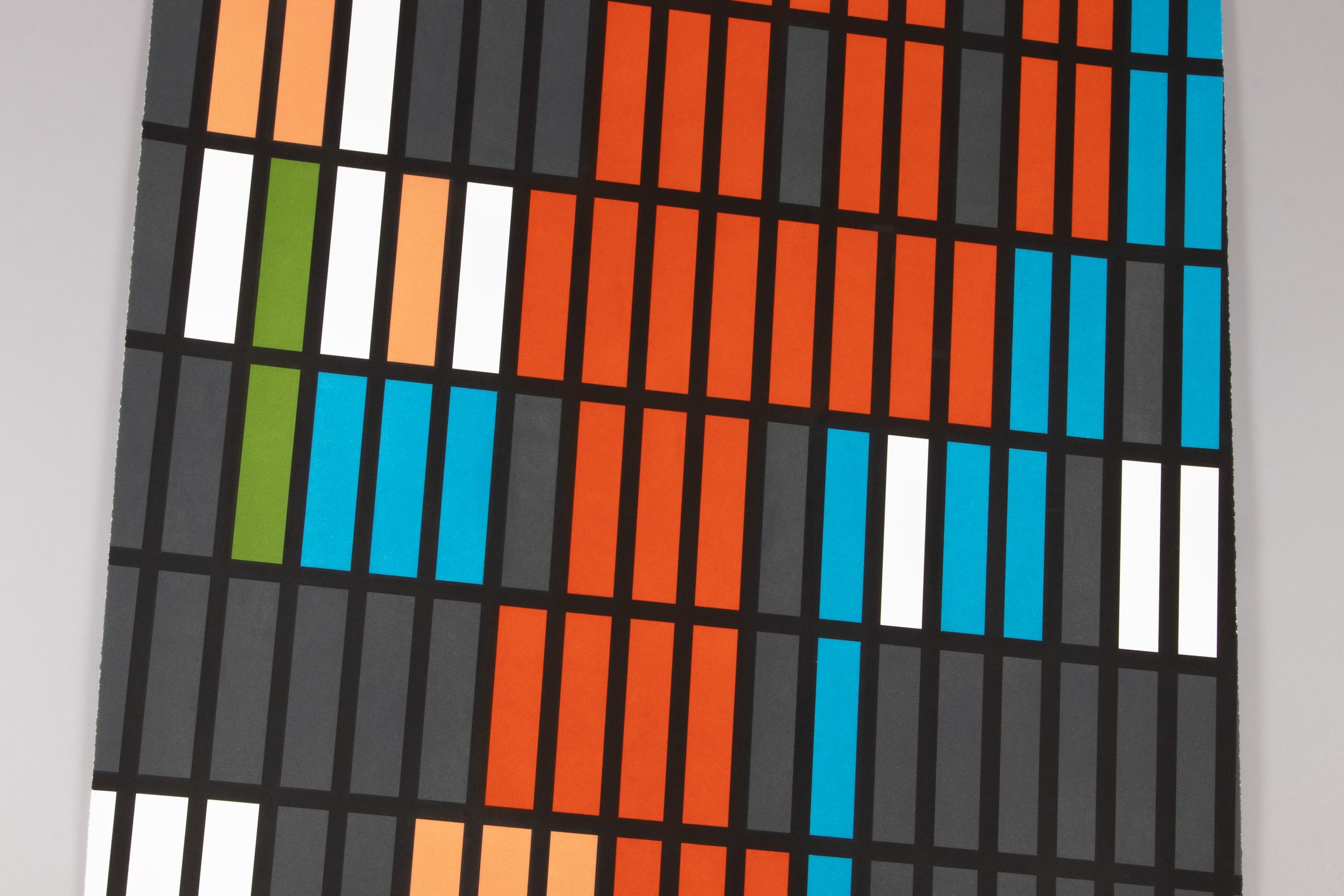
Rupprecht Geiger – Zurückgehen, Weitergehen, FortgehenRupprecht Geiger - Zurückgehen, Weitergehen, Fortgehen
Sold out
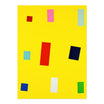
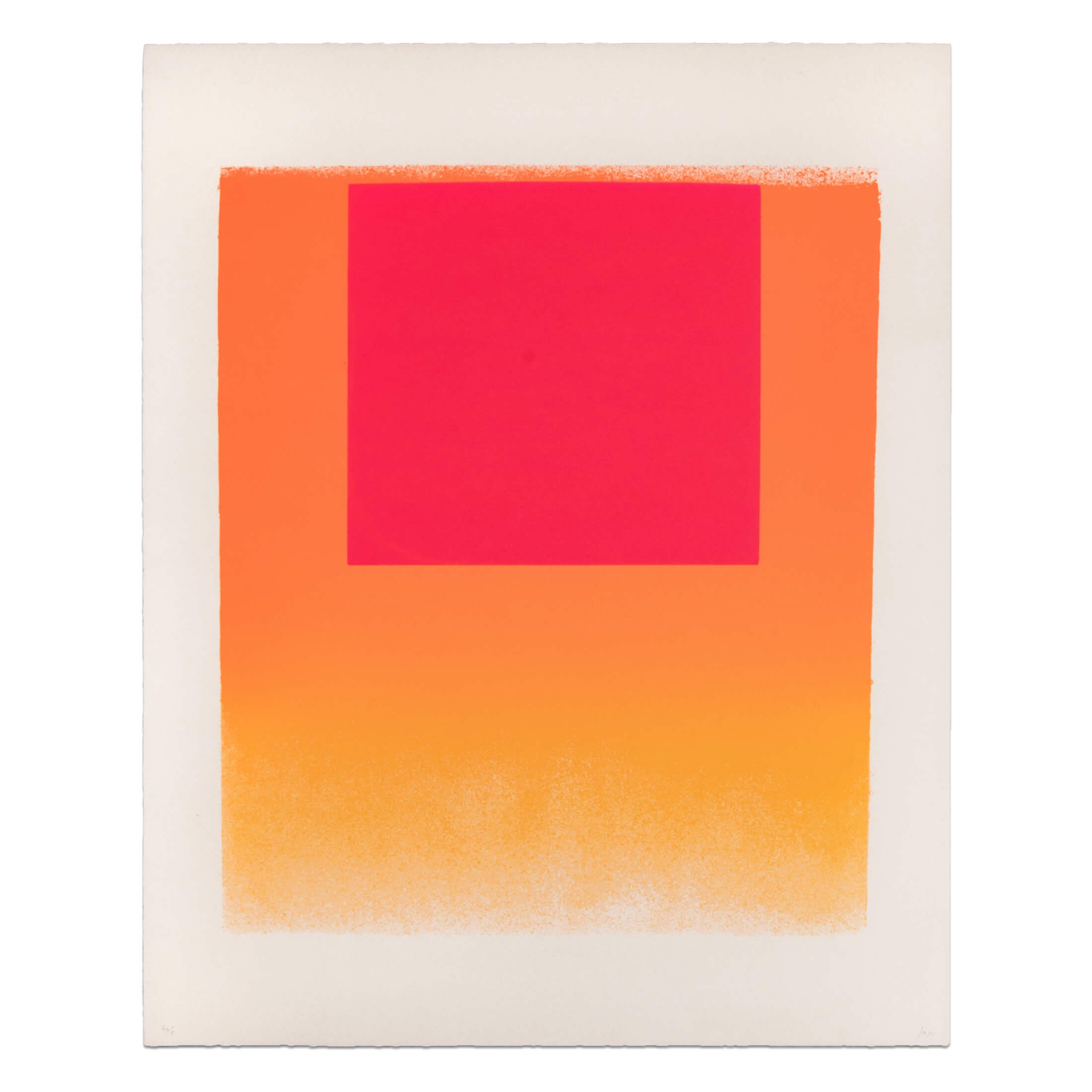
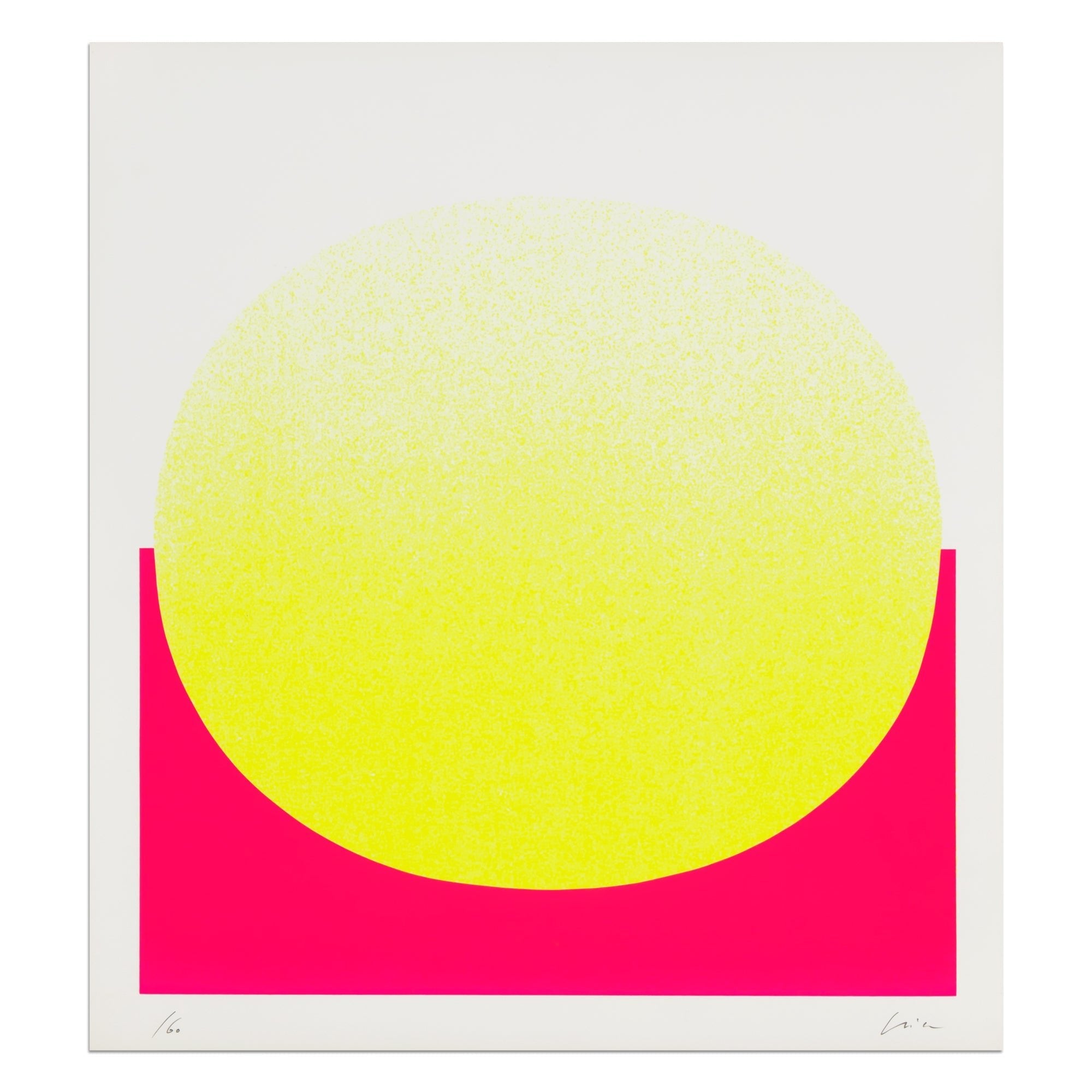
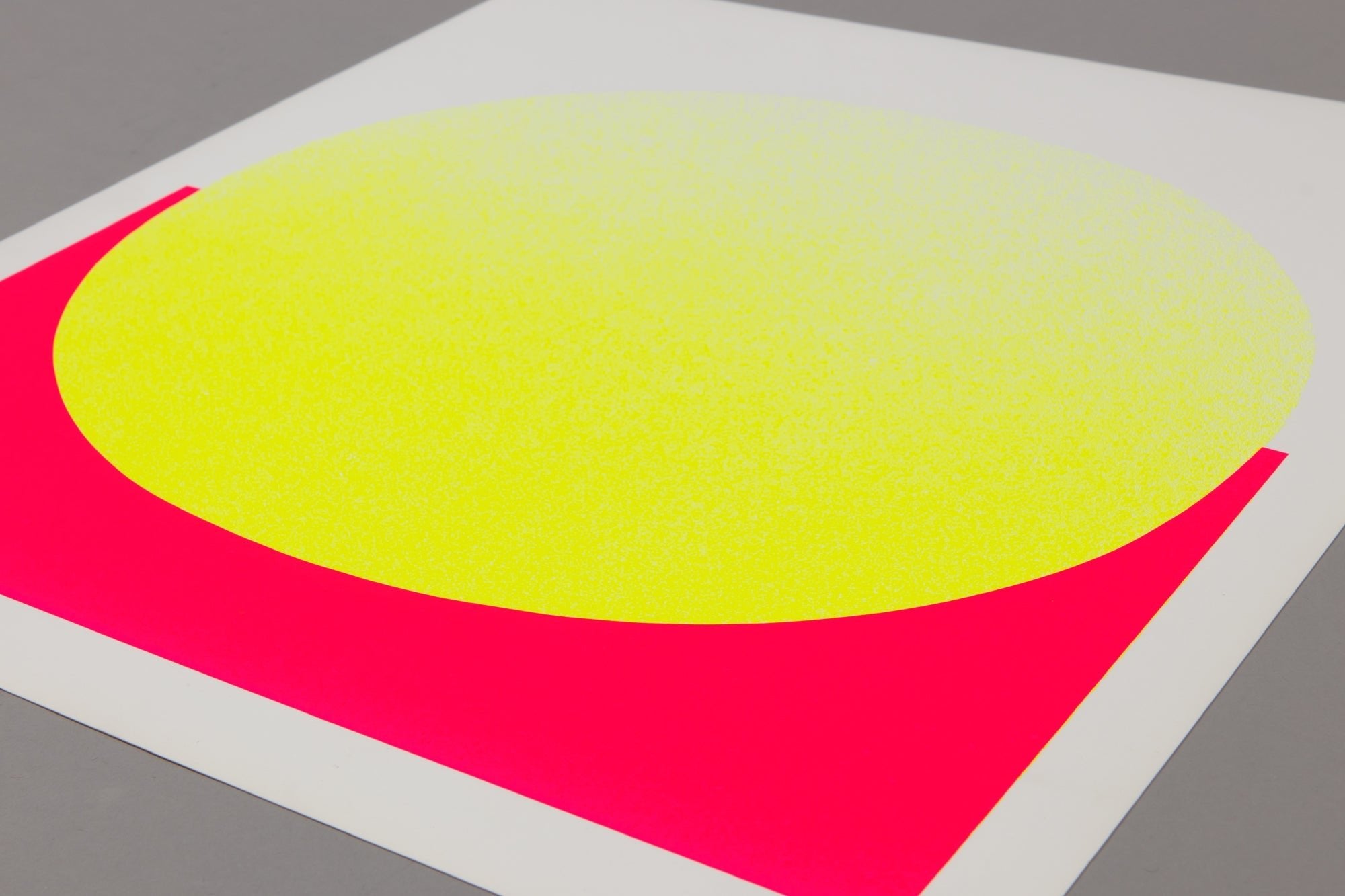
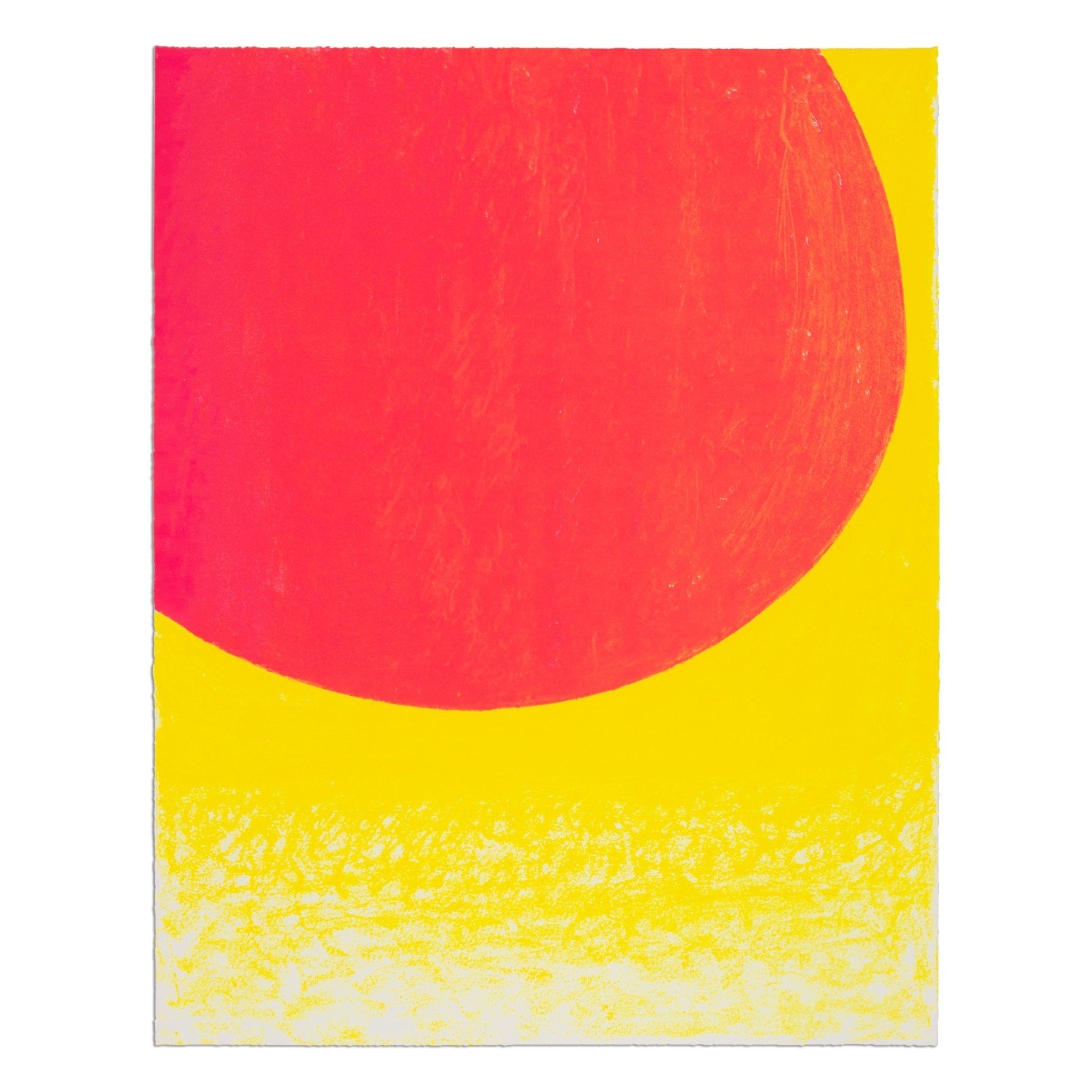
Rupprecht Geiger - Yellow on RedRupprecht Geiger - Yellow on Red
Rupprecht Geiger – Yellow on Red Sale price€2.200,00
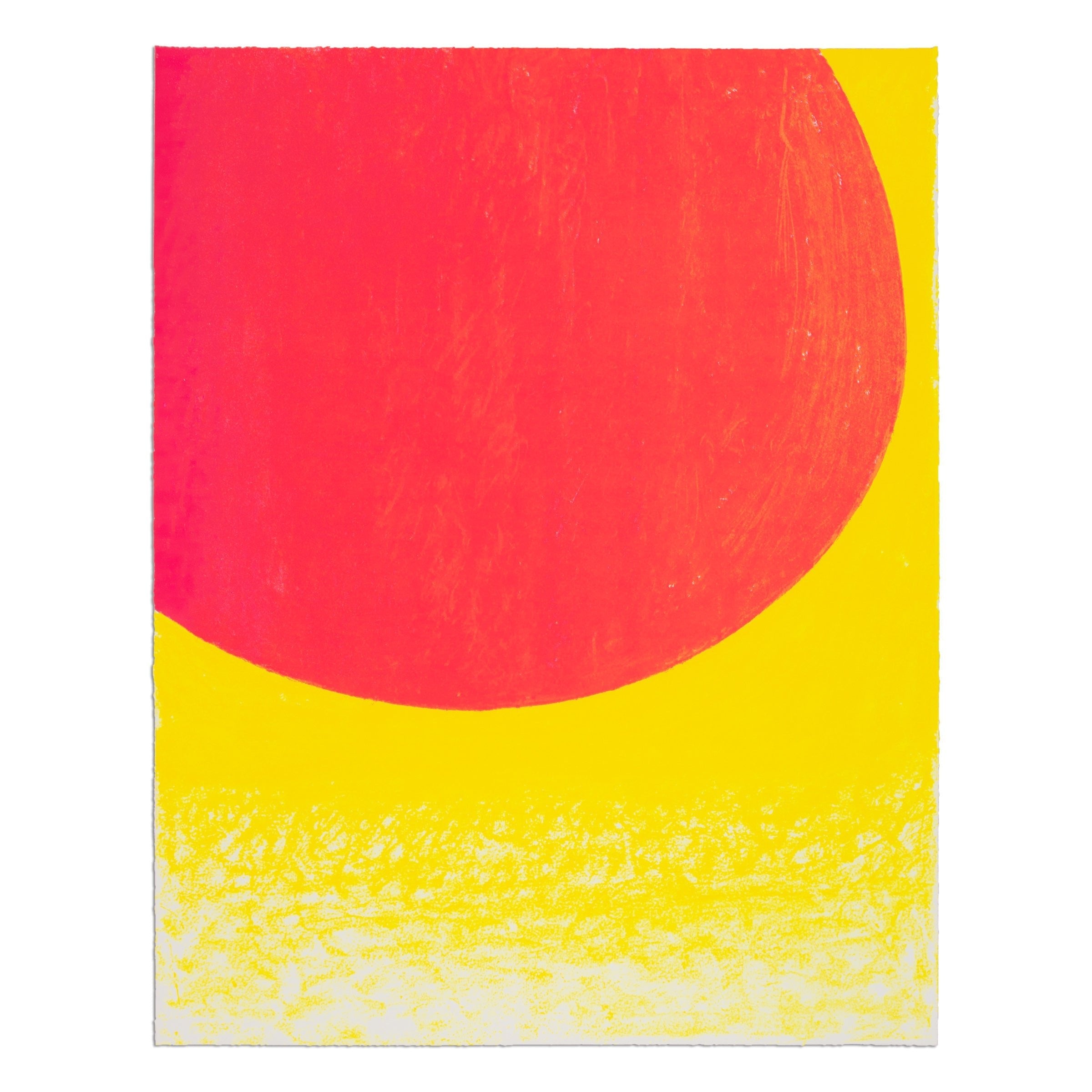
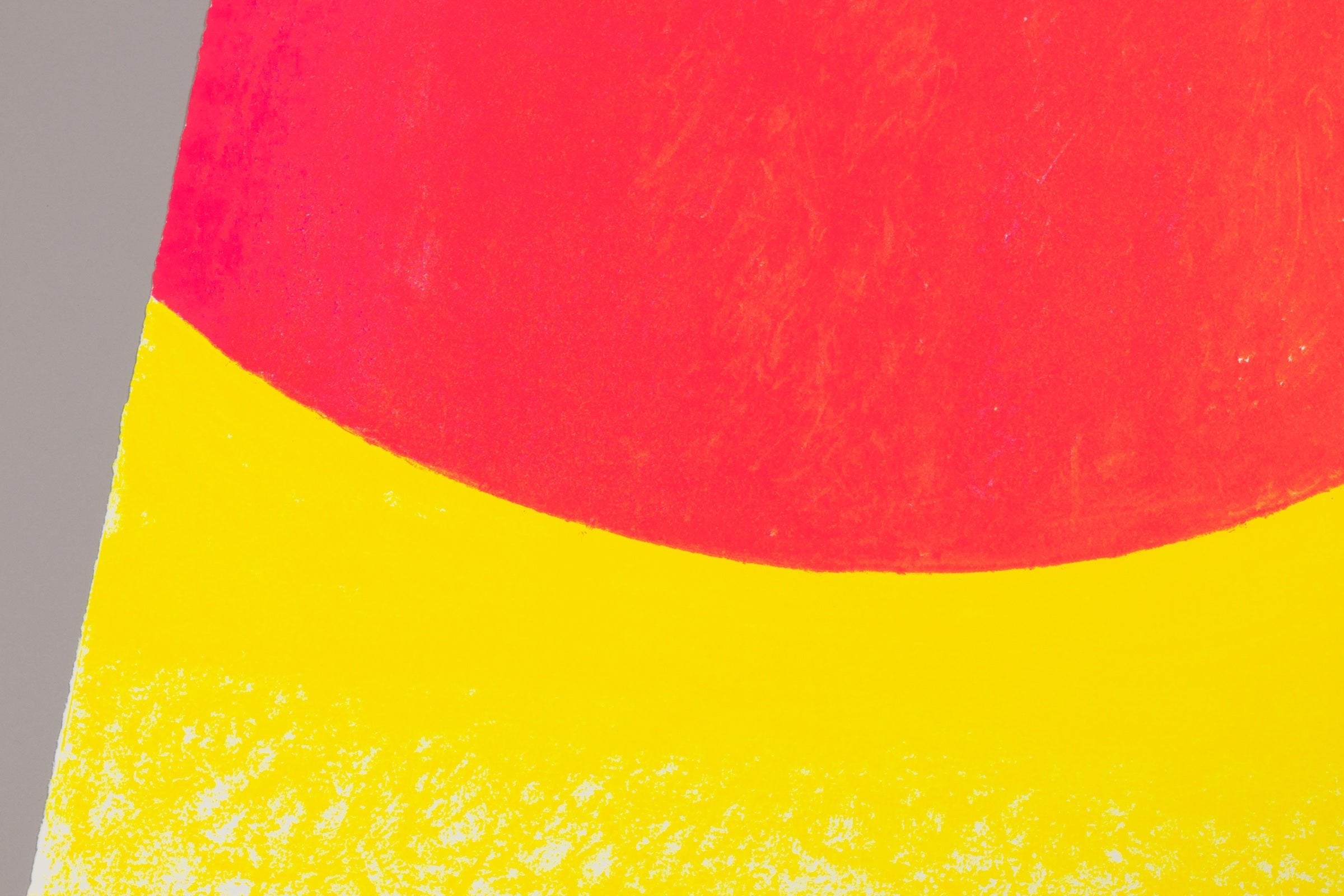
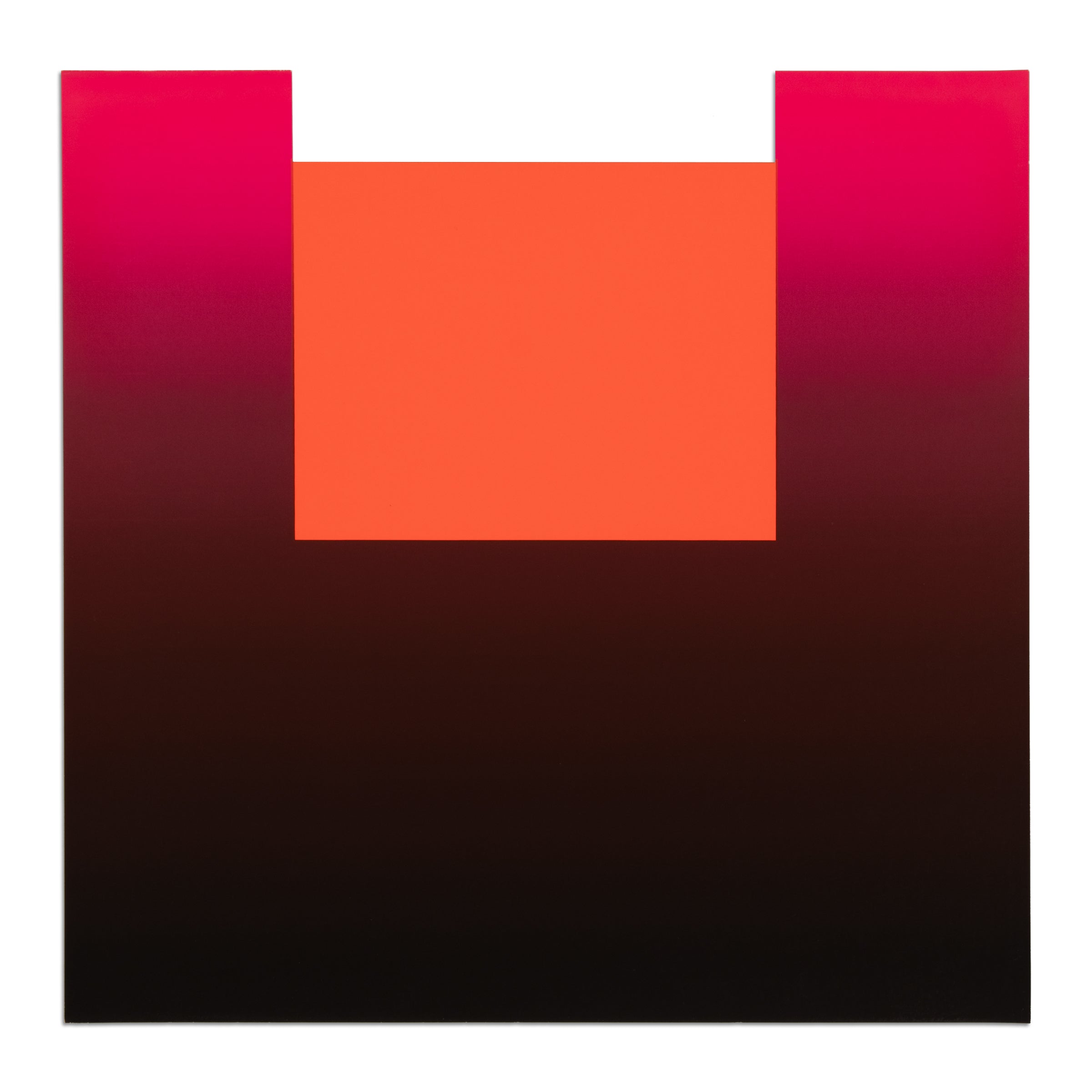
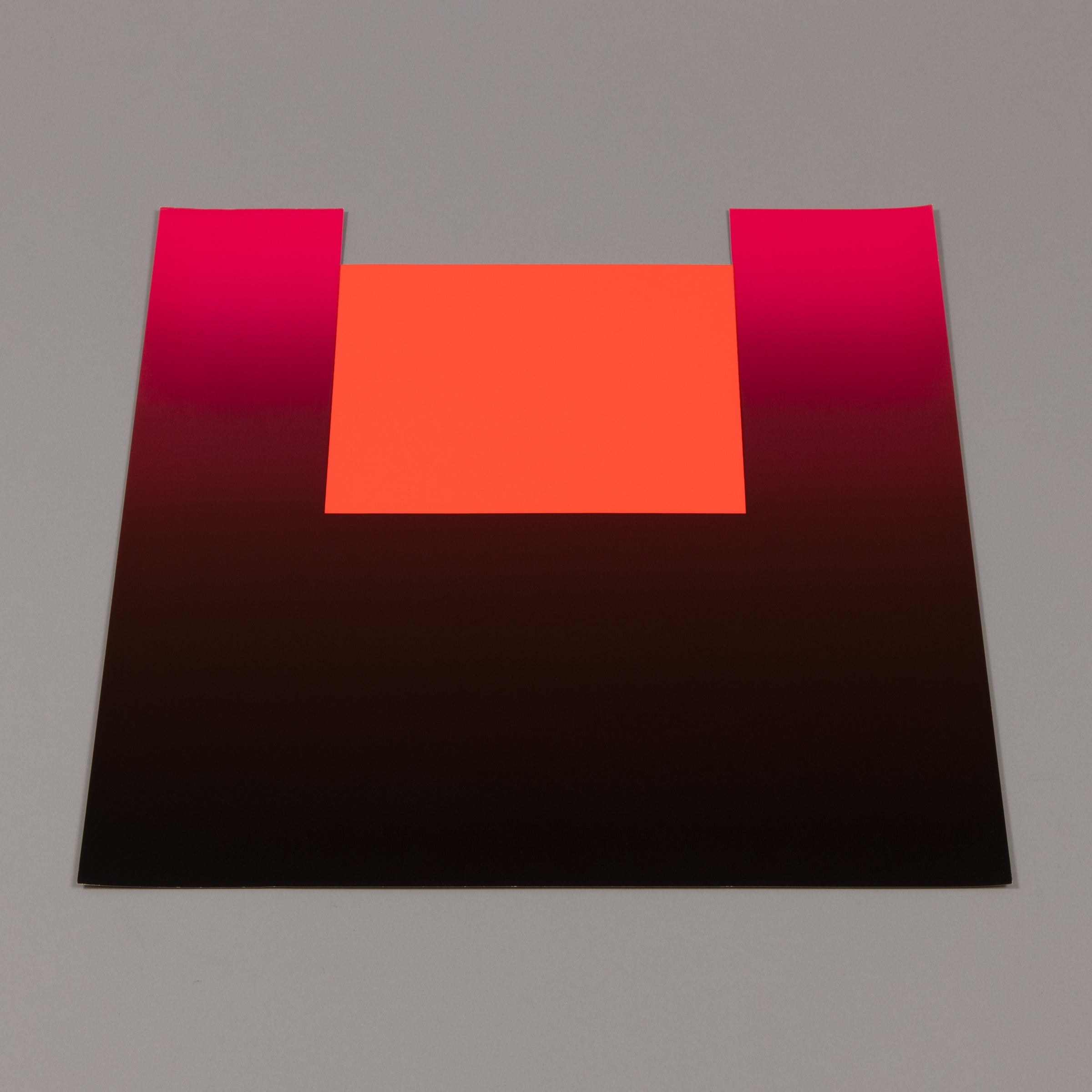
Rupprecht Geiger – Rot zu GelbRupprecht Geiger – Rot zu Gelb
Rupprecht Geiger – Rot zu Gelb Sale price€3.800,00
Sold out
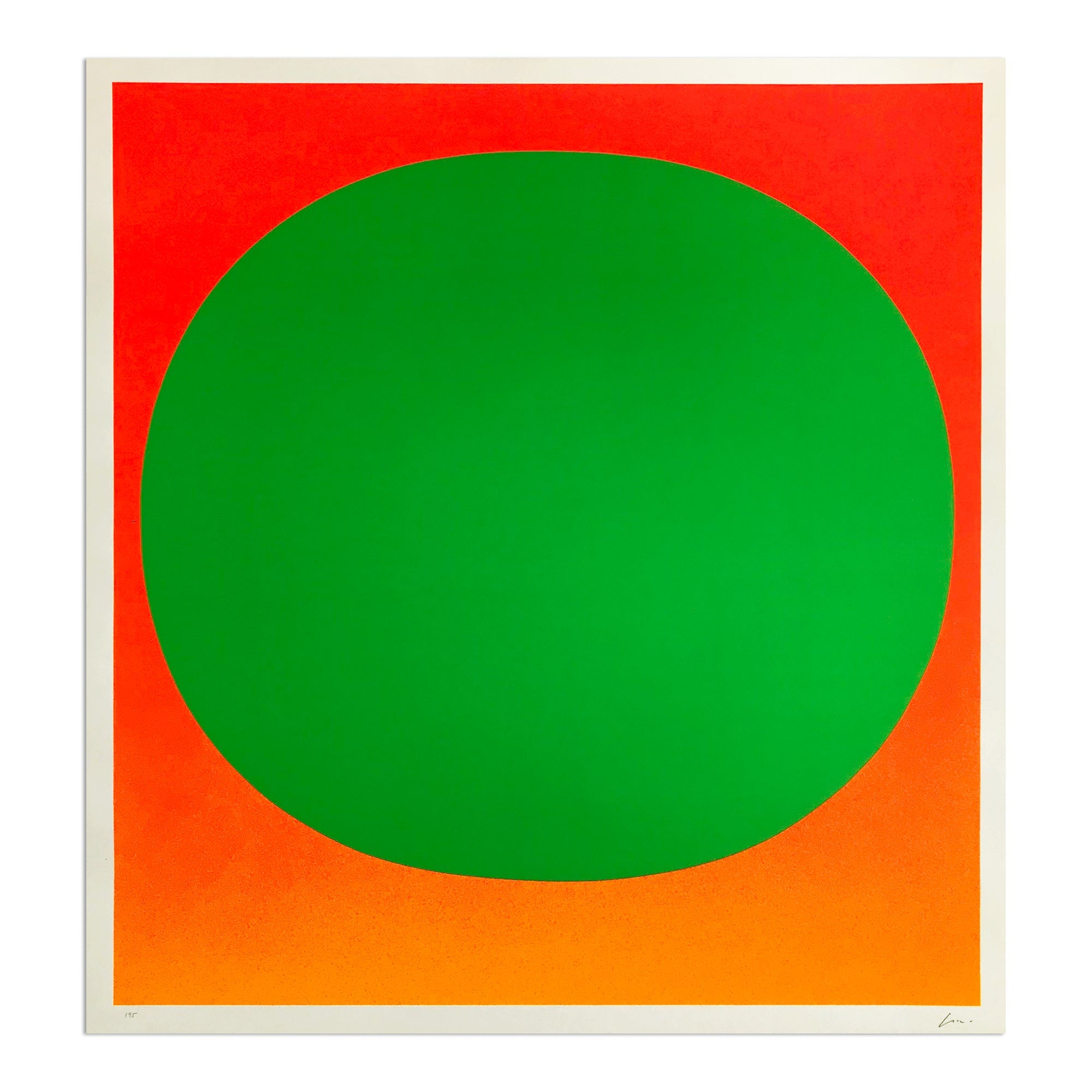
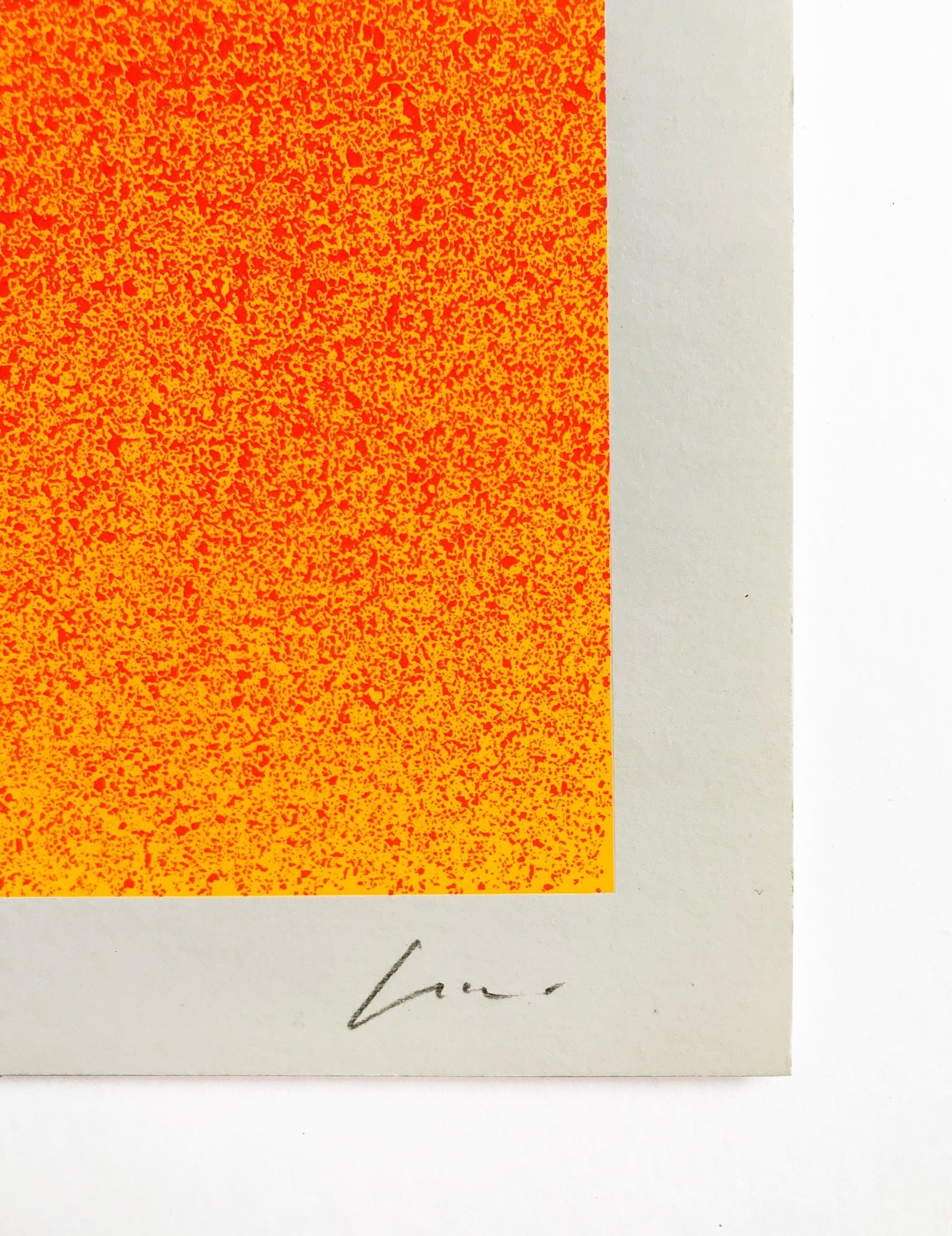
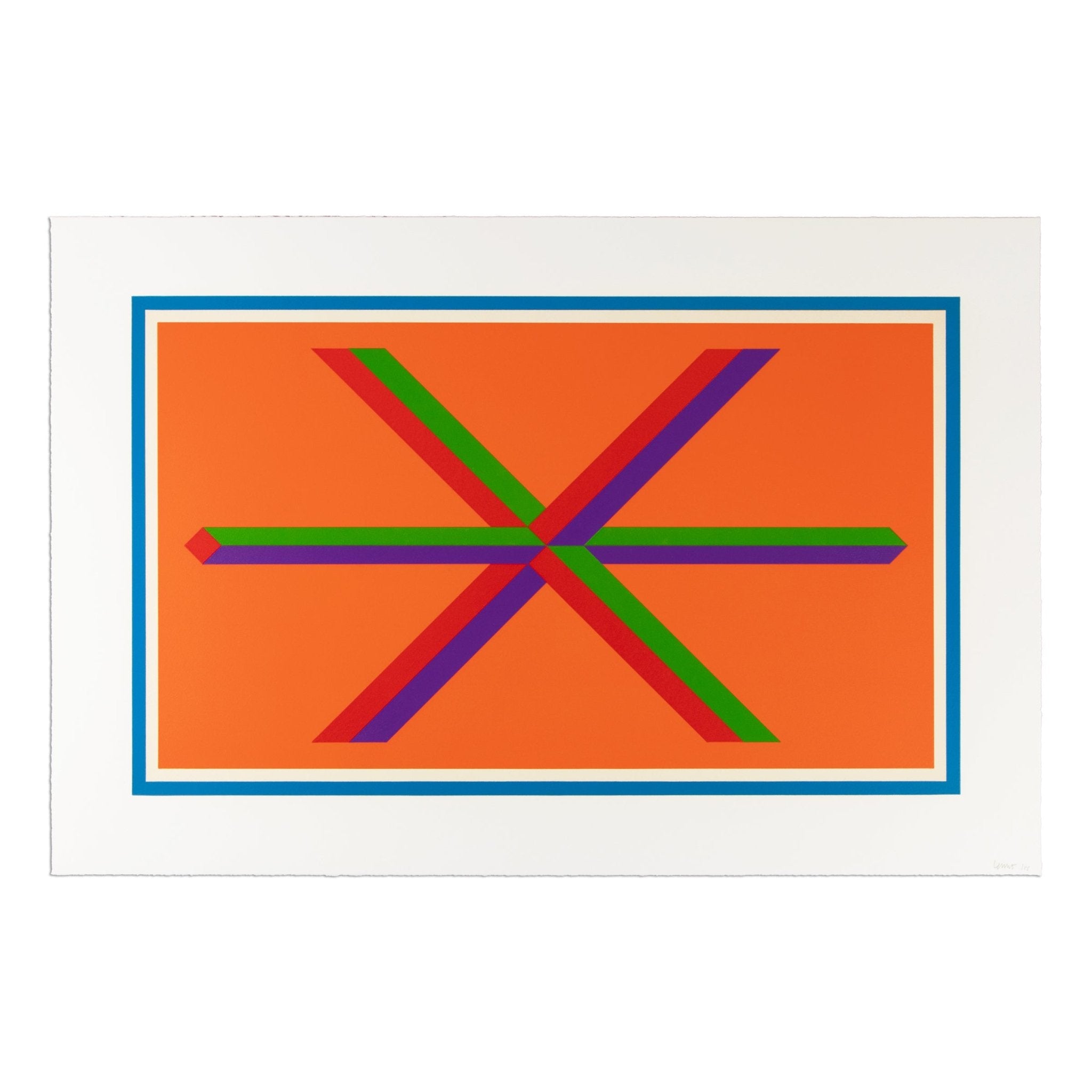
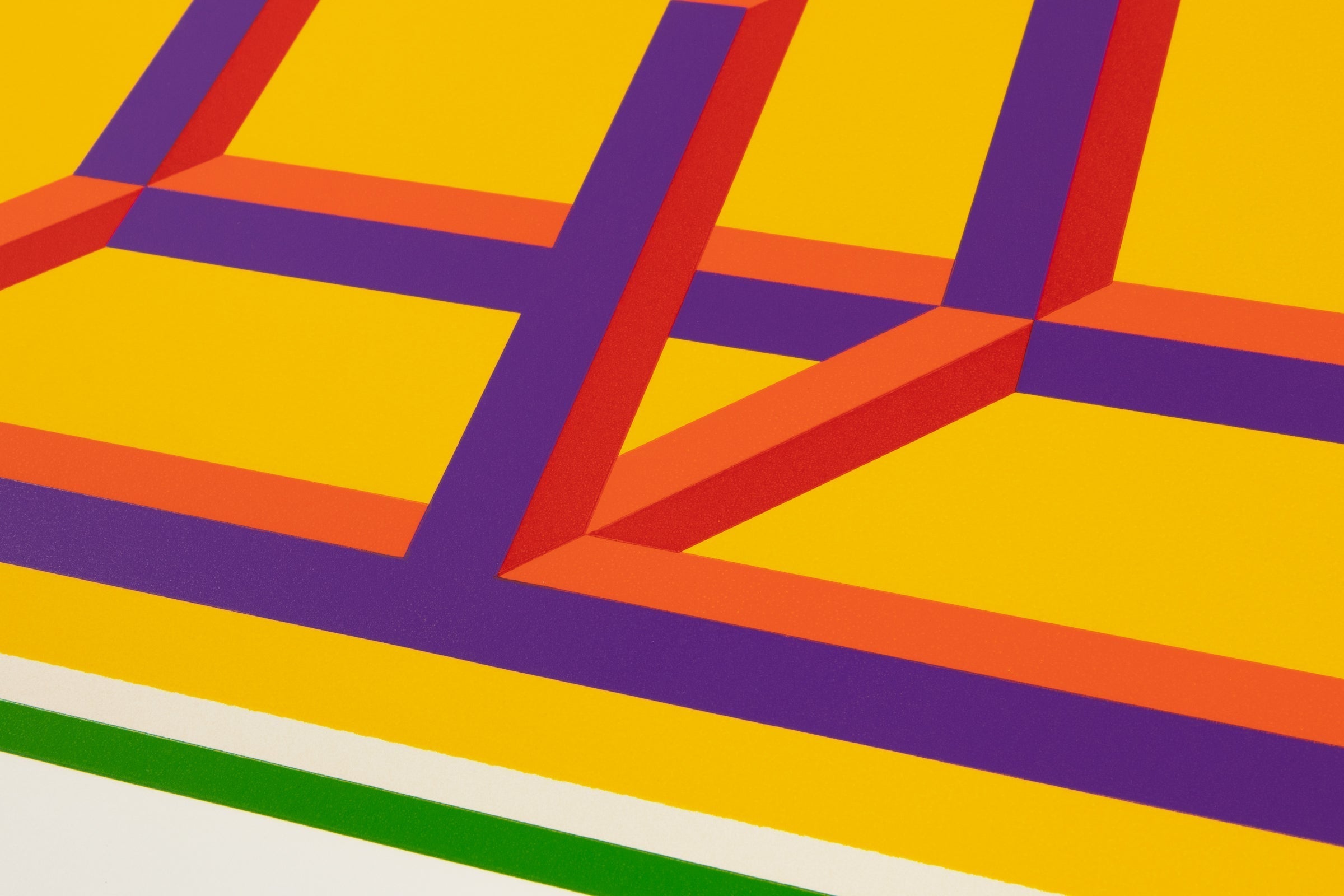
Rupprecht Geiger – Green on OrangeRupprecht Geiger - Green on Orange
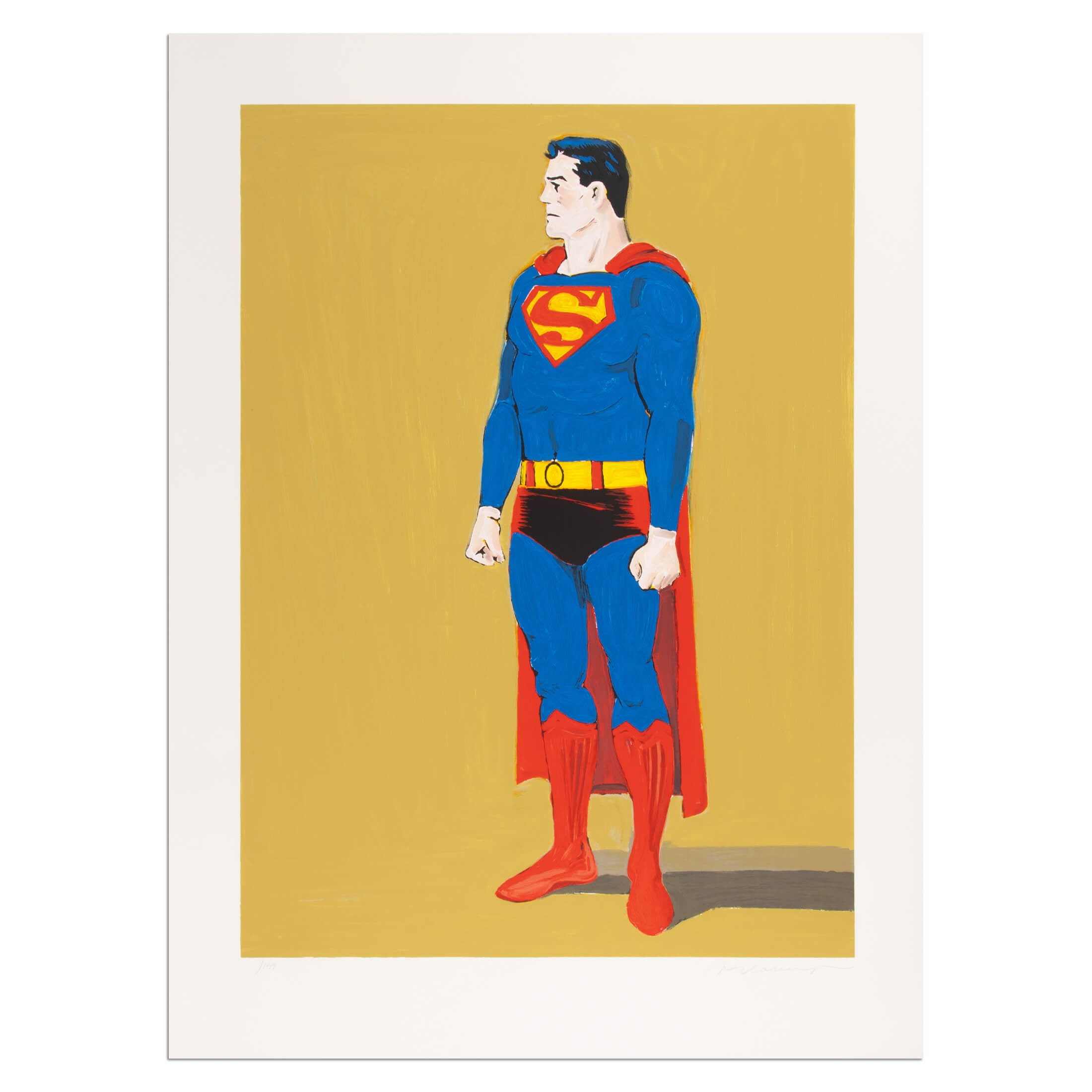
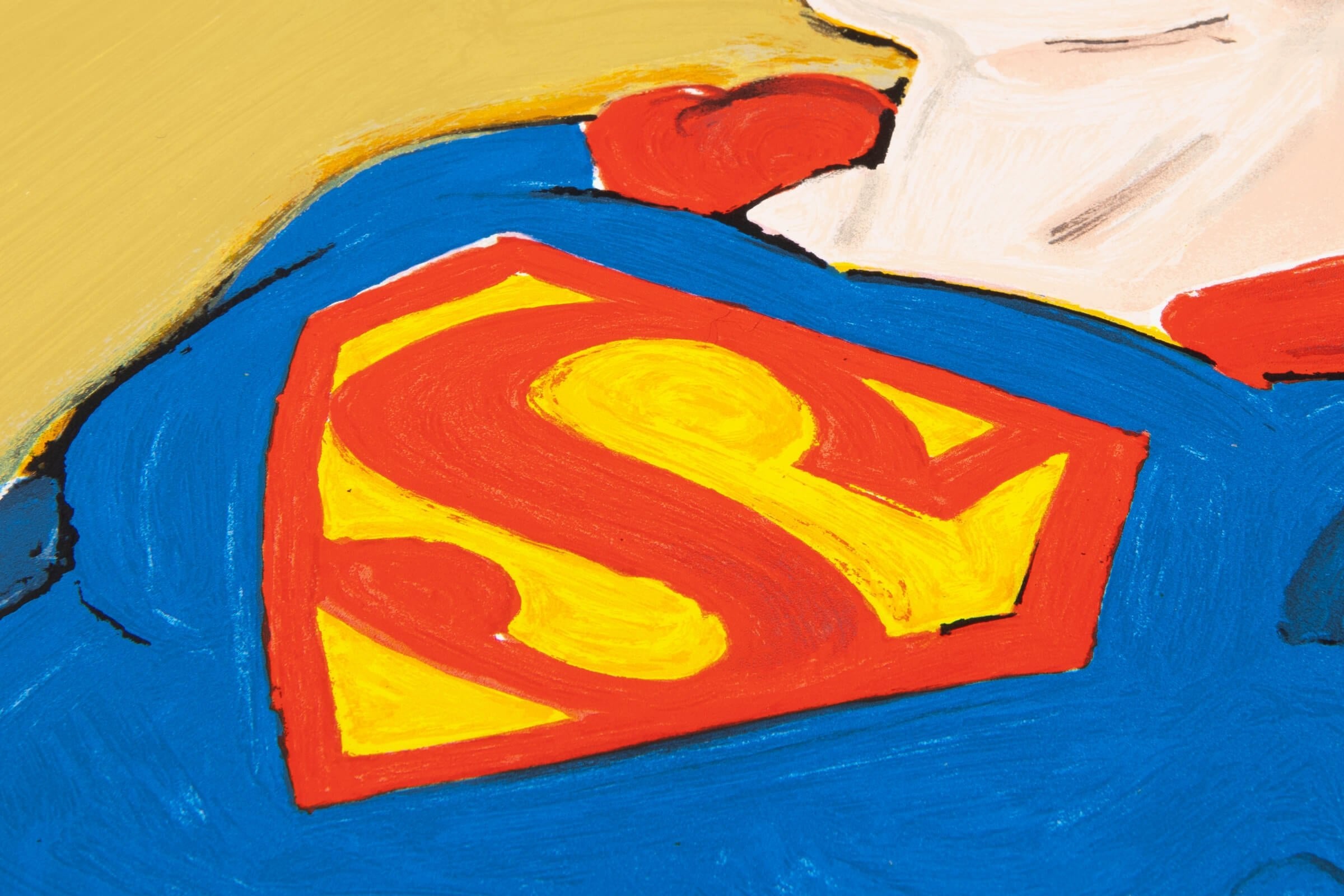
Mel Ramos – Superman
Mel Ramos – Superman Sale price€3.000,00
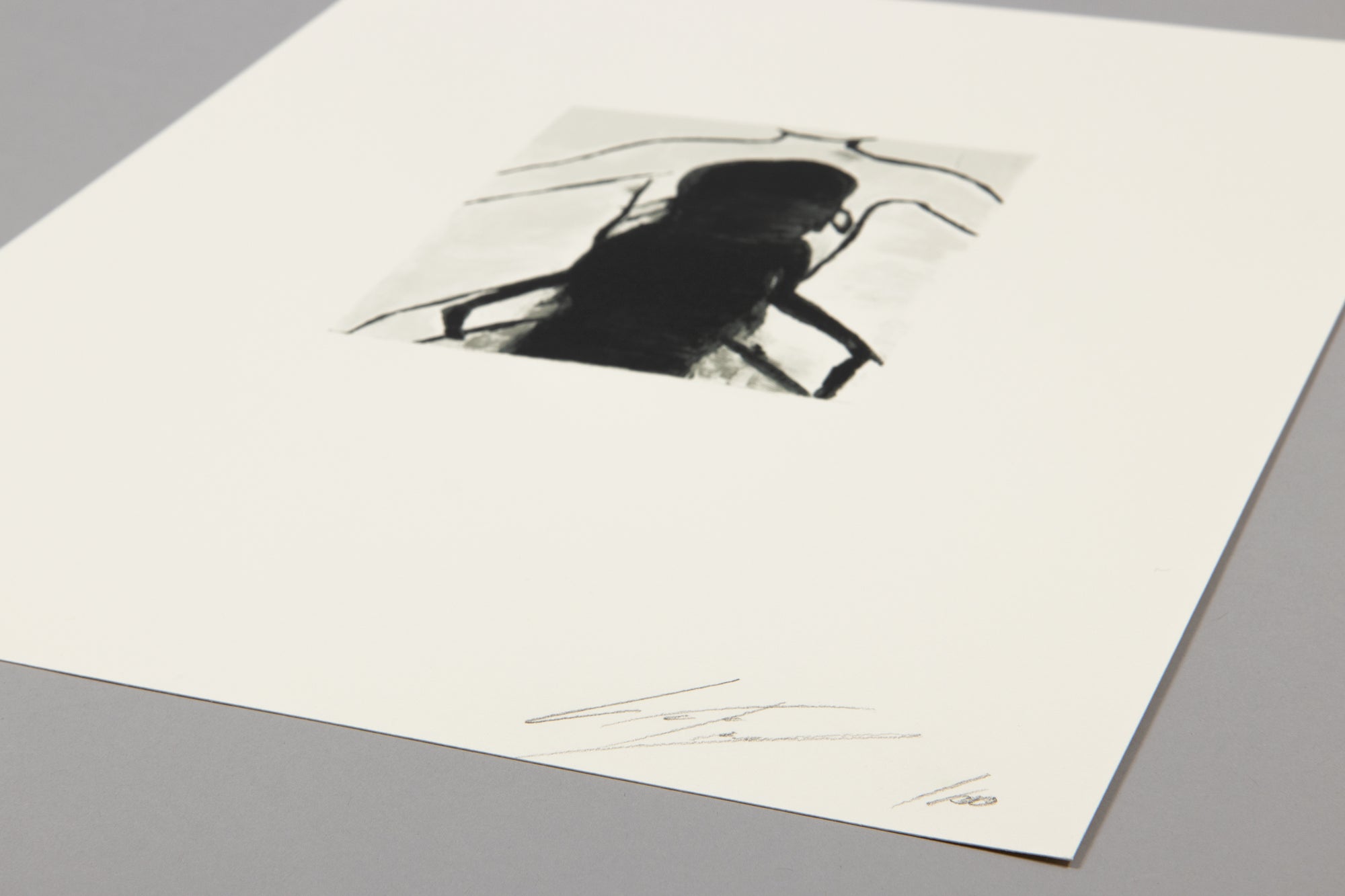
KAWS, GoneKAWS, Gone
KAWS – Gone Sale price€5.600,00
Joel Mesler - Thank YouJoel Mesler - Thank You
Joel Mesler – Thank You Sale price€7.000,00
David Shrigley - To Hell With ZoosDavid Shrigley - To Hell With Zoos
David Shrigley - The WorldDavid Shrigley - The World
David Shrigley – The World Sale price€4.900,00
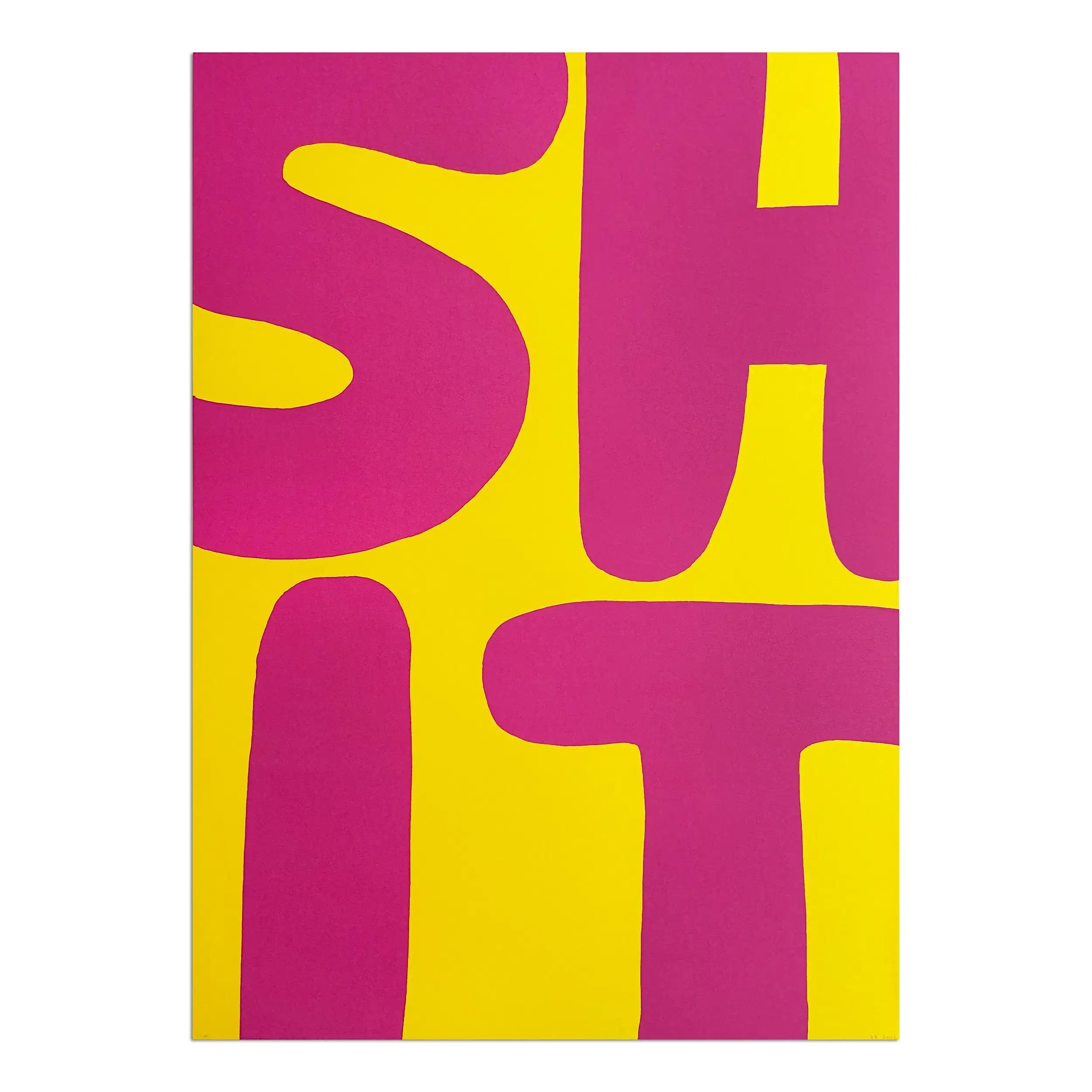
David Shrigley - Shut Up and Eat Your FriesDavid Shrigley - Shut Up and Eat Your Fries
Barbara Kruger – Untitled (2Kiss)Barbara Kruger – Untitled (2Kiss)
Robert Longo – Eric (from Men in the Cities)Robert Longo – Eric (from Men in the Cities)
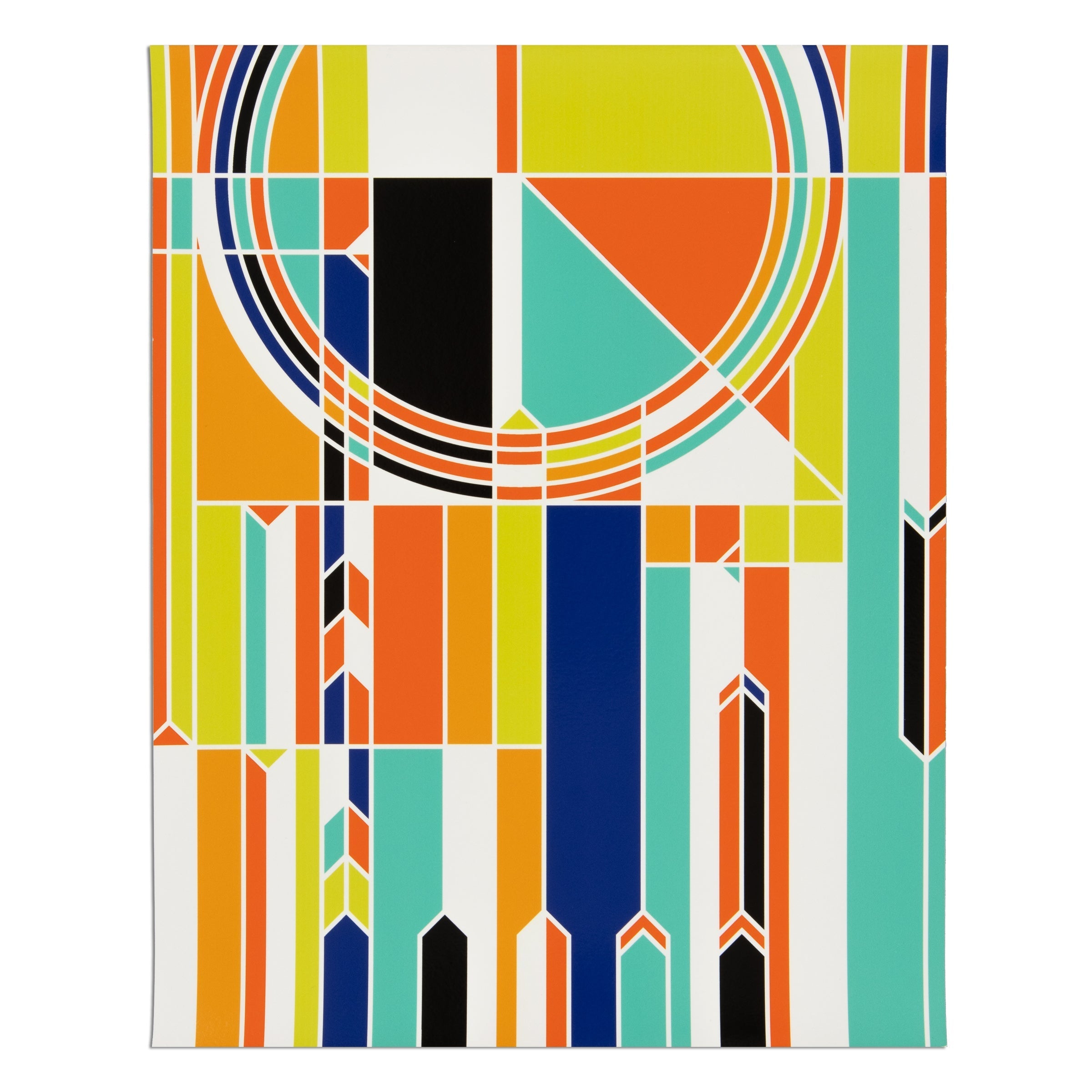
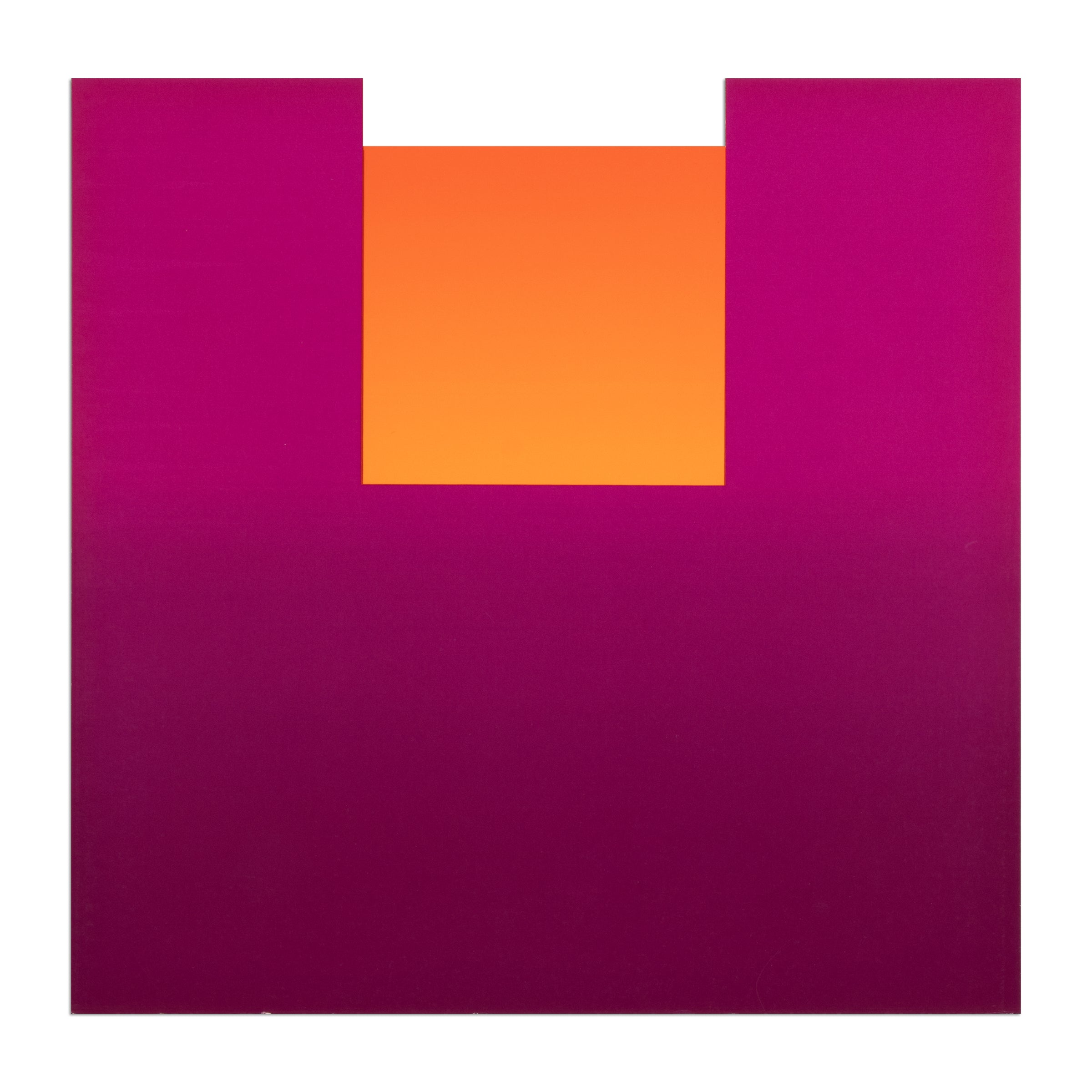
Rupprecht Geiger – Rot - Orange auf ViolettRupprecht Geiger – Rot - Orange auf Violett
Robert Longo – Falling FlagRobert Longo – Falling Flag
Robert Longo – Falling Flag Sale price€2.900,00
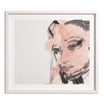
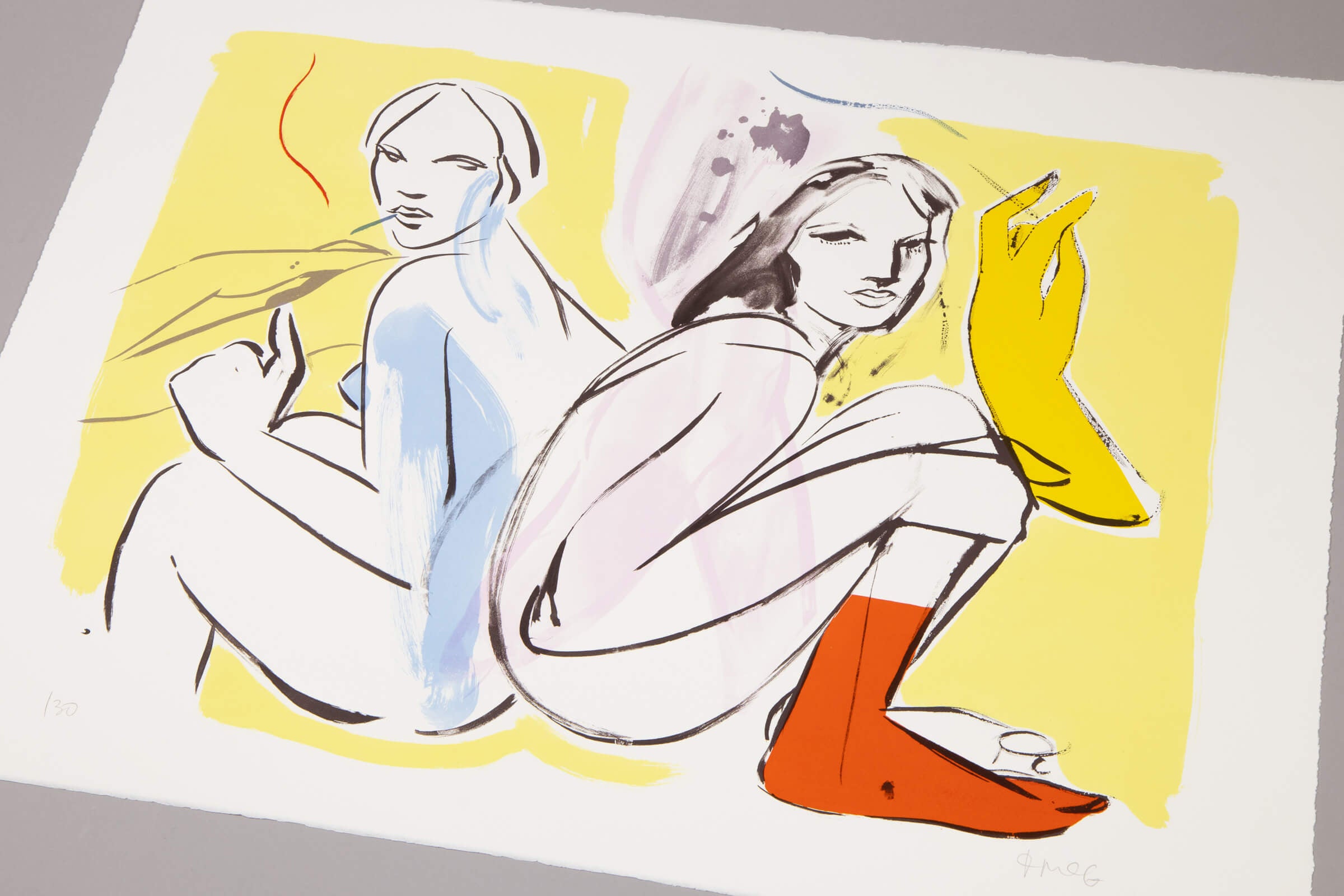
France - Lise McGurn – PapillonFrance - Lise McGurn – Papillon
France-Lise McGurn – Papillon Sale price€2.800,00
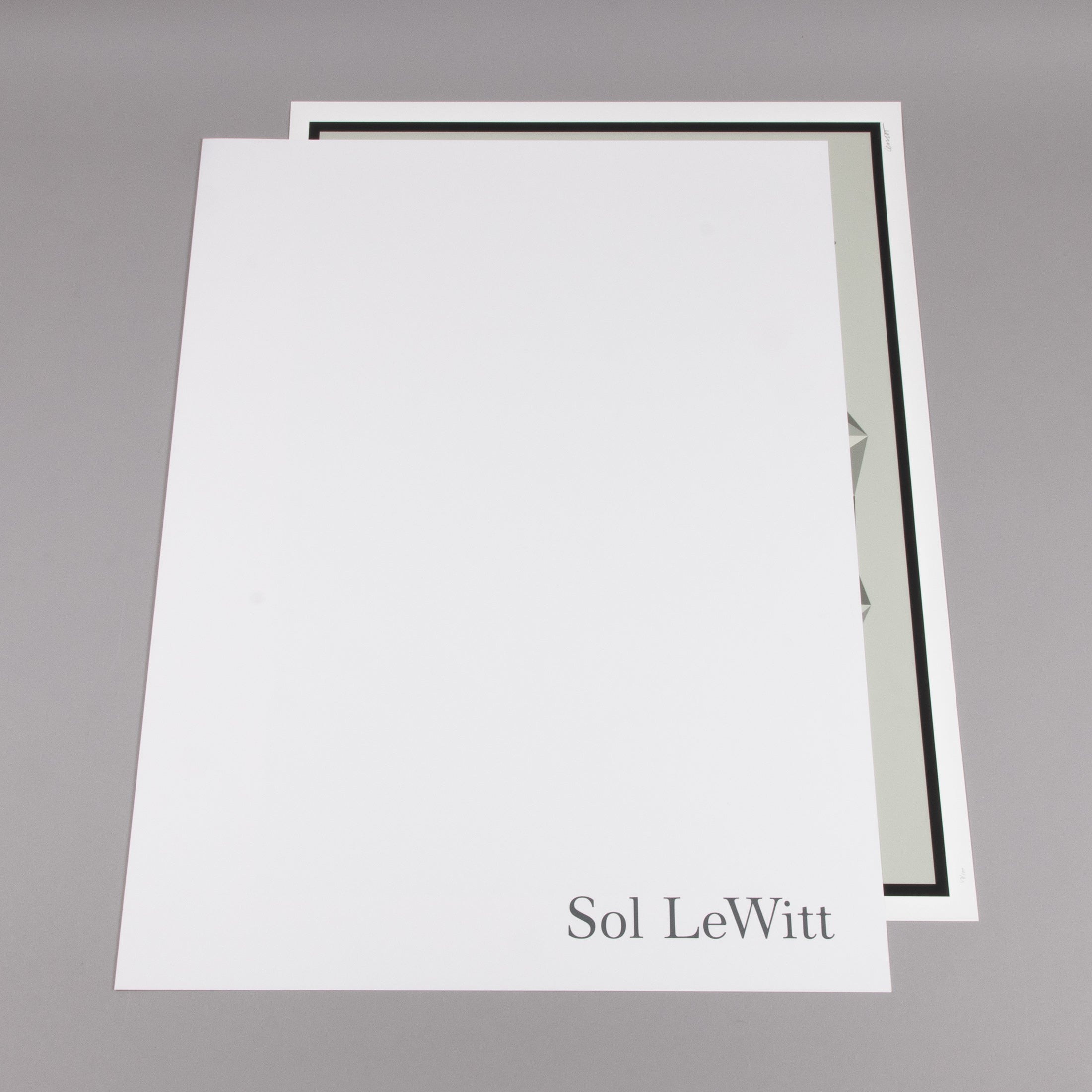
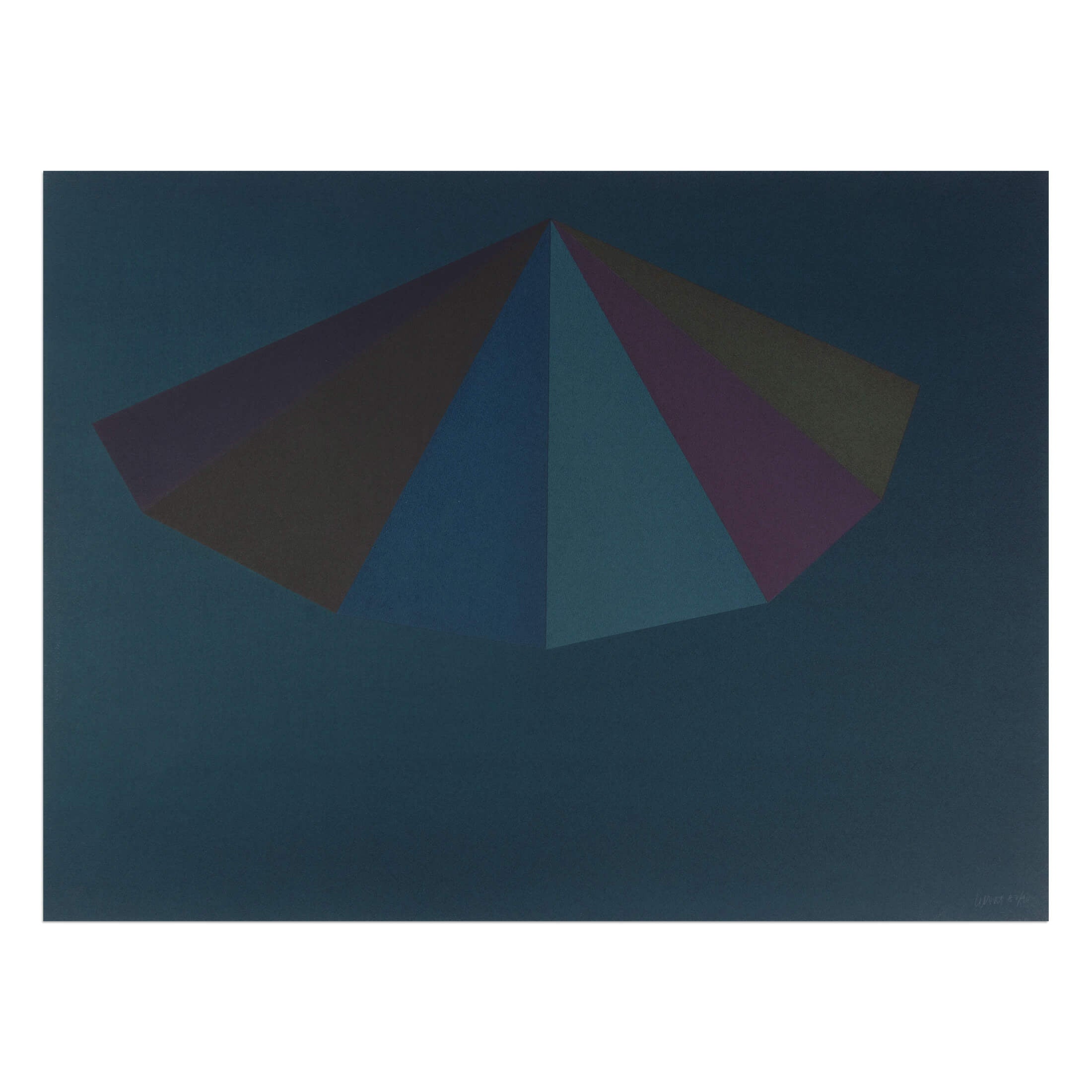
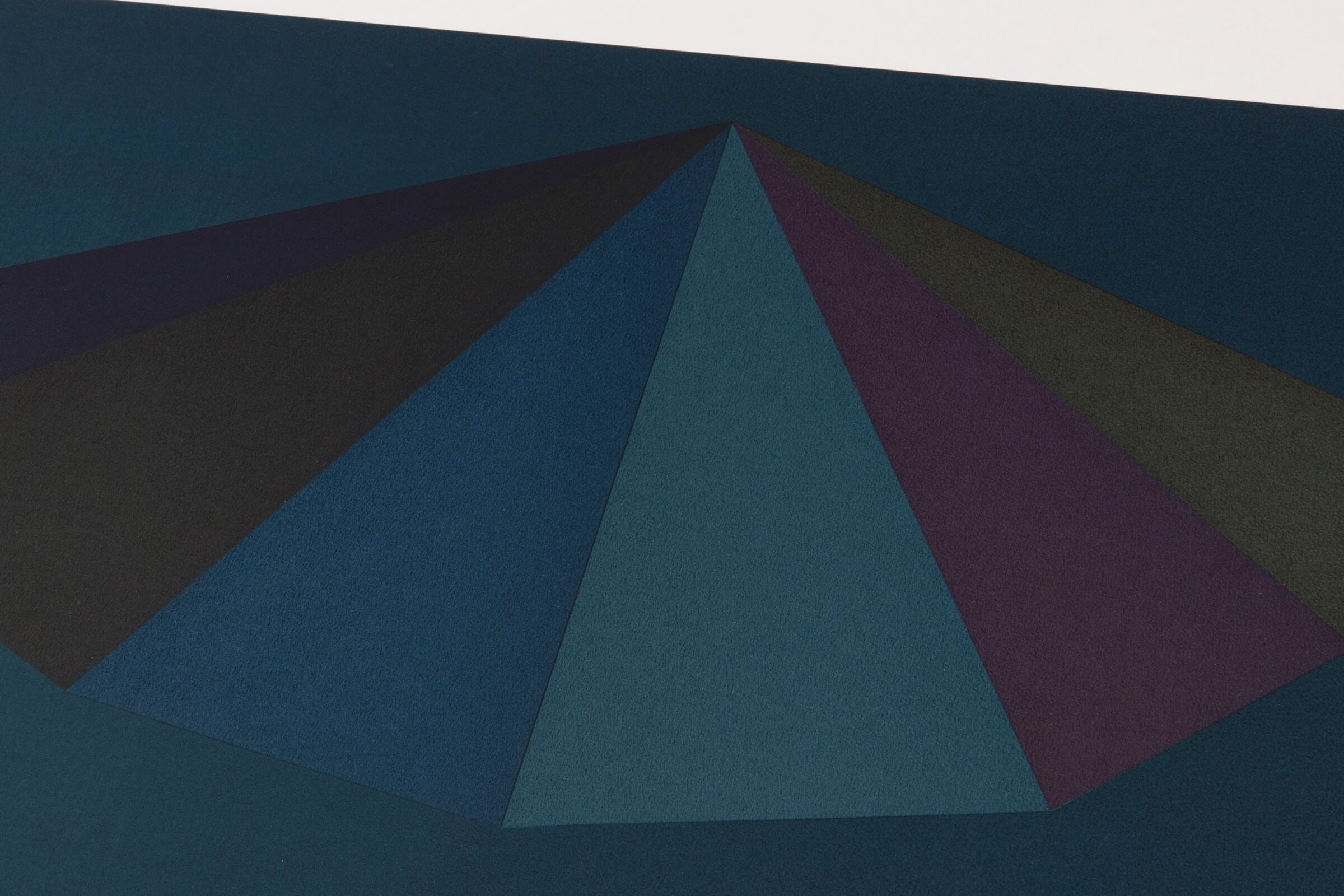
Sol LeWitt – A PyramidSol LeWitt – A Pyramid
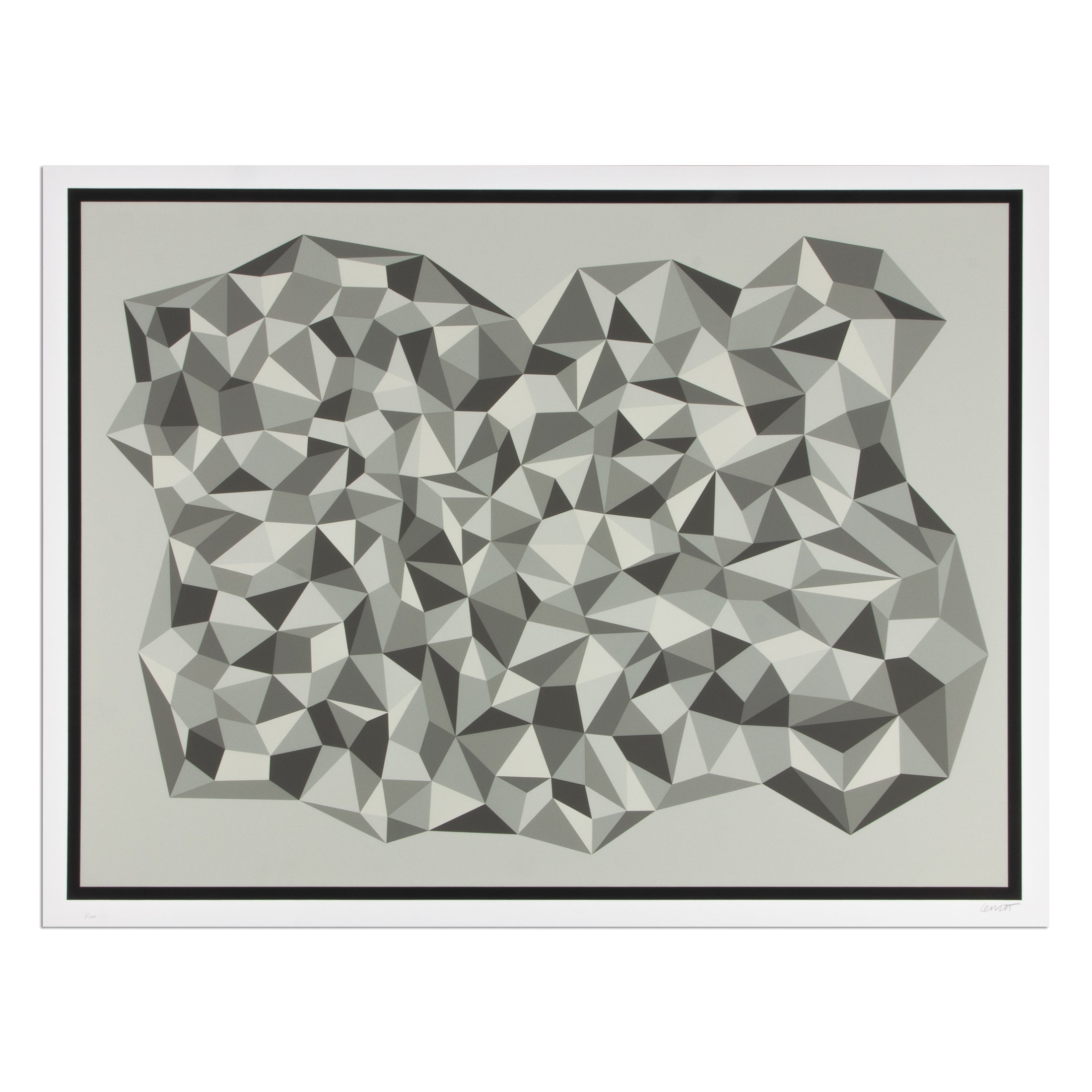
Sol LeWitt – A Pyramid Sale price€4.900,00
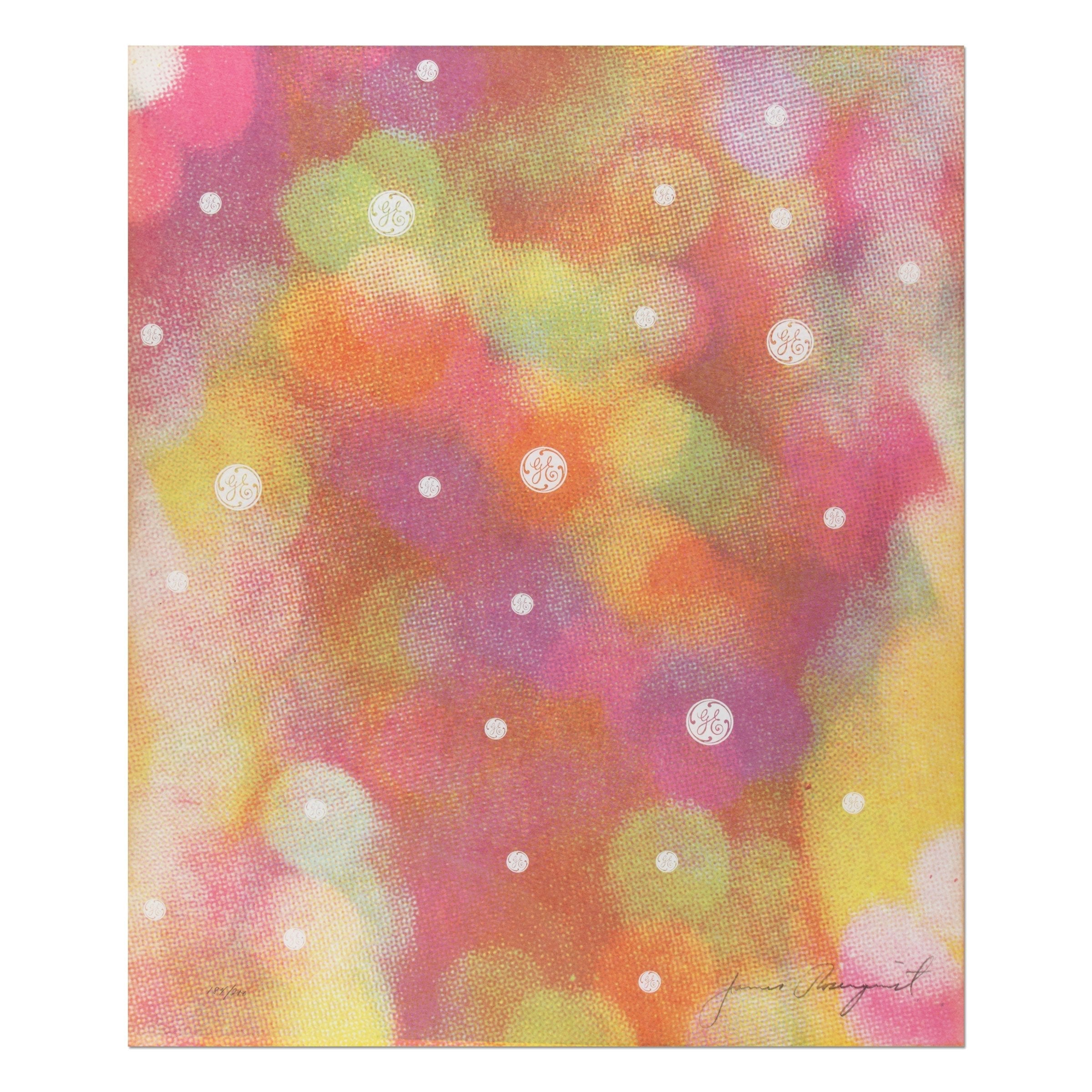
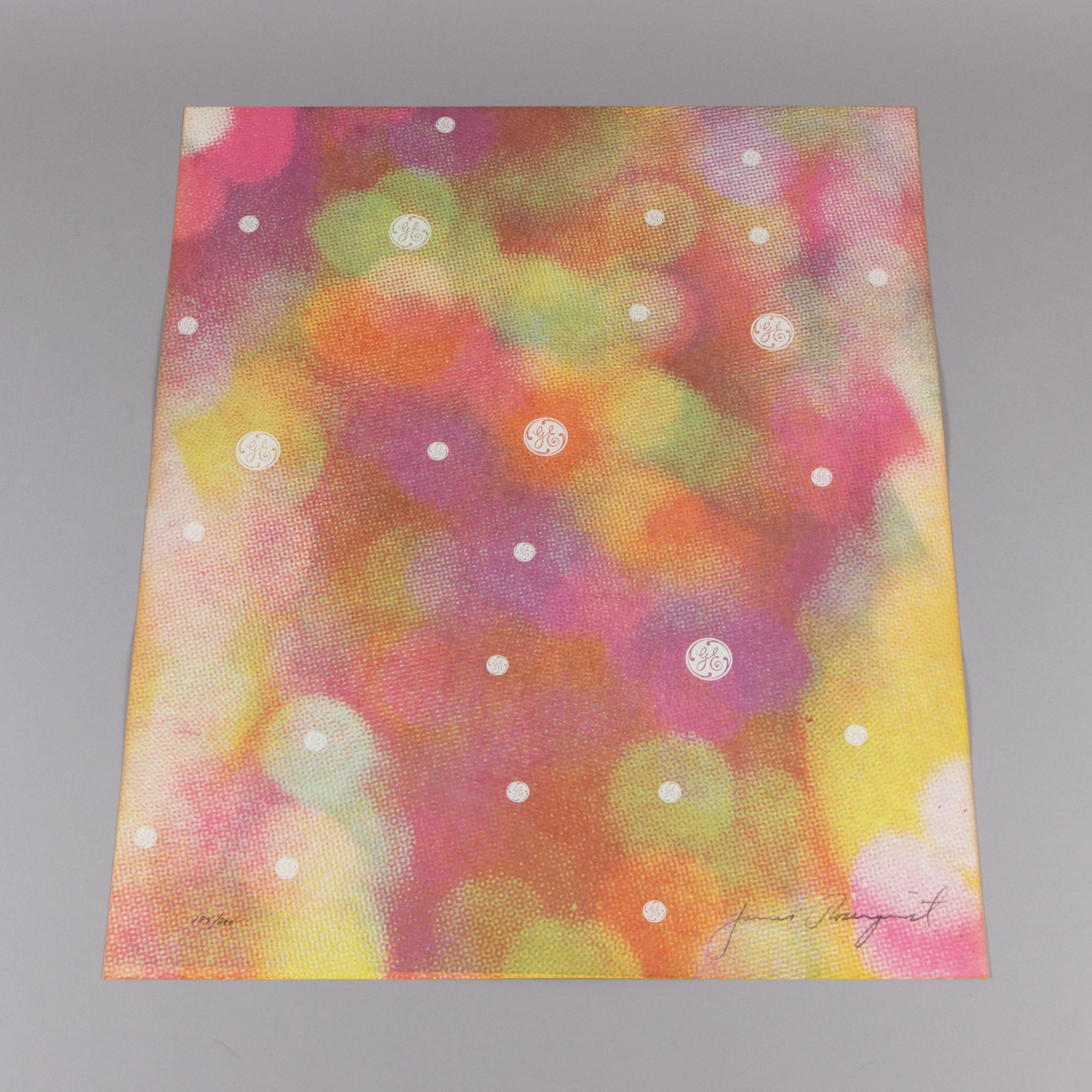
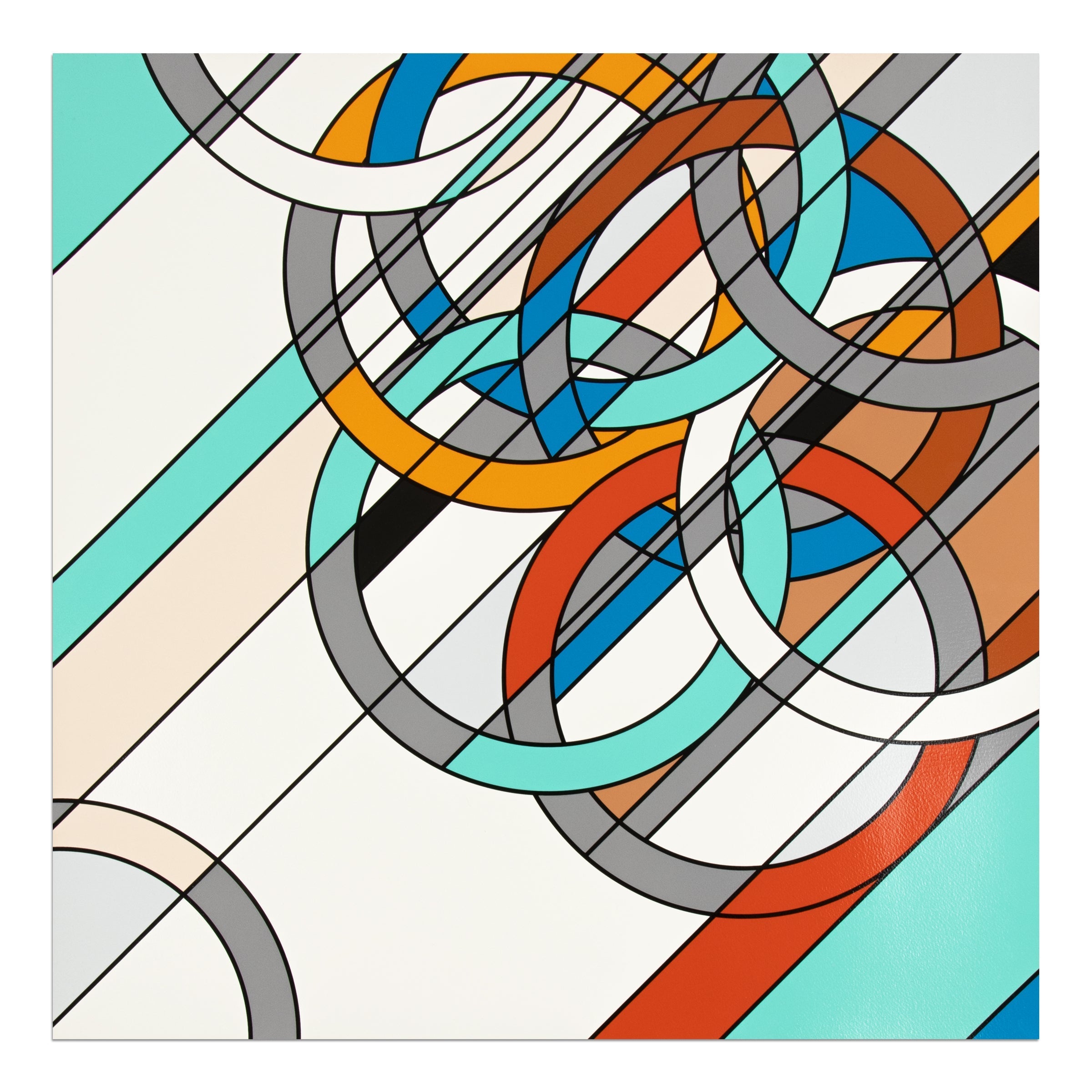
James Rosenquist – Circles of ConfusionJames Rosenquist – Circles of Confusion
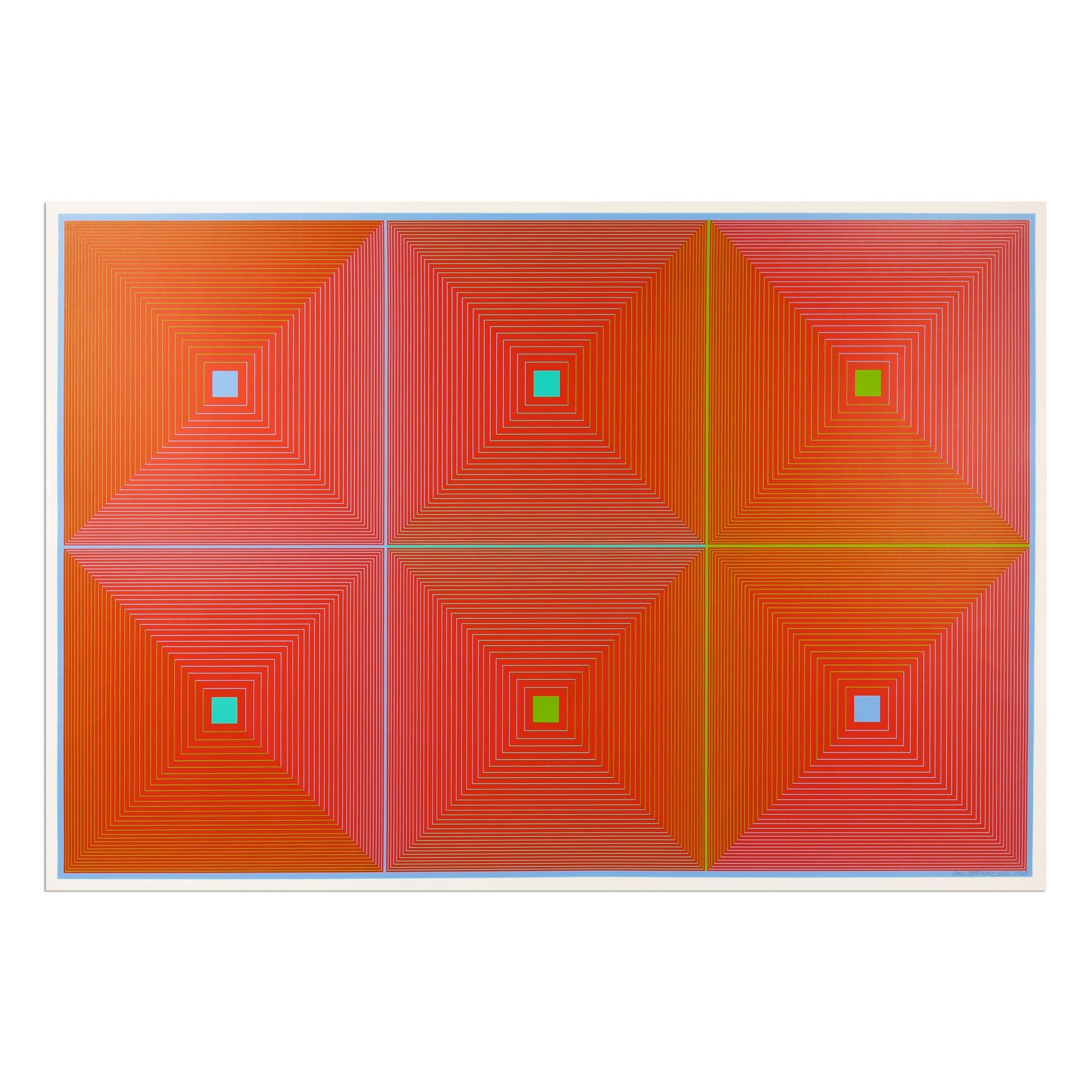
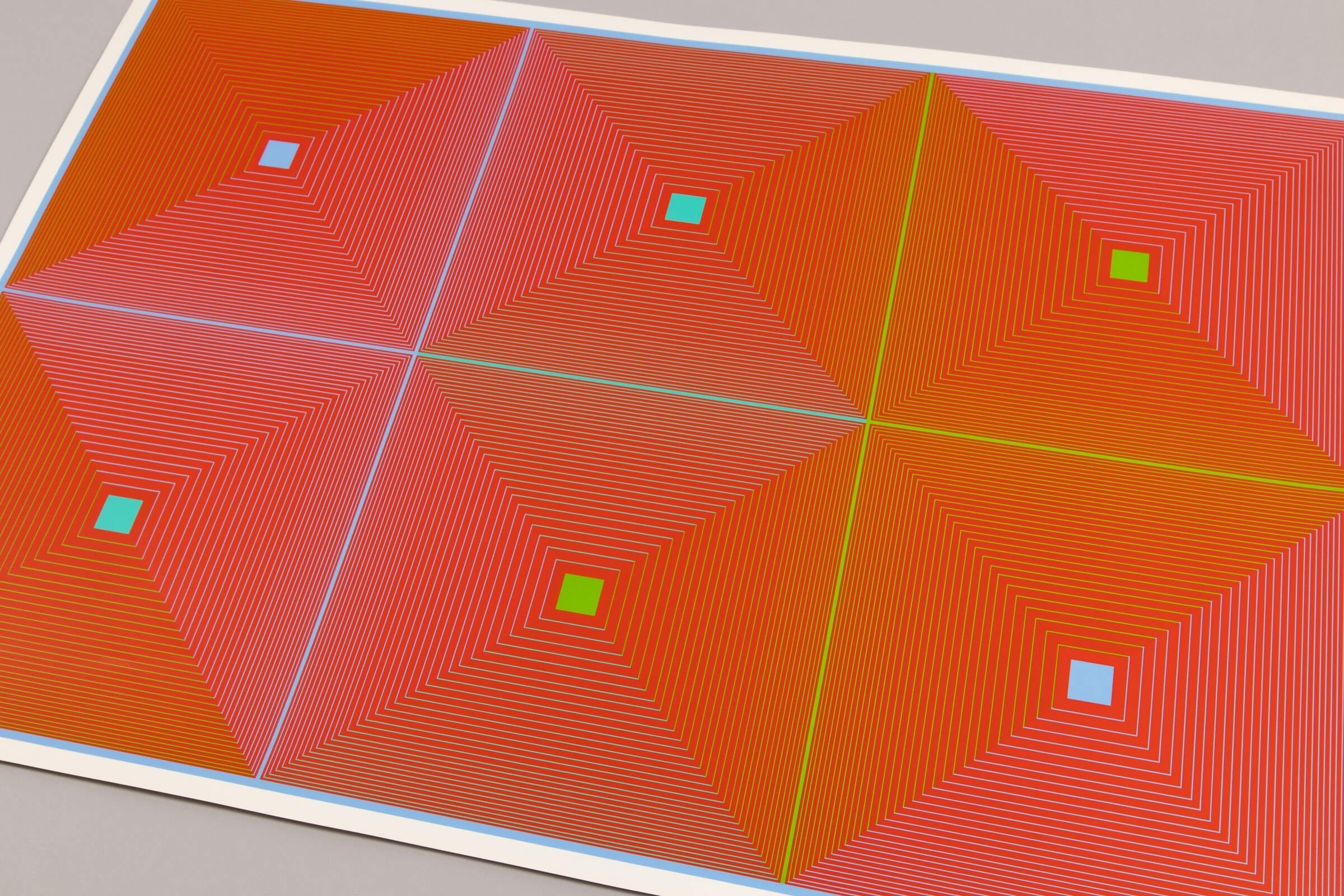
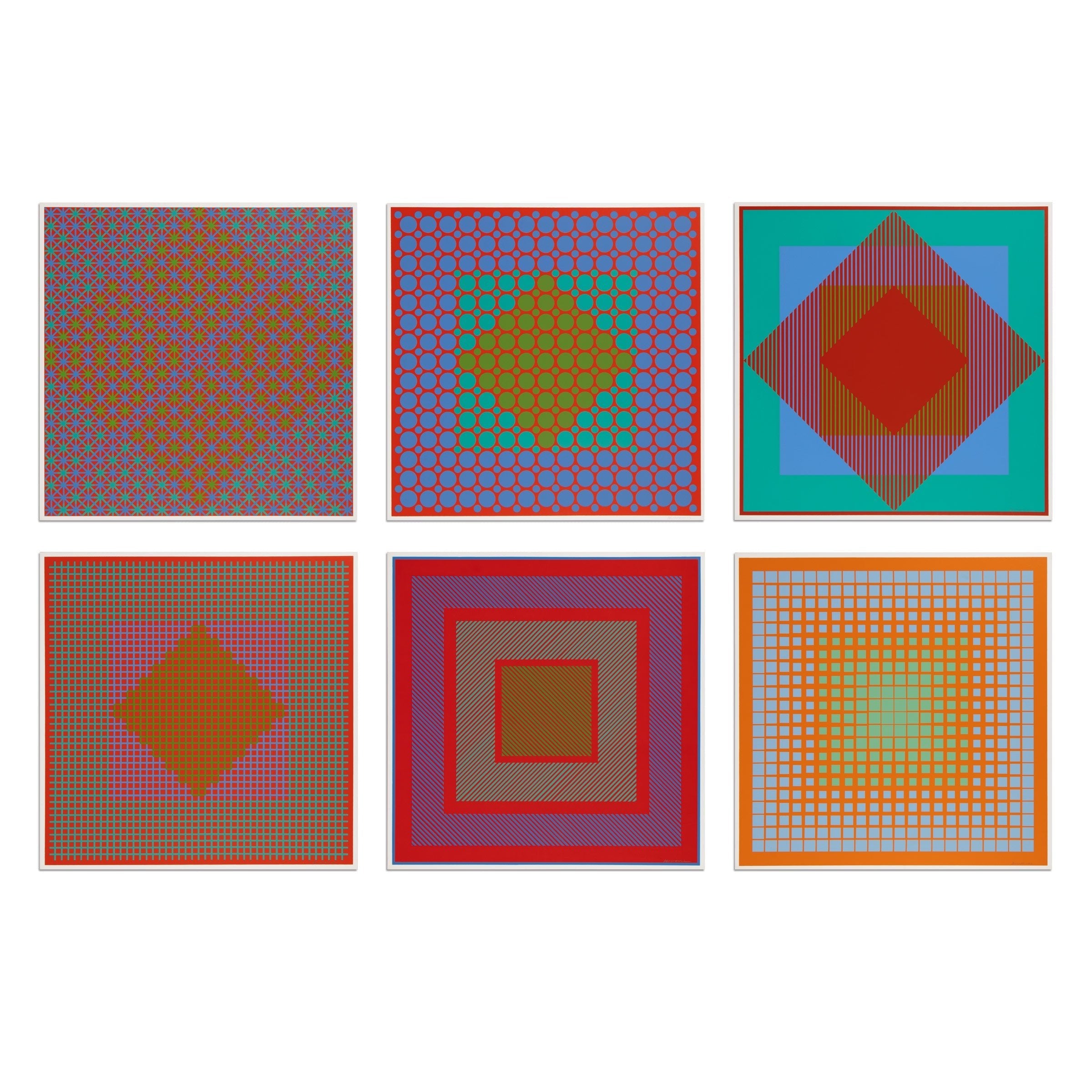
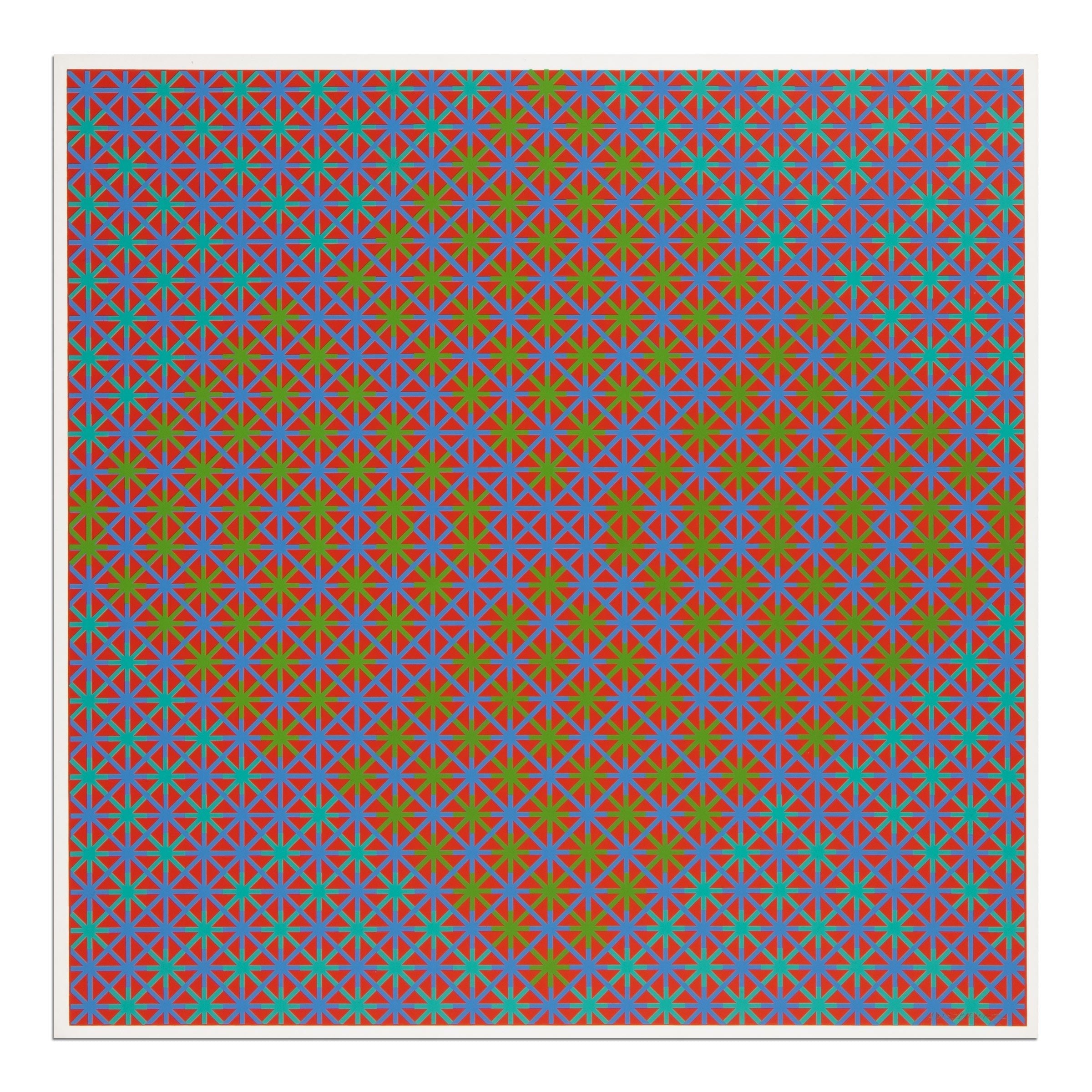
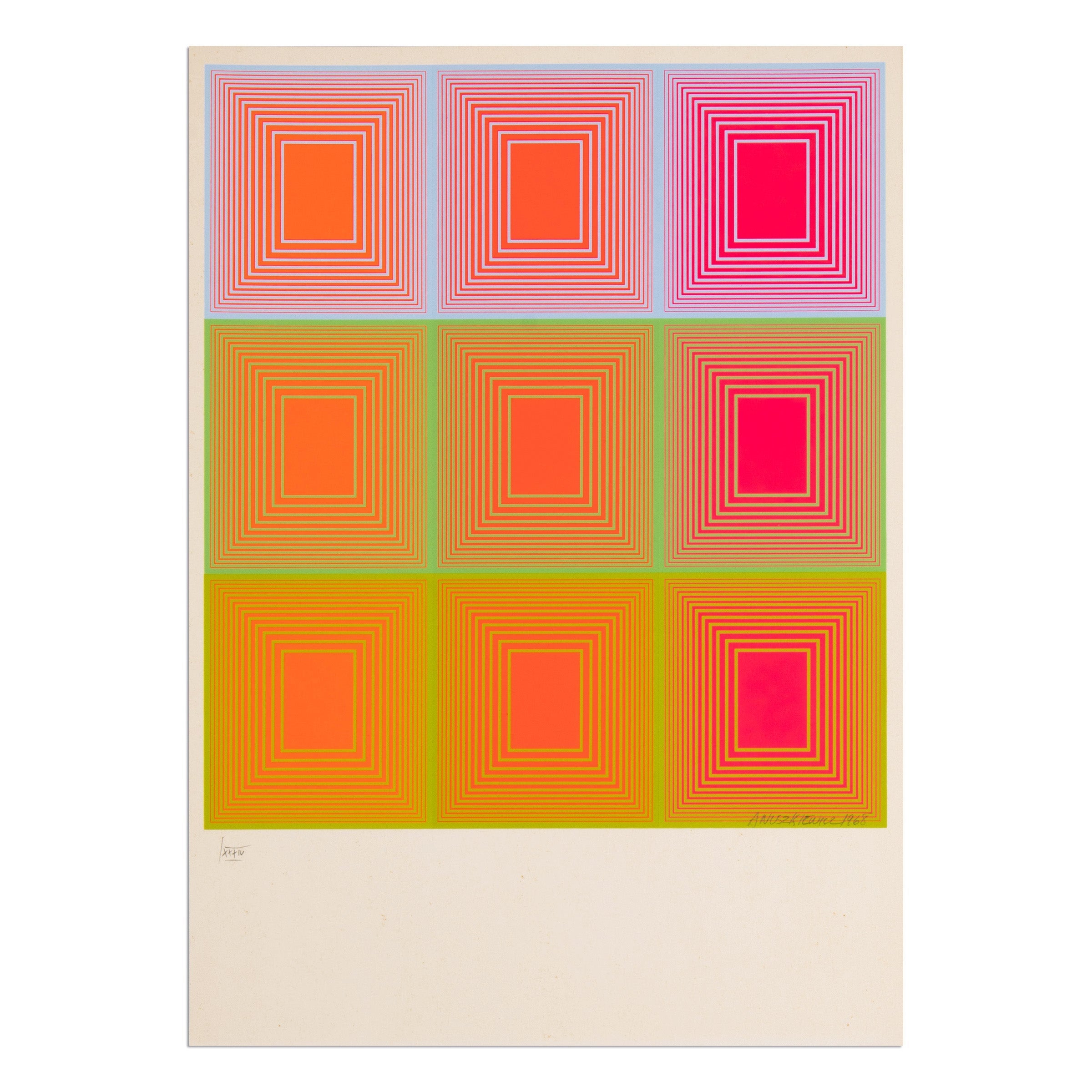
Richard Anuszkiewicz – 6 SeritypienRichard Anuszkiewicz – 6 Seritypien
Sold out
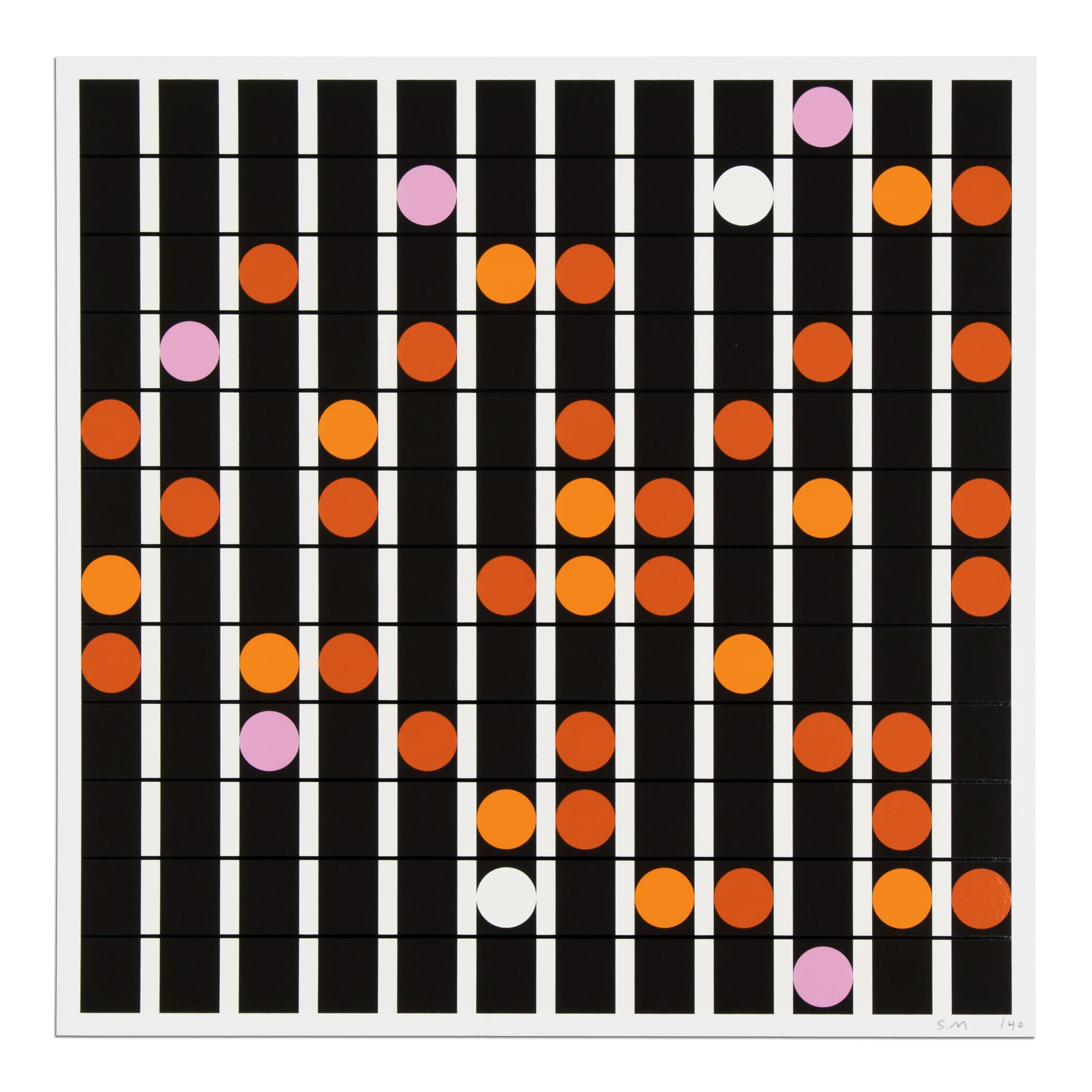
Sarah Morris – Midtown – ViacomSarah Morris – Midtown – Viacom
Sold out
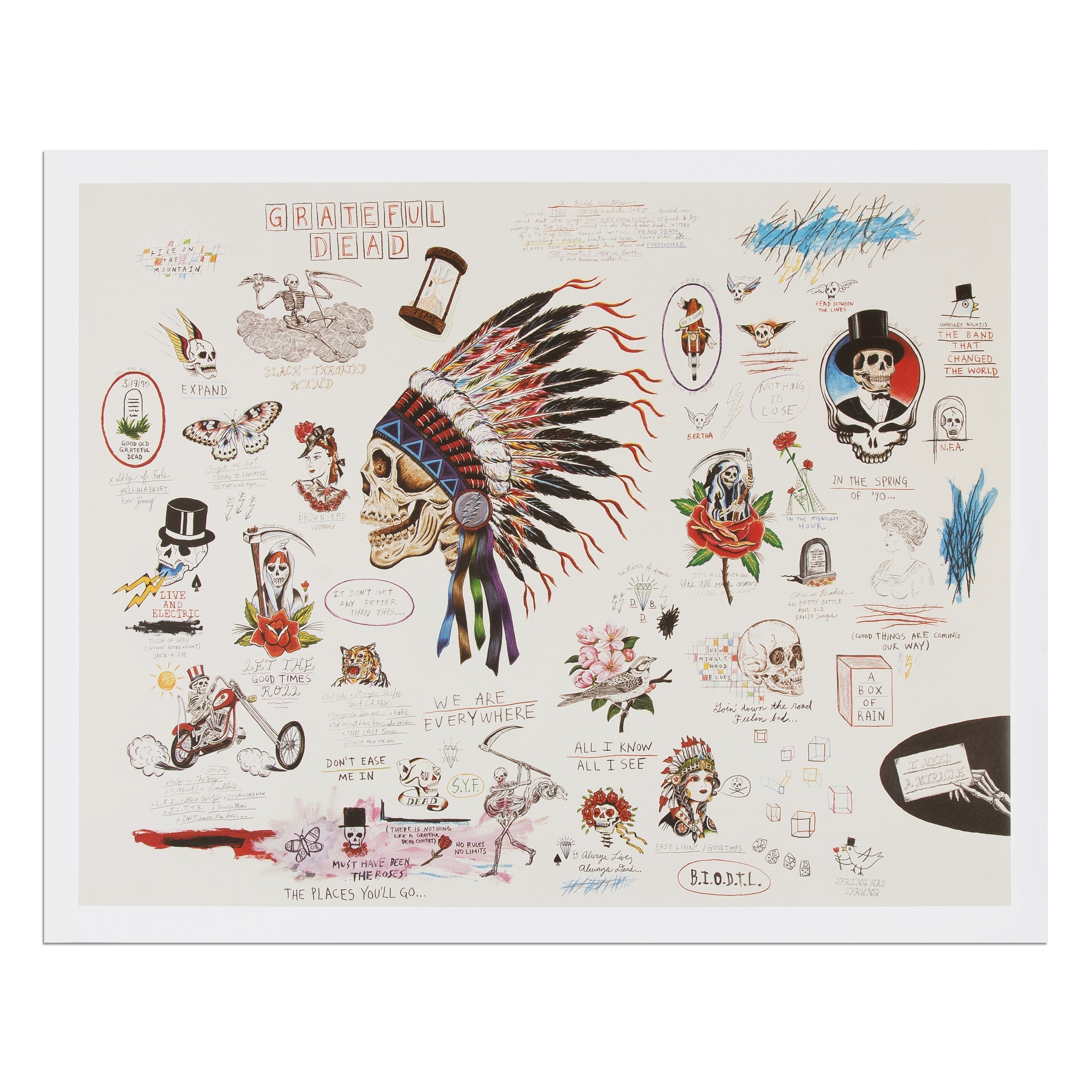
Wes Lang – Grateful DeadWes Lang – Grateful Dead
Wes Lang – Grateful Dead Sale price€1.900,00
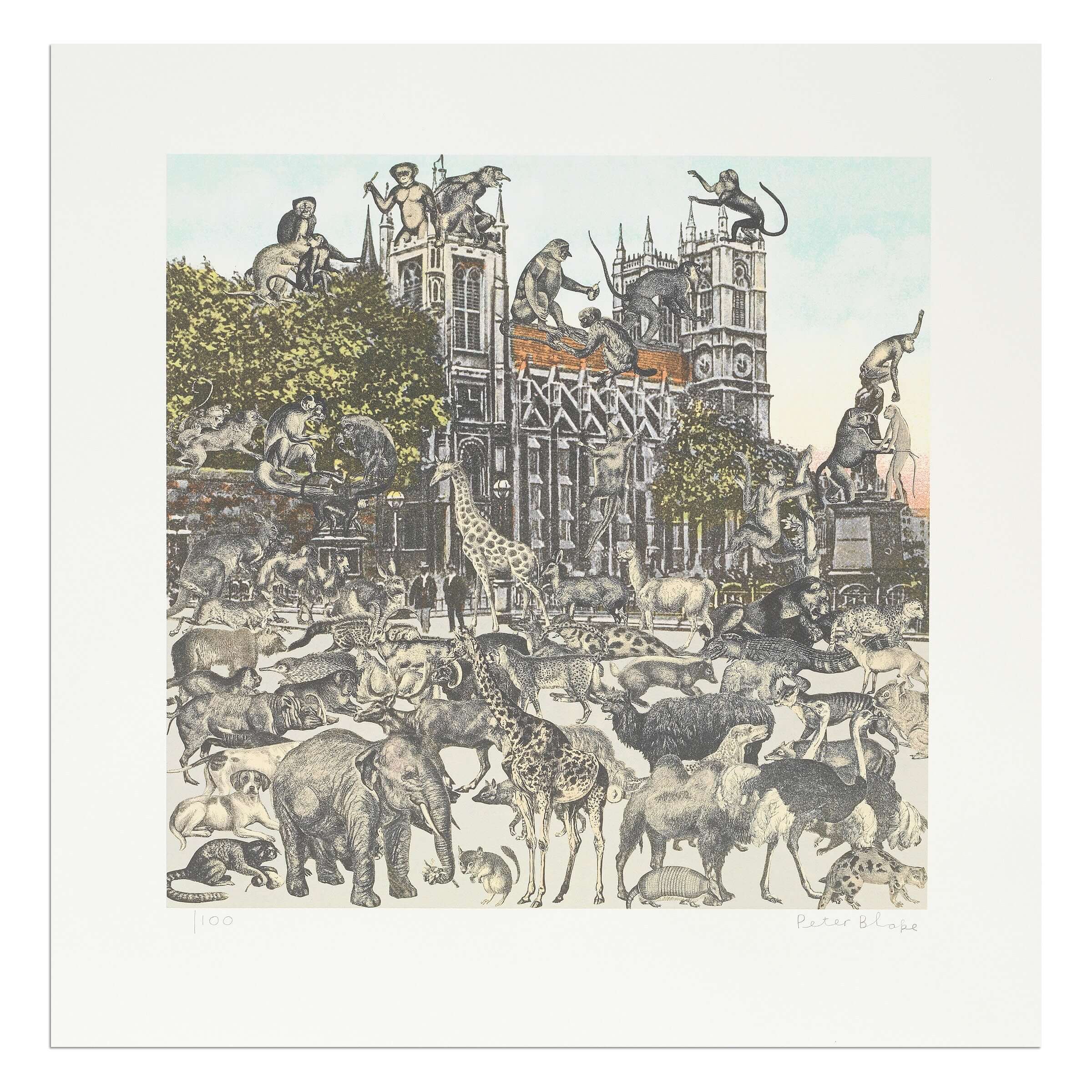
Peter Blake – The London SuitePeter Blake – The London Suite
Peter Blake – The London Suite Sale price€16.000,00
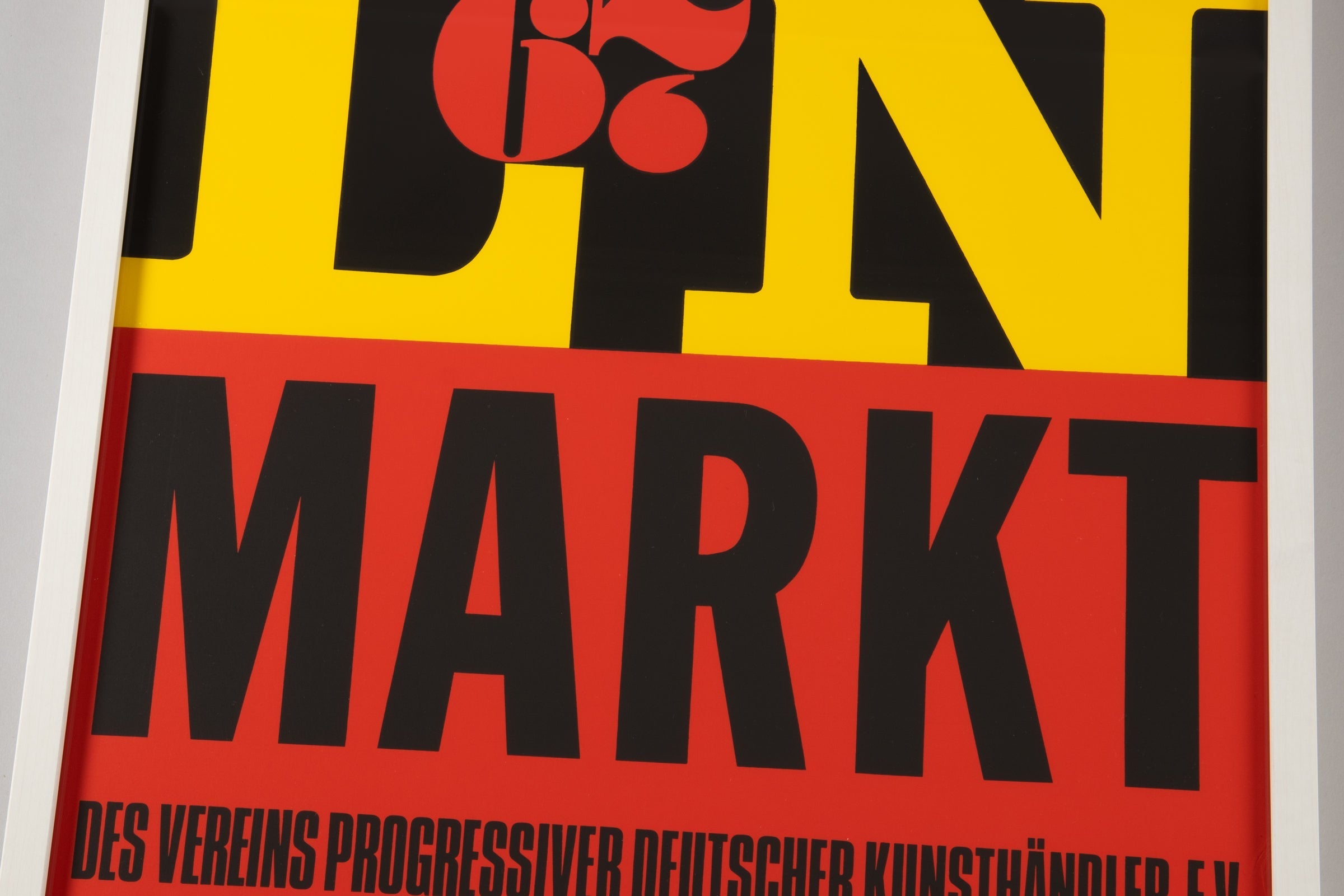
Richard Anuszkiewicz – Untitled (Kölner Kunstmarkt 68)Richard Anuszkiewicz – Untitled (Kölner Kunstmarkt 68)
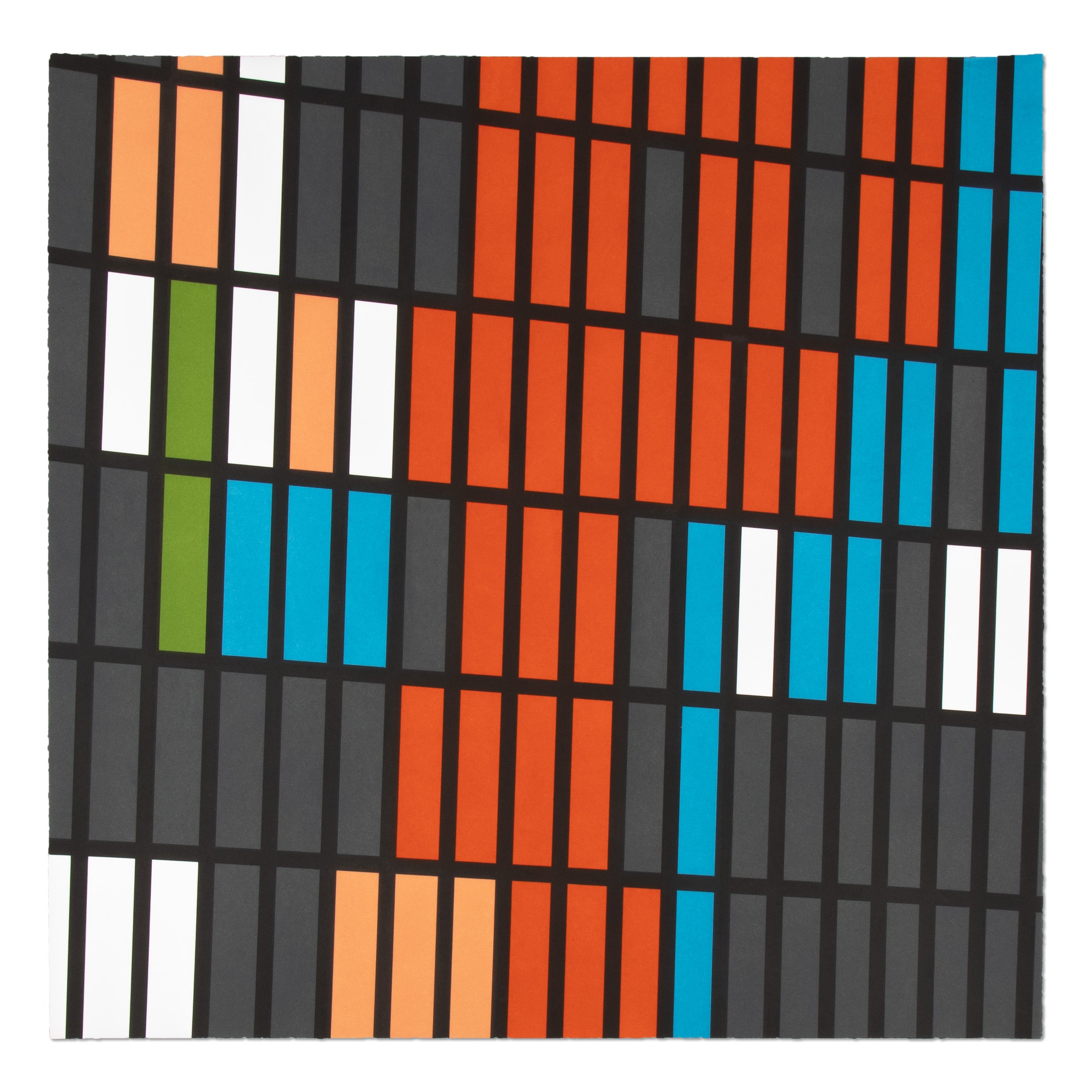
Günter Fruhtrunk – Zwischen GrünGünter Fruhtrunk – Zwischen Grün
Zhang Xiaogang - Two SistersZhang Xiaogang - Two Sisters
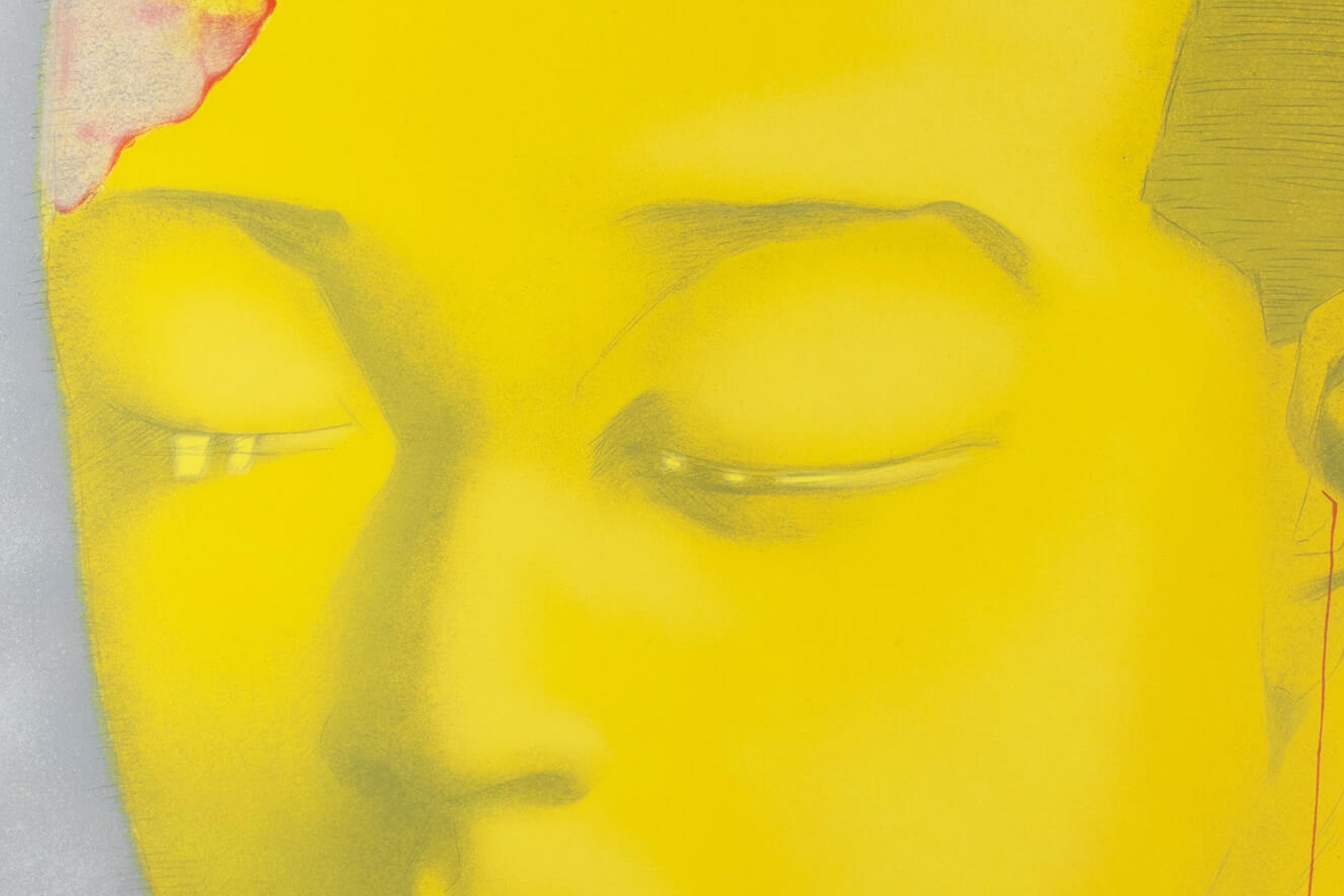
Zhang Xiaogang – Two Sisters Sale price€3.200,00
Wes Lang - Thoughts For The Free Life #15Wes Lang - Thoughts For The Free Life #15
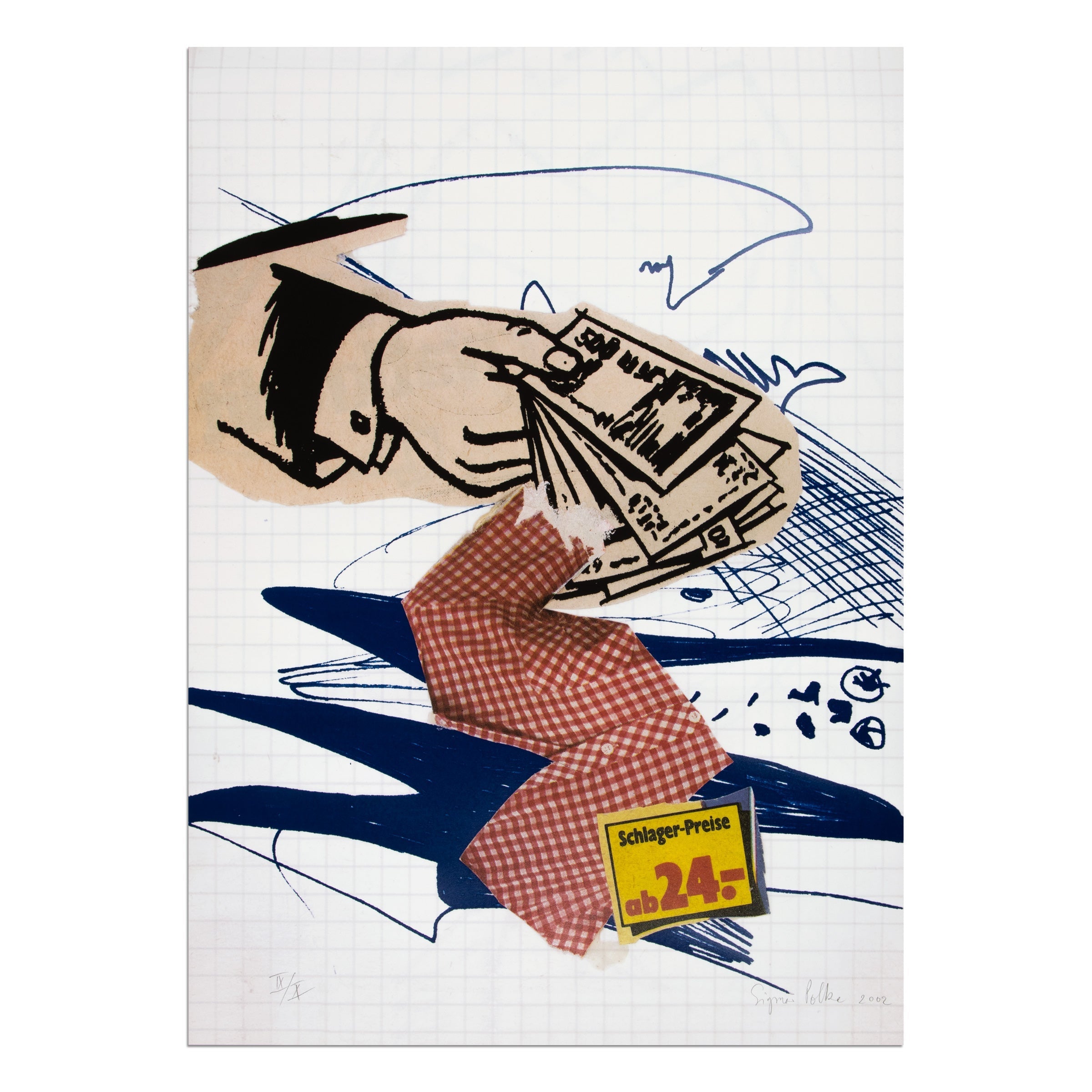
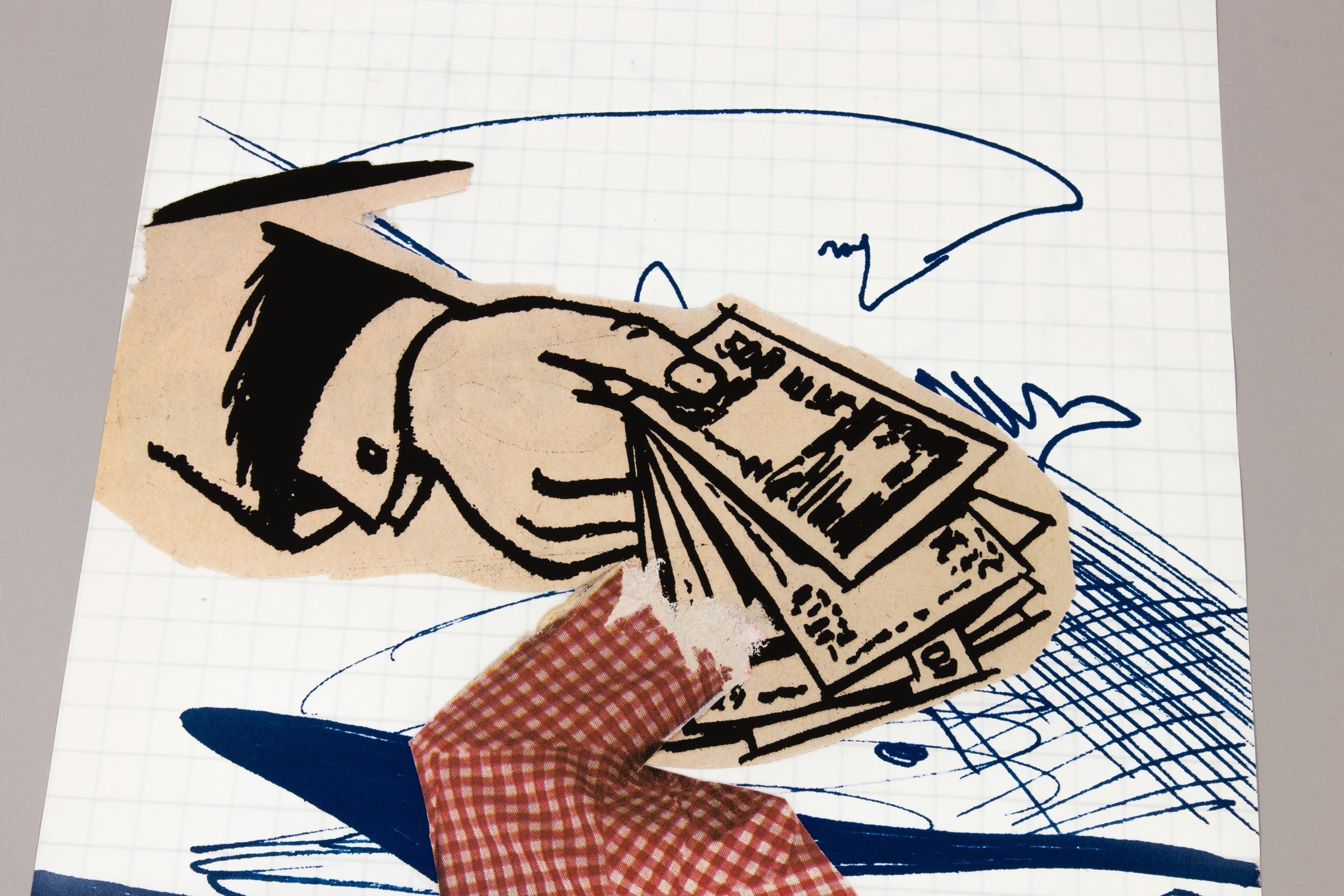
Sigmar Polke - Bargeld LachtSigmar Polke - Bargeld Lacht
Sigmar Polke – Bargeld Lacht Sale price€2.900,00
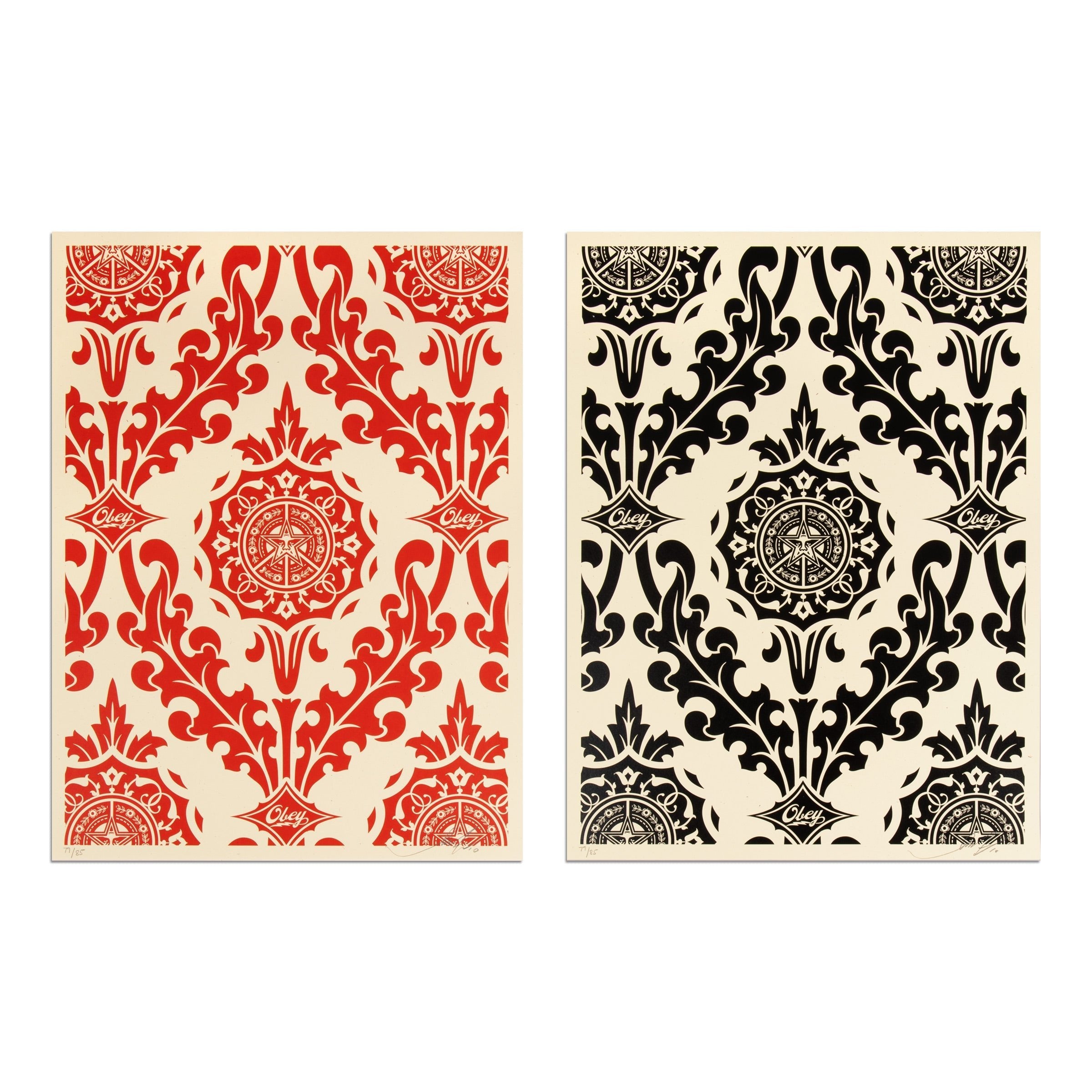
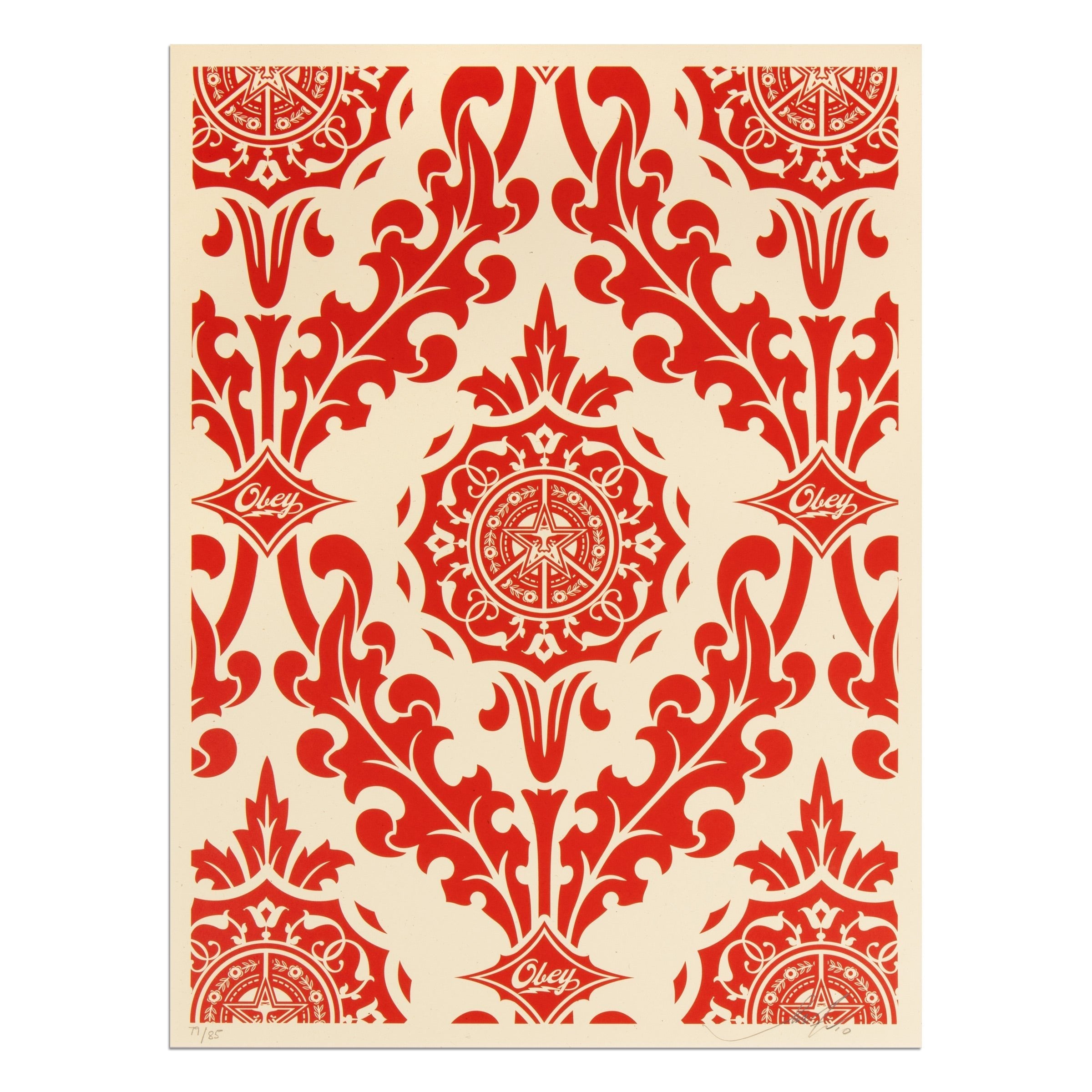
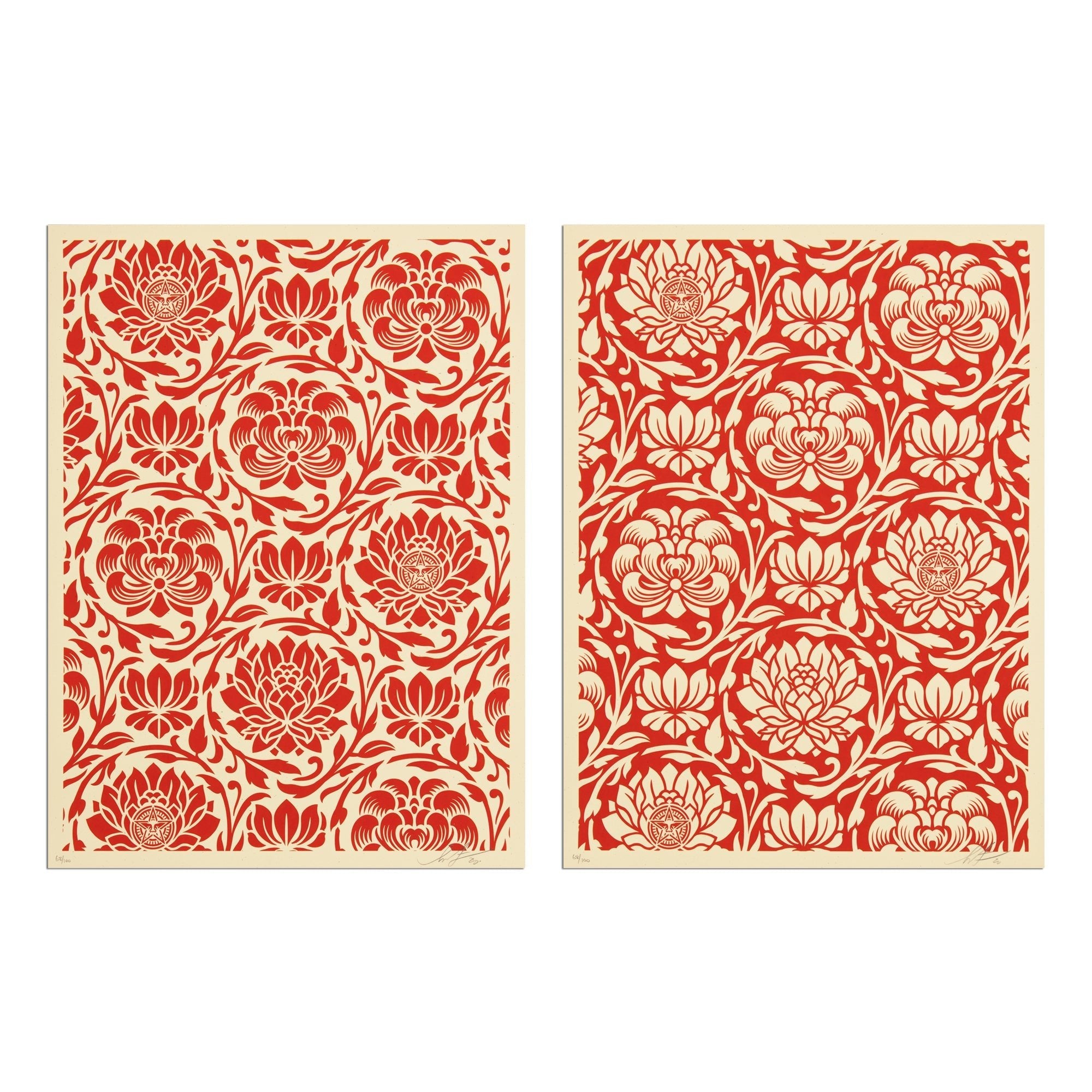
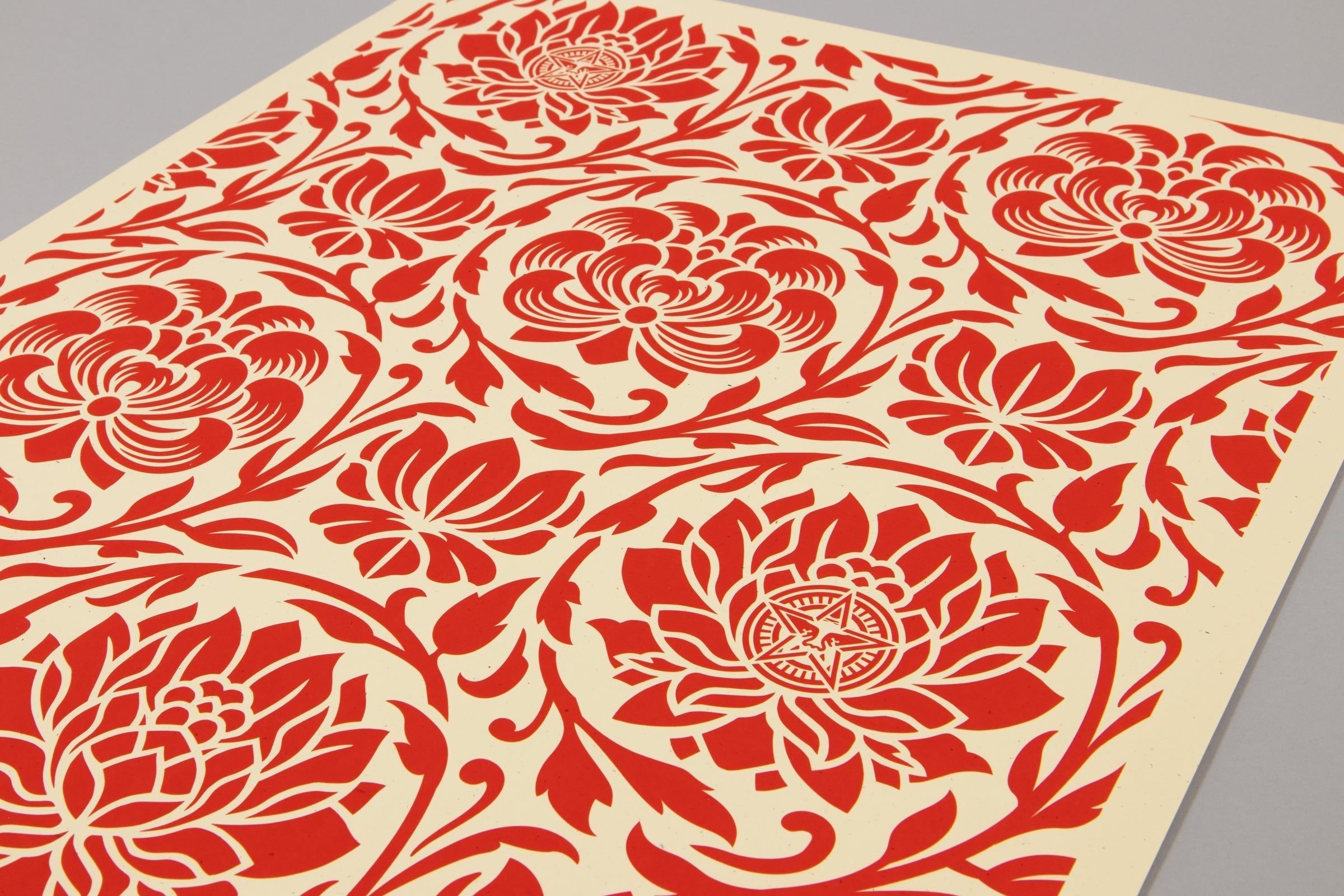
Shepard Fairey - Parlor PatternShepard Fairey - Parlor Pattern
Shepard Fairey – Parlor Pattern Sale price€2.500,00
Shepard Fairey - Floral Harmony (Red Yin/Yang)Shepard Fairey - Floral Harmony (Red Yin/Yang)
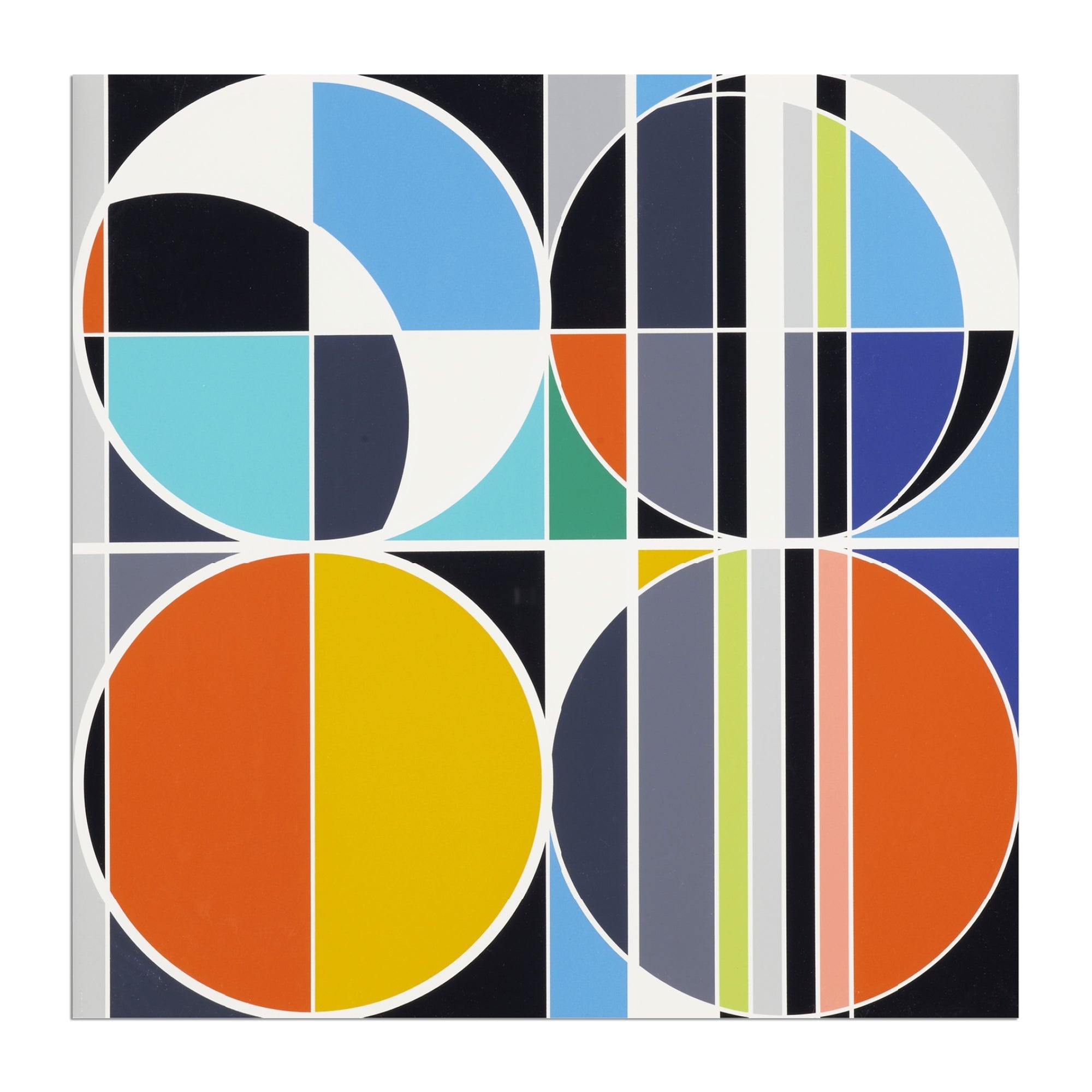
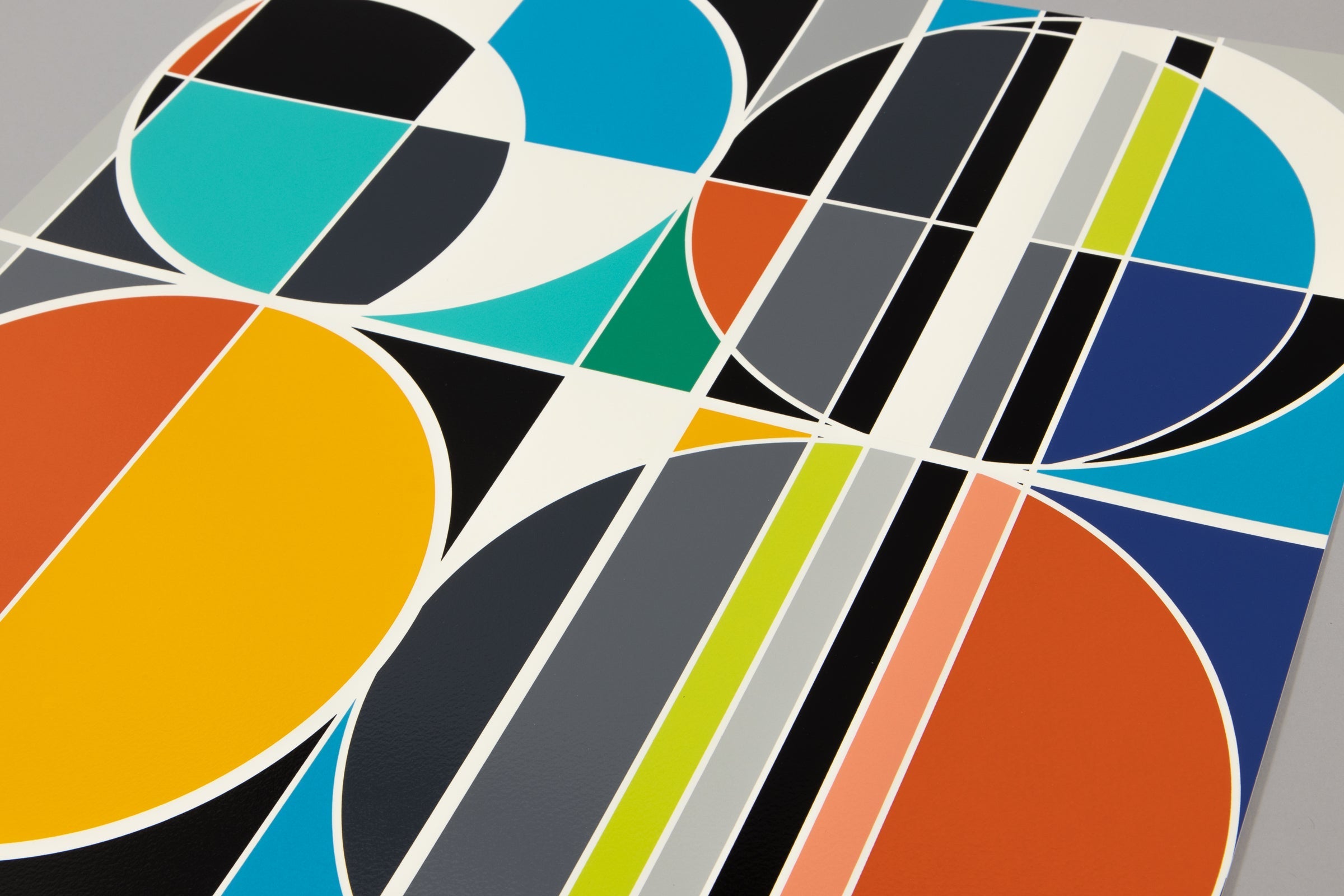
Sarah Morris – Total Lunar EclipseSarah Morris - Total Lunar Eclipse
Sold out
Sarah Morris - RingsSarah Morris - Rings
Sarah Morris – Rings Sale price€1.700,00
Sarah Morris – LondonSarah Morris - London
Sarah Morris – London Sale price€1.200,00
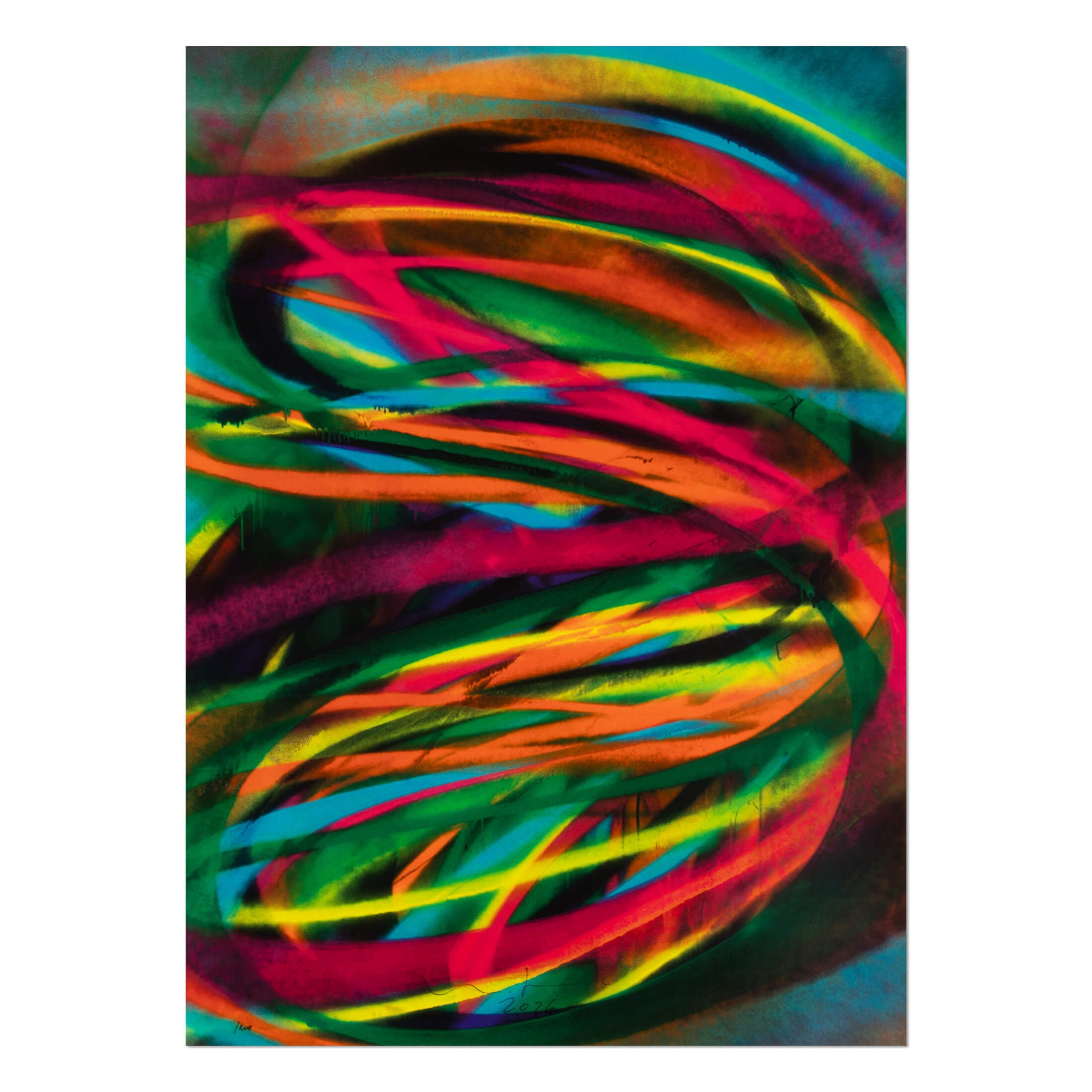
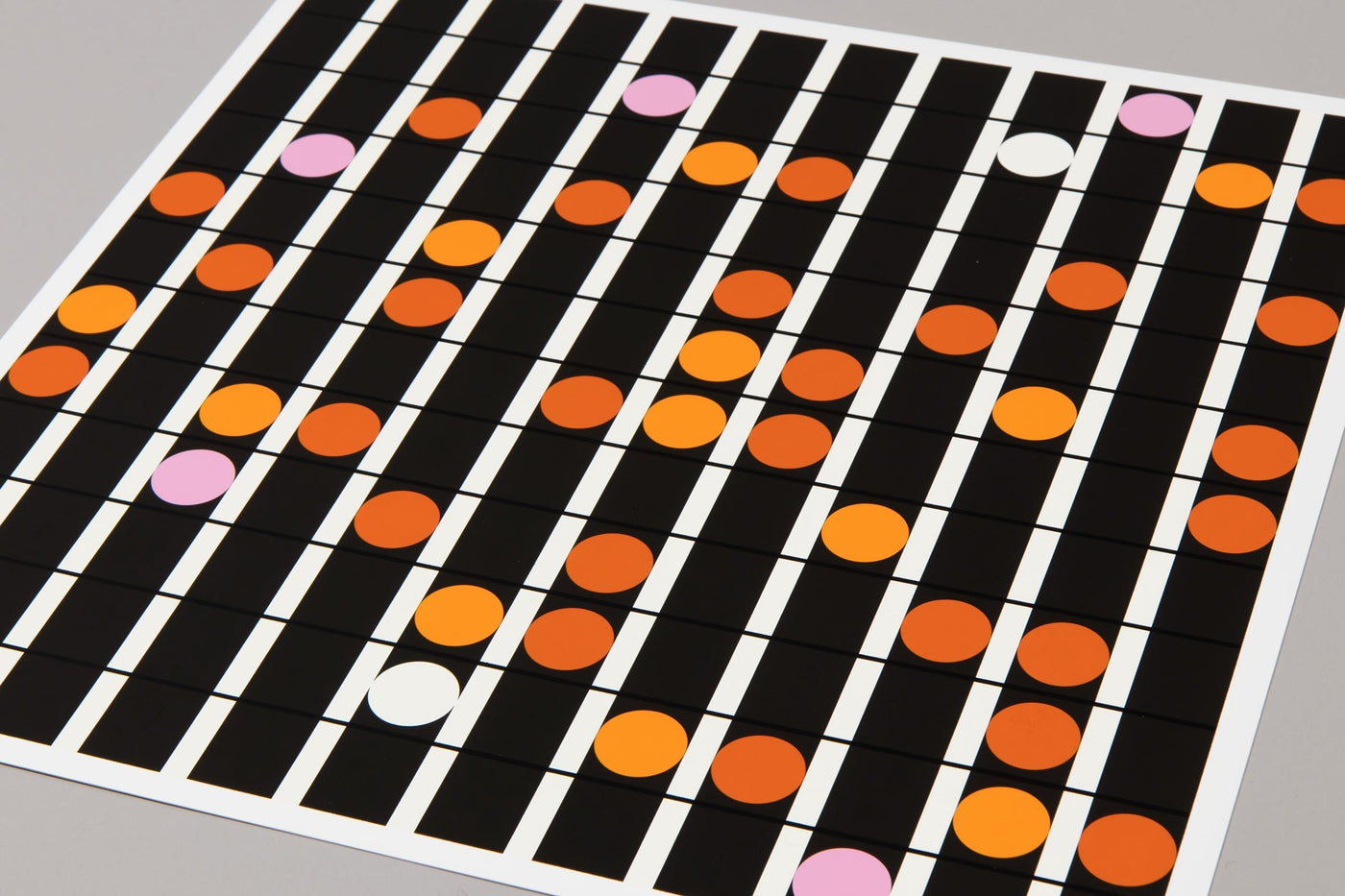
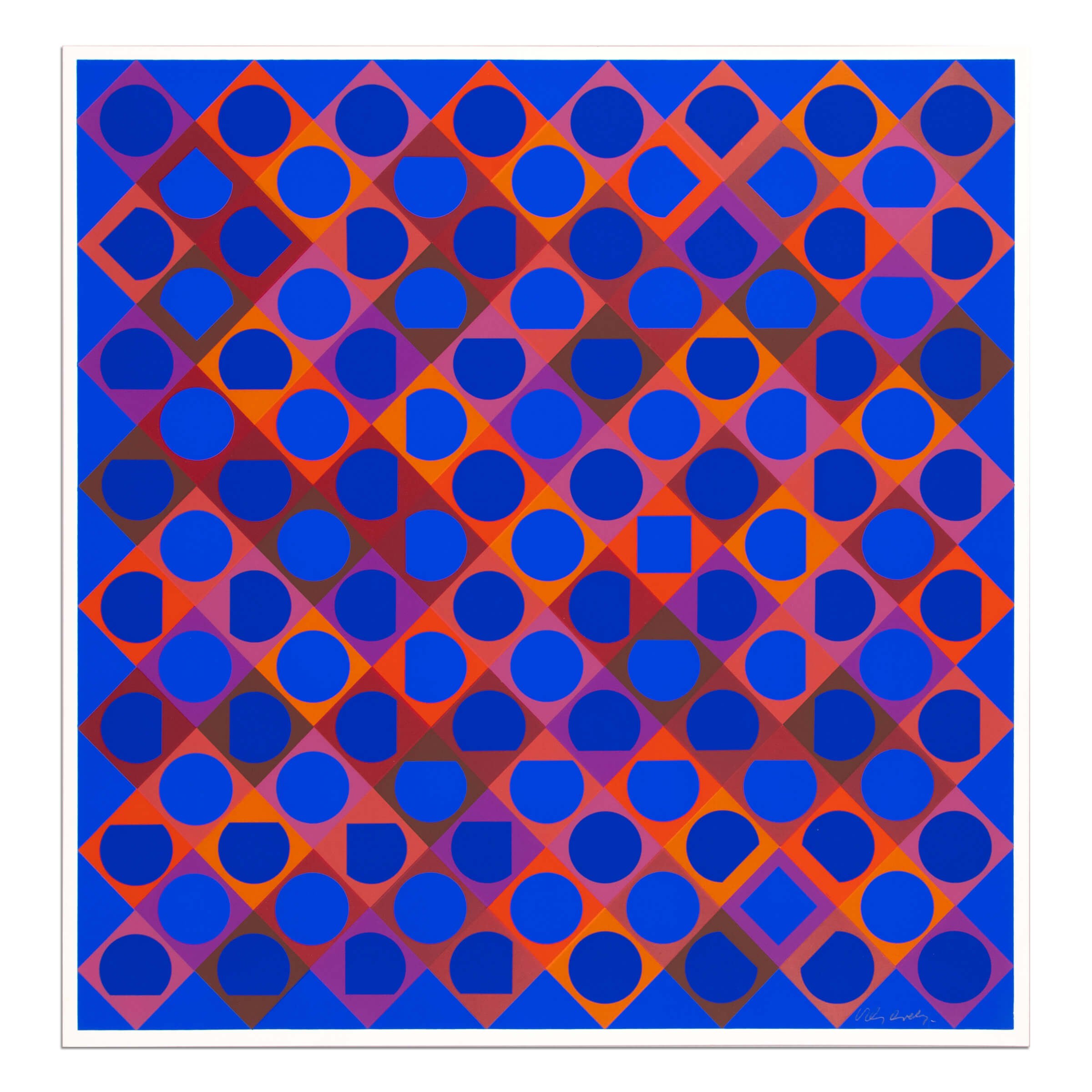
Sarah Morris – Deviancy is the EssenceSarah Morris – Deviancy is the Essence
Rupprecht Geiger - Red on Violet
Rupprecht Geiger – Red on Violet Sale price€1.700,00
Rupprecht Geiger - Bluish Red and Blue-BlackRupprecht Geiger - Bluish Red and Blue-Black
Rupprecht Geiger – Blue-Black and Bluish RedRupprecht Geiger - Blue-Black and Bluish Red
Rupprecht Geiger – Black on Different RedsRupprecht Geiger – Black on Different Reds
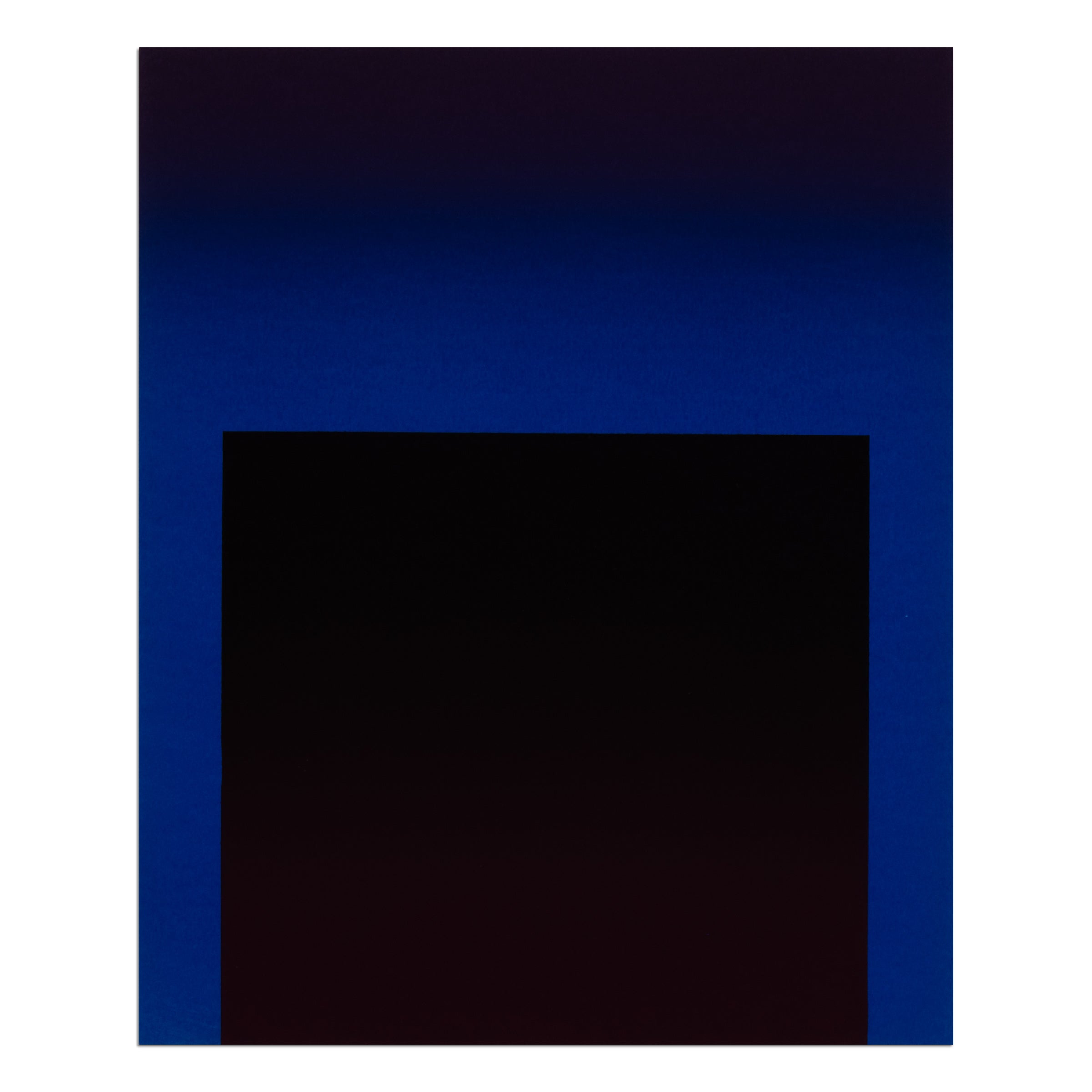
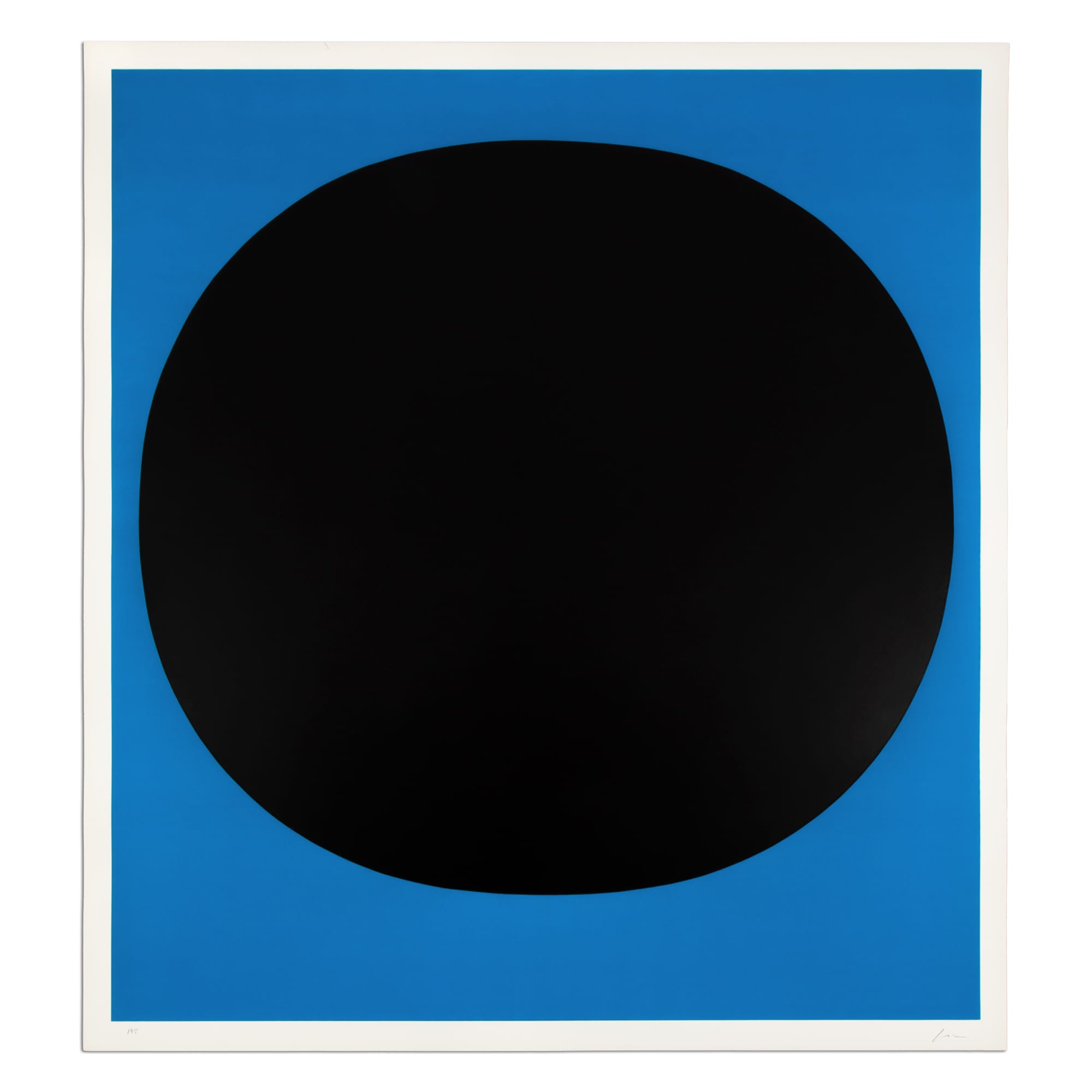
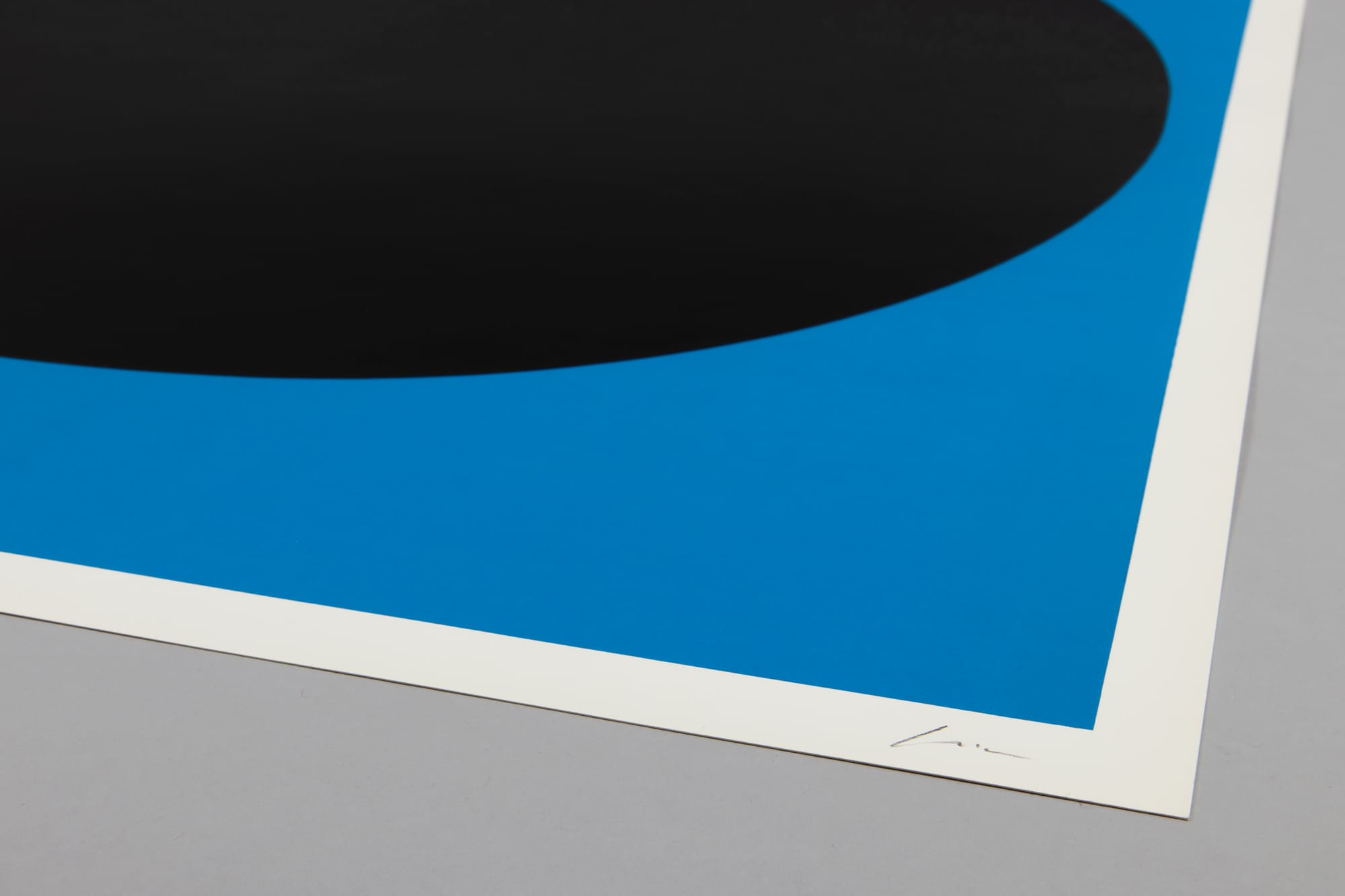
Rupprecht Geiger – Black on BlueRupprecht Geiger - Black on Blue
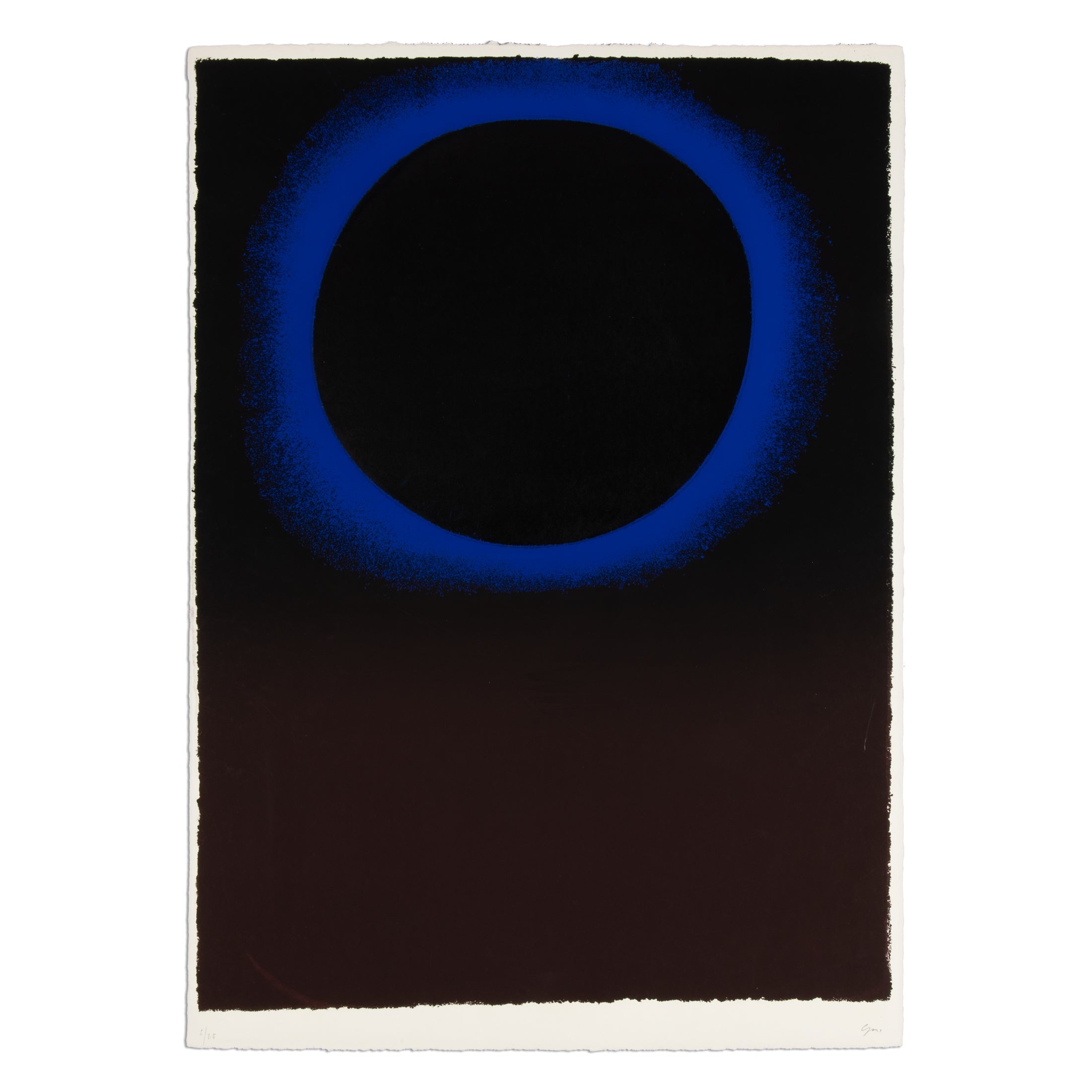
Rupprecht Geiger – Black on Blue Sale price€4.400,00
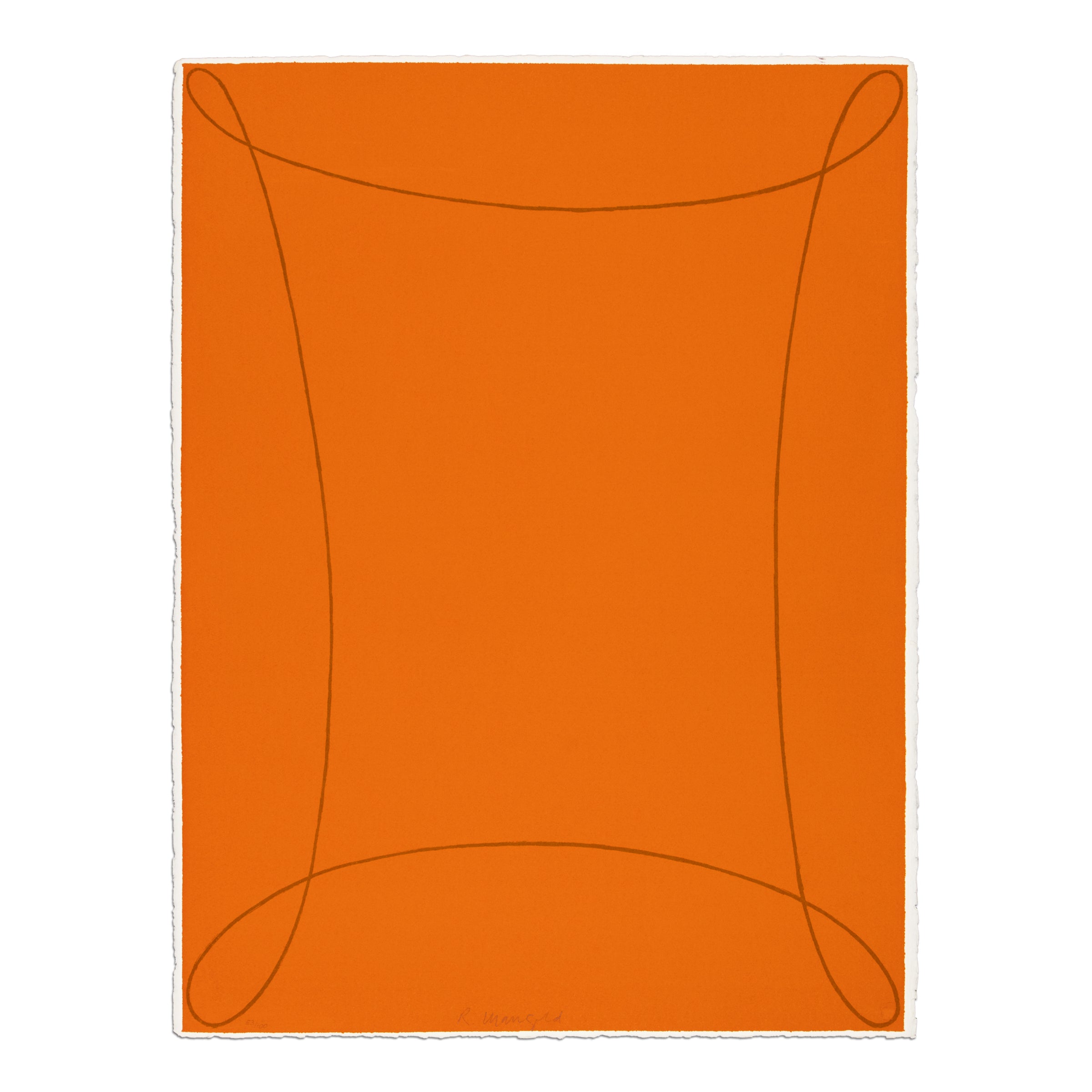
Robert Mangold – Arabesque IRobert Mangold - Arabesque I
Robert Mangold – Arabesque I Sale price€3.000,00
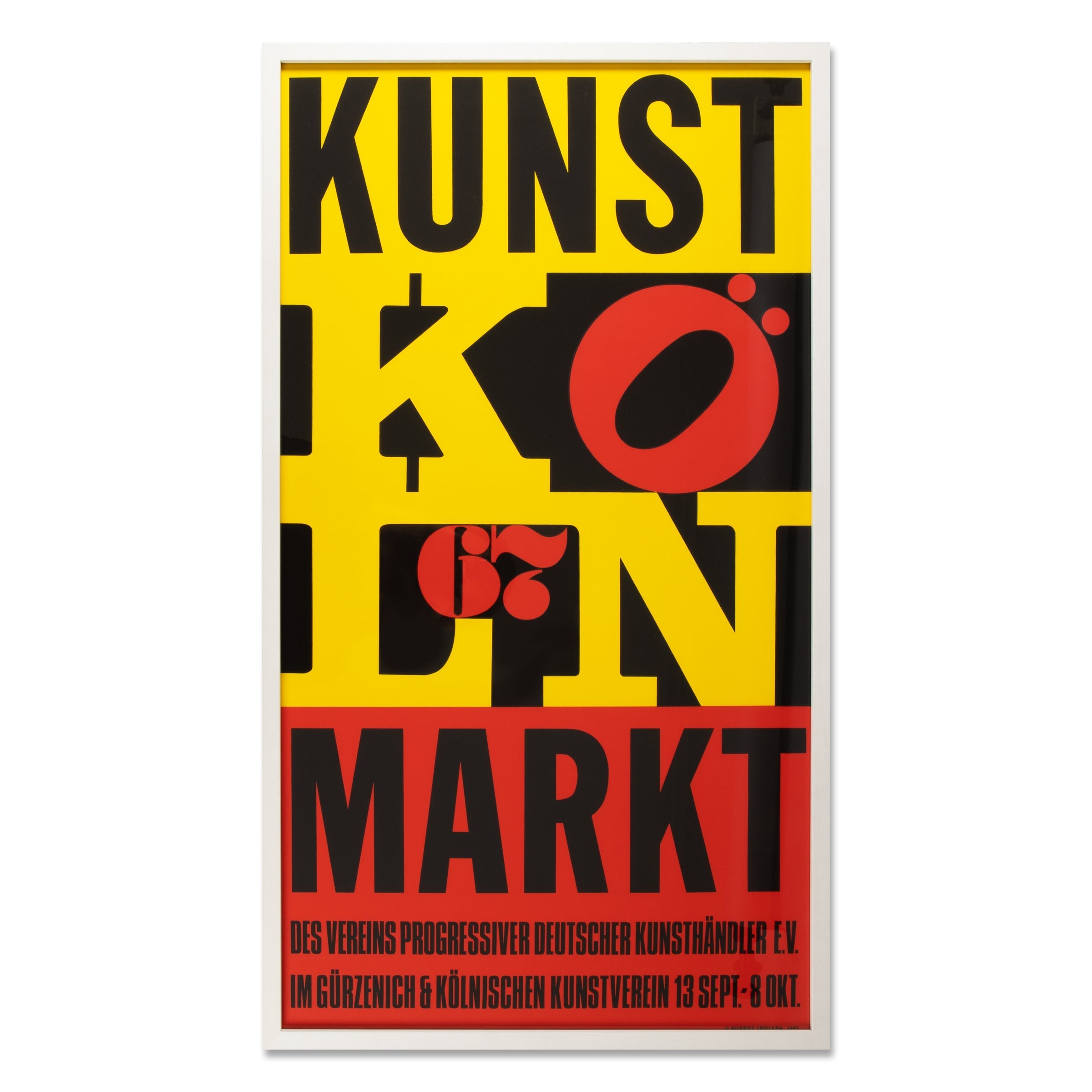
Robert Indiana – Kunstmarkt Köln 67Robert Indiana - Kunstmarkt Köln 67
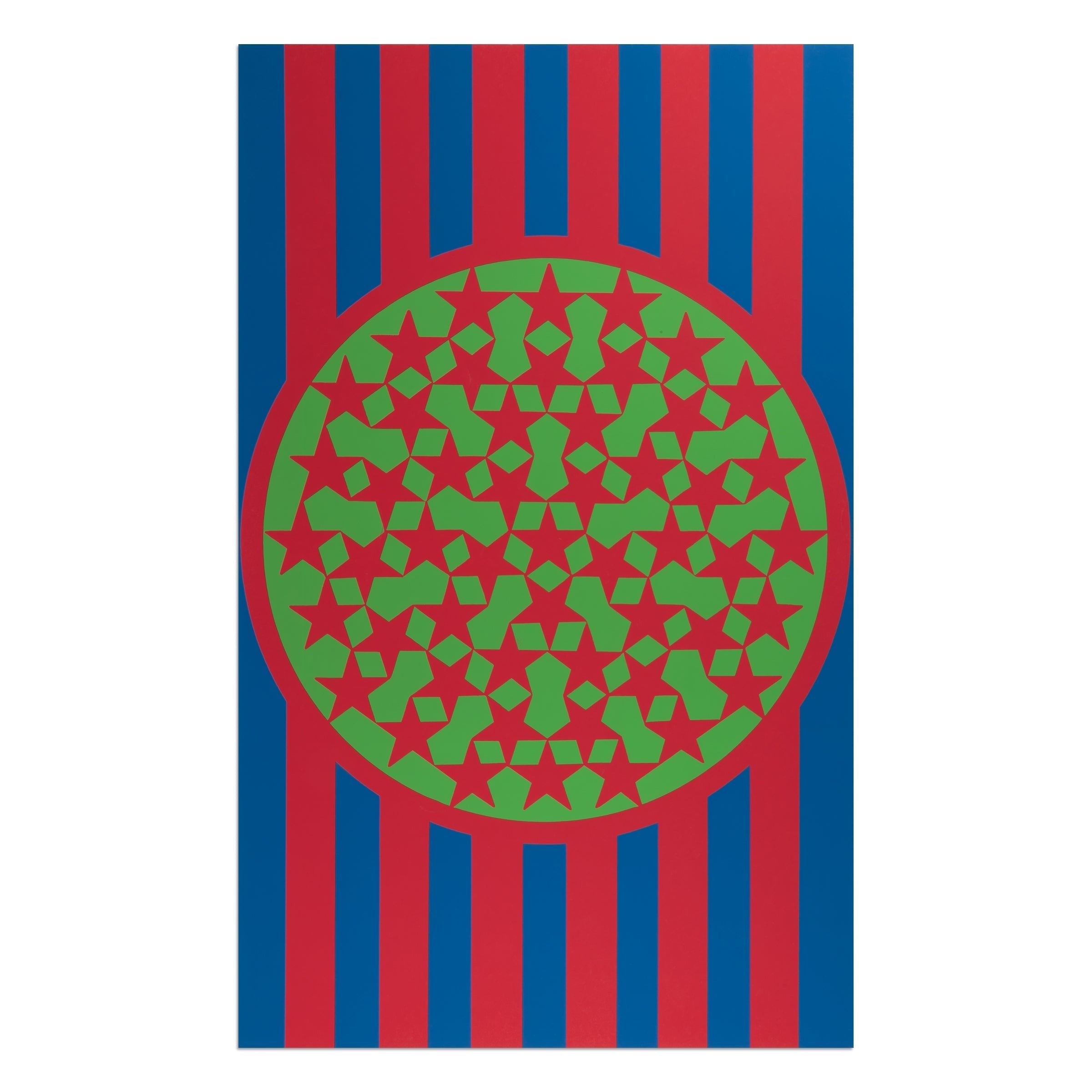
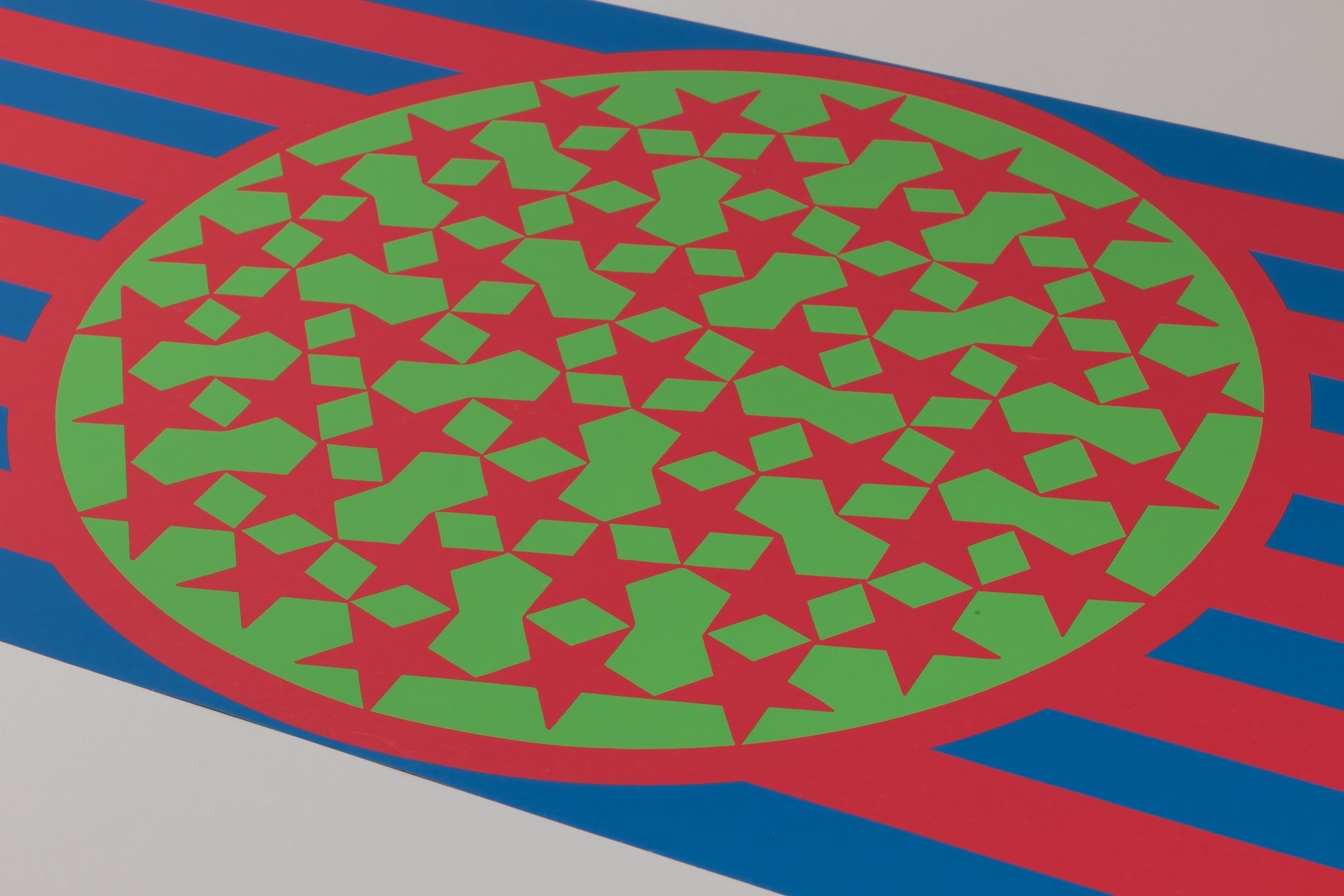
Robert Indiana – BannerRobert Indiana – Banner
Robert Indiana – Banner Sale price€1.000,00
Peter Halley – Organizational ChartsPeter Halley - Organizational Charts
Luc Tuymans – SuperstitionLuc Tuymans - Superstition
Luc Tuymans – Superstition Sale price€1.600,00
Lawrence Weiner – Wir sind keine Enten auf dem Teich
Lawrence Weiner – We Are Ships at Sea Not Ducks on a Pond
Joseph Kosuth, Map to Indicate
Joseph Beuys - 7000 EichenJoseph Beuys - 7000 Eichen
Joseph Beuys – 7000 Eichen Sale price€1.400,00
Jorinde Voigt - Sara’s Question VI
Jorinde Voigt - Sara’s Question IV
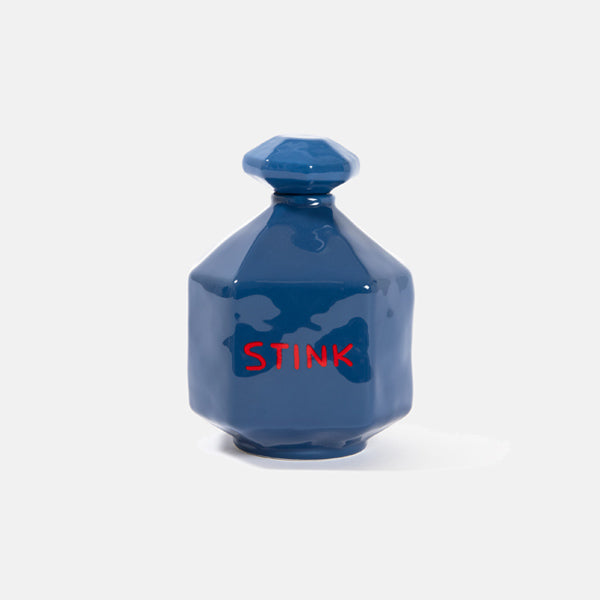
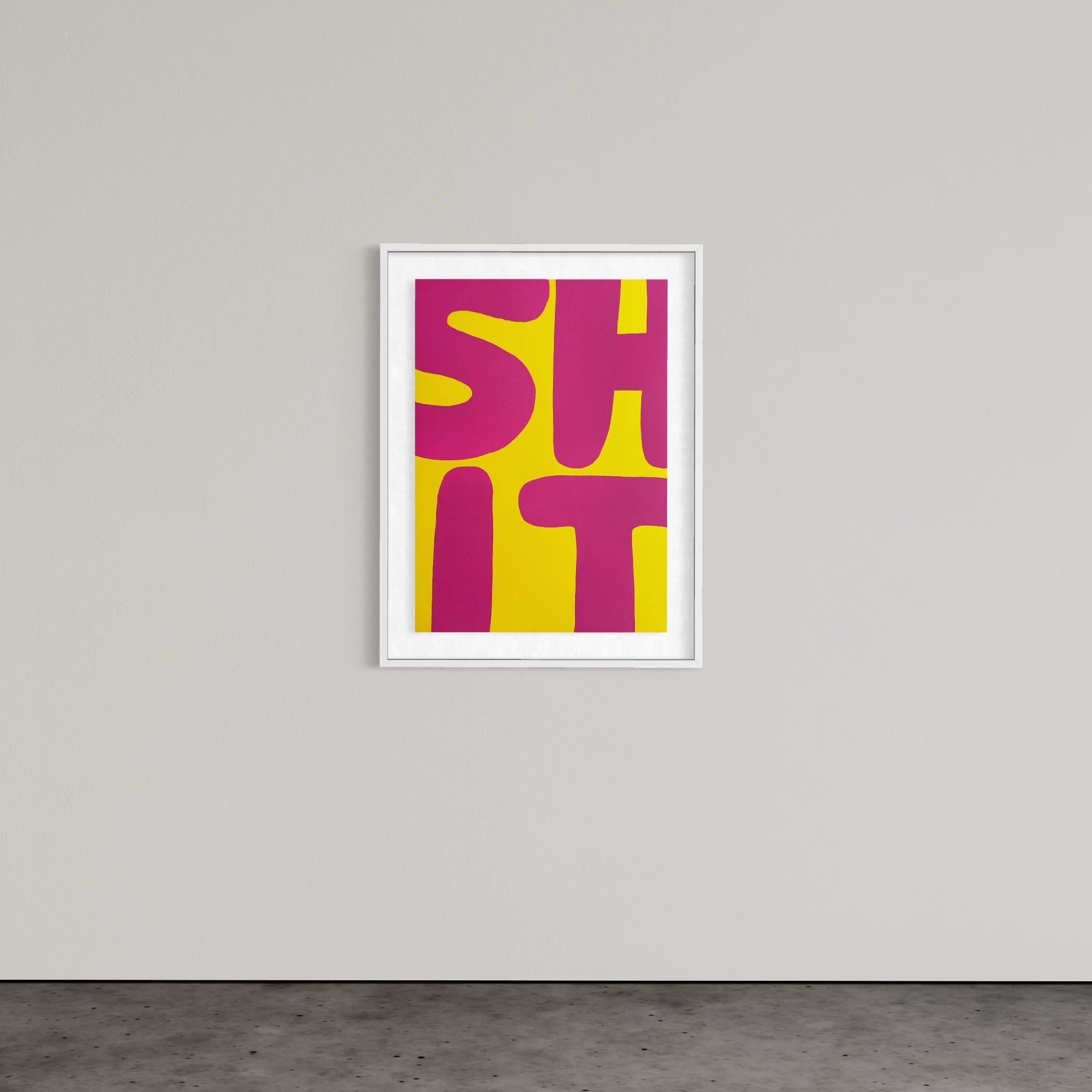
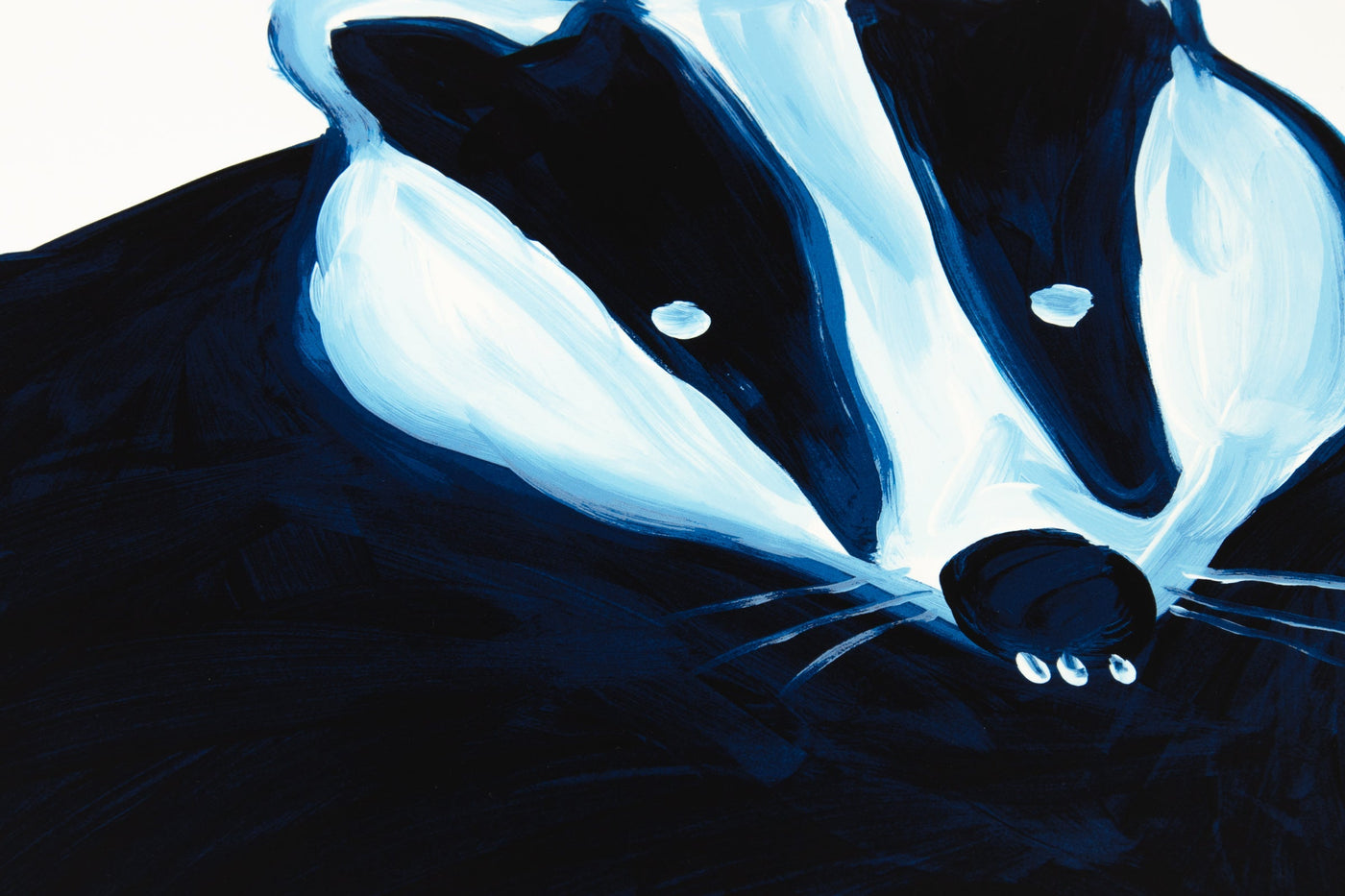
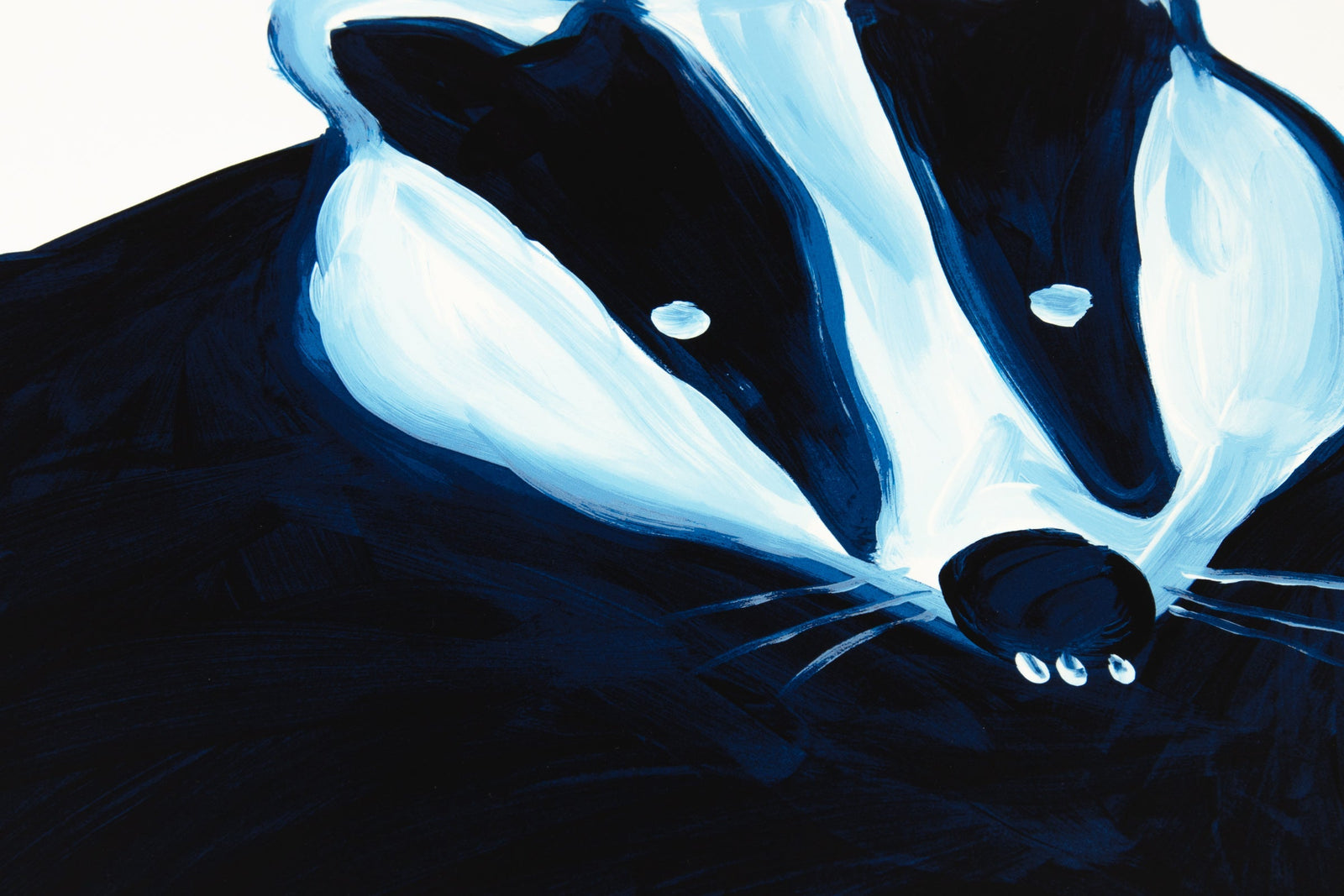
David Shrigley - I Hate Human Beings
01

What Are Screenprints?

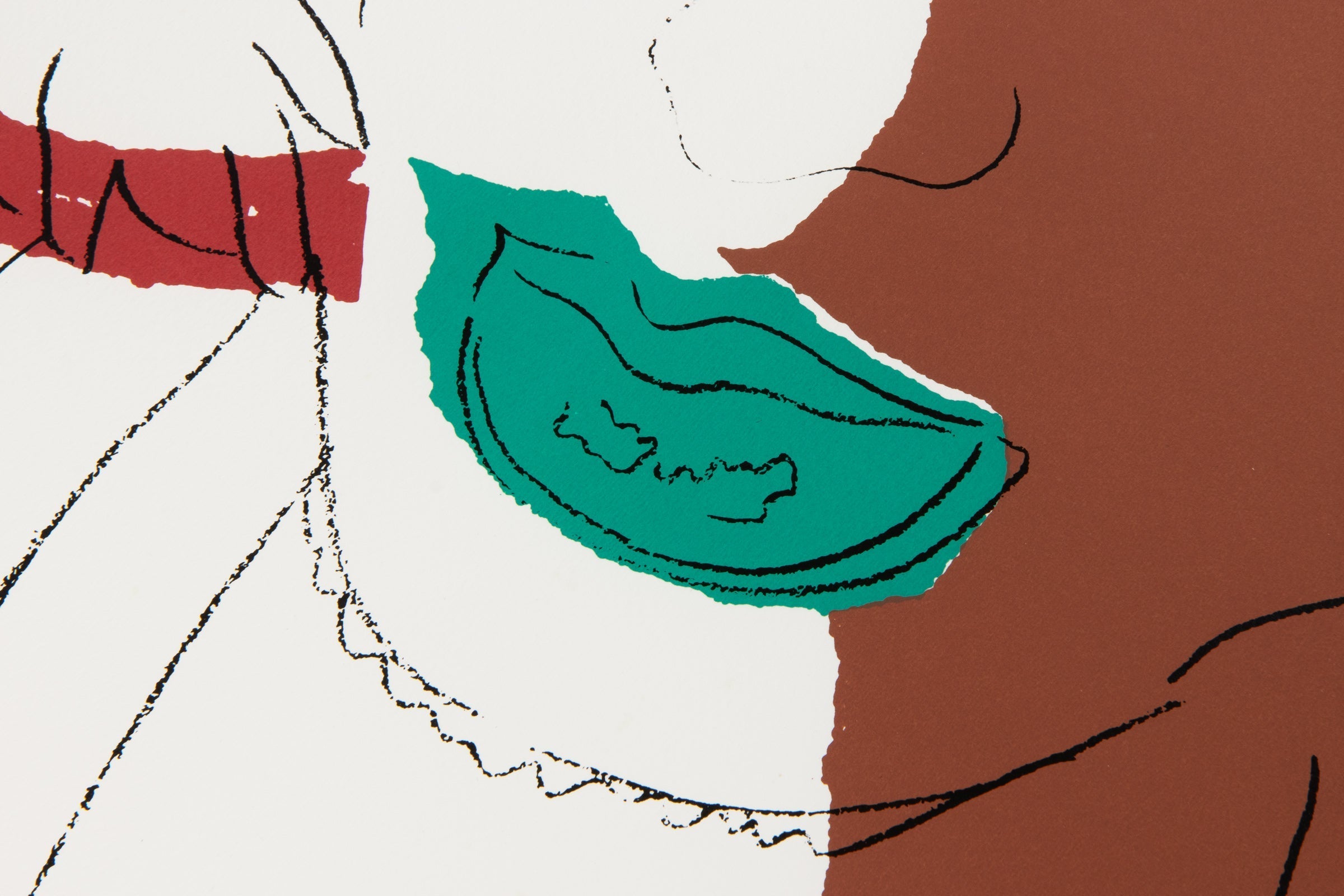
Screenprints, also known as silkscreens or serigraphs, are original prints created by pushing ink through a fine mesh screen onto paper or another surface. A stencil blocks selected areas of the screen so that ink passes only through specific parts of the mesh, forming the image. Rather than transferring ink from a plate or carved block, screenprinting deposits ink directly onto the surface of the sheet.
Because the ink sits on top of the paper, screenprinting occupies a distinctive position within printmaking. Unlike intaglio techniques such as etching or drypoint, where ink is held in recessed lines, or planographic methods such as lithography, the process produces crisp edges and opaque areas of color with exceptional clarity.

Since the twentieth century, screenprinting has become one of the defining techniques of modern and contemporary printmaking. It played a major role in Pop Art, where artists such as Andy Warhol and Roy Lichtenstein used the medium to explore repetition, popular imagery, and mass media aesthetics. Today, signed and numbered screenprints remain widely collected as original works that combine strong graphic presence with the structure of the limited edition format.

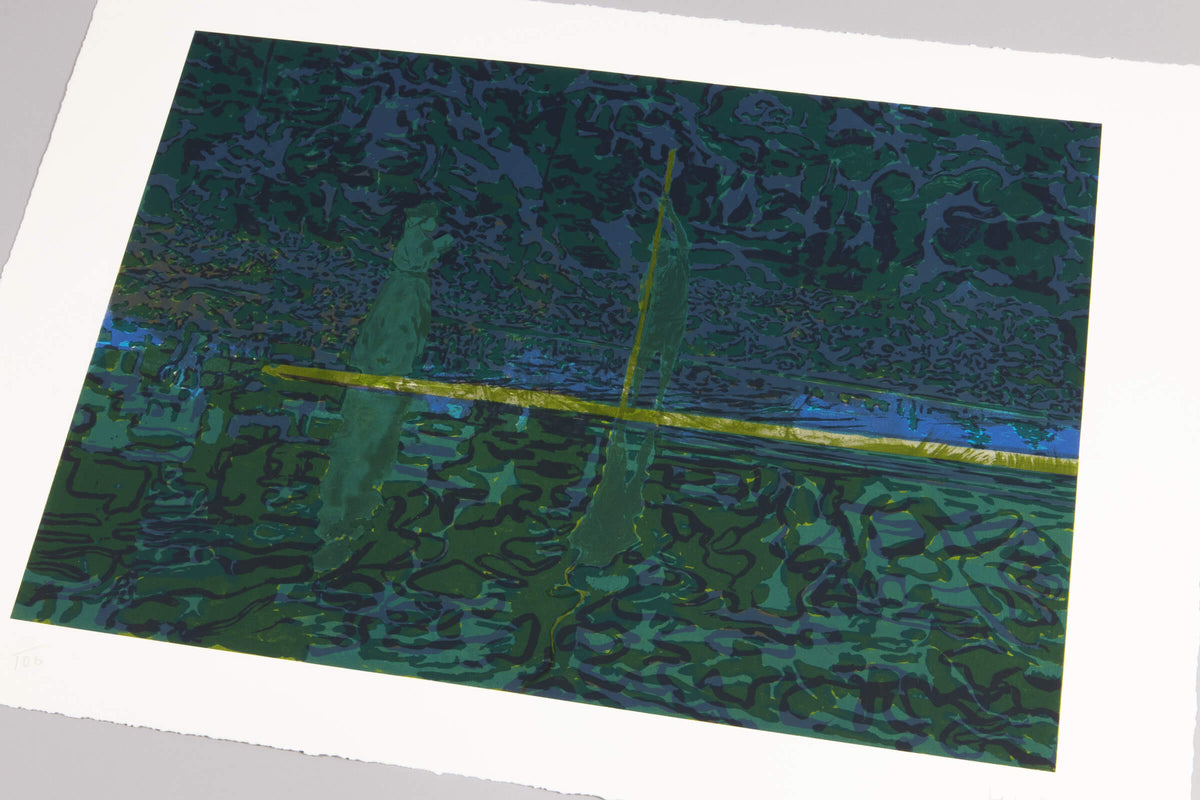
Sarah Morris – Deviancy is the Essence
02

How Are Screenprints Made?

Screenprints are produced using a tightly stretched mesh mounted on a rigid frame. Historically the mesh was made from silk, which is why the process is often called silkscreen printing, though modern screens are typically made from polyester or other synthetic fibers.

To create the image, a stencil is applied to the screen so that ink can pass only through selected areas of the mesh. In contemporary printmaking this is usually done with a photosensitive emulsion. The design is transferred to the screen using ultraviolet light, which hardens the emulsion around the image while leaving the exposed areas open. When the screen is washed, these open areas form the stencil through which ink will pass.

During printing, the screen is placed above the paper and ink is spread across its surface. A rubber blade called a squeegee is pulled across the screen, forcing ink through the open mesh onto the sheet below. Each color requires its own screen and printing pass, meaning that multi-color screenprints are built through carefully aligned layers of ink.

Because the process deposits a relatively thick layer of ink, screenprints are capable of producing vivid color fields and sharply defined forms. Artists can construct images through successive layers, allowing for precise color relationships and strong graphic structure.

In contemporary printmaking, screenprints are often produced in collaboration with master printers. These specialists help translate drawings, photographs, or graphic concepts into printable images, advising on screen preparation, color layering, inks, and paper. Through a series of proofs, artist and printer refine the composition before the final edition is printed. Master printers also supervise the edition itself, ensuring that each impression matches the approved proof and that colors remain consistent throughout the run.

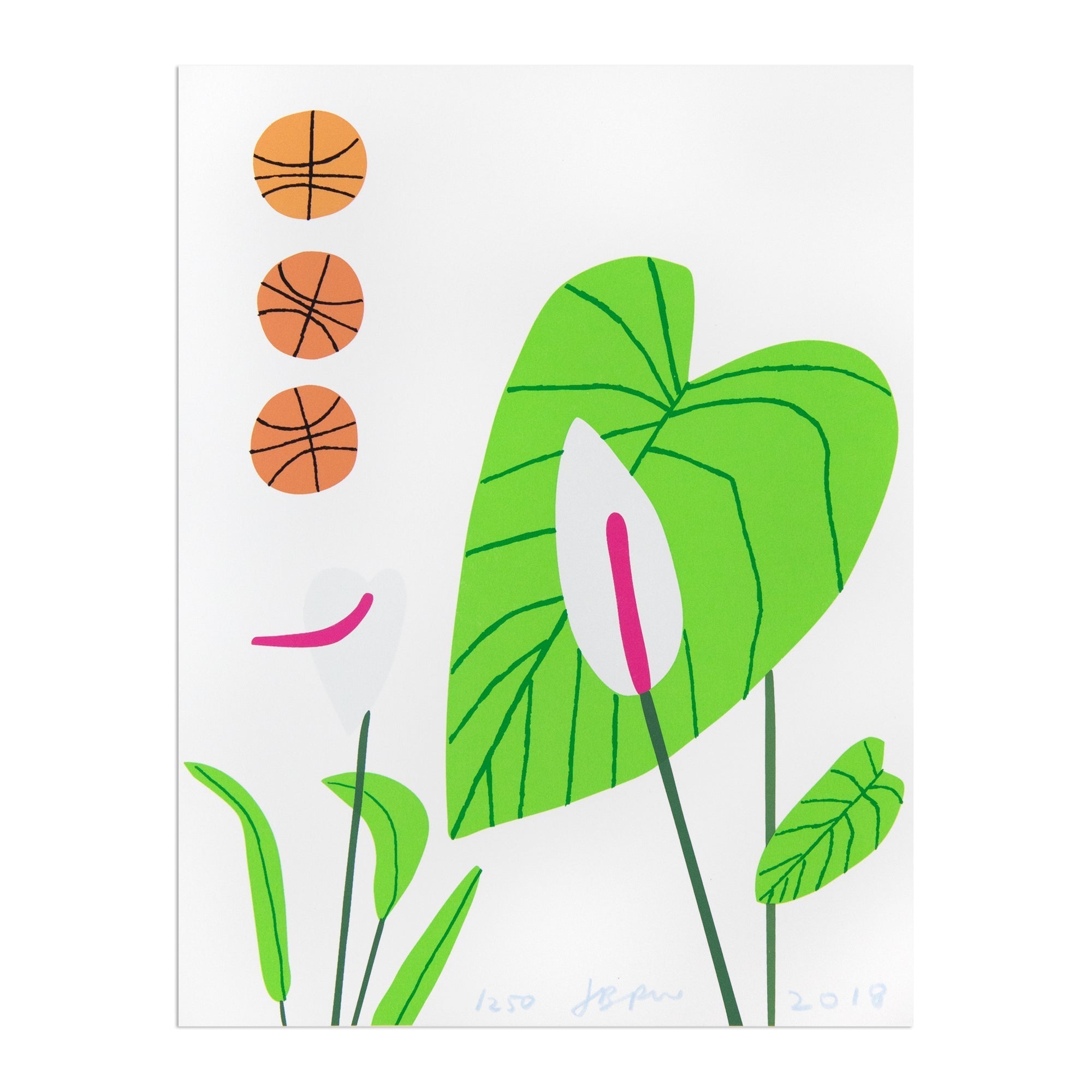
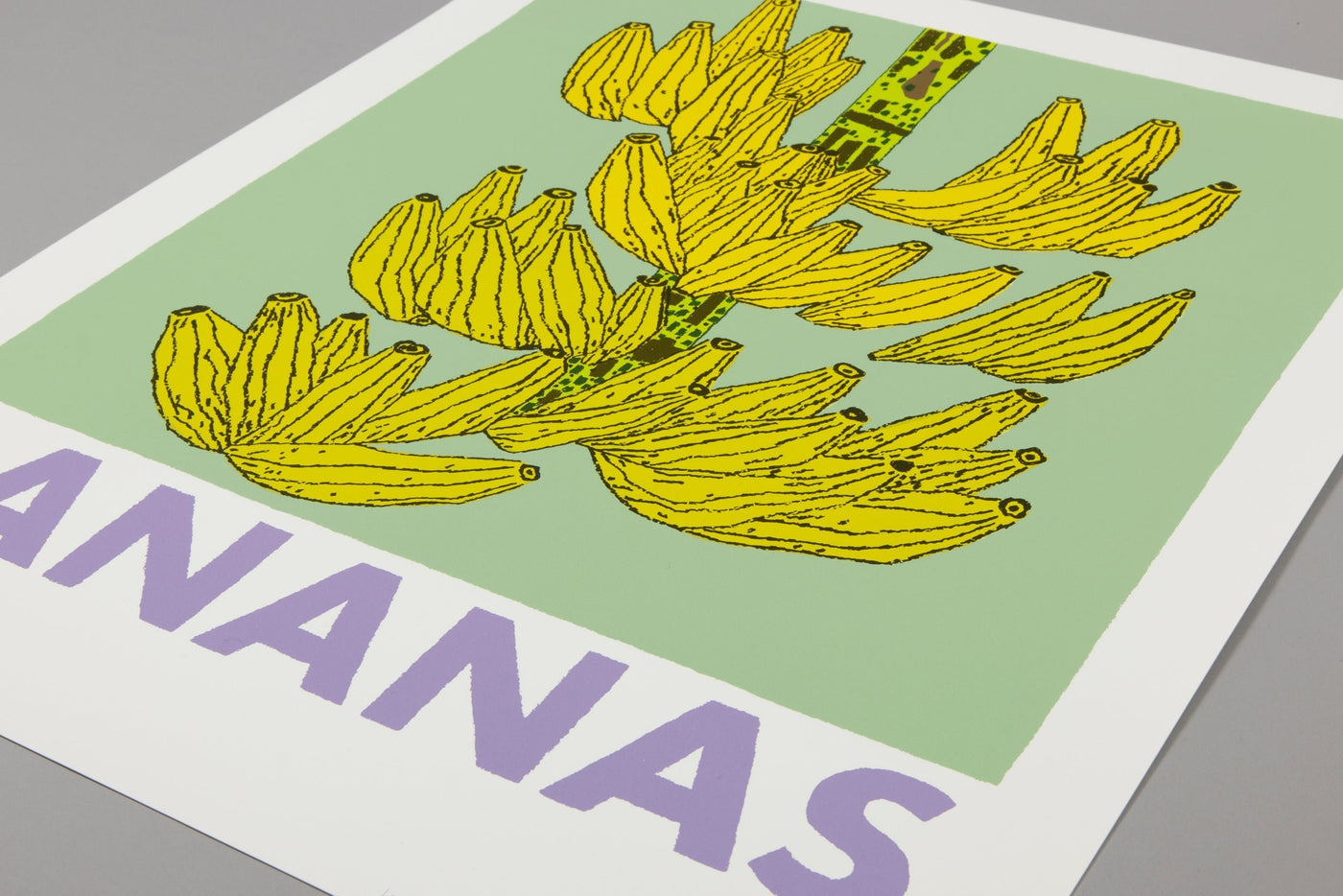
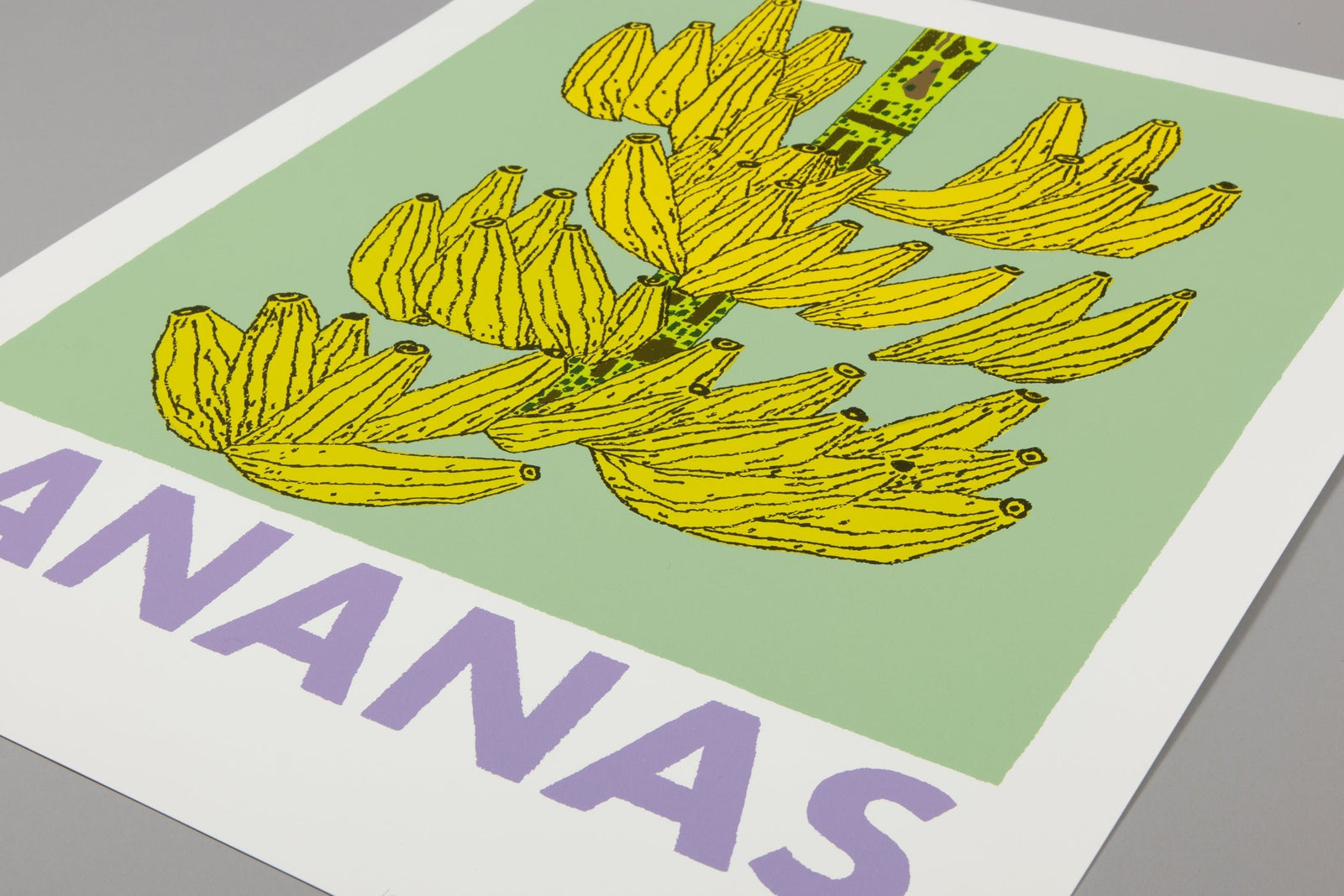
Jonas Wood - Bananas
03

Why Artists Choose Screenprinting

Artists often choose screenprinting for its ability to produce bold color, crisp edges, and visually striking compositions. Because ink is applied directly to the surface of the paper, the medium excels at creating flat areas of saturated color with strong contrast and graphic clarity.

These qualities made screenprinting central to Pop Art, where artists such as Warhol and Lichtenstein used it to explore repetition, commercial imagery, and the visual language of mass culture. The same characteristics also suit geometric movements such as Hard Edge painting and Op Art, where precise shapes, clean lines, and controlled color relationships are essential.

Screenprinting is also highly flexible in image preparation. Screens can carry hand-drawn marks, cut stencils, photographic transfers, or combinations of these approaches, allowing artists to move easily between drawing, photography, and graphic design.

The process is particularly effective for layered color compositions. Because each color is printed separately, artists can build images through carefully controlled sequences of ink layers while maintaining sharp edges and consistent color fields.

Compared with certain intaglio techniques such as drypoint or heavily worked etched plates, which may wear down during printing, screens can sustain larger numbers of consistent impressions. This durability allows artists to produce carefully controlled editions while preserving the intensity and clarity of the image.

Within the wider field of printmaking, screenprinting occupies a distinctive role. Lithography is often chosen for its fluid drawing qualities, while etching is valued for nuanced line and tonal depth. Relief techniques such as woodcut and linocut emphasize carved form and strong contrast. Screenprinting, by contrast, is especially suited to bold color, graphic precision, and the construction of images through layered fields of ink.

For these reasons, screenprinting remains one of the most influential techniques in modern and contemporary printmaking, offering artists a powerful balance between visual impact, technical control, and the production of refined original prints in signed limited editions.

01

What Are Screenprints?

Screenprints, also known as silkscreens or serigraphs, are original prints created by pushing ink through a fine mesh screen onto paper or another surface. A stencil blocks selected areas of the screen so that ink passes only through specific parts of the mesh, forming the image. Rather than transferring ink from a plate or carved block, screenprinting deposits ink directly onto the surface of the sheet.

Because the ink sits on top of the paper, screenprinting occupies a distinctive position within printmaking. Unlike intaglio techniques such as etching or drypoint, where ink is held in recessed lines, or planographic methods such as lithography, the process produces crisp edges and opaque areas of color with exceptional clarity.

Since the twentieth century, screenprinting has become one of the defining techniques of modern and contemporary printmaking. It played a major role in Pop Art, where artists such as Andy Warhol and Roy Lichtenstein used the medium to explore repetition, popular imagery, and mass media aesthetics. Today, signed and numbered screenprints remain widely collected as original works that combine strong graphic presence with the structure of the limited edition format.

02

How Are Screenprints Made?

Screenprints are produced using a tightly stretched mesh mounted on a rigid frame. Historically the mesh was made from silk, which is why the process is often called silkscreen printing, though modern screens are typically made from polyester or other synthetic fibers.

To create the image, a stencil is applied to the screen so that ink can pass only through selected areas of the mesh. In contemporary printmaking this is usually done with a photosensitive emulsion. The design is transferred to the screen using ultraviolet light, which hardens the emulsion around the image while leaving the exposed areas open. When the screen is washed, these open areas form the stencil through which ink will pass.

During printing, the screen is placed above the paper and ink is spread across its surface. A rubber blade called a squeegee is pulled across the screen, forcing ink through the open mesh onto the sheet below. Each color requires its own screen and printing pass, meaning that multi-color screenprints are built through carefully aligned layers of ink.

Because the process deposits a relatively thick layer of ink, screenprints are capable of producing vivid color fields and sharply defined forms. Artists can construct images through successive layers, allowing for precise color relationships and strong graphic structure.

In contemporary printmaking, screenprints are often produced in collaboration with master printers. These specialists help translate drawings, photographs, or graphic concepts into printable images, advising on screen preparation, color layering, inks, and paper. Through a series of proofs, artist and printer refine the composition before the final edition is printed. Master printers also supervise the edition itself, ensuring that each impression matches the approved proof and that colors remain consistent throughout the run.

03

Why Artists Choose Screenprinting

Artists often choose screenprinting for its ability to produce bold color, crisp edges, and visually striking compositions. Because ink is applied directly to the surface of the paper, the medium excels at creating flat areas of saturated color with strong contrast and graphic clarity.

These qualities made screenprinting central to Pop Art, where artists such as Warhol and Lichtenstein used it to explore repetition, commercial imagery, and the visual language of mass culture. The same characteristics also suit geometric movements such as Hard Edge painting and Op Art, where precise shapes, clean lines, and controlled color relationships are essential.

Screenprinting is also highly flexible in image preparation. Screens can carry hand-drawn marks, cut stencils, photographic transfers, or combinations of these approaches, allowing artists to move easily between drawing, photography, and graphic design.

The process is particularly effective for layered color compositions. Because each color is printed separately, artists can build images through carefully controlled sequences of ink layers while maintaining sharp edges and consistent color fields.

Compared with certain intaglio techniques such as drypoint or heavily worked etched plates, which may wear down during printing, screens can sustain larger numbers of consistent impressions. This durability allows artists to produce carefully controlled editions while preserving the intensity and clarity of the image.

Within the wider field of printmaking, screenprinting occupies a distinctive role. Lithography is often chosen for its fluid drawing qualities, while etching is valued for nuanced line and tonal depth. Relief techniques such as woodcut and linocut emphasize carved form and strong contrast. Screenprinting, by contrast, is especially suited to bold color, graphic precision, and the construction of images through layered fields of ink.

For these reasons, screenprinting remains one of the most influential techniques in modern and contemporary printmaking, offering artists a powerful balance between visual impact, technical control, and the production of refined original prints in signed limited editions.

David Shrigley - I Hate Human BeingsSarah Morris – Deviancy is the EssenceJonas Wood - Bananas

Other Printmaking Techniques

Limited edition prints are created using a range of traditional printmaking techniques, each with distinct visual qualities. Lithographs translate drawing into print, etchings produce precise lines through acid-bitten plates, woodcuts create bold graphic compositions from carved blocks, and pigment prints translate photographic or digital images into finely detailed editions. Learn more in our Glossary of Editions.

View all
Prints, Photographs & Multiples

View our full collection of

Prints, Photographs & Multiples

Shop now