



About Rupprecht Geiger
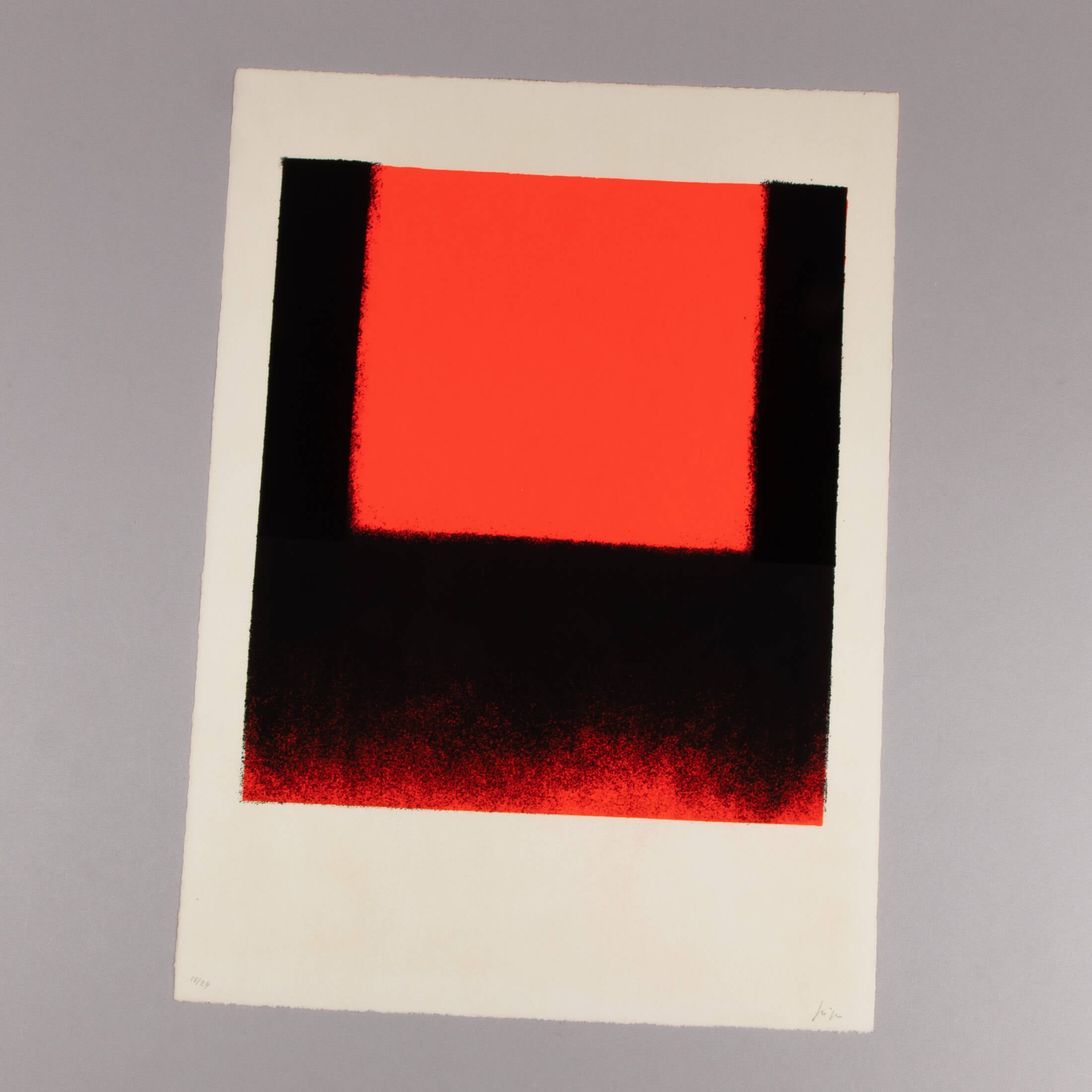
Rupprecht Geiger (German, 1908–2009) was a leading figure of postwar abstraction and Colour Field painting, internationally recognised for his radiant monochromes and hard-edged geometric artworks. The son of painter Willi Geiger, he worked across architecture, painting, sculpture, and printmaking before dedicating himself fully to the exploration of colour as an autonomous pictorial force.
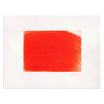
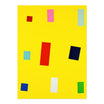
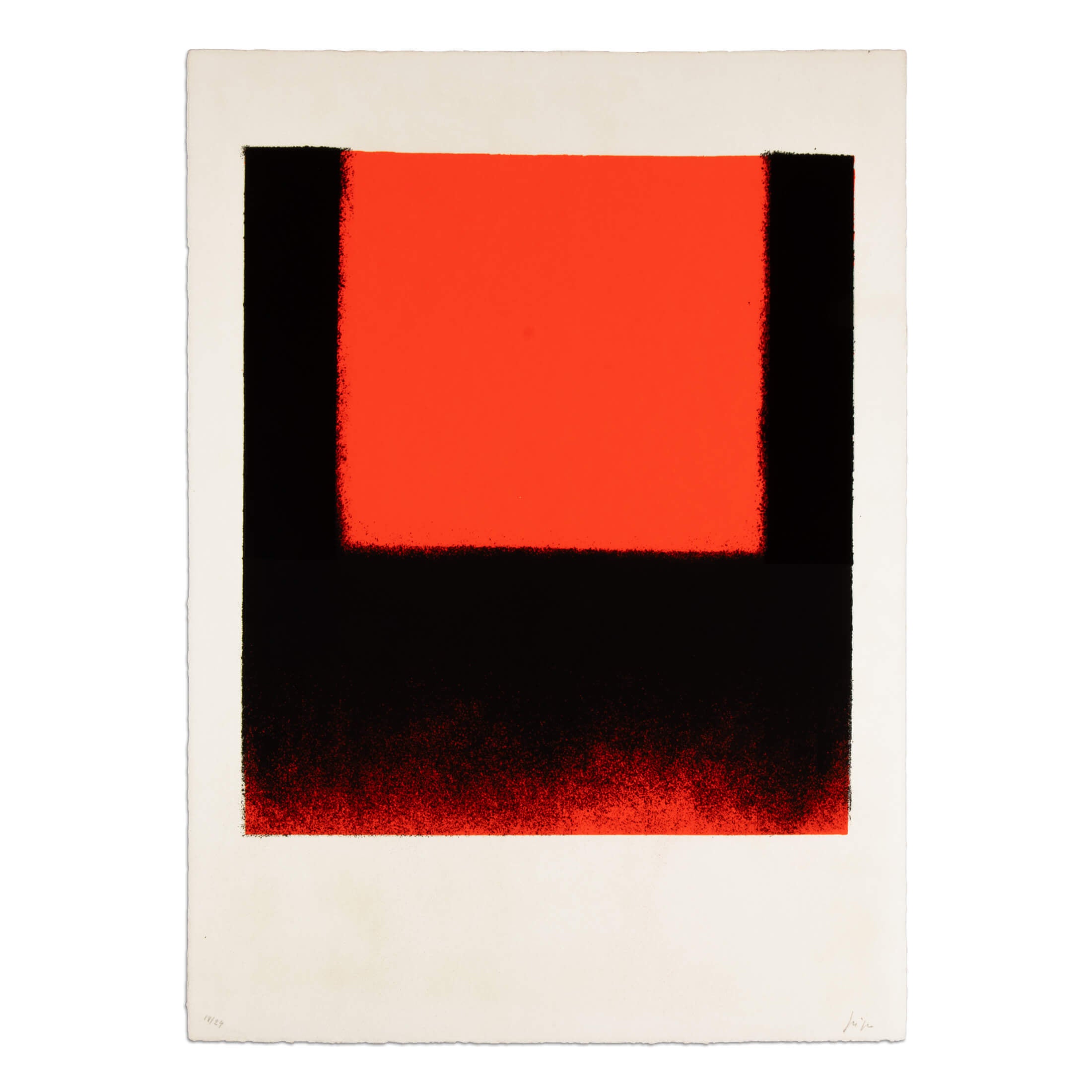
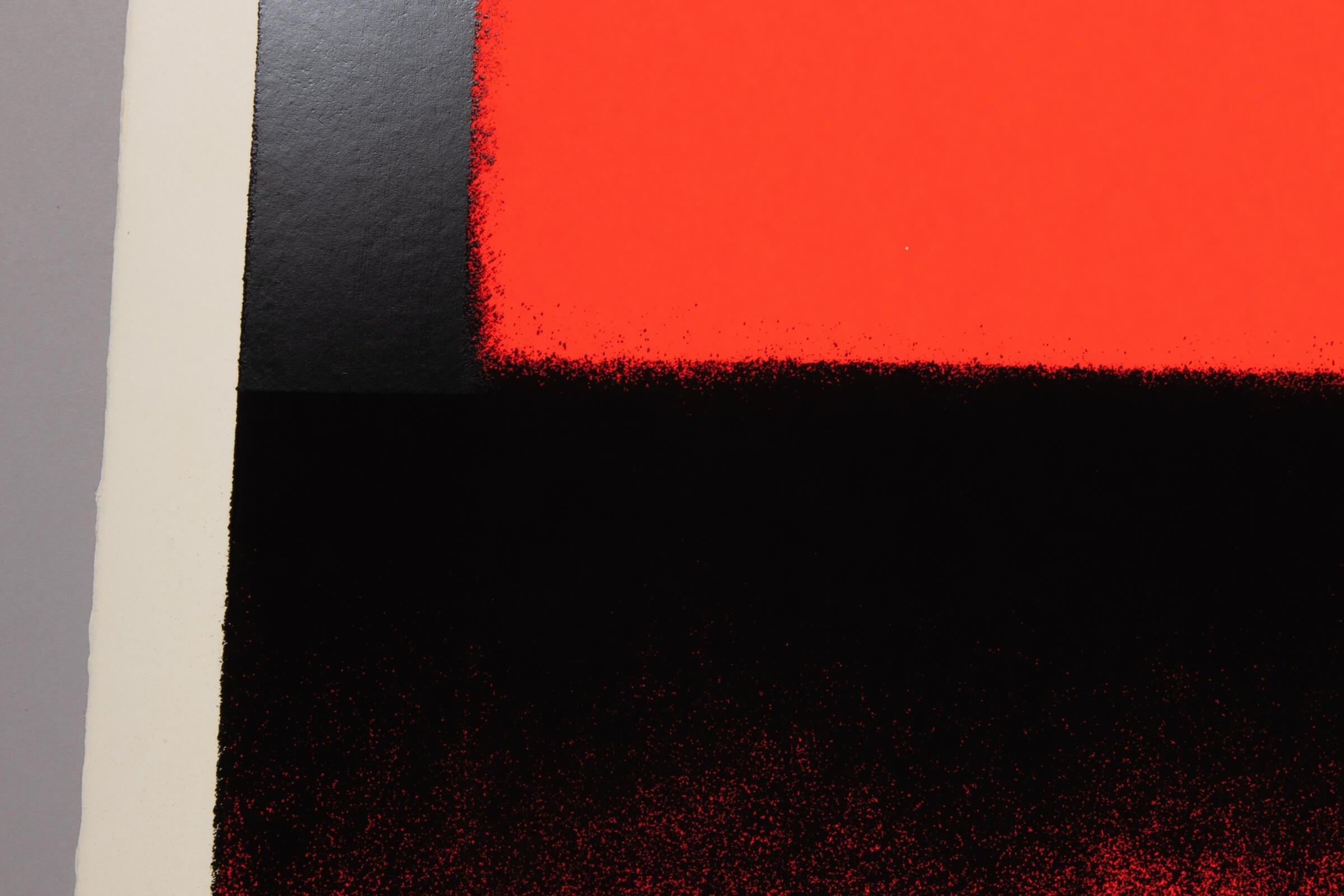
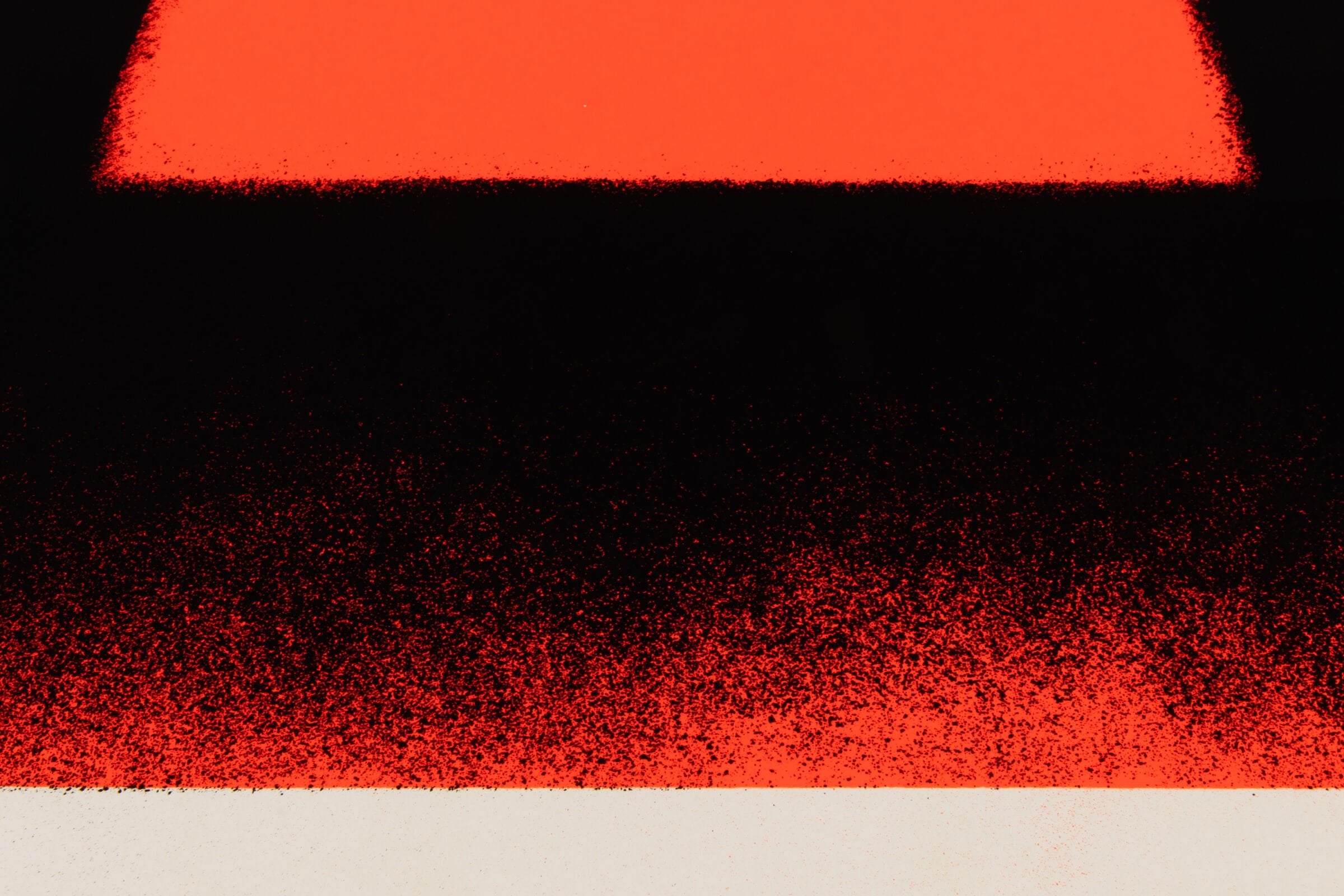
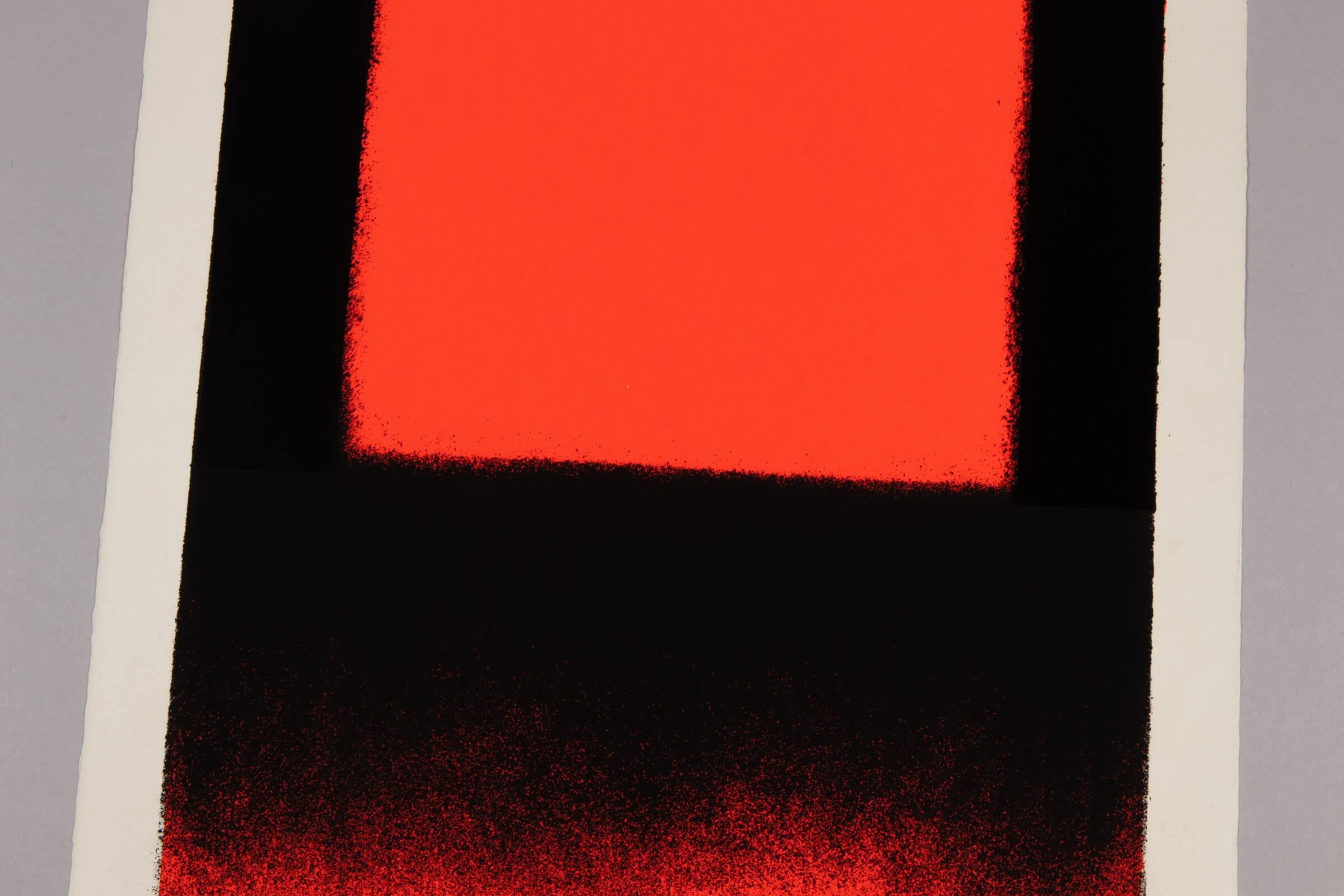
Geiger's artworks are defined by precise geometric forms and an intense chromatic vocabulary — most notably his iconic reds. For Geiger, red was not merely a formal choice but a symbol of vitality, energy, and presence. Across paintings and limited edition screenprints, he investigated how colour alone could generate spatial depth and emotional resonance, positioning his practice at the forefront of non-objective art in postwar Germany. His screenprints, in particular, allowed him to achieve the chromatic intensity and geometric precision that define his work in a collectible, editioned format.
In 1949, together with Willi Baumeister and Fritz Winter, Geiger co-founded the artist group Zen 49 in Munich, which played a decisive role in reestablishing abstract art in Germany after World War II. By the early 1960s, he concentrated exclusively on painting and printmaking, producing a body of artworks and fine art prints that remain central to European Colour Field abstraction.
Rupprecht Geiger participated in documenta 2, 3, 4, and 6, and exhibited at the Museum for Non-Objective Painting — later the Guggenheim Museum, New York. Major retrospectives at the Neue Nationalgalerie in Berlin and the Lenbachhaus in Munich confirmed his enduring significance within twentieth-century art.


