


Rupprecht Geiger

Rupprecht Geiger prints and editions for sale.

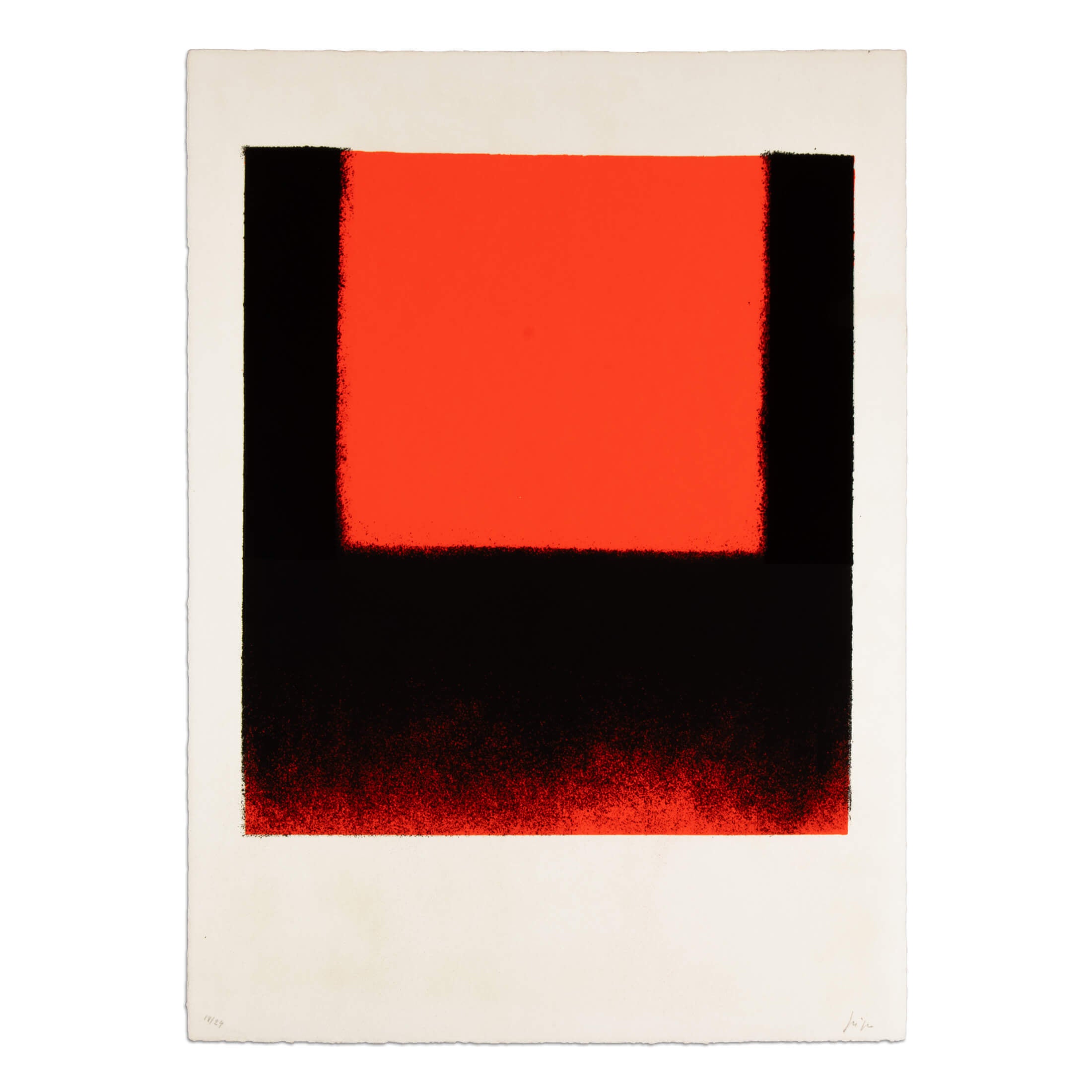
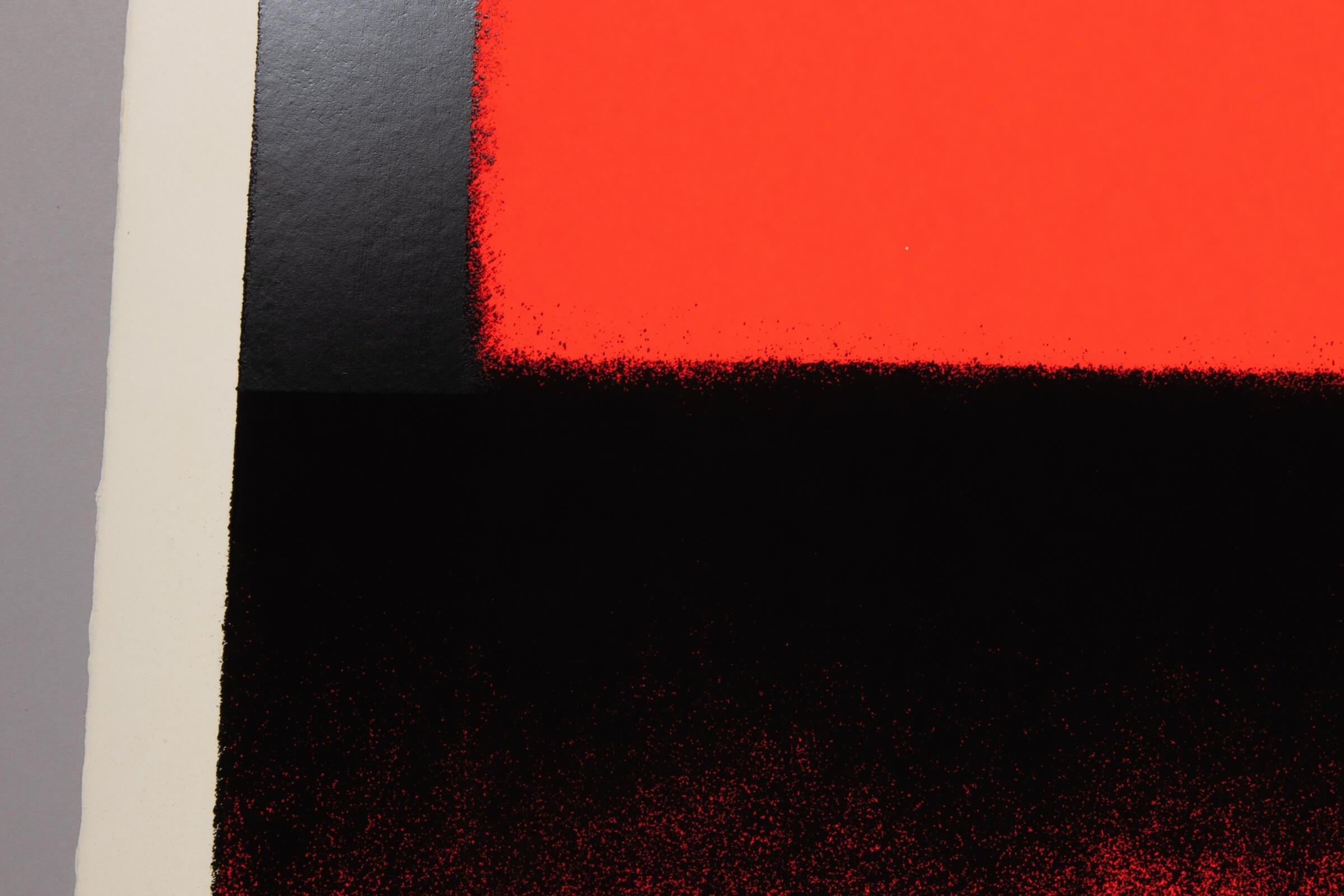
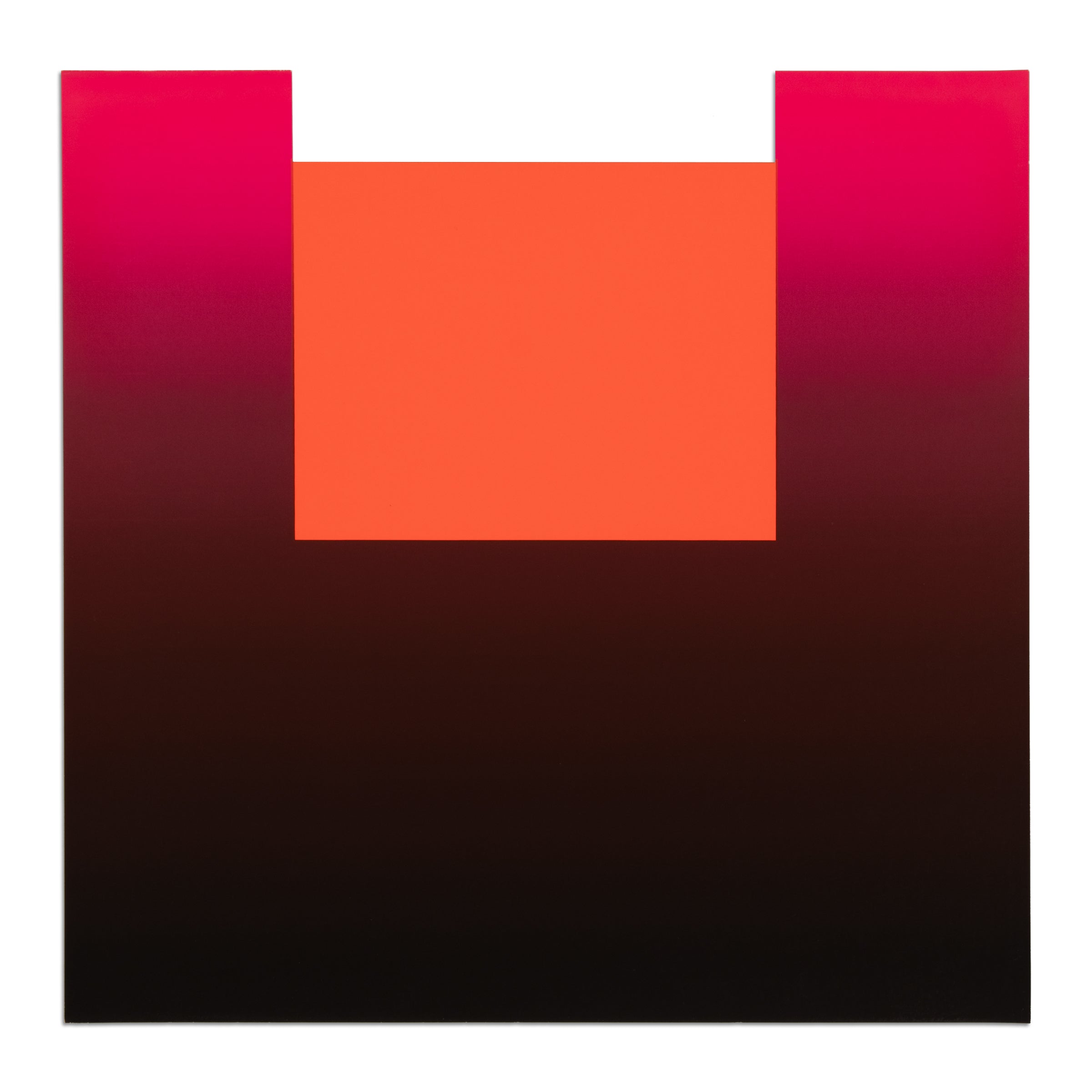
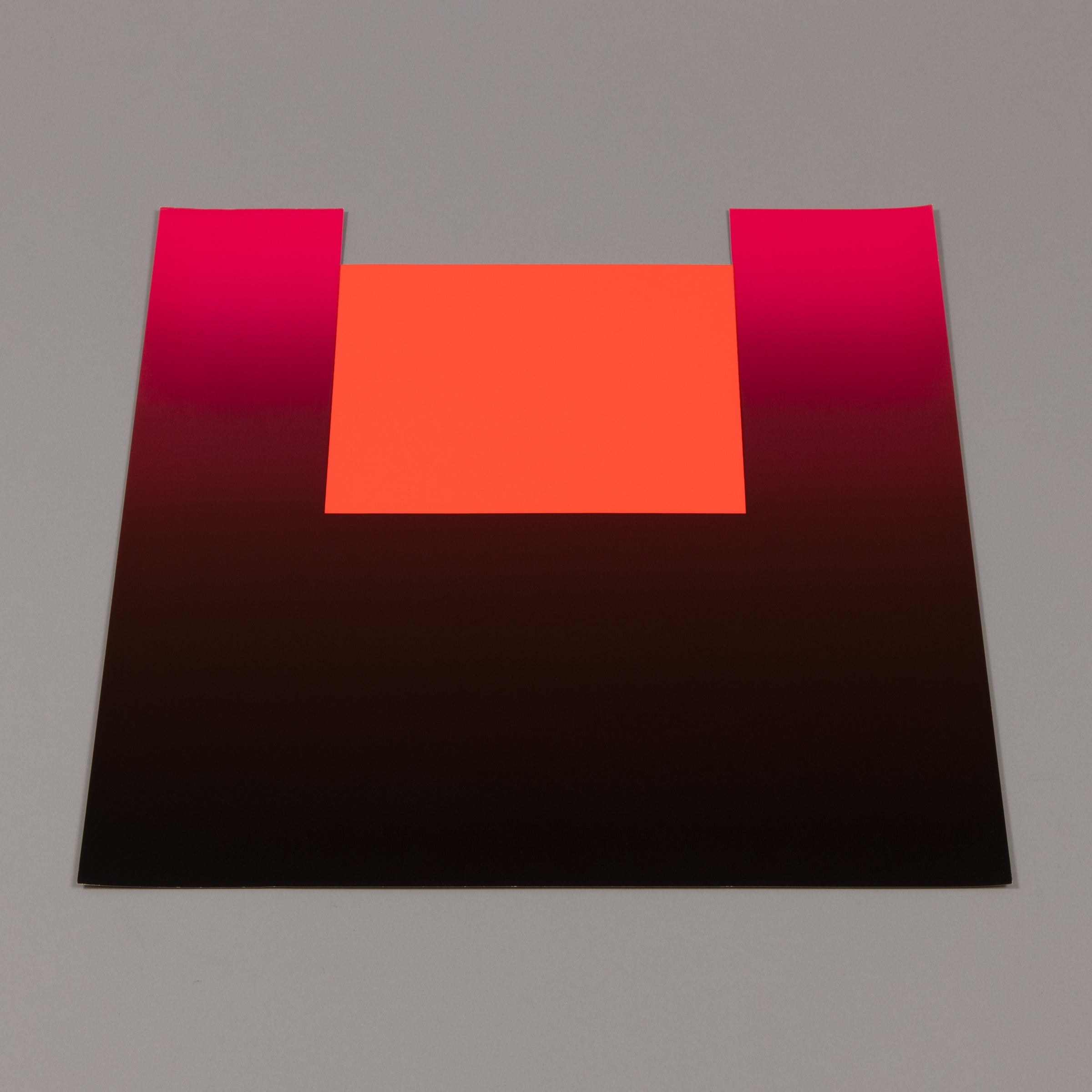
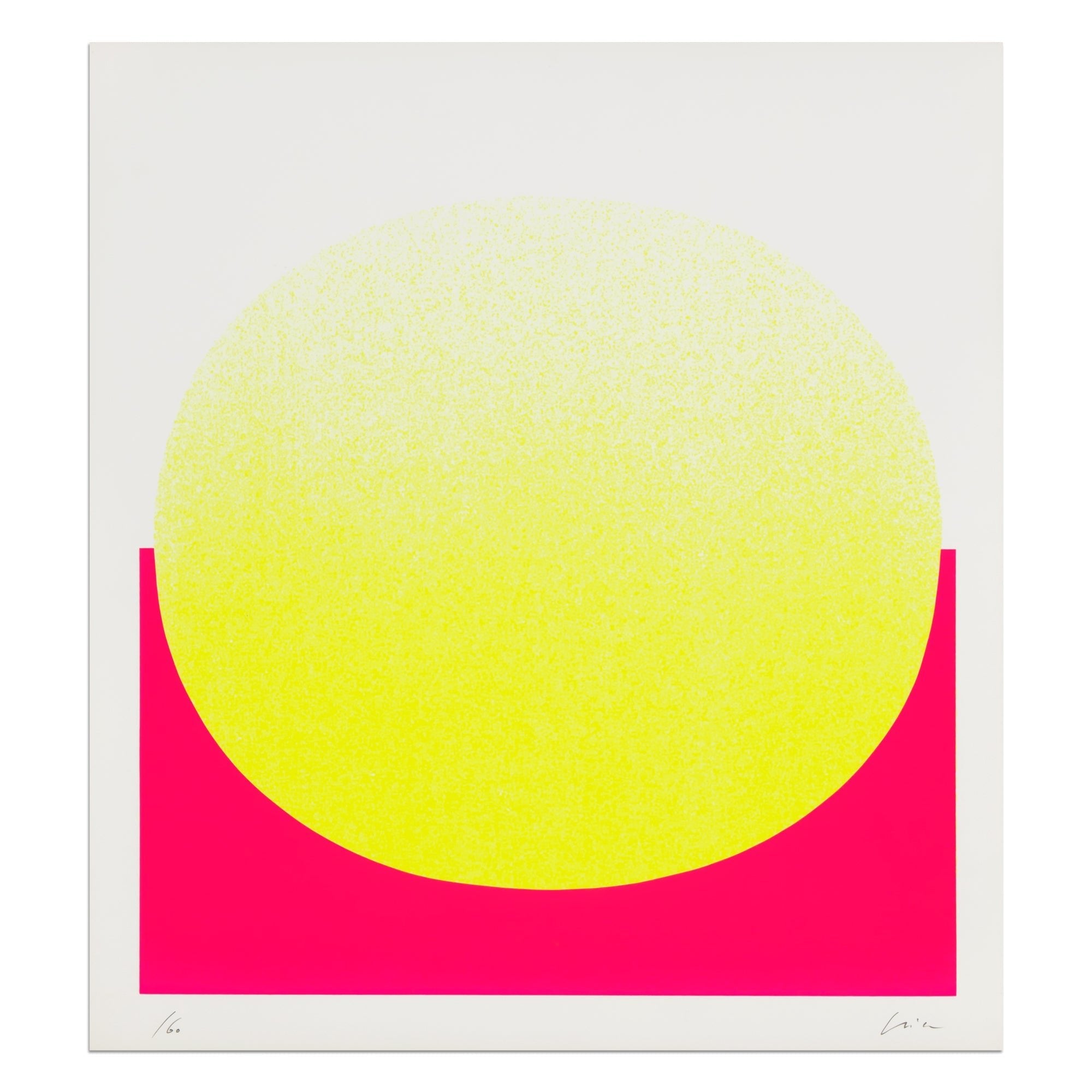
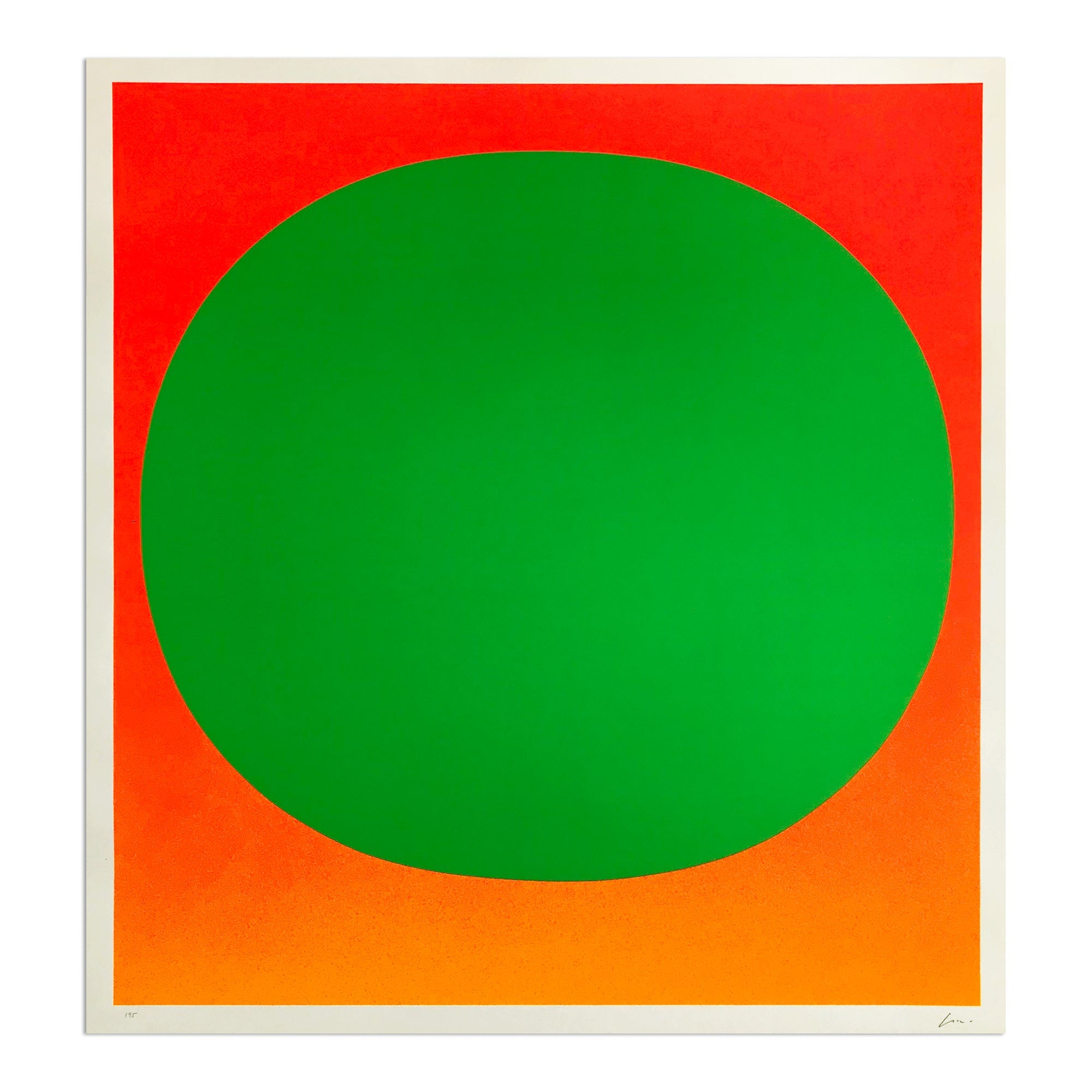
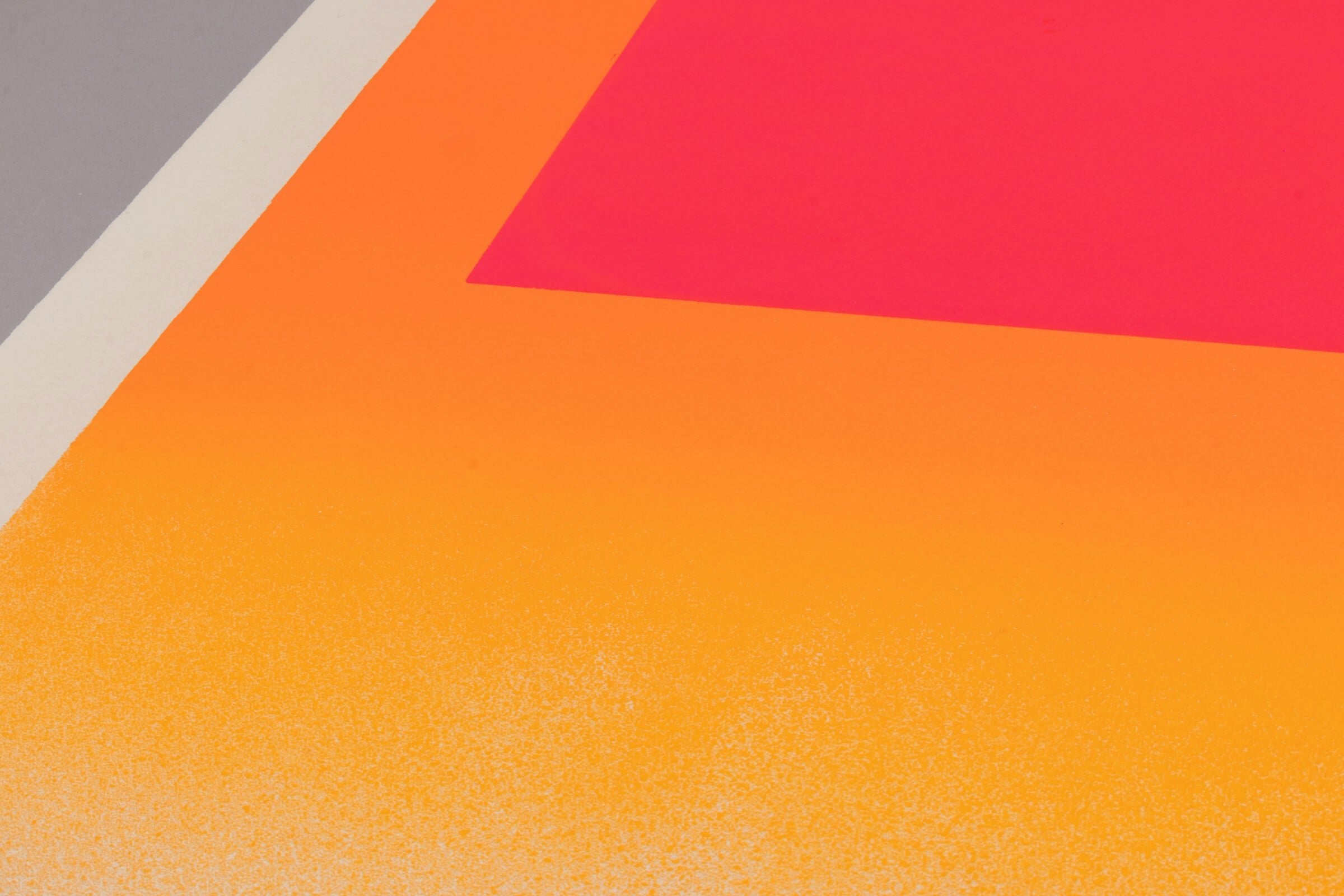
Where Rothko used colour to dissolve form and Kelly reduced it to pure geometry, Rupprecht Geiger staked out a third position: colour as the subject itself, an independent force demanding its own investigation. His signed screenprints carry that investigation directly onto paper — the pure, unmixed pigments often making his colours glow even more intensely than in the oil paintings. Geiger became the central figure of German Concrete abstraction, his fluorescent reds and oranges rendered in hard-edged geometric fields across paintings, original prints, and editions.

Available Prints & Editions

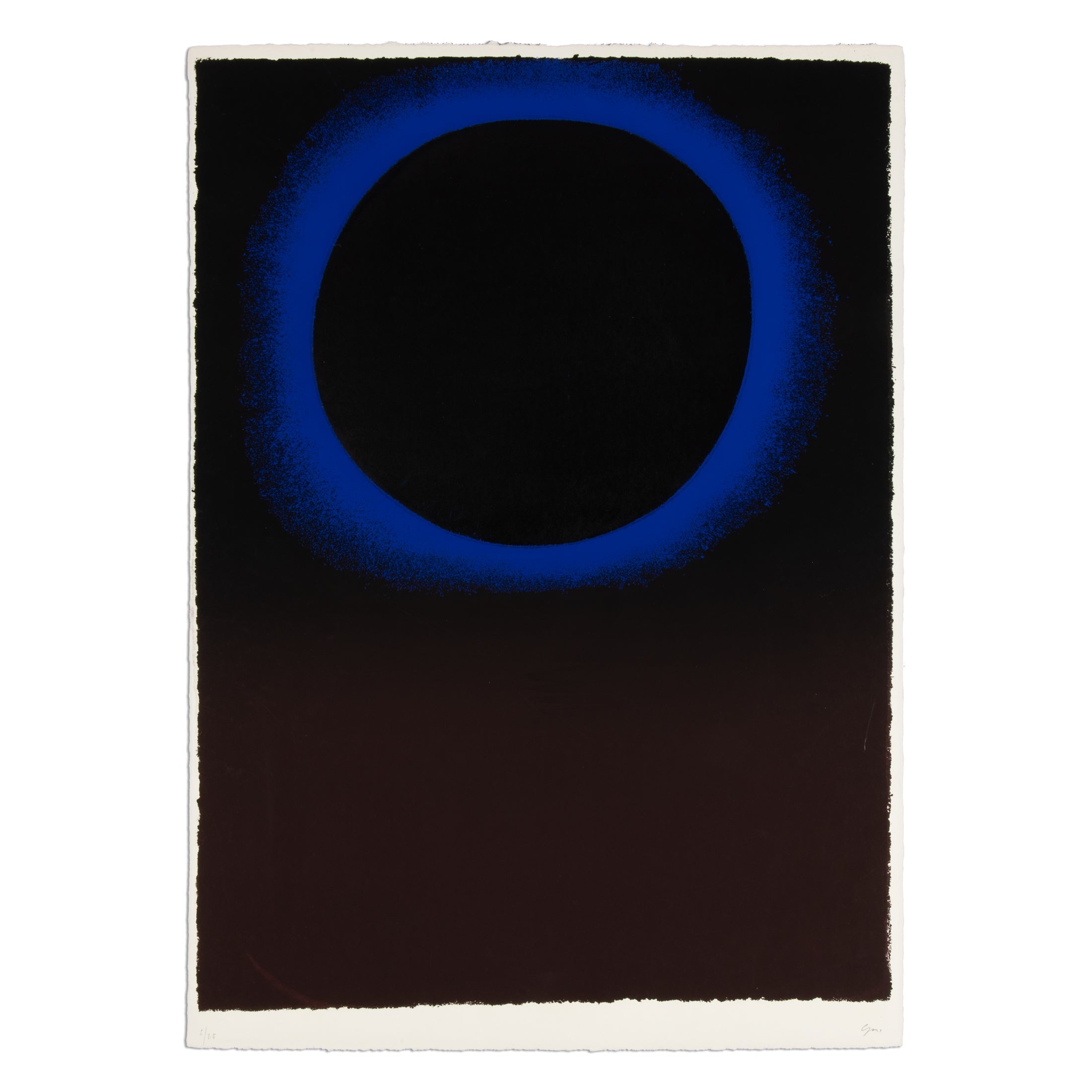
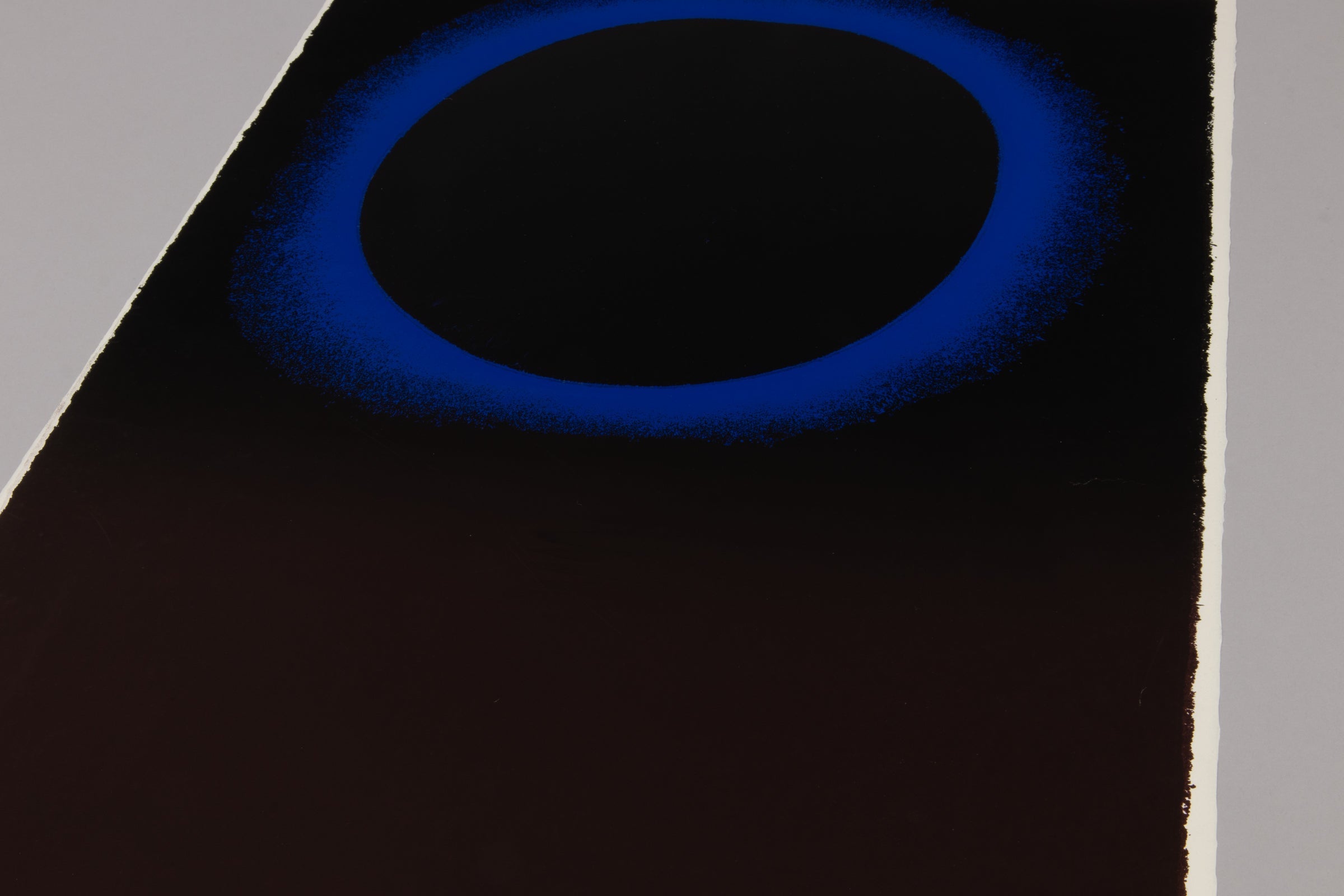
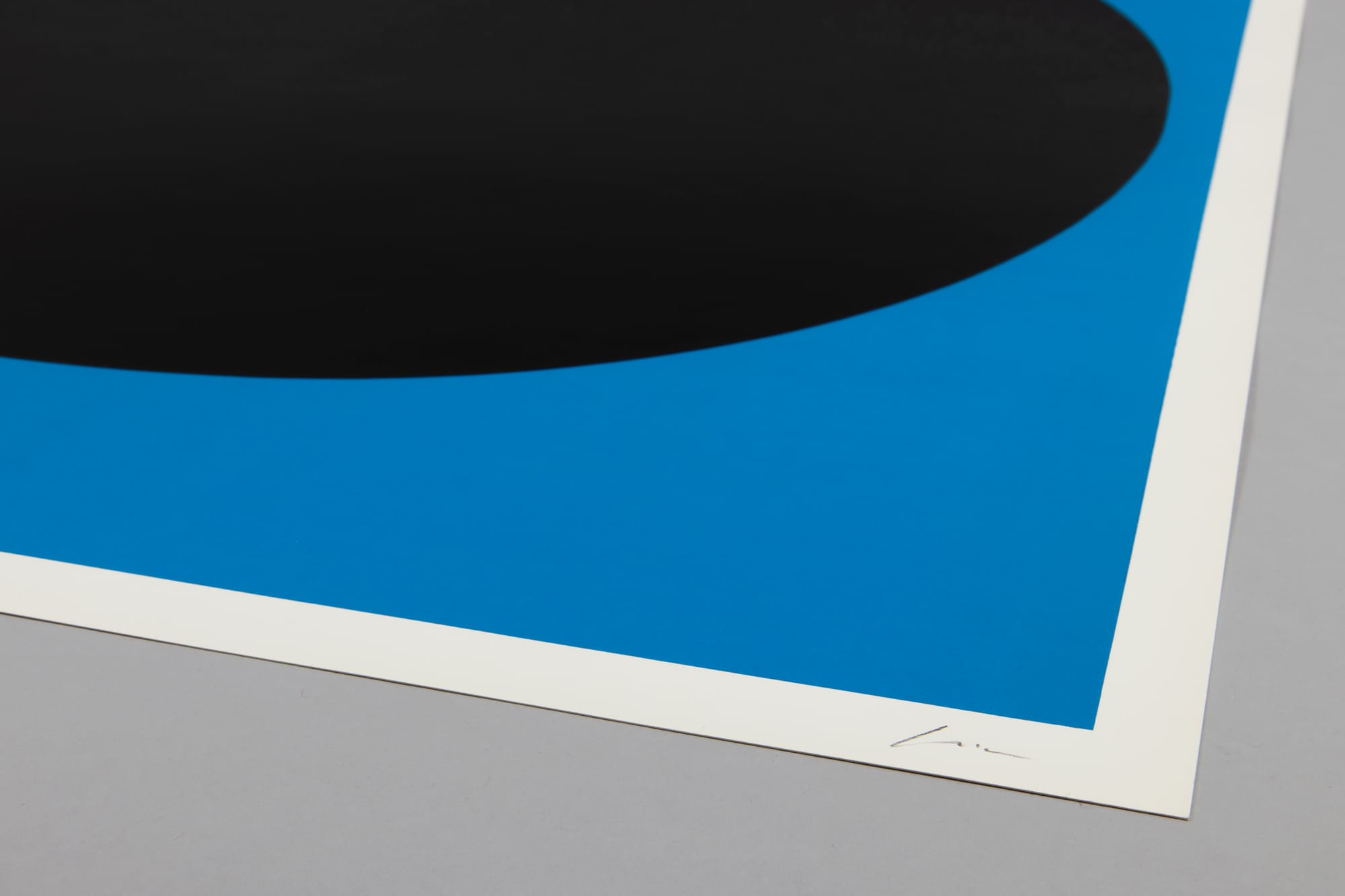
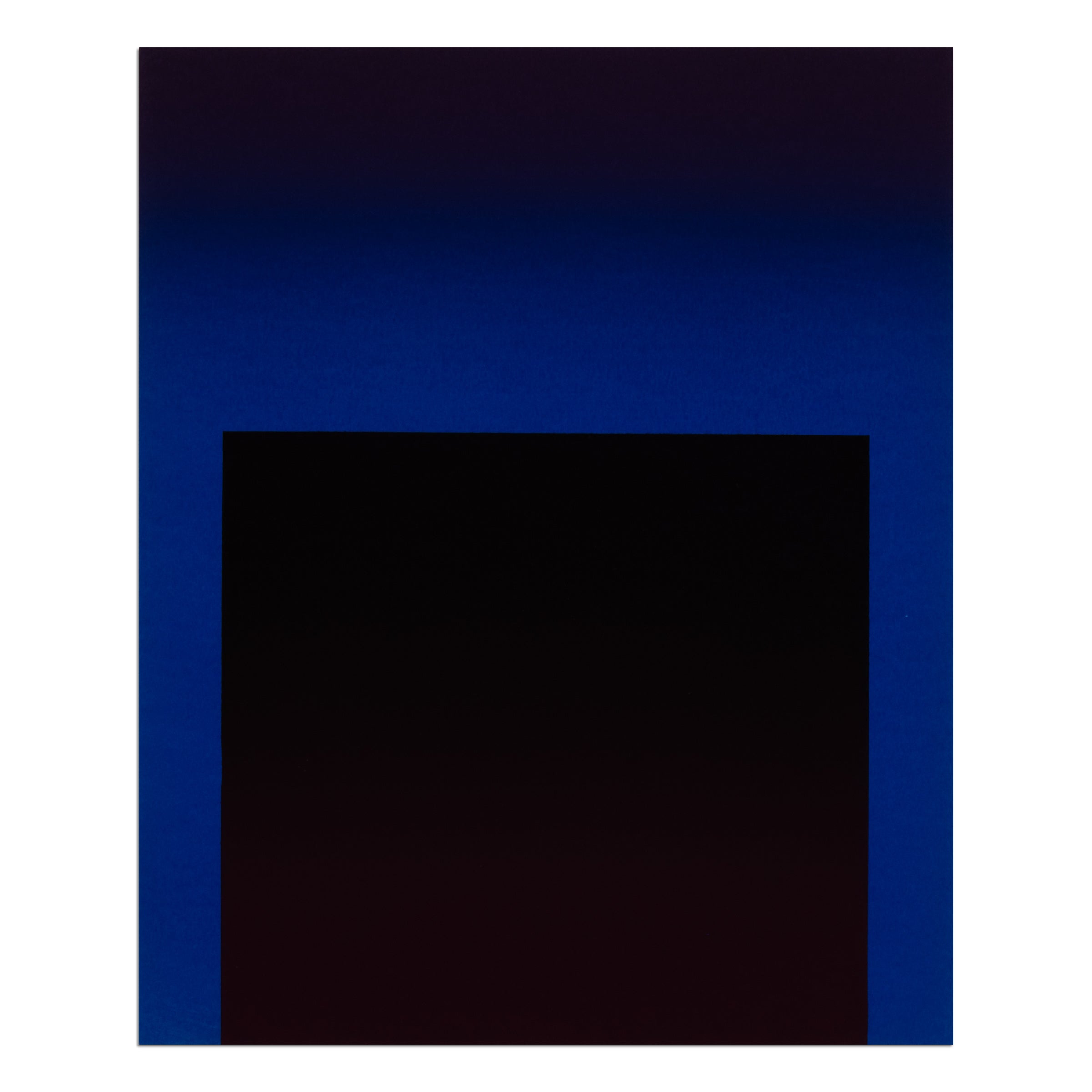
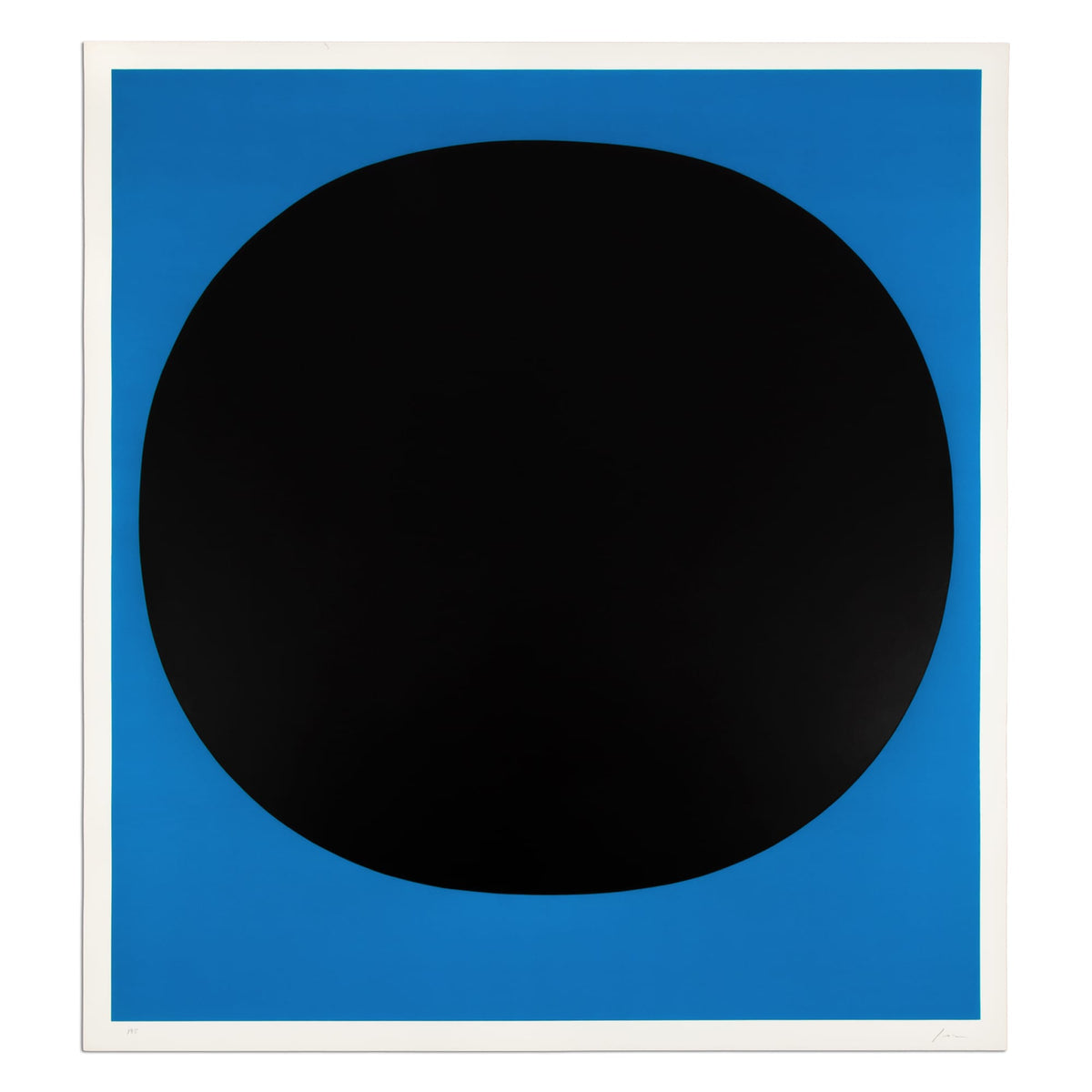
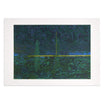
Rupprecht Geiger – Black on Blue

Rupprecht Geiger Biography

Rupprecht Geiger (1908–2009) was born in Munich, the only child of Willi Geiger, a painter later branded "degenerate" by the Nazi regime and dismissed from his teaching post. Rupprecht trained as an architect, graduating in 1935, before being drafted to the Eastern Front in 1940; from 1942 he served as a war illustrator in Ukraine and Greece, a position his father helped secure. He taught himself to paint throughout, largely in secret.

Rupprecht Geiger exhibited his first abstract painting in 1948, and the following year co-founded ZEN 49 in Munich with Willi Baumeister, Fritz Winter, and sculptors Brigitte and Martin Matschinsky-Denninghoff — dedicated to establishing abstract art in a country that had, within living memory, prosecuted it as degenerate. His fascination with radiant red traces to a specific encounter: a lipstick from a postwar American CARE package, whose bodiless, luminous intensity he spent his career trying to reproduce on canvas and on paper. "Red is life, energy, virility, power, love, warmth, strength," he later said of the colour that defined his practice.

Rupprecht Geiger worked as an architect until 1962, designing Munich's main railway station facade in 1951 and later a Reichstag mural — a parallel career shaping the hard-edged precision of his painting. From 1948 he was already experimenting with irregular, non-rectangular canvases, predating similar artworks by Frank Stella and Ellsworth Kelly by roughly a decade. Hilla von Rebay, founding director of the future Guggenheim, personally selected his artwork for exhibition in New York. From 1965 to 1976 he held a professorship at the Kunstakademie Düsseldorf, shaping a generation of German painters while developing the luminous, spray-applied colour fields that became his signature as an abstract artist.

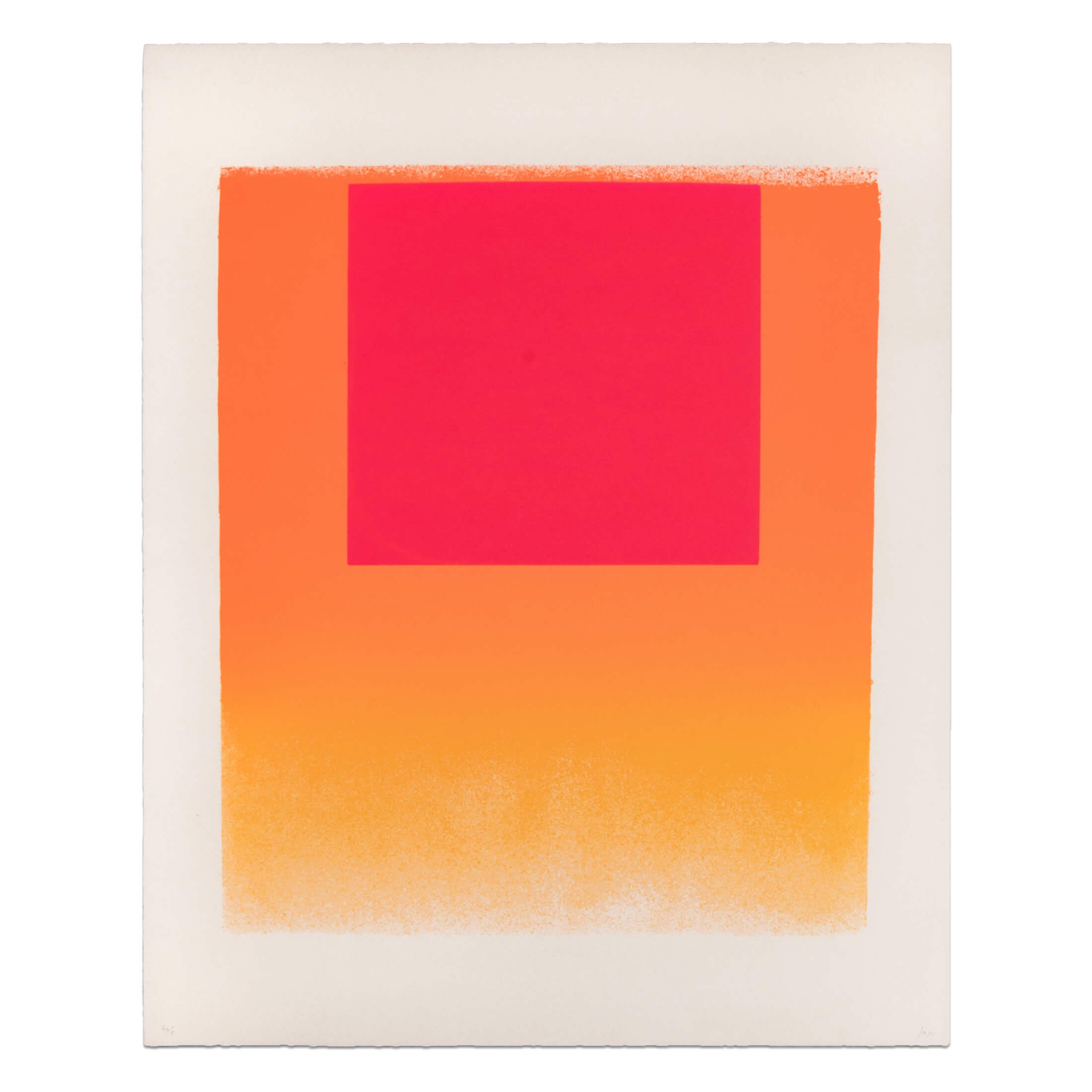
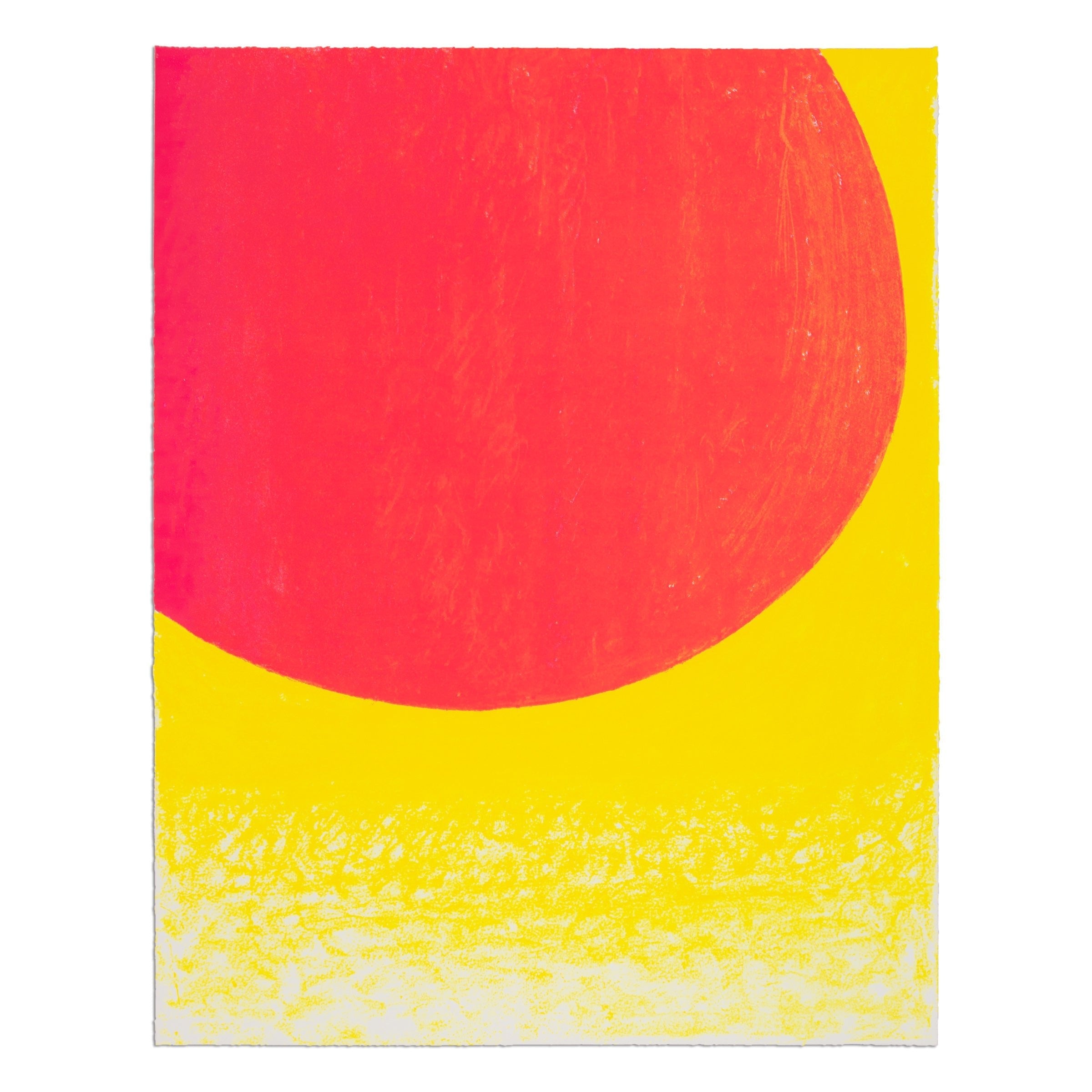
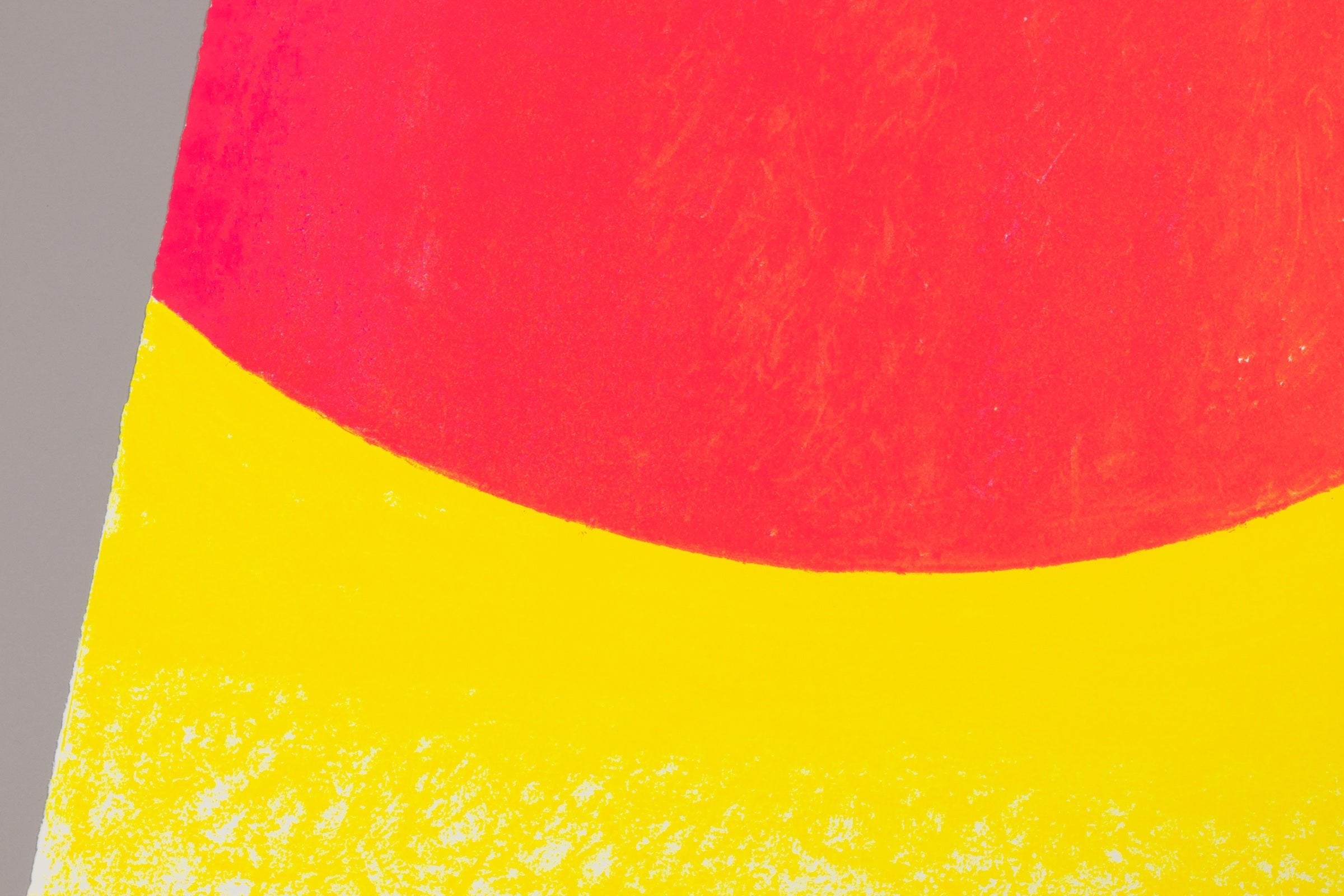
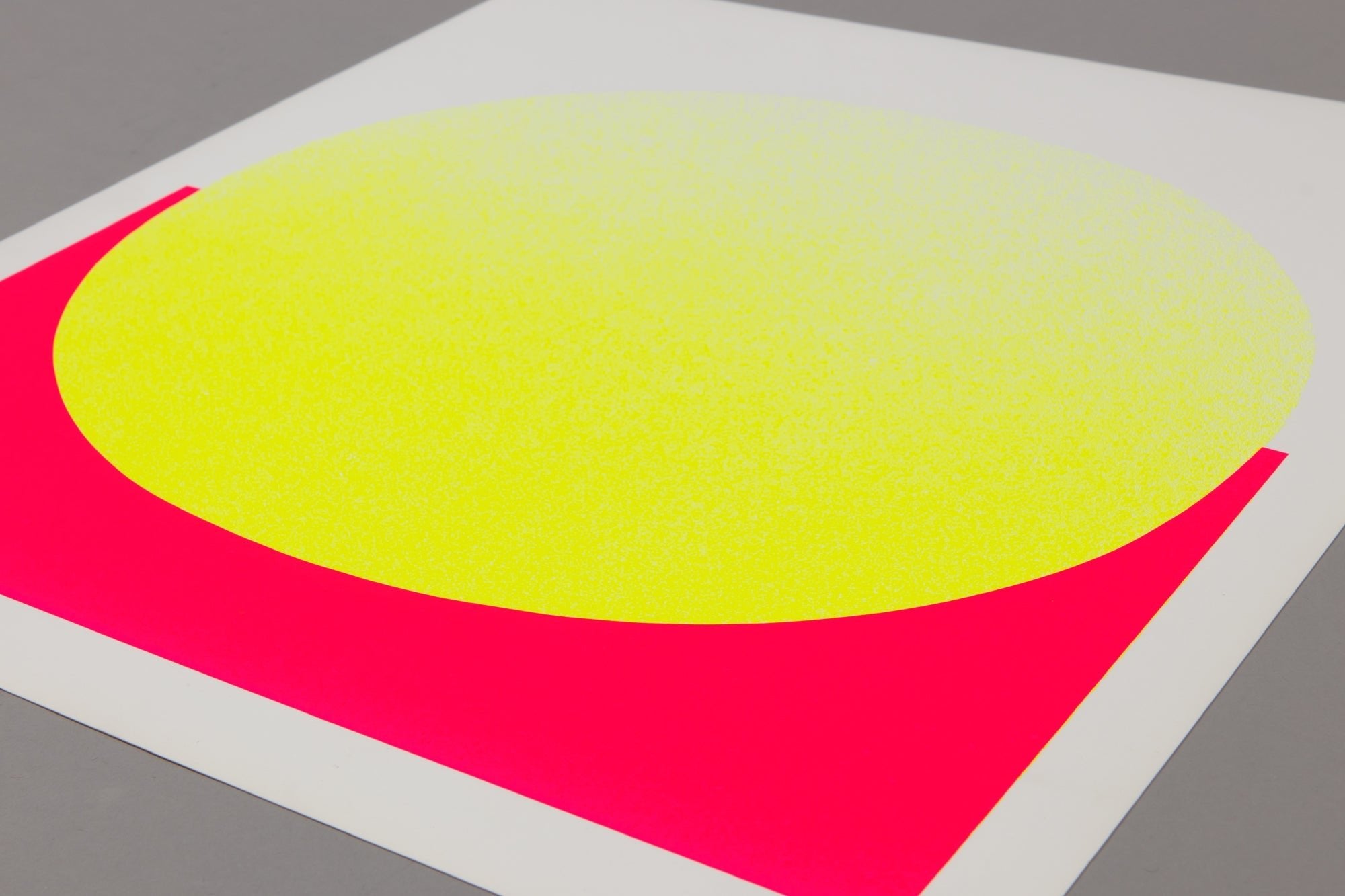
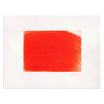
Rupprecht Geiger – Rot zu Gelb

Famous Rupprecht Geiger Artworks

E 180 (1952), Rupprecht Geiger's earliest landmark artwork was the first painting he made using daylight-luminous pigments — the technical breakthrough that made his lifelong pursuit of bodiless, radiant colour physically possible on canvas for the first time.

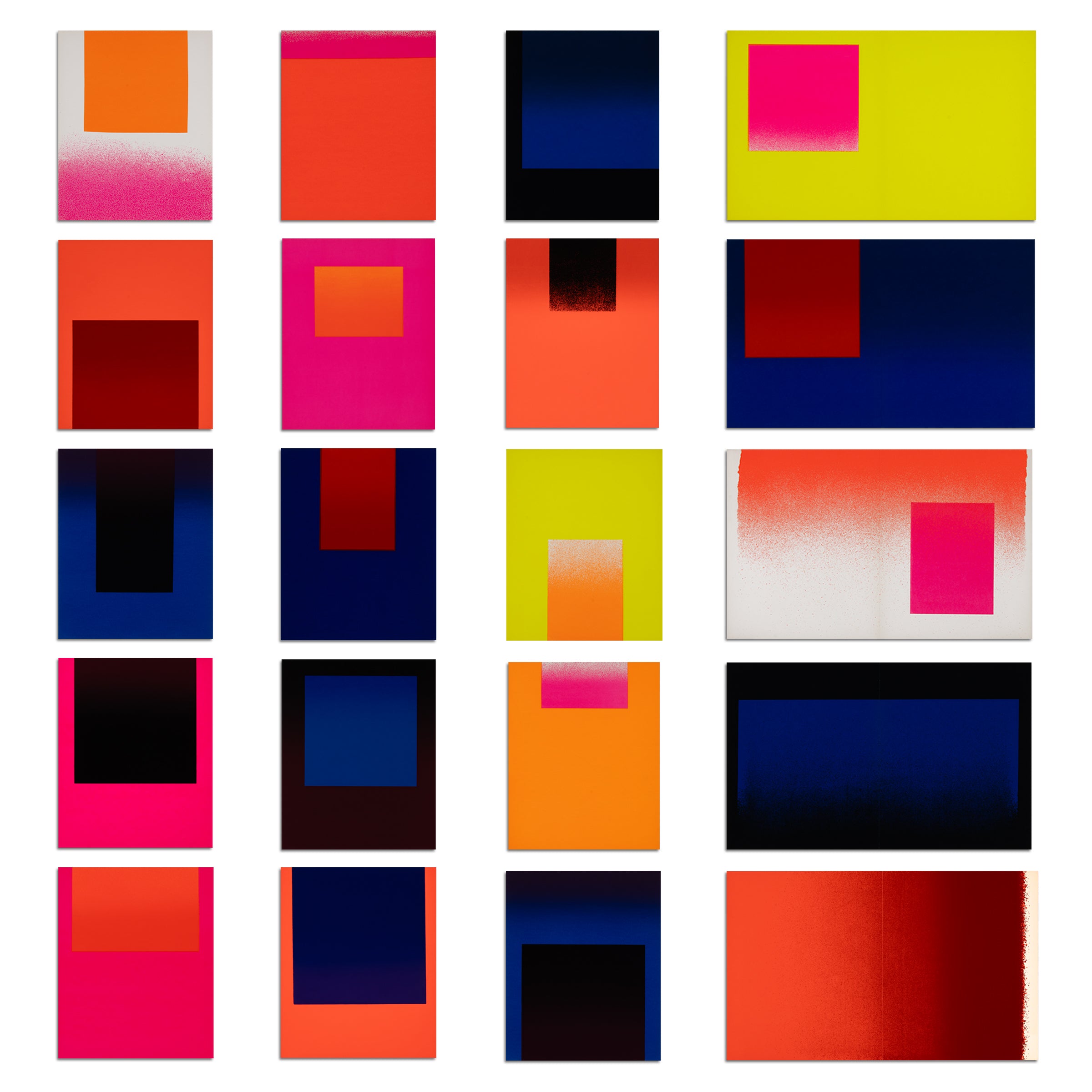
Colour in the Round (1969), a portfolio of nine signed screenprint variants published by Galerie Der Spiegel, Cologne, applies his signature colour investigations to a single recurring circular form — the same hue relationships tested repeatedly across warm and cool combinations, isolating colour interaction as the work's entire subject.

Pinc kommt (1995), a monumental painting over six metres wide, demonstrates Rupprecht Geiger's late-career command of immersive colour space at genuinely architectural scale — ambition enough to lend its title to a dedicated museum retrospective decades later.

377/62 (1962), Rupprecht Geiger's auction record at €200,000 (Ketterer Kunst, Munich, 2022), sold for nearly three times its high estimate — a hard-edged colour field painting from the height of his mature Munich period.

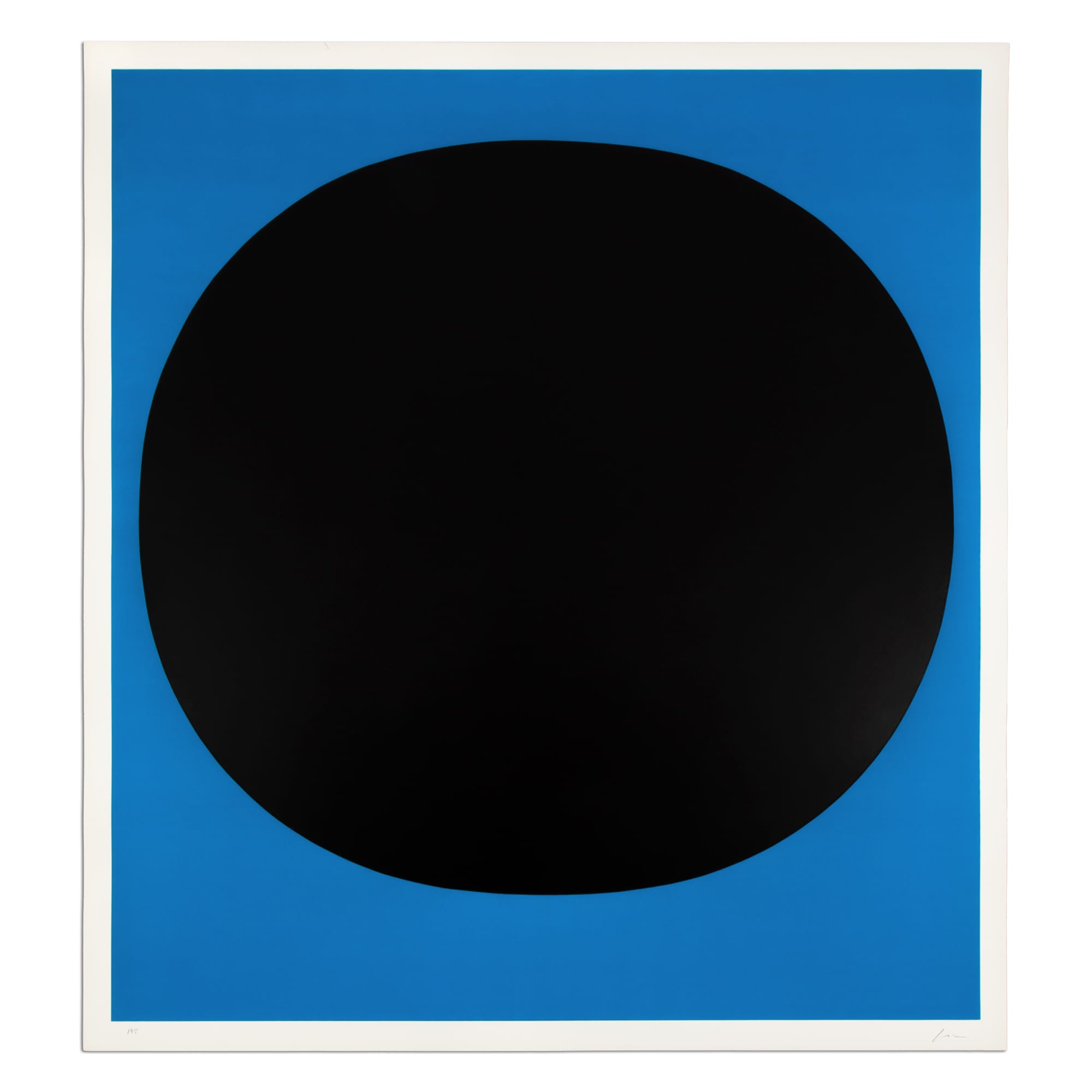
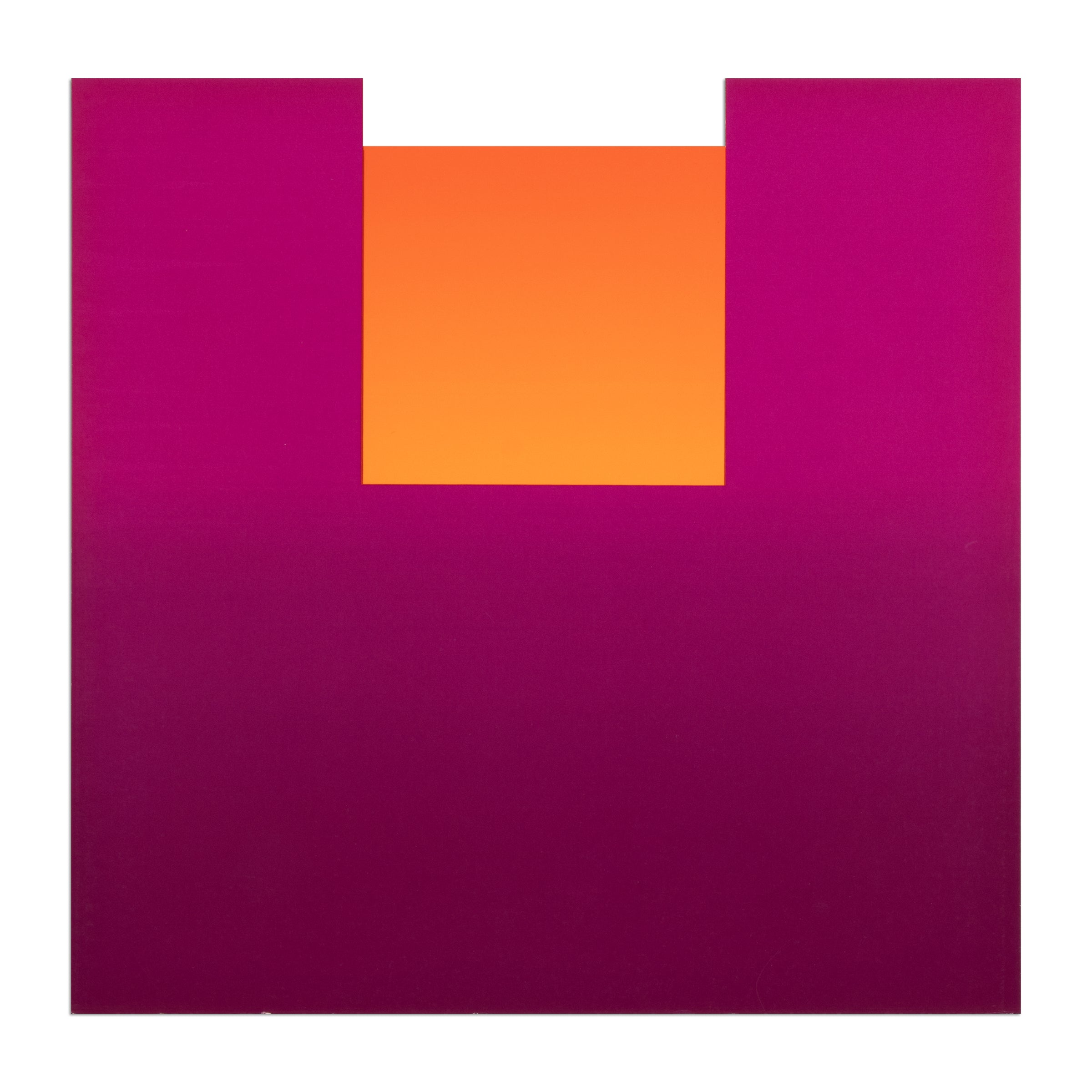
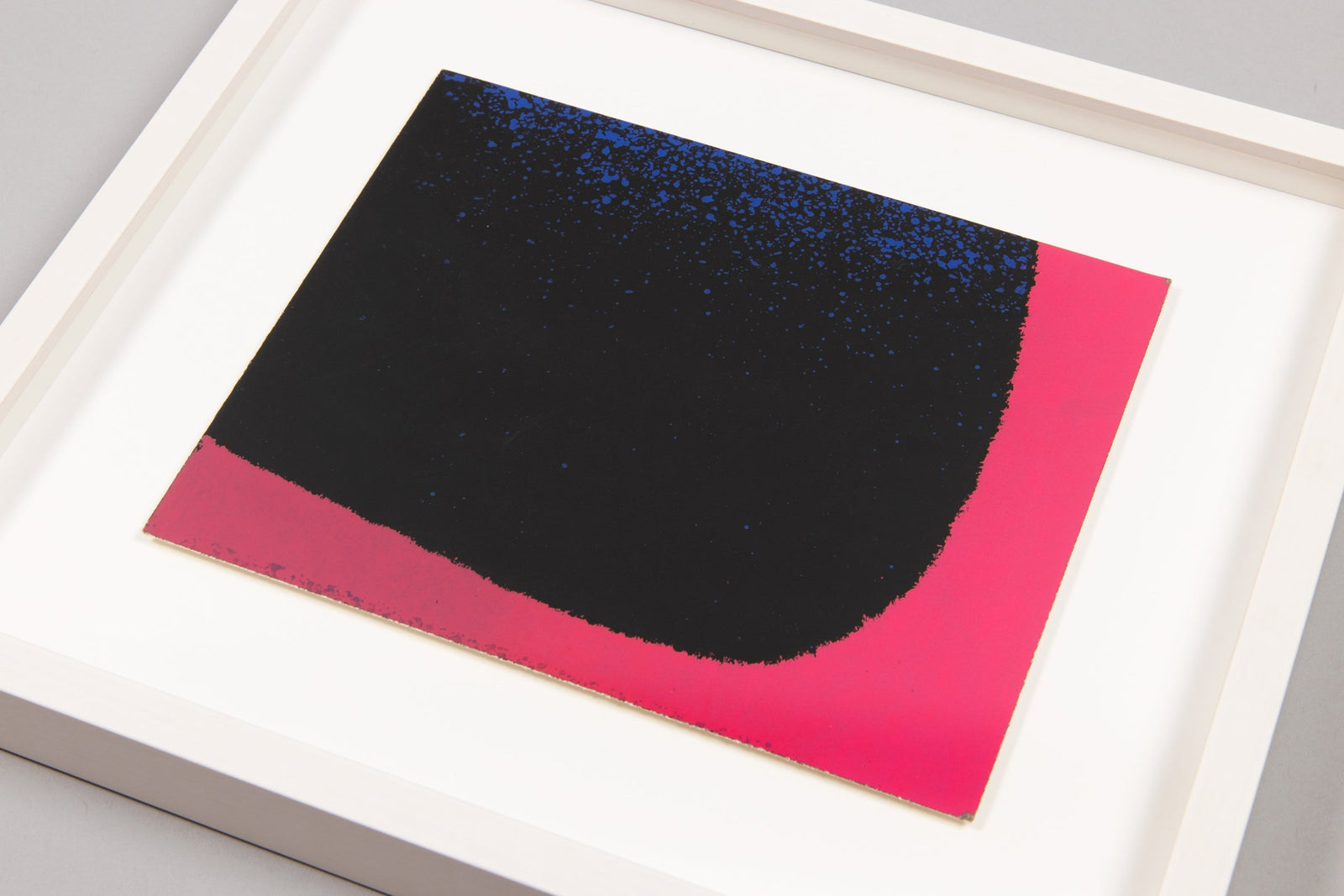
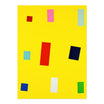
Rupprecht Geiger - Blue-Black and Bluish Red

Rupprecht Geiger Prints & Editions

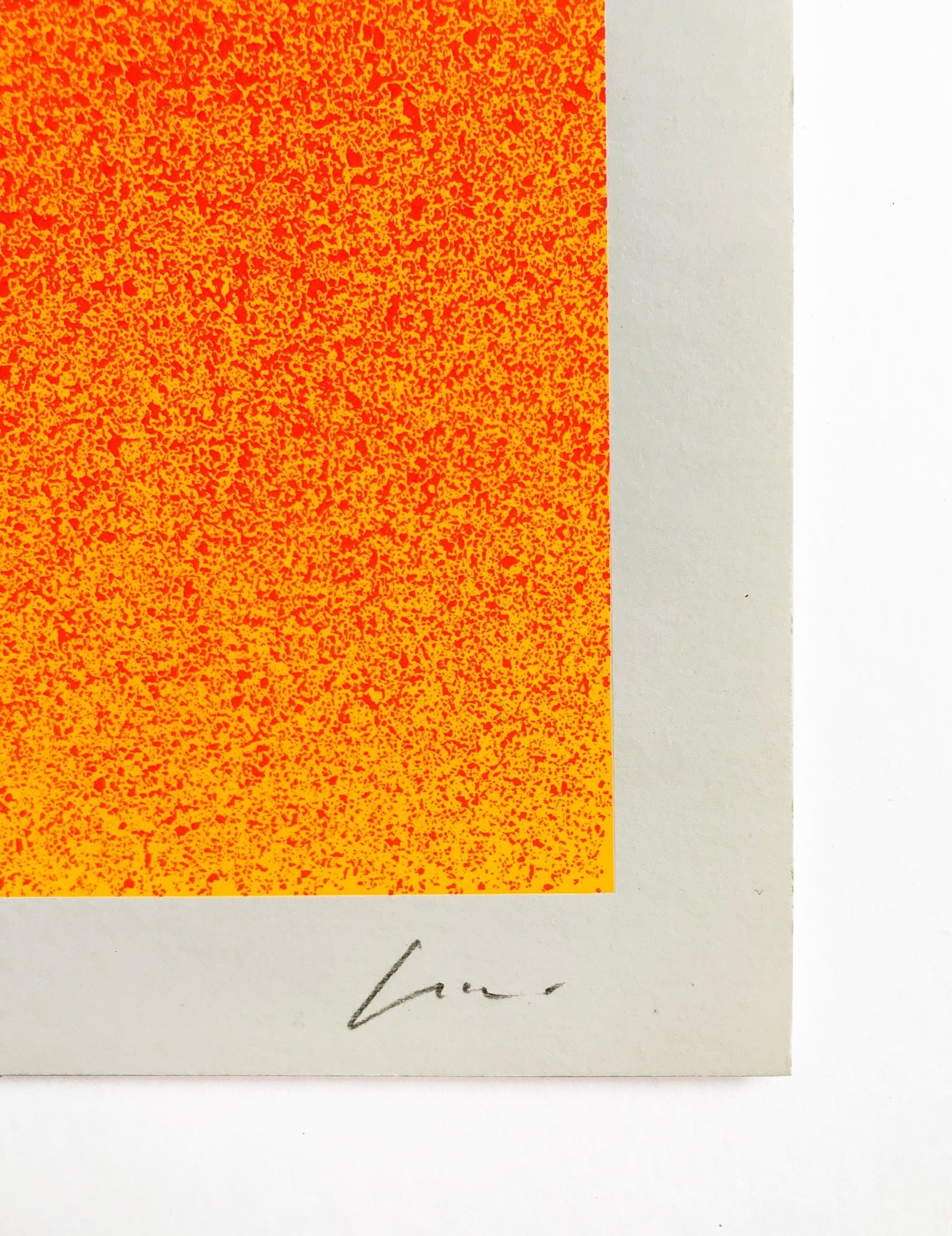
Rupprecht Geiger prints are no secondary echo of his paintings — in some respects, screenprint suits his investigation better than paint ever could. Silkscreen ink sits flat and saturated on the surface in a way oil struggles to match, delivering exactly the bodiless luminosity Geiger chased since first encountering it in a wartime lipstick. Paint yellows and dulls with decades of light exposure; flat-applied screenprint pigment tends to hold that intensity far more faithfully. Colour in the Round (1969) and Metapher Zahl (1985–89), his nine- and ten-part portfolios, prove the point directly — the same colour relationships tested in oil, rendered in a medium arguably built for exactly this purpose.

Geiger's portfolio auction record stands at €32,500, for the complete Metapher Zahl set at Karl & Faber, Munich, in 2022. Individual signed, original prints trade separately at gallery prices in the low to mid thousands — direct access to a founding figure of German postwar abstraction, in a medium that may preserve his central obsession more faithfully than canvas itself.

For collectors, Rupprecht Geiger's limited edition prints offer entry into a practice treating colour not as decoration but as an autonomous, almost spiritual force. Artworks are held in the permanent collections of the Pinakothek der Moderne, the Guggenheim, and the Neue Nationalgalerie, Berlin.

Rupprecht Geiger: Key Questions

Collecting Rupprecht Geiger?

Looking for a specific artwork or have a question about an edition? We're happy to advise on availability, pricing, condition, and provenance — and to source artworks beyond our current selection.

Contact us

Prints, Photographs & Multiples

View our full collection of

Prints, Photographs & Multiples

Explore editions