




About Rupprecht Geiger
Rupprecht Geiger (1908–2009) was a German artist and a leading figure of postwar abstraction. Born in Munich as the son of the painter and graphic artist Willi Geiger, he trained as an architect and worked as an independent architect until 1962. He taught himself painting during the Second World War and turned to abstract painting in the late 1940s. Over the following decades he made colour field paintings, objects and limited edition prints in which colour carries the artwork on its own.
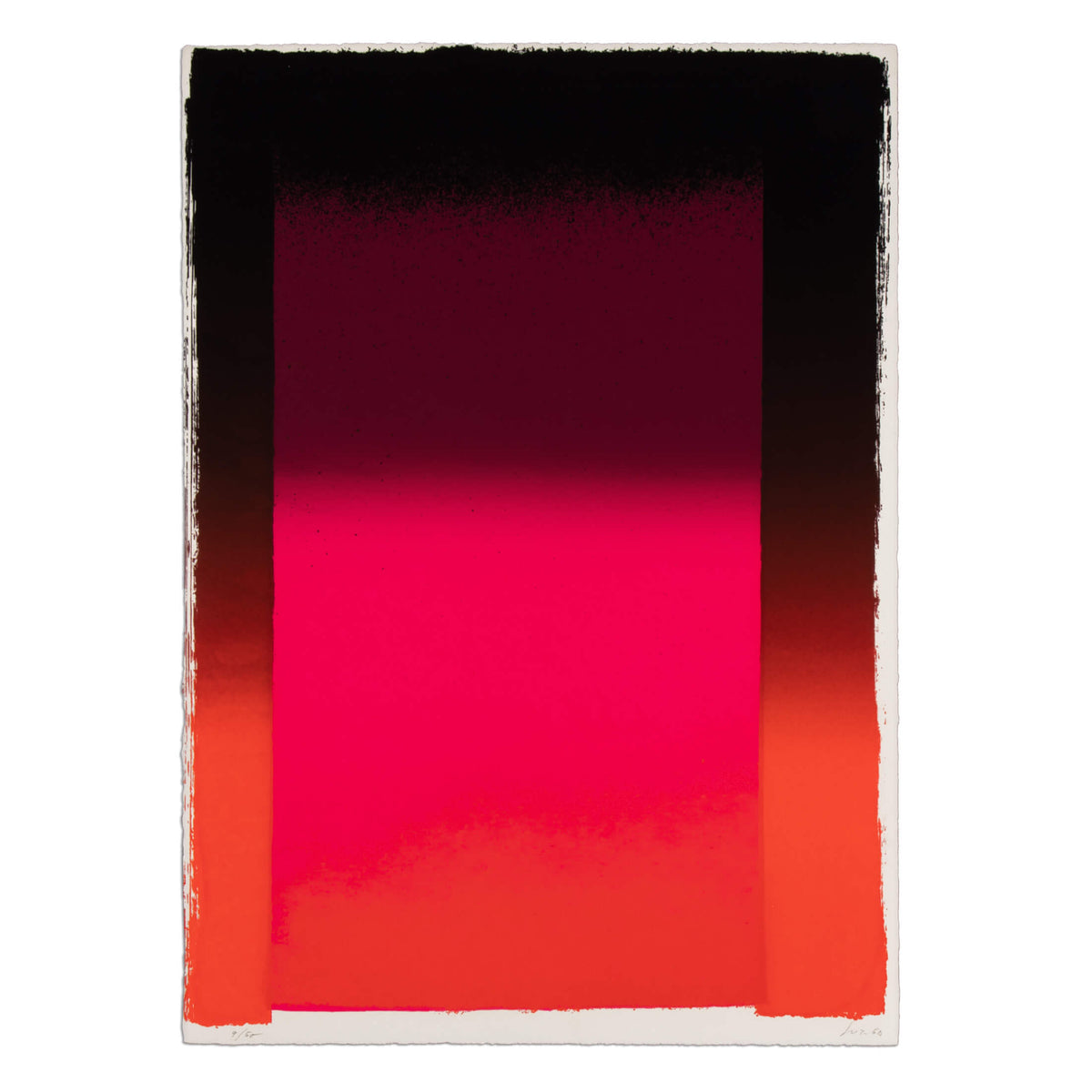
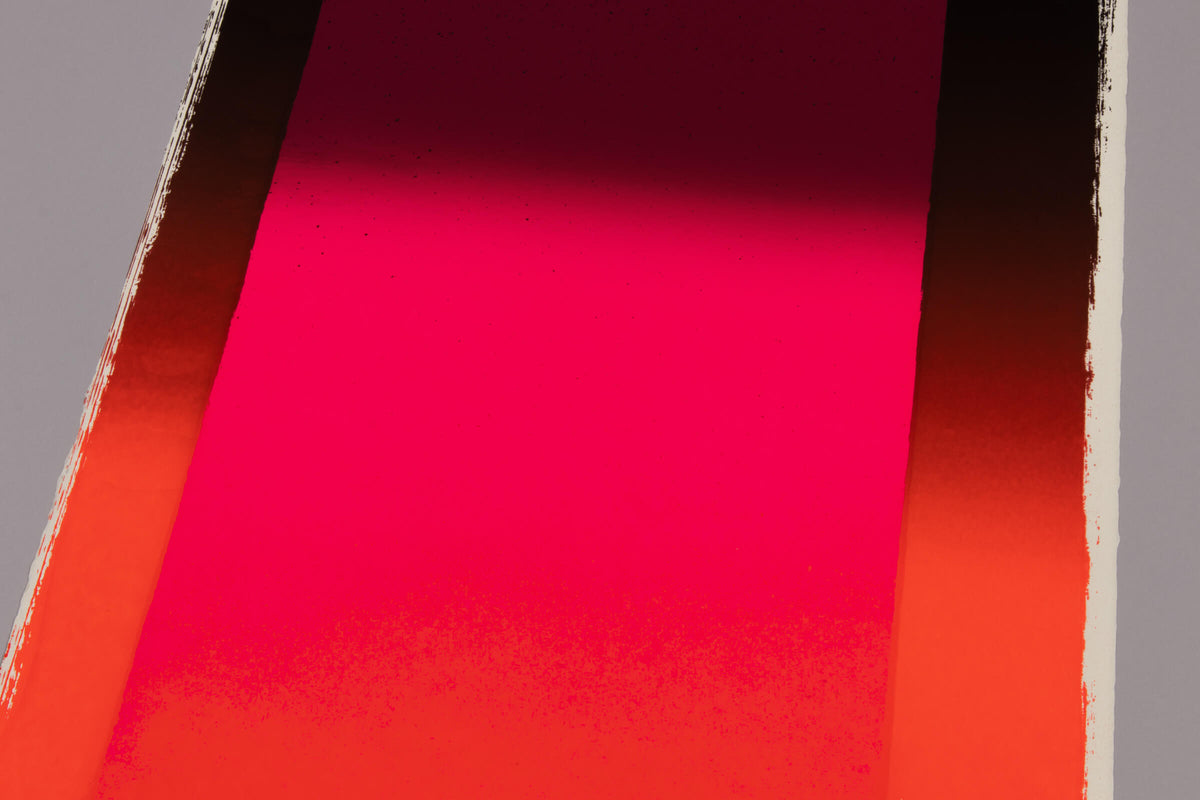
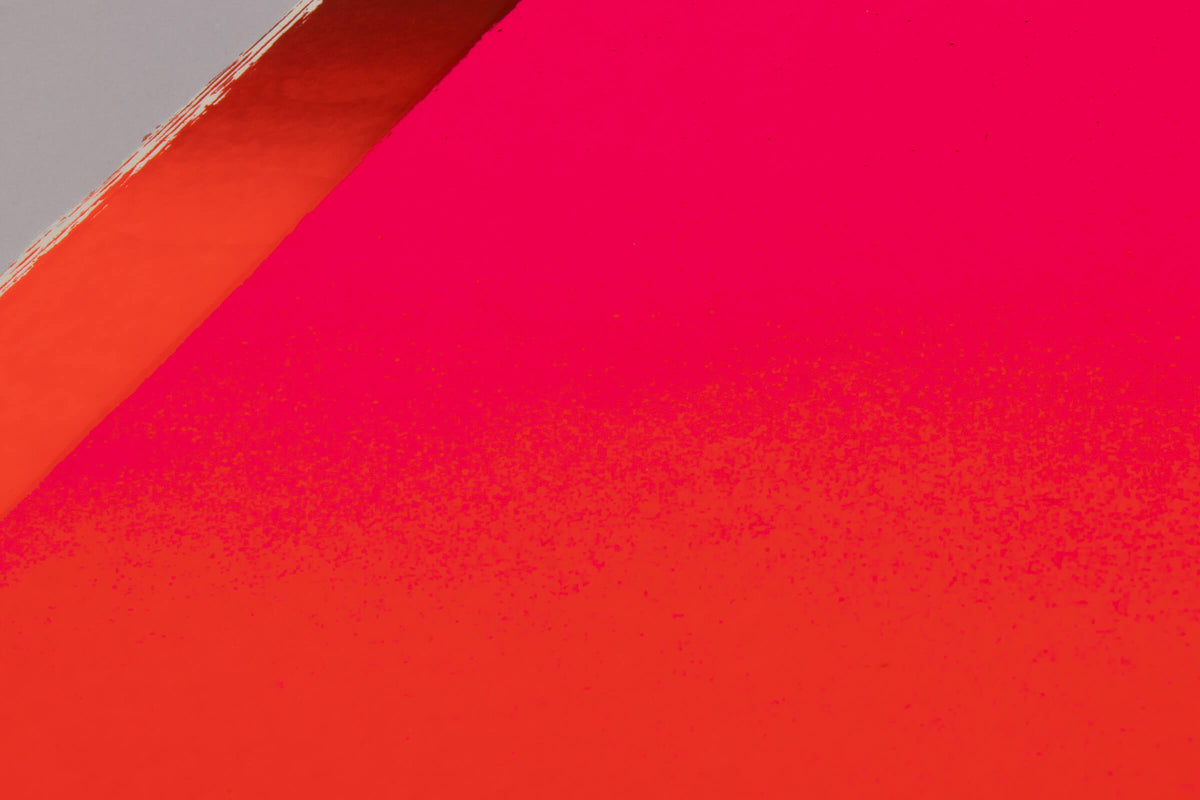
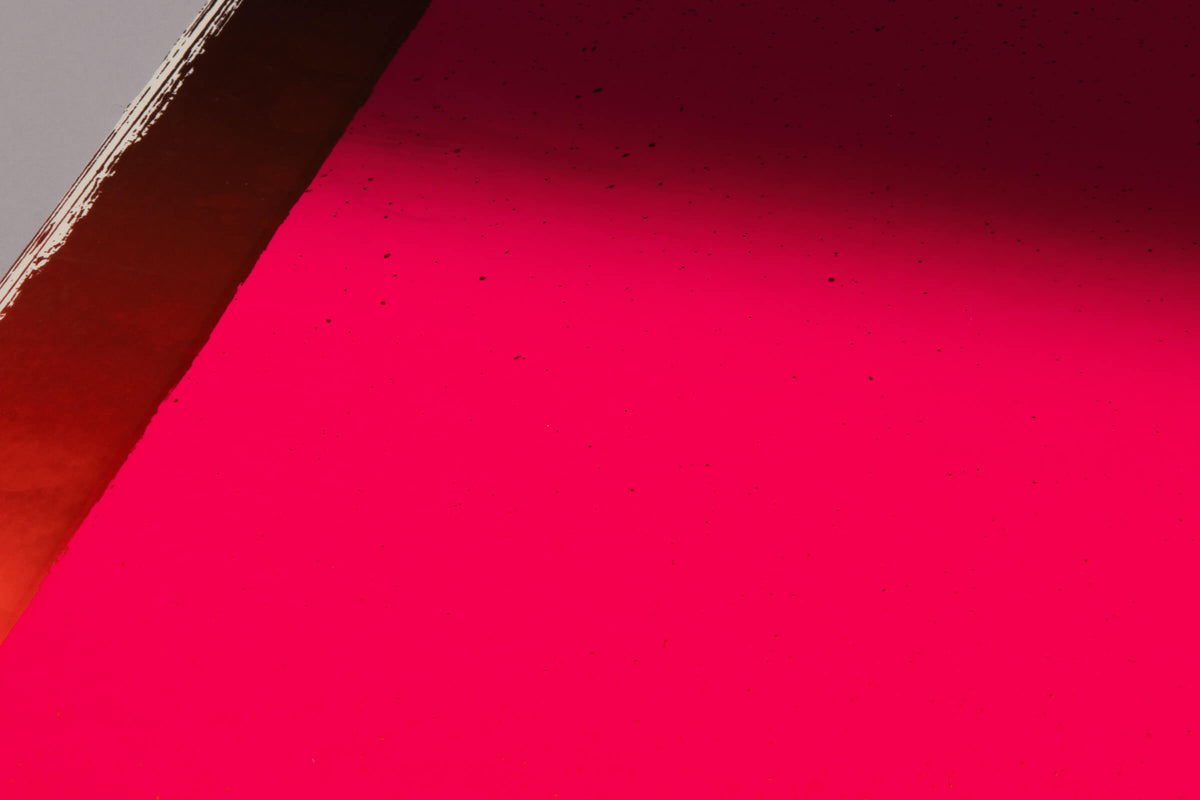
In 1948 Rupprecht Geiger made his first print editions and a group of shaped canvases. According to the Staatliche Museen zu Berlin, these works freed painting from the rectangular format well before artists in the USA did so. In 1949 he co-founded ZEN 49 in Munich, the artist group that helped re-establish abstract art in Germany after the war. His paintings became increasingly monochrome, with red dominating since the early 1970s. Applied over the whole surface, his colours seem to vibrate and to absorb the space around them, and his experience as an architect shaped his large-scale works.
Geiger taught painting at the Kunstakademie Düsseldorf from 1965 to 1976. His prints remain an important part of his work, with catalogues raisonnés of his print editions published between 1964 and 2007. Rupprecht Geiger took part in documenta II, 3, 4 and 6, and represented Germany at the São Paulo Bienal in 2002. His first retrospective took place at the Lenbachhaus in Munich in 1978. For his 100th birthday in 2008, the Lenbachhaus, the Neue Nationalgalerie in Berlin and the Museum für Gegenwartskunst Siegen each showed his work. He died in Munich in 2009.


