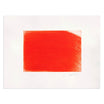
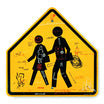
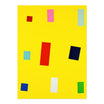
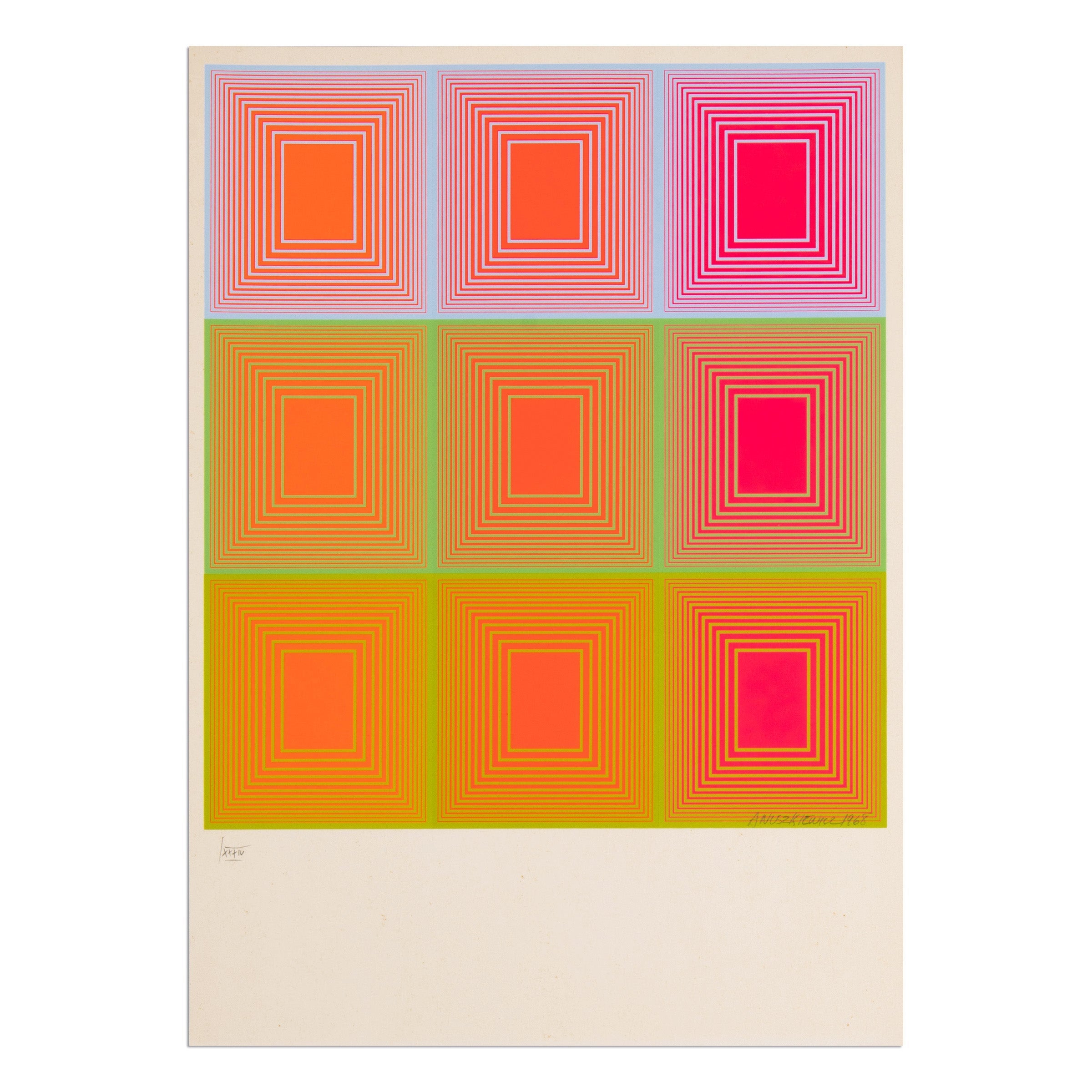
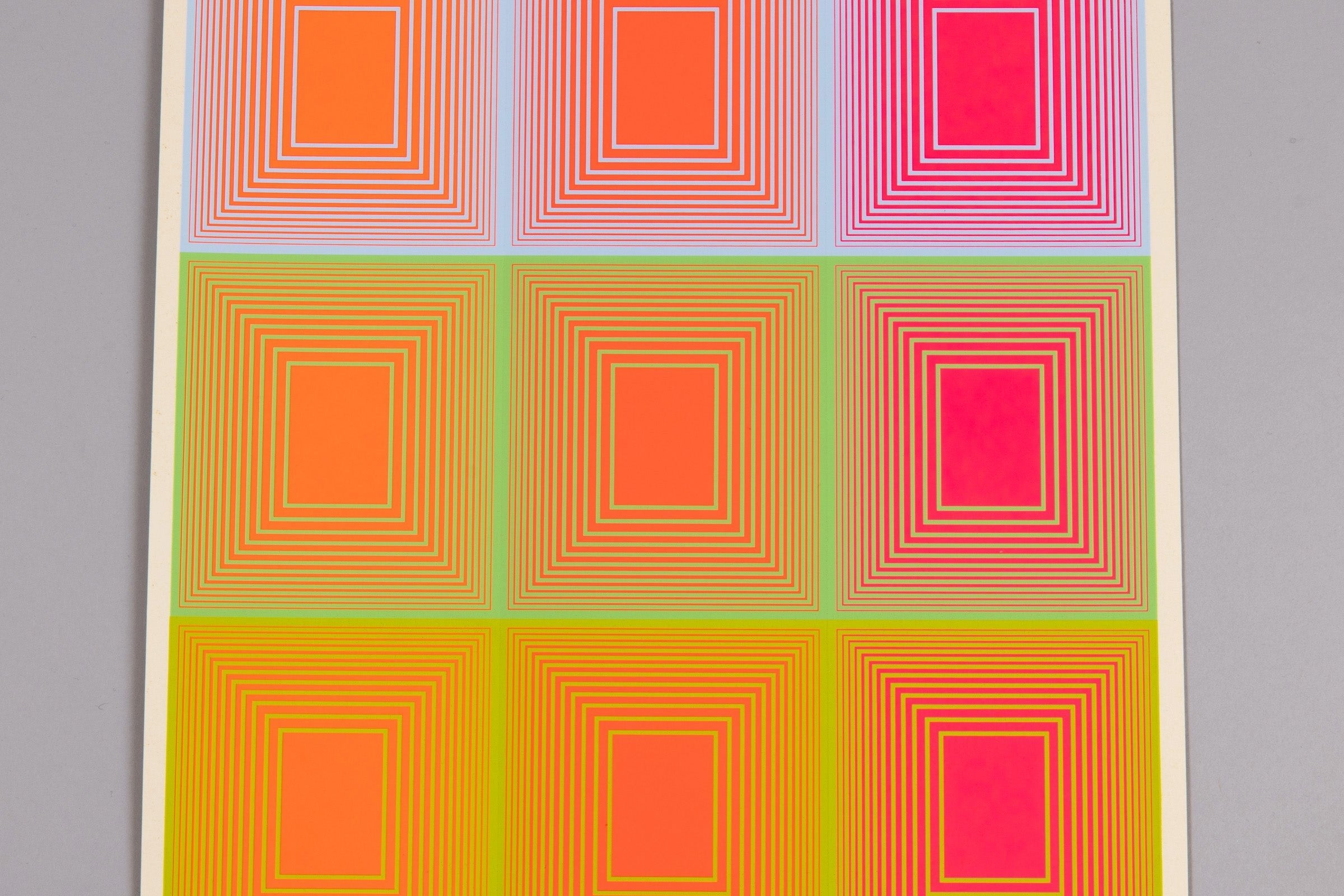
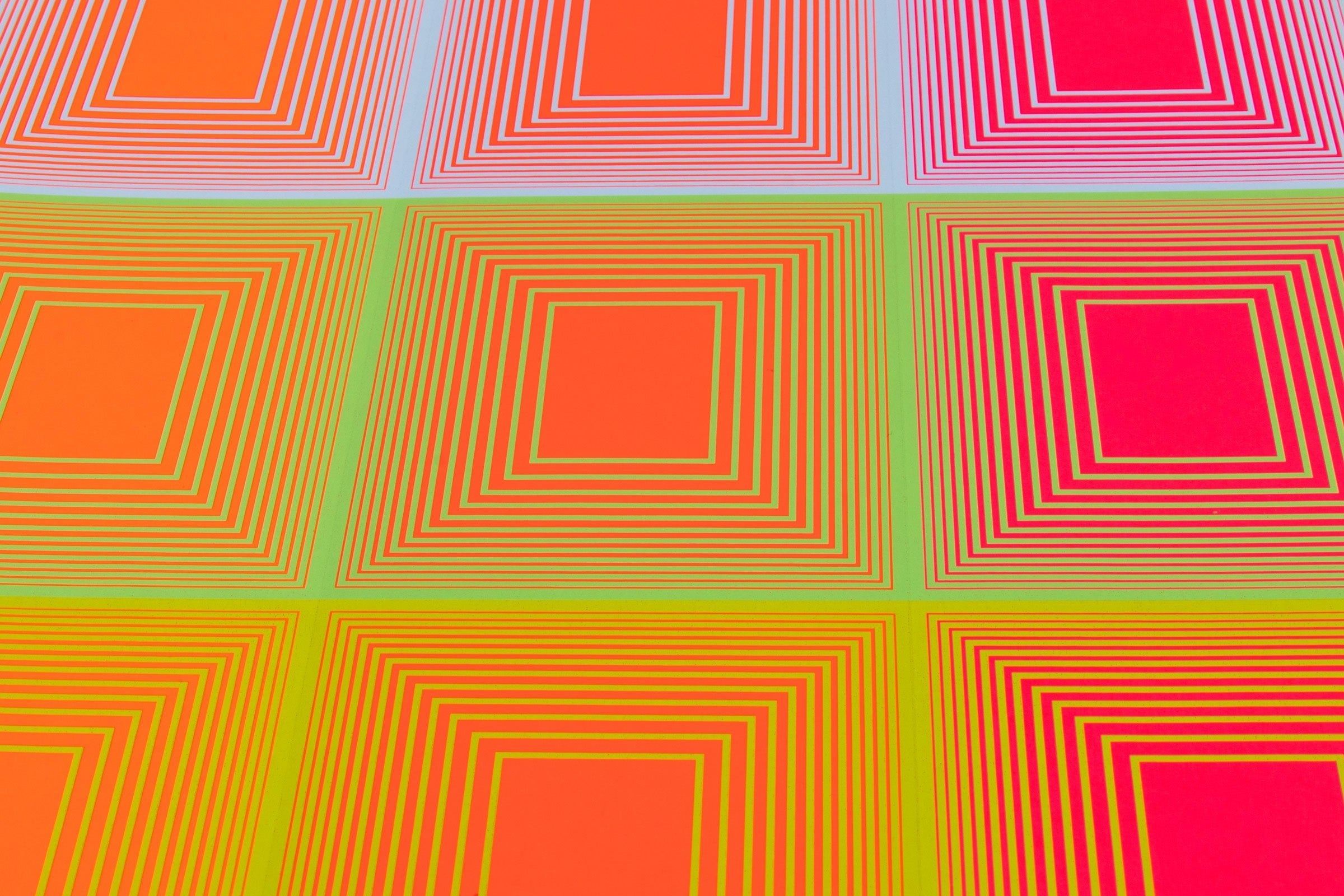
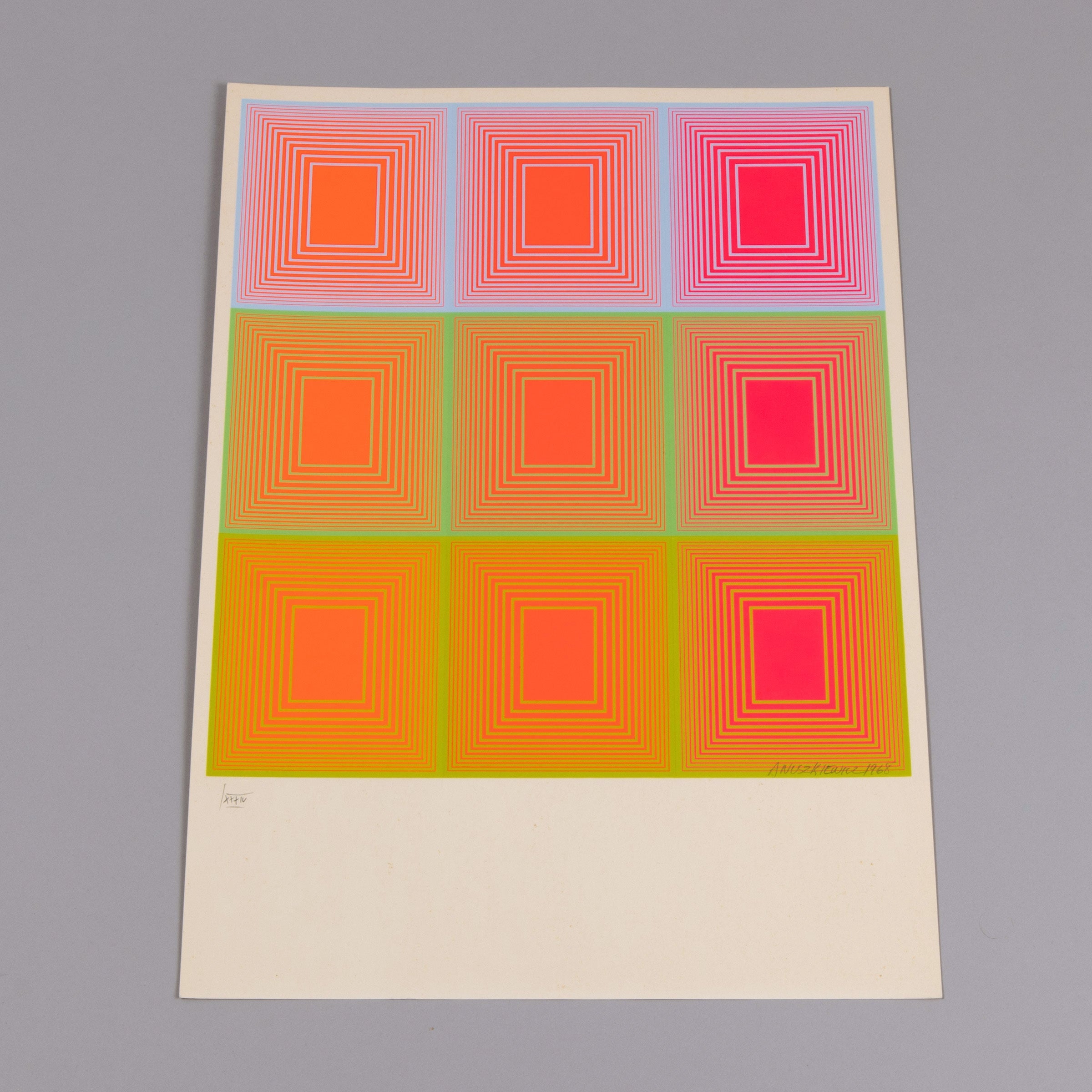
Richard Anuszkiewicz (1930–2020) was a leading figure in American abstract art and a central proponent of the Op Art movement. Renowned for his rigorous exploration of color and perception, he created paintings and prints defined by radiant contrasts, geometric precision, and powerful optical effects. His compositions investigate how color relationships generate spatial tension and visual vibration, transforming flat surfaces into dynamic perceptual experiences.
A student of Josef Albers at Yale University, Anuszkiewicz developed and extended Albers’ theories of color interaction. His structured arrangements of squares, grids, and radiating bands demonstrate a disciplined formal language in which hue, value, and saturation become the primary means of expression. Through carefully calibrated chromatic contrasts, his artworks appear to shimmer, recede, or advance, challenging the viewer’s sense of depth and stability.
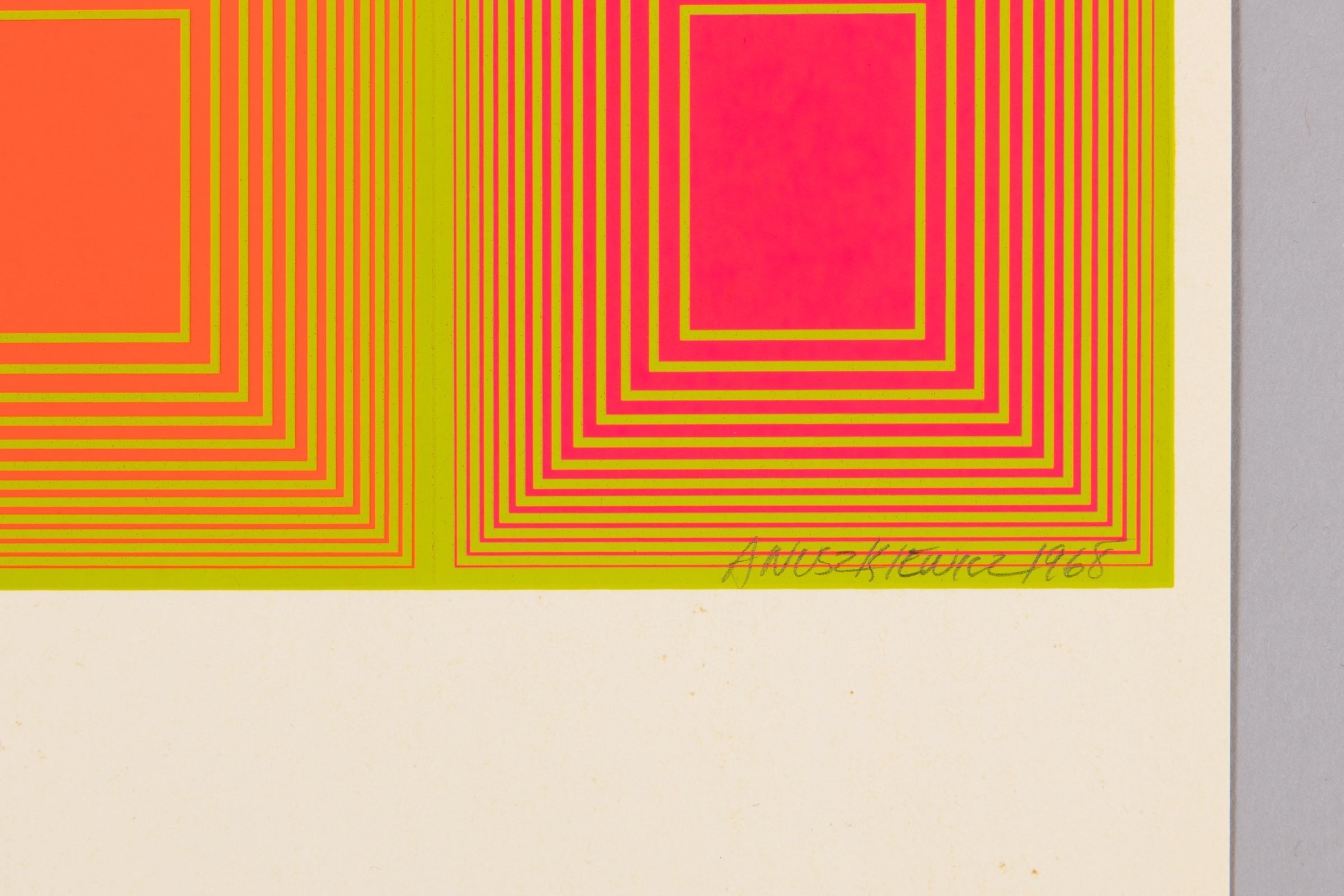
Alongside his paintings, Anuszkiewicz produced an important body of limited edition prints. These works on paper maintain the same technical precision and luminous intensity as his canvases, translating his optical investigations into highly refined print formats. His prints and multiples remain especially sought after by collectors of geometric abstraction and Op Art.
Exhibited internationally and included in major museum collections, Richard Anuszkiewicz’s work continues to shape discussions around perception, formalism, and the expressive potential of color. His legacy endures as a benchmark for how geometry and chromatic structure can redefine the visual field.