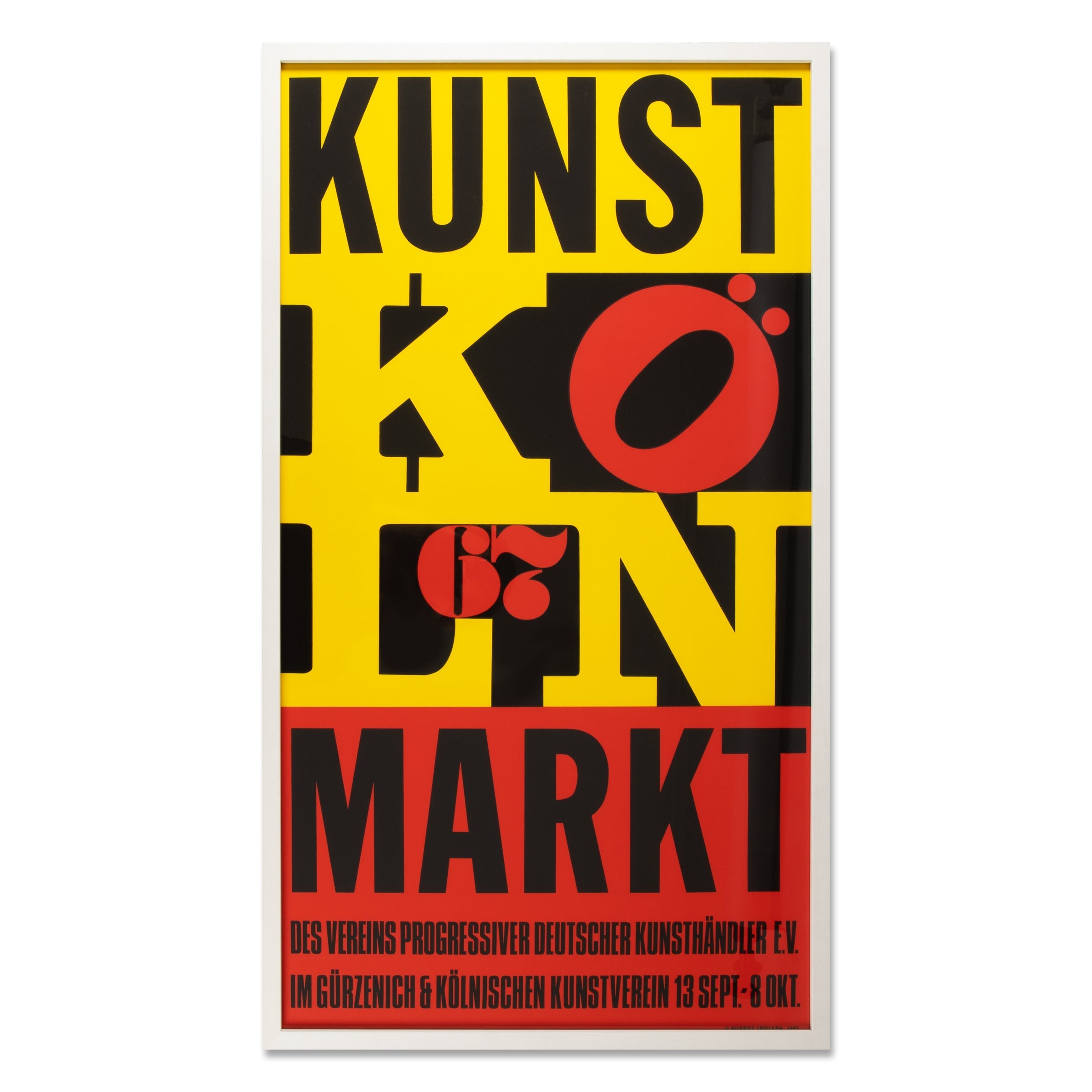
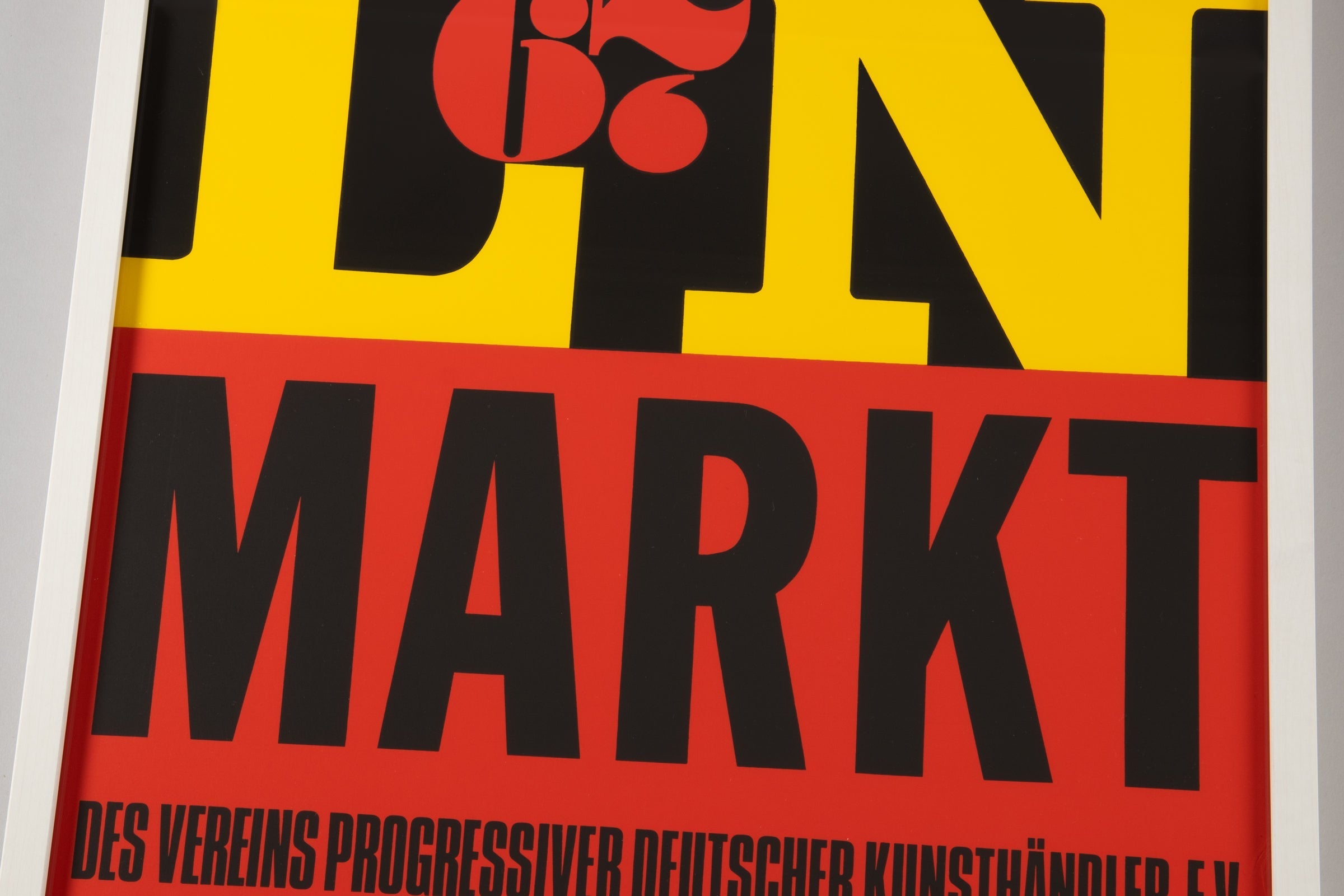
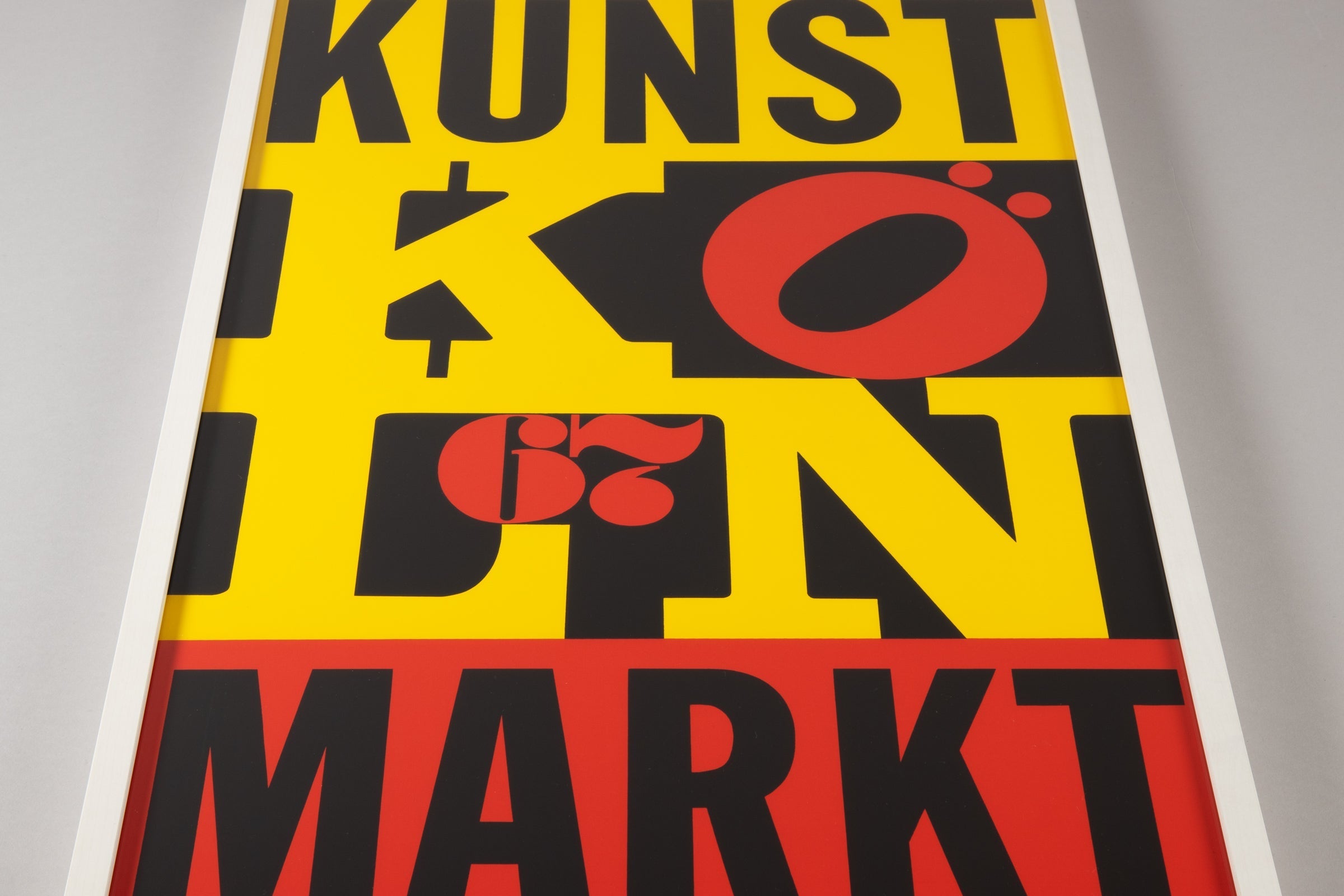
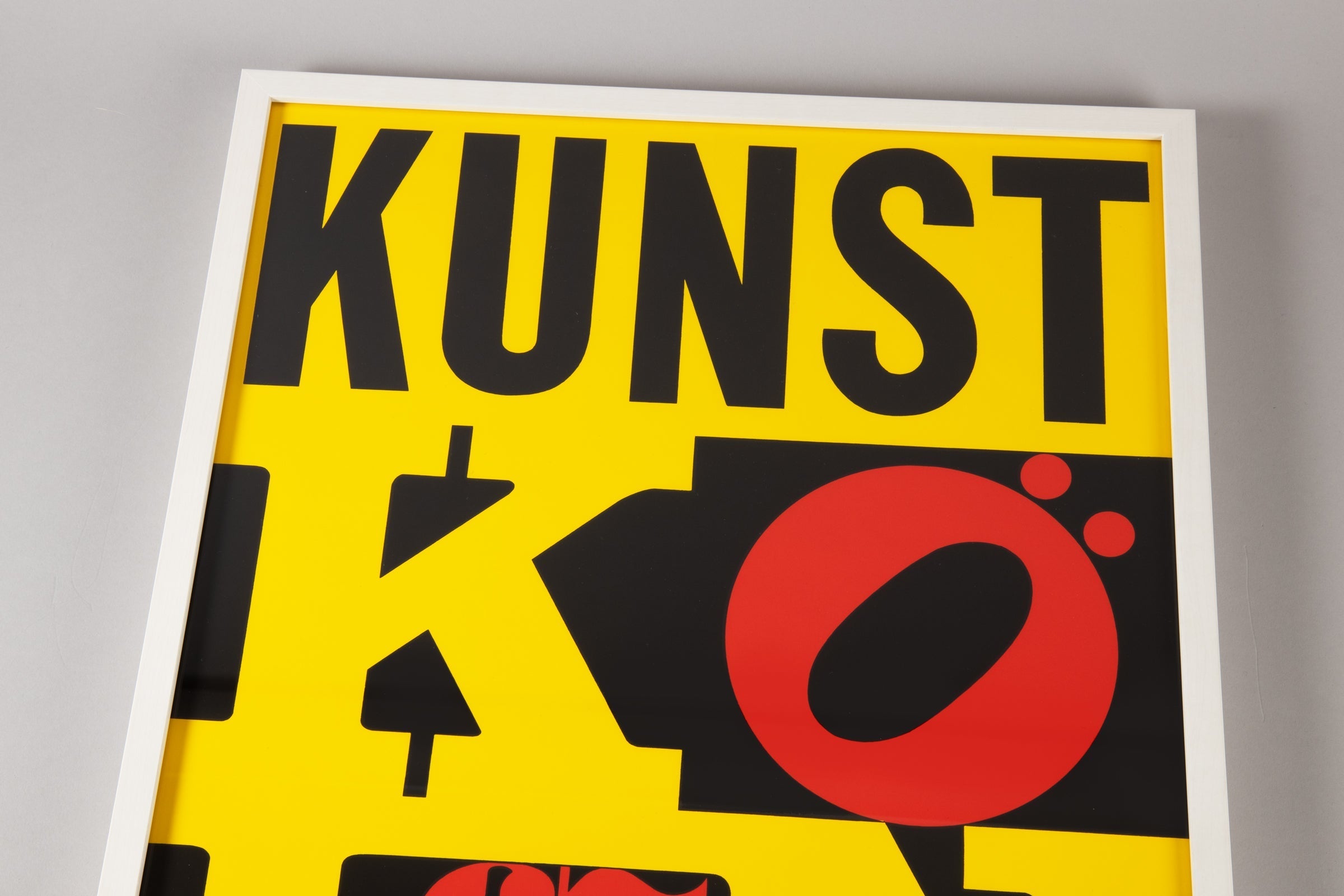
Robert Indiana (1928–2018) was a leading figure of American Pop Art, widely recognized for his bold, text-based compositions and graphic visual language. Drawing on early 20th-century Modernism as well as American vernacular culture, Indiana explored themes of national identity, language, and personal history through striking combinations of letters, numbers, and saturated color. He described himself as an "American painter of signs," emphasizing his engagement with typography, road signage, and commercial design.
Indiana's paintings, sculptures, and limited edition prints frequently center on short words and numerical sequences, transforming simple forms into layered reflections on American ideals. His work responds to the political and social tensions of the 1960s, including civil rights struggles and the Vietnam War, embedding cultural critique within a highly distilled visual structure.
His most iconic motif, LOVE, first conceived in the mid-1960s, became one of the most recognizable images of the 20th century. With its stacked letters and tilted "O," the composition encapsulates Indiana's ability to merge graphic clarity with complex commentary on aspiration, faith, and the American dream. Across his broader oeuvre, Robert Indiana consistently used repetition, symmetry, and bold color contrasts to create artworks and limited edition prints that remain central to the history of contemporary American art.