
Woodcuts and Linocuts

Woodcuts and linocuts for sale. Explore signed limited edition woodcuts and linocuts by leading modern and contemporary artists. Defined by bold contrast and graphic clarity, these relief printmaking techniques remain central to both historical and contemporary artistic practice. Available online with secure checkout and worldwide insured shipping.

Filters

Sort by:

30 products
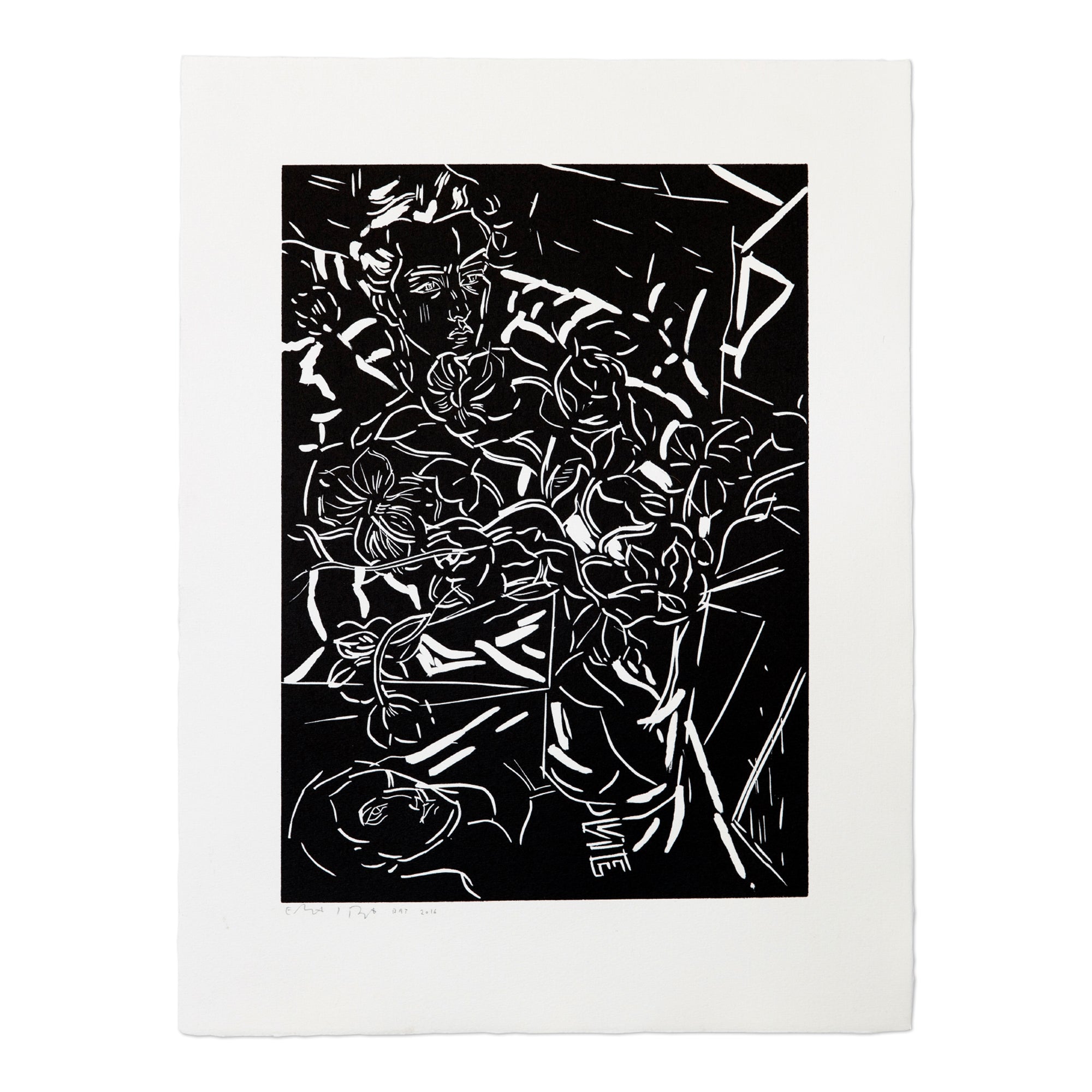
Sold out
Georg Baselitz - 45 - AugustGeorg Baselitz - 45 - August
Georg Baselitz - 45 - August Sale price€8.400,00
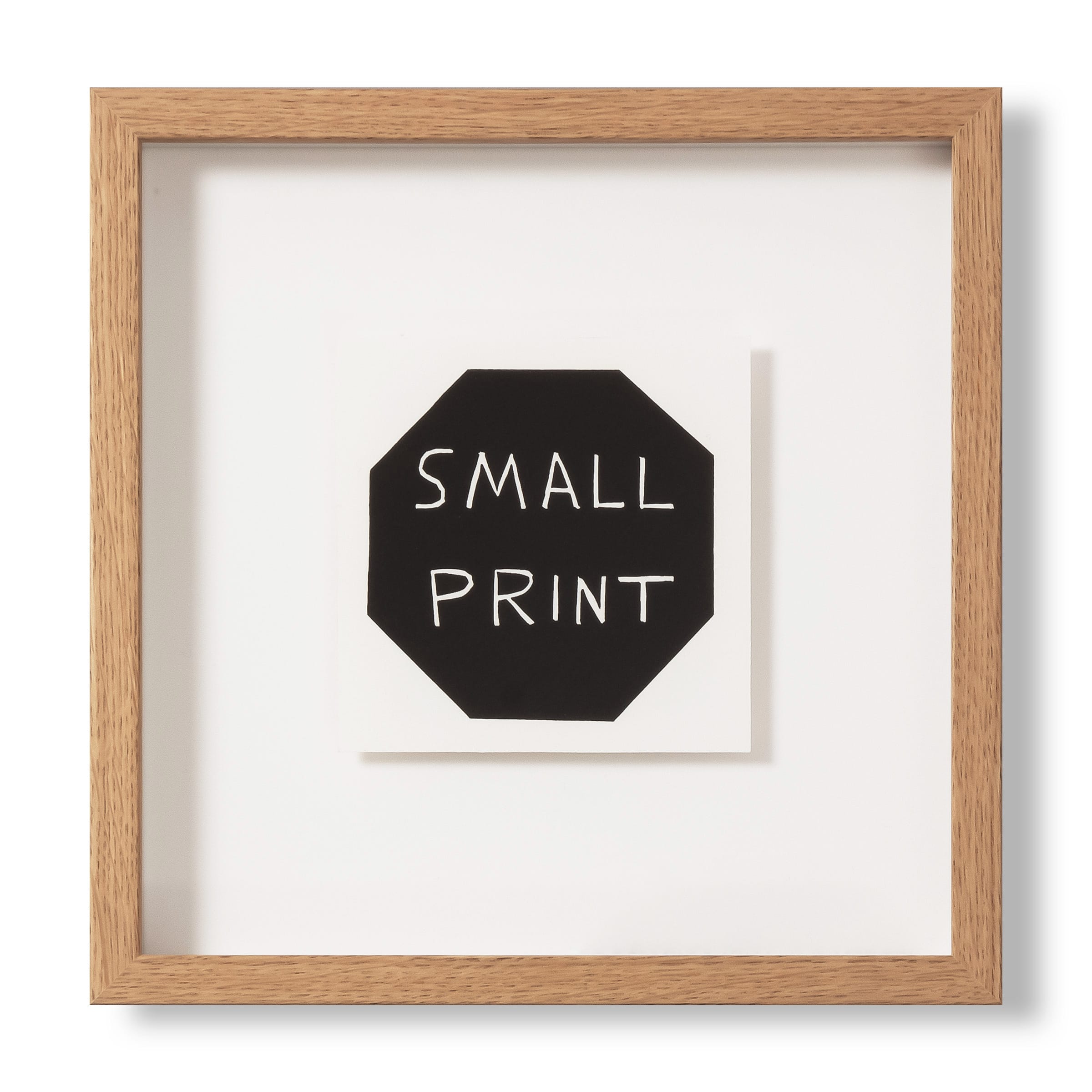
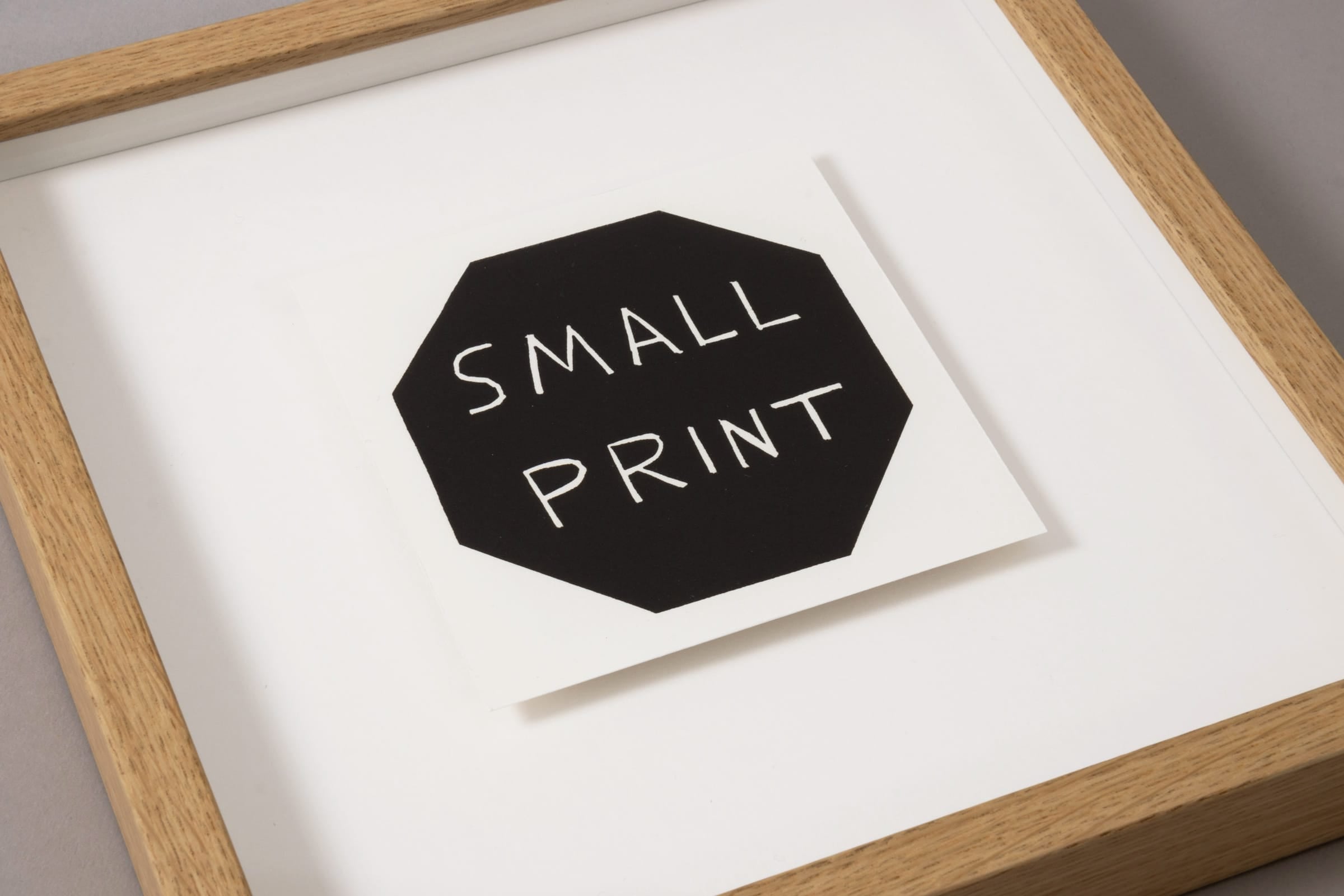
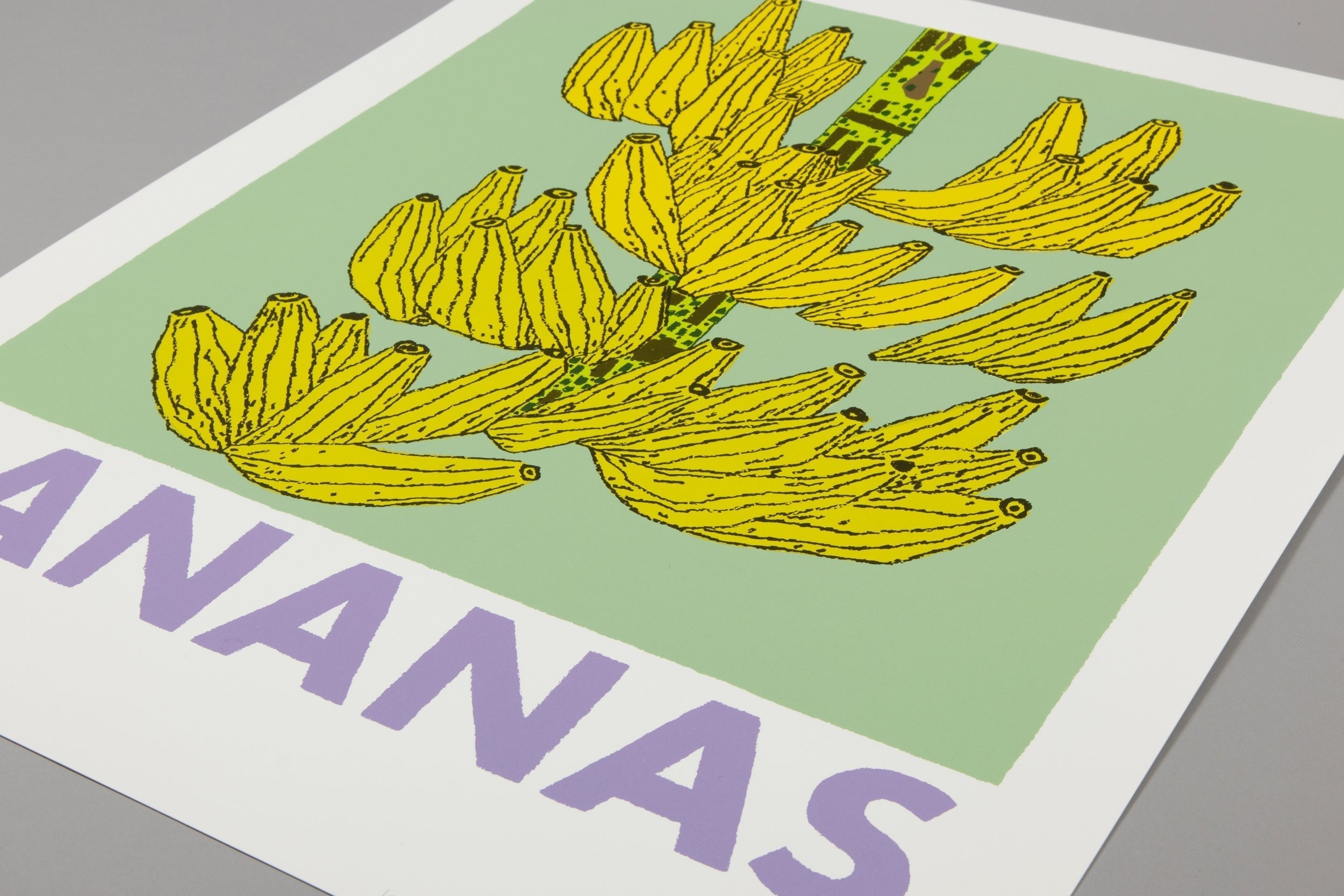
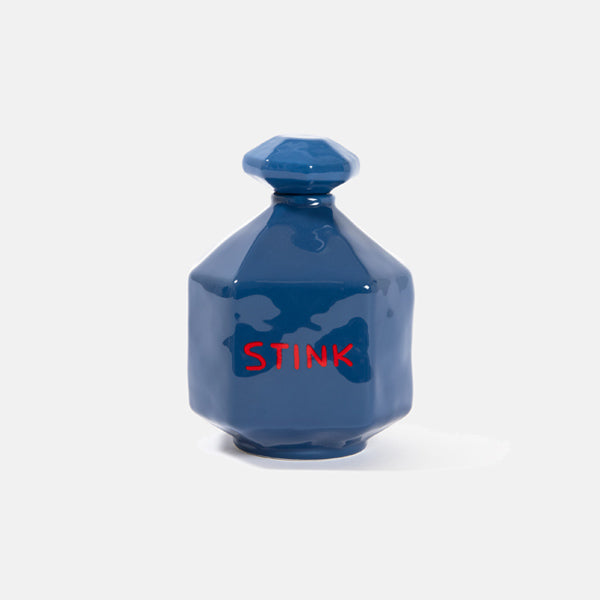
David Shrigley - Small PrintDavid Shrigley - Small Print
David Shrigley – Small Print Sale price€900,00
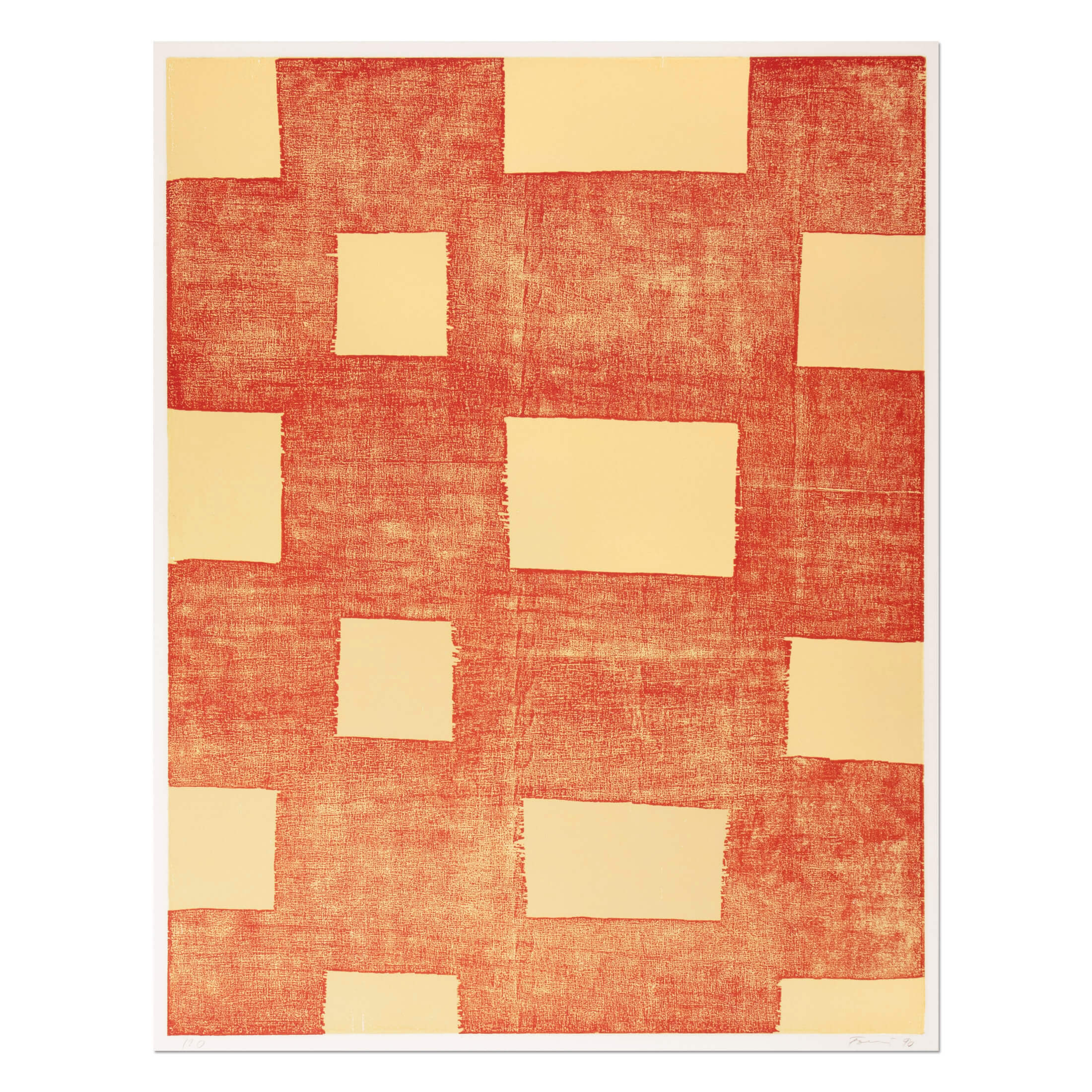
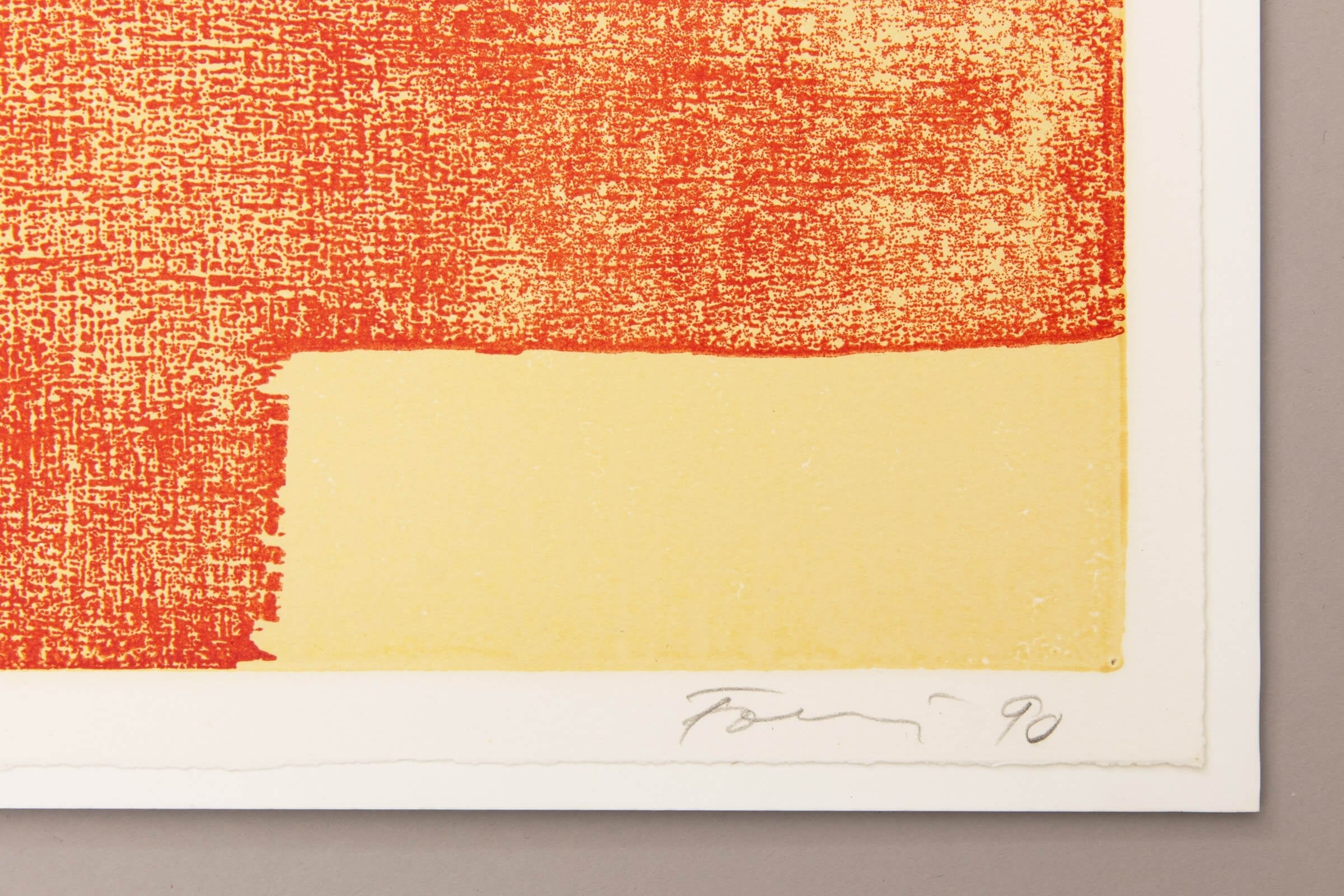
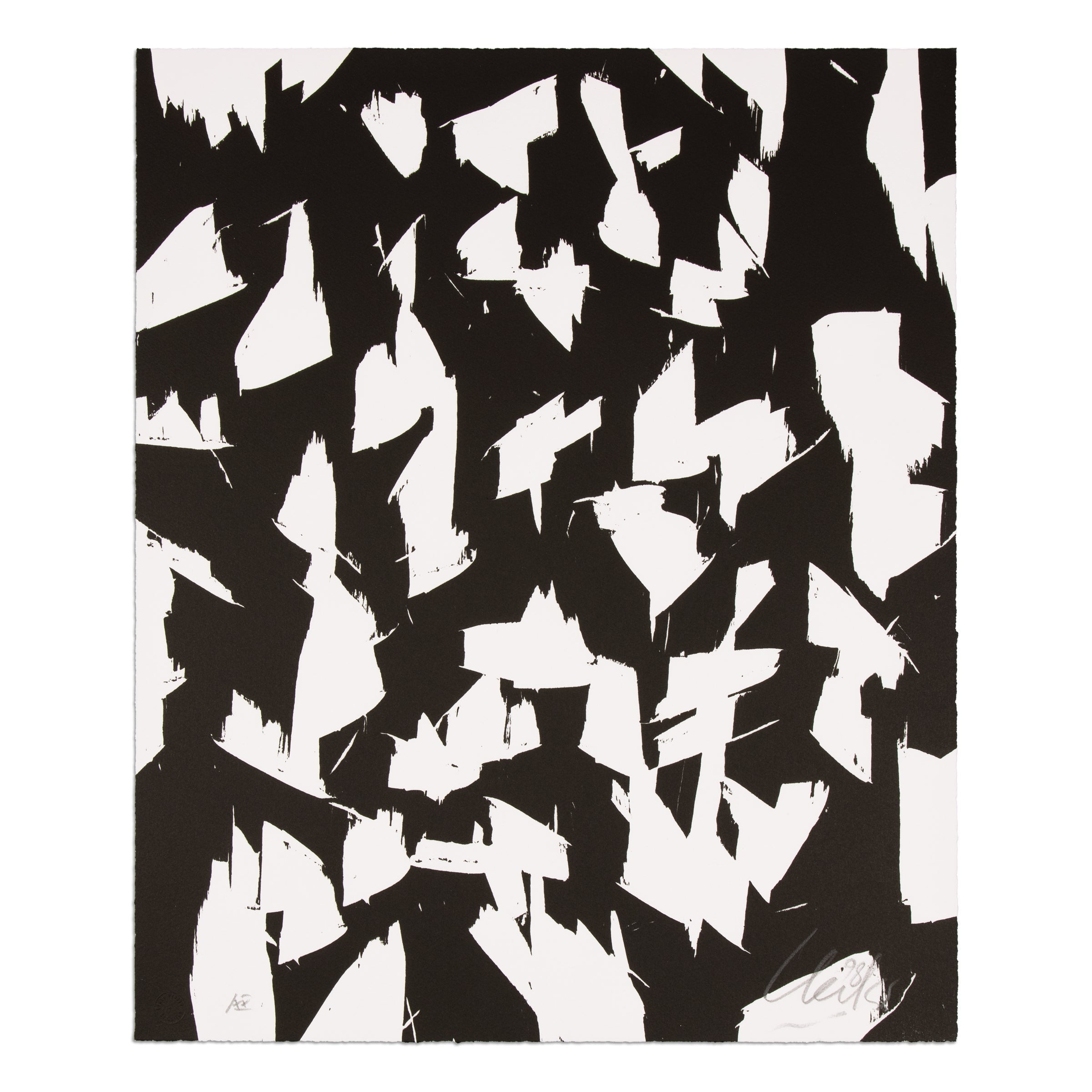
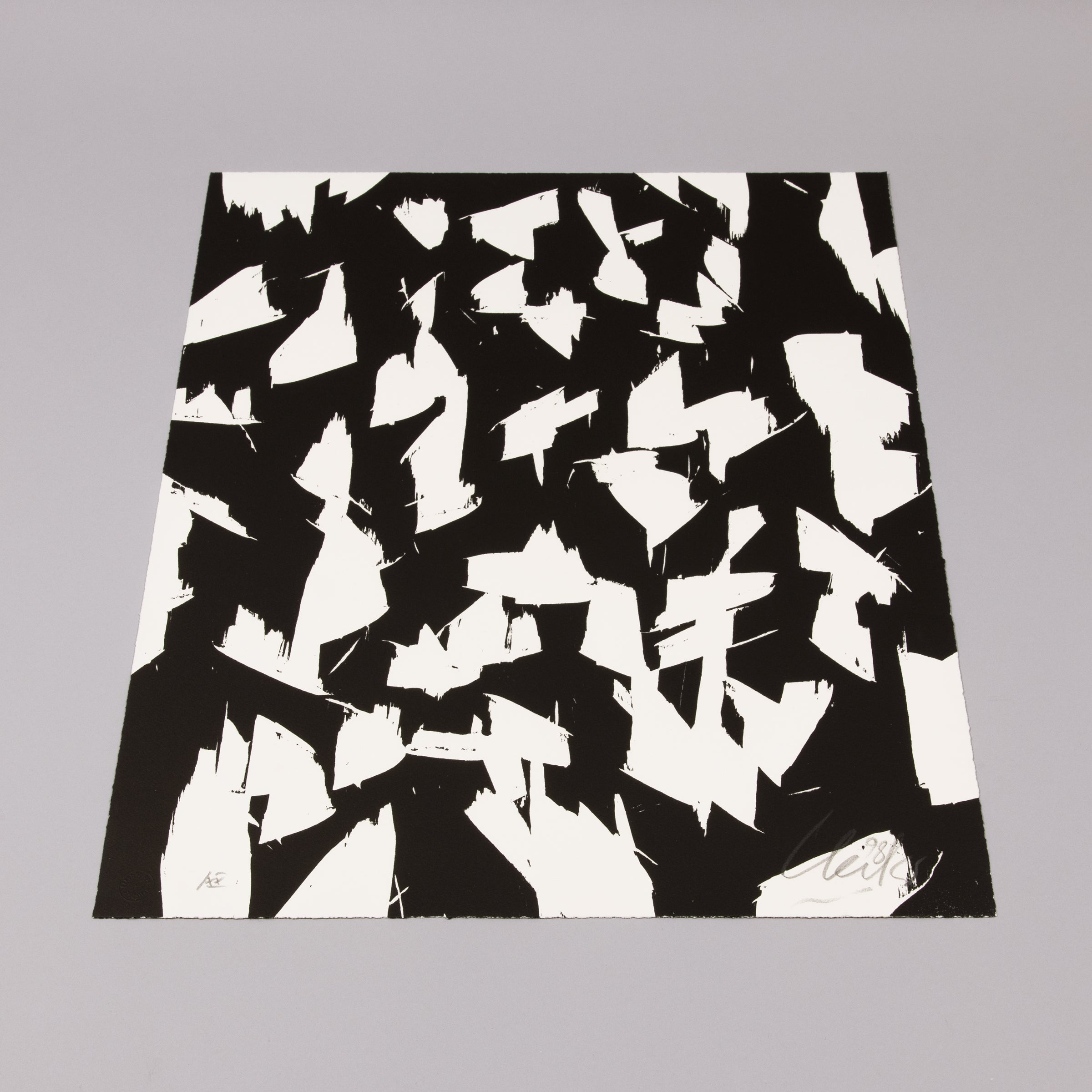
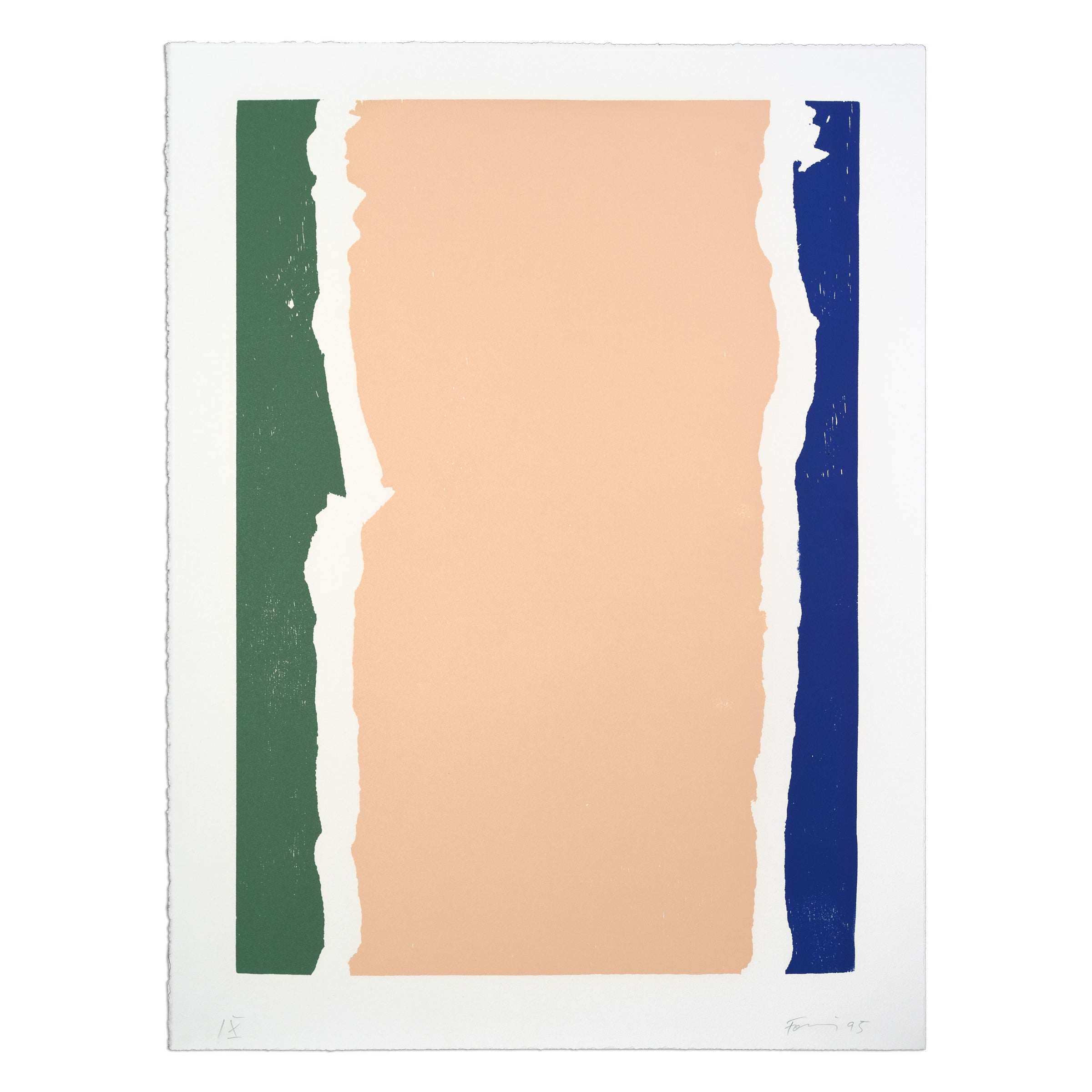
Günther Förg – Untitled WoodcutGünther Förg – Untitled Woodcut
Günther Uecker – Lichtungen IGünther Uecker – Lichtungen I
Günther Uecker – Lichtungen I Sale price€1.600,00
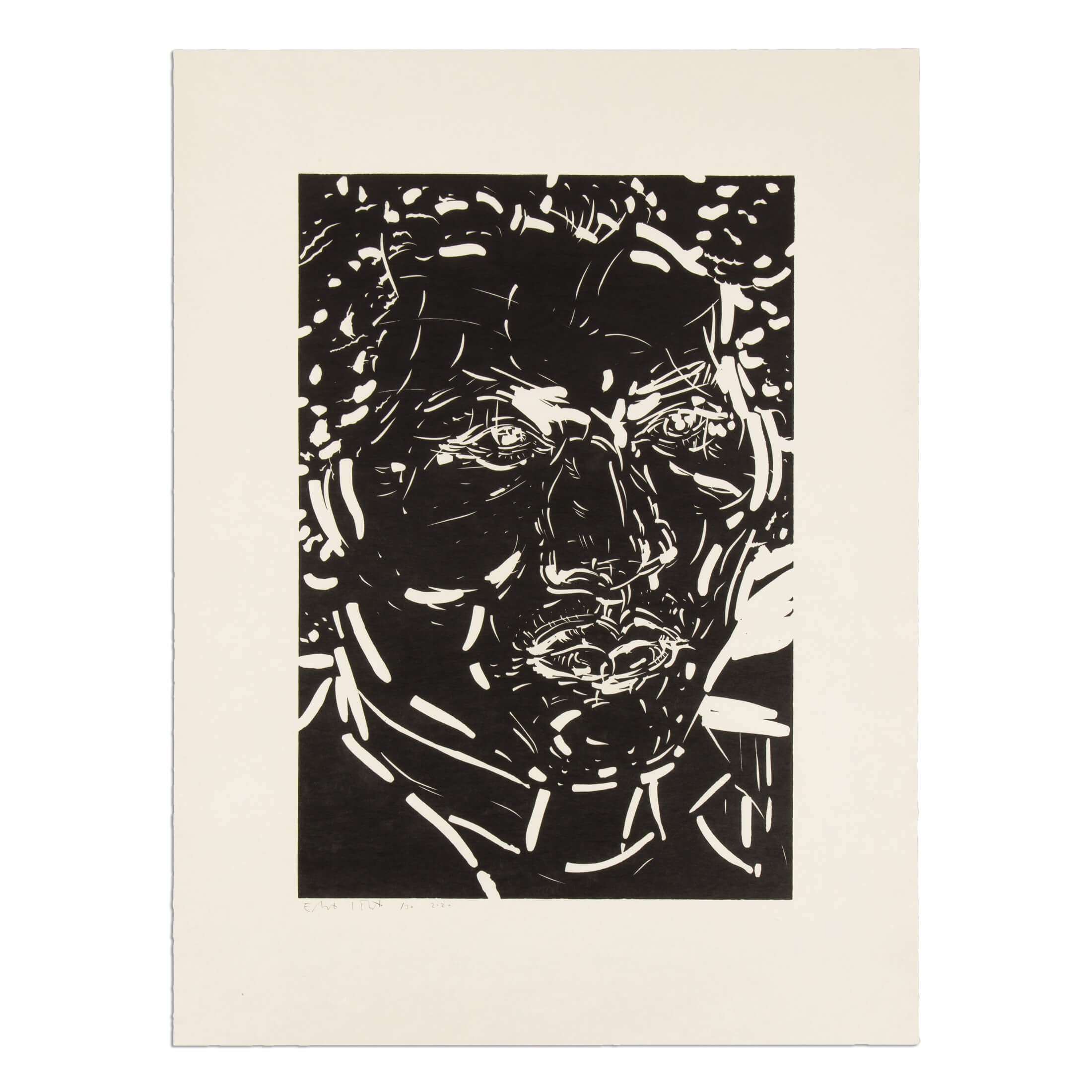
Elizabeth Peyton - Frederick DouglassElizabeth Peyton - Frederick Douglass
Günther Uecker - Lichtungen V
Günther Uecker - Lichtungen V Sale price€1.600,00
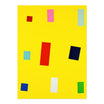
Georg Baselitz – PuckGeorg Baselitz – Puck
Georg Baselitz – Puck Sale price€3.900,00
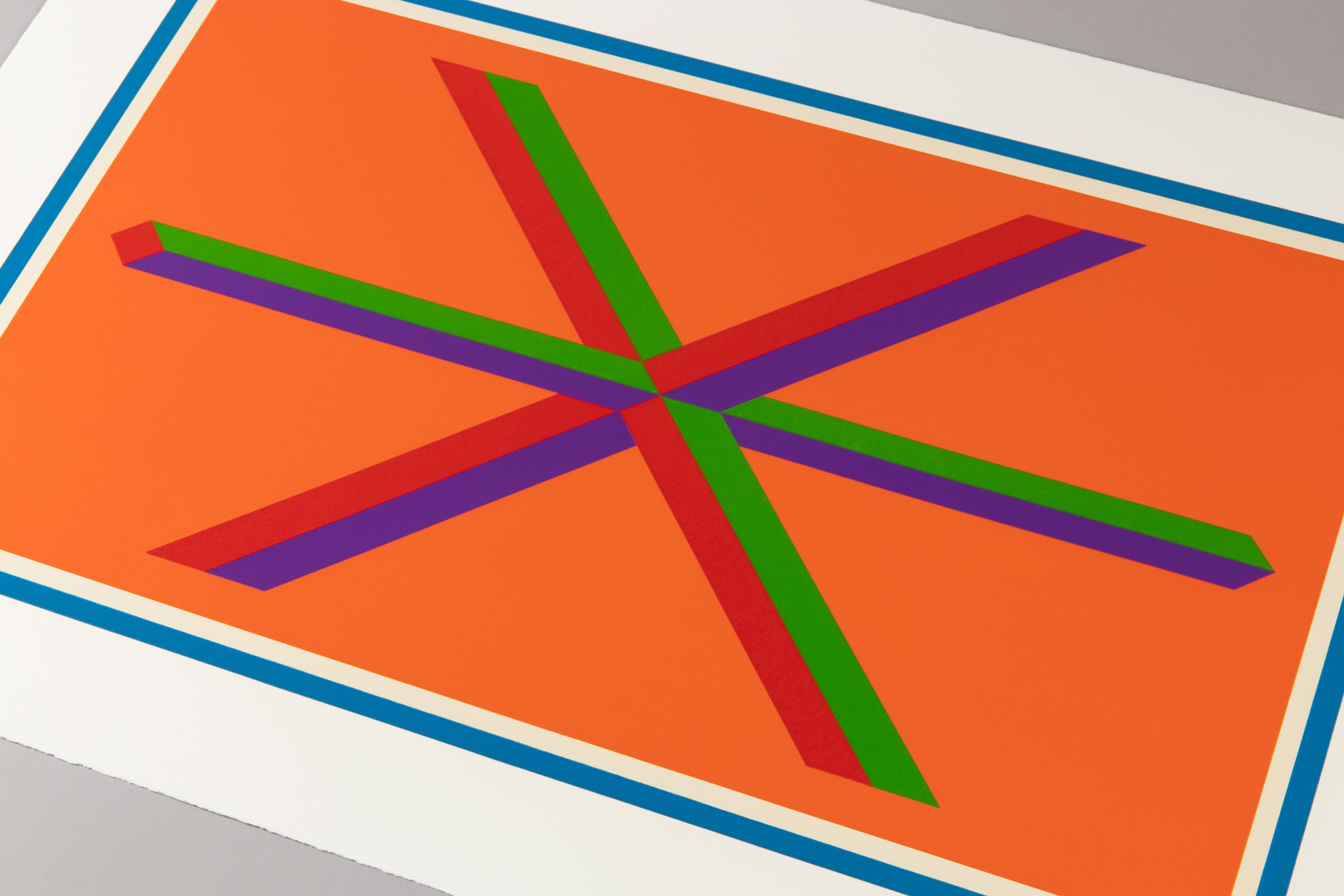
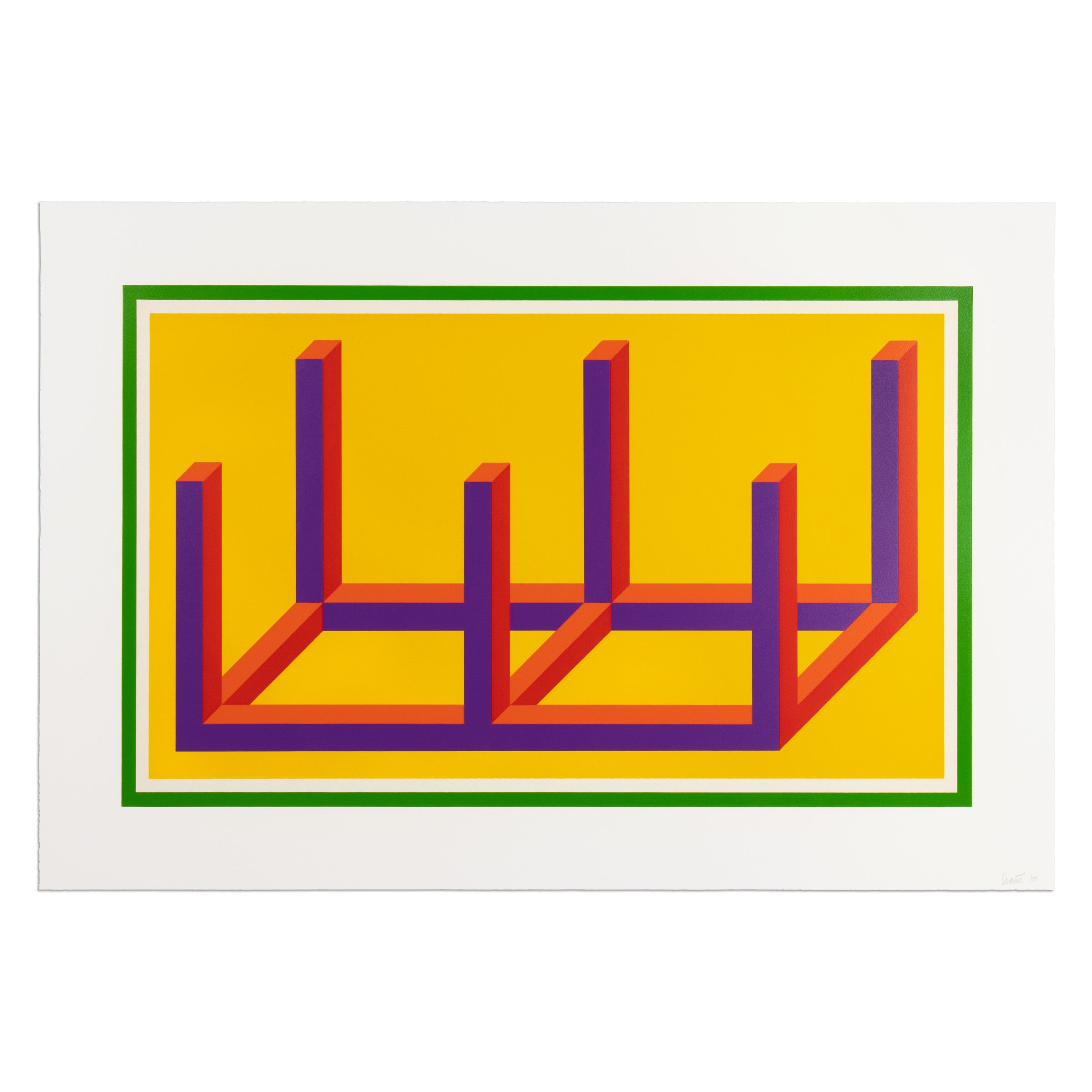
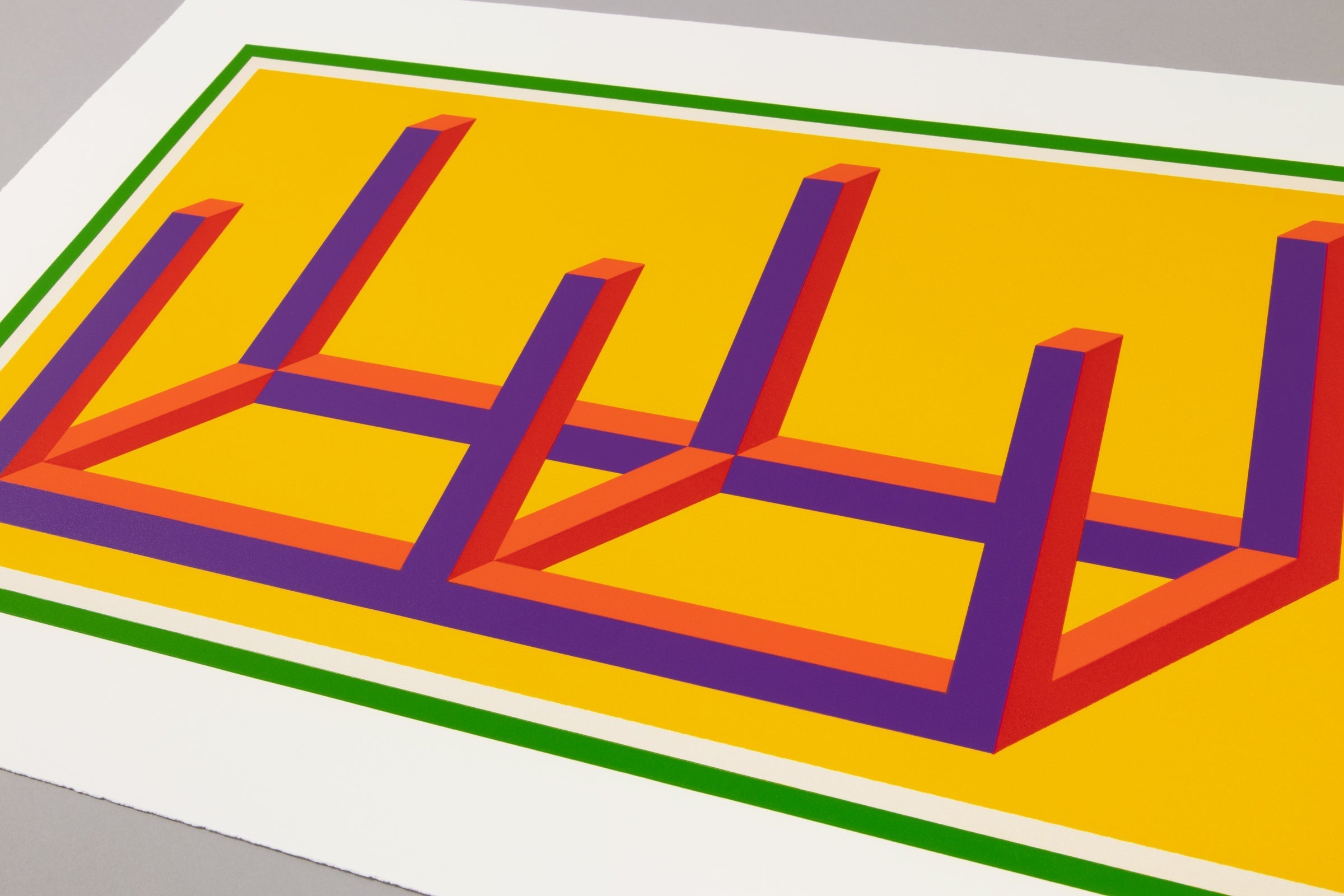
Sol LeWitt - Isometric Figures IVSol LeWitt - Isometric Figures IV
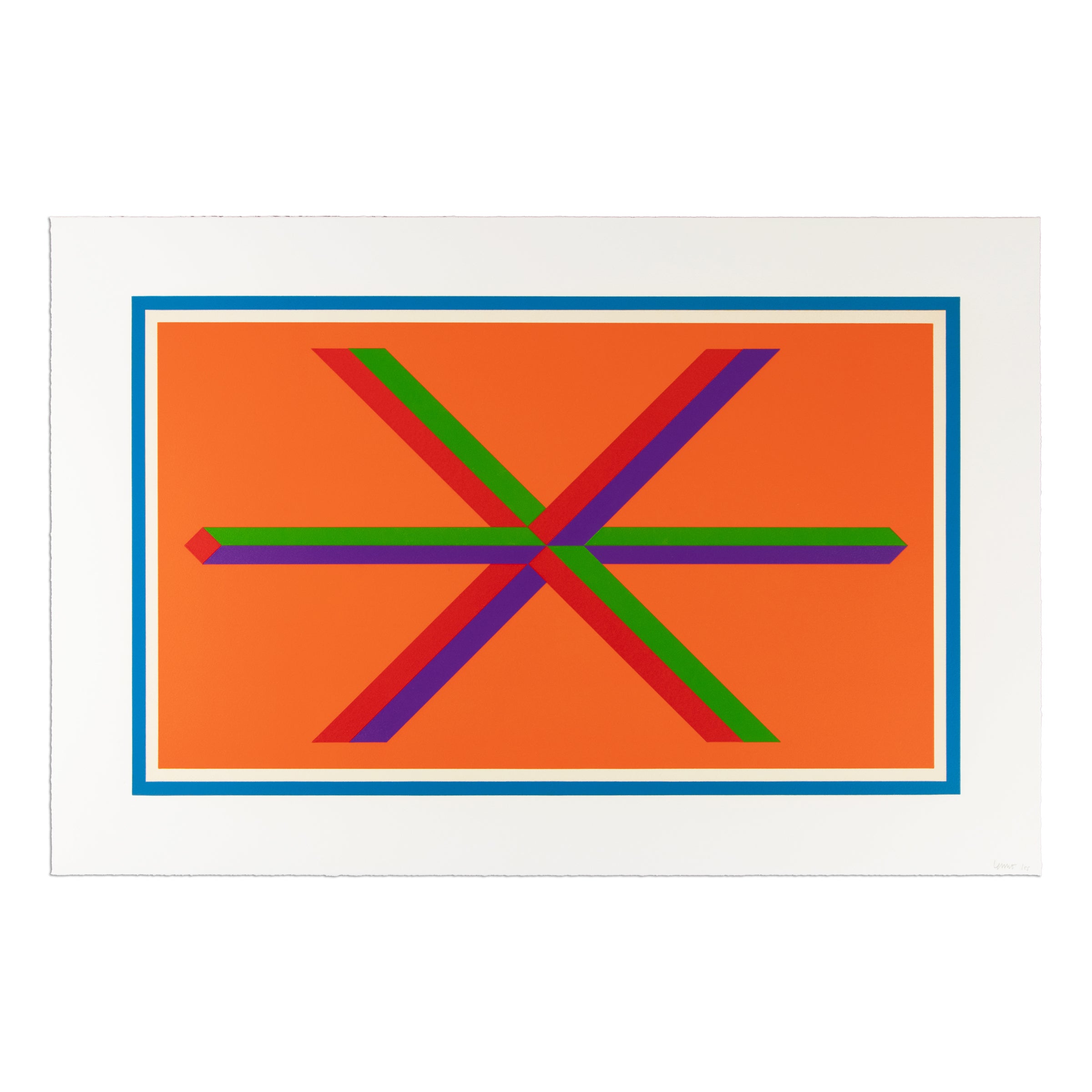
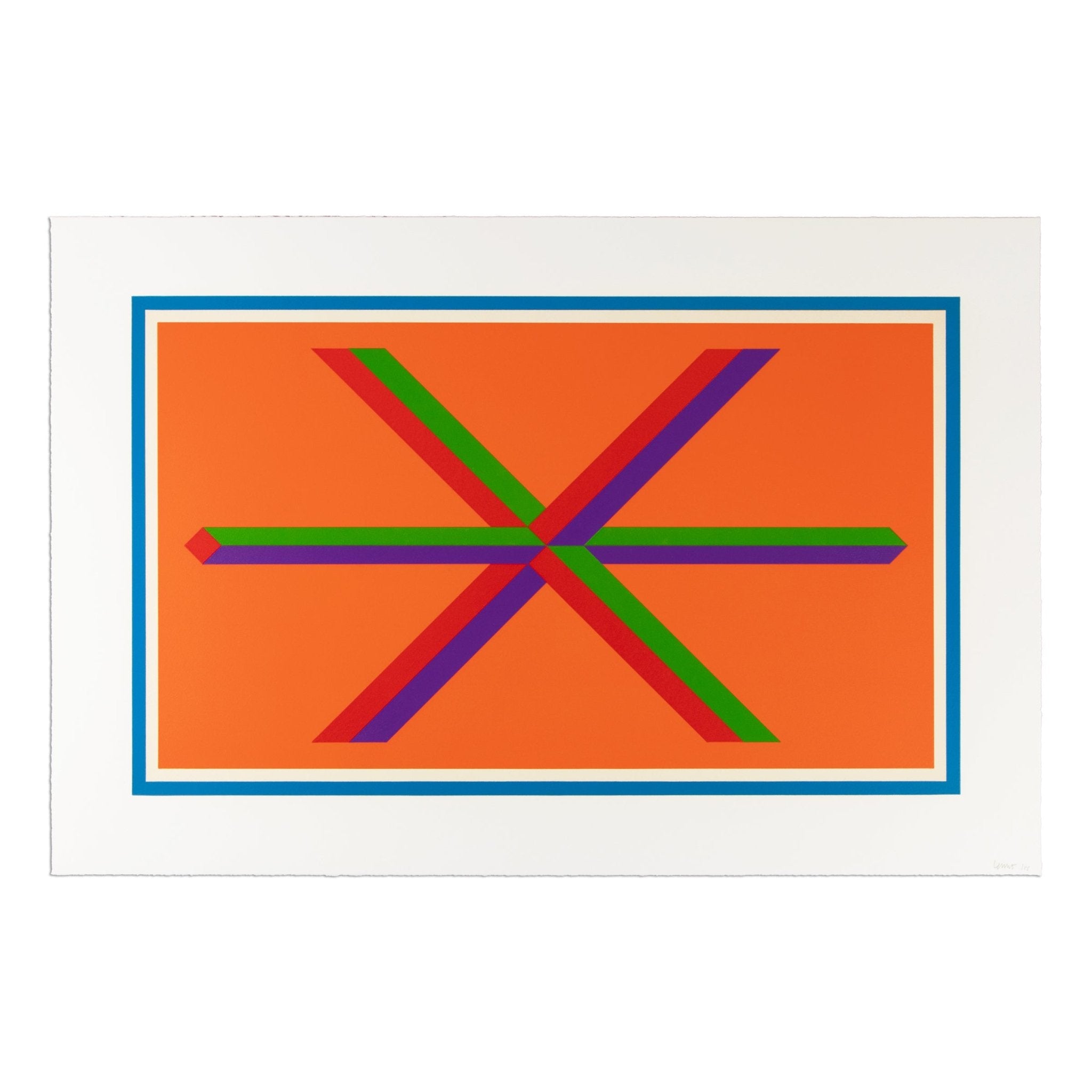
Sol LeWitt - Isometric Figures ISol LeWitt - Isometric Figures I
Sol LeWitt – Isometric Figures I Sale price€3.900,00
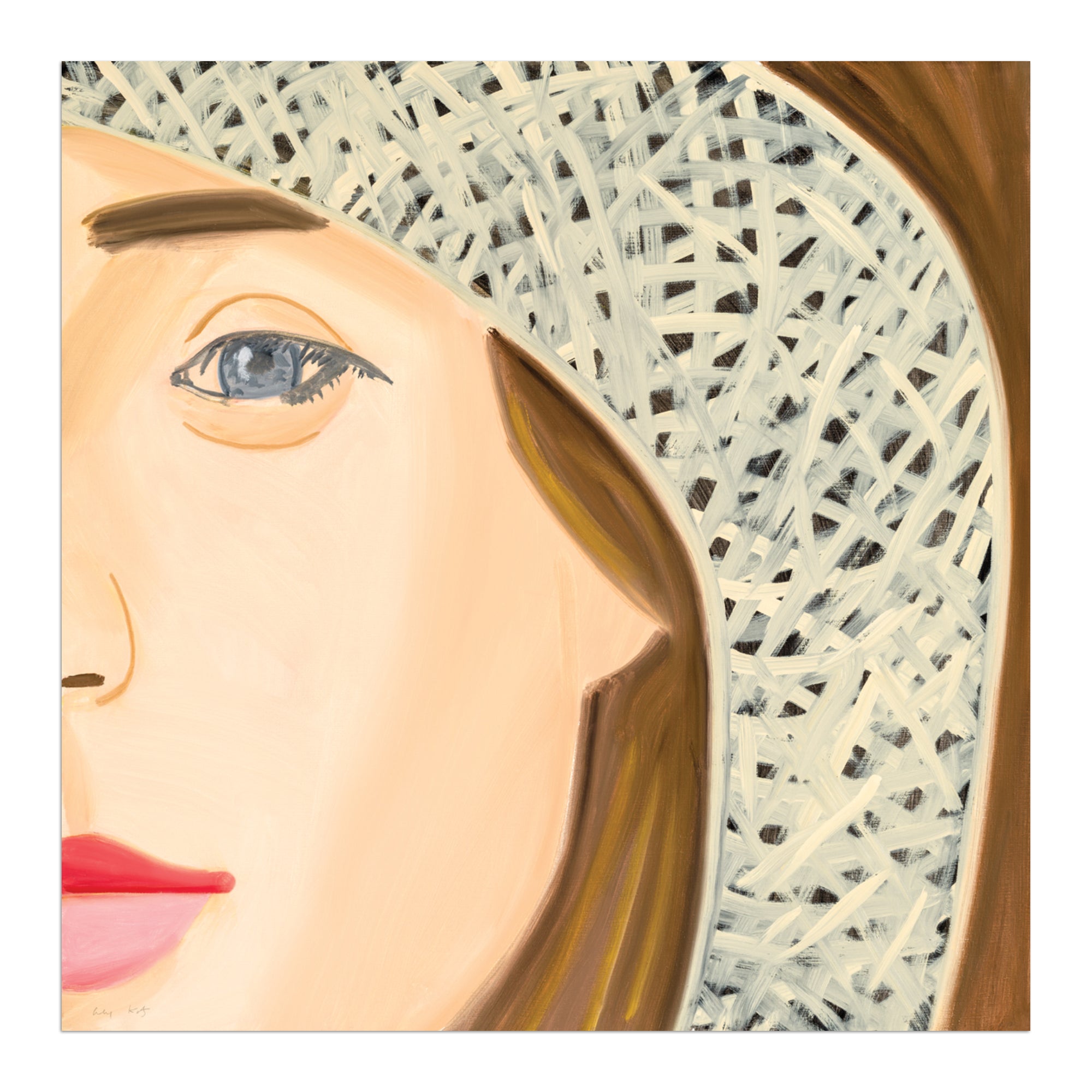
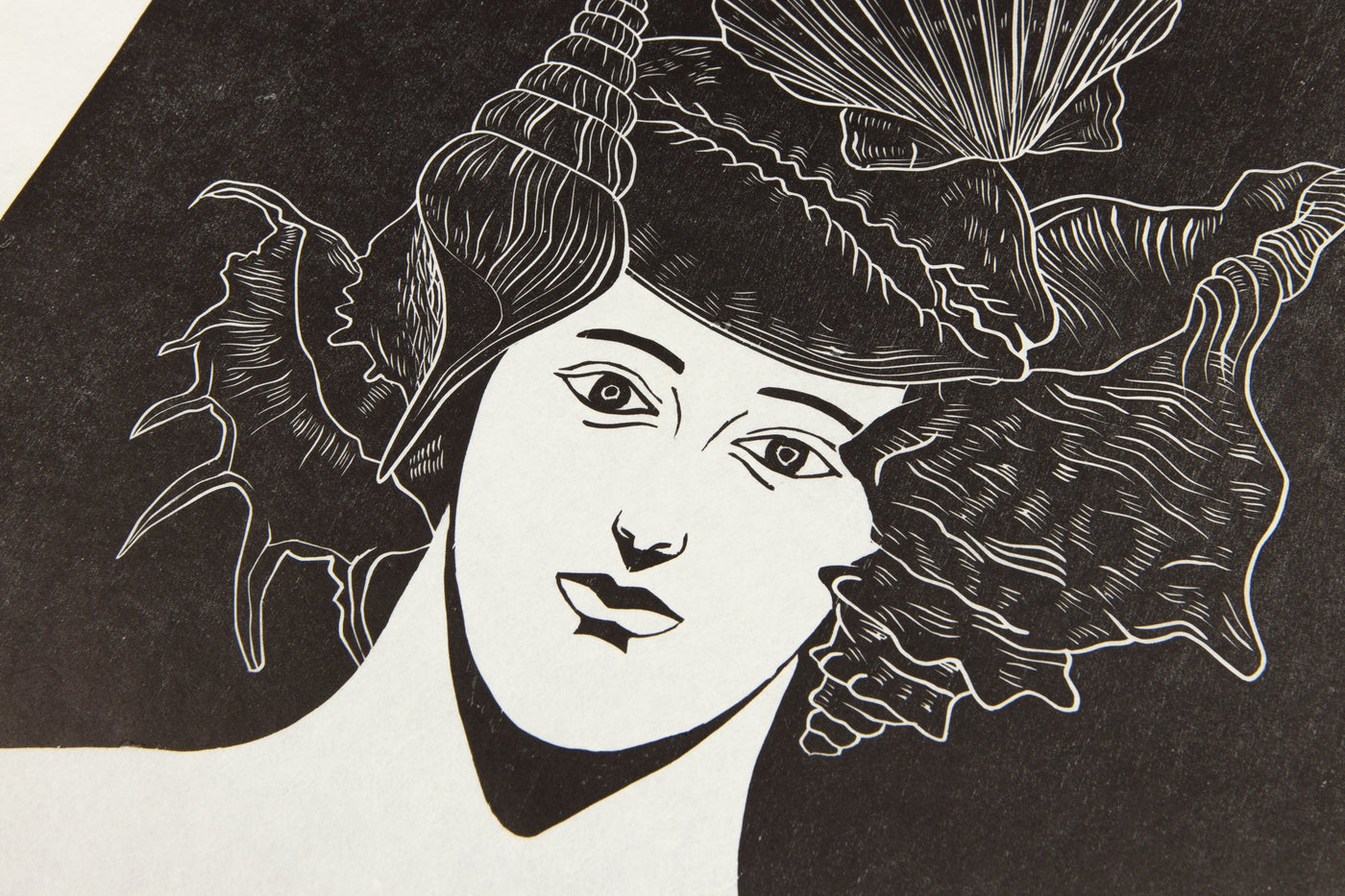
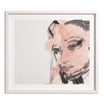
Nicolas Party – Portrait with ShellsNicolas Party - Portrait with Shells
Nicolas Party – Portrait of a Seahorse NecklaceNicolas Party - Portrait of a Seahorse Necklace
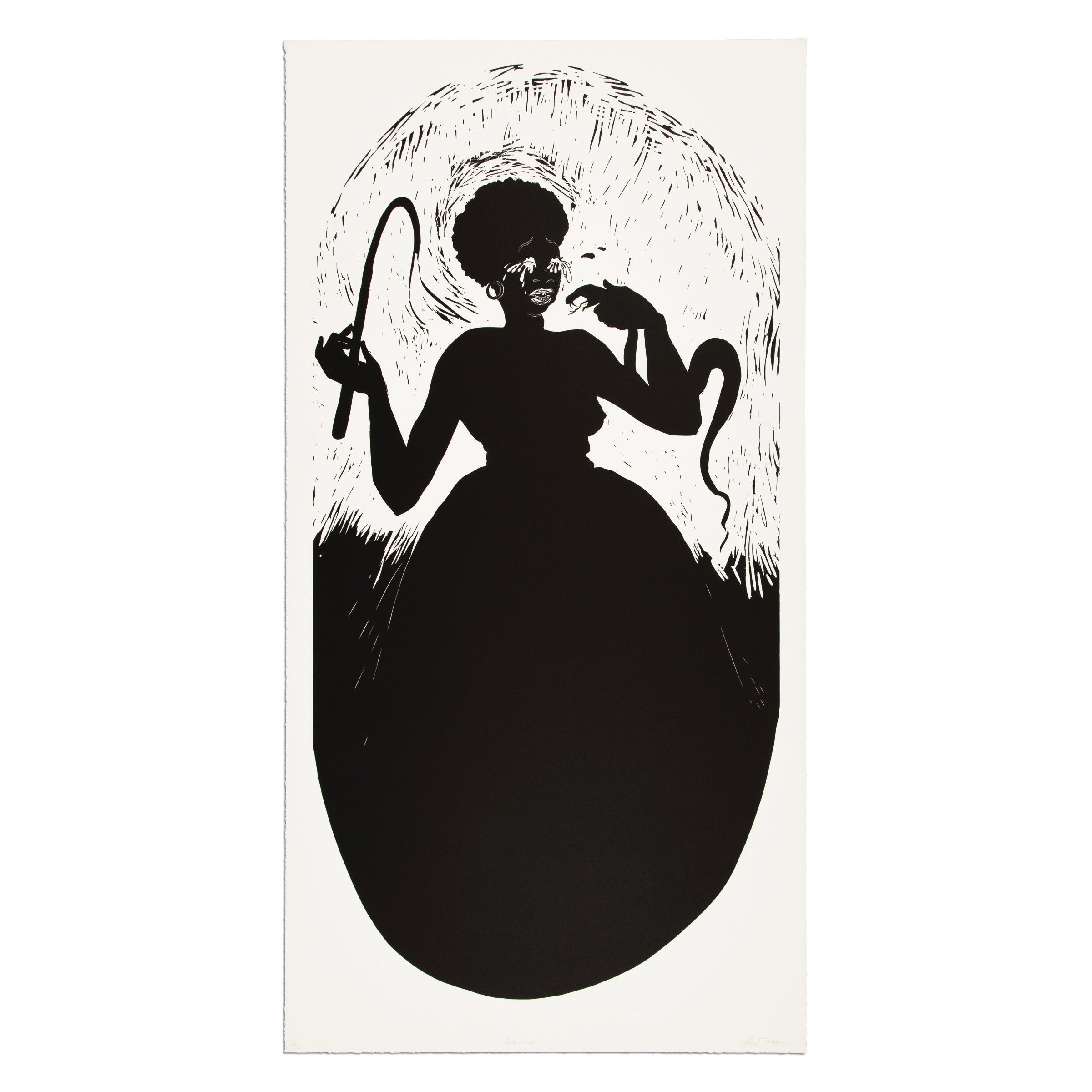
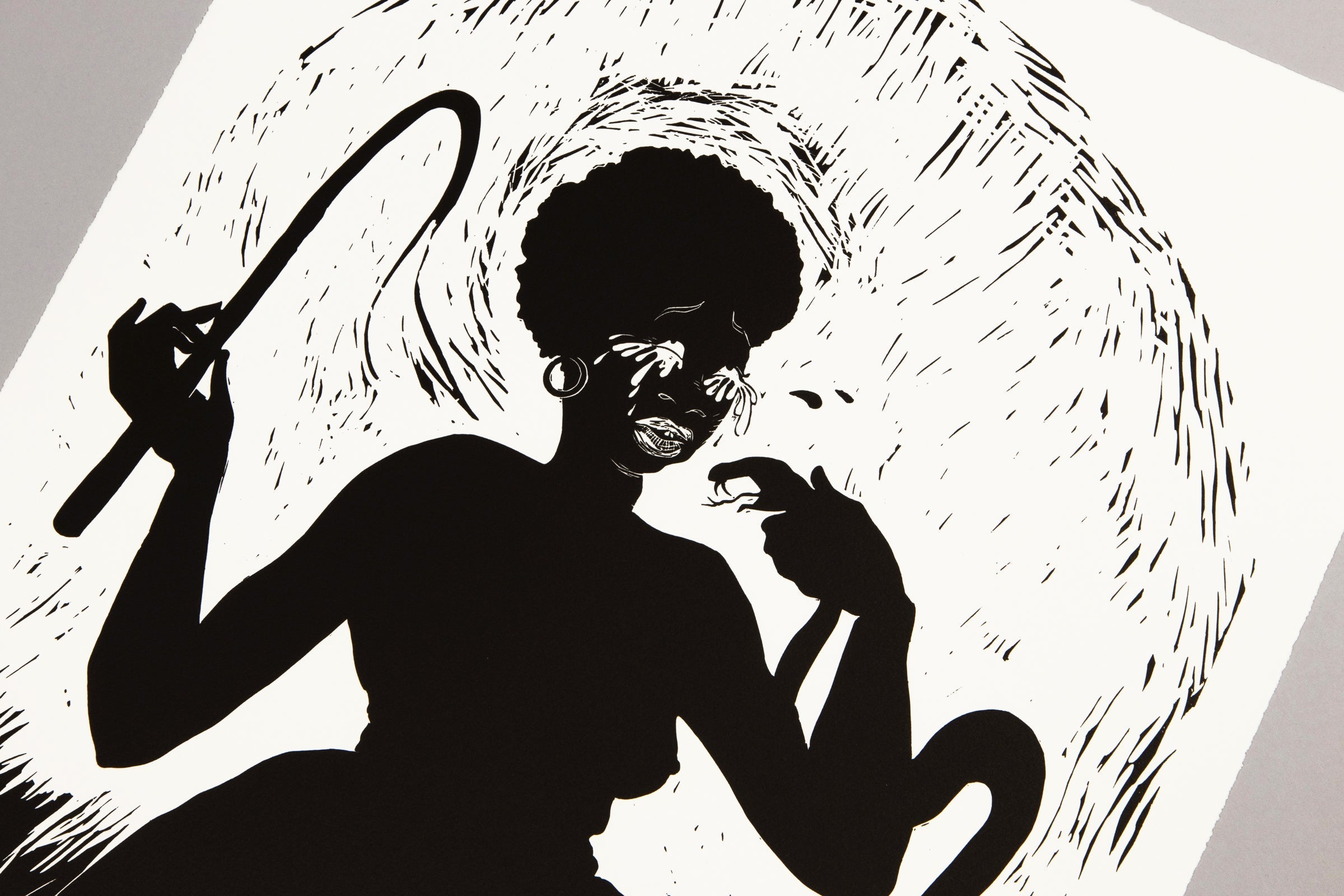
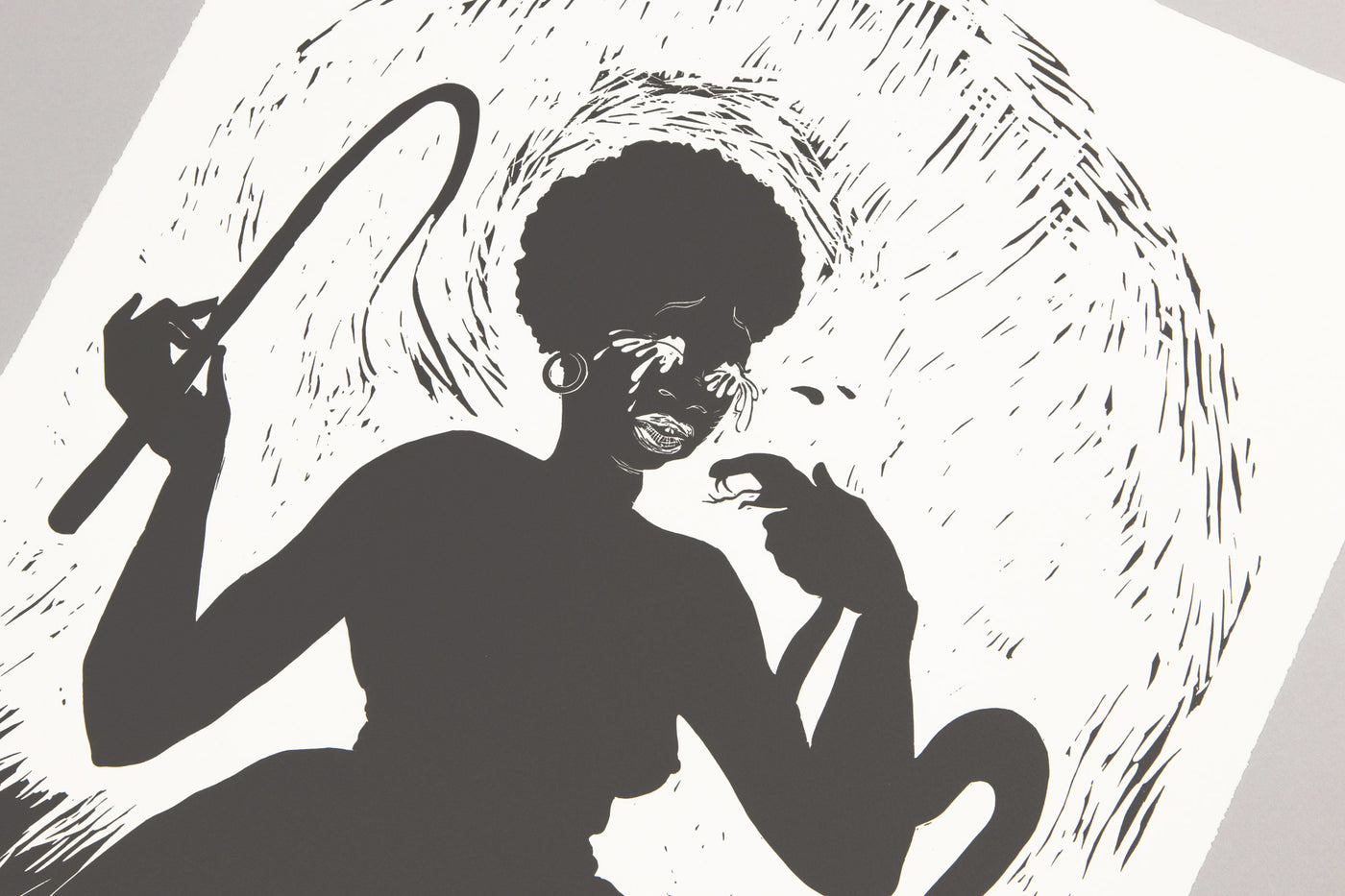
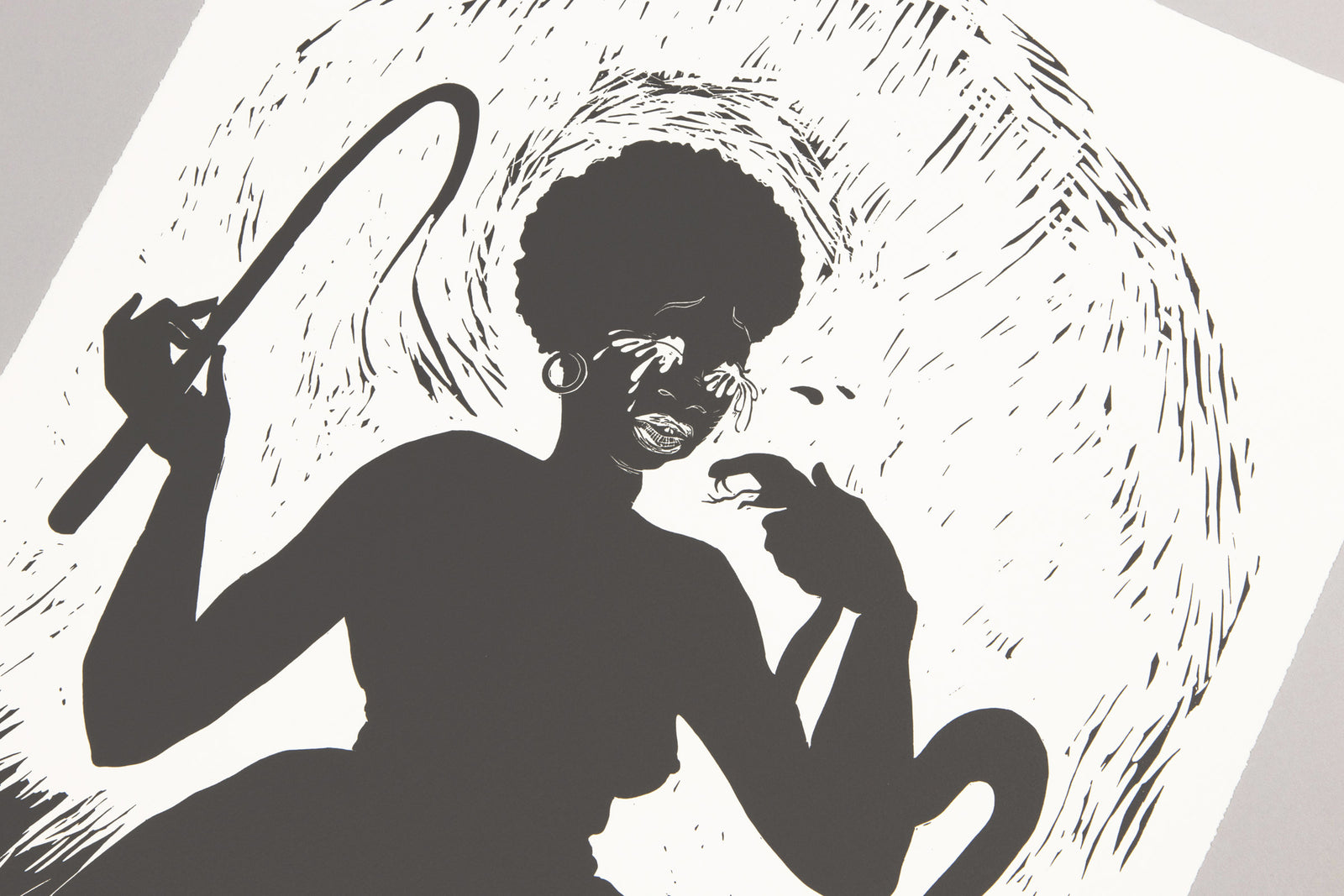
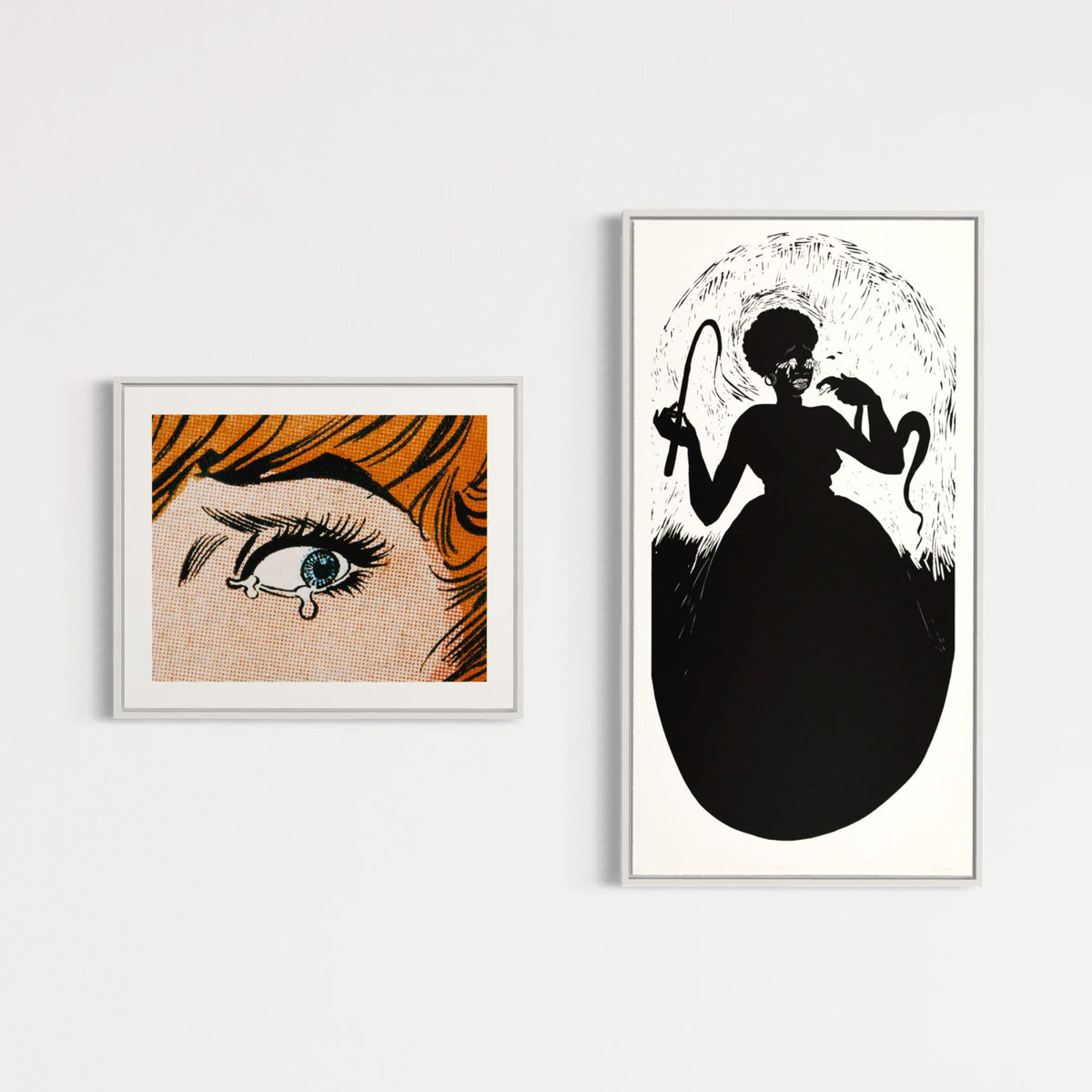
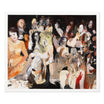
Kara Walker – Boo-HooKara Walker - Boo-Hoo
Sold out
Günther Uecker - Lichtungen IVGünther Uecker - Lichtungen IV
Günther Uecker – Lichtungen IV Sale price€1.600,00
Günther Förg - Untitled (Portfolio Pi)
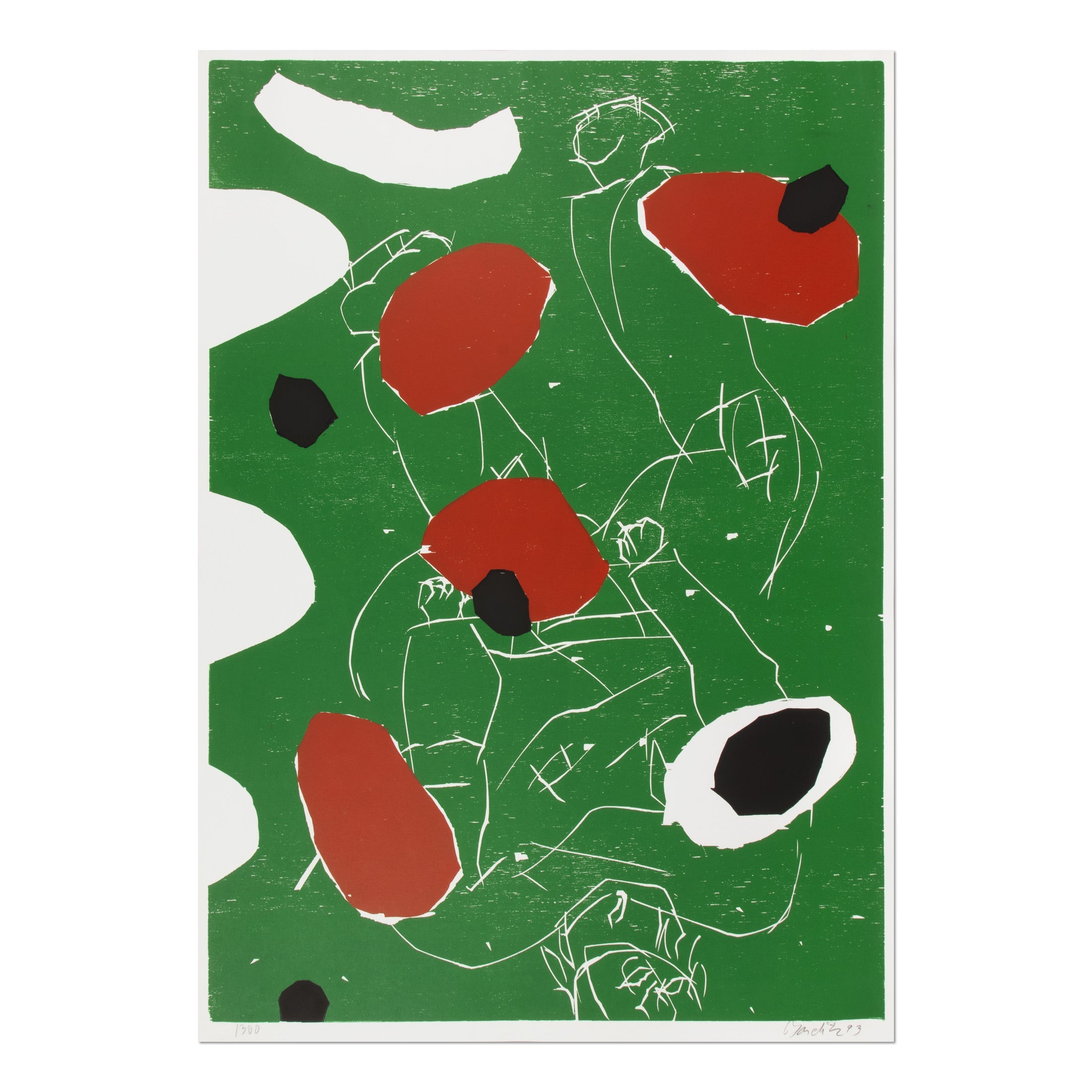
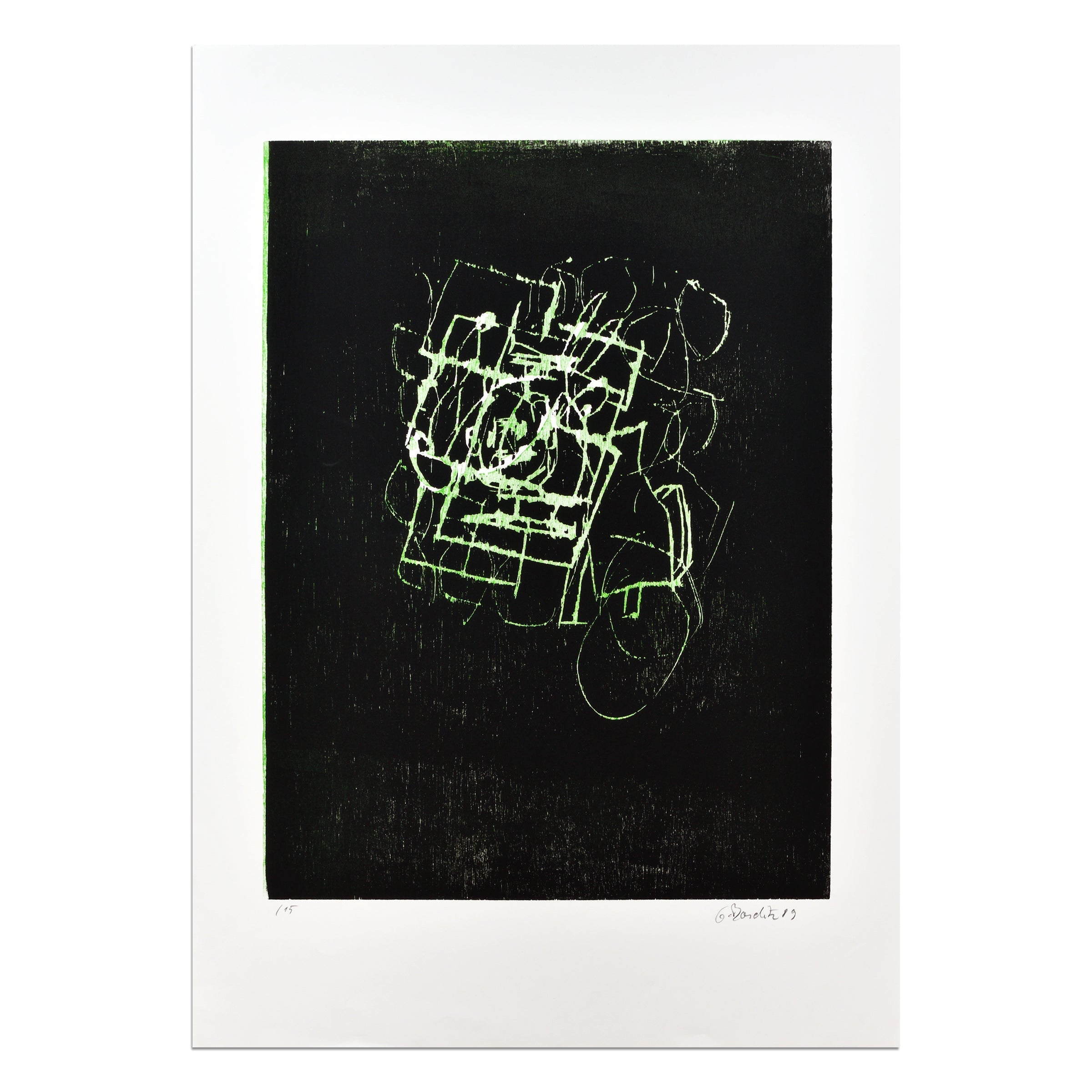
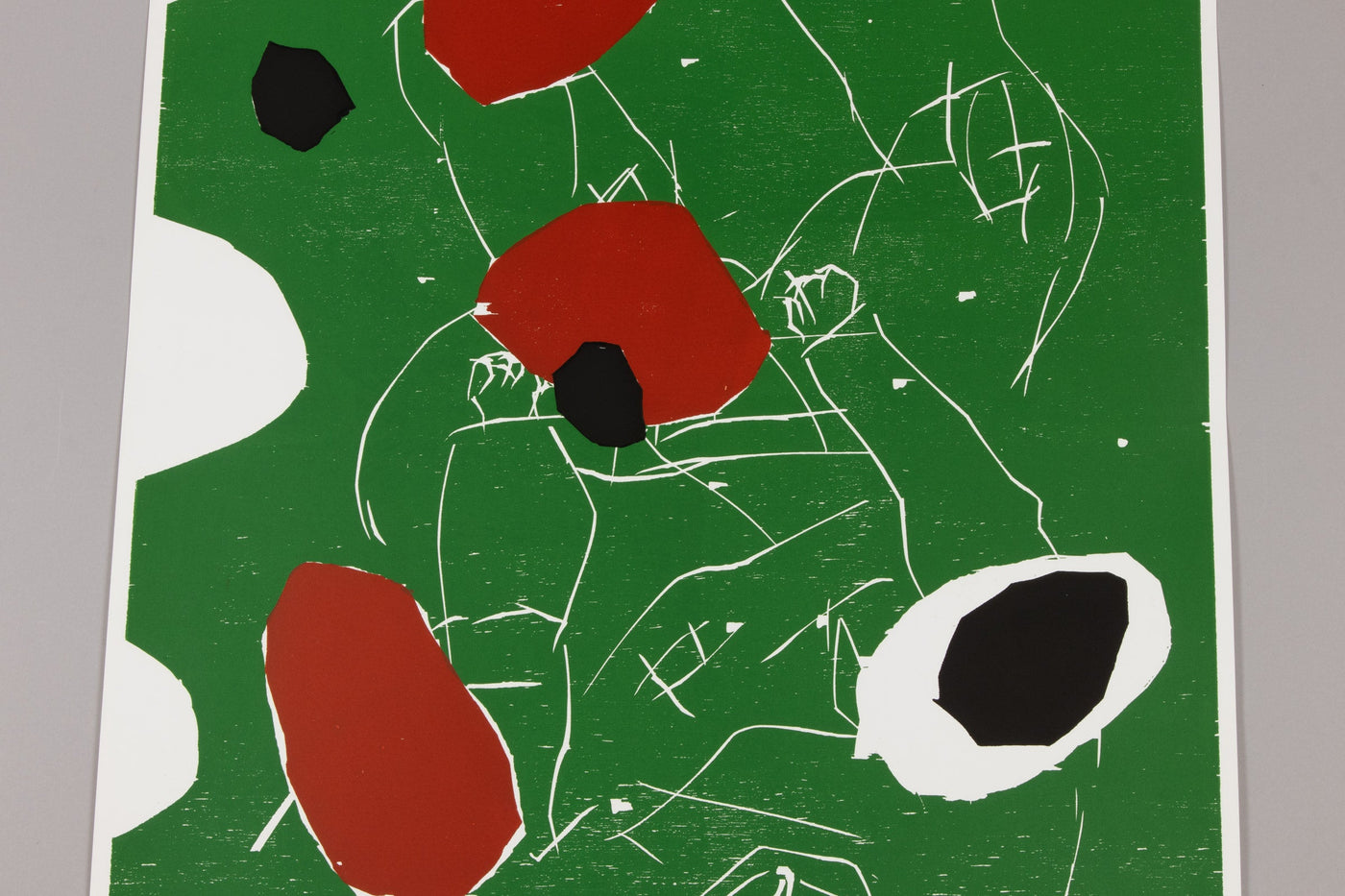
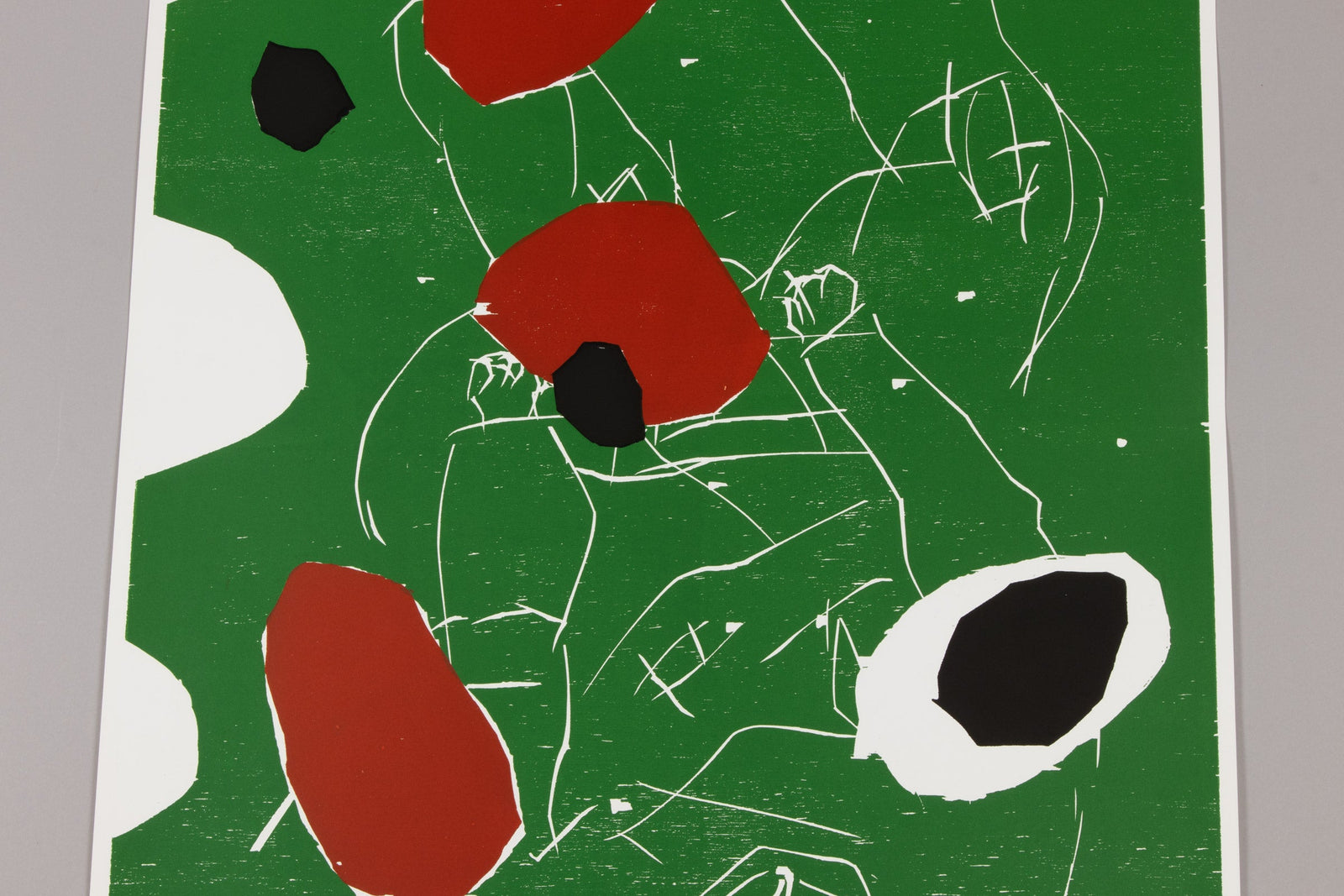
Georg Baselitz - Grüner Hase
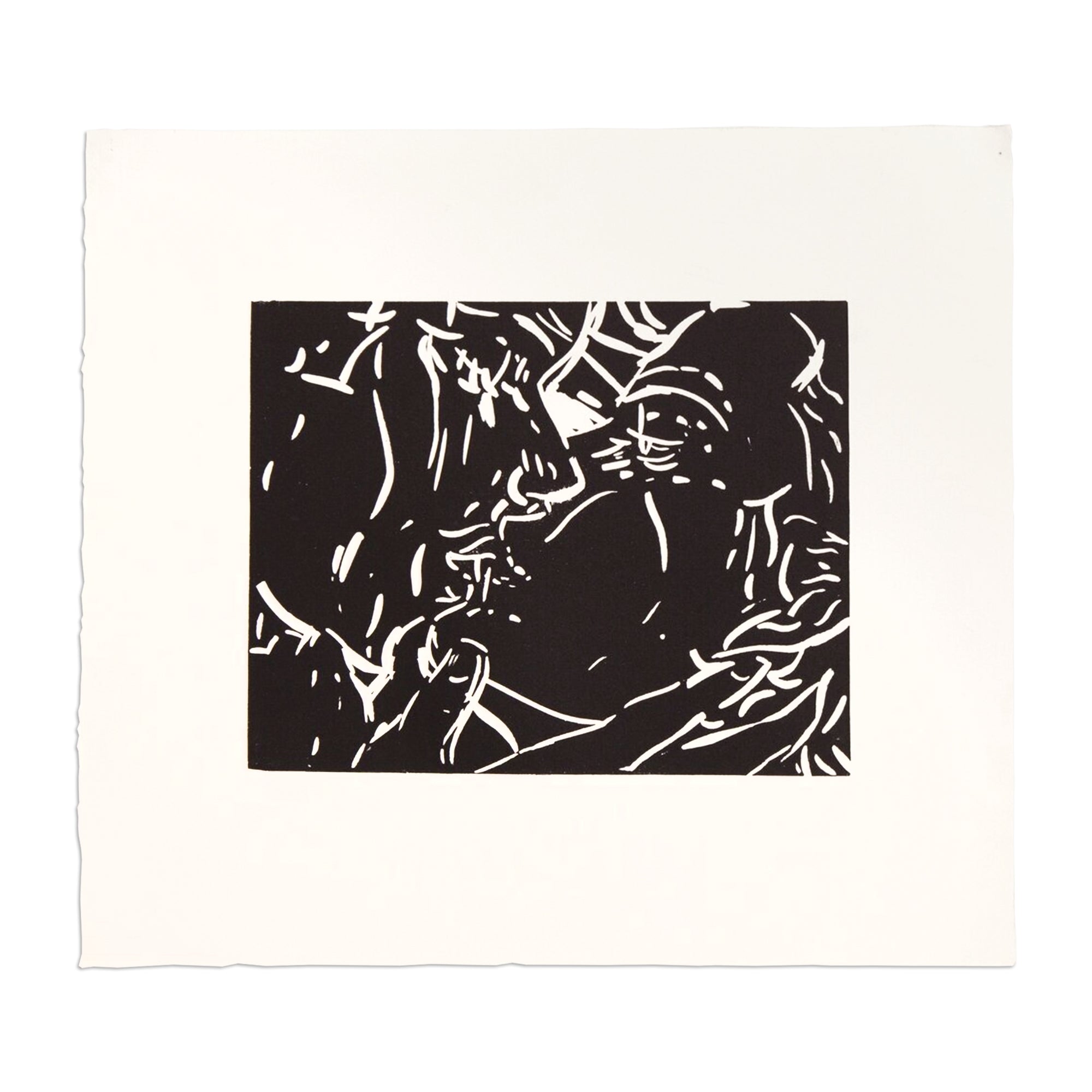
Elizabeth Peyton - The KissElizabeth Peyton - The Kiss
Elizabeth Peyton – The Kiss Sale price€3.200,00
Elizabeth Peyton - Still Life
Elizabeth Peyton – Still Life Sale price€5.500,00
Elizabeth Peyton - Peter
Elizabeth Peyton – Peter Sale price€3.700,00
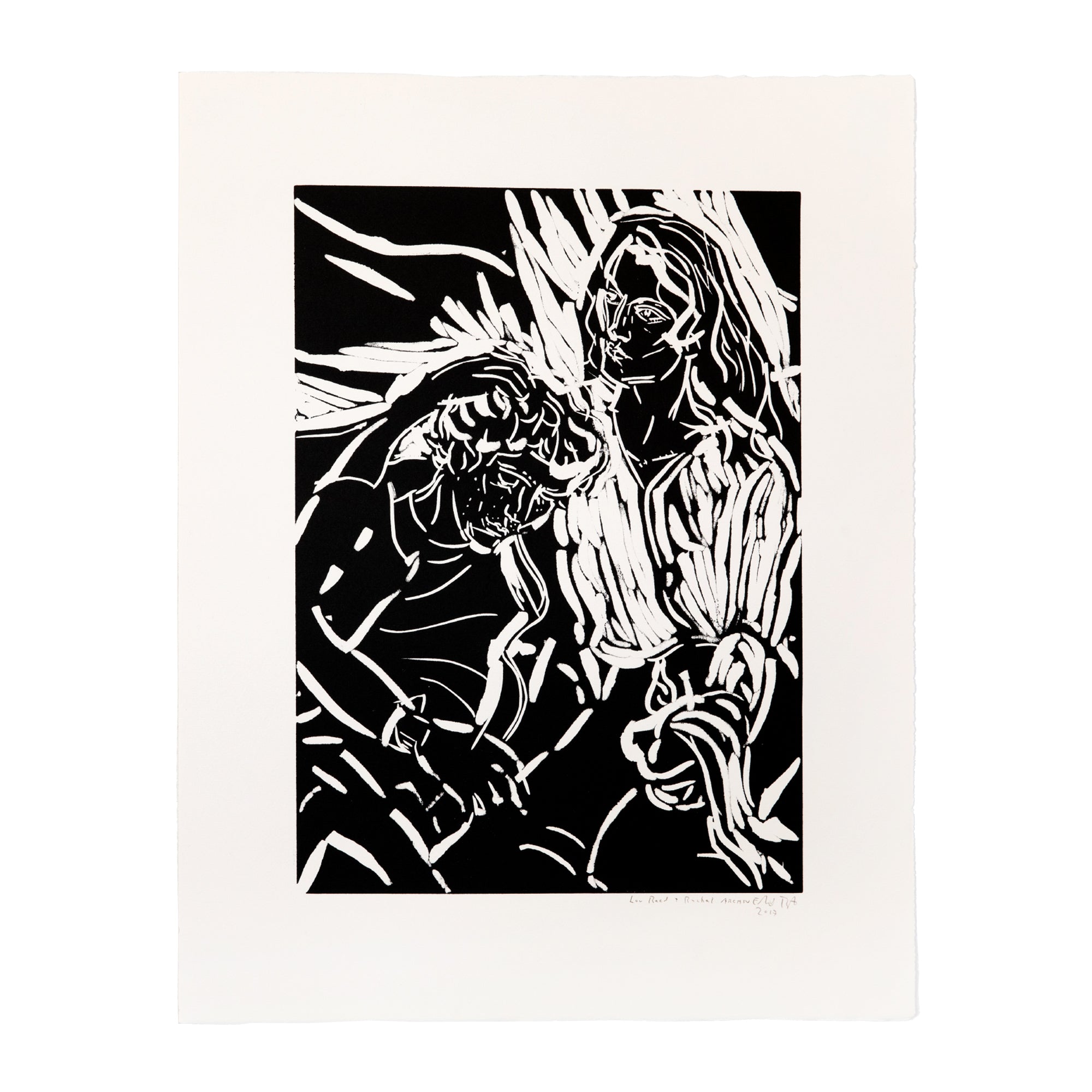
Elizabeth Peyton - Lou Reed + Rachel
Elizabeth Peyton - Frank Ocean
Elizabeth Peyton – Frank Ocean Sale price€4.200,00
Elizabeth Peyton - E (Self-Portrait)
David Shrigley - The Moon Makes Us CrazyDavid Shrigley - The Moon Makes Us Crazy
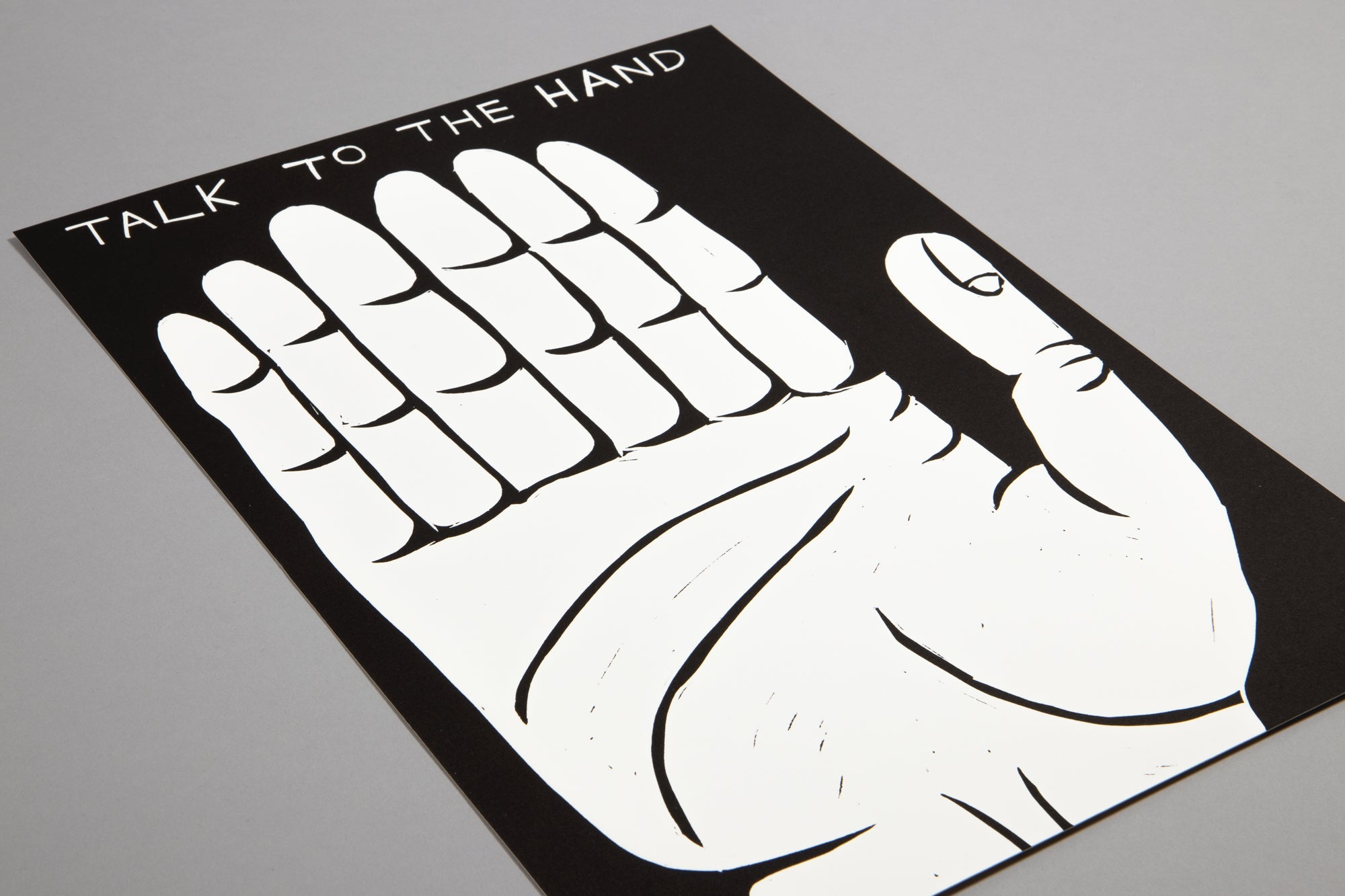
David Shrigley - Talk to the HandDavid Shrigley - Talk to the Hand
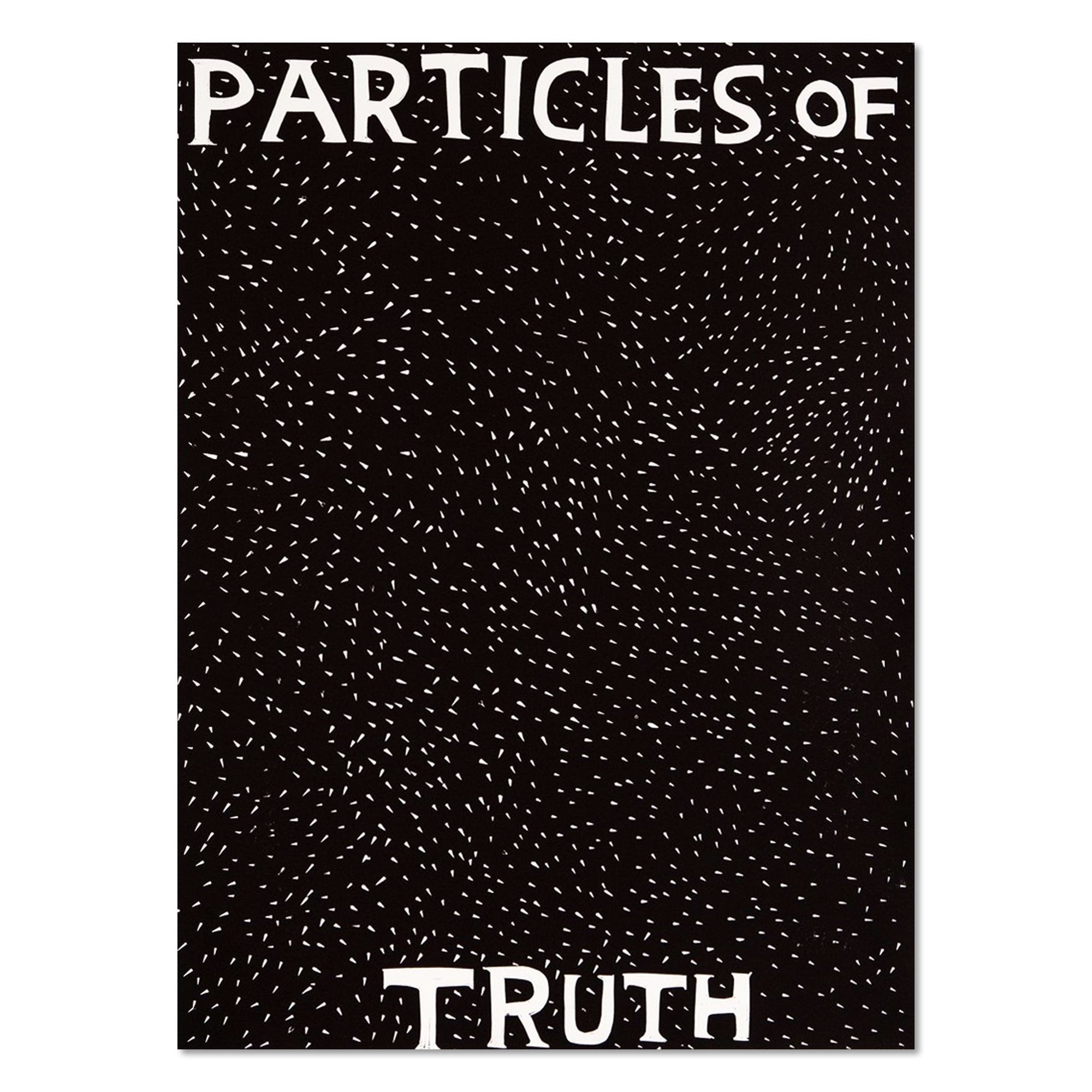
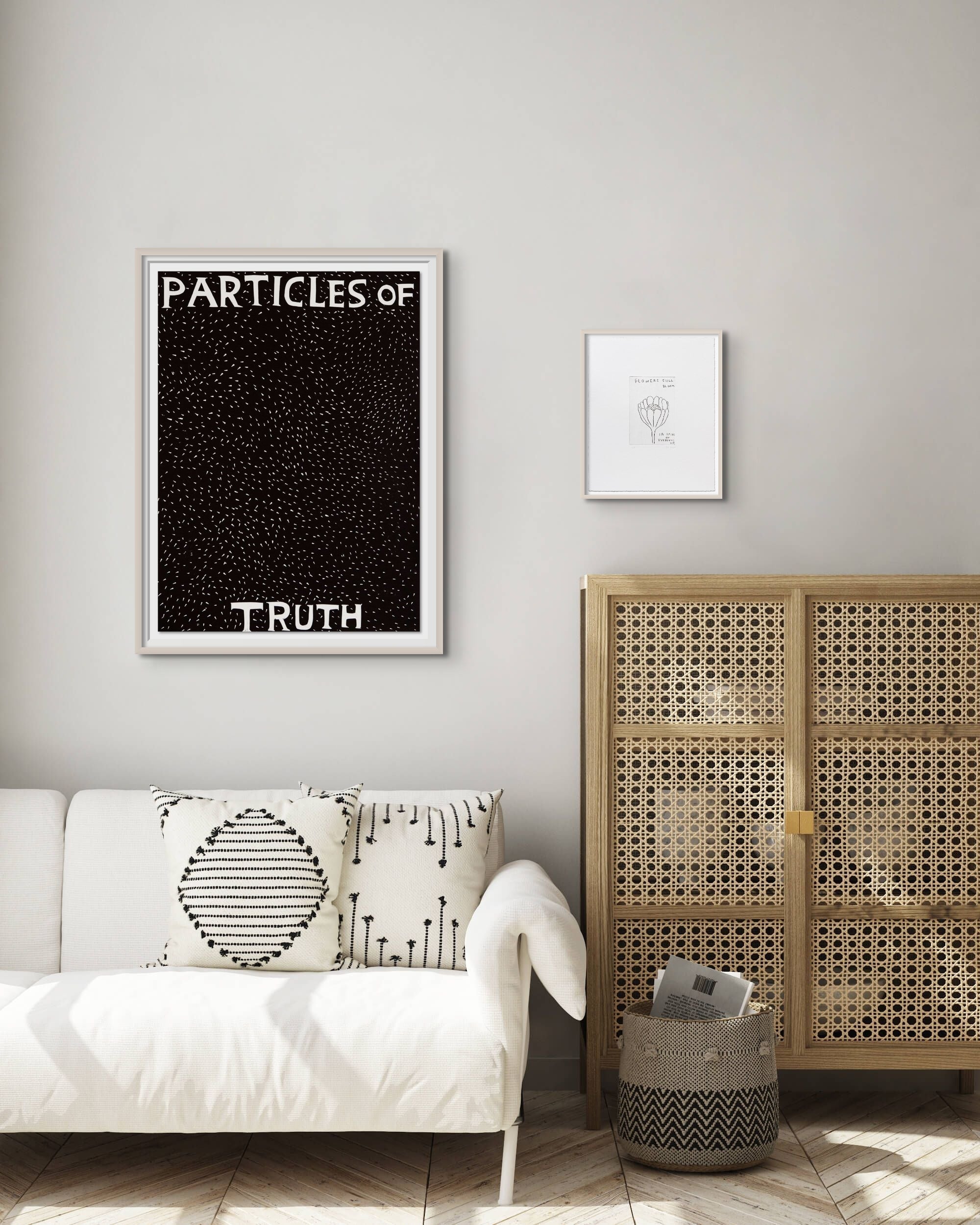
David Shrigley – Particles of TruthDavid Shrigley - Particles of Truth
David Shrigley - Fat Pig We Love You
David Shrigley - EyesDavid Shrigley - Eyes
David Shrigley – Eyes Sale price€3.800,00
Dana Schutz - Back Surgery in BedDana Schutz - Back Surgery in Bed
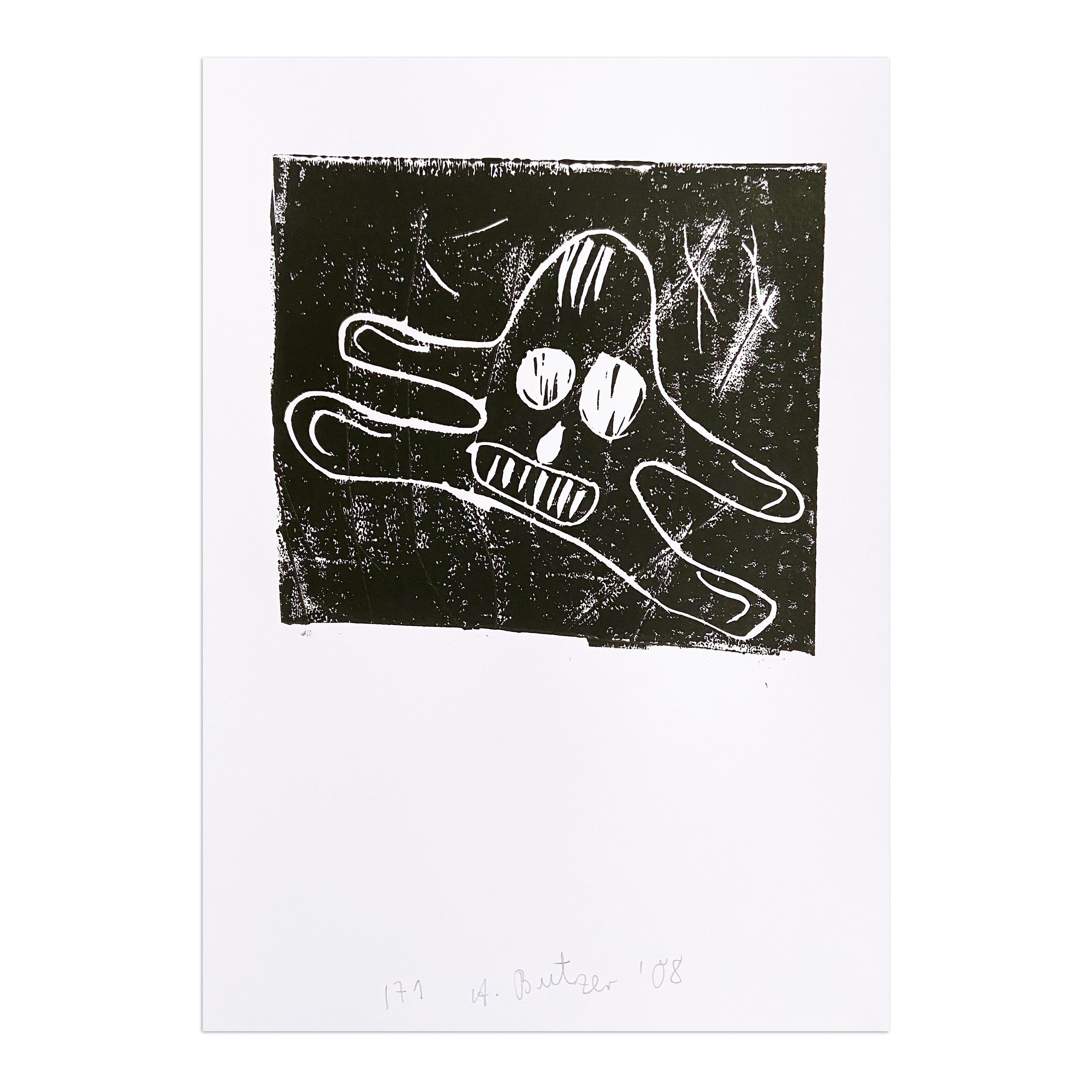
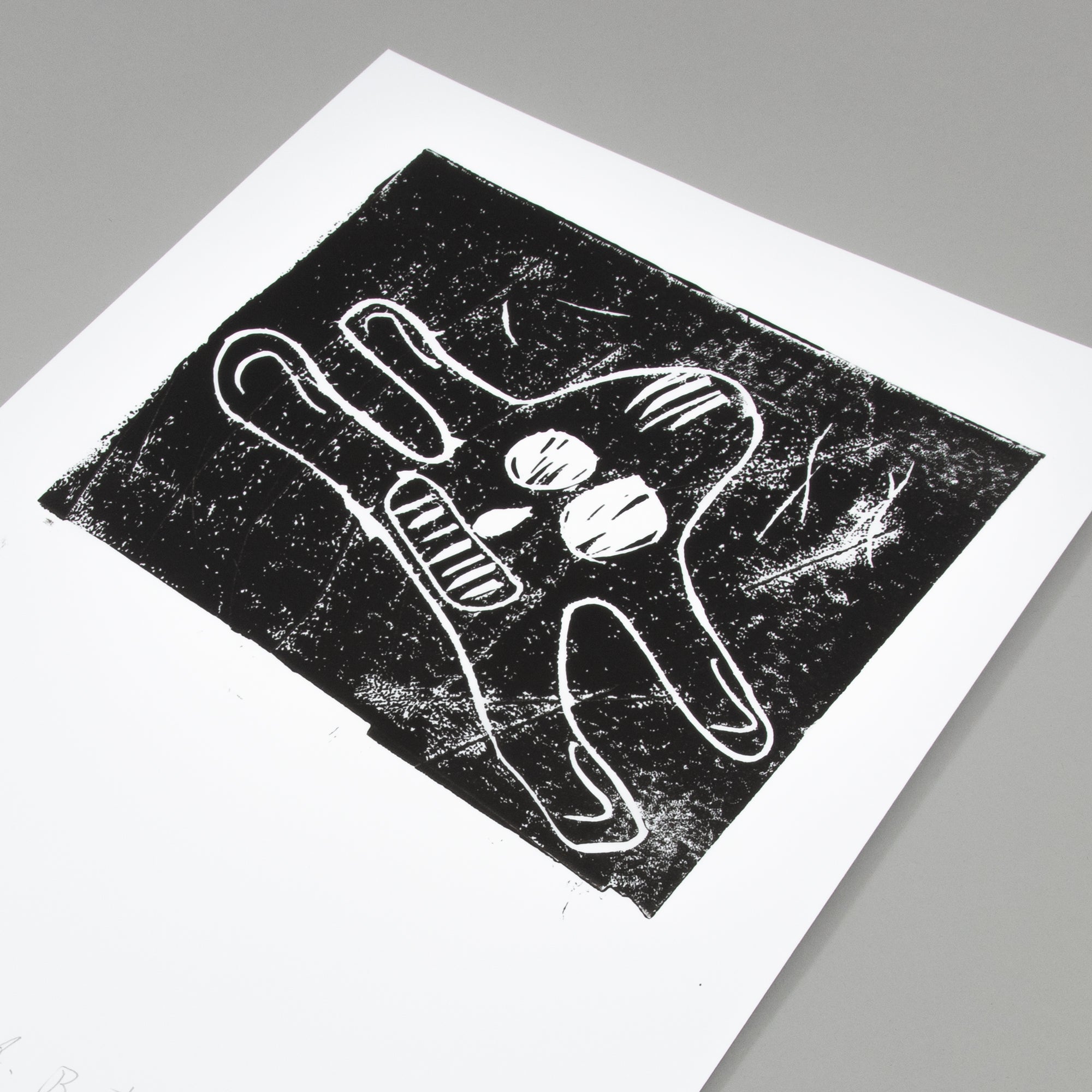
André Butzer - Untitled (Wanderer)André Butzer - Untitled (Wanderer)
Sold out
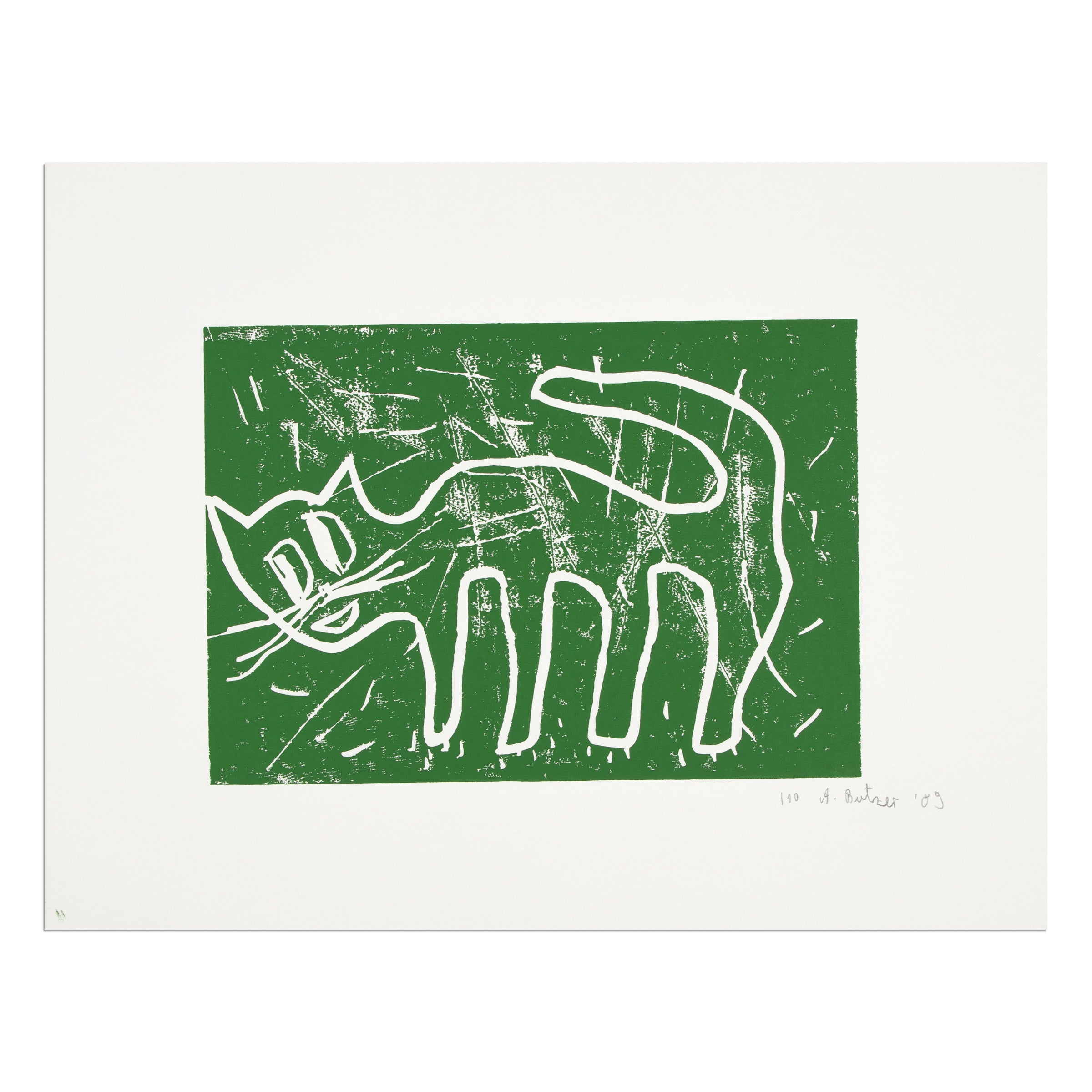
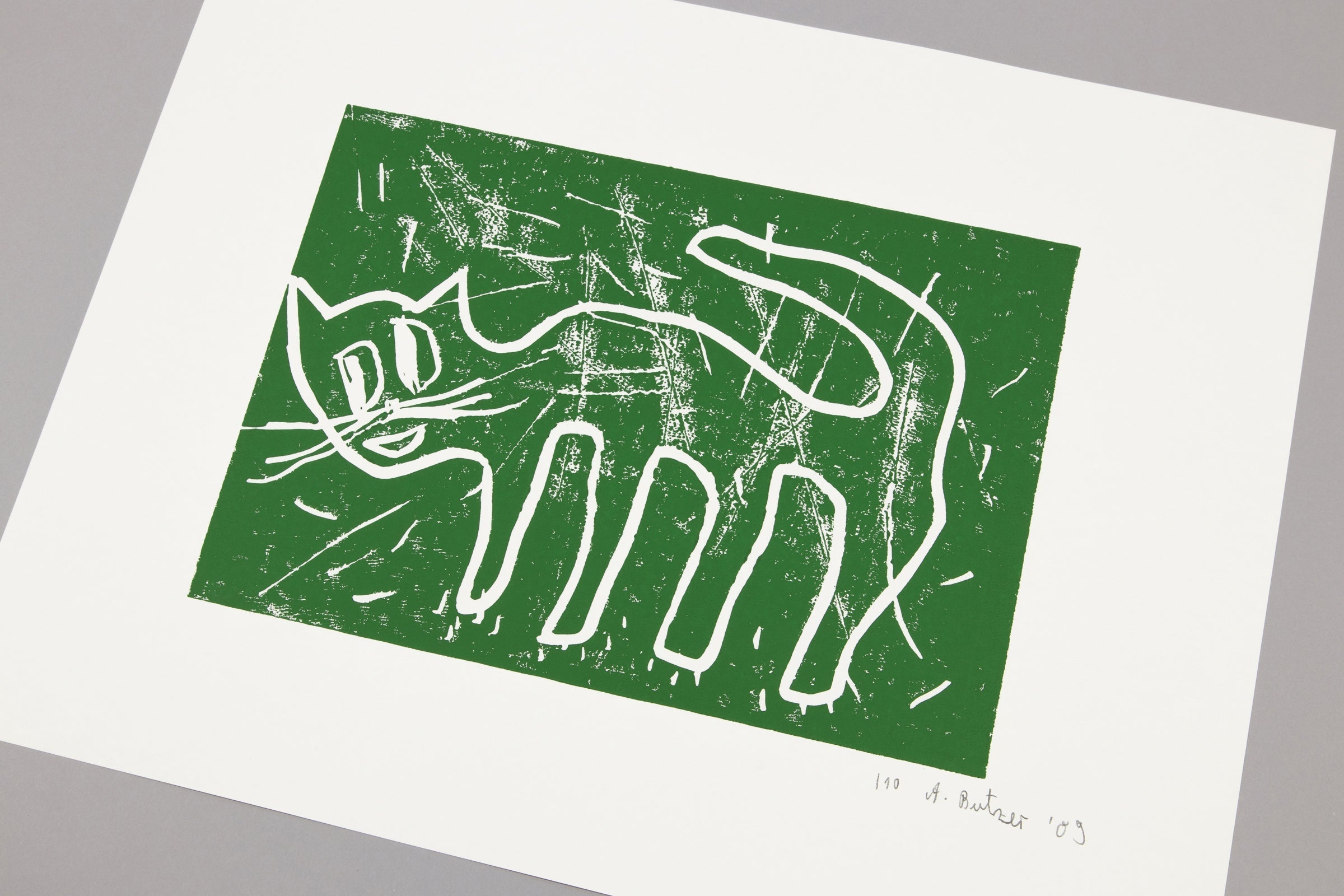
André Butzer - KatzeAndré Butzer - Katze
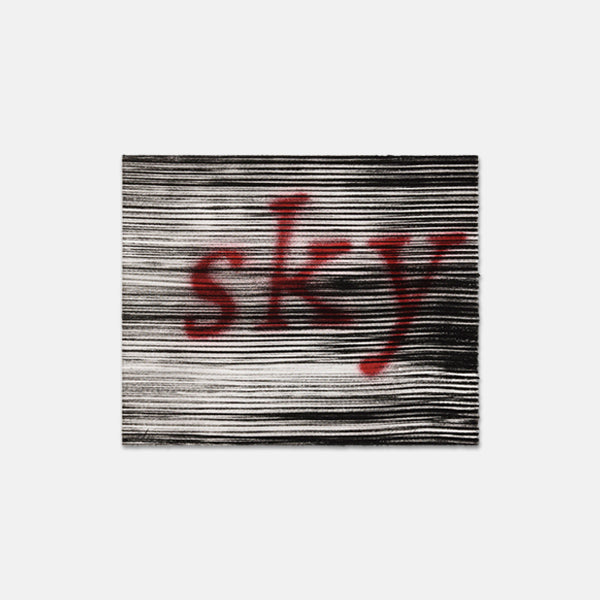
André Butzer – Katze Sale price€2.800,00
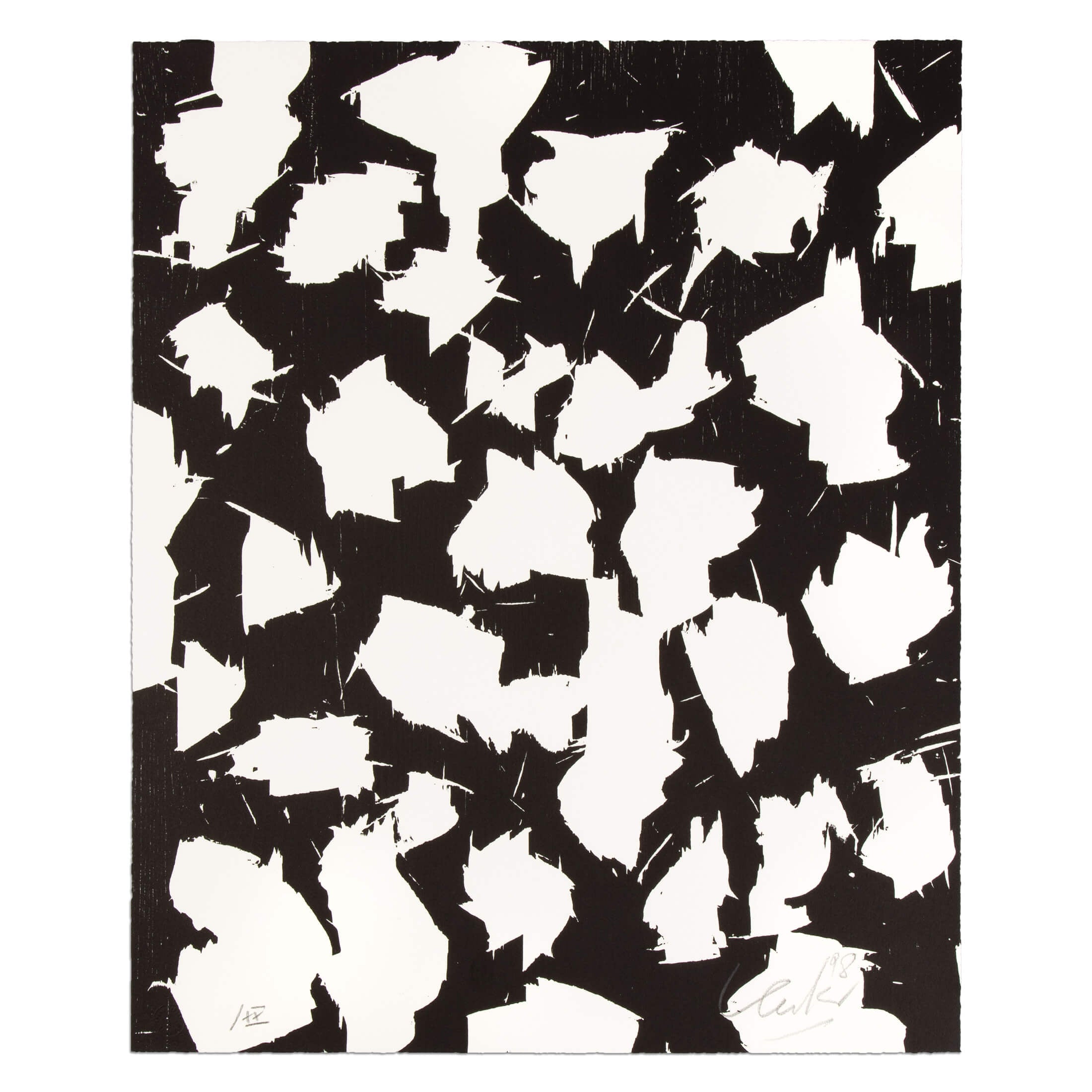
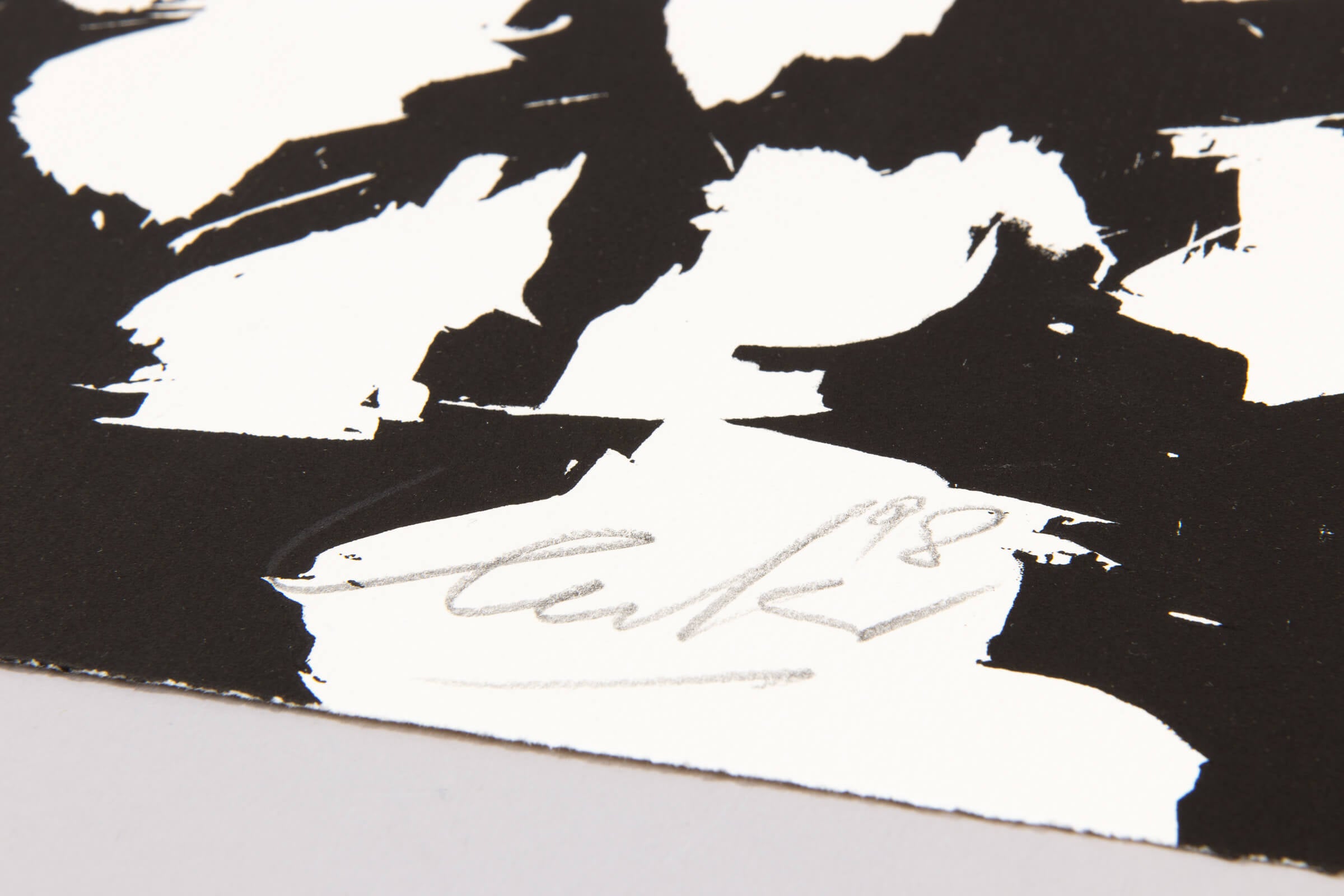
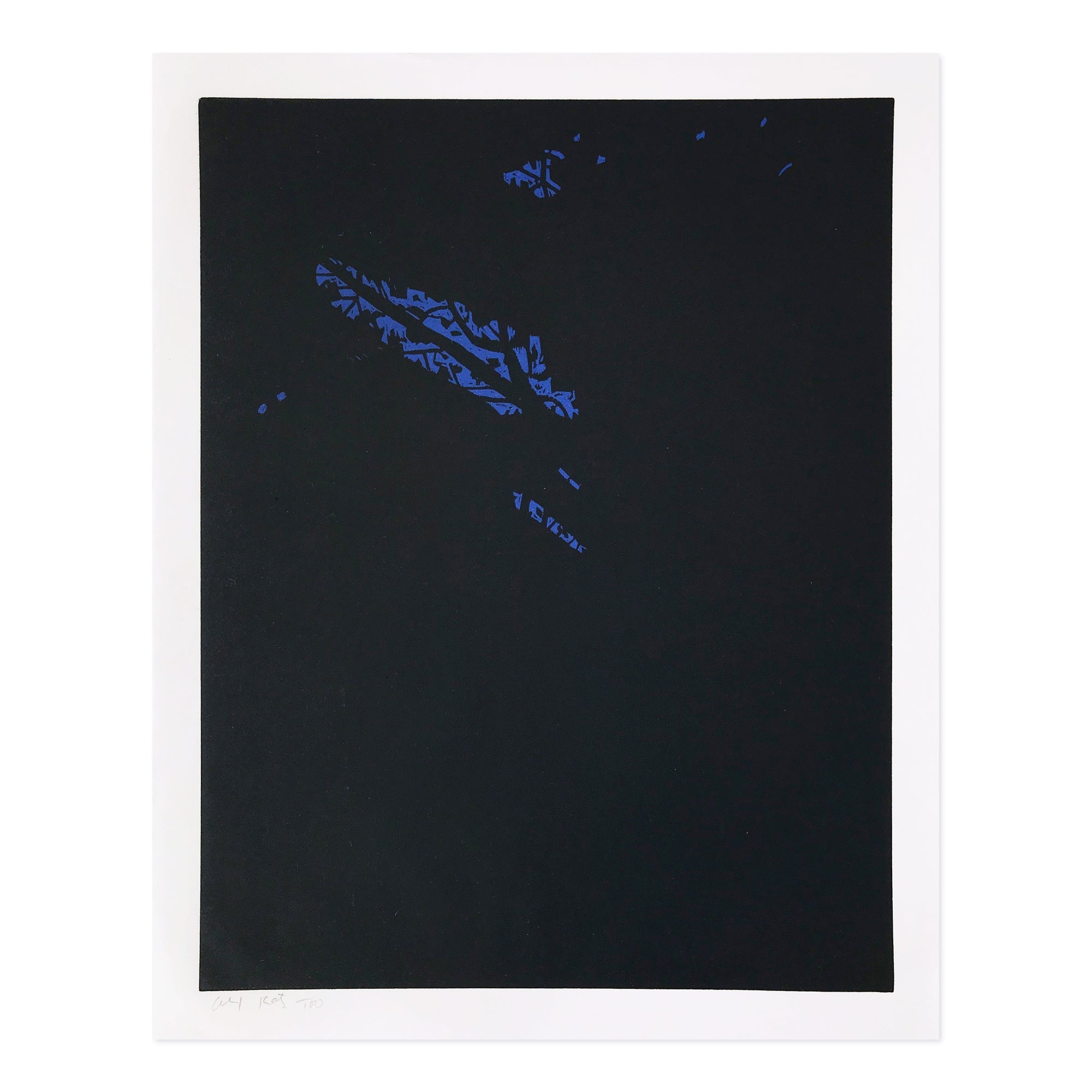
Alex Katz - NightAlex Katz - Night
Alex Katz – Night Sale price€4.500,00
01

What Are Woodcuts and Linocuts?
Woodcuts and linocuts are relief prints in which the image is printed from the raised surface of a carved block. The artist cuts away the areas that should remain blank, leaving the remaining surface to receive ink and transfer the image to paper. This process produces prints defined by strong contrast, bold silhouettes, and a direct physical relationship between carving and printed mark.

A woodcut is carved from a block of wood, traditionally cut along the grain. It is one of the oldest printmaking techniques in the world and has been practiced for centuries across both Europe and Asia. The resistance of the wooden block encourages simplified forms, emphatic lines, and compositions built from strong structural contrasts.

A linocut follows the same relief principle but uses linoleum instead of wood. Because linoleum is smoother and softer than wood, it is easier to carve and allows artists to produce flowing contours, clean edges, and bold areas of flat color.

Although closely related, the two techniques often produce different visual effects. Woodcuts may reveal the texture and grain of the wood, giving the image a pronounced material presence. Linocuts, by contrast, tend to appear flatter and more graphic because the surface lacks natural grain. Together, these relief techniques have played an important role in modern and contemporary printmaking, particularly among artists drawn to bold design, direct carving, and the expressive potential of the hand-cut mark.

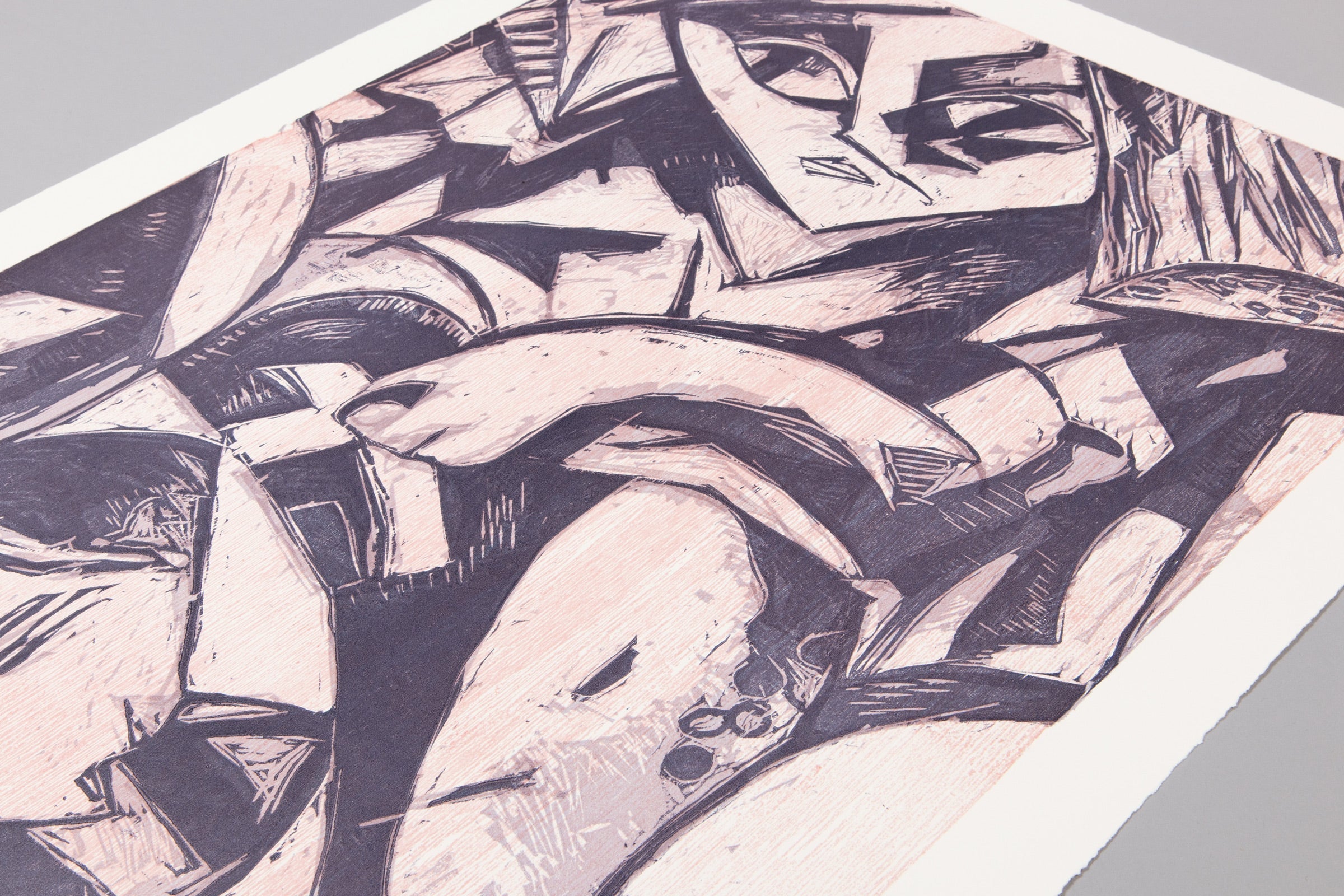
Georg Baselitz – Puck
02

How Are Woodcuts and Linocuts Made?

Both techniques begin with a block of wood or linoleum. The artist draws the image on the surface and then uses knives or gouges to carve away the non-printing areas. The remaining raised surface forms the design that will receive ink and transfer to paper. Because the block prints in reverse, the carved image must be conceived as a mirror of the final print.

Once carving is complete, ink is rolled across the raised surface of the block using a brayer. A sheet of paper is then placed on top, and pressure is applied either by hand or with a printing press to transfer the inked image. The result is a print defined by crisp edges, strong contrasts, and the visible logic of the carved surface.

For multi-color prints, artists typically carve and print a separate block for each color. Each layer must be carefully aligned during printing so that the colors register correctly on the sheet.

The main technical distinction between the two techniques lies in the carving surface. Wood is harder and may resist the knife in ways that produce textured marks or visible grain patterns. Linoleum, by contrast, has a smooth and uniform surface that allows for cleaner lines, broader curves, and more graphic compositions. These qualities made linocut particularly attractive to twentieth-century artists and printmaking schools such as the Grosvenor School in London.

Nicolas Party - Portrait with Shells
03

Why Artists Choose Woodcuts and Linocuts

Artists are often drawn to woodcut and linocut because of their directness and graphic power. Unlike intaglio processes such as etching or planographic techniques such as lithography, relief printing builds images through carving rather than drawing or chemical processes. This physical act of cutting encourages strong compositional structure, simplified forms, and bold visual contrast.

Woodcut in particular has long been valued for its expressive and monumental qualities. The resistance of the wooden block encourages artists to reduce forms to essential lines and shapes, producing images of striking clarity and visual force. Many artists have embraced the visible logic of carving itself, allowing the marks of the gouge and the texture of the wood to become part of the final image.

Linocut offers a related but distinct advantage. Because linoleum is softer and lacks wood grain, it allows artists to carve sweeping curves, precise edges, and flat color fields with greater ease. These characteristics make linocut especially well suited to strong graphic design, modernist compositions, and poster-like imagery.

Within the wider field of printmaking, woodcuts and linocuts occupy a distinctive position. Lithography is often chosen for its fluid drawing qualities, while etching offers nuanced line and tonal depth. Screenprinting is known for bold color and graphic layering. Relief techniques such as woodcut and linocut, by contrast, are particularly valued for their carved structure, striking contrast, and the unmistakable presence of the artist’s hand.

For these reasons, woodcuts and linocuts remain central to modern and contemporary printmaking, offering artists a powerful combination of graphic clarity, physical craftsmanship, and the ability to produce original works in signed limited editions.

01

What Are Woodcuts and Linocuts?

Woodcuts and linocuts are relief prints in which the image is printed from the raised surface of a carved block. The artist cuts away the areas that should remain blank, leaving the remaining surface to receive ink and transfer the image to paper. This process produces prints defined by strong contrast, bold silhouettes, and a direct physical relationship between carving and printed mark.

A woodcut is carved from a block of wood, traditionally cut along the grain. It is one of the oldest printmaking techniques in the world and has been practiced for centuries across both Europe and Asia. The resistance of the wooden block encourages simplified forms, emphatic lines, and compositions built from strong structural contrasts.

A linocut follows the same relief principle but uses linoleum instead of wood. Because linoleum is smoother and softer than wood, it is easier to carve and allows artists to produce flowing contours, clean edges, and bold areas of flat color.

Although closely related, the two techniques often produce different visual effects. Woodcuts may reveal the texture and grain of the wood, giving the image a pronounced material presence. Linocuts, by contrast, tend to appear flatter and more graphic because the surface lacks natural grain. Together, these relief techniques have played an important role in modern and contemporary printmaking, particularly among artists drawn to bold design, direct carving, and the expressive potential of the hand-cut mark.

02

How Are Woodcuts and Linocuts Made?

Both techniques begin with a block of wood or linoleum. The artist draws the image on the surface and then uses knives or gouges to carve away the non-printing areas. The remaining raised surface forms the design that will receive ink and transfer to paper. Because the block prints in reverse, the carved image must be conceived as a mirror of the final print.

Once carving is complete, ink is rolled across the raised surface of the block using a brayer. A sheet of paper is then placed on top, and pressure is applied either by hand or with a printing press to transfer the inked image. The result is a print defined by crisp edges, strong contrasts, and the visible logic of the carved surface.

For multi-color prints, artists typically carve and print a separate block for each color. Each layer must be carefully aligned during printing so that the colors register correctly on the sheet.

The main technical distinction between the two techniques lies in the carving surface. Wood is harder and may resist the knife in ways that produce textured marks or visible grain patterns. Linoleum, by contrast, has a smooth and uniform surface that allows for cleaner lines, broader curves, and more graphic compositions. These qualities made linocut particularly attractive to twentieth-century artists and printmaking schools such as the Grosvenor School in London.

03

Why Artists Choose Woodcuts and Linocuts

Artists are often drawn to woodcut and linocut because of their directness and graphic power. Unlike intaglio processes such as etching or planographic techniques such as lithography, relief printing builds images through carving rather than drawing or chemical processes. This physical act of cutting encourages strong compositional structure, simplified forms, and bold visual contrast.

Woodcut in particular has long been valued for its expressive and monumental qualities. The resistance of the wooden block encourages artists to reduce forms to essential lines and shapes, producing images of striking clarity and visual force. Many artists have embraced the visible logic of carving itself, allowing the marks of the gouge and the texture of the wood to become part of the final image.

Linocut offers a related but distinct advantage. Because linoleum is softer and lacks wood grain, it allows artists to carve sweeping curves, precise edges, and flat color fields with greater ease. These characteristics make linocut especially well suited to strong graphic design, modernist compositions, and poster-like imagery.

Within the wider field of printmaking, woodcuts and linocuts occupy a distinctive position. Lithography is often chosen for its fluid drawing qualities, while etching offers nuanced line and tonal depth. Screenprinting is known for bold color and graphic layering. Relief techniques such as woodcut and linocut, by contrast, are particularly valued for their carved structure, striking contrast, and the unmistakable presence of the artist’s hand.

For these reasons, woodcuts and linocuts remain central to modern and contemporary printmaking, offering artists a powerful combination of graphic clarity, physical craftsmanship, and the ability to produce original works in signed limited editions.

Georg Baselitz – PuckNicolas Party - Portrait with Shells

Other Printmaking Techniques
Limited edition prints are created using a range of traditional printmaking techniques, each with distinct visual qualities. Lithographs translate drawing into print, screenprints build images through layered color, etchings produce precise lines through acid-bitten plates, and pigment prints translate photographic or digital images into finely detailed editions. Learn more in our Glossary of Editions.

View all
Prints, Photographs & Multiples

View our full collection of

Prints, Photographs & Multiples

Shop now