

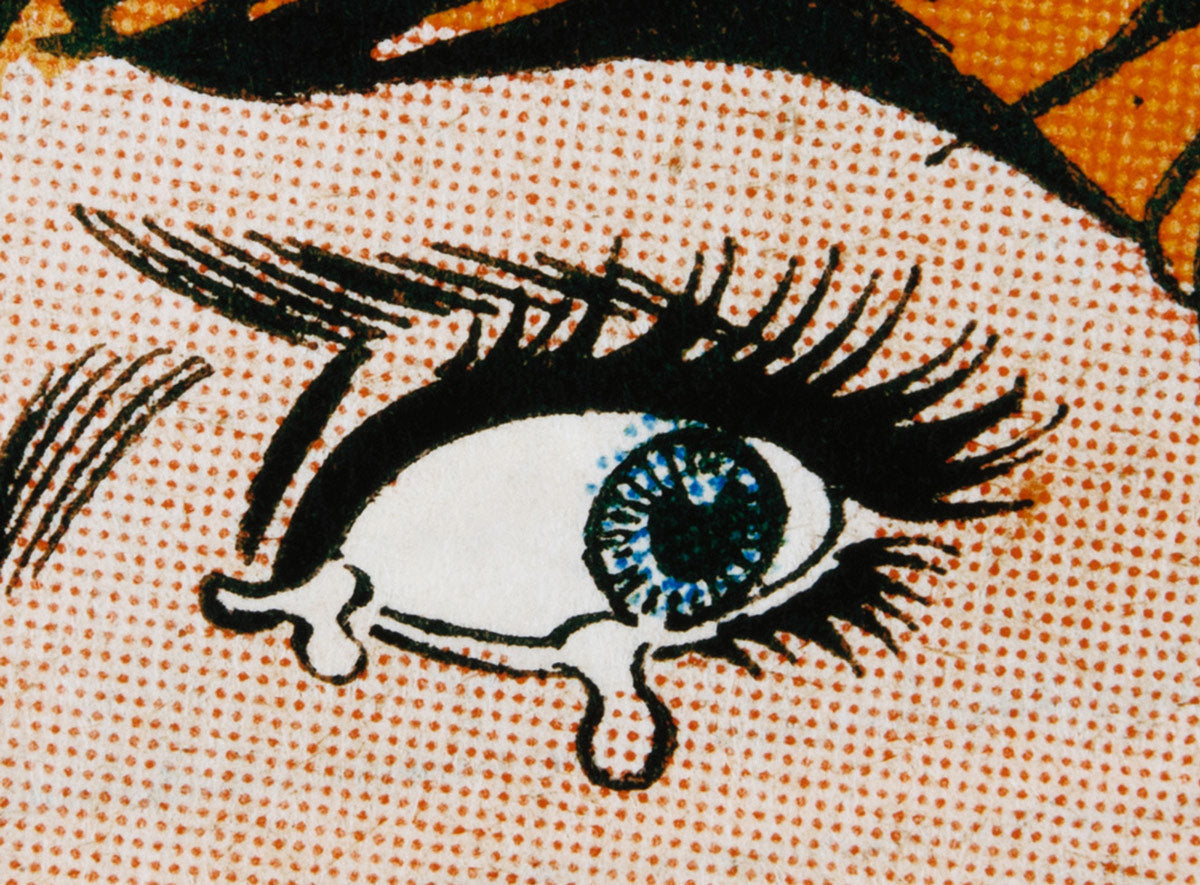
Alex Katz

Alex Katz has spent seven decades perfecting an economy most painters take a lifetime to unlearn: flat colour, a cropped edge, one decisive line where three might tempt a lesser painter. He arrived at this discipline the hard way — by his own account, destroying roughly a thousand canvases in the 1950s before he trusted himself to stop adding. What remained was a vocabulary of billboard scale and cinematic close-up that anticipated Pop Art by nearly a decade, and that Katz, now in his late nineties, still paints from life.

Browse signed Alex Katz prints and editions now.

Available Prints & Editions

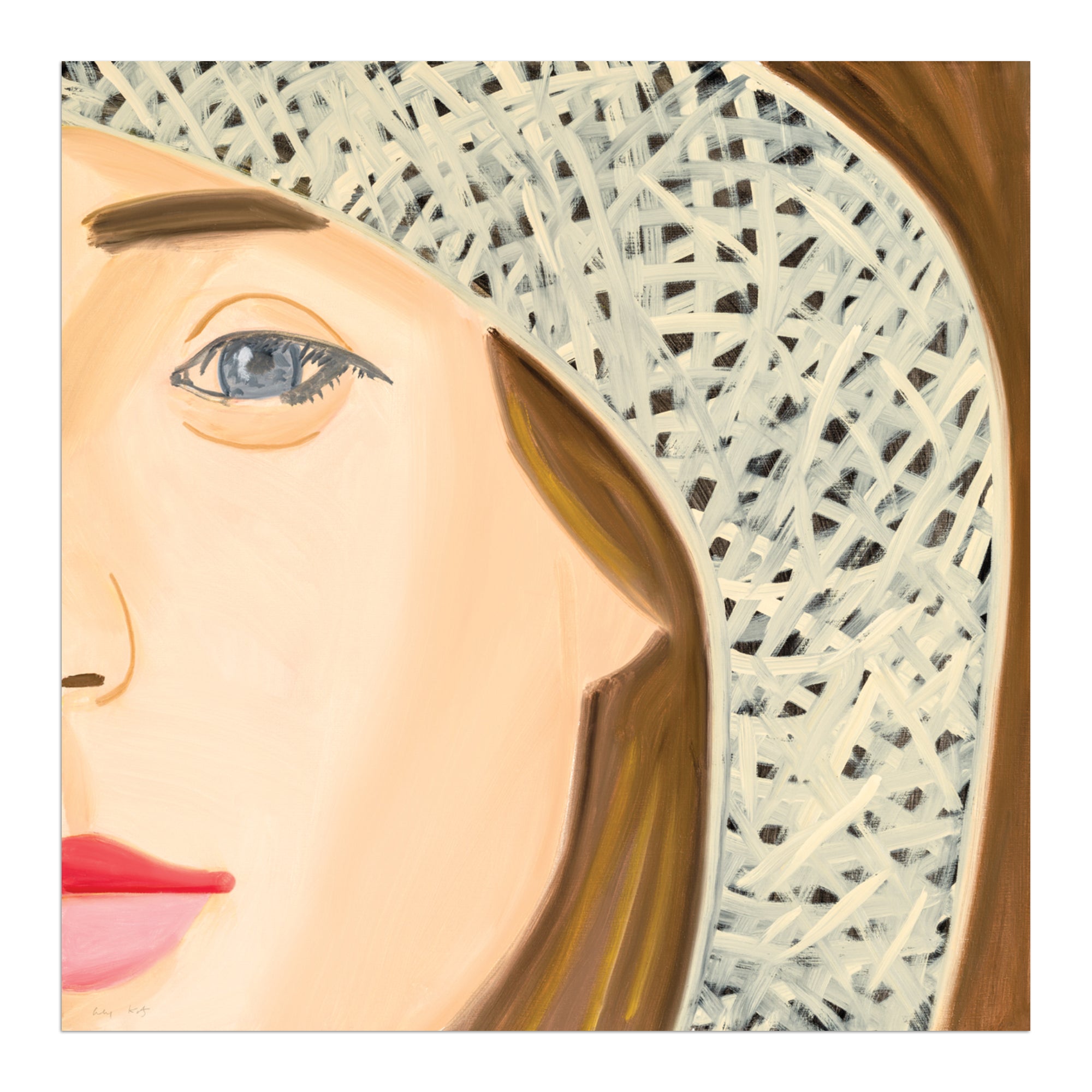
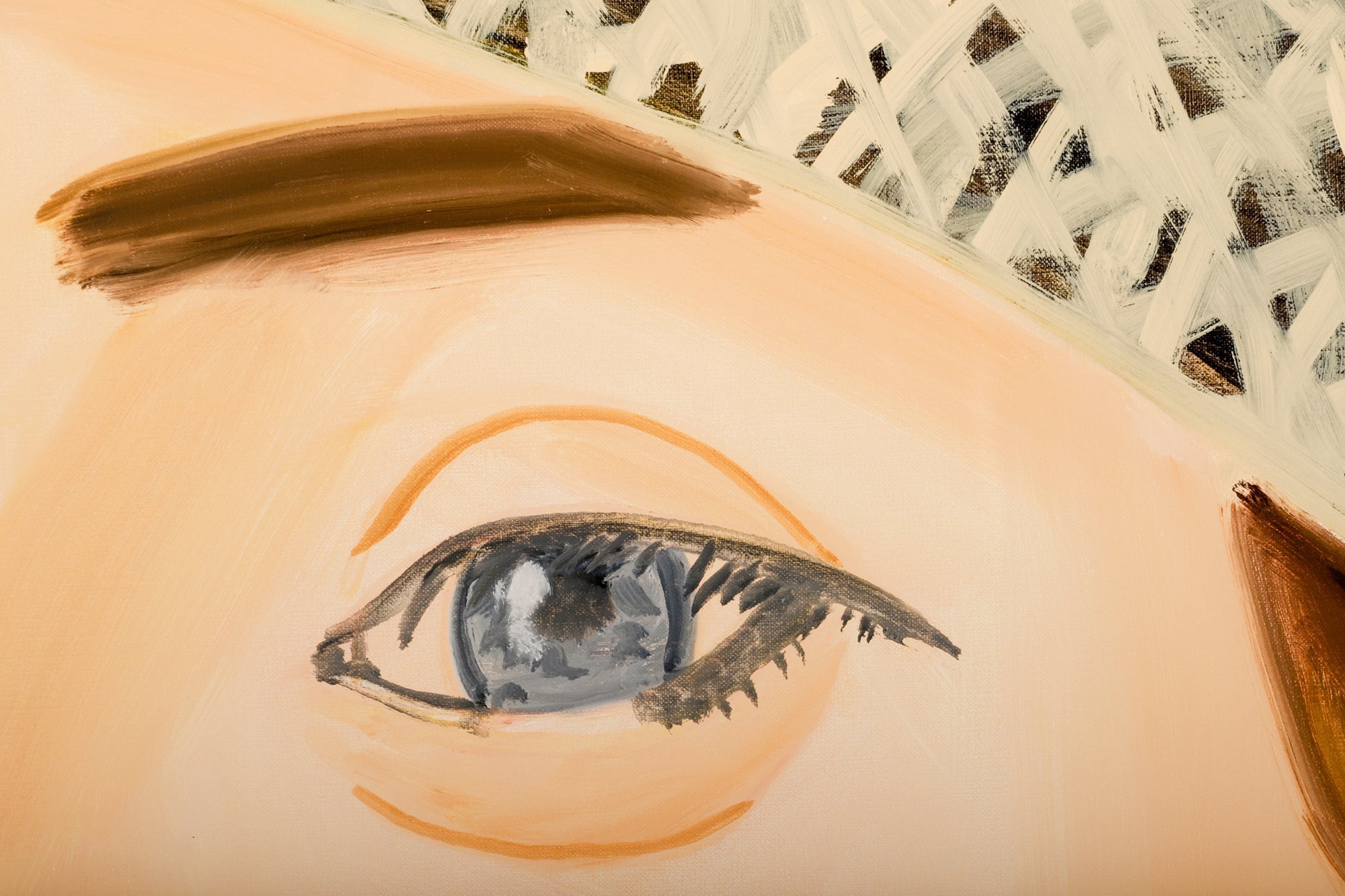
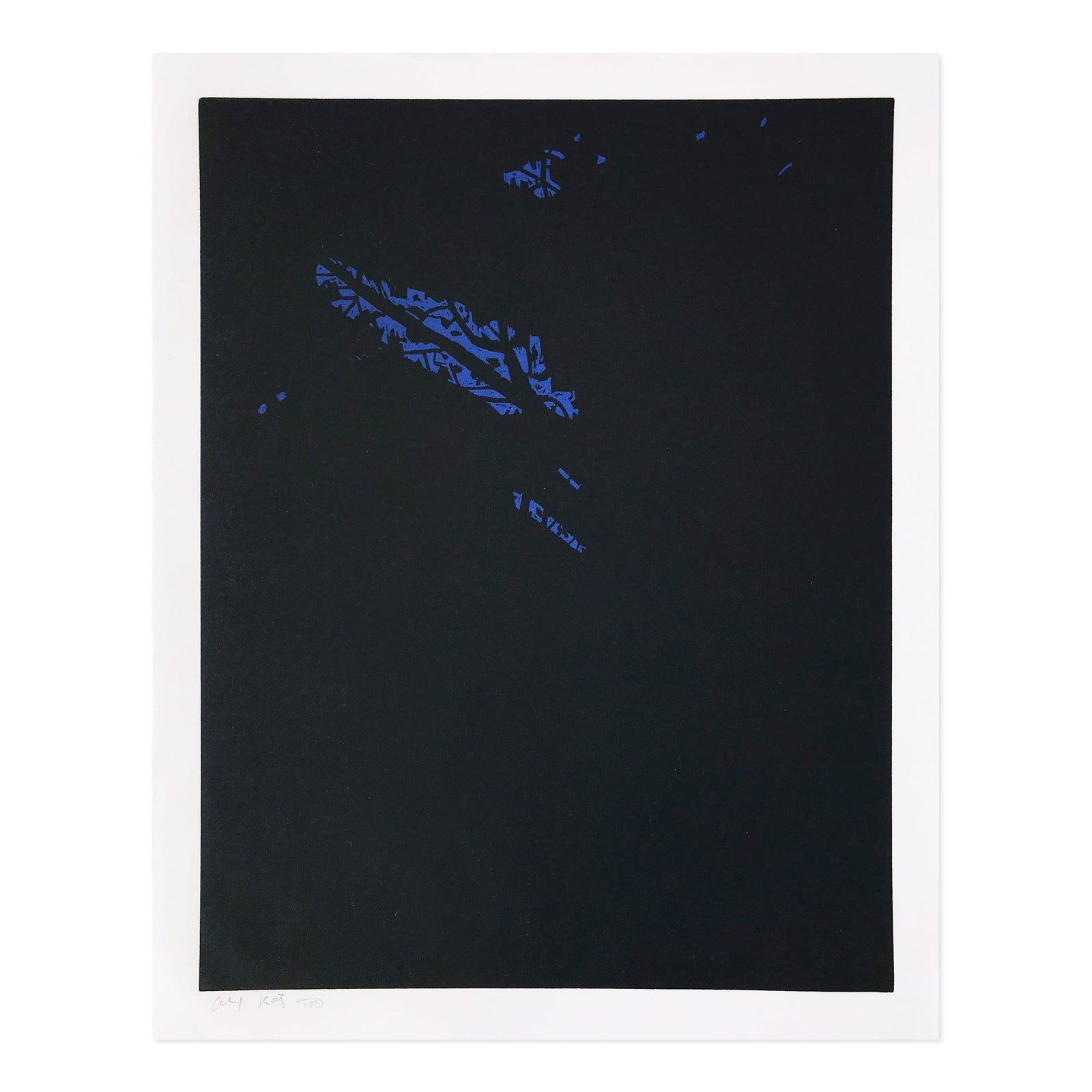
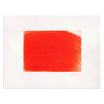
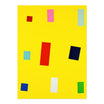
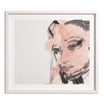
Alex Katz - Straw Hat 1
01

Alex Katz Biography

Alex Katz (born 1927 in Brooklyn, to Russian immigrant parents) trained at Cooper Union before a 1949 scholarship to the Skowhegan School of Painting and Sculpture in Maine redirected his entire practice — the shift from painting off drawings to painting directly from life became the foundation everything else was built on. Restlessly self-critical, Katz destroyed an estimated thousand paintings across the 1950s in pursuit of a style he couldn't yet name, working his way toward the flat planes and monochrome grounds that would define him.

He met the biologist Ada Del Moro in 1957 and married her three months later. Ada became his most enduring subject — more than 300 portraits across seven decades, the longest sustained act of looking in postwar American painting. Their partnership coincided with Katz's breakthrough: in 1959 he made his first painted cutout, Ada Ada, a bold double portrait whose graphic flatness anticipated Pop Art before the movement had a name.

The early 1960s brought scale. Absorbing the visual logic of film, television, and billboard advertising, Katz began cropping faces to fill entire canvases — an approach he pushed to its natural conclusion in 1977, when he transformed a Times Square billboard into a 247-foot frieze of twenty-three portrait heads, painted under his direction by sign painters working wet-on-wet at a scale no easel ever allowed. He began printmaking in earnest in 1965, and has since worked across lithography, etching, silkscreen, and woodcut — treating each technique as another way of testing how little a picture needs.

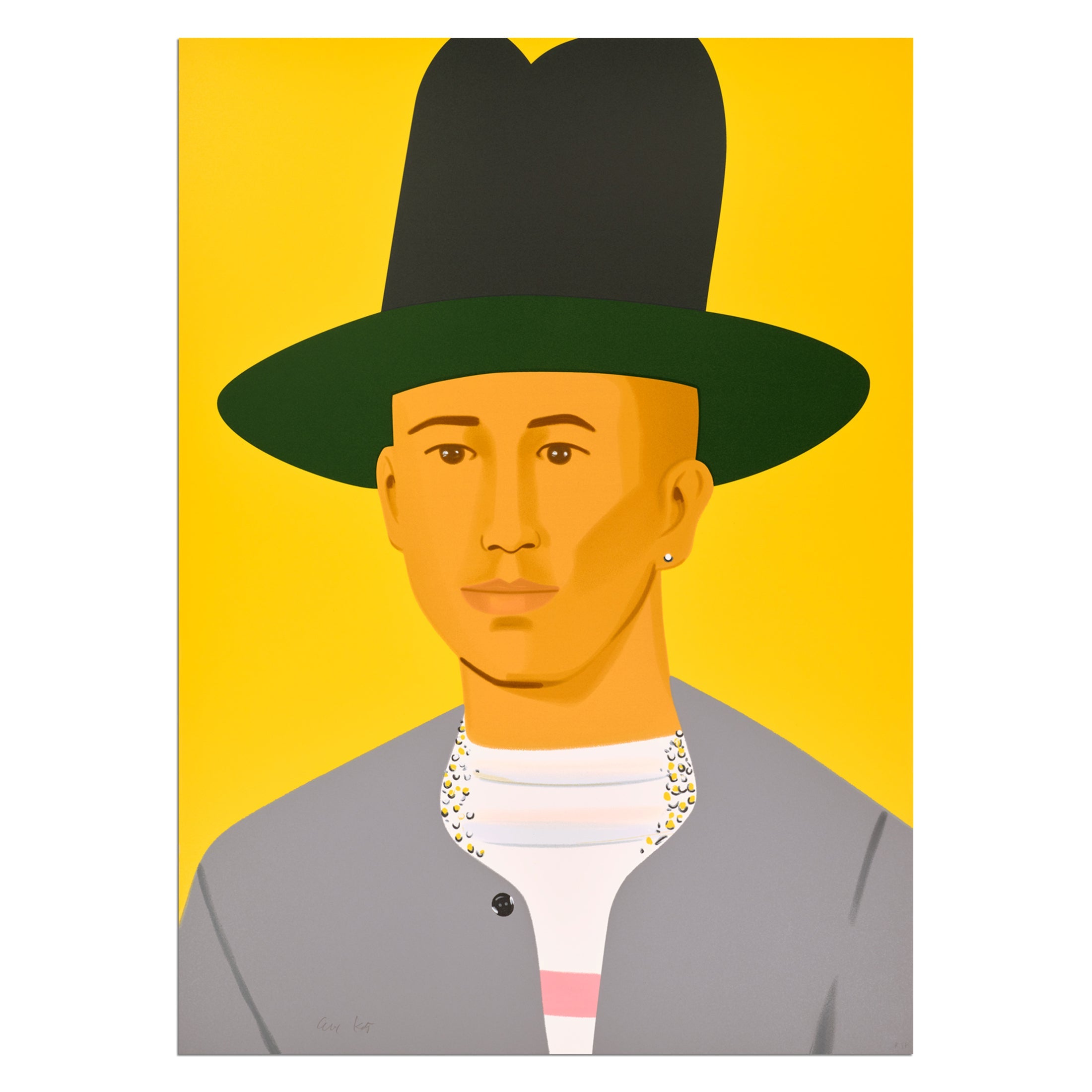
Katz remains active into his late nineties. In 2025, at 98, he painted the musician and Louis Vuitton creative director Pharrell Williams from life during a studio session in SoHo — proof that the same discipline formed by destroying a thousand paintings seventy years earlier had lost none of its precision.

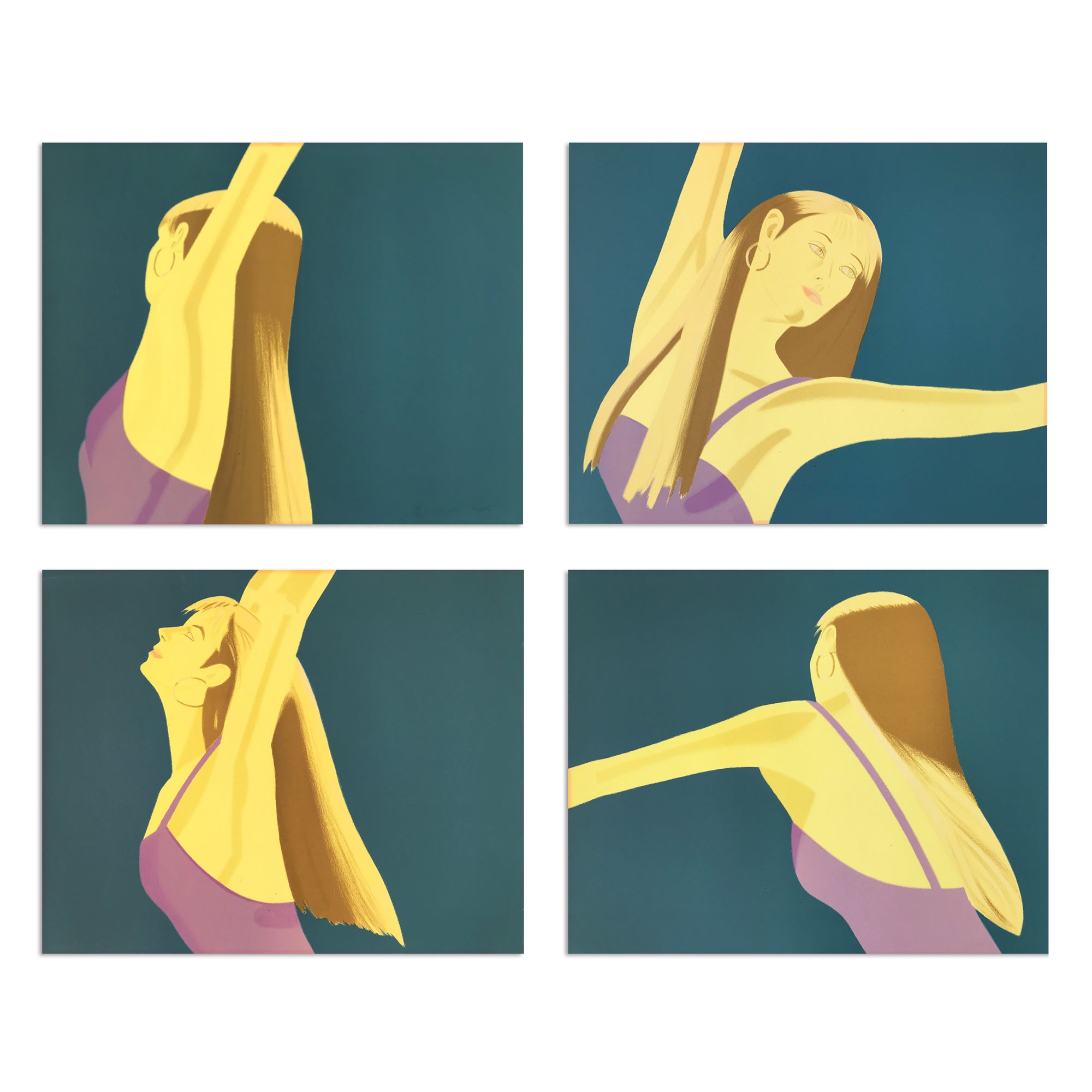
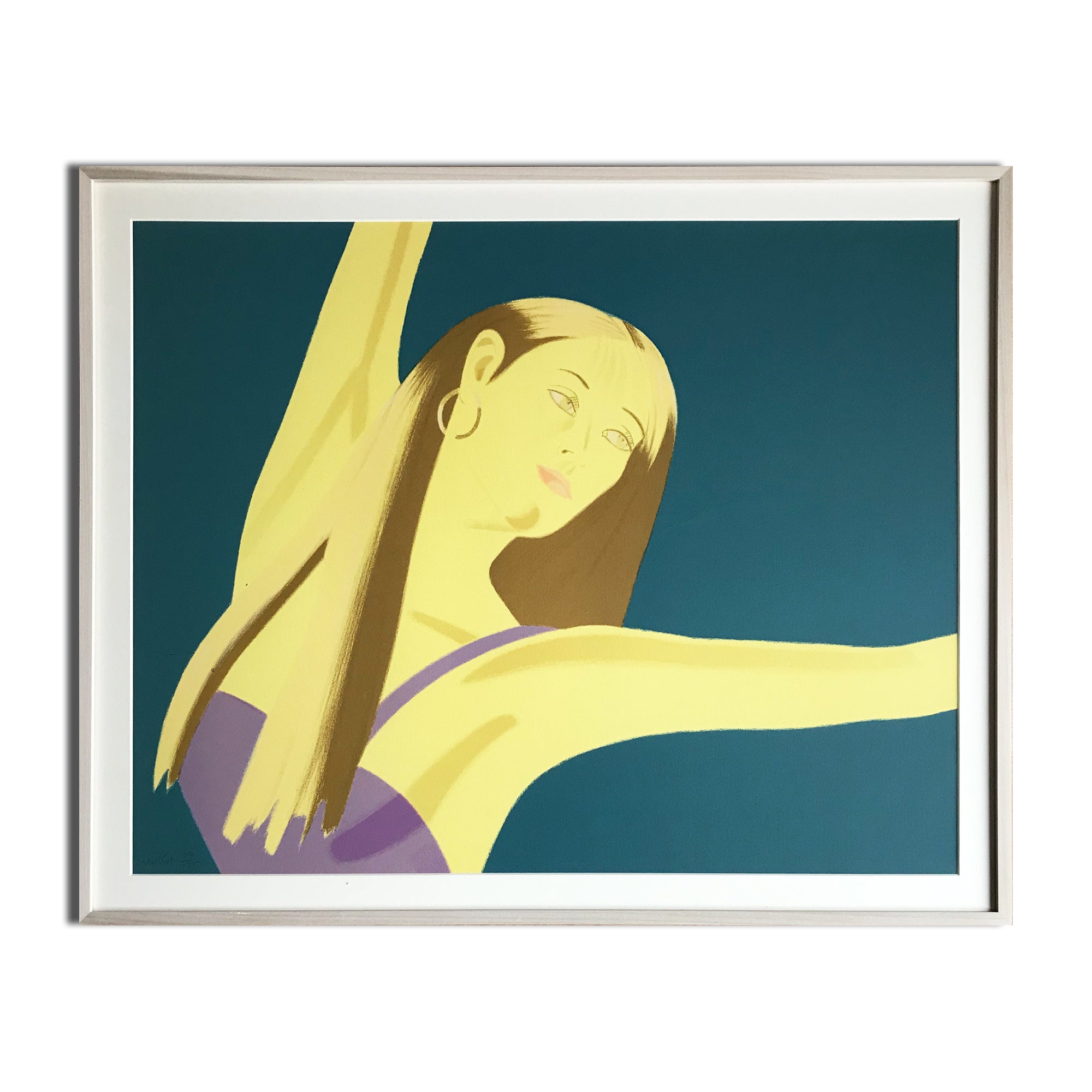
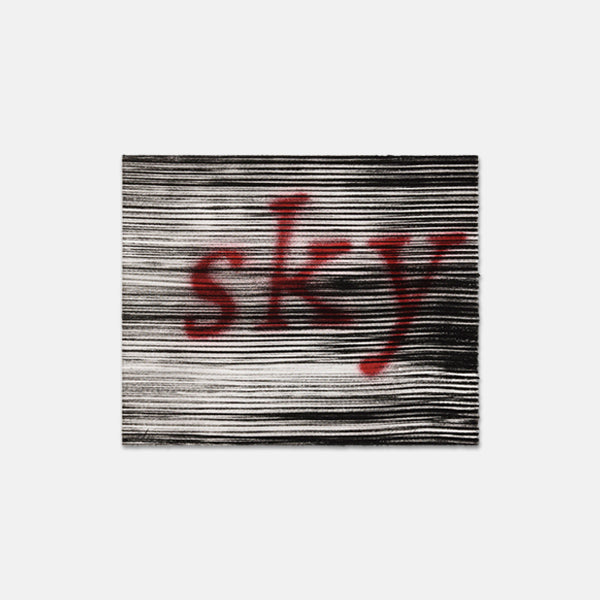
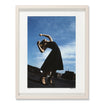
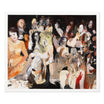
Alex Katz - Night: William Dunas Dance
02

Famous Alex Katz Artworks

Blue Umbrella I (1972), Katz's auction record at $4.5 million, depicts Ada beneath an angled umbrella — one of the artist's most recognisable compositions, and the clearest demonstration of how a single graphic gesture can hold an entire canvas.

Ada Ada (1959), his first painted cutout, marked the beginning of both his lifelong engagement with Ada as subject and his interest in the painting as physical object rather than flat window — a double portrait, silhouetted and freestanding, that anticipated Pop Art's arrival by several years.

The Times Square billboard (1977), a 247-foot frieze of twenty-three cropped portrait heads based on nine sitters, translated Katz's cinematic scale into public space — executed by sign painters under his supervision, it remains one of the most ambitious applications of his flat, billboard-derived aesthetic.

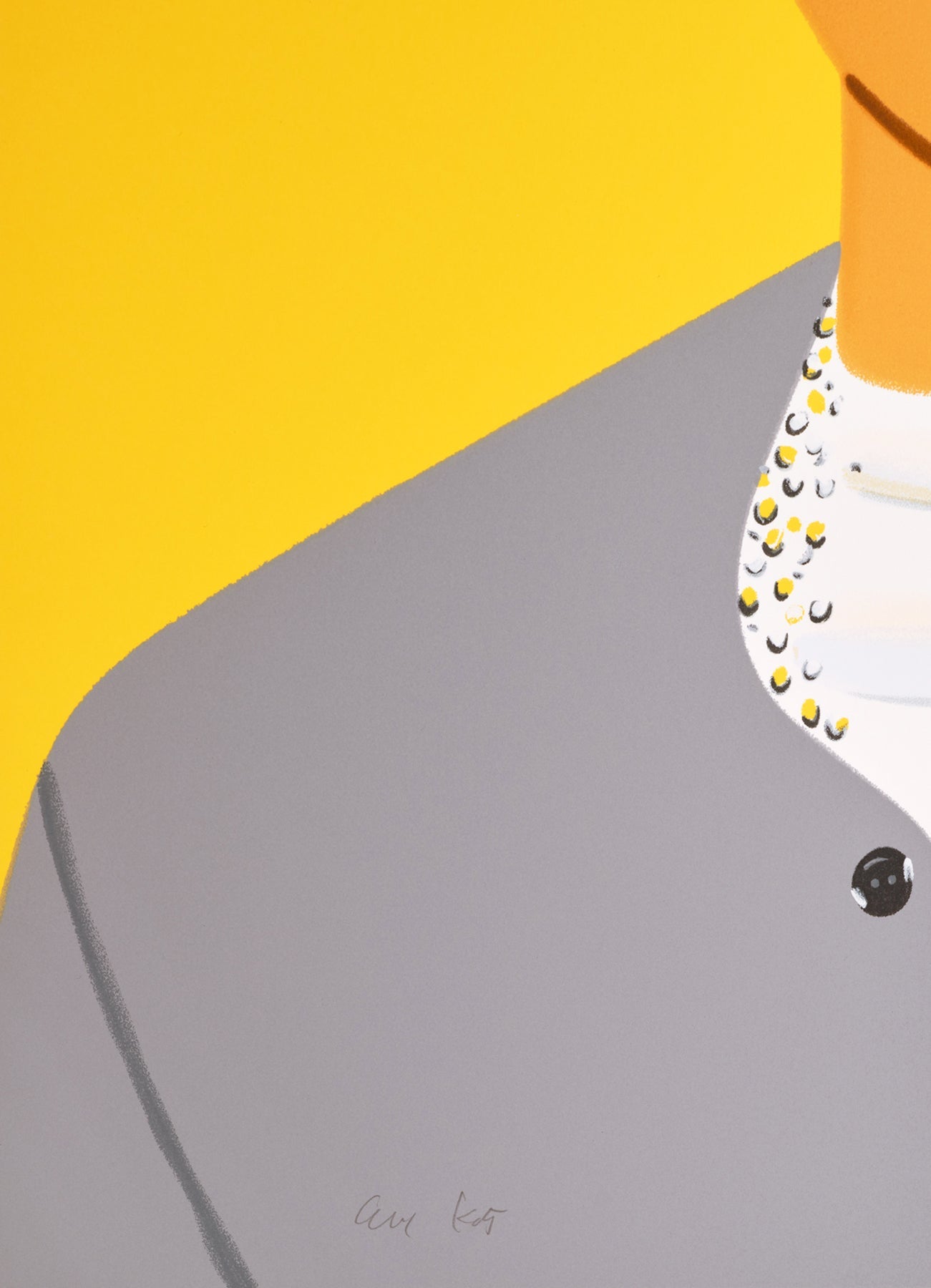
The Creative Director (Pharrell) (2025), painted from life in Katz's SoHo studio when the artist was 98, depicts the musician and Louis Vuitton menswear director — confirmation that Katz's decades-long commitment to capturing his sitters with clarity and restraint continues undiminished, applied now to one of contemporary culture's most recognisable figures.

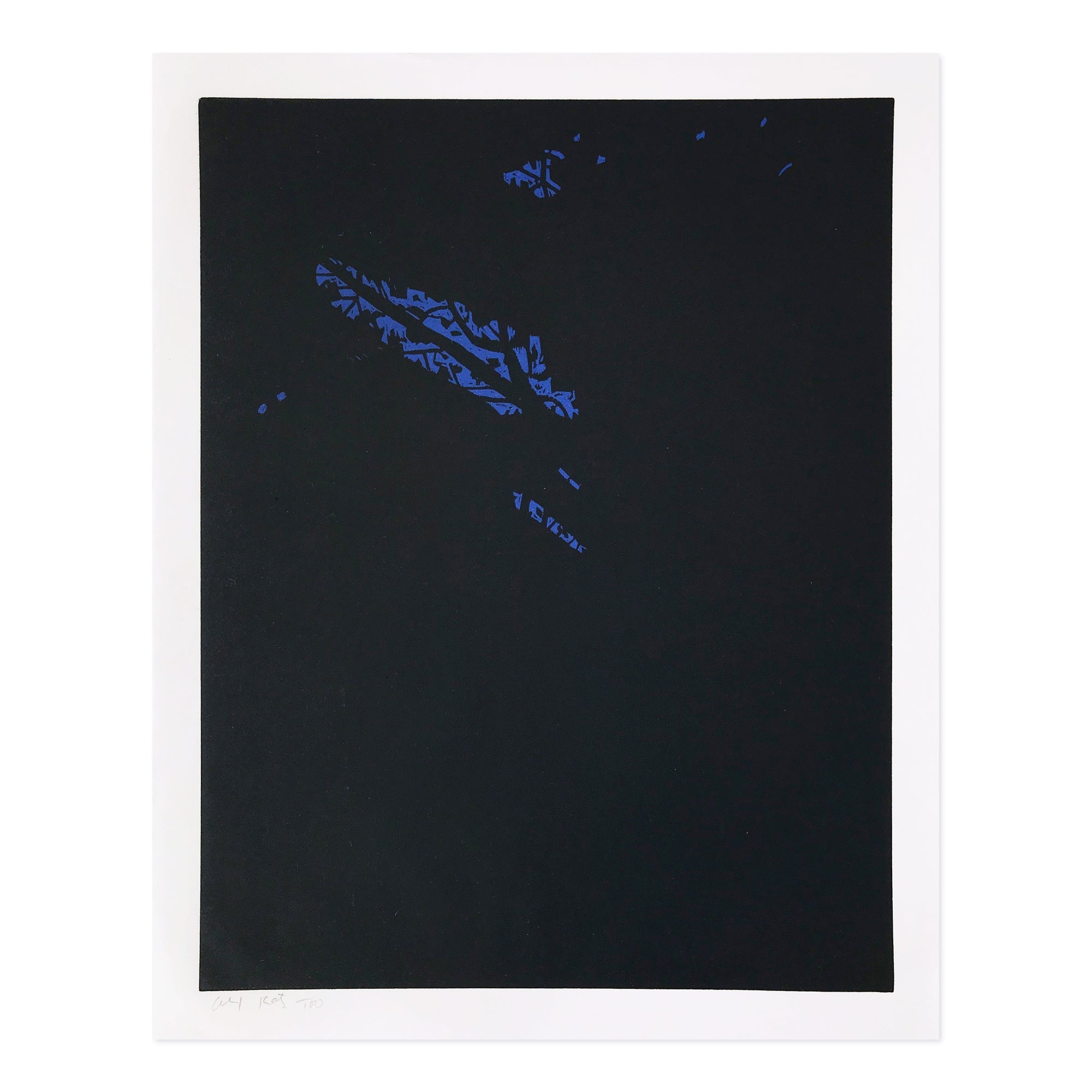
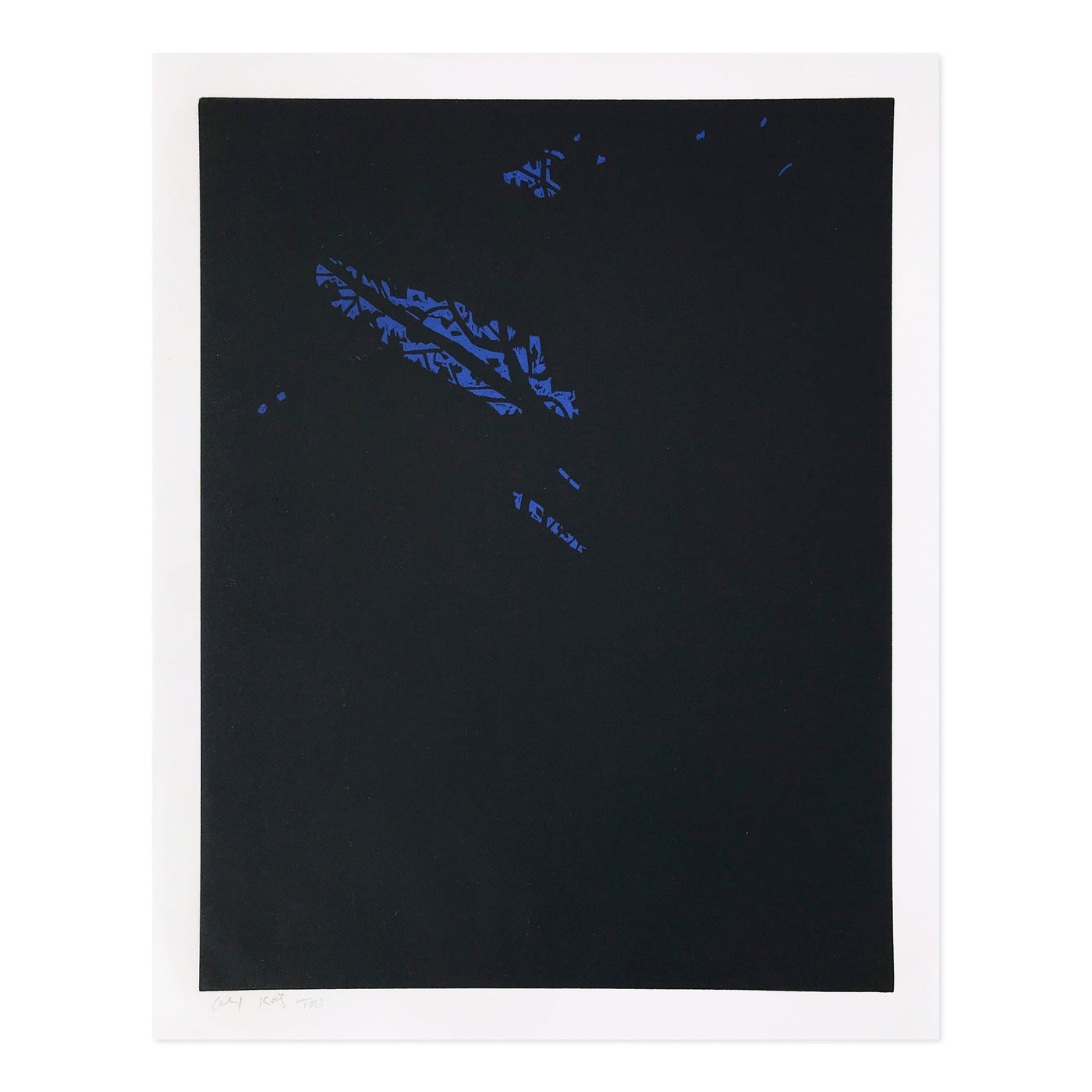
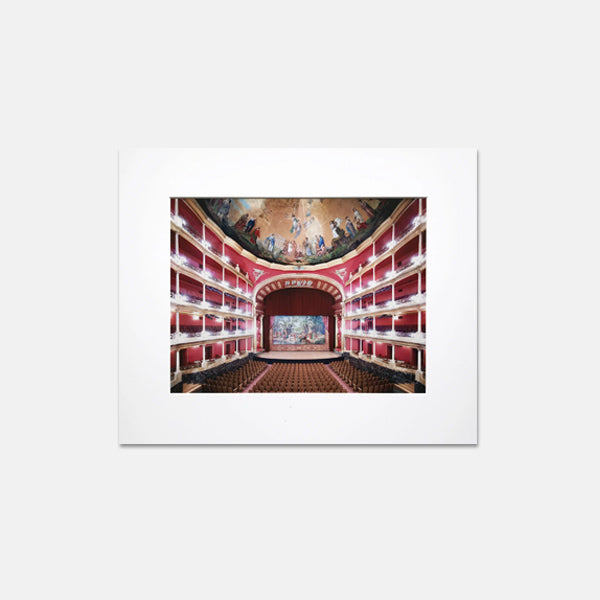
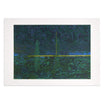
Alex Katz - Night
03

Alex Katz Prints & Editions

Alex Katz began printmaking in 1965 and has pursued it continuously since — lithography, etching, silkscreen, and woodcut all subjected to the same reductive discipline that governs his paintings. Prints now account for roughly three-quarters of his work sold at auction, a scale of production few painters of his generation matched, and the medium suits his method precisely: flat colour and hard-edged composition translate into print with almost no loss of intention.

The Black Dress series (2015), nine prints of Ada shown in profile against a vivid yellow ground, set his print auction record at £86,079 for the complete set at Sotheby's in 2016 — confirmation that his most focused, reductive images command his strongest results. The Alex and Ada suite, eight silkscreens spanning the 1960s to the 1980s, distils two decades of marriage into a single sustained visual document.

For collectors, Katz's editions offer direct access to a working method built on knowing exactly what to leave out. Works are held in the permanent collections of MoMA, the Whitney Museum, and Tate.

01

Alex Katz Biography

Alex Katz (born 1927 in Brooklyn, to Russian immigrant parents) trained at Cooper Union before a 1949 scholarship to the Skowhegan School of Painting and Sculpture in Maine redirected his entire practice — the shift from painting off drawings to painting directly from life became the foundation everything else was built on. Restlessly self-critical, Katz destroyed an estimated thousand paintings across the 1950s in pursuit of a style he couldn't yet name, working his way toward the flat planes and monochrome grounds that would define him.

He met the biologist Ada Del Moro in 1957 and married her three months later. Ada became his most enduring subject — more than 300 portraits across seven decades, the longest sustained act of looking in postwar American painting. Their partnership coincided with Katz's breakthrough: in 1959 he made his first painted cutout, Ada Ada, a bold double portrait whose graphic flatness anticipated Pop Art before the movement had a name.

The early 1960s brought scale. Absorbing the visual logic of film, television, and billboard advertising, Katz began cropping faces to fill entire canvases — an approach he pushed to its natural conclusion in 1977, when he transformed a Times Square billboard into a 247-foot frieze of twenty-three portrait heads, painted under his direction by sign painters working wet-on-wet at a scale no easel ever allowed. He began printmaking in earnest in 1965, and has since worked across lithography, etching, silkscreen, and woodcut — treating each technique as another way of testing how little a picture needs.

Katz remains active into his late nineties. In 2025, at 98, he painted the musician and Louis Vuitton creative director Pharrell Williams from life during a studio session in SoHo — proof that the same discipline formed by destroying a thousand paintings seventy years earlier had lost none of its precision.

02

Famous Alex Katz Artworks

Blue Umbrella I (1972), Katz's auction record at $4.5 million, depicts Ada beneath an angled umbrella — one of the artist's most recognisable compositions, and the clearest demonstration of how a single graphic gesture can hold an entire canvas.

Ada Ada (1959), his first painted cutout, marked the beginning of both his lifelong engagement with Ada as subject and his interest in the painting as physical object rather than flat window — a double portrait, silhouetted and freestanding, that anticipated Pop Art's arrival by several years.

The Times Square billboard (1977), a 247-foot frieze of twenty-three cropped portrait heads based on nine sitters, translated Katz's cinematic scale into public space — executed by sign painters under his supervision, it remains one of the most ambitious applications of his flat, billboard-derived aesthetic.

The Creative Director (Pharrell) (2025), painted from life in Katz's SoHo studio when the artist was 98, depicts the musician and Louis Vuitton menswear director — confirmation that Katz's decades-long commitment to capturing his sitters with clarity and restraint continues undiminished, applied now to one of contemporary culture's most recognisable figures.

03

Alex Katz Prints & Editions

Alex Katz began printmaking in 1965 and has pursued it continuously since — lithography, etching, silkscreen, and woodcut all subjected to the same reductive discipline that governs his paintings. Prints now account for roughly three-quarters of his work sold at auction, a scale of production few painters of his generation matched, and the medium suits his method precisely: flat colour and hard-edged composition translate into print with almost no loss of intention.

The Black Dress series (2015), nine prints of Ada shown in profile against a vivid yellow ground, set his print auction record at £86,079 for the complete set at Sotheby's in 2016 — confirmation that his most focused, reductive images command his strongest results. The Alex and Ada suite, eight silkscreens spanning the 1960s to the 1980s, distils two decades of marriage into a single sustained visual document.

For collectors, Katz's editions offer direct access to a working method built on knowing exactly what to leave out. Works are held in the permanent collections of MoMA, the Whitney Museum, and Tate.

Alex Katz - Straw Hat 1Alex Katz - Night: William Dunas DanceAlex Katz - Night

Alex Katz: Key Questions

Collecting Alex Katz?

Looking for a specific artwork or have a question about an edition? We're happy to advise on availability, pricing, condition, and provenance — and to source artworks beyond our current selection.

Contact us

Prints, Photographs & Multiples

View our full collection of

Prints, Photographs & Multiples

Explore editions