





About Günther Förg
Günther Förg (1952–2013) was a key figure in postwar German art, known for his rigorous engagement with abstraction across painting, drawing, photography, sculpture, and printmaking. Central to his practice was a critical reexamination of Modernism and its architectural, political, and formal legacies. Rather than rejecting art history, Förg dissected and reactivated it, drawing on Russian Constructivism, Italian Rationalism, Abstract Expressionism, and Minimalism to construct a distinctly contemporary visual language.
In contrast to the dominant figurative tendencies in Germany during the late 1970s and 1980s, Förg pursued monochrome and geometric abstraction with analytical intensity. His celebrated lead paintings, acrylic on mounted lead sheets, exemplify this approach. By treating the painting surface as a physical object, he collapsed the boundary between painting and sculpture, transforming the canvas into a materially charged, architectural presence.
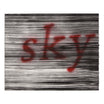
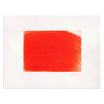
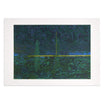
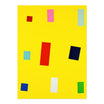
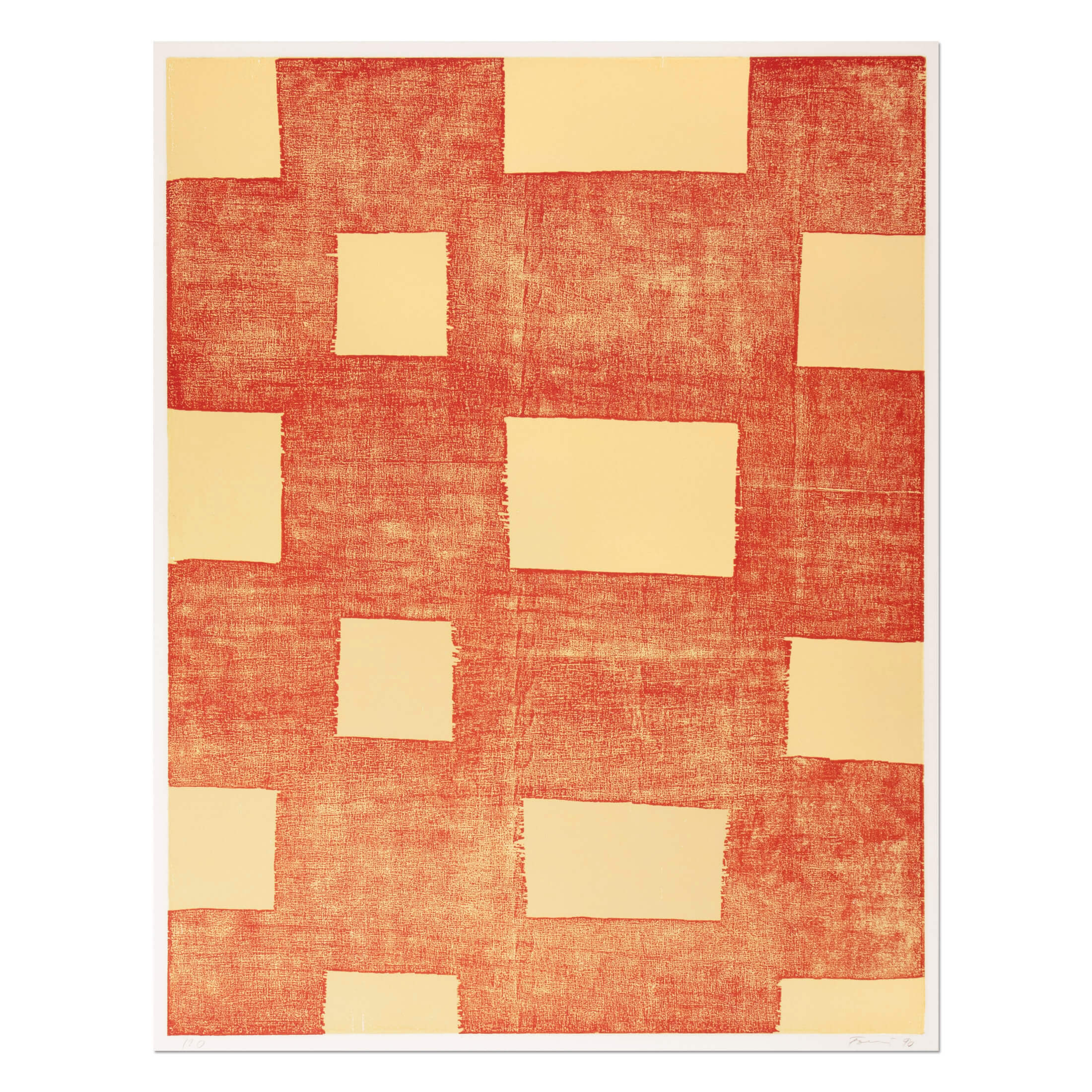
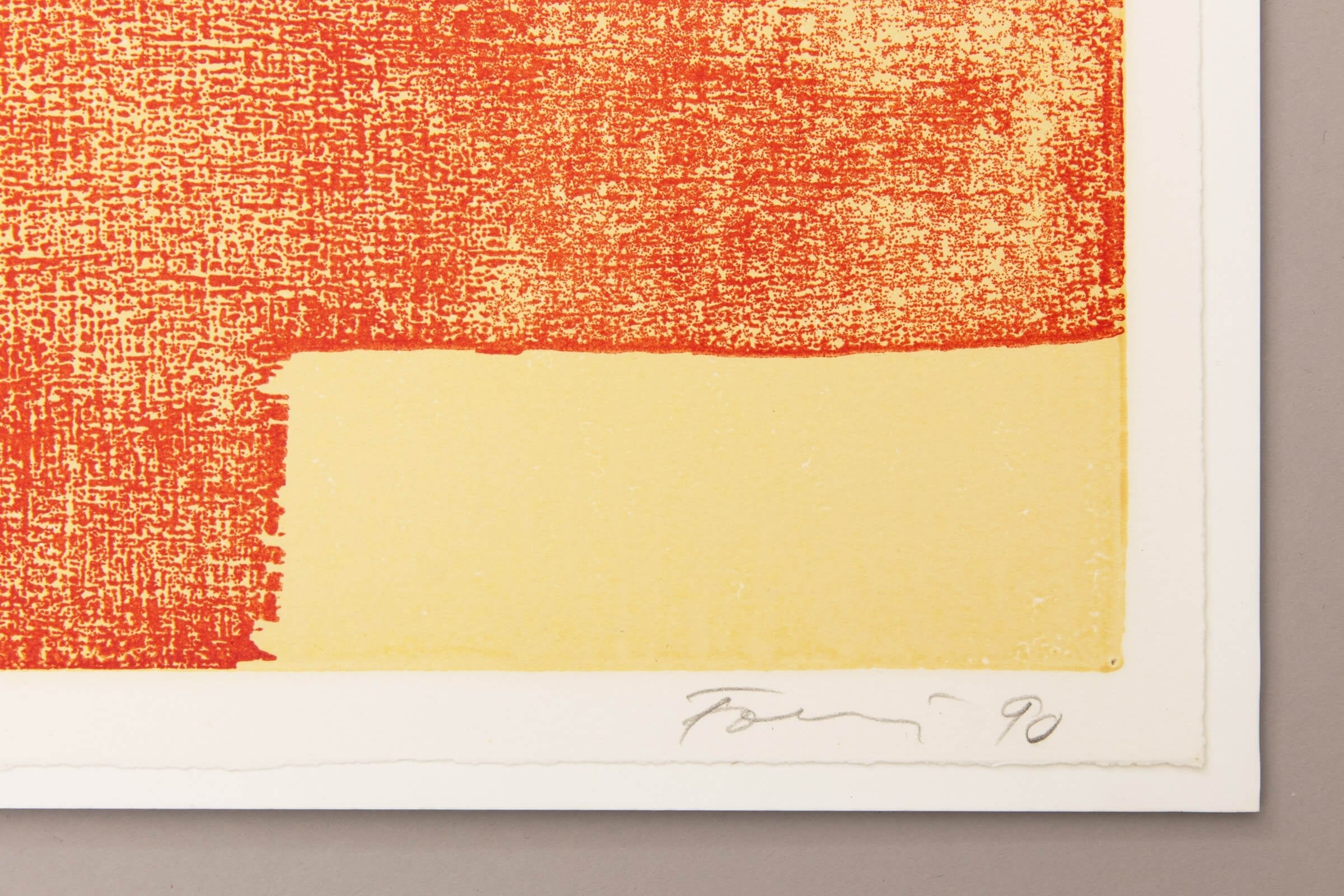
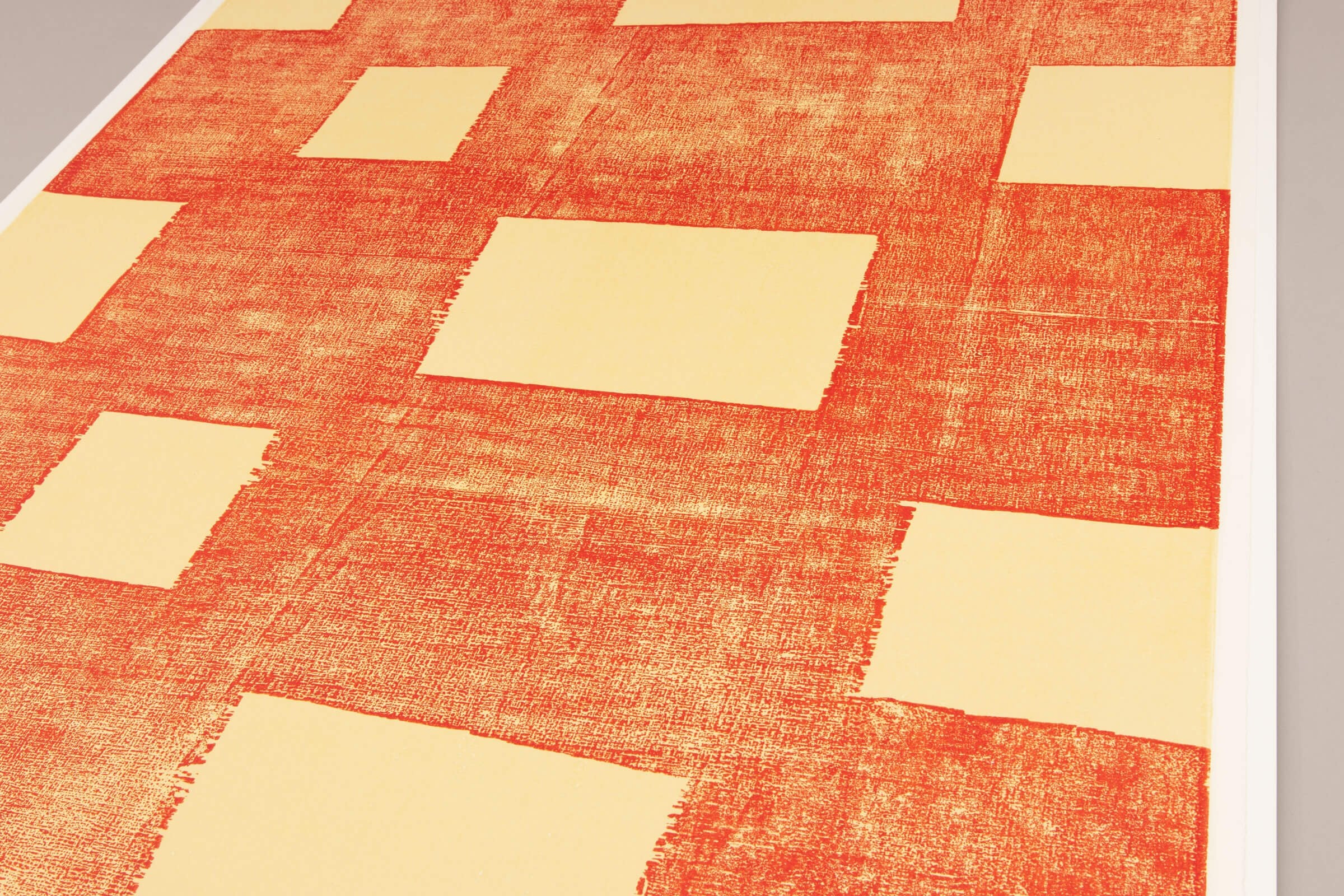
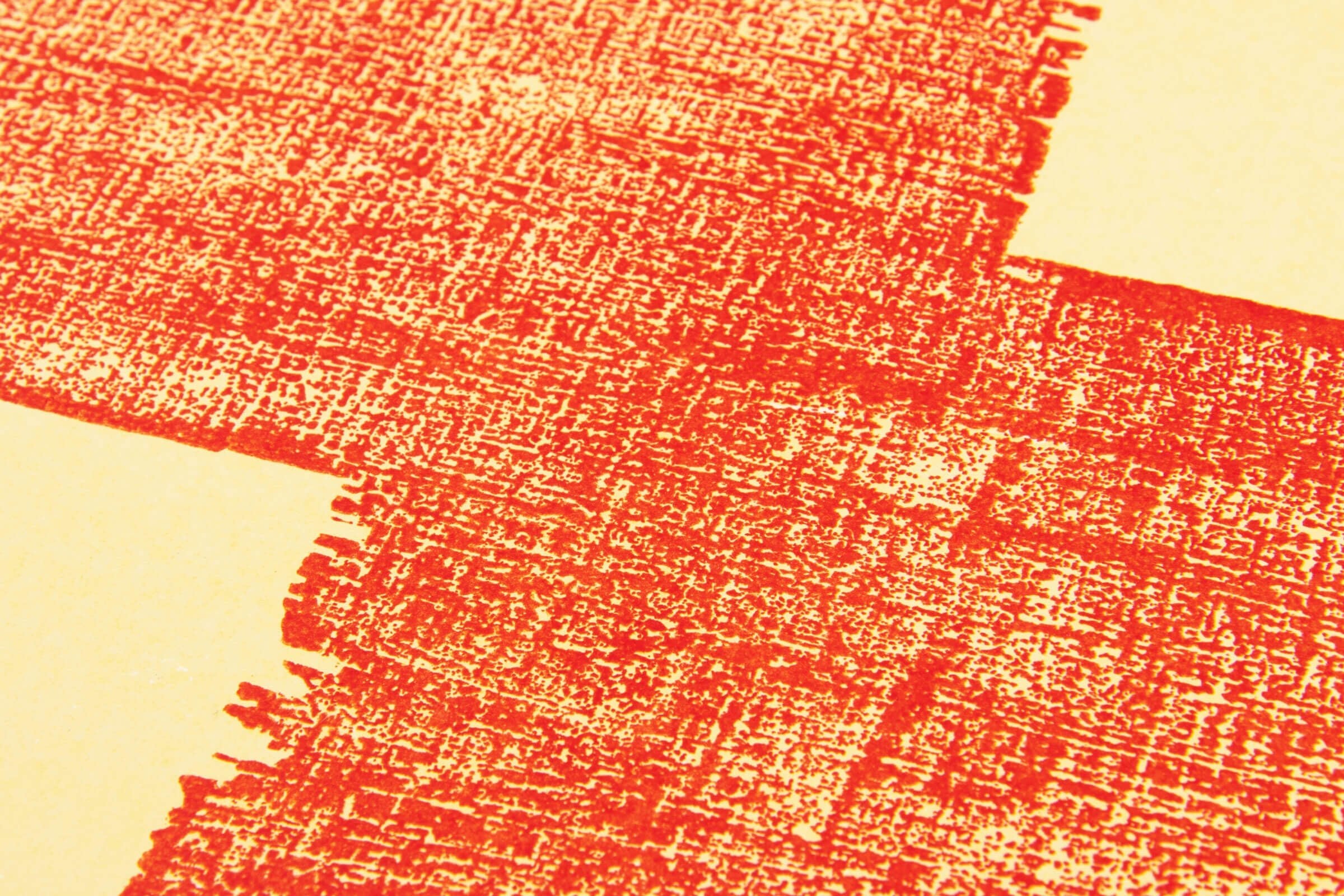
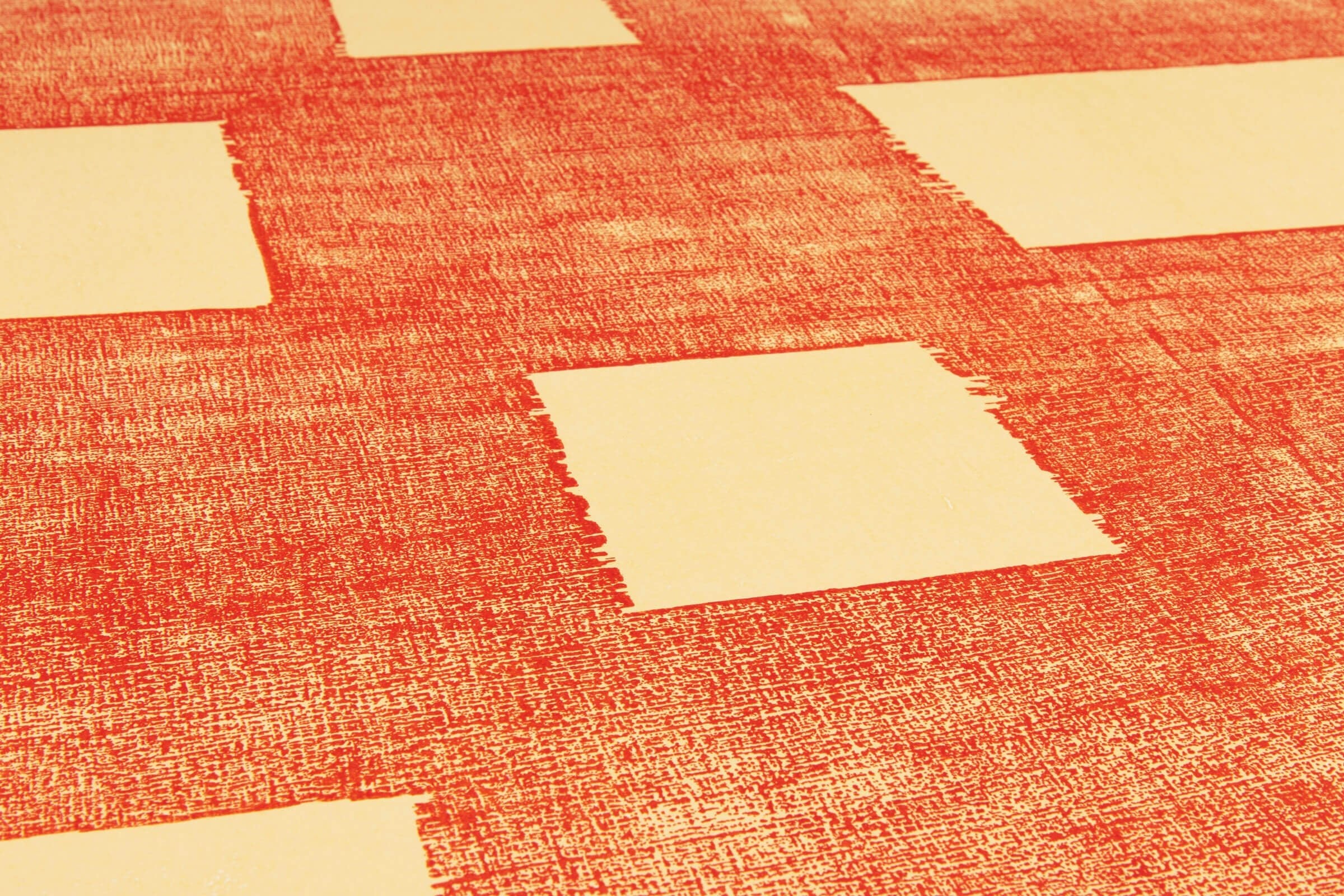
Förg’s printmaking extends these concerns with equal precision. His lithographs and screenprints often feature bold color fields, structural grids, and gestural overlays that balance control and spontaneity. Through repetition, variation, and chromatic tension, he explored how color and structure generate spatial and psychological impact. Across media, Förg’s work remains a sustained inquiry into surface, materiality, and the enduring relevance of abstraction.


