

Günther Förg

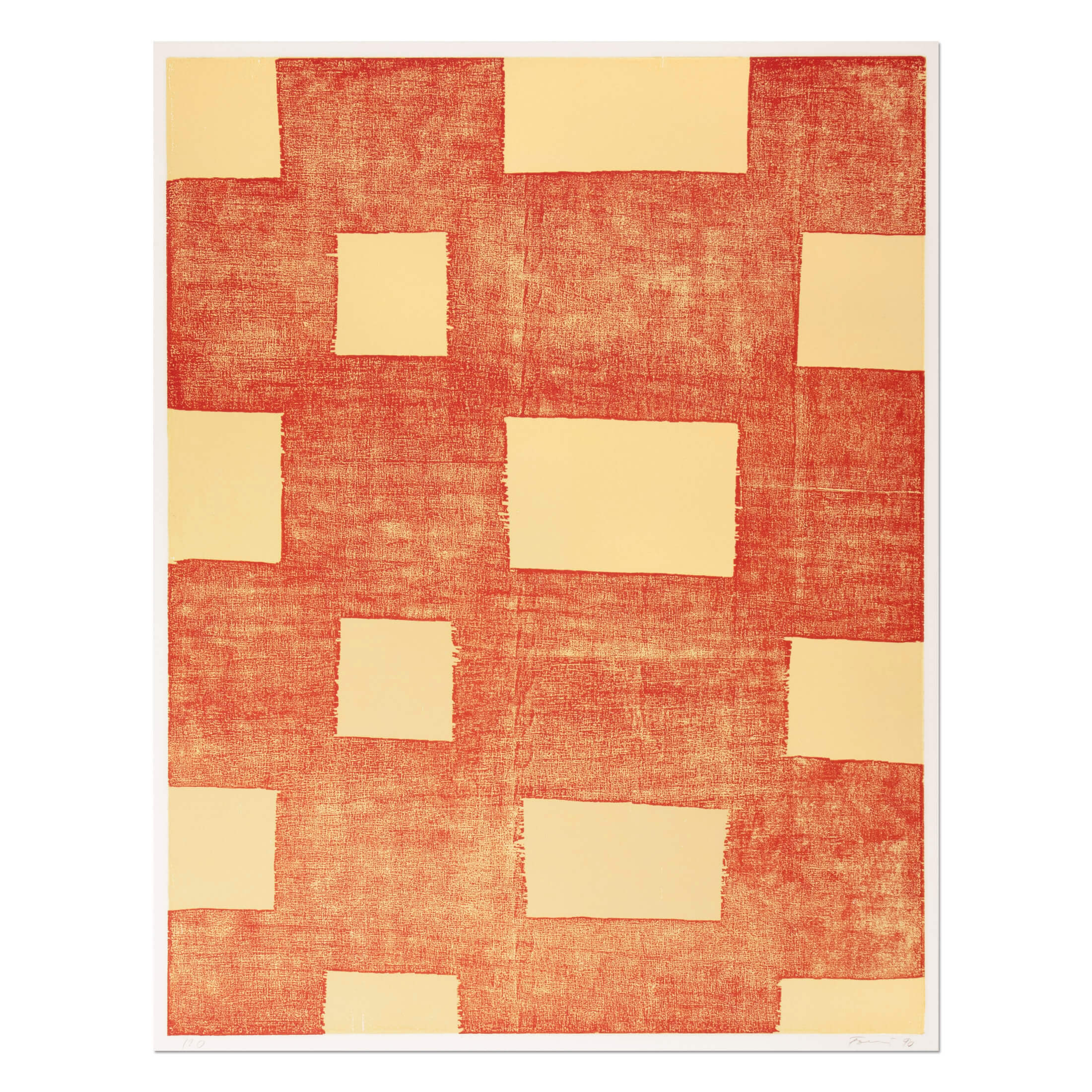
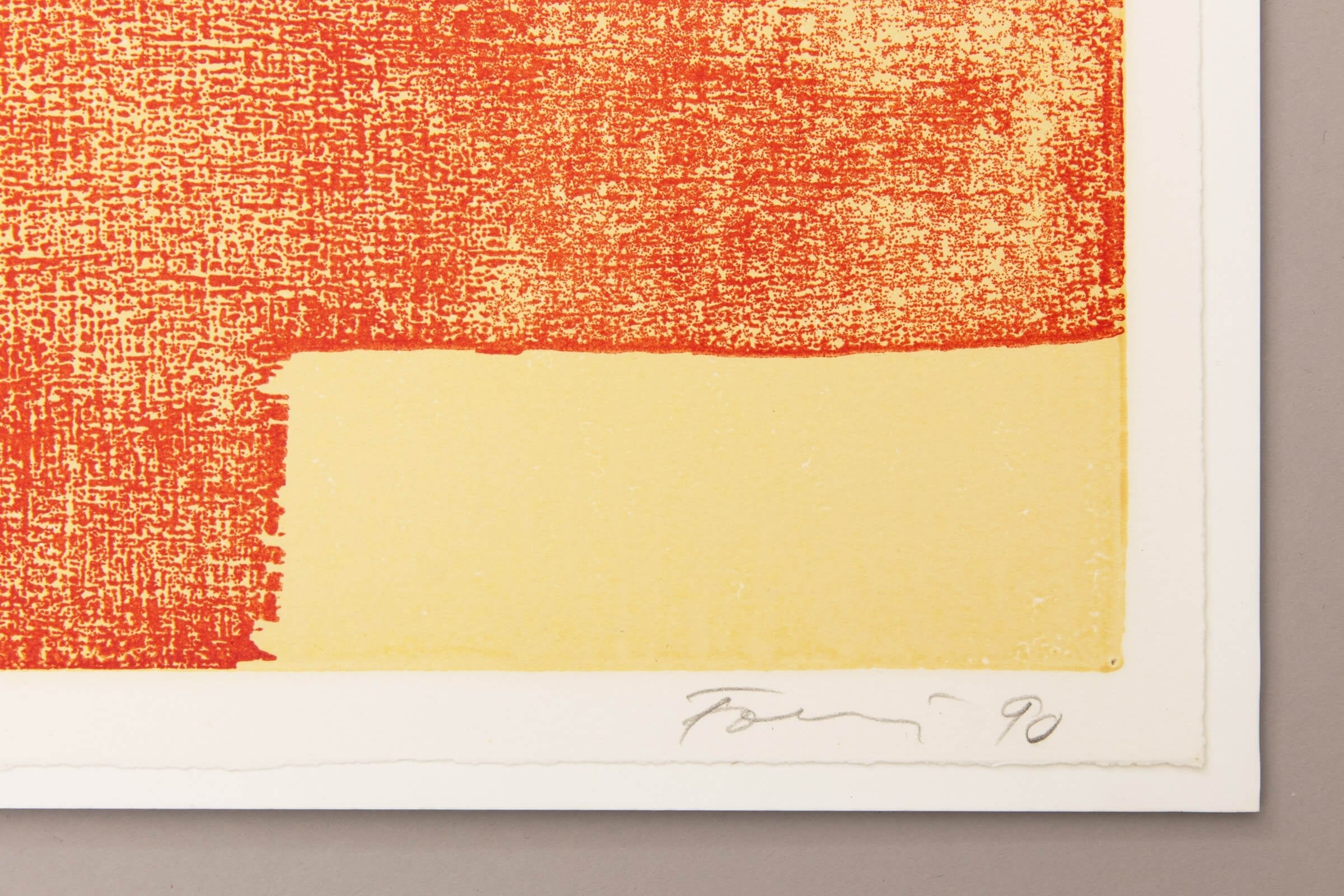
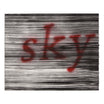
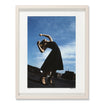
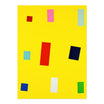
Günther Förg - Hora

Günther Förg spent four decades testing what Modernism could still mean after its heroic phase was over — reverent toward its history, unwilling to simply repeat it. Working across painting, photography, sculpture, and print, he pursued the same questions of surface, structure, and colour through radically different materials: grey monochrome canvases, acrylic brushed onto sheets of lead, and architectural photographs of Bauhaus and Fascist-era buildings. These prints and editions carry that same restless investigation into collectible form.

Browse signed Günther Förg prints and editions now.

Available Prints & Editions

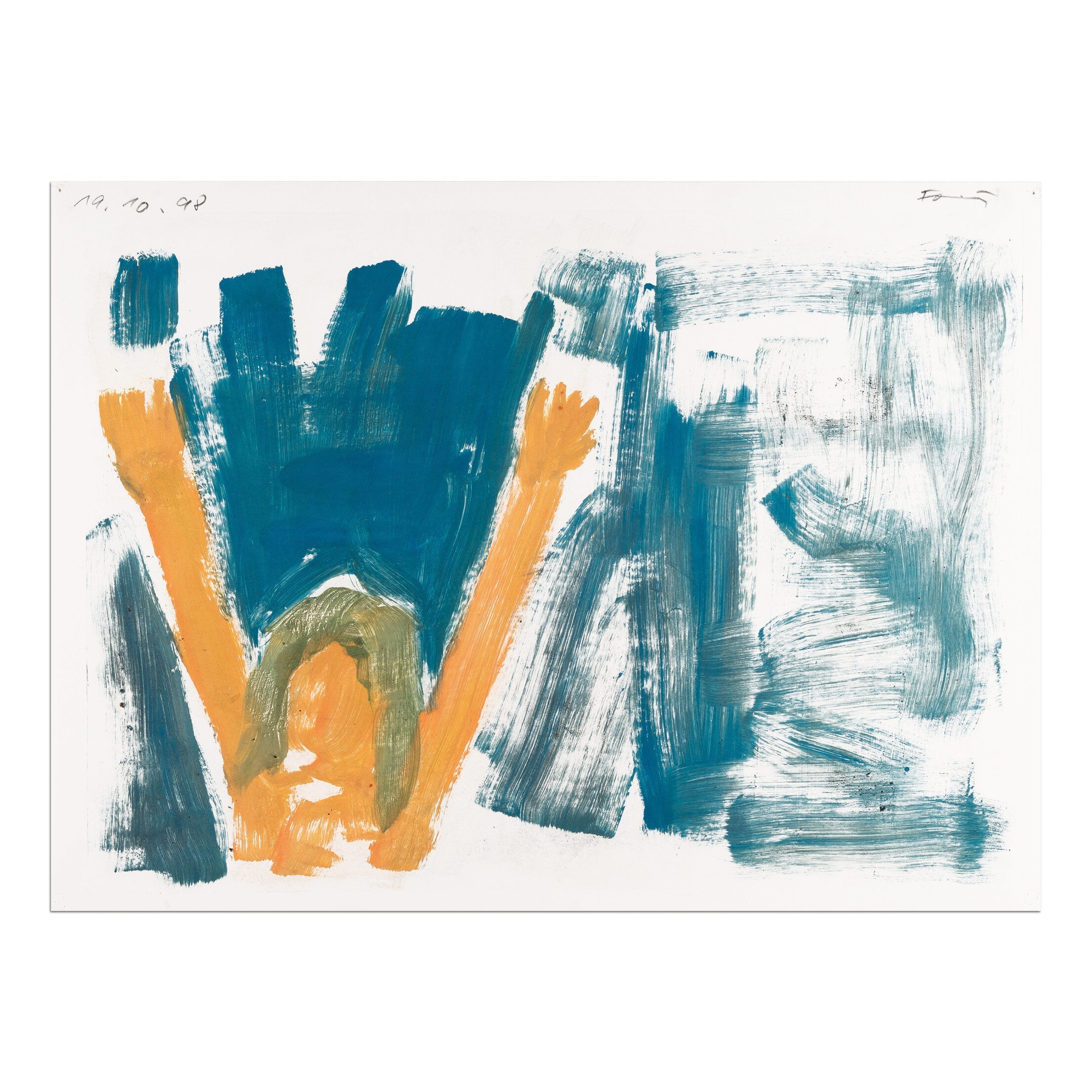
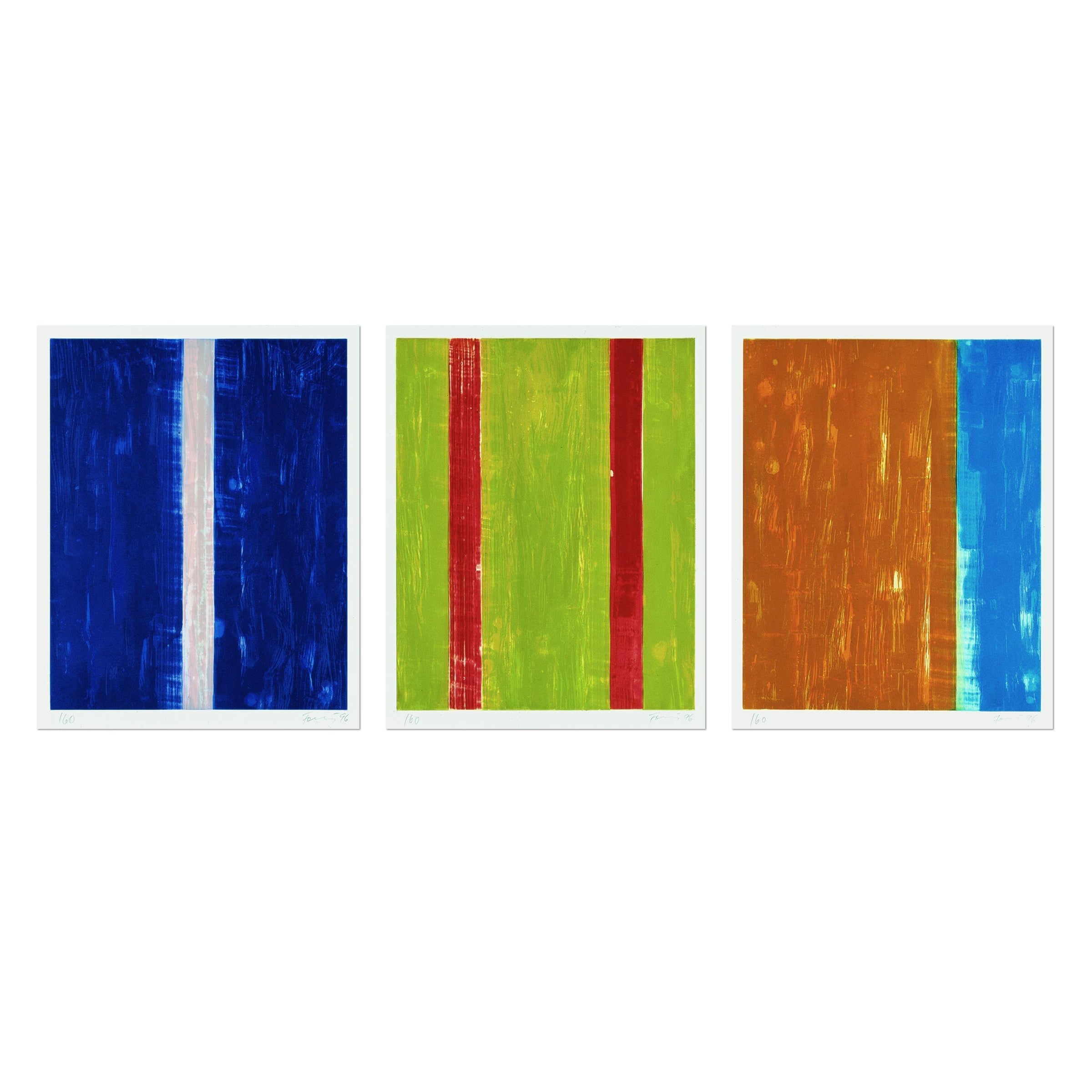
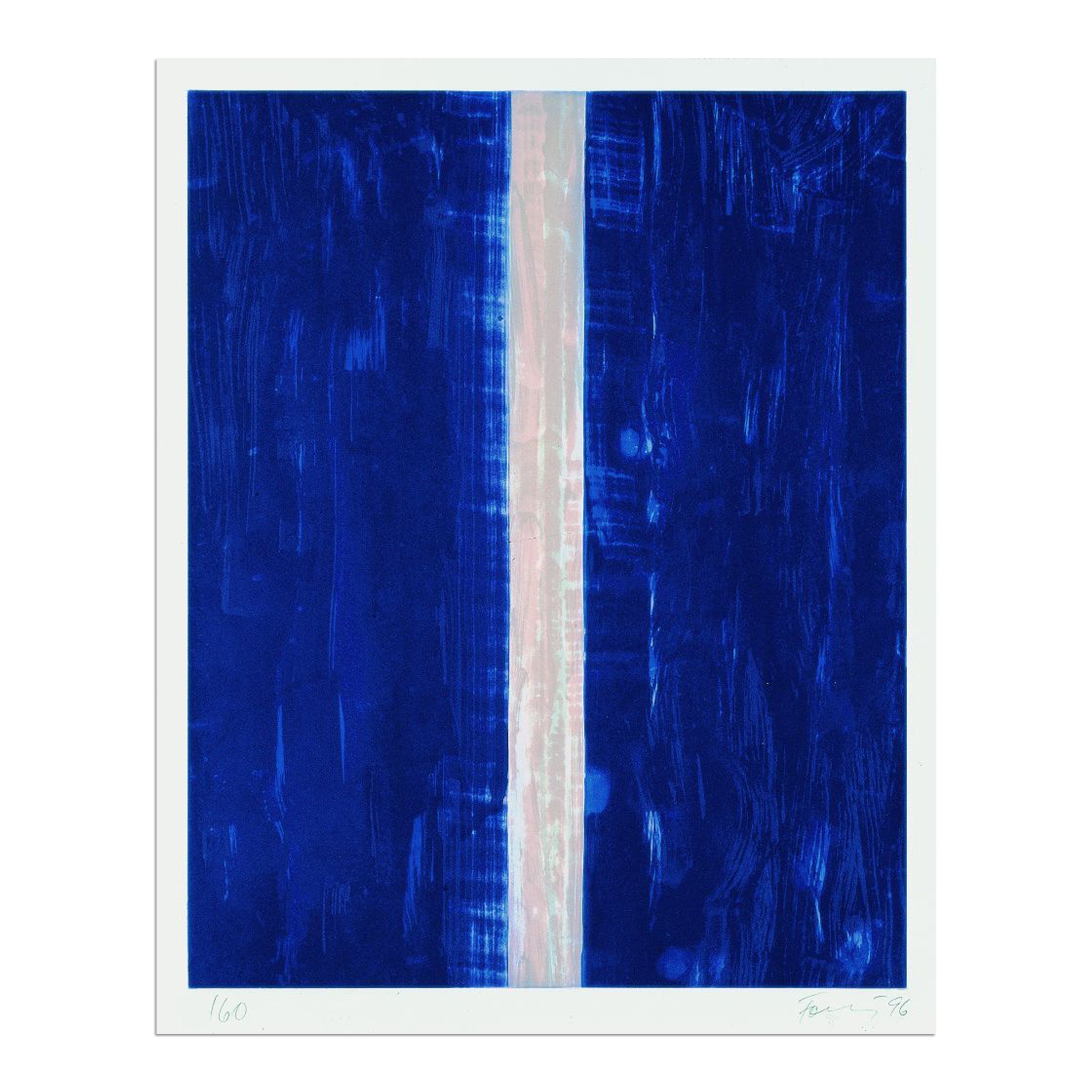
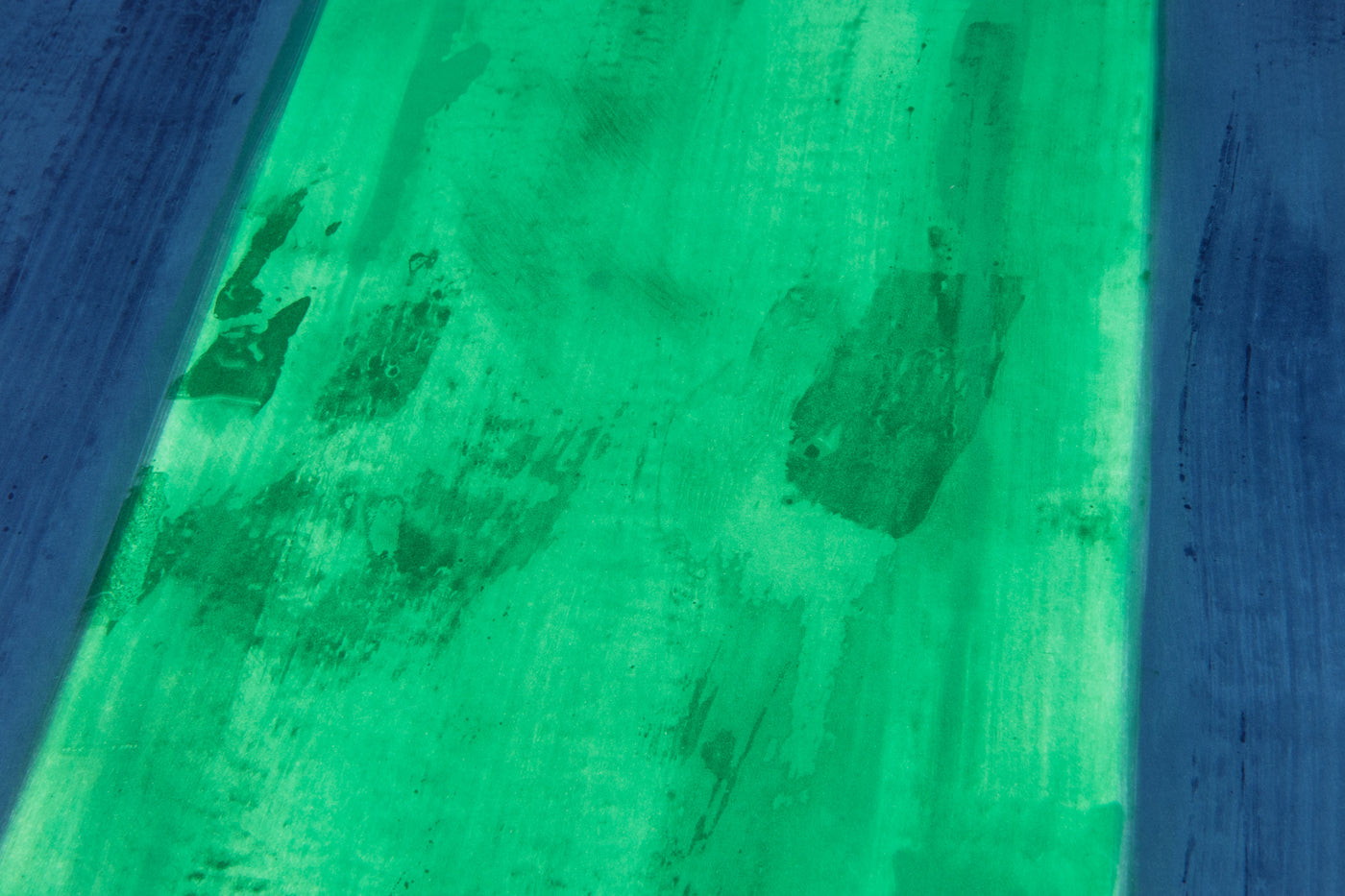
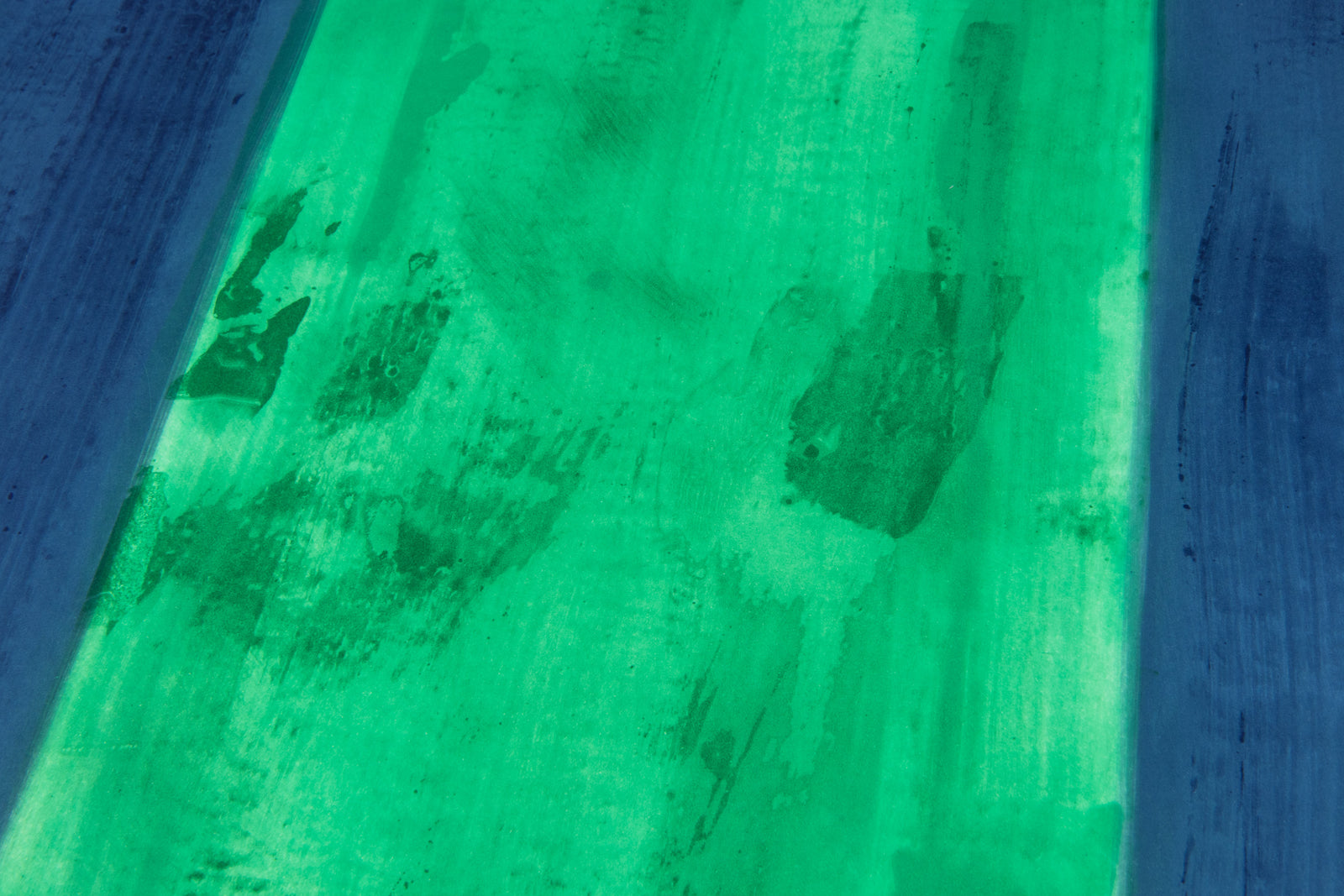
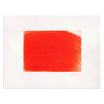
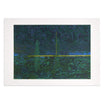
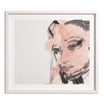
Günther Förg, Blau, grün, blau
01

Günther Förg Biography

Günther Förg (1952–2013) studied at the Academy of Fine Arts in Munich under Karl Fred Dahmen from 1973 to 1979, developing an abstract practice grounded almost entirely in grey monochrome — his "Gitter" (grid) paintings. He described the choice with characteristic bluntness: "Grey is nothing: not white, not black. Something in between. Not concerned with the figure. Something free." Working against the expressive figuration that dominated German painting through the 1980s, and shaped early on by Blinky Palermo, Förg built his career instead on a critical, often contradictory dialogue with Modernism's legacy.

In the 1980s he turned to large-format architectural photography, documenting Bauhaus buildings in Tel Aviv and Fascist-era architecture in Italy — structures freighted with political history that he photographed with a painter's eye for composition and light. He described the shift plainly: "what one paints is not reality," photography a way of "working closer to reality" than paint could offer. For a period he abandoned painting almost entirely to pursue photography as its own discipline, before returning to the canvas with new material urgency.

That return produced his signature body of work: the lead paintings, begun in 1984, in which thin acrylic is brushed across sheets of lead mounted on wood. "I like very much the qualities of lead — the surface, the heaviness," he said. "This gives the painting a very heavy feeling — it gives the colour a different density and weight." The series blurred painting into sculpture, pushing the medium toward object-making in a way few of his German contemporaries attempted.

Förg taught at the Staatliche Hochschule für Gestaltung in Karlsruhe from 1992 to 1999, then held a professorship in Munich until his death in 2013 — on his sixty-first birthday.

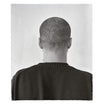
Günther Förg - Hora
02

Famous Günther Förg Artworks

The Gitter (grid) paintings of the early 1970s established Förg's founding position: monochrome grey compositions that refused both figuration and the emotional heroics of American Abstract Expressionism, treating grey not as absence but as a neutral field from which everything else in his career would develop.

His lead paintings, begun in 1984, remain his most distinctive contribution. Acrylic brushed across sheets of industrial lead, mounted on wood, these works exist in the space between painting and sculpture — the material's physical weight becoming inseparable from the image's visual weight. Untitled works from this series regularly anchor his strongest results at auction.

Förg's architectural photographs of the 1980s and 1990s — Bauhaus buildings, Fascist-era Italian structures, sites carrying unresolved political history — extended his investigation of Modernism into a documentary register, treating the camera as a tool for confronting reality more directly than paint allowed.

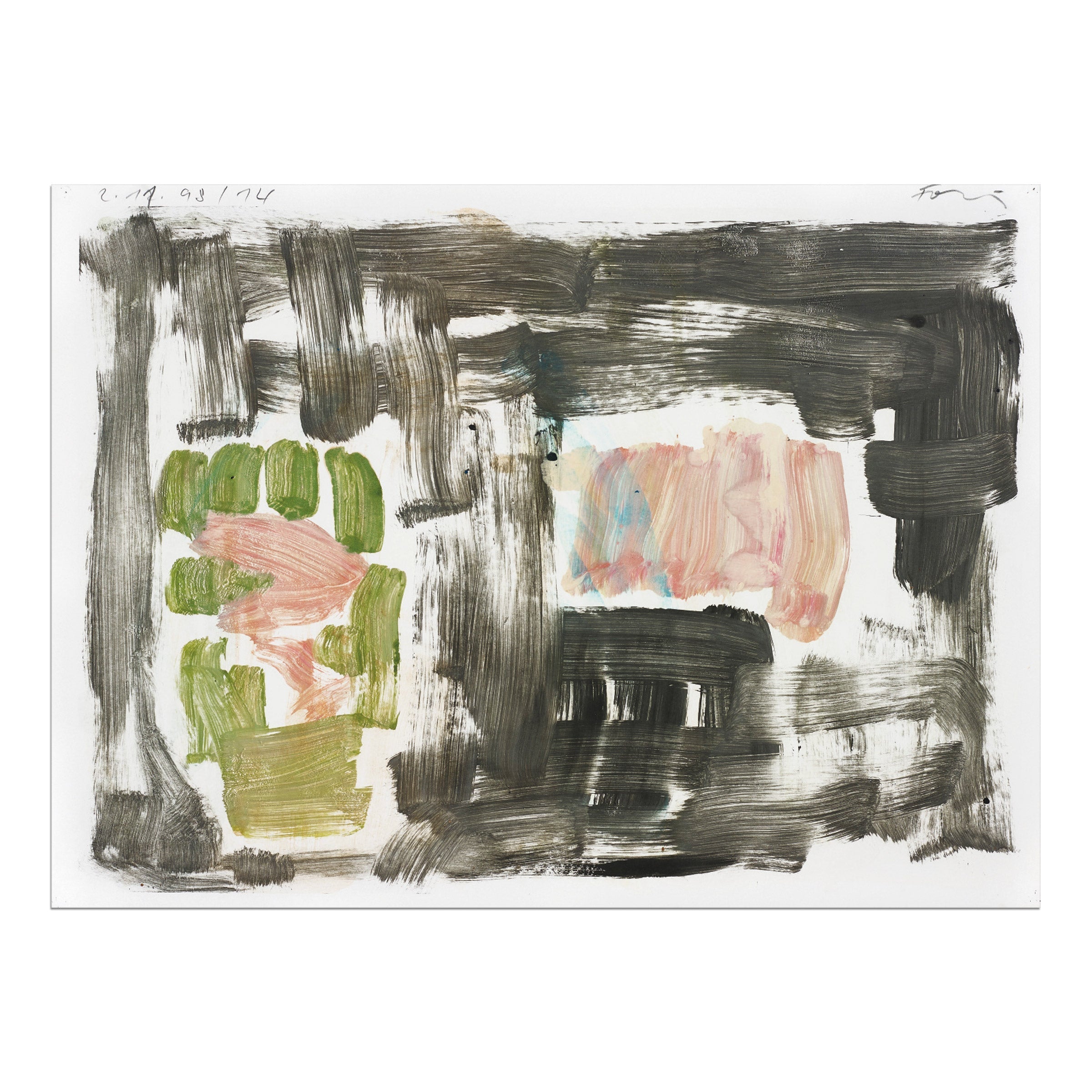
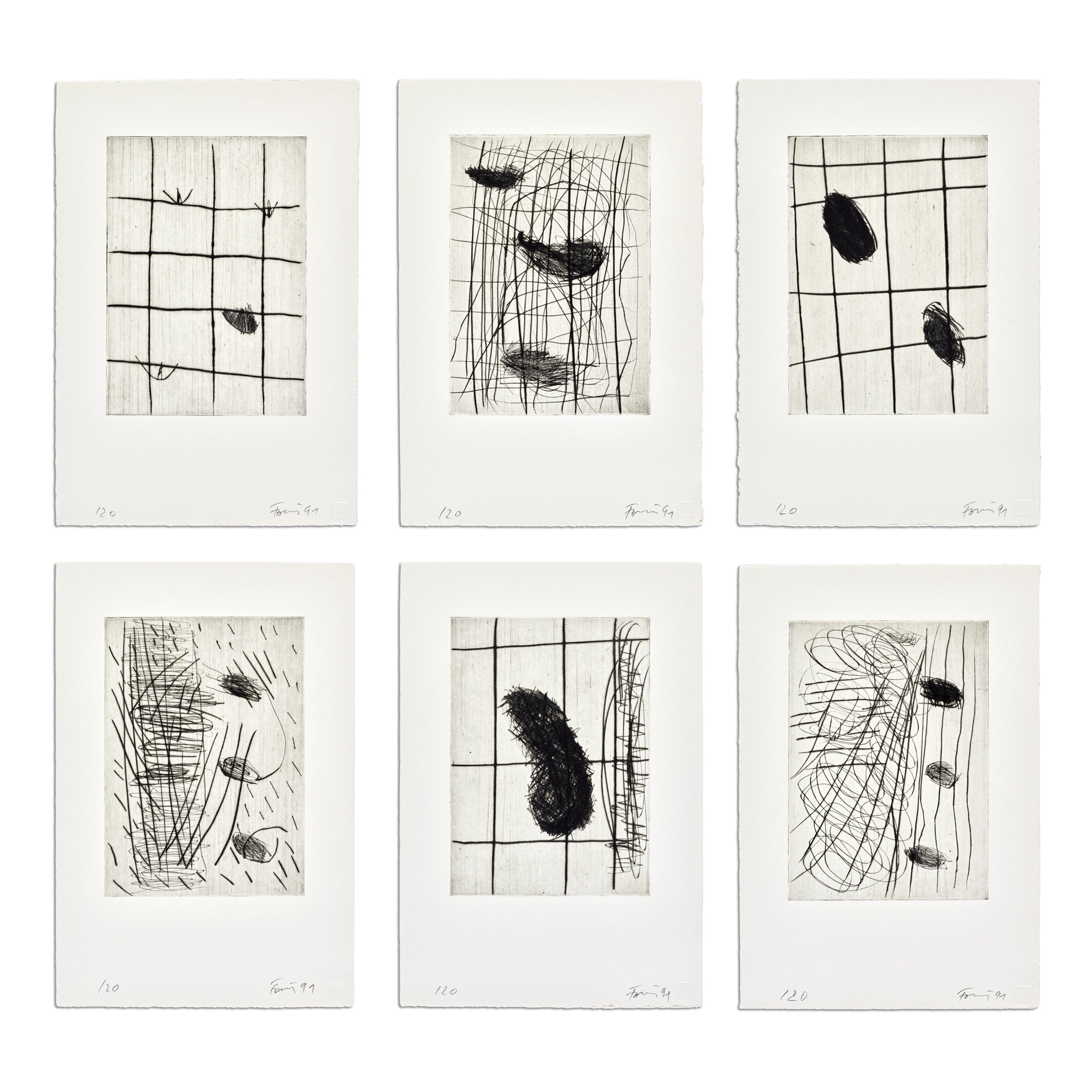
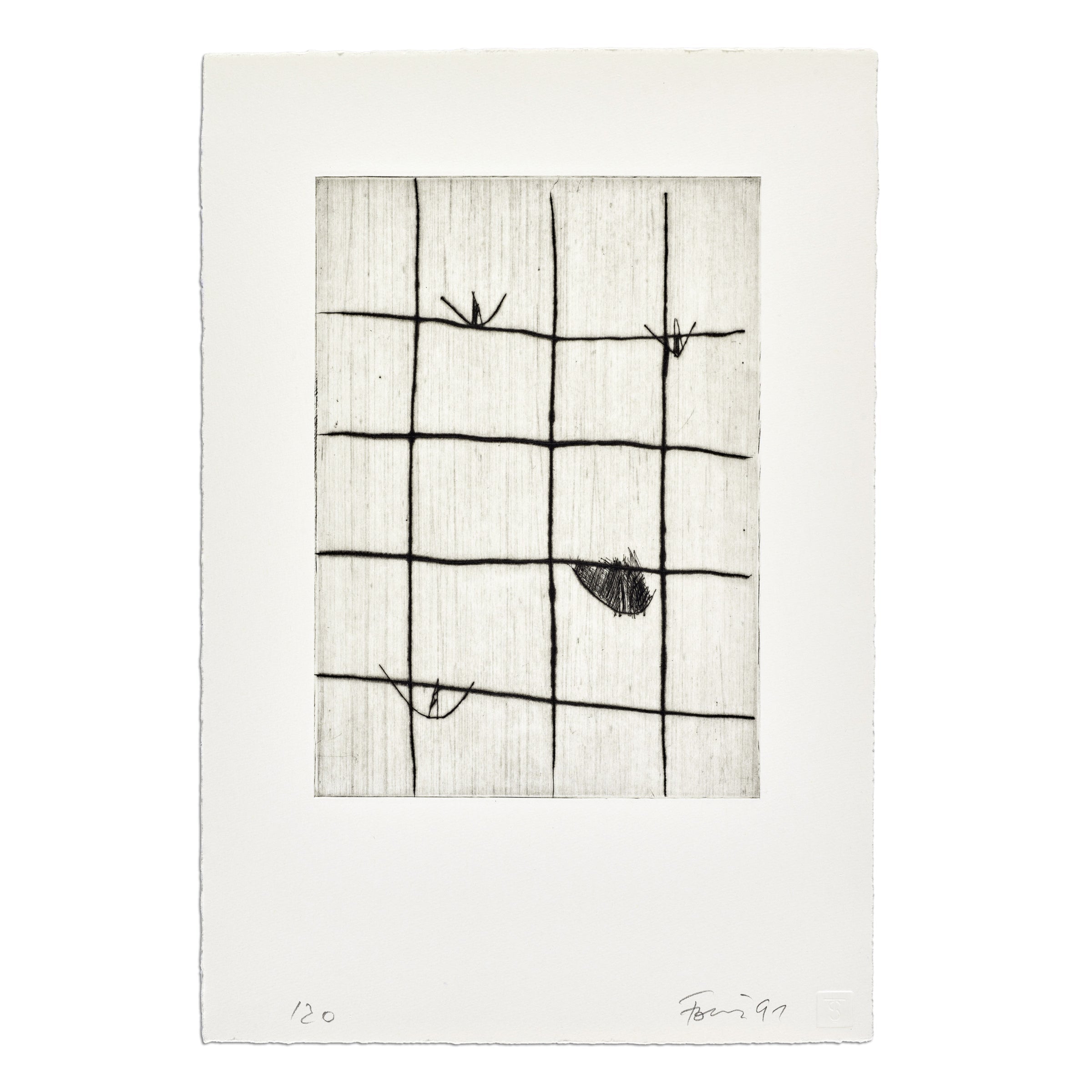
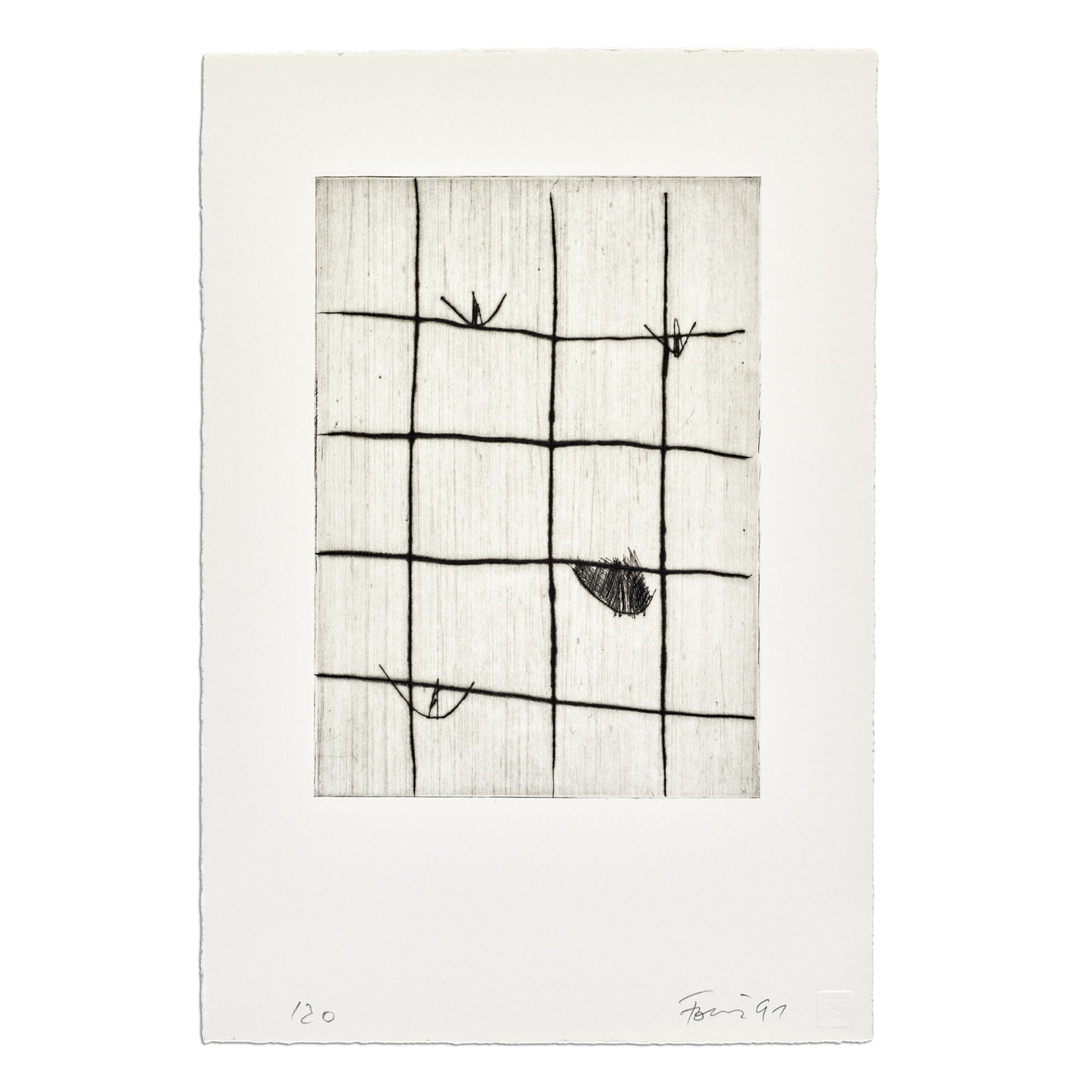
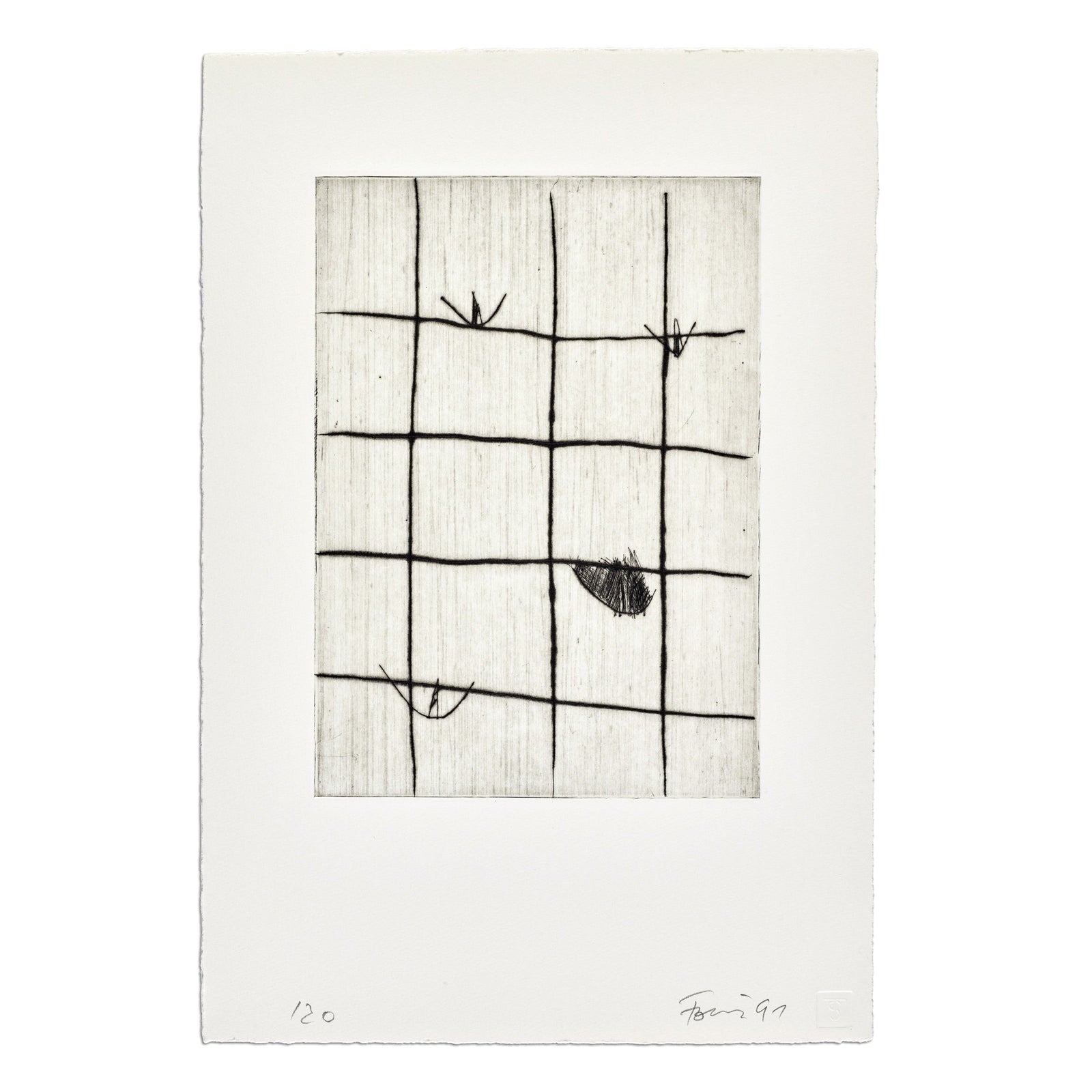
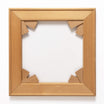
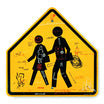
Günther Förg - 6 Radierungen
03

Günther Förg Prints & Editions

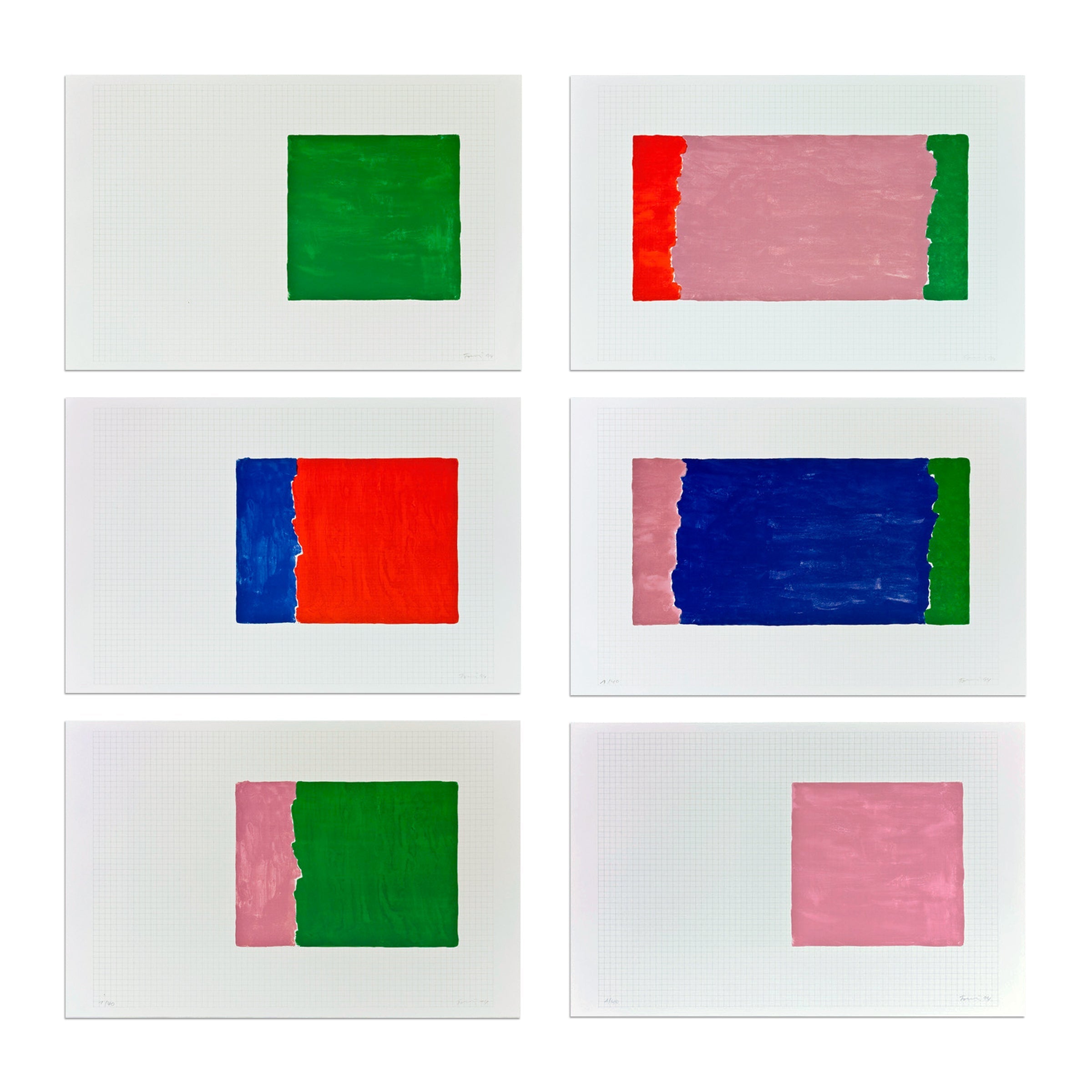
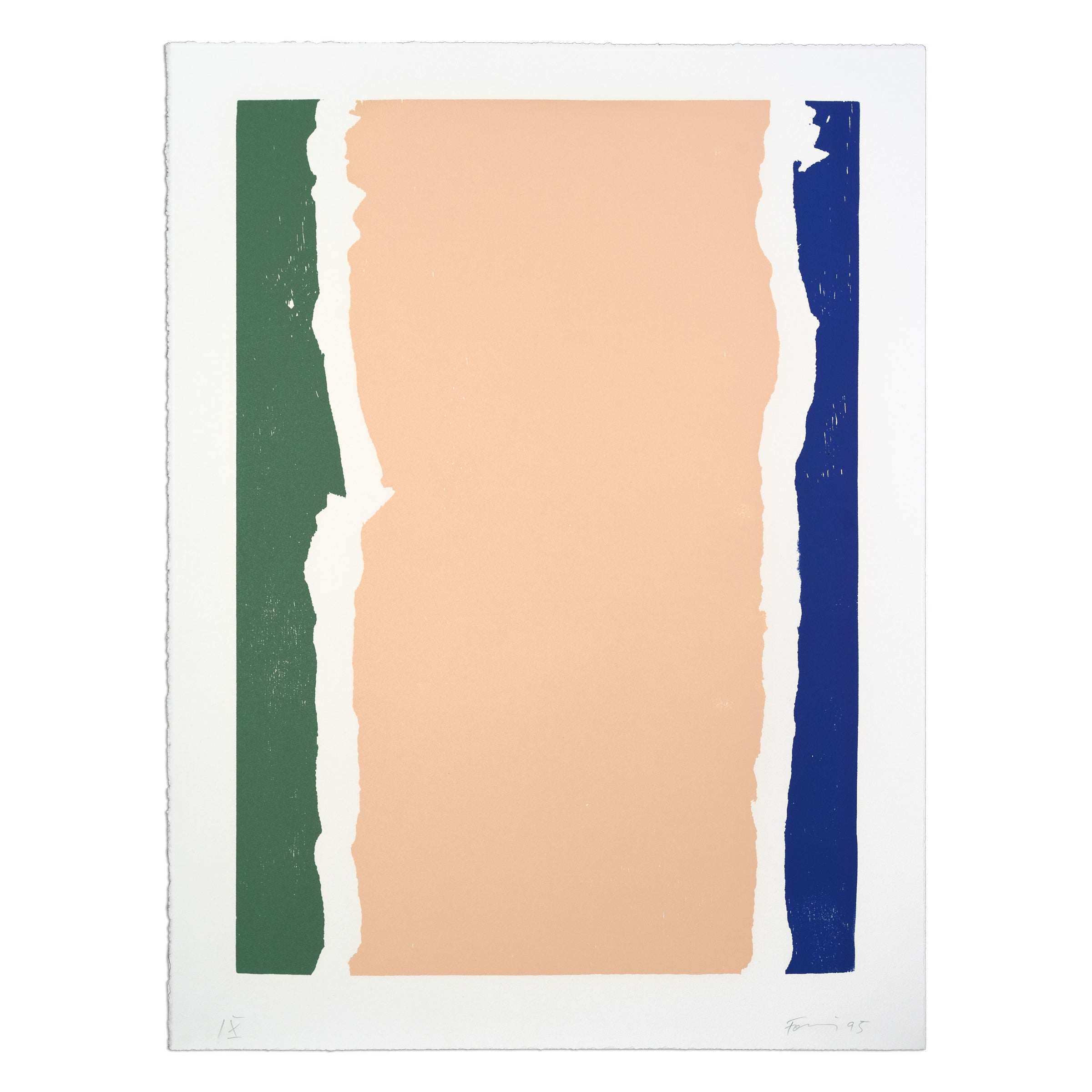
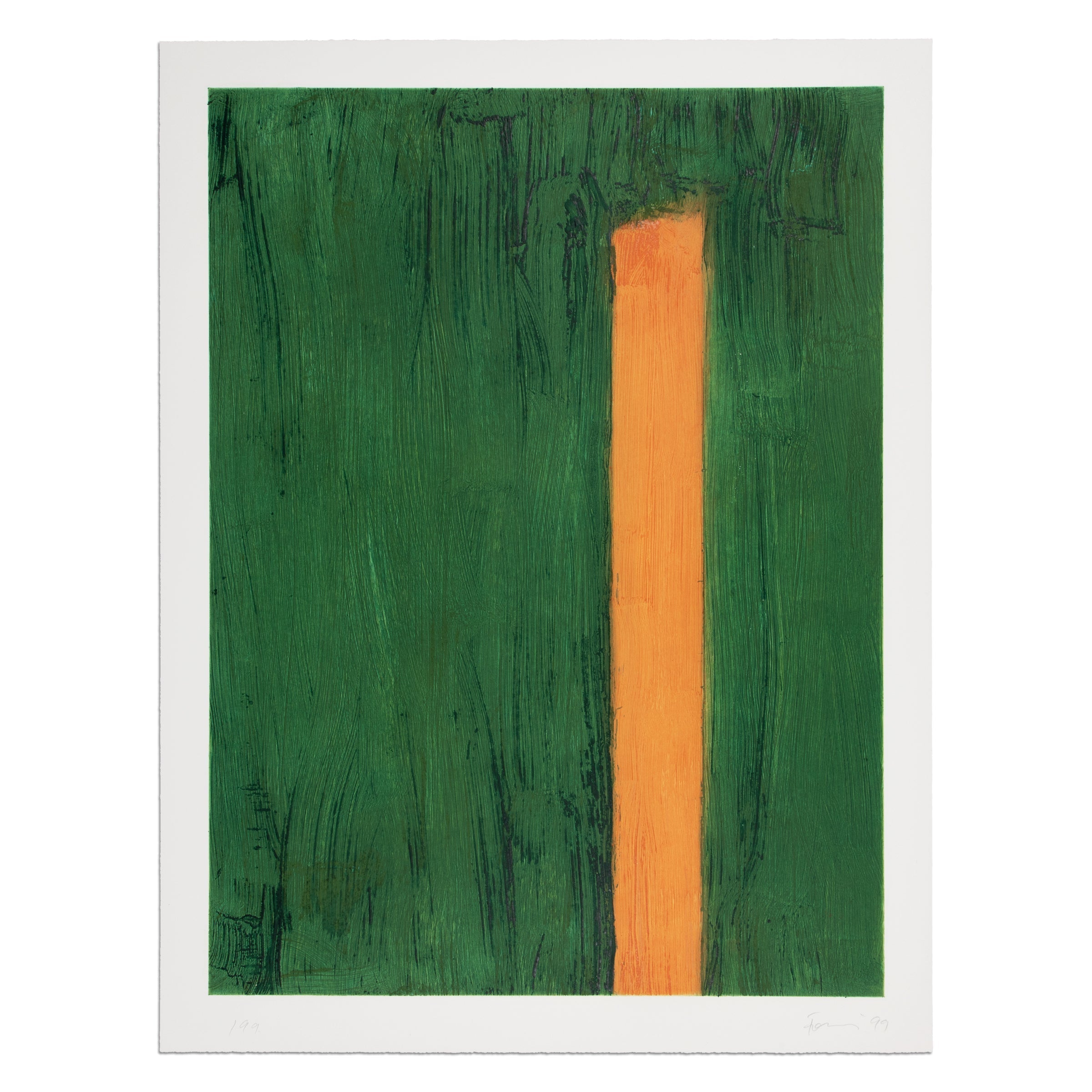
Förg's printmaking practice — spanning lithography, etching, woodcut, and aquatint, produced in strictly limited editions — was never a secondary output but a parallel investigation, closely tied to his interest in Bauhaus architecture and colour theory. His grid-like compositions, often evoking windows or building façades, recur across his prints as a structural framework for testing colour relationships and spatial perception, extending arguments first made in paint or lead.

His print market has strengthened steadily since his death in 2013. A suite of sixteen aquatint prints, Linien I (1988), sold for £10,041 at auction in 2019; two years later, another set from the same series achieved £17,861, well above estimate. Individual signed prints more typically trade between £1,000 and £5,000, offering considerably more accessible entry into a practice whose paintings now command seven-figure results.

For collectors, Förg's limited edition prints provide direct access to the same formal concerns — colour, structure, architectural rhythm — that define his paintings and photographs. Works are held in the permanent collections of MoMA, the Guggenheim, and Museum Brandhorst.

01

Günther Förg Biography

Günther Förg (1952–2013) studied at the Academy of Fine Arts in Munich under Karl Fred Dahmen from 1973 to 1979, developing an abstract practice grounded almost entirely in grey monochrome — his "Gitter" (grid) paintings. He described the choice with characteristic bluntness: "Grey is nothing: not white, not black. Something in between. Not concerned with the figure. Something free." Working against the expressive figuration that dominated German painting through the 1980s, and shaped early on by Blinky Palermo, Förg built his career instead on a critical, often contradictory dialogue with Modernism's legacy.

In the 1980s he turned to large-format architectural photography, documenting Bauhaus buildings in Tel Aviv and Fascist-era architecture in Italy — structures freighted with political history that he photographed with a painter's eye for composition and light. He described the shift plainly: "what one paints is not reality," photography a way of "working closer to reality" than paint could offer. For a period he abandoned painting almost entirely to pursue photography as its own discipline, before returning to the canvas with new material urgency.

That return produced his signature body of work: the lead paintings, begun in 1984, in which thin acrylic is brushed across sheets of lead mounted on wood. "I like very much the qualities of lead — the surface, the heaviness," he said. "This gives the painting a very heavy feeling — it gives the colour a different density and weight." The series blurred painting into sculpture, pushing the medium toward object-making in a way few of his German contemporaries attempted.

Förg taught at the Staatliche Hochschule für Gestaltung in Karlsruhe from 1992 to 1999, then held a professorship in Munich until his death in 2013 — on his sixty-first birthday.

02

Famous Günther Förg Artworks

The Gitter (grid) paintings of the early 1970s established Förg's founding position: monochrome grey compositions that refused both figuration and the emotional heroics of American Abstract Expressionism, treating grey not as absence but as a neutral field from which everything else in his career would develop.

His lead paintings, begun in 1984, remain his most distinctive contribution. Acrylic brushed across sheets of industrial lead, mounted on wood, these works exist in the space between painting and sculpture — the material's physical weight becoming inseparable from the image's visual weight. Untitled works from this series regularly anchor his strongest results at auction.

Förg's architectural photographs of the 1980s and 1990s — Bauhaus buildings, Fascist-era Italian structures, sites carrying unresolved political history — extended his investigation of Modernism into a documentary register, treating the camera as a tool for confronting reality more directly than paint allowed.

03

Günther Förg Prints & Editions

Förg's printmaking practice — spanning lithography, etching, woodcut, and aquatint, produced in strictly limited editions — was never a secondary output but a parallel investigation, closely tied to his interest in Bauhaus architecture and colour theory. His grid-like compositions, often evoking windows or building façades, recur across his prints as a structural framework for testing colour relationships and spatial perception, extending arguments first made in paint or lead.

His print market has strengthened steadily since his death in 2013. A suite of sixteen aquatint prints, Linien I (1988), sold for £10,041 at auction in 2019; two years later, another set from the same series achieved £17,861, well above estimate. Individual signed prints more typically trade between £1,000 and £5,000, offering considerably more accessible entry into a practice whose paintings now command seven-figure results.

For collectors, Förg's limited edition prints provide direct access to the same formal concerns — colour, structure, architectural rhythm — that define his paintings and photographs. Works are held in the permanent collections of MoMA, the Guggenheim, and Museum Brandhorst.

Günther Förg, Blau, grün, blauGünther Förg - HoraGünther Förg - 6 Radierungen

Günther Förg: Key Questions

Collecting Günther Förg?

Looking for a specific artwork or have a question about an edition? We're happy to advise on availability, pricing, condition, and provenance — and to source artworks beyond our current selection.

Contact us

Prints, Photographs & Multiples

View our full collection of

Prints, Photographs & Multiples

Explore editions