
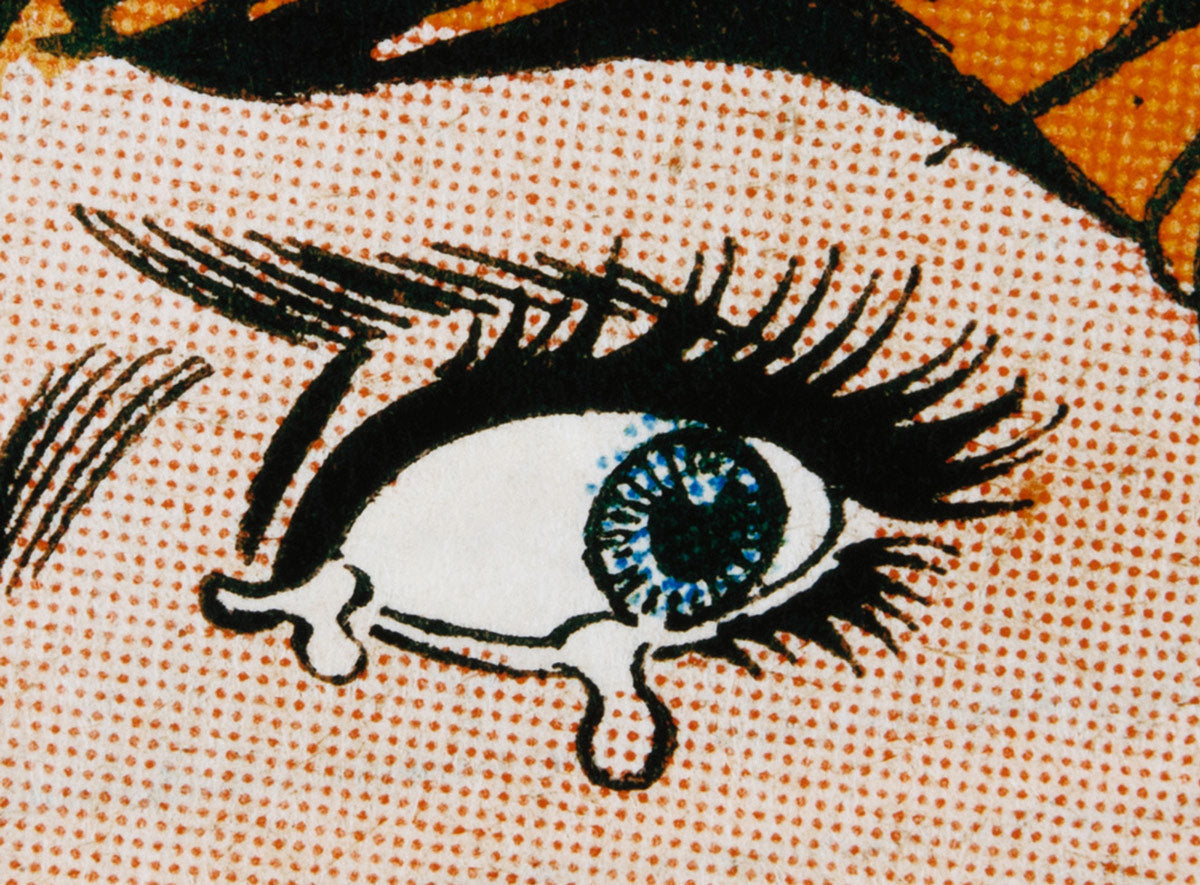
Women Artists

For most of the twentieth century, the institutions that defined artistic value systematically excluded women — not by accident, but by design. The artists in this collection built entirely new positions: Louise Bourgeois transforming autobiography into monumental sculpture, Kara Walker turning the silhouette into a political instrument, Jenny Holzer weaponising language as public art — and many others whose work holds a place in the permanent collections of MoMA, Tate, and the Centre Pompidou.

Browse signed prints and editions by women artists now.

Filters

Sort by:

87 products

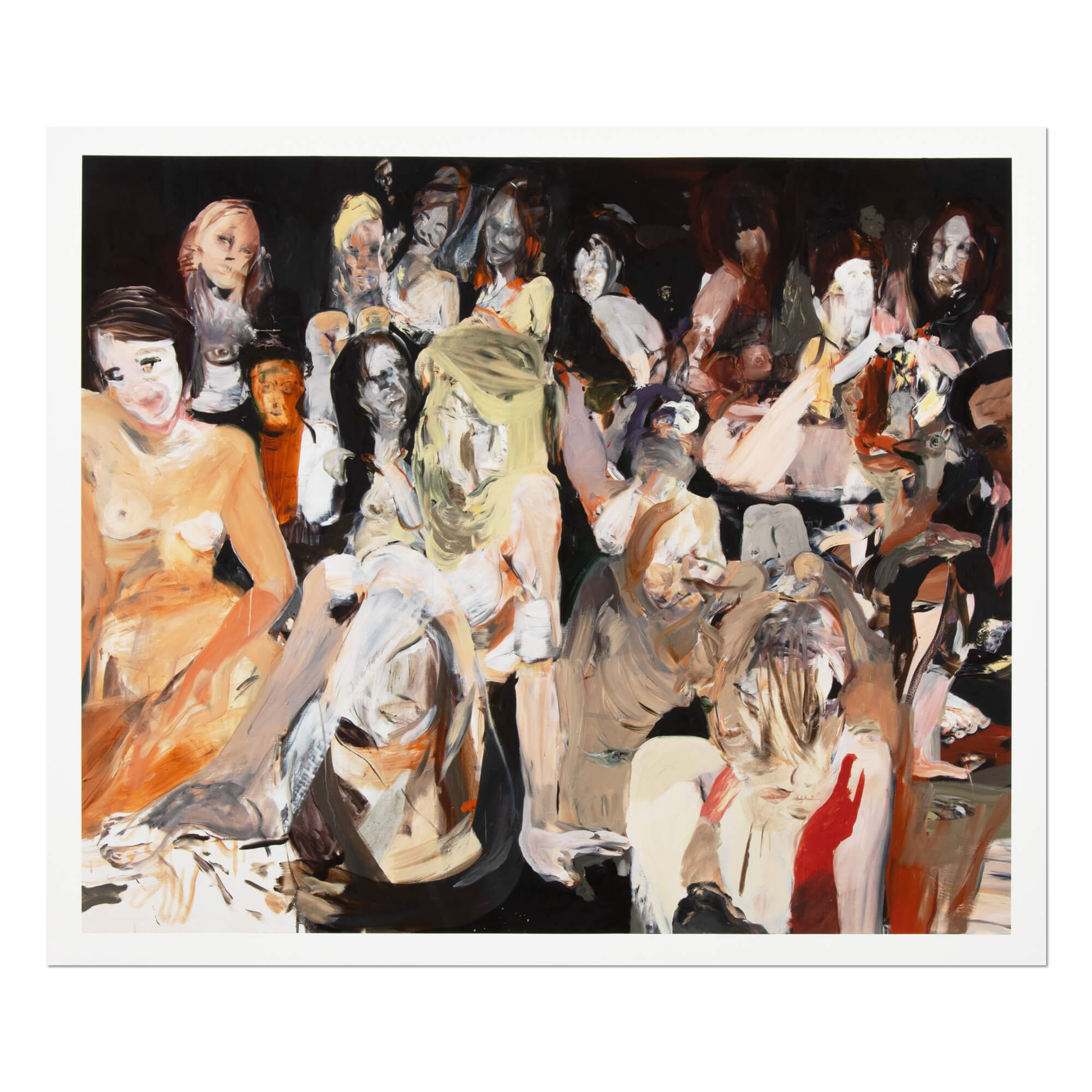
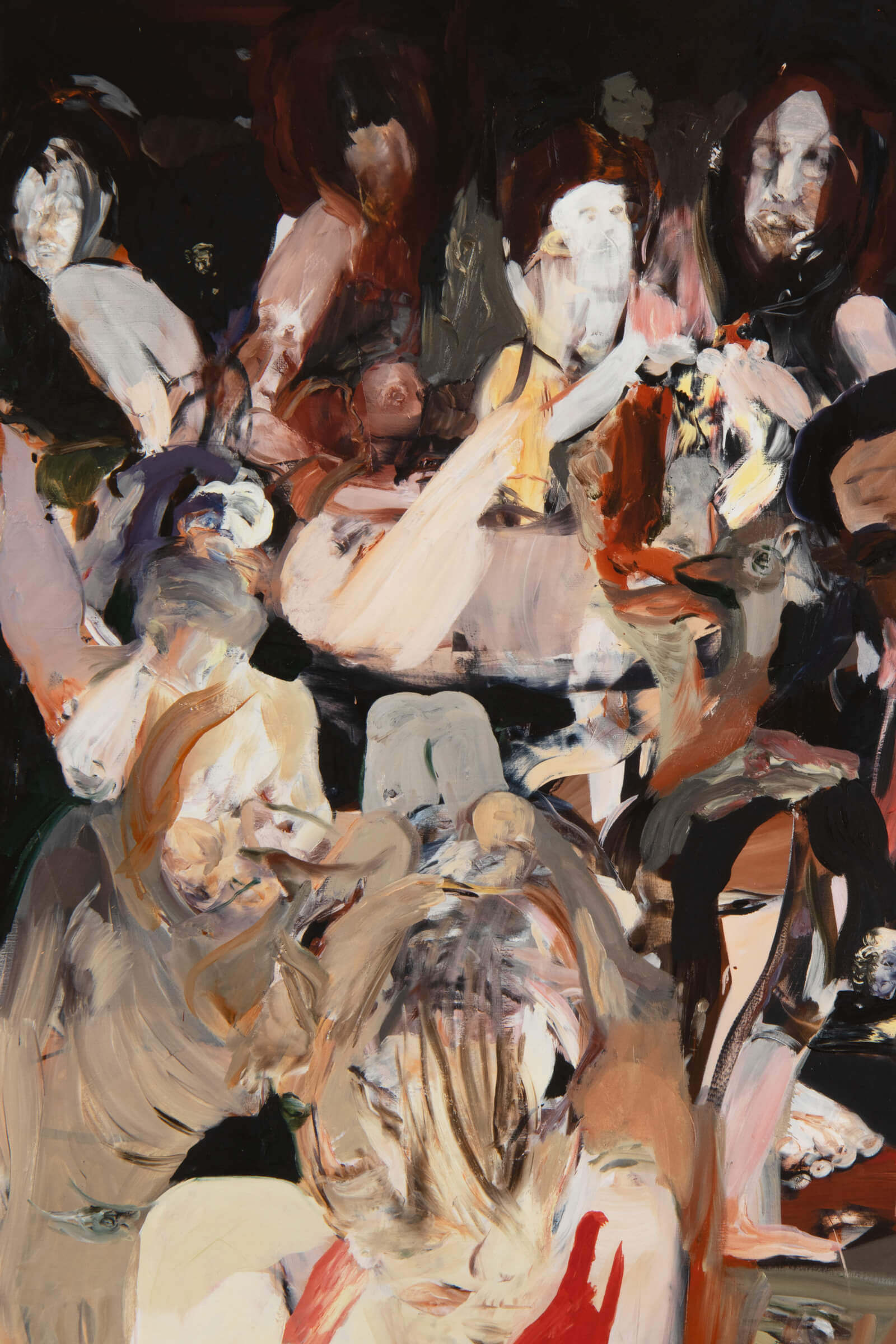
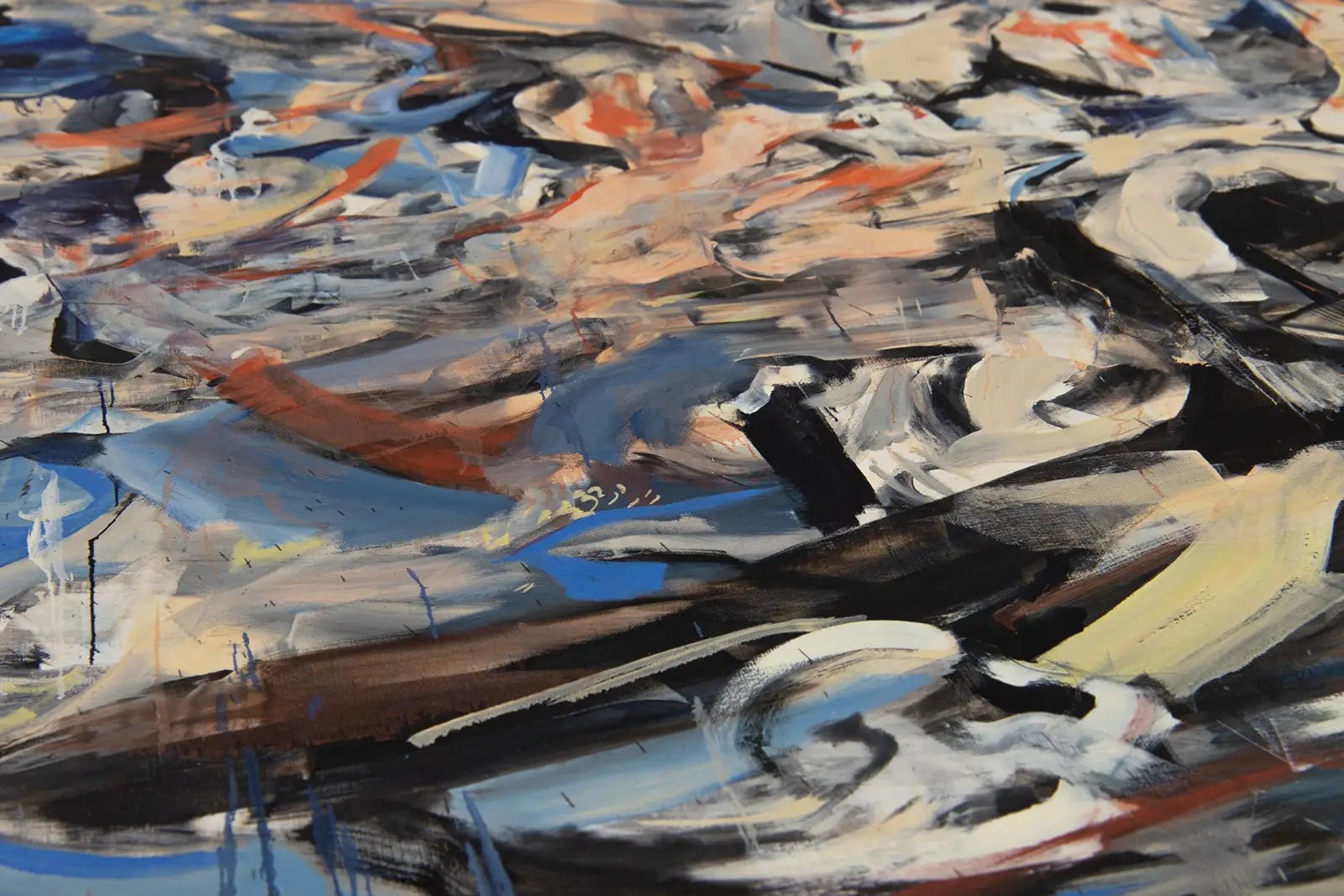
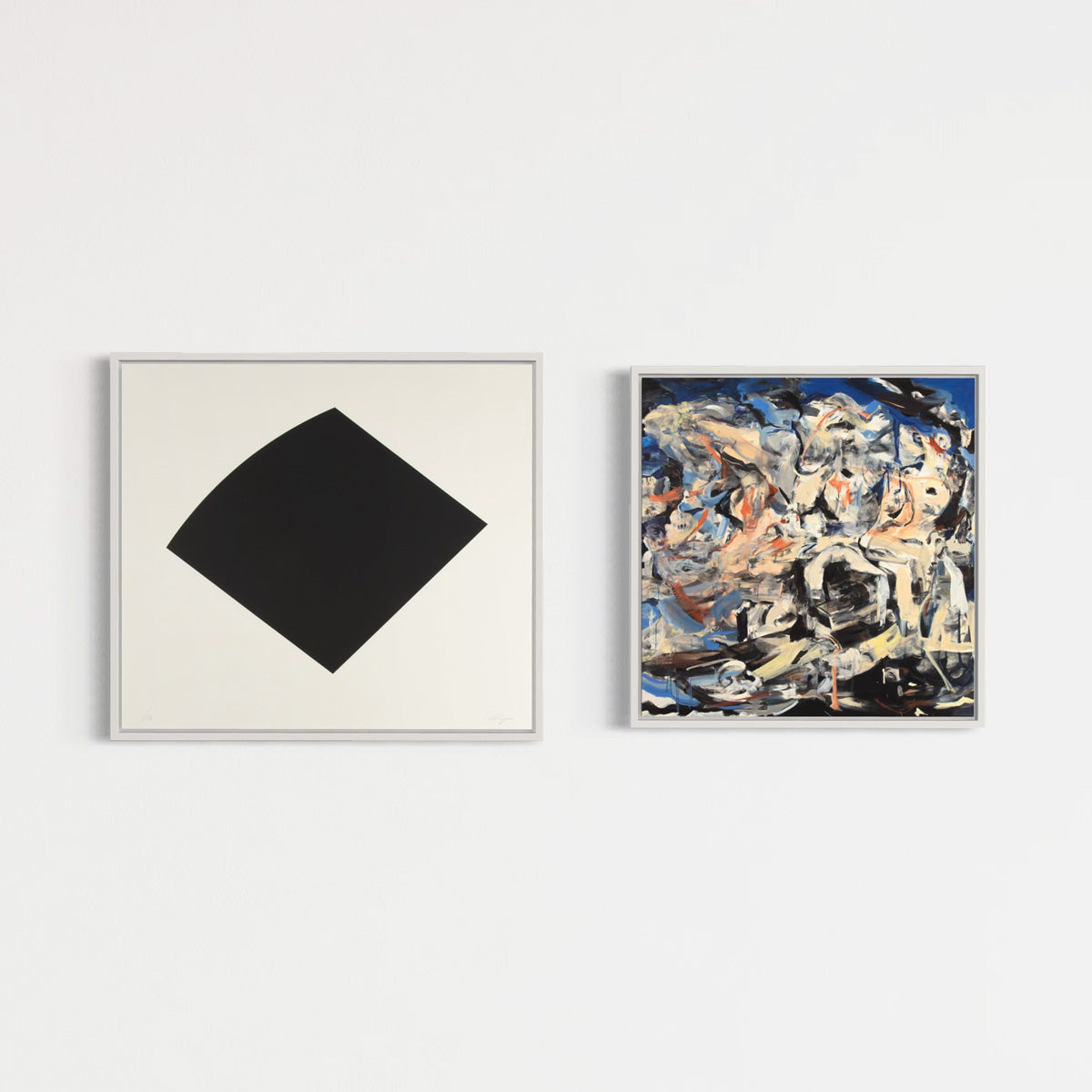
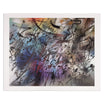
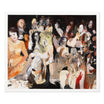
Cecily Brown - All the Nightmares Came TodayCecily Brown - All the Nightmares Came Today
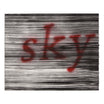
Tracey Emin - Choose LoveTracey Emin - Choose Love
Tracey Emin - Choose Love Sale price€7.700,00
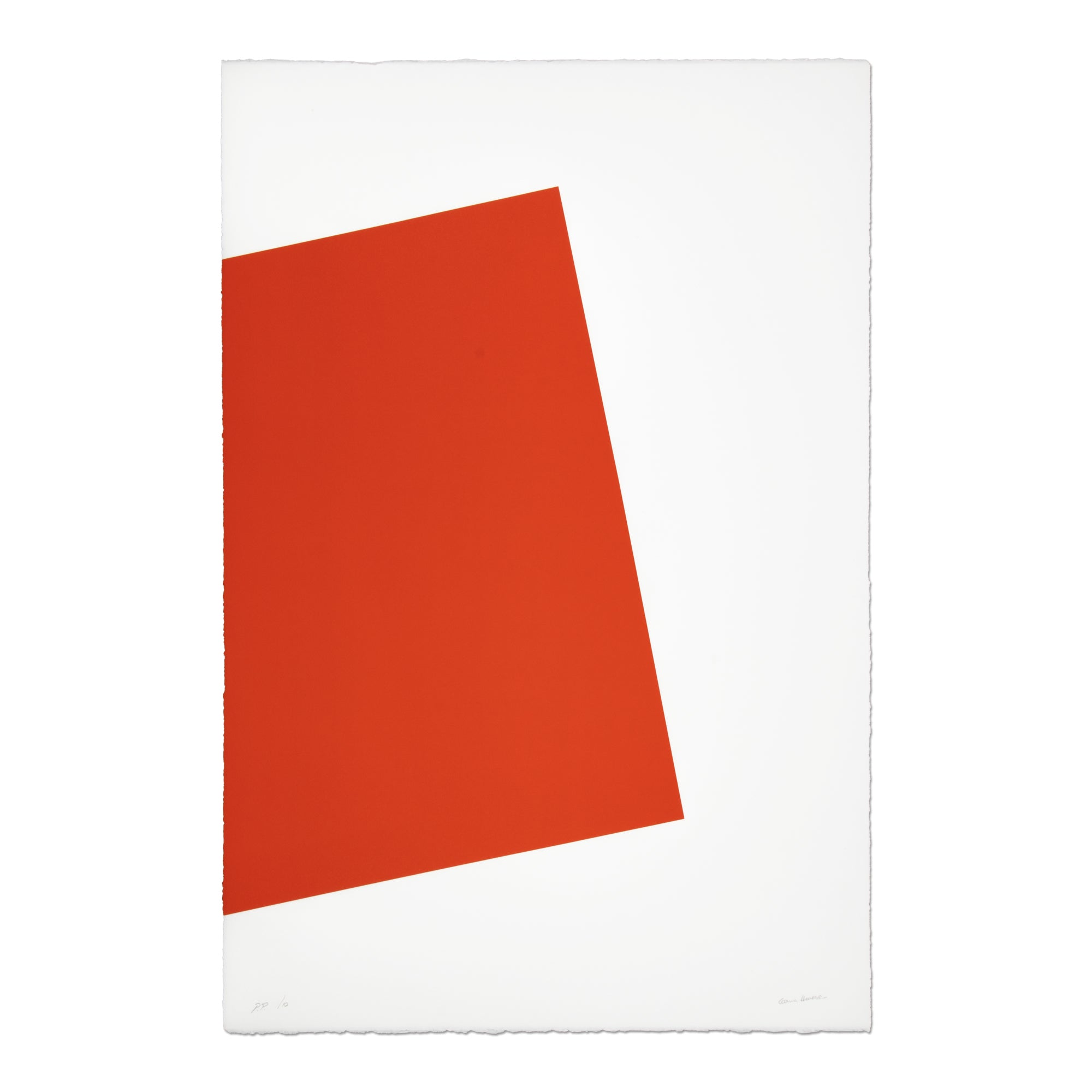
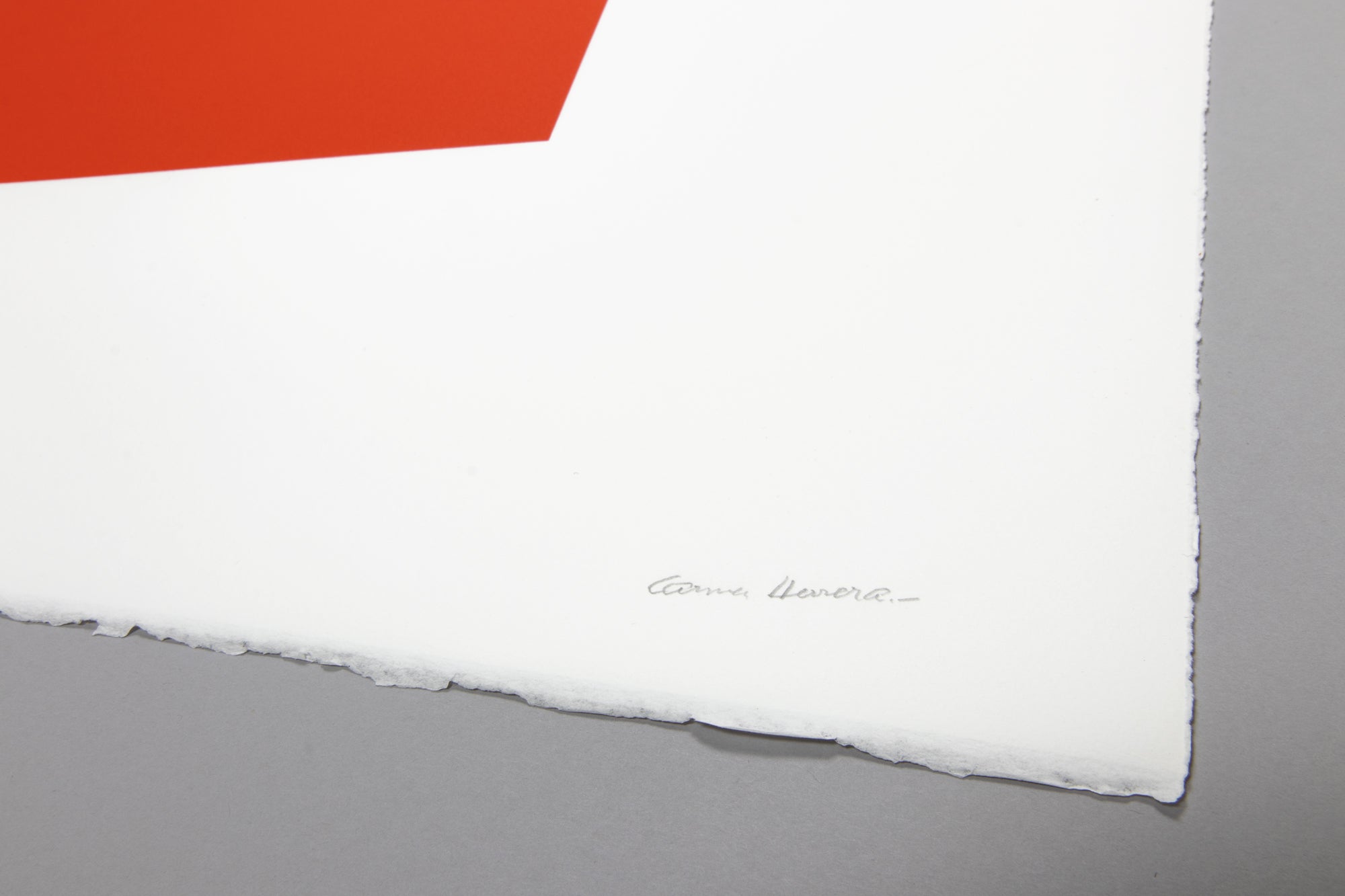
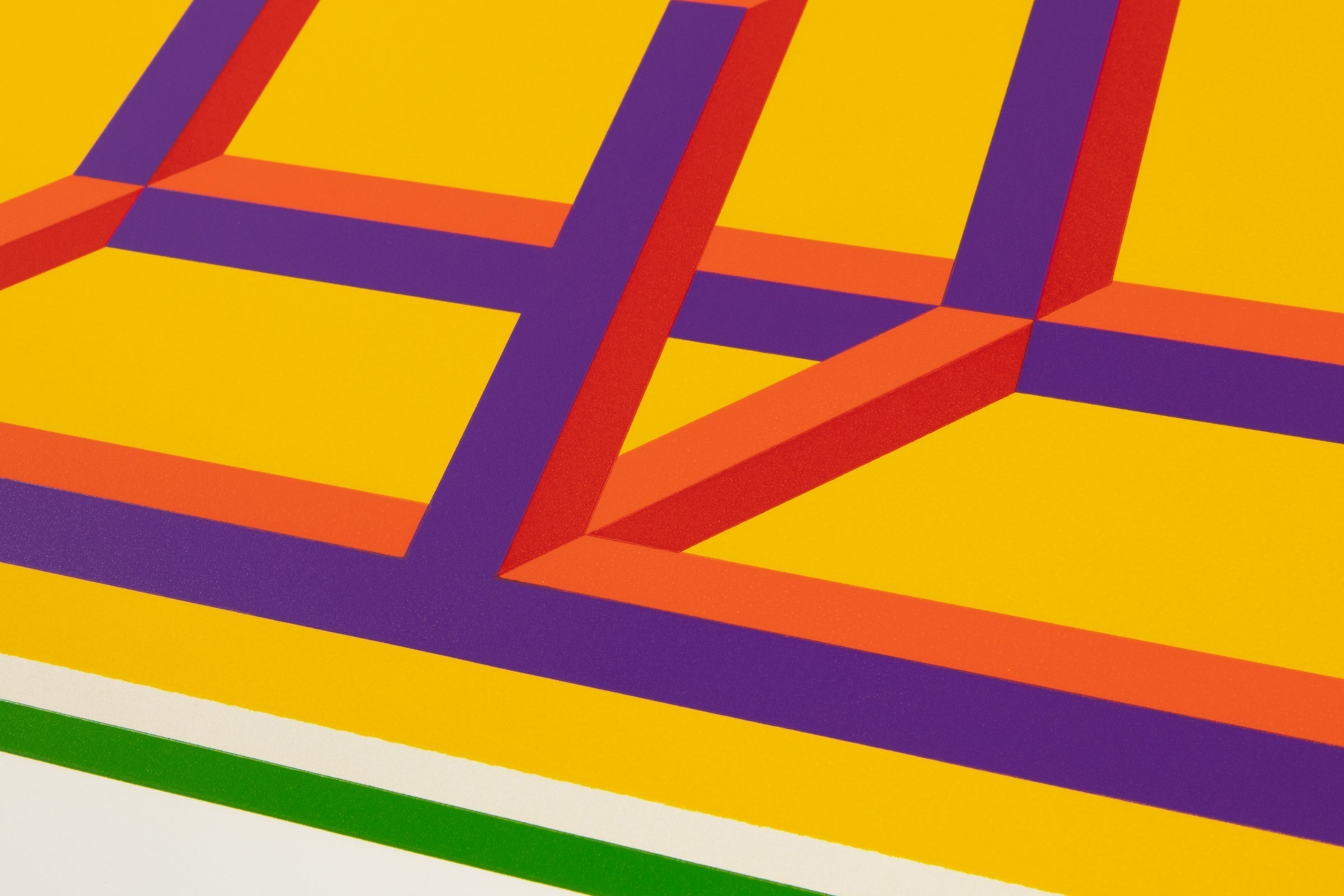
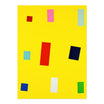
Carmen Herrera, Untitled (NRW)Carmen Herrera, Untitled (NRW)
Carmen Herrera - Untitled (NRW) Sale price€9.500,00
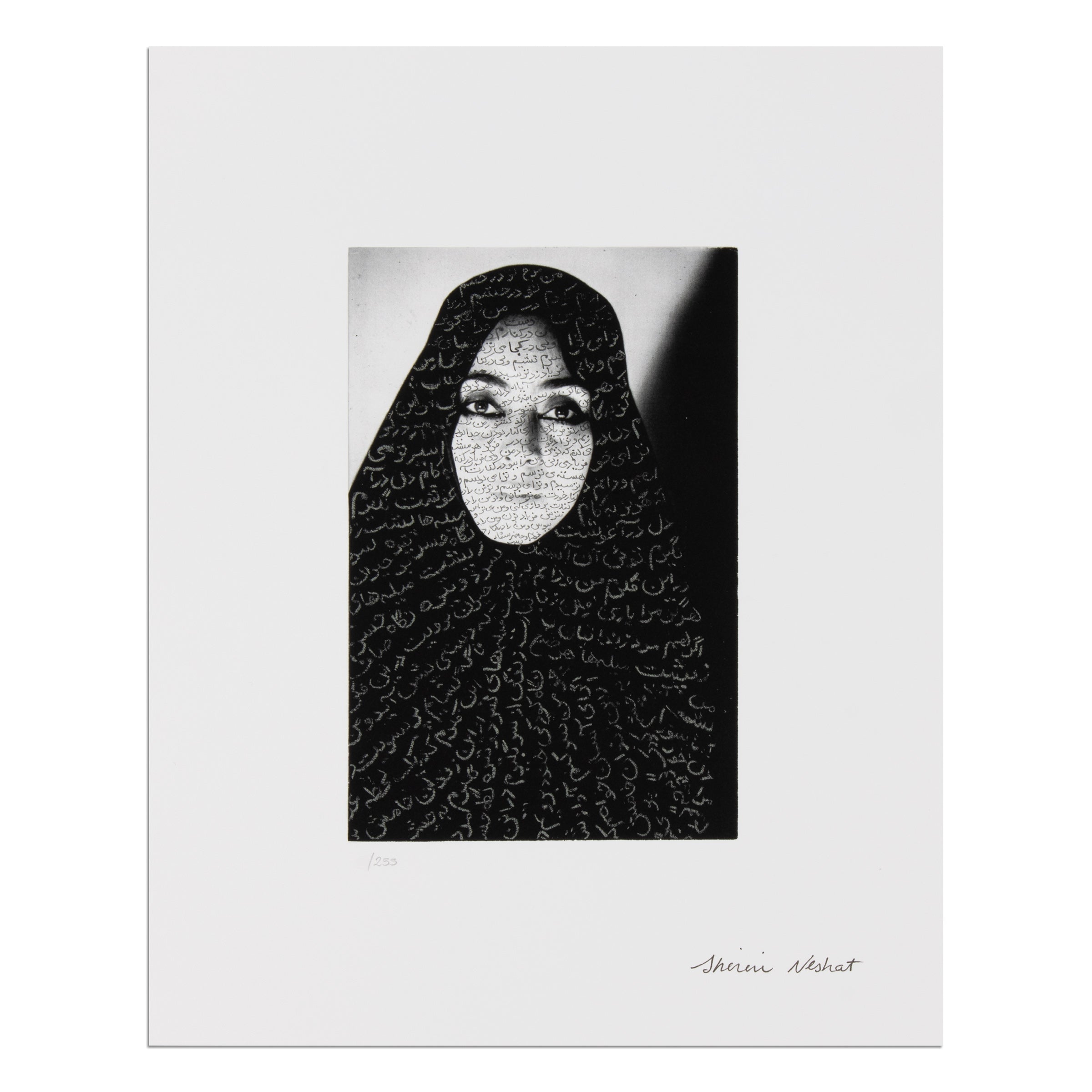
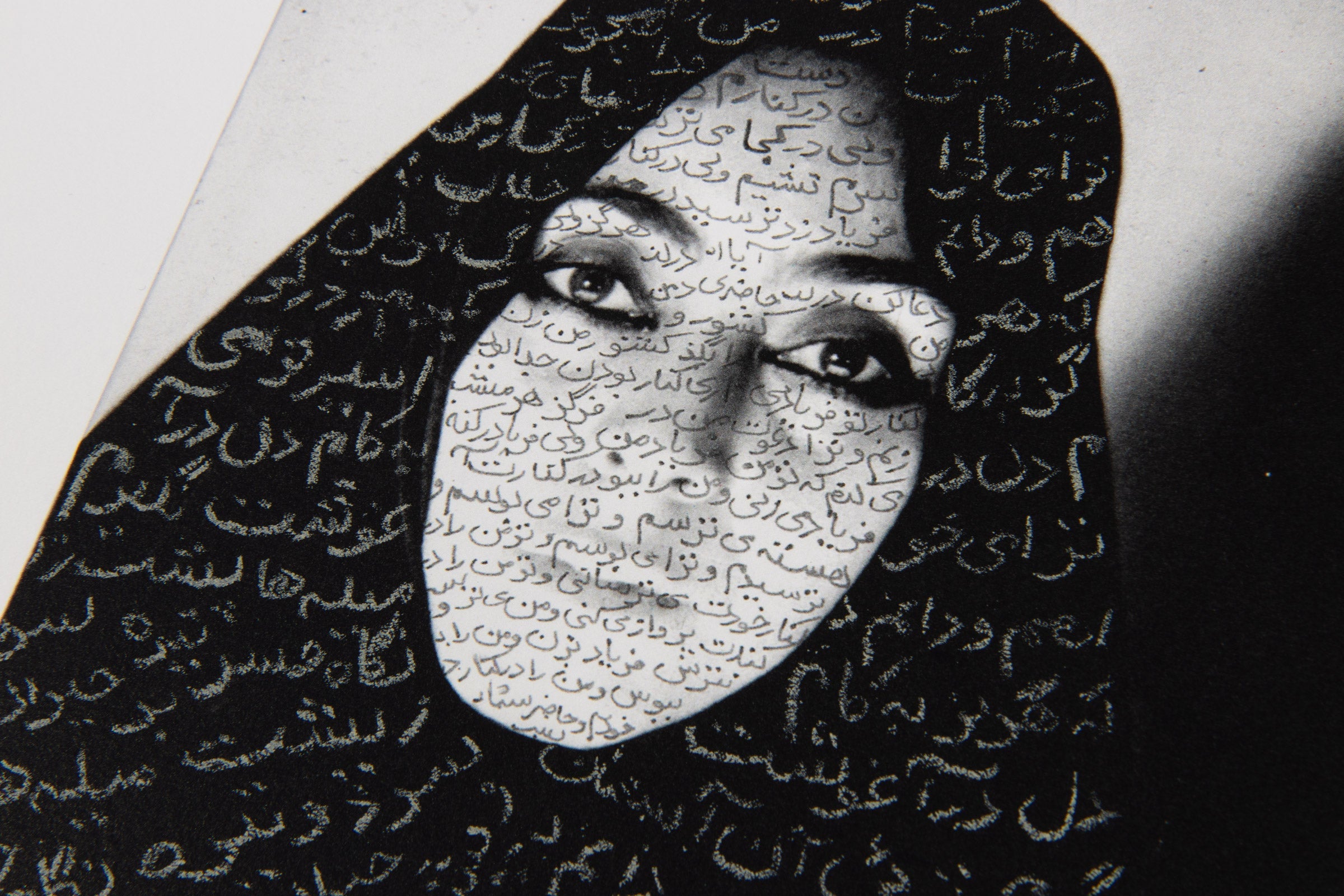
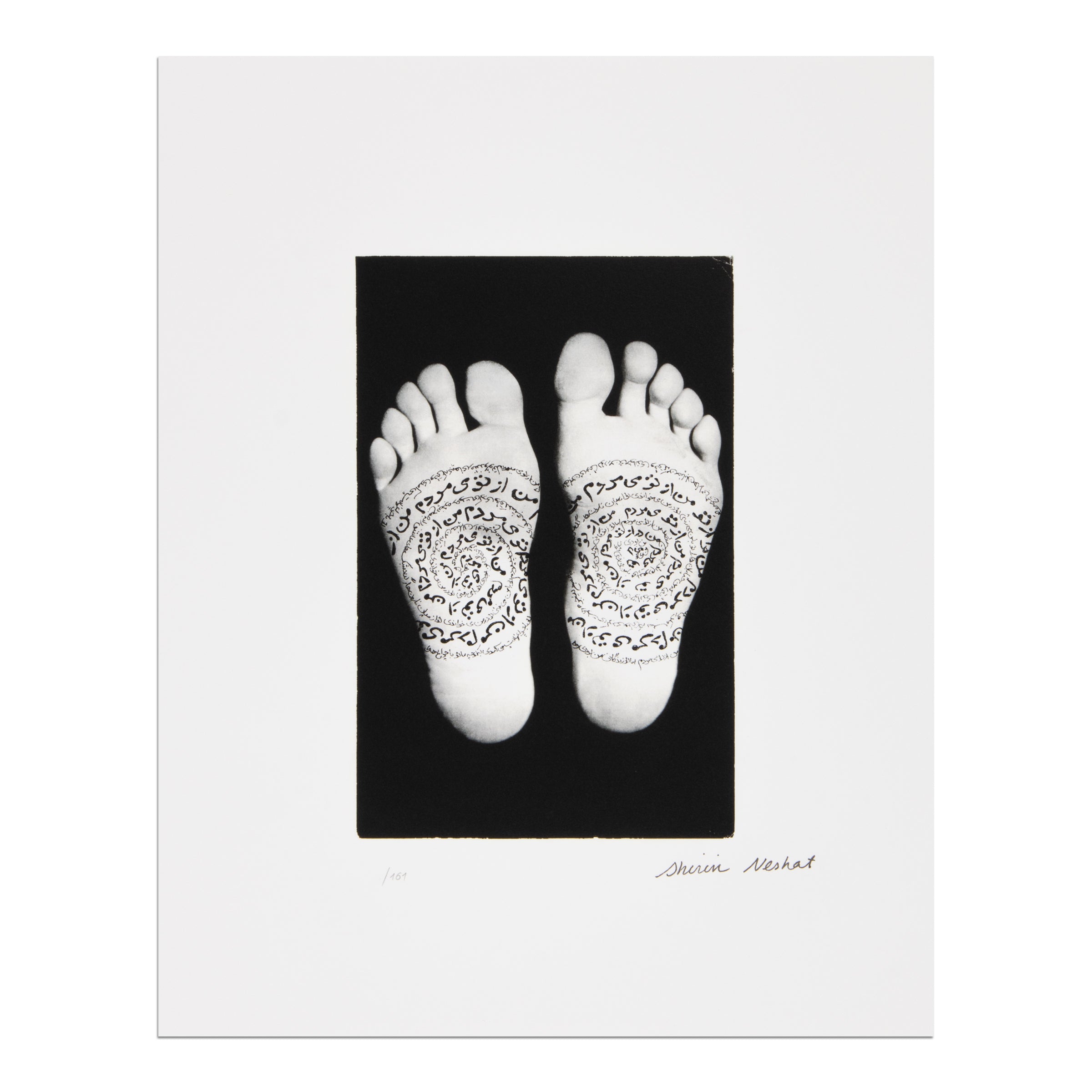
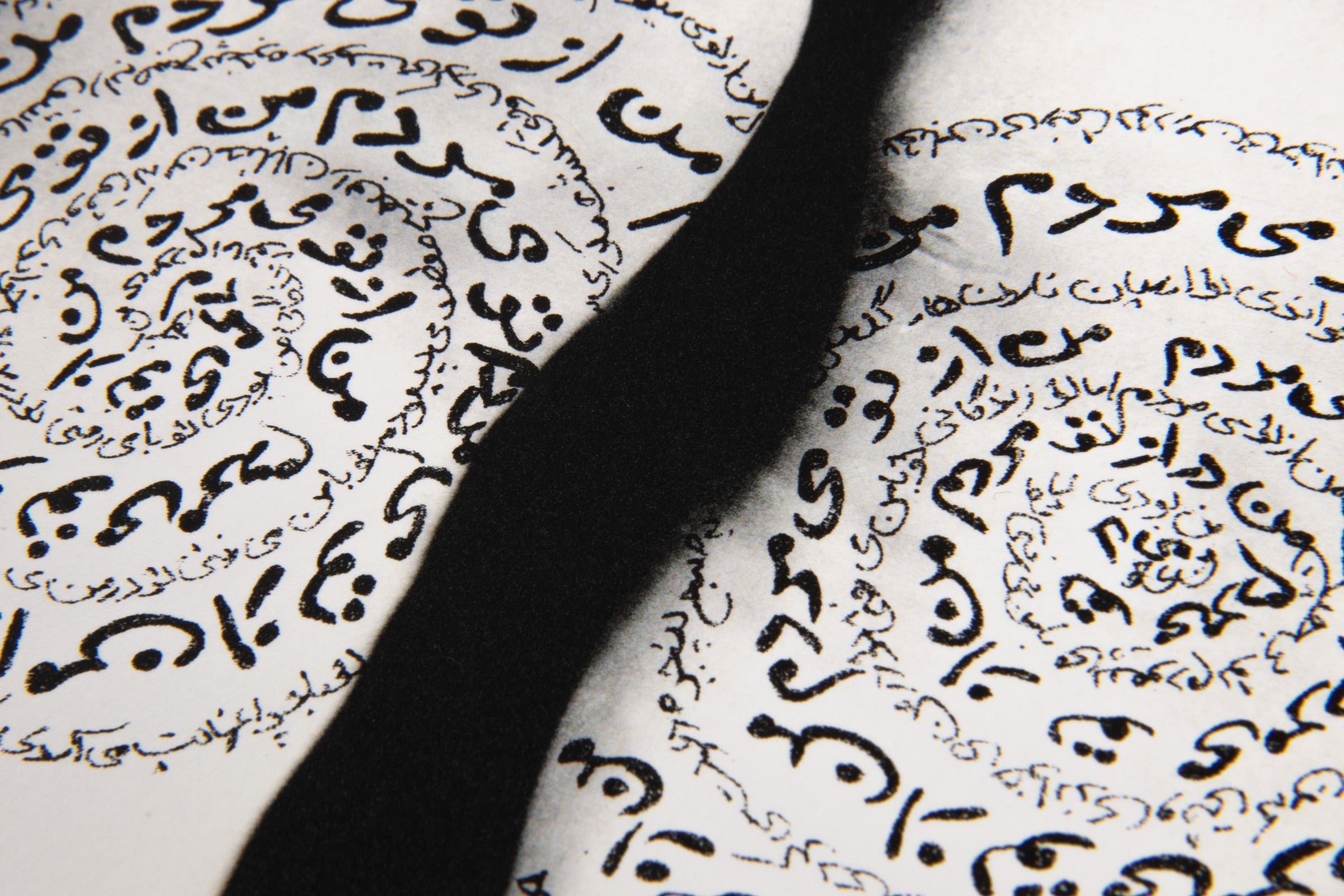
Shirin Neshat – Unveiling Series 1, 1993Shirin Neshat – Unveiling Series 1, 1993
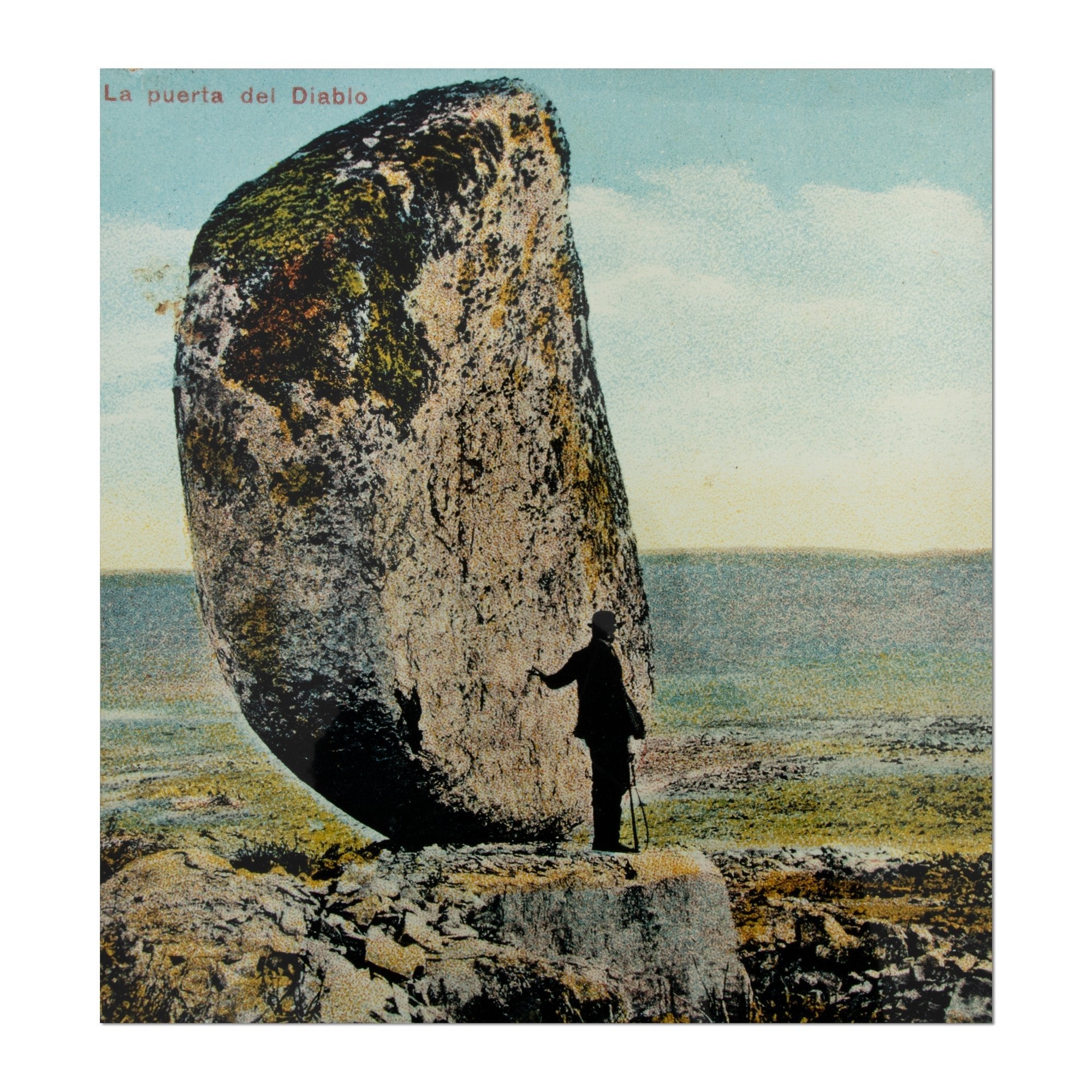
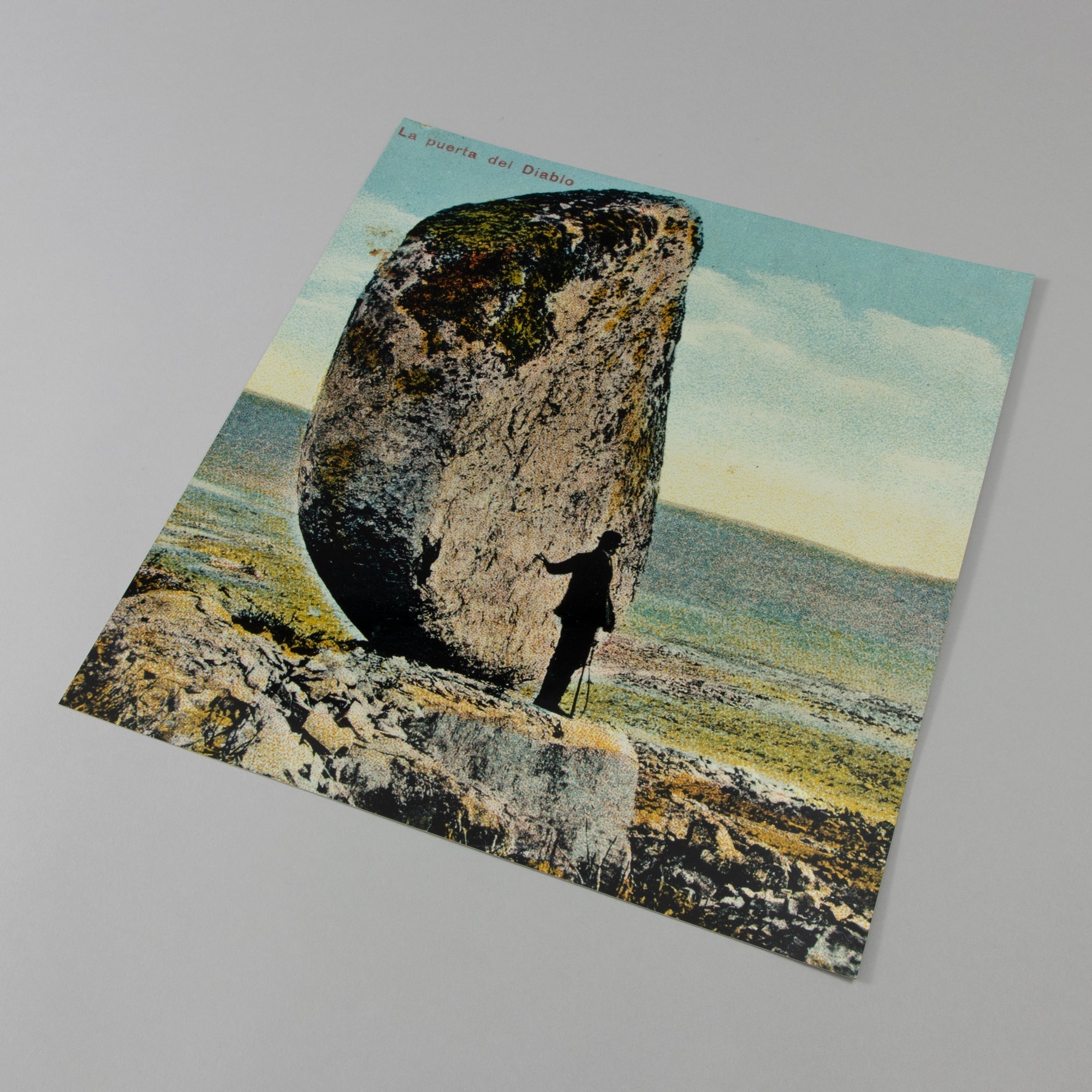
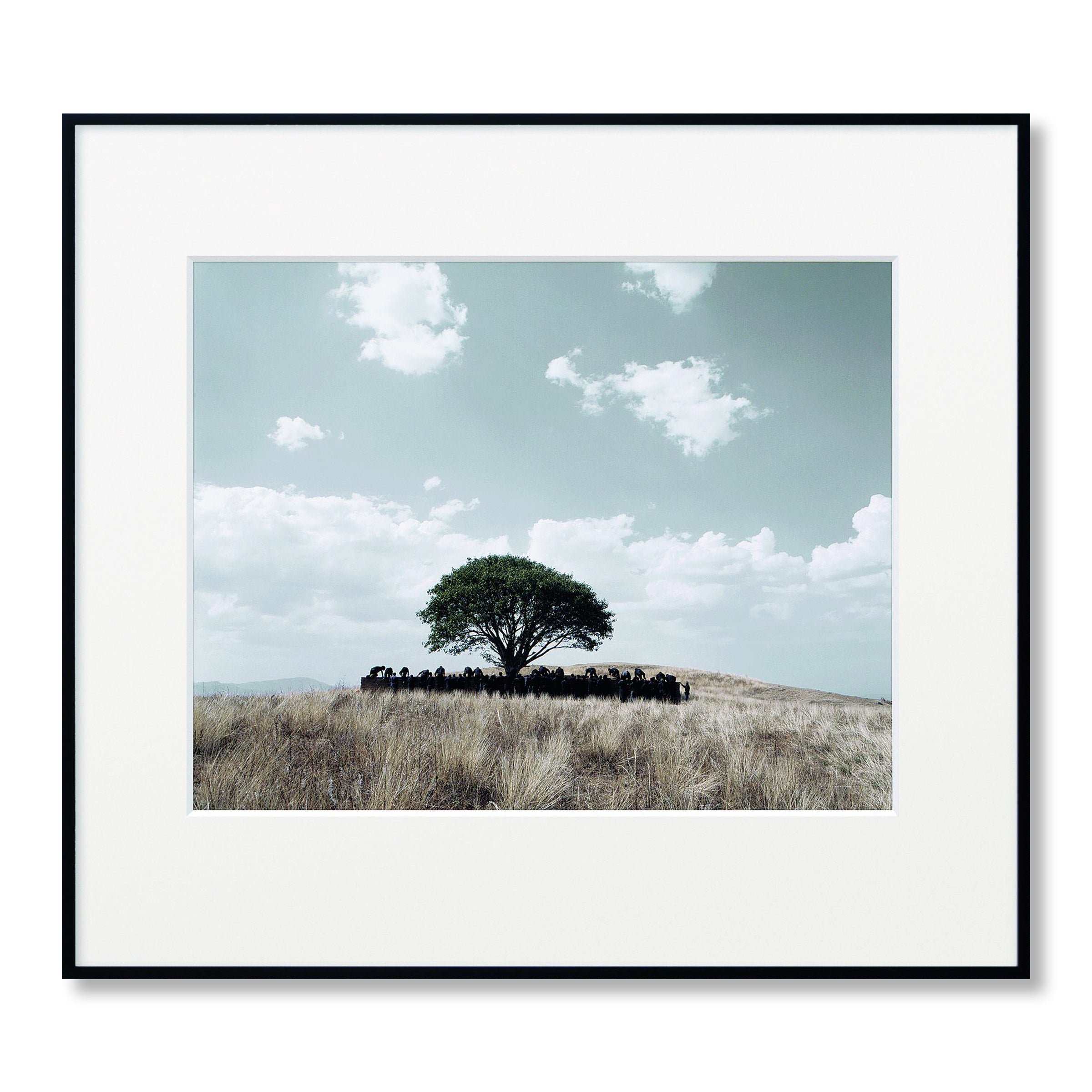
Tacita Dean - La Puerta del DiabloTacita Dean - La Puerta del Diablo
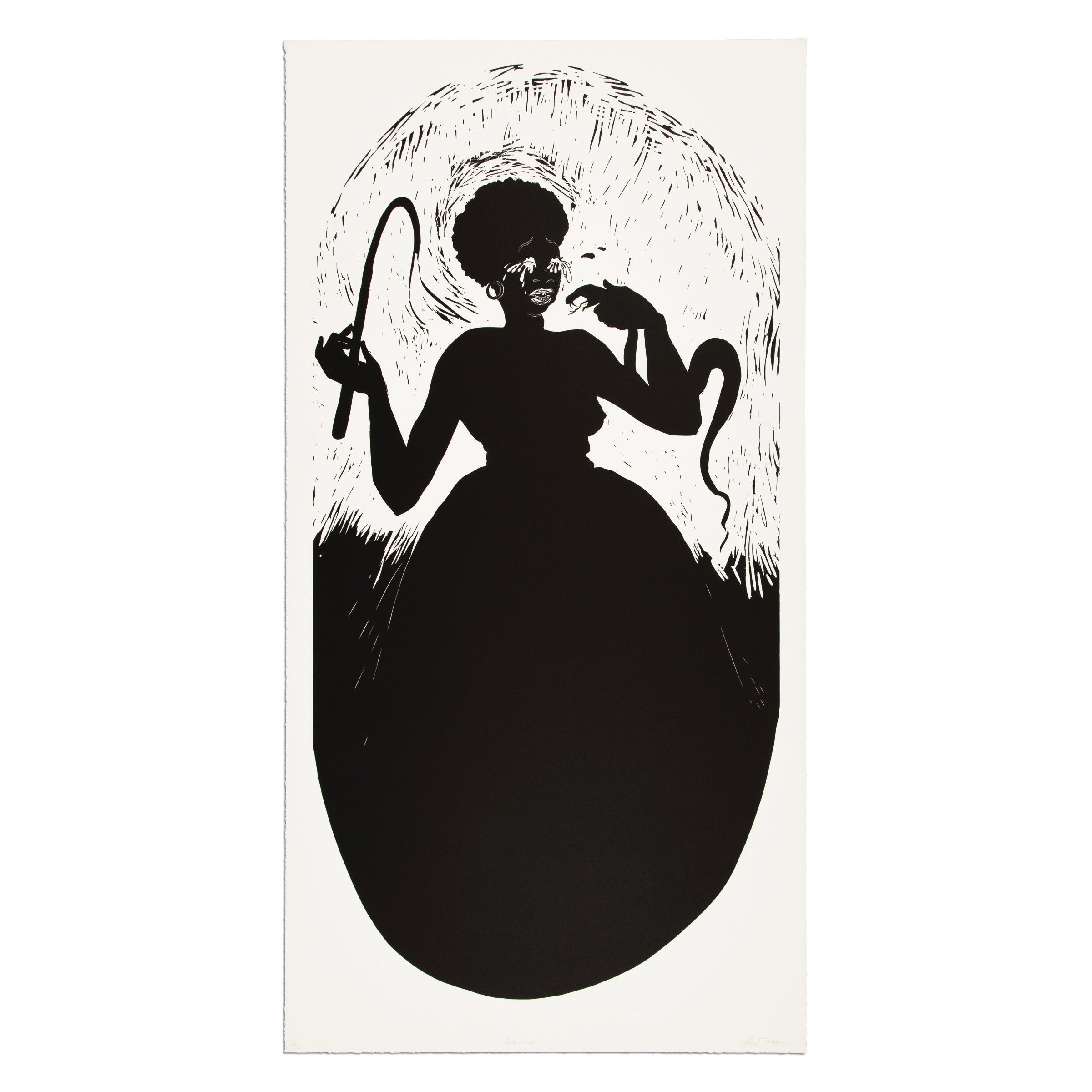
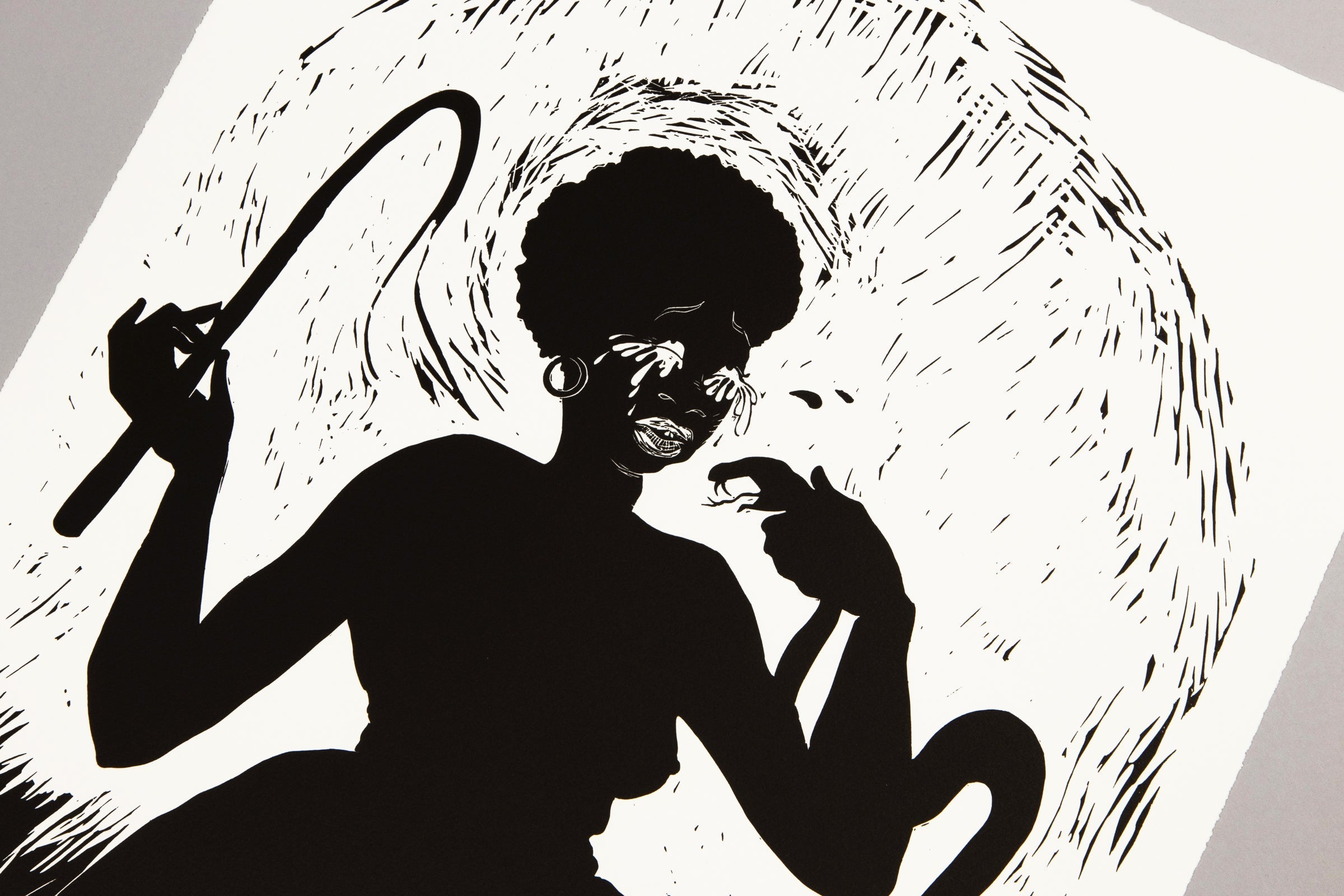
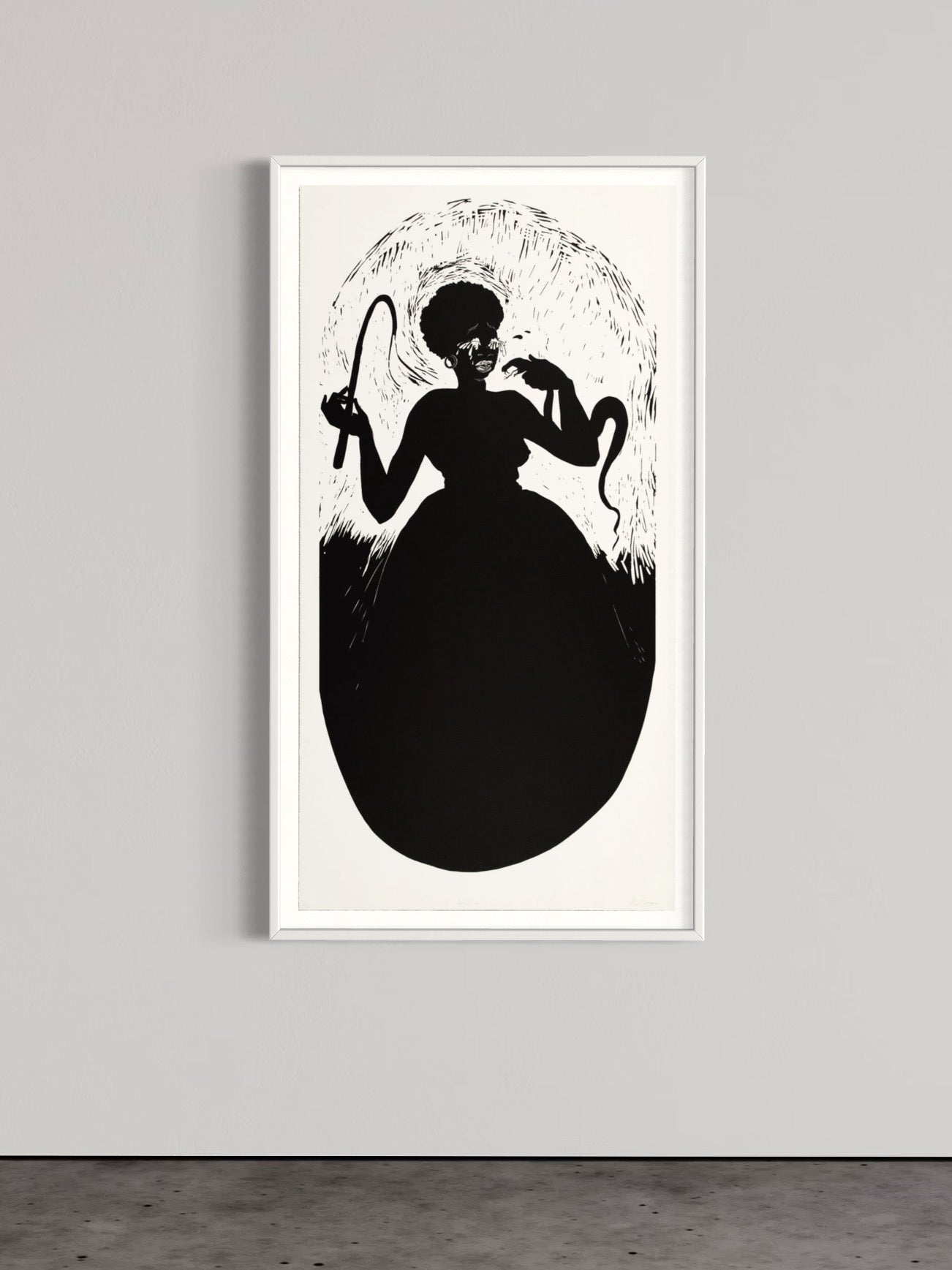
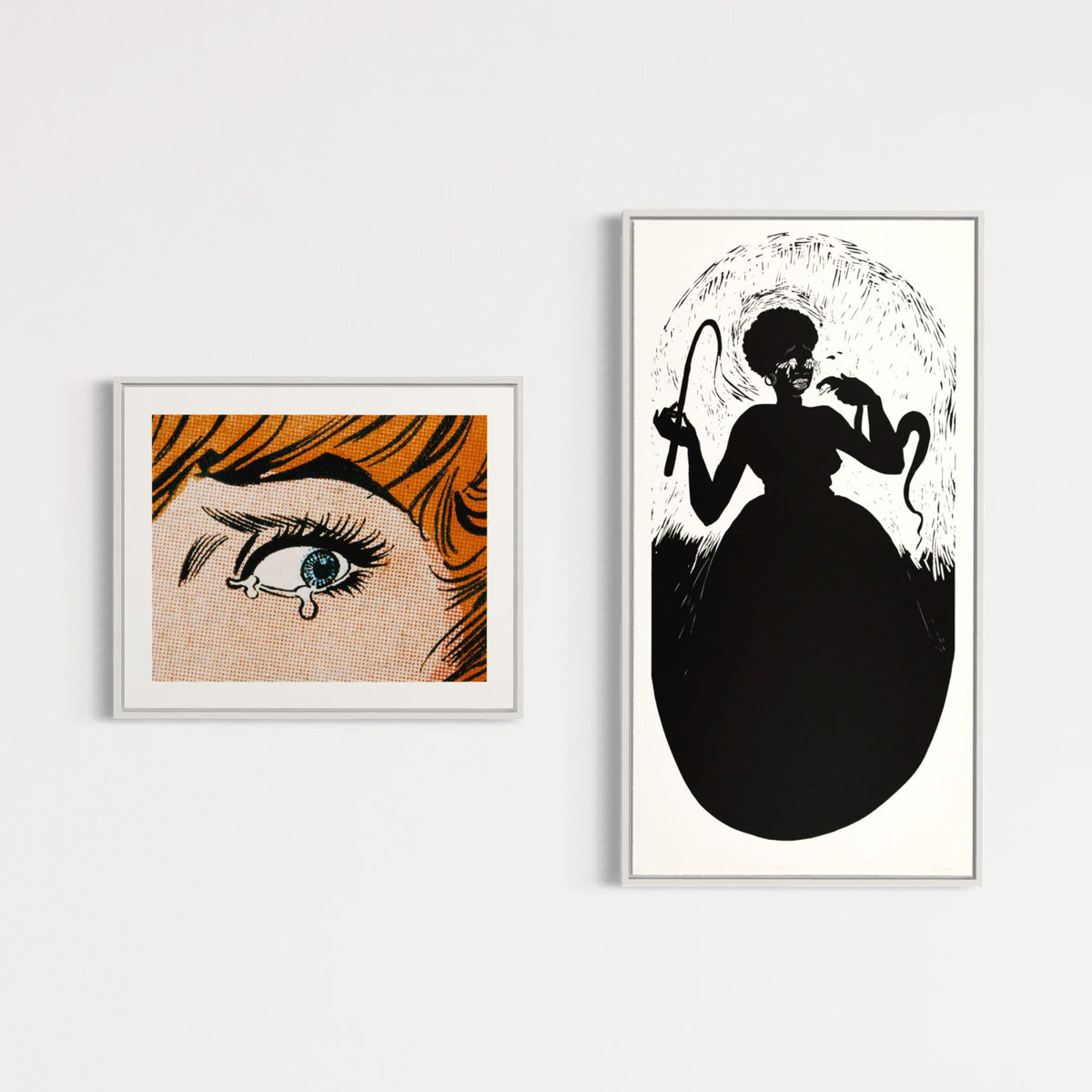
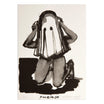
Kara Walker – Boo-HooKara Walker - Boo-Hoo
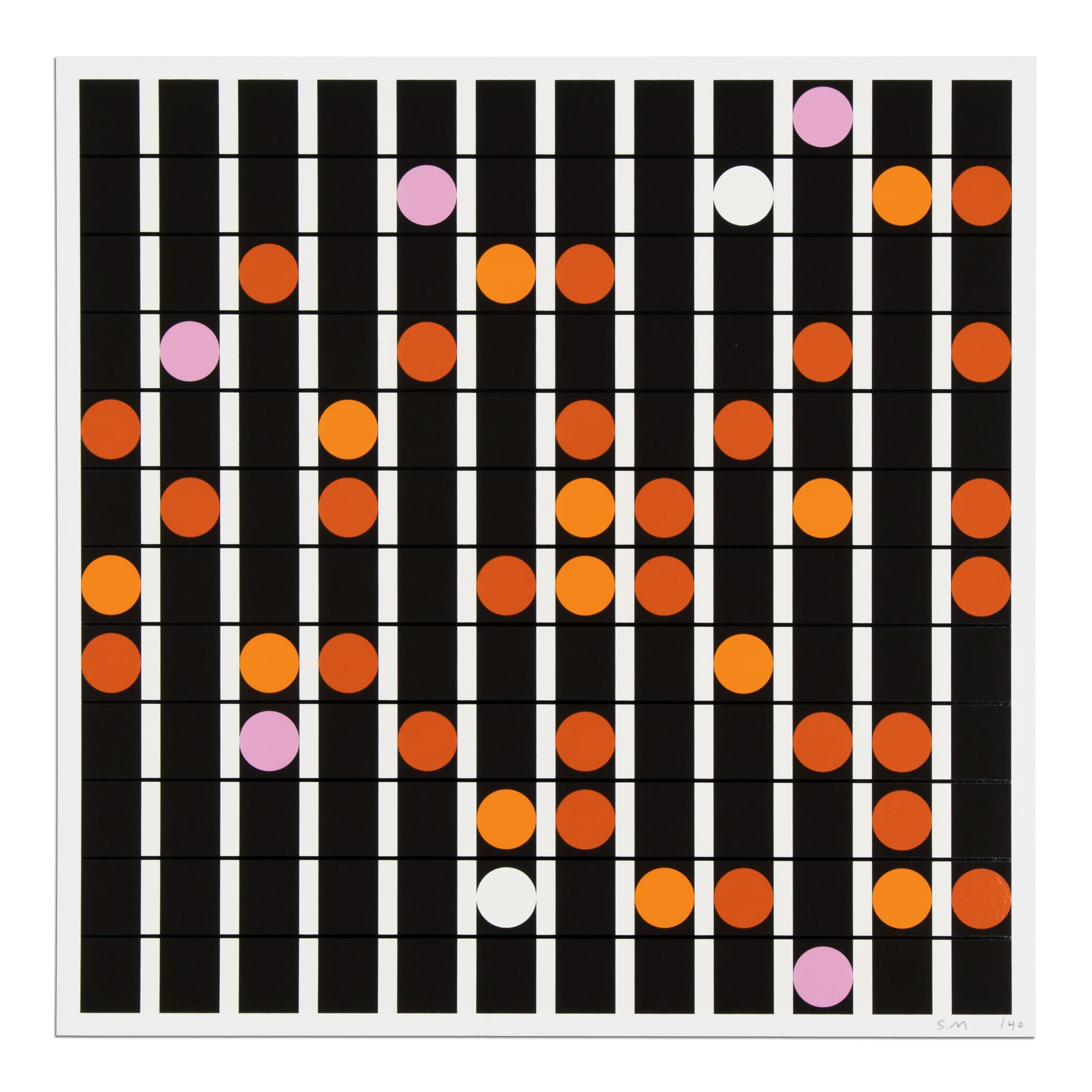
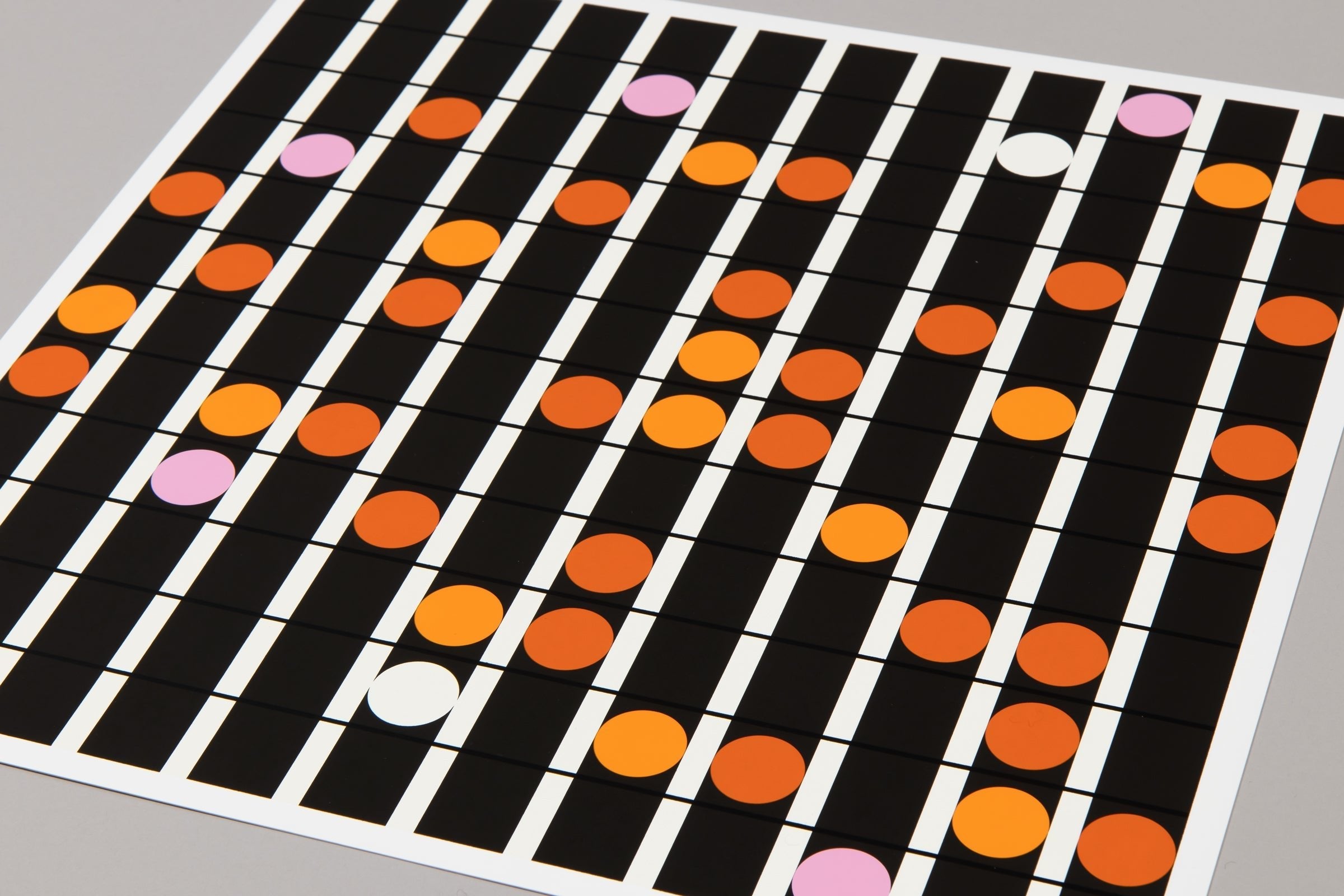
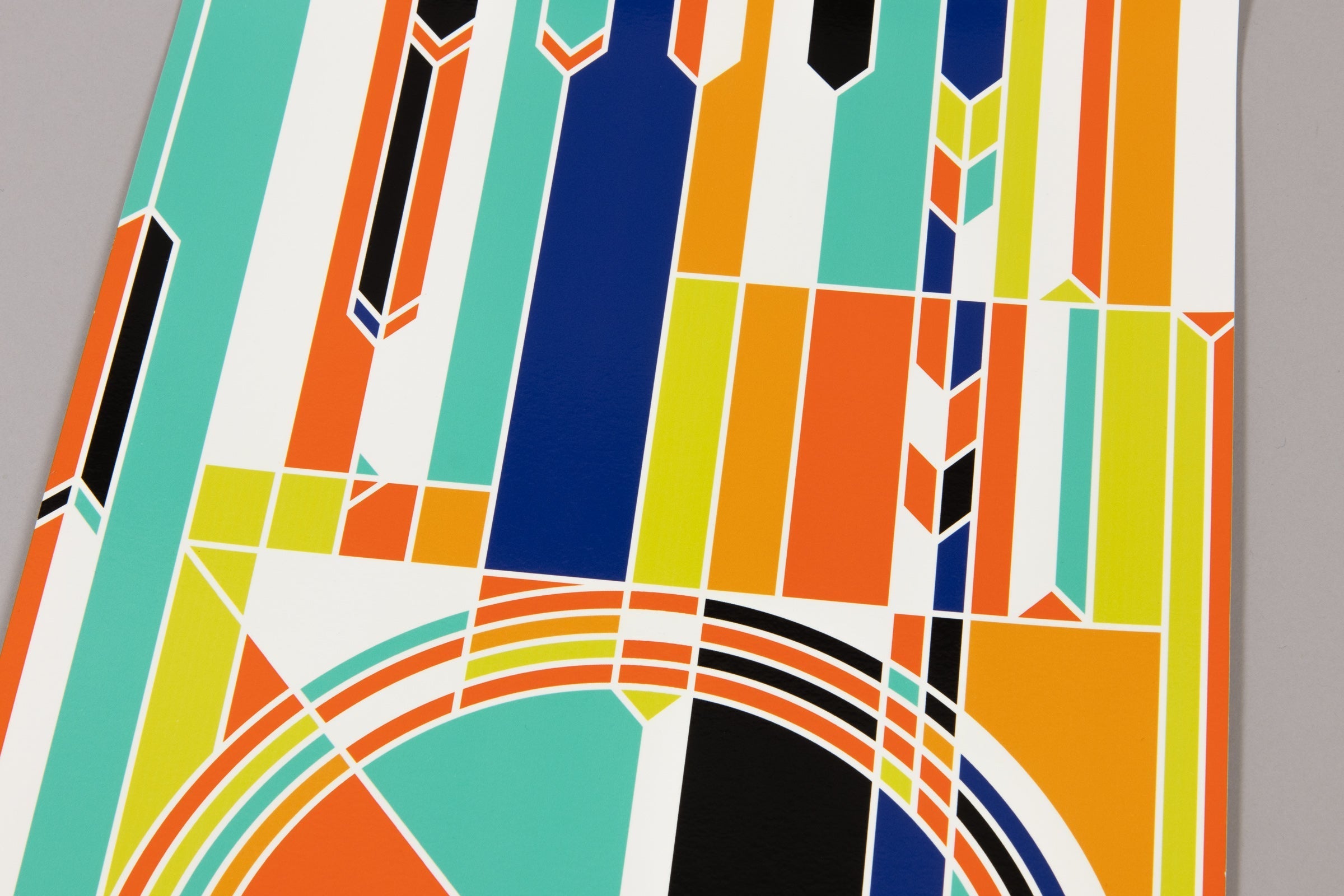
Sarah Morris – Deviancy is the EssenceSarah Morris – Deviancy is the Essence
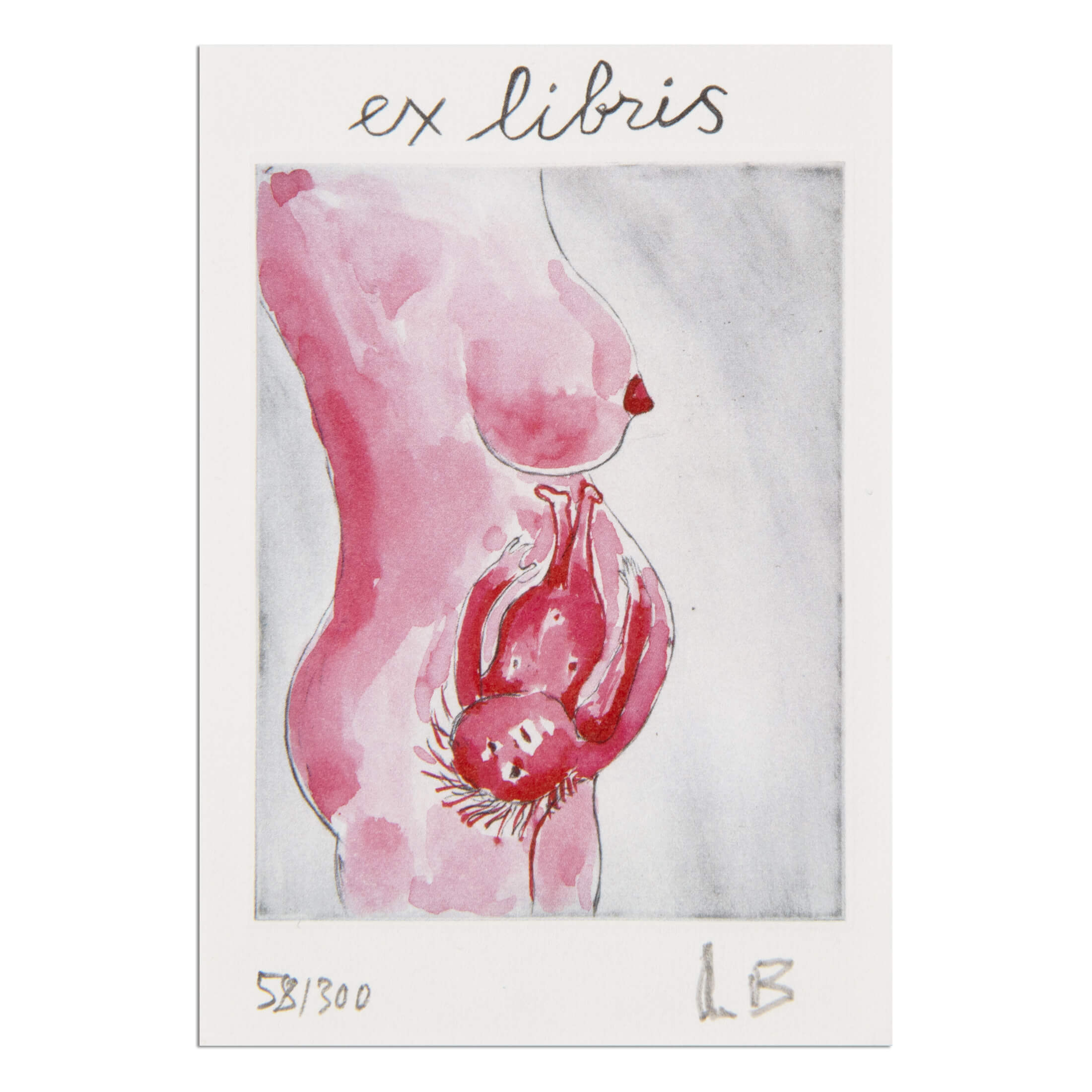
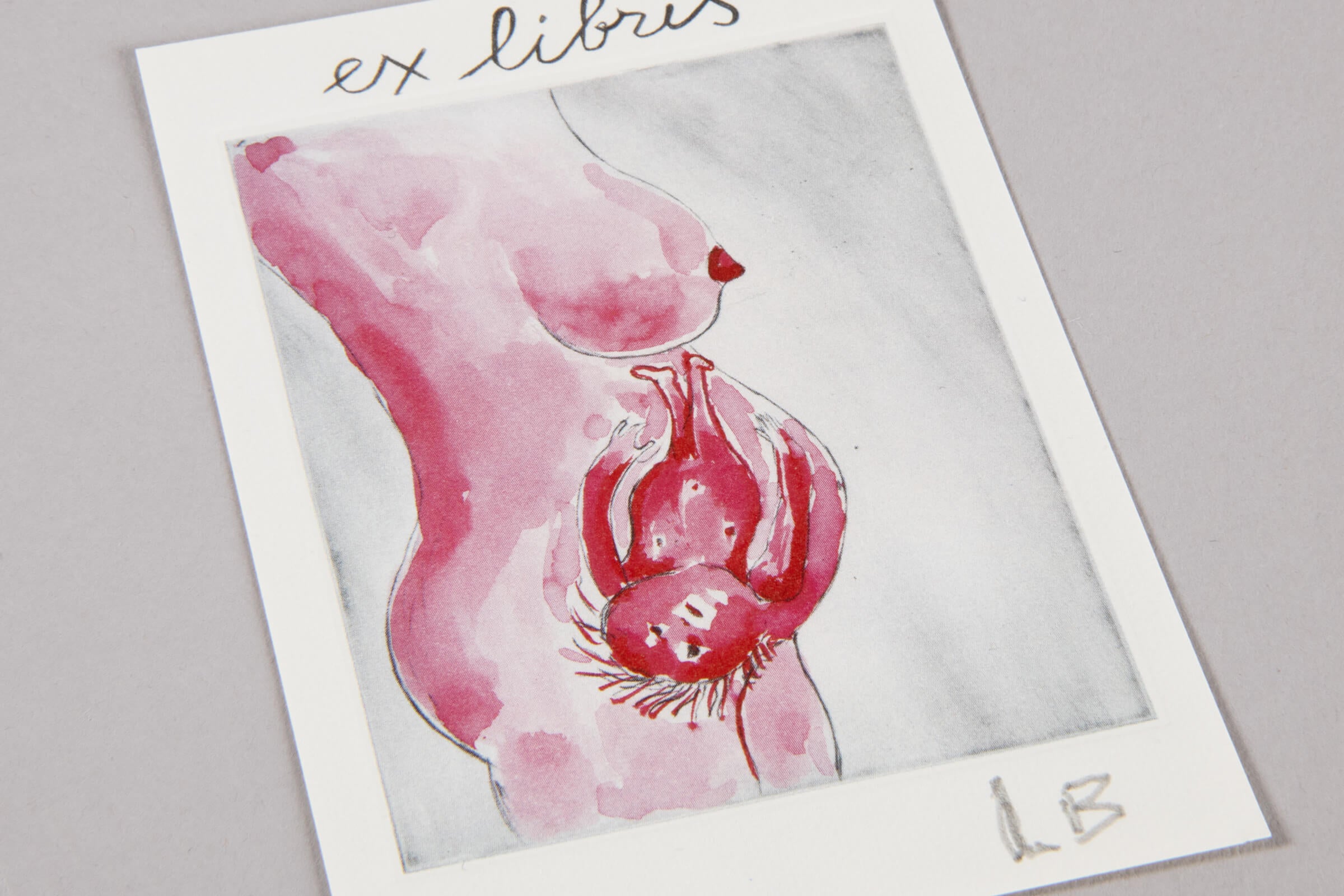
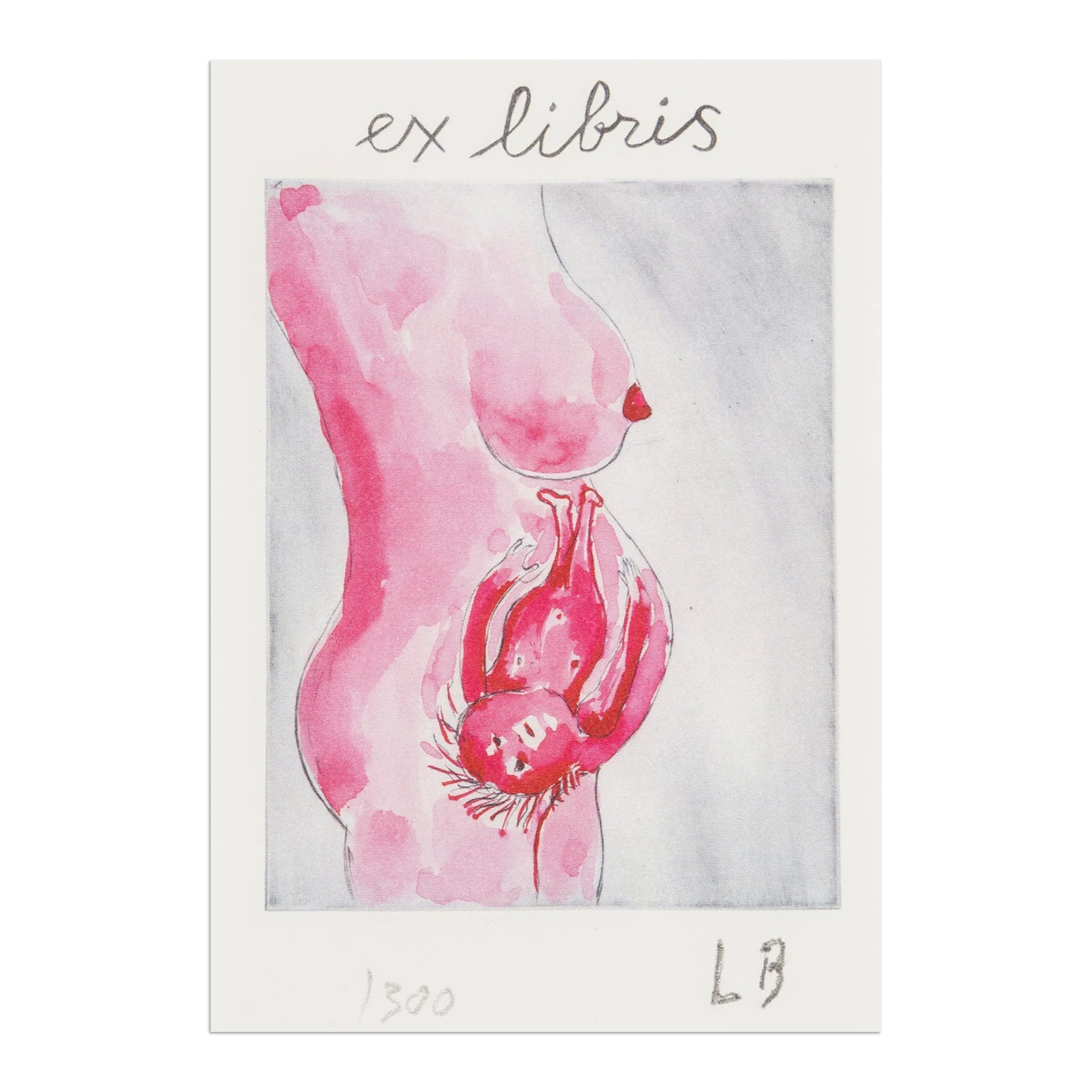
Louise Bourgeois - The Reticent Child (Ex Libris)Louise Bourgeois - The Reticent Child (Ex Libris)
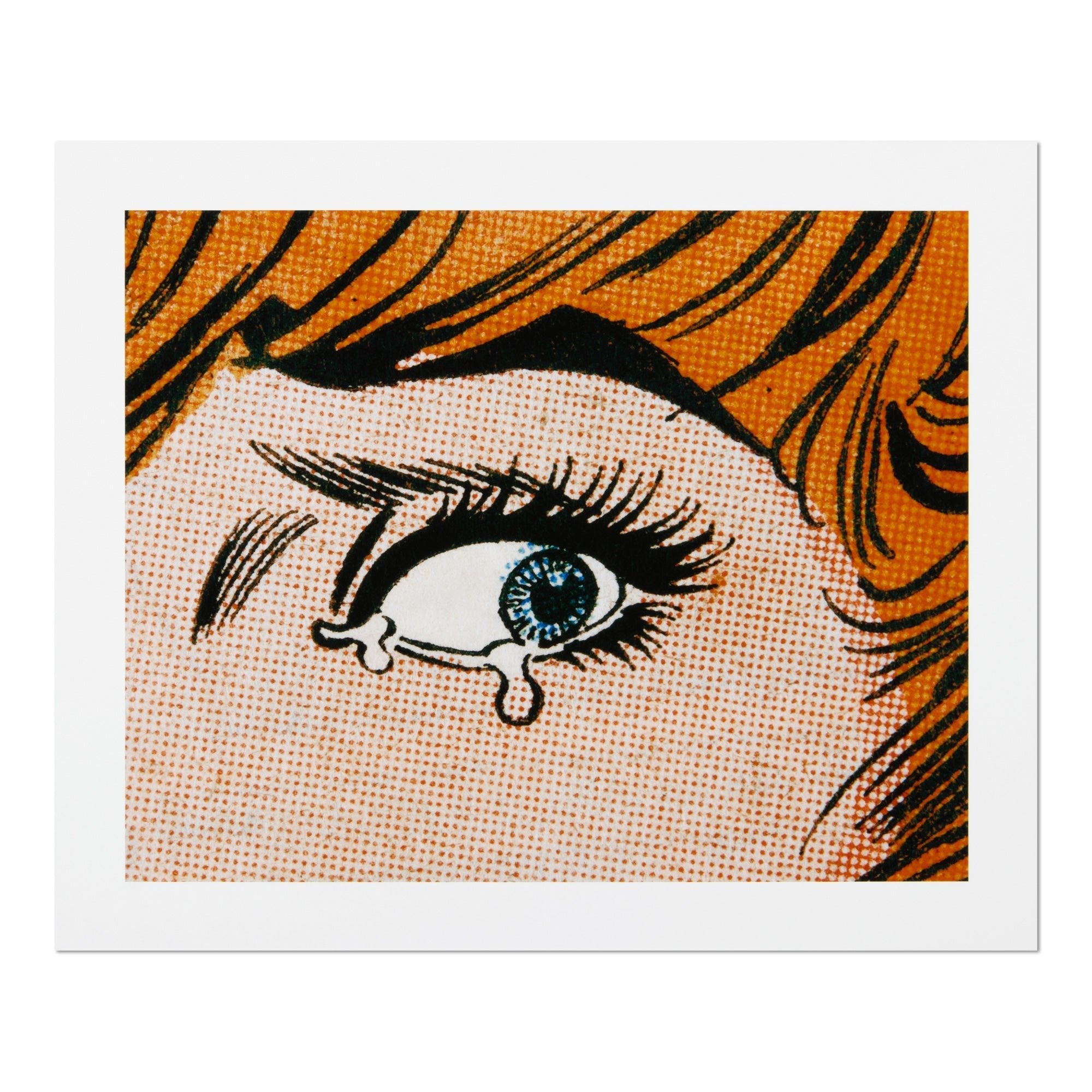
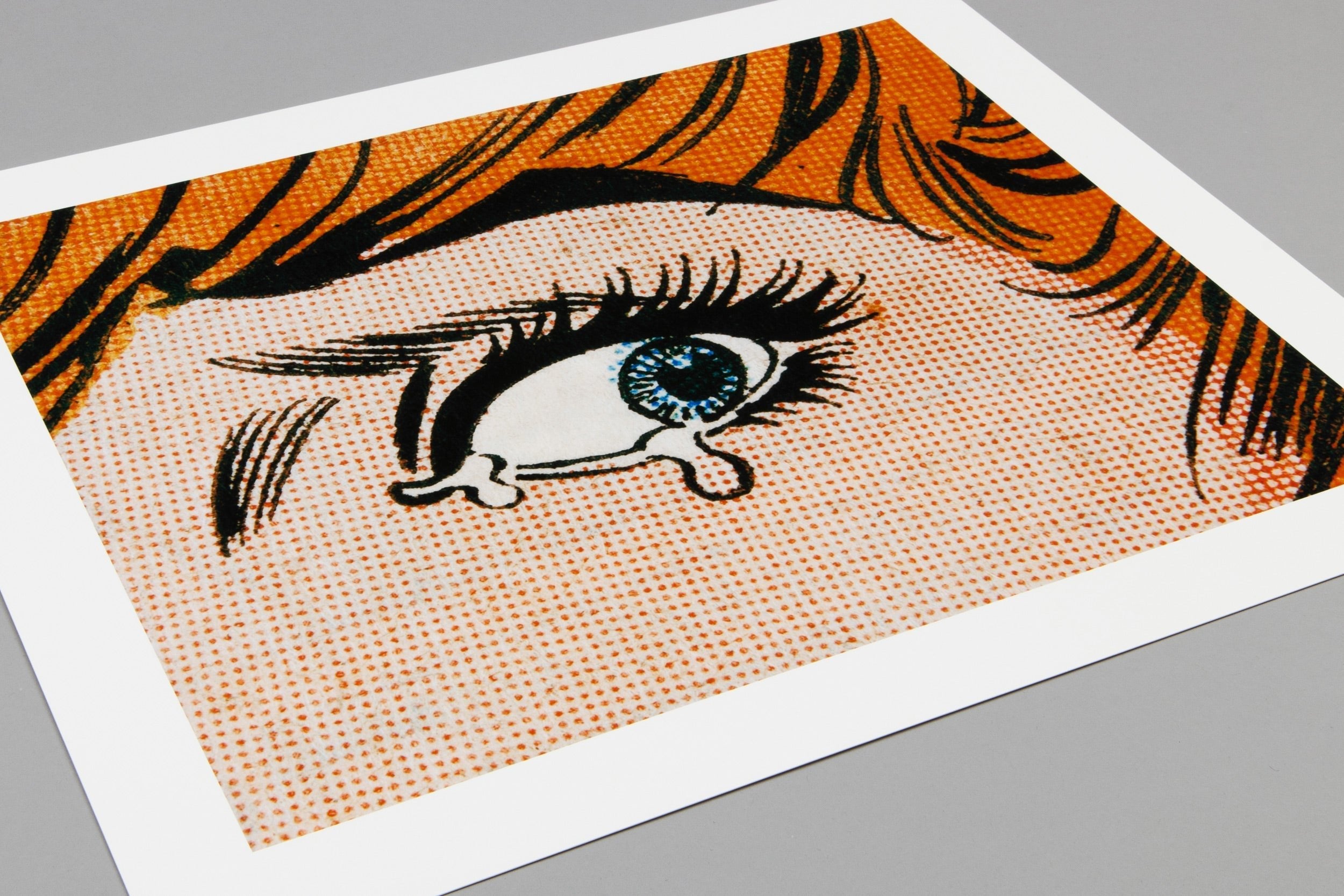
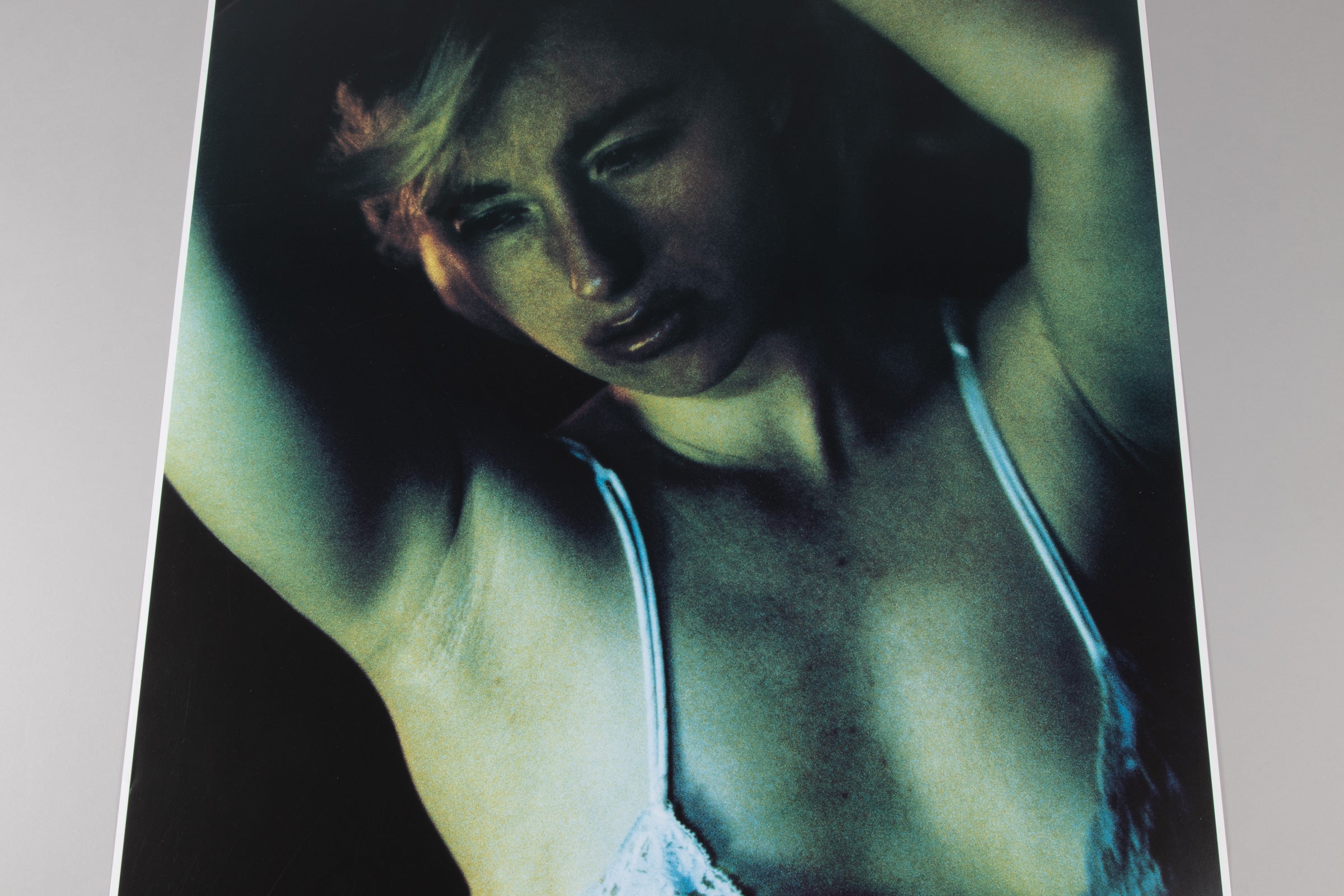
Anne Collier - Woman CryingAnne Collier - Woman Crying
Anne Collier – Woman Crying Sale price€3.400,00
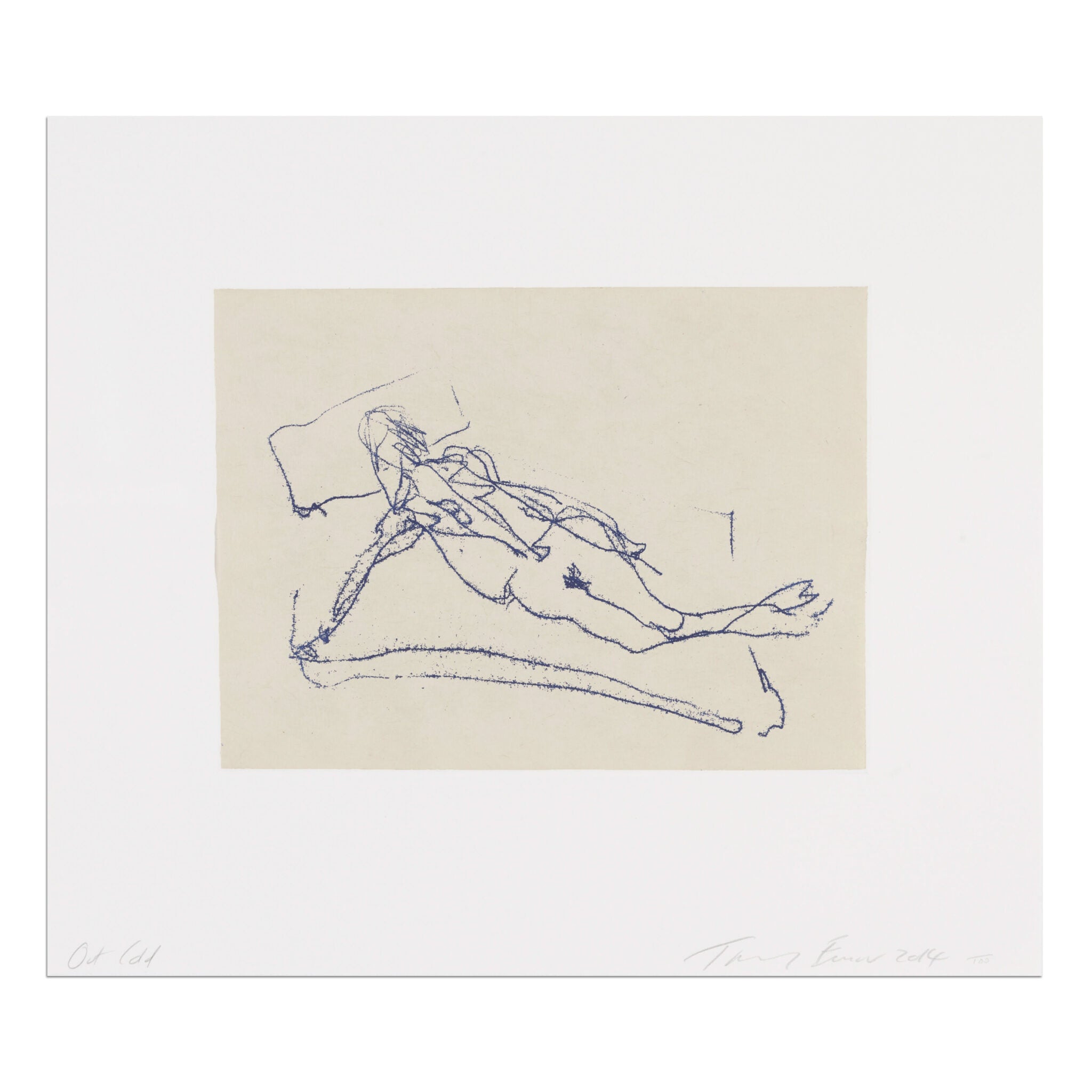
Tracey Emin - Out ColdTracey Emin - Out Cold
Tracey Emin – Out Cold Sale price€3.800,00
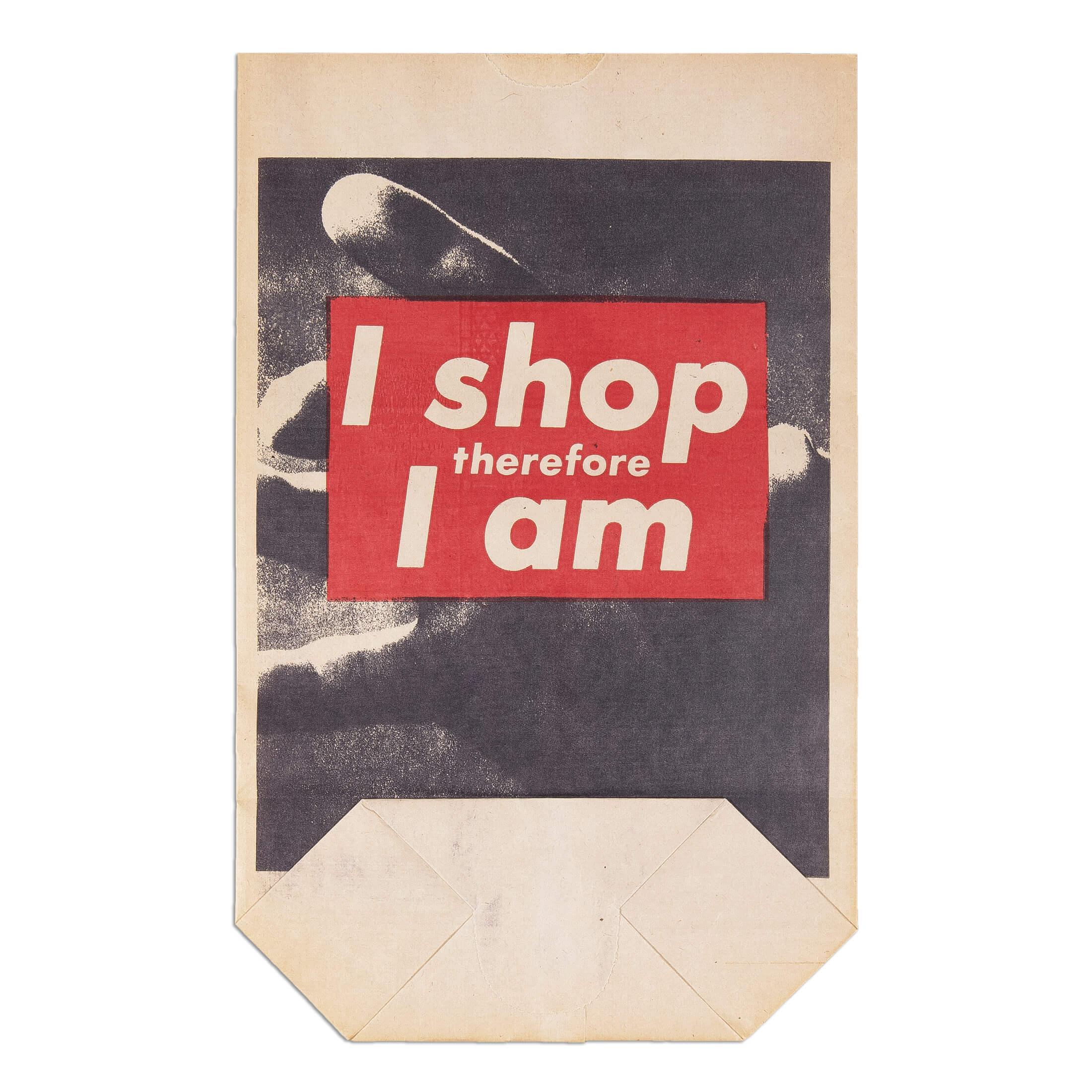
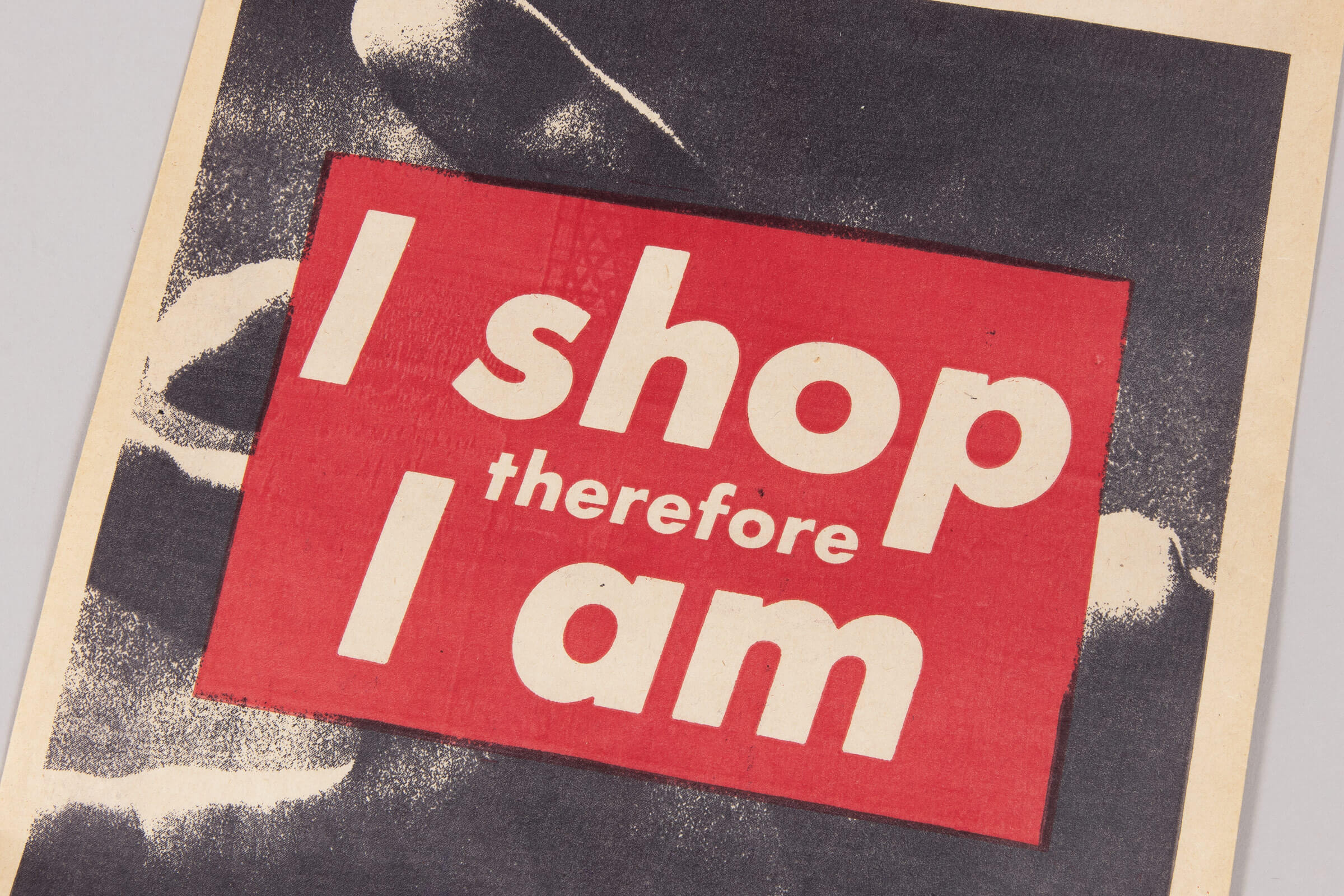
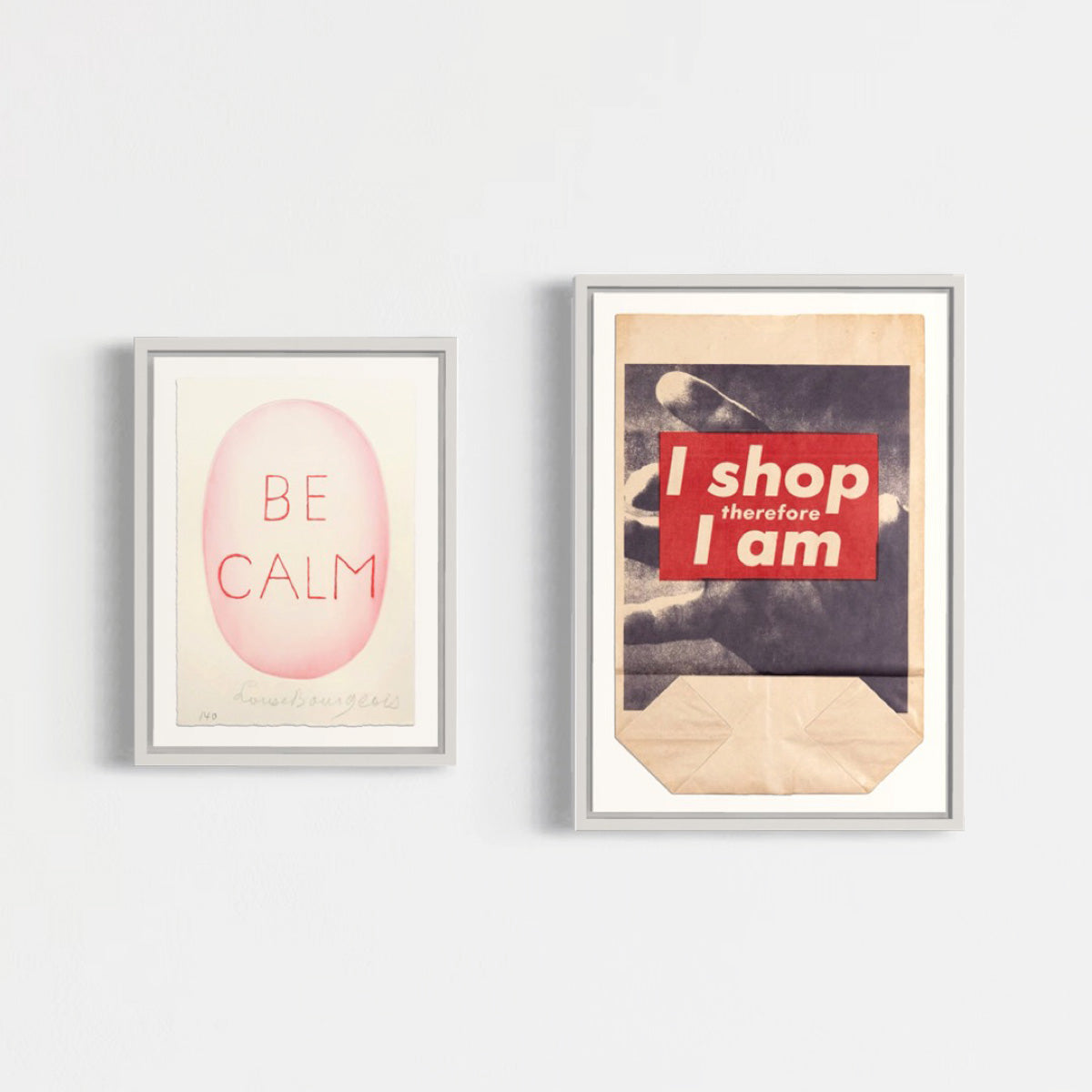
Barbara Kruger - I Shop Therefore I AmBarbara Kruger - I Shop Therefore I Am
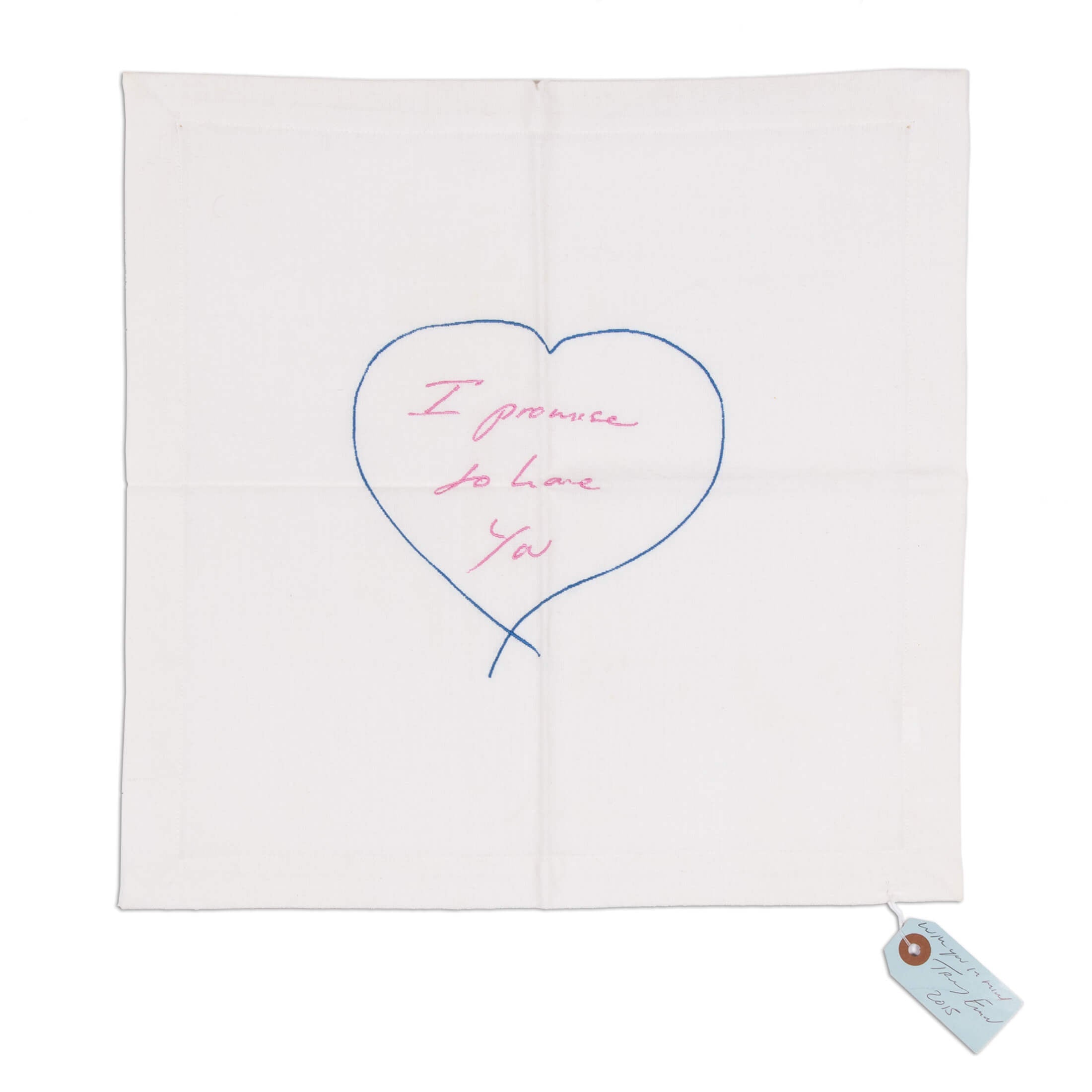
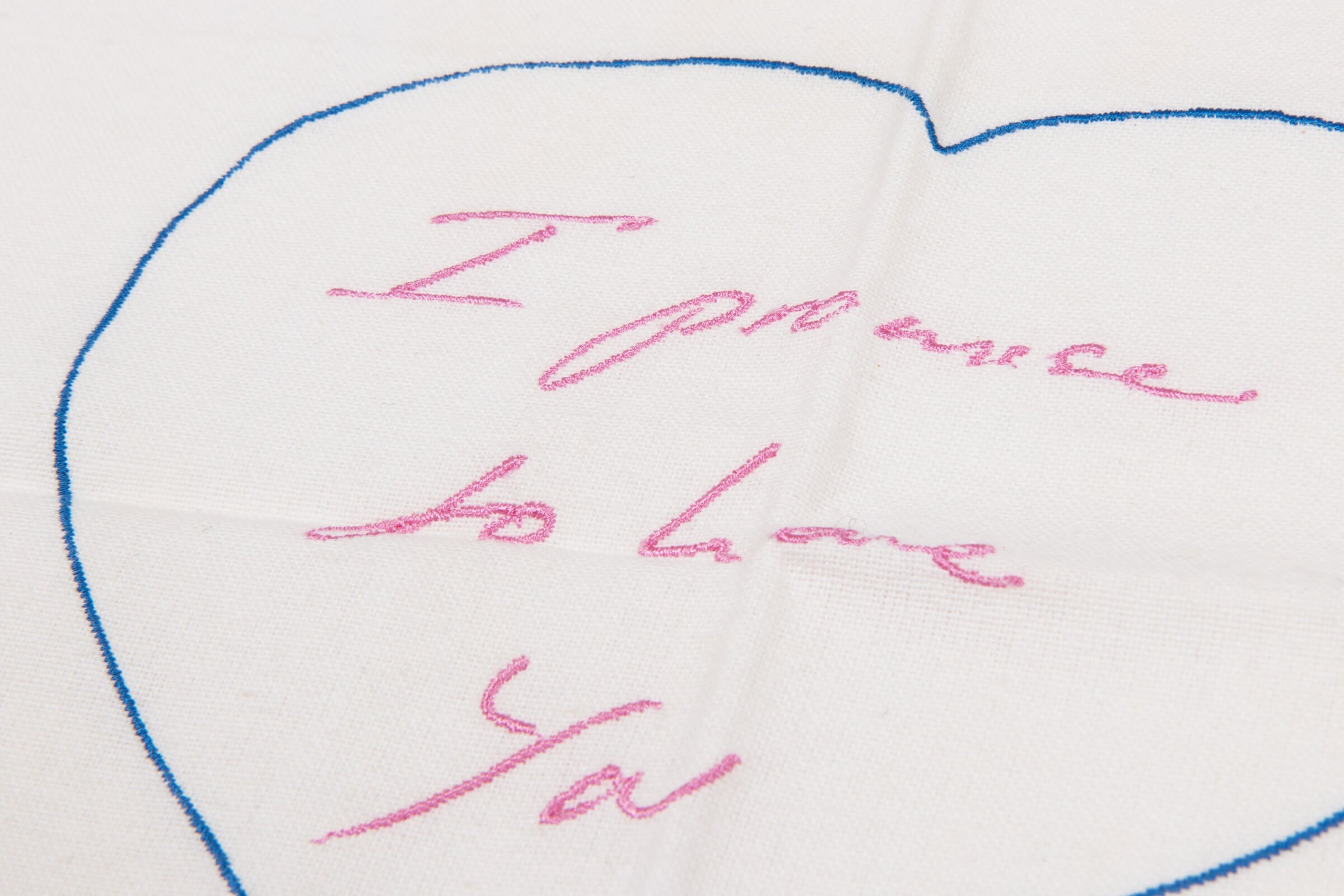
Tracey Emin - I Promise to Love YouTracey Emin - I Promise to Love You
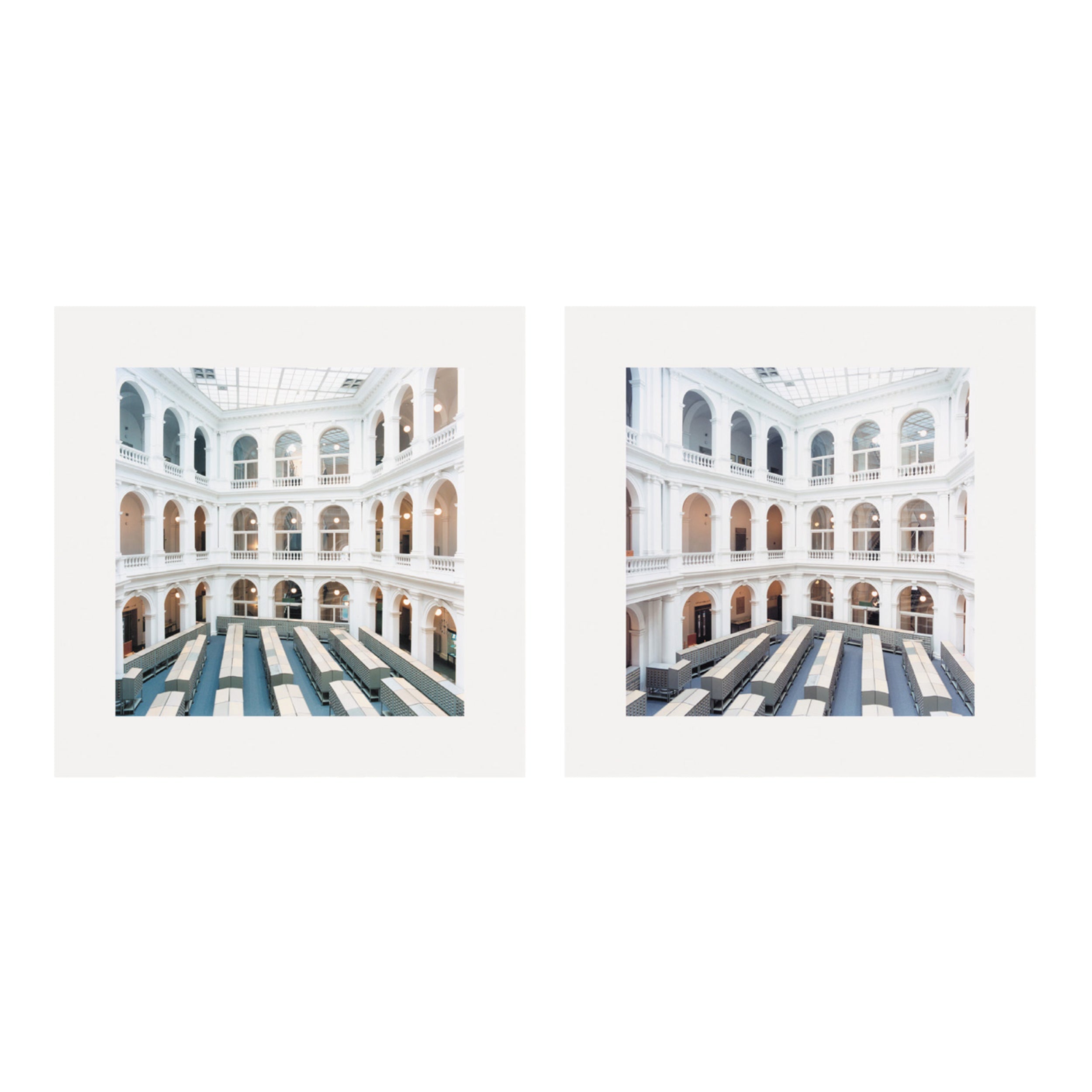
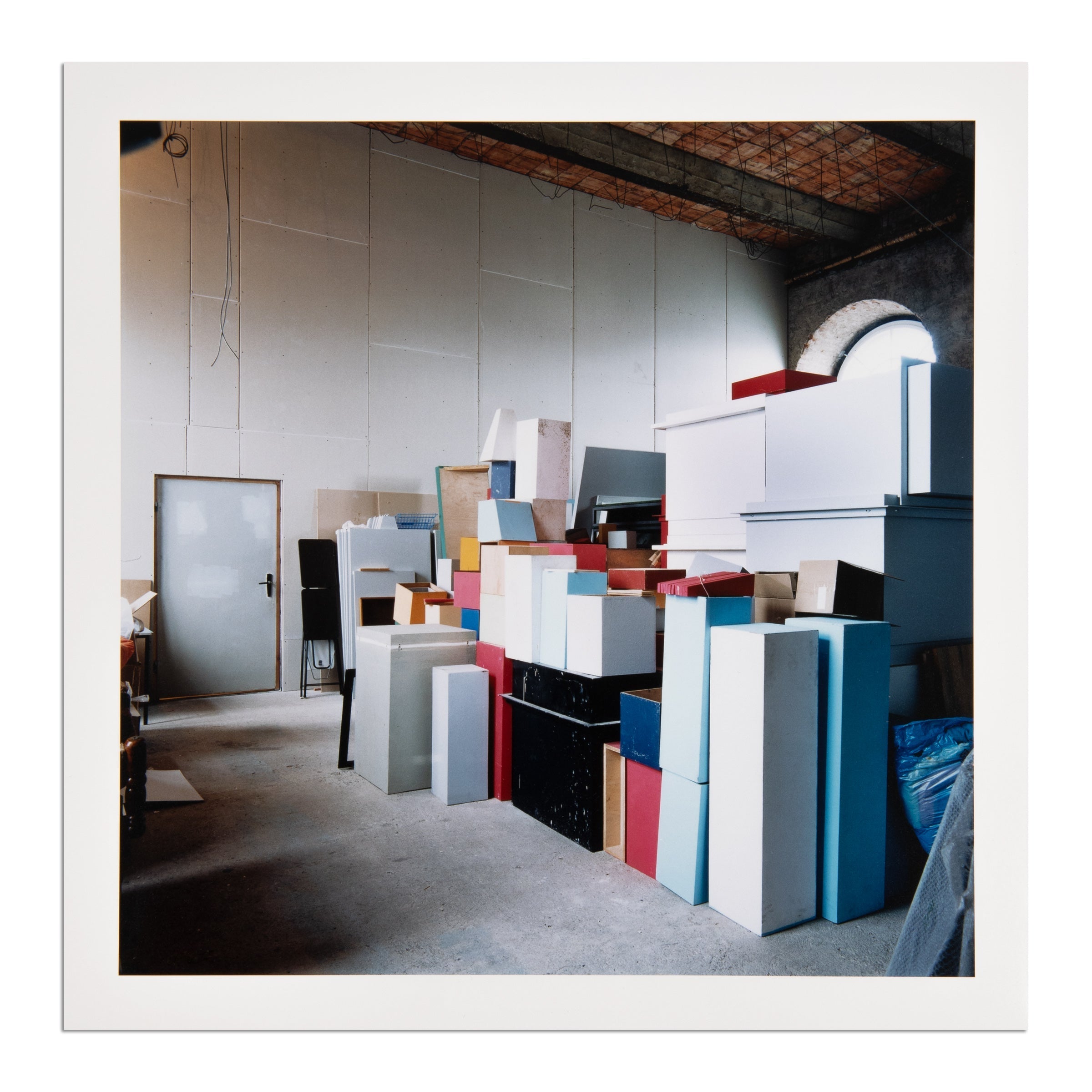
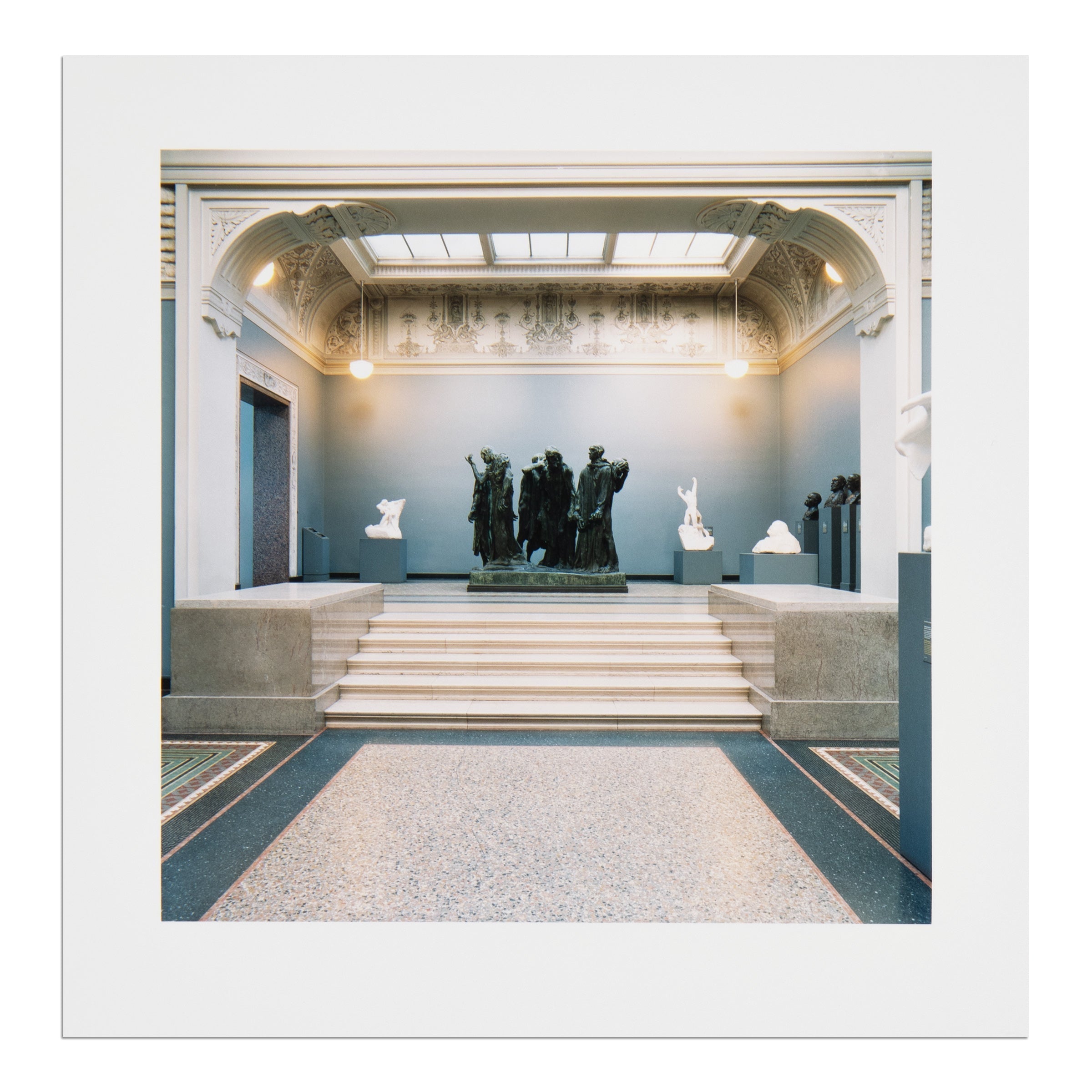
Candida Höfer - University Library Hamburg A
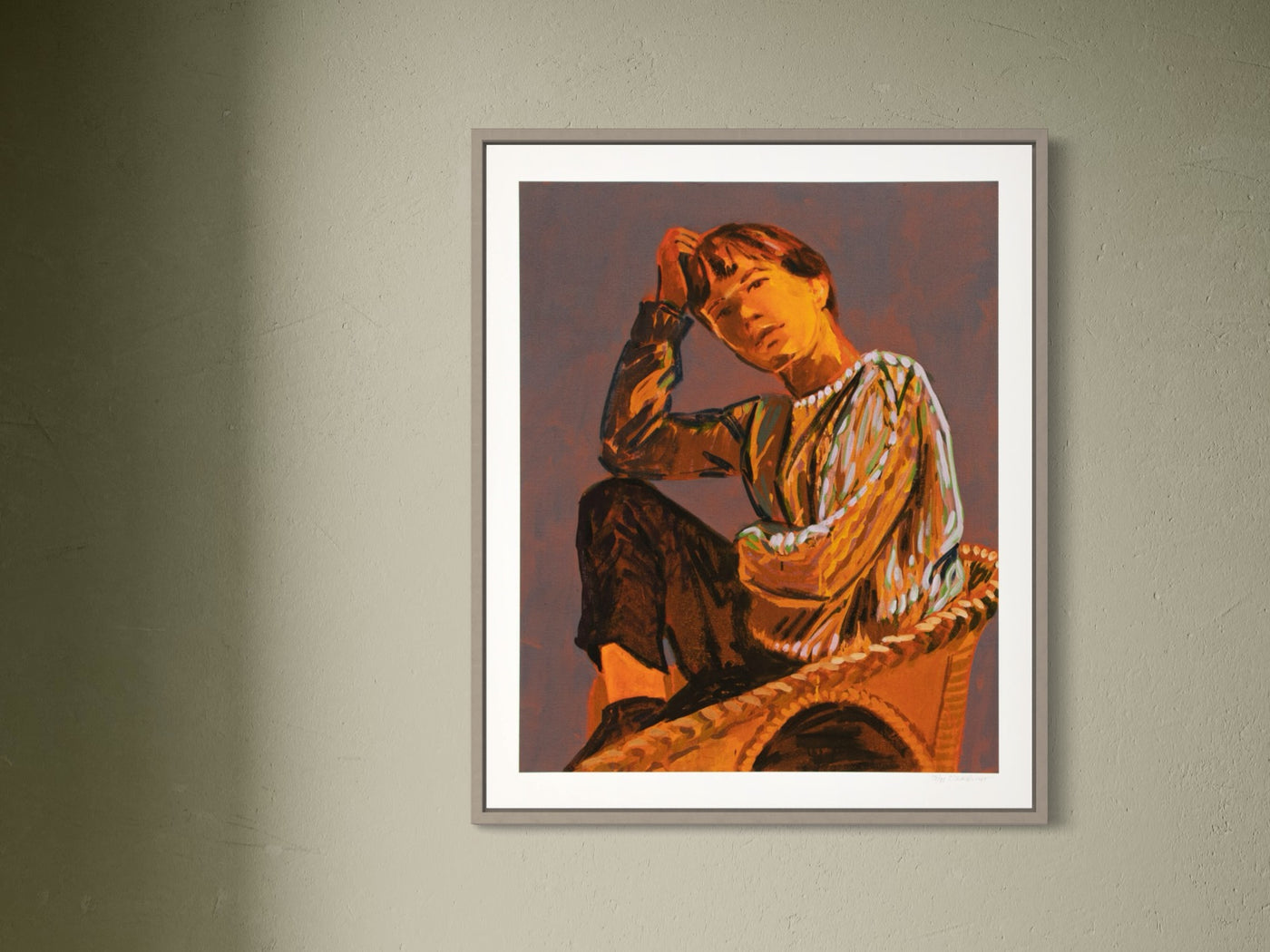
Claire Tabouret - Self-Portrait (Blue)Claire Tabouret - Self-Portrait (Blue)
Shirin Neshat, Tooba
Shirin Neshat – Tooba Sale price€5.900,00
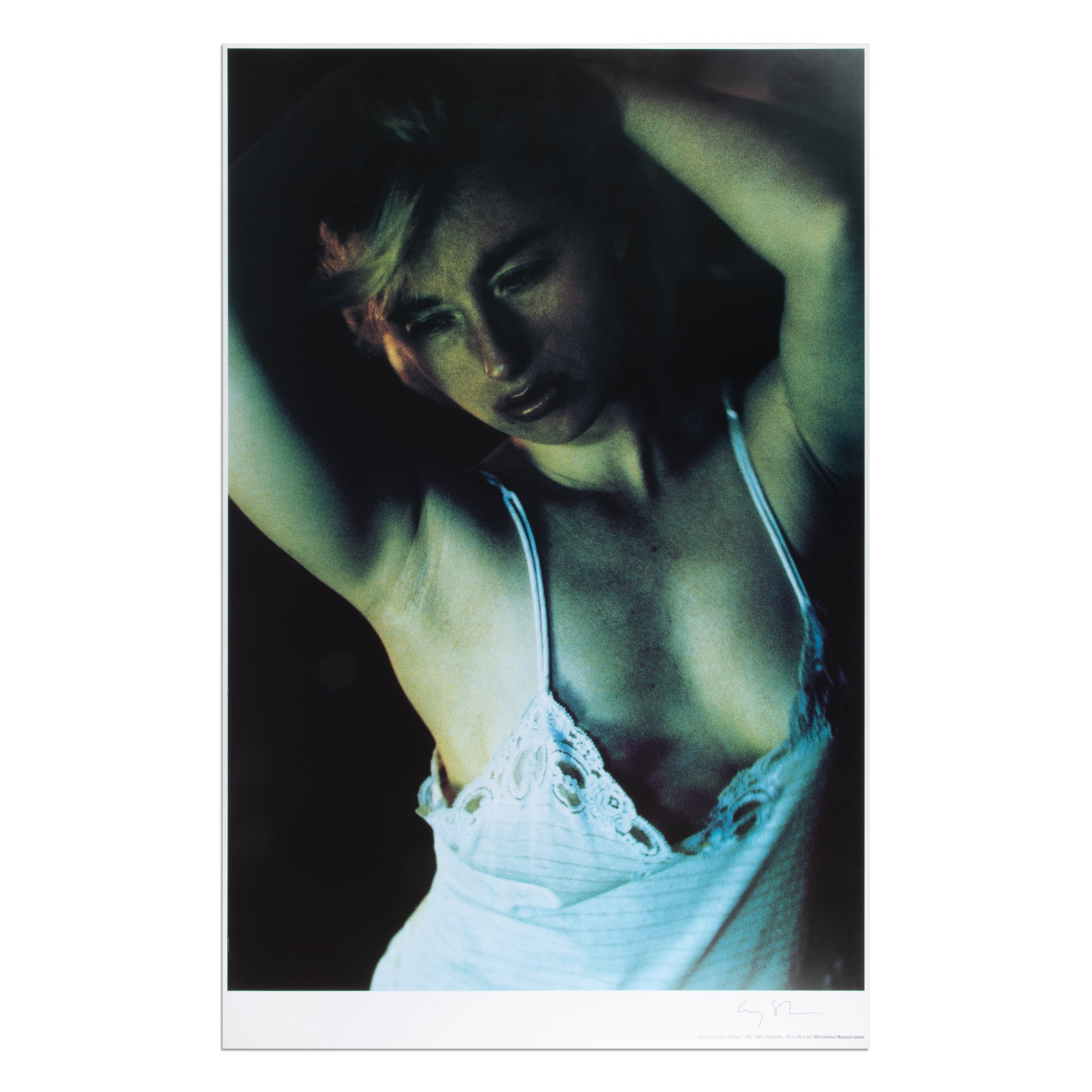
Cindy Sherman - Untitled 103Cindy Sherman - Untitled 103
Cindy Sherman – Untitled 103 Sale price€2.200,00
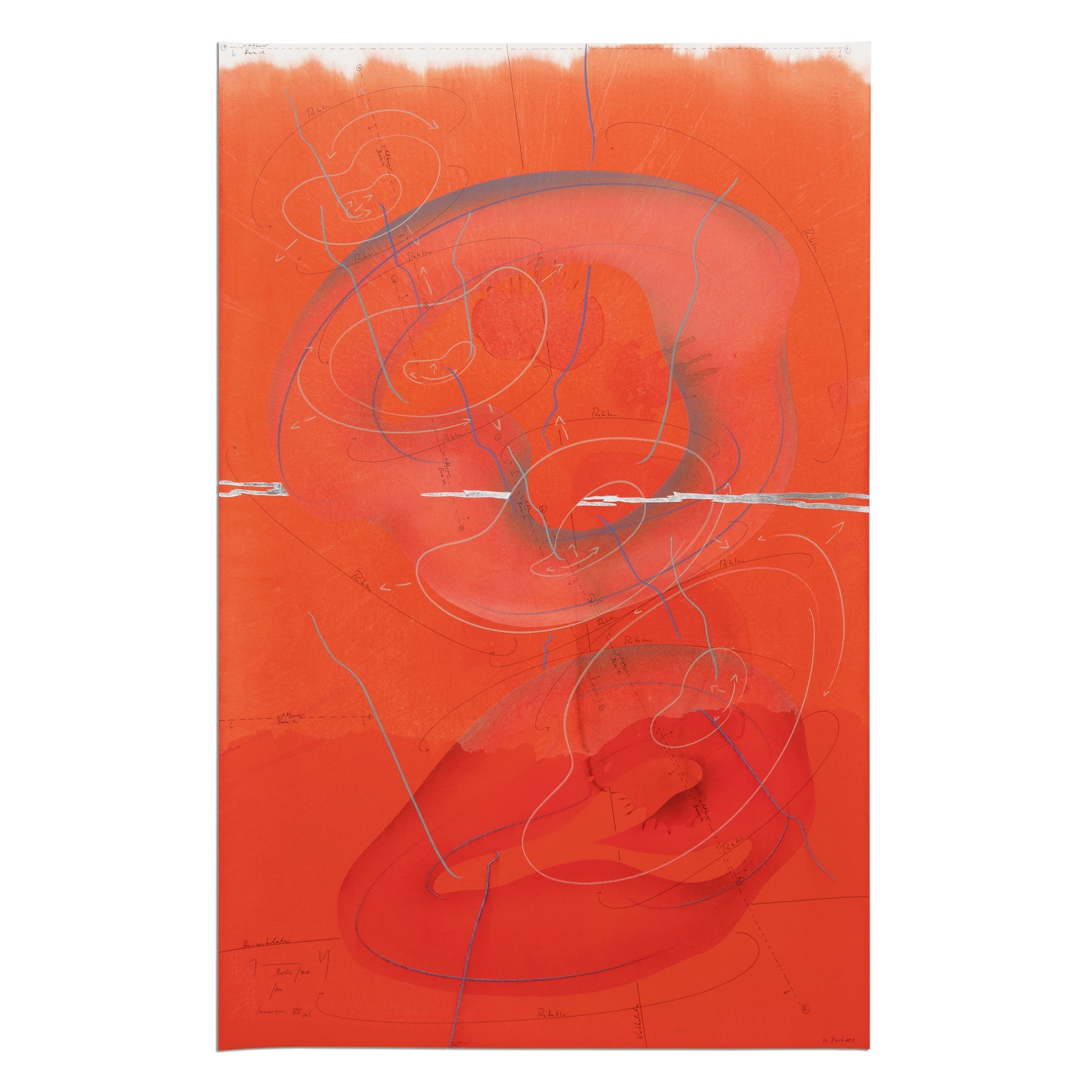
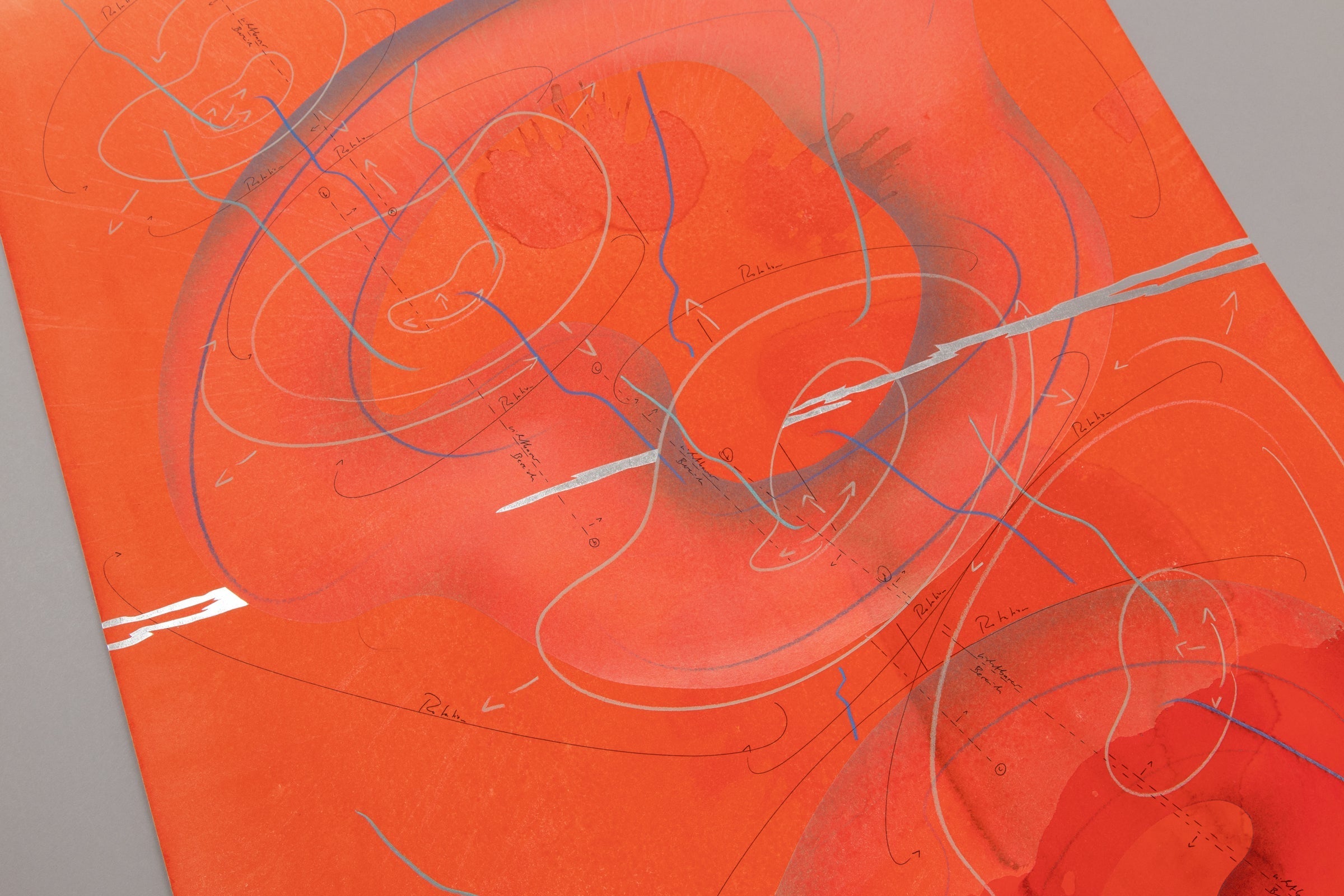
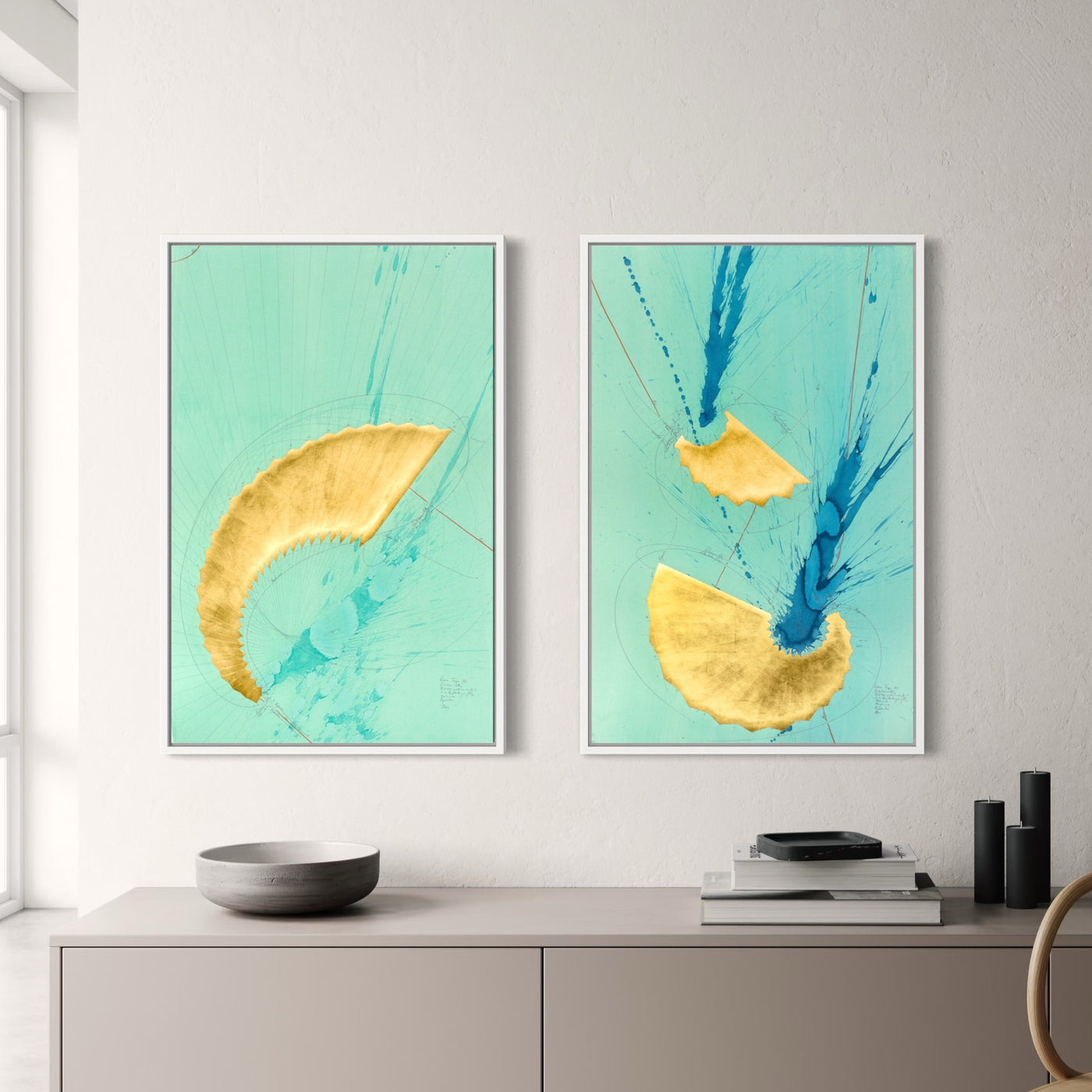
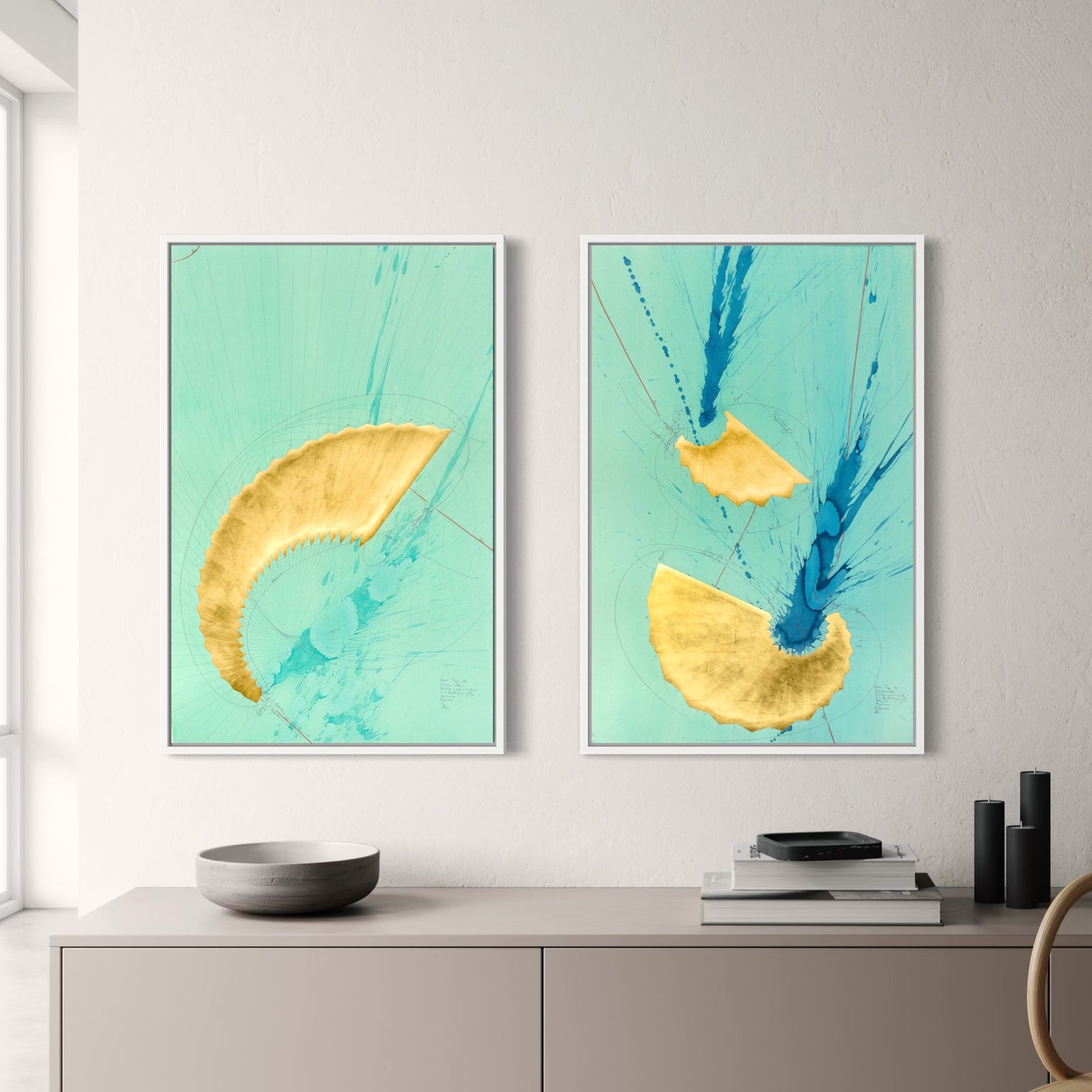
Jorinde Voigt - Immersion VIIJorinde Voigt - Immersion VII
Jorinde Voigt – Immersion VII Sale price€3.400,00
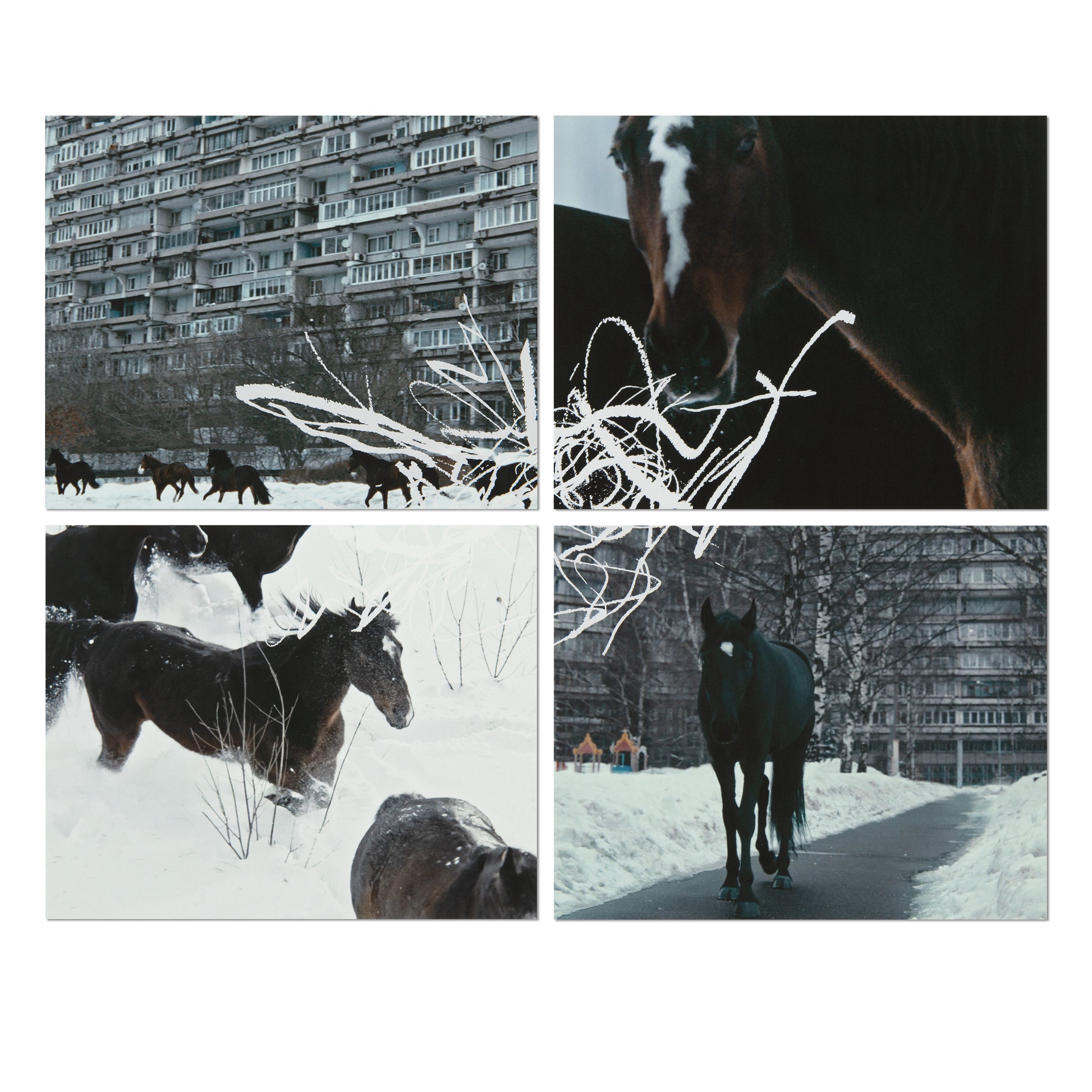
Anne Imhof - YOUTHAnne Imhof - YOUTH
Anne Imhof - YOUTH Sale price€2.800,00
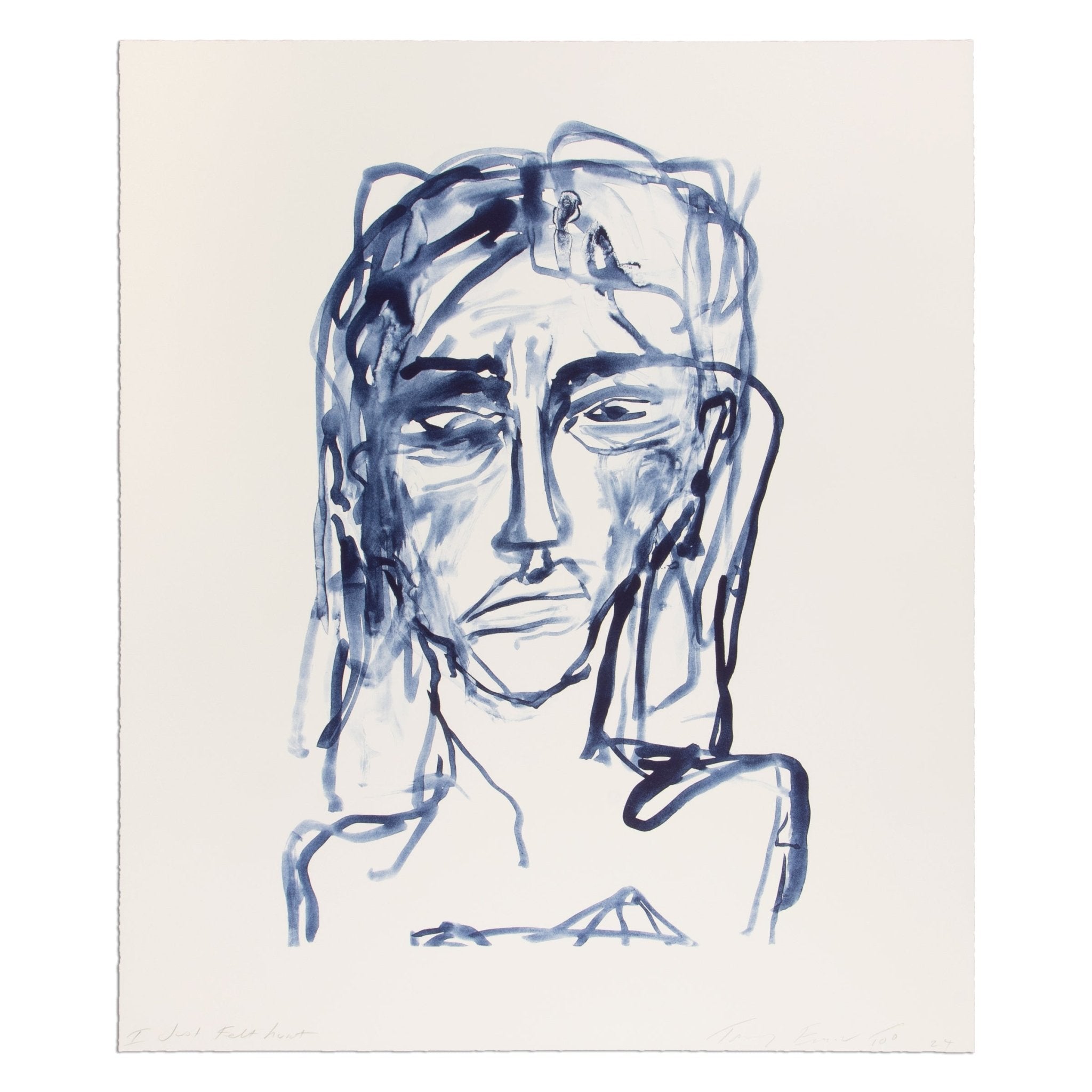
Tracey Emin - I Just Felt HurtTracey Emin - I Just Felt Hurt
Tracey Emin – I Just Felt Hurt Sale price€7.800,00
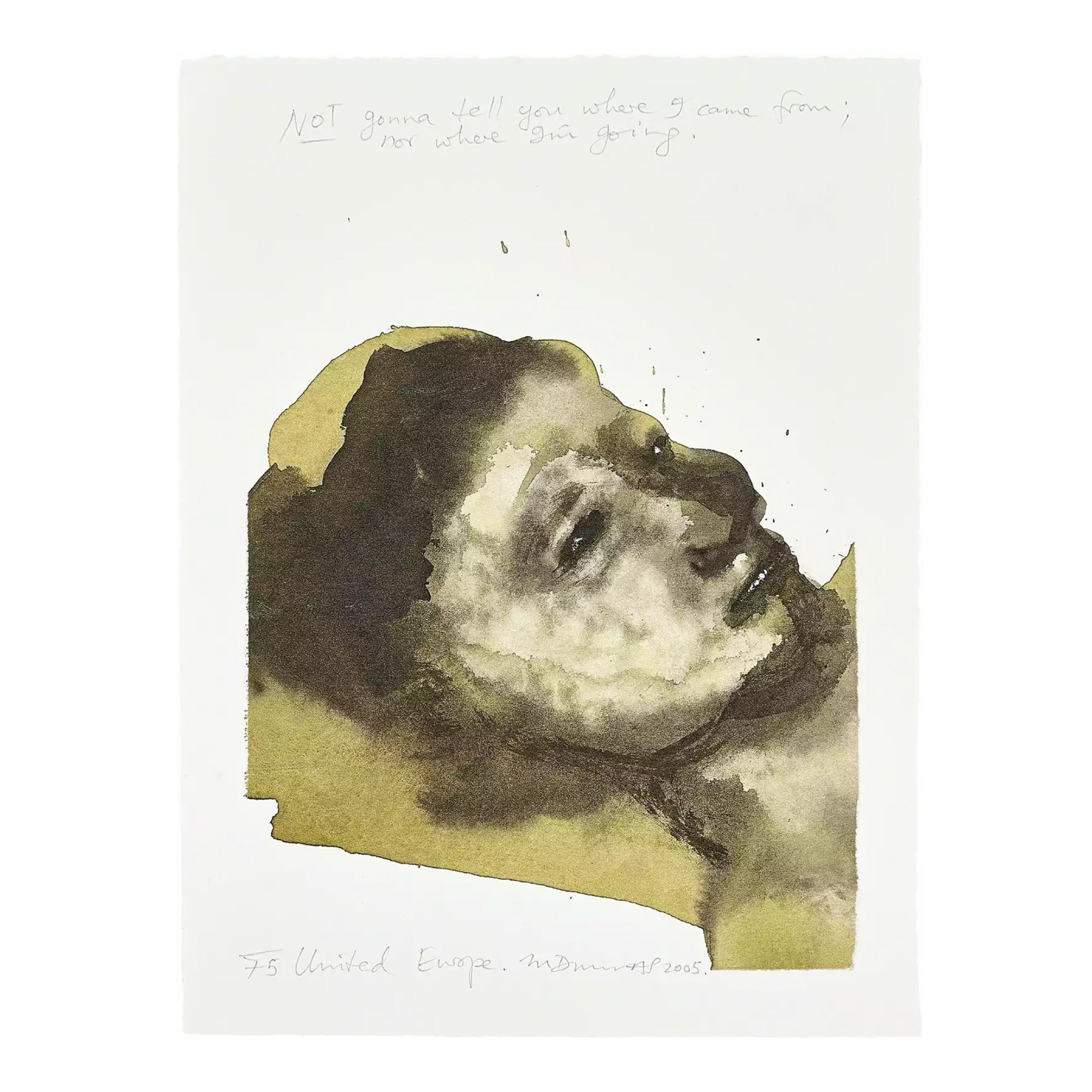
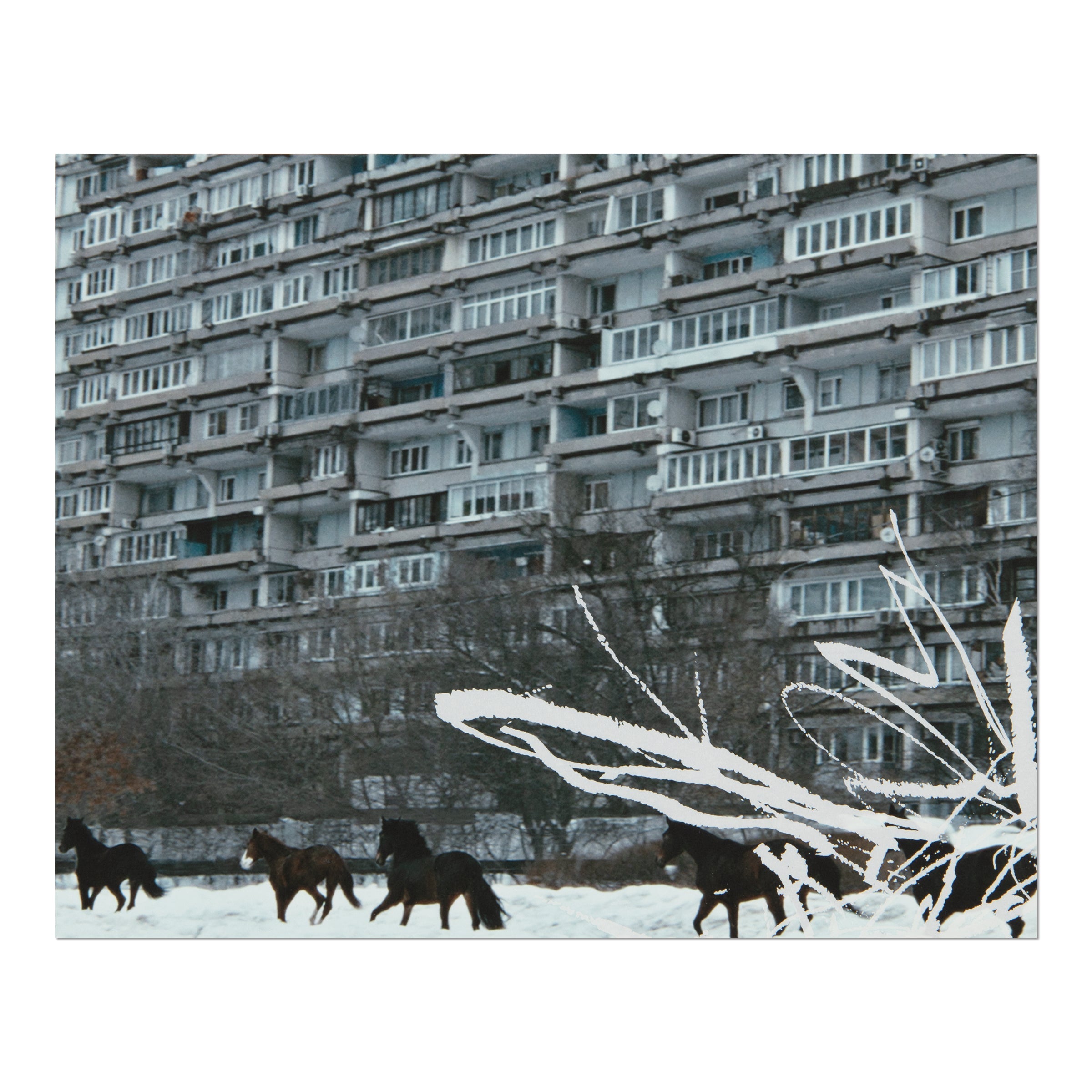
Marlene Dumas - United Europe
Marlene Dumas – United Europe Sale price€5.000,00
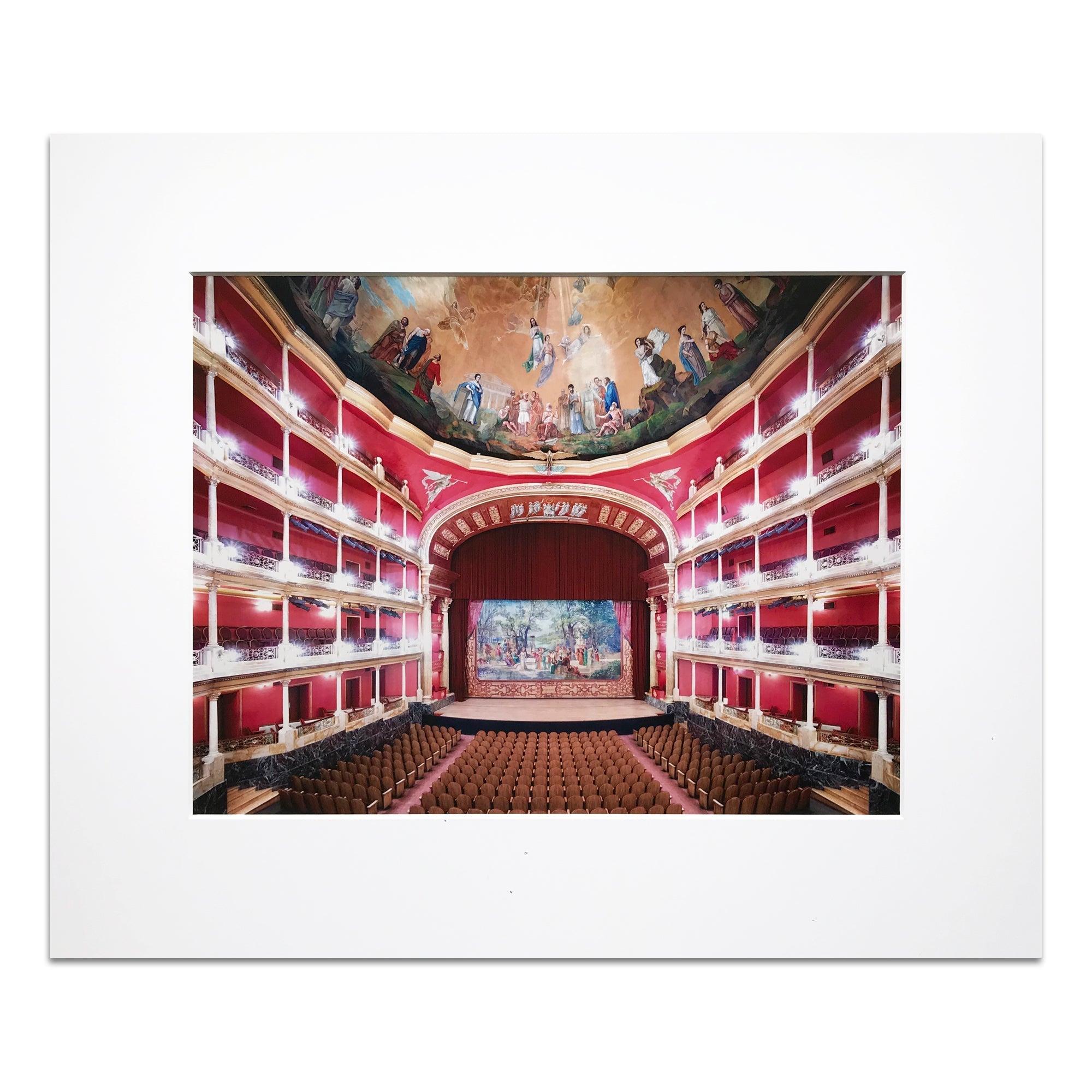
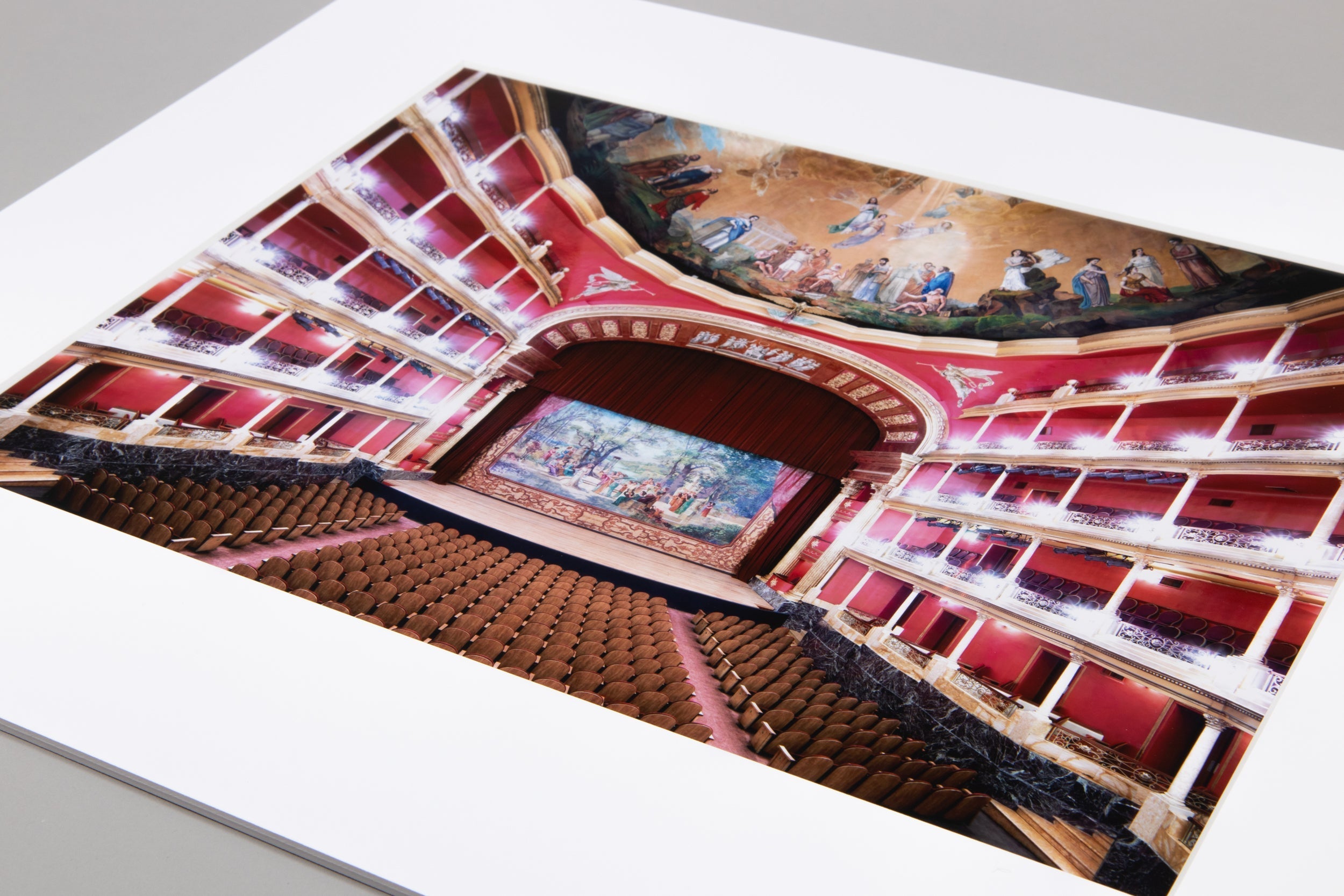
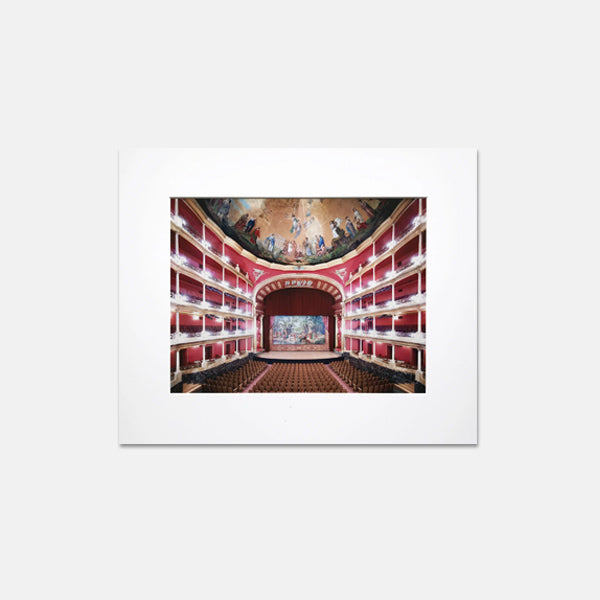
Candida Höfer - Teatro Degollado Guadalajara IIICandida Höfer - Teatro Degollado Guadalajara III
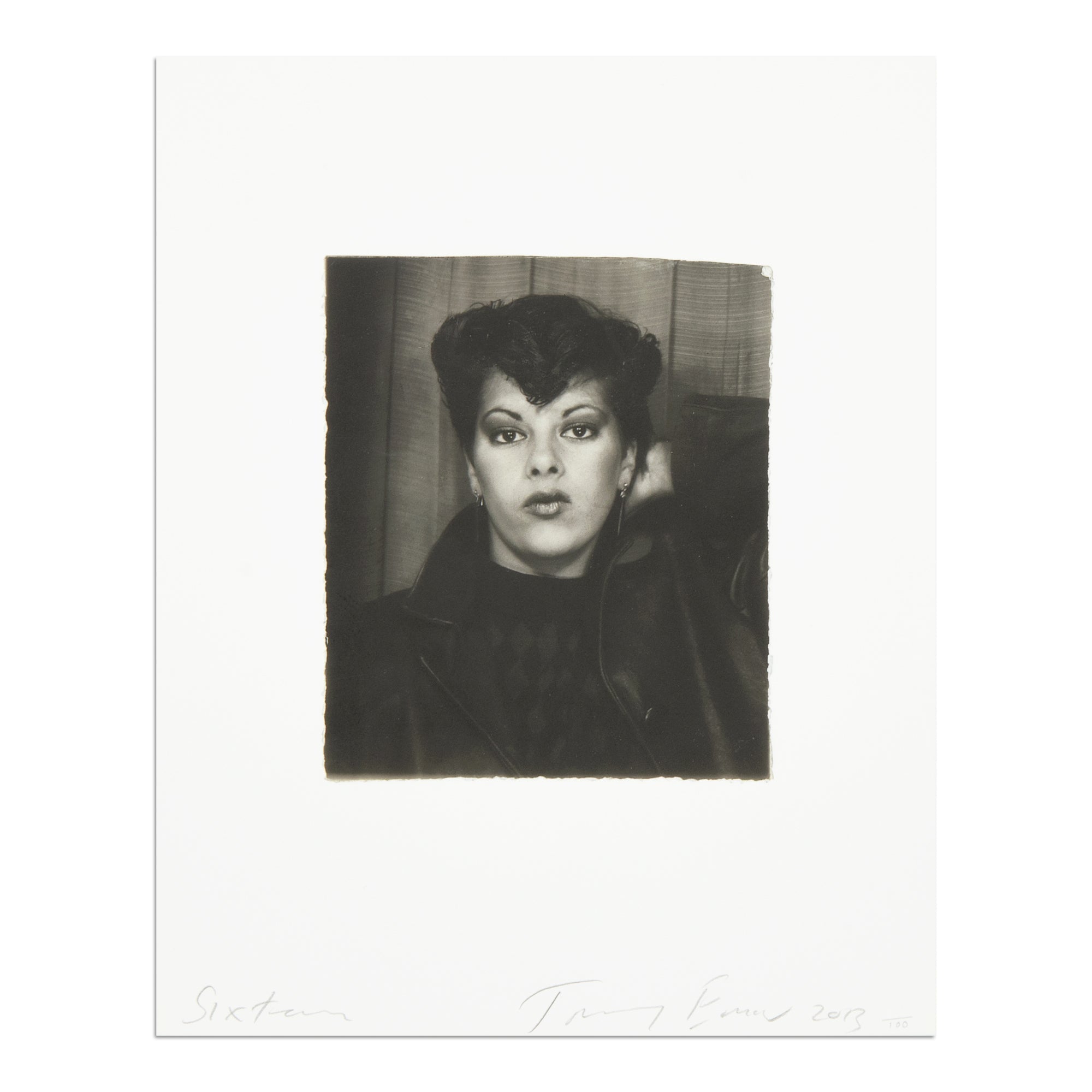
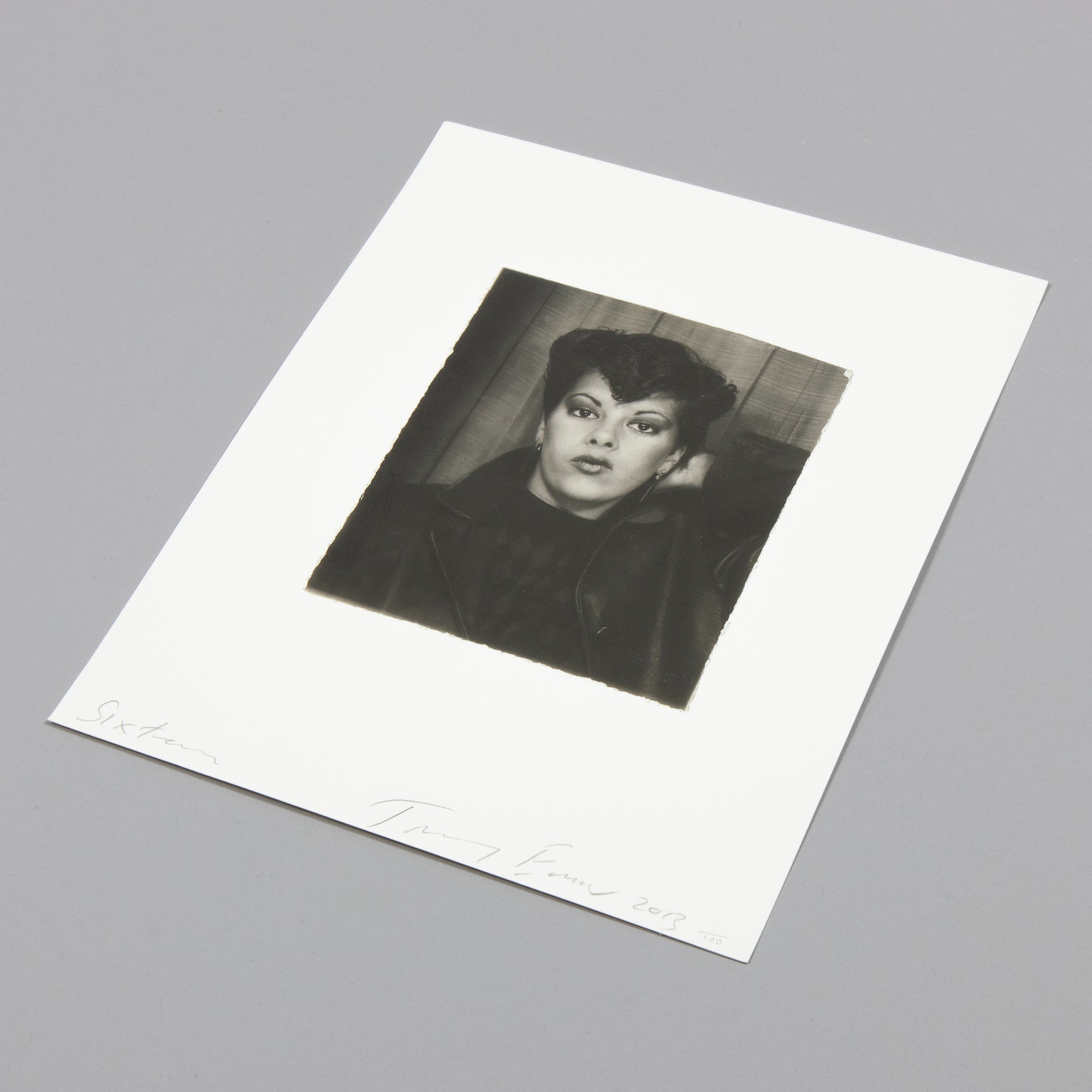
Tracey Emin - SixteenTracey Emin - Sixteen
Tracey Emin – Sixteen Sale price€2.900,00
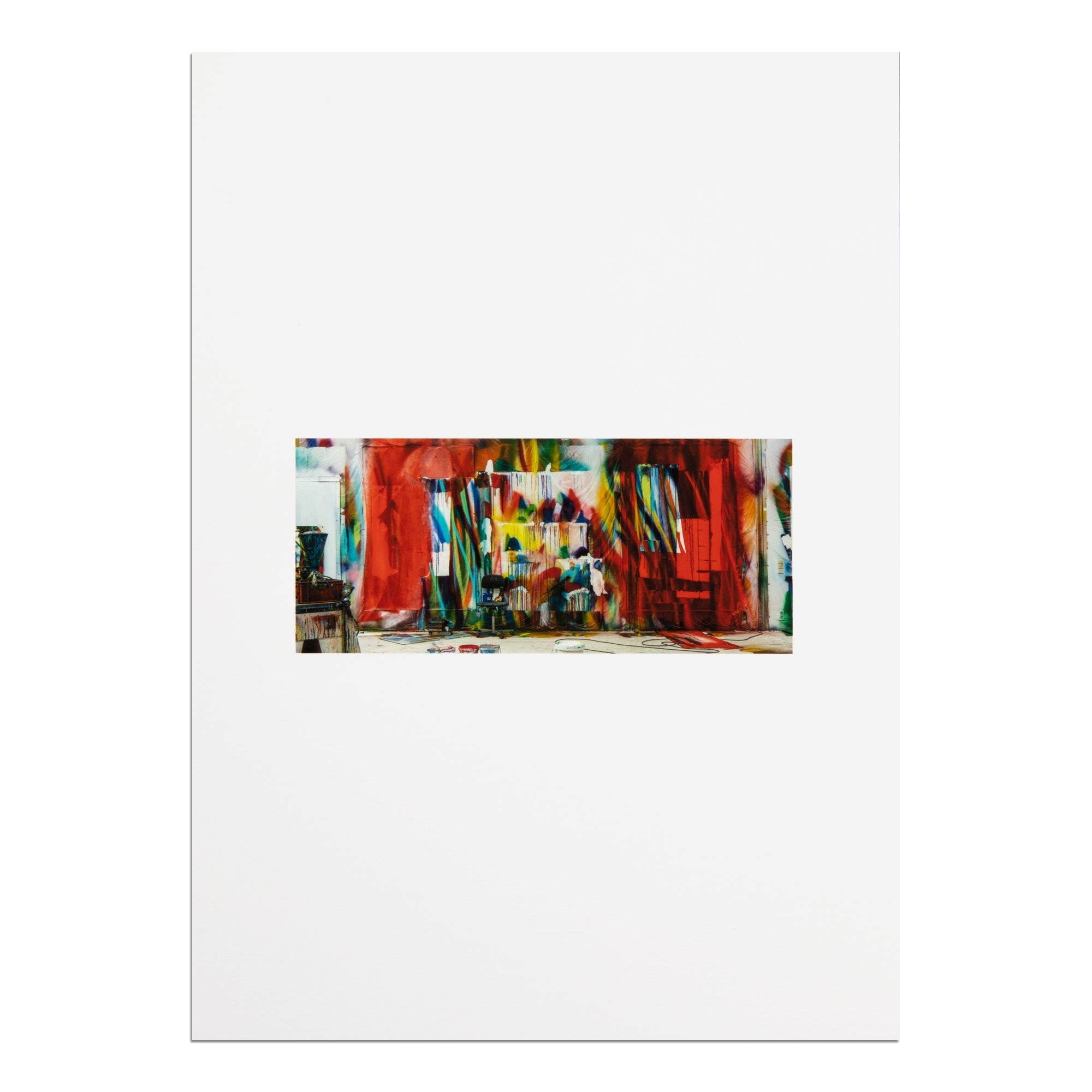
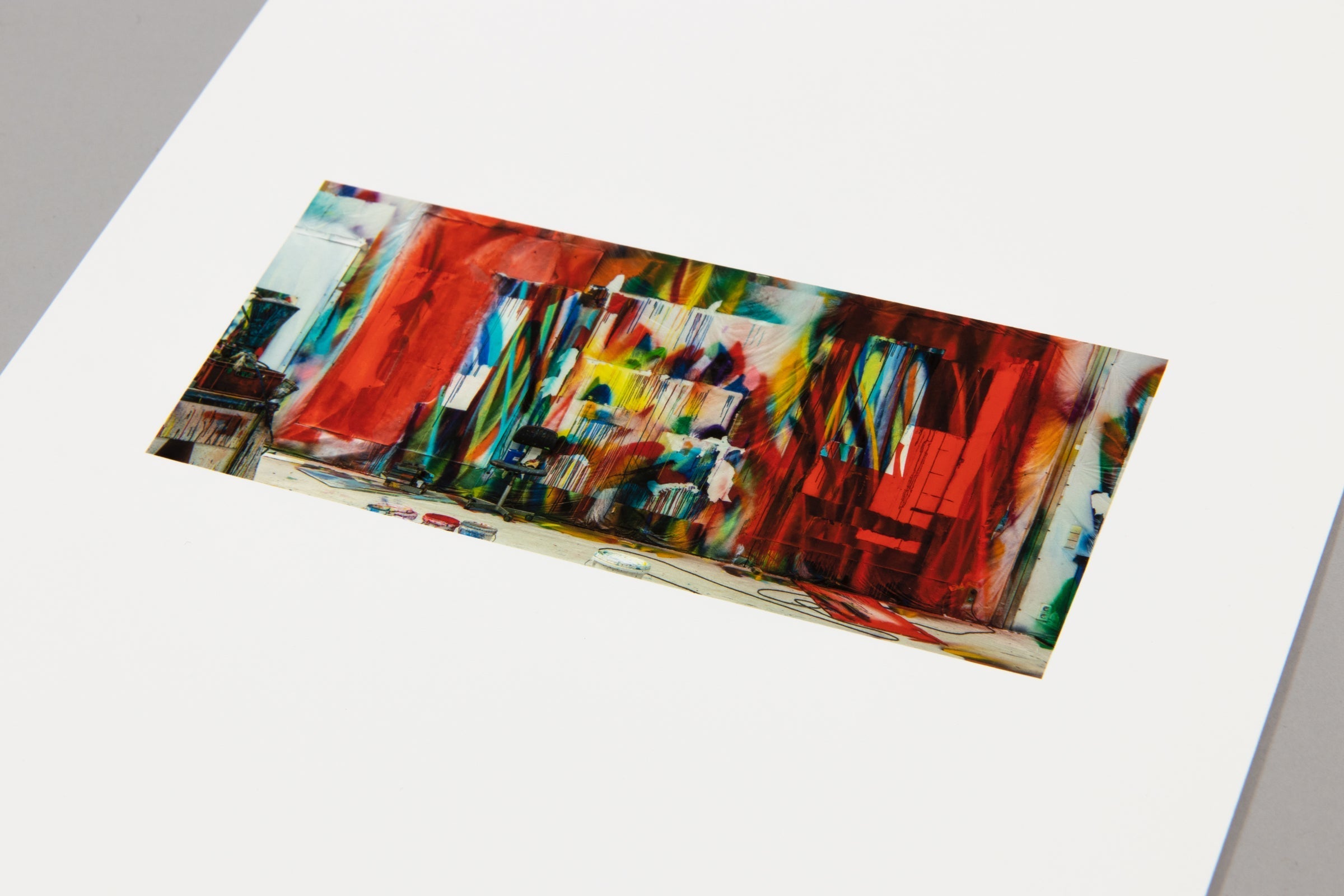
Katharina Grosse – Der StuhlKatharina Grosse - Der Stuhl
Katharina Grosse – Der Stuhl Sale price€1.800,00
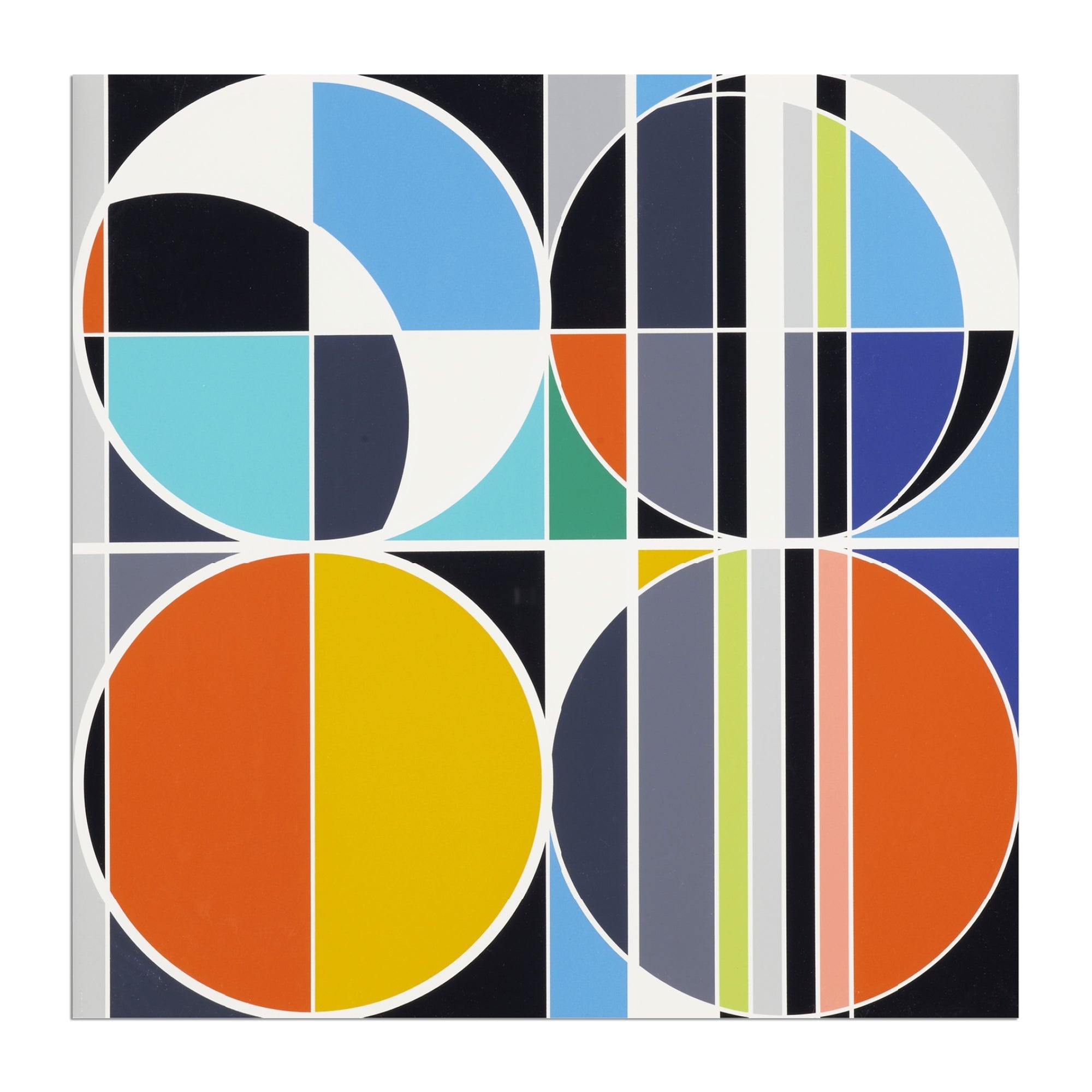
Sarah Morris – Total Lunar EclipseSarah Morris - Total Lunar Eclipse
Candida Höfer - Museum für Völkerkunde DresdenCandida Höfer - Museum für Völkerkunde Dresden
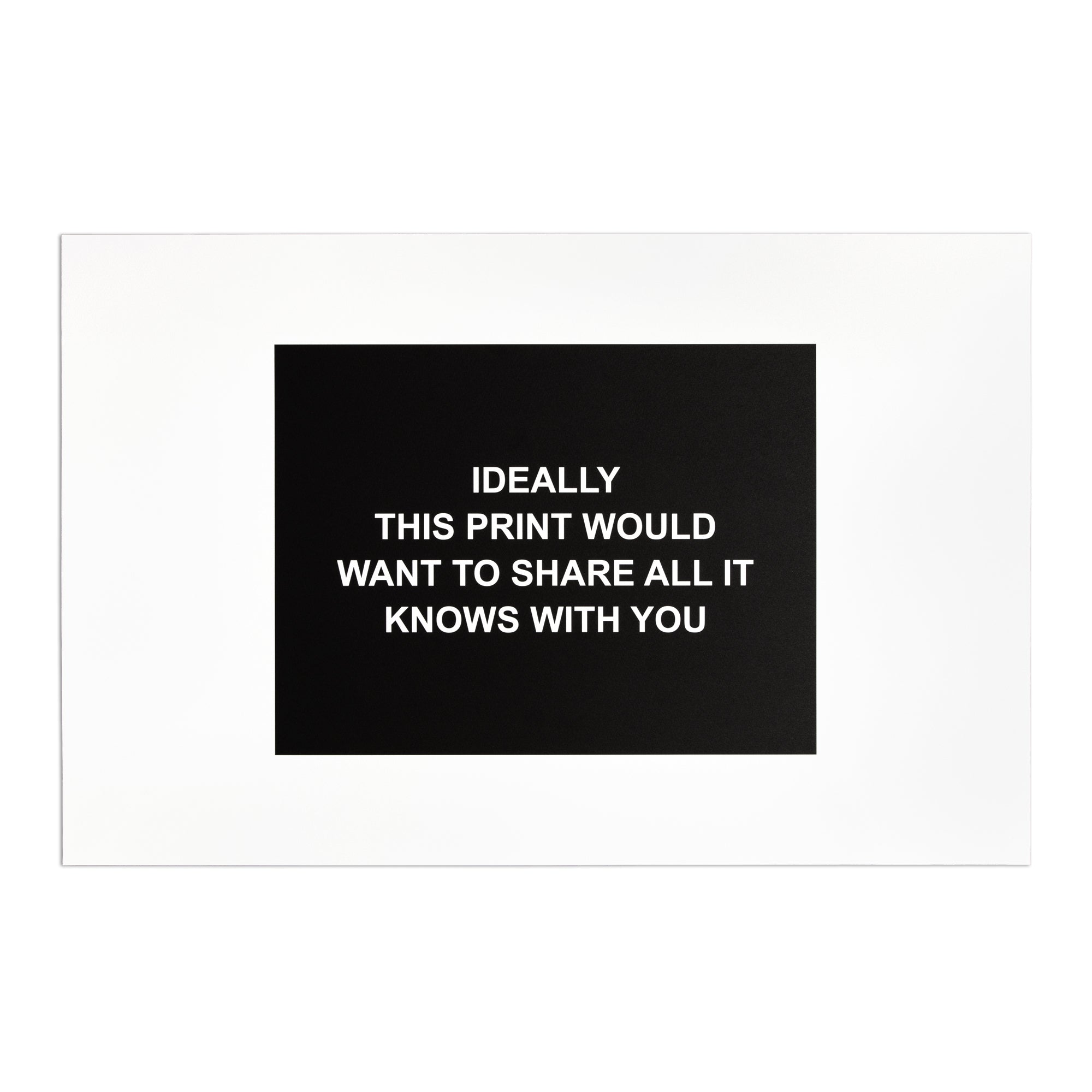
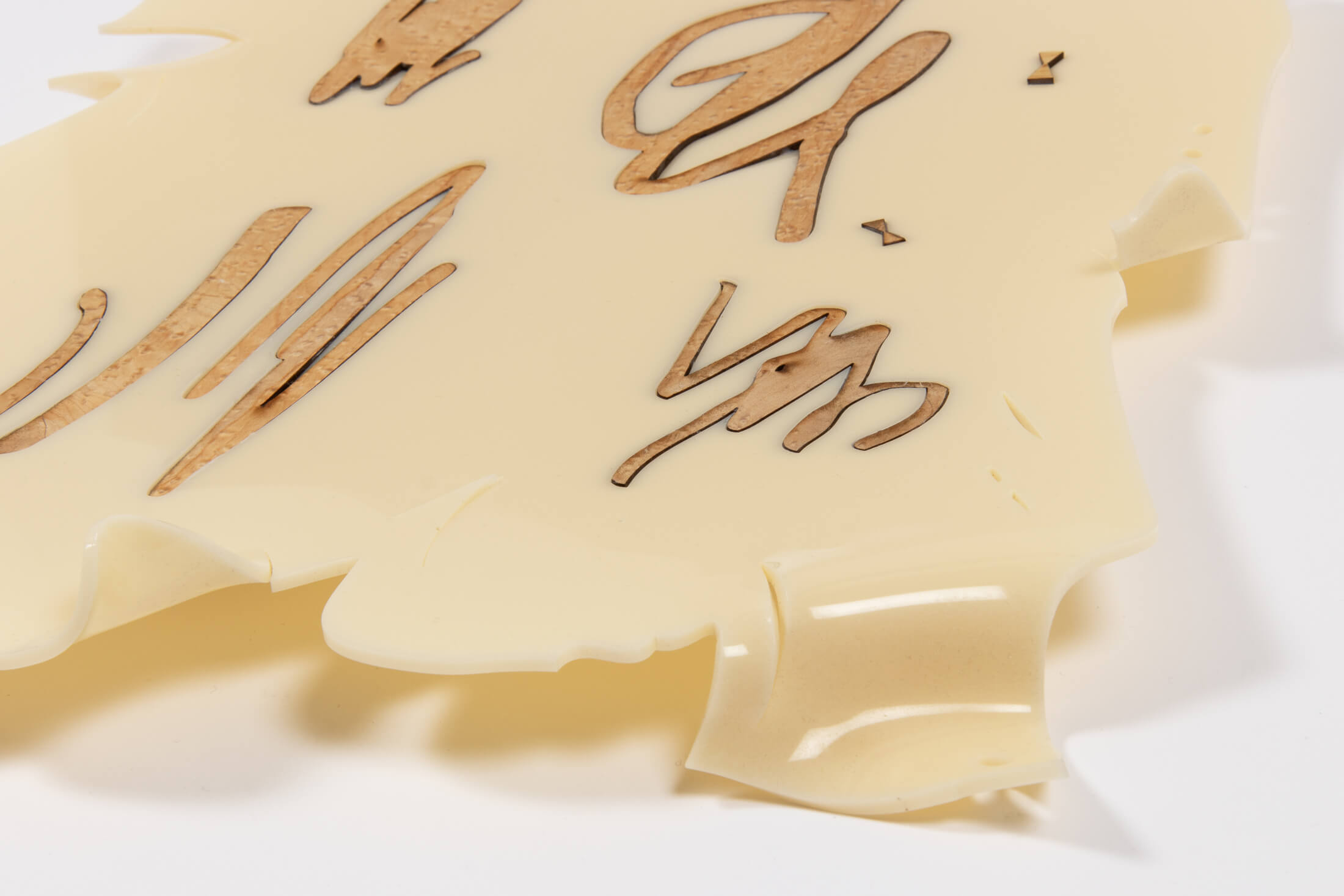
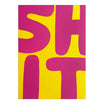
Laure Prouvost – Ideally this print would want to share all it knows with you
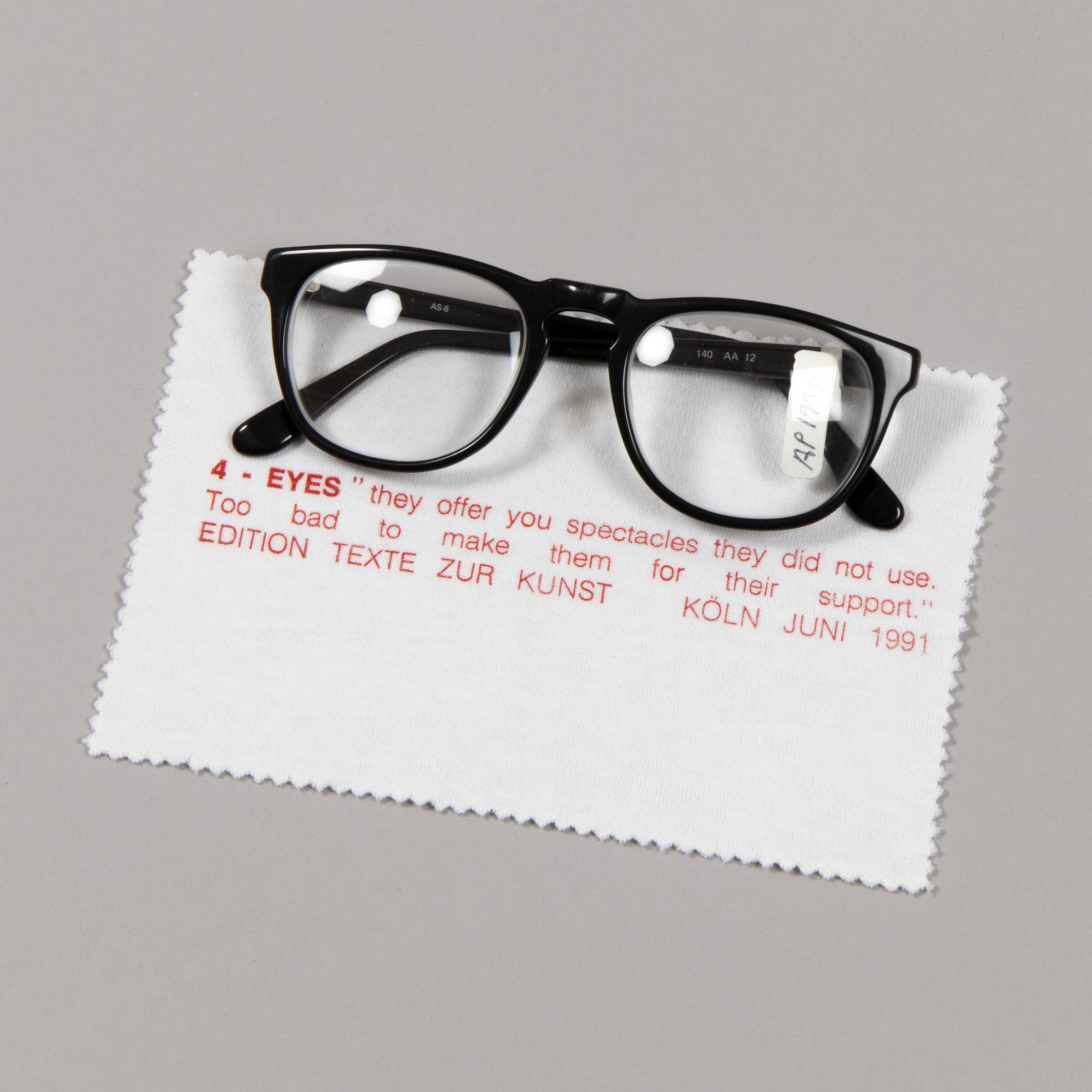
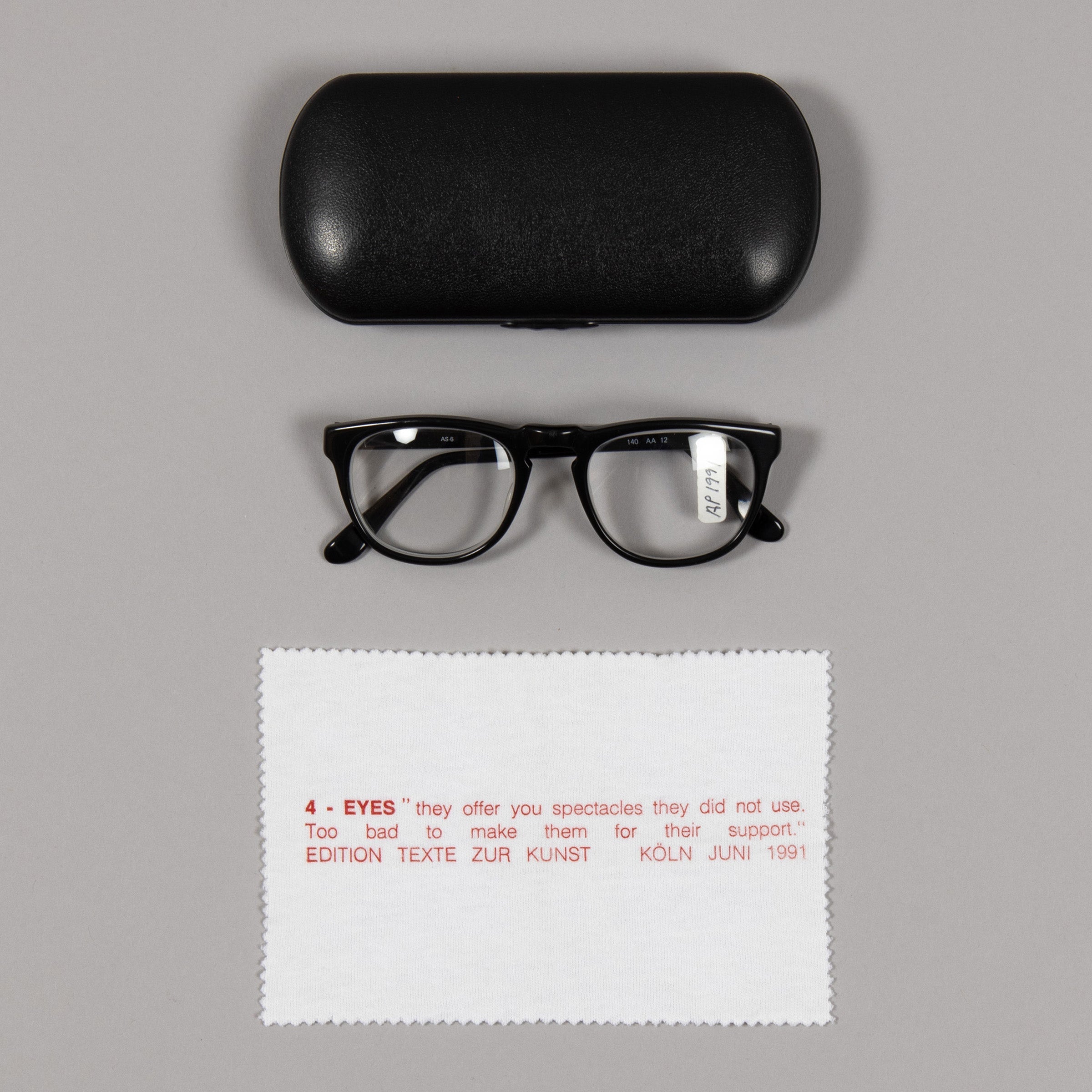
Rosemarie Trockel – 4 EyesRosemarie Trockel - 4 Eyes
Rosemarie Trockel – 4 Eyes Sale price€1.400,00
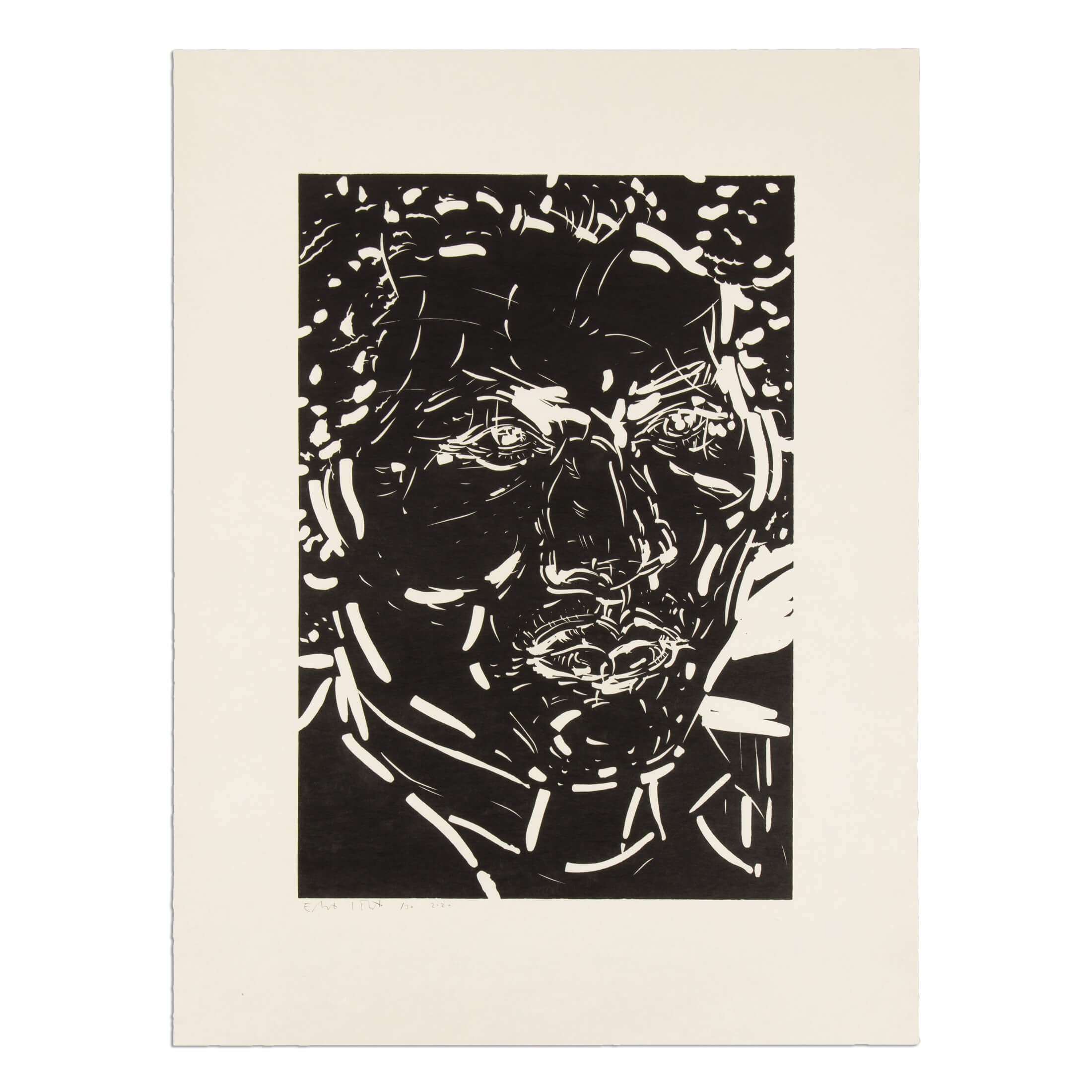
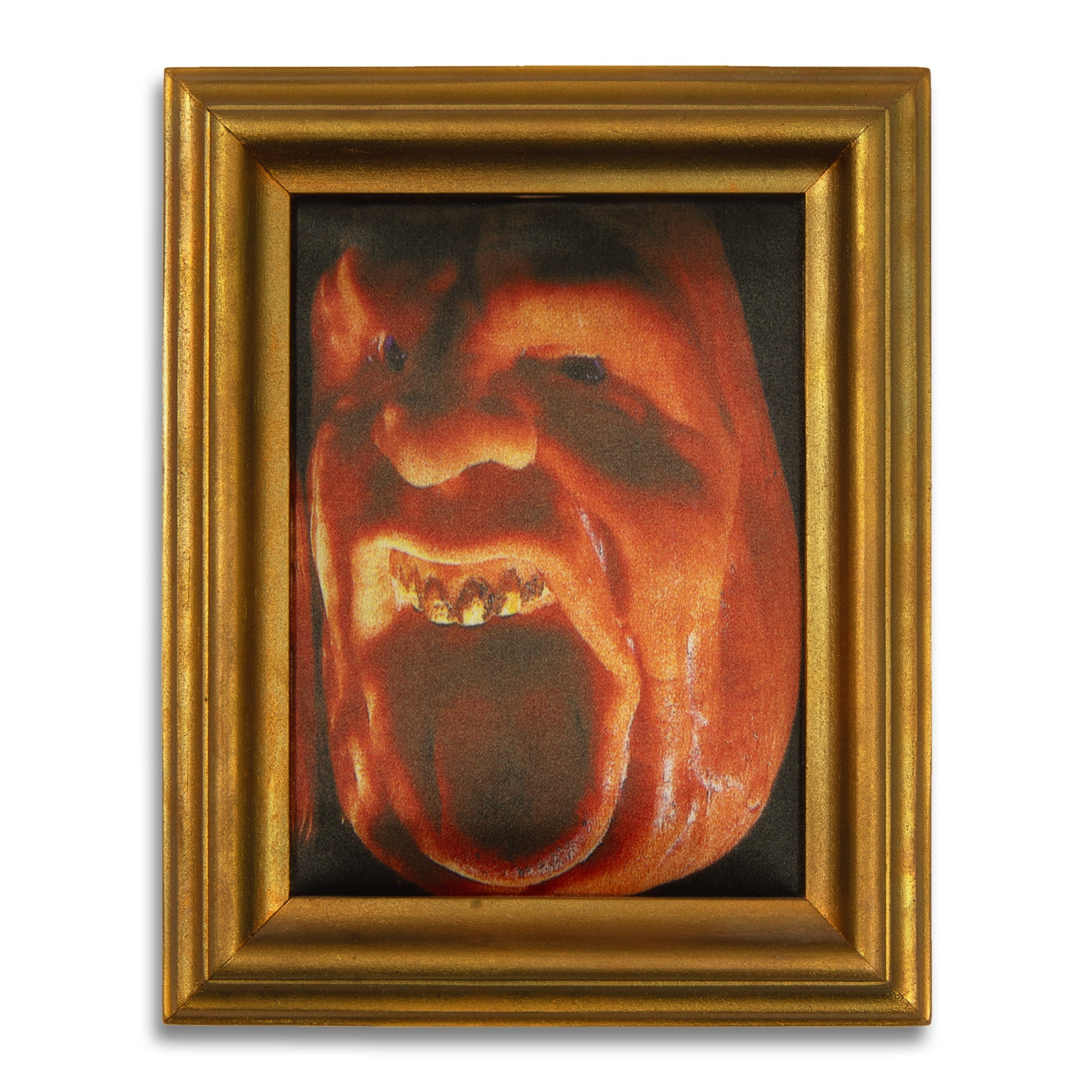
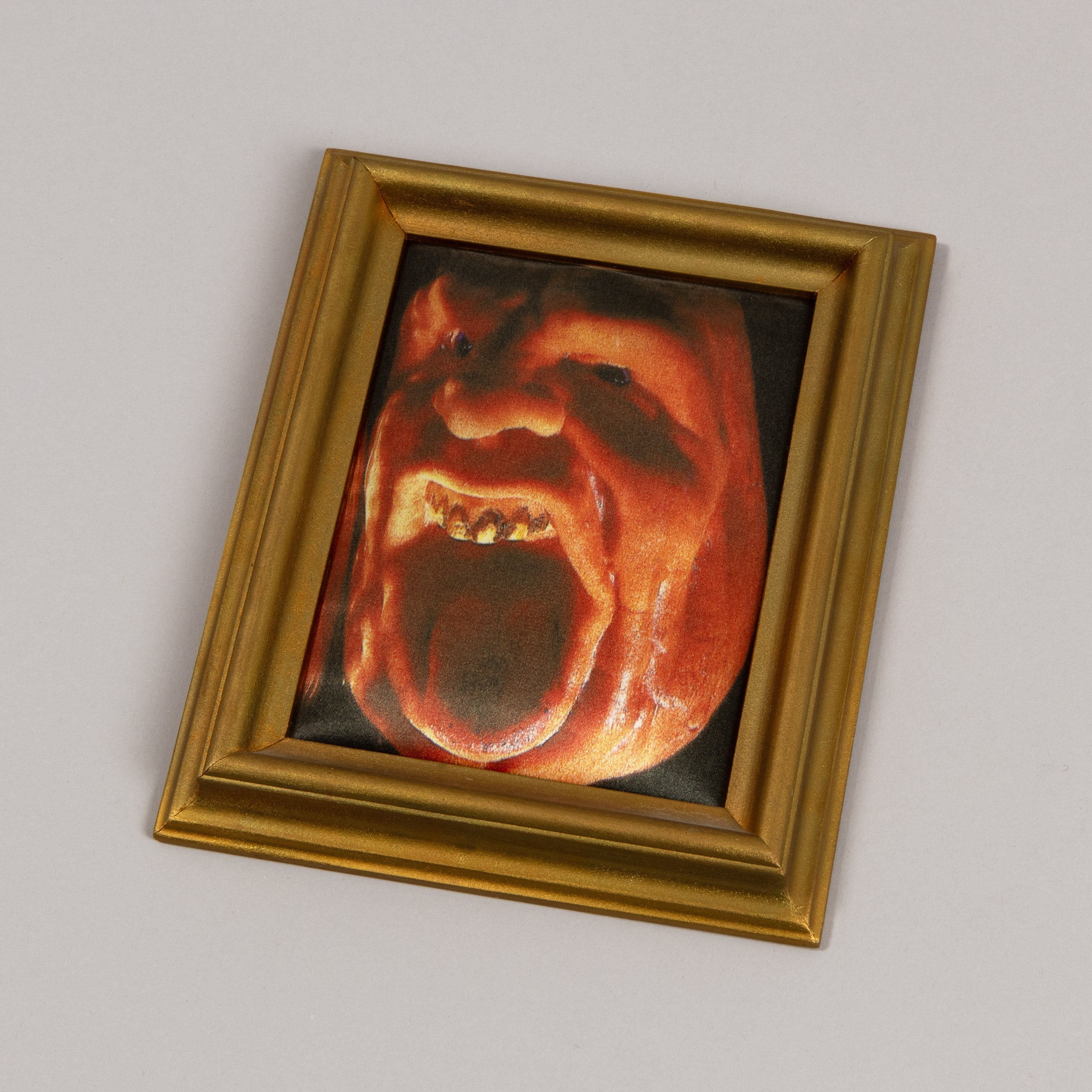
Elizabeth Peyton - Frederick DouglassElizabeth Peyton - Frederick Douglass
Cindy Sherman - Untitled (Parkett 29)Cindy Sherman - Untitled (Parkett 29)
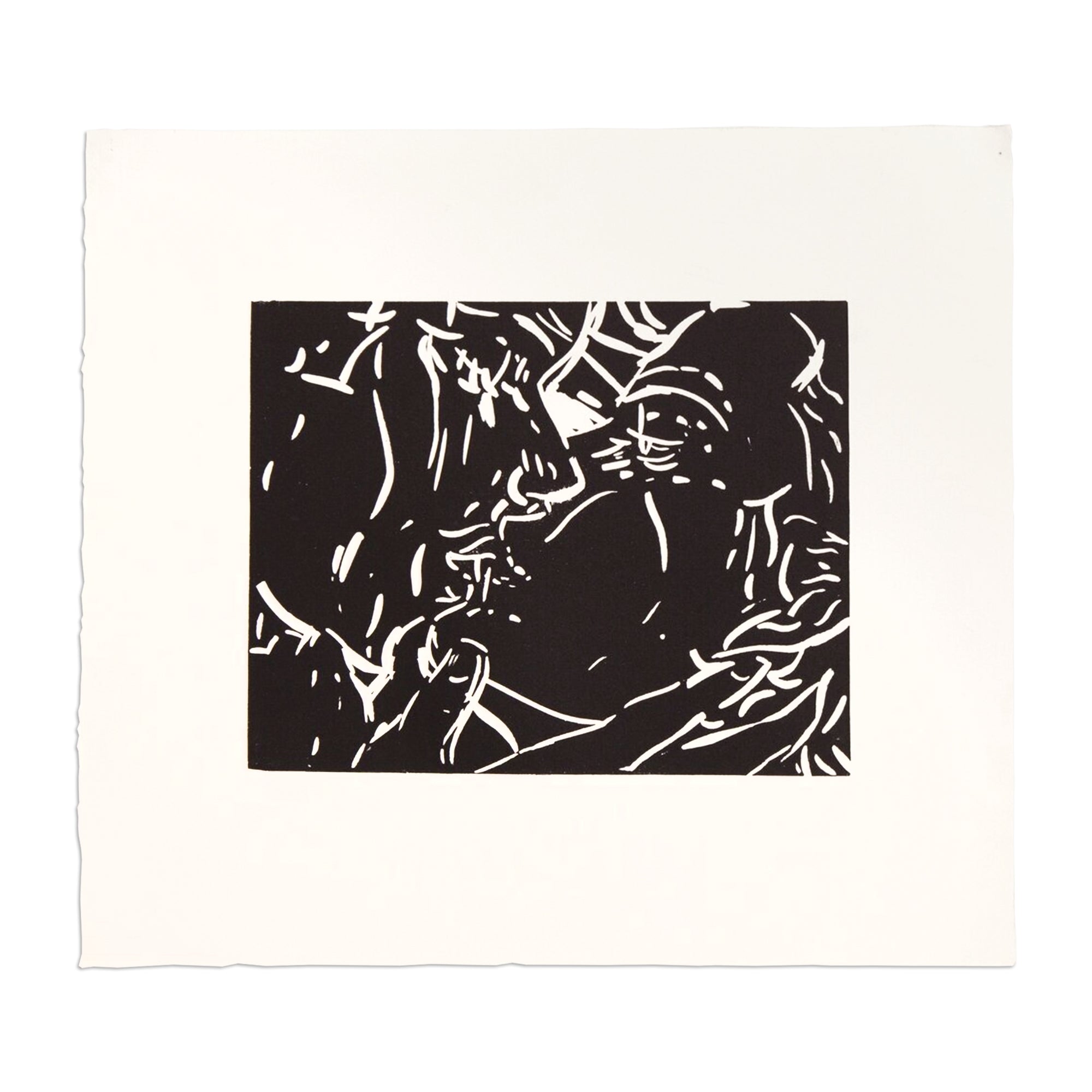
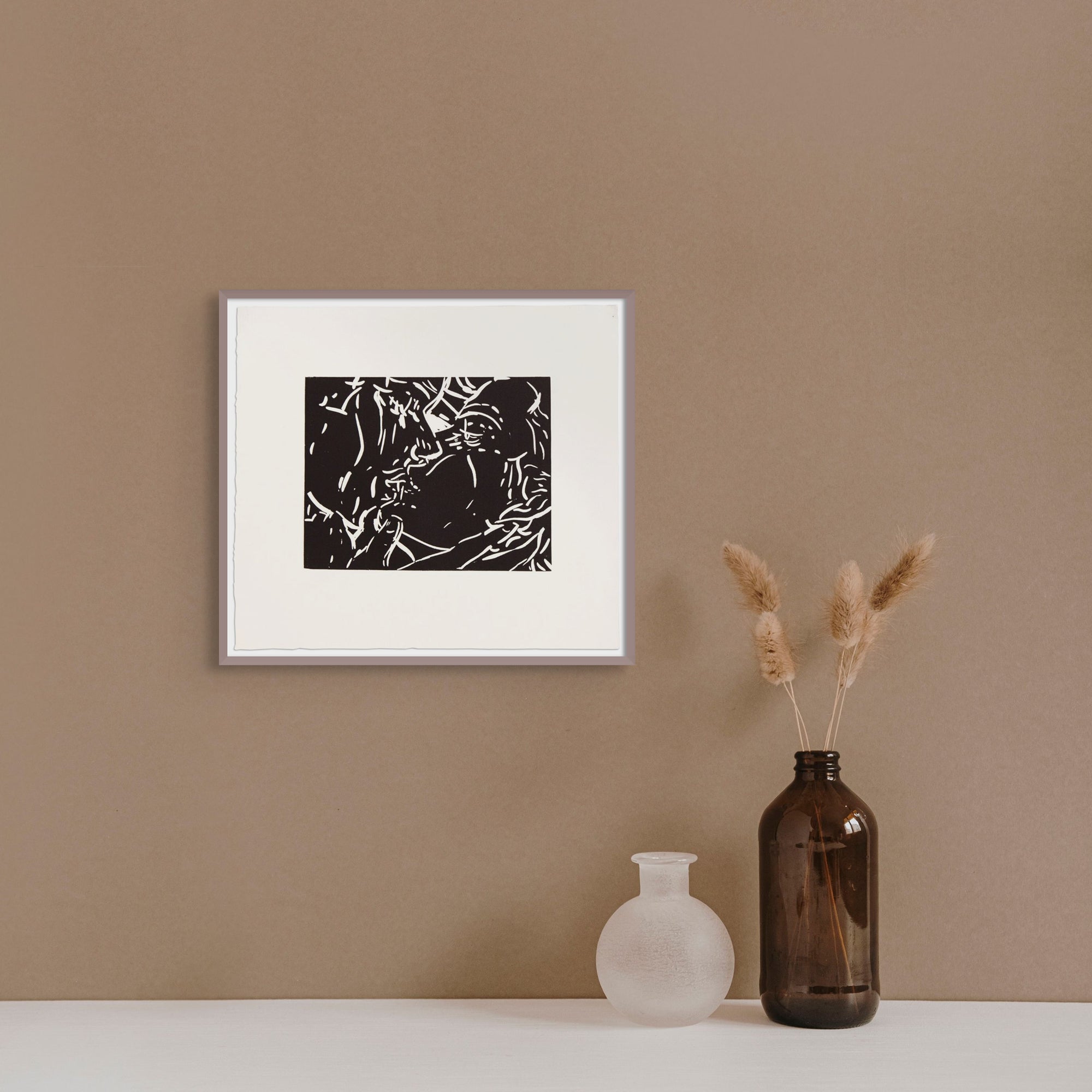
Elizabeth Peyton - The KissElizabeth Peyton - The Kiss
Elizabeth Peyton – The Kiss Sale price€3.200,00
Hannah - Sophie Dunkelberg - RSVP, regrets onlyHannah - Sophie Dunkelberg - RSVP, regrets only
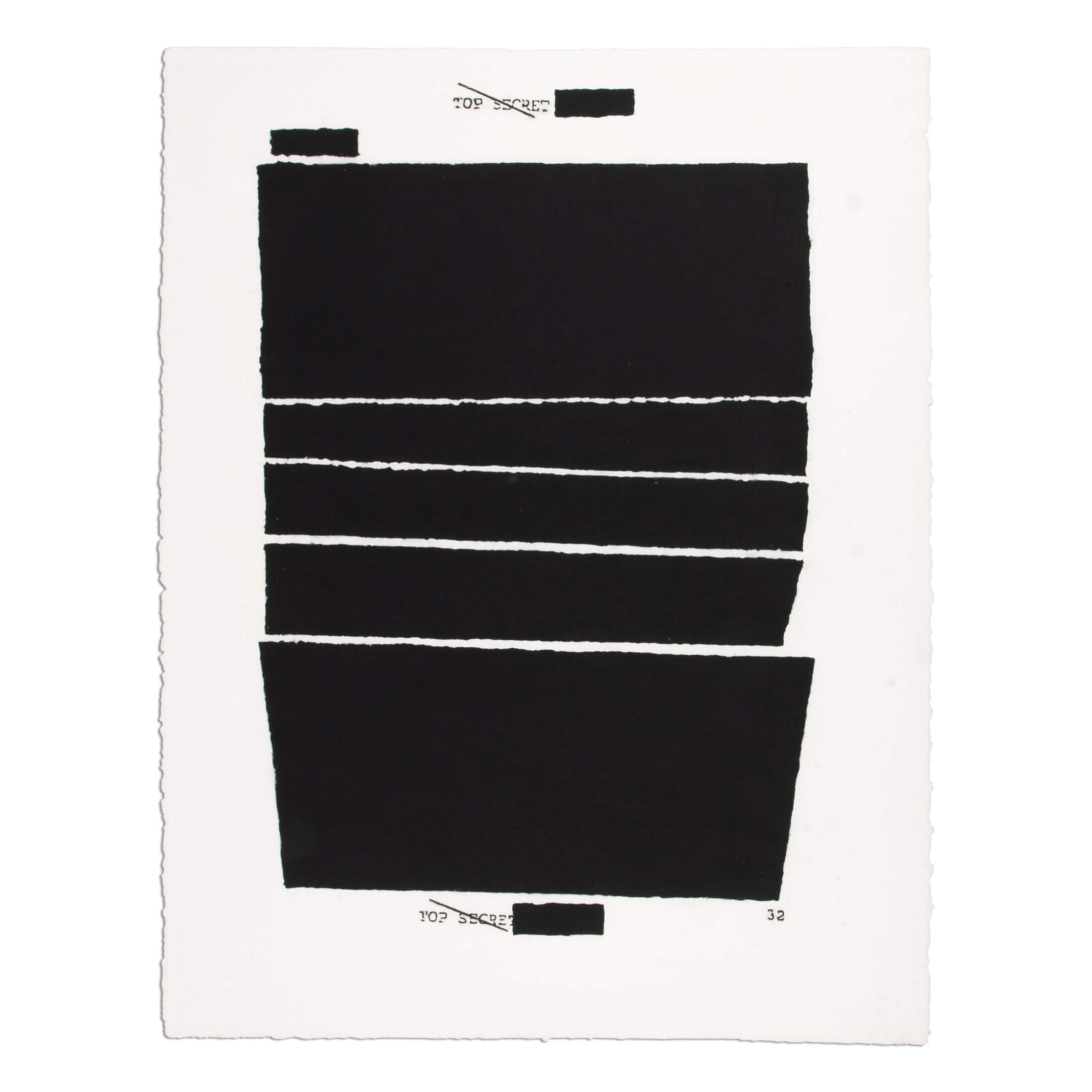
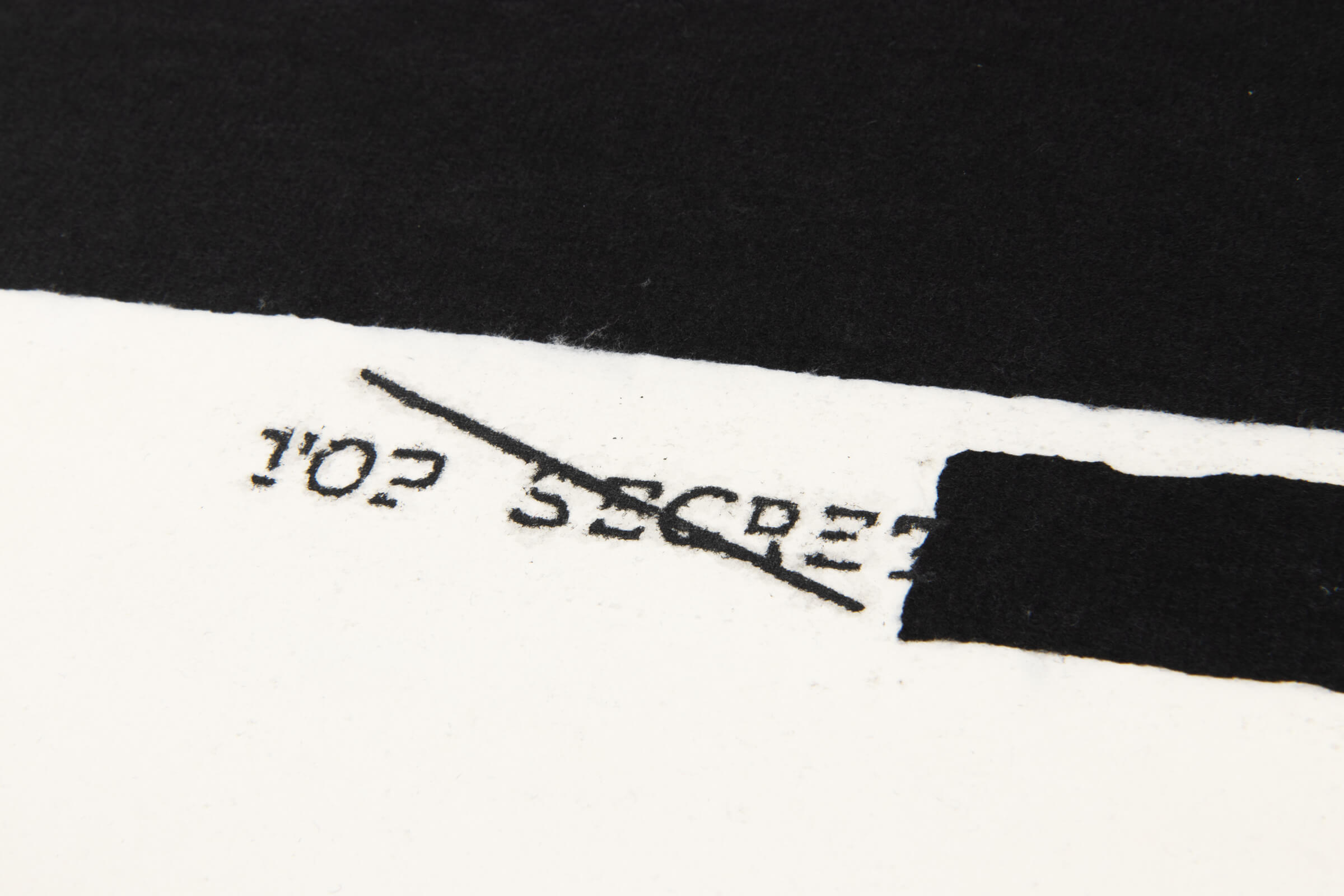
Jenny Holzer - Top Secret 32Jenny Holzer - Top Secret 32
Jenny Holzer – Top Secret 32 Sale price€1.900,00
Tracey Emin – This is ForeverTracey Emin – This is Forever
Tracey Emin – This is Forever Sale price€7.800,00
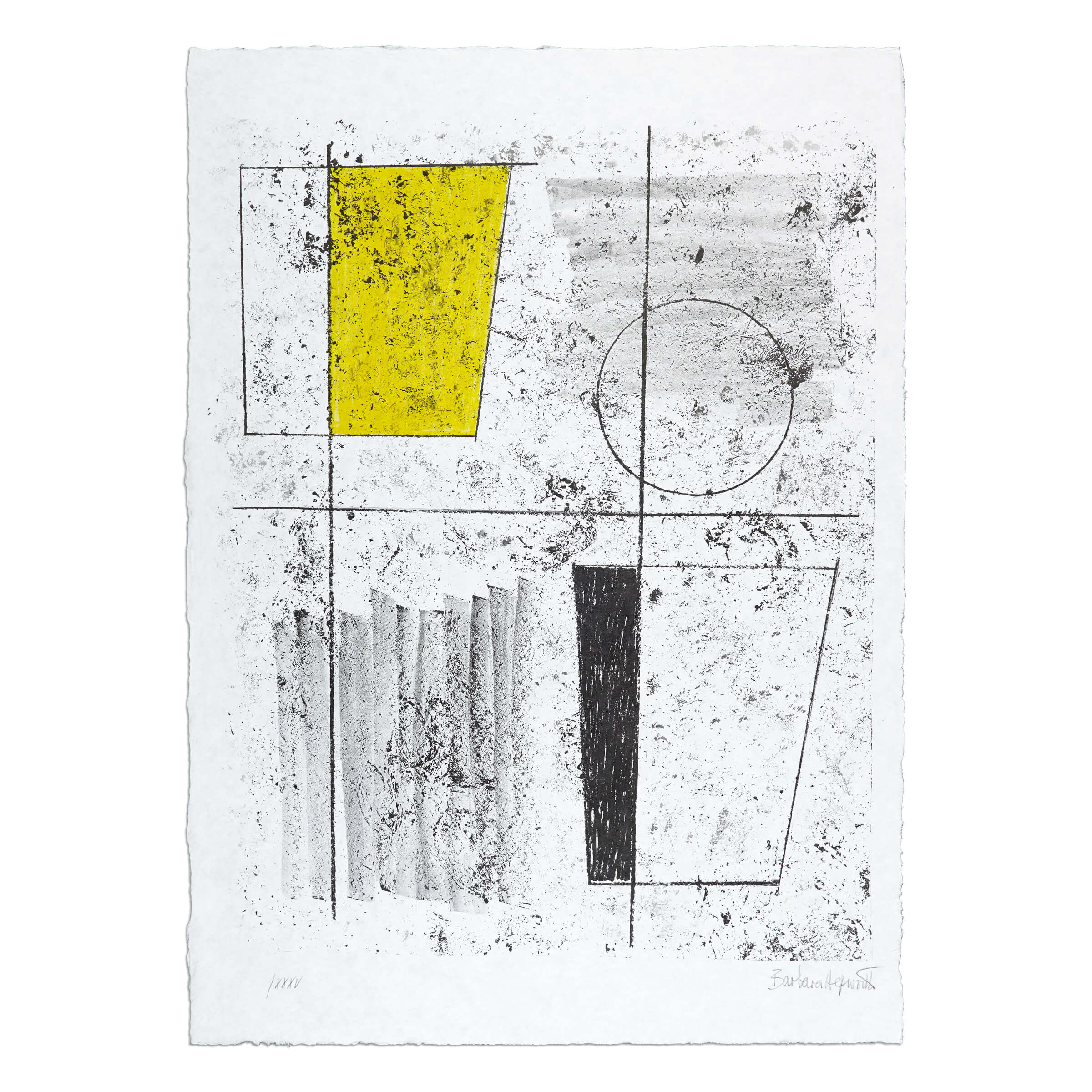
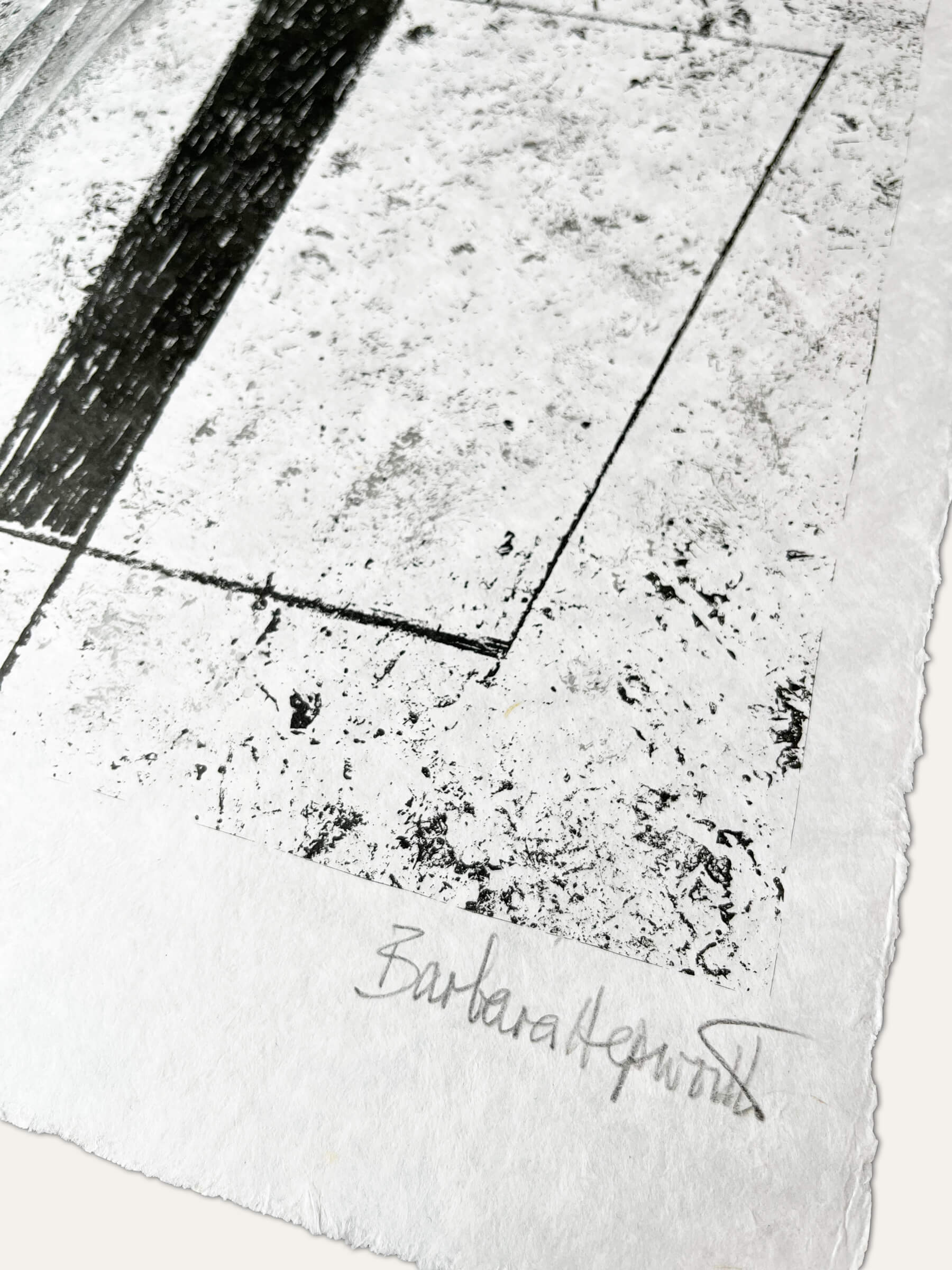
Barbara Hepworth - Three Forms AssemblingBarbara Hepworth - Three Forms Assembling
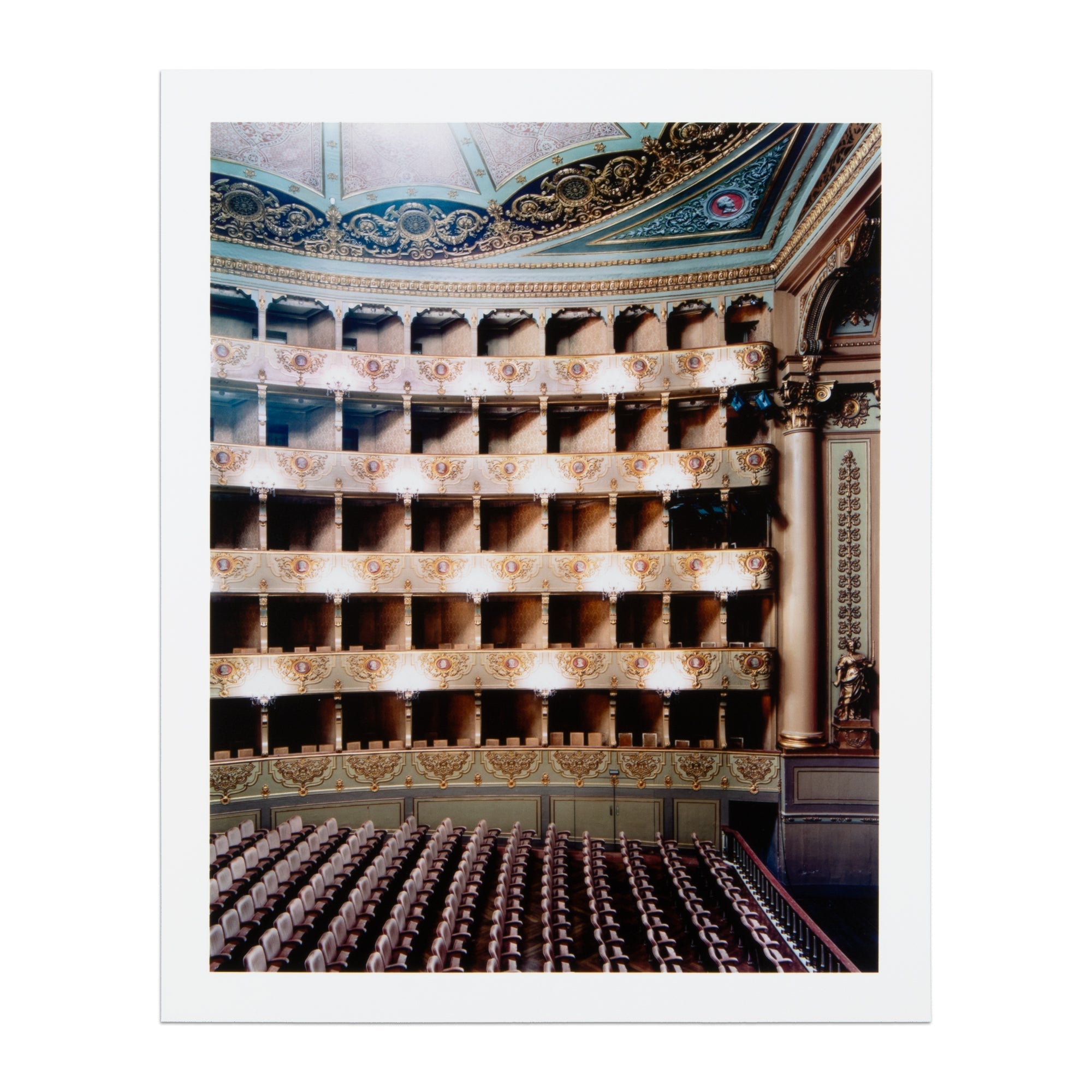
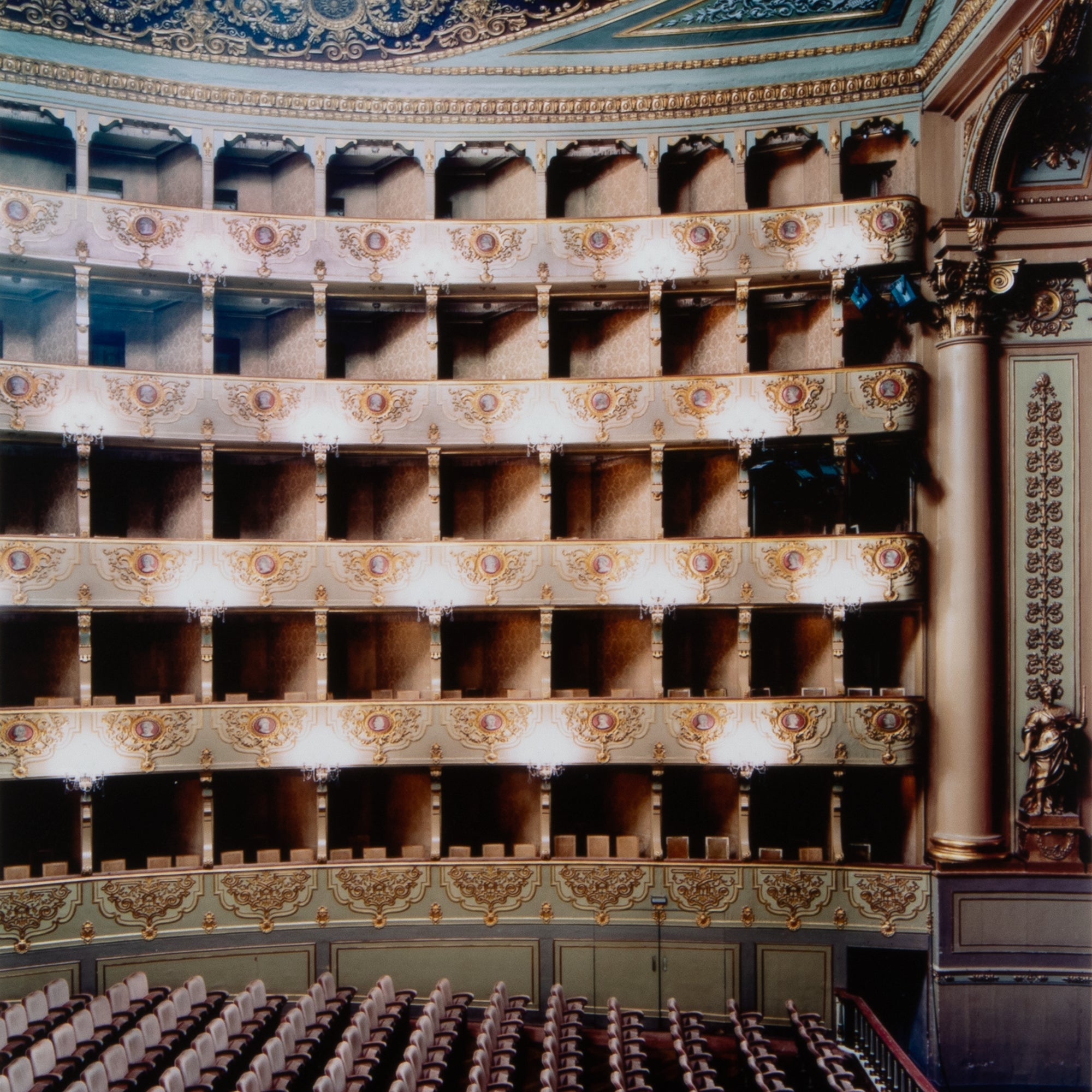
Candida Höfer - Teatro Nacional de Sao Carlos Lisboa IIICandida Höfer - Teatro Nacional de Sao Carlos Lisboa III
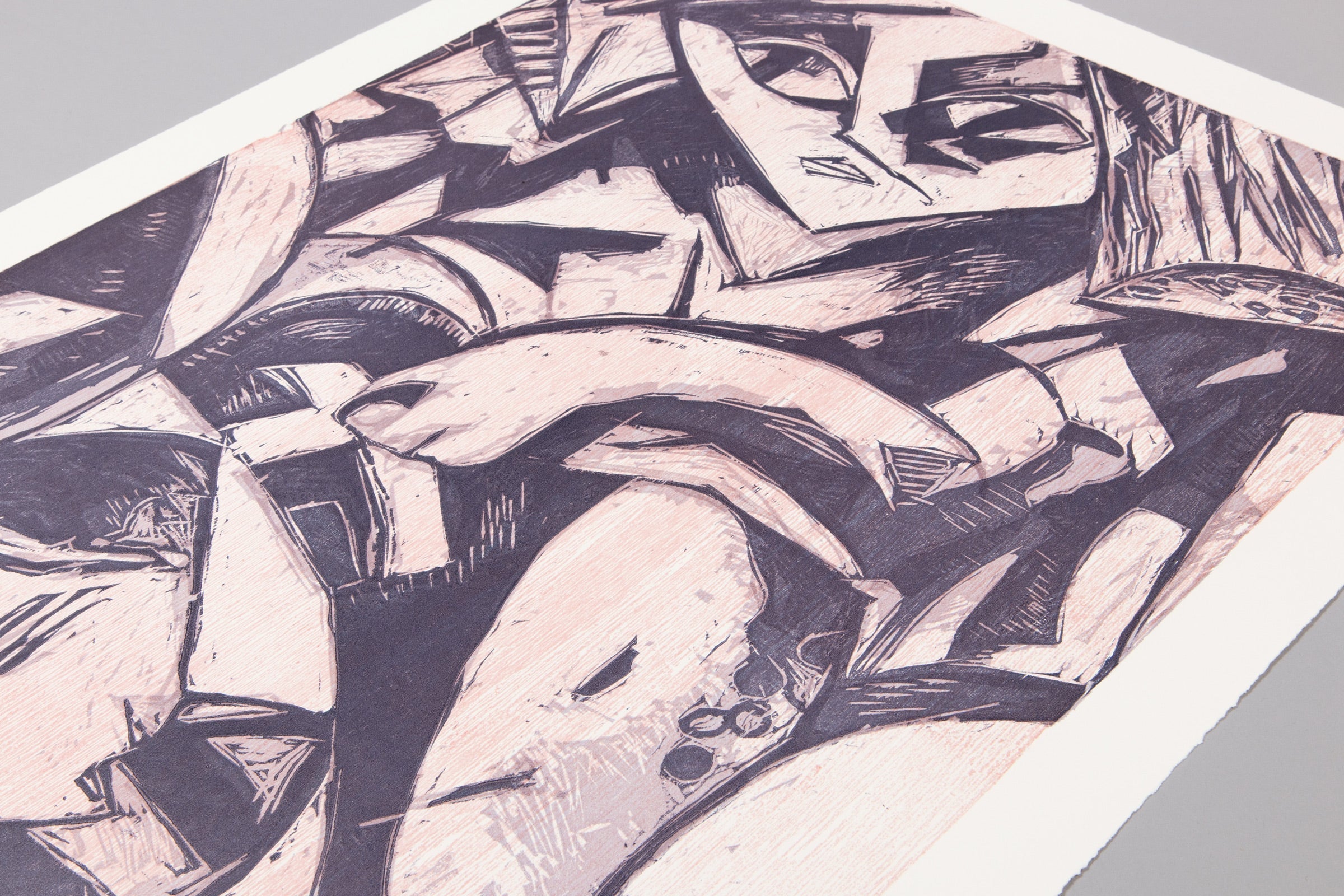
Dana Schutz - Back Surgery in BedDana Schutz - Back Surgery in Bed
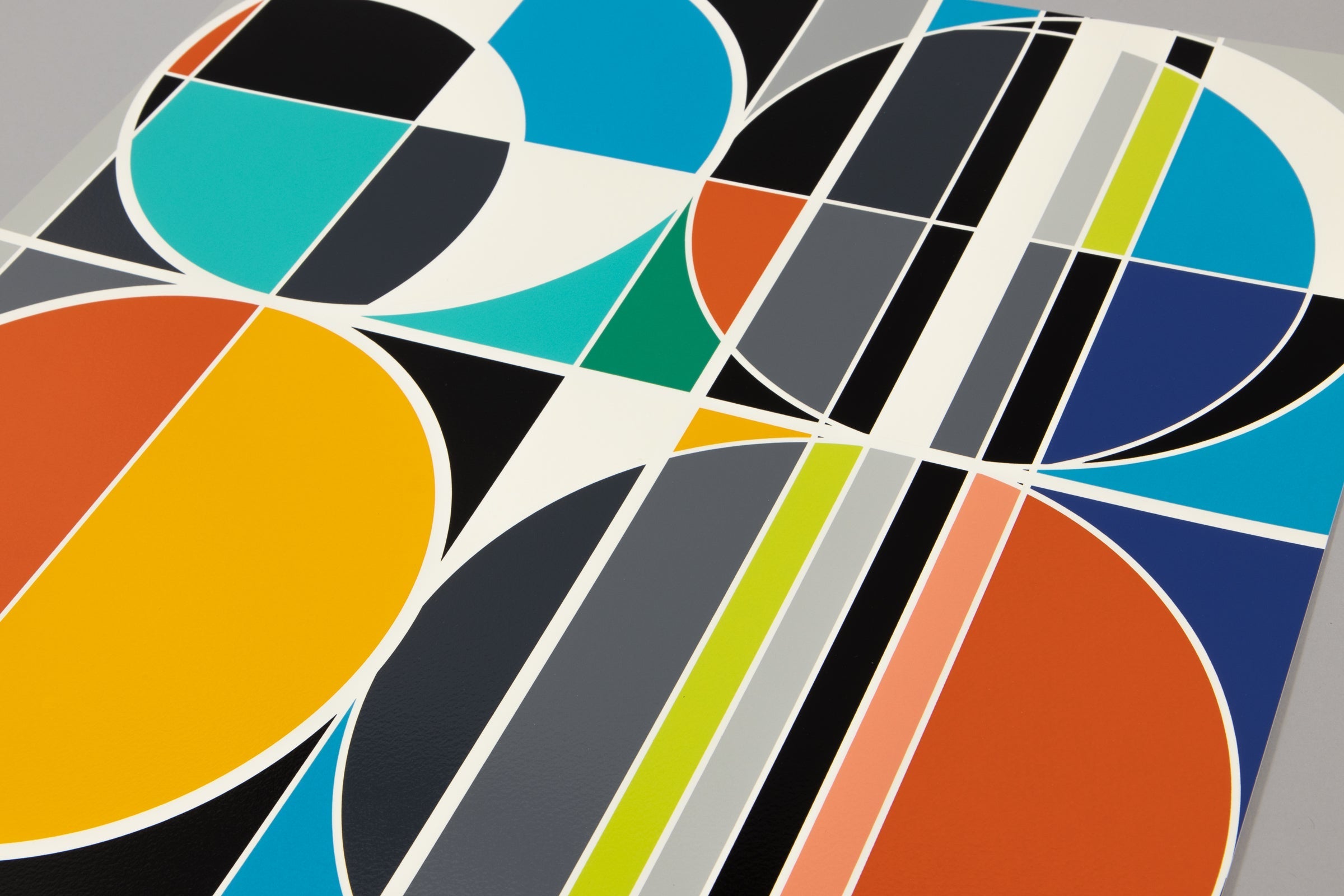
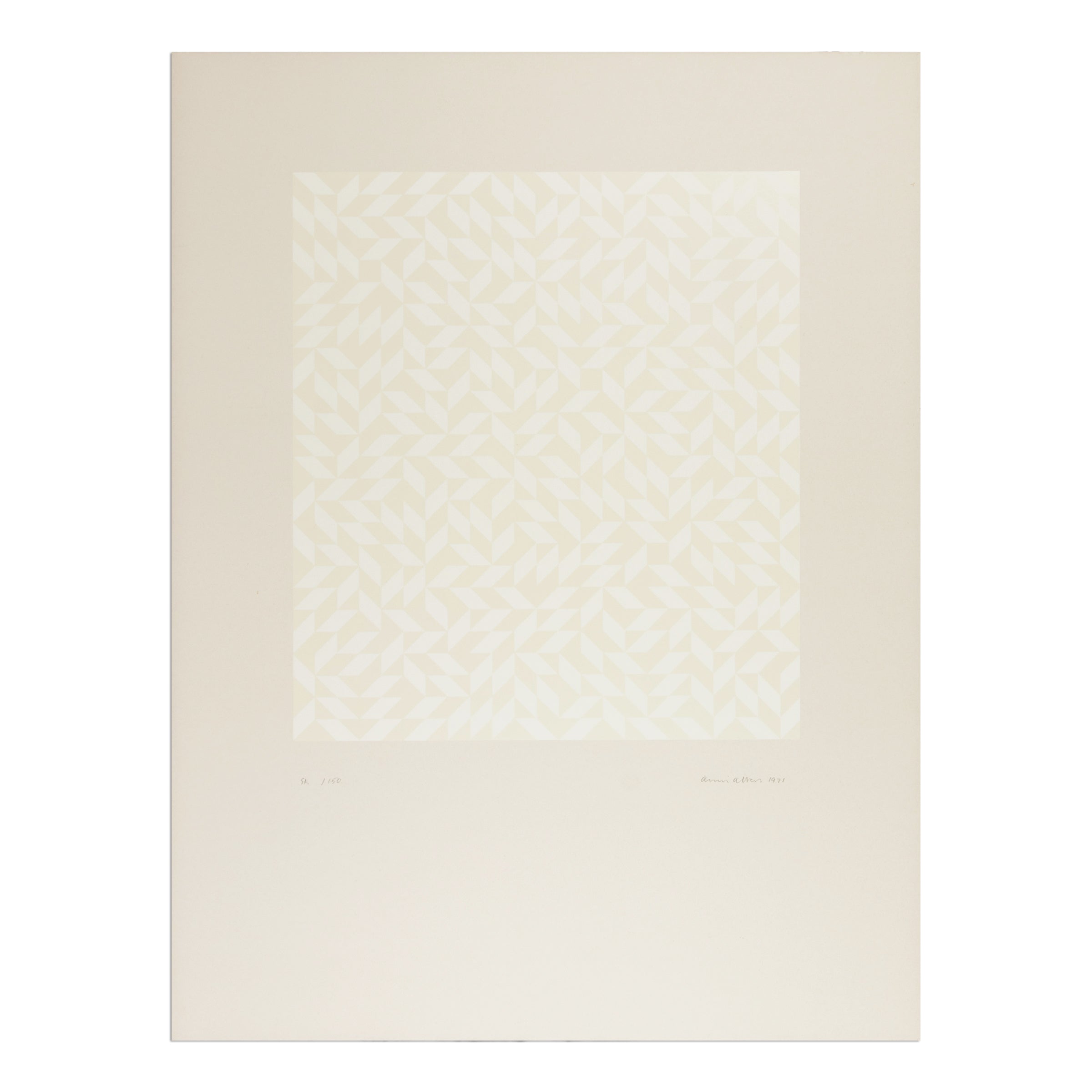
Anni Albers - STAnni Albers - ST
Anni Albers – ST Sale price€3.600,00
Sold out
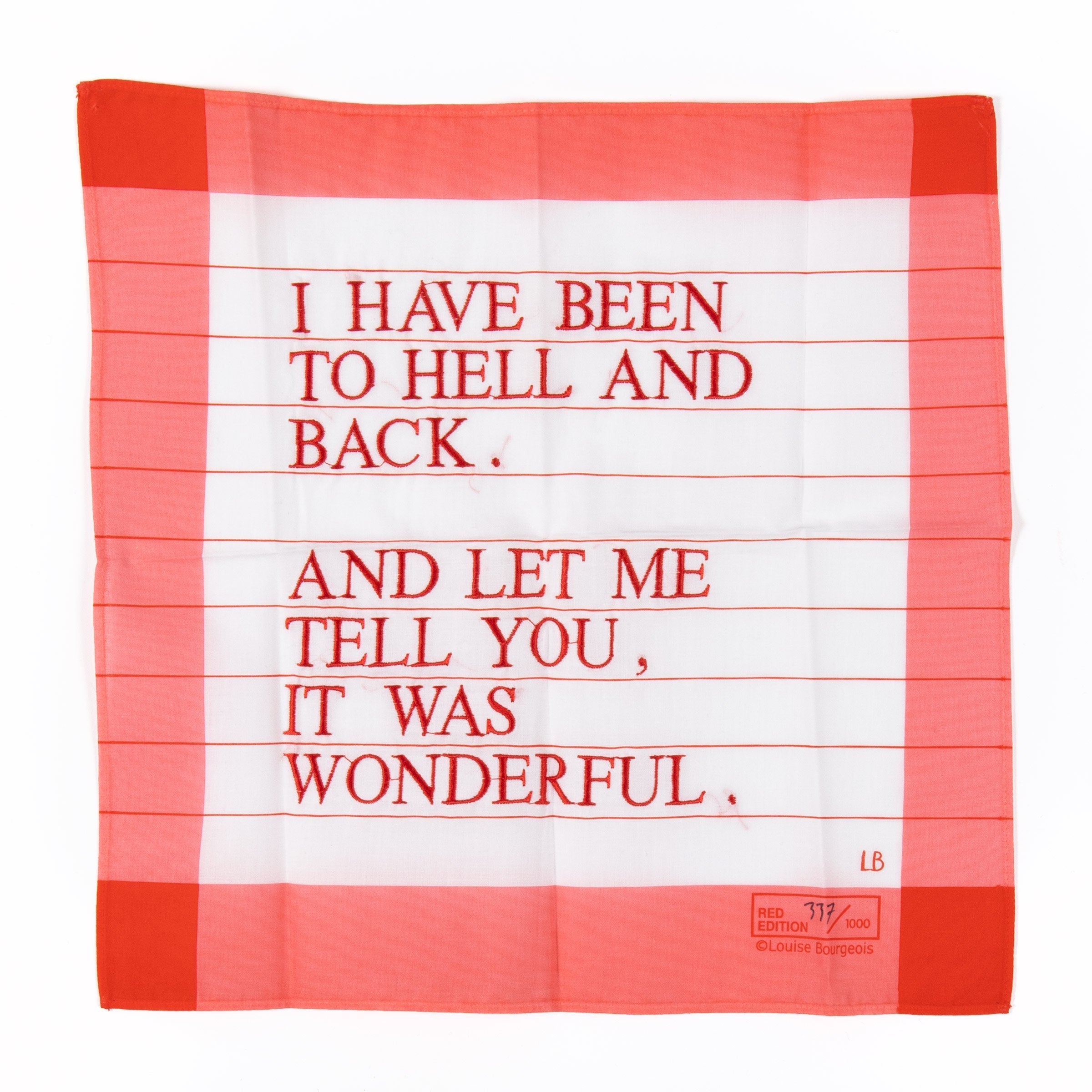
Louise Bourgeois - I Have Been to Hell and Back (Red)Louise Bourgeois - I Have Been to Hell and Back (Red)
Sold out
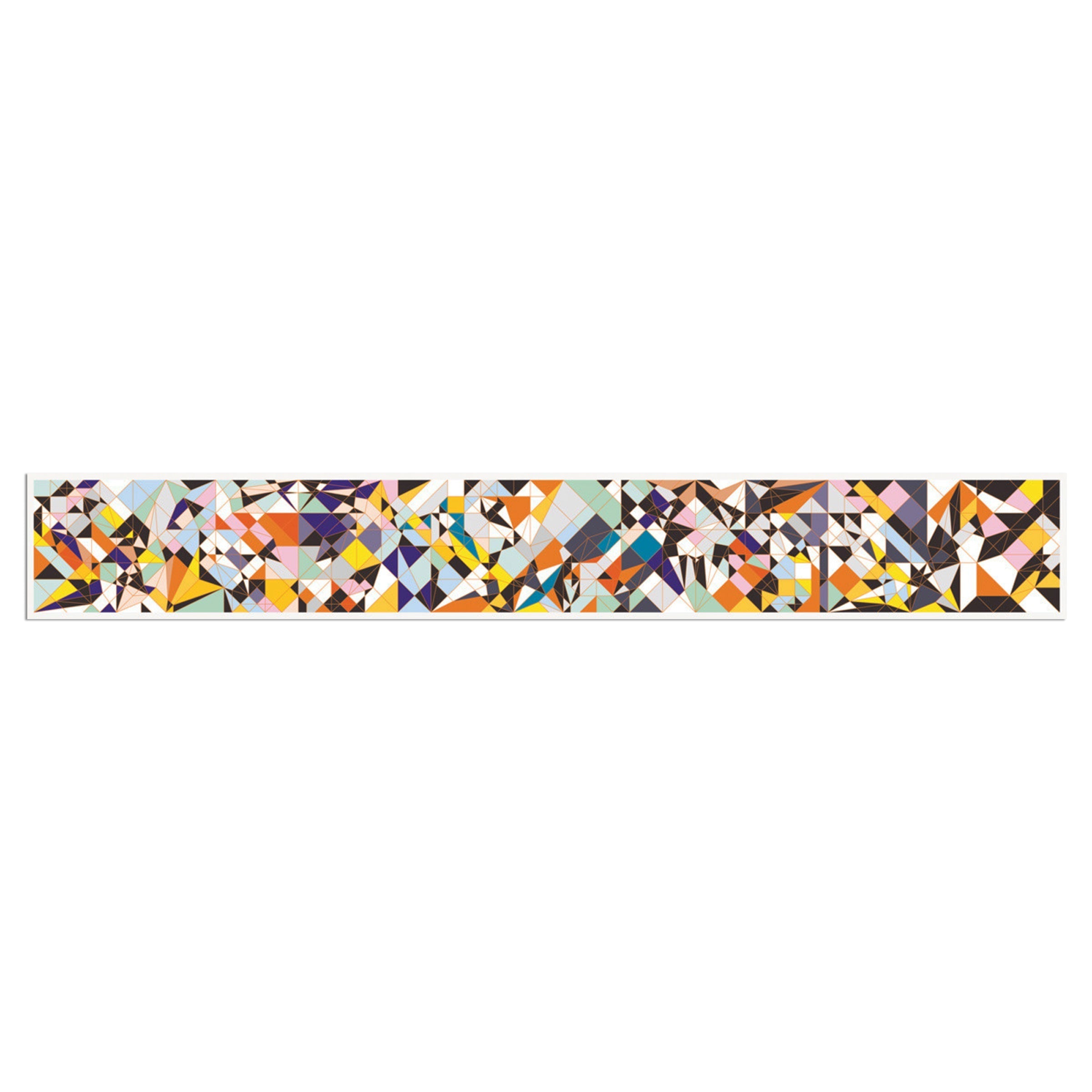
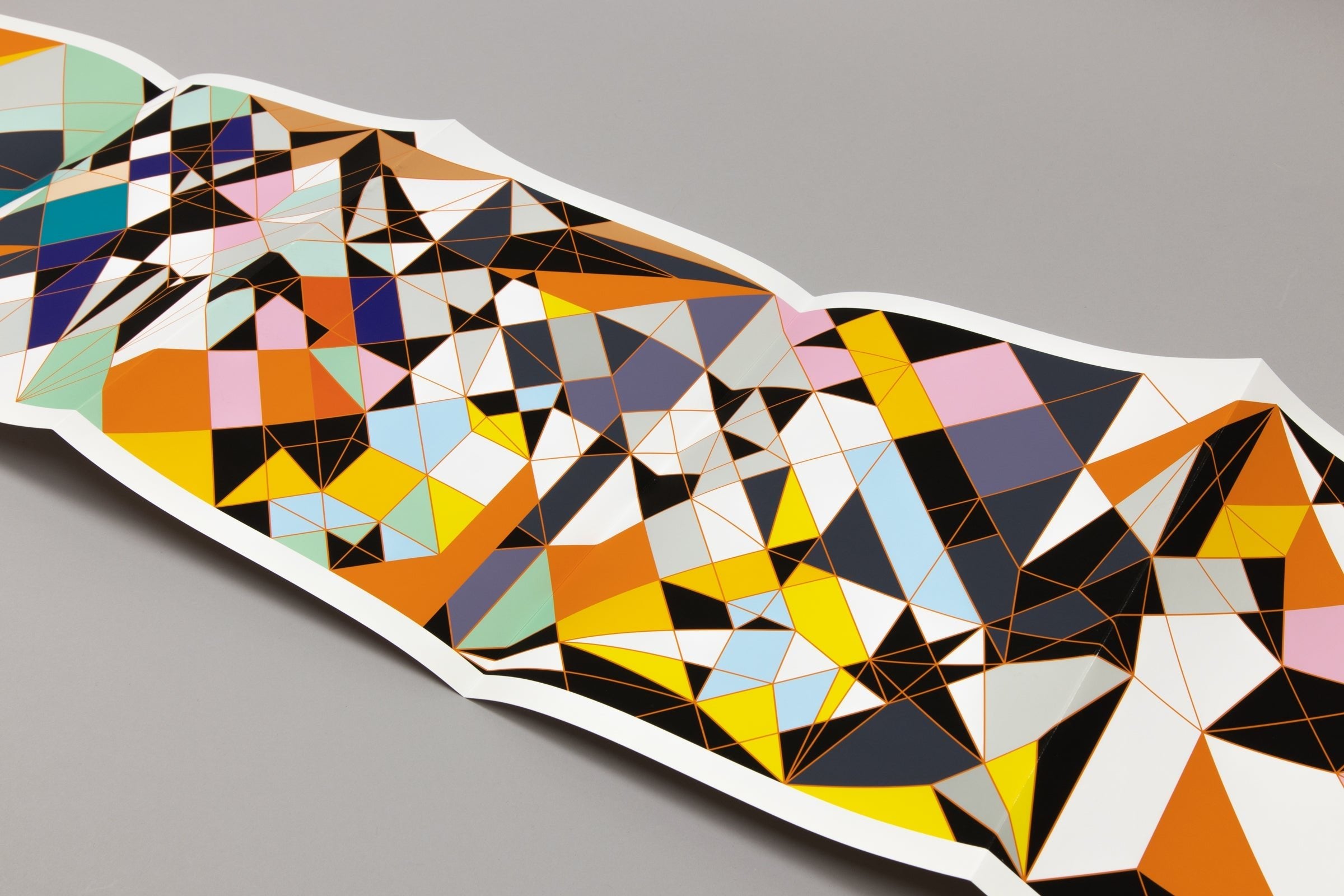
Sarah Morris – Taurus (Origami)Sarah Morris - Taurus (Origami)
Sarah Morris – Taurus (Origami) Sale price€2.200,00
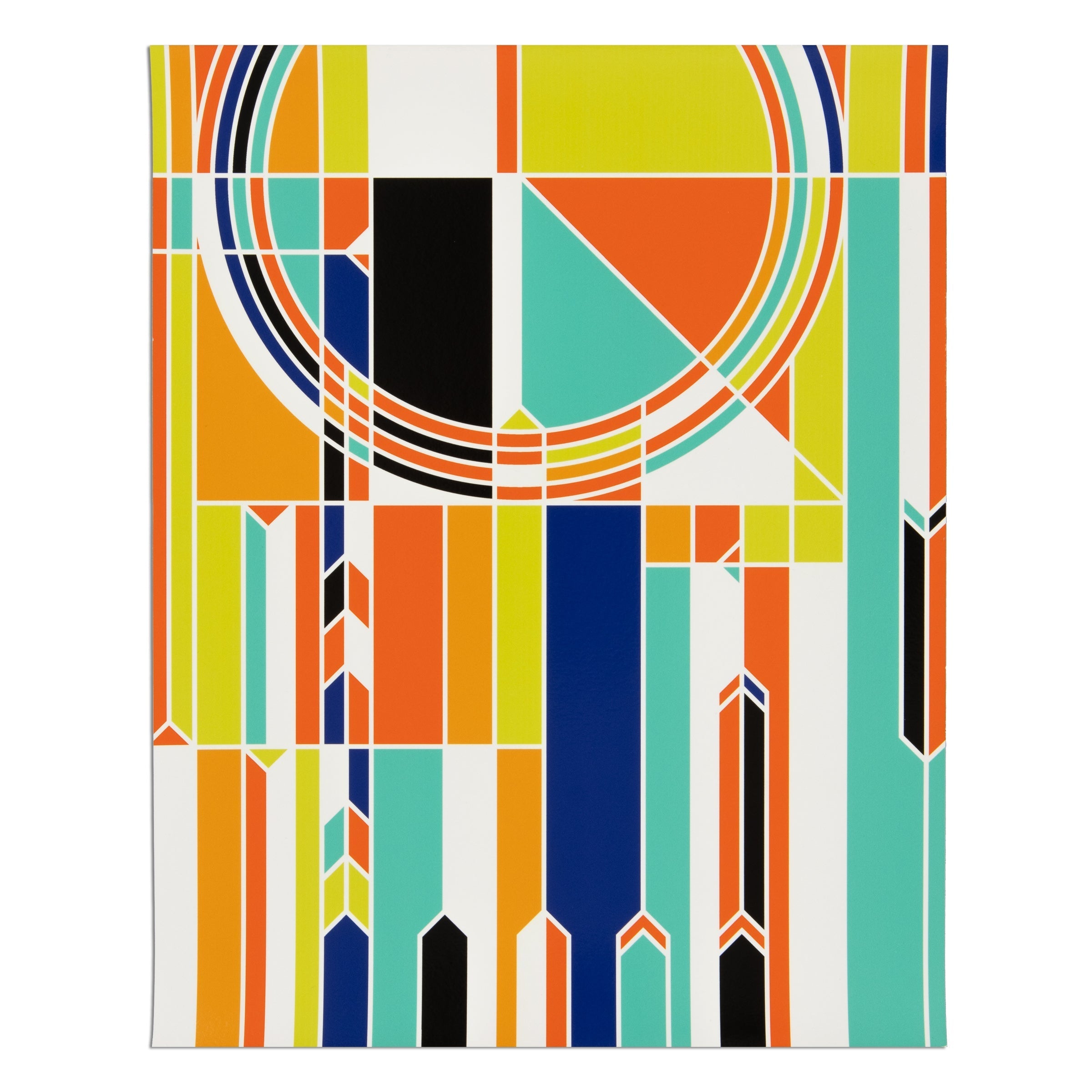
Sarah Morris – LondonSarah Morris - London
Sarah Morris – London Sale price€1.200,00
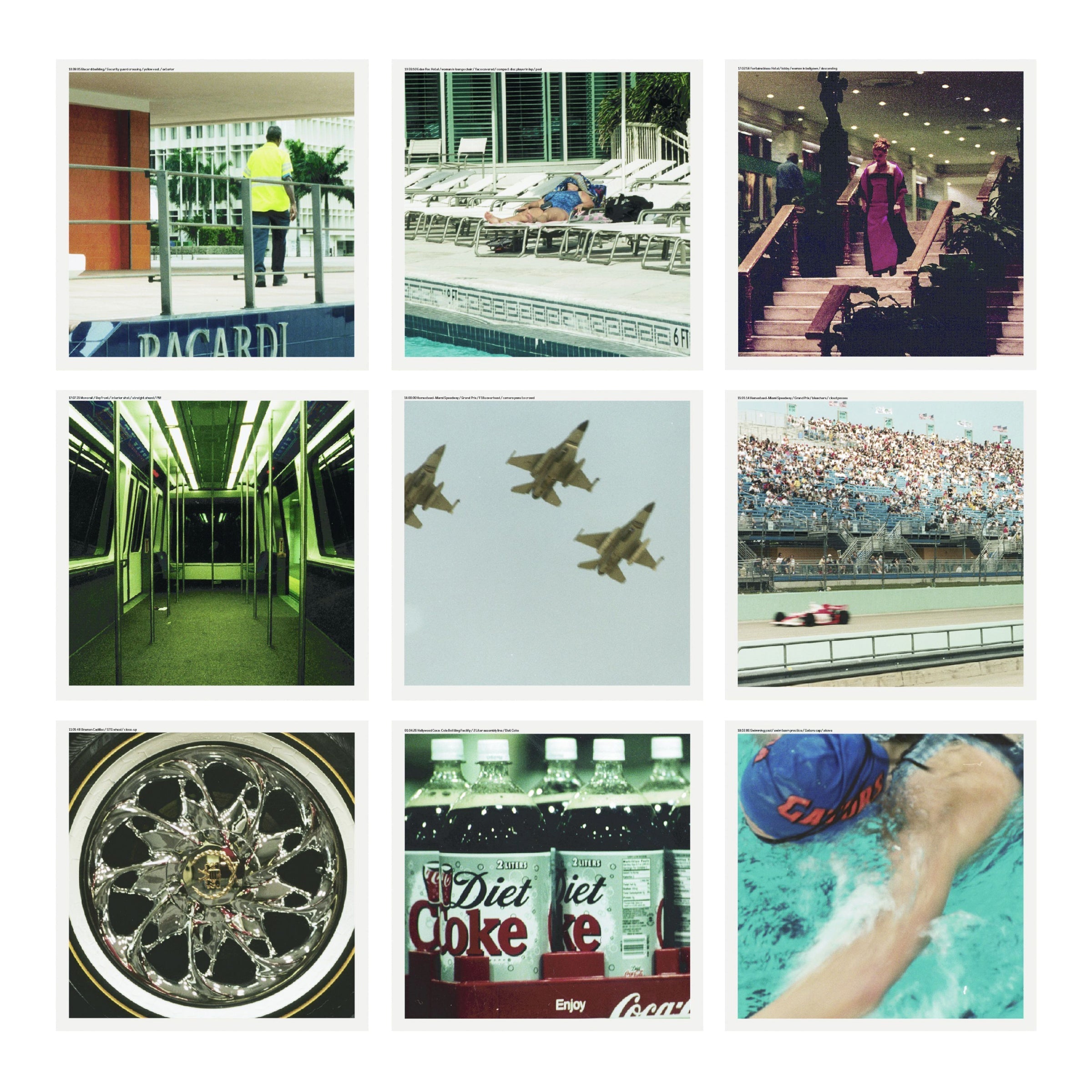
Sarah Morris - Color Referents (Miami)
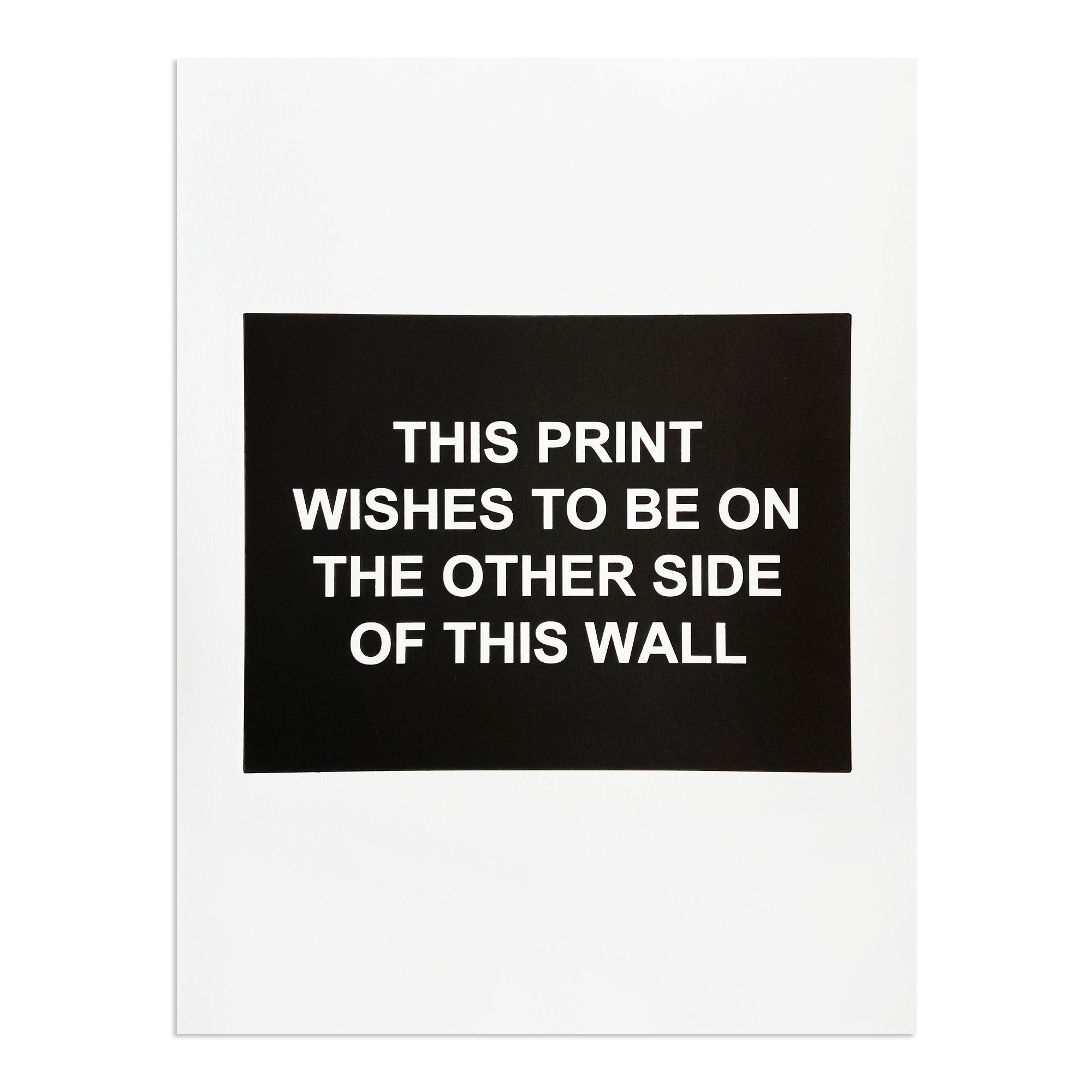
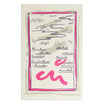
Laure Prouvost – This Print Wishes to Be On the Other Side of This WallLaure Prouvost - This Print Wishes to Be On the Other Side of This Wall
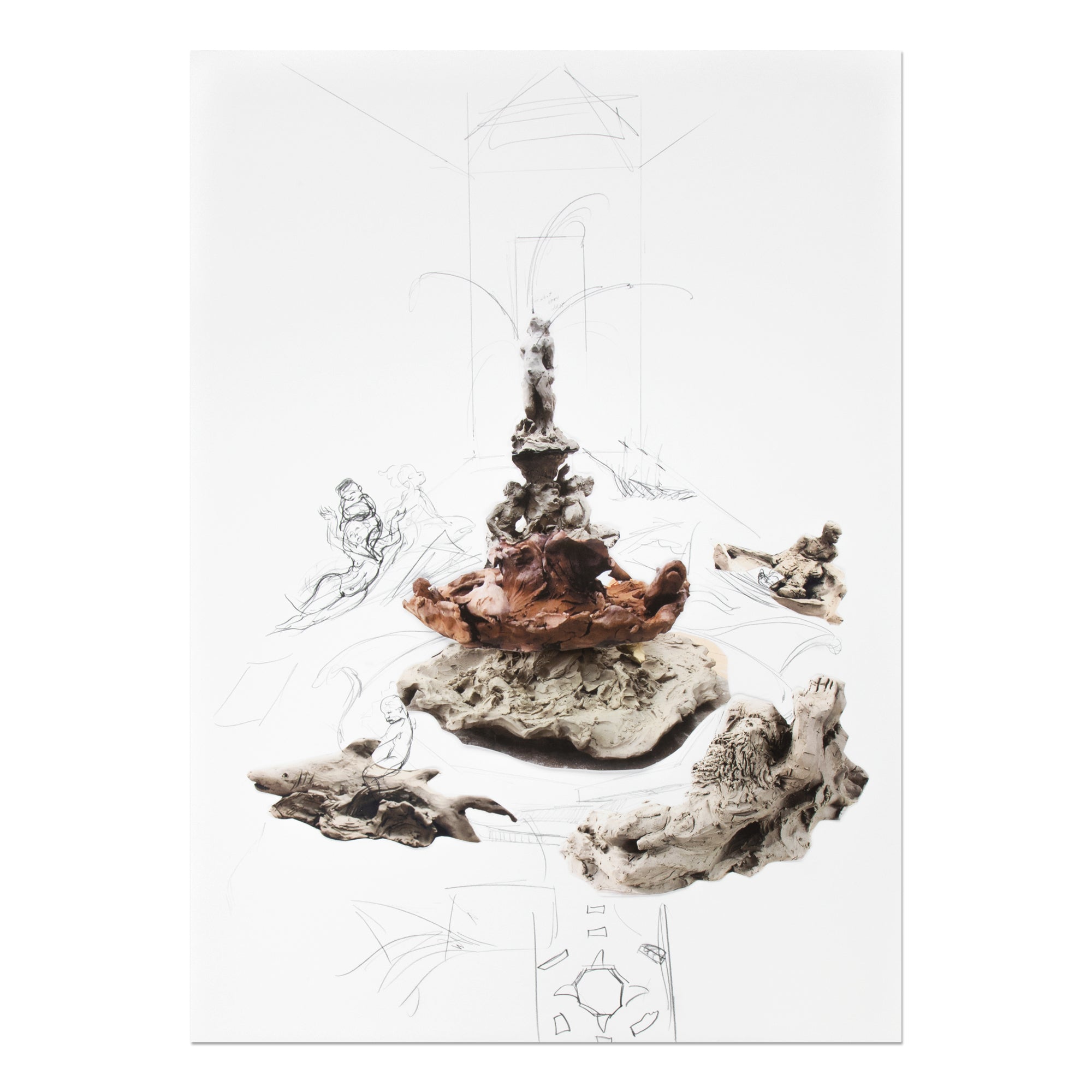
Kara Walker – Theme for the Fons AmericanusKara Walker - Theme for the Fons Americanus
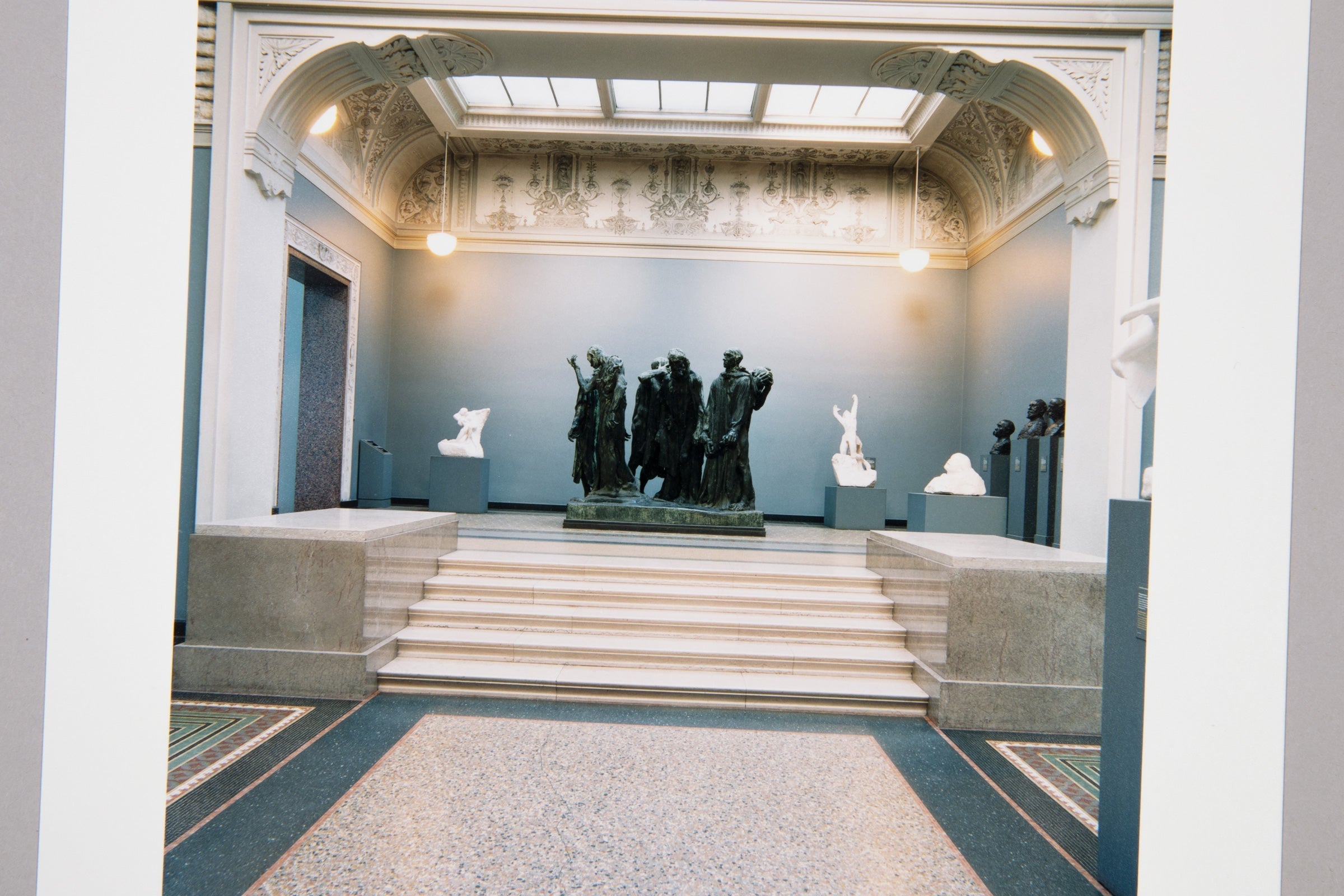
Candida Höfer - N.Y Carlsberg Glyptotek Copenhagen IIICandida Höfer - N.Y Carlsberg Glyptotek Copenhagen III
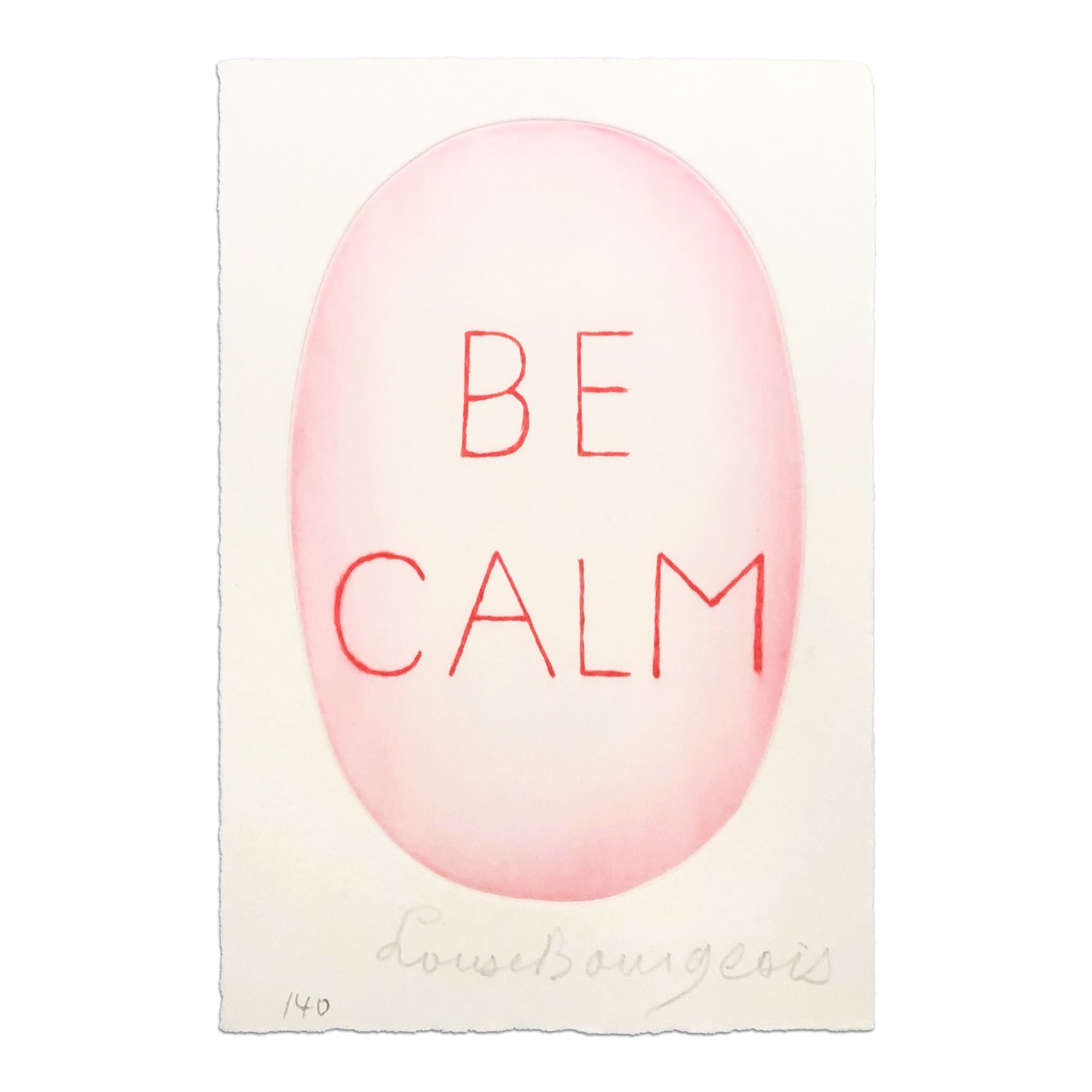
Louise Bourgeois – Be Calm (from Recueil des Secrets)Louise Bourgeois – Be Calm (from Recueil des Secrets)
Shirin Neshat – Unveiling Series #2, 1993Shirin Neshat – Unveiling Series #2, 1993
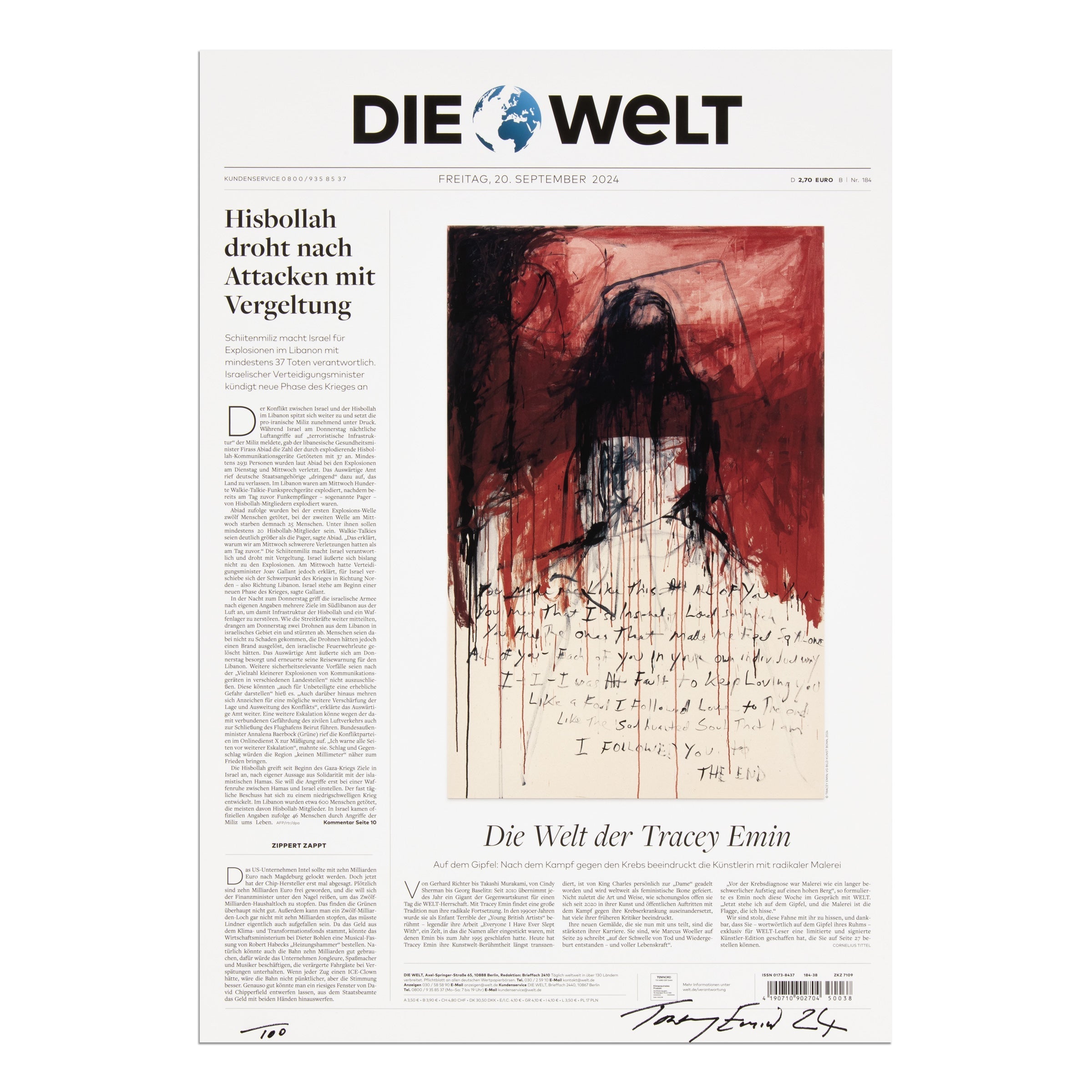
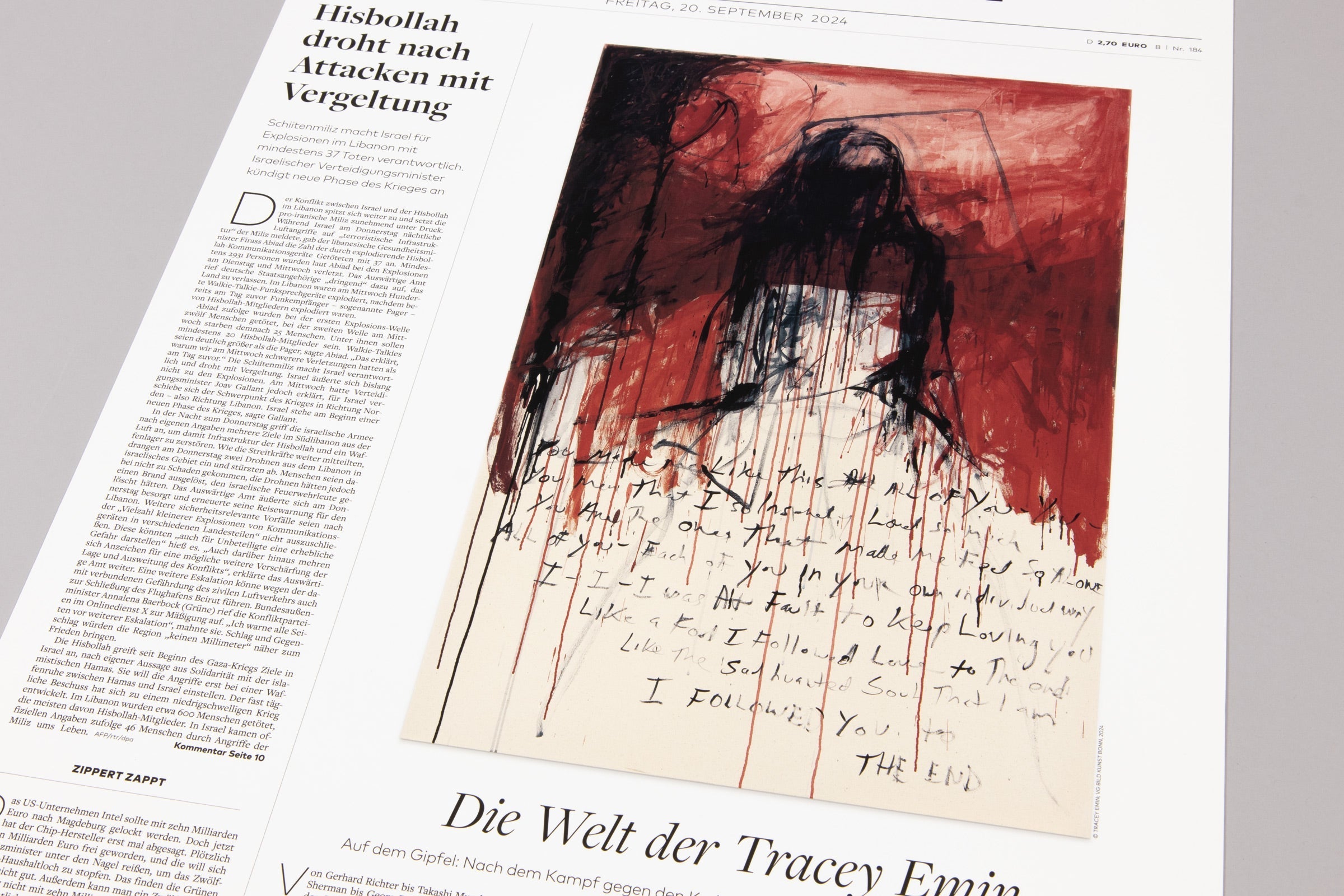
Tracey Emin – I Followed You to the End (Die Welt)Tracey Emin – I Followed You to the End (Die Welt)
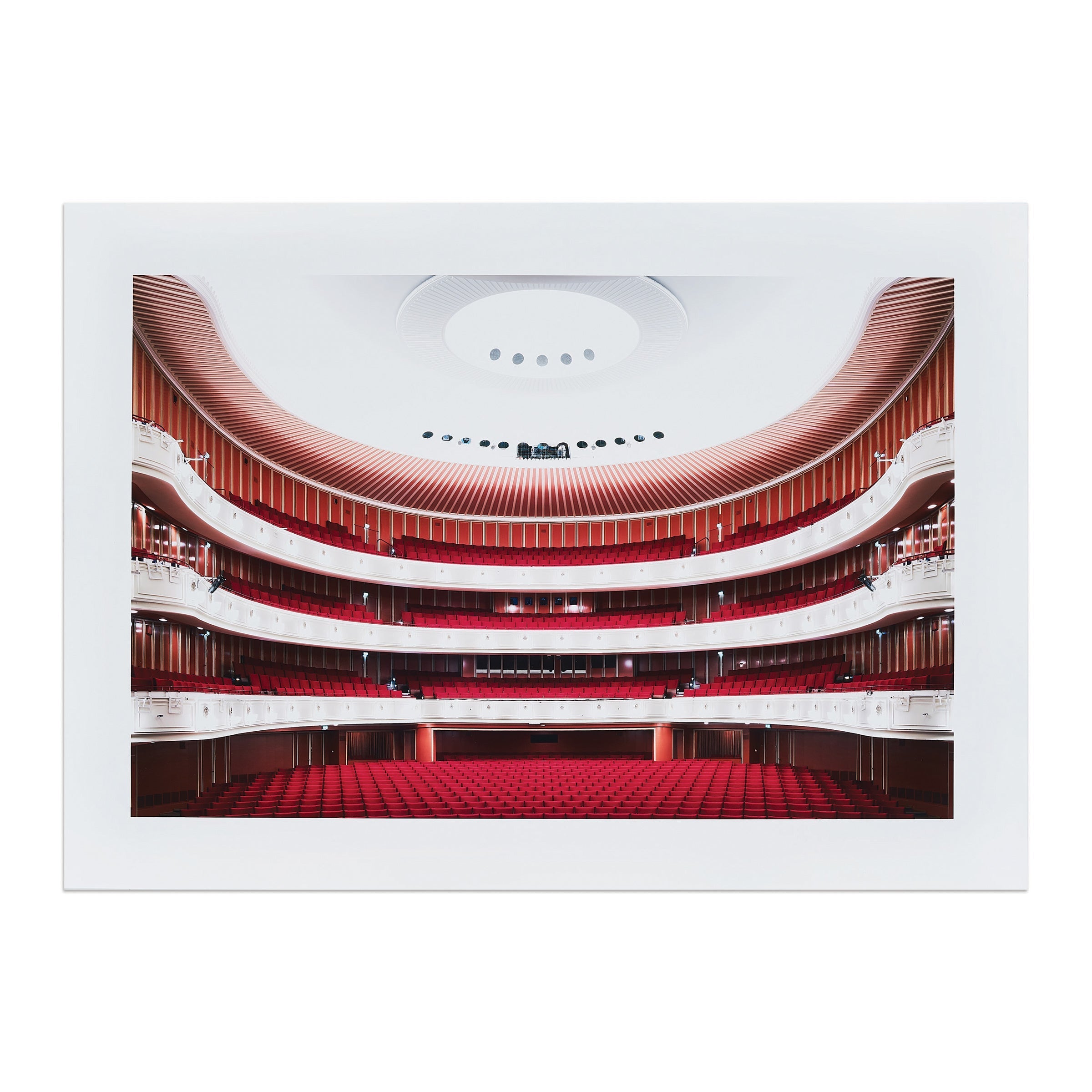
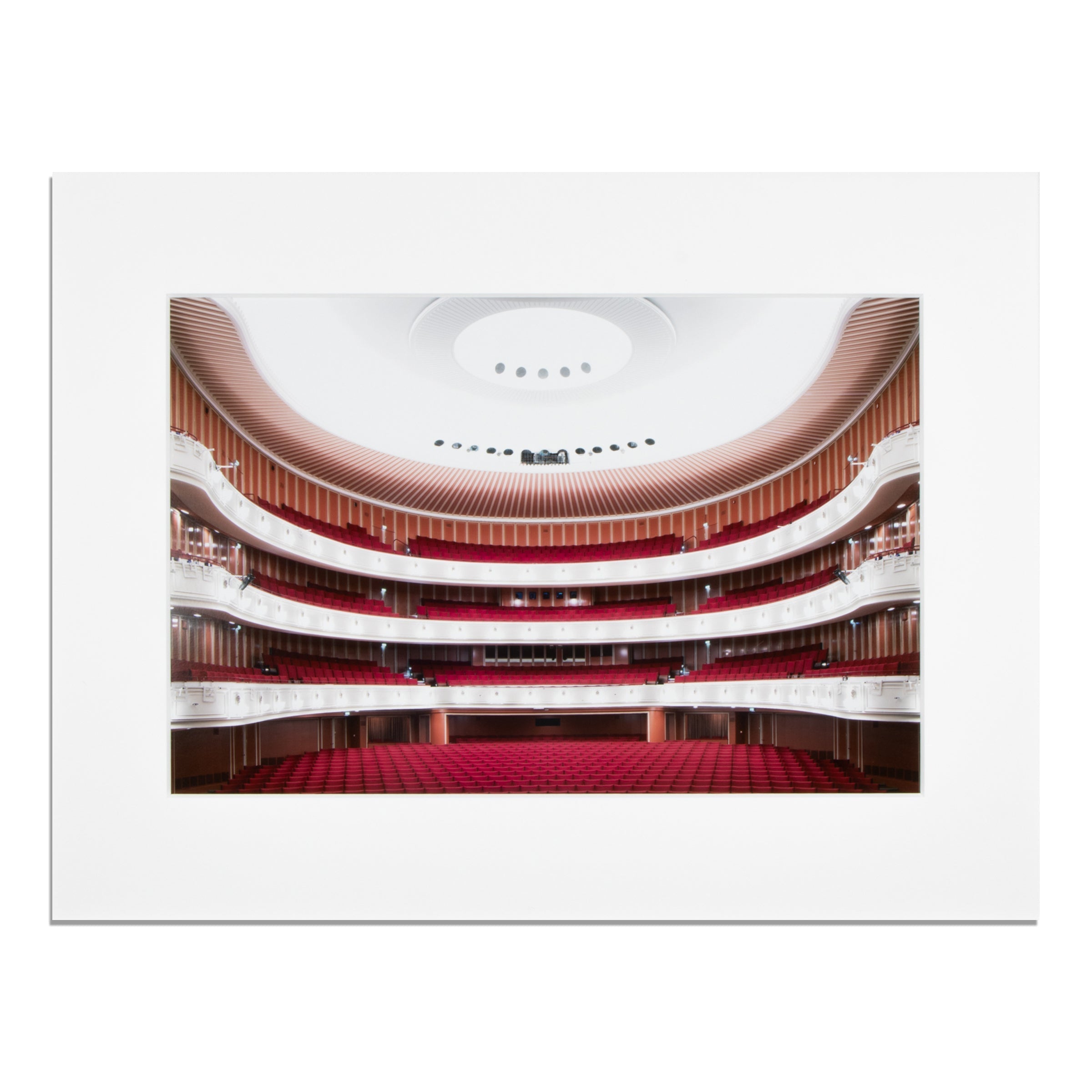
Candida Höfer – Deutsche OperCandida Höfer – Deutsche Oper
Candida Höfer – Deutsche Oper Sale price€3.000,00

Leading Women Artists

Explore works by leading women artists whose practices have defined and expanded contemporary art. From conceptual and text-based works to figurative and abstract approaches, these artists continue to shape the visual language of today.

All artists
01

Collect Women Artists

This collection brings together signed prints, photographs, and editions by some of the most significant women artists in contemporary art. What connects them is not medium or generation but method: each took an existing form and transformed it into something it had never been before. Louise Bourgeois turned autobiography into monumental sculpture. Barbara Kruger redirected advertising's visual grammar against the ideologies it normally serves. Jenny Holzer proved that a single sentence, placed in public space, carries more political force than a painting. Cindy Sherman used the camera not to document but to dismantle — revealing femininity as construction rather than nature. Carmen Herrera pursued geometric abstraction with a rigour the art world took fifty years to recognise. Rosemarie Trockel submitted machine-knitted works to institutions that had never considered craft a serious medium, and forced a reckoning.

That reckoning is still unfolding. Major institutions are actively revisiting their collections, biennials are foregrounding historically underrepresented practices, and artists overlooked for decades are being reappraised alongside those who have long held institutional recognition. The works here — spanning sculpture, photography, painting, printmaking, and installation — sit at the centre of that shift. Their editions, strictly limited and signed, offer collectors the chance to participate in that reappraisal rather than arrive after it.

02

Female Artists in History

In 2023, Tate Britain rehung its galleries for the first time in its 126-year history with half of the contemporary artists on display being women — a measure of how much ground remained to be covered, not a declaration of parity achieved. The same shift is visible at the 2022 Venice Biennale and in the rise of dedicated all-women auctions. Structural inequalities persist: works by women artists continue to achieve a fraction of the prices of their male counterparts, and commercial gallery representation remains skewed toward male artists despite the majority of postgraduate art students being female or non-binary.

The historical record is longer and more complex than these recent corrections suggest. Between the 16th and 18th centuries, women across Northern and Southern Europe were active as painters, teachers, and printmakers — often trained within artistic families precisely because official academies excluded them. Marietta Robusti trained under her father Tintoretto; Rachel Ruysch's still lifes were among the most sought-after of her era. Artemisia Gentileschi achieved recognition in her lifetime while navigating persistent limits in access, patronage, and critical reception. Their presence was never marginal — it was made invisible by the institutions that controlled the record.

Exhibitions such as Now You See Us: Women Artists in Britain 1520–1920 at Tate Britain function as critical interventions rather than retrospectives — foregrounding artists who worked in traditionally male-dominated genres and repositioning them within a history that excluded them by design.

03

Contemporary Women Artists

The generation that followed built on those foundations while staking out entirely new territory. Kara Walker borrowed the silhouette from European portraiture and used it to expose what that tradition had always concealed — antebellum America rendered elegant and unbearable in equal measure. Marlene Dumas paints from photographs — newspaper images, pornography, family snapshots — and produces something photography itself can never be: slow, morally uncomfortable, psychologically exact. Tracey Emin made autobiography the medium itself, collapsing the distance between private experience and public art in ways that transformed what confessional practice could look like. Elizabeth Peyton's intimate portraits — of friends, historical figures, musicians — redefined figurative painting as a site of emotional precision rather than spectacle.

Beyond Europe and North America, the field has expanded significantly. Shirin Neshat's photographic and video works give visibility to the conditions under which women's bodies and voices are controlled within political systems that render them invisible. Katharina Grosse treats colour as a spatial and psychological force — spraying pigment across architecture, soil, and fabric in immersive installations that dissolve the boundary between painting and environment. Cecily Brown returned painting to the body with a gestural force that made the medium feel urgent again — figuration and abstraction in constant, productive tension.

What these practices share is a refusal to separate the personal from the political, the formal from the experiential. Their editions — prints, photographs, multiples — carry that same insistence into collectible form.

01

Collect Women Artists

This collection brings together signed prints, photographs, and editions by some of the most significant women artists in contemporary art. What connects them is not medium or generation but method: each took an existing form and transformed it into something it had never been before. Louise Bourgeois turned autobiography into monumental sculpture. Barbara Kruger redirected advertising's visual grammar against the ideologies it normally serves. Jenny Holzer proved that a single sentence, placed in public space, carries more political force than a painting. Cindy Sherman used the camera not to document but to dismantle — revealing femininity as construction rather than nature. Carmen Herrera pursued geometric abstraction with a rigour the art world took fifty years to recognise. Rosemarie Trockel submitted machine-knitted works to institutions that had never considered craft a serious medium, and forced a reckoning.

That reckoning is still unfolding. Major institutions are actively revisiting their collections, biennials are foregrounding historically underrepresented practices, and artists overlooked for decades are being reappraised alongside those who have long held institutional recognition. The works here — spanning sculpture, photography, painting, printmaking, and installation — sit at the centre of that shift. Their editions, strictly limited and signed, offer collectors the chance to participate in that reappraisal rather than arrive after it.

02

Female Artists in History

In 2023, Tate Britain rehung its galleries for the first time in its 126-year history with half of the contemporary artists on display being women — a measure of how much ground remained to be covered, not a declaration of parity achieved. The same shift is visible at the 2022 Venice Biennale and in the rise of dedicated all-women auctions. Structural inequalities persist: works by women artists continue to achieve a fraction of the prices of their male counterparts, and commercial gallery representation remains skewed toward male artists despite the majority of postgraduate art students being female or non-binary.

The historical record is longer and more complex than these recent corrections suggest. Between the 16th and 18th centuries, women across Northern and Southern Europe were active as painters, teachers, and printmakers — often trained within artistic families precisely because official academies excluded them. Marietta Robusti trained under her father Tintoretto; Rachel Ruysch's still lifes were among the most sought-after of her era. Artemisia Gentileschi achieved recognition in her lifetime while navigating persistent limits in access, patronage, and critical reception. Their presence was never marginal — it was made invisible by the institutions that controlled the record.

Exhibitions such as Now You See Us: Women Artists in Britain 1520–1920 at Tate Britain function as critical interventions rather than retrospectives — foregrounding artists who worked in traditionally male-dominated genres and repositioning them within a history that excluded them by design.

03

Contemporary Women Artists

The generation that followed built on those foundations while staking out entirely new territory. Kara Walker borrowed the silhouette from European portraiture and used it to expose what that tradition had always concealed — antebellum America rendered elegant and unbearable in equal measure. Marlene Dumas paints from photographs — newspaper images, pornography, family snapshots — and produces something photography itself can never be: slow, morally uncomfortable, psychologically exact. Tracey Emin made autobiography the medium itself, collapsing the distance between private experience and public art in ways that transformed what confessional practice could look like. Elizabeth Peyton's intimate portraits — of friends, historical figures, musicians — redefined figurative painting as a site of emotional precision rather than spectacle.

Beyond Europe and North America, the field has expanded significantly. Shirin Neshat's photographic and video works give visibility to the conditions under which women's bodies and voices are controlled within political systems that render them invisible. Katharina Grosse treats colour as a spatial and psychological force — spraying pigment across architecture, soil, and fabric in immersive installations that dissolve the boundary between painting and environment. Cecily Brown returned painting to the body with a gestural force that made the medium feel urgent again — figuration and abstraction in constant, productive tension.

What these practices share is a refusal to separate the personal from the political, the formal from the experiential. Their editions — prints, photographs, multiples — carry that same insistence into collectible form.

Explore Art Collections

Explore curated art collections across movements, themes, and artist groups, offering multiple ways to navigate and discover contemporary art.

View all
Prints, Photographs & Multiples

View our full collection of

Prints, Photographs & Multiples

Shop now