

Kara Walker

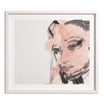
Kara Walker Portrait Print

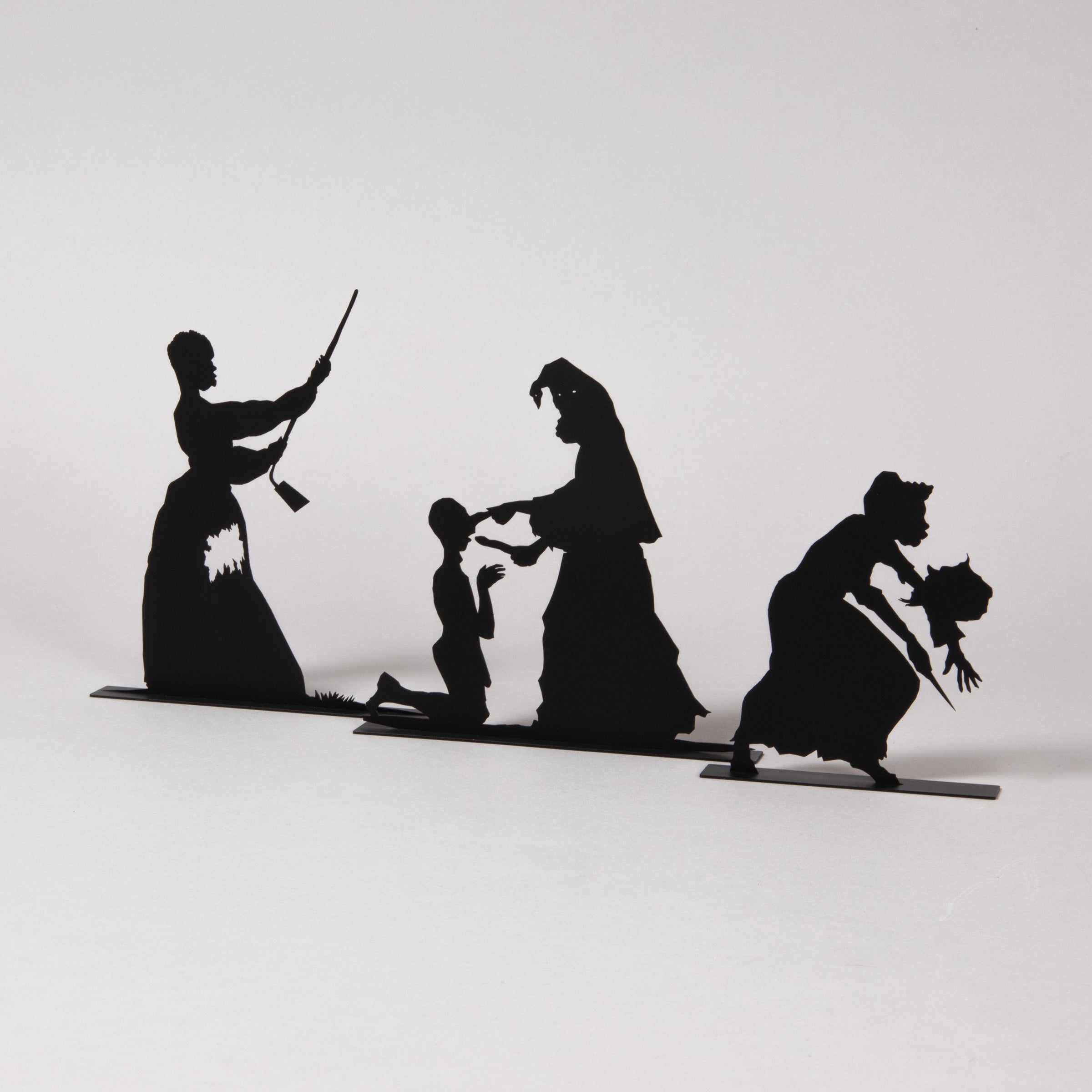
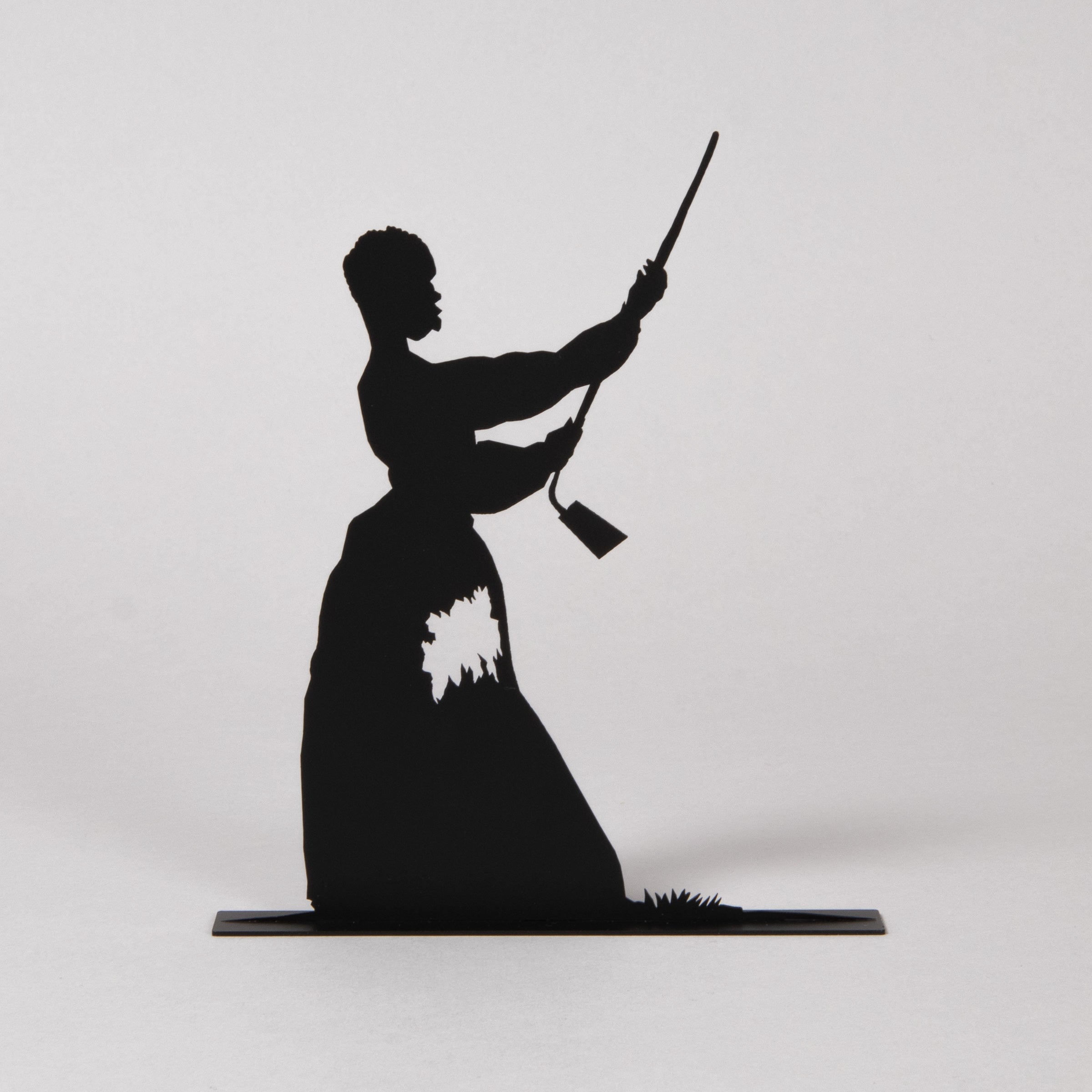
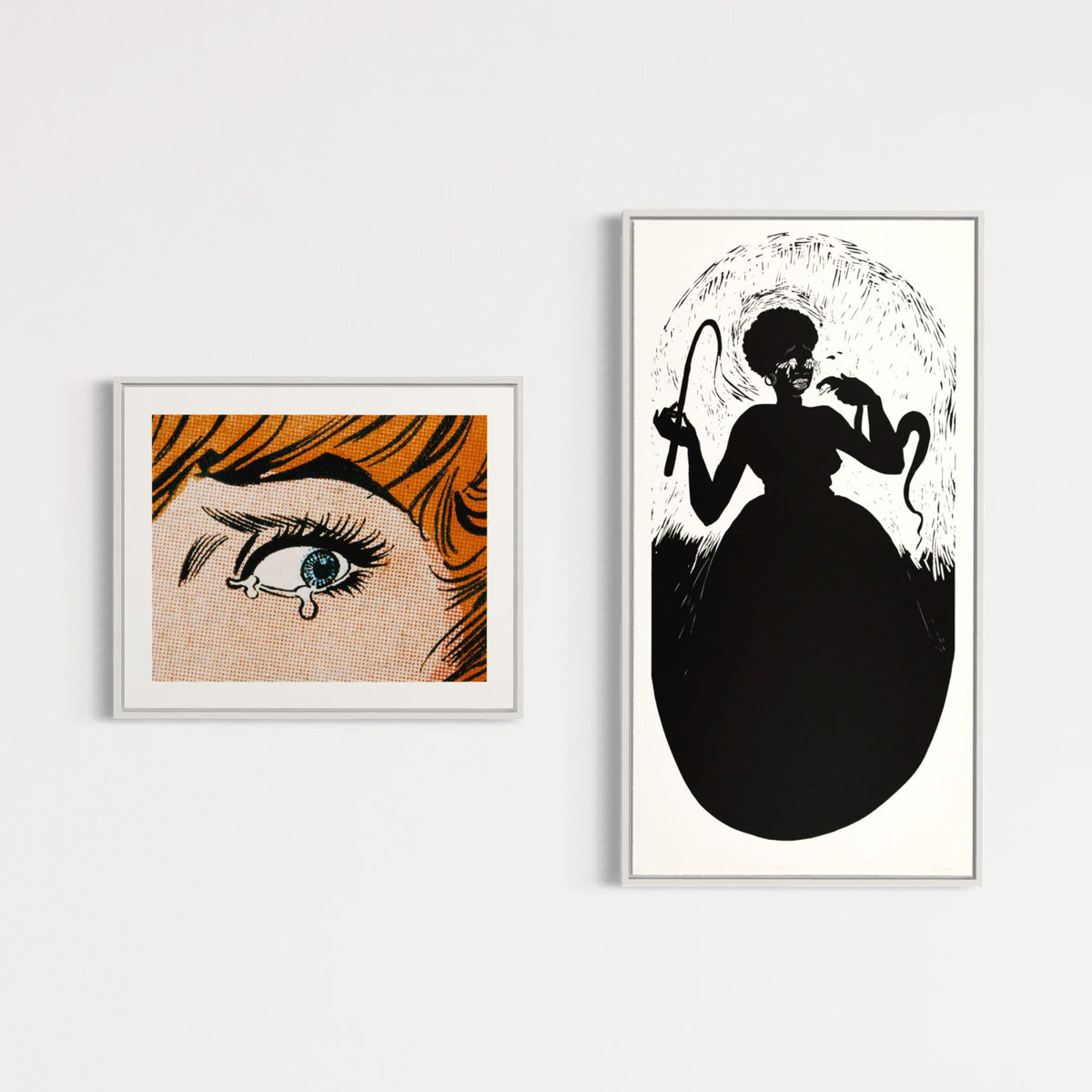
Kara Walker cuts figures from black paper — a Victorian parlour technique, once used for gentle silhouette portraits — and uses it to stage scenes of plantation violence so explicit that the elegance of the form and the horror of the content sit in permanent, deliberate tension. Since her 1994 debut, she has built a body of work that refuses easy resolution: neither condemning nor endorsing the imagery she deploys, insisting instead that the viewer confront it directly. Few contemporary artists have provoked as much genuine, ongoing argument — including from within the Black art community itself — about what it means to represent historical trauma at all.

Browse signed Kara Walker prints and editions now.

Available Prints & Editions

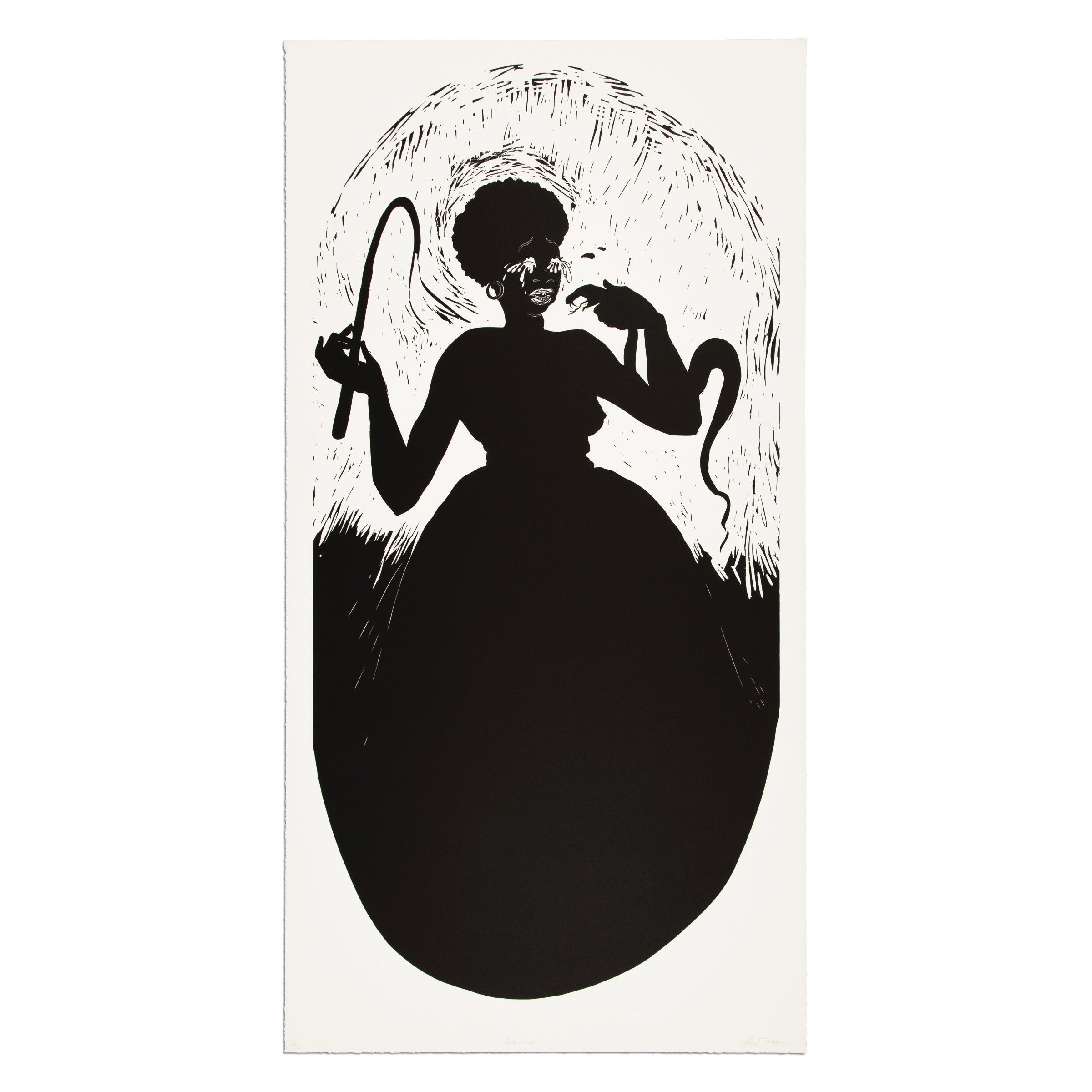
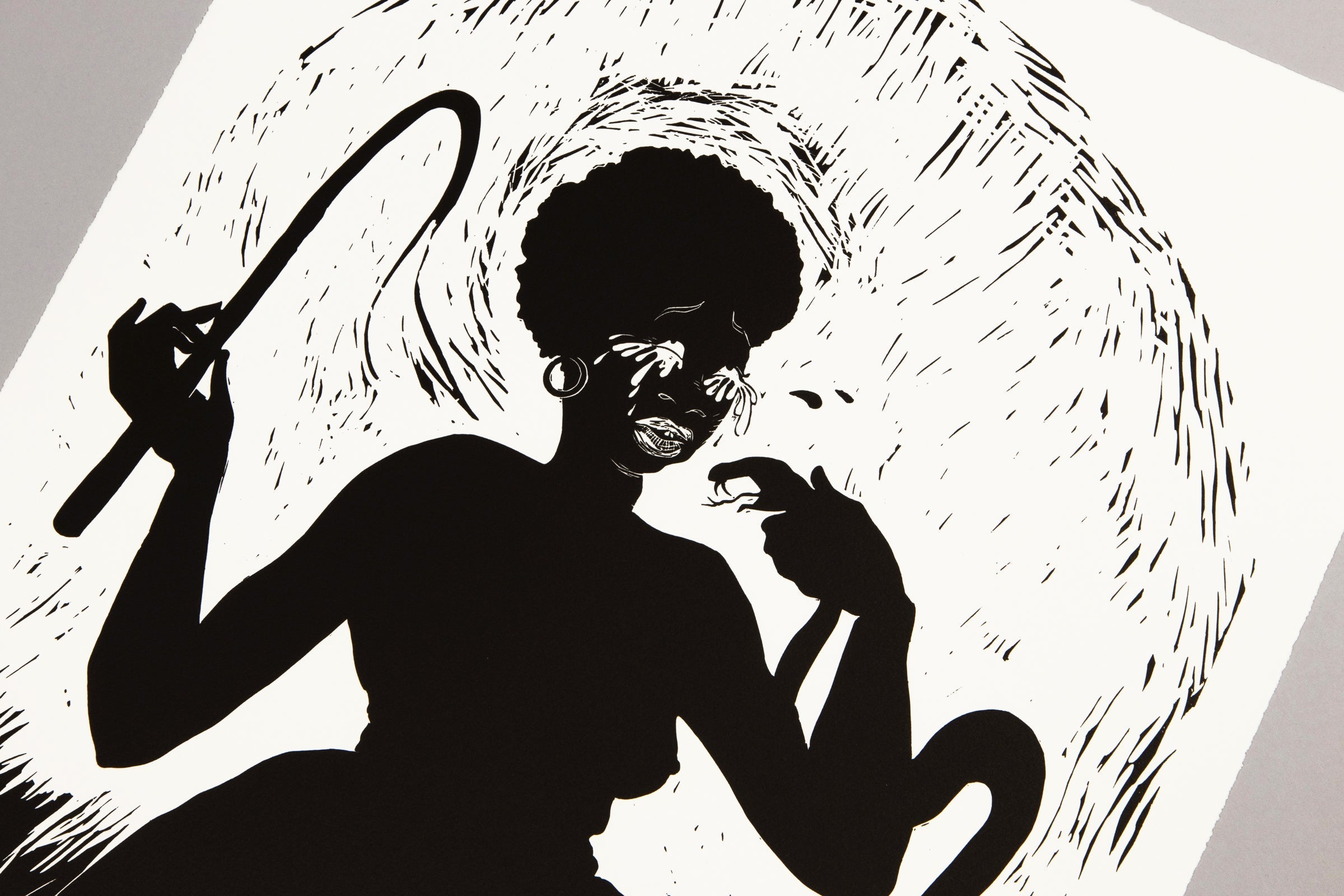
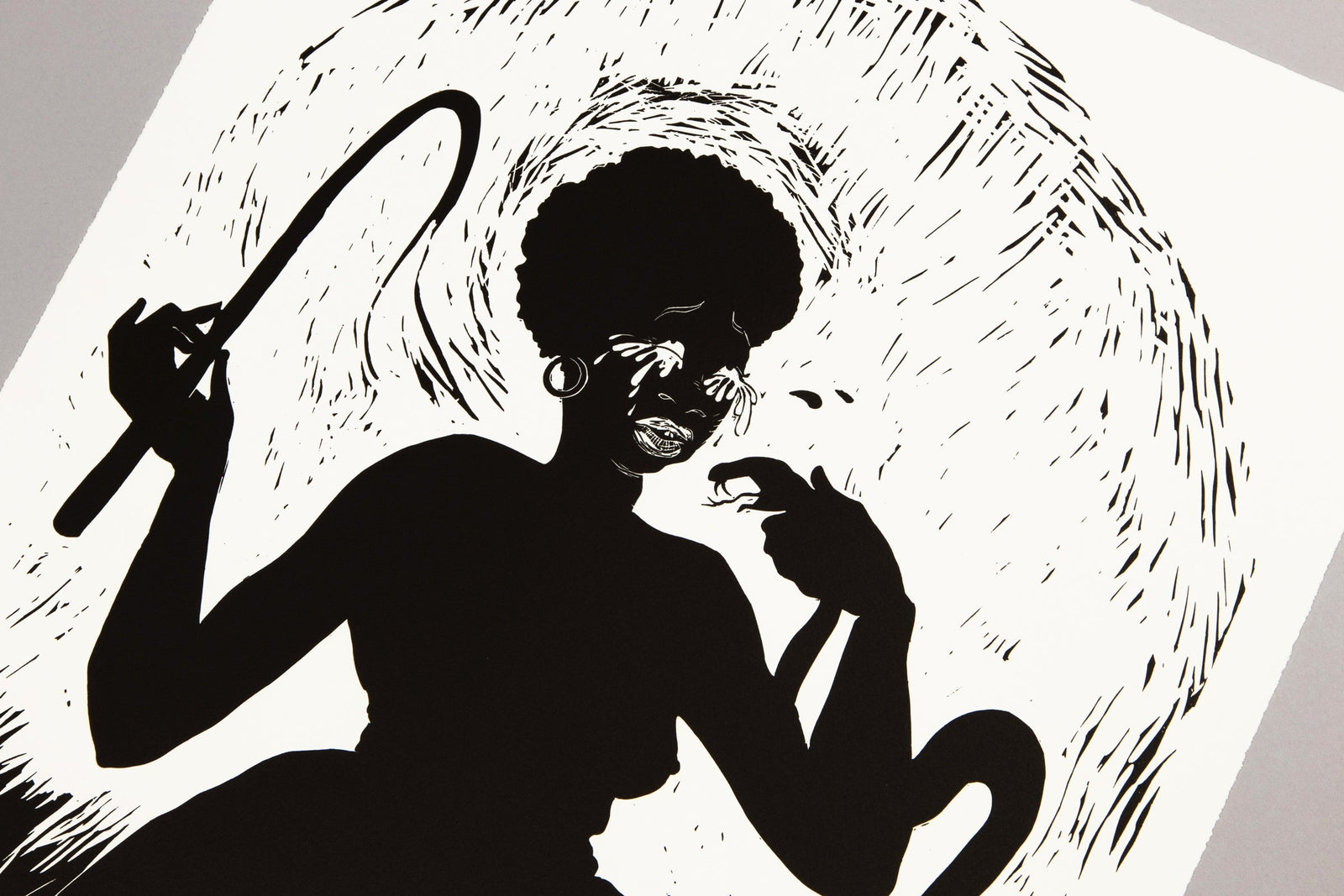
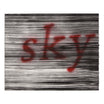
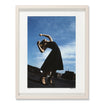
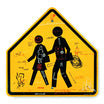
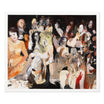
Kara Walker - Boo-Hoo
01

Kara Walker Biography

Kara Walker (born 1969 in Stockton, California) was thirteen when her family relocated to Stone Mountain, Georgia — a small town whose name is inseparable from American racial history. Stone Mountain is the site of the largest Confederate memorial ever carved, and the location where the second Ku Klux Klan was founded in 1915. That collision between a decorative, almost pastoral landscape and its brutal underlying history became, in retrospect, the exact tension her mature work would spend three decades excavating.

Walker earned a BFA from the Atlanta College of Art in 1991 and an MFA from the Rhode Island School of Design in 1994, where she developed the technique that would define her career: cut-paper silhouettes, a form popularised in nineteenth-century parlours for genteel portraiture, repurposed to stage explicit antebellum scenes of slavery, sexual violence, and power. Her 1994 debut at the Drawing Center in New York, a fifty-foot mural titled Gone, an Historical Romance of a Civil War as It Occurred Between the Dusky Thighs of One Young Negress and Her Heart, announced the method in full — decorative silhouette, horrifying content — and launched her career almost overnight.

In 1997, at 27, Walker became one of the youngest recipients of the MacArthur Fellowship. The award triggered one of the most significant controversies of her career: the artist Betye Saar, a generation older and a formative figure in Black feminist art, organised a letter-writing campaign against her, arguing that Walker's use of racist stereotypes — however critical in intent — risked entertaining the very audience it meant to indict. Walker's own response was direct: she was not making work about reality, she said, but about the unresolved afterlife of racist imagery itself, and she did not believe silence had done more to dismantle that imagery than confrontation had.

02

Famous Kara Walker Artworks

Gone, an Historical Romance of a Civil War... (1994), her breakthrough Drawing Center mural, established the silhouette method and the explicit antebellum content that would define her practice — decorative form staging scenes the genteel silhouette tradition was never built to hold.

A Subtlety, or the Marvelous Sugar Baby (2014), a monumental sphinx-like sculpture coated in refined white sugar, installed inside Brooklyn's soon-to-be-demolished Domino Sugar Factory, drew over 130,000 visitors — a direct confrontation with the sugar trade's foundation in slave labour, staged inside the very industrial architecture that had processed it.

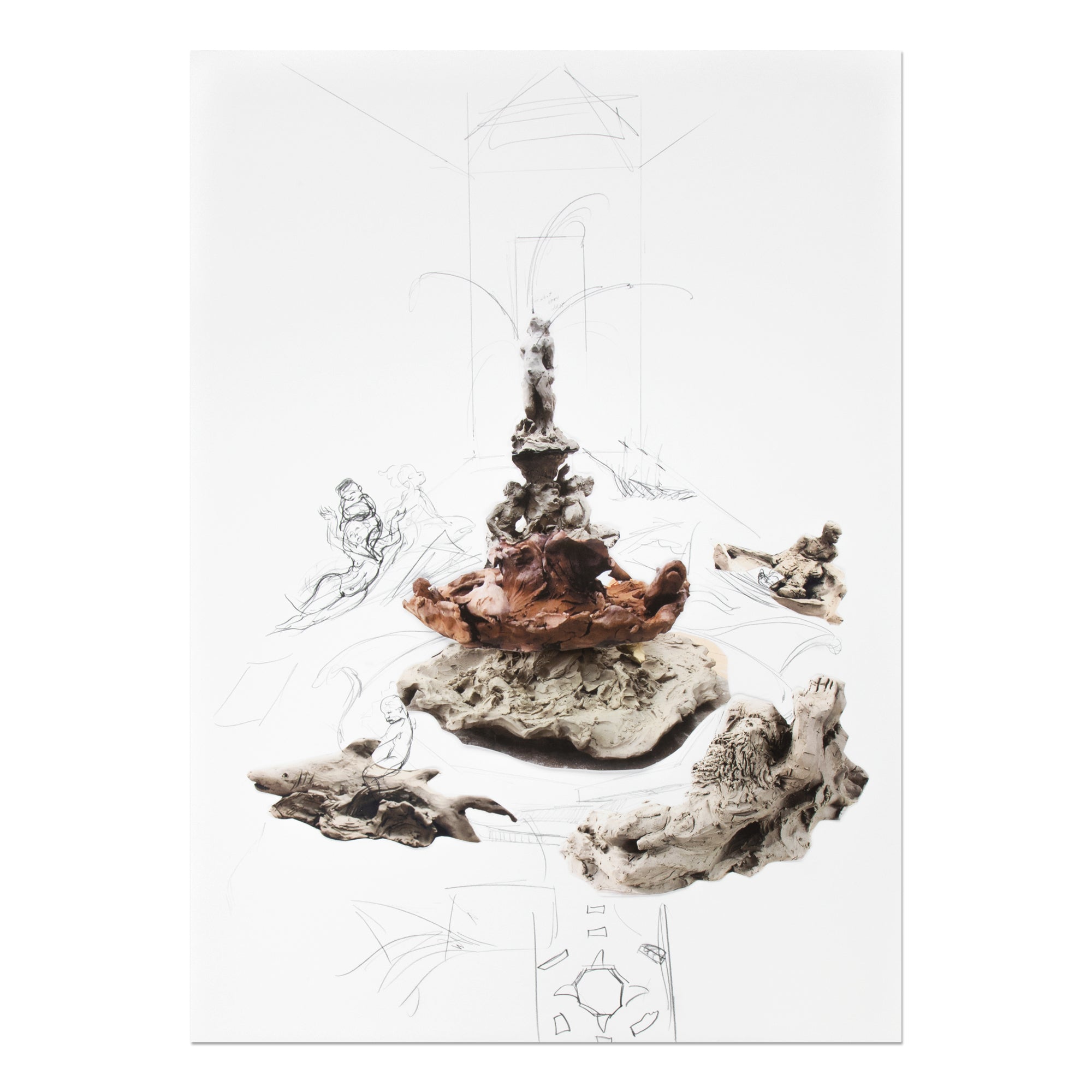
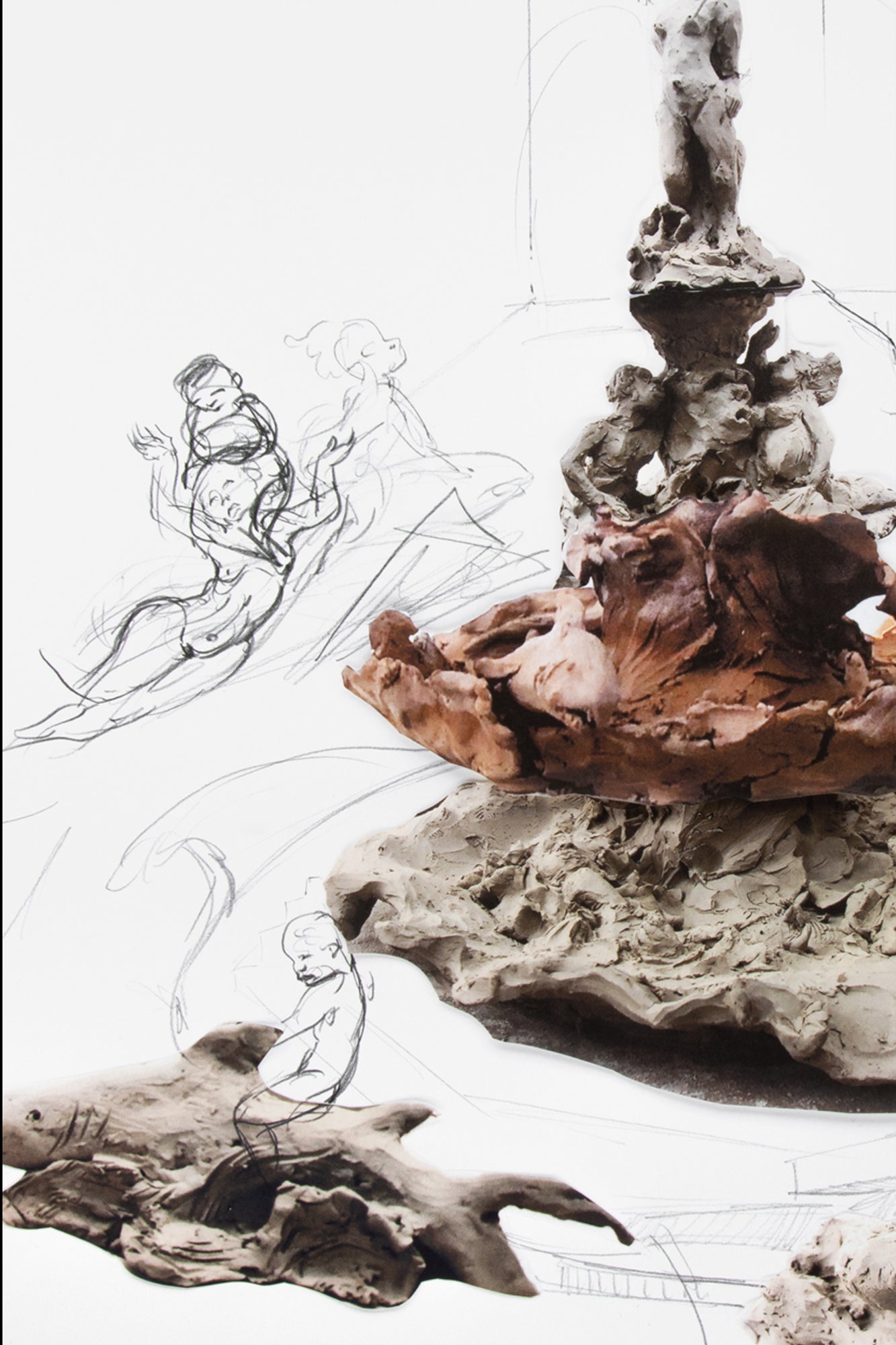
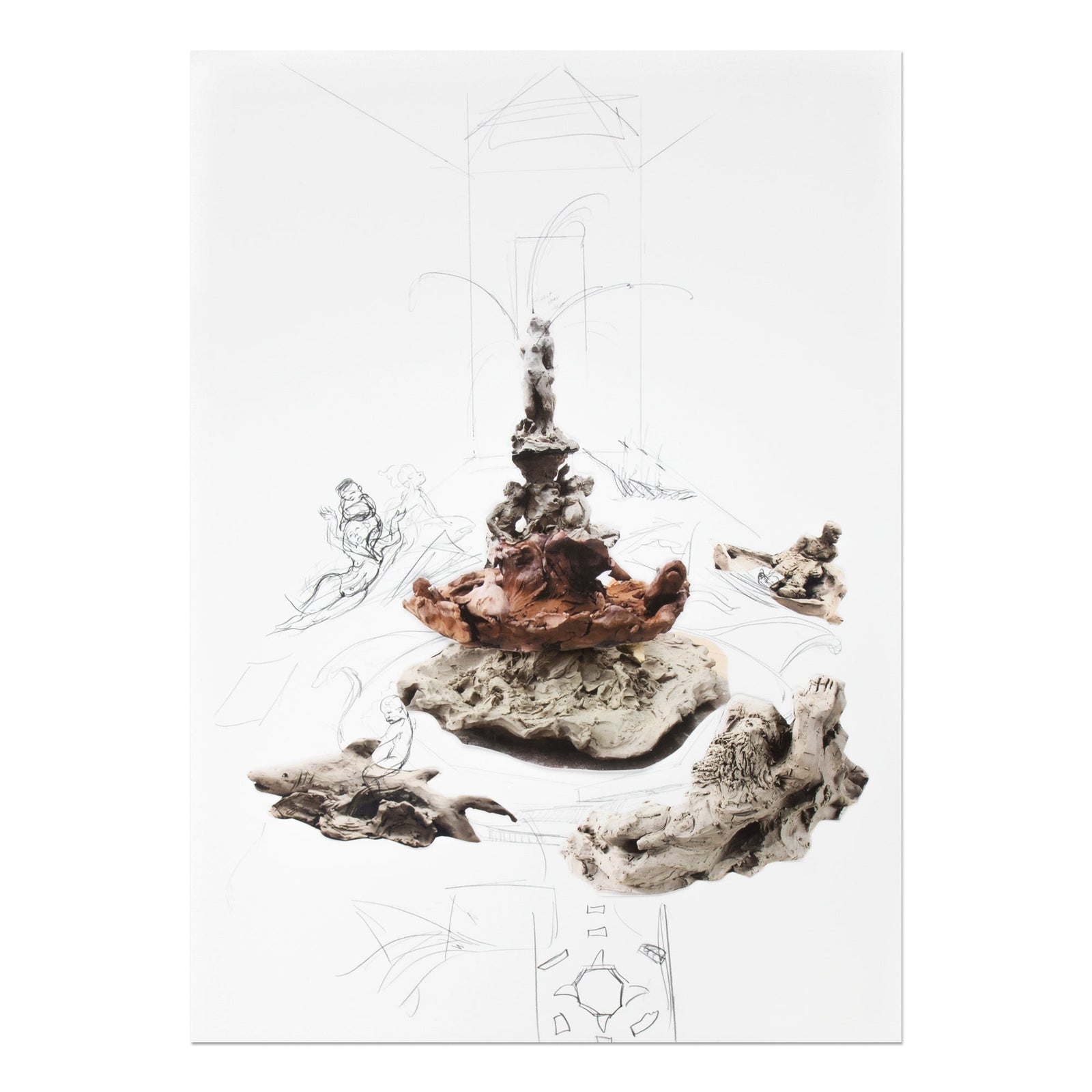
Fons Americanus (2019), a monumental fountain commissioned for Tate Modern's Turbine Hall, reworked the iconography of London's Victoria Memorial to confront the transatlantic slave trade and the British Empire's role in it — water replacing stone, imperial celebration replaced by historical indictment.

Negress Notes, a series first developed in the mid-1990s, set Walker's current auction record at $529,200 at Sotheby's New York in 2022 — confirmation that her works on paper, not only her large-scale installations, carry the full weight of her market recognition.

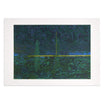
Kara Walker – Theme for the Fons Americanus
03

Kara Walker Prints & Editions

Printmaking has run alongside Walker's silhouette practice since the beginning — lithographs, linocuts, and screenprints that translate the same collision of decorative form and disturbing content onto a fixed, collectible sheet. Working with print studios including the LeRoy Neiman Center for Print Studies, she has produced editions typically ranging from small artist's-proof runs to editions of 35, hand-signed and numbered.

Because her large-scale installations and sculptures are, by nature, rarely available to collectors, prints and works on paper represent one of the most direct ways to own an original Walker — carrying the same silhouette technique and unresolved historical confrontation as her museum-scale work, at a considerably more accessible size and price.

For collectors, Walker's editions offer direct access to a body of work built on deliberate discomfort rather than resolution. Works are held in the permanent collections of MoMA, the Whitney Museum, and the Guggenheim.

01

Kara Walker Biography

Kara Walker (born 1969 in Stockton, California) was thirteen when her family relocated to Stone Mountain, Georgia — a small town whose name is inseparable from American racial history. Stone Mountain is the site of the largest Confederate memorial ever carved, and the location where the second Ku Klux Klan was founded in 1915. That collision between a decorative, almost pastoral landscape and its brutal underlying history became, in retrospect, the exact tension her mature work would spend three decades excavating.

Walker earned a BFA from the Atlanta College of Art in 1991 and an MFA from the Rhode Island School of Design in 1994, where she developed the technique that would define her career: cut-paper silhouettes, a form popularised in nineteenth-century parlours for genteel portraiture, repurposed to stage explicit antebellum scenes of slavery, sexual violence, and power. Her 1994 debut at the Drawing Center in New York, a fifty-foot mural titled Gone, an Historical Romance of a Civil War as It Occurred Between the Dusky Thighs of One Young Negress and Her Heart, announced the method in full — decorative silhouette, horrifying content — and launched her career almost overnight.

In 1997, at 27, Walker became one of the youngest recipients of the MacArthur Fellowship. The award triggered one of the most significant controversies of her career: the artist Betye Saar, a generation older and a formative figure in Black feminist art, organised a letter-writing campaign against her, arguing that Walker's use of racist stereotypes — however critical in intent — risked entertaining the very audience it meant to indict. Walker's own response was direct: she was not making work about reality, she said, but about the unresolved afterlife of racist imagery itself, and she did not believe silence had done more to dismantle that imagery than confrontation had.

02

Famous Kara Walker Artworks

Gone, an Historical Romance of a Civil War... (1994), her breakthrough Drawing Center mural, established the silhouette method and the explicit antebellum content that would define her practice — decorative form staging scenes the genteel silhouette tradition was never built to hold.

A Subtlety, or the Marvelous Sugar Baby (2014), a monumental sphinx-like sculpture coated in refined white sugar, installed inside Brooklyn's soon-to-be-demolished Domino Sugar Factory, drew over 130,000 visitors — a direct confrontation with the sugar trade's foundation in slave labour, staged inside the very industrial architecture that had processed it.

Fons Americanus (2019), a monumental fountain commissioned for Tate Modern's Turbine Hall, reworked the iconography of London's Victoria Memorial to confront the transatlantic slave trade and the British Empire's role in it — water replacing stone, imperial celebration replaced by historical indictment.

Negress Notes, a series first developed in the mid-1990s, set Walker's current auction record at $529,200 at Sotheby's New York in 2022 — confirmation that her works on paper, not only her large-scale installations, carry the full weight of her market recognition.

03

Kara Walker Prints & Editions

Printmaking has run alongside Walker's silhouette practice since the beginning — lithographs, linocuts, and screenprints that translate the same collision of decorative form and disturbing content onto a fixed, collectible sheet. Working with print studios including the LeRoy Neiman Center for Print Studies, she has produced editions typically ranging from small artist's-proof runs to editions of 35, hand-signed and numbered.

Because her large-scale installations and sculptures are, by nature, rarely available to collectors, prints and works on paper represent one of the most direct ways to own an original Walker — carrying the same silhouette technique and unresolved historical confrontation as her museum-scale work, at a considerably more accessible size and price.

For collectors, Walker's editions offer direct access to a body of work built on deliberate discomfort rather than resolution. Works are held in the permanent collections of MoMA, the Whitney Museum, and the Guggenheim.

Kara Walker - Boo-HooKara Walker – Theme for the Fons Americanus

Kara Walker: Key Questions

Collecting Kara Walker?

Looking for a specific artwork or have a question about an edition? We're happy to advise on availability, pricing, condition, and provenance — and to source artworks beyond our current selection.

Contact us

Prints, Photographs & Multiples

View our full collection of

Prints, Photographs & Multiples

Explore editions