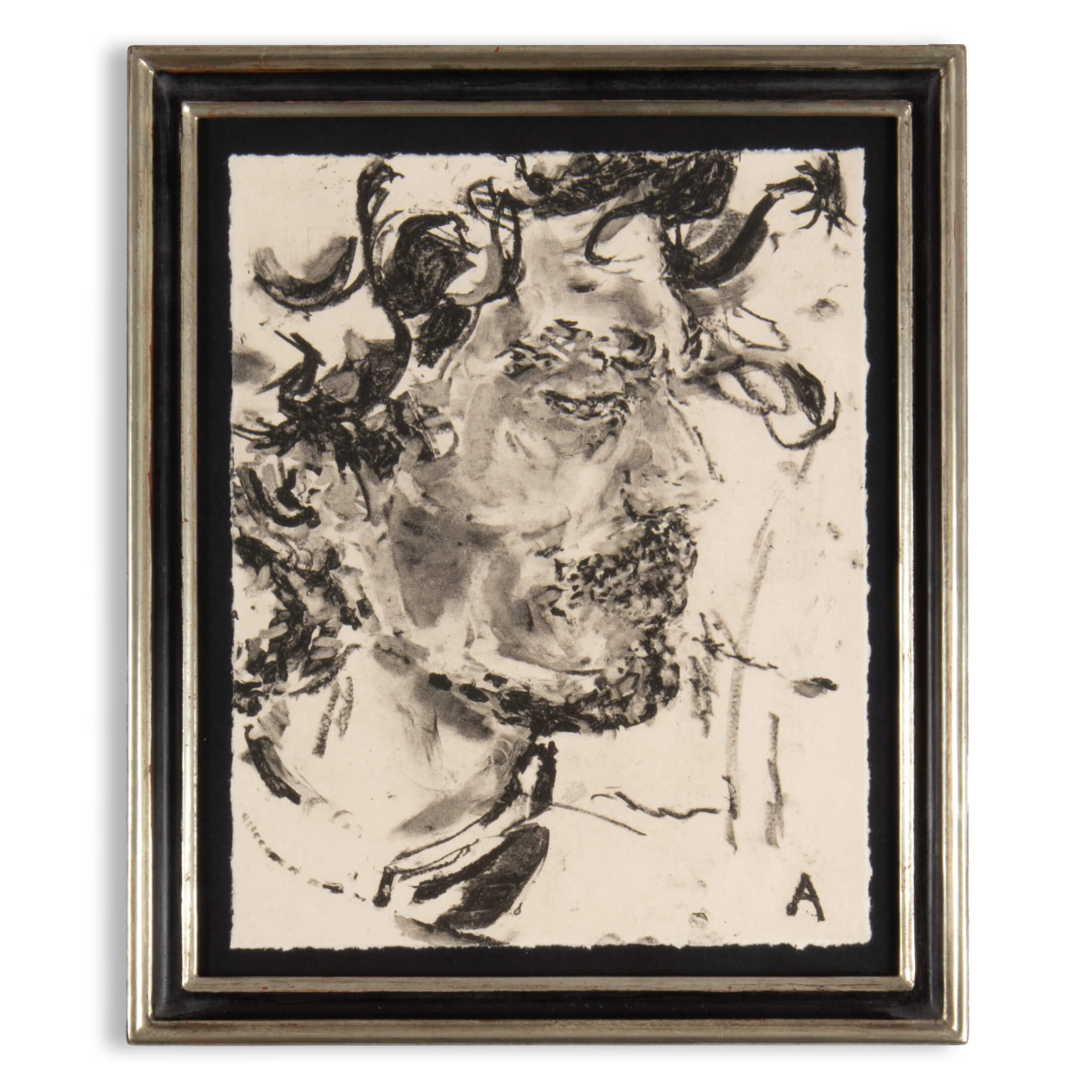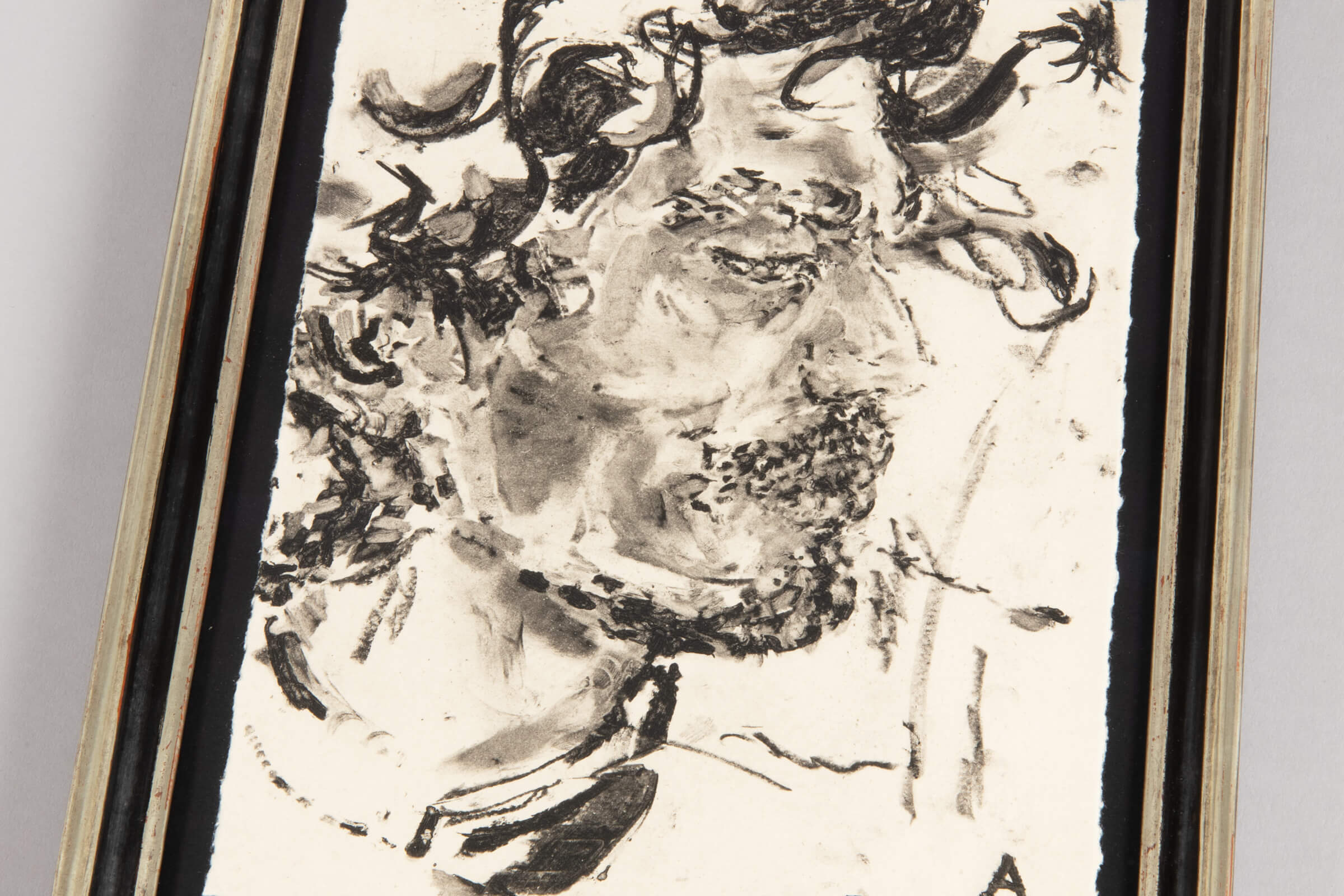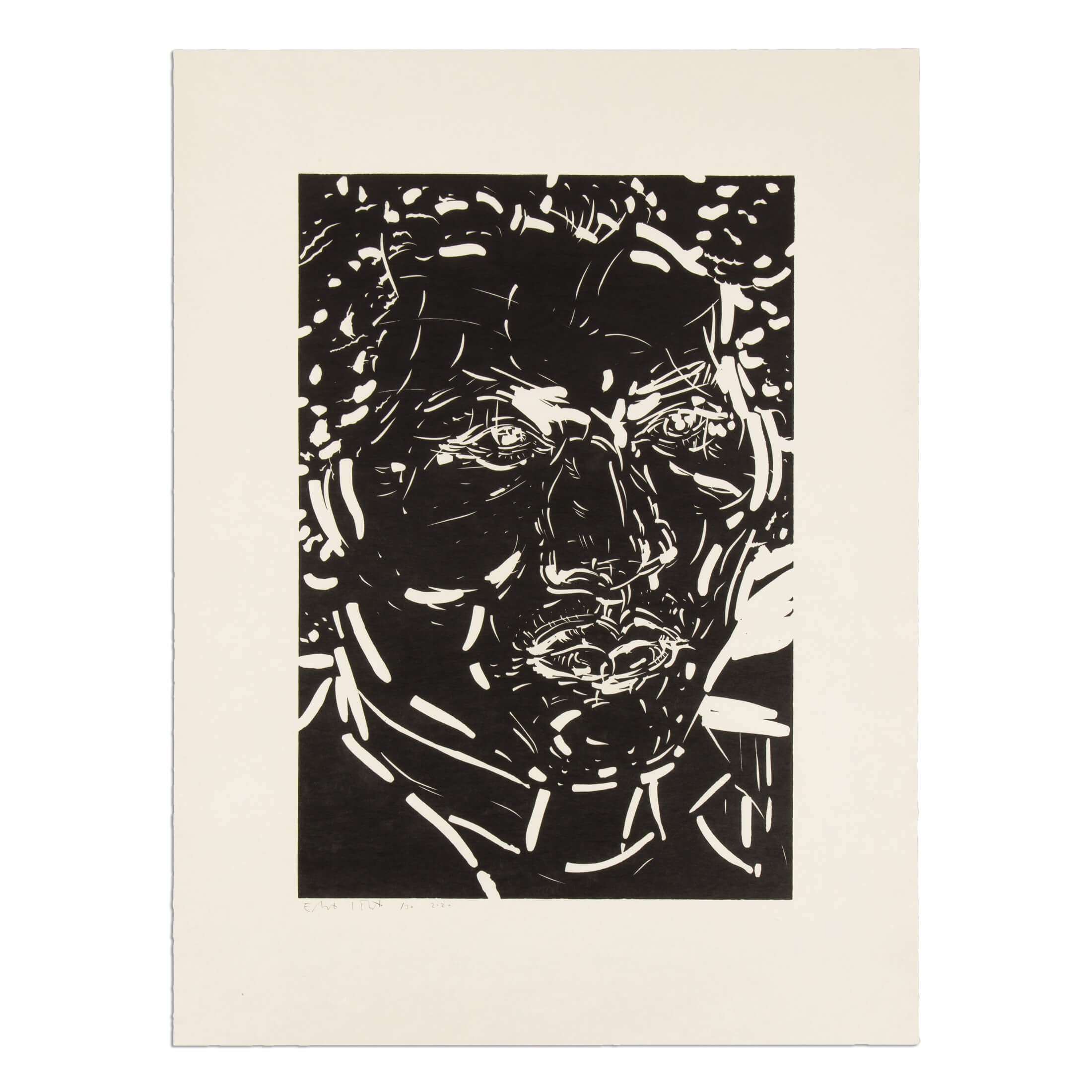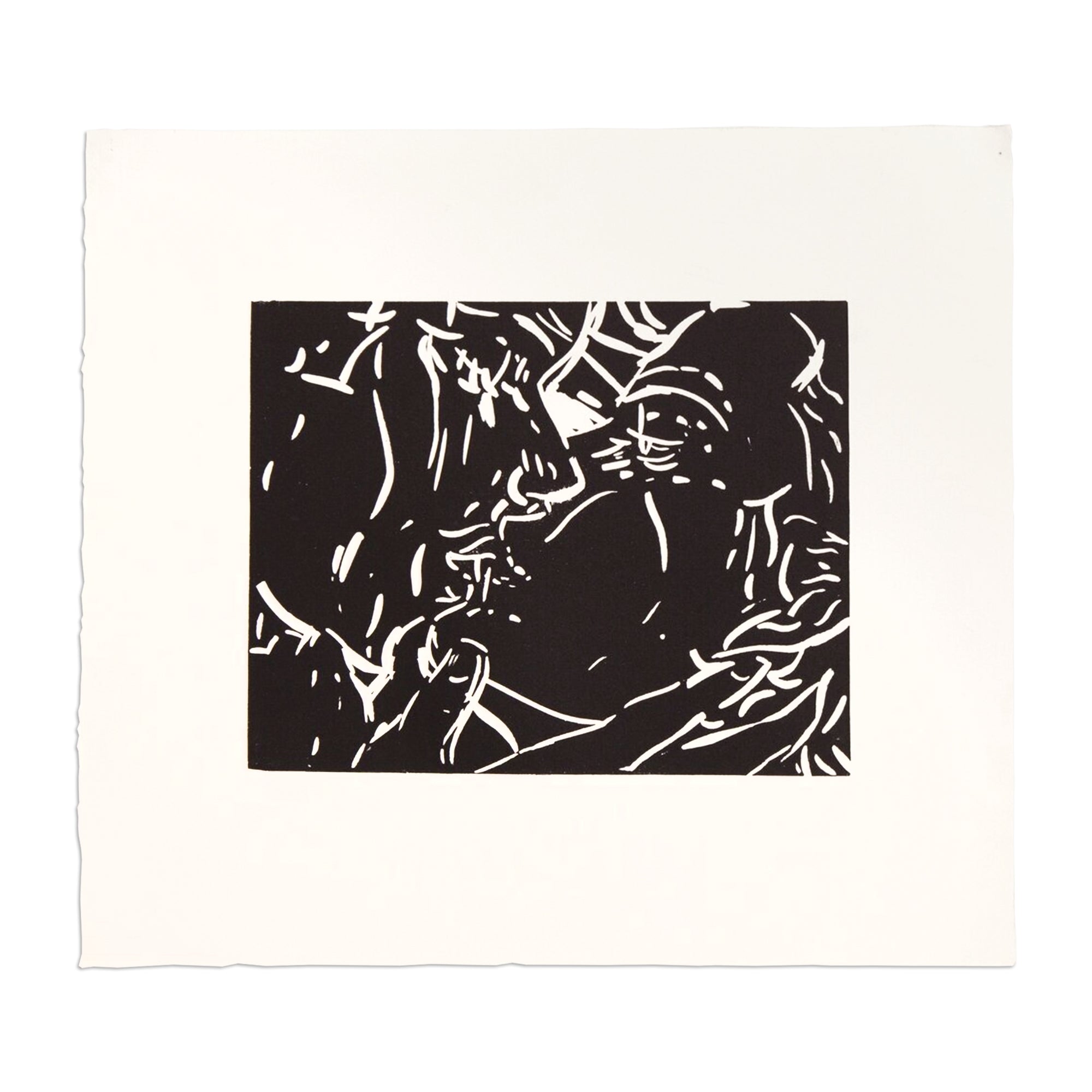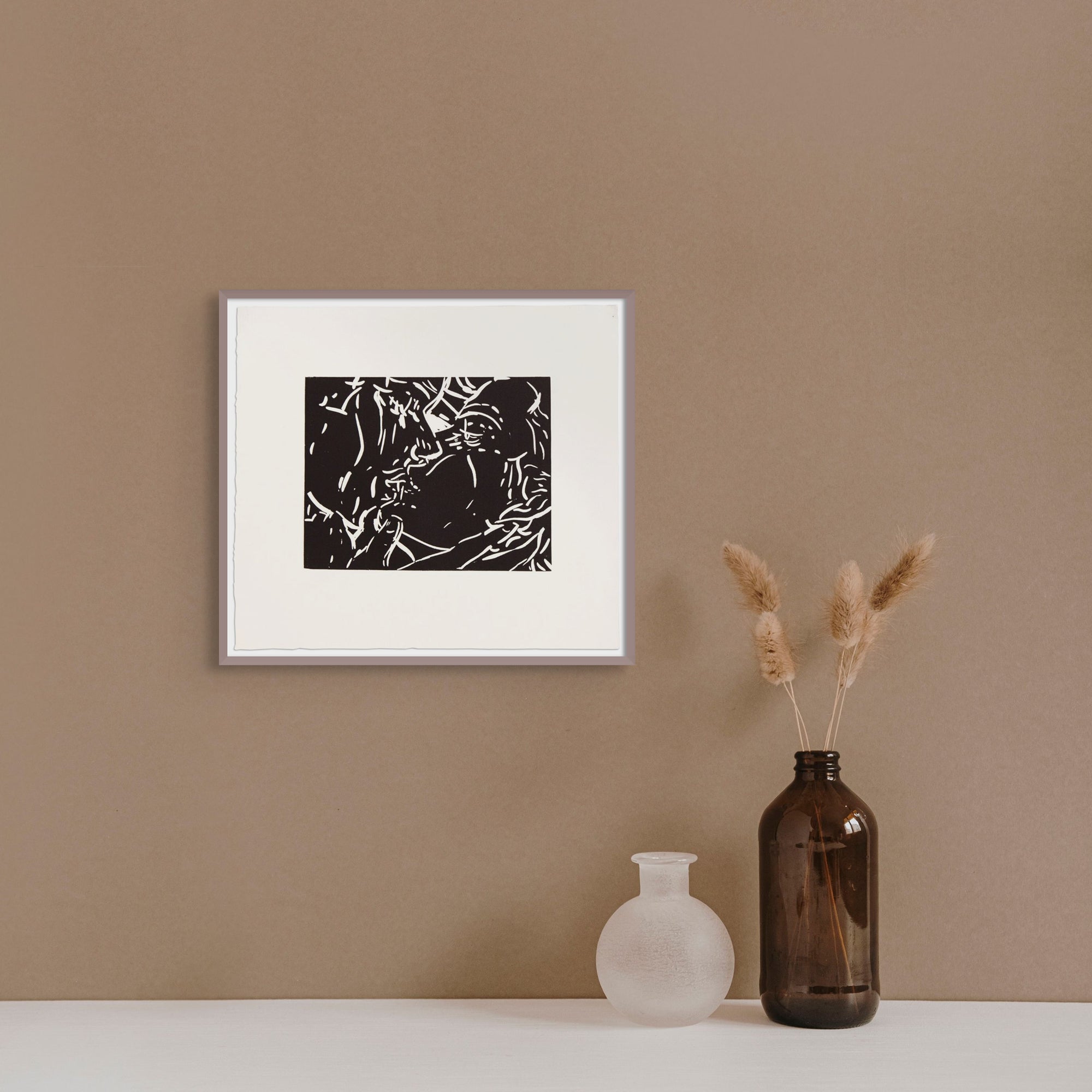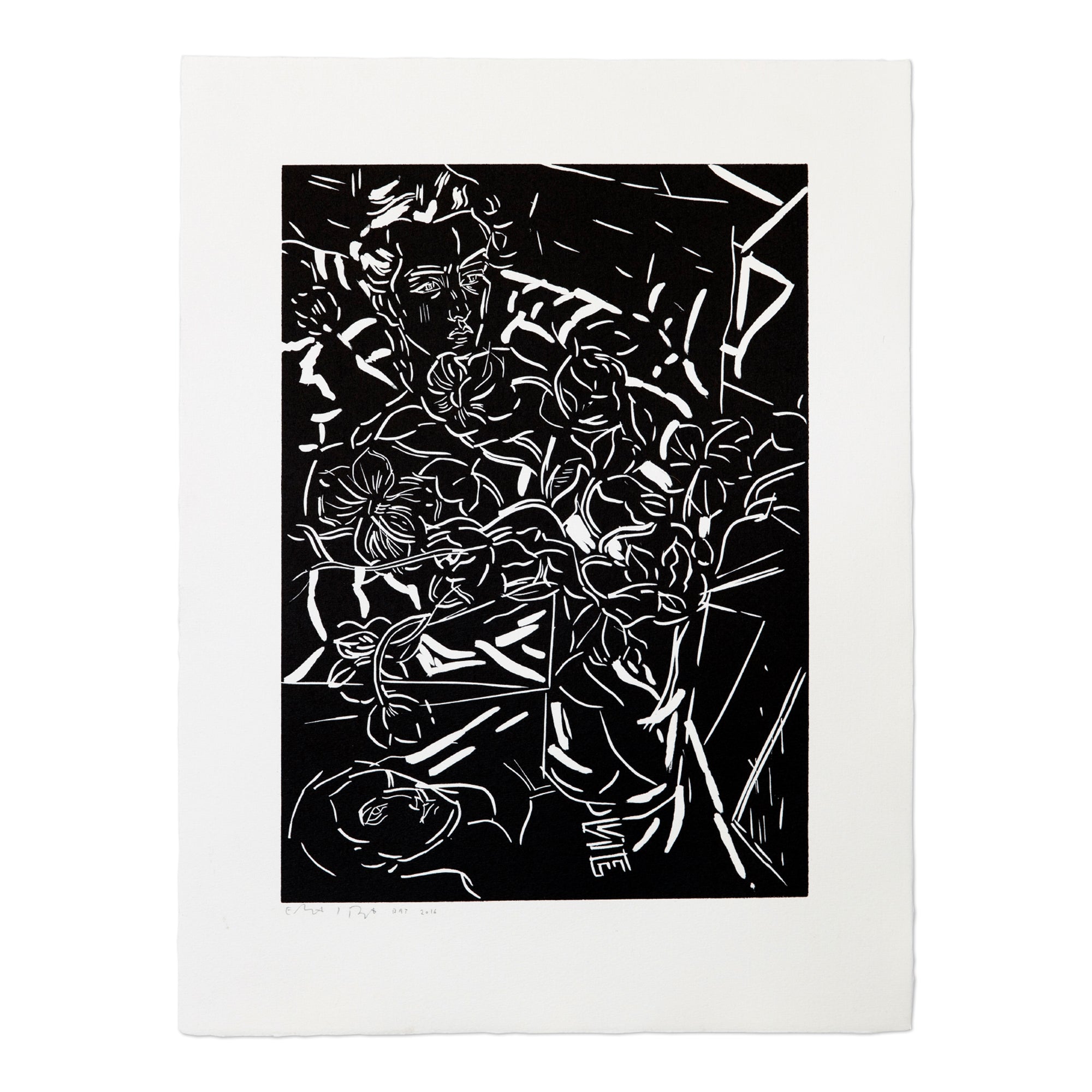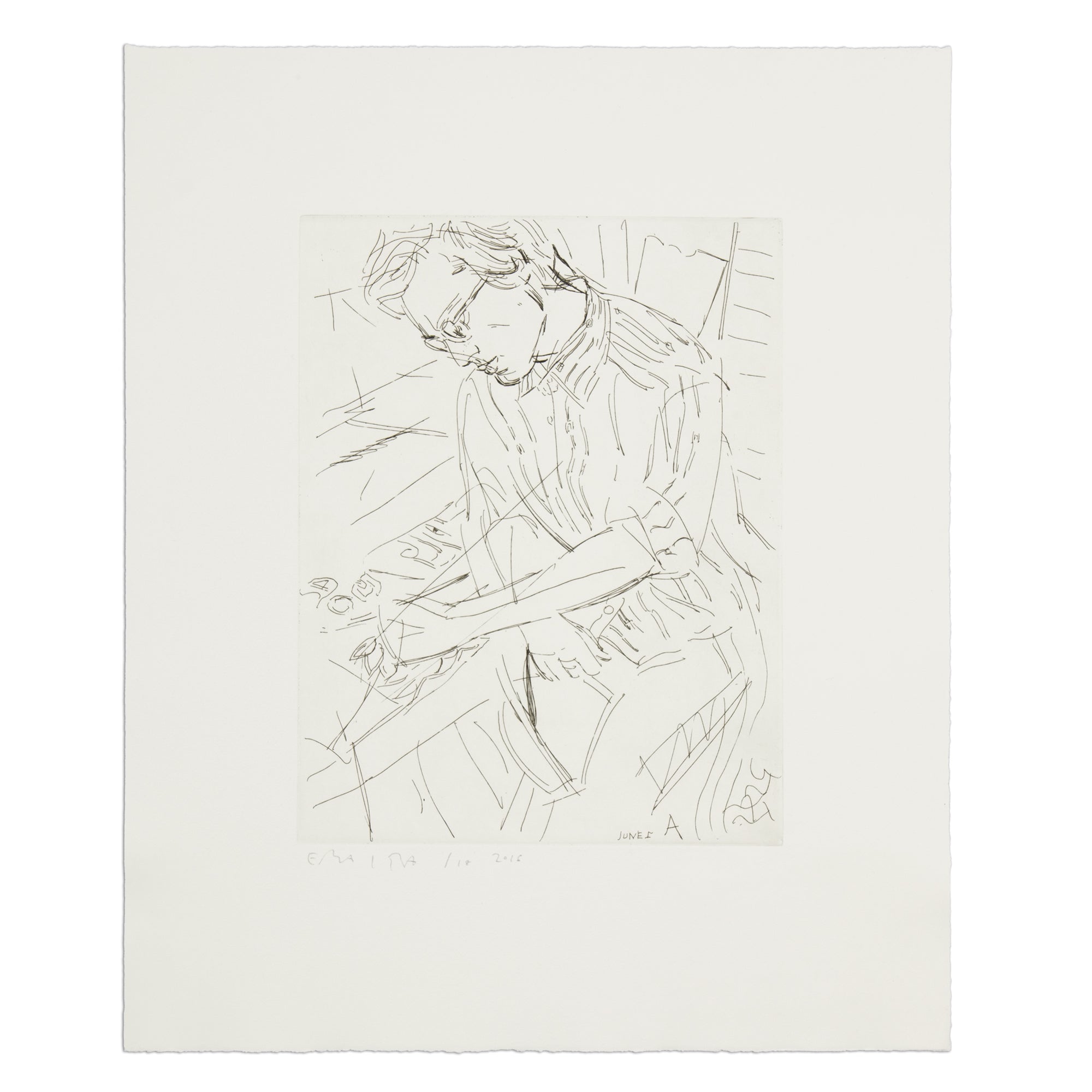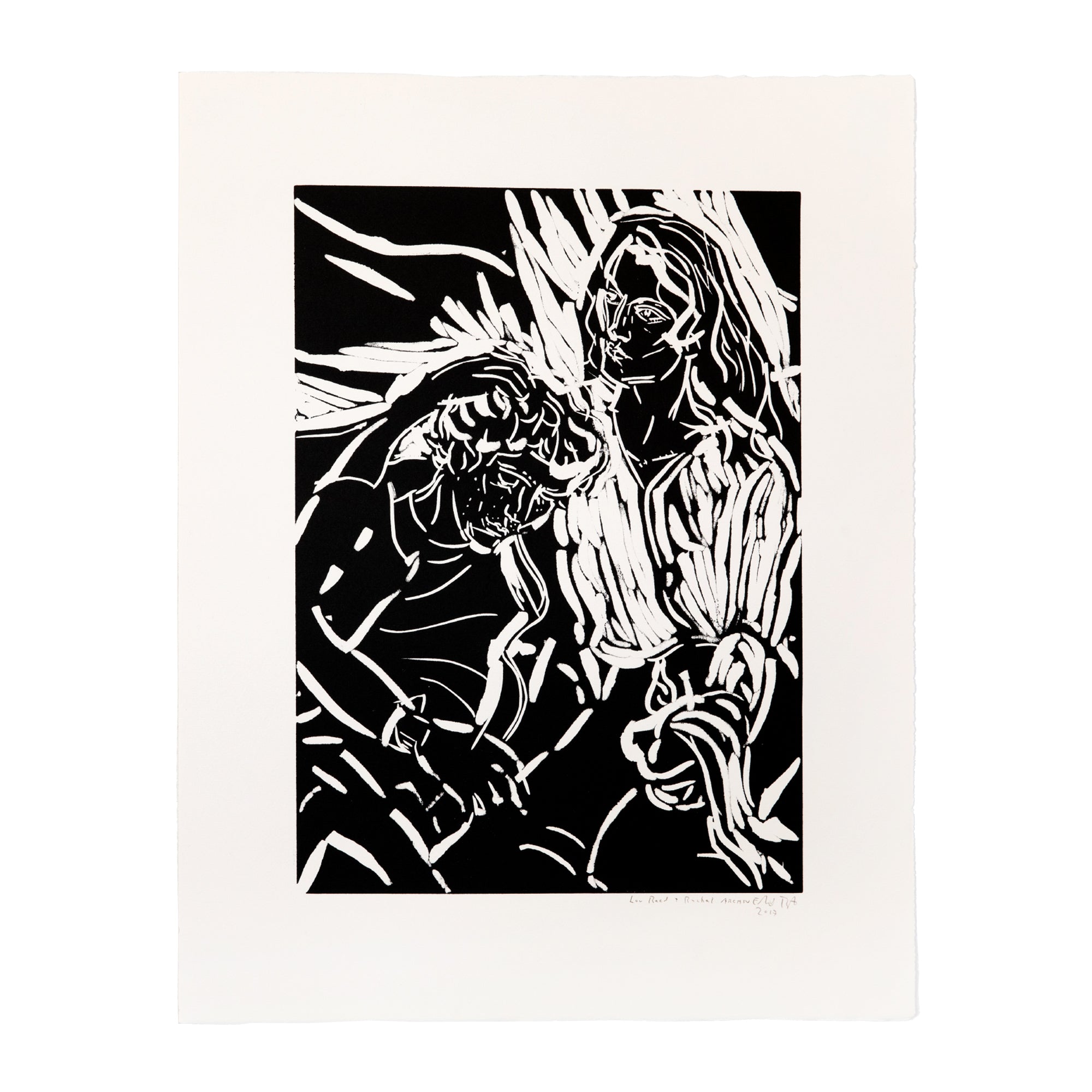
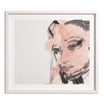
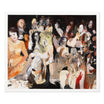
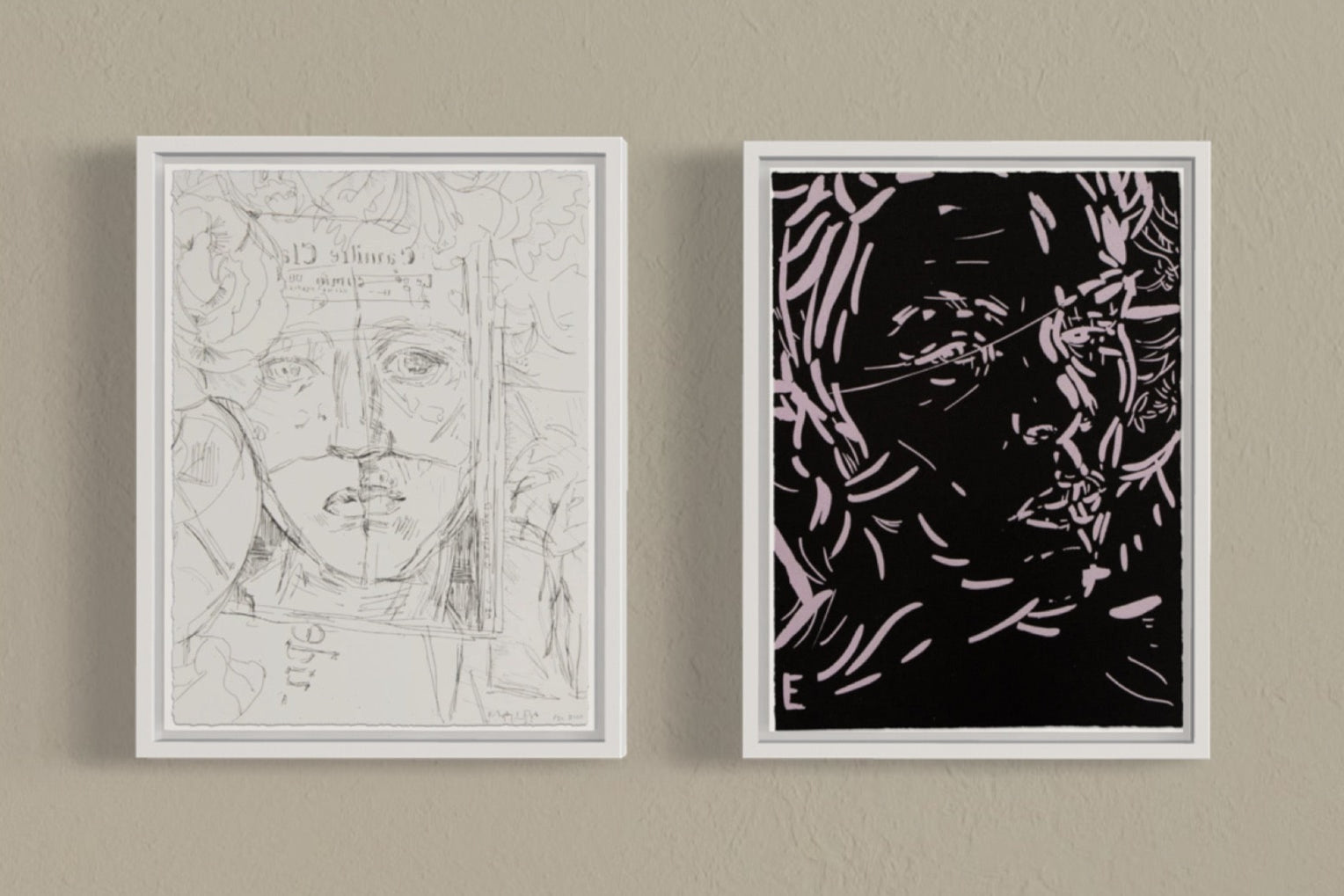
Elizabeth Peyton (born 1965 in Danbury, Connecticut) earned her BFA from the School of Visual Arts in 1987, then spent several years working as a researcher at PhotoReporters, a stock photography agency — an unlikely day job that placed her, daily, inside the machinery of how images of famous people actually circulate. That experience shaped everything that followed: rather than painting from life, Peyton drew from photographs, magazines, record covers, and film stills, translating secondhand images of people she admired, knew, or had never met into small, intensely felt portraits.
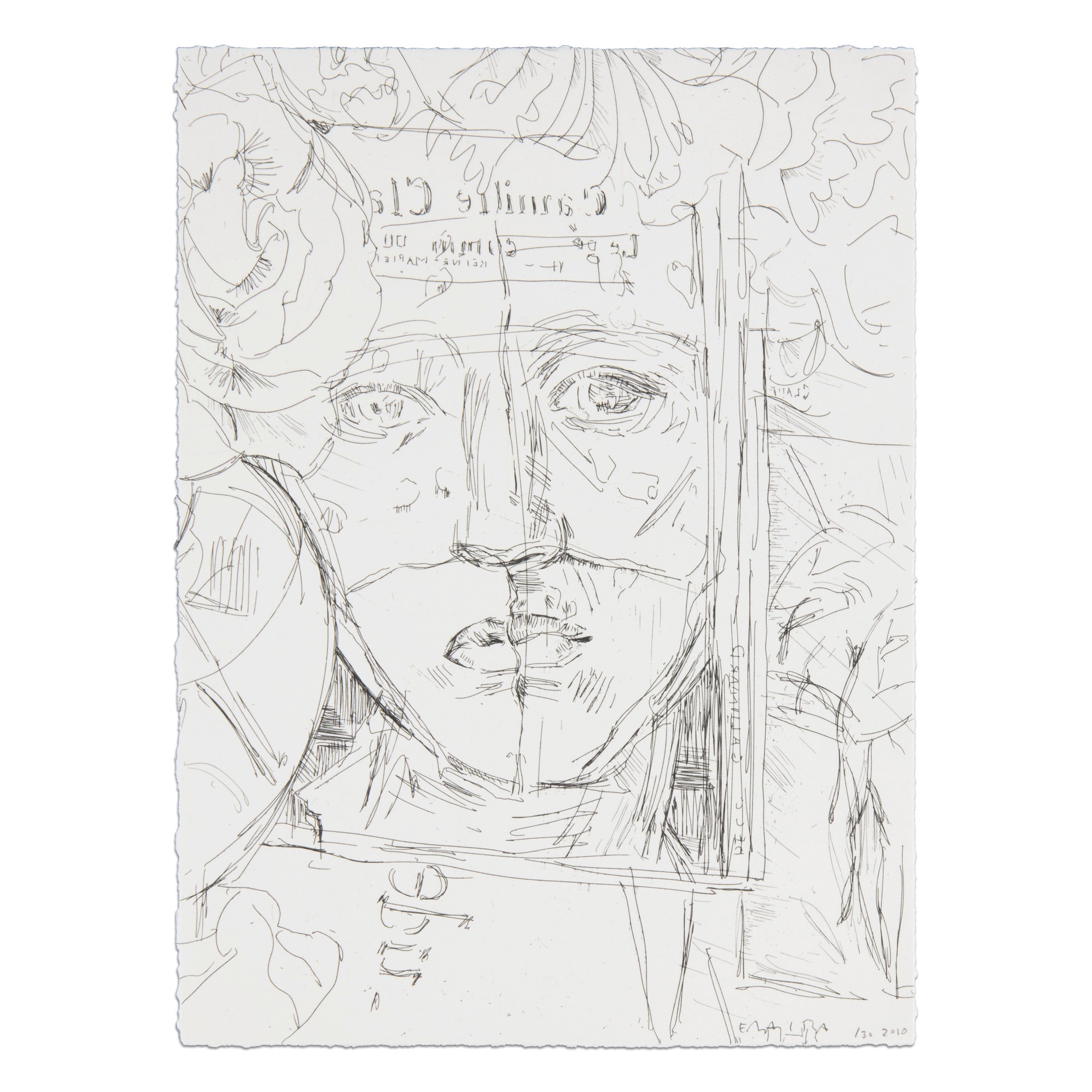
Her 1993 breakthrough came almost by accident. Working with the dealer Gavin Brown, she installed a series of small charcoal and ink drawings — Napoleon Bonaparte, Marie Antoinette, Oscar Wilde, and Bavaria's "Mad King" Ludwig II, depicted bowing before a sculpted bust of the queen he reportedly caressed obsessively in life — in a single rented room at New York's Chelsea Hotel. The show ran two weeks with no formal opening; visitors simply collected a key from the front desk. Critic Jerry Saltz, an early champion, wrote that viewers got lost in her drawings the way they get lost in a book.
Institutional recognition followed quickly and has never really stopped. MoMA included her in the three-artist show Projects 60 in 1997, and the Whitney Biennial invited her back in 2004. Live Forever: Elizabeth Peyton, a major retrospective, travelled between 2008 and 2009 across the New Museum in New York, London's National Portrait Gallery, the Walker Art Center in Minneapolis, and the Bonnefanten Museum in Maastricht — an unusually broad international circuit for a mid-career survey. Further solo presentations followed at London's Whitechapel Gallery, Tokyo's Hara Museum of Contemporary Art, and the Garage Museum of Contemporary Art in Moscow, confirming that her Chelsea Hotel debut had launched something with genuine institutional staying power, not just early buzz.
Peyton's subjects have always moved fluidly between the historical and the immediate — European monarchs alongside Kurt Cobain, David Bowie, and Frederick Douglass; close friends alongside musicians she had never met. Her palette, drawn partly from David Hockney's own economical use of colour, favours translucent washes and jewel-like saturation over naturalistic rendering, prioritising emotional immediacy over documentary likeness. She married and later divorced the artist Rirkrit Tiravanija in the early 1990s, and continues to live and work in New York.