
David Hockney

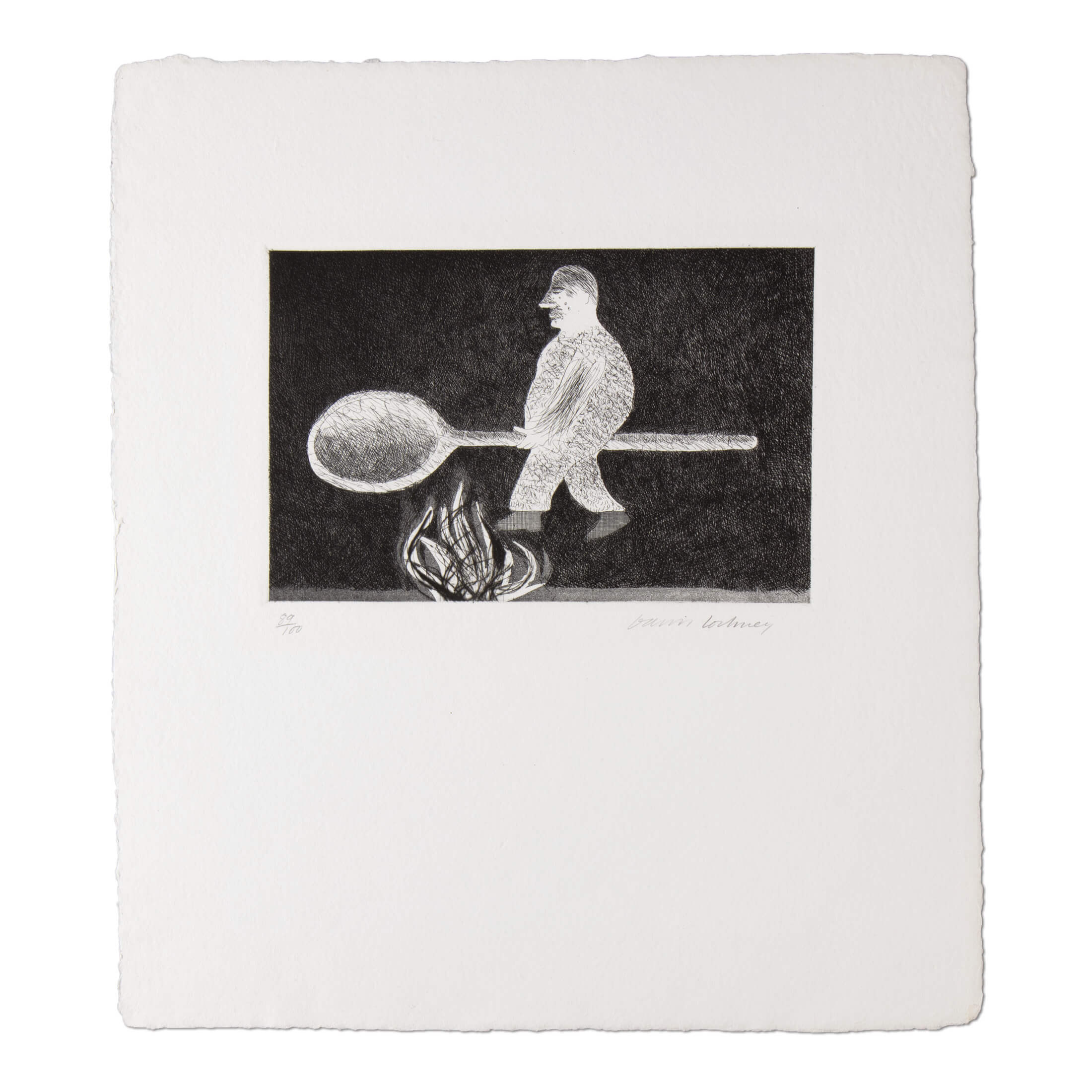
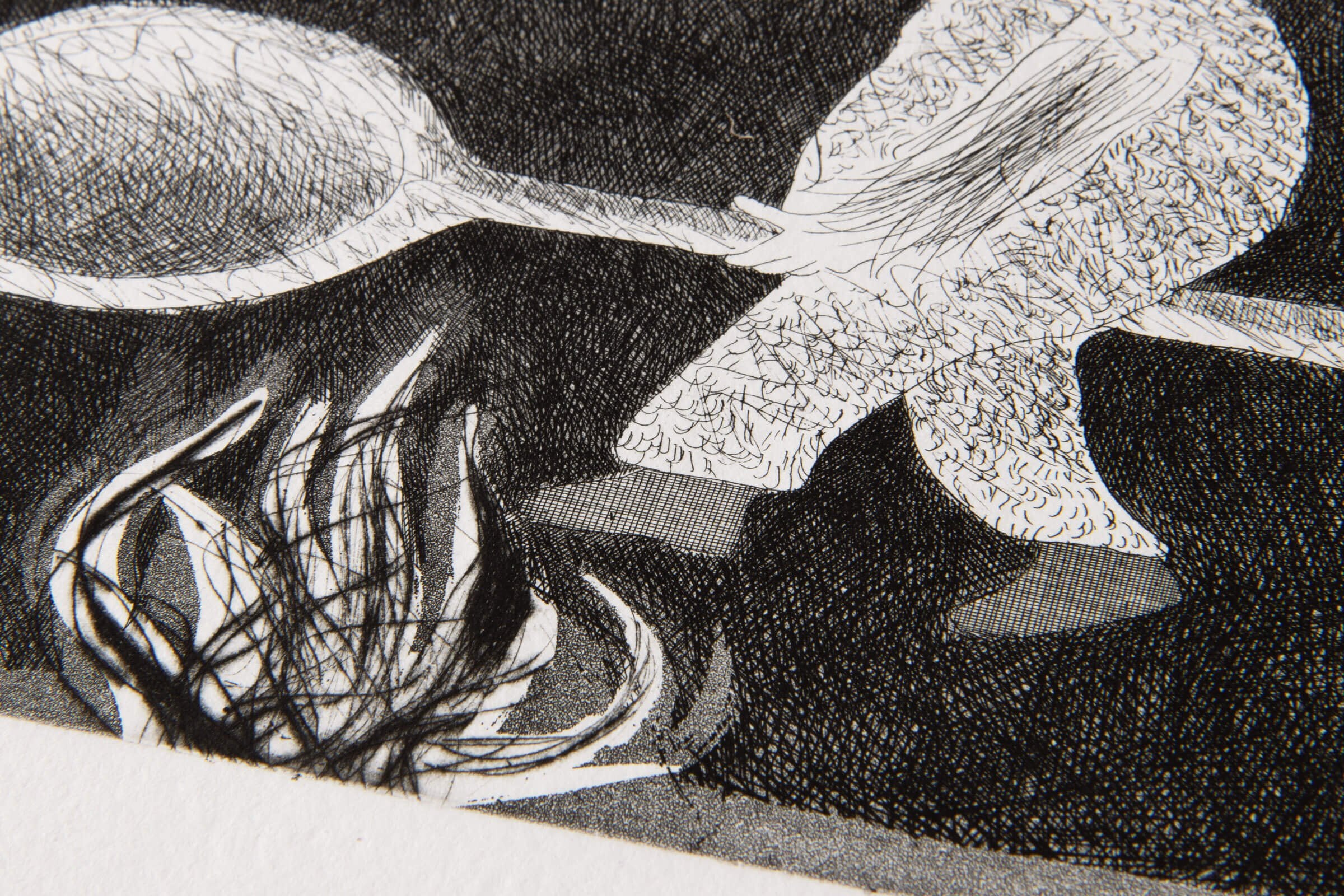
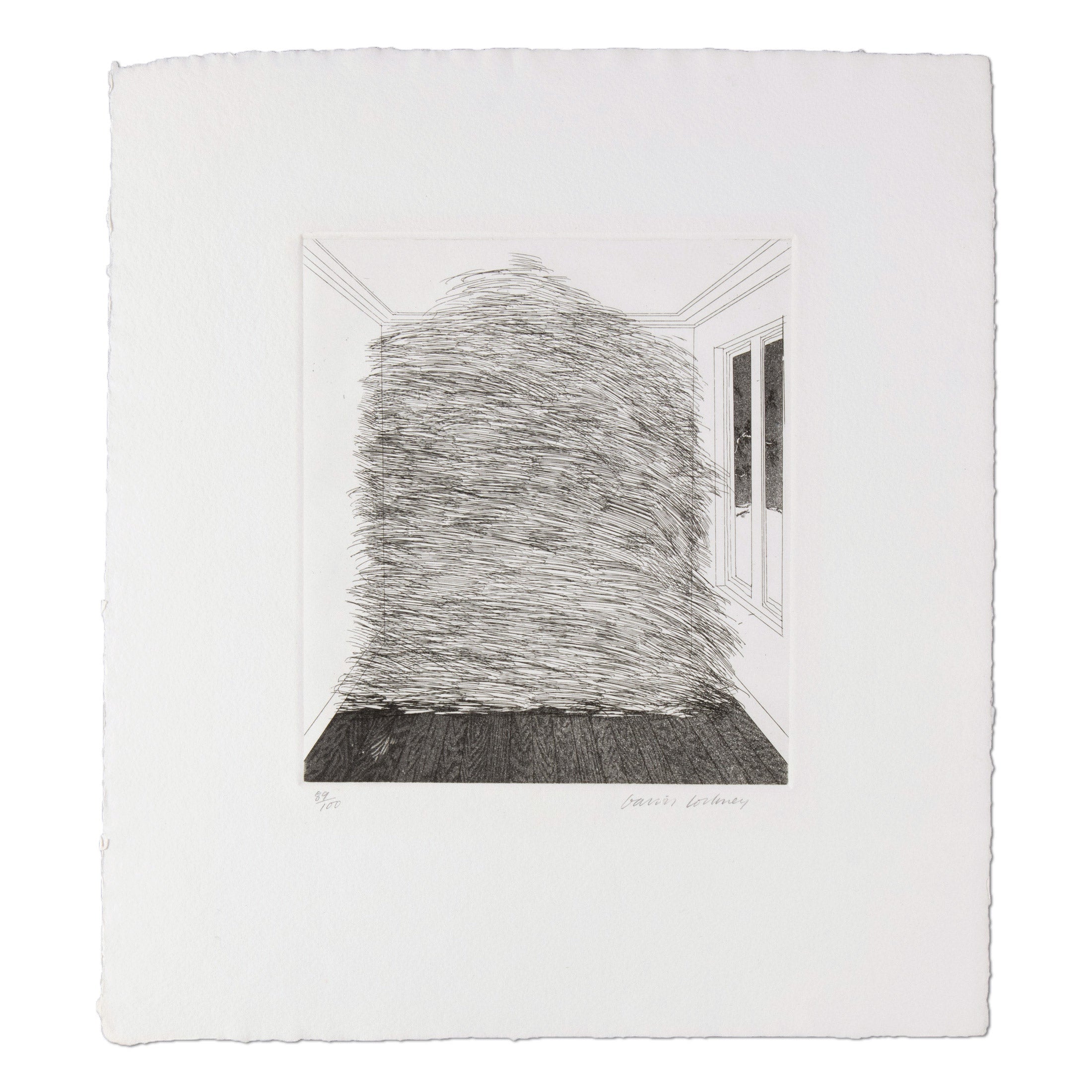
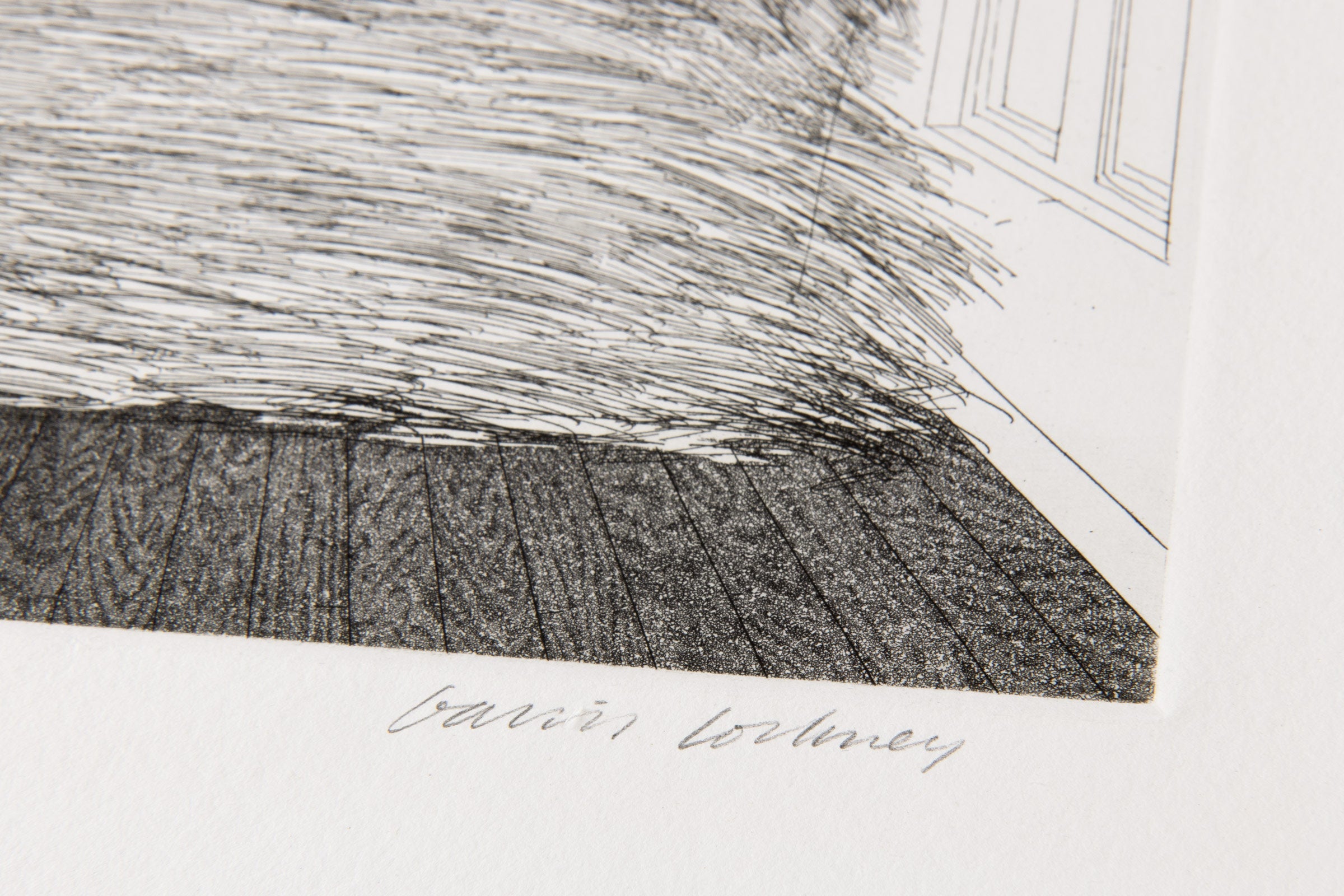
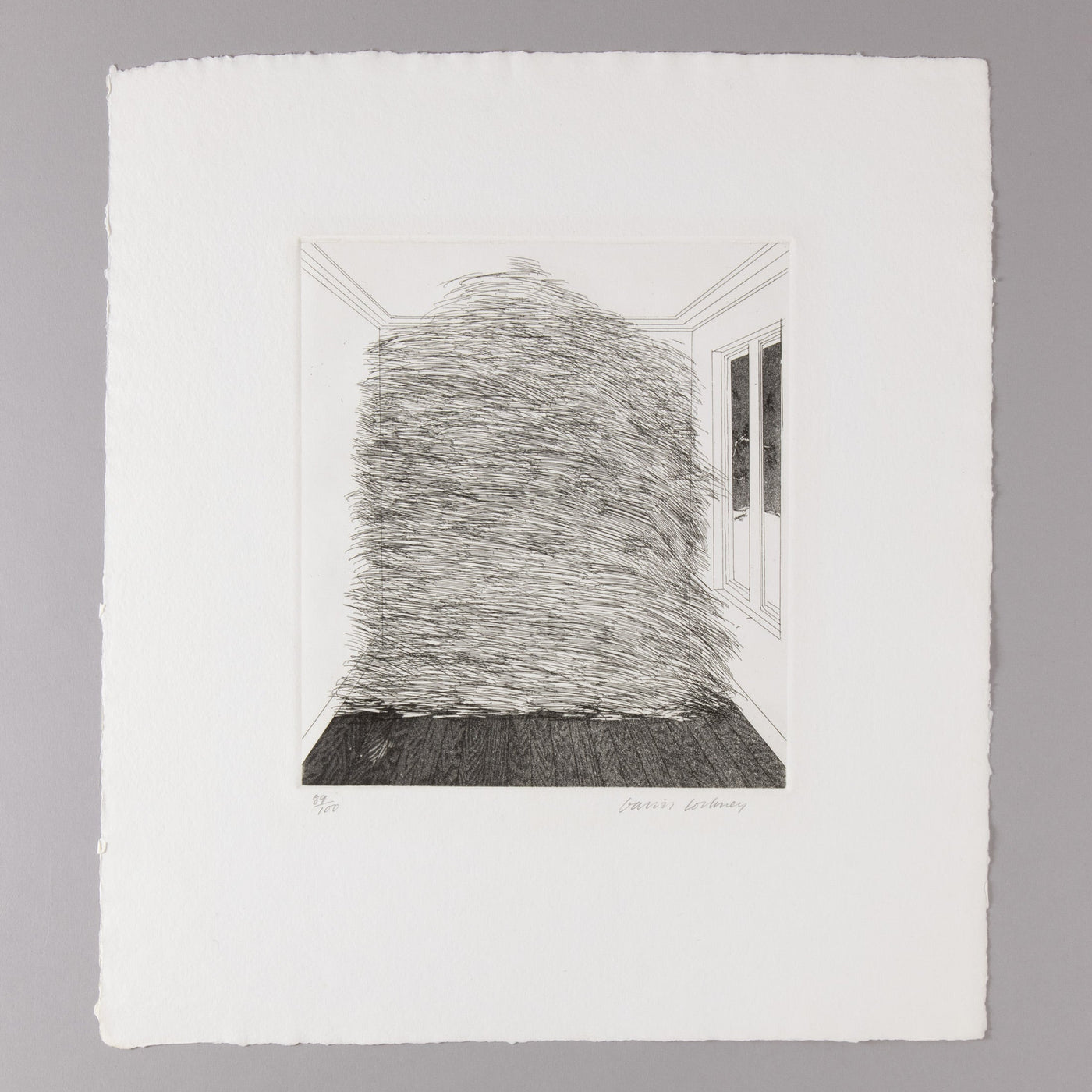
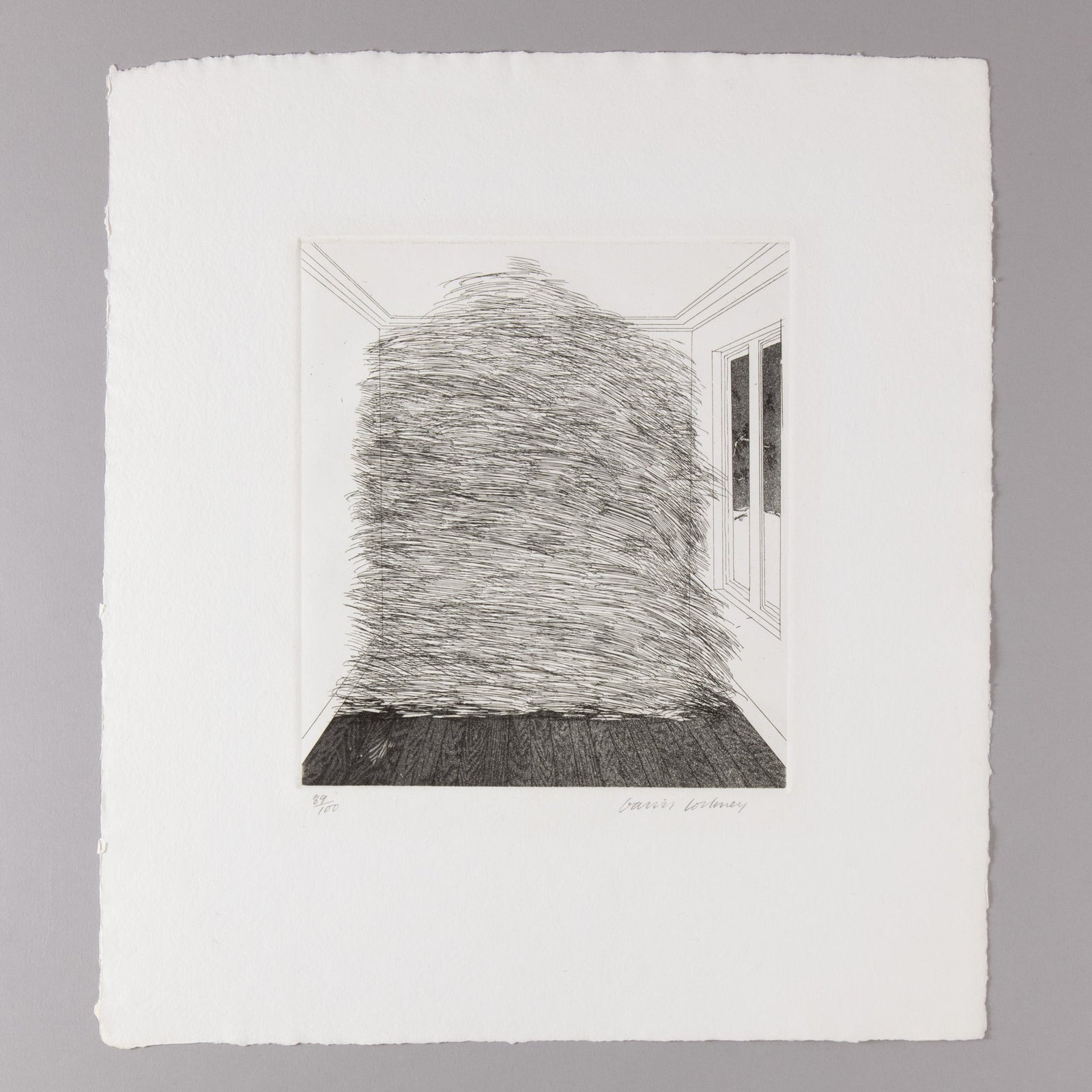
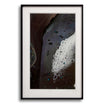
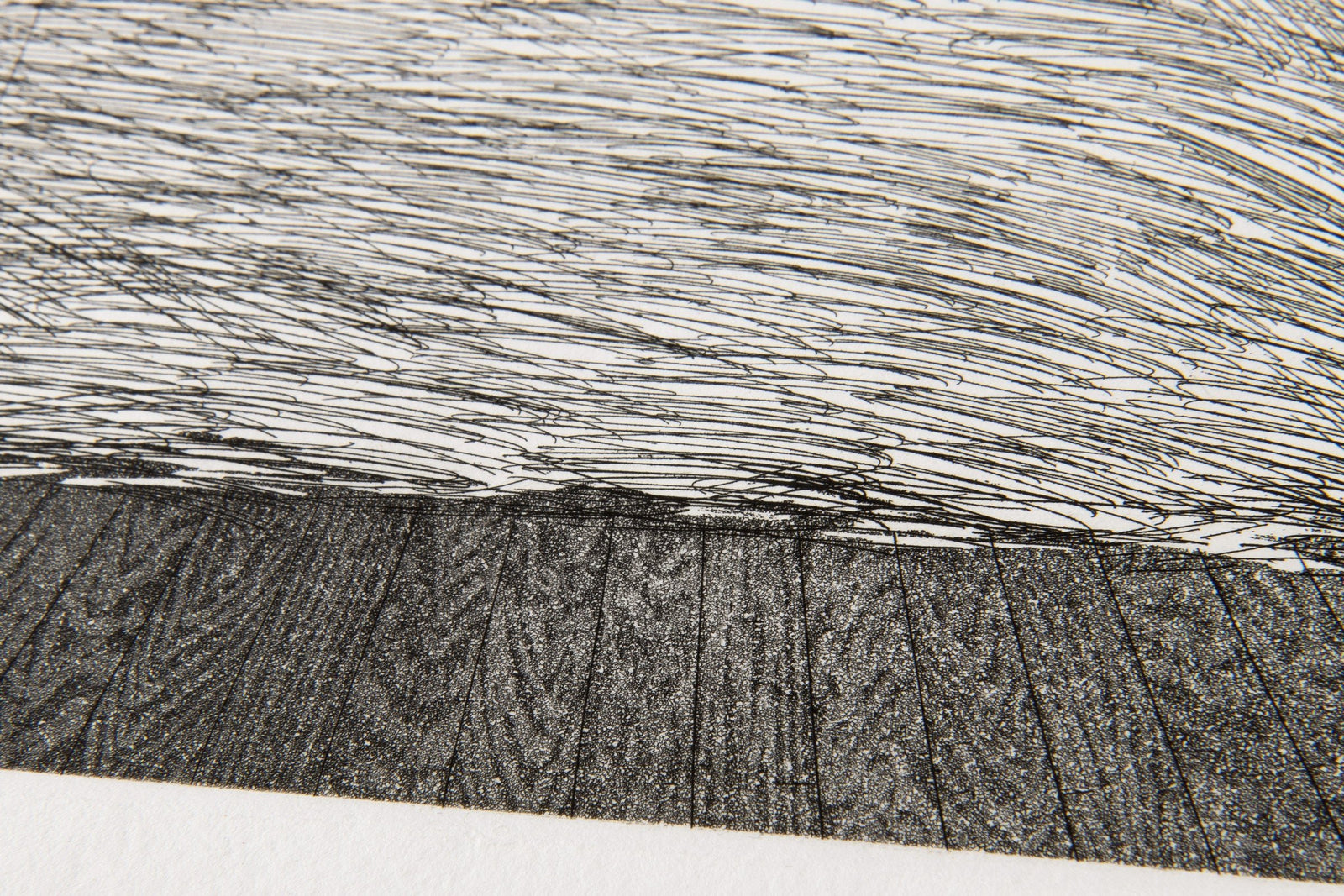
David Hockney - A Room Full of Straw (Rumpelstilzchen)

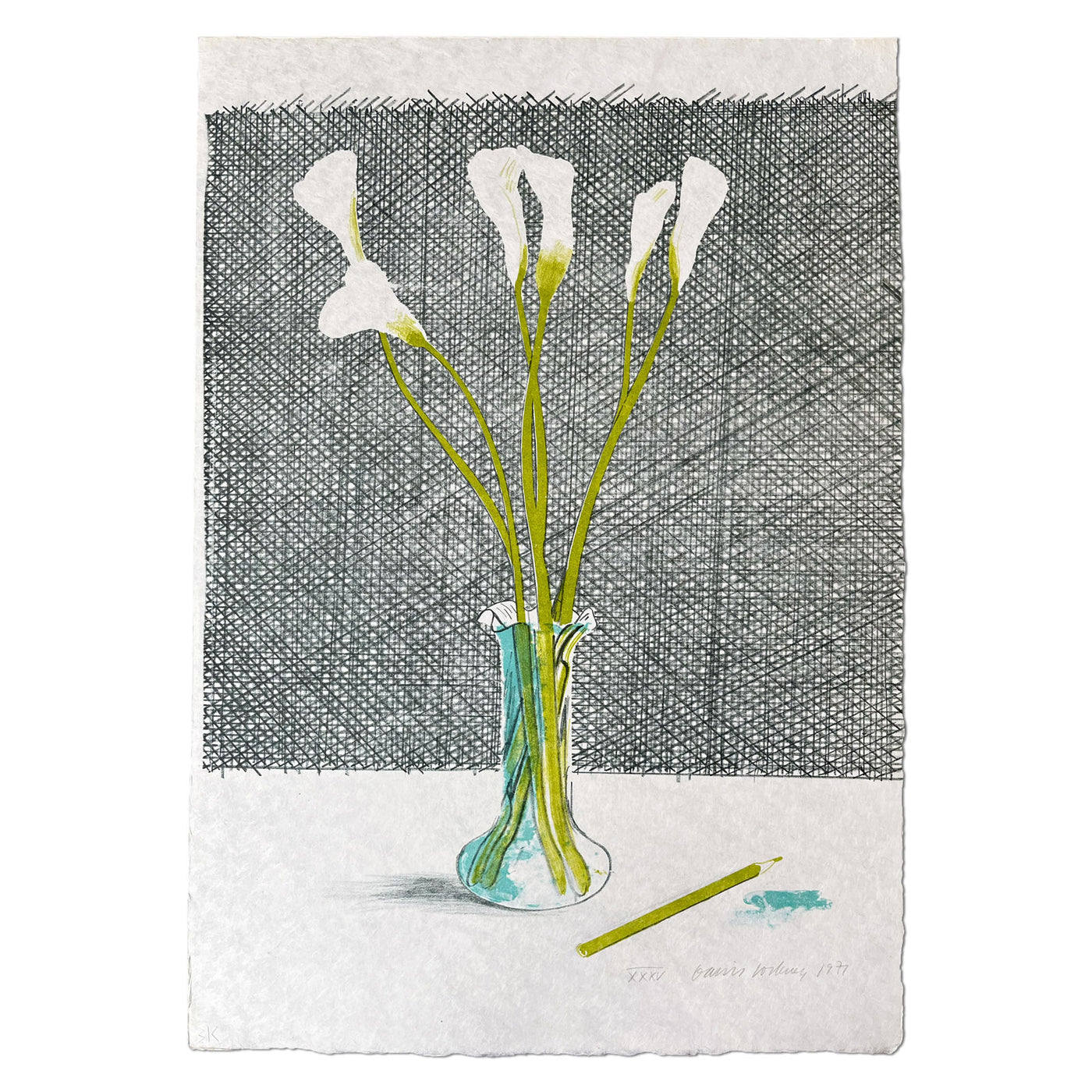
Few artists have taken printmaking as seriously as David Hockney. Across more than five hundred prints since the early 1960s, he has treated etching, lithography, and digital tools not as reproductions of his paintings but as distinct arenas of invention. His first major print series, A Rake's Progress (1961–63), reworked Hogarth through the eyes of a young gay artist arriving in New York; six decades later he was editioning iPad drawings on archival paper. What connects them is a restless conviction that every new technique is a new way of seeing. Works held at Tate, MoMA, and the Centre Pompidou.

Browse signed David Hockney prints and editions now.

Available Prints & Editions

01

David Hockney Biography

David Hockney (born 1937 in Bradford, England) made his first print in 1954 as a student, and printmaking has remained central to his practice ever since — famously, at the Royal College of Art, he retreated to the print department because its materials were free when he couldn't afford paint. That early necessity became a lifelong commitment: Hockney is not a painter who also makes prints, but one of the most inventive and prolific printmakers of the past century.

His work is instantly recognisable — bold colour, clear line, and a restless investigation of how space and perception can be reconstructed on a flat surface. From the Californian pool paintings that defined his early fame to his monumental Yorkshire landscapes, Hockney has spent six decades asking how the world can be truthfully seen and rendered. That question drives his engagement with technology: he has embraced the photocopier, the fax machine, and the iPad with the same seriousness as etching and lithography, arguing consistently that new tools expand rather than cheapen what art can do.

His figurative sensibility — grounded in portraiture, landscape, and the observed world — connects him to a long tradition even as his methods break from it. Now in his late eighties, David Hockney remains among the most collected and exhibited living artists, the subject of a landmark retrospective at the Fondation Louis Vuitton in Paris in 2025.

David Hockney - A Room Full of Straw (Rumpelstilzchen)
02

Famous David Hockney Artworks

Hockney's printmaking unfolds as a series of ambitious projects, each defined by a technique pushed to its limit.

A Rake's Progress (1961–63) is his foundational statement: sixteen etchings transposing Hogarth's eighteenth-century morality tale to contemporary New York, with Hockney himself as the rake. Wit, autobiography, and narrative sequencing combine in a work that announced a printmaker of unusual intelligence. Full suites now appear at auction only rarely.

Swimming pools remain his most recognisable subject — the motif that fixed Los Angeles, and Hockney himself, in the public imagination. Portrait of an Artist (Pool with Two Figures) (1972) sold for $90.3 million in 2018, then a record for a living artist, and paintings like A Bigger Splash (1967) have long since left the market entirely. This is precisely why the prints matter: his eleven-part lithograph series Water Made of Lines (1978–80) translates the pool's shifting light into a vocabulary of curved parallel lines — the accessible route into a body of work whose painted originals are now beyond reach.

The Weather Series (1973) marked his mastery of lithography. Six prints depicting rain, snow, sun, wind, mist, and lightning draw on the stylised conventions of Japanese woodblock. "Getting back into lithography is wonderful," he said. "Everything you put on a stone actually shows up."

The Arrival of Spring (2011), first drawn entirely on an iPad, confirmed that Hockney's digital work belongs to the same lineage as his etchings and lithographs. Editioned on archival paper, signed and numbered like any other print, the series has performed exceptionally at auction: at a dedicated Sotheby's sale in 2025, values across it rose by as much as 671%.

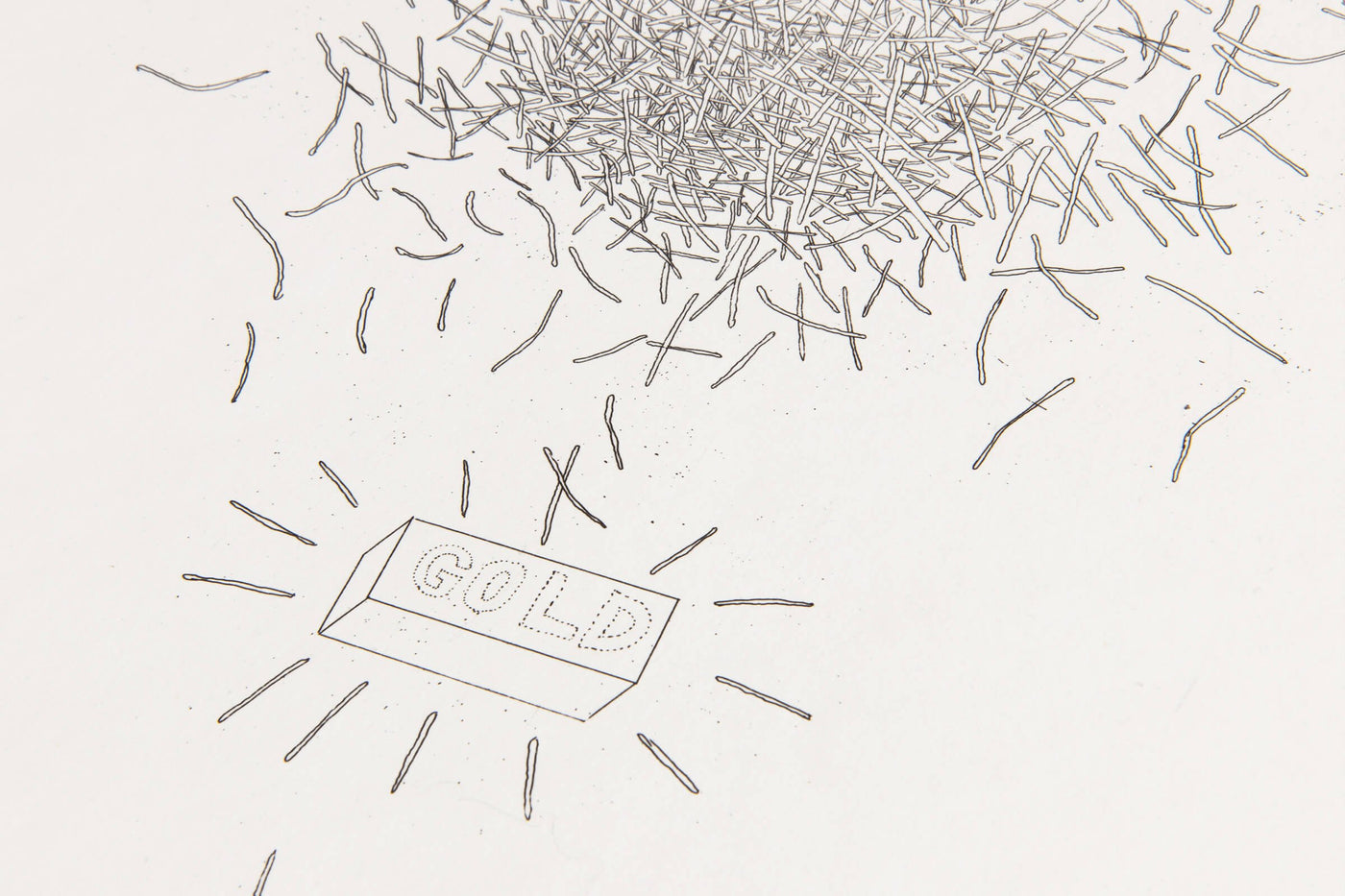
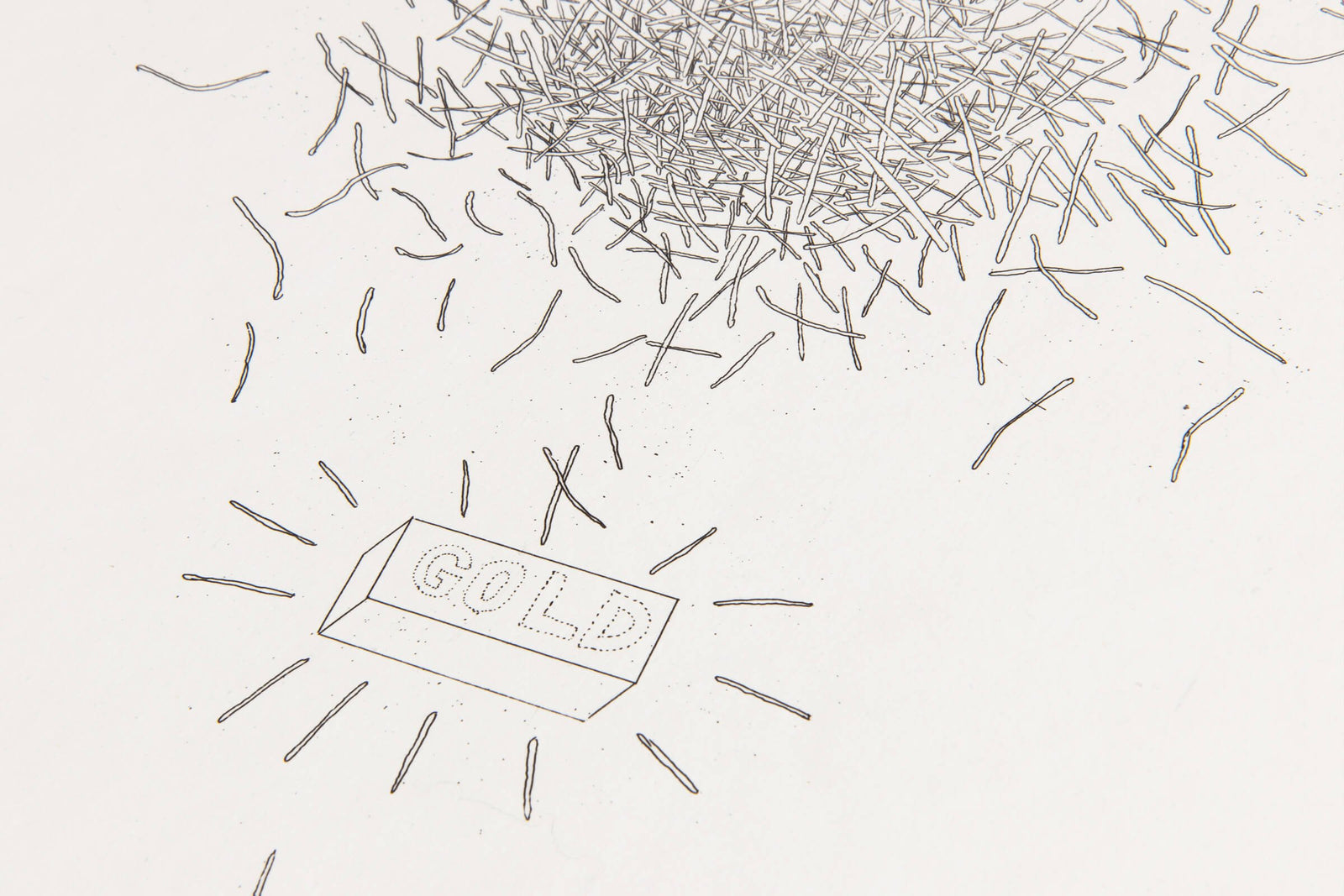
David Hockney – Gold
03

David Hockney Prints & Editions

For Hockney, printmaking has never been secondary. He has said that print's great advantage is comparison — that impressions from the same edition can be studied side by side — and he has pursued that logic across more media than almost any artist of his generation: etching, aquatint, lithography, screenprint, paper pulp, photocopy, fax, and iPad drawing.

This breadth is not novelty for its own sake. Each technique answers a different question. Etching suits his instinct for line and narrative; lithography releases his colour; the iPad allows him to draw light directly, in layers, at speed. Throughout, he has collaborated with the most significant workshops and printers of the era — Editions Alecto and Petersburg Press in London, Gemini G.E.L. and Tyler Graphics in the United States — whose stamps and documentation now form part of the authentication record for his prints.

For collectors, Hockney's editions offer direct access to one of the great bodies of printmaking in modern art. His market is deep and active: individual signed prints range widely by image and rarity, while major series command significant premiums. Works are held in the permanent collections of Tate, MoMA, and the Centre Pompidou.

01

David Hockney Biography

David Hockney (born 1937 in Bradford, England) made his first print in 1954 as a student, and printmaking has remained central to his practice ever since — famously, at the Royal College of Art, he retreated to the print department because its materials were free when he couldn't afford paint. That early necessity became a lifelong commitment: Hockney is not a painter who also makes prints, but one of the most inventive and prolific printmakers of the past century.

His work is instantly recognisable — bold colour, clear line, and a restless investigation of how space and perception can be reconstructed on a flat surface. From the Californian pool paintings that defined his early fame to his monumental Yorkshire landscapes, Hockney has spent six decades asking how the world can be truthfully seen and rendered. That question drives his engagement with technology: he has embraced the photocopier, the fax machine, and the iPad with the same seriousness as etching and lithography, arguing consistently that new tools expand rather than cheapen what art can do.

His figurative sensibility — grounded in portraiture, landscape, and the observed world — connects him to a long tradition even as his methods break from it. Now in his late eighties, David Hockney remains among the most collected and exhibited living artists, the subject of a landmark retrospective at the Fondation Louis Vuitton in Paris in 2025.

02

Famous David Hockney Artworks

Hockney's printmaking unfolds as a series of ambitious projects, each defined by a technique pushed to its limit.

A Rake's Progress (1961–63) is his foundational statement: sixteen etchings transposing Hogarth's eighteenth-century morality tale to contemporary New York, with Hockney himself as the rake. Wit, autobiography, and narrative sequencing combine in a work that announced a printmaker of unusual intelligence. Full suites now appear at auction only rarely.

Swimming pools remain his most recognisable subject — the motif that fixed Los Angeles, and Hockney himself, in the public imagination. Portrait of an Artist (Pool with Two Figures) (1972) sold for $90.3 million in 2018, then a record for a living artist, and paintings like A Bigger Splash (1967) have long since left the market entirely. This is precisely why the prints matter: his eleven-part lithograph series Water Made of Lines (1978–80) translates the pool's shifting light into a vocabulary of curved parallel lines — the accessible route into a body of work whose painted originals are now beyond reach.

The Weather Series (1973) marked his mastery of lithography. Six prints depicting rain, snow, sun, wind, mist, and lightning draw on the stylised conventions of Japanese woodblock. "Getting back into lithography is wonderful," he said. "Everything you put on a stone actually shows up."

The Arrival of Spring (2011), first drawn entirely on an iPad, confirmed that Hockney's digital work belongs to the same lineage as his etchings and lithographs. Editioned on archival paper, signed and numbered like any other print, the series has performed exceptionally at auction: at a dedicated Sotheby's sale in 2025, values across it rose by as much as 671%.

03

David Hockney Prints & Editions

For Hockney, printmaking has never been secondary. He has said that print's great advantage is comparison — that impressions from the same edition can be studied side by side — and he has pursued that logic across more media than almost any artist of his generation: etching, aquatint, lithography, screenprint, paper pulp, photocopy, fax, and iPad drawing.

This breadth is not novelty for its own sake. Each technique answers a different question. Etching suits his instinct for line and narrative; lithography releases his colour; the iPad allows him to draw light directly, in layers, at speed. Throughout, he has collaborated with the most significant workshops and printers of the era — Editions Alecto and Petersburg Press in London, Gemini G.E.L. and Tyler Graphics in the United States — whose stamps and documentation now form part of the authentication record for his prints.

For collectors, Hockney's editions offer direct access to one of the great bodies of printmaking in modern art. His market is deep and active: individual signed prints range widely by image and rarity, while major series command significant premiums. Works are held in the permanent collections of Tate, MoMA, and the Centre Pompidou.

David Hockney - A Room Full of Straw (Rumpelstilzchen)David Hockney – Gold

David Hockney: Key Questions

Collecting David Hockney?

Looking for a specific artwork or have a question about an edition? We're happy to advise on availability, pricing, condition, and provenance — and to source artworks beyond our current selection.

Contact us

Prints, Photographs & Multiples

View our full collection of

Prints, Photographs & Multiples

Explore editions