

How to Start an Art Collection

Every collector starts somewhere, and almost none of them start with certainty. The gallerists and collectors who've done this for decades tend to agree on surprisingly little — except one thing: buy what holds your attention, not what you're told should. Everything else — budget, research, provenance — exists to protect that instinct, not replace it.

Browse artworks under €2,500 now.

Filters

Sort by:

146 products

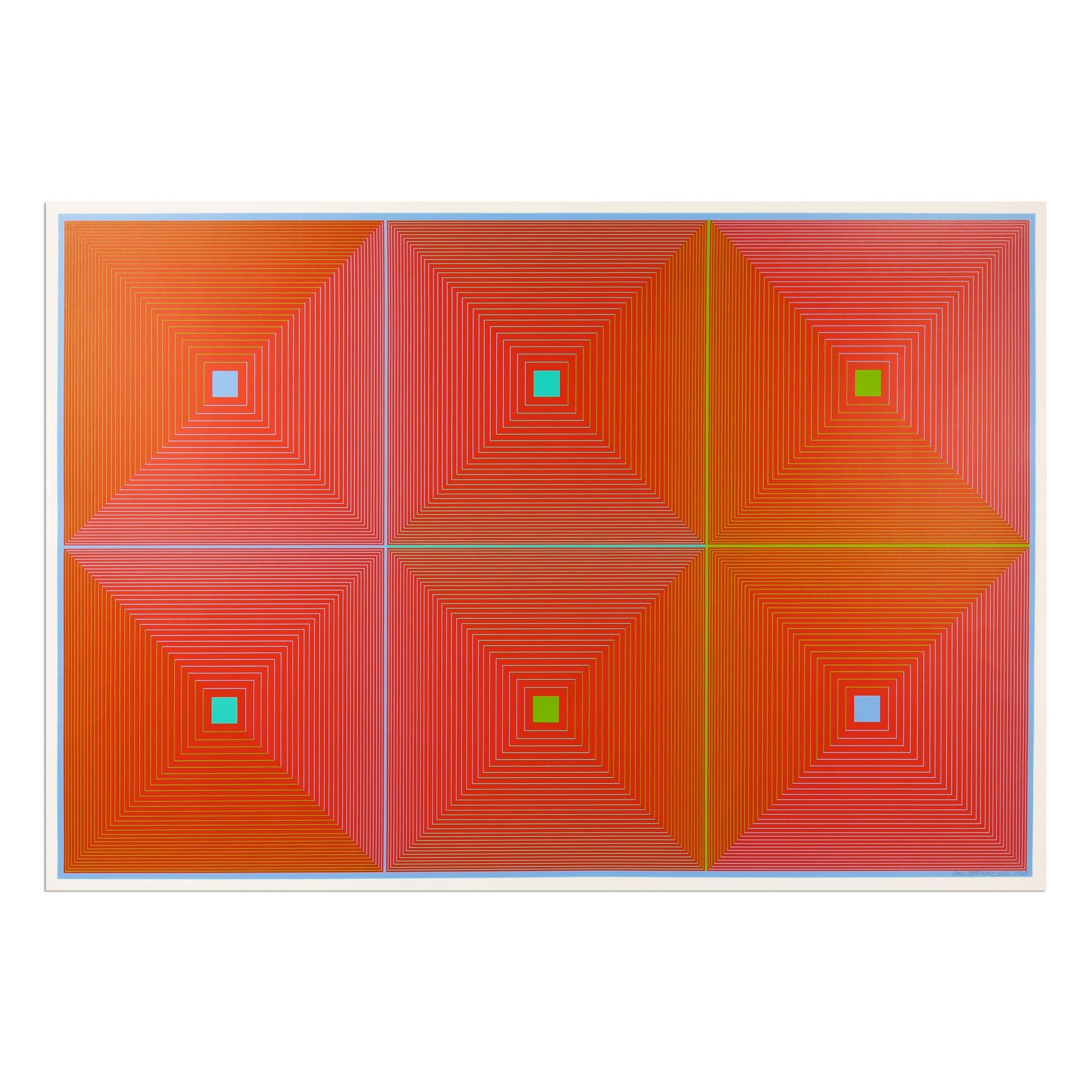
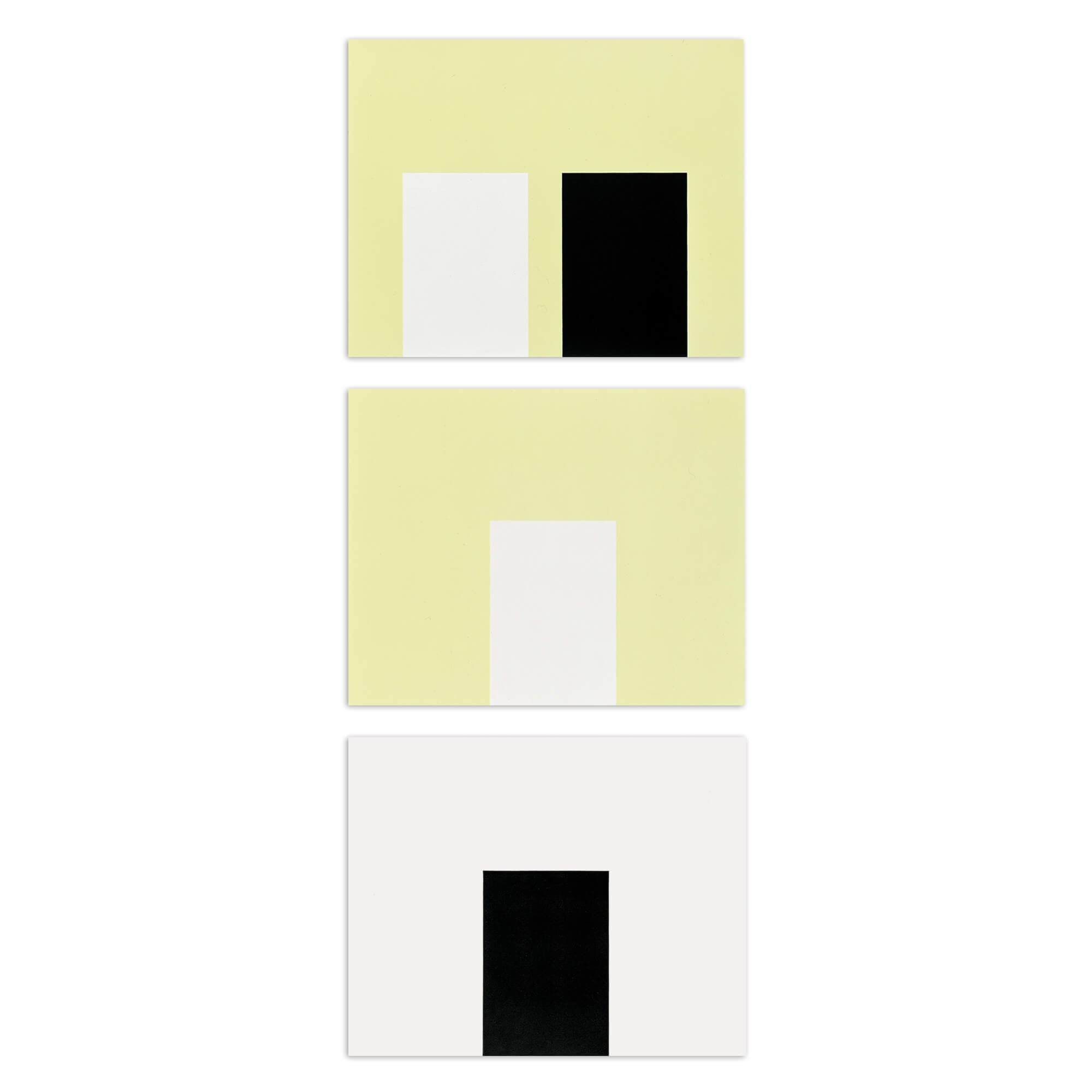
Richard Anuszkiewicz – Six SquaresRichard Anuszkiewicz – Six Squares
Luc Tuymans – Win
Luc Tuymans – Win Sale price€1.600,00
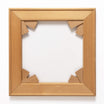
Imi Knoebel – KeilrahmenImi Knoebel – Keilrahmen
Imi Knoebel – Keilrahmen Sale price€800,00
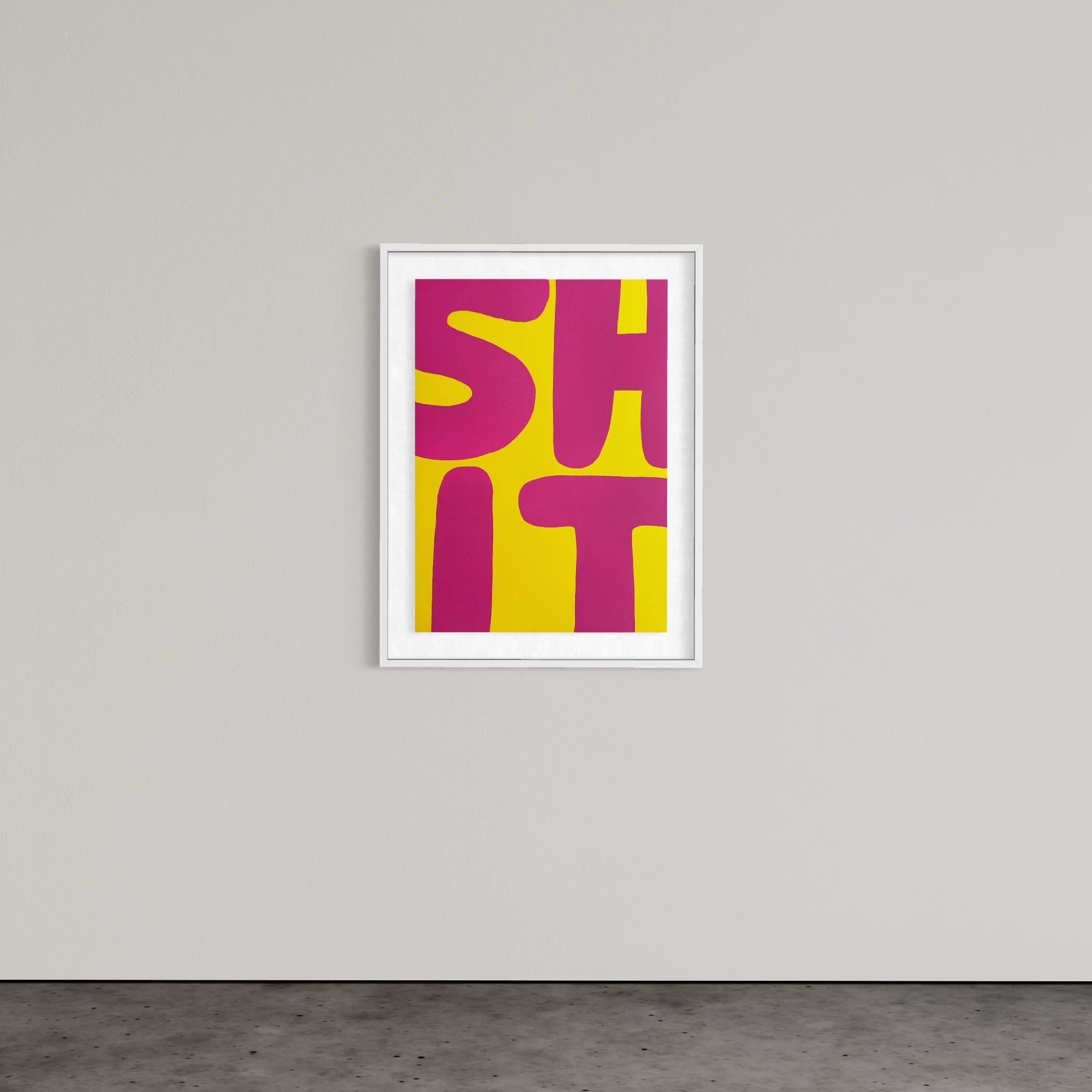
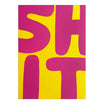
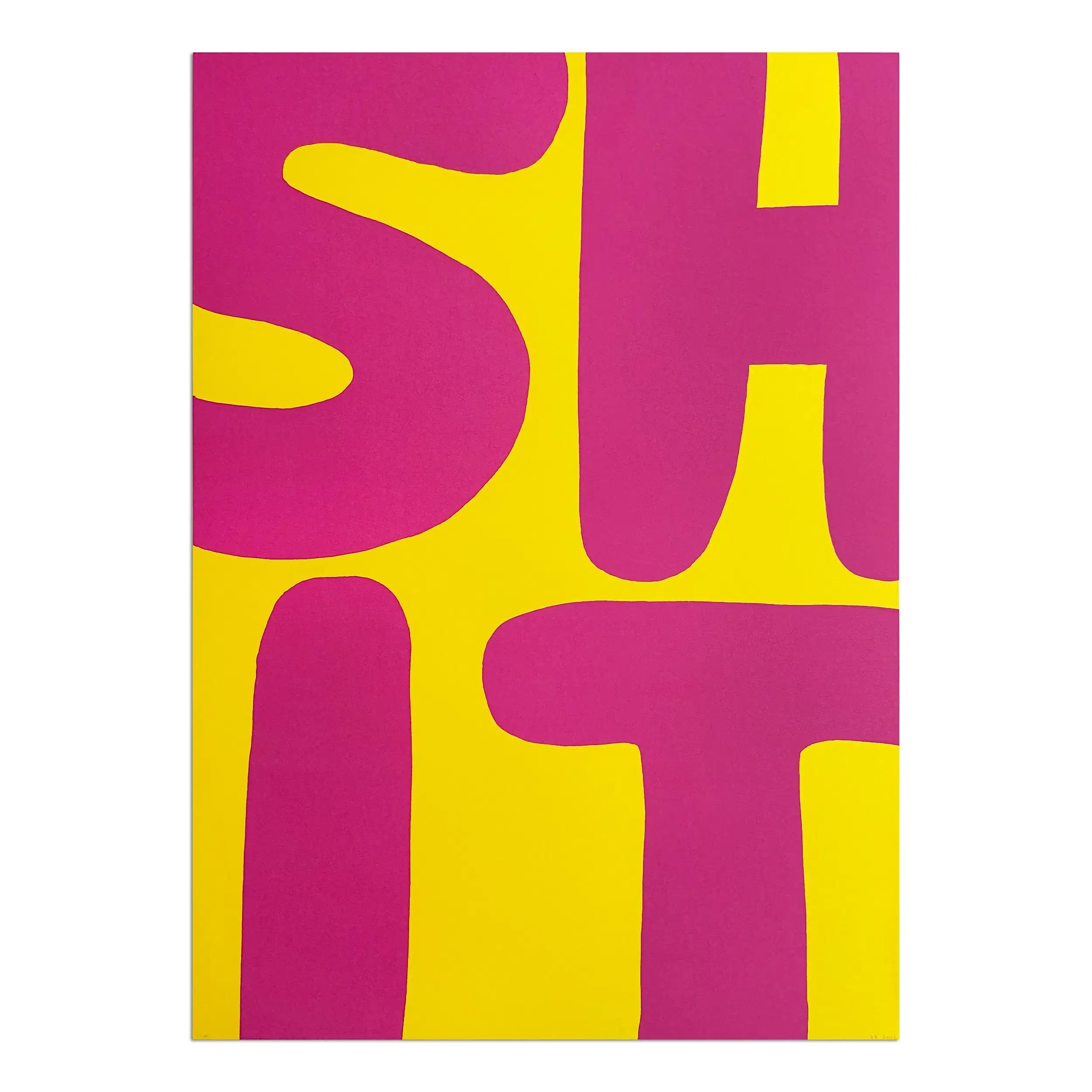
David Shrigley – Everyone Likes Colourful ShitDavid Shrigley – Everyone Likes Colourful Shit
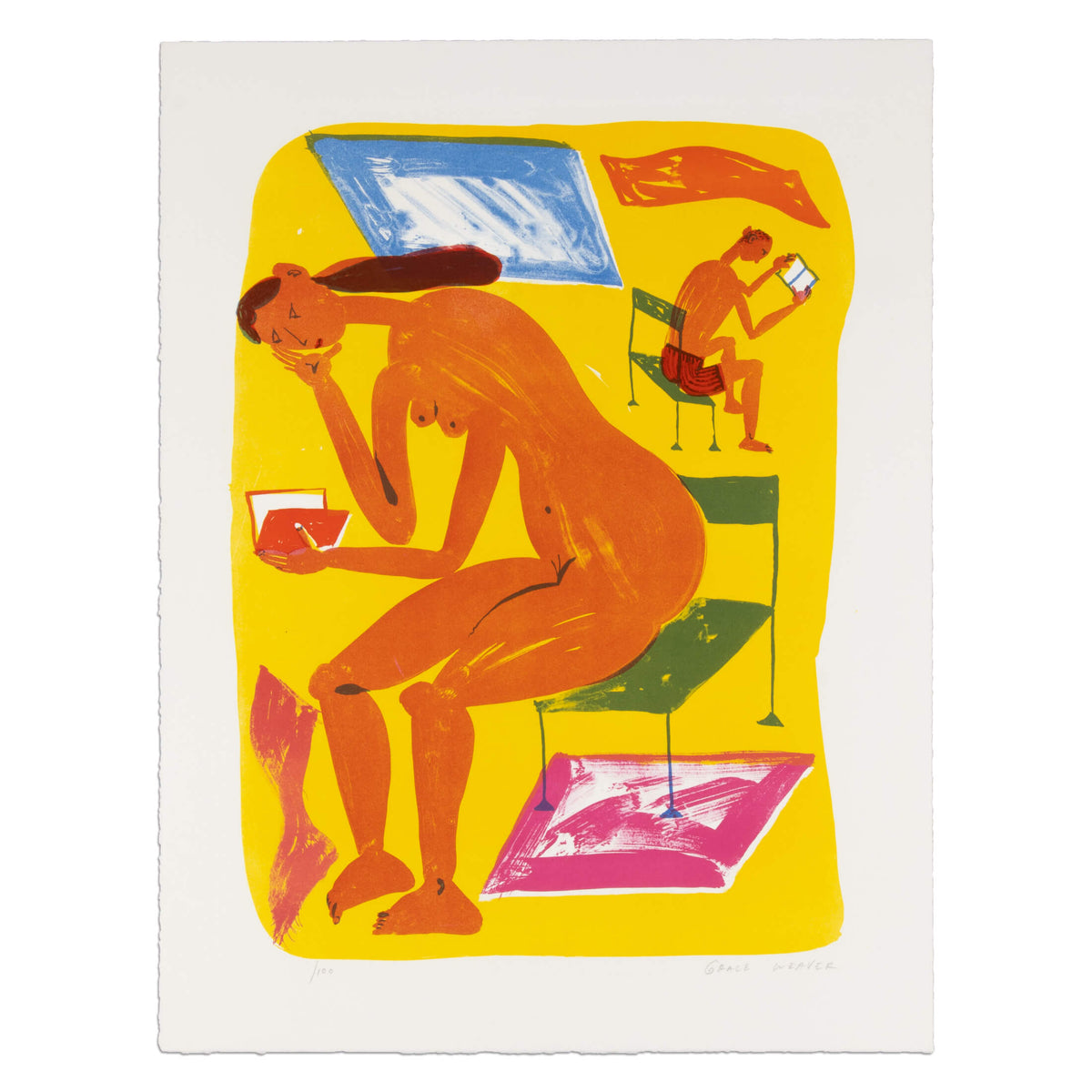
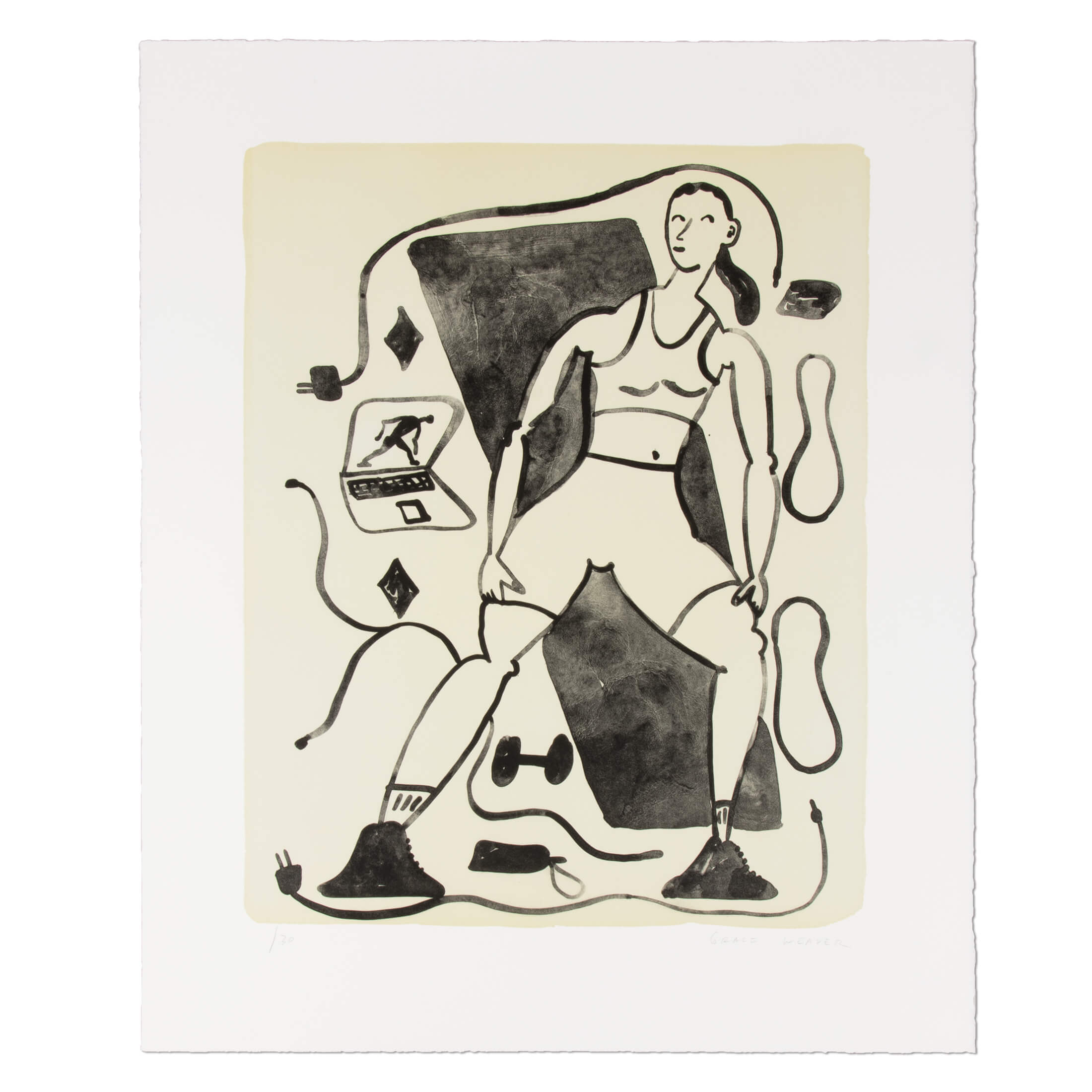
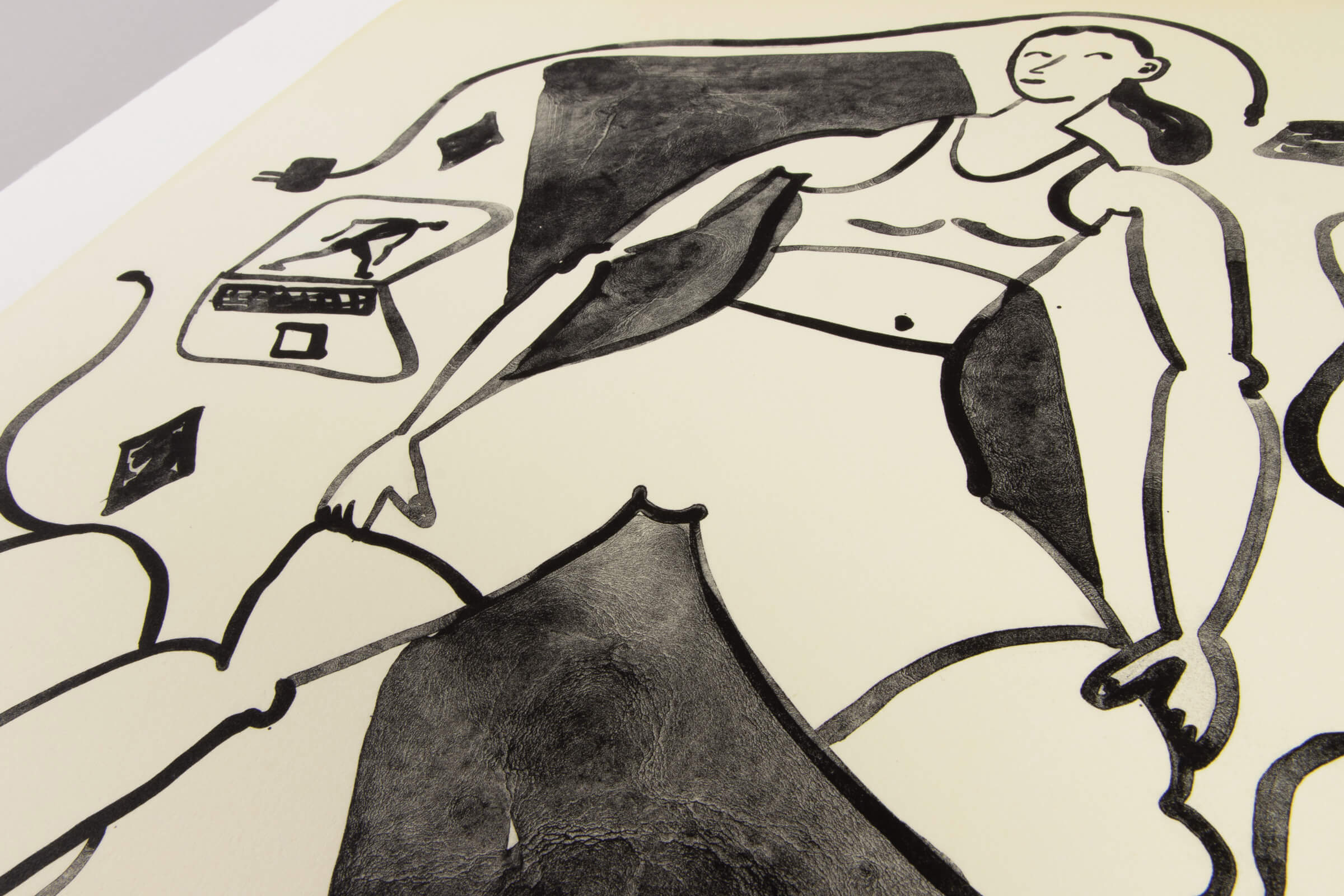
Grace Weaver – UntitledGrace Weaver – Untitled
Grace Weaver – Untitled Sale price€1.500,00
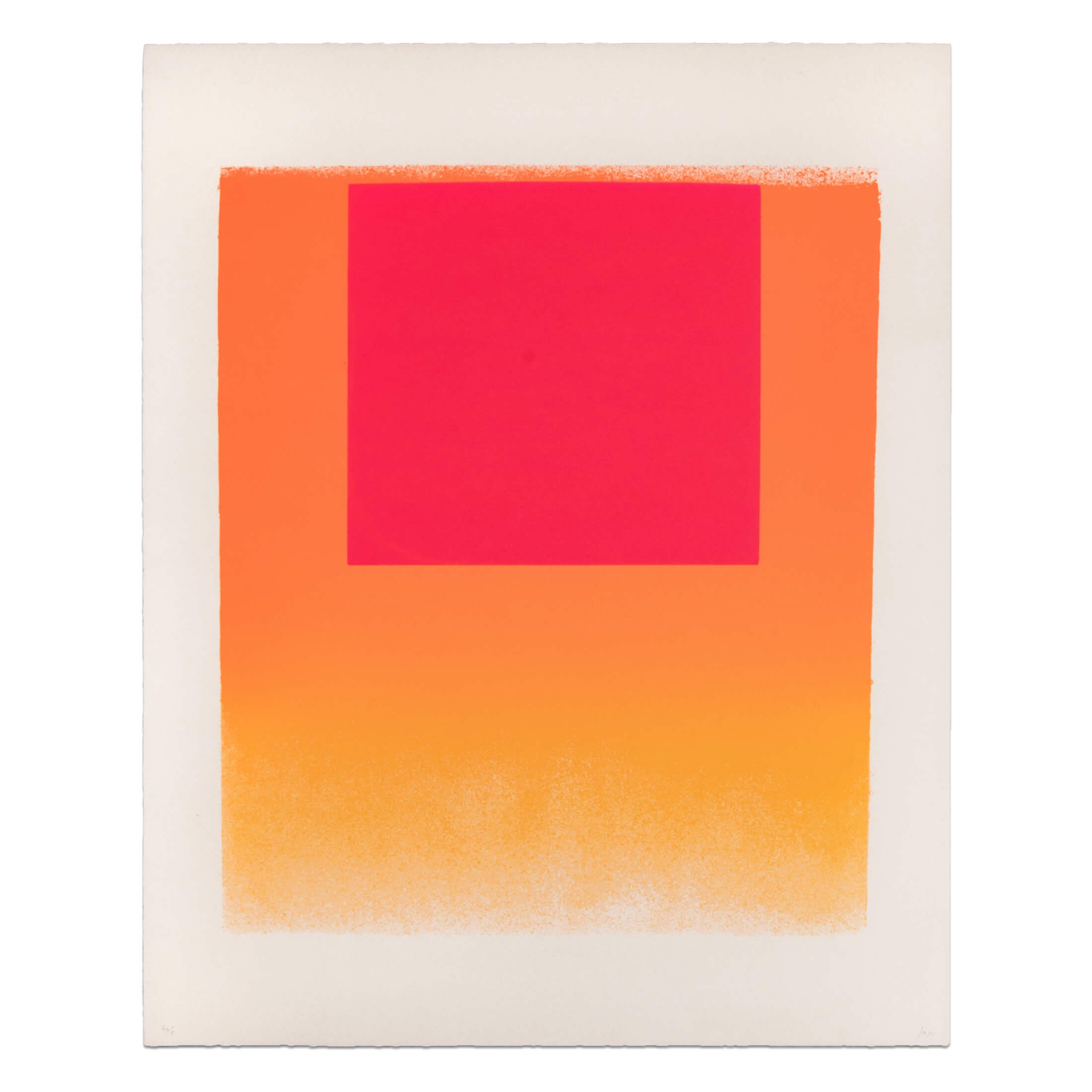
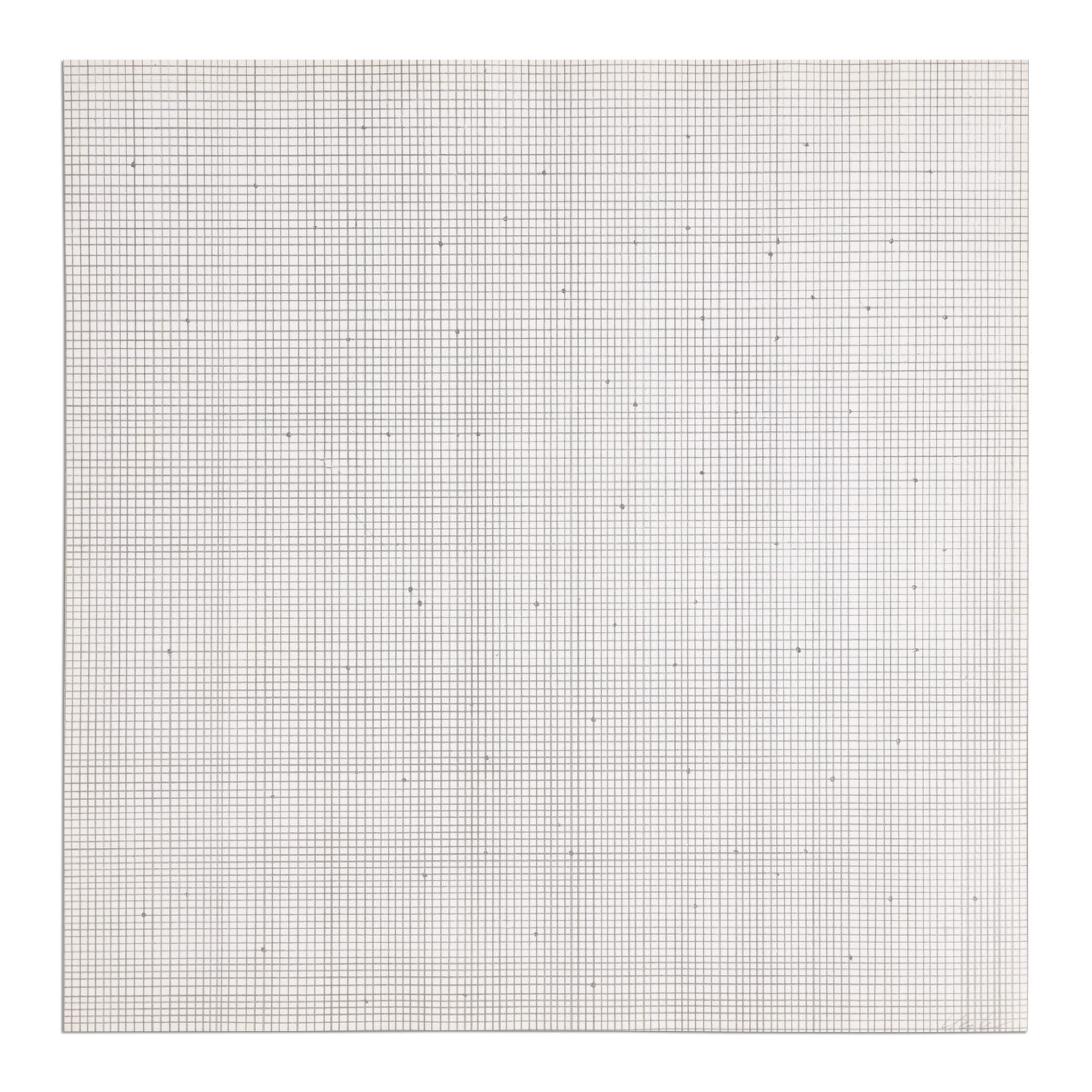
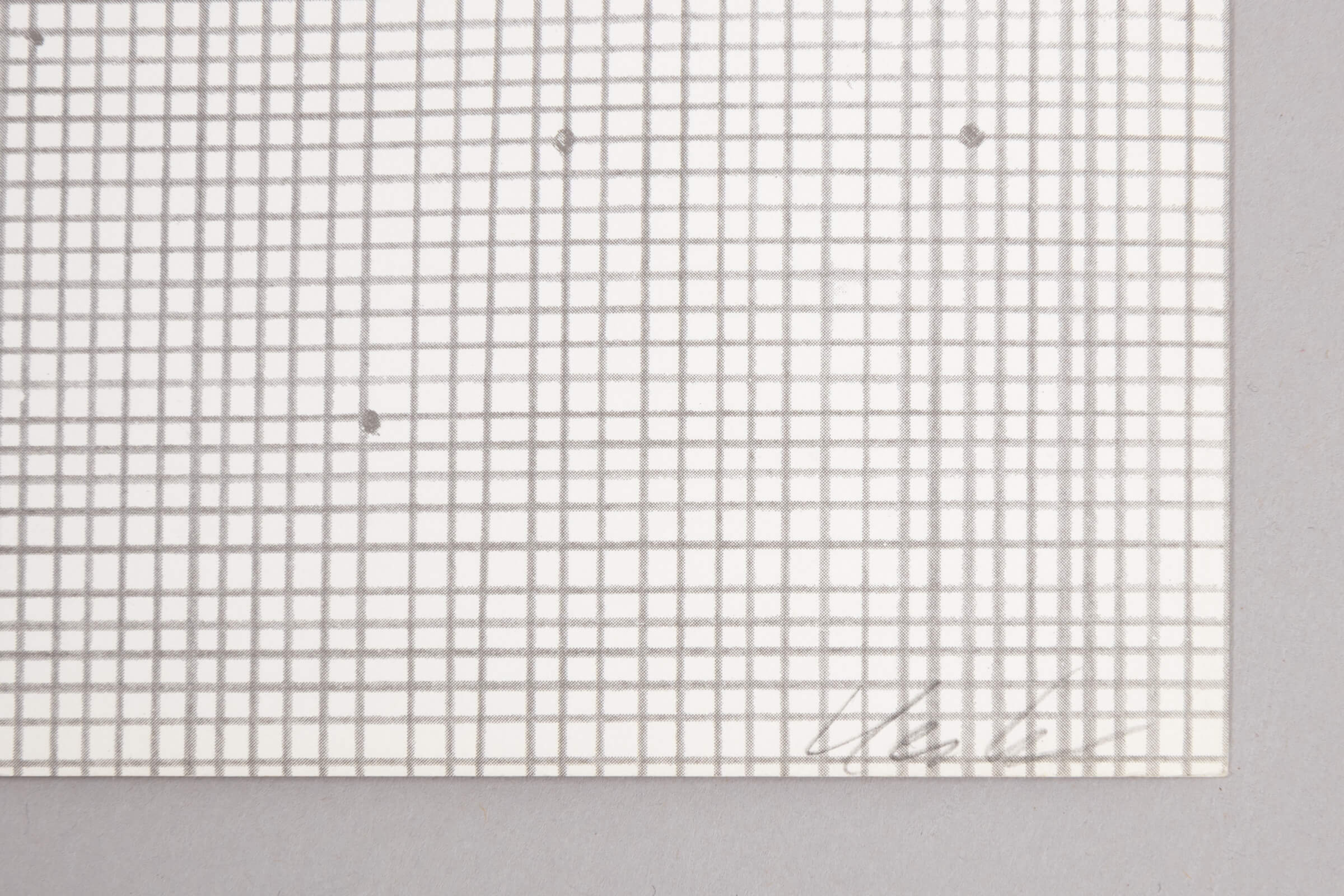
Günther Uecker – Untitled Print from NagelbuchGünther Uecker – Untitled Print from Nagelbuch
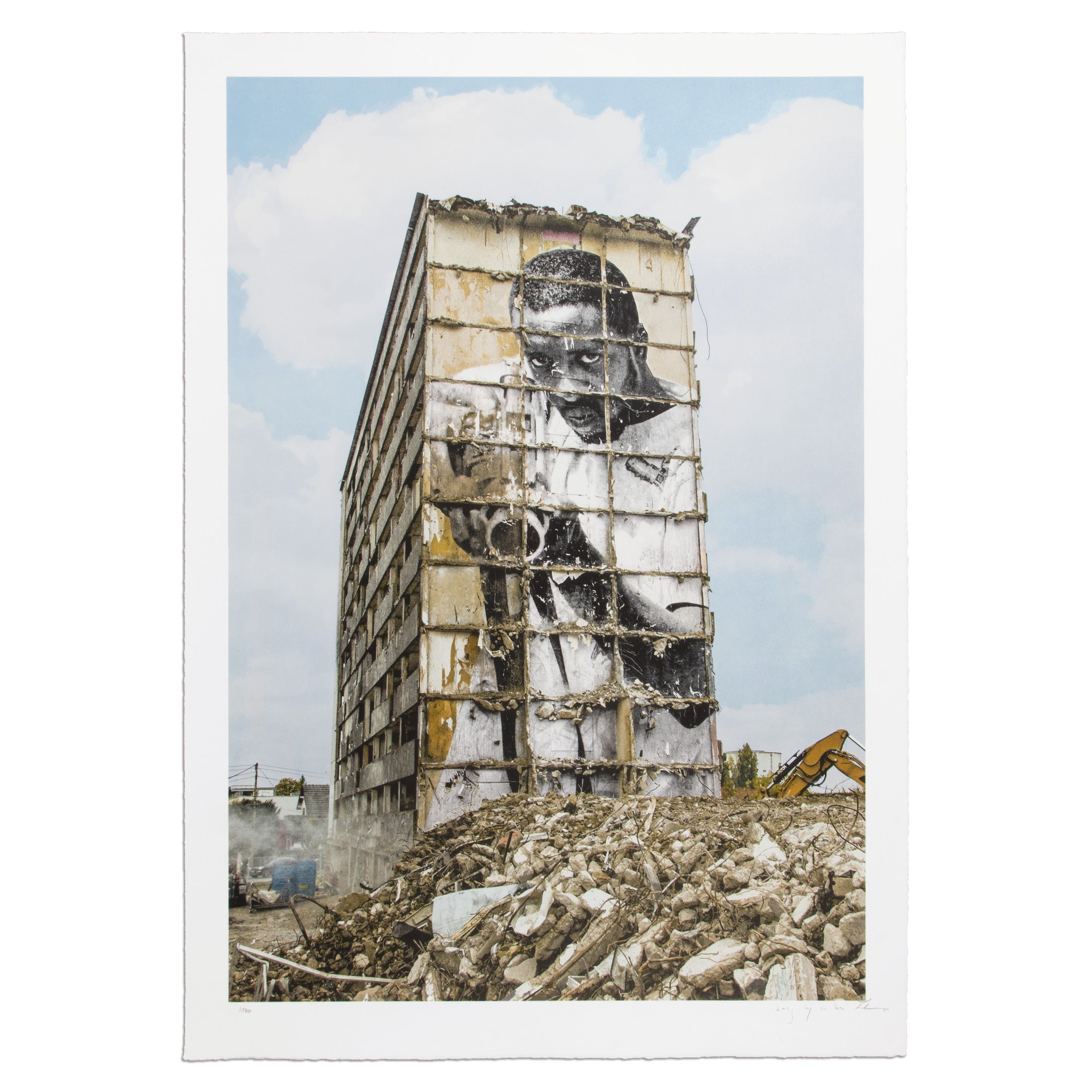
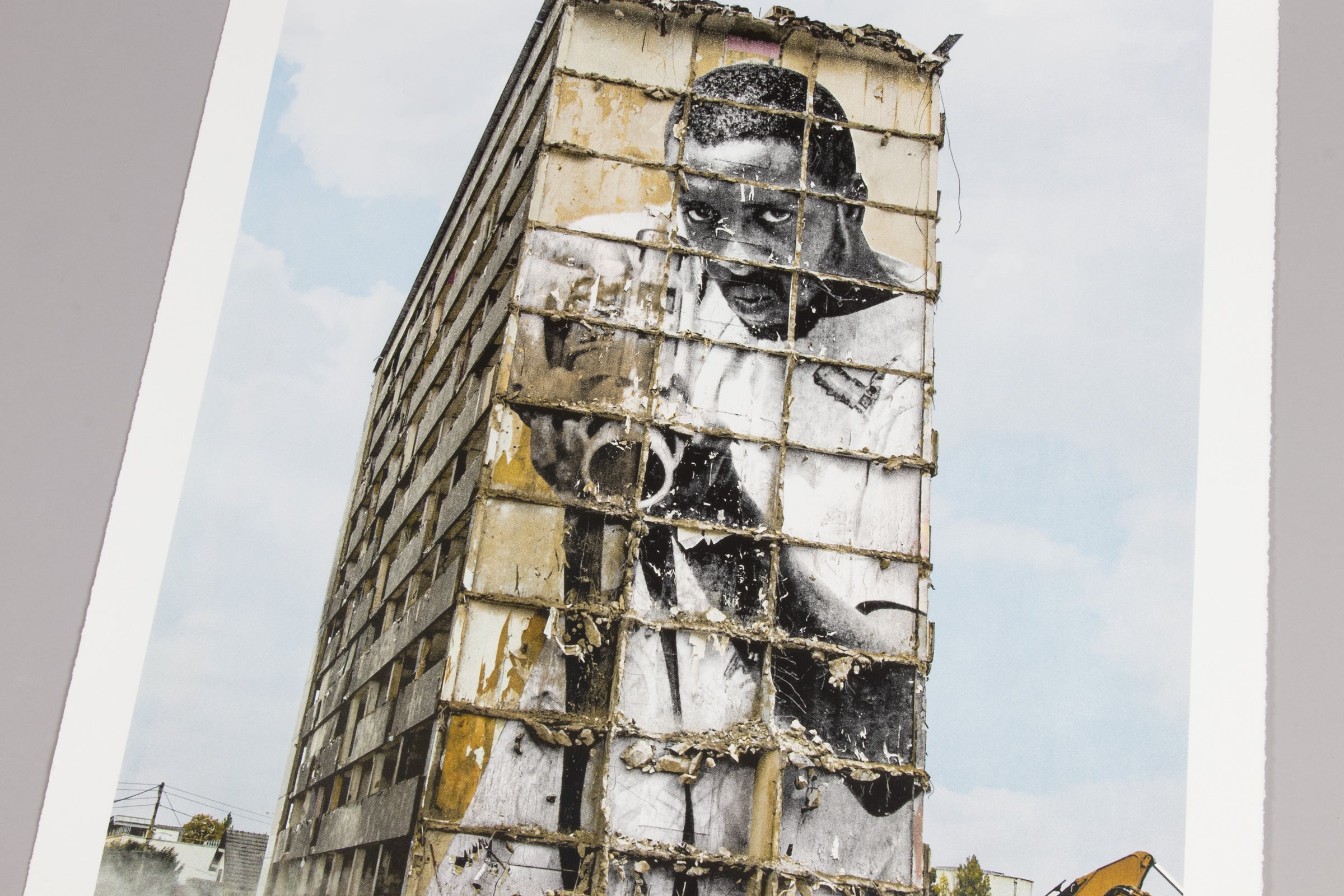
JR – 28 Millimeters, Portrait of a GenerationJR – 28 Millimeters, Portrait of a Generation
Barbara Kruger – Untitled (2Kiss)Barbara Kruger – Untitled (2Kiss)
Robert Longo – Eric (from Men in the Cities)Robert Longo – Eric (from Men in the Cities)
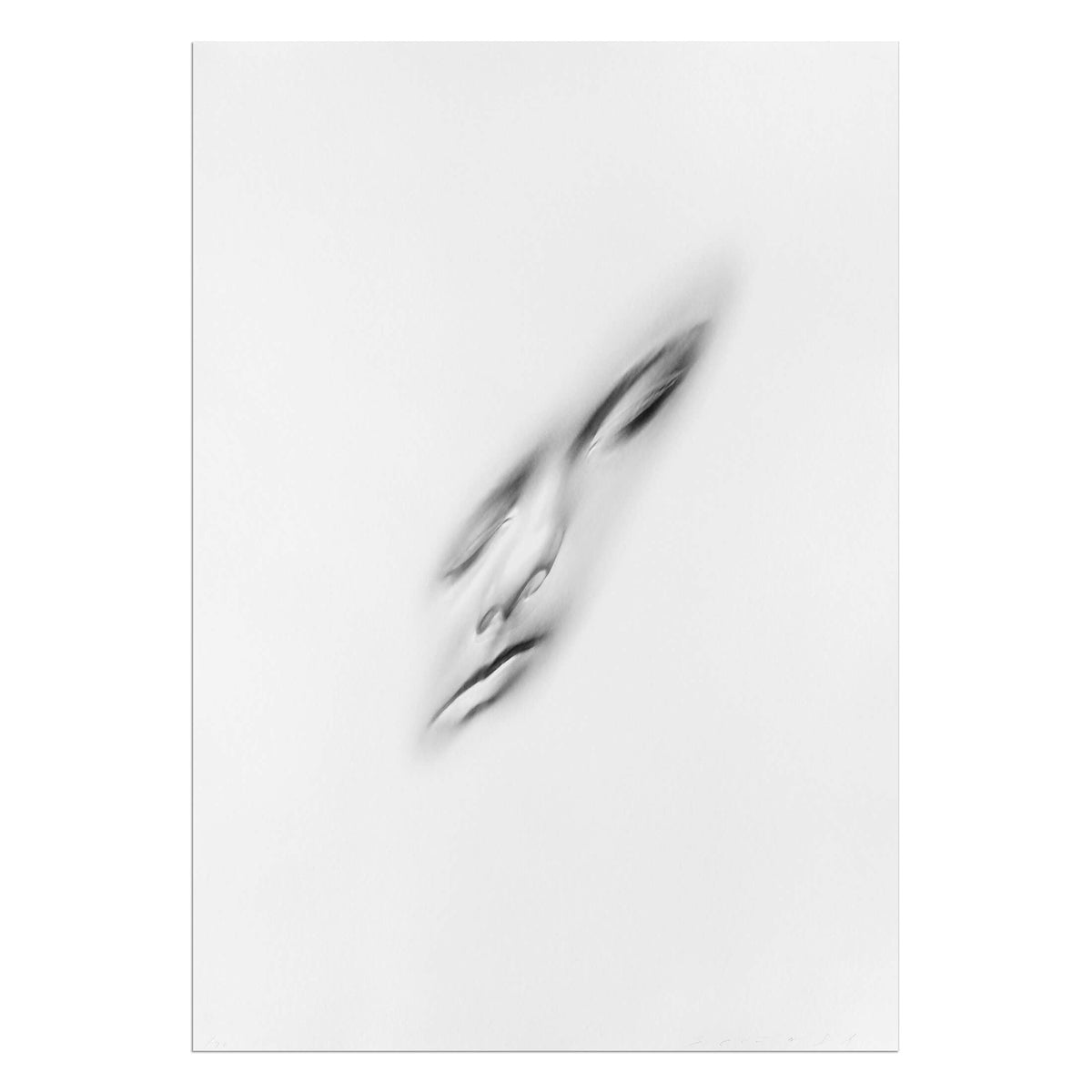
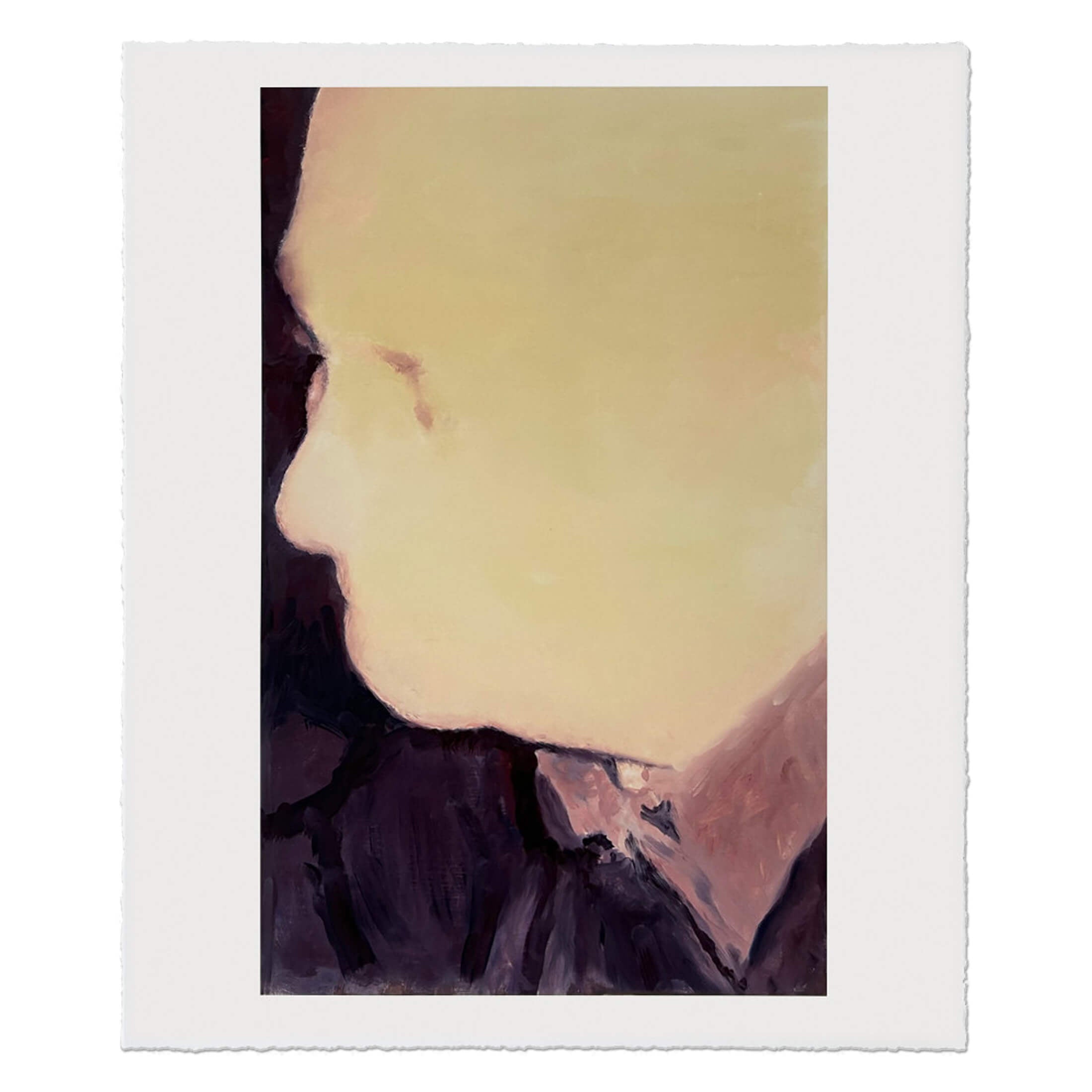
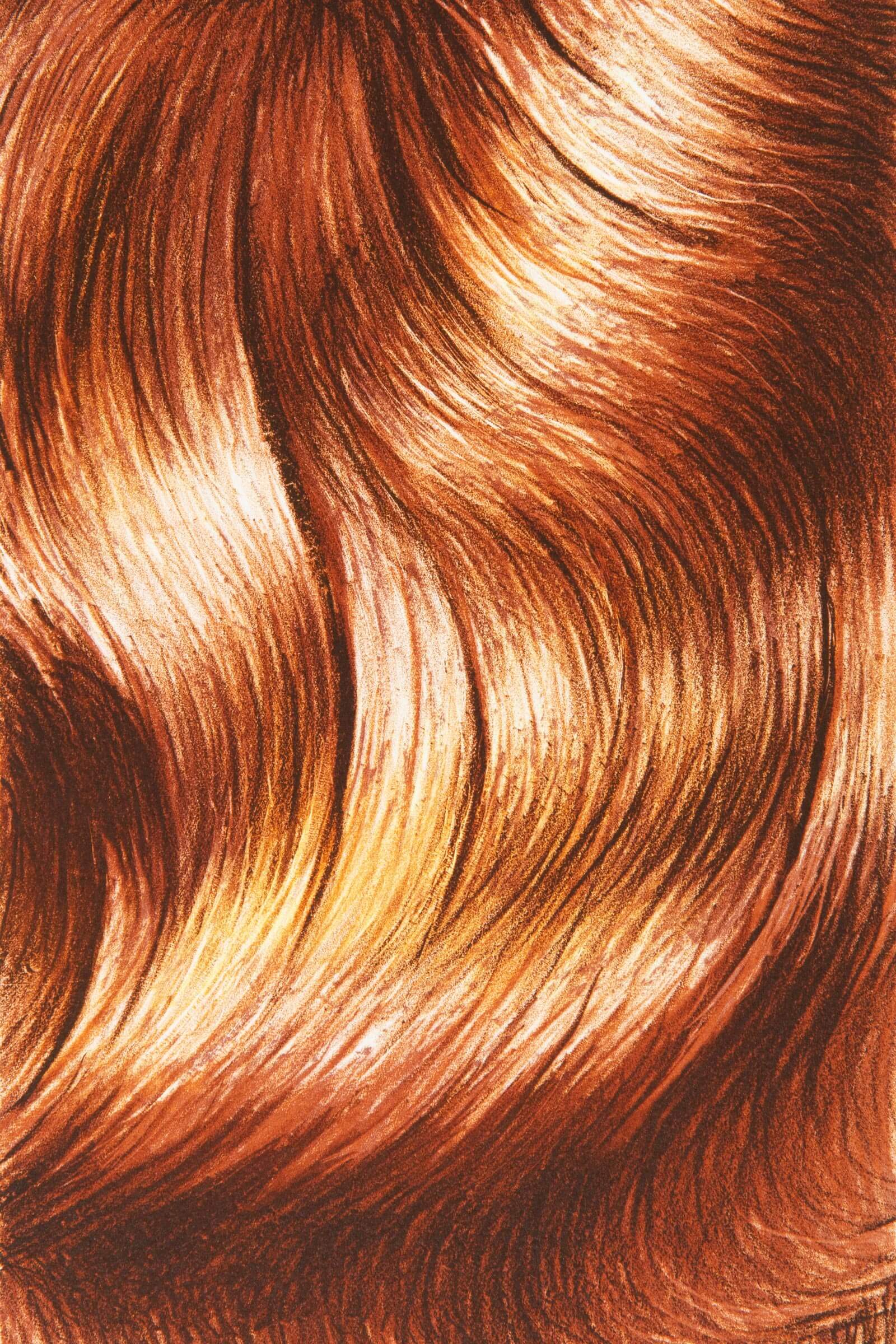
Louise Giovanelli – PlexusLouise Giovanelli – Plexus
Louise Giovanelli – Plexus Sale price€1.600,00
Rupprecht Geiger – Rot - Orange auf ViolettRupprecht Geiger – Rot - Orange auf Violett
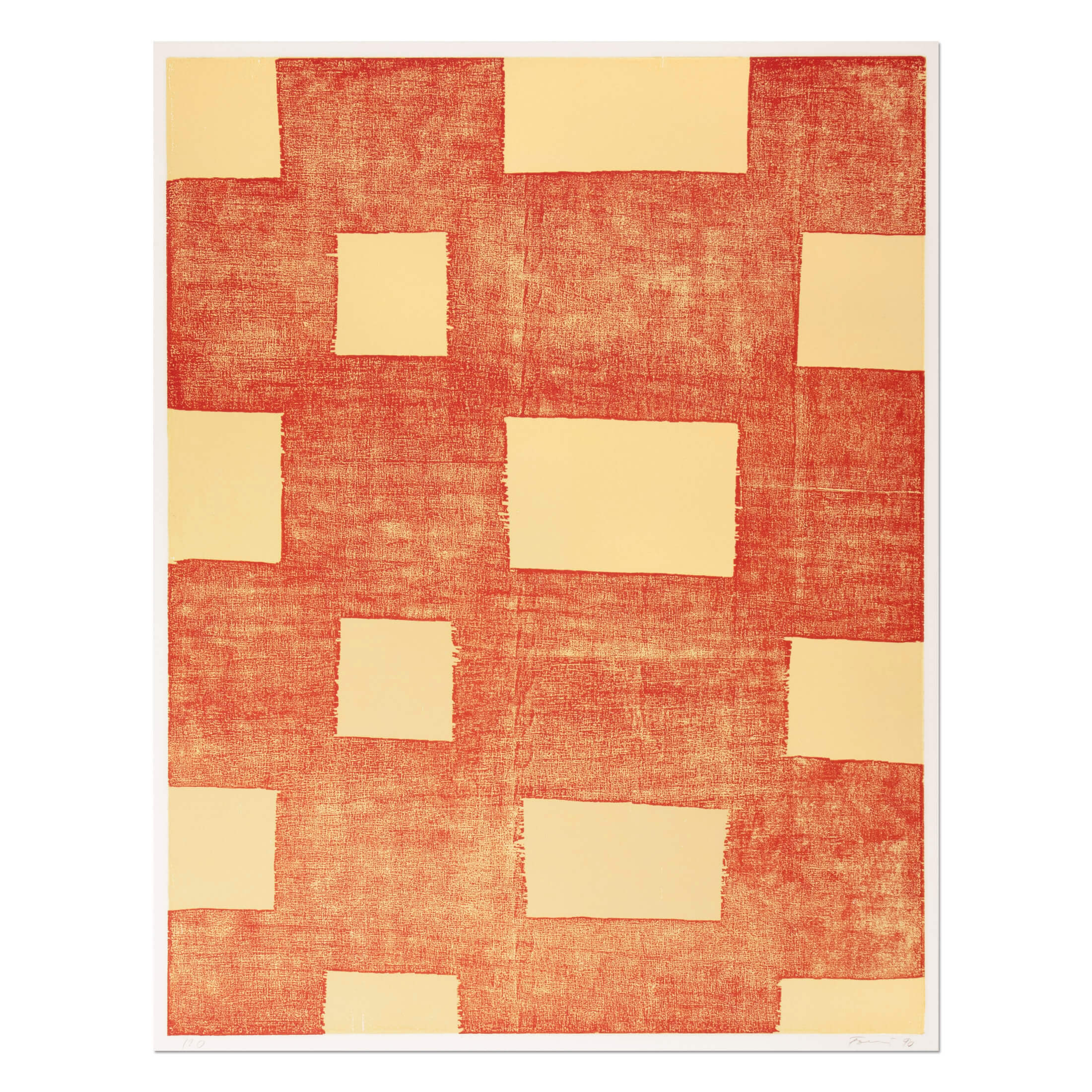
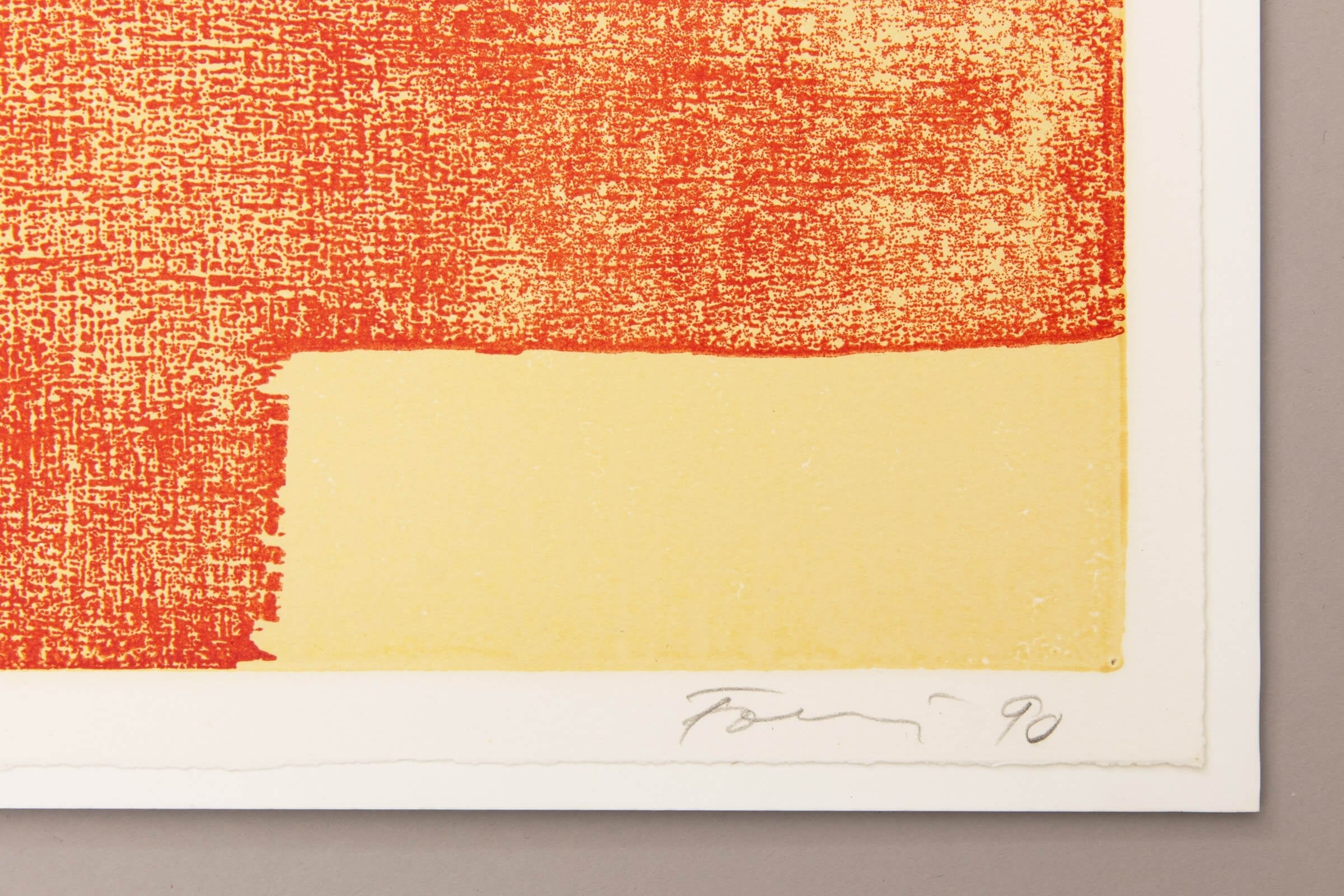
Günther Förg – Untitled WoodcutGünther Förg – Untitled Woodcut
Sterling Ruby – SunriseSterling Ruby – Sunrise
Sterling Ruby – Sunrise Sale price€900,00
Günther Uecker – Lichtungen IGünther Uecker – Lichtungen I
Günther Uecker – Lichtungen I Sale price€1.600,00
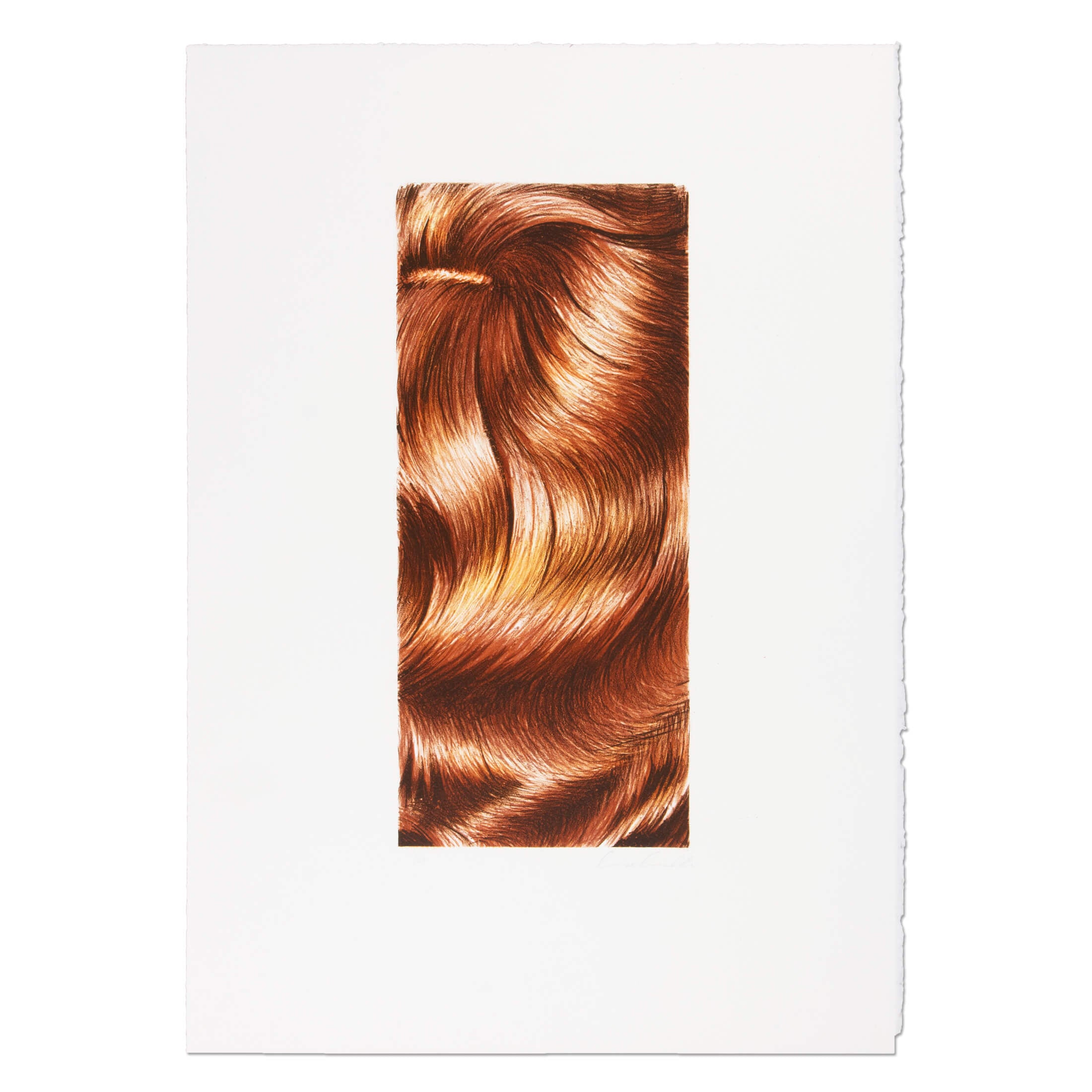
Louise Giovanelli – TideLouise Giovanelli – Tide
Louise Giovanelli – Tide Sale price€1.600,00
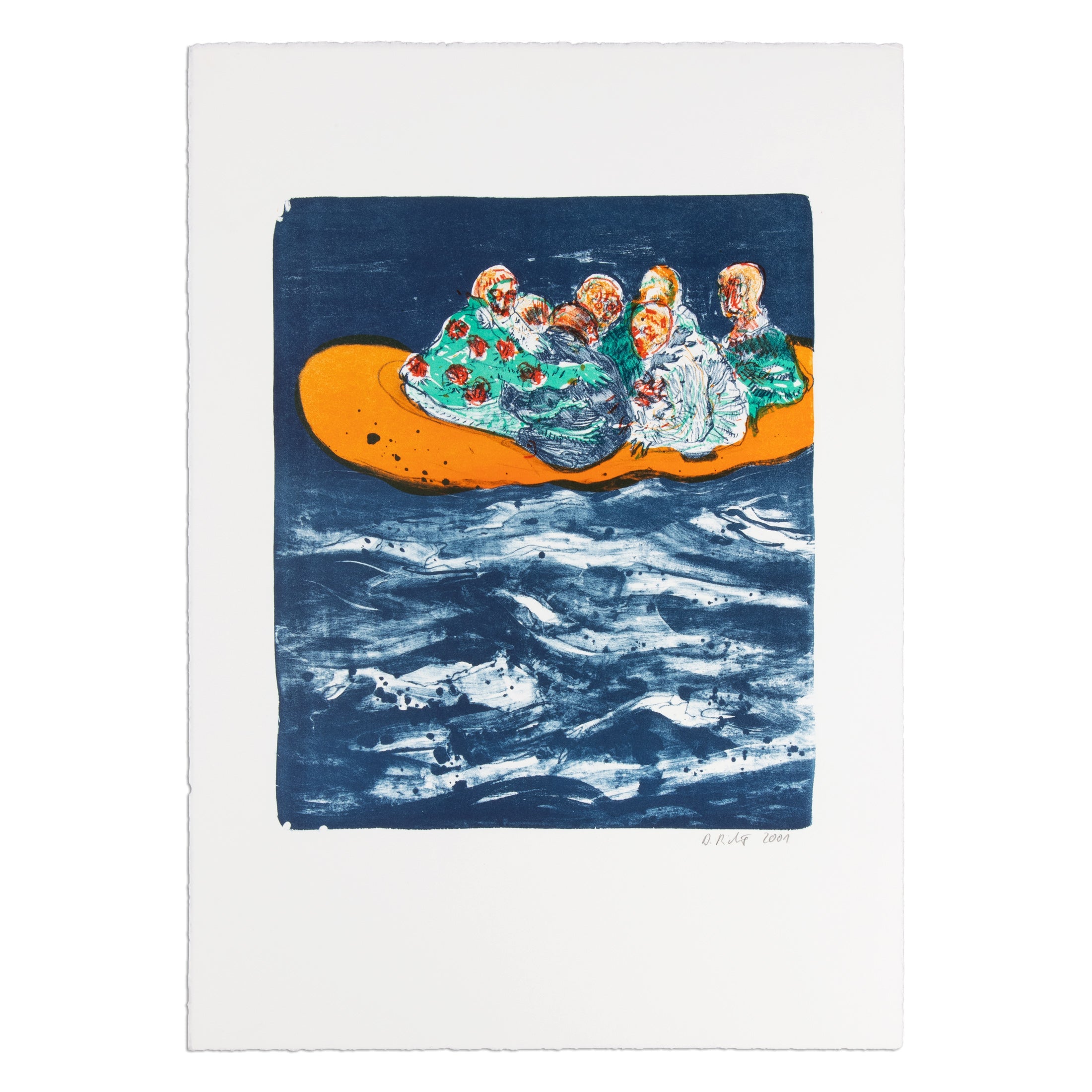
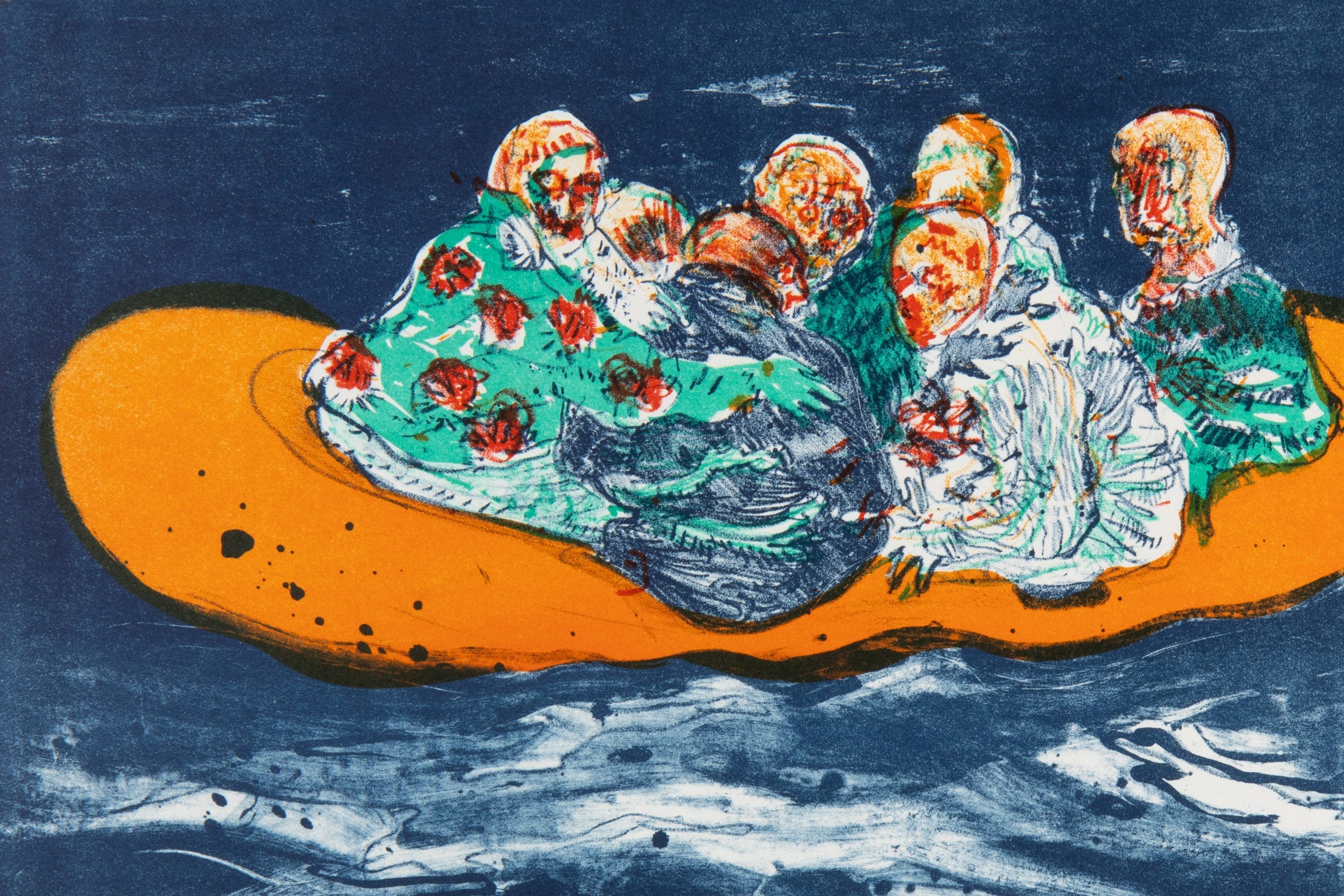
Daniel Richter – The Crew (Tarifa)Daniel Richter – The Crew (Tarifa)
Marcel Dzama – Nature's Daughters (gold)
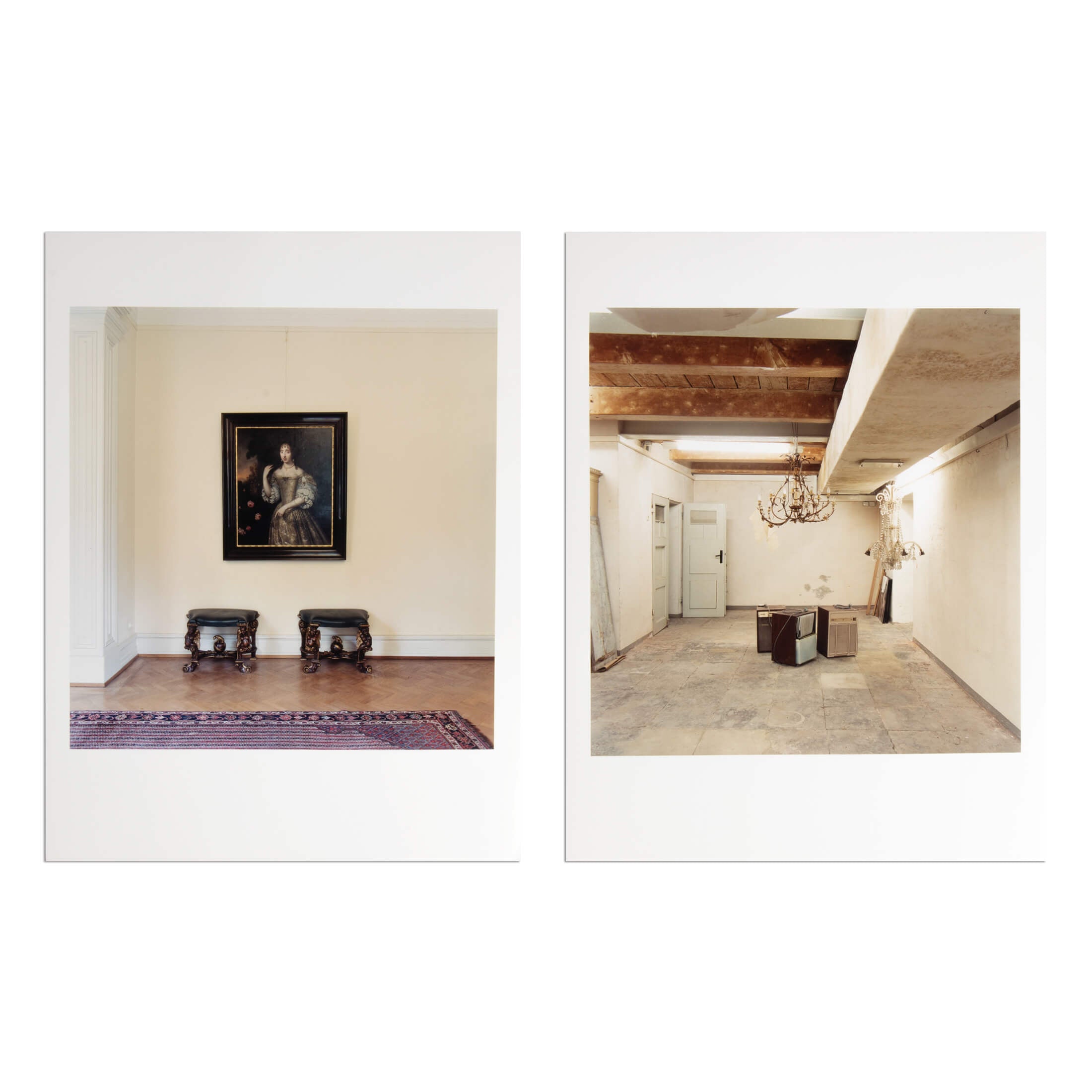
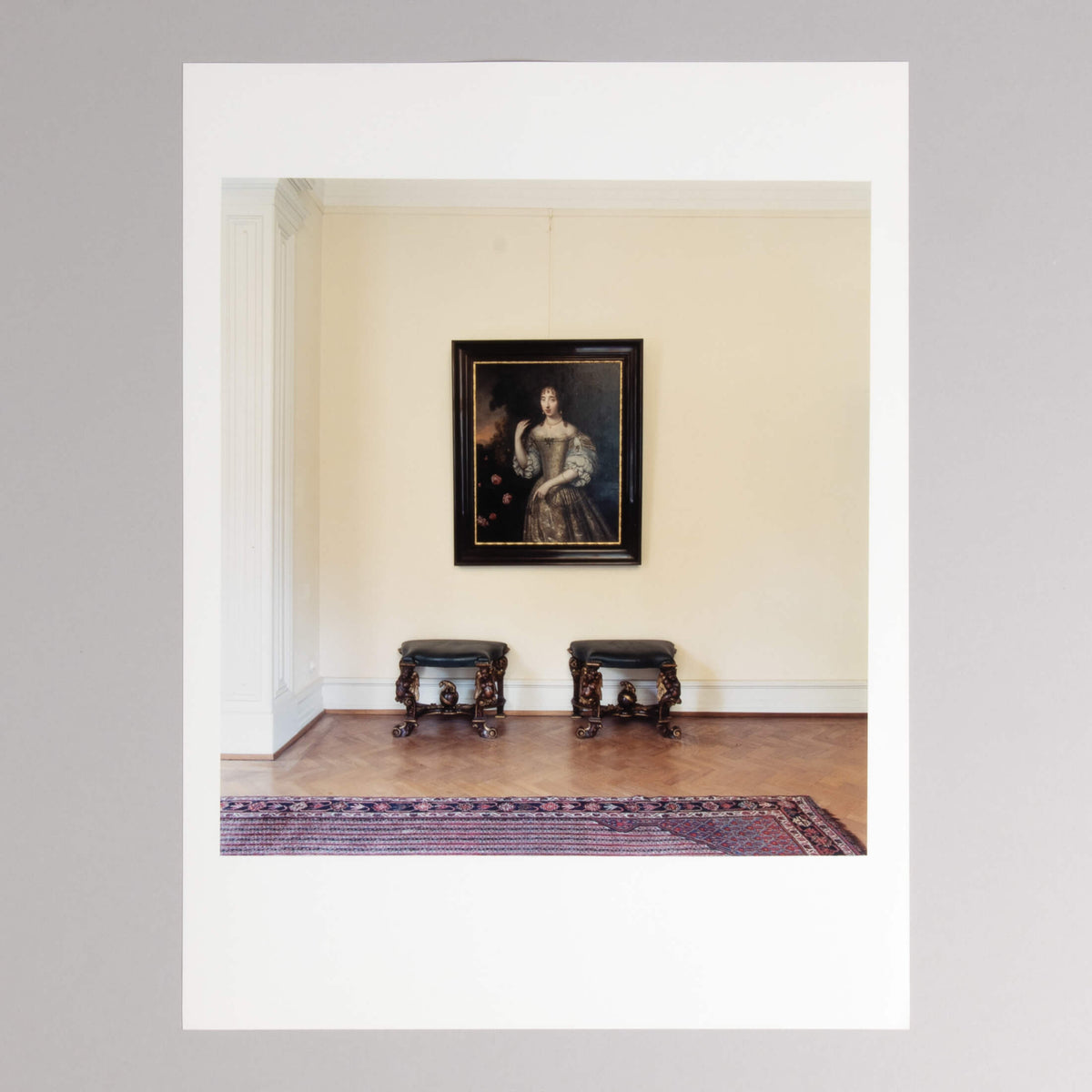
Candida Höfer – Berlin Wilhelmstrasse 44Candida Höfer – Berlin Wilhelmstrasse 44
Fred Tomaselli – Nov. 11, 2010Fred Tomaselli – Nov. 11, 2010
Fred Tomaselli – Nov. 11, 2010 Sale price€1.500,00
Günther Uecker – SplitterGünther Uecker – Splitter
Günther Uecker – Splitter Sale price€1.500,00
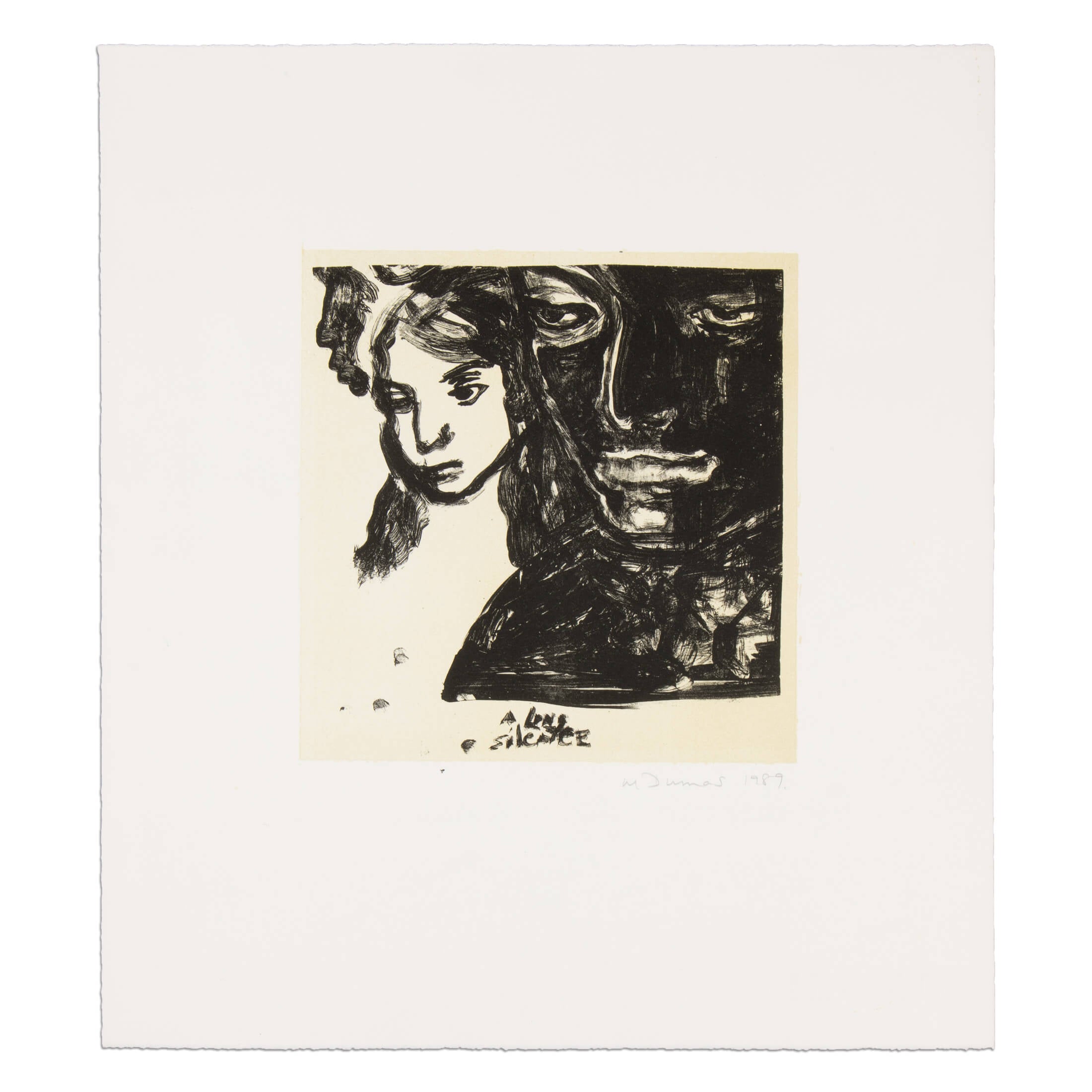
Joseph Beuys – OrderJoseph Beuys – Order
Joseph Beuys – Order Sale price€1.000,00
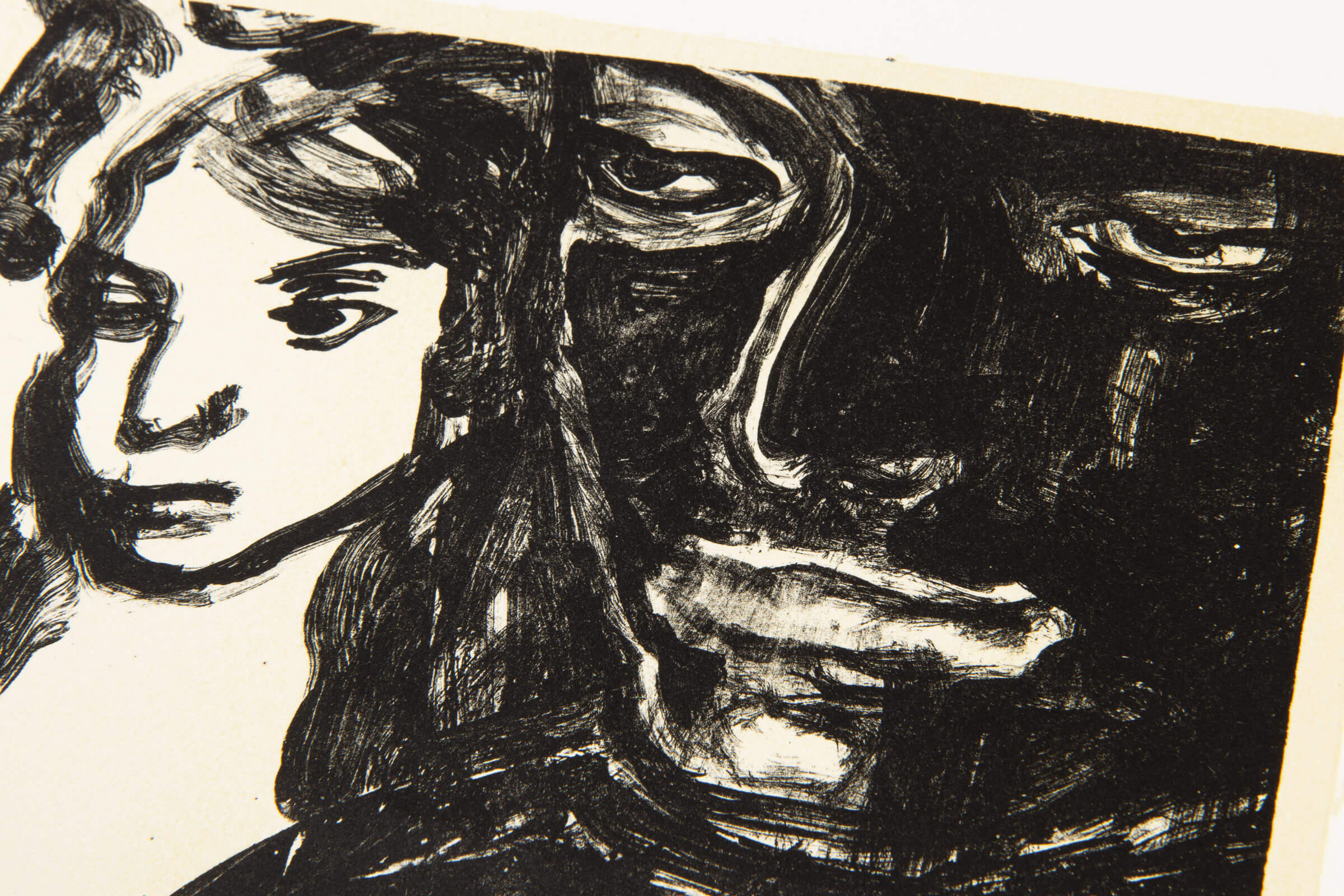
Marlene Dumas – A Long SilenceMarlene Dumas – A Long Silence
Marlene Dumas – A Long Silence Sale price€1.500,00
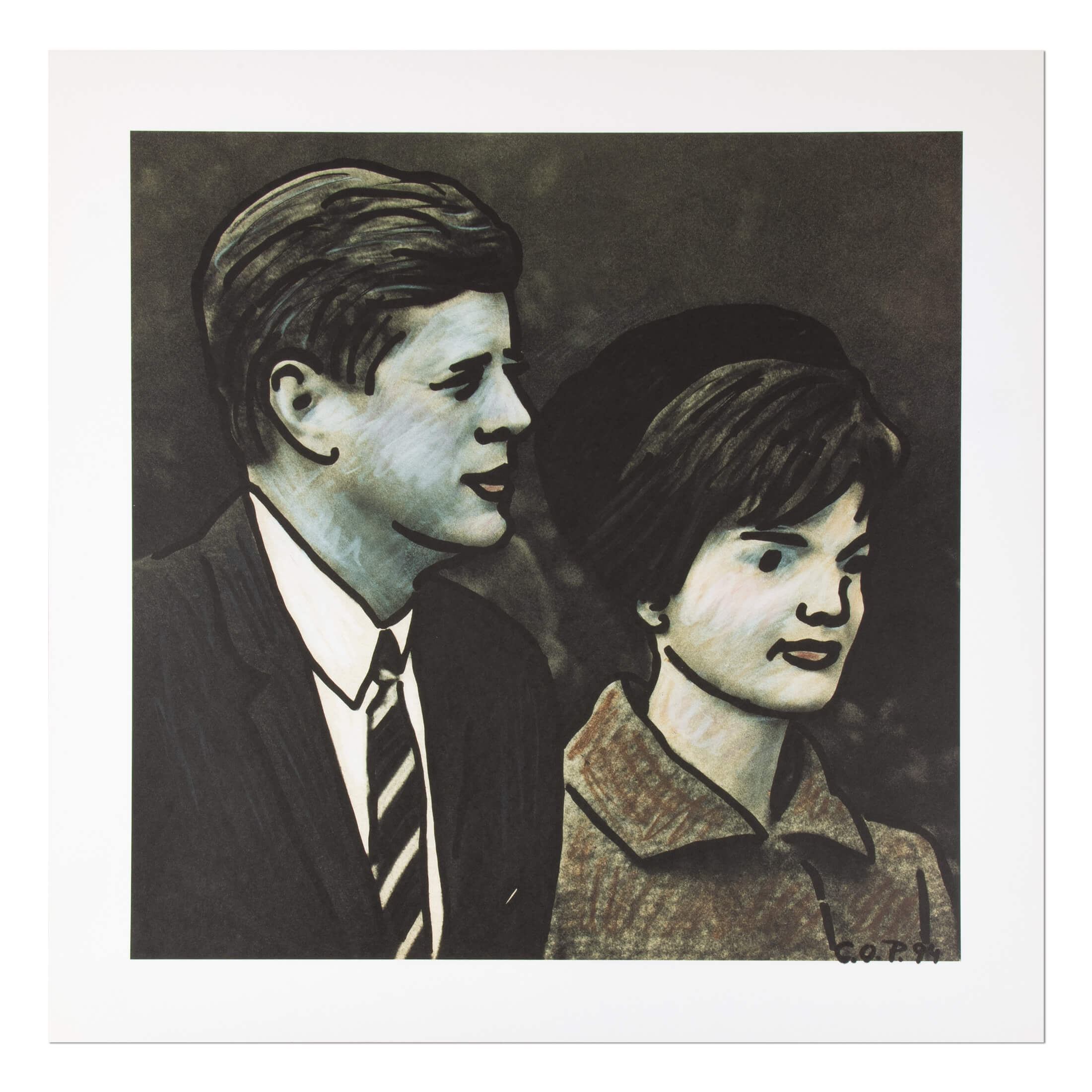
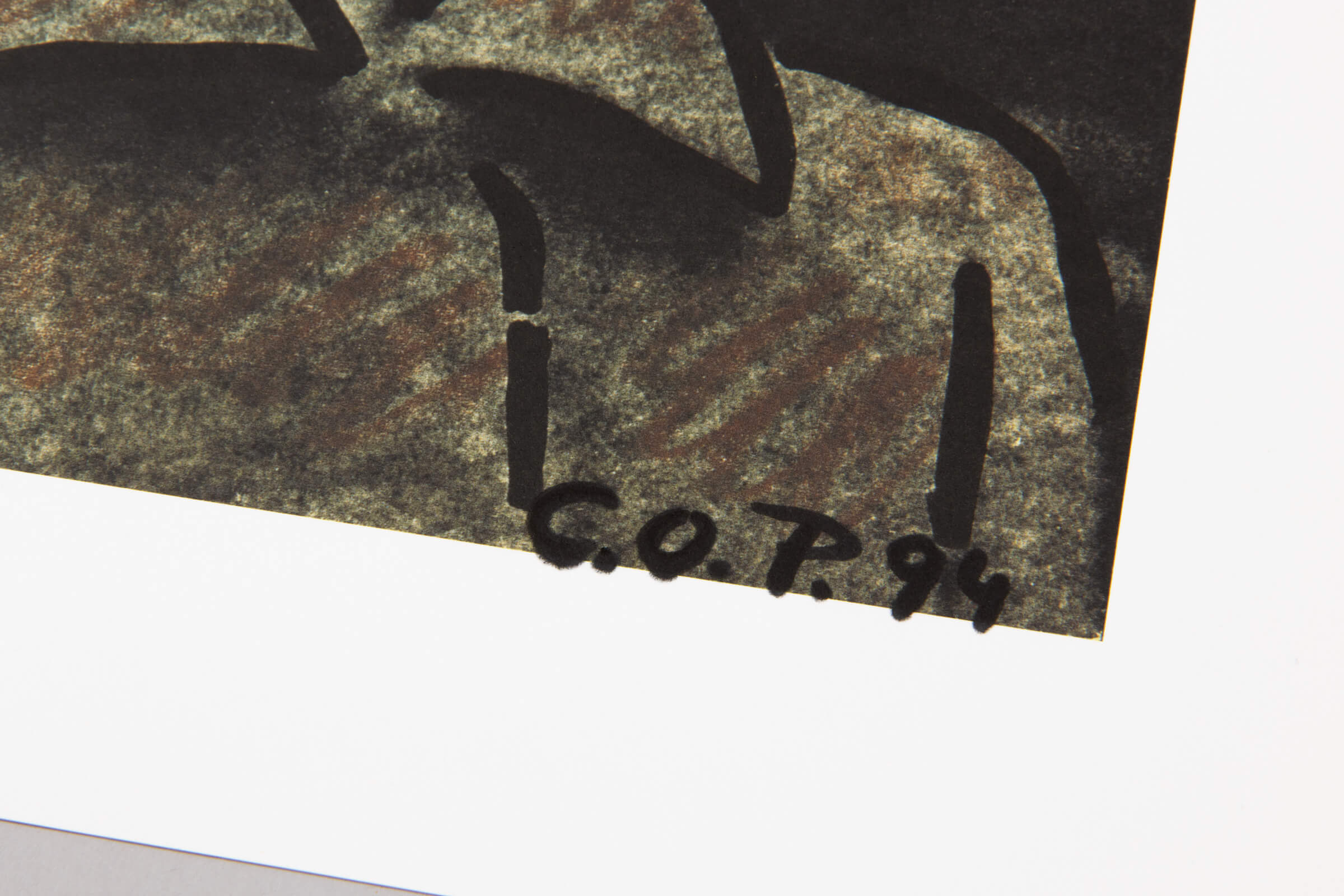
C.O. Paeffgen – John & Jackie KennedyC.O. Paeffgen – John & Jackie Kennedy
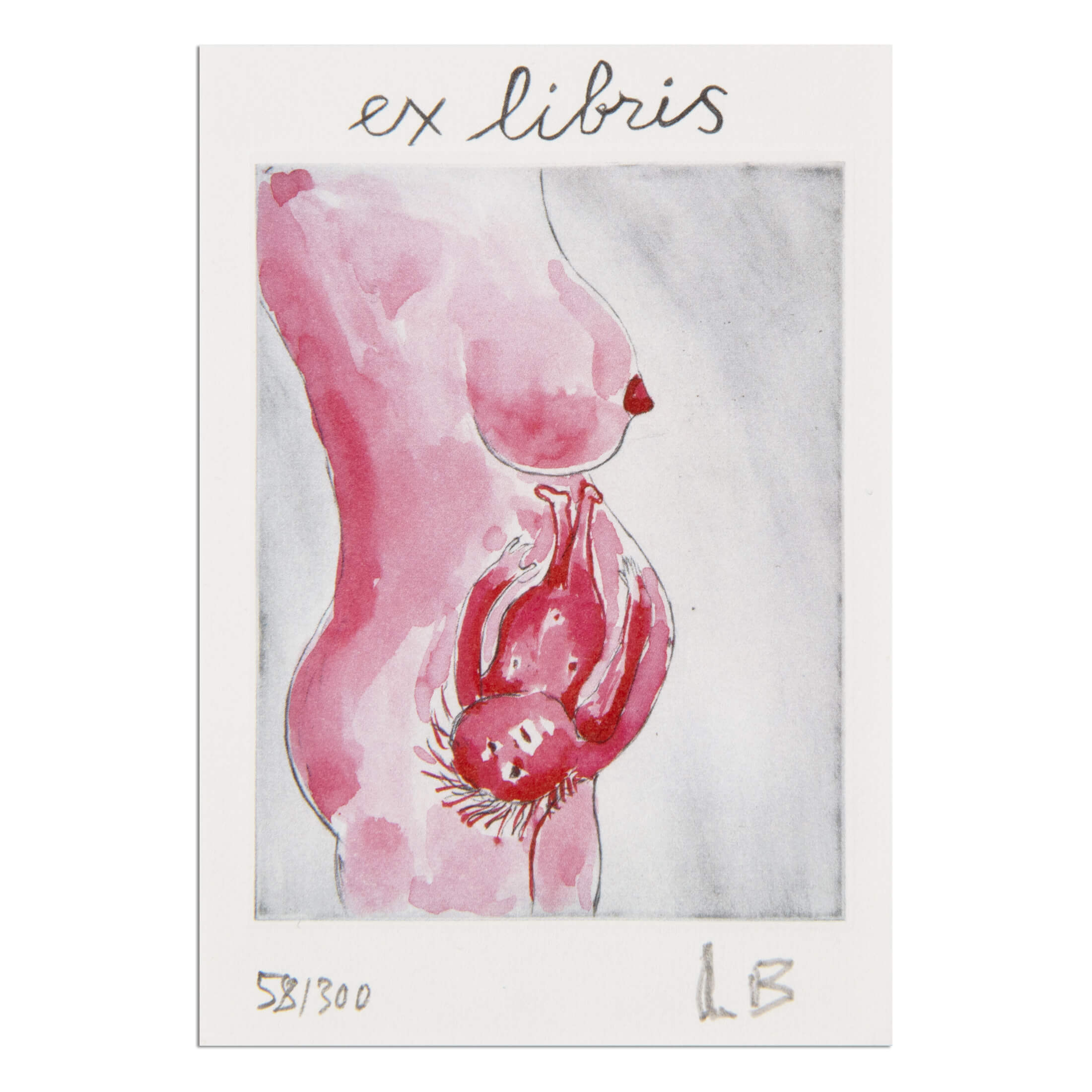
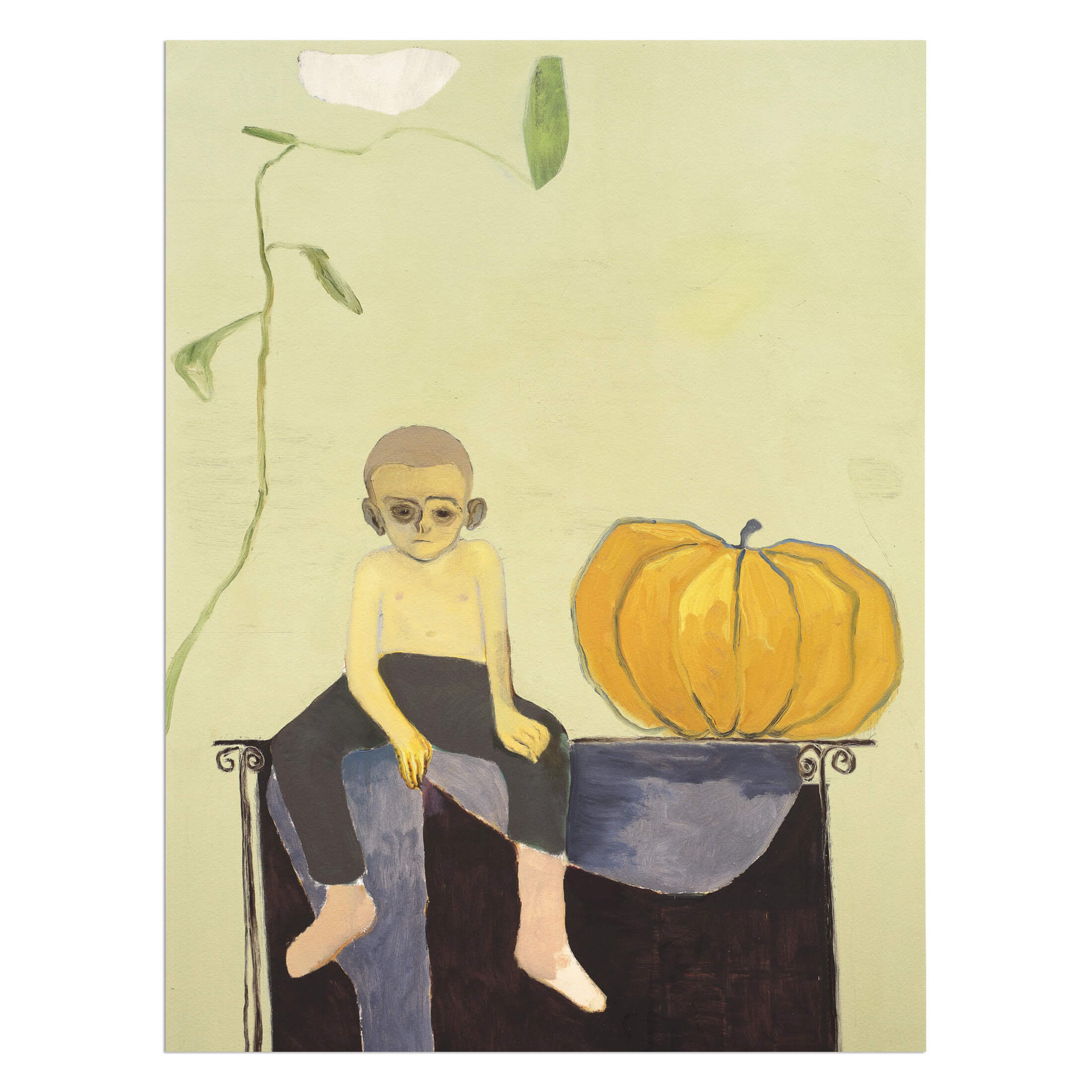
Louise Bourgeois - The Reticent Child (Ex Libris)Louise Bourgeois - The Reticent Child (Ex Libris)
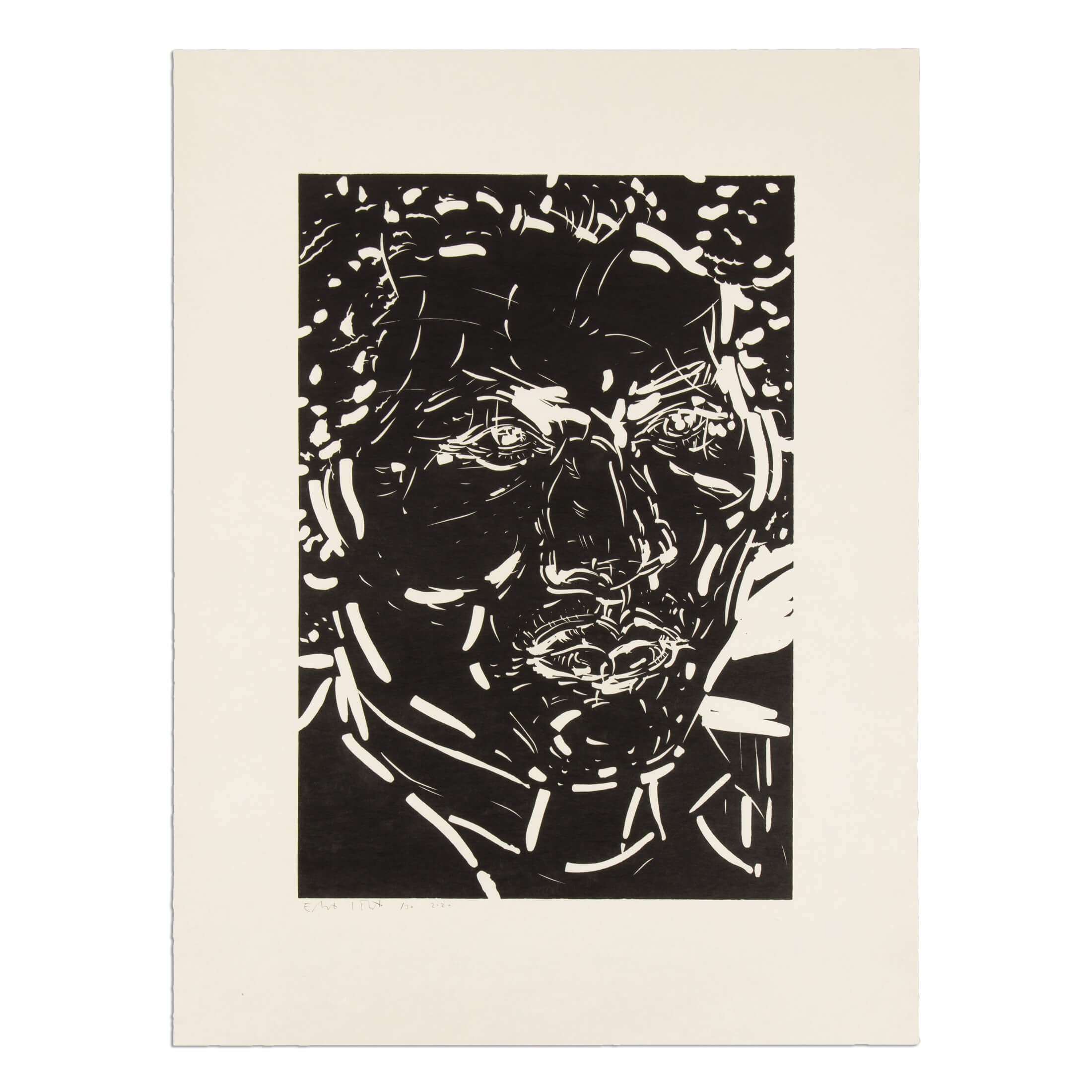
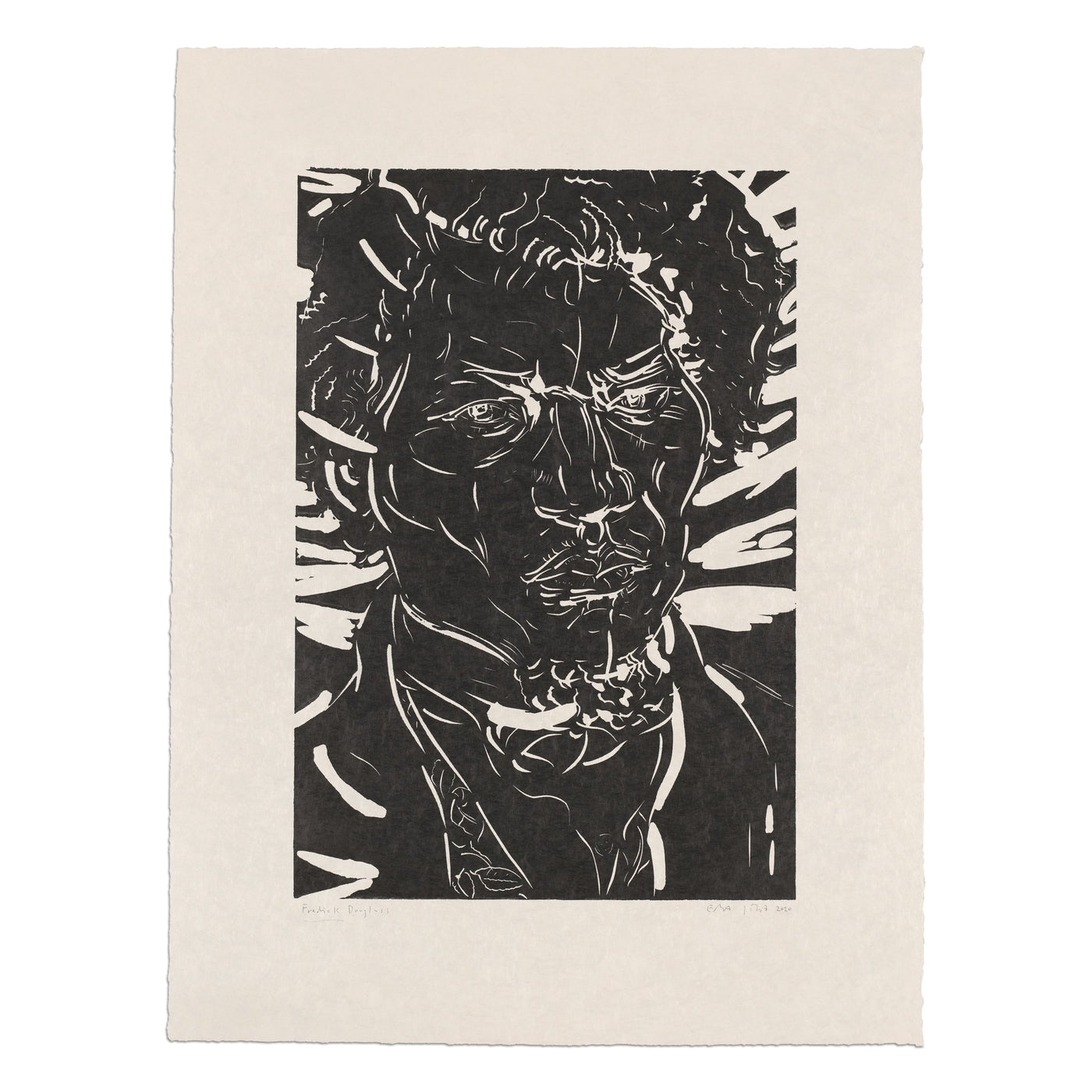
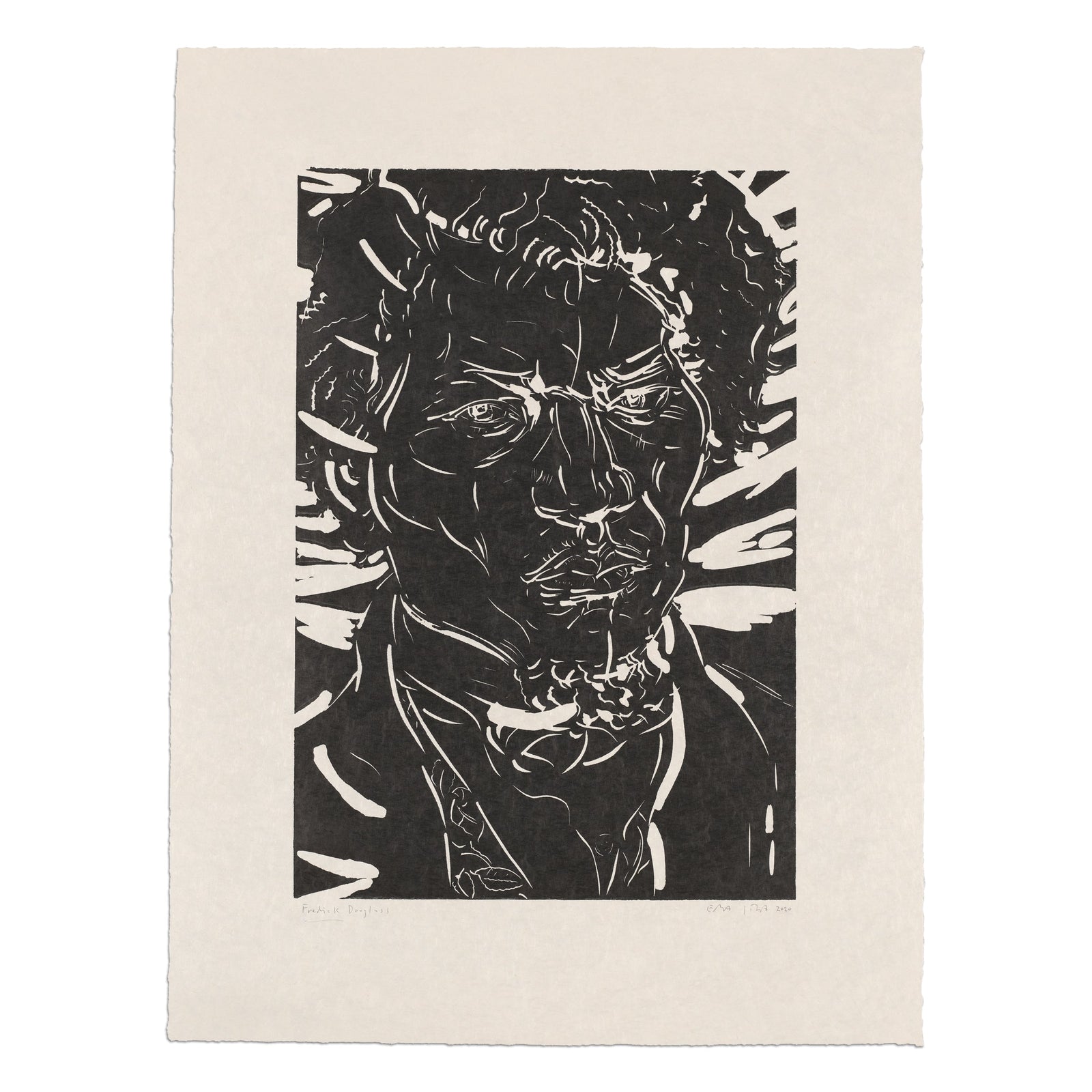
Elizabeth Peyton - Frederick DouglassElizabeth Peyton - Frederick Douglass
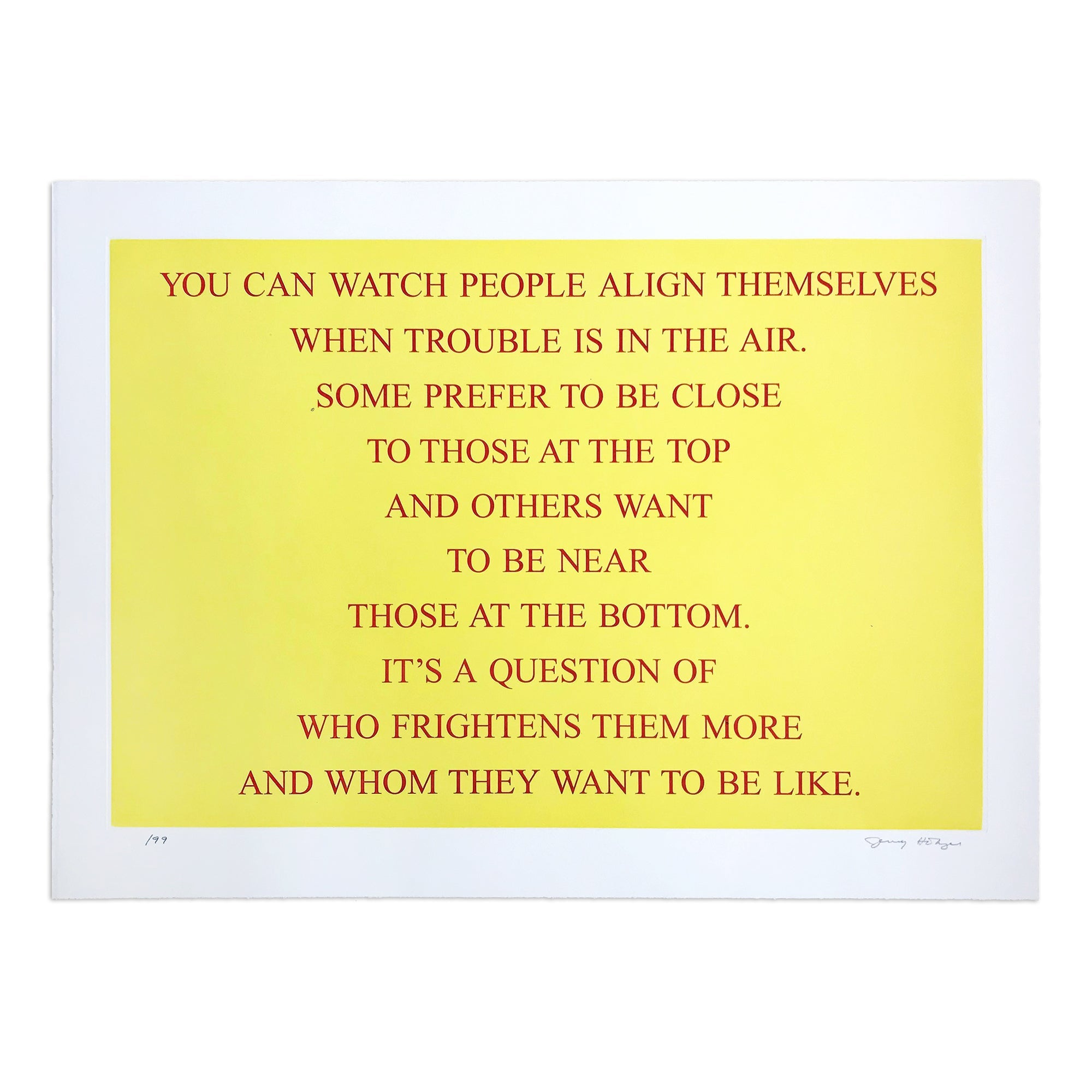
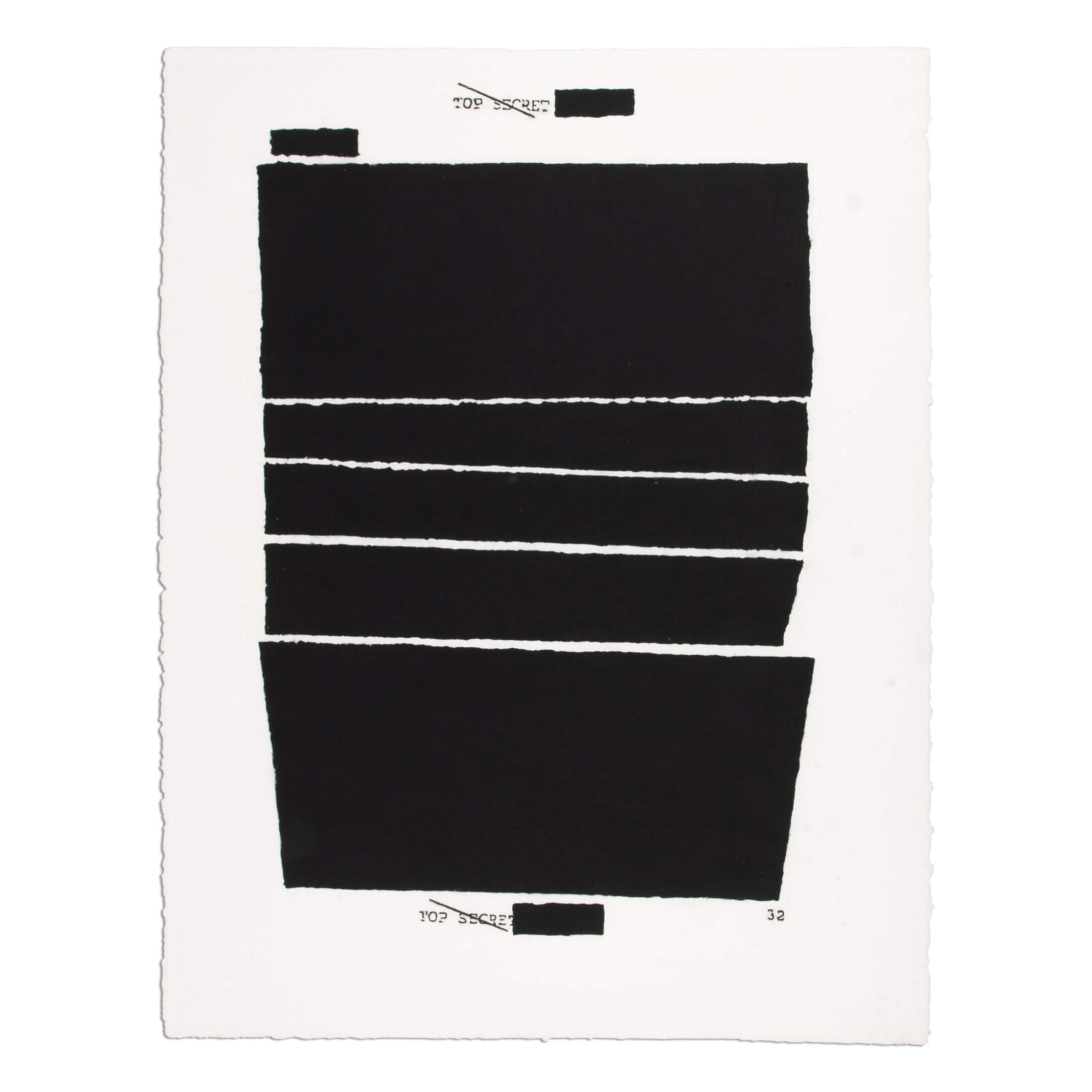
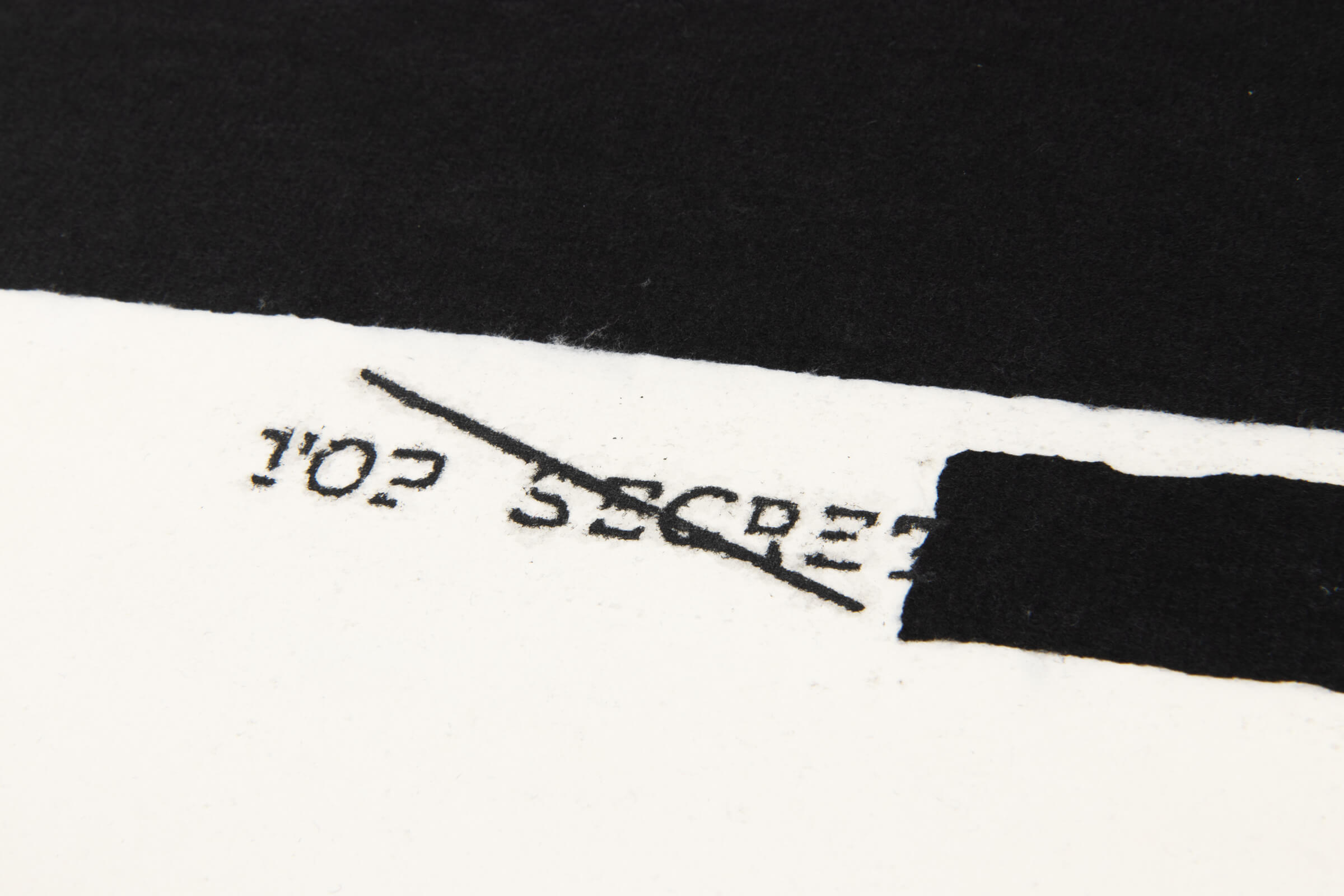
Jenny Holzer - Top Secret 32Jenny Holzer - Top Secret 32
Jenny Holzer – Top Secret 32 Sale price€1.900,00
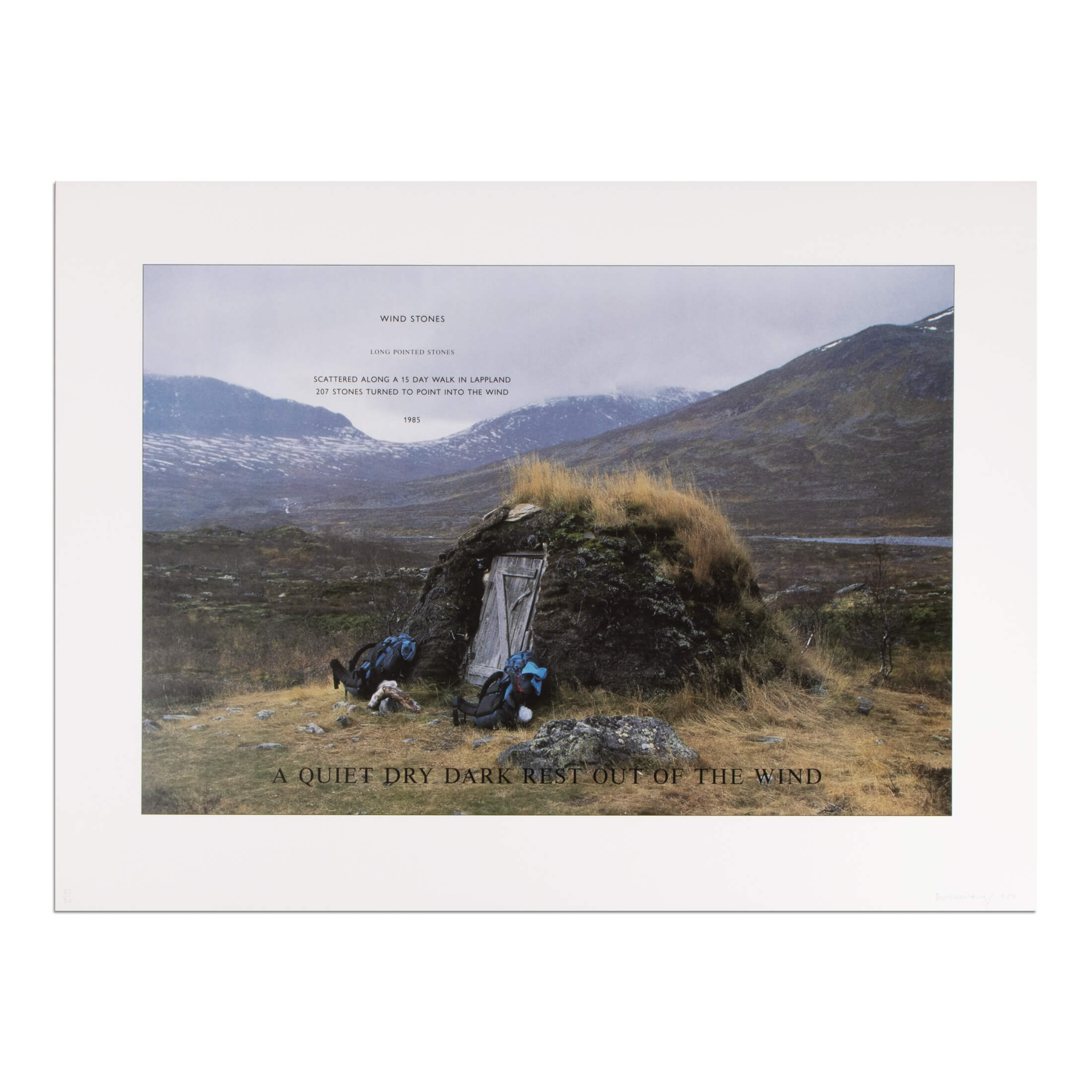
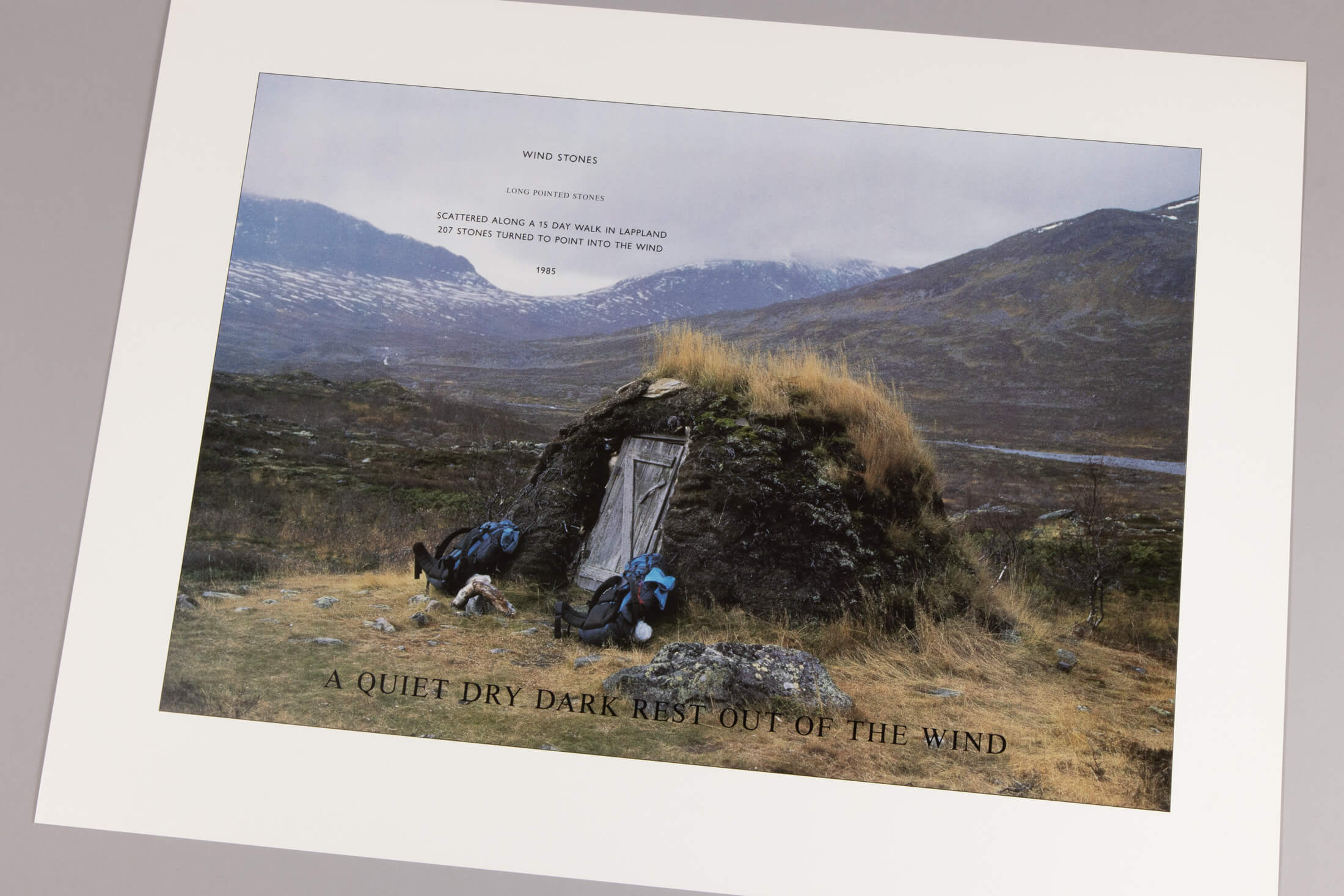
Richard Long - Wind StonesRichard Long - Wind Stones
Richard Long - Wind Stones Sale price€1.400,00
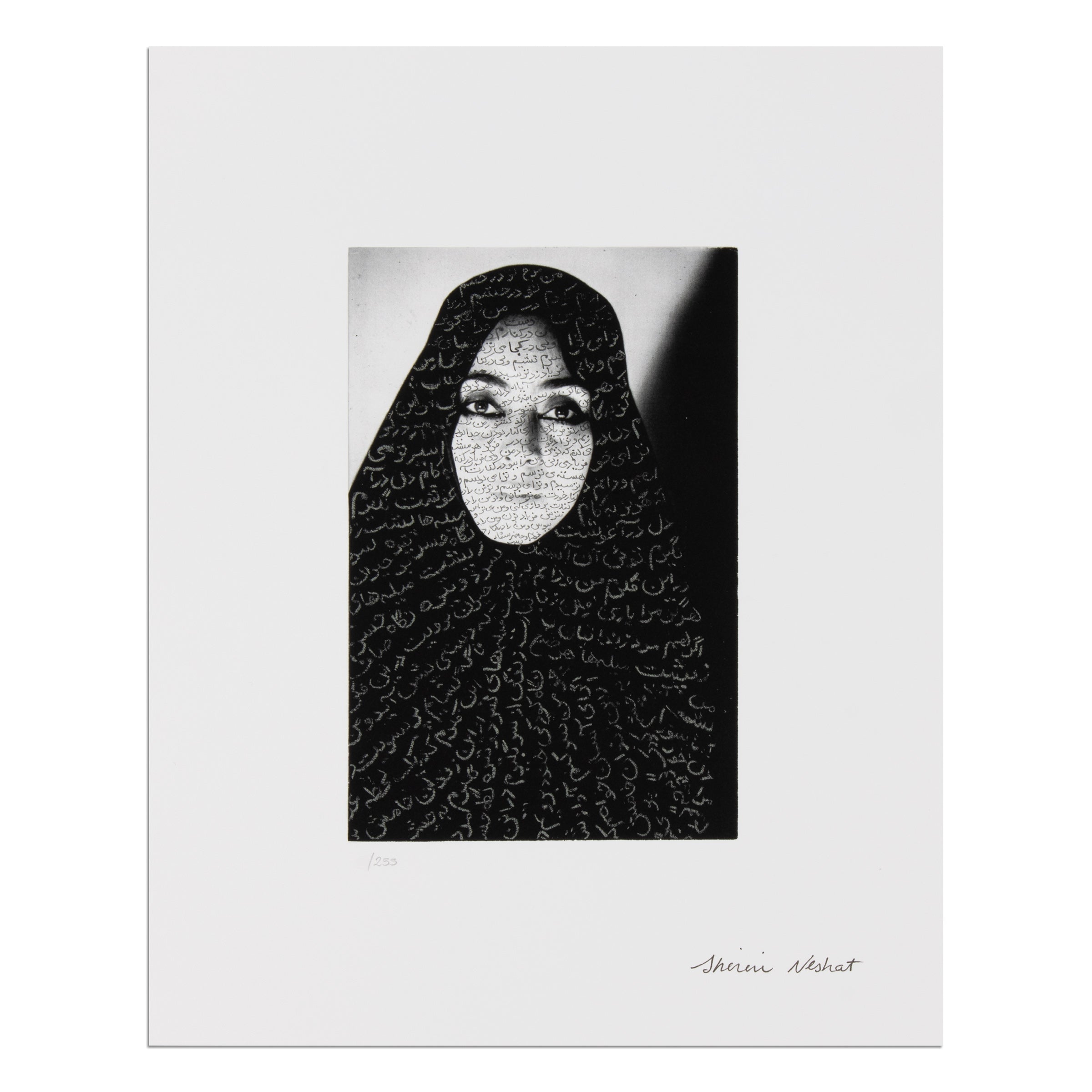
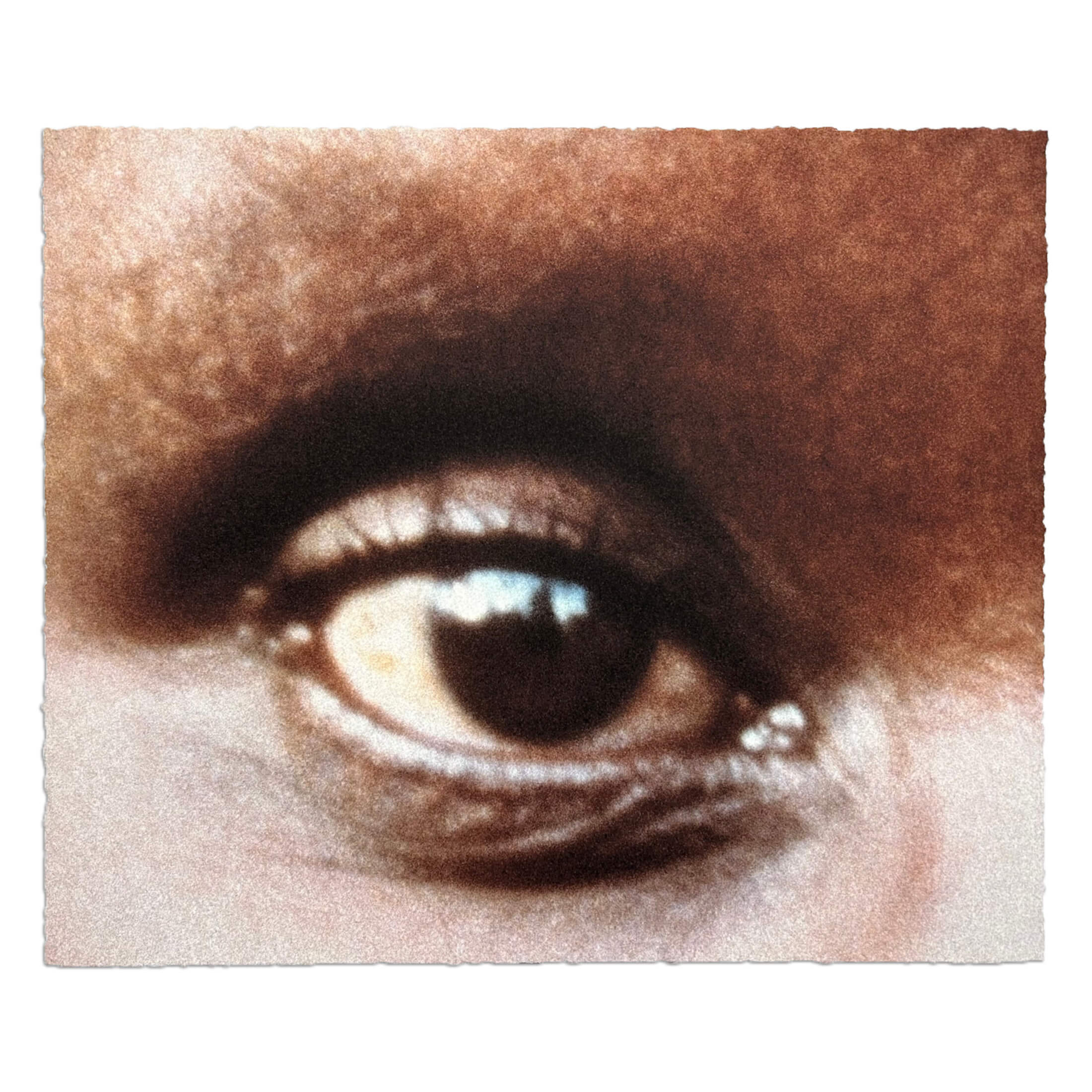
Shirin Neshat – Unveiling Series 1, 1993Shirin Neshat – Unveiling Series 1, 1993
Luc Tuymans - Ex LibrisLuc Tuymans - Ex Libris
Luc Tuymans - Ex Libris Sale price€700,00
Günther Uecker - Lichtungen V
Günther Uecker - Lichtungen V Sale price€1.600,00
Shirin Neshat – Unveiling Series #2, 1993Shirin Neshat – Unveiling Series #2, 1993
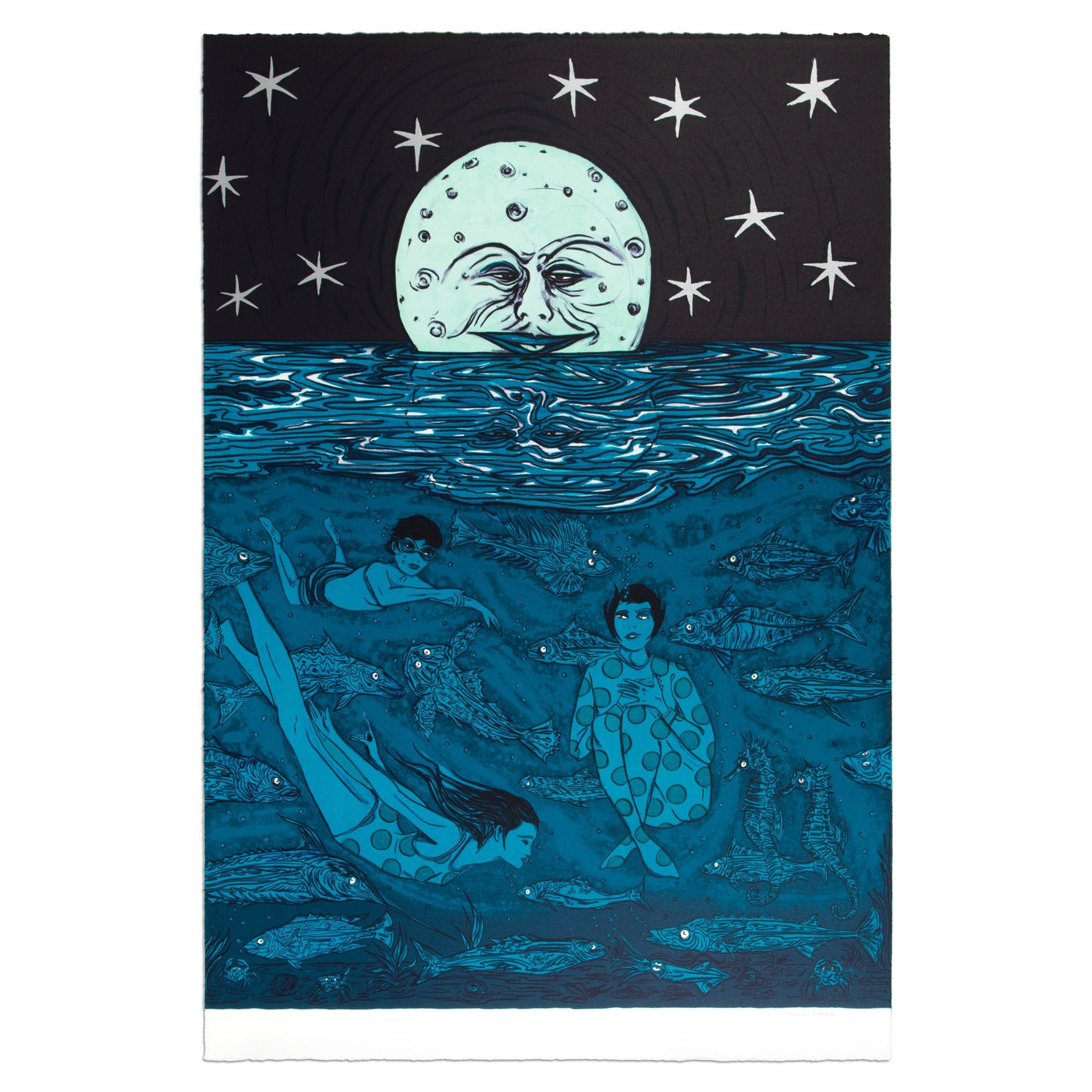
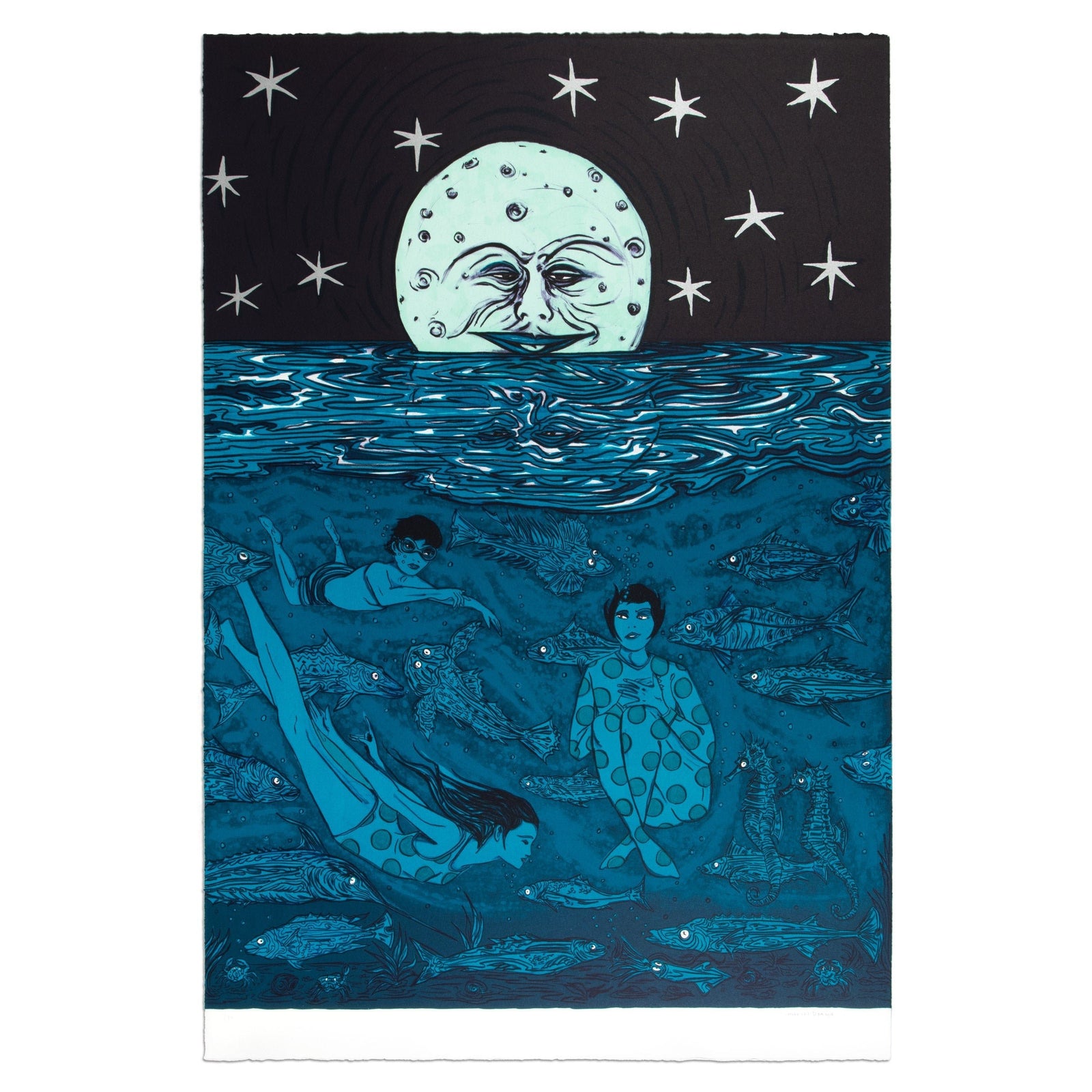
Marcel Dzama – Midnights Moon LightMarcel Dzama – Midnights Moon Light
James Rosenquist – Circles of ConfusionJames Rosenquist – Circles of Confusion
Günther Uecker – Lithograph from NagelbuchGünther Uecker – Lithograph from Nagelbuch
Marcel Dzama – La Revolución va a Ser Femenina (Blue)Marcel Dzama – La Revolución va a Ser Femenina (Blue)
JR – Los Surcos de la CiudadJR – Los Surcos de la Ciudad
JR – Los Surcos de la Ciudad Sale price€1.200,00
Wolfgang Tillmans – Kepler Venice TablesWolfgang Tillmans – Kepler Venice Tables
Daniel Richter – Greif zur FederDaniel Richter – Greif zur Feder
Daniel Richter – Greif zur Feder Sale price€1.900,00
Richard Anuszkiewicz – Untitled (Kölner Kunstmarkt 68)Richard Anuszkiewicz – Untitled (Kölner Kunstmarkt 68)
Chris Ofili – Untitled (from Stütz - Mappe)Chris Ofili abstract print
Ai Weiwei Cats Silver 2024 limited edition foil block print showing two cats, Maple and Birch, on wove paperDetail of Ai Weiwei Cats Silver foil artwork highlighting engraved cat figures and reflective texture
Ai Weiwei – Cats (Silver) Sale price€2.200,00
C.O. Paeffgen – ScheichC.O. Paeffgen – Scheich
C.O. Paeffgen – Scheich Sale price€800,00
Luc Tuymans - Wenn der Frühling kommtLuc Tuymans - Wenn der Frühling kommt
Rosemarie Trockel - Für Freunde und Förderer Rosemarie Trockel - Für Freunde und Förderer
Richard Prince – Black BraRichard Prince – Black Bra
Richard Prince – Black Bra Sale price€1.900,00
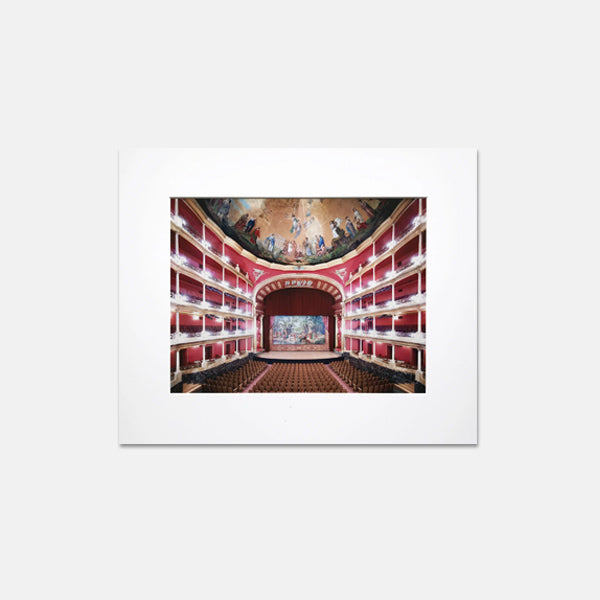
Candida Höfer - Teatro Nacional de Sao Carlos Lisboa IIICandida Höfer - Teatro Nacional de Sao Carlos Lisboa III
Günter Fruhtrunk – Zwischen GrünGünter Fruhtrunk – Zwischen Grün
Yoshitomo Nara - Marching on a Butterbur LeafYoshitomo Nara, Marching on a Butterbur Leaf
Elizabeth Peyton - Frederick Douglass
01

Train Your Eye Before You Buy

The most consistent advice from experienced collectors isn't about money — it's about looking. Gallerists interviewed by Artsy and other trade publications repeatedly point to the same starting point: visit exhibitions, art fairs, and museum shows before making a single purchase, and look at far more than you plan to buy. The eye develops through repetition, not theory. A piece that seems striking in isolation often reads differently once you've seen a hundred others in the same idiom.

Research matters just as much as looking. Following galleries, artists, and curators, reading exhibition catalogues, and understanding an artist's exhibition history all sharpen your sense of what you're actually looking at — technique, rarity, and where a particular work sits within an artist's broader practice. This is not a barrier to entry; it's what turns an impulse purchase into a considered one.

Most professionals recommend starting with a genuinely comfortable budget rather than stretching for a bigger first purchase. A smaller, well-chosen first acquisition teaches you more about your own taste — and about buying itself — than a single expensive one made under pressure to get it "right."

Marcel Dzama – Midnights Moon Light
02

What to Check Before You Buy

Once you've found something you want to live with, the practical questions begin. For a unique work, that means provenance — a documented history of ownership — and condition, ideally assessed in person or through detailed photographs and a condition report. For editioned works, the questions are more specific: the edition number and total size, the presence and placement of a signature, and the print quality itself, since the same image can be printed to very different standards depending on the workshop and paper used.

Keep records from your very first purchase. Artist name, work title, edition number, purchase date, and any certificate of authenticity form the beginning of a paper trail that matters more with every subsequent acquisition — both for your own understanding of what you own, and for resale or insurance further down the line. Our Glossary of Editions explains the terminology — edition size, artist's proof, hors commerce — that appears on nearly every certificate you'll encounter.

Signed prints, photographs, and multiples are, for most new collectors, the most practical way to satisfy all of these questions at once: documented, numbered, and produced to a known standard, at a fraction of what a unique work by the same artist typically commands.

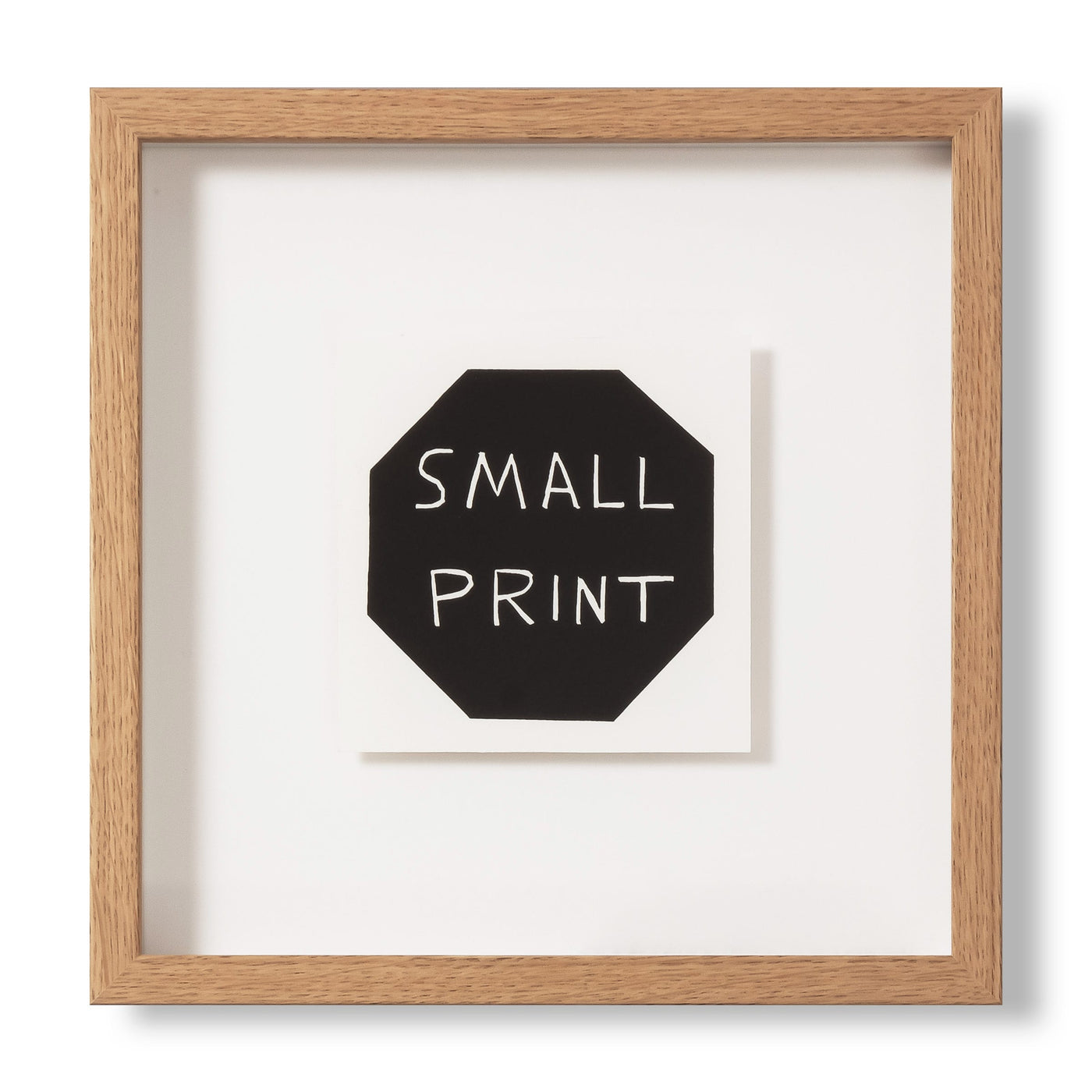
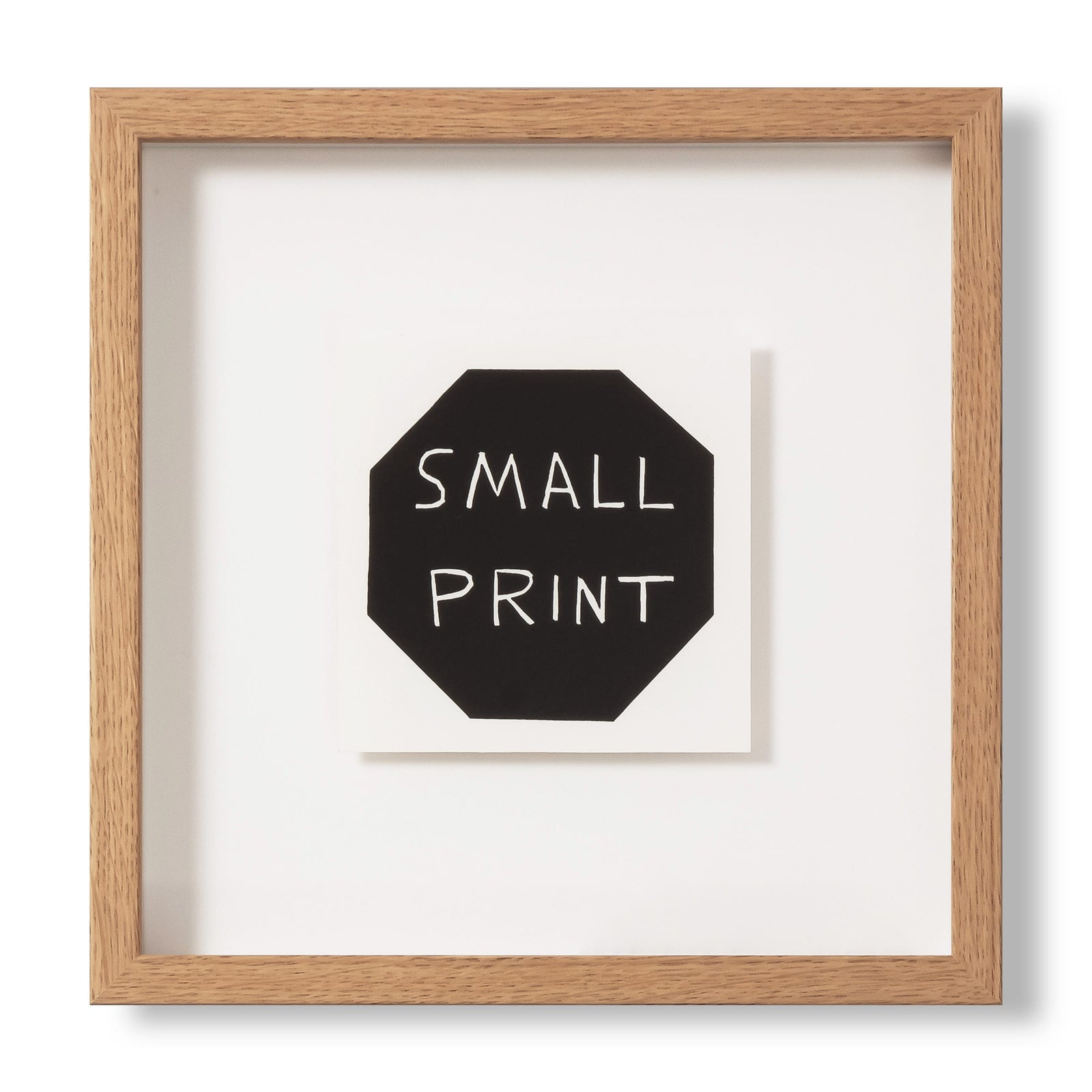
David Shrigley - Small Print
03

Why Editions Are the Natural Starting Point

Editions are not a compromise on the way to "real" collecting — for most of art history's most serious collectors, they've been the point of entry precisely because they offer something a unique work cannot: the ability to own work by an artist whose paintings may be inaccessible, at a scale that allows a collection to grow deliberately over several acquisitions rather than a single one.

This is not a modern shortcut. The entire apparatus of signing, numbering, and certifying editions was built specifically to make this kind of collecting possible — a history we trace in detail in The History of Art Editions. What began with Whistler's pencil signature in the nineteenth century is the same mechanism that authenticates a print today.

Starting with editions doesn't mean starting small in ambition — only in scale. A signed print by an artist whose paintings sit in major museum collections carries the same conceptual weight as the larger work, formalised into a more attainable format. For a closer look at how this category has performed as a genuine collecting strategy, see our Collector Insights on Investing in Prints and Editions.

01

Train Your Eye Before You Buy

The most consistent advice from experienced collectors isn't about money — it's about looking. Gallerists interviewed by Artsy and other trade publications repeatedly point to the same starting point: visit exhibitions, art fairs, and museum shows before making a single purchase, and look at far more than you plan to buy. The eye develops through repetition, not theory. A piece that seems striking in isolation often reads differently once you've seen a hundred others in the same idiom.

Research matters just as much as looking. Following galleries, artists, and curators, reading exhibition catalogues, and understanding an artist's exhibition history all sharpen your sense of what you're actually looking at — technique, rarity, and where a particular work sits within an artist's broader practice. This is not a barrier to entry; it's what turns an impulse purchase into a considered one.

Most professionals recommend starting with a genuinely comfortable budget rather than stretching for a bigger first purchase. A smaller, well-chosen first acquisition teaches you more about your own taste — and about buying itself — than a single expensive one made under pressure to get it "right."

02

What to Check Before You Buy

Once you've found something you want to live with, the practical questions begin. For a unique work, that means provenance — a documented history of ownership — and condition, ideally assessed in person or through detailed photographs and a condition report. For editioned works, the questions are more specific: the edition number and total size, the presence and placement of a signature, and the print quality itself, since the same image can be printed to very different standards depending on the workshop and paper used.

Keep records from your very first purchase. Artist name, work title, edition number, purchase date, and any certificate of authenticity form the beginning of a paper trail that matters more with every subsequent acquisition — both for your own understanding of what you own, and for resale or insurance further down the line. Our Glossary of Editions explains the terminology — edition size, artist's proof, hors commerce — that appears on nearly every certificate you'll encounter.

Signed prints, photographs, and multiples are, for most new collectors, the most practical way to satisfy all of these questions at once: documented, numbered, and produced to a known standard, at a fraction of what a unique work by the same artist typically commands.

03

Why Editions Are the Natural Starting Point

Editions are not a compromise on the way to "real" collecting — for most of art history's most serious collectors, they've been the point of entry precisely because they offer something a unique work cannot: the ability to own work by an artist whose paintings may be inaccessible, at a scale that allows a collection to grow deliberately over several acquisitions rather than a single one.

This is not a modern shortcut. The entire apparatus of signing, numbering, and certifying editions was built specifically to make this kind of collecting possible — a history we trace in detail in The History of Art Editions. What began with Whistler's pencil signature in the nineteenth century is the same mechanism that authenticates a print today.

Starting with editions doesn't mean starting small in ambition — only in scale. A signed print by an artist whose paintings sit in major museum collections carries the same conceptual weight as the larger work, formalised into a more attainable format. For a closer look at how this category has performed as a genuine collecting strategy, see our Collector Insights on Investing in Prints and Editions.

Elizabeth Peyton - Frederick DouglassMarcel Dzama – Midnights Moon LightDavid Shrigley - Small Print
Prints, Photographs & Multiples

View our full collection of

Prints, Photographs & Multiples

Shop now